Humor
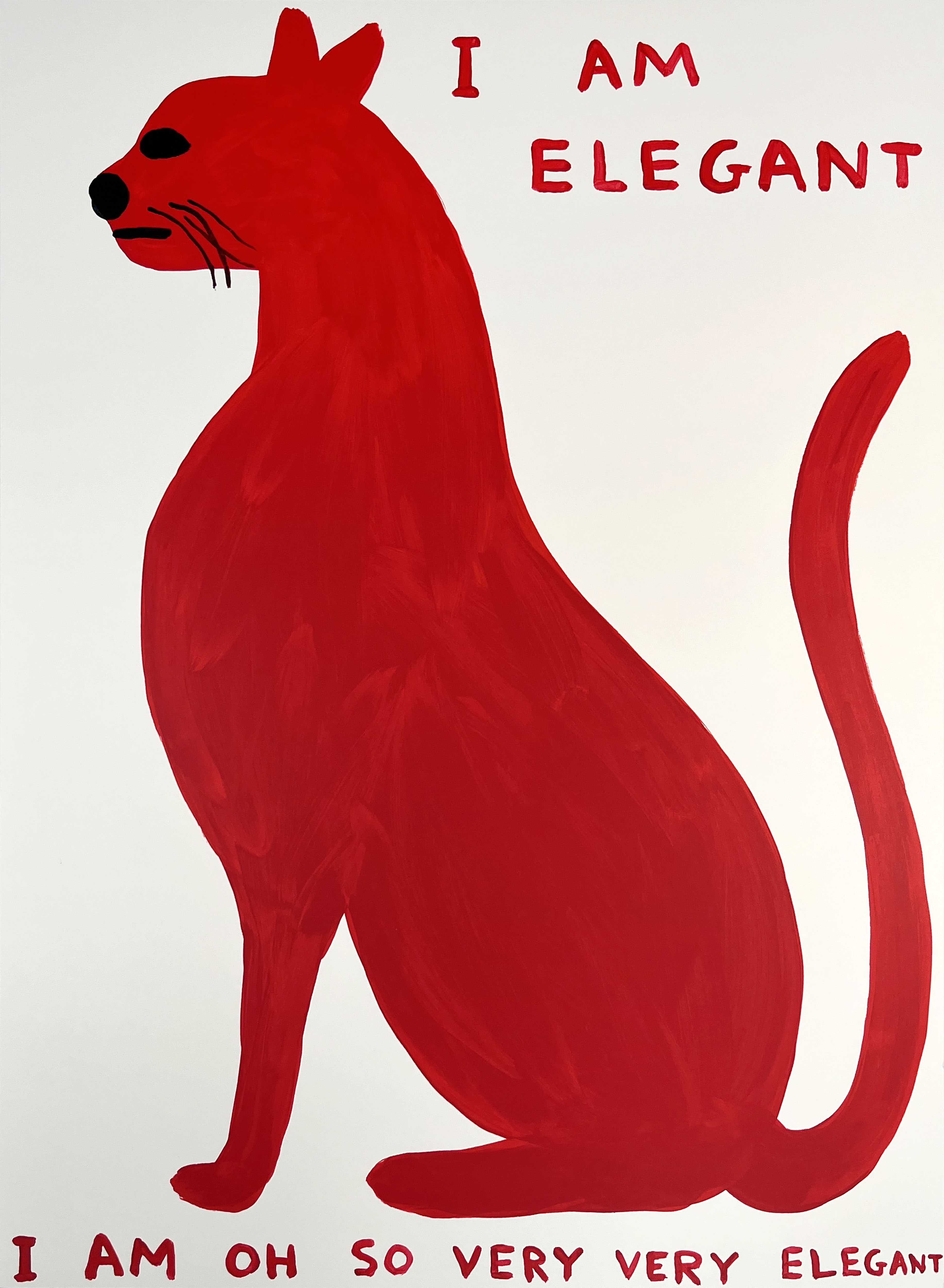
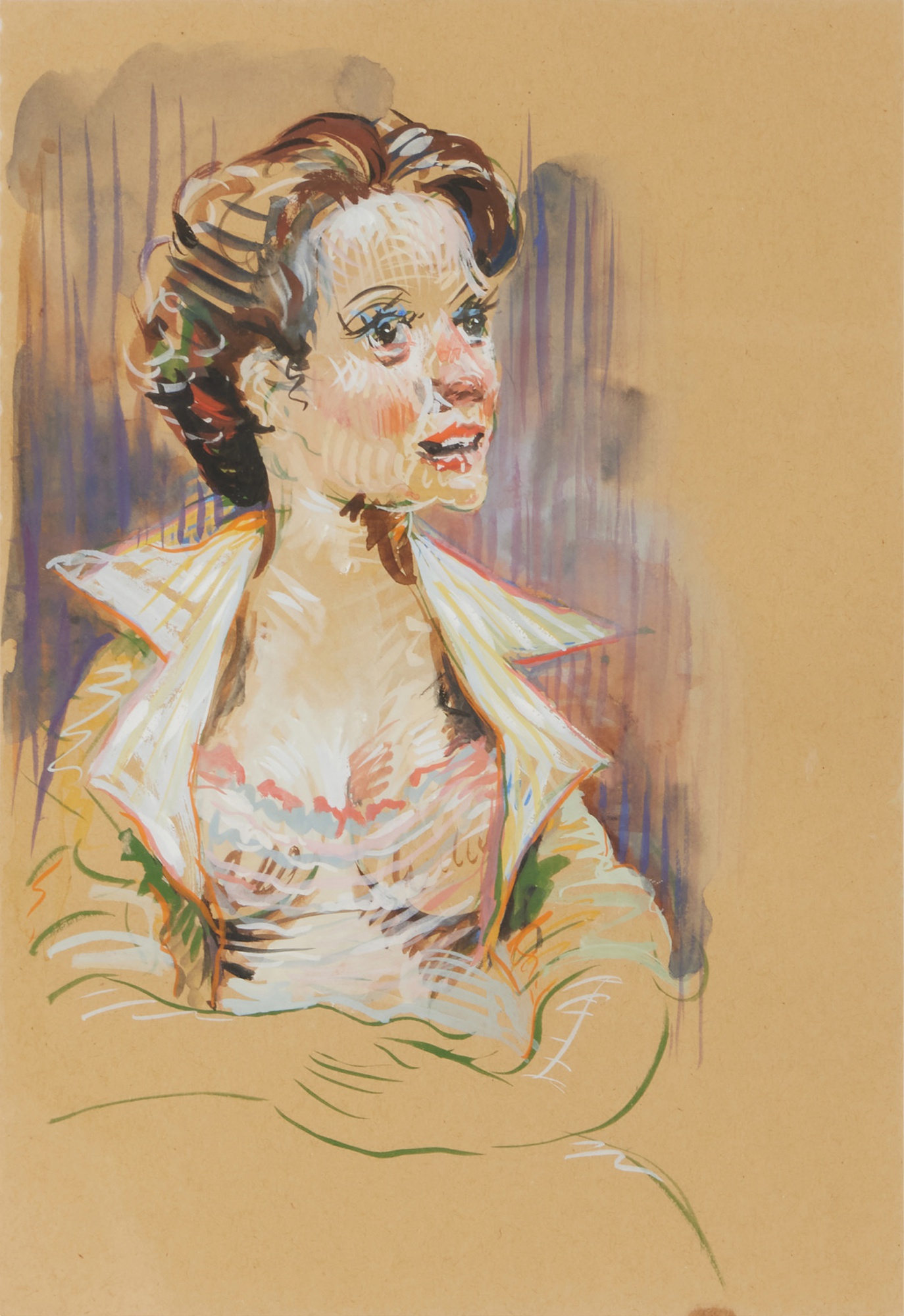
David Shrigley
I Am Elegant, 2021


Wit as Weapon: Art's Long Con
There is a persistent myth that serious art must wear a serious face. It is one of the more tedious assumptions in the history of taste, and artists have been gleefully dismantling it for centuries. Humor in art is not decoration or relief. It is a mode of thinking, a way of arriving at truths that earnestness cannot reach.
The laugh, or even the half smile, disarms before it delivers. And what gets delivered can be devastating. The roots of comic art run deeper than most people realize. William Hogarth was skewering social hypocrisy in eighteenth century London with a precision that no pamphleteer could match.
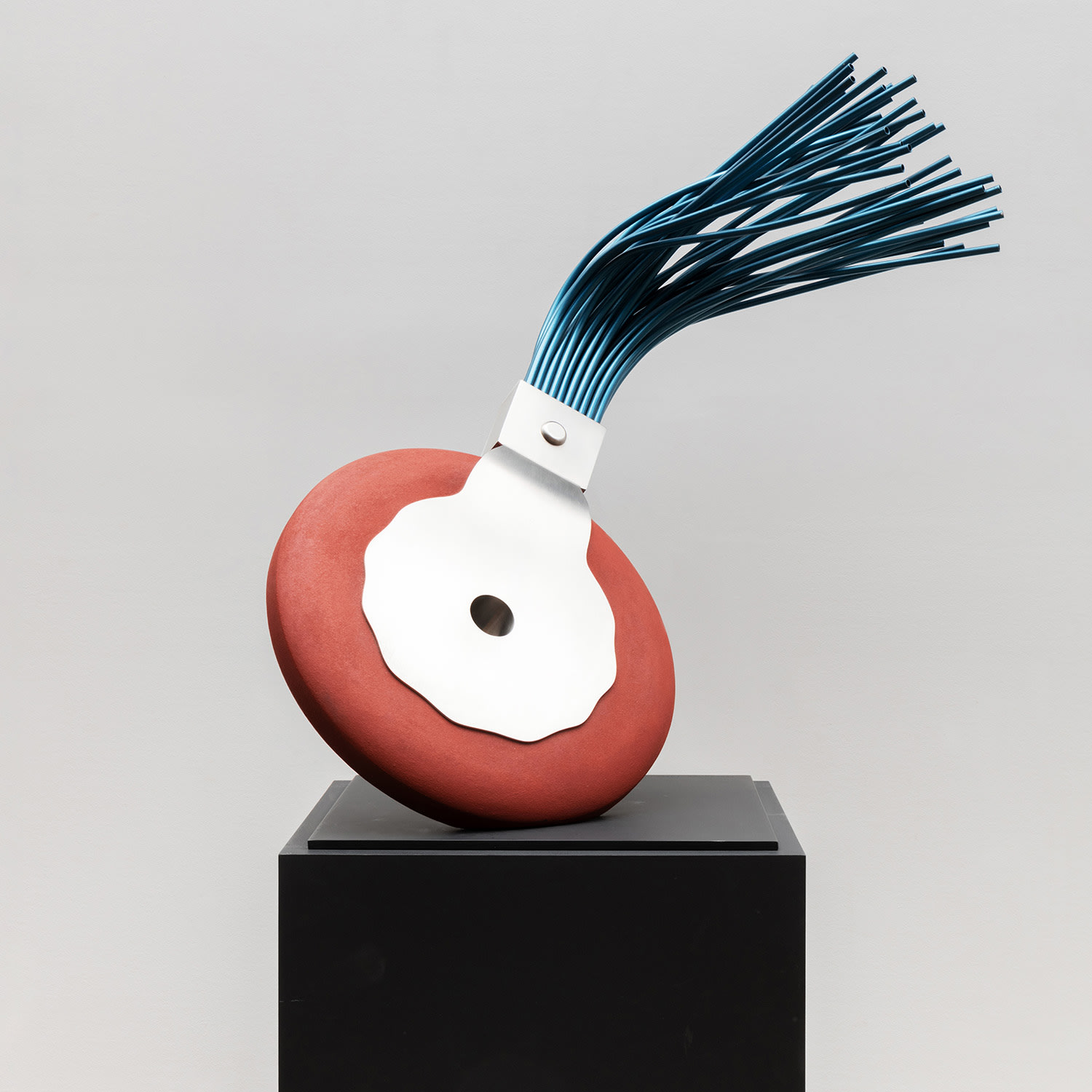
Claes Oldenburg
Typewriter Eraser, 1977
His series paintings, including Marriage A la Mode from the 1740s, used visual satire as moral surgery. Thomas Nast, whose work appears in The Collection, carried that tradition into American political life in the 1870s, his cartoons in Harper's Weekly practically dismantling the Tammany Hall machine through caricature alone. The idea that an image could be both funny and consequential was already well established long before modernism arrived to complicate everything. The twentieth century formalized what had previously been instinct.
Dada, emerging in Zurich around 1916, made absurdity into a manifesto. Marcel Duchamp's readymades were, among other things, an extremely refined practical joke played on the institution of art itself. The surrealists followed with their own brand of uncanny wit, finding comedy in the collision of incompatible realities. By the time Pop Art arrived in the late 1950s and early 1960s, humor had become inseparable from critique.
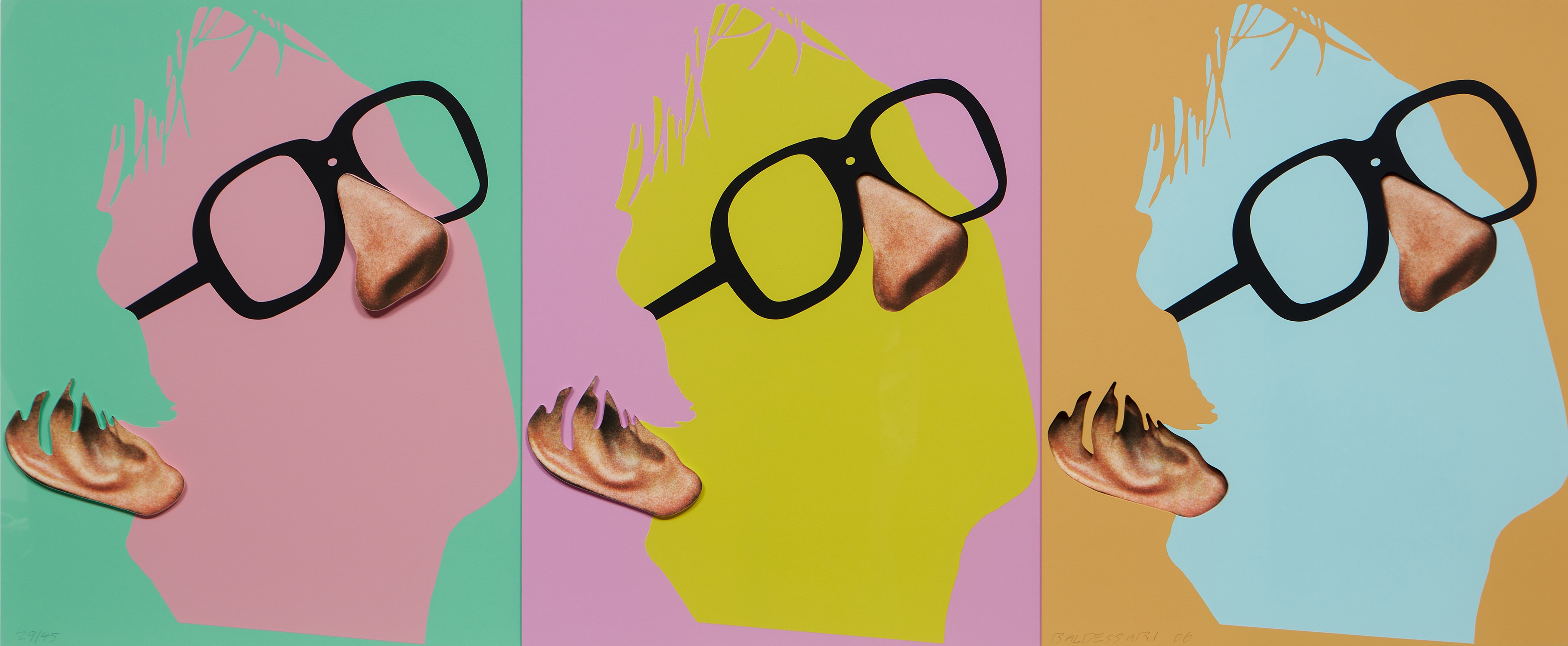
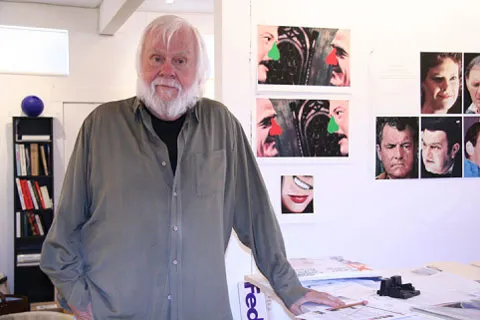
John Baldessari
One Face (Three Versions) with Nose, Ear and Glasses, from Noses & Ears, Etc.: The Gemini Series (H. 170)
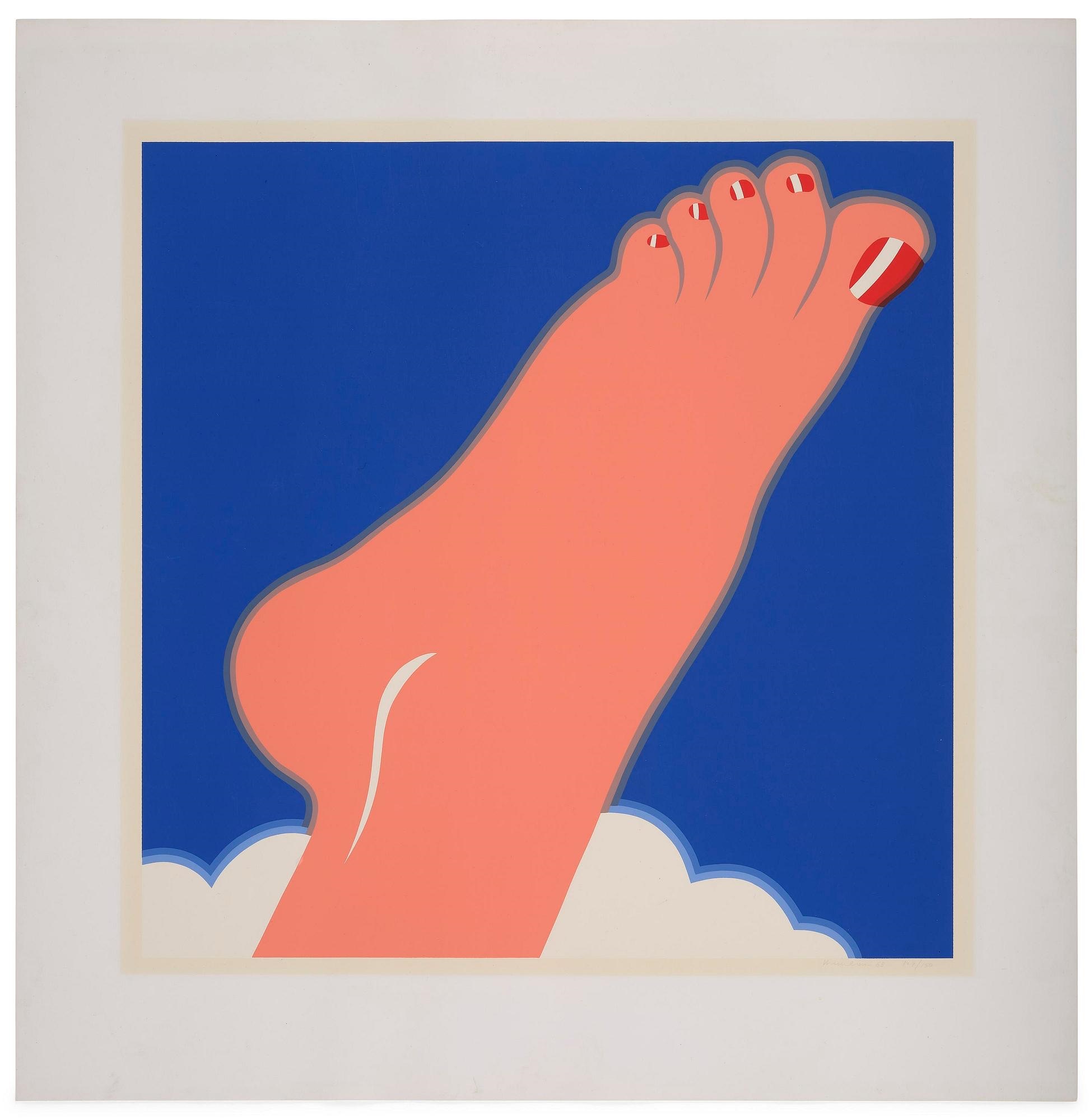
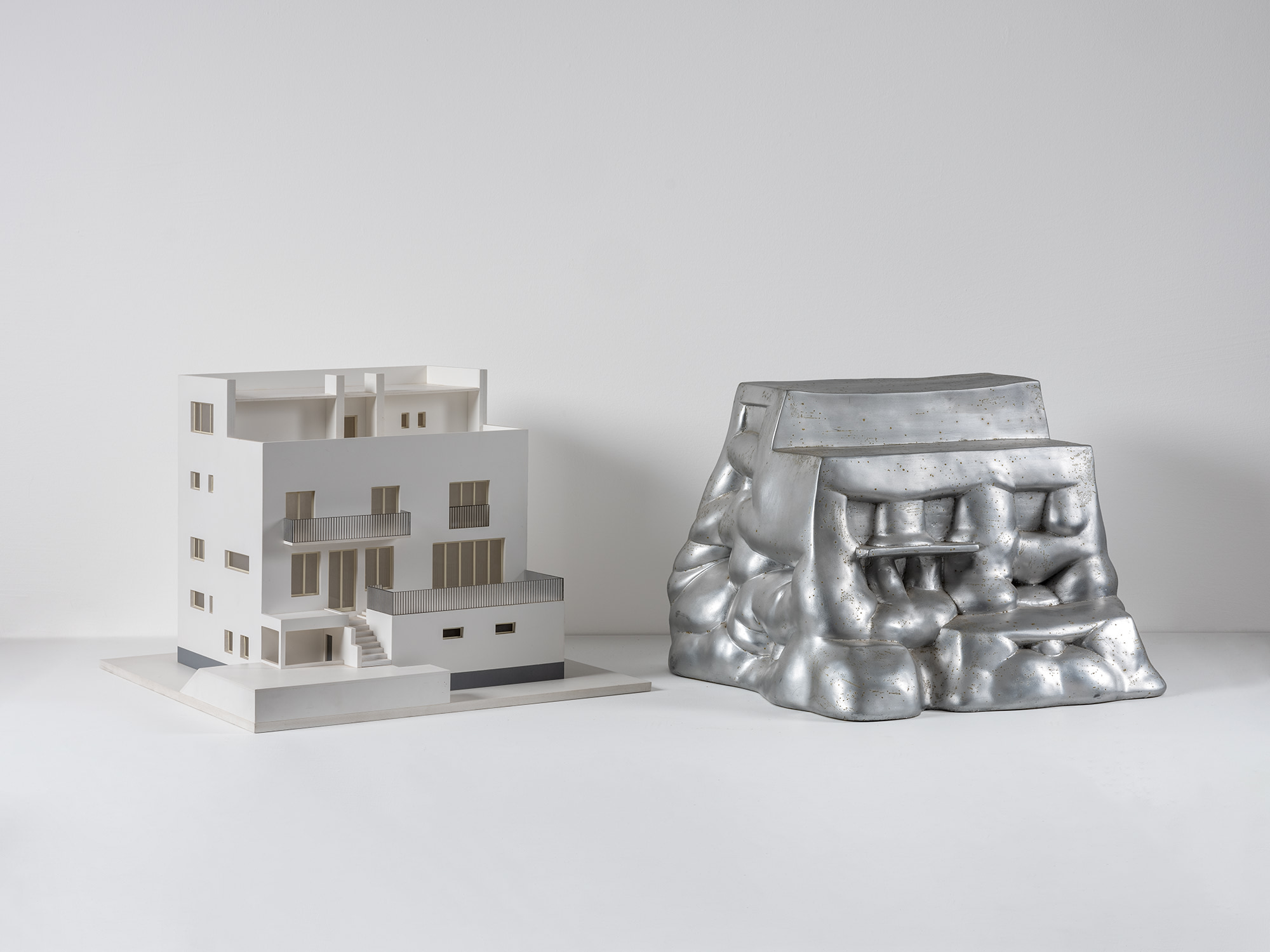
Roy Lichtenstein, whose work is part of The Collection, borrowed the visual language of comic strips not simply to celebrate them but to hold a mirror up to mass culture and ask what exactly we were consuming. The joke was always also a question. Claes Oldenburg, also represented here, pushed this further with his soft sculptures and monumental public works. There is something fundamentally funny about a giant clothespin, and Oldenburg knew it.
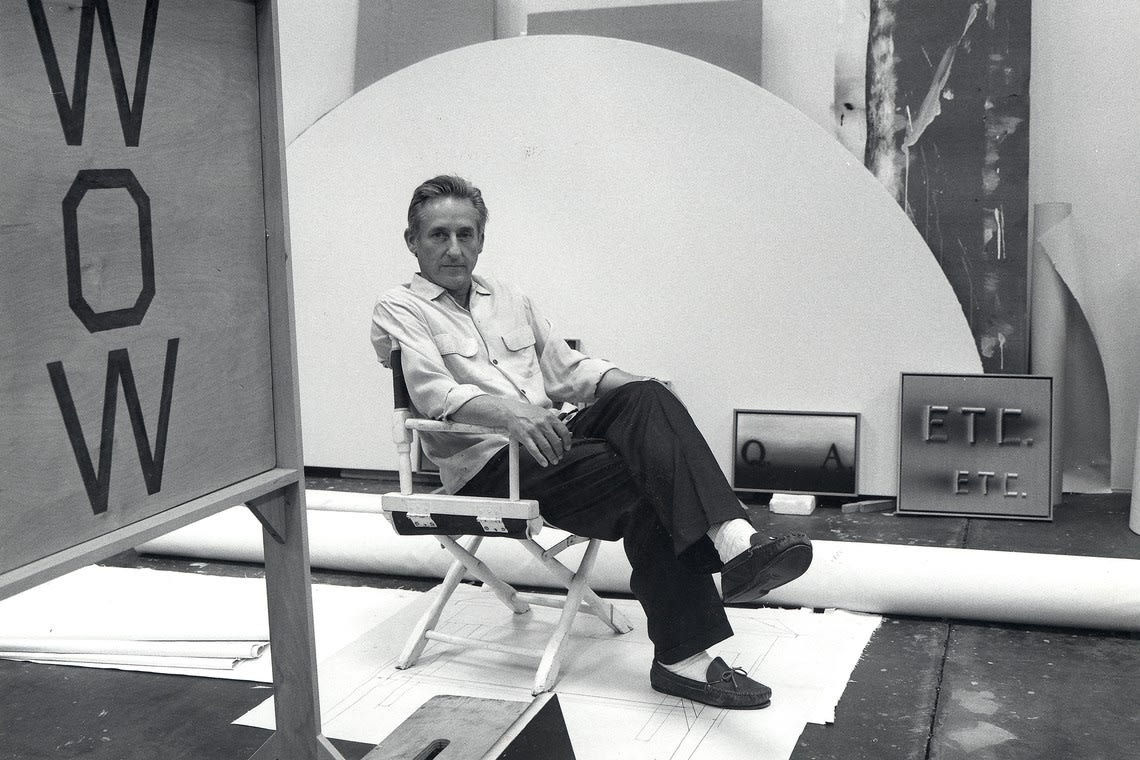
But the humor was structural, built into the scale and the material, the refusal to let objects behave the way they are supposed to. Ed Ruscha was doing something equally deadpan on the West Coast, his word paintings and artist books treating language with a cool bemusement that felt uniquely Californian. John Baldessari, whose works appear in The Collection, spent decades interrogating the rules of art with a playfulness that could make you laugh and question everything you thought you understood about images in the same breath. His decision in 1970 to cremate all his paintings and bake them into cookies was conceptually rigorous and deeply absurd, which was entirely the point.
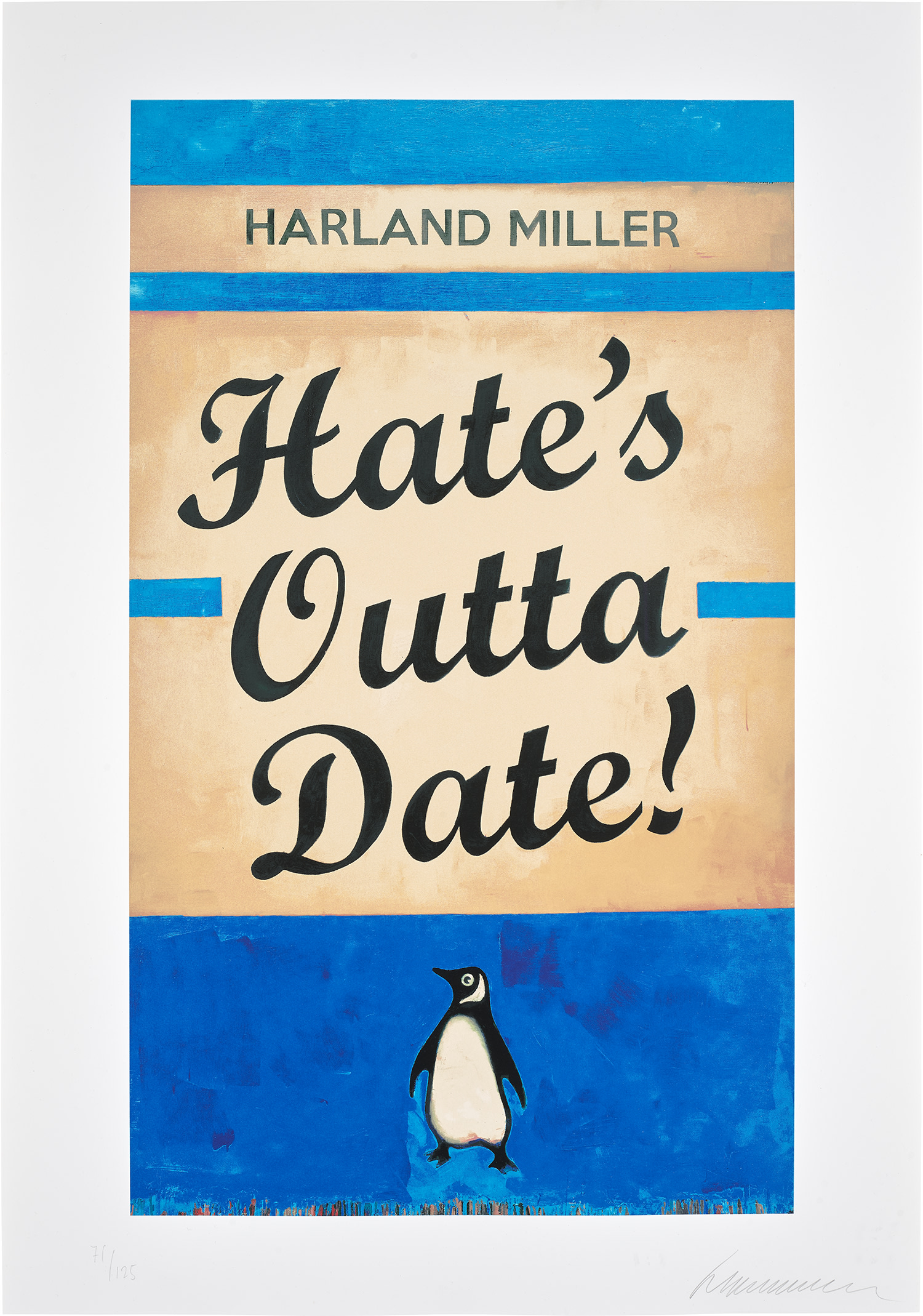
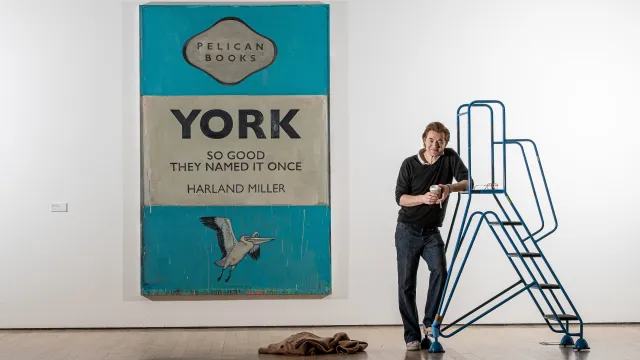
Harland Miller
Hate's Outta Date
British art has produced some of the sharpest comic sensibilities in the contemporary period. Harland Miller's large scale paintings combine the visual grammar of Penguin paperback covers with sardonic text that feels both literary and bruised. His work is well represented in The Collection, and it rewards the kind of slow looking that good jokes always require. You find more the longer you sit with it.
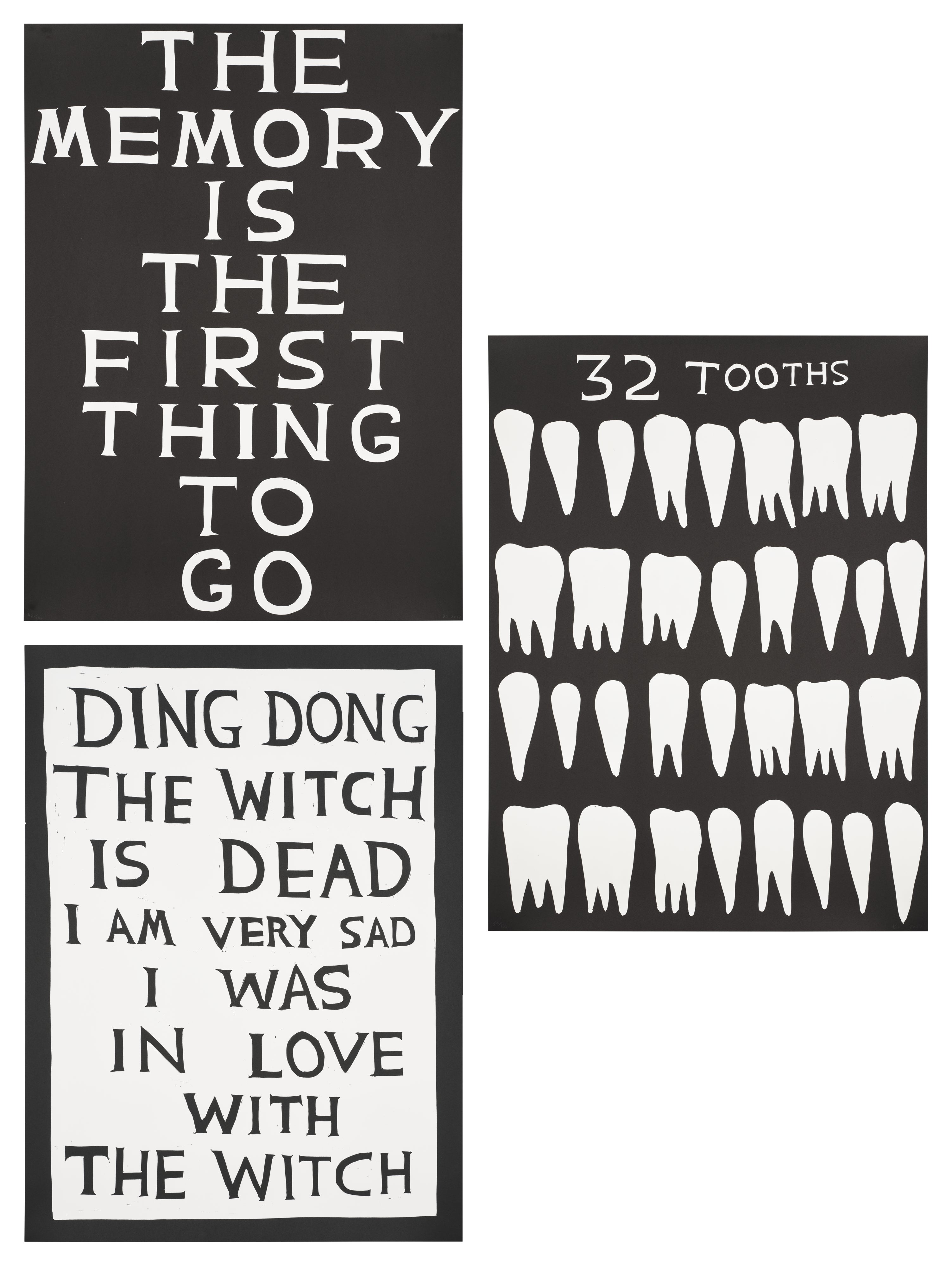
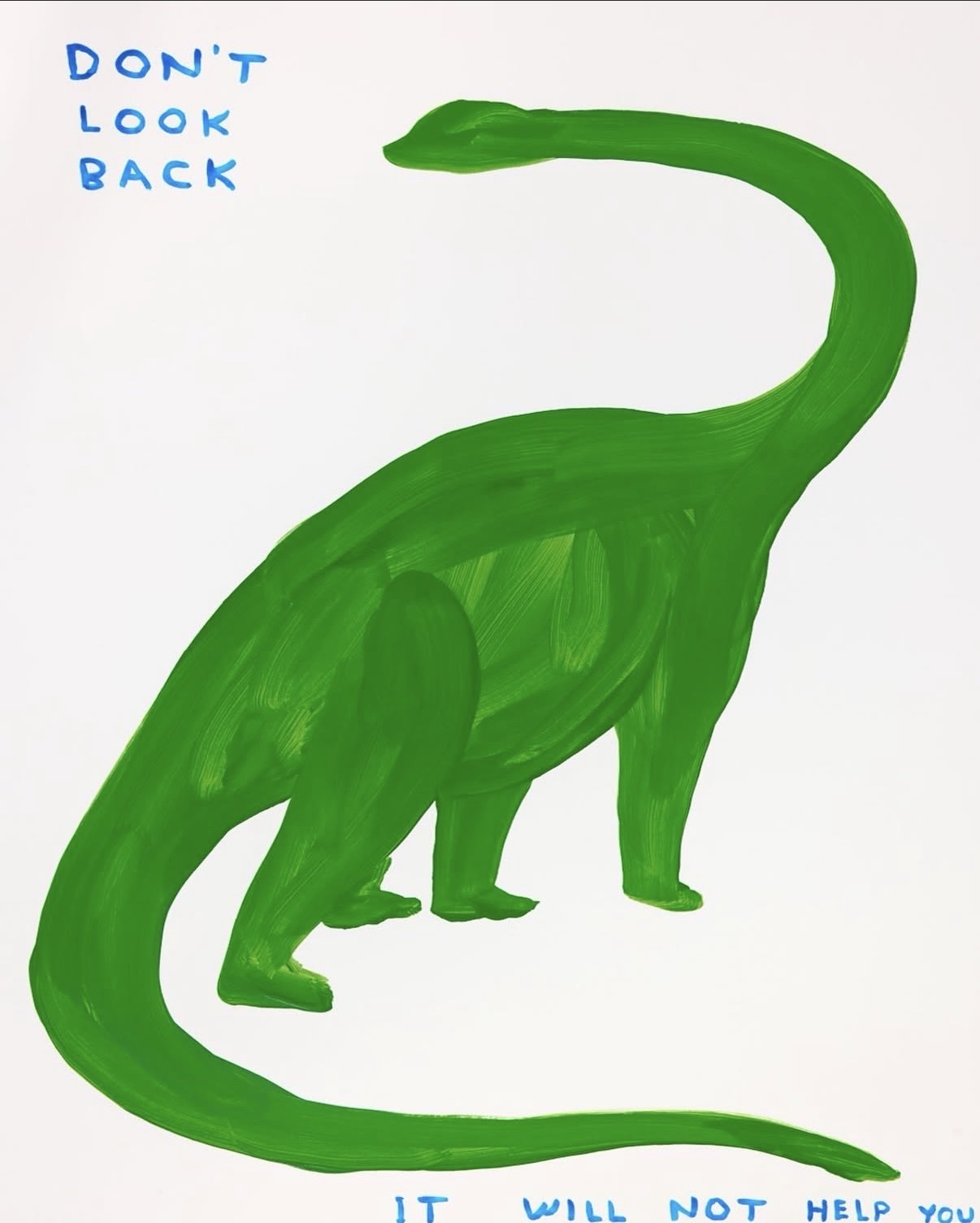
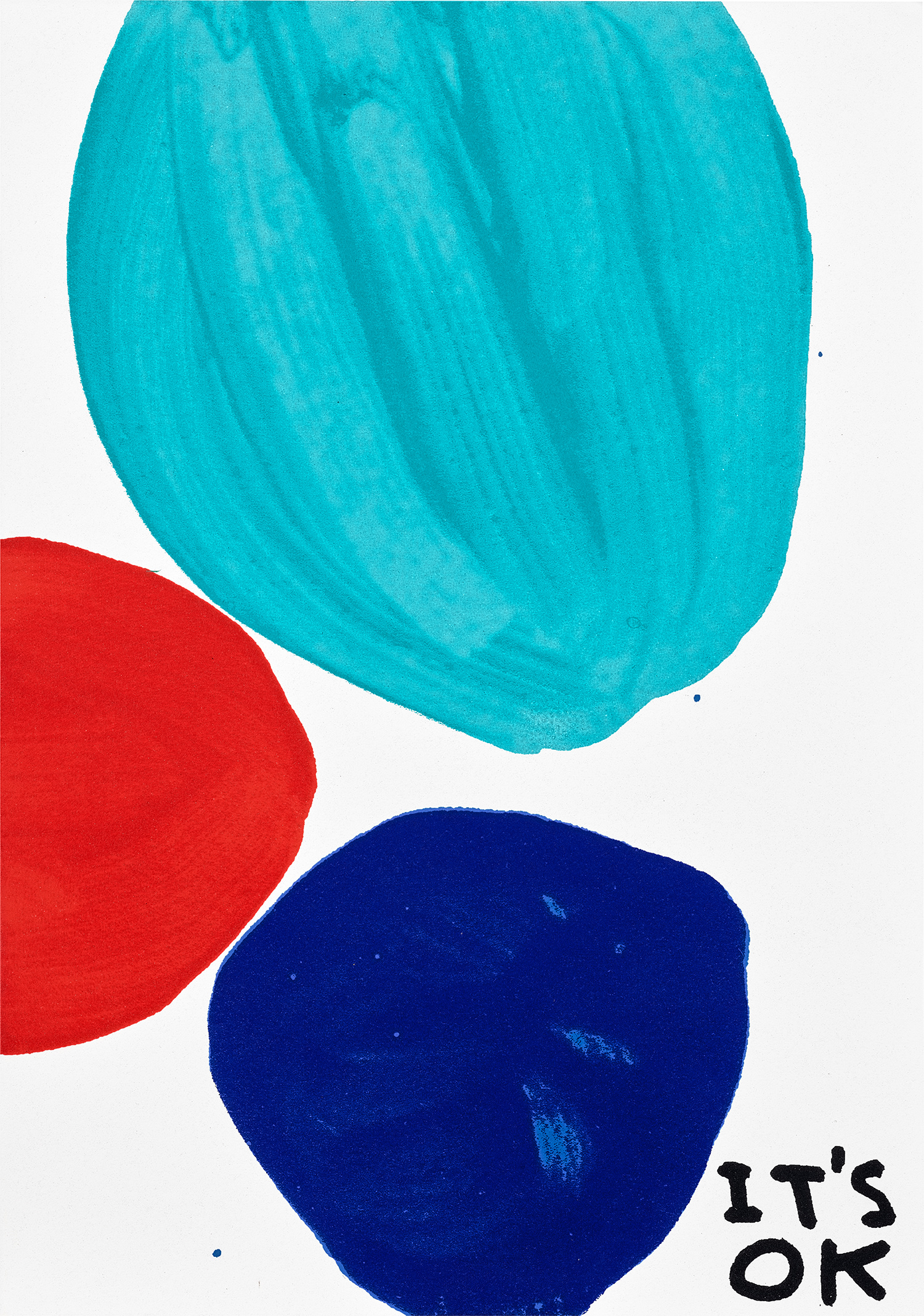
Sarah Lucas, whose work is also here, uses crude puns and bodily humor as a form of feminist provocation, daring the viewer to flinch and then examining what that flinch reveals. The humor is confrontational in a way that more overtly serious work rarely manages to be. David Shrigley has become perhaps the most recognizable practitioner of art world wit in the past two decades. His drawings, with their deliberately naive line and their quietly catastrophic logic, have brought a sensibility rooted in underground zine culture into galleries and institutions worldwide.
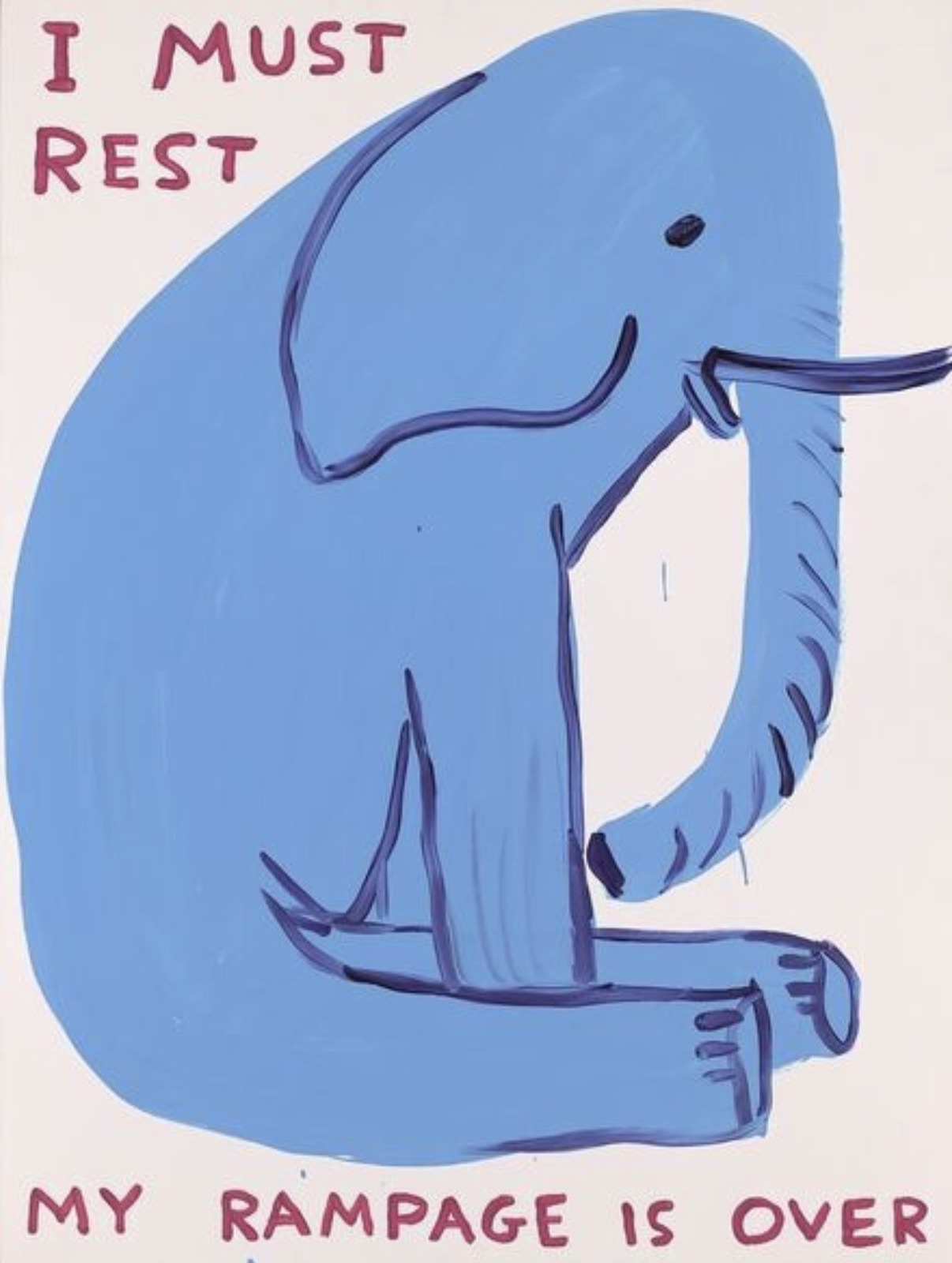
David Shrigley
My Rampage Is Over, 2019
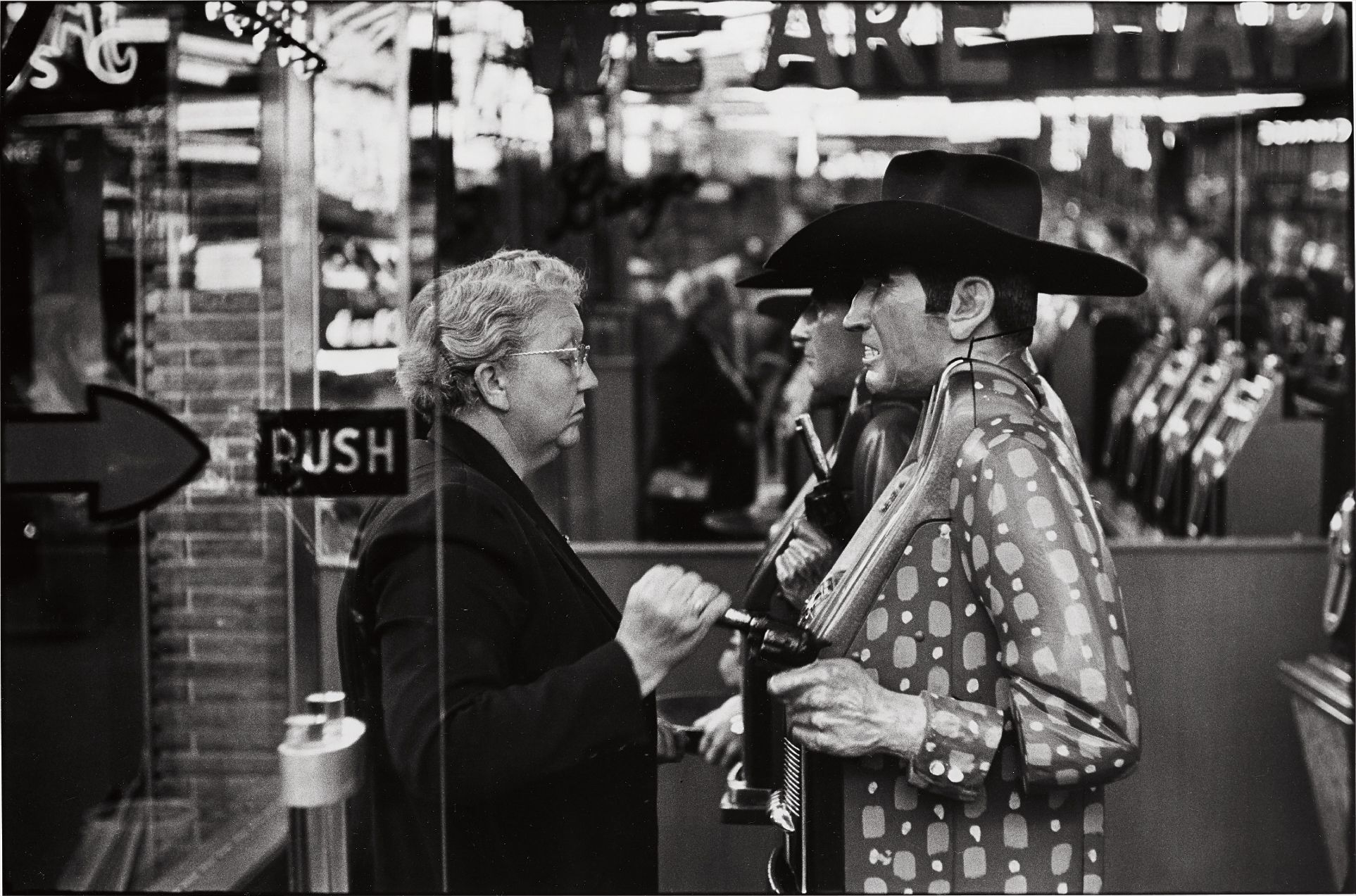
Shrigley is exceptionally well represented in The Collection, and for good reason. His work demonstrates how much can be achieved with economy. A single line of text, a wobbly figure, and suddenly you are looking at something that addresses mortality or bureaucracy or social anxiety in a way that somehow feels both absurd and completely accurate. Elliott Erwitt achieved something similar in photography, his images finding the comic potential lurking in the margin of otherwise ordinary scenes.
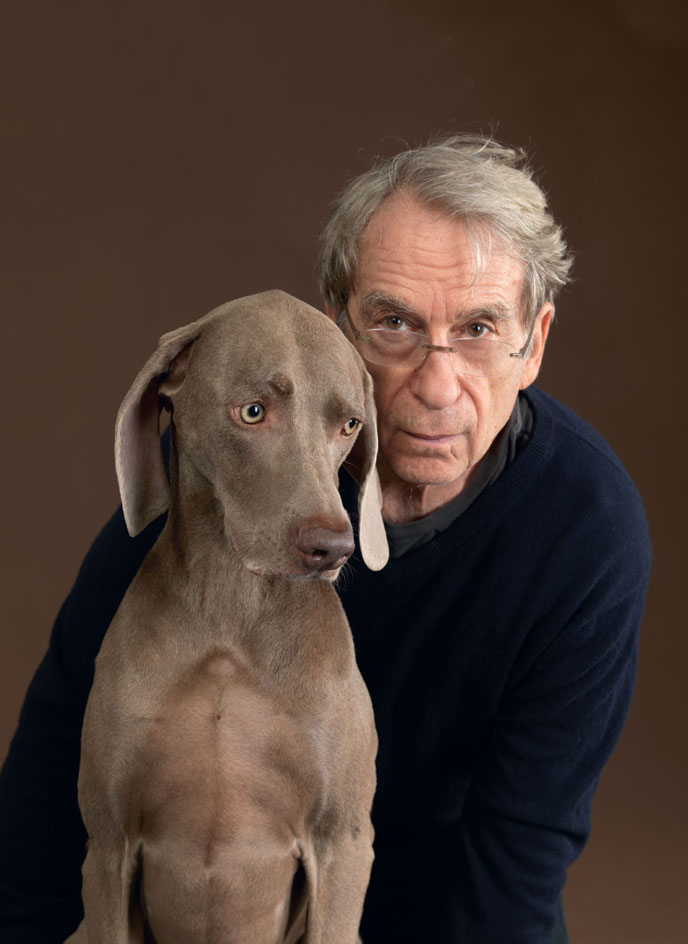
William Wegman built an entire career around a dog who collaborated with deadpan grace. Erwin Wurm has approached humor with philosophical seriousness, which is itself a kind of joke. His One Minute Sculptures, in which participants hold absurd poses using everyday objects, turn the body into both medium and punchline. The instructions are delivered with the gravity of performance scores, which makes the resulting images stranger and funnier than they would be if everyone admitted they were just messing around.
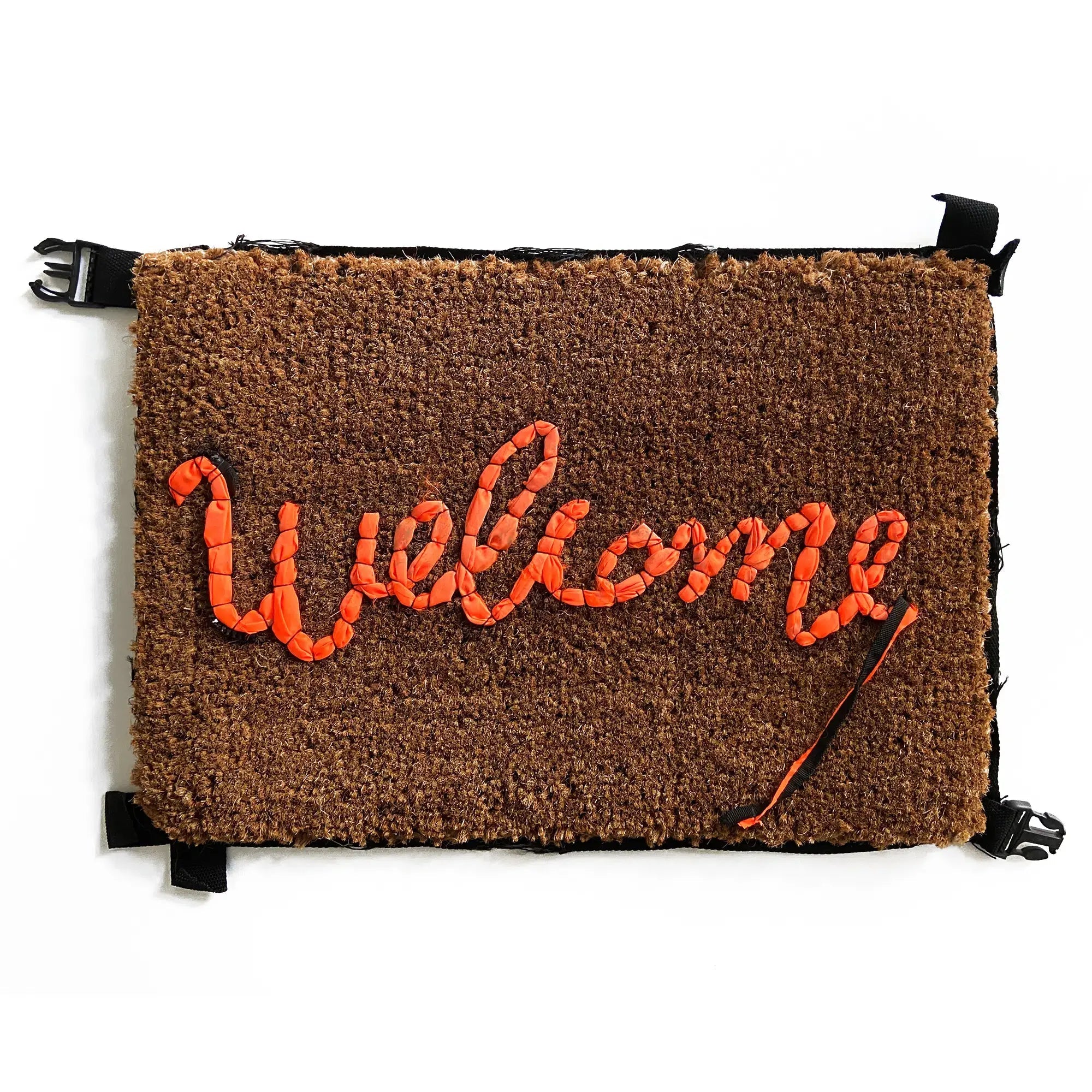
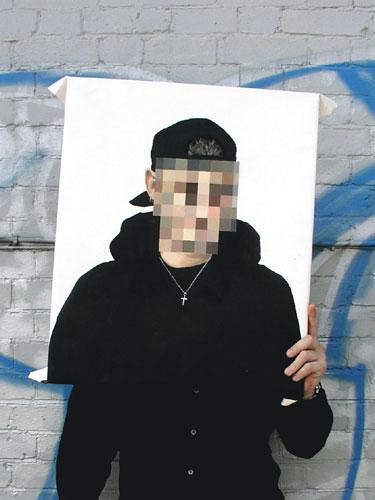
Banksy occupies a different register entirely, using public space and anonymity to deliver political jokes that the internet has made globally legible. The Connor Brothers work in a similarly knowing register, their pulp romance imagery laced with text that redirects sentimental expectation into something more unsettling. What connects all of these artists across different periods, media, and intentions is an understanding that humor is not opposed to depth. It is often the fastest route to it.
The comic sensibility requires precision, timing, and a willingness to take nothing entirely at face value, including one's own assumptions. That is as rigorous a discipline as any. Bruce Nauman built an entire practice around wordplay and perceptual disorientation. Tom Friedman made a work that consisted entirely of a curse directed at the space above it.
The joke, if it is one, holds up under close inspection in a way that many more apparently serious works do not. For collectors, there is something particularly satisfying about living with work that makes you think through laughter rather than in spite of it. The best comic art does not diminish a room. It activates it.
It creates the conditions for a recurring conversation, each encounter offering a slightly different angle, a small shift in what the joke seems to be about. That kind of work asks something of its audience, and the audience is better for being asked.