Food Imagery
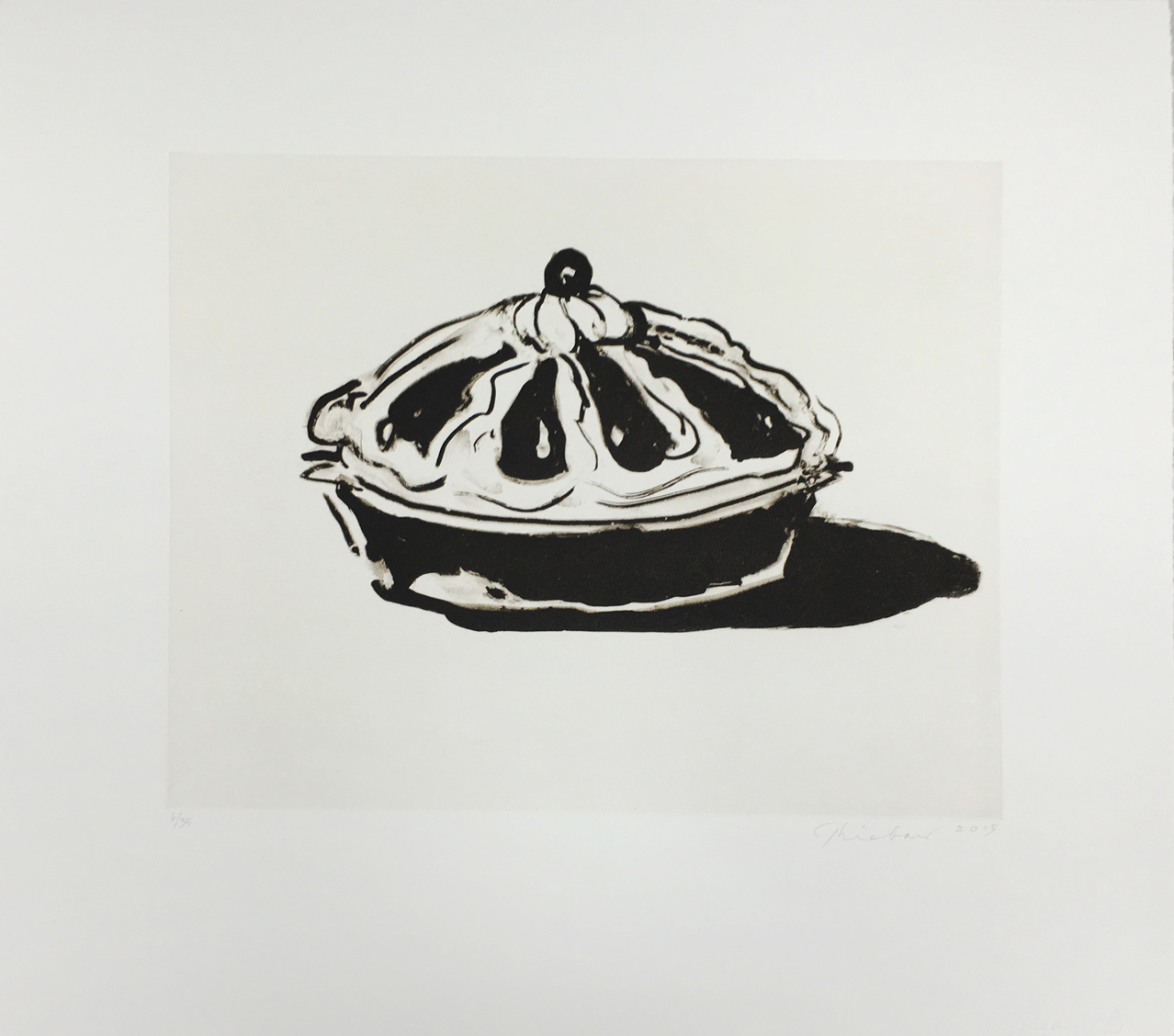
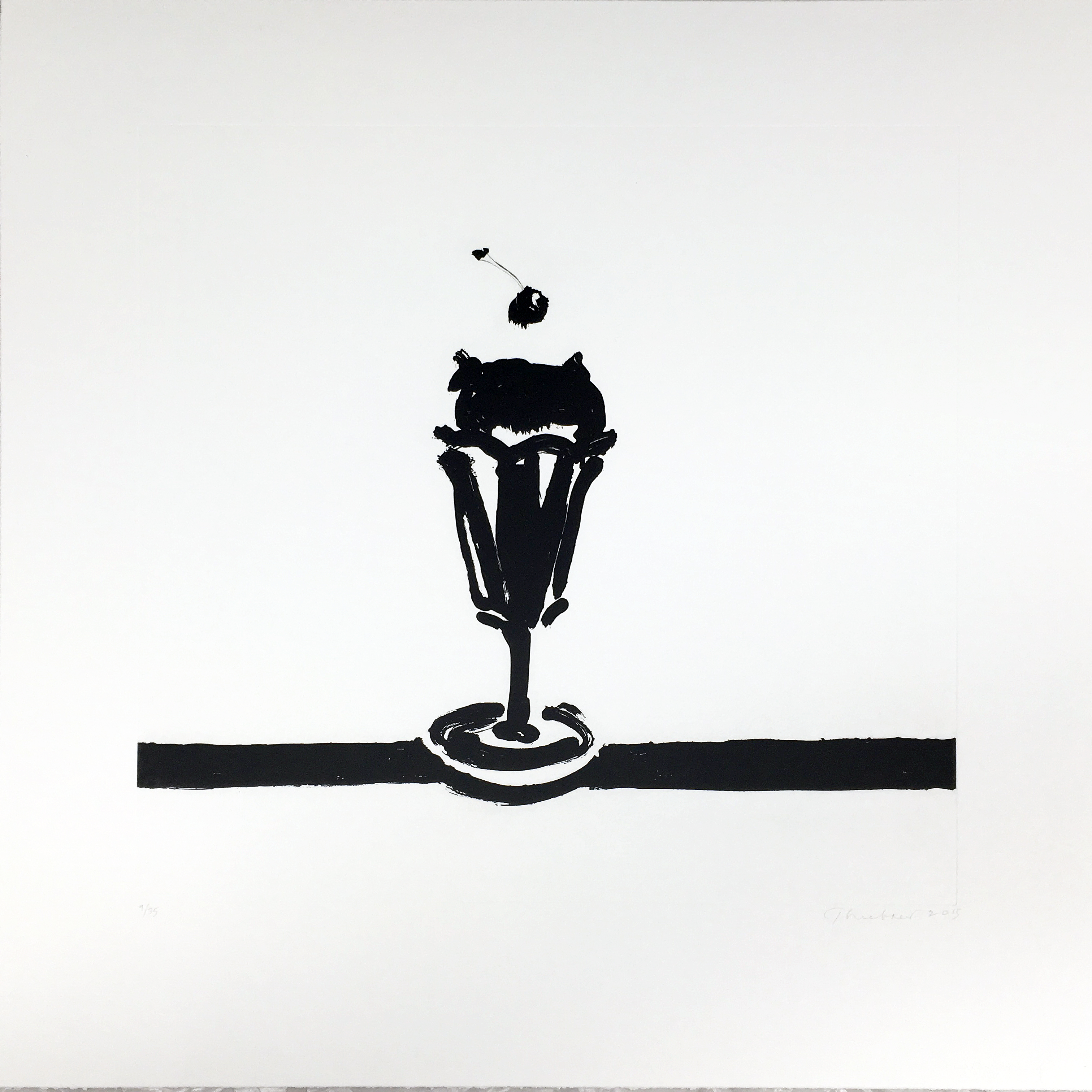
Wayne Thiebaud
Crown Tart, 2015

We Are What We Eat, Apparently
There is something almost embarrassingly intimate about food in art. Before we speak, before we dress, before we name ourselves or our children, we eat. And artists have always known that the table, the pantry, the diner counter, the candy wrapper carry within them an entire civilization's worth of desire, anxiety, class, and longing. Food imagery in contemporary art is not about appetite.
It is about everything appetite stands in for. The tradition runs deep. Dutch Golden Age painters of the seventeenth century understood that a table laid with oysters and overripe fruit was also a meditation on mortality and excess. The Flemish vanitas tradition used food as a memento mori, beauty at the precise moment before decay.
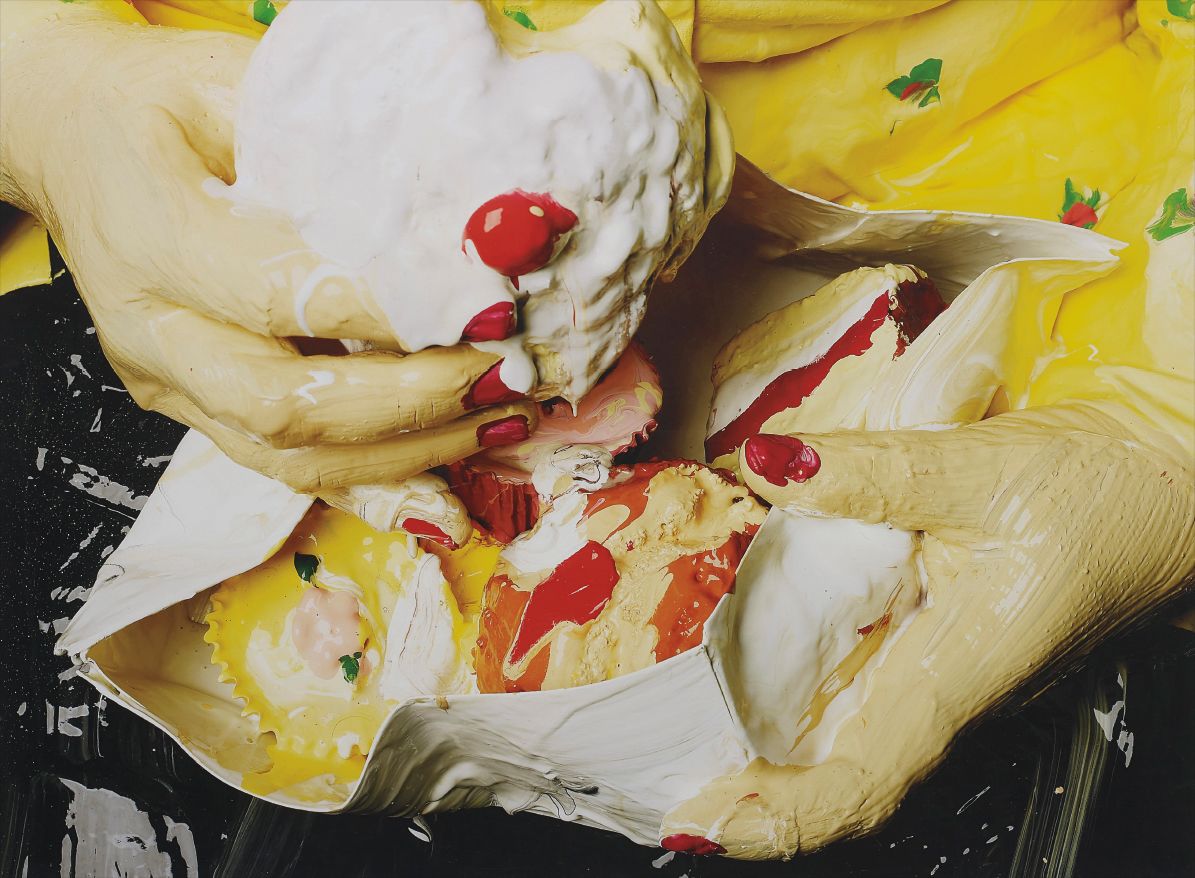
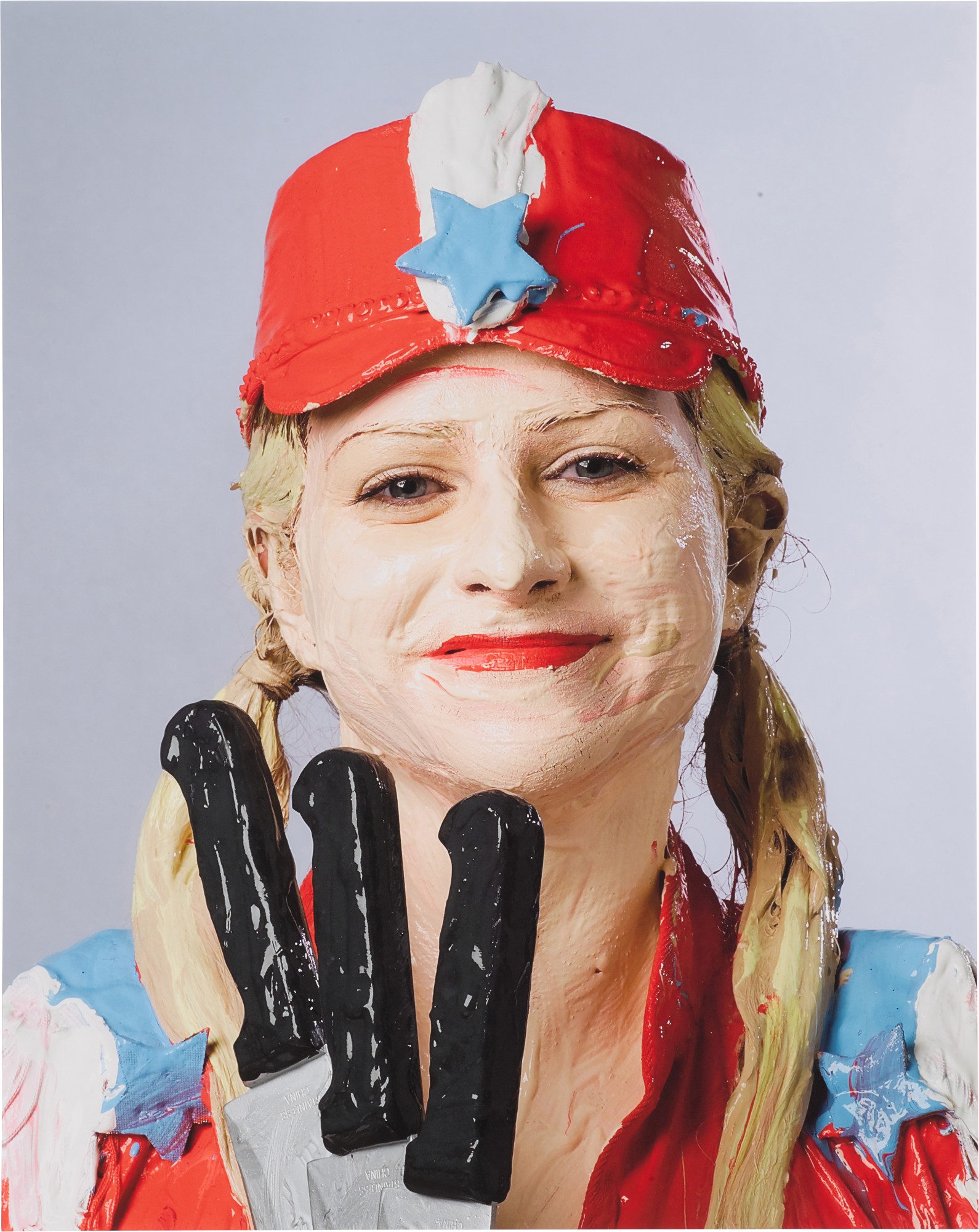
Boo Ritson
Cupcake, 2007
By the time modernism arrived and Cézanne began his long conversation with apples and pears in the late nineteenth century, the edible world had become a laboratory for form itself. He was not painting fruit. He was painting the act of seeing fruit, the geometry underneath sensation. That distinction matters enormously for what came afterward.
The real rupture arrived in the early 1960s when a group of mostly American artists decided that high culture had gotten too comfortable, and they reached for the nearest, most democratic thing available: the stuff on the grocery shelf, the diner plate, the vending machine. Pop Art made food monumental and strange. Wayne Thiebaud had his first major solo show at the Allan Stone Gallery in New York in 1962, and the critical response was initially uncertain whether the paintings of pies and cakes and lollipops were celebrating consumer culture or quietly mourning something. They were doing both, of course.
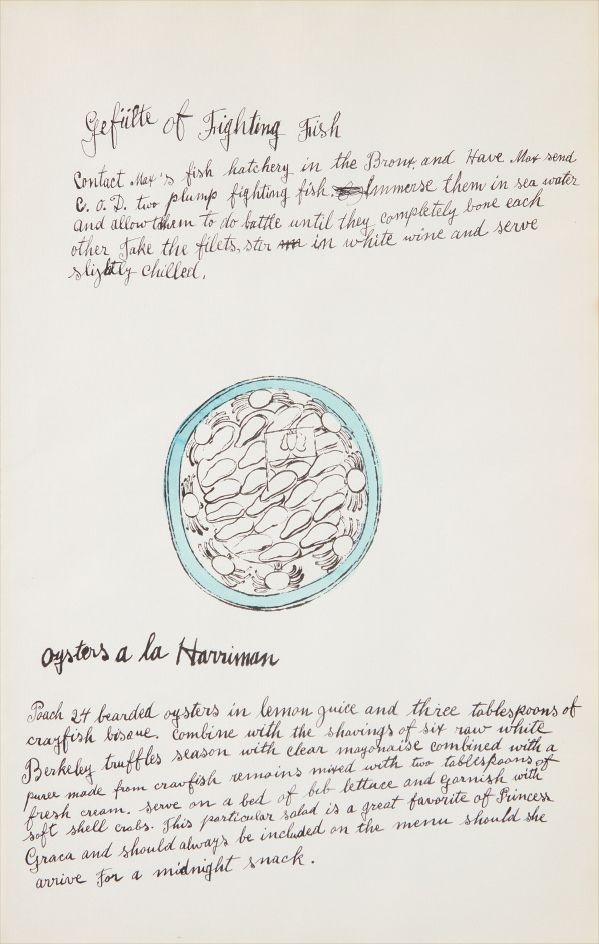
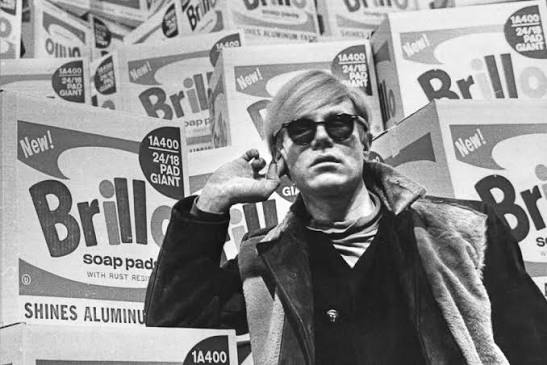
Andy Warhol
Gefulte of Fighting Fish, from Wild Raspberries
Thiebaud's cakes are painted with a near devotional tenderness, the frosting applied with thick, sculptural strokes that rhyme the act of painting with the act of decoration itself. His work on The Collection speaks to a painter completely at ease with pleasure and completely aware of its cost. Andy Warhol arrived at the same cultural moment and found entirely different weather. His Campbell's Soup Cans, shown at the Ferus Gallery in Los Angeles in 1962, did not romanticize food so much as flatten it into pure sign.
Warhol understood that in postwar America, the brand was the thing. The can of soup was not a meal. It was a logo, a promise, a piece of national identity delivered in 32 varieties. Warhol is extraordinarily well represented on The Collection, and across those works you can trace the full arc of his thinking about mass production, desire, and the curious neutrality of abundance.
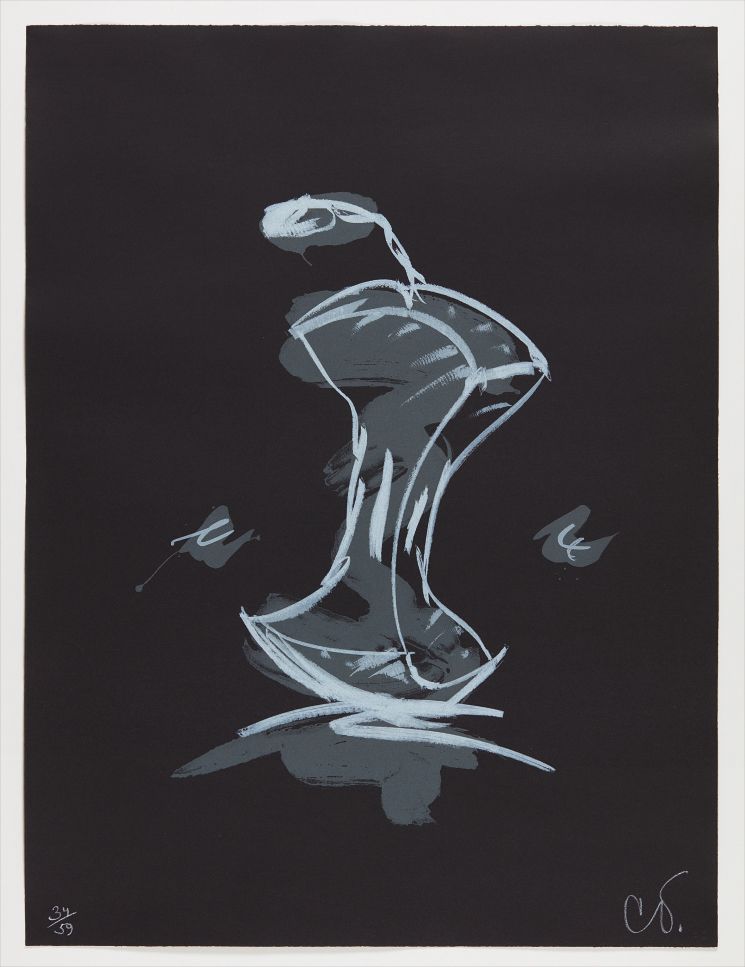
Claes Oldenburg
Apple Core - Winter
He gave us a world in which everything is equally available and nothing is quite nourishing. Claes Oldenburg approached the question from another direction entirely. His happenings and soft sculptures transformed food into something surreal and bodily, floors covered in fake pastries and giant vinyl hamburgers sagging under their own weight. The Store, his 1961 installation on the Lower East Side, filled a real storefront with painted plaster replicas of food and everyday goods, and it asked a genuinely uncomfortable question about the boundary between commodity and artwork.
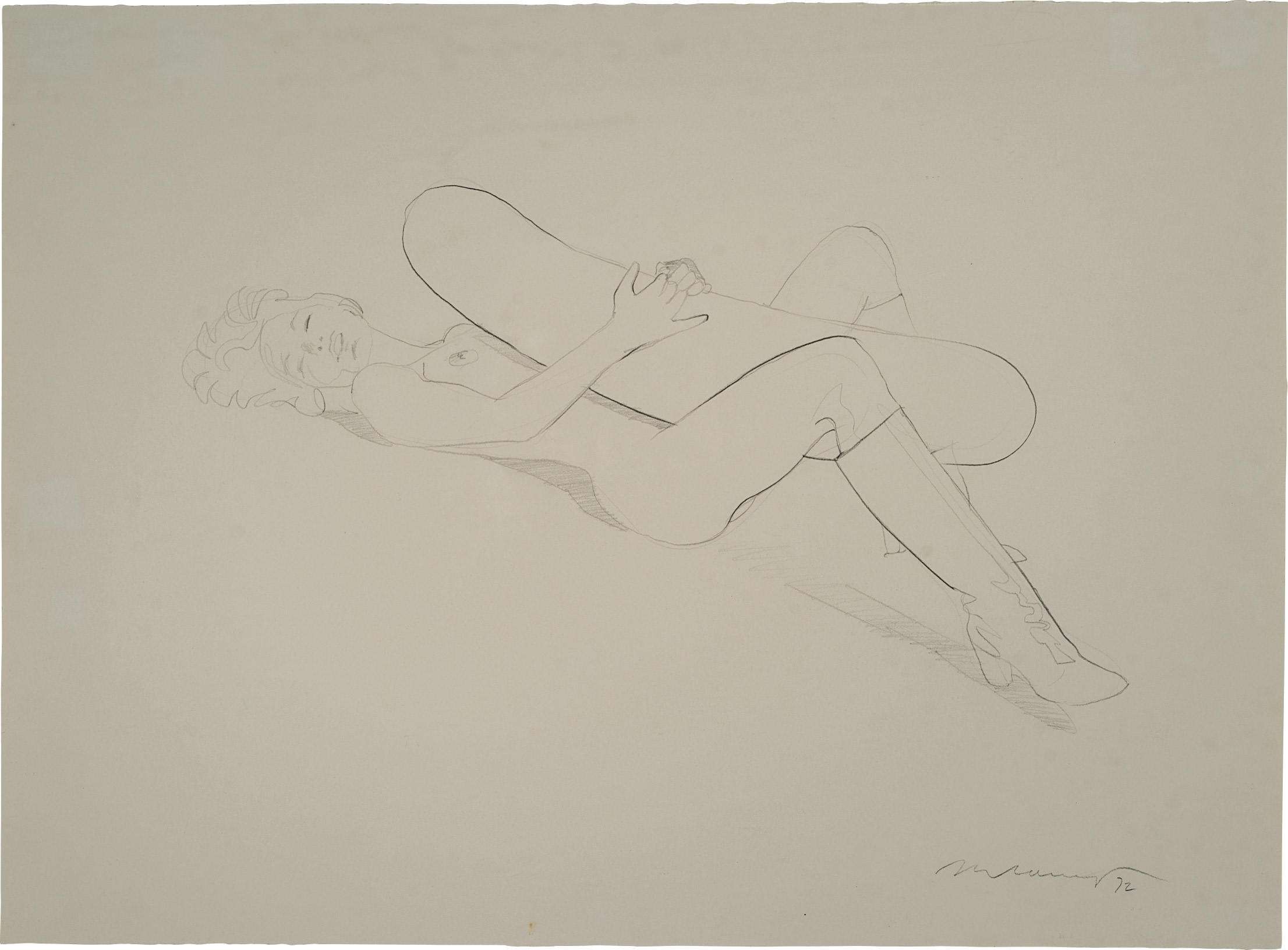
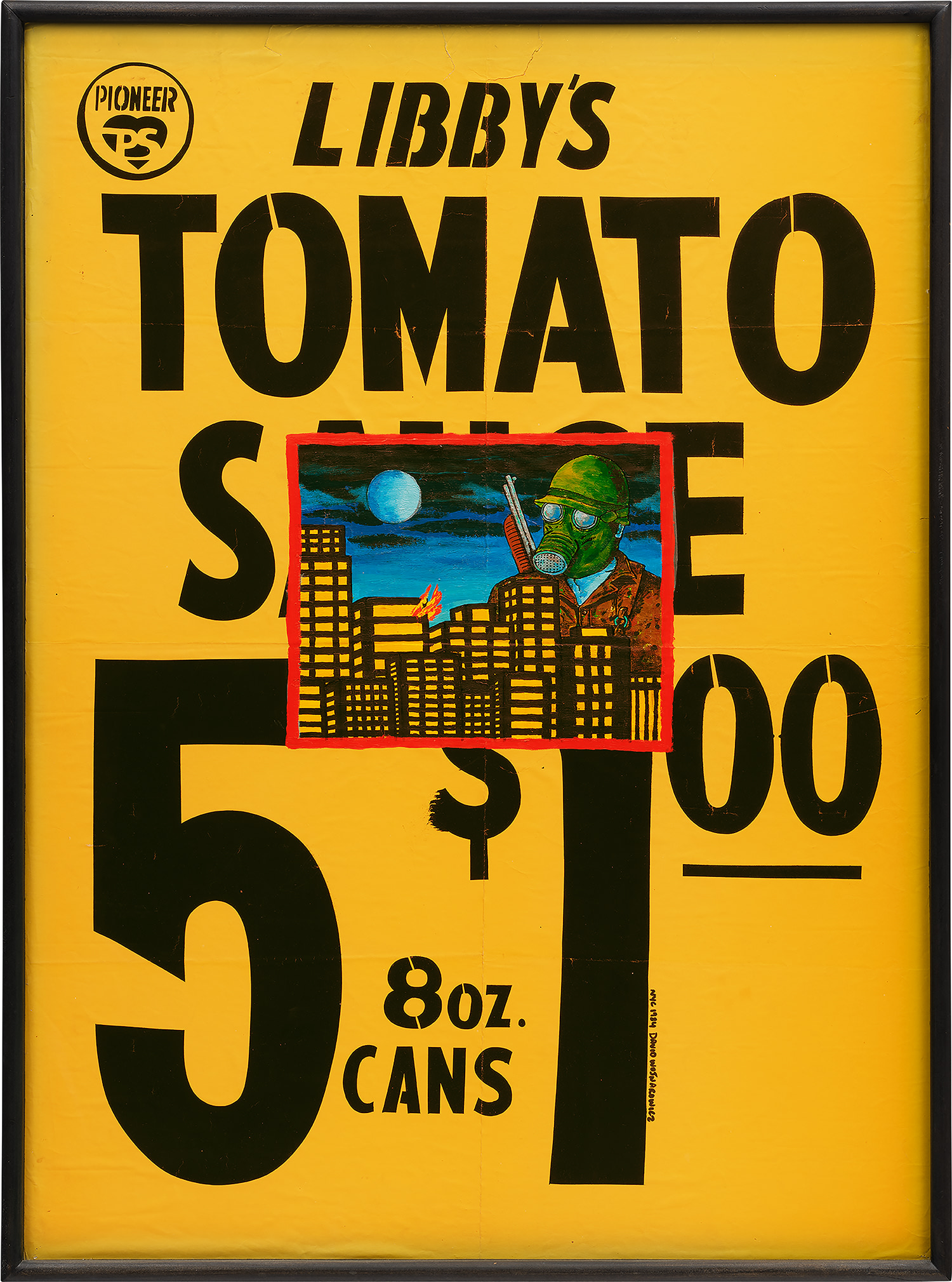
Food, for Oldenburg, was always slightly obscene, always already about the body and its hungers in ways polite society preferred not to acknowledge directly. Mel Ramos, another figure from that Pop generation, pushed this further by placing his pin up figures alongside candy bars and fruit with a cheerful vulgarity that managed to critique advertising's conflation of women and product while thoroughly enjoying the spectacle. As the decades moved forward, food imagery became a vehicle for increasingly urgent cultural conversations. David Wojnarowicz, whose work carries a raw political charge, used imagery of consumption and the body in ways that were inseparable from his experience of the AIDS crisis and American indifference to queer lives.
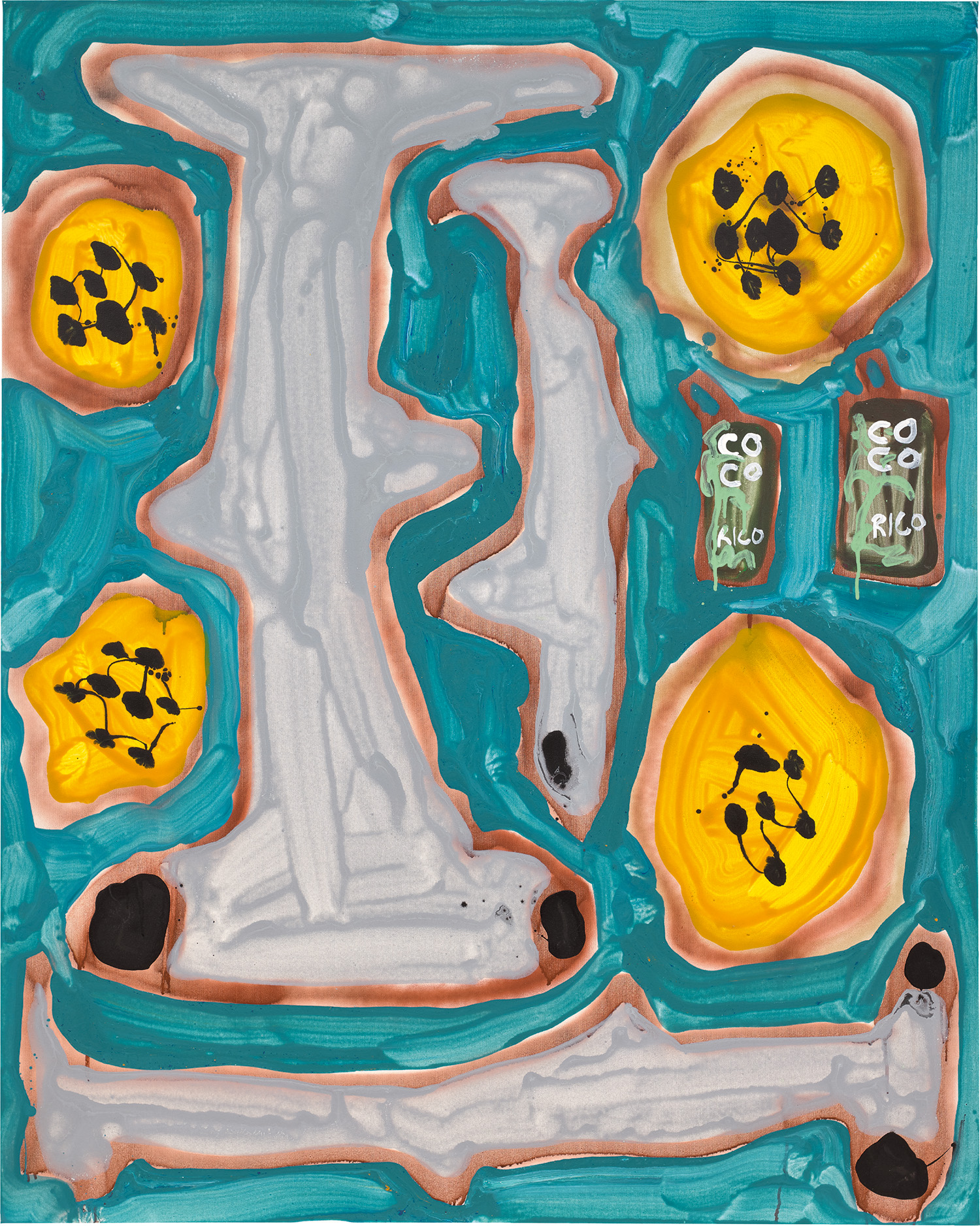
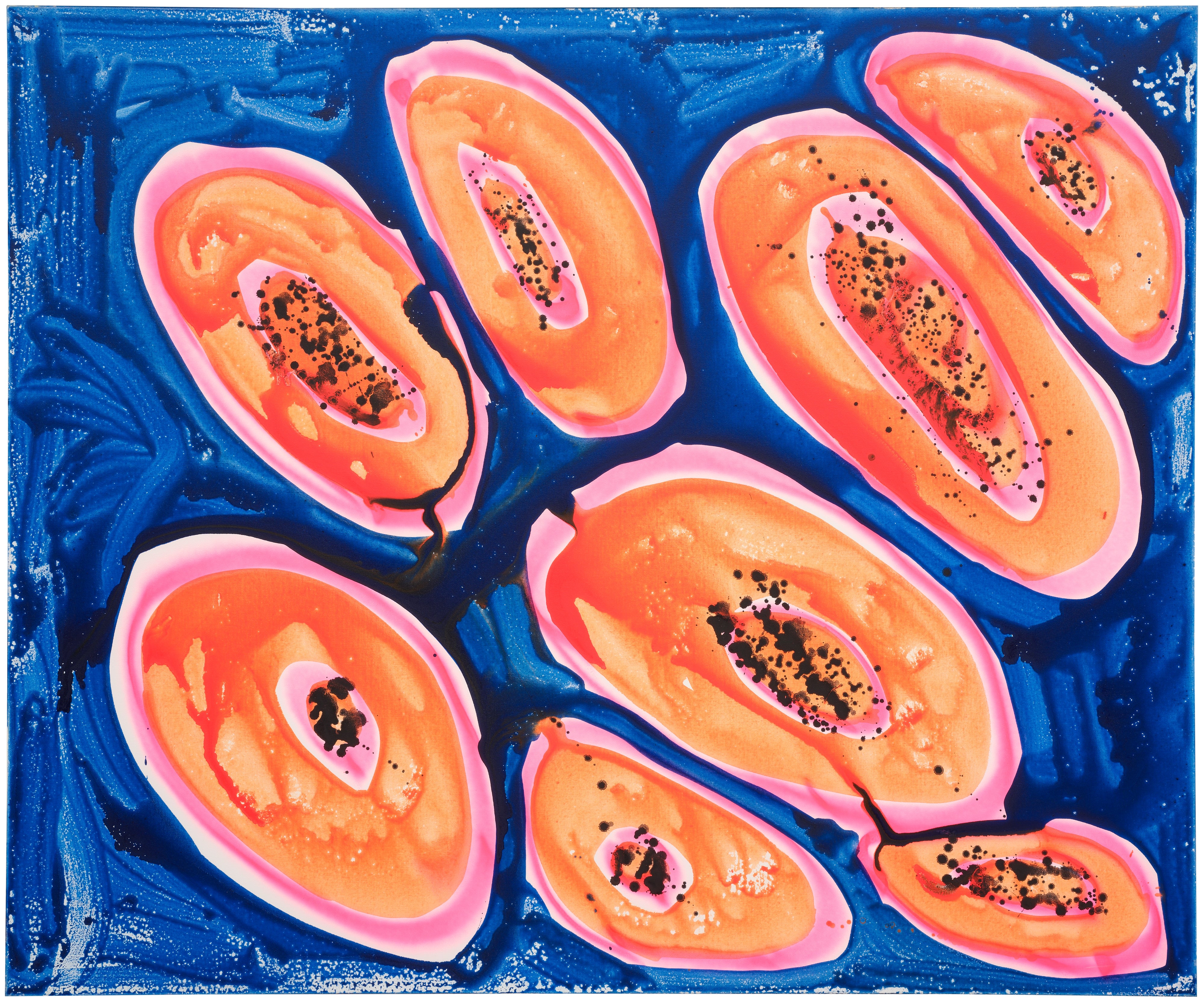
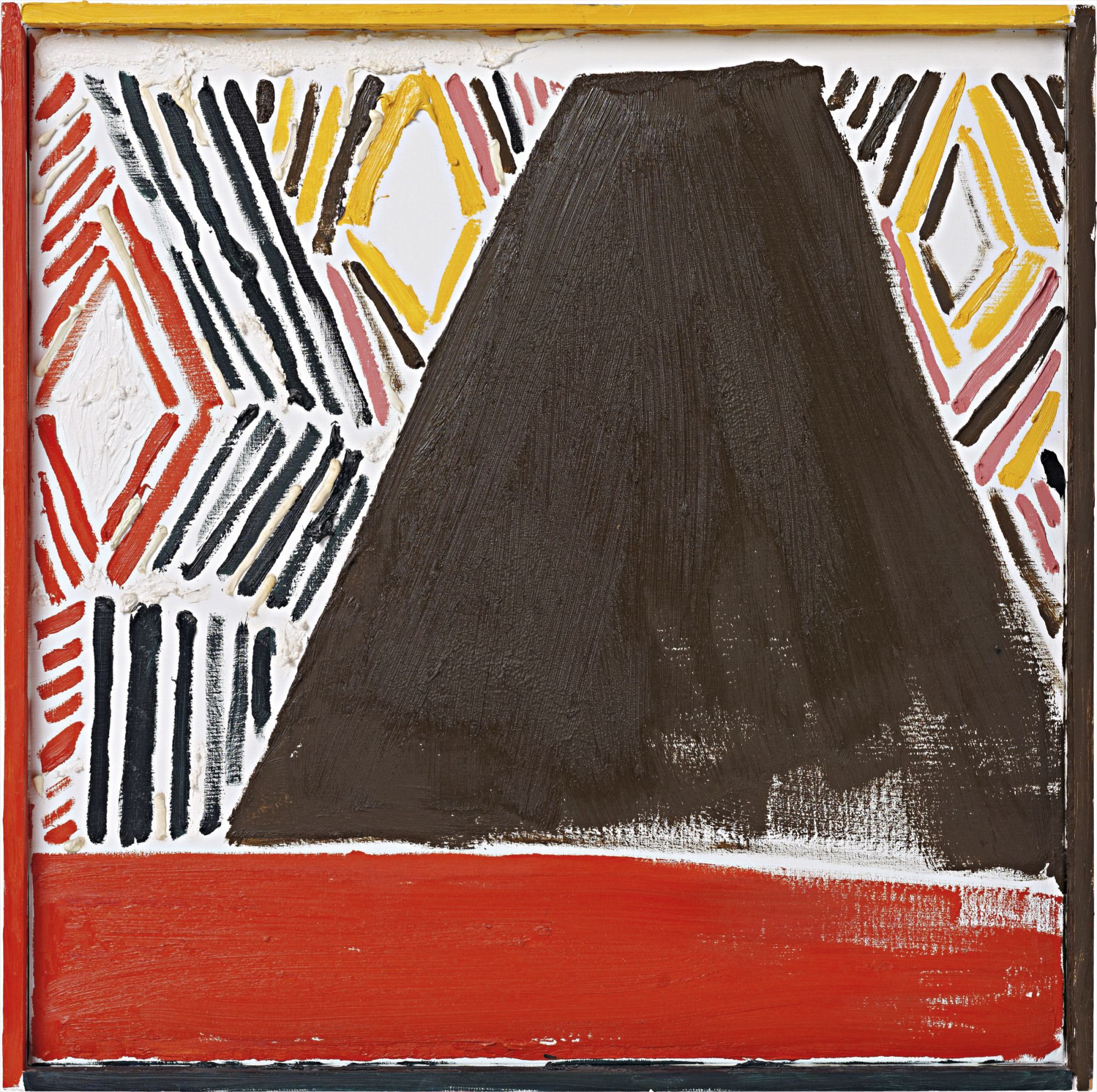
Katherine Bernhardt
Hammer Heads + Tostones + Coco Rico, 2015
Katherine Bernhardt brings a very different energy, her sprawling canvases featuring cigarettes, fruit, and cartoon characters in a kind of joyful, anxious abundance that feels native to the twenty first century, in which consumer goods and screen culture blur into a single continuous flood. James Rosenquist worked with the visual language of advertising billboards, fragmenting food images alongside other commercial signifiers into compositions that are simultaneously seductive and slightly nauseating. The conceptual frameworks that artists bring to food are remarkably varied. Some work with seriality and repetition, as Warhol did, to drain the image of warmth and reveal the machine beneath.
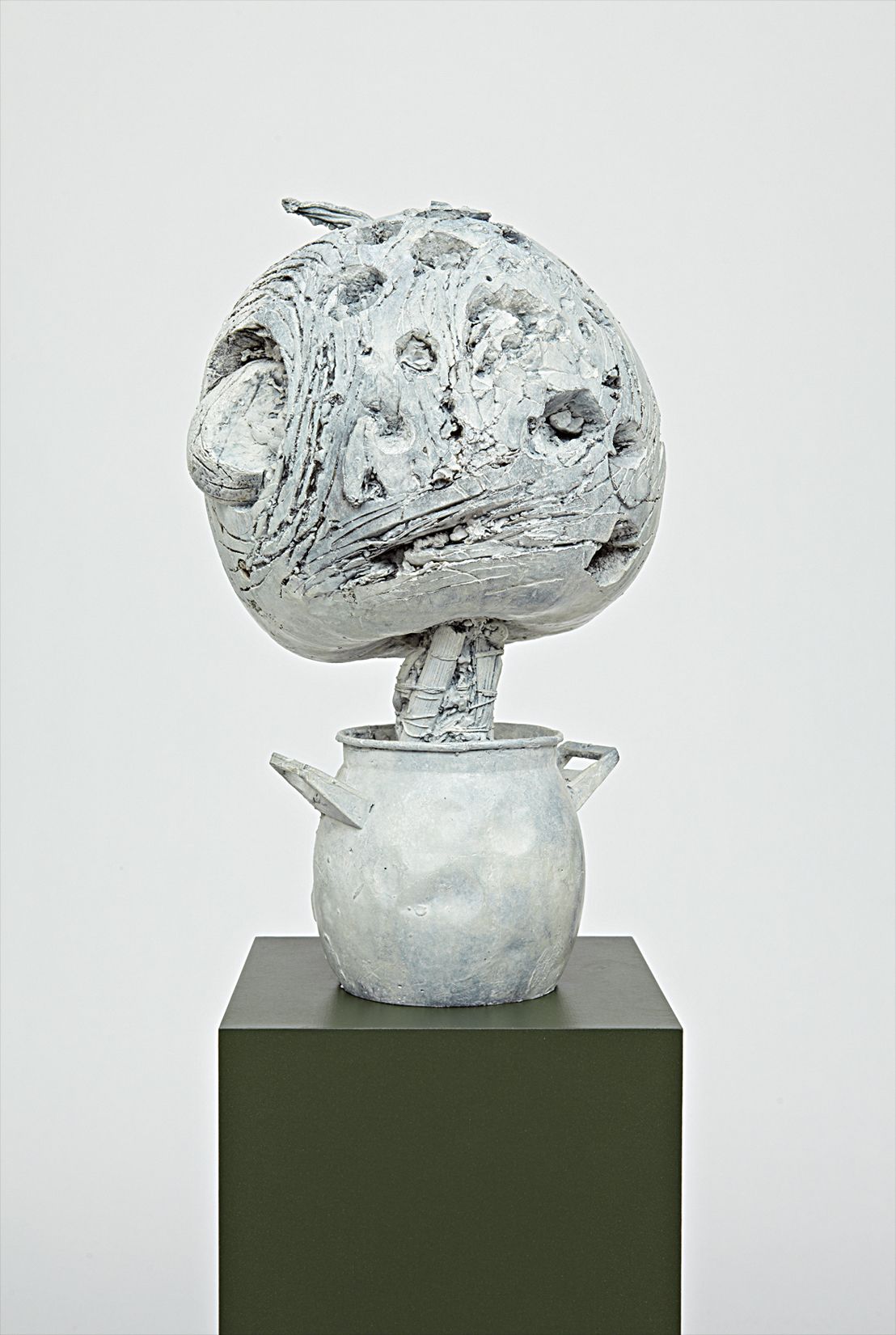
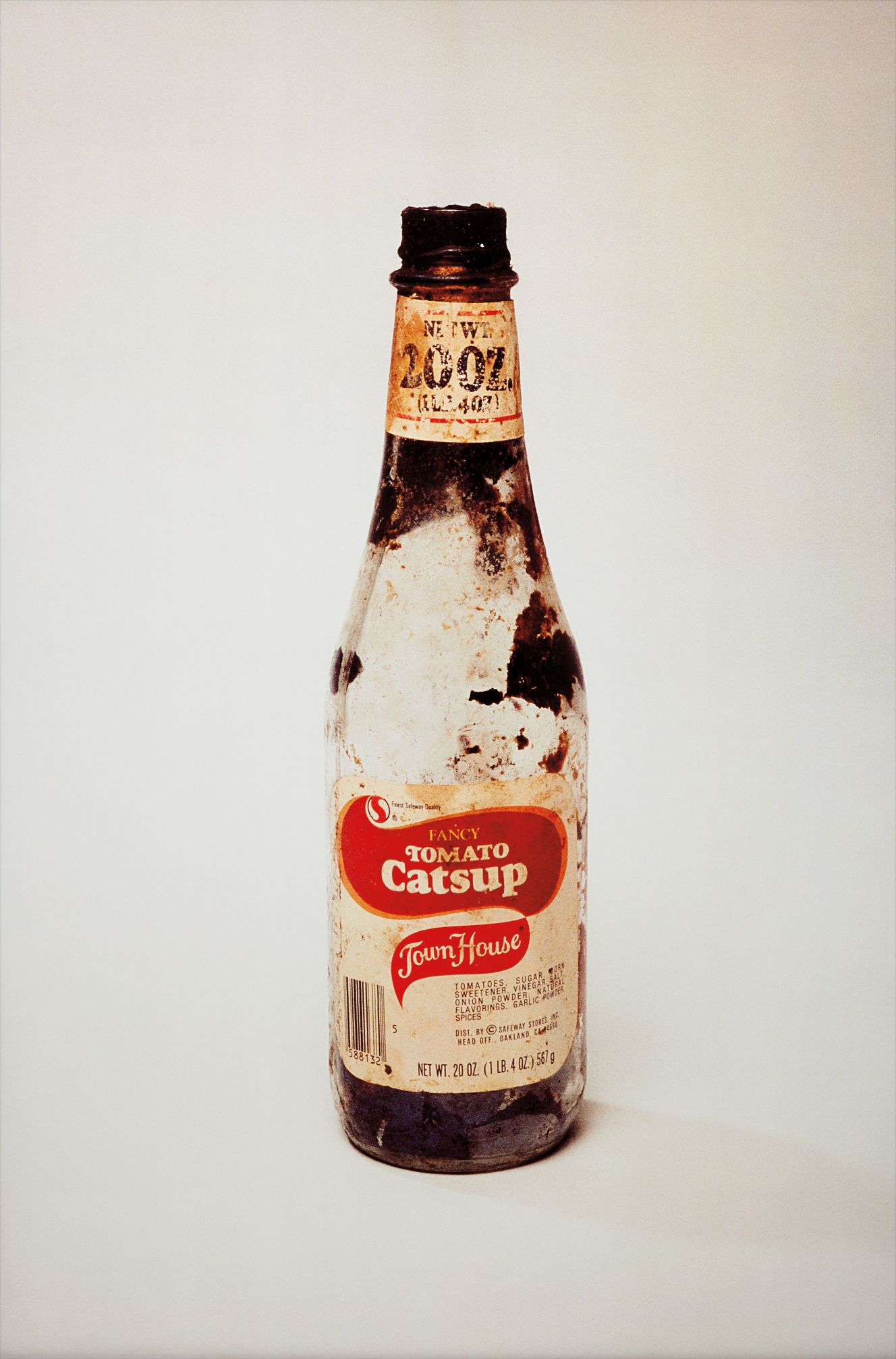
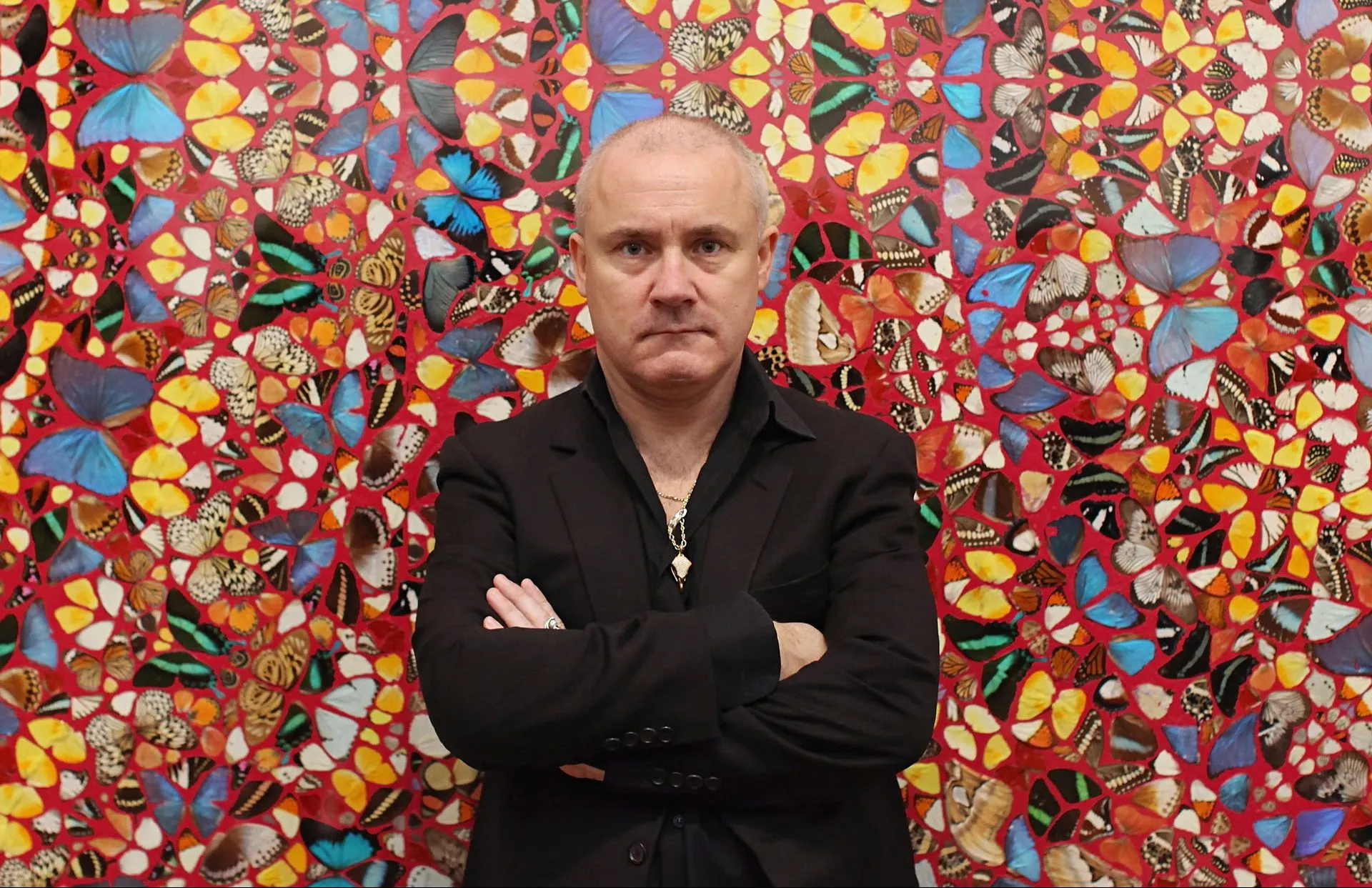
Others, like Thiebaud, insist on the handmade mark as a form of resistance to that same machine, insisting that pleasure and craft still mean something. Damien Hirst, whose pharmaceutical cabinets and spot paintings occupy adjacent territory, has also engaged with food imagery as part of his broader inquiry into desire and death, though the clinical chill he brings is the opposite of Thiebaud's confectionery warmth. Paul McCarthy has made food and eating into something deliberately grotesque and theatrical, using ketchup and chocolate in performances that collapse the line between nourishment and disgust. What holds all of this together is an understanding that food is never innocent.
Every image of a meal carries a history of who is invited to eat and who is not, what is affordable and what is aspirational, what is celebrated and what is considered lowly. Artists from Warhol to Bernhardt to Tal R have understood that the grocery store and the kitchen and the restaurant table are sites of profound social meaning, places where class and race and gender and economics are rehearsed daily without anyone quite saying so. Derrick Guild's still life traditions and Donald Baechler's cartoonish consumables approach this from quite different aesthetic positions, yet both are reading the same underlying text. Food imagery in art has never been more alive as a category than it is right now, partly because the questions it raises about consumption, sustainability, and global inequality feel genuinely pressing.
The works gathered on The Collection across this theme offer a generous cross section of that conversation, from Pop's first provocations to the restless, image saturated present. To spend time with them is to realize that what we put in our mouths, what we display on our tables, what we choose to paint or photograph or sculpt, tells us most of what we need to know about who we are and what we want.