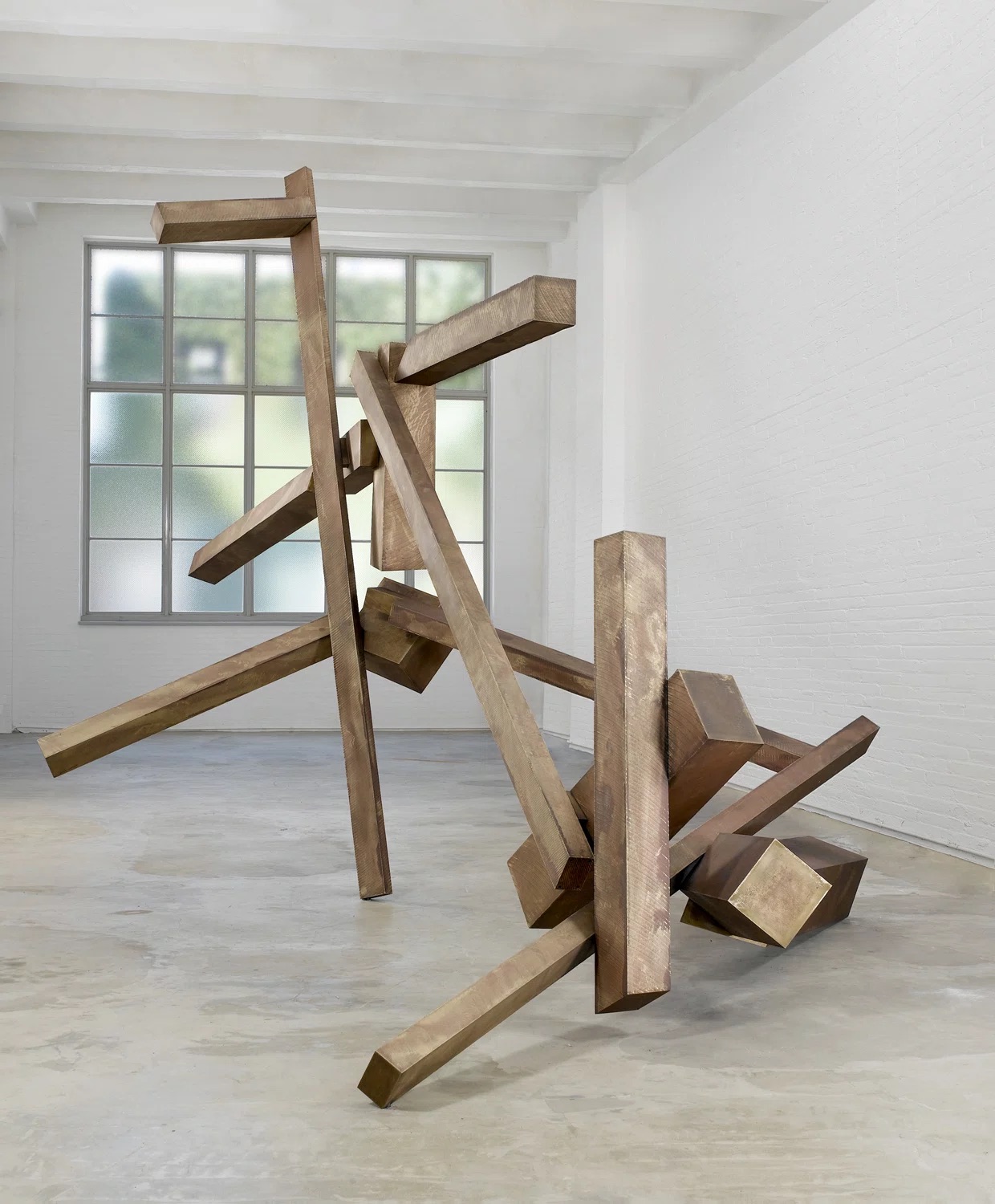
Film
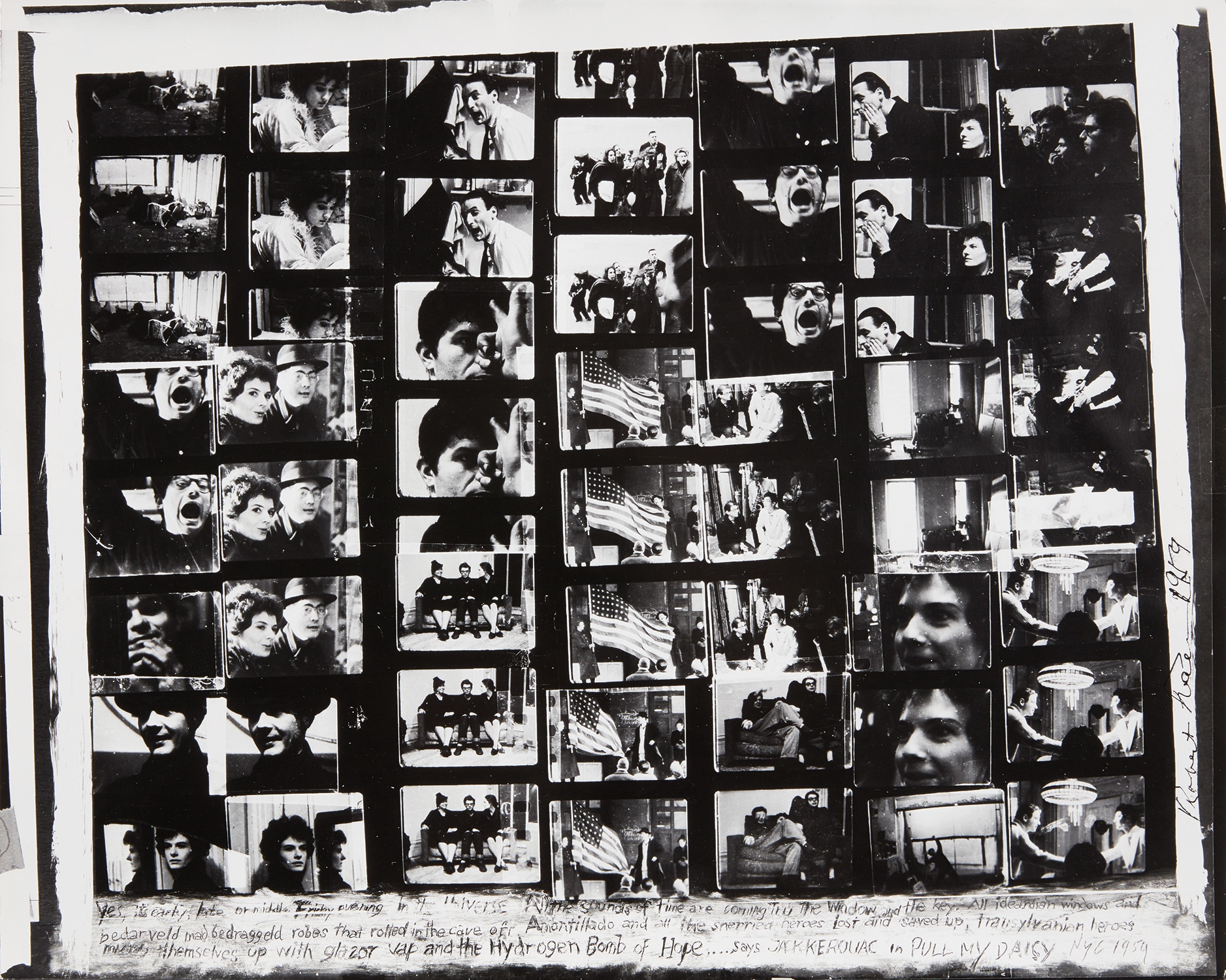
Robert Frank
Film Strips from 'Pull My Daisy'
The Frame That Changed Everything: On Film
There is something almost alchemical about the relationship between art and film. From the moment a moving image first flickered against a wall in Paris in December 1895, the cultural imagination shifted in ways that no single discipline has yet fully accounted for. Film did not simply become a new medium. It became a new way of thinking, a new grammar for consciousness itself, and the fine art world has been in conversation with it, sometimes uneasy, sometimes ecstatic, ever since.
The origins of that conversation predate the Lumière brothers. Artists and inventors had long been obsessed with capturing time in motion. Eadweard Muybridge's sequential photographs of the 1870s and 1880s, commissioned to settle a bet about whether all four of a horse's hooves left the ground simultaneously during a gallop, were not merely scientific curiosities. They were the first serious attempt to break movement into its constituent parts, to hold duration still.
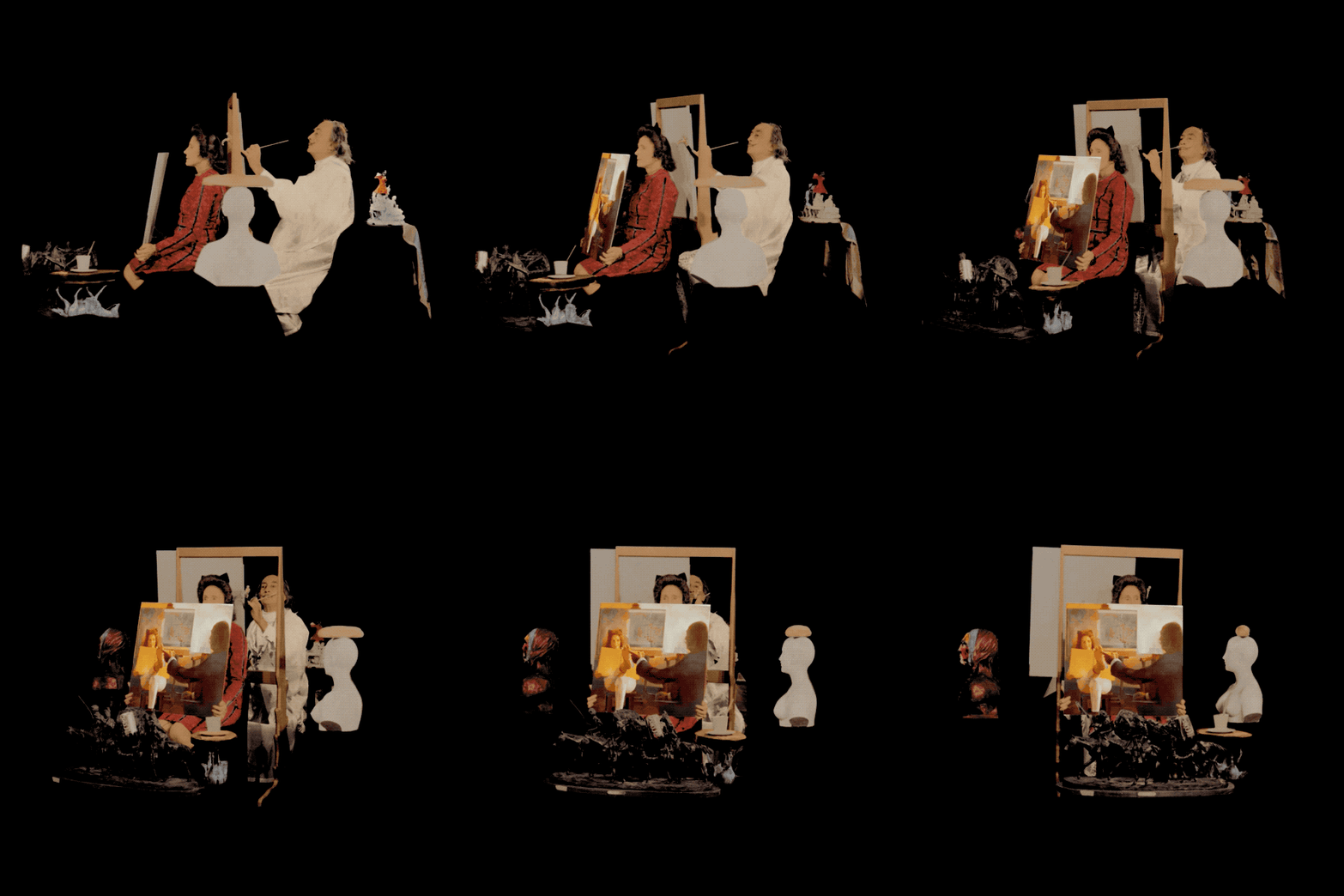
Salvador Dalí
Dalí Painting Gala
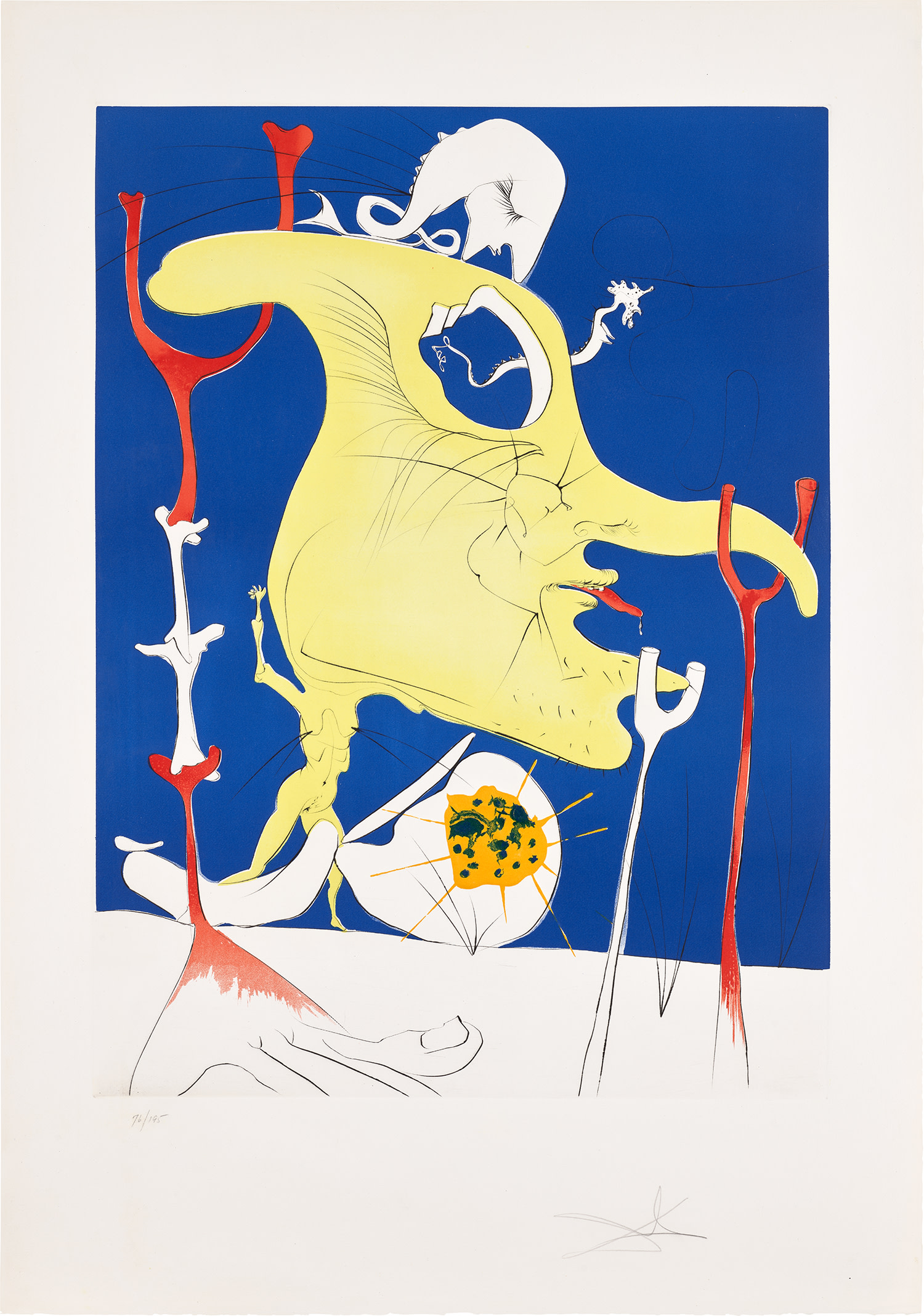
From Muybridge to the Cinématographe was a short and inevitable step, and from the Cinématographe to the gallery wall was shorter than most people realise. By the 1920s, the European avant garde had recognised film as the defining medium of modernity. Fernand Léger made Ballet Mécanique in 1924, a film with no narrative whatsoever, just rhythm and form and the hypnotic repetition of industrial shapes. Man Ray, Salvador Dalí and Luis Buñuel were among those who understood that cinema could go somewhere painting could not, somewhere dreamlike and irrational, tethered only loosely to the visible world.
Dalí's collaboration with Buñuel on Un Chien Andalou in 1929 remains one of the most scandalous and generative experiments in the history of any medium. Its imagery, including that famous sliced eye, still lands with physical force nearly a century later. For collectors drawn to Dalí's work, understanding his engagement with film is essential to understanding his entire practice. Andy Warhol arrived at film from a completely different direction, and what he brought to it was a kind of aggressive conceptual clarity.
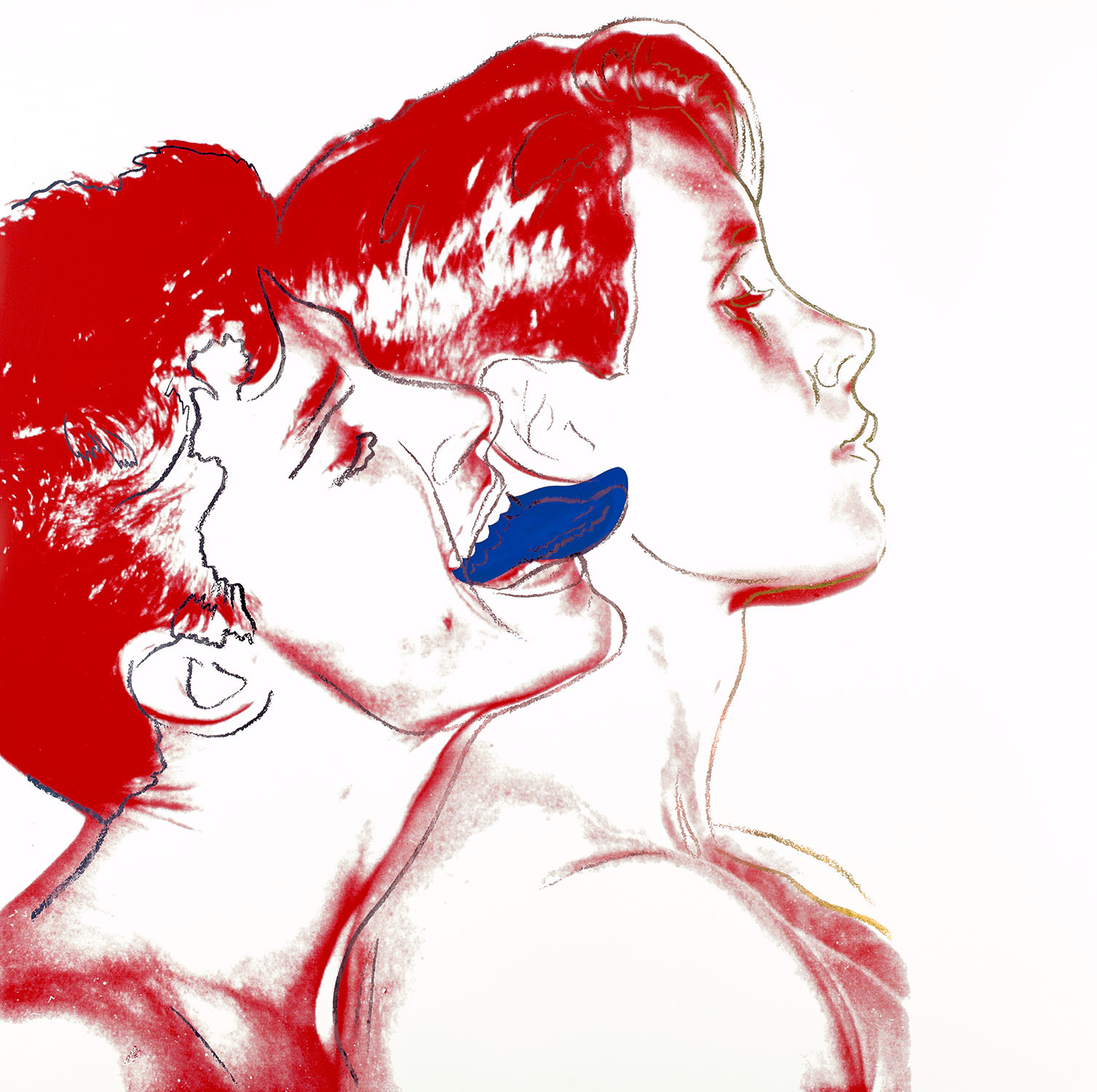
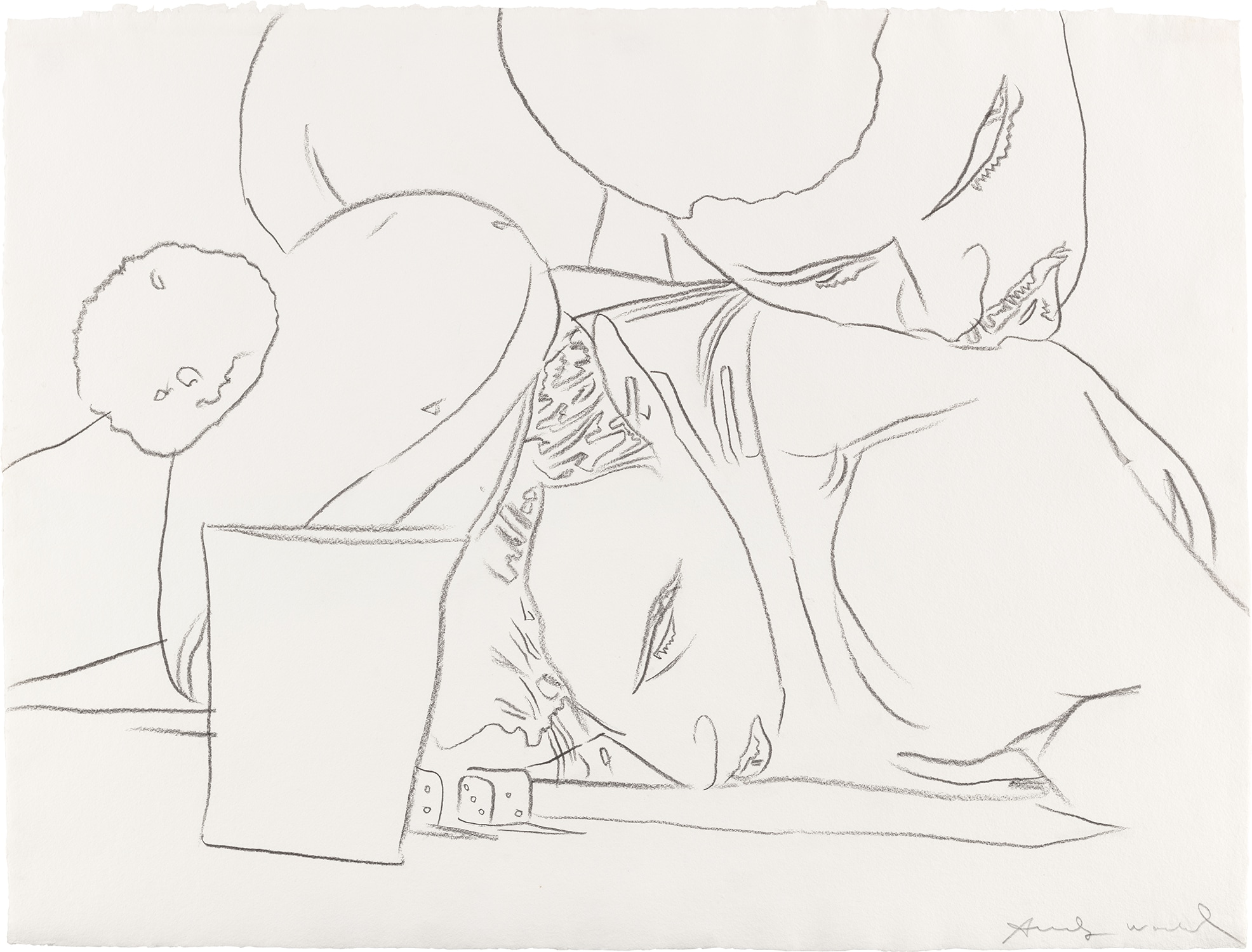
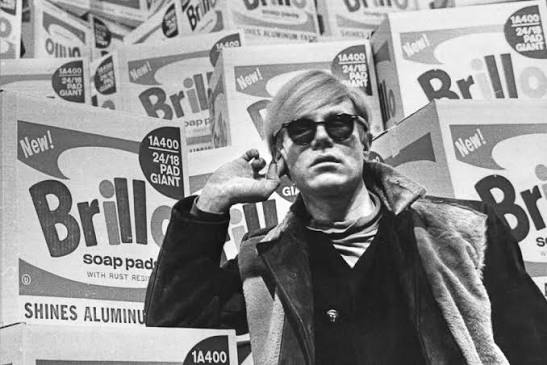
Andy Warhol
Querelle (F. & S. III A.27)
His early films, Sleep from 1963 and Empire from 1964, were not narratives or even, in any conventional sense, entertainments. They were duration made visible, time as material, the camera as a weapon of boredom deployed against the audience. Warhol understood that film could be sculpture, that it could occupy a room the way a canvas occupies a wall, and his influence on subsequent gallery based moving image practice is almost immeasurable. His work on The Collection sits within a broader body of output that was always in dialogue with mass media, celebrity, and the mechanics of reproduction.
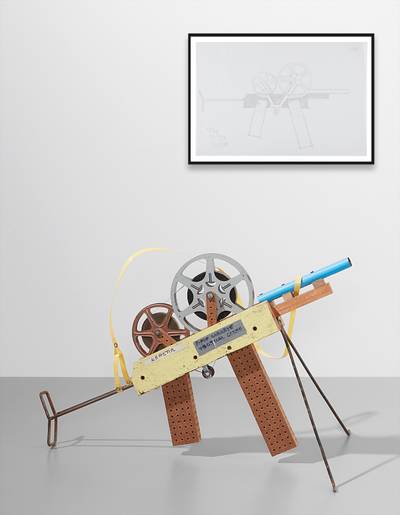
Robert Frank, whose landmark photobook The Americans was published in 1958, also turned to film, most notably with Pull My Daisy in 1959, a short film he co directed with Alfred Leslie and narrated by Jack Kerouac. Frank's sensibility carried across mediums with remarkable consistency: the same restless, handheld intimacy that defined his photography animated his approach to moving image. He was never interested in polish or in the cinematic conventions of Hollywood. His film work, like his photographs, was about catching something true before it disappeared.
Robert Frank
Film Strips from 'Pull My Daisy'
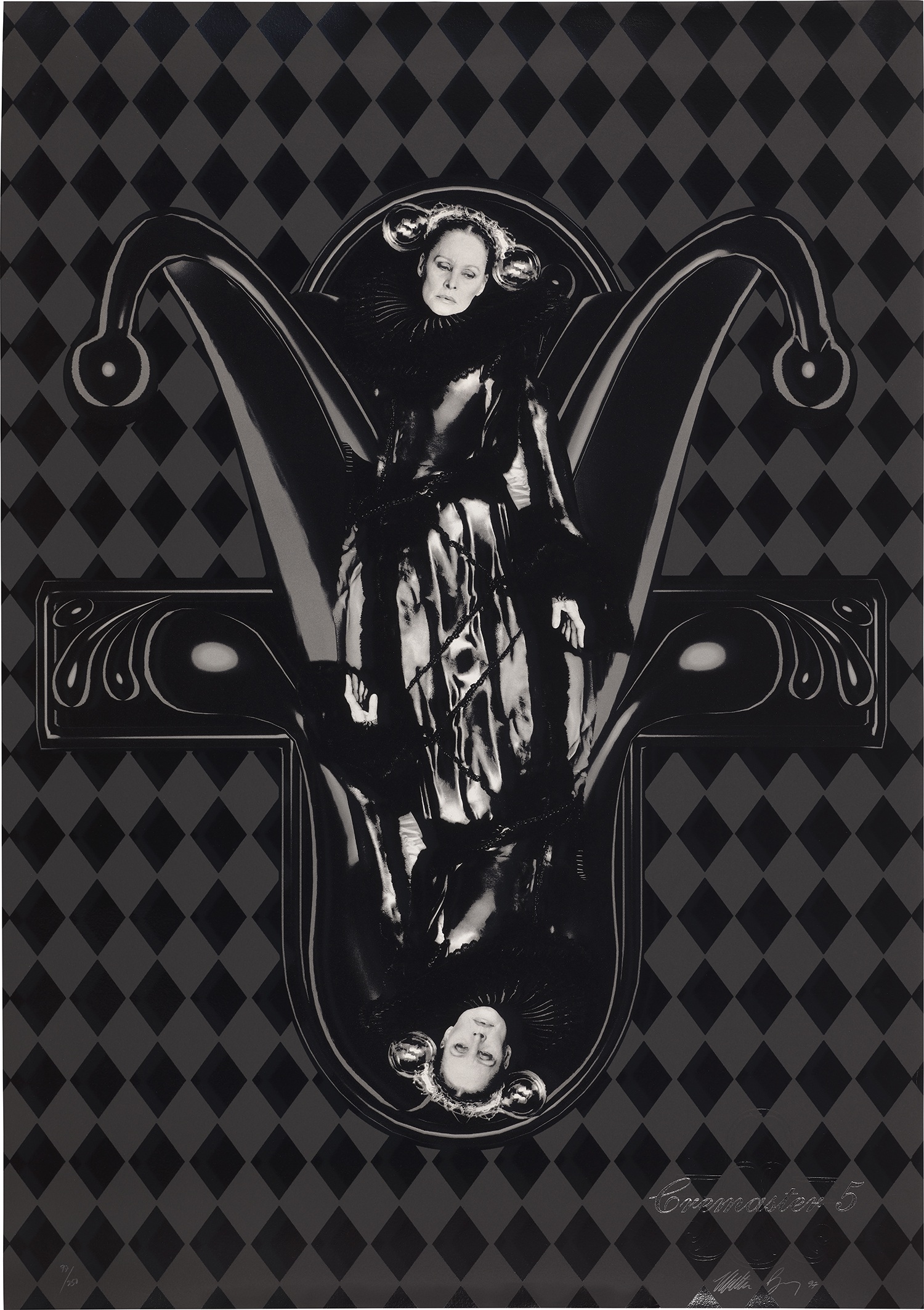
For collectors, Frank's position at the intersection of photography, film, and the Beat Generation makes him a genuinely singular figure in postwar American culture. The 1990s and early 2000s brought a wholesale reconsideration of film and video as gallery art forms. Matthew Barney's Cremaster Cycle, completed in 2002 after nearly a decade of production, stands as one of the most ambitious works of that era or any other. Presented across five feature length films with an elaborate internal mythology, dense with imagery drawn from Freemasonry, Celtic legend, and bodybuilding, the Cremaster Cycle collapsed the distance between cinema, sculpture, performance, and installation.
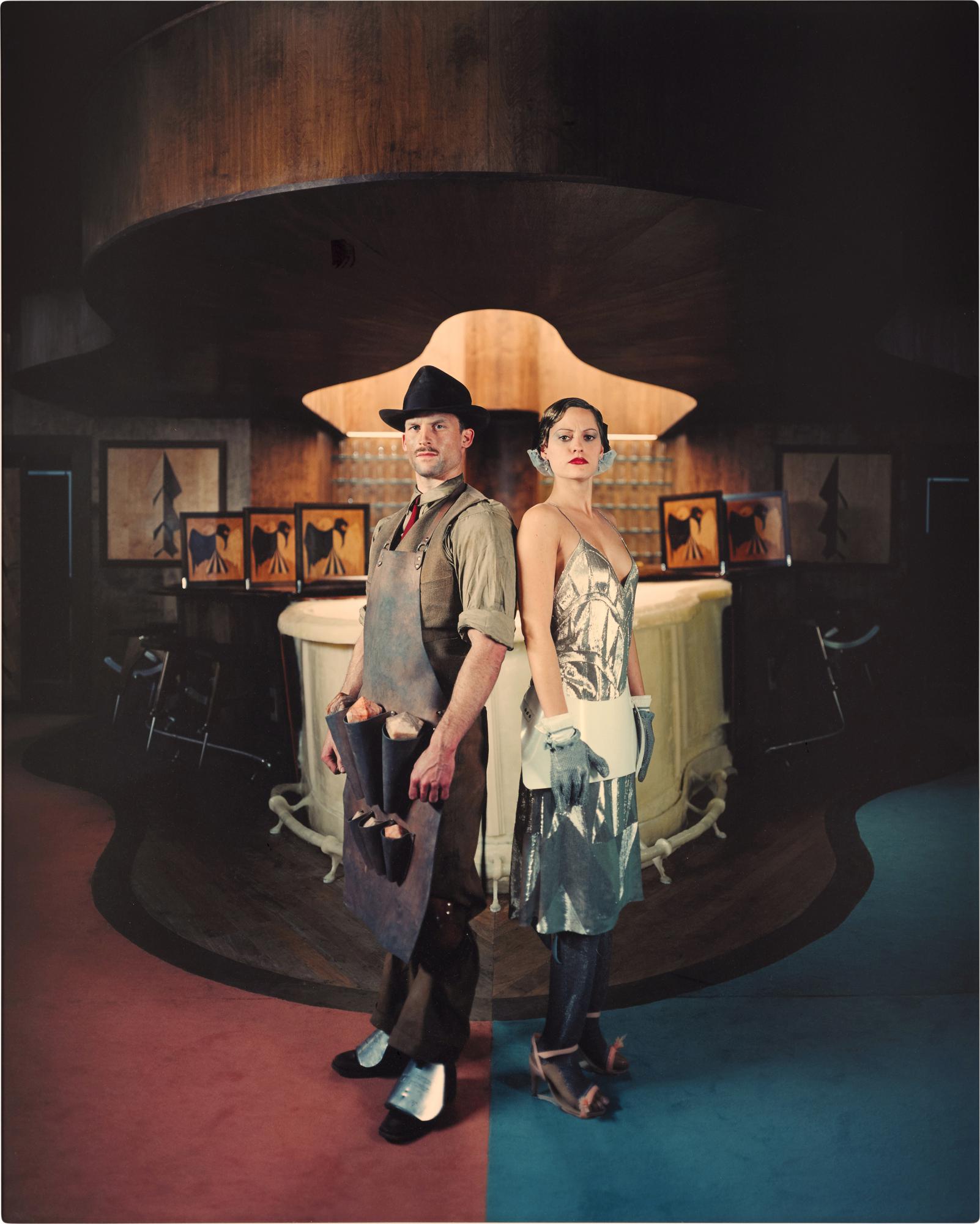
Barney showed that film in a gallery context could sustain the same kind of sustained, repeated, attentive looking that we bring to painting. His work fundamentally changed what collectors and institutions thought was possible. Isaac Julien's practice sits in a related but distinct tradition, one rooted in questions of race, desire, history, and representation. His multi screen installations, which place viewers inside landscapes of image and sound rather than positioning them as passive spectators, draw on documentary, dance, poetry, and cinema simultaneously.
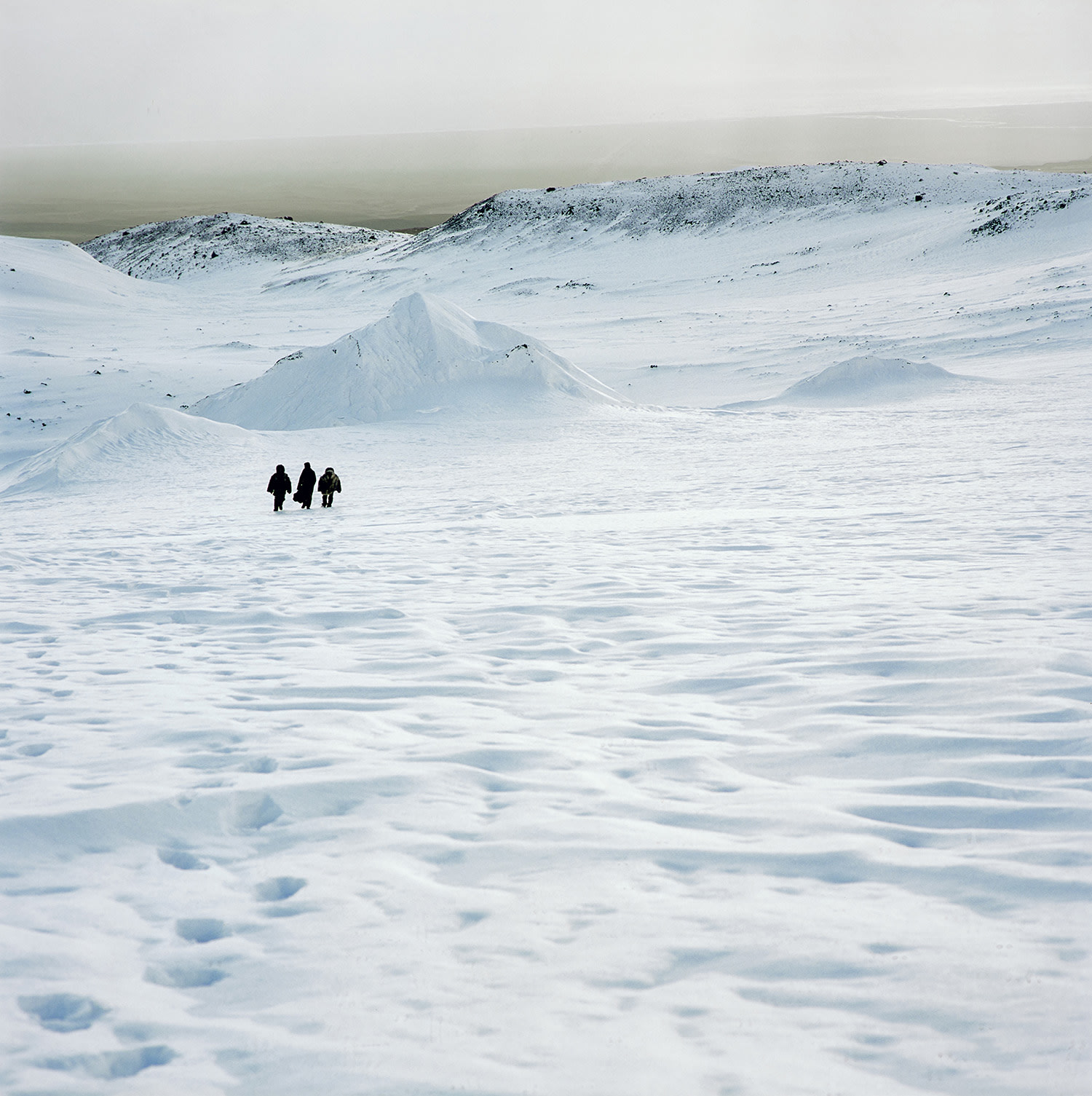
Isaac Julien
True North Series
Julien has spoken often about his debt to film theory as much as to filmmaking itself, and his work carries that intellectual weight without ever feeling academic. To encounter his pieces is to understand how moving image can hold contradiction and beauty at the same time. The conceptual possibilities of film have attracted artists who are not primarily filmmakers at all. Francis Alÿs, best known for durational performance and drawing, has used video and film to document works that exist in time, works where the journey is the piece and the film is both record and artwork.
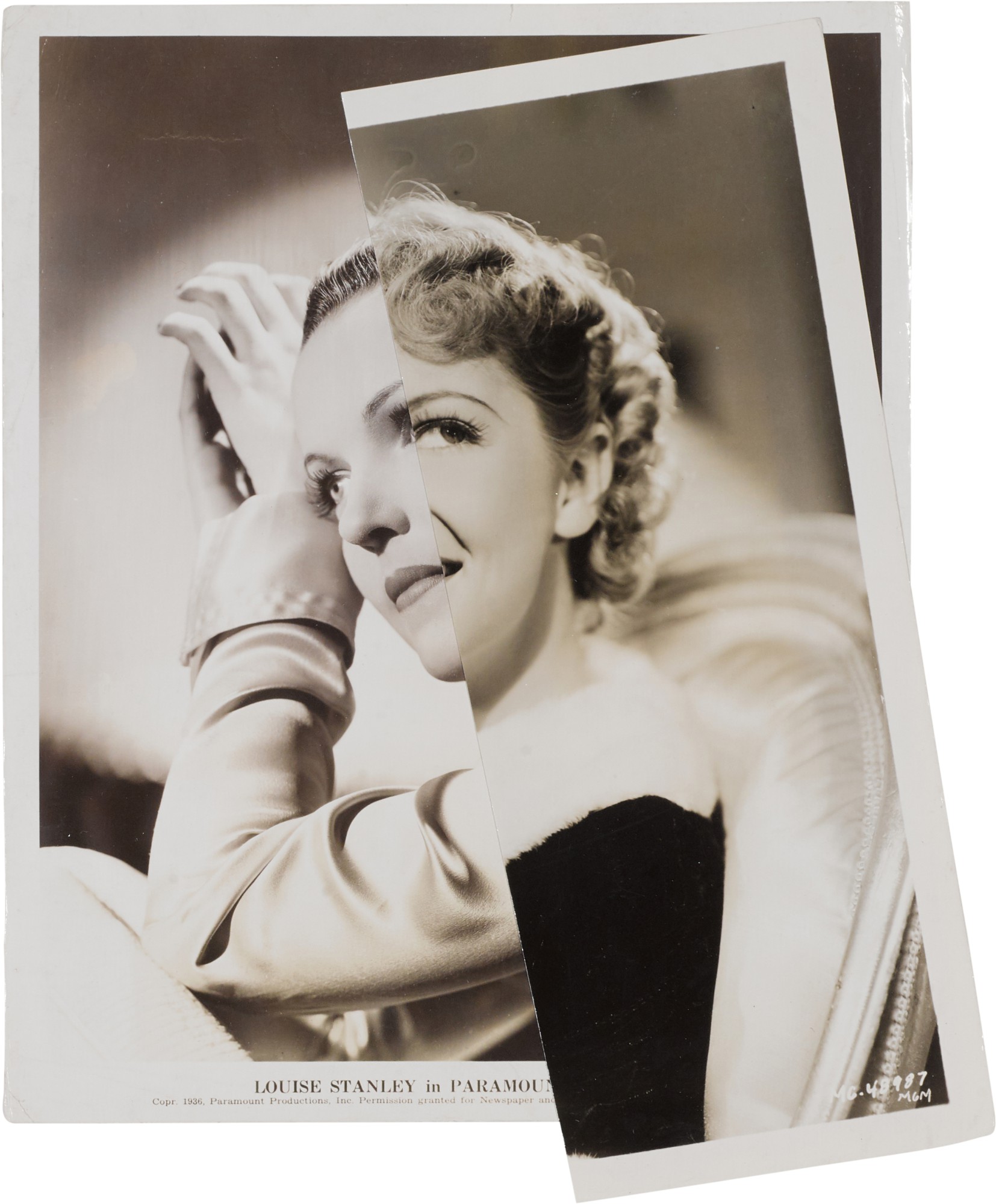
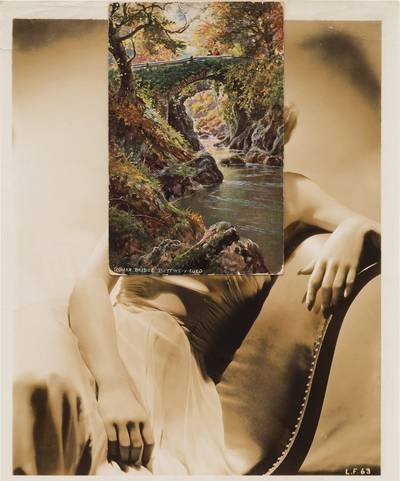
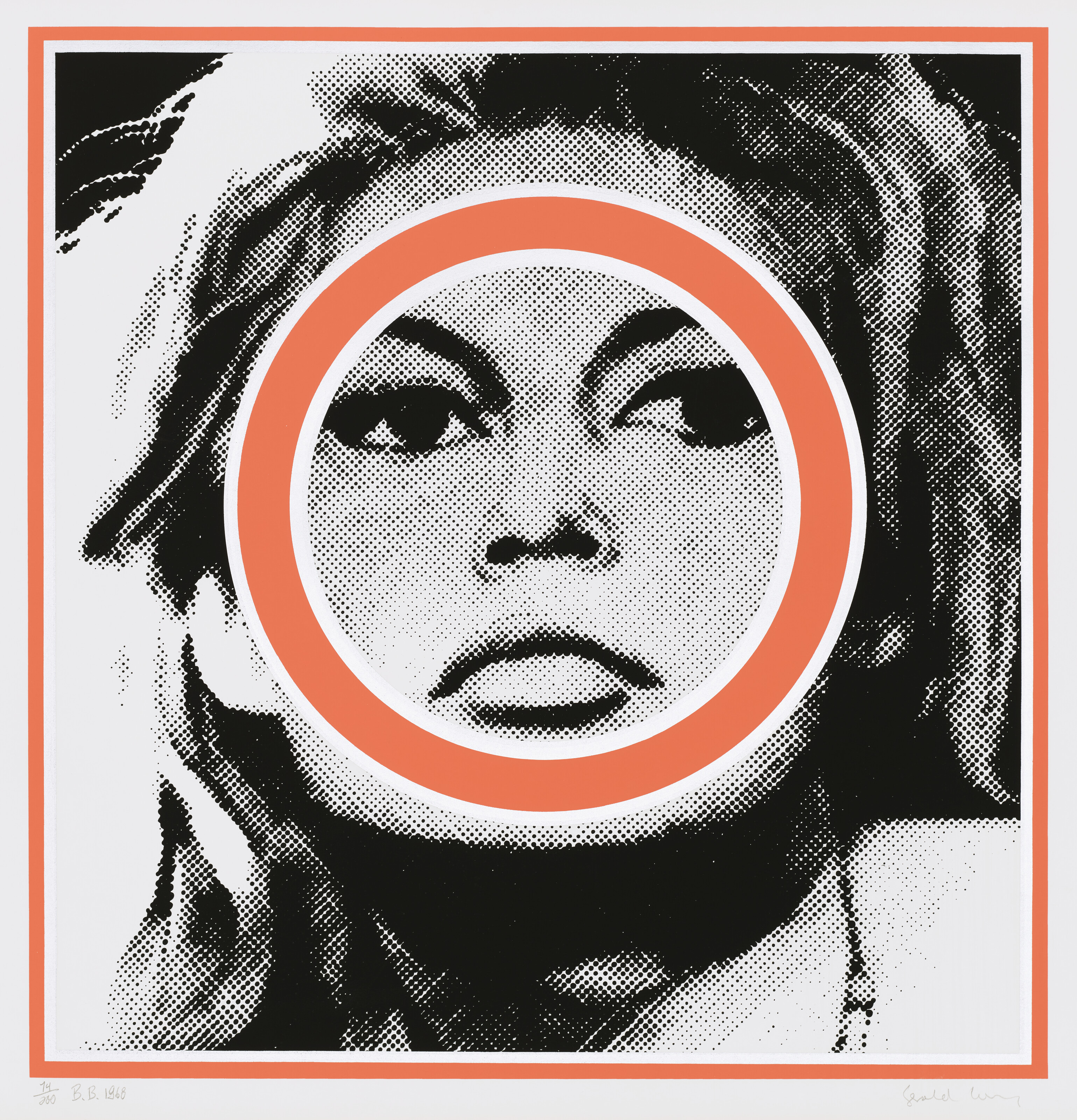
John Stezaker works with found film stills and publicity photographs, using collage to fracture and recombine cinematic imagery, mining the history of classic Hollywood for something haunting and uncanny. Gerald Laing, whose Pop Art canvases directly sampled the visual language of film posters and celebrity photographs, understood that cinema had already colonised painting's territory and chose to work with that fact rather than against it. What all of these practices share is an understanding that film is not simply a medium of entertainment or even of documentation. It is a technology of memory, of desire, of collective fantasy.
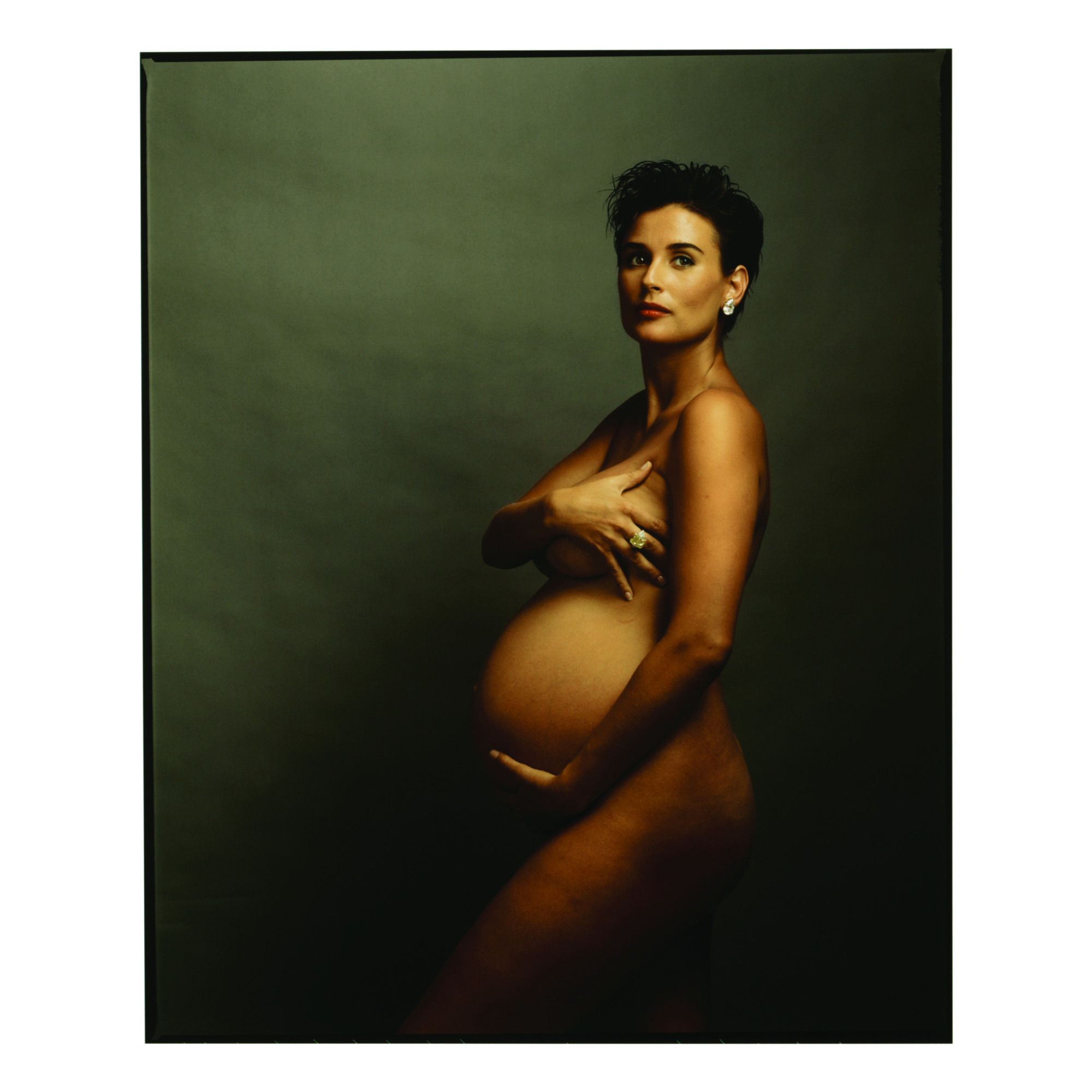
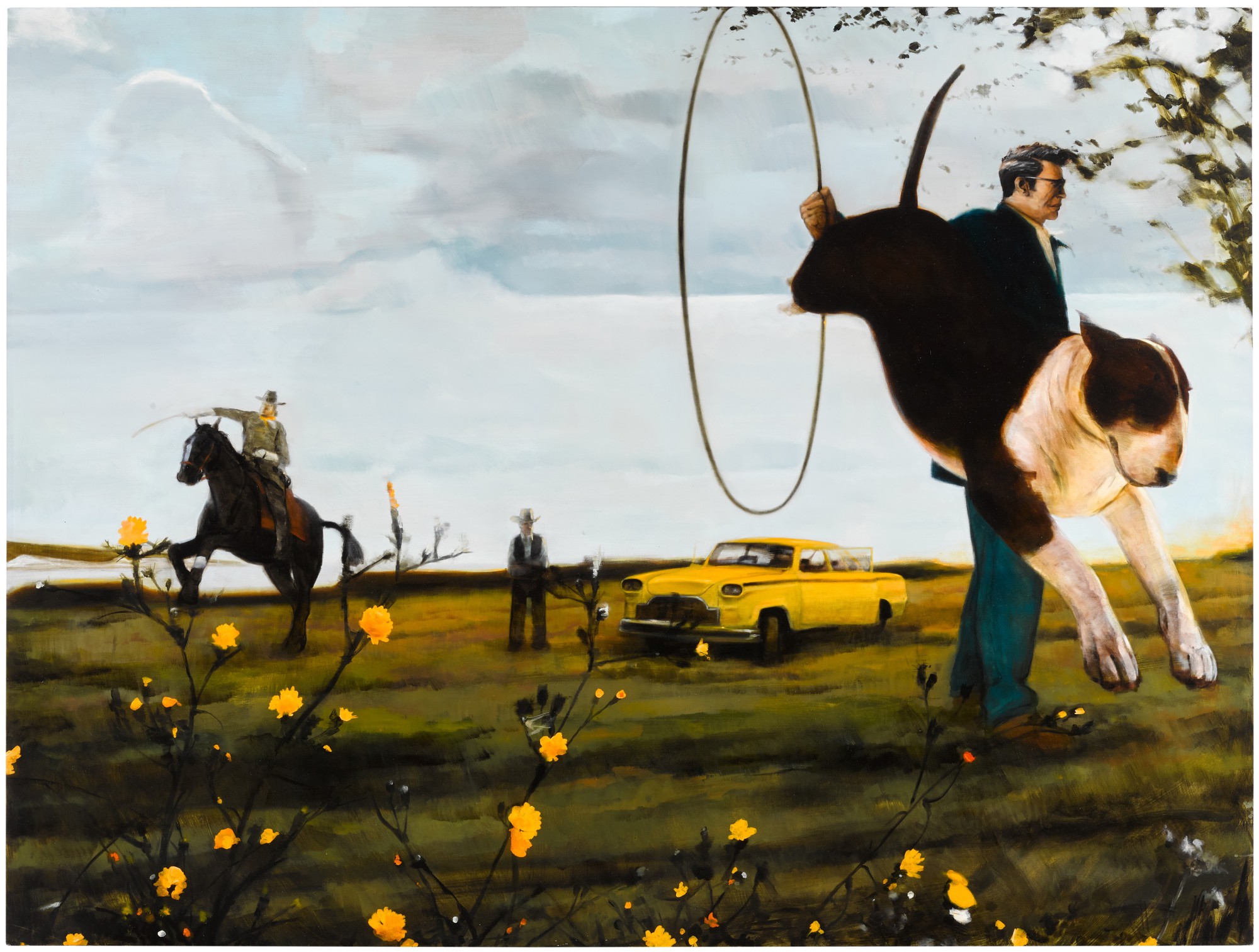
Annie Leibovitz, whose portraits of actors and directors have appeared in works on The Collection, has spent her career exploring the strange feedback loop between real human beings and their cinematic images, the way film stardom creates a second self that eventually overwhelms the first. Ray Richardson, with his figurative canvases loaded with tension and narrative, works in a tradition that is indebted to cinema even when there is no screen in sight. Film has given visual art new questions to ask about time, duration, spectatorship, and the moving body. It has offered painters a new kind of subject, offered sculptors a new kind of space, and offered collectors one of the richest and most contested categories in contemporary practice.
The works on The Collection that engage with film and its afterlife are reminders that the frame, whether it is a cinema screen or a gallery wall, is always also a window onto something larger than itself.
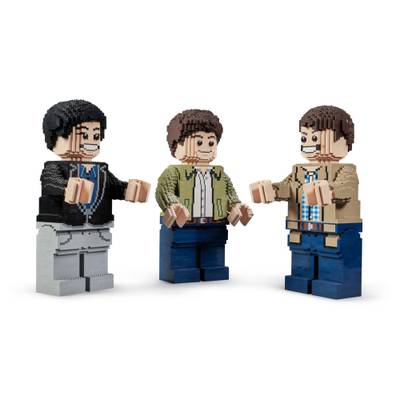
![The Lego Movie — [The Lego Movie]](https://rtwaymdozgnhgluydsys.supabase.co/storage/v1/object/public/artwork-images/auction-lots/N11645-20250423-lot3.jpg)