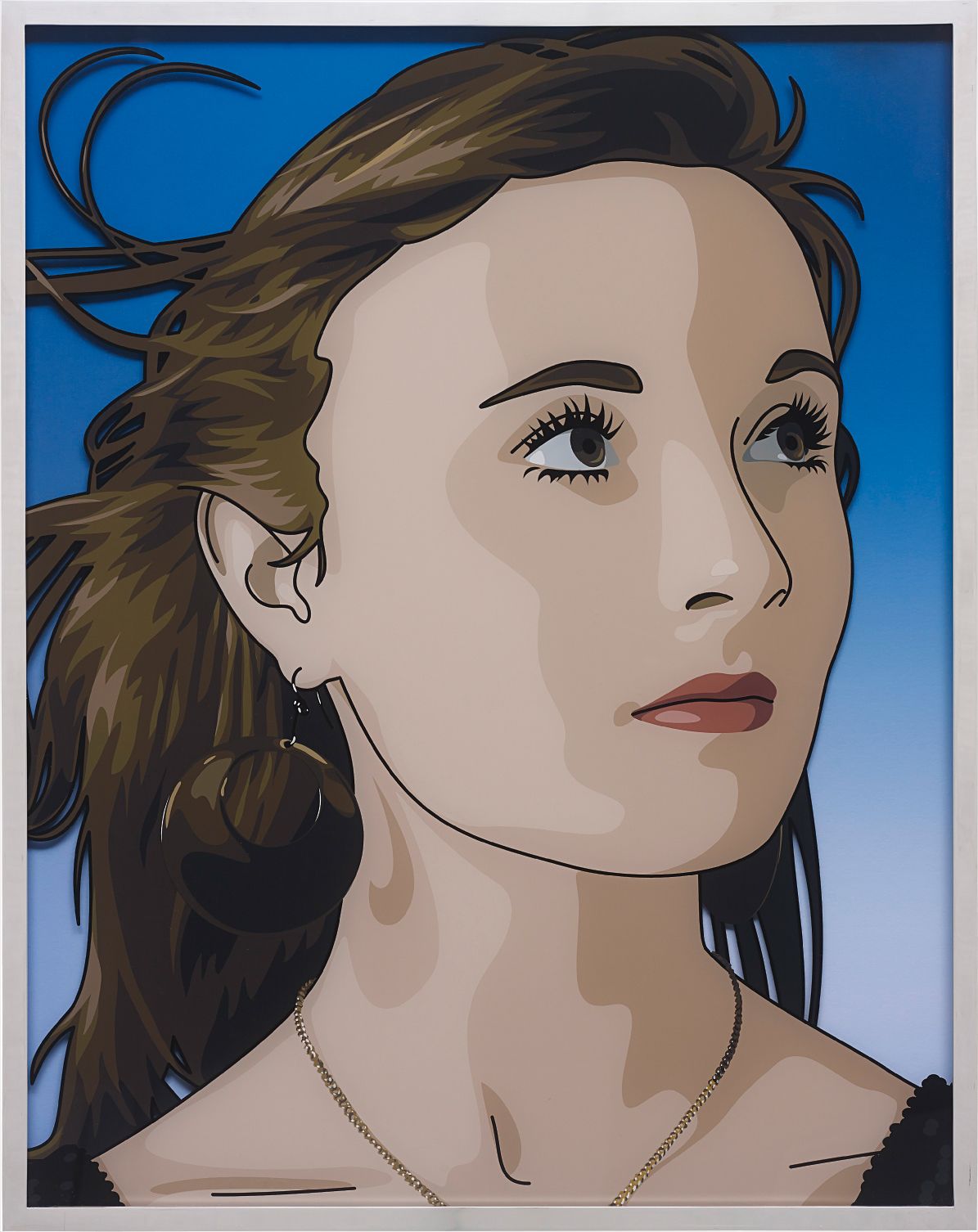
Female Figures
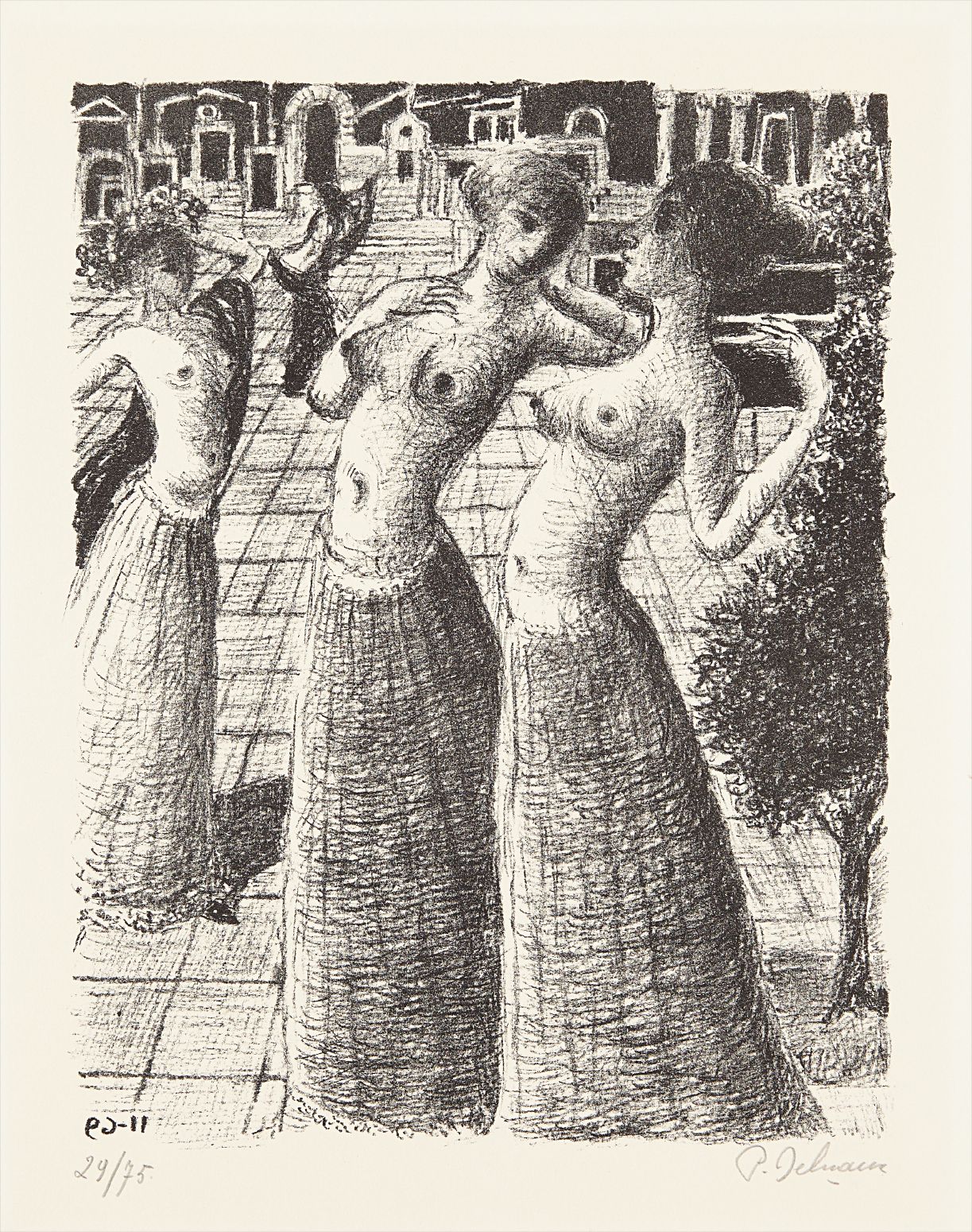
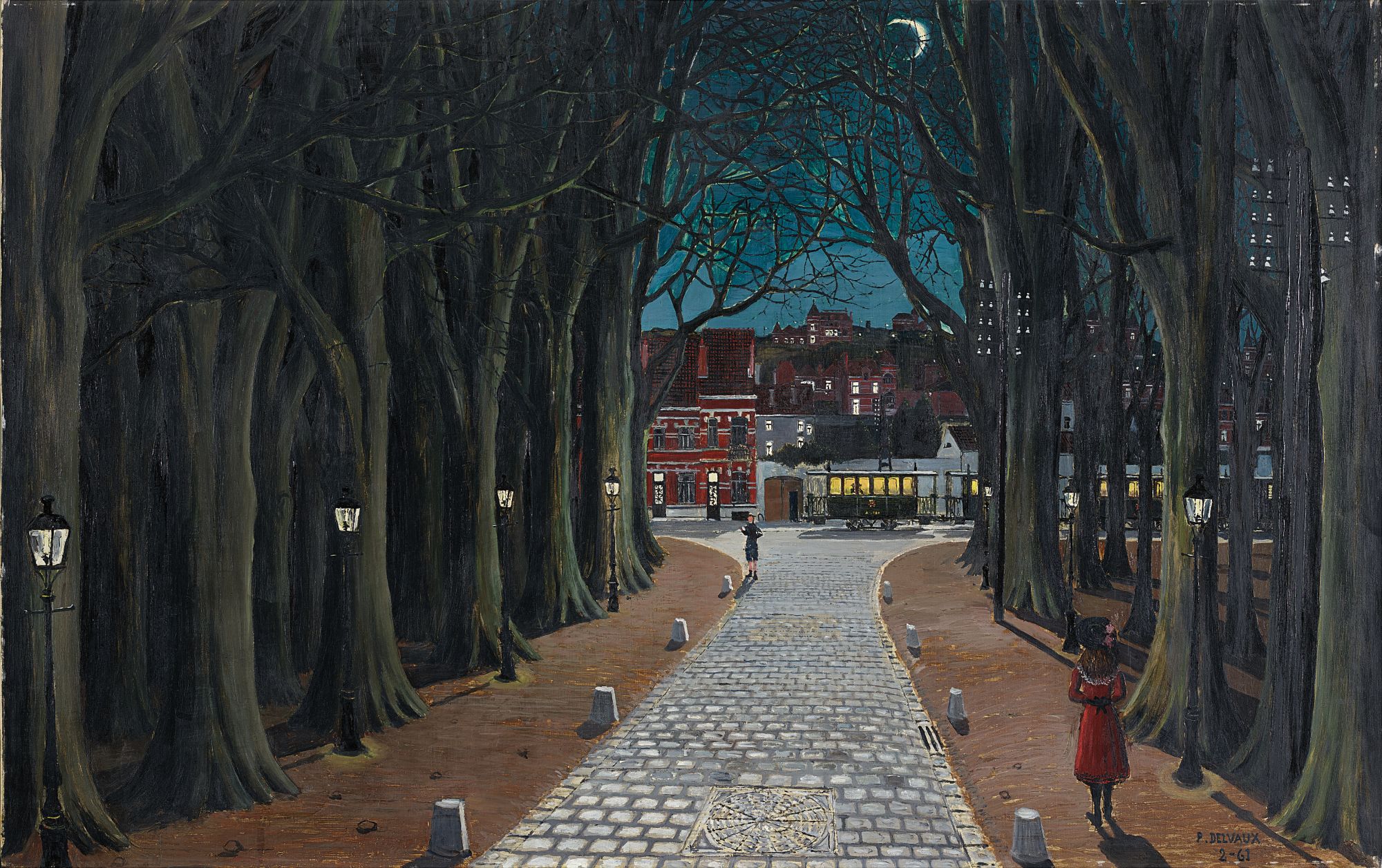
Paul Delvaux
La Danse (The Dance)
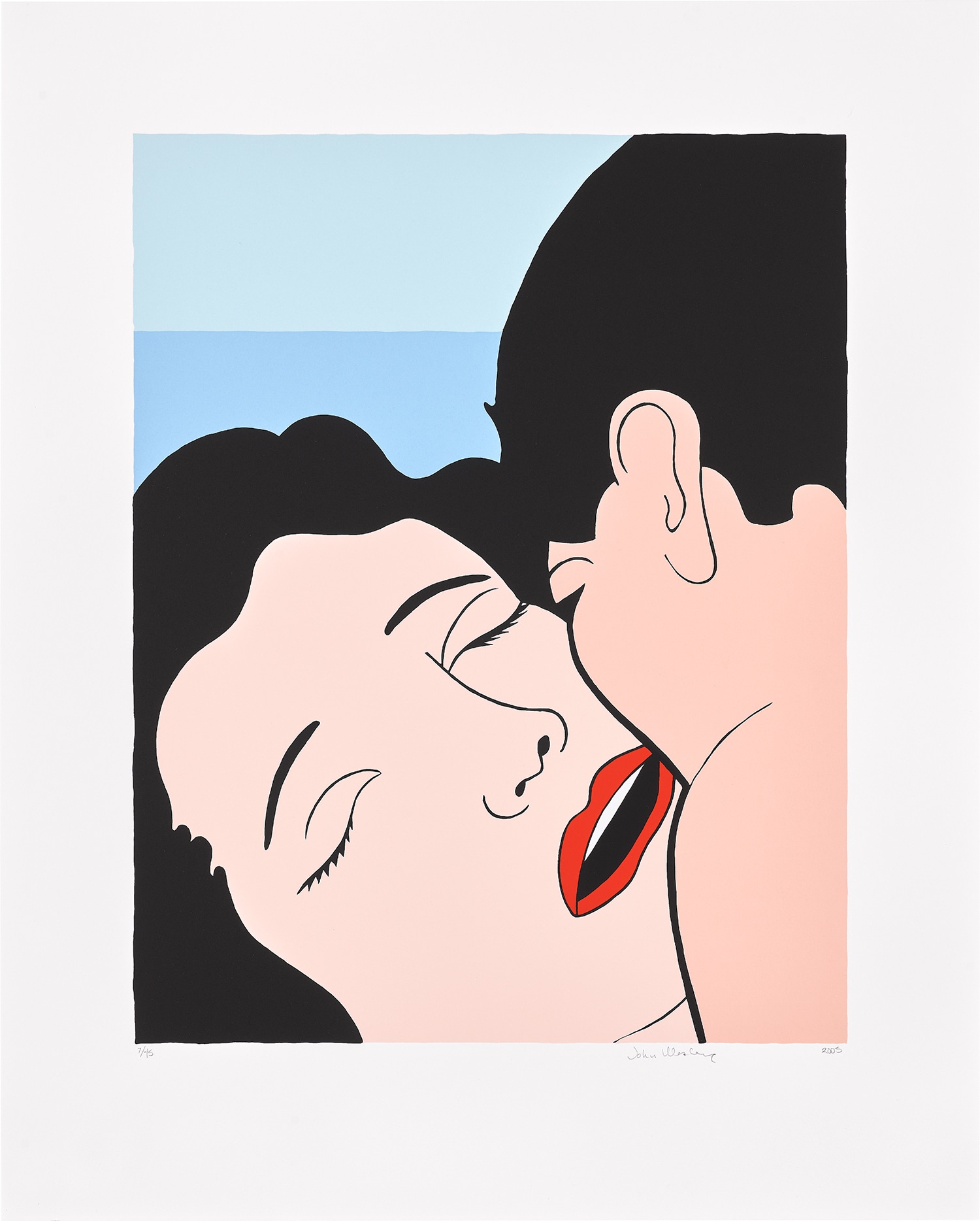
The Female Figure Will Always Find You
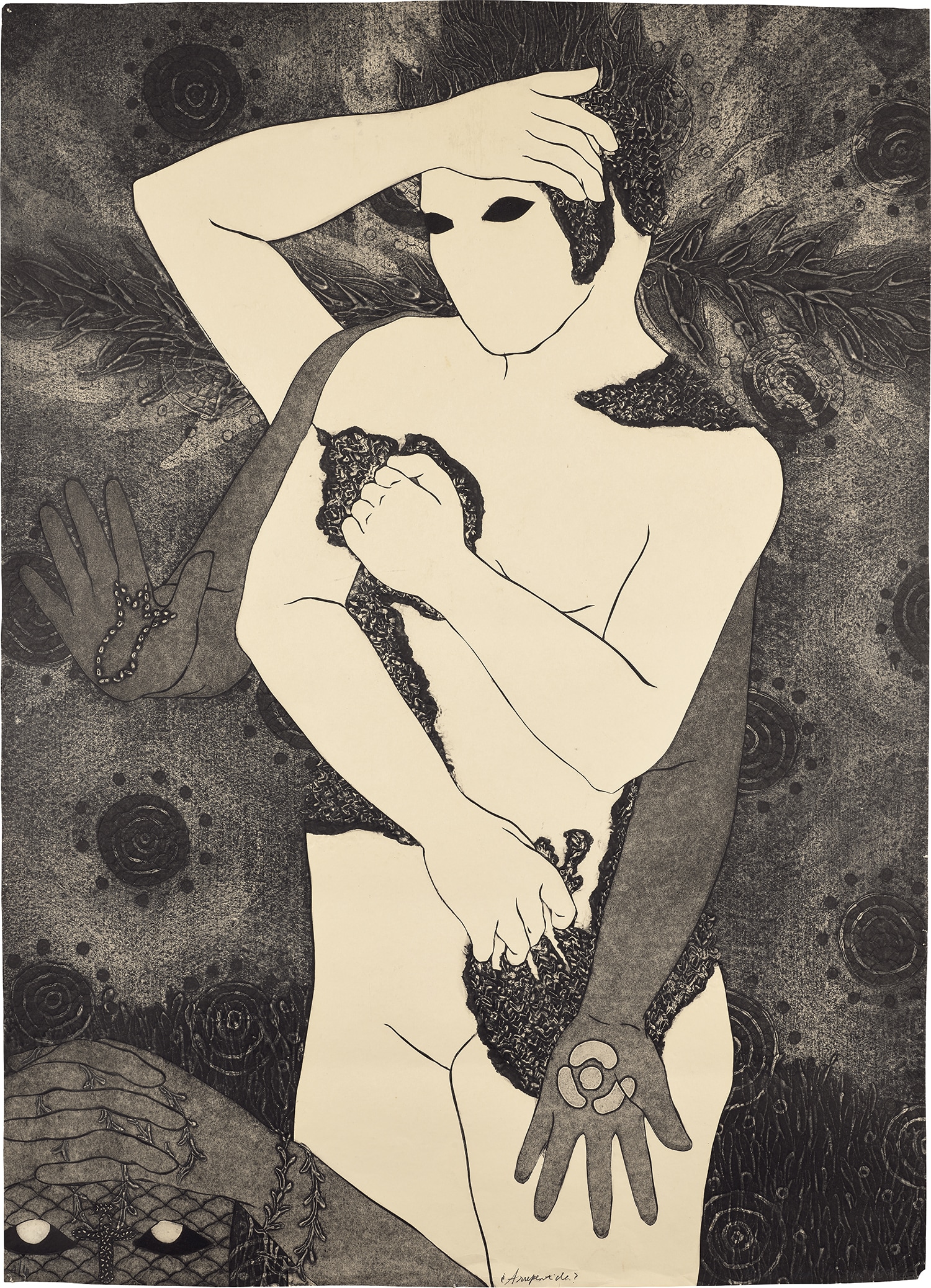
There is something about living with a work that depicts a woman that collectors describe in almost physical terms. Not possession, exactly, but presence. The female figure has occupied human image making since before recorded art history, and yet she never feels exhausted as a subject. Collectors return to her because she carries the room differently depending on the light, the hour, the mood of the person looking.
She asks something back. That reciprocity, that sense of genuine dialogue between viewer and image, is what makes this category one of the most enduringly compelling areas in which to build a collection. The appeal is also deeply personal in a way that abstract work rarely is. When you bring a figurative work depicting a woman into your home, you are making an implicit statement about how you see the world, about whose inner life you consider worthy of space and attention.
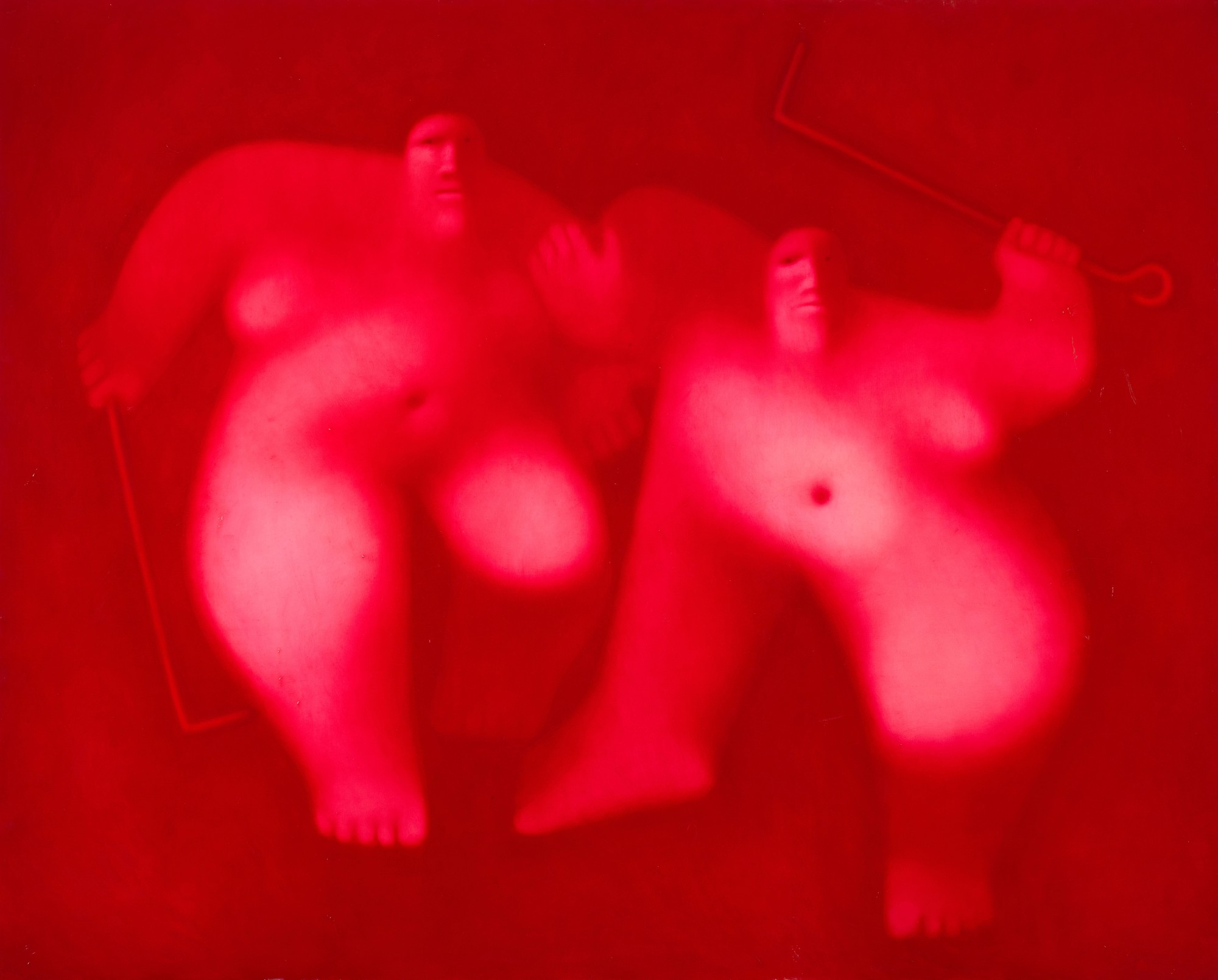
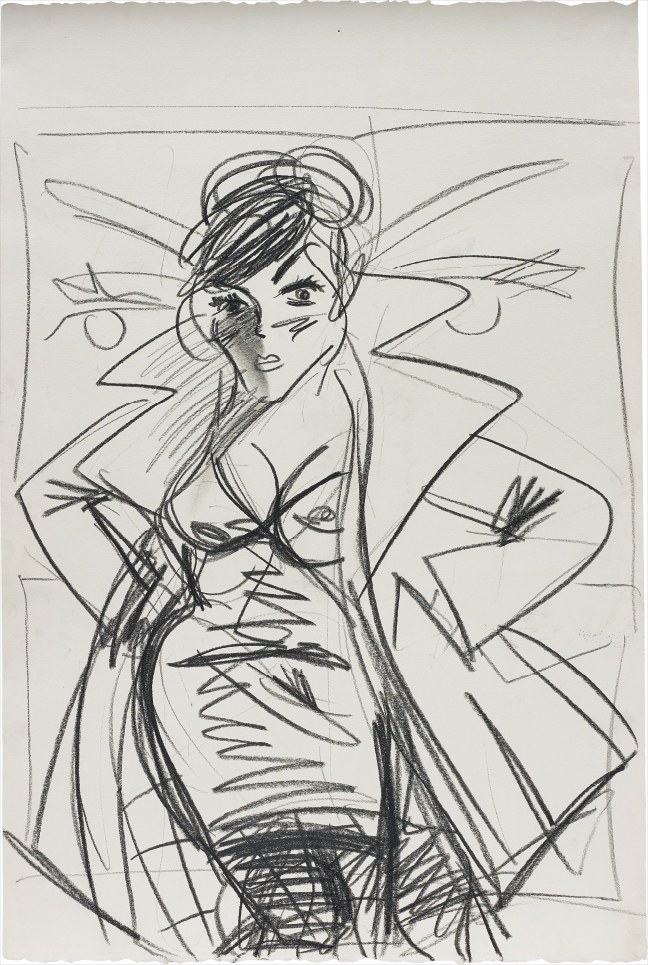
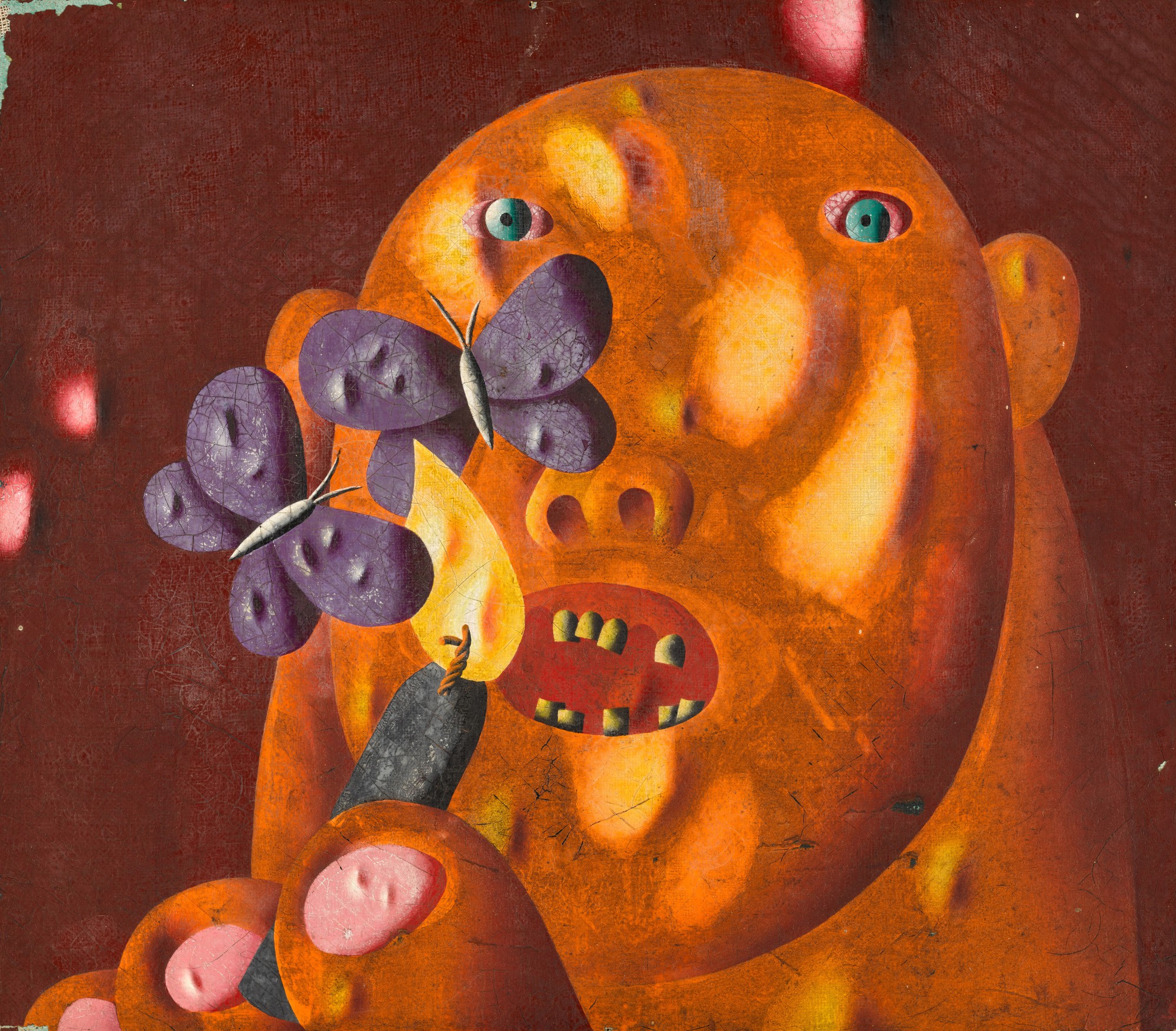
Oleg Tselkov
Ladies
Collectors who gravitate toward this subject often speak of wanting art that holds psychological weight, that rewards sustained looking. A work that delivers its meaning instantly is a decoration. A work that continues to unfold over years is a collection. So what separates a good work from a truly great one in this category?
The answer almost always comes down to interiority. The greatest depictions of female figures are not about surface, not about beauty in any conventional sense. They are about the suggestion of an entire consciousness existing behind the image. Paul Delvaux understood this instinctively.
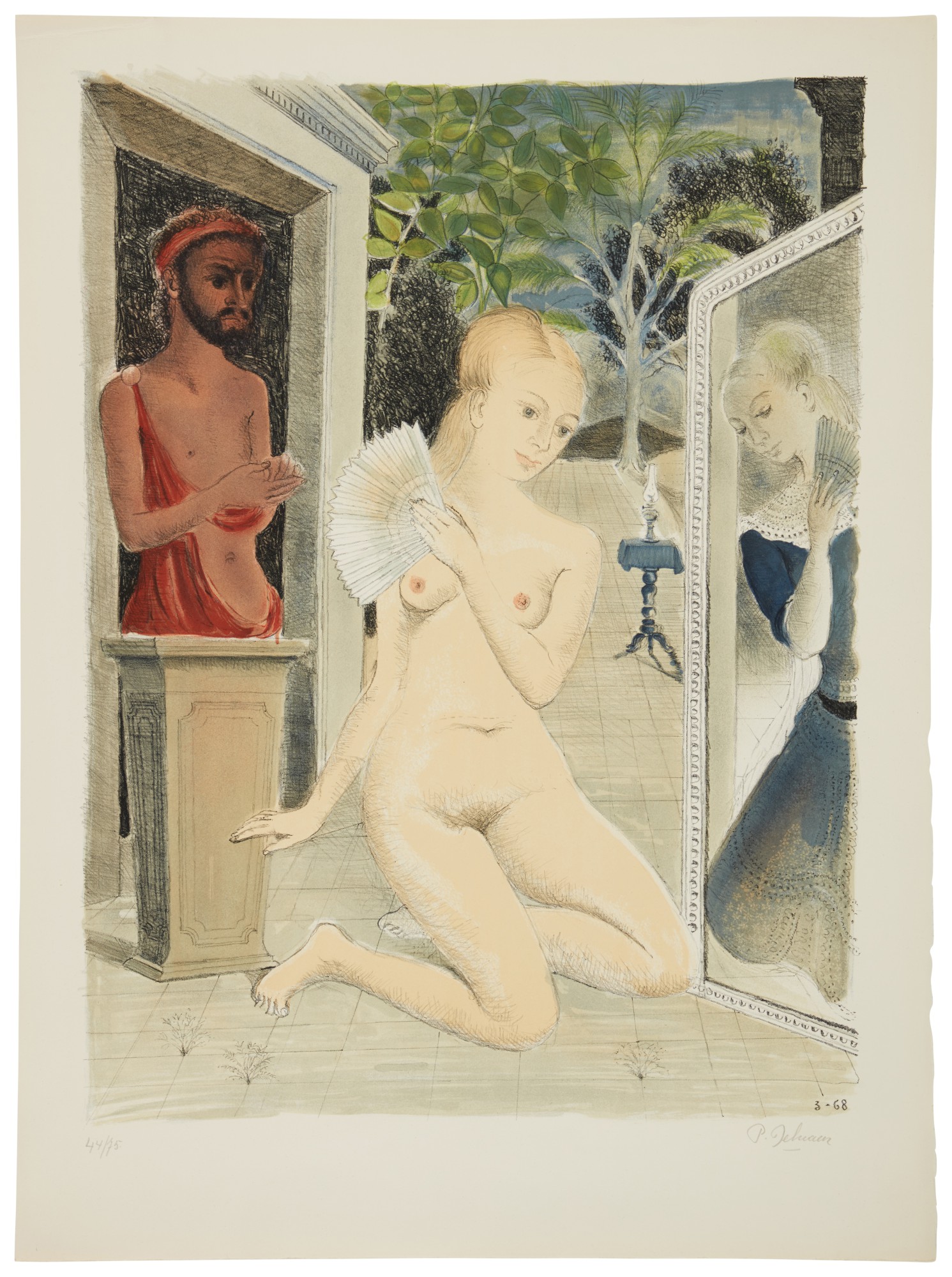
Paul Delvaux
La Danse (The Dance)
His women inhabit dreamlike architectural spaces with an uncanny self possession, indifferent to the viewer in a way that creates tremendous psychological tension. Works by Delvaux in good condition and with documented provenance consistently perform well precisely because that quality of inner life reads across generations and across cultures. When you acquire a Delvaux, you are acquiring a particular vision of feminine mystery that feels neither dated nor derivative. Henri de Toulouse Lautrec brought something entirely different to the subject: an unflinching social honesty that his contemporaries found difficult and that collectors today find galvanizing.
His depictions of women were portraits of real people in real circumstances, and that specificity gives the work its lasting charge. Similarly, Winslow Homer's images of women carry a directness and compositional authority that resists sentimentality. These are not idealized figures. They are presences.
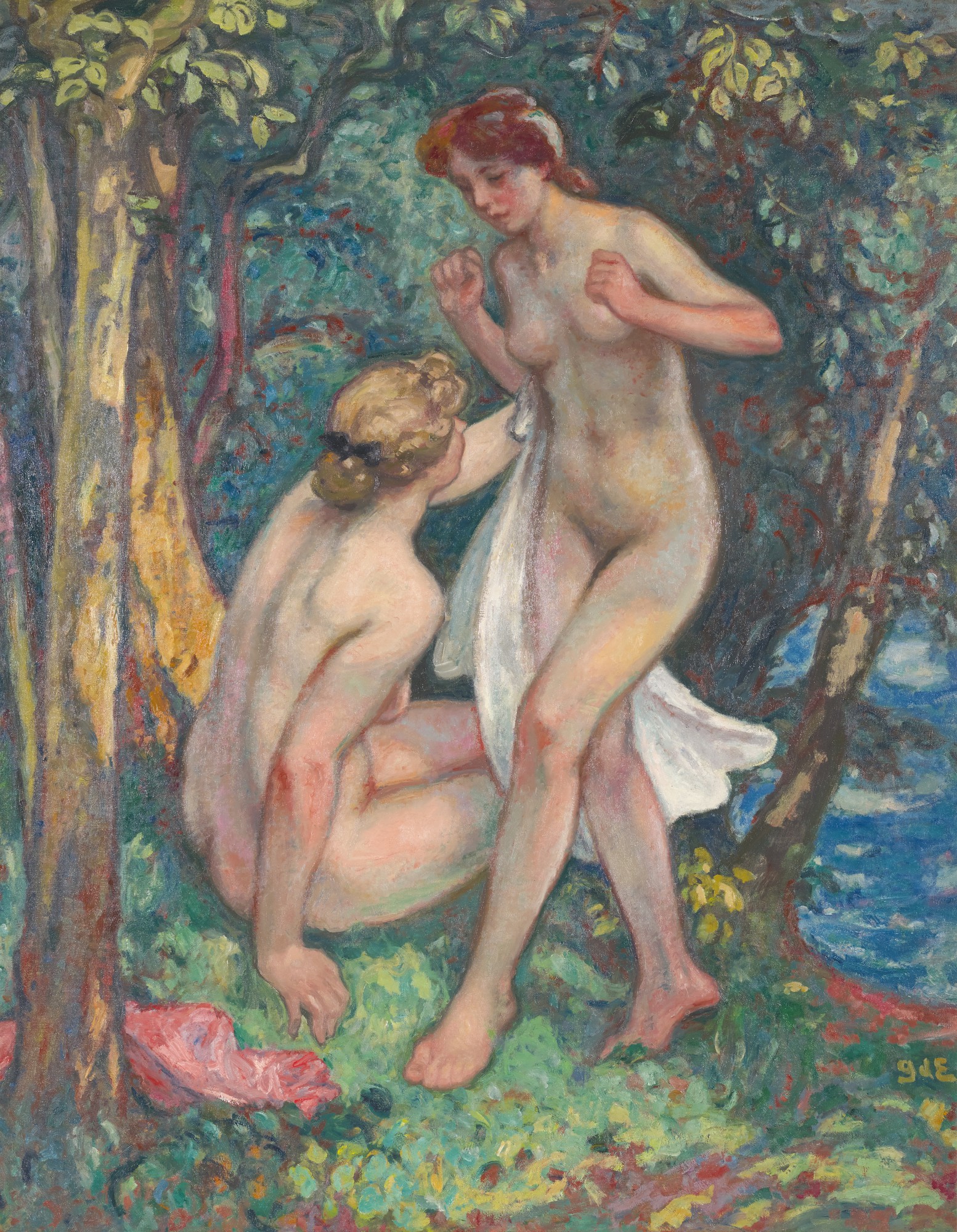
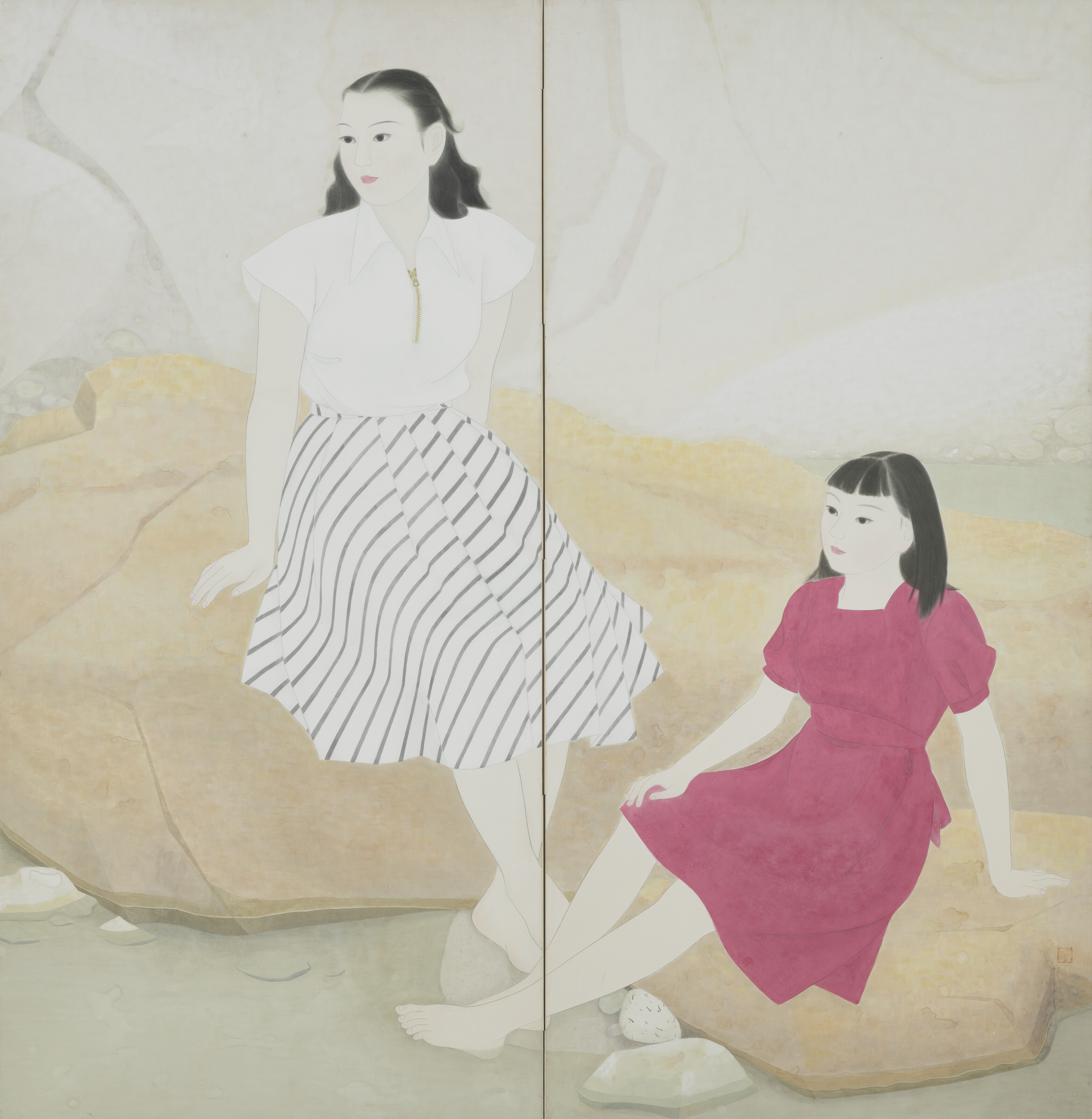
Georges d' Espagnat
Les deux baigneuses
When considering works at this level, collectors should ask their gallery about exhibition history, whether the work has been shown publicly and how it was received. A strong exhibition record adds layers of meaning and, practically speaking, supports value over time. The question of condition is especially significant in this category because so many of the most compelling works on paper and canvas are older, and older works are vulnerable in ways that photographs do not always capture. When acquiring works by artists like Nicolas François Chifflart or John William Godward, insist on a condition report from a conservator, not just the gallery's own assessment.
Ask specifically about previous restorations, any inpainting, and how the work has been stored. Fading, foxing, and previous lining of canvases can all affect long term value in ways that are not always visible to the eye. For photographic works, Julia Margaret Cameron's soft focus albumen prints require particular climate considerations, and editions matter enormously: understanding the print order and how many impressions survive is essential before any acquisition. For collectors building positions in this space, there is a strong case to be made for works by artists who are living, actively exhibiting, and beginning to attract serious institutional attention.
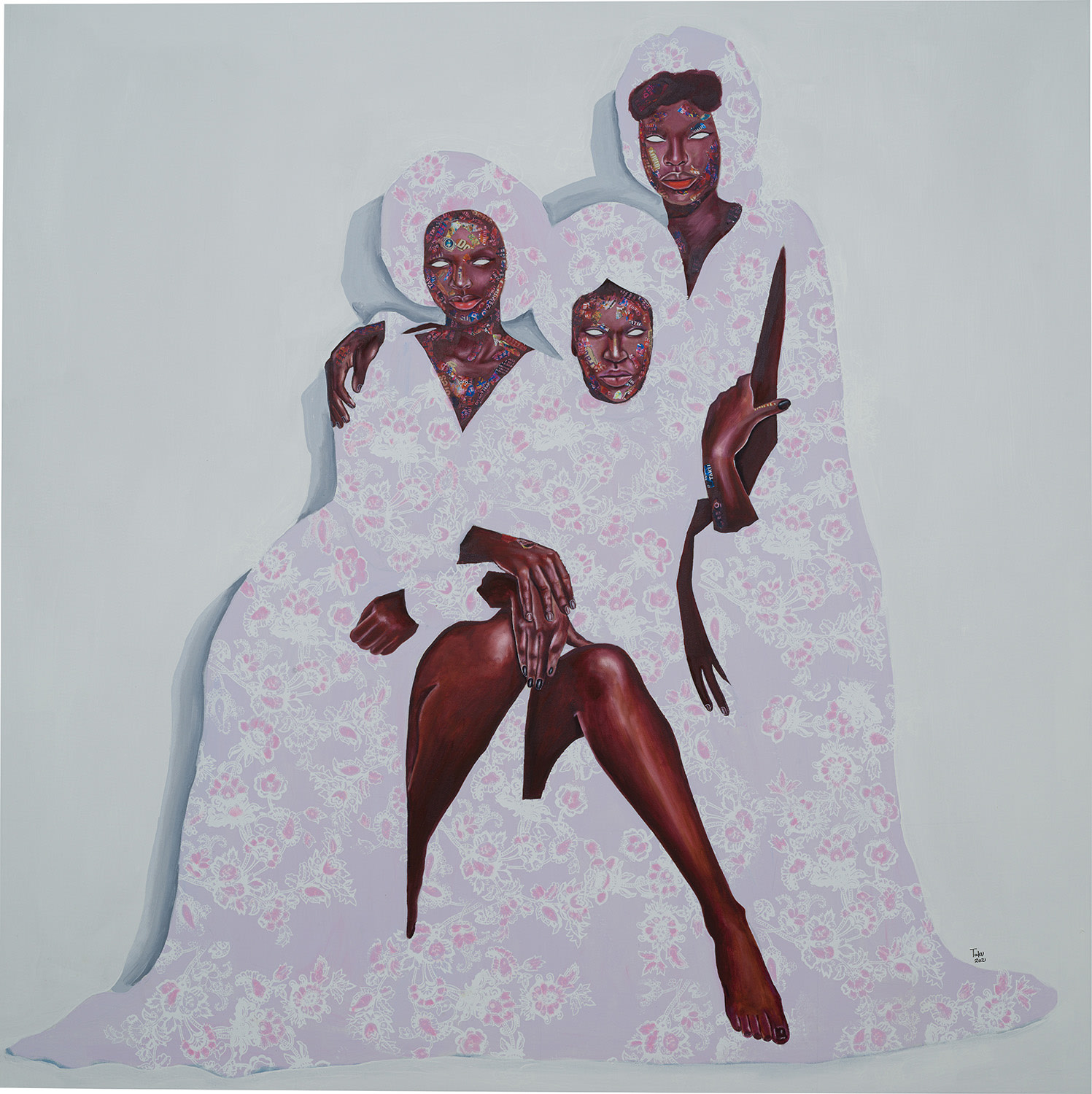
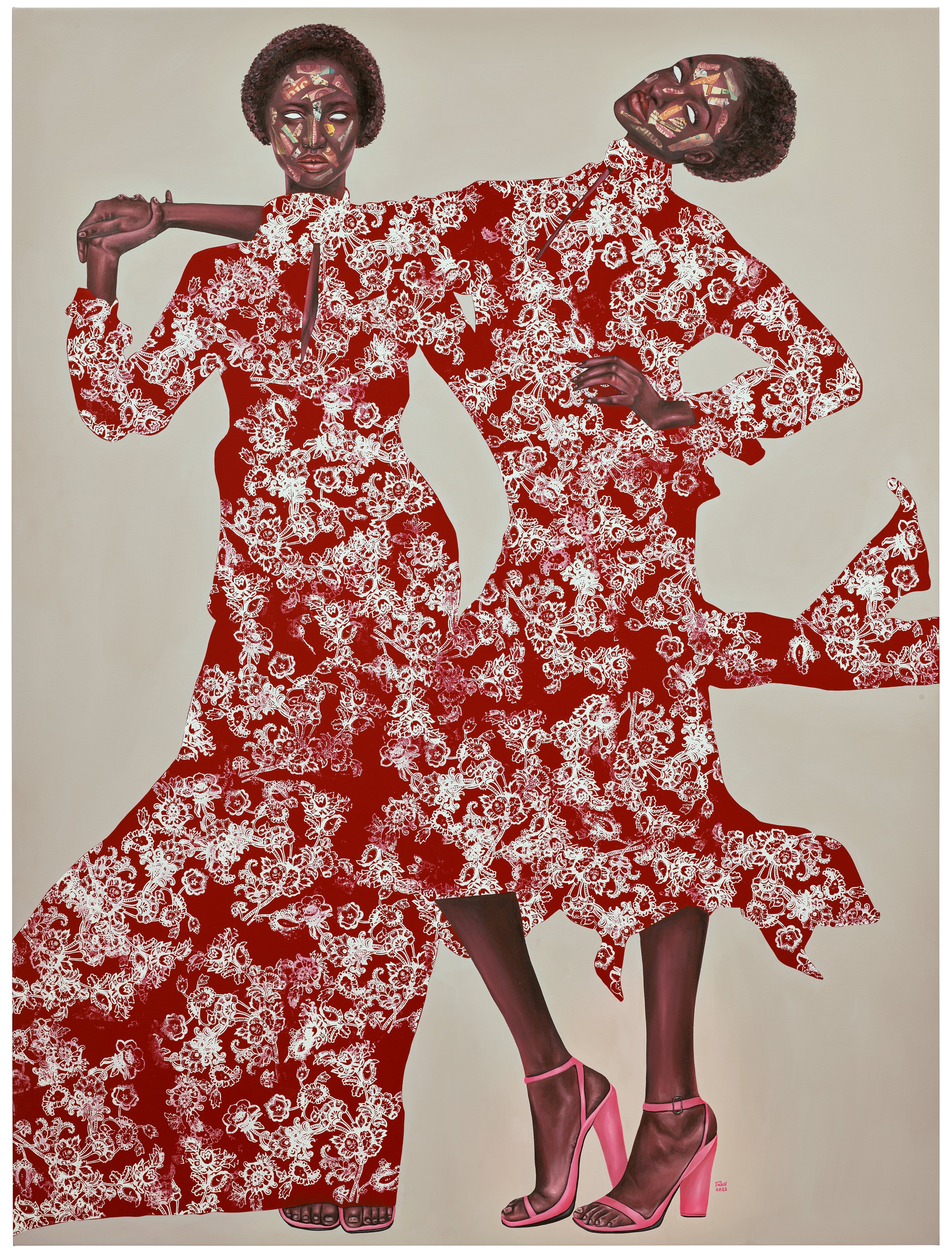
Emmanuel Taku
The Three Damsels, 2021
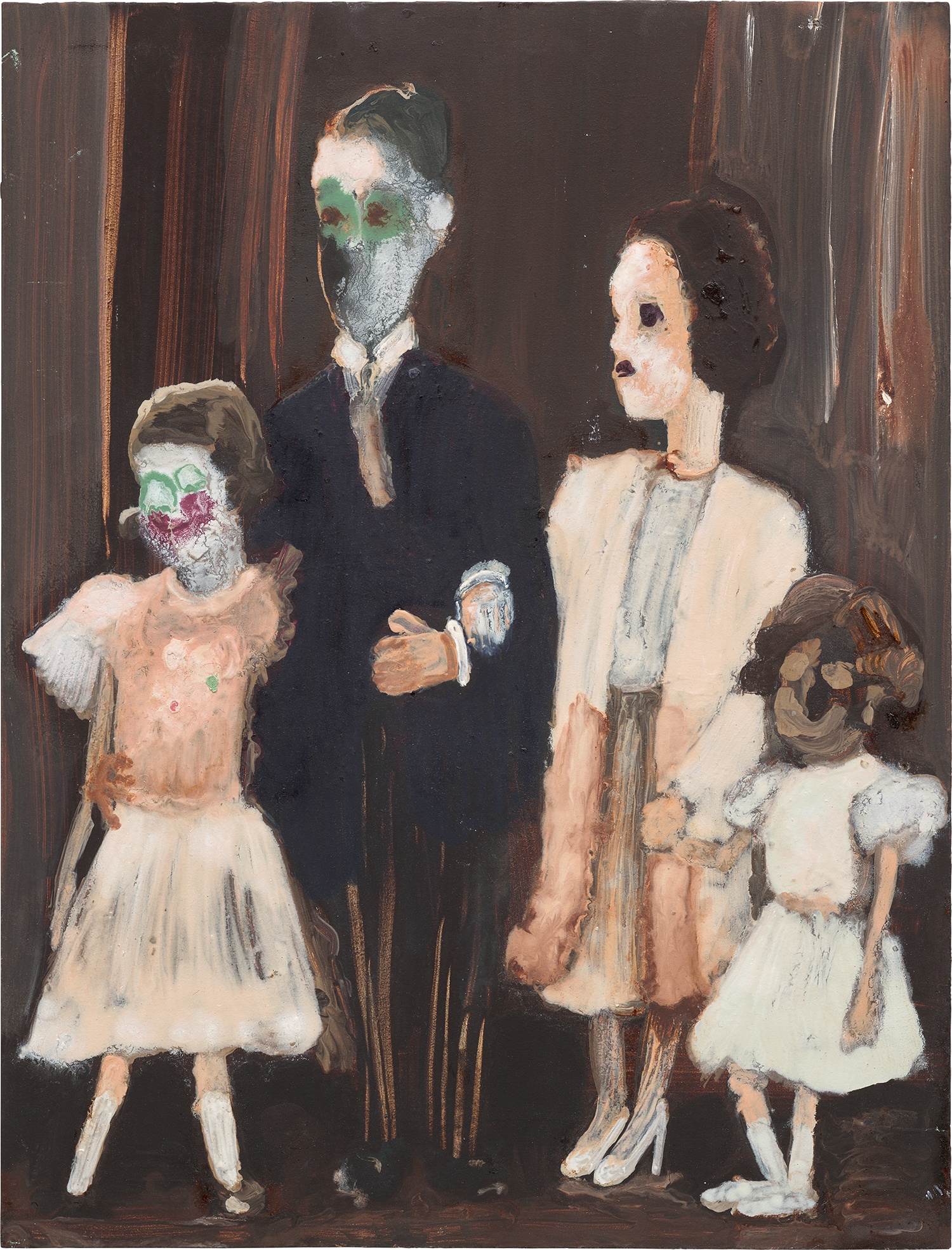
Cristina BanBan has emerged in recent years as one of the most talked about figurative painters working today, with her monumental women painted in confident, undulating forms that carry clear lineage from the Spanish muralist tradition while feeling entirely contemporary. Genieve Figgis works in a very different register, her watercolor like oils destabilizing the conventions of portrait painting with a carnivalesque liquidity that reads as both playful and deeply unsettling. Both artists represent categories of acquisition where the window for entry at reasonable prices is narrowing as institutional recognition grows. Emmanuel Taku and Ella Kruglyanskaya are also worth close attention.
Taku's figures carry a tenderness and cultural specificity that positions him as an important voice in contemporary African figuration, a field that has seen significant auction growth over the past five years. Kruglyanskaya's women are painted with a graphic flatness that references both Soviet propaganda imagery and American pop, a combination that has proven deeply appealing to collectors who want work that carries art historical intelligence without self seriousness. Hendra Gunawan, the Indonesian master whose career was interrupted by political imprisonment in the 1960s, represents an entirely different kind of opportunity: a significant artist still undervalued outside Southeast Asian markets, with works of genuine beauty and historical importance. At auction, the female figure has shown consistent strength across price brackets.
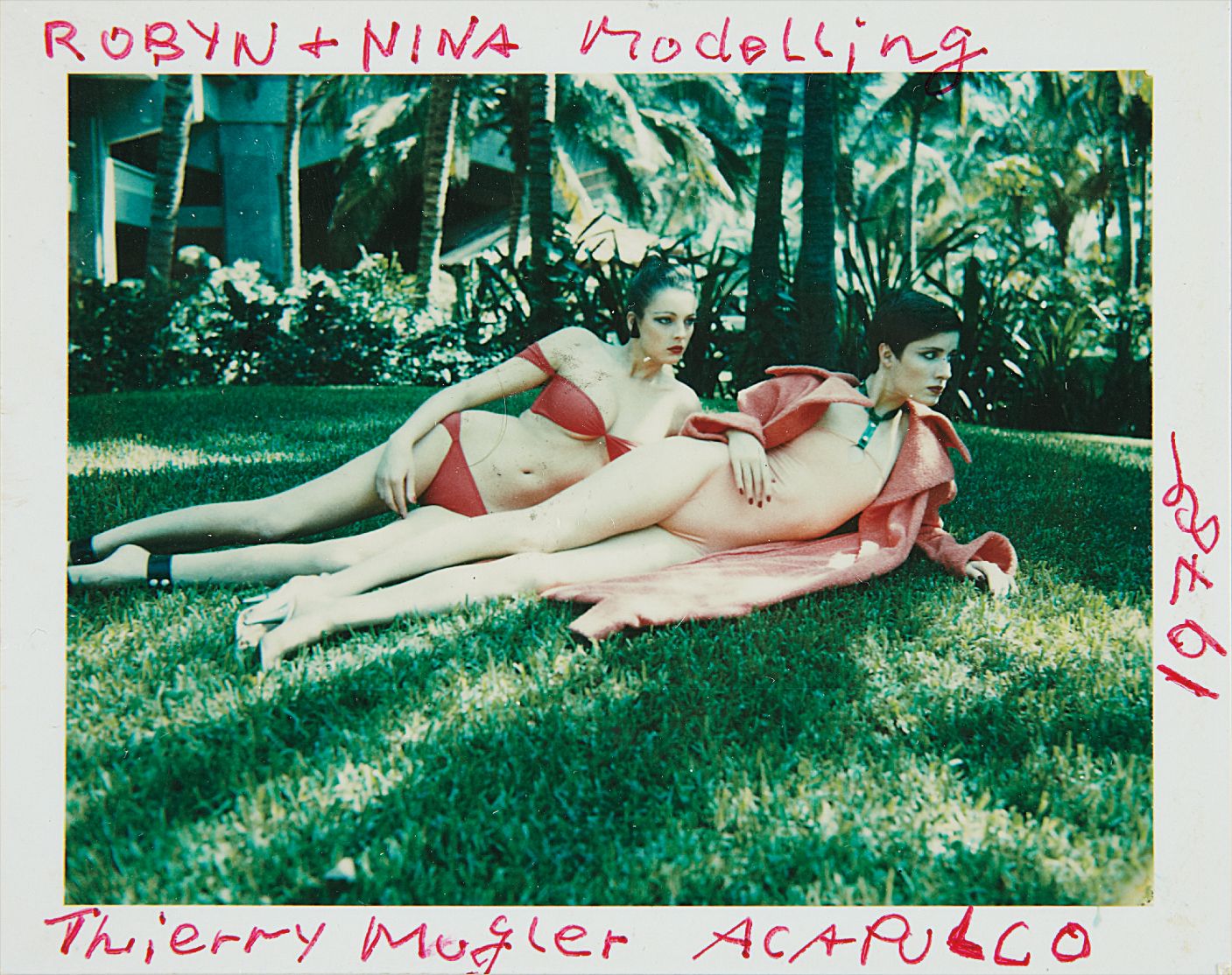
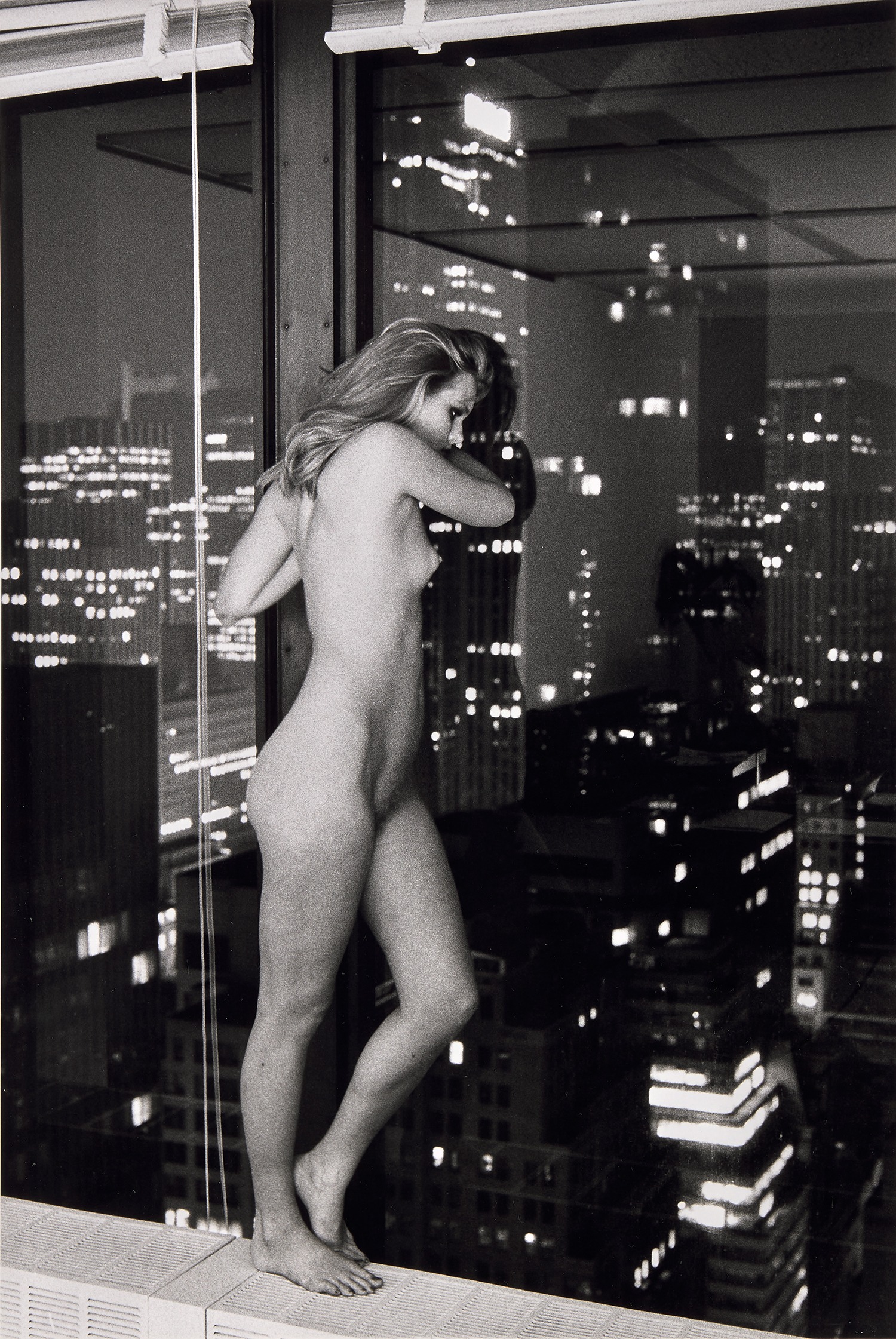
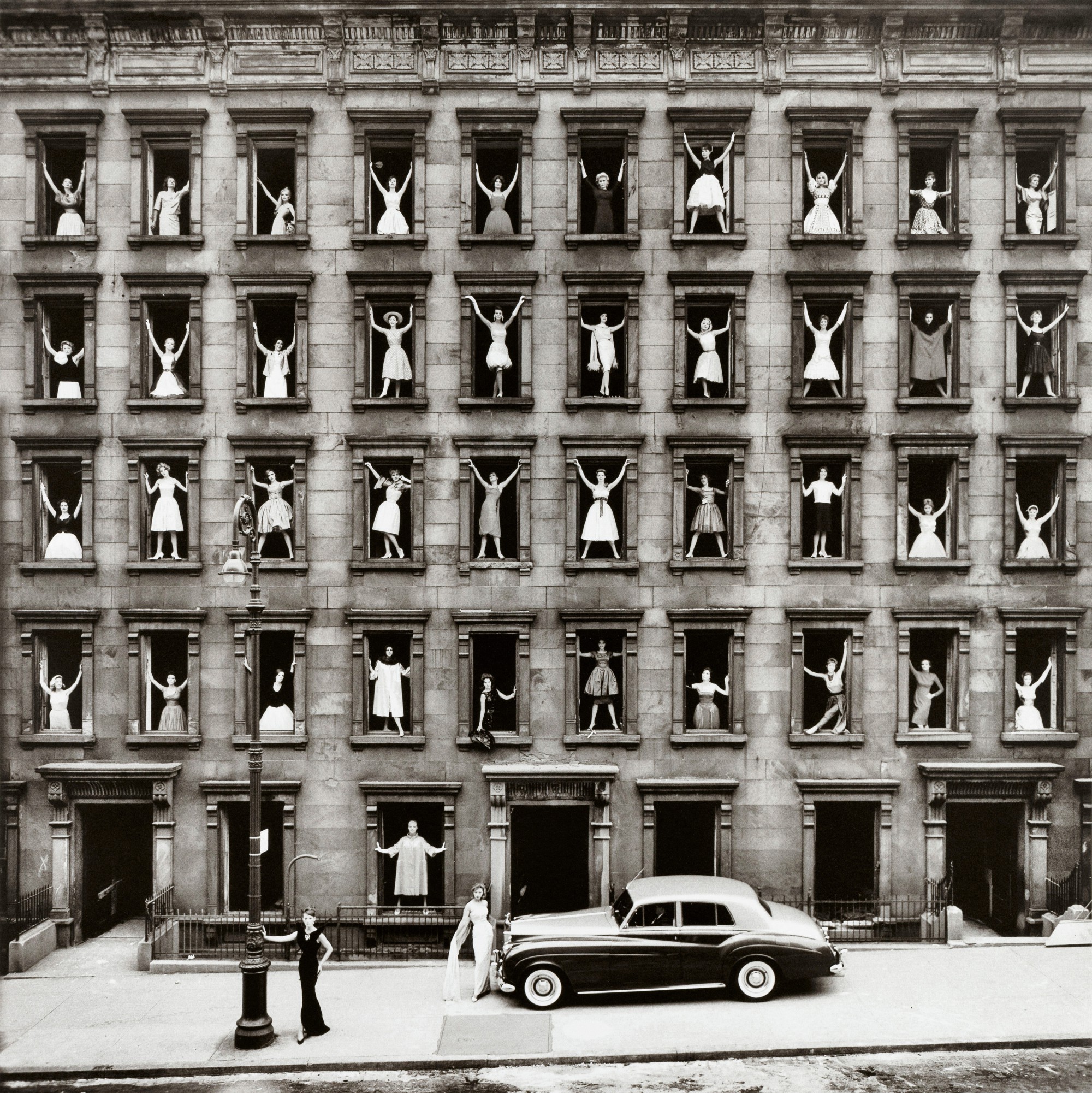
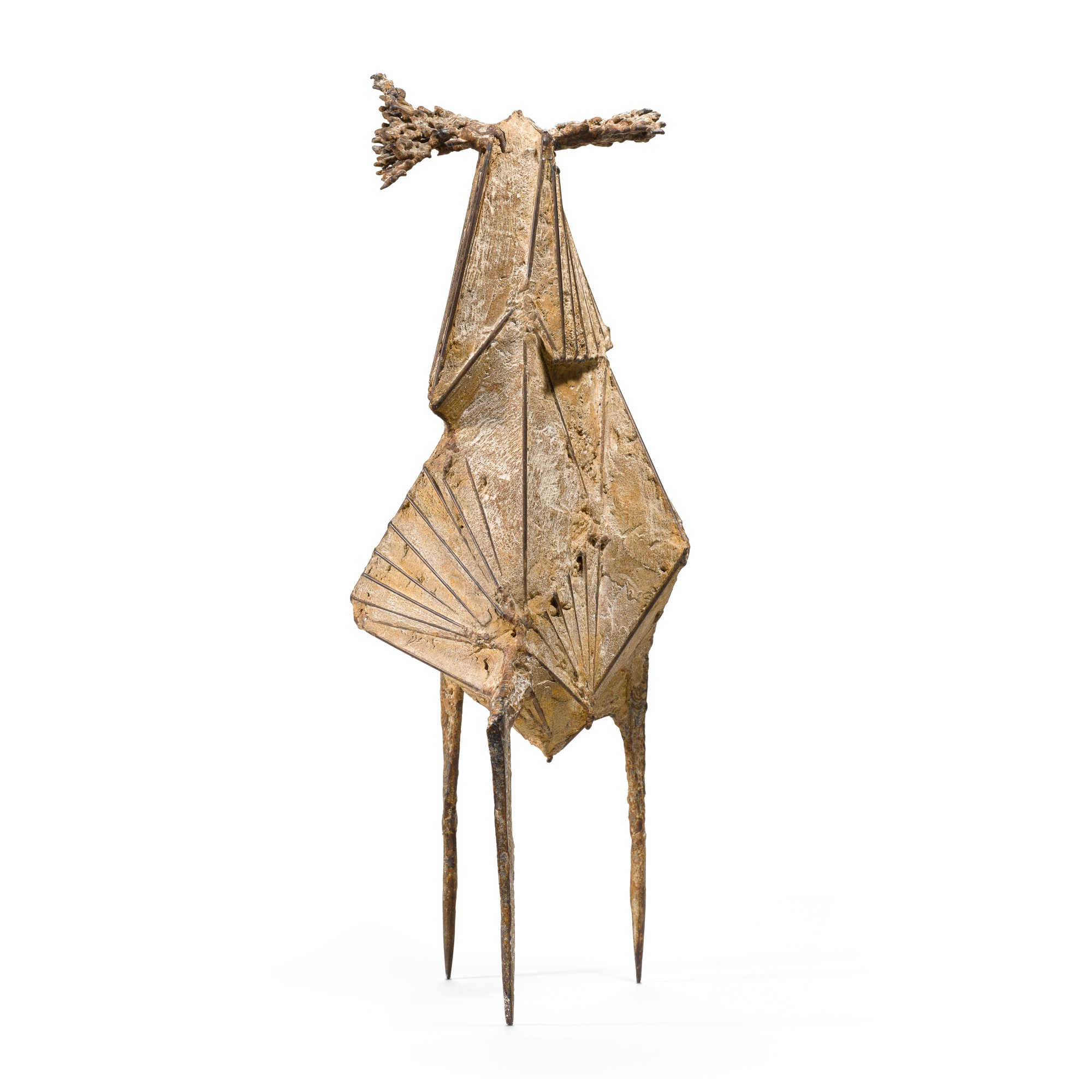
Works depicting women by blue chip names like Henry Moore and Anselm Kiefer command significant premiums when condition and provenance are strong. Photographs by Helmut Newton, whose images of women remain among the most debated and discussed in the medium, have a dedicated secondary market with well documented price history, making them among the more transparent acquisitions in the photographic category. Ormond Gigli's famous rooftop photographs from 1960 have become icons in their own right, and prints from that series continue to find buyers at increasingly strong prices. The practical advice, distilled, is this: trust the work that makes you uncomfortable in some productive way.
The female figure in art has been idealized, commodified, liberated, and reclaimed, and the most interesting works in this category sit at some intersection of those forces. Ask the gallery who else has collected the artist and where the work has been shown. Ask whether the edition is complete or whether unique works are available. Ask what the artist's relationship to the subject is, because that relationship shapes everything about how the work will read over time.
And then stand in front of the work alone, if you can, without the gallery around you, and see what it asks back. The works worth collecting always ask something.