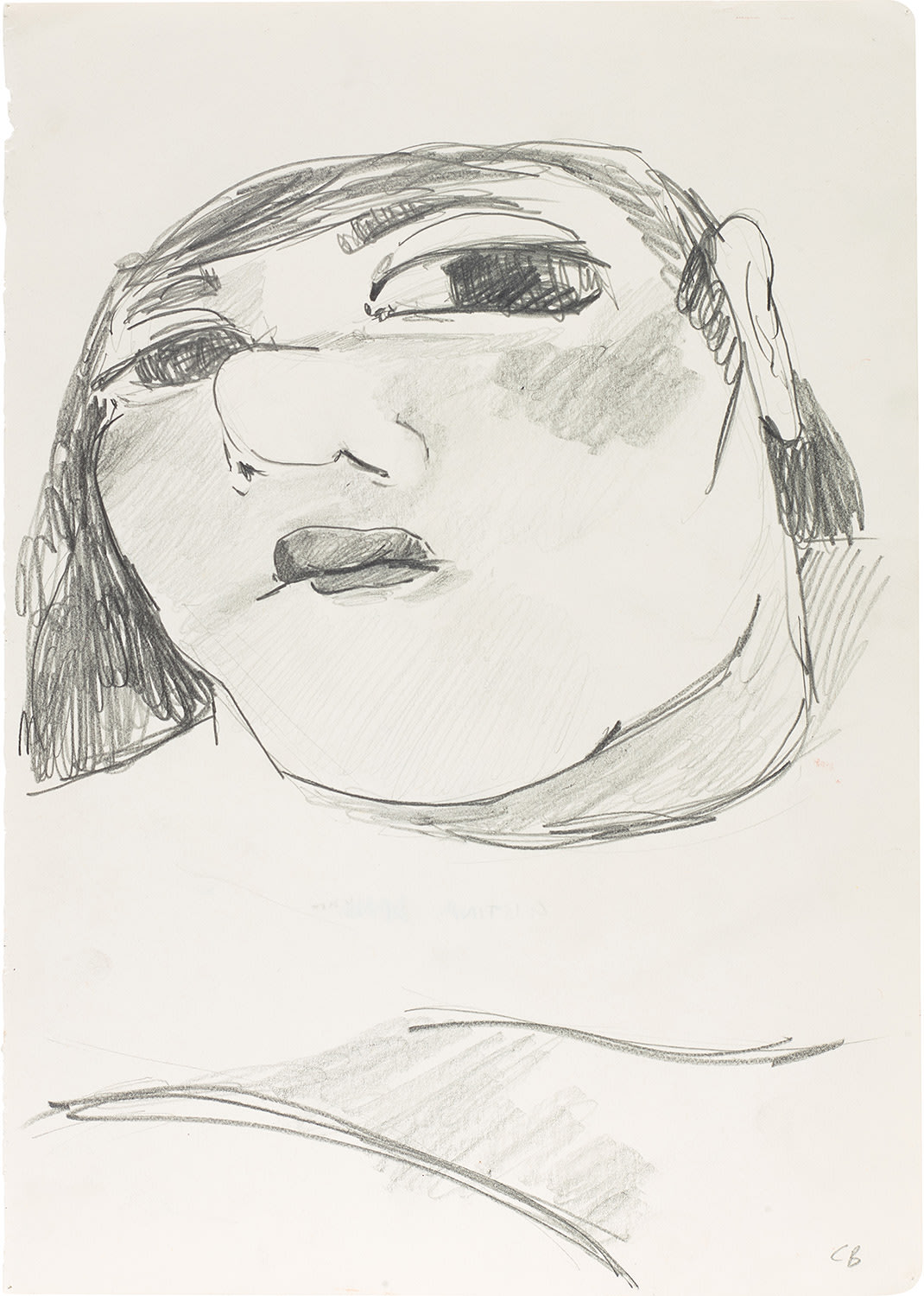
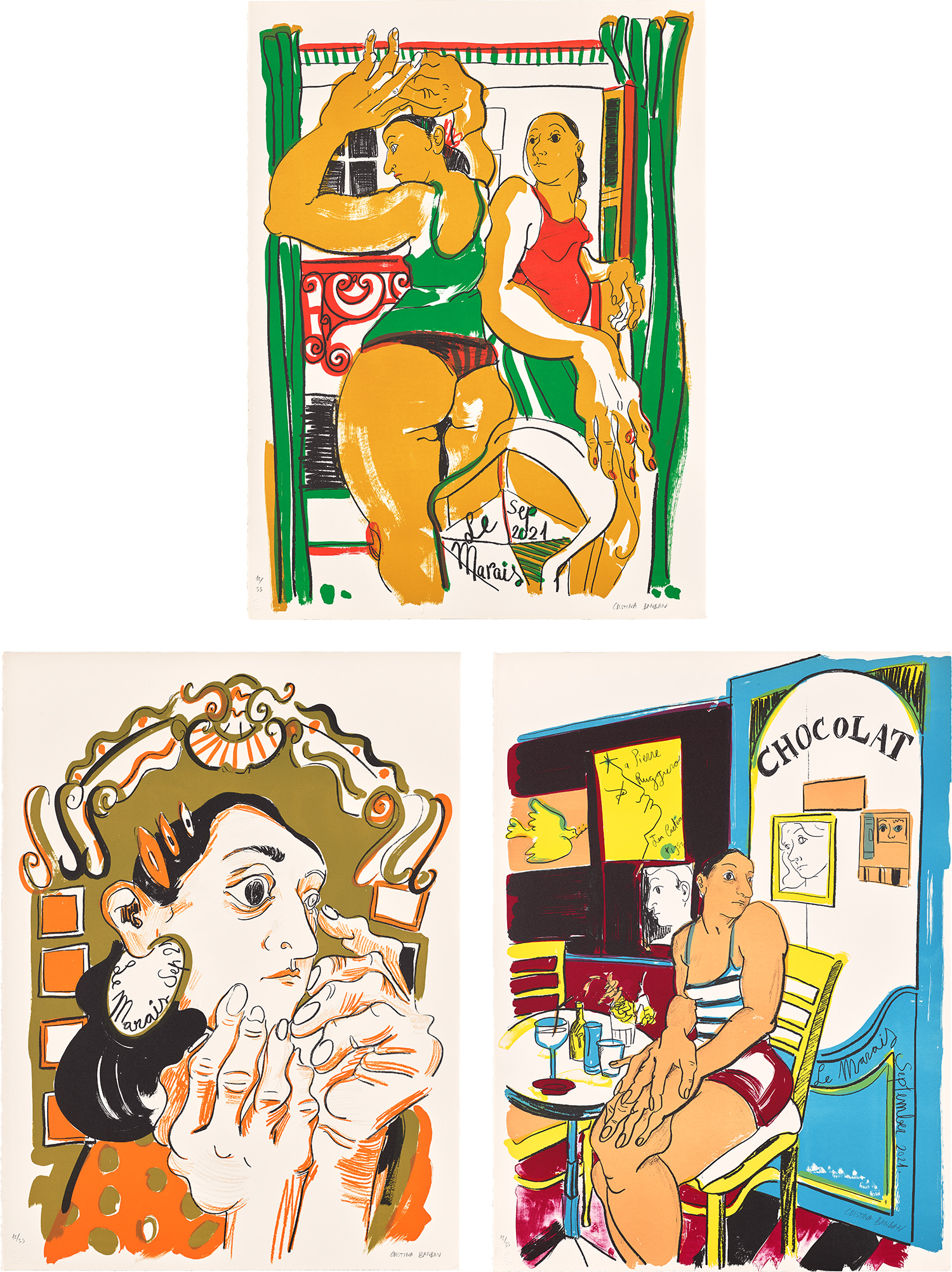
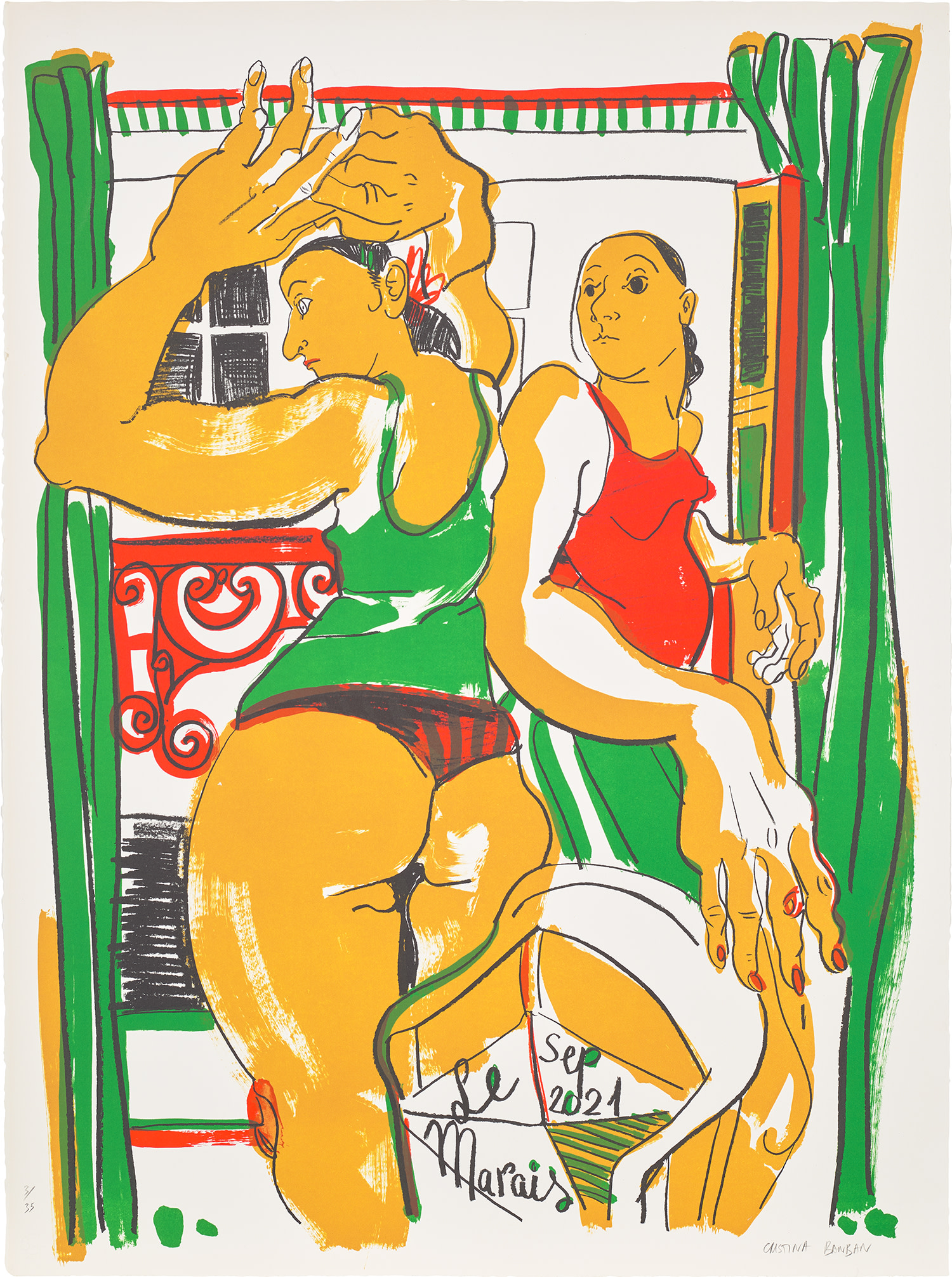
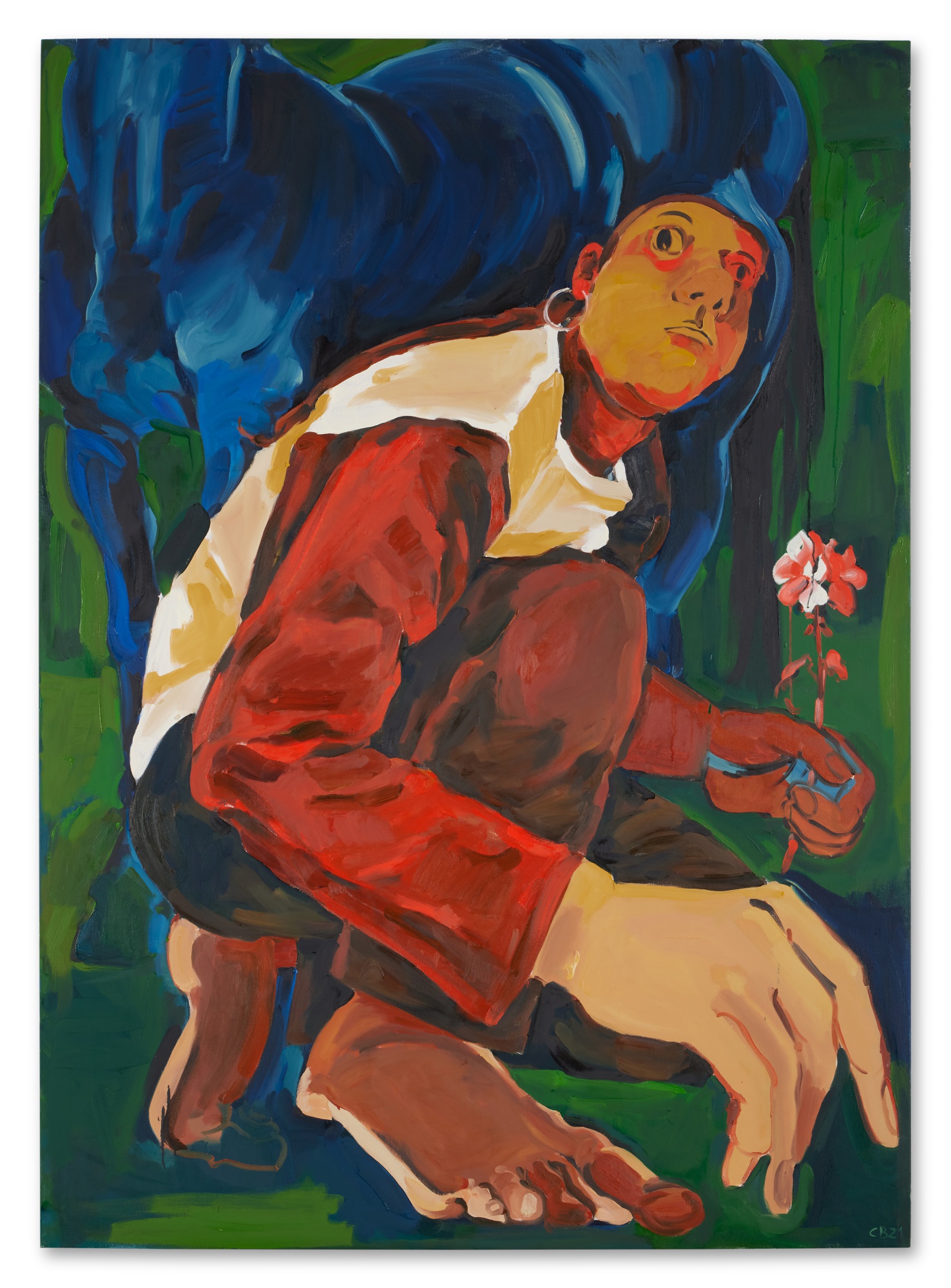
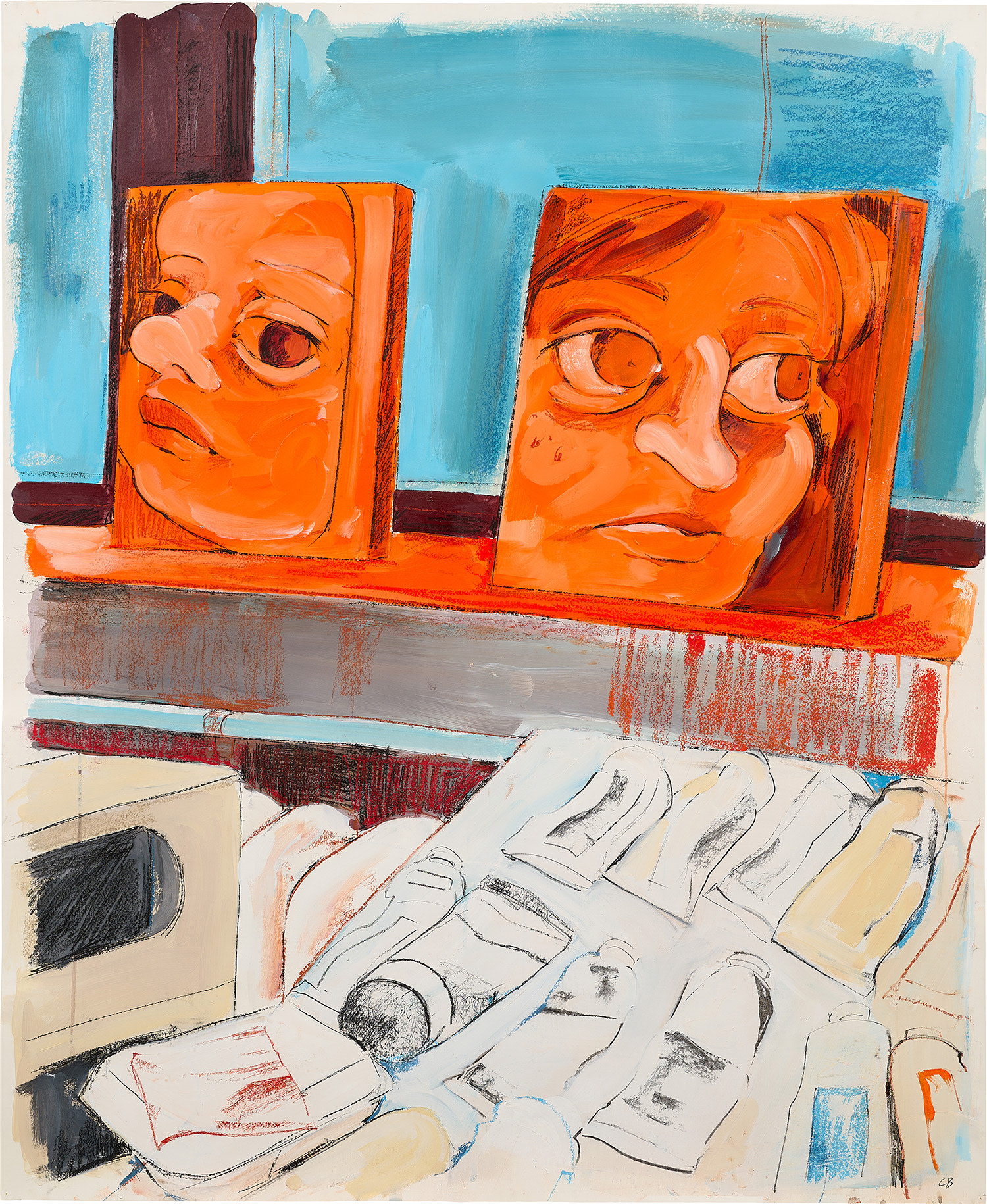
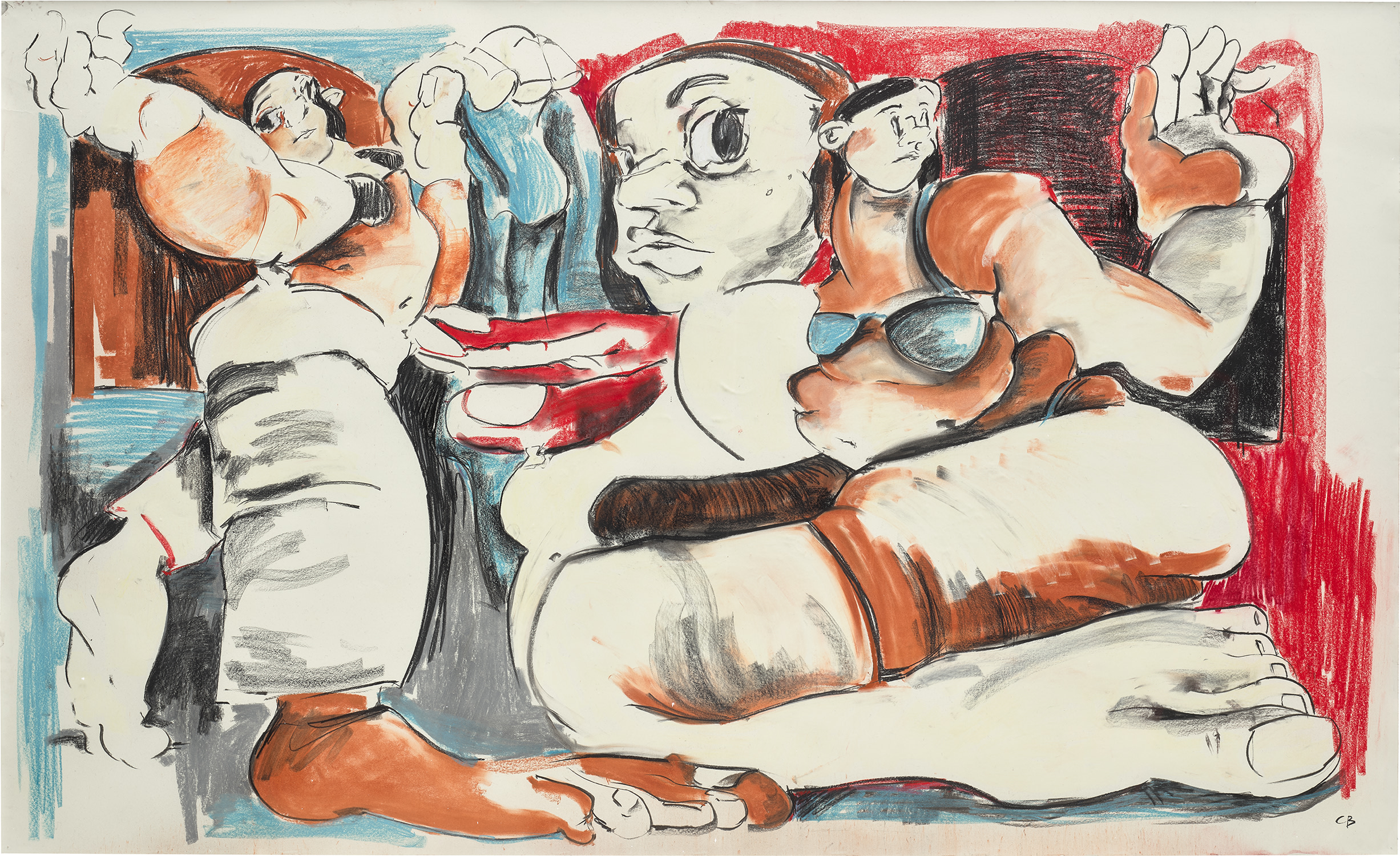
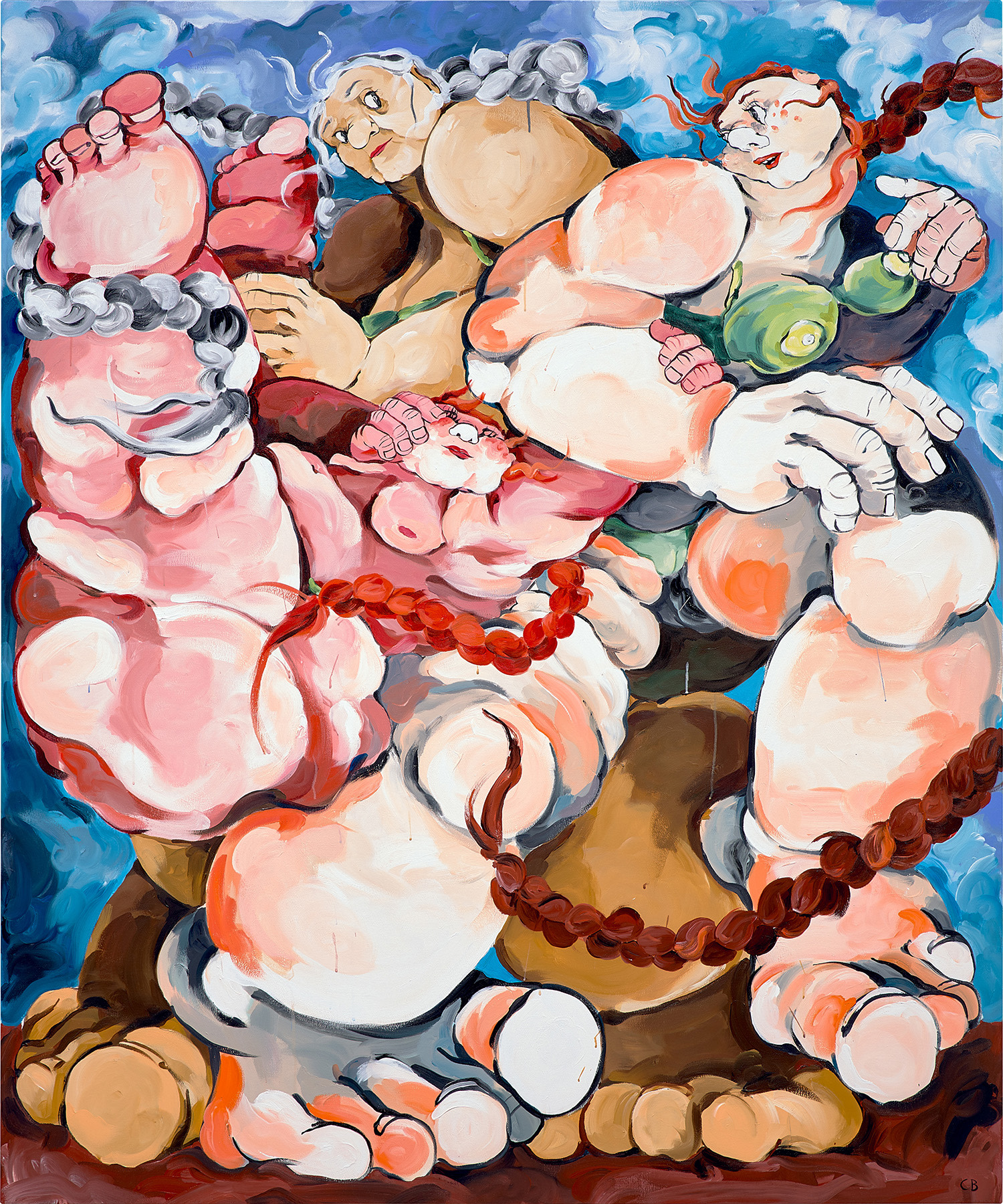
When Cristina BanBan's paintings began circulating seriously among collectors and institution curators in the early 2020s, the response was immediate and visceral. Her large scale figurative canvases, populated by voluptuous women in states of repose, intimacy, and quiet power, felt urgently necessary in a contemporary art world hungry for figuration that was both emotionally generous and technically assured. Galleries across New York and beyond took notice, and her work quickly found its way into serious private collections and public institutional discussions. The timing was right, but so was everything else: the ambition, the color, the physical confidence of the painted mark. Born in Barcelona in 1987, BanBan grew up immersed in the visual richness of Spanish culture, a tradition that carries within it the weight of Velázquez, Goya, and Sorolla alongside the explosive modernist ruptures of Picasso and Miró. Barcelona itself is a city that wears its art history proudly, and for a young woman growing up there, the visual grammar of the figure, of flesh rendered in paint, was never far away. She later relocated to New York, a move that proved transformative, placing her within one of the most competitive and generative art communities in the world while sharpening the distinctly personal and feminine perspective that animates her work. Her artistic development reflects a serious and sustained engagement with the history of figuration. BanBan draws on classical portraiture and the kind of unflinching attention to the female body found in the work of Egon Schiele, Lucian Freud, and Paula Rego, while arriving at something entirely her own. Her brushwork is bold and expressive, at times almost sculptural in its weight, building form through confident, physical gesture rather than careful academic rendering. The figures in her paintings do not perform for the viewer; they exist fully in themselves, occupying space with an assurance that feels both radical and deeply human. Among her most celebrated works are paintings from the pivotal period between 2018 and 2020, a span during which her visual language crystallized with remarkable speed. "Lovers in the Bath" from 2018, executed in acrylic and spray paint on linen, exemplifies her ability to charge domestic intimacy with monumental scale and emotional density. "Tres muchachas en el patio" from 2020, rendered in soft pastel, oil pastel, charcoal, and Conté stick on paper, demonstrates the range of her material sensibility, showing how she moves fluidly between painting and drawing without sacrificing intensity. Works like "Melting Away" and "Updating," both from 2018, reveal an artist equally at home with the linen canvas and the spray can, bridging fine art tradition and contemporary studio energy in a single gesture. The works on paper in her practice deserve particular attention from collectors. Drawings such as "Study for" from 2018 and "Mother and Son" from the same year, both in pencil and charcoal respectively, offer an unmediated view into BanBan's thinking process. They carry a tenderness and directness that complements the more physically imposing canvases, and they represent an accessible entry point into a body of work that is consistently gaining in value and institutional significance. Her 2019 oil pastel "Un Verano en Nueva York" and the 2020 "Estudio. Septiembre 2020 II" similarly show her working across media with total fluency, treating paper as a serious destination rather than merely a preparatory surface. The market for BanBan's work has grown with a momentum that reflects genuine collector conviction rather than speculative heat alone. Her paintings appeal to collectors who are drawn to figuration with emotional and intellectual substance, work that holds its ground in a room and rewards sustained attention. The consistent presence of the female body as subject, depicted with warmth and without objectification, has resonated strongly with a new generation of collectors who seek art that reflects and affirms broader cultural conversations about identity, representation, and the ownership of one's own image. Her gallery relationships and exhibition record have reinforced the sense that this is a practice built for longevity. In terms of art historical context, BanBan occupies a fascinating position within a broader renaissance of figurative painting that has gathered extraordinary momentum since the mid 2010s. Her work invites comparison with contemporaries such as Cecily Brown, whose expressive and sensual figuration shares a similarly unabashed physicality, and with artists like Michaela Yearwood Dan and Flora Yukhnovich, whose work also engages the female body and art history with a fresh and confident eye. Like Marlene Dumas and Jenny Saville before her, BanBan insists on the figure as a site of complex meaning rather than mere representation, continuing a lineage of painters who have used the body to think through questions of power, gender, and desire. What makes BanBan particularly significant today is the completeness of her vision. She does not make work that hedges its emotional commitments or defers to the coolness that dominated so much conceptual practice in previous decades. Her paintings are warm, physical, and unapologetically present. They ask the viewer to feel something, and they deliver on that invitation with a skill and conviction that places her among the most compelling painters of her generation. For collectors at the stage of building a thoughtful, forward looking collection, her work represents not only an astute decision but a genuinely pleasurable one: these are paintings that enrich every space they inhabit and every eye that encounters them.