Etching And Engraving
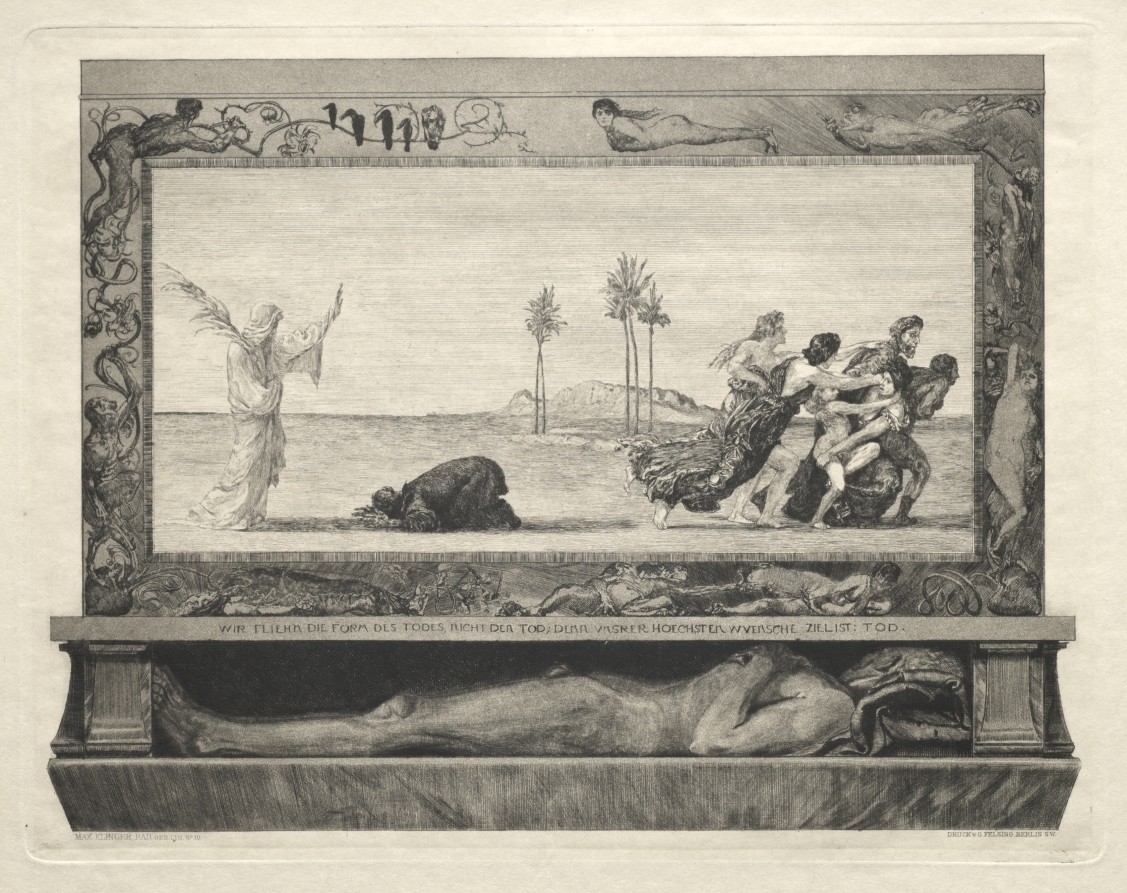
Max Klinger
Vom Tode I, (Opus II, 1889) No. 10, 1889
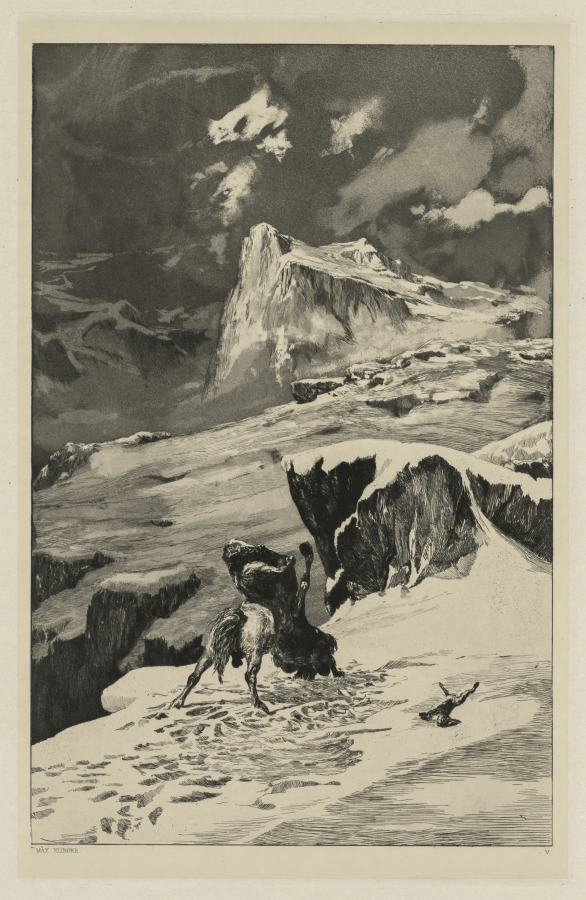
The Sharpest Art Form You Never Forgot
There is something almost alchemical about the moment a copper plate yields its image to damp paper under the weight of a press. The line that emerges is not quite drawn and not quite printed. It is something in between, a mark that carries the full force of the artist's decision, preserved in metal and transferred with a precision that paint can rarely match. Etching and engraving occupy a peculiar place in art history precisely because they democratized the image while simultaneously demanding extraordinary technical mastery.
To collect a print from this tradition is to hold something that was, from its very inception, meant to travel the world. The roots of intaglio printmaking reach back to the goldsmiths and armorers of fifteenth century Europe, craftsmen who discovered that the decorative incisions they cut into metal could be filled with ink and pressed onto paper to produce repeatable images. The engraver Daniel Hopfer is often credited with being among the first to adapt this process for artistic purposes in the early 1500s, and the medium spread rapidly through Germany, the Netherlands, and Italy. By the time Albrecht Dürer brought his formidable intellect to the burin around 1513, engraving had announced itself as a serious rival to painting in its capacity to render light, shadow, and psychological depth.
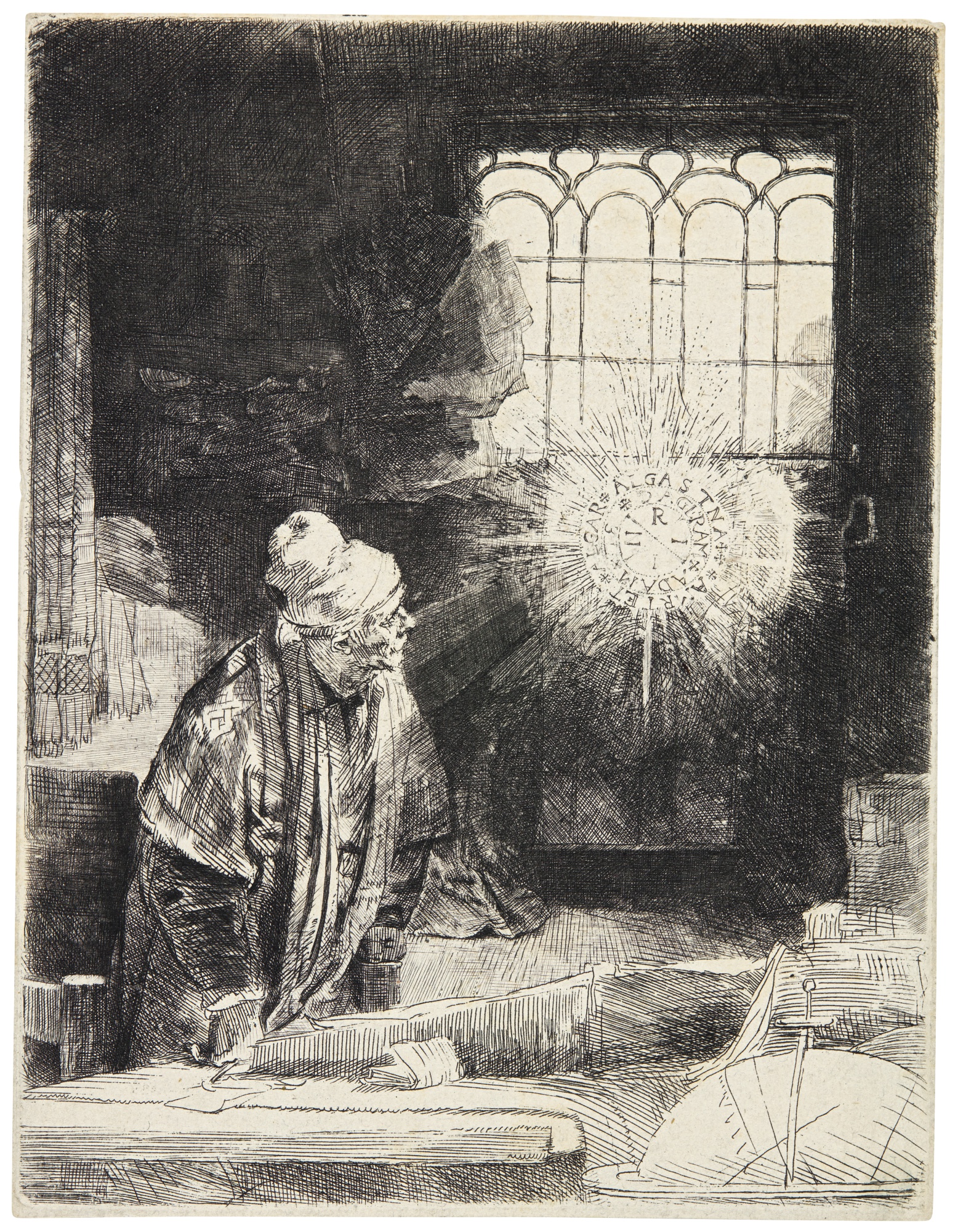
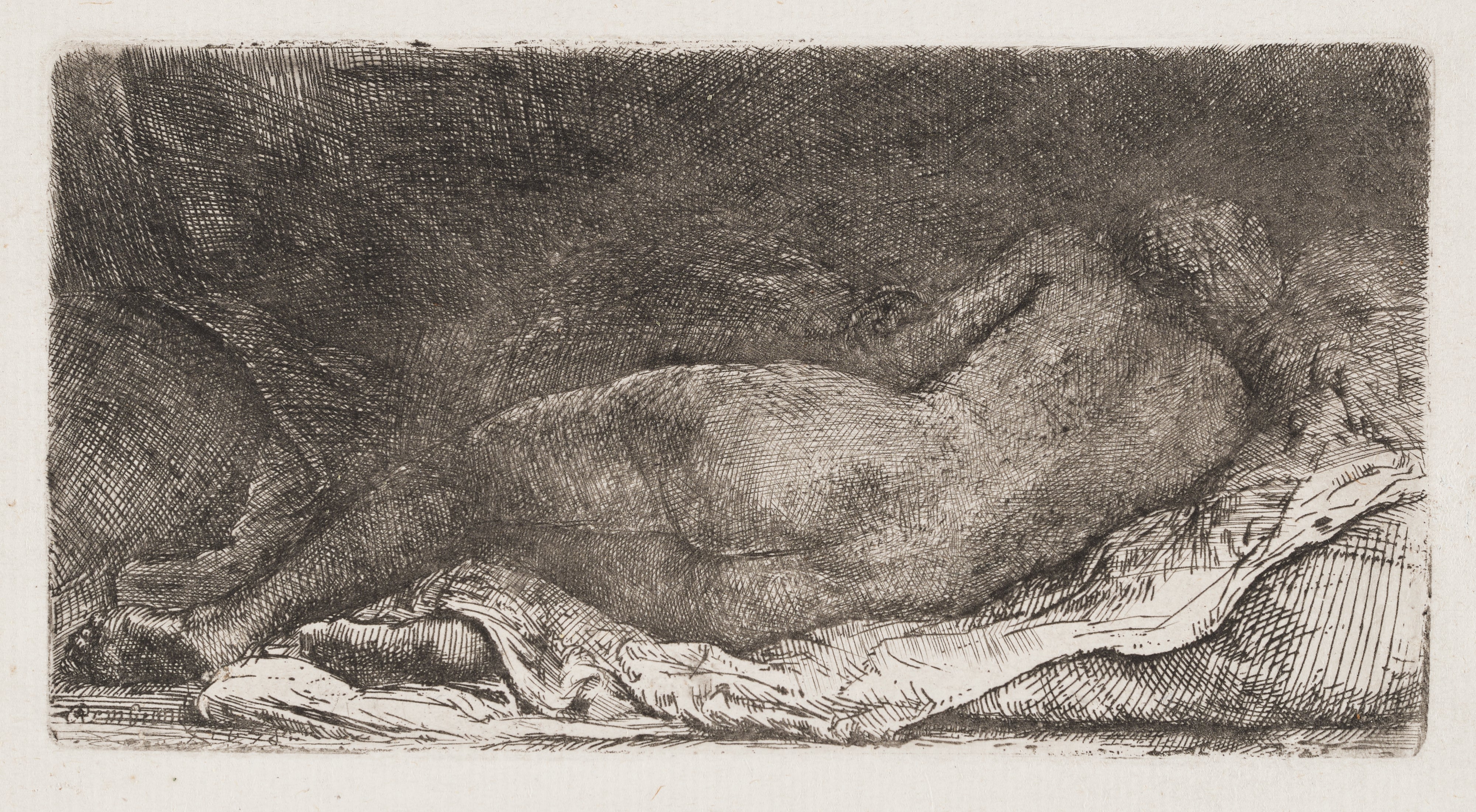
Rembrandt Harmensz. van Rijn
A Scholar In His Study ('faust') (bartsch, Hollstein, New Hollstein 270; Hind 260)
What Dürer understood, and what every significant printmaker since has understood, is that the resistance of metal is not a limitation. It is the point. The seventeenth century belongs, in printmaking terms, almost entirely to Rembrandt Harmensz. van Rijn.
His etchings redefined what the medium could do emotionally and technically, and working across several decades he produced a body of graphic work that remains one of the supreme achievements in Western art. What makes Rembrandt's prints so enduringly compelling is his willingness to rework plates, to scratch and burnish and return, leaving visible evidence of his revisions in the final image. Collectors today still prize different states of the same Rembrandt plate as distinct works, each telling a slightly different story about the artist's thinking. The works on The Collection offer a valuable opportunity to study this tradition closely, and the presence of Rembrandt here feels entirely right.
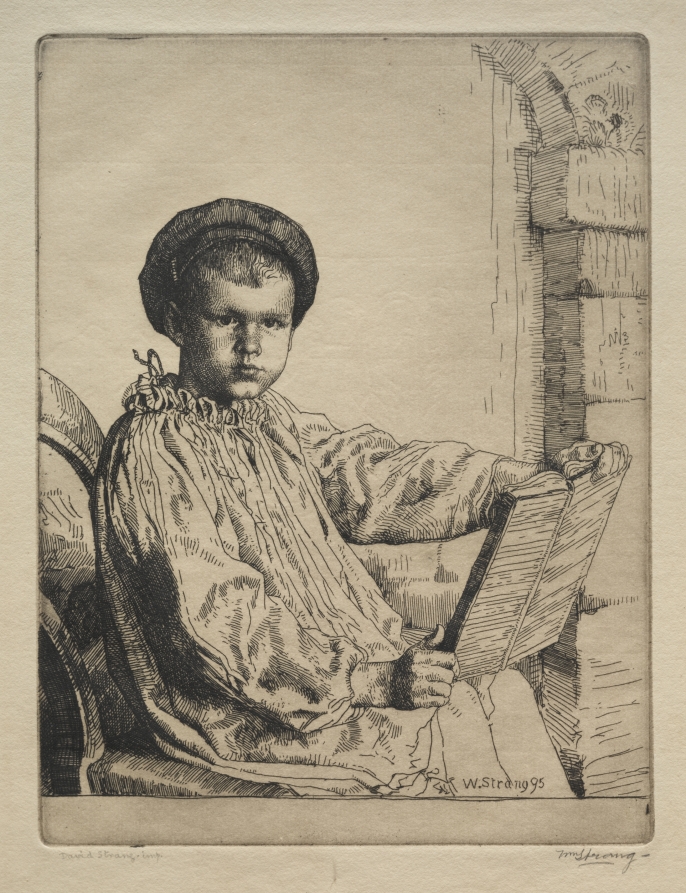
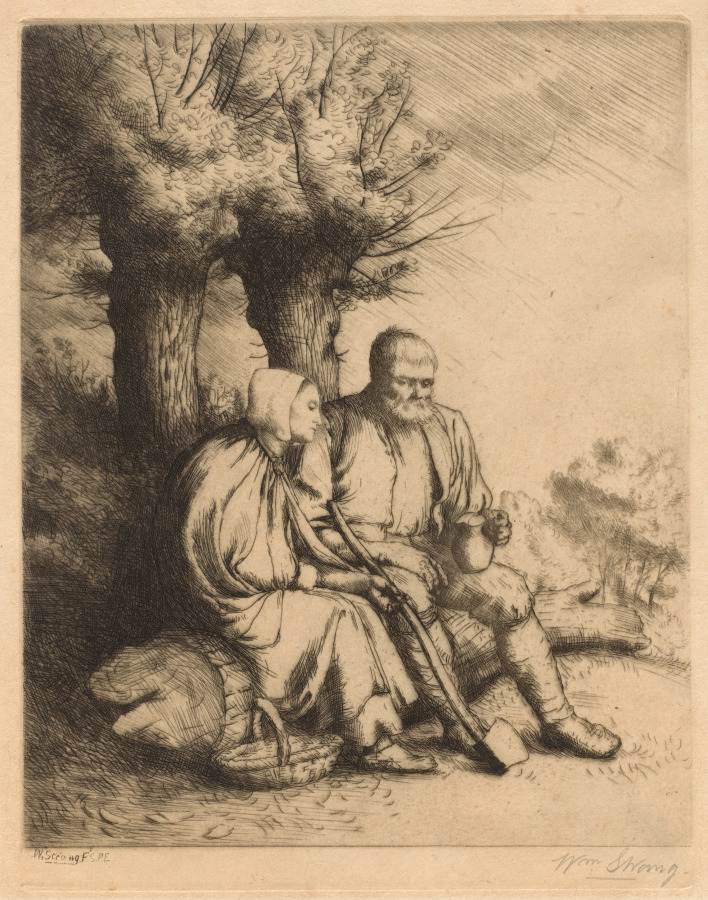
William Strang
David Strang, No. 1, 1895
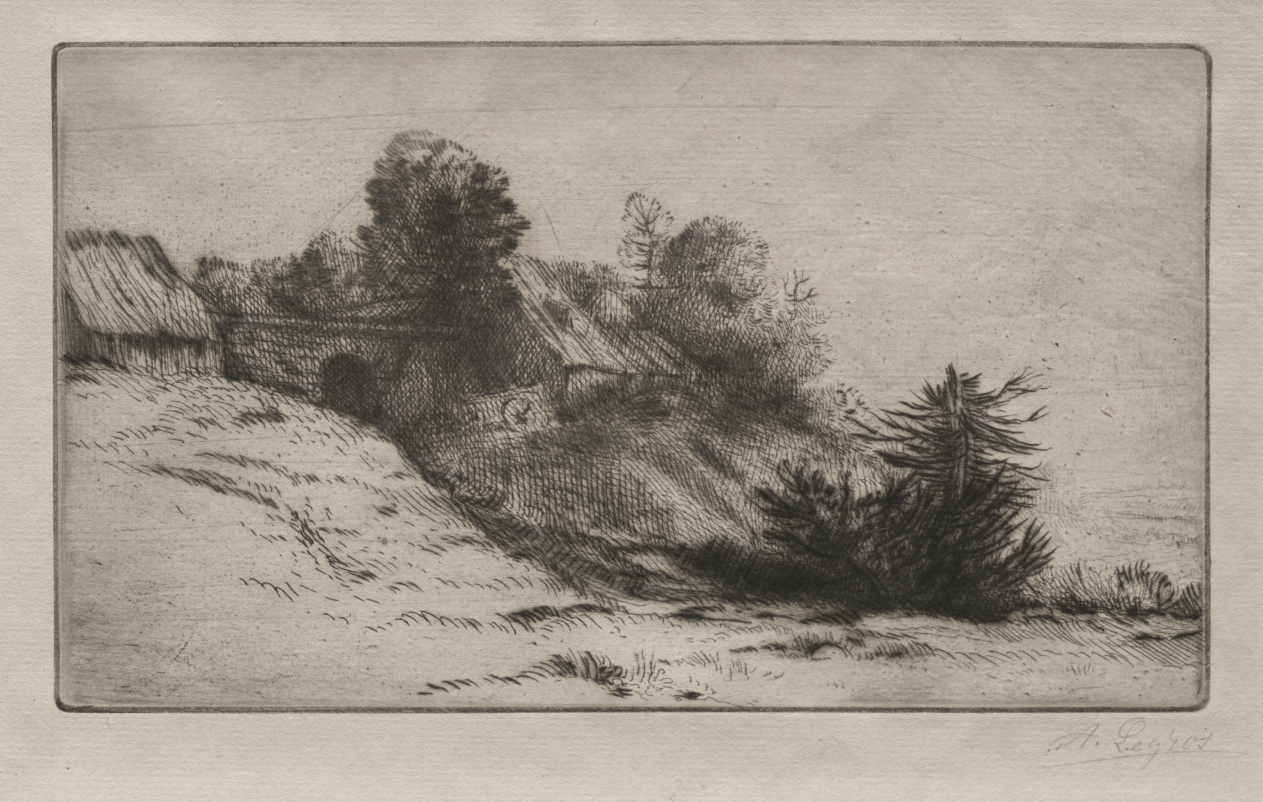
By the nineteenth century, the etching revival had transformed printmaking from a largely commercial enterprise back into a medium of serious artistic ambition. Whistler and Meryon in the 1850s and 1860s brought a new intimacy and spontaneity to the etched line, and their influence spread across Europe and America. William Strang, a Scottish artist who studied under Alphonse Legros at the Slade, became one of the most accomplished etchers of his generation, his work balancing a rigorous technical foundation with genuine expressive warmth. Legros himself, a French artist who spent much of his career in England, was instrumental in teaching an entire generation to think seriously about printmaking as a primary rather than secondary medium.
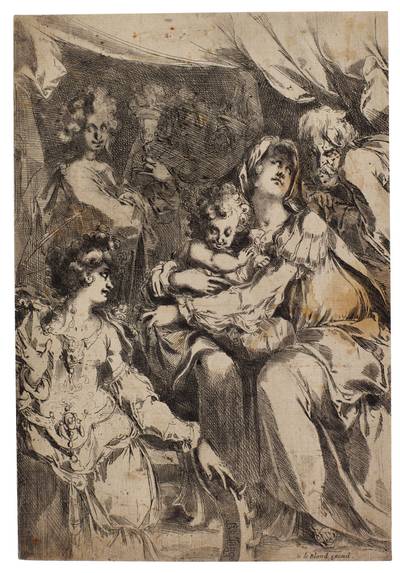
Both are represented on The Collection, and seeing their work in context deepens appreciation for how thoroughly the revival reshaped taste and collecting habits across Europe. The Symbolist movement brought darker energies to the plate. Félicien Rops, the Belgian artist whose prints scandalized and fascinated in equal measure, used etching and engraving to explore transgression with a sophistication that still feels sharp. Jacques Bellange, working in the early seventeenth century at the court of Lorraine, had already demonstrated that the etched line could carry a quality of feverish spiritual intensity, his elongated figures seeming to vibrate with Mannerist anxiety.
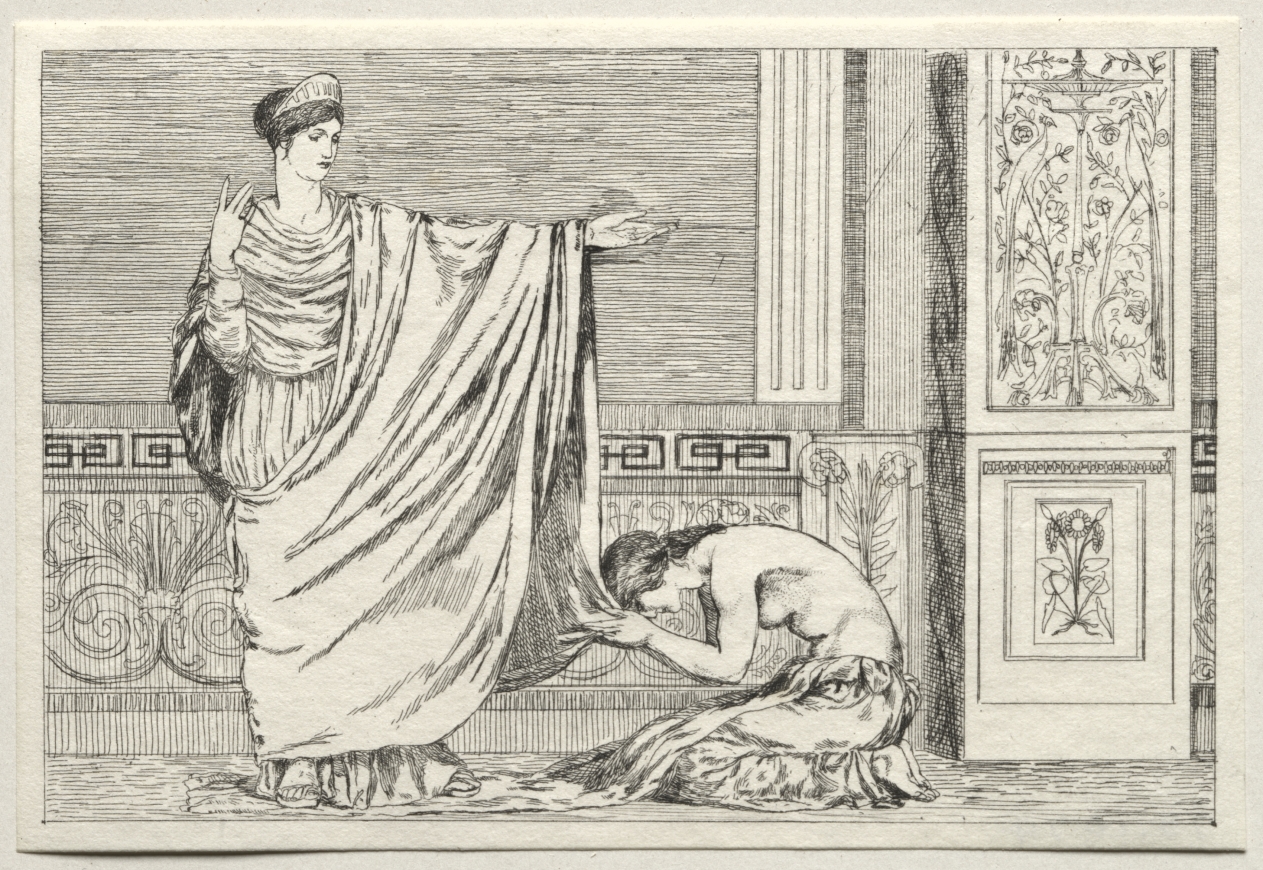
Max Klinger
Vom Tode I, (Opus II, 1889) No. 10, 1889
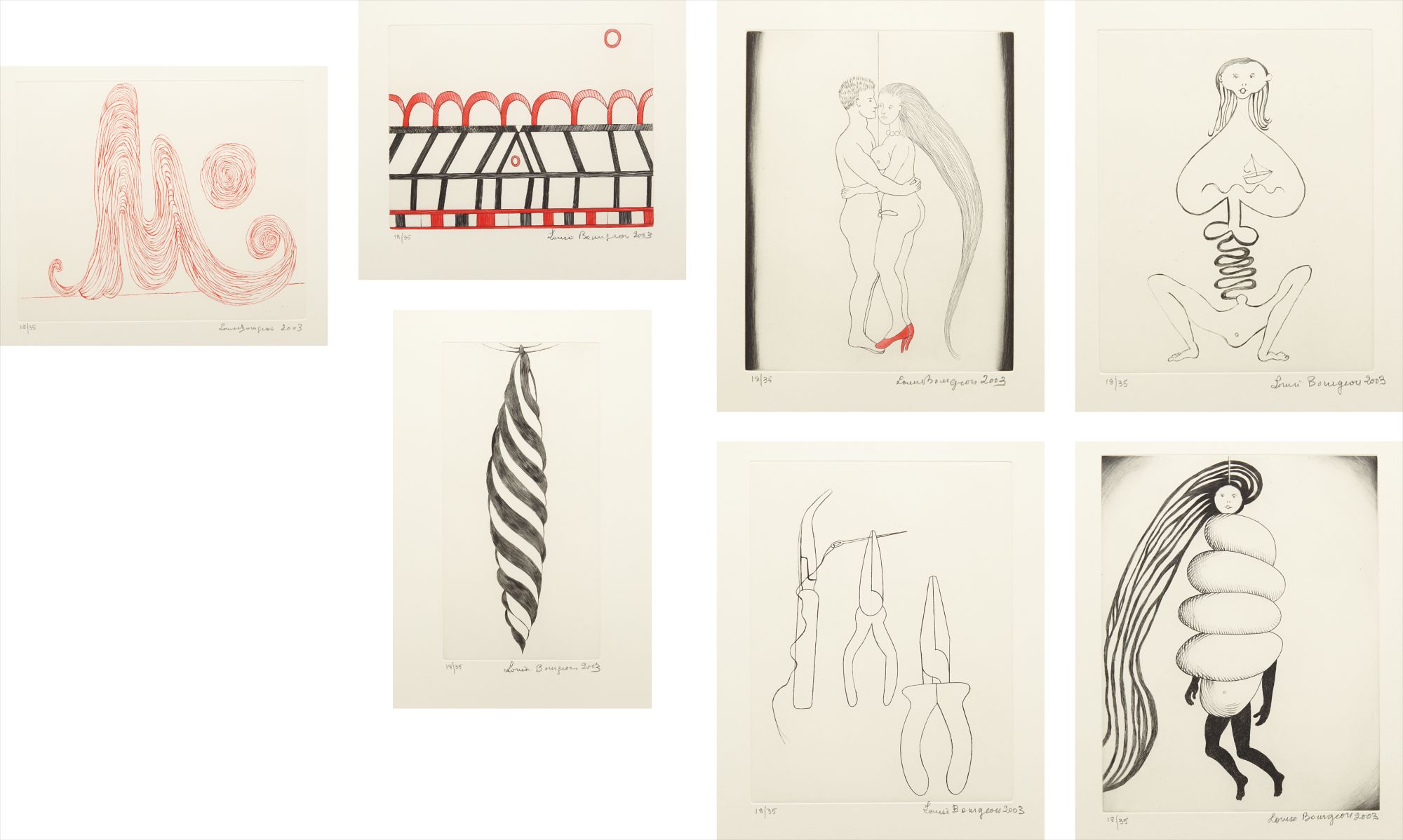
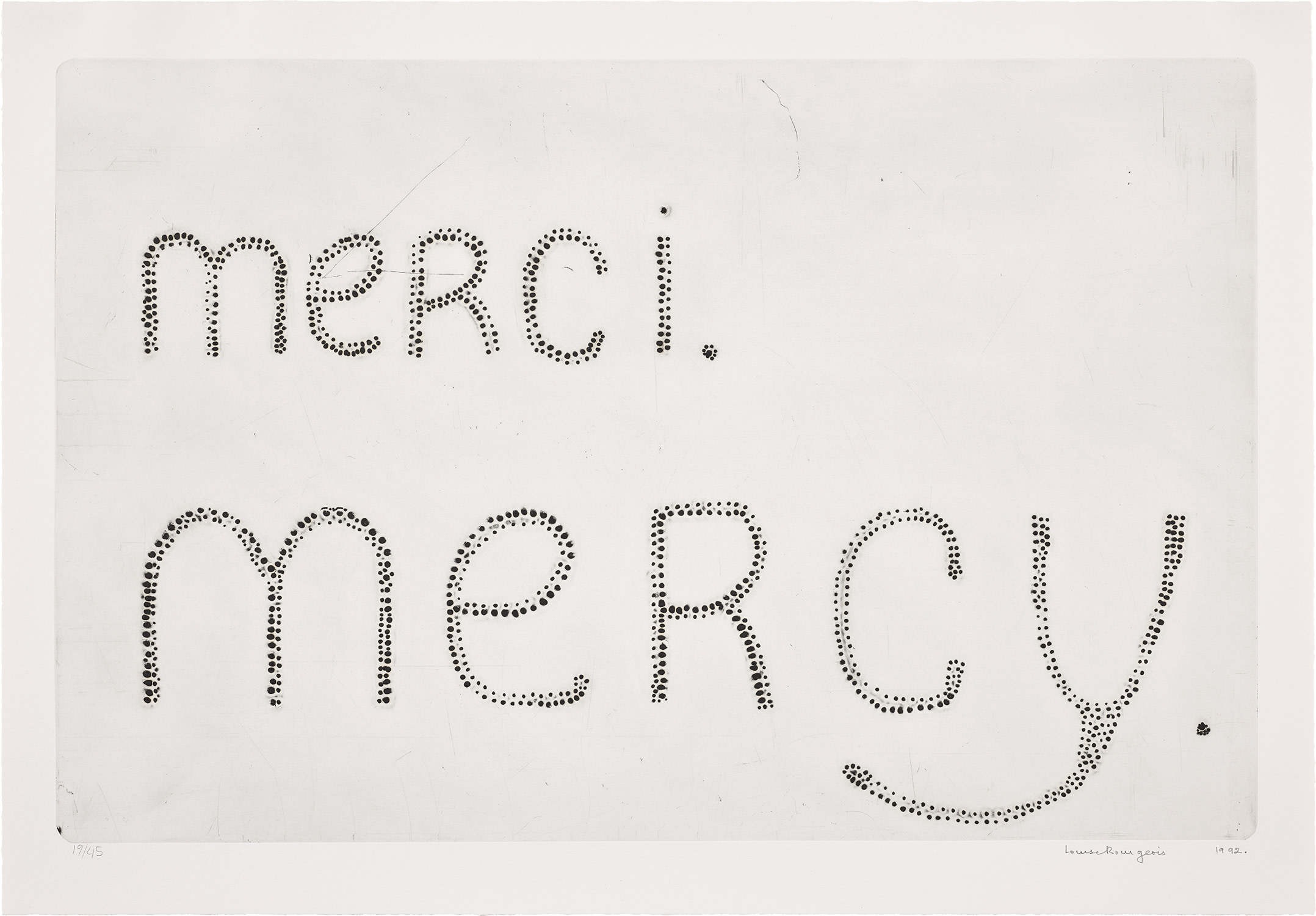
Max Klinger, the German Symbolist whose print cycles from the 1880s and 1890s used the medium to construct elaborate psychological narratives, represents perhaps the apex of this tradition. His sequences read like dreams rendered in steel, and they influenced a surprisingly wide range of artists who came after him. The twentieth century brought a different kind of experiment. Louise Bourgeois returned to printmaking throughout her long career, using the resistance and permanence of the etched line to explore memory, the body, and psychic pain in ways that her sculptures and installations sometimes approached differently.
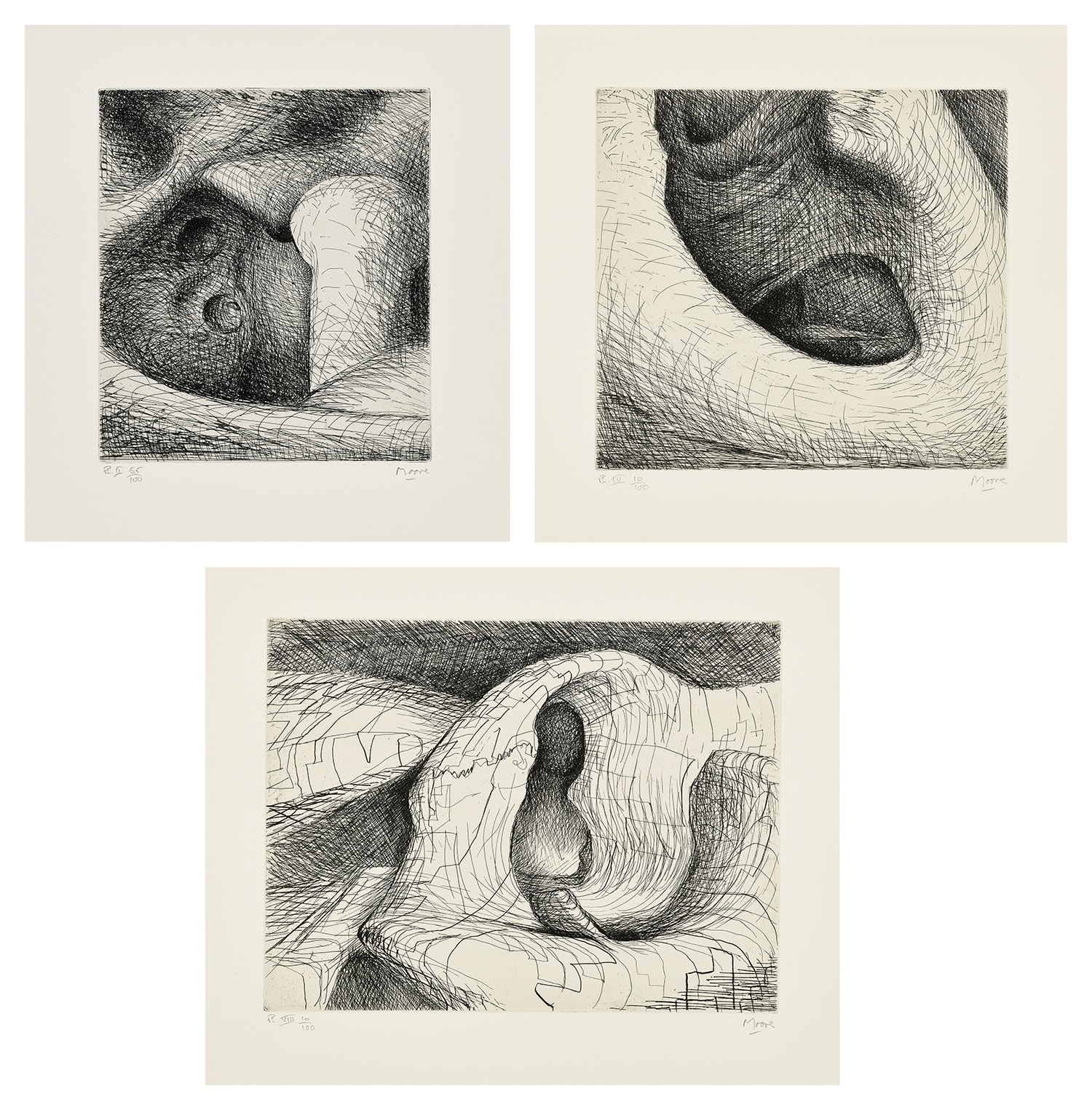
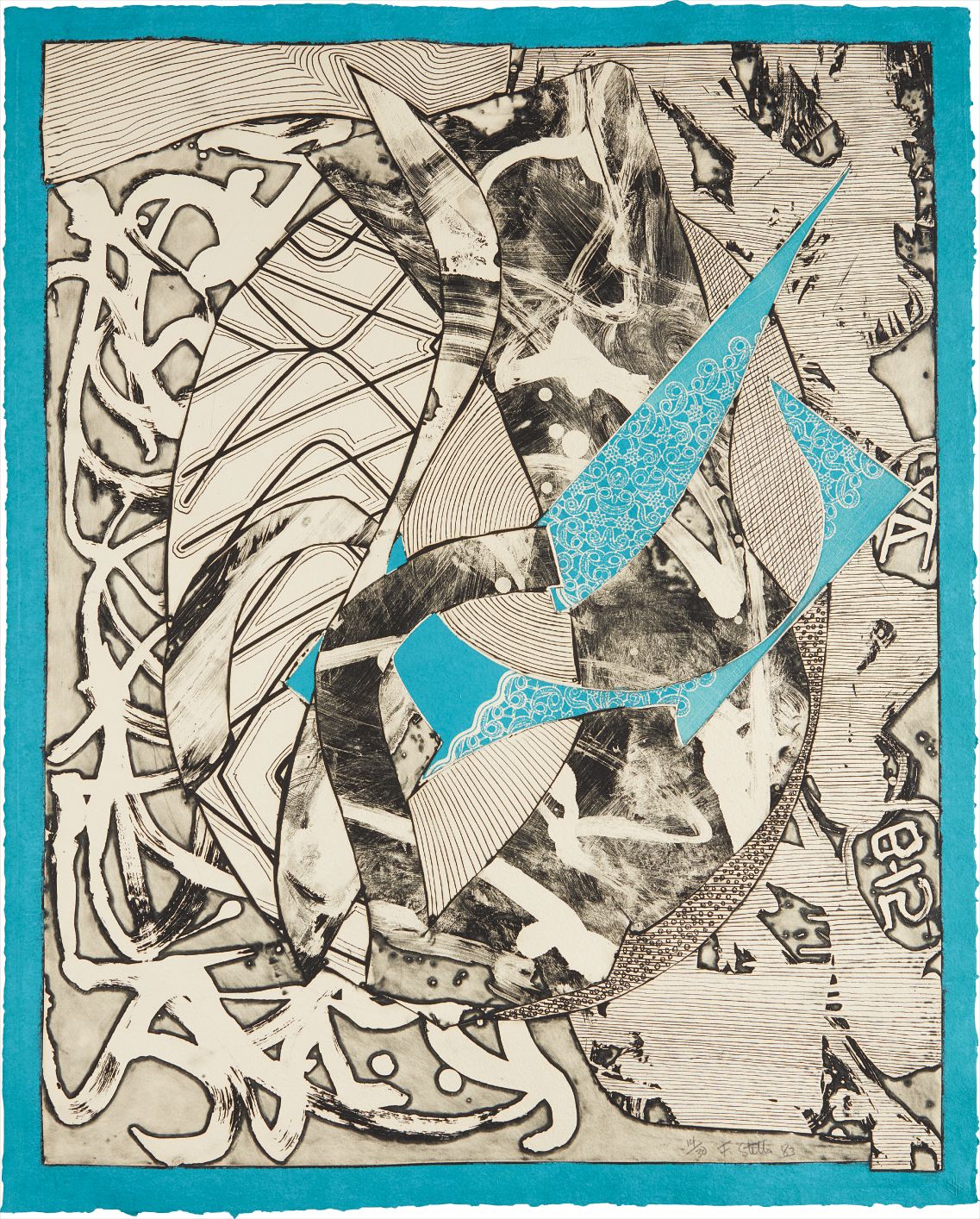
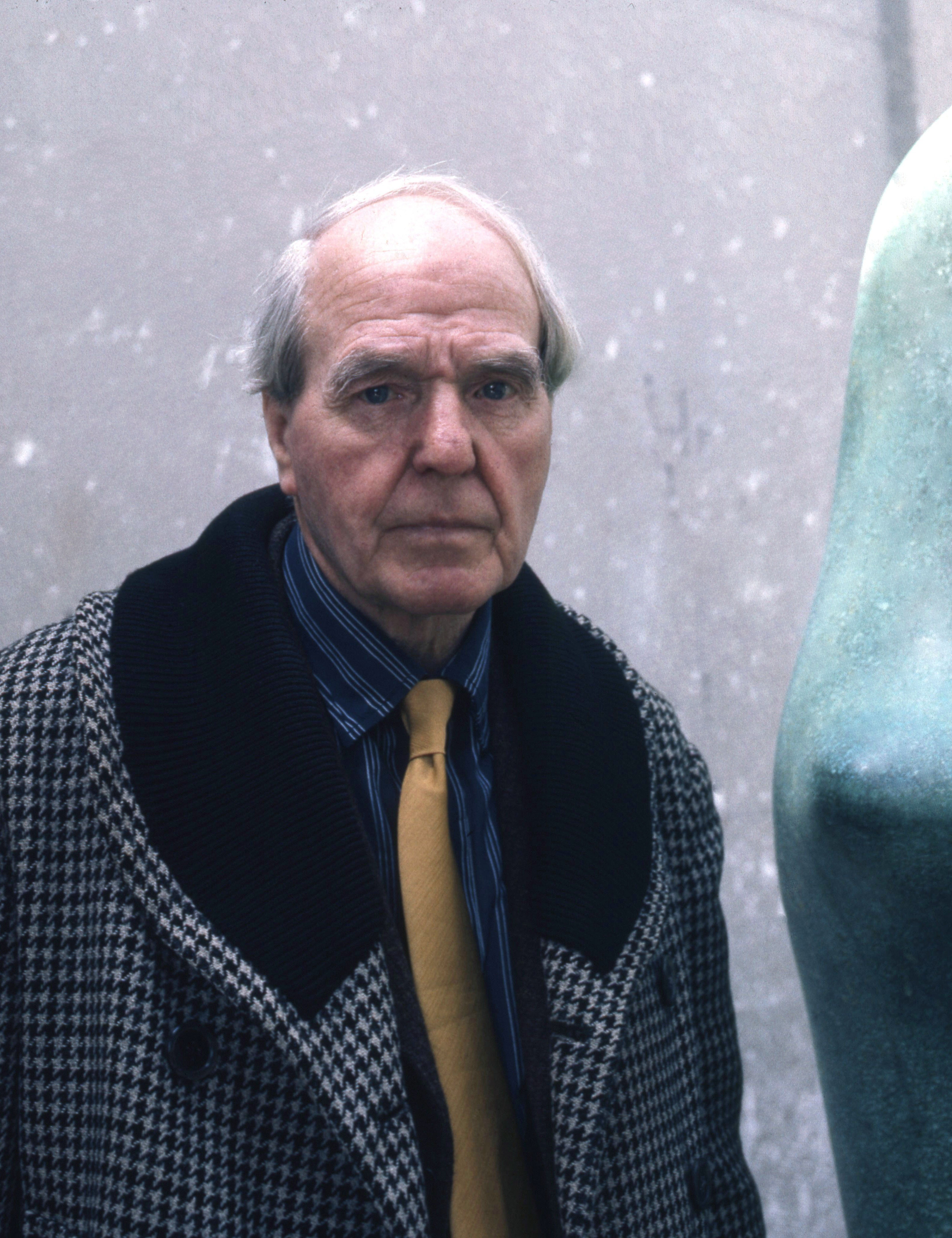
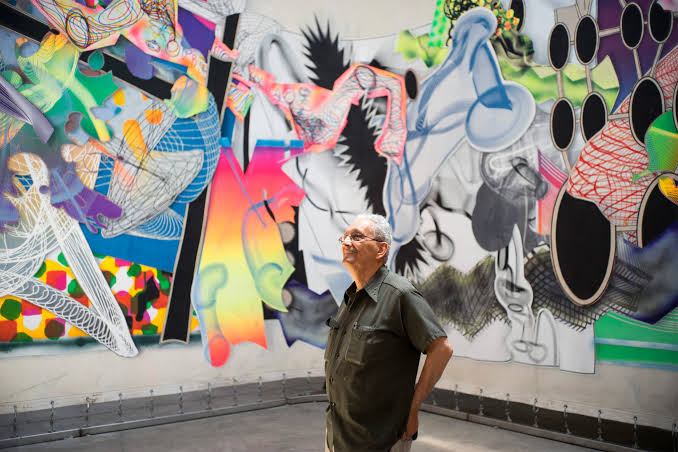
Her prints are not secondary works. They are essential documents of her thinking. Henry Moore approached the graphic medium with the same formal rigor he brought to sculpture, and his prints feel like studies in how mass and void can be translated across materials. Frank Stella's graphic work extended his lifelong inquiry into surface and geometry into a domain where the mark had to be both planned and irreversible, a combination that clearly suited him.
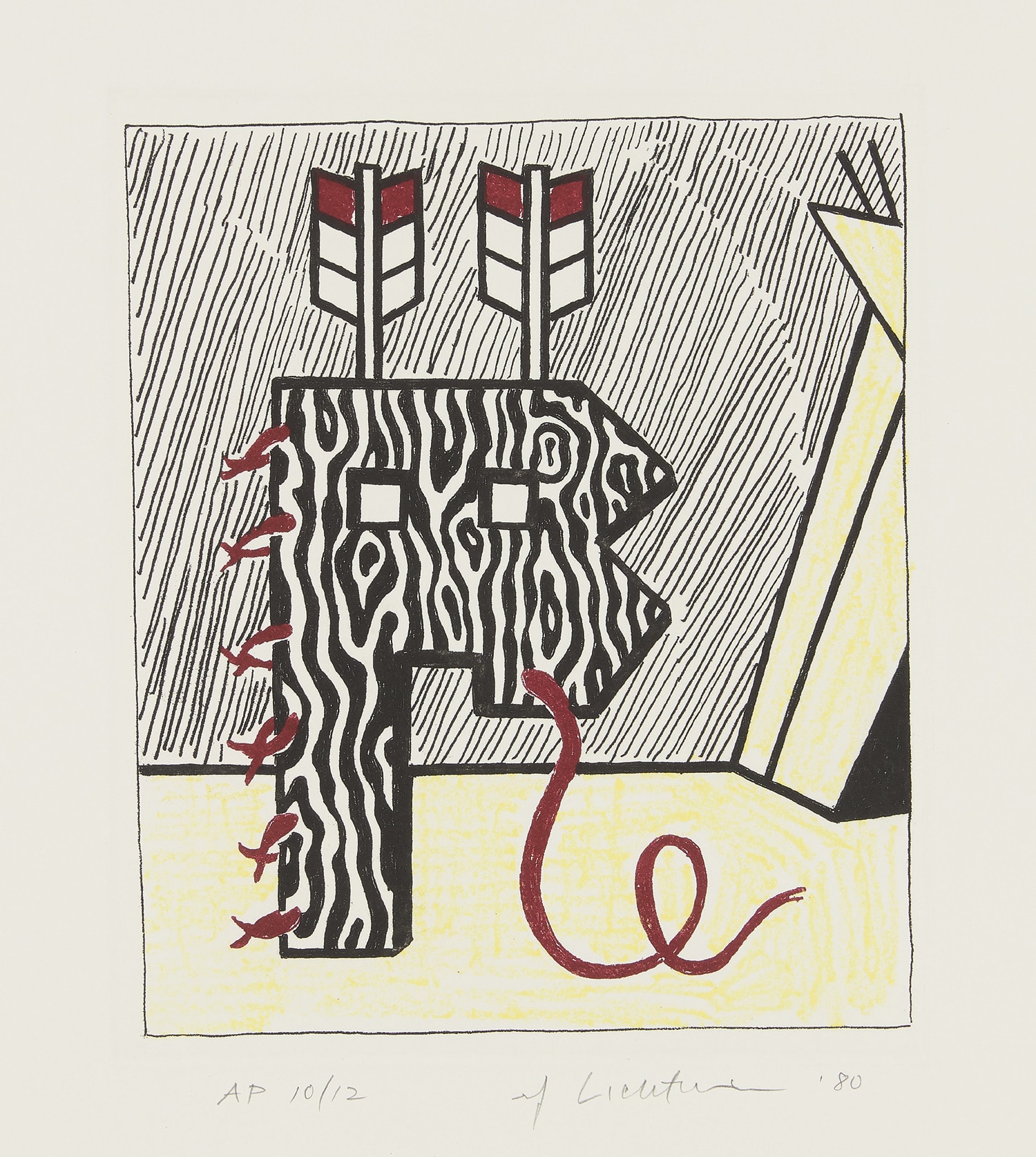
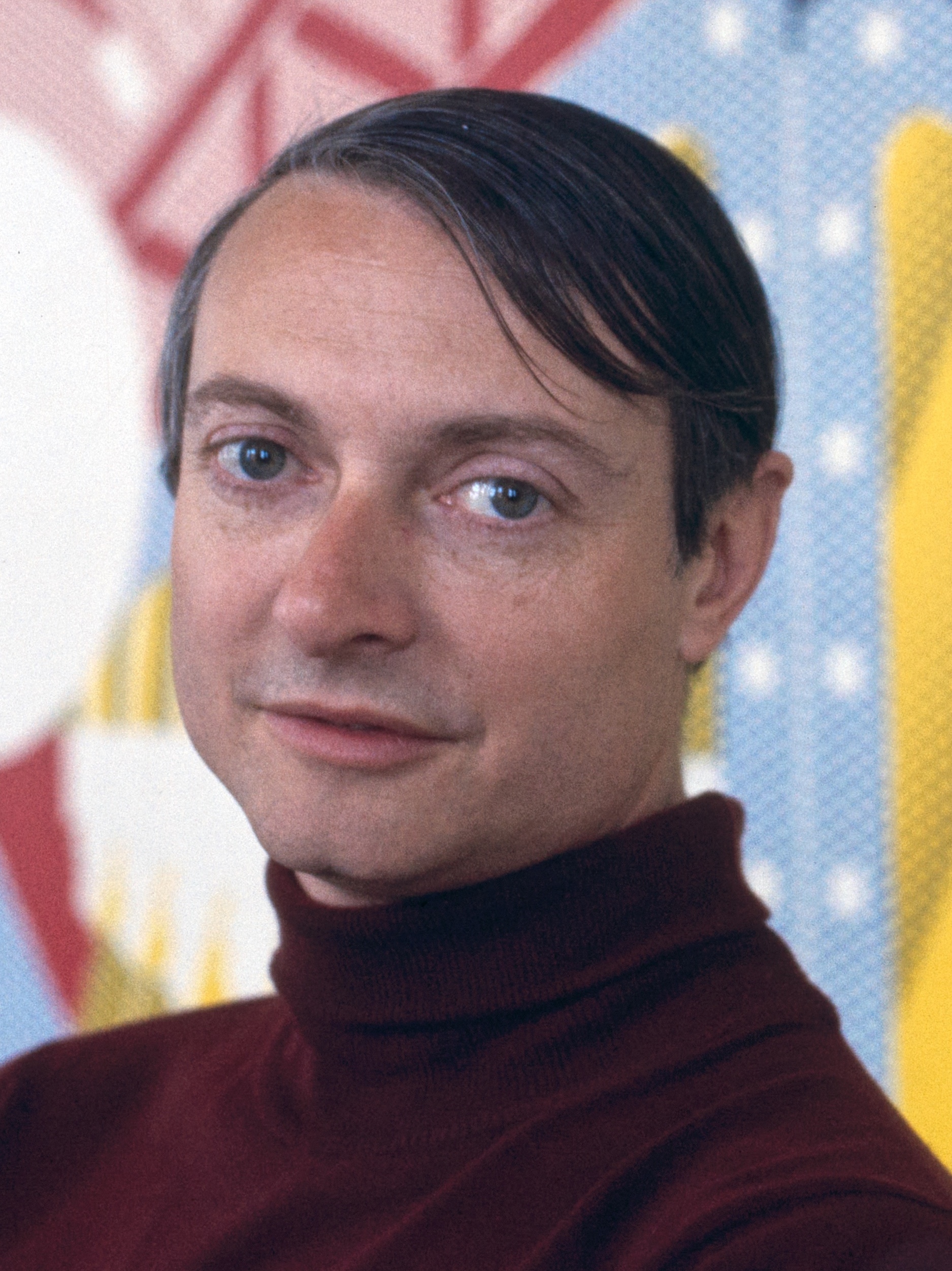
Roy Lichtenstein
Figure with Teepee, from American Indian Theme
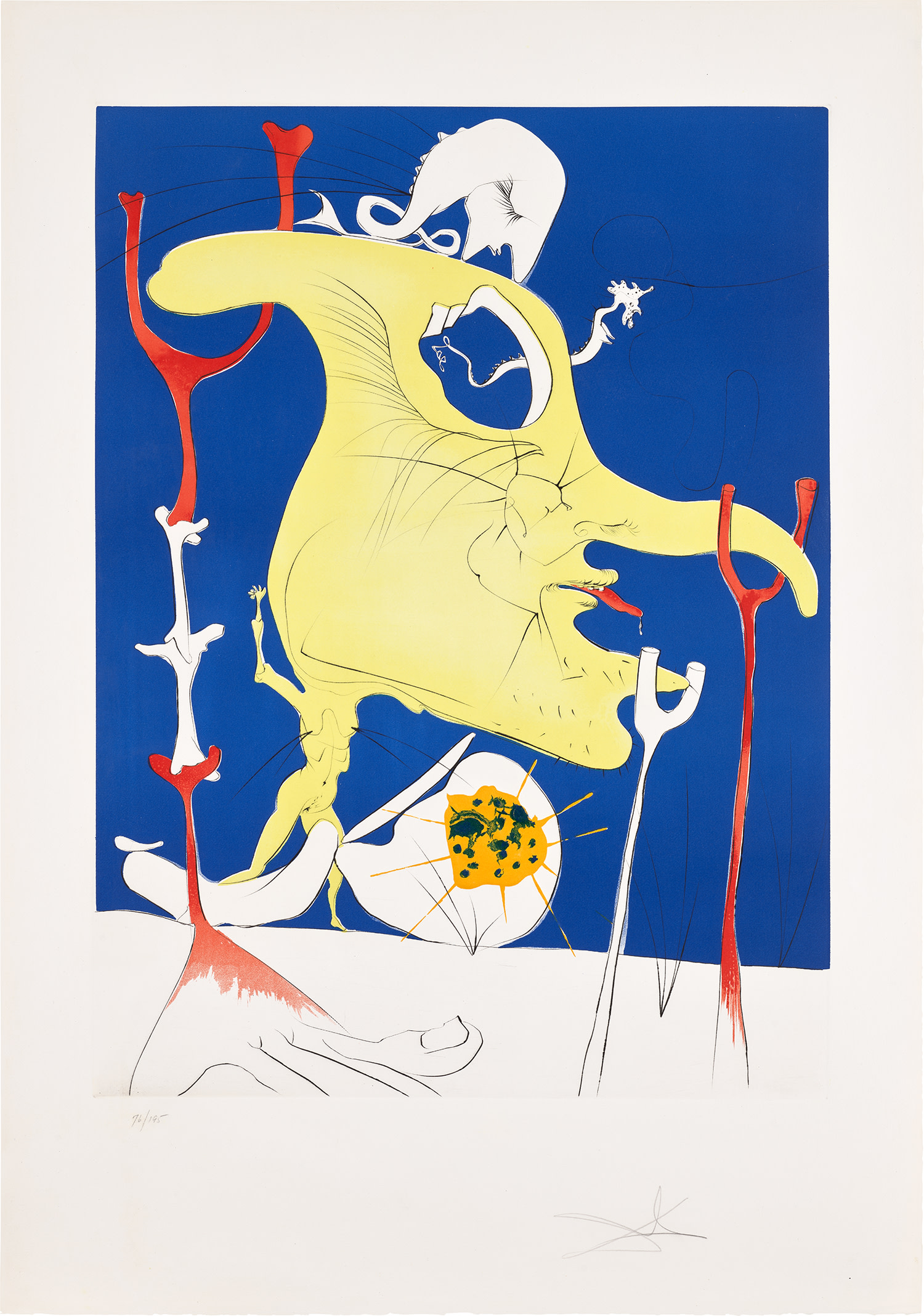
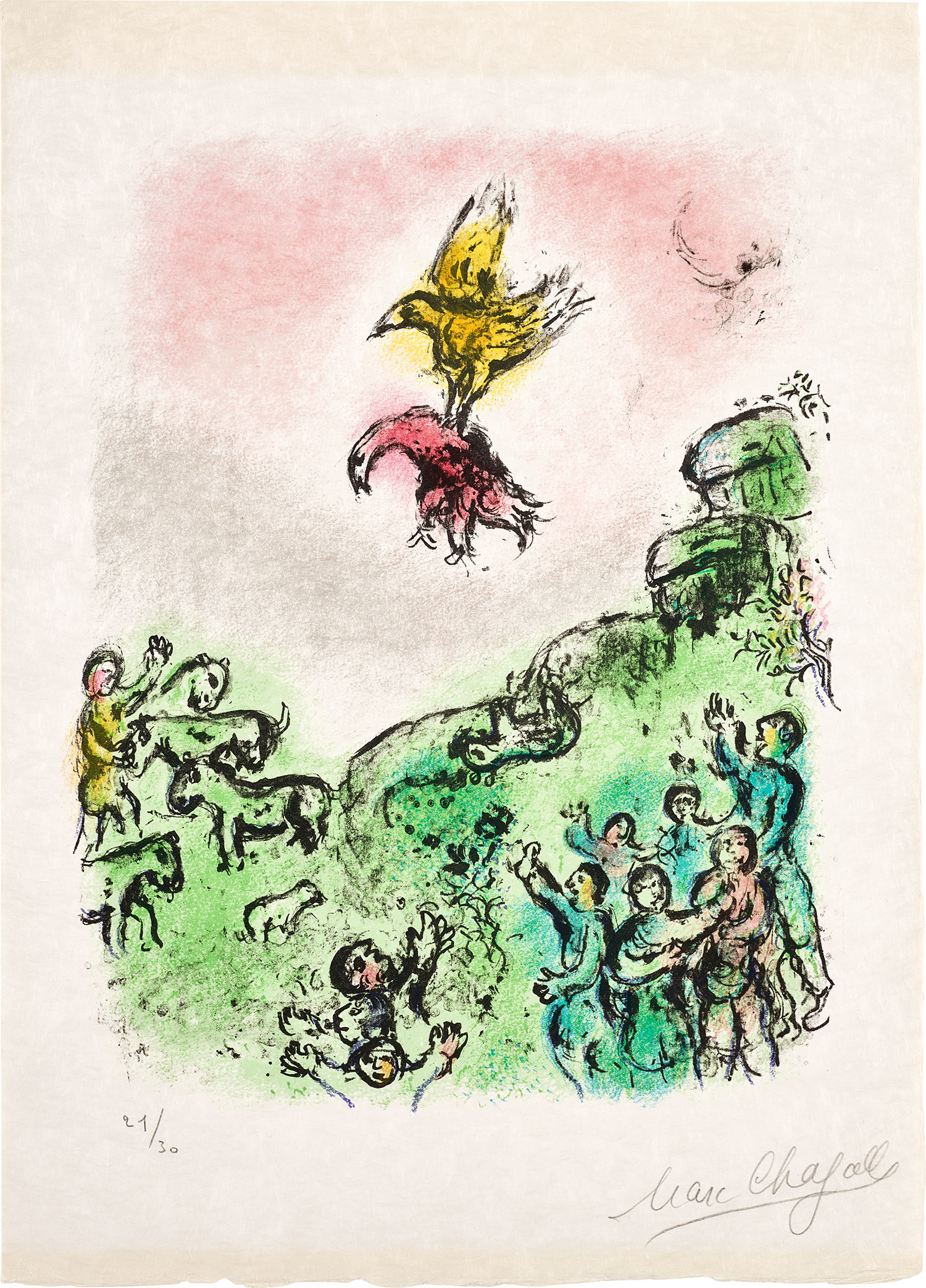
What unites the vast historical range of etching and engraving is a quality of commitment that collectors tend to recognize instinctively. Every mark in an intaglio print required a decision, and those decisions cannot be undone without visible evidence of the correction. This is why the medium attracted artists of such intense conviction, from Anthony van Dyck who used it to capture the psychological presence of his contemporaries, to Roy Lichtenstein who brought his characteristic cool intelligence to the plate as part of his broader investigation of image and reproduction. Salvador Dalí's prints carry his characteristic theatricality into a medium that rewards precision, and Marc Chagall's lyrical color etchings represent one of the great marriages of personal mythology and technical craft in modern printmaking.
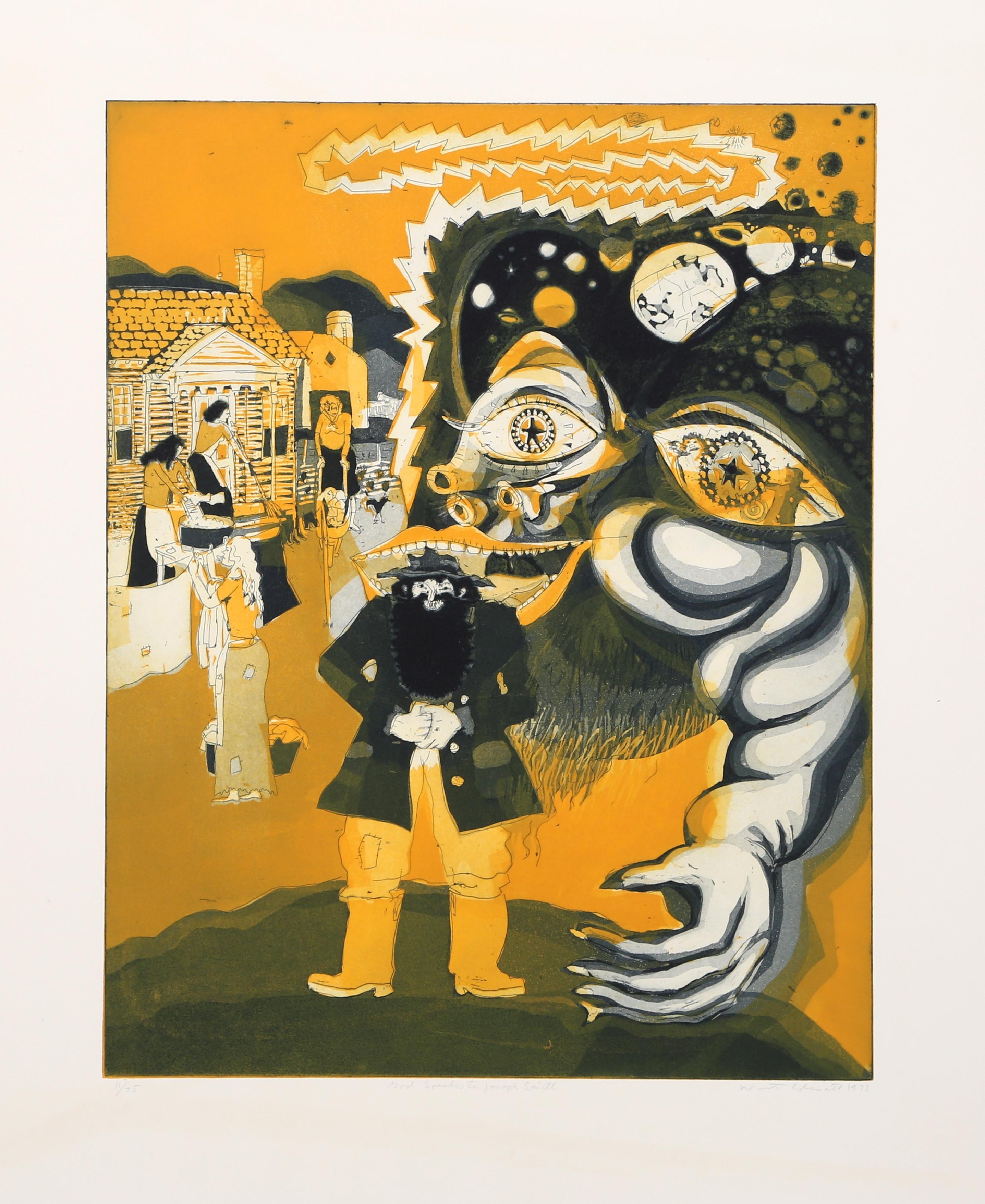
The tradition continues to attract serious artists precisely because the constraints are real and the history is so formidably good. Warrington Colescott brought wit and political intelligence to the medium in the latter half of the twentieth century, demonstrating that etching could carry satirical charge without sacrificing formal sophistication. Ernest Haskell, working in the early twentieth century on both sides of the Atlantic, brought a painterly sensibility to the plate that still feels fresh. Victor Petit's architectural etchings remind us that the medium has always been as much about documentation and description as about personal expression.
To move through the works on The Collection in this category is to trace a conversation that has been ongoing for five centuries, conducted in the shared language of line, pressure, and ink.