Félicien Rops
Artist Spotlight
Félicien Rops, The Visionary Who Rewrote Everything
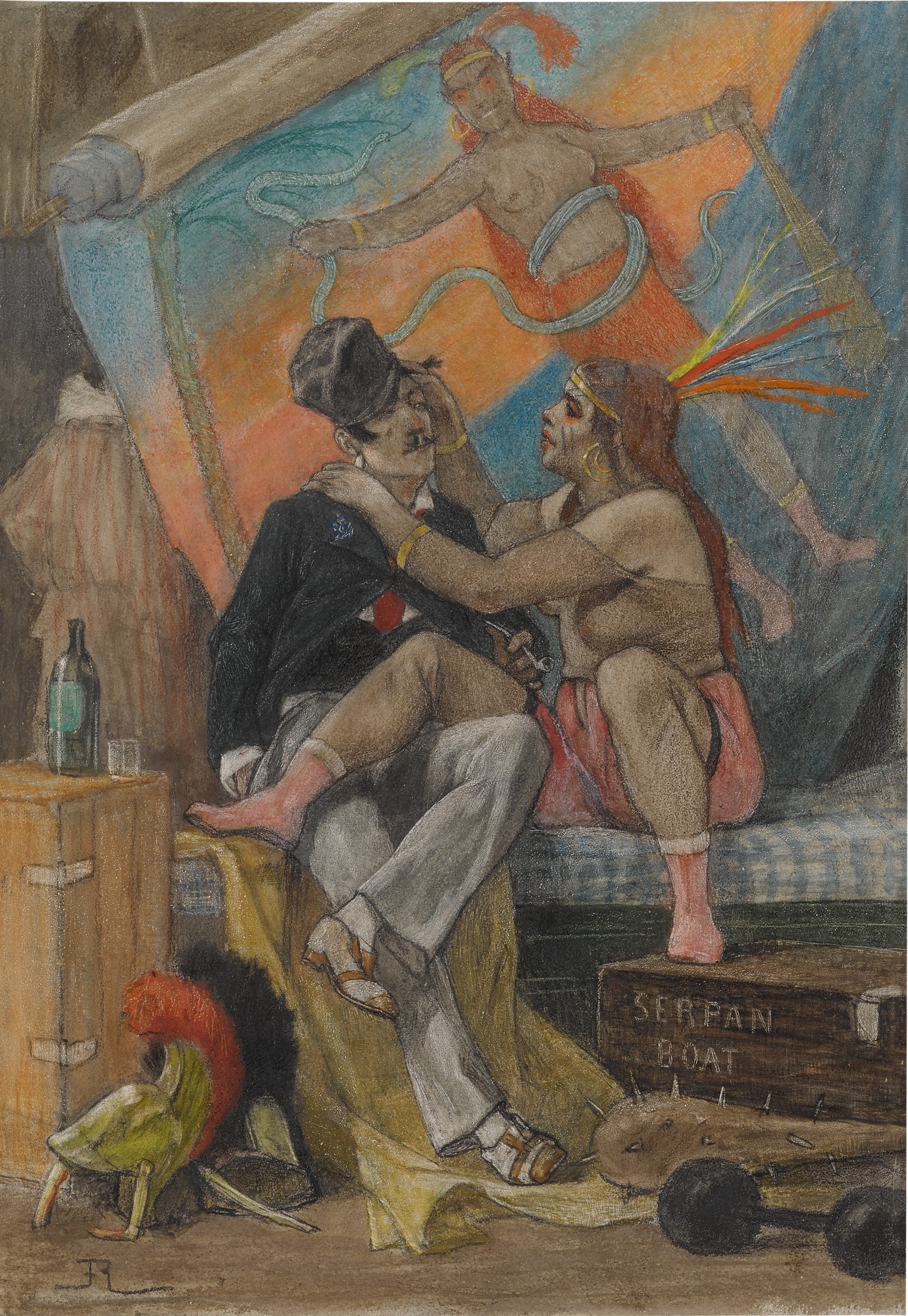
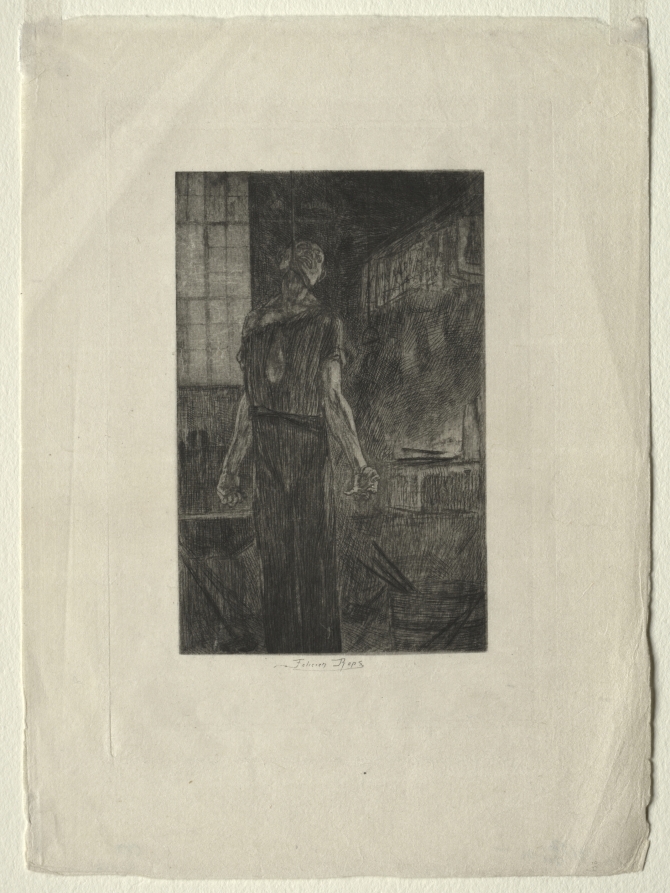
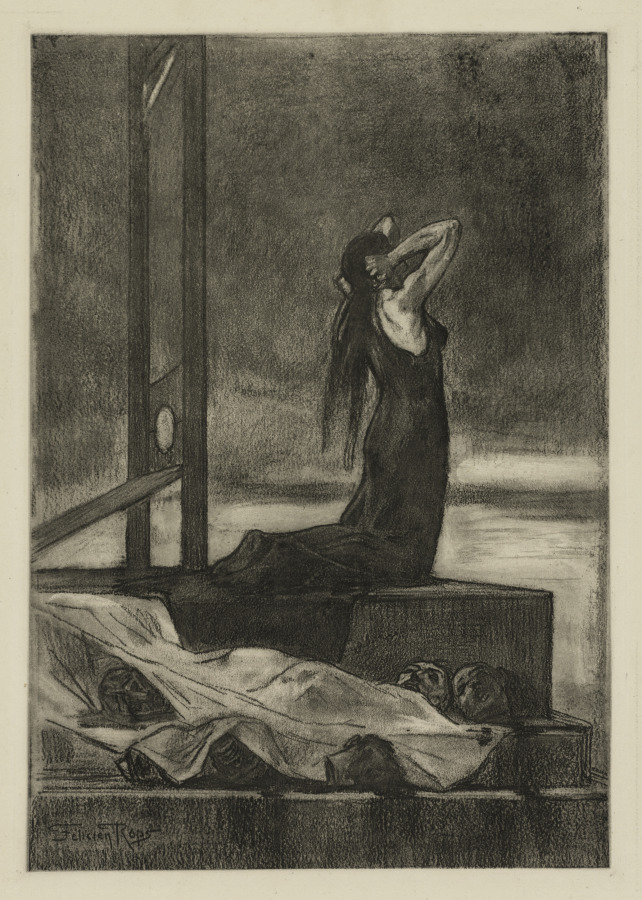
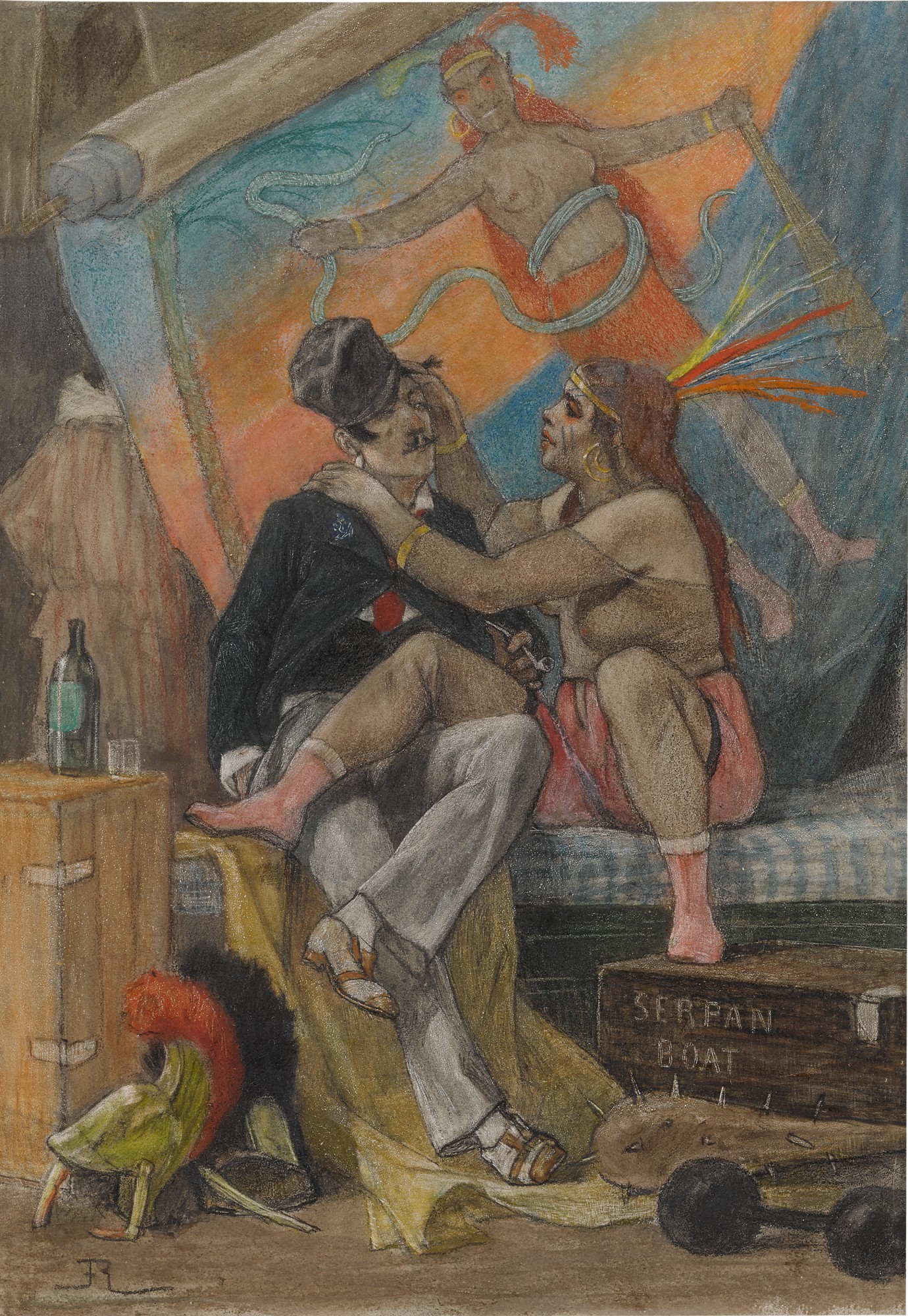
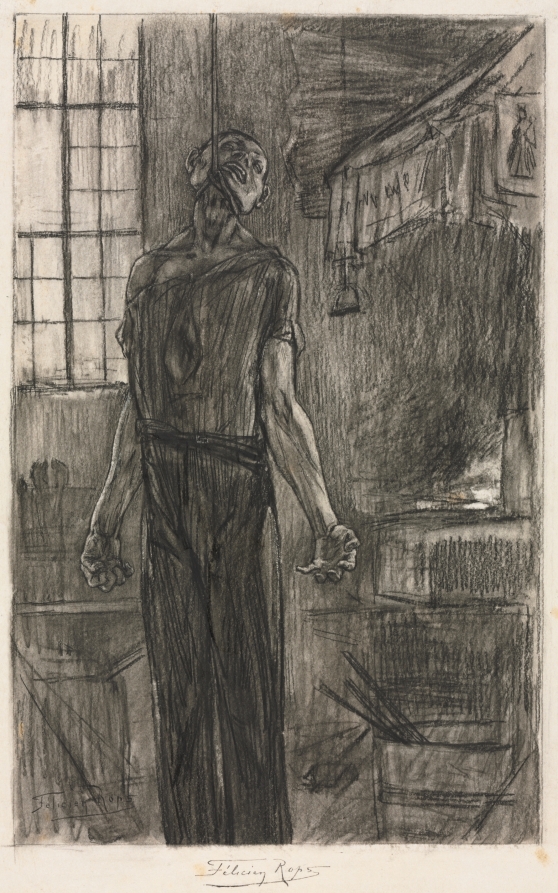
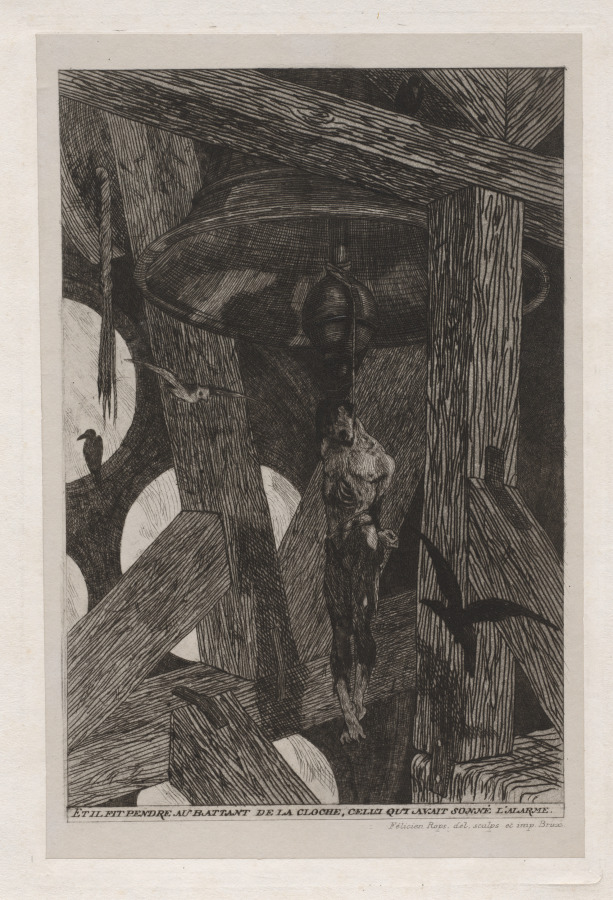
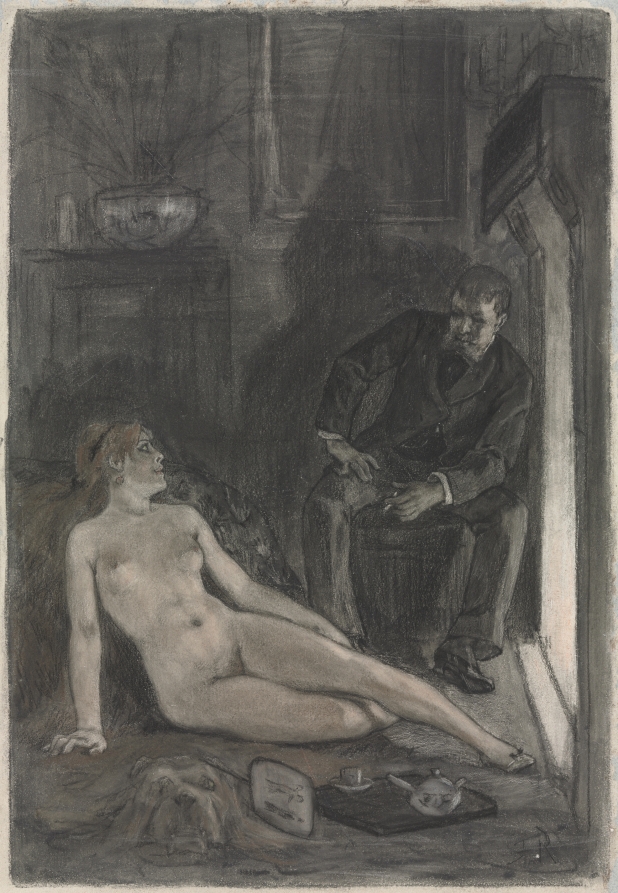
Imagine standing in a Brussels printmaking studio in the 1860s, the air thick with acid fumes and ink, watching a young Belgian artist drag a needle across a copper plate with the precision of a surgeon and the abandon of a poet. That artist was Félicien Rops, and what he was etching onto metal he was simultaneously etching into the history of European art. Today, nearly 130 years after his death, Rops commands serious attention from collectors, scholars, and curators who recognize in his work something that feels perpetually modern: a refusal to look away from the uncomfortable, the erotic,… Continue reading
Spotted by
Artists in conversation
Franz von Bayros
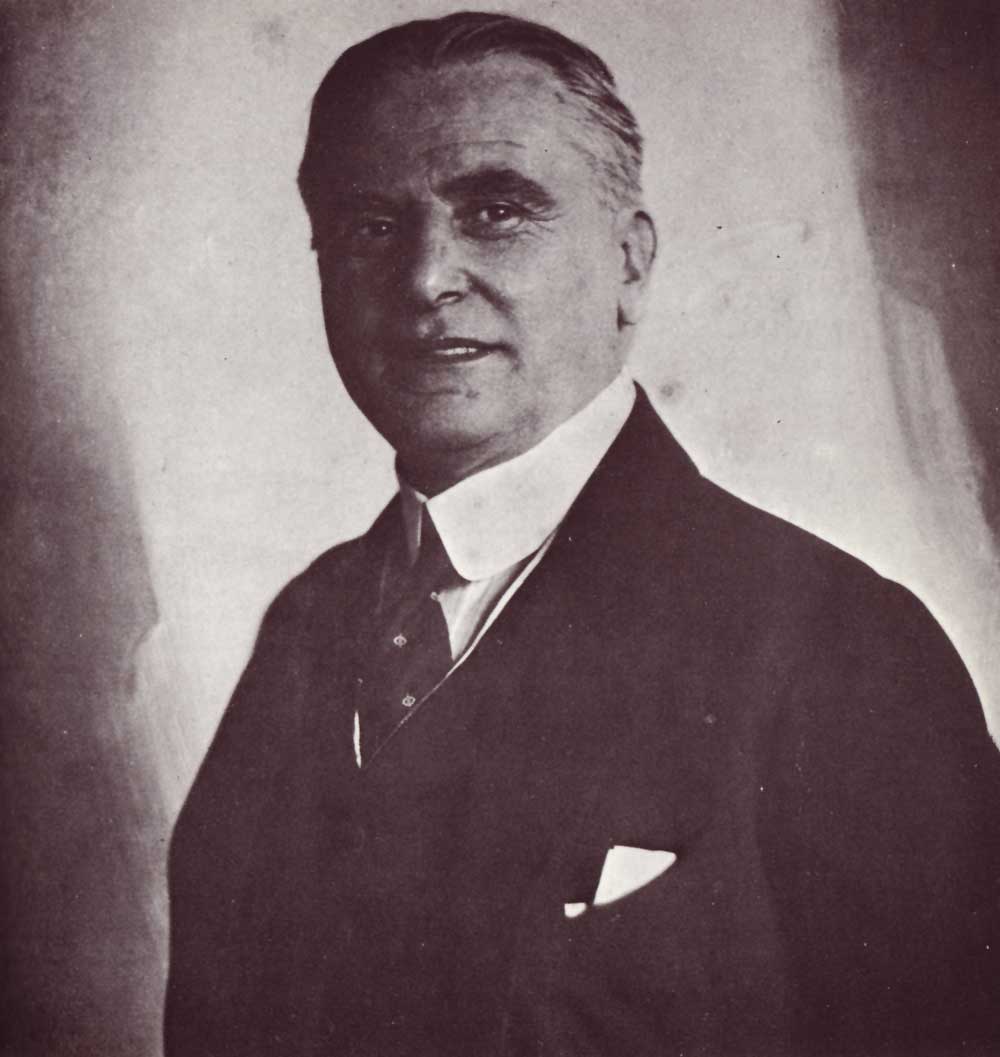
Von Bayros worked in a similarly decadent and erotic vein using finely detailed printmaking techniques, producing darkly ornate figurative compositions that blend literary and macabre themes with sophisticated draftsmanship.
Aubrey Beardsley
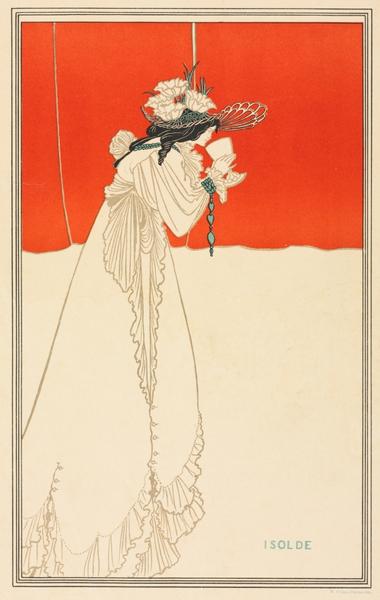
Beardsley shared Rops's fascination with decadent eroticism and macabre literary subjects rendered through highly stylized black and white drawing, occupying a parallel position in fin de siecle graphic art.
Artists who inspired them
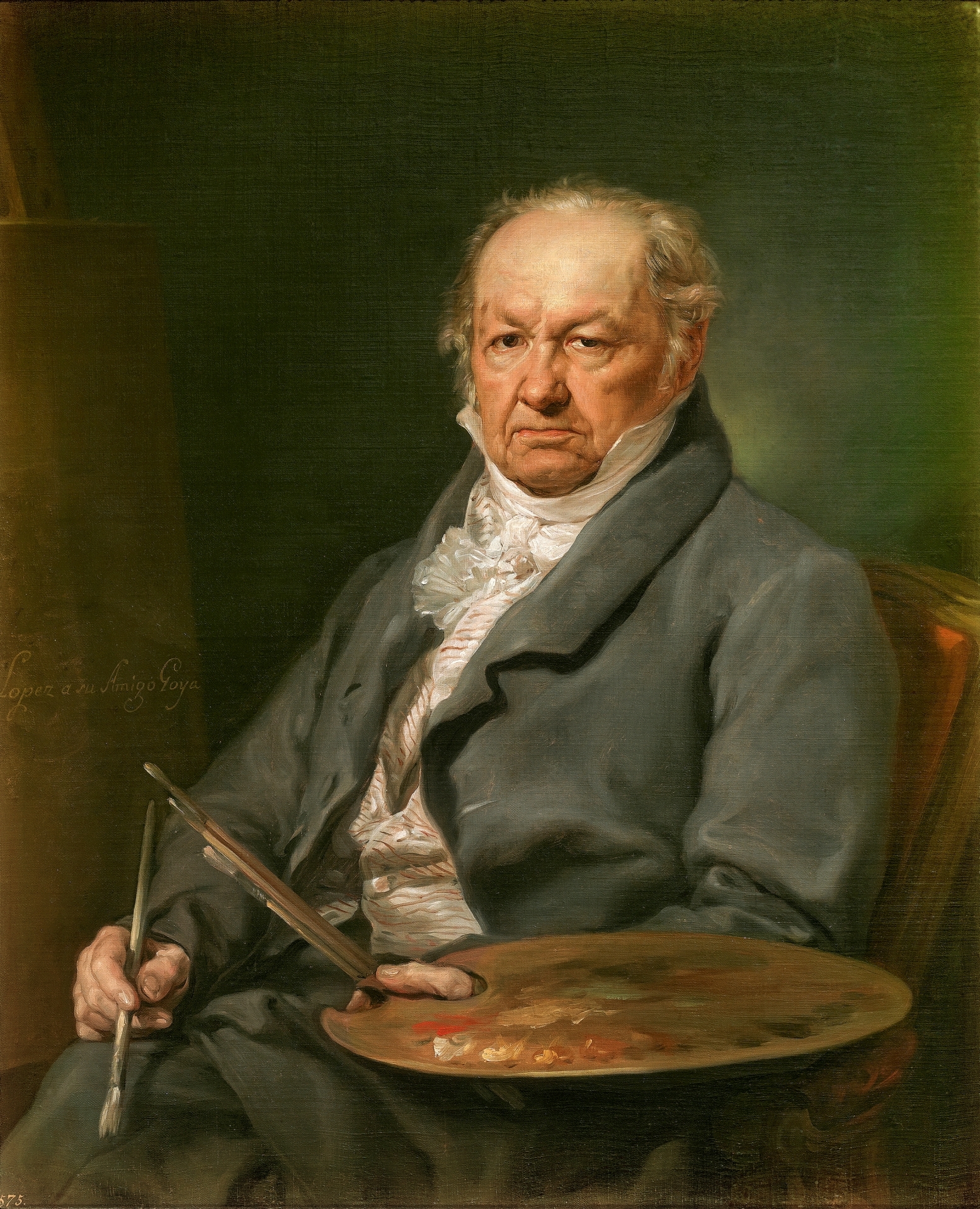
Francisco Goya
Goya's dark satirical etchings in series such as Los Caprichos demonstrated to Rops how printmaking could serve as a vehicle for biting social criticism and nightmarish figurative imagery.
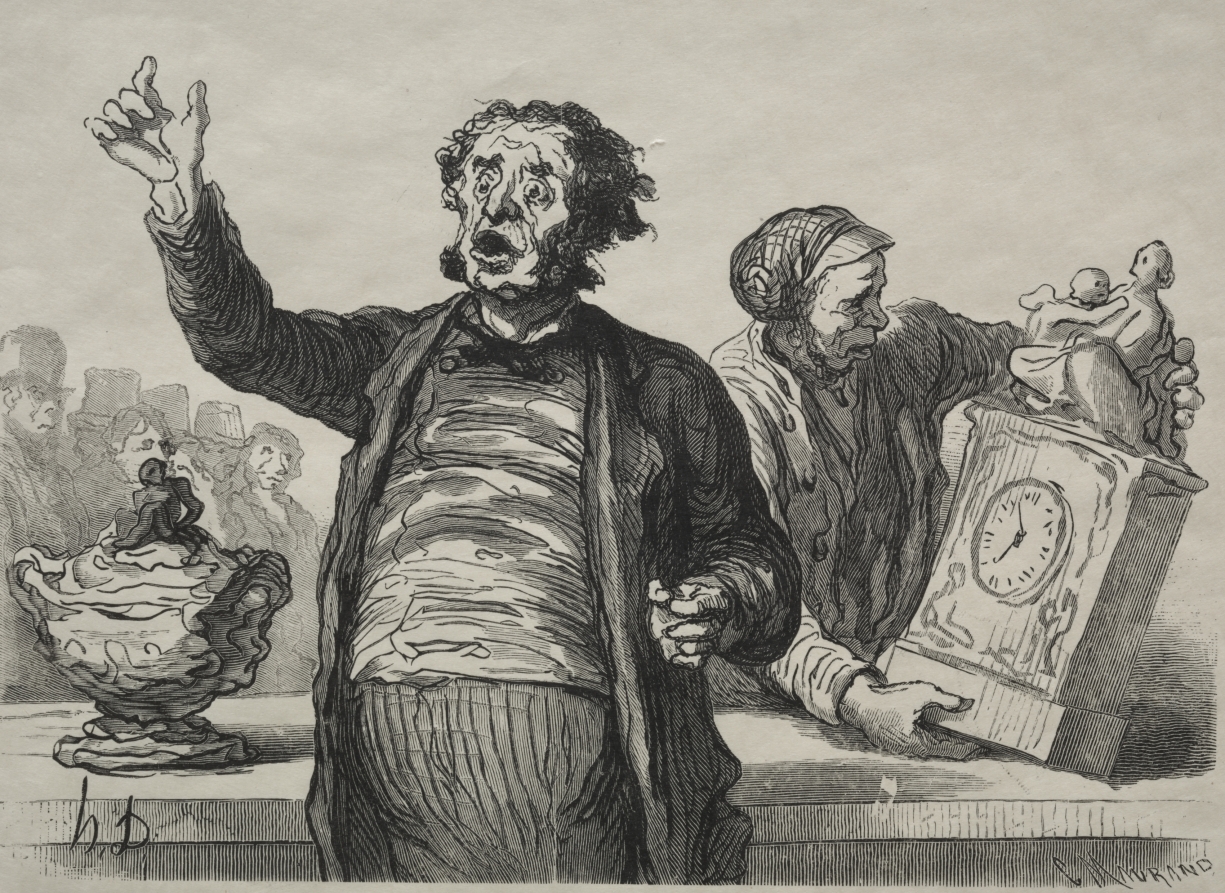
Honoré Daumier
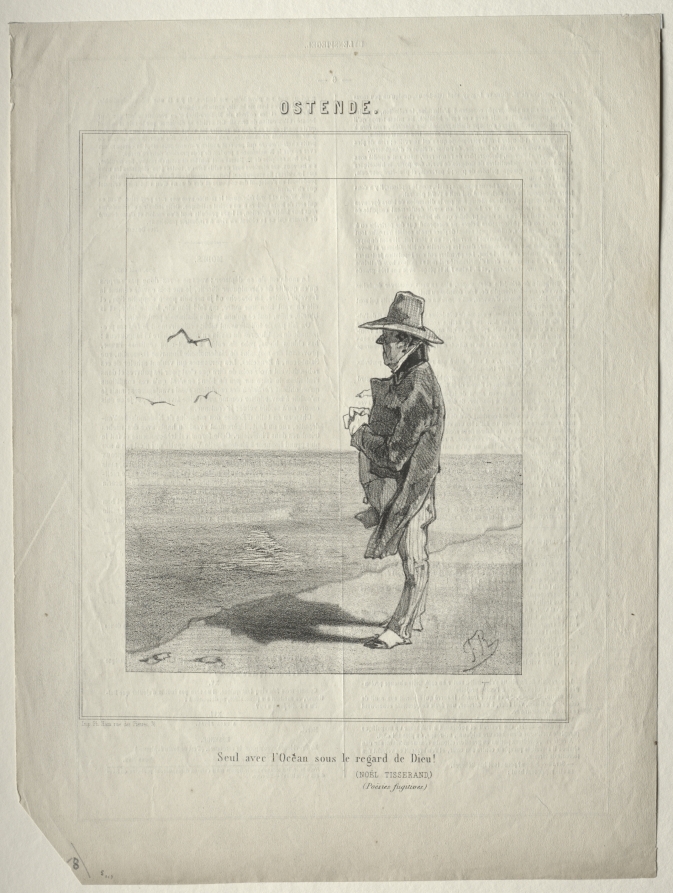
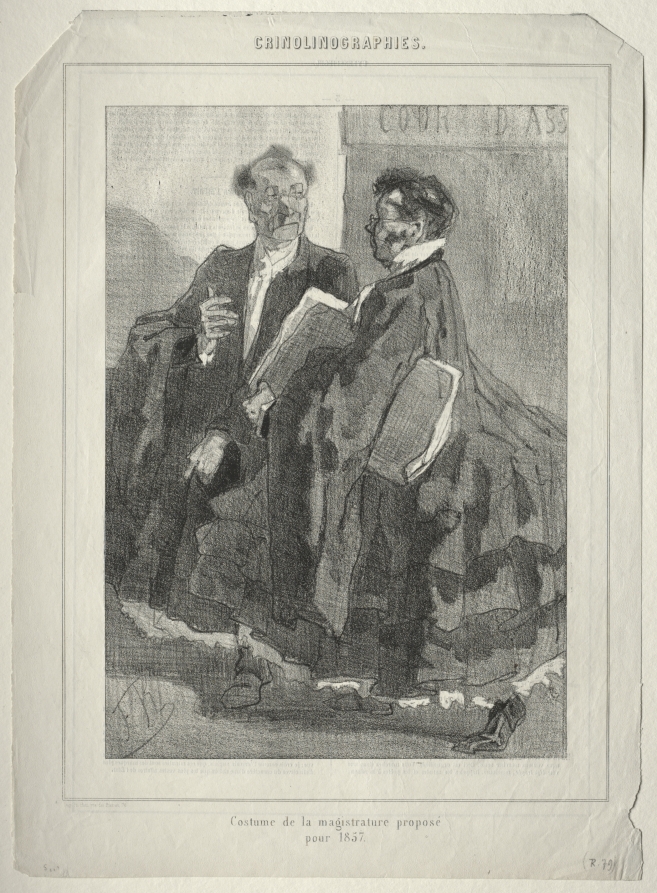
Daumier's mastery of lithographic satire and caricature as a tool of social and political commentary provided Rops with a powerful model for using graphic art to critique bourgeois society.
Artists they inspired
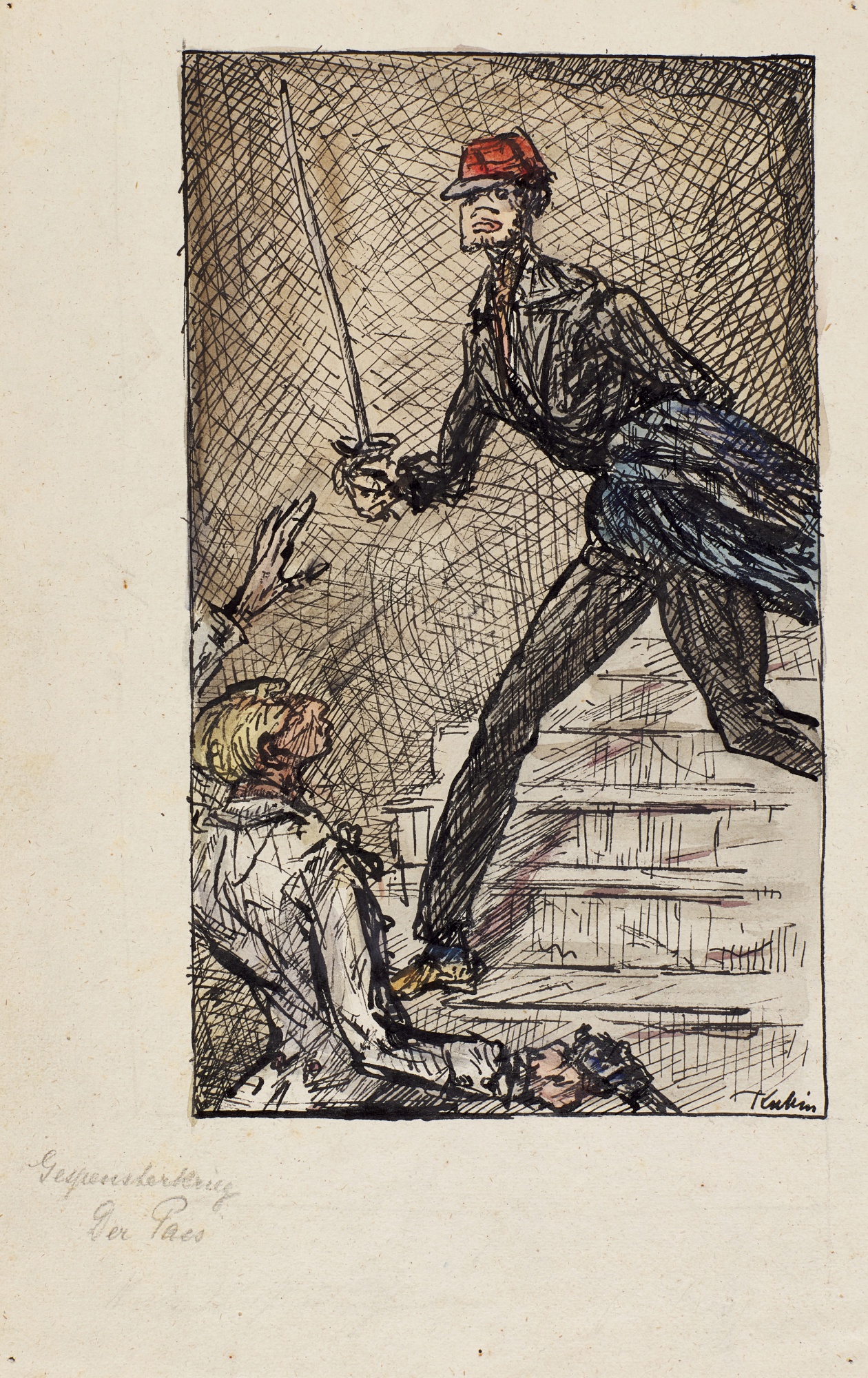
Alfred Kubin
Kubin acknowledged the impact of Rops's darkly erotic and macabre print imagery on his own obsessive fantasy drawings, which share the Belgian master's preoccupation with death, desire, and the grotesque.
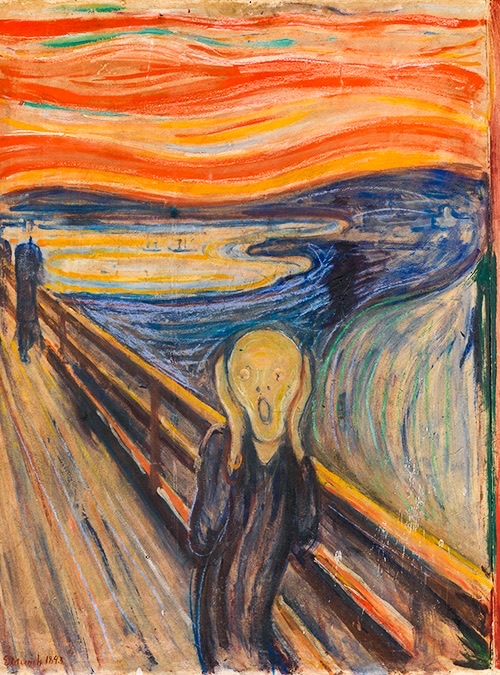
Edvard Munch
Munch encountered Rops's work during his time in Paris and drew on the older artist's treatment of the femme fatale and erotic anxiety in developing his own symbolist printmaking and figurative imagery.