Dark Mood
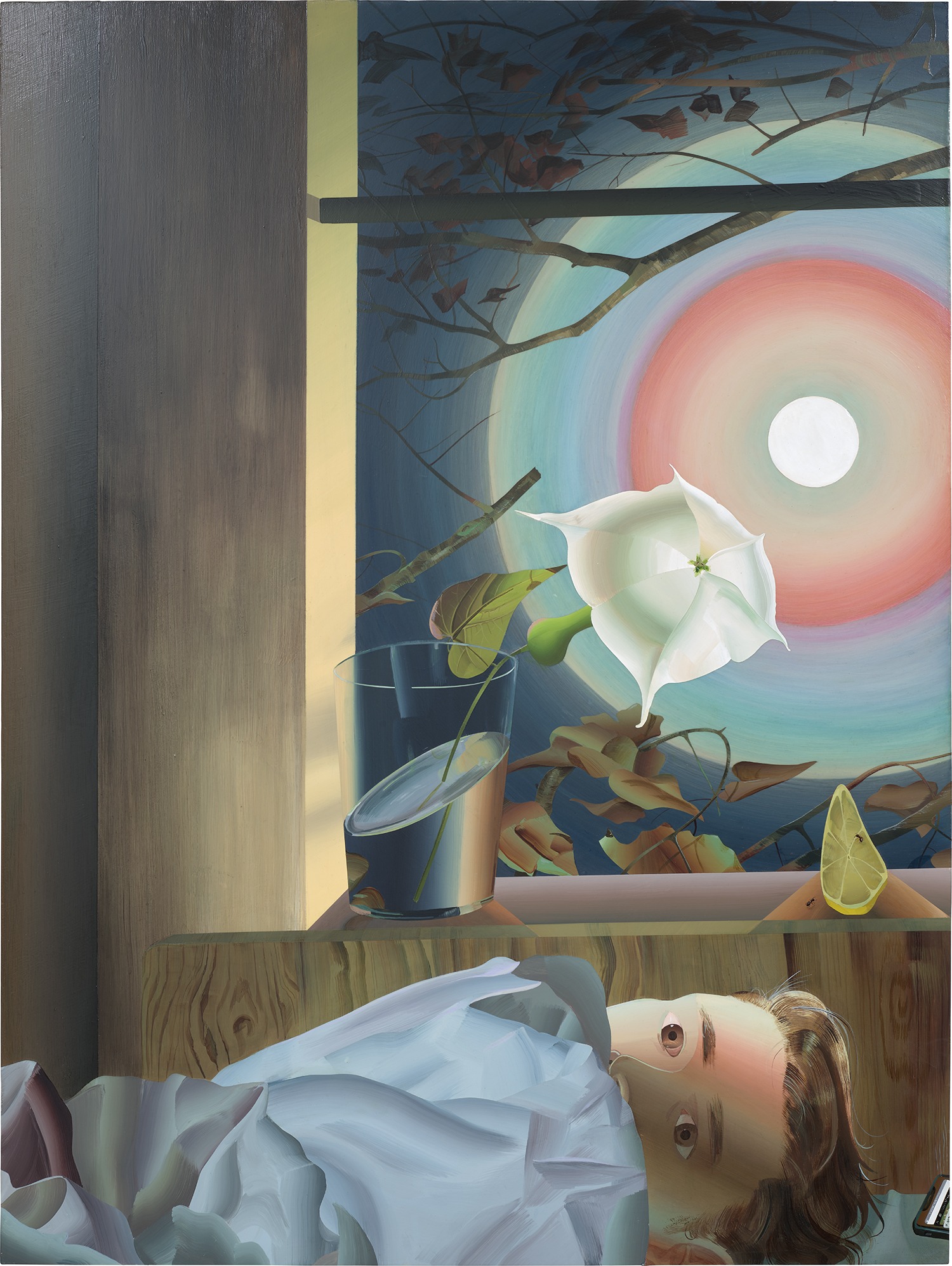
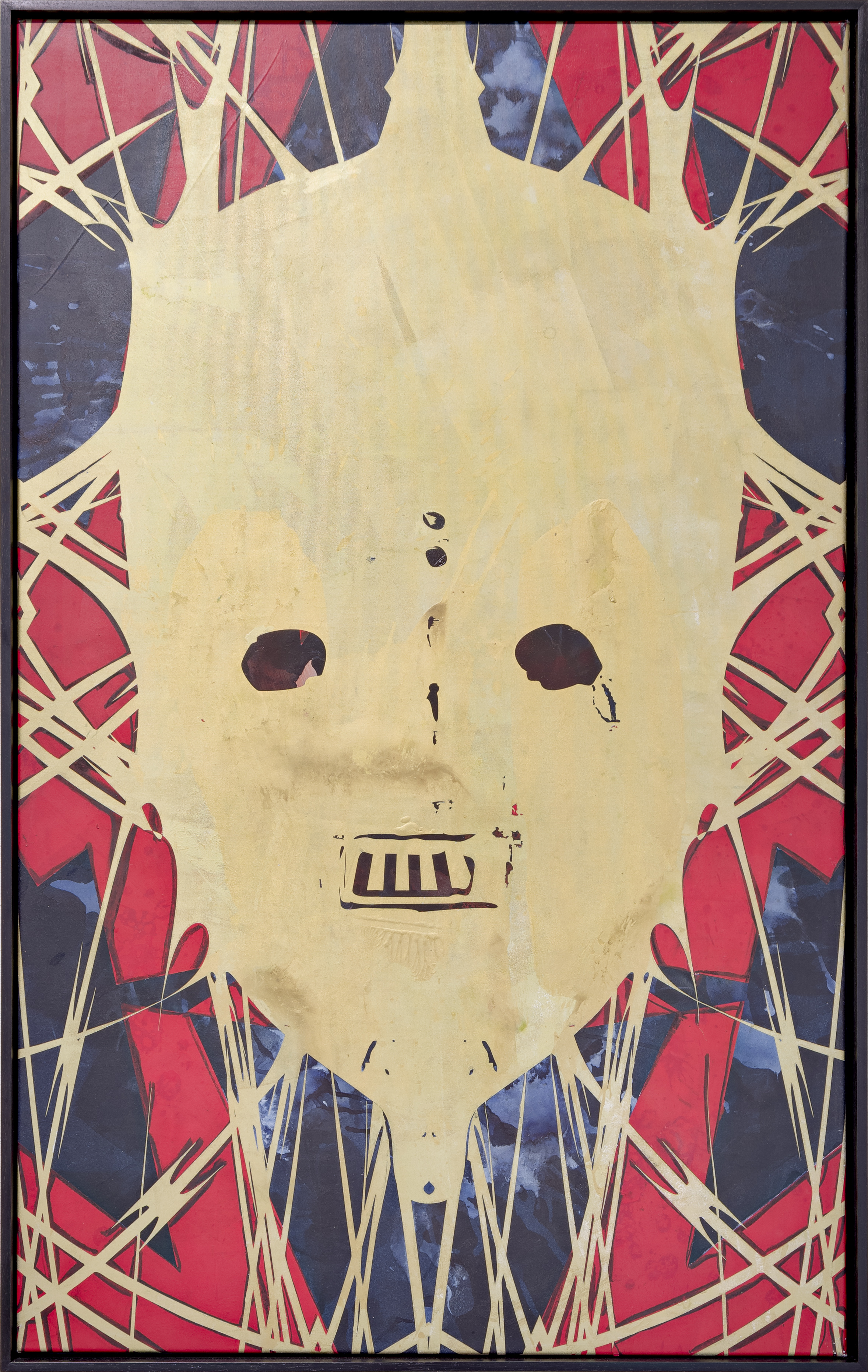
Kyle Dunn
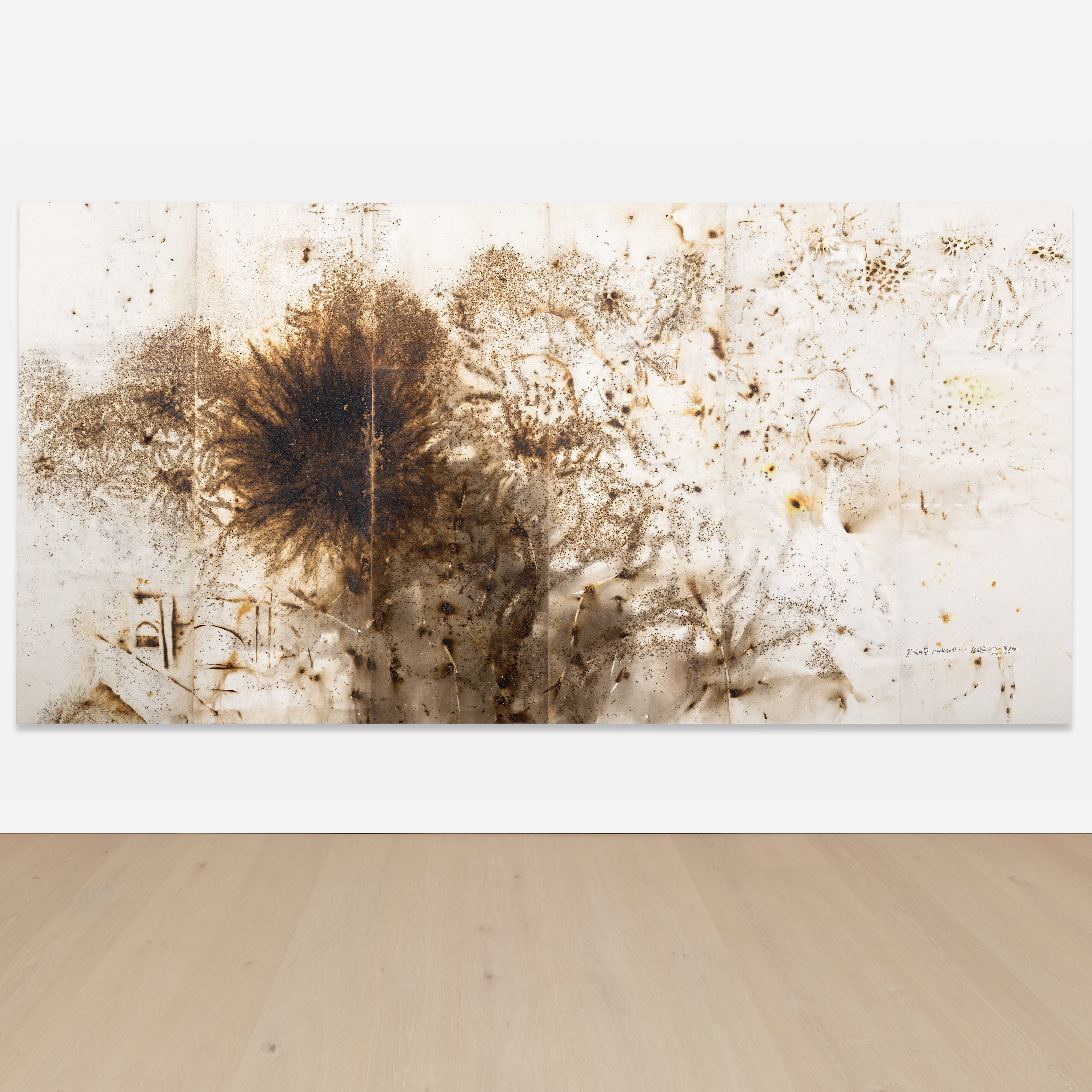
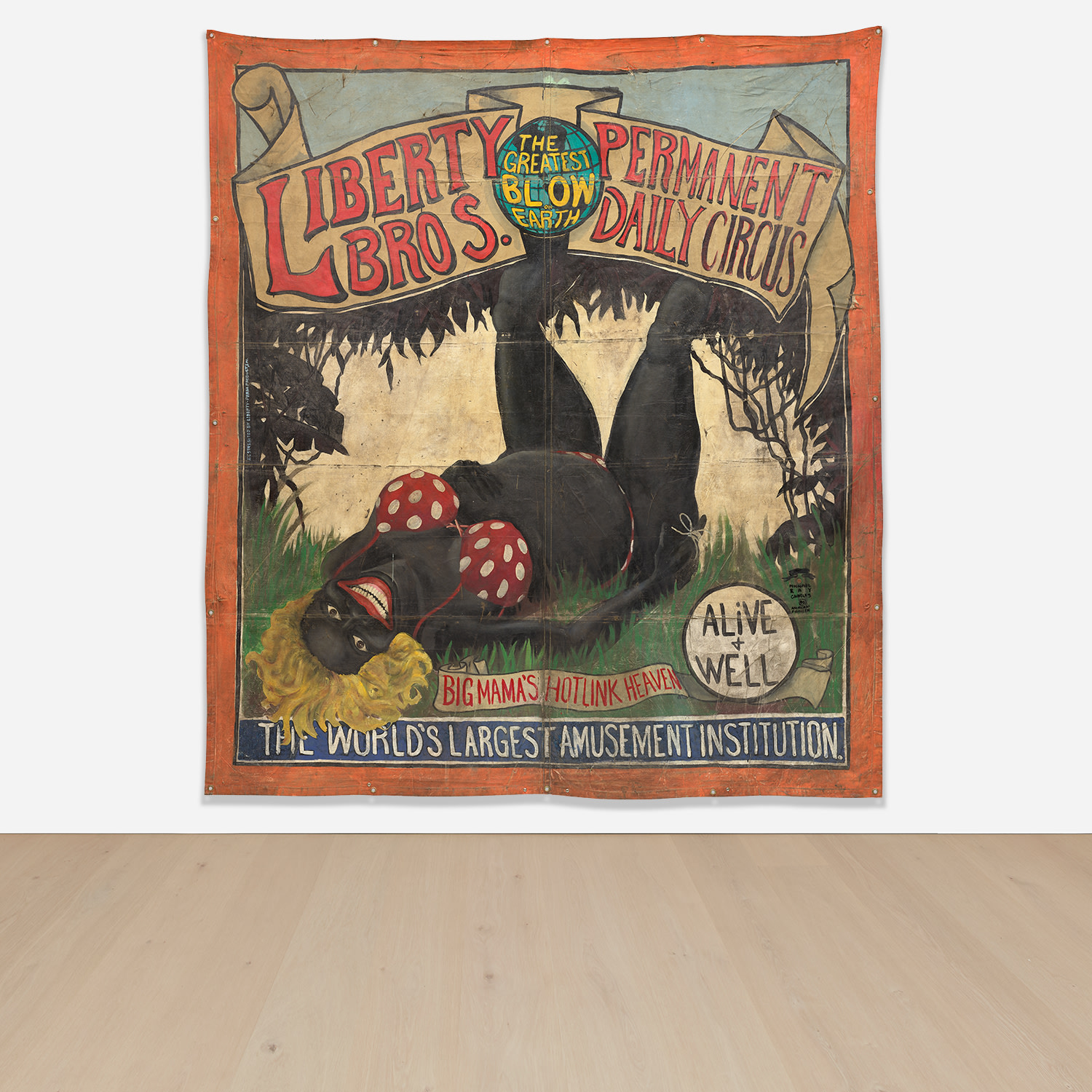
Insomniac, 2021



The Art of Living With Beautiful Darkness
There is something quietly confessional about a collector who gravitates toward dark work. The decision to bring a Francis Bacon or a George Condo into your home, to live with it across breakfast and late evenings and idle Sunday afternoons, says something particular about your relationship with discomfort, with the unresolved, with the parts of human experience that resist tidy resolution. These are not decorative choices. They are philosophical ones.
And among serious collectors, the appetite for work that unsettles as much as it seduces has never been stronger. What draws people to this territory is, at its core, the same thing that draws them to great literature or film that refuses easy catharsis. Dark mood in visual art operates as a kind of permission slip. It tells you that the shadow side of consciousness is worth examining, even worth celebrating.
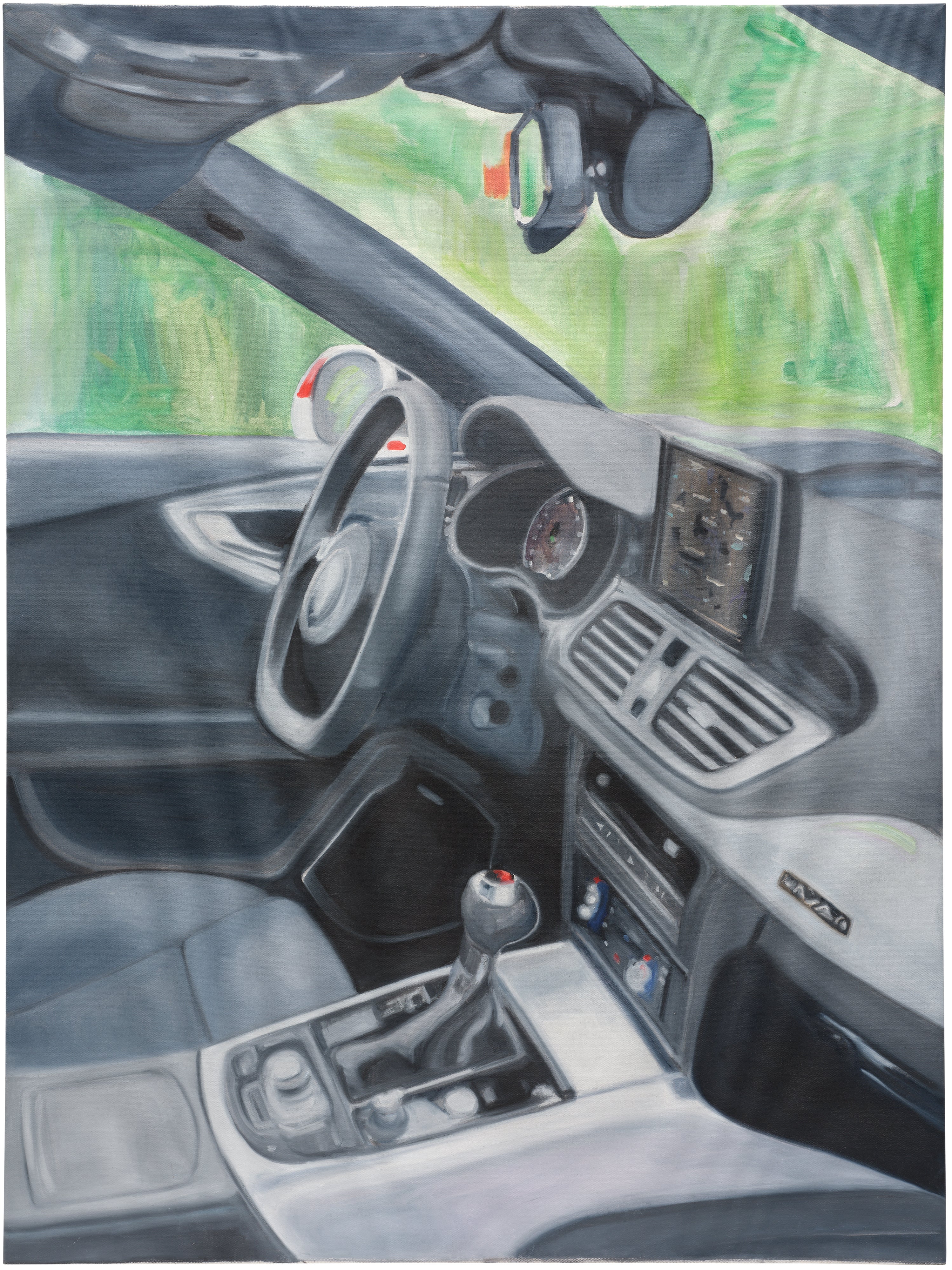
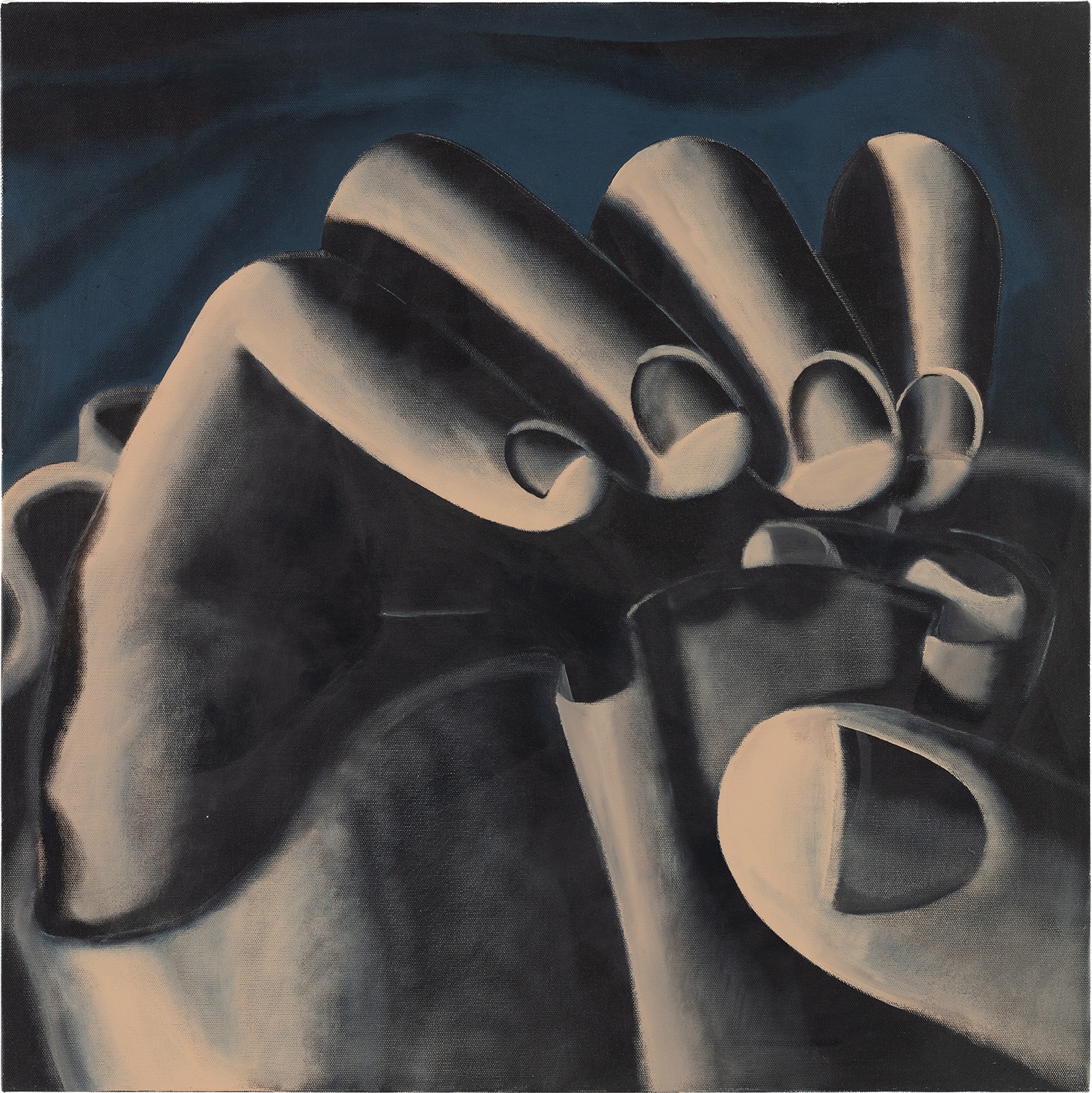
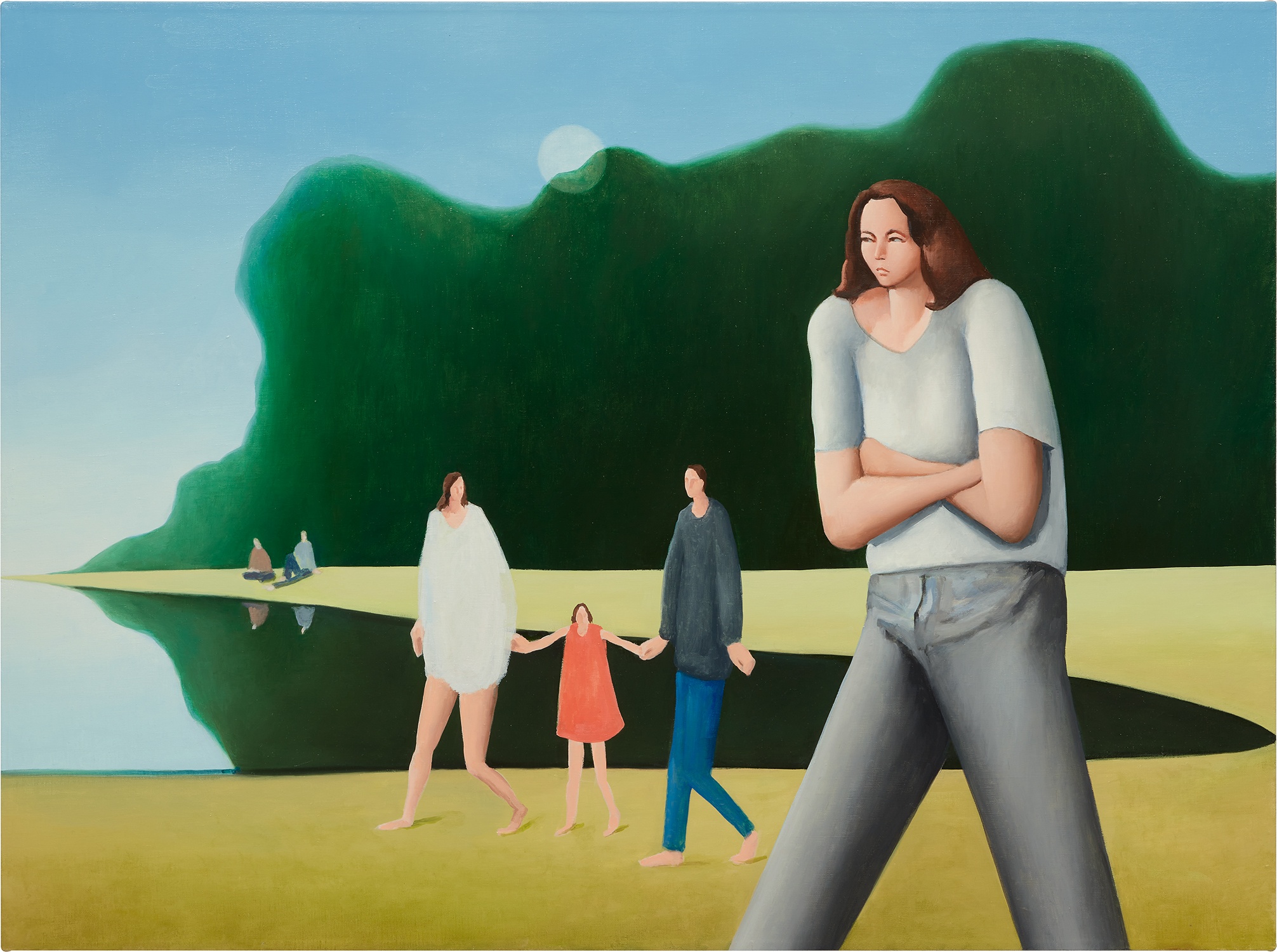
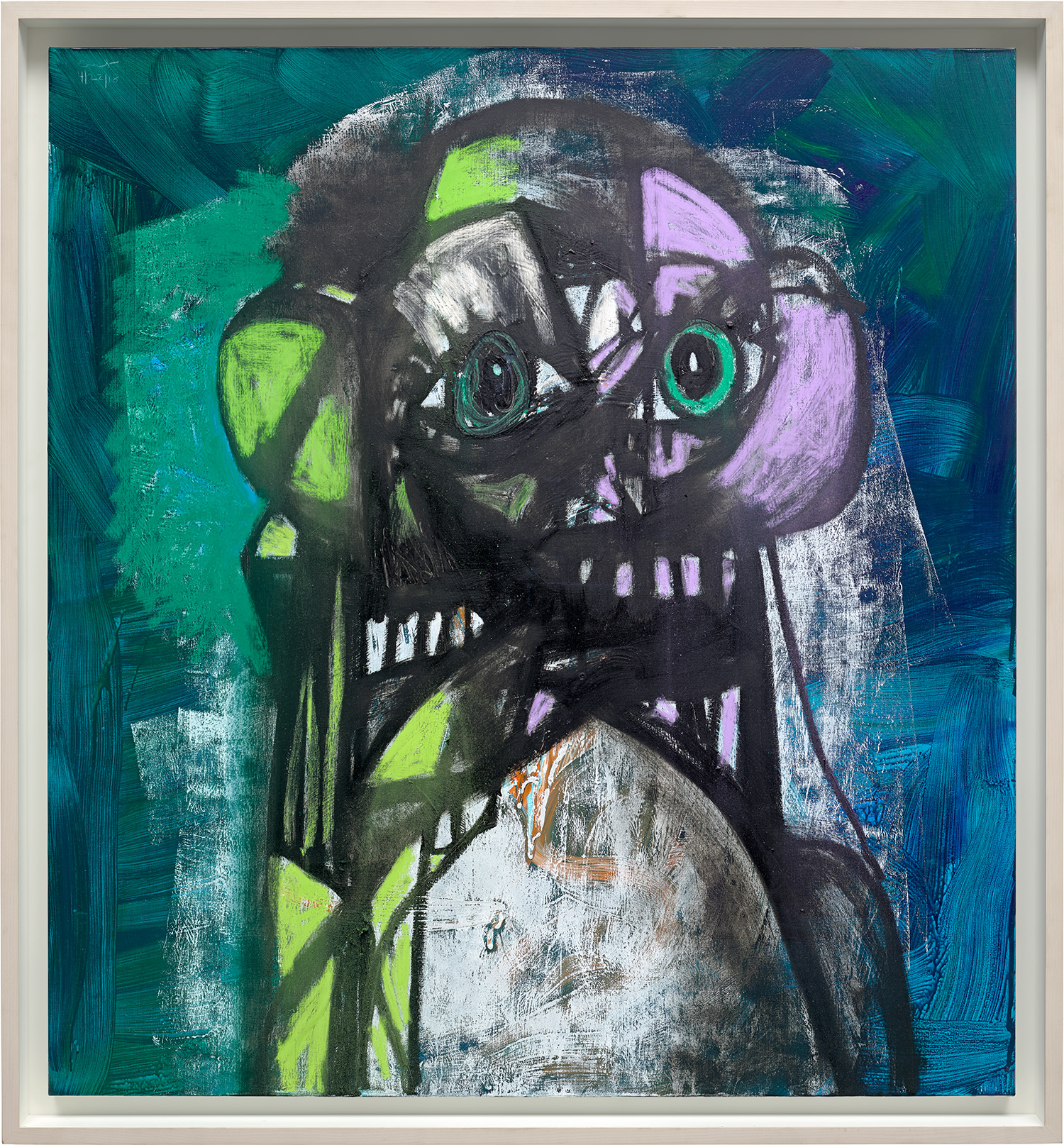
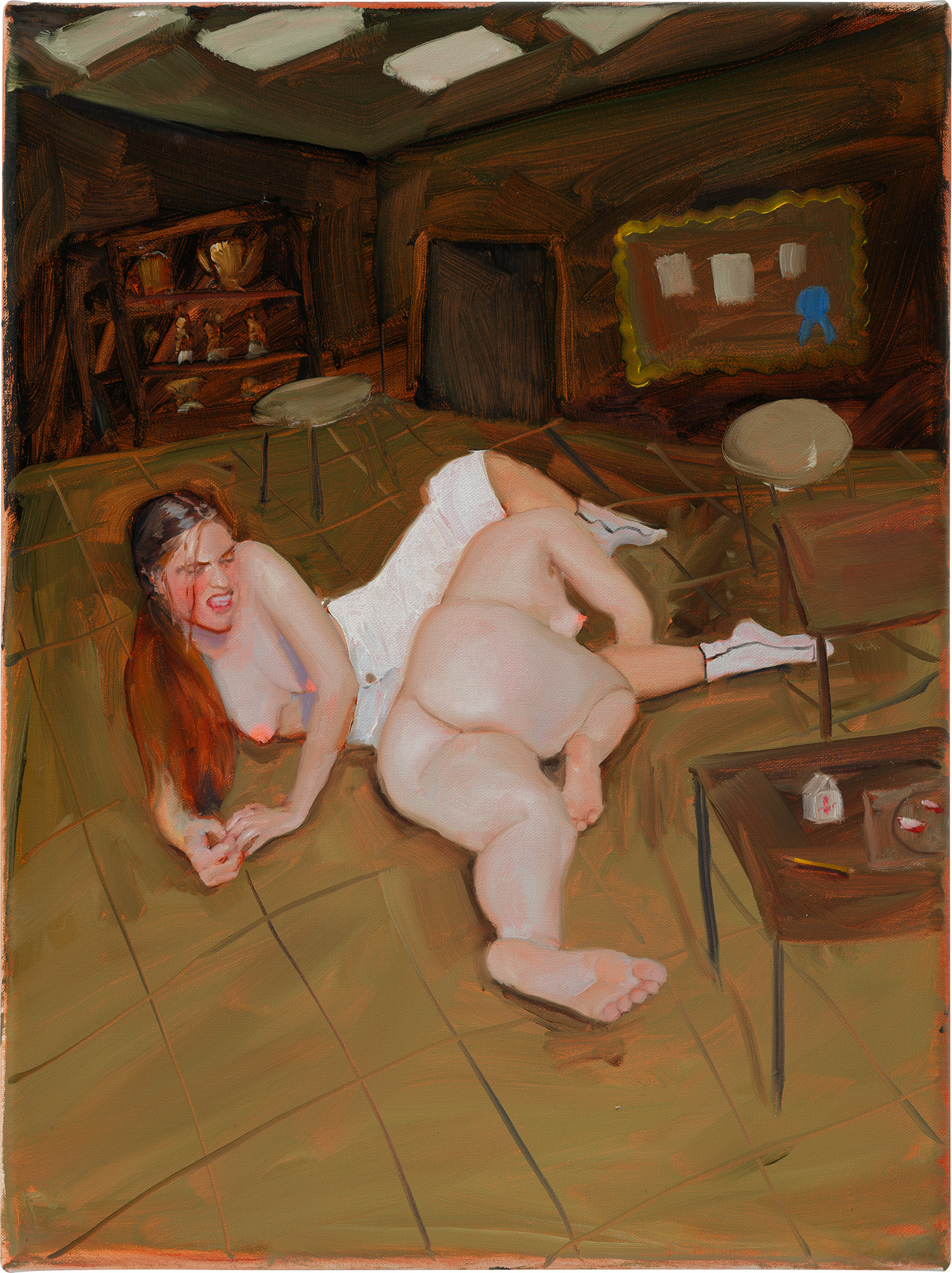
Jill Mulleady
Beating the System II, 2015
Collectors who live with this work often describe a paradoxical effect: the pieces that disturb them most in the gallery become, over time, the ones they feel most sustained by at home. There is an intimacy in that transaction that lighter, more decorative work rarely achieves. Separating good work from great work in this category requires a particular kind of attention. The difference is not simply one of degree, of how dark or how shocking.
The weakest work in this register relies on transgression as its primary engine, provoking a reaction without earning it. Great dark mood work has an internal logic, a visual and emotional coherence that rewards sustained looking. When Robert Longo was making his large scale charcoal drawings in the 1980s and into subsequent decades, the power came not from the scale alone but from the compression of violence and elegance into a single surface. The darkness felt inevitable rather than performed.
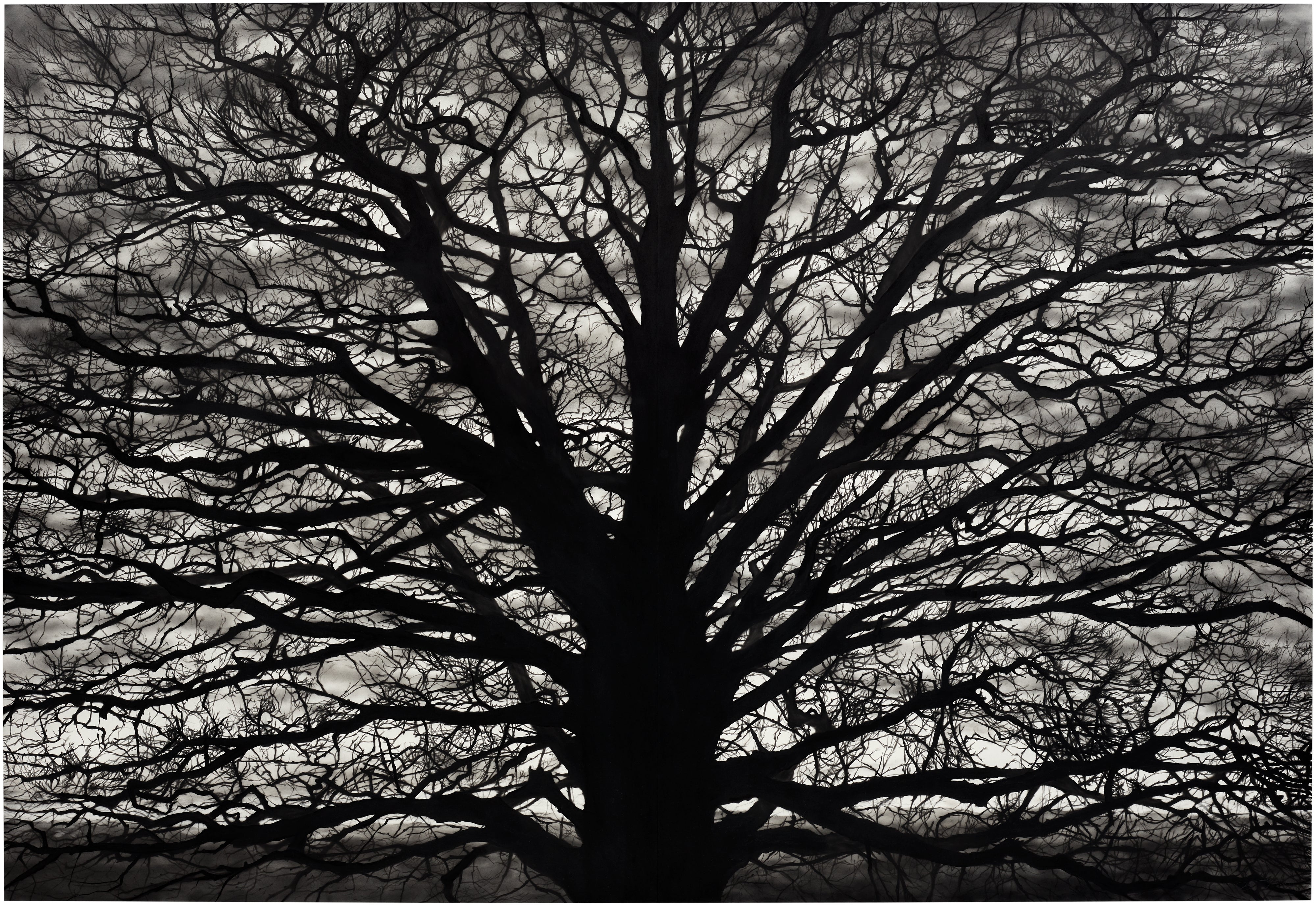
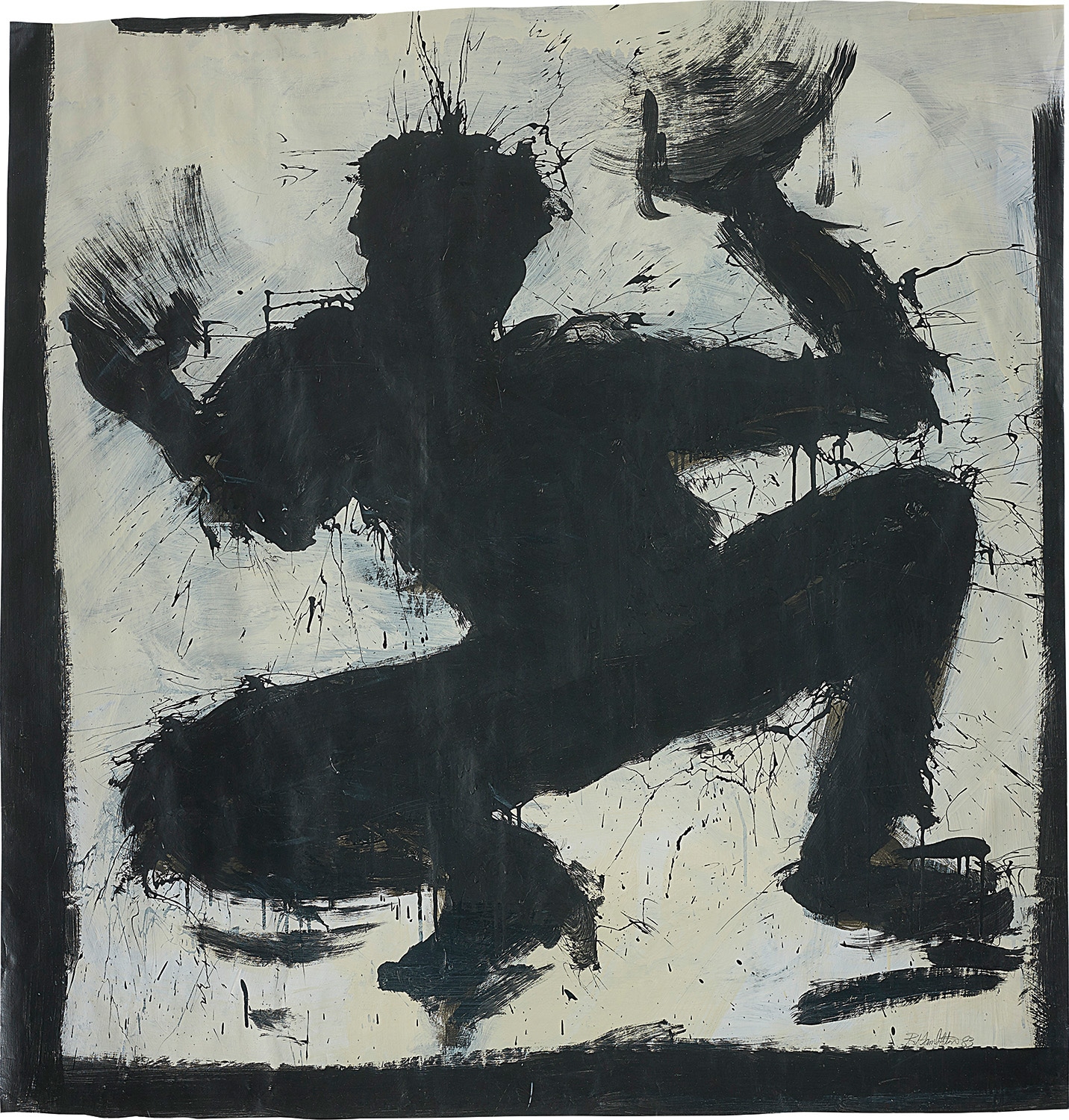
Robert Longo
Untitled (Gothic Tree), 2018
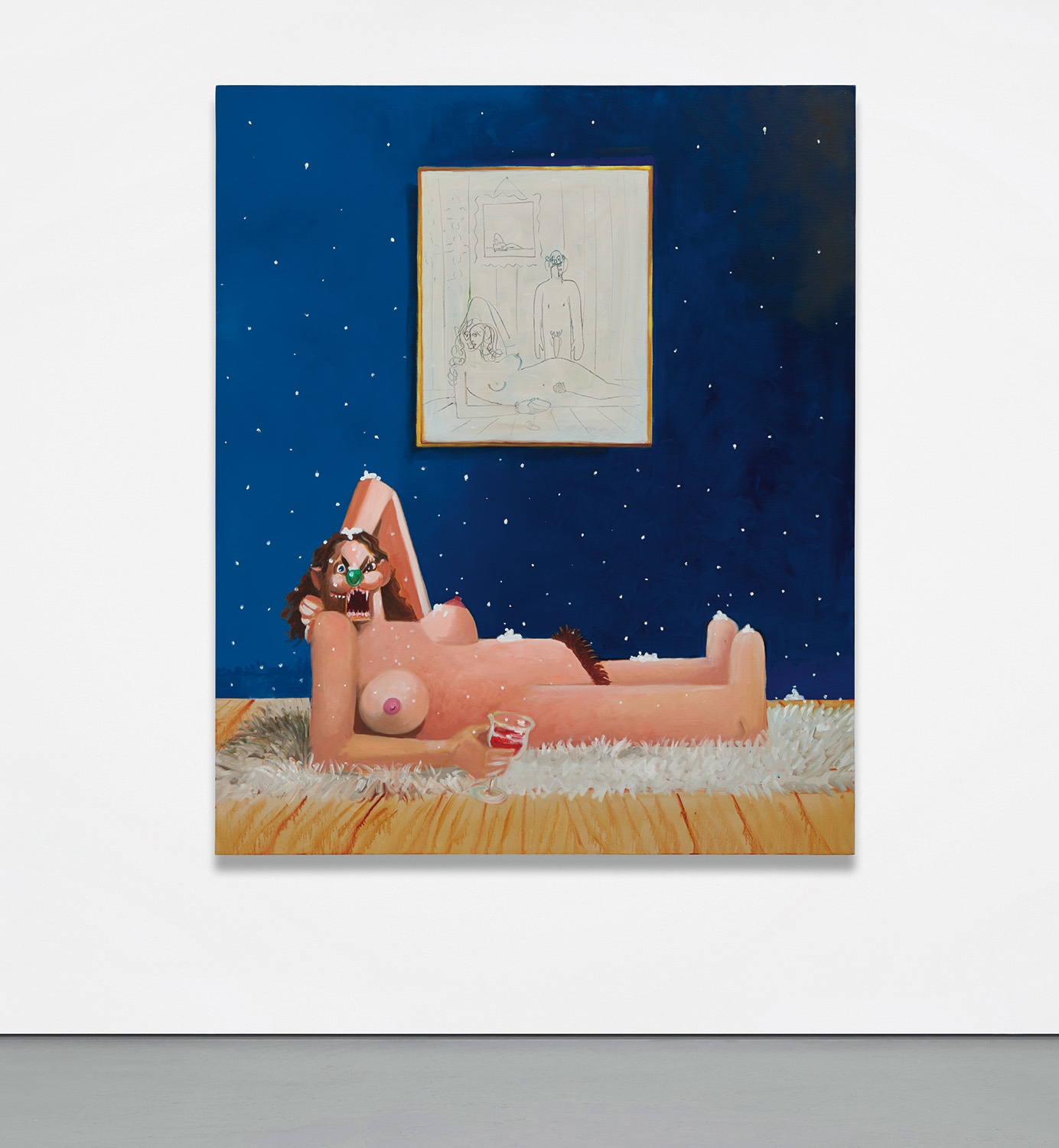
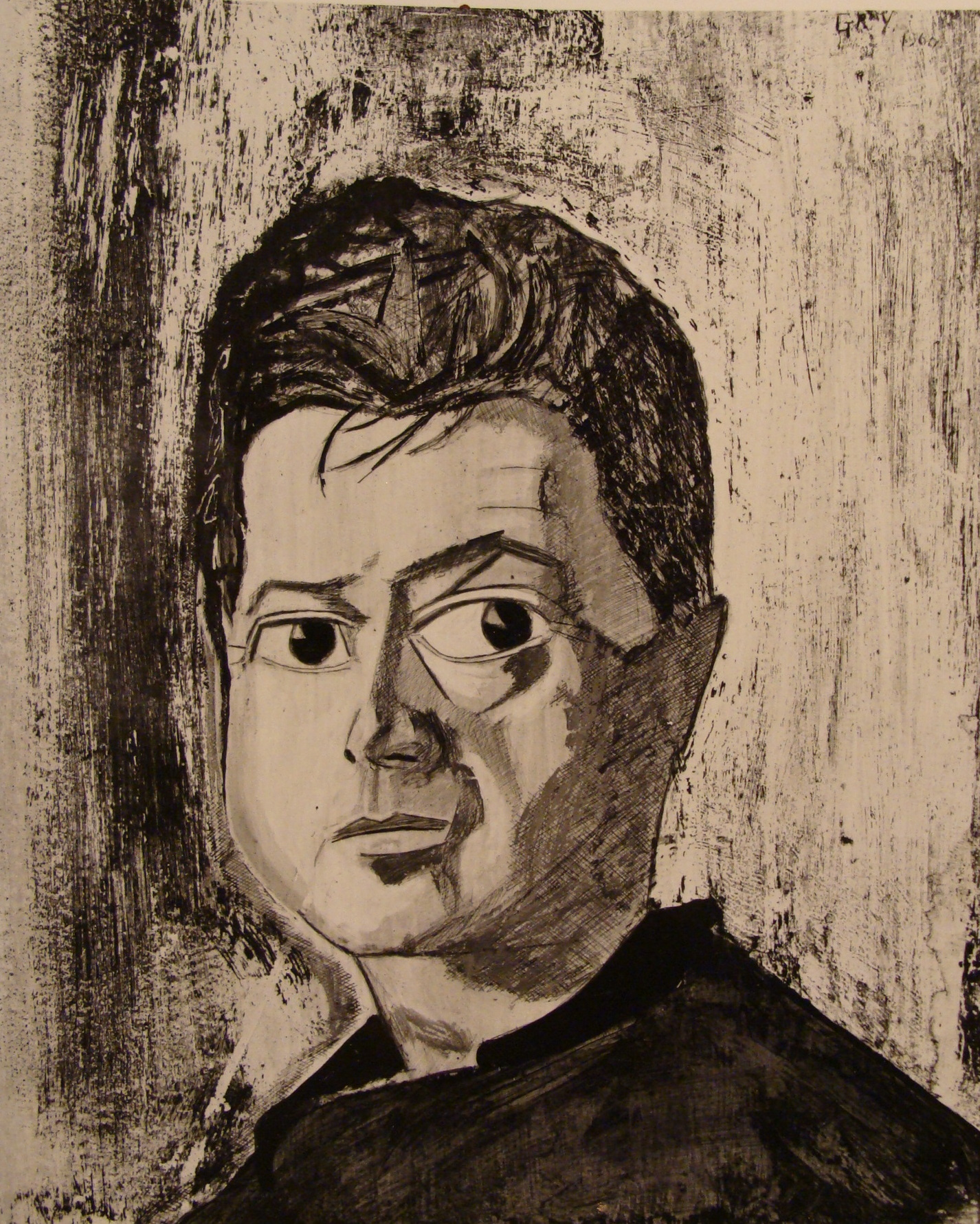
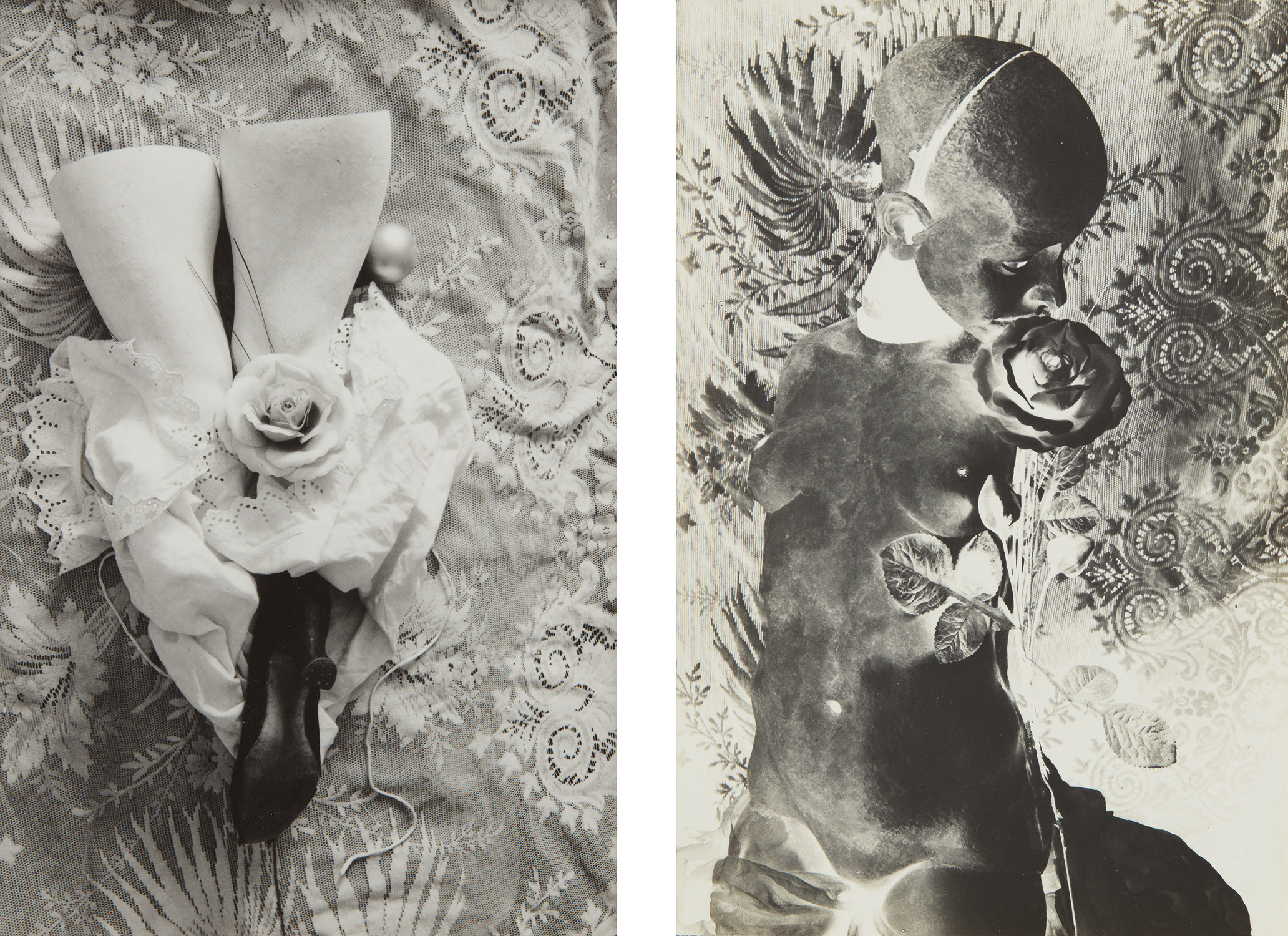
That sense of inevitability is what collectors should be hunting for. Specificity of vision matters enormously. George Condo brings a deep knowledge of art history into his fractured portraiture, and the darkness in his work is inseparable from that literacy. Hans Bellmer's surrealist investigations of the body carry the weight of genuine philosophical obsession rather than mere provocation.
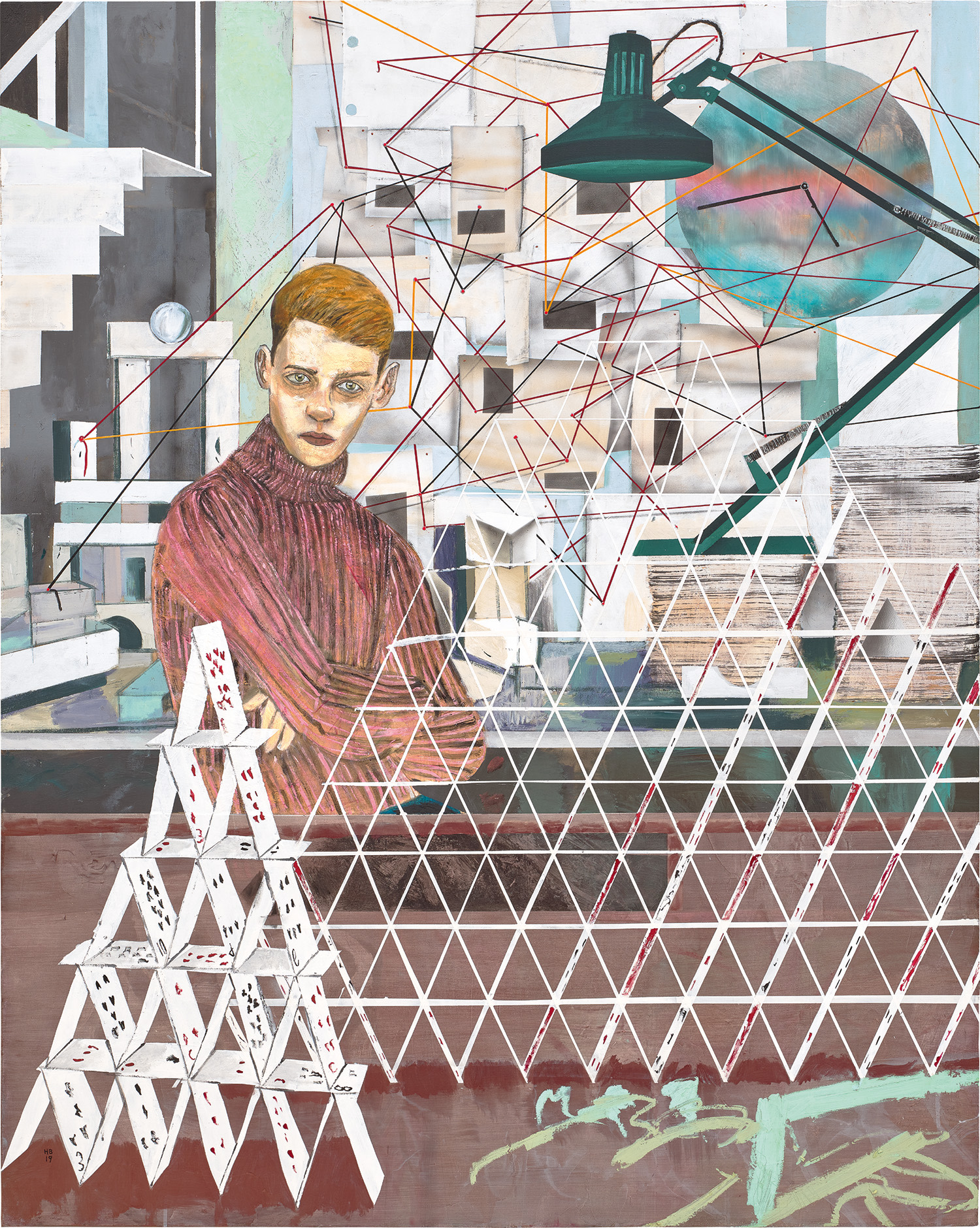
When you look at work by Wangechi Mutu or Hernan Bas, you encounter artists who have built entire cosmologies from dark material: Mutu's collaged figures draw on colonial imagery, bodily trauma, and African visual traditions simultaneously, while Bas constructs narrative scenes suffused with literary and subcultural unease. The strongest works in this space carry multiple registers of meaning, and collectors should ask themselves honestly whether a piece rewards them on more than one level. In terms of where value sits right now, the artists with the deepest institutional endorsement remain the safest long term holds. Bacon commands extraordinary prices for good reason: his impact on figurative painting was seismic, and supply is genuinely constrained.
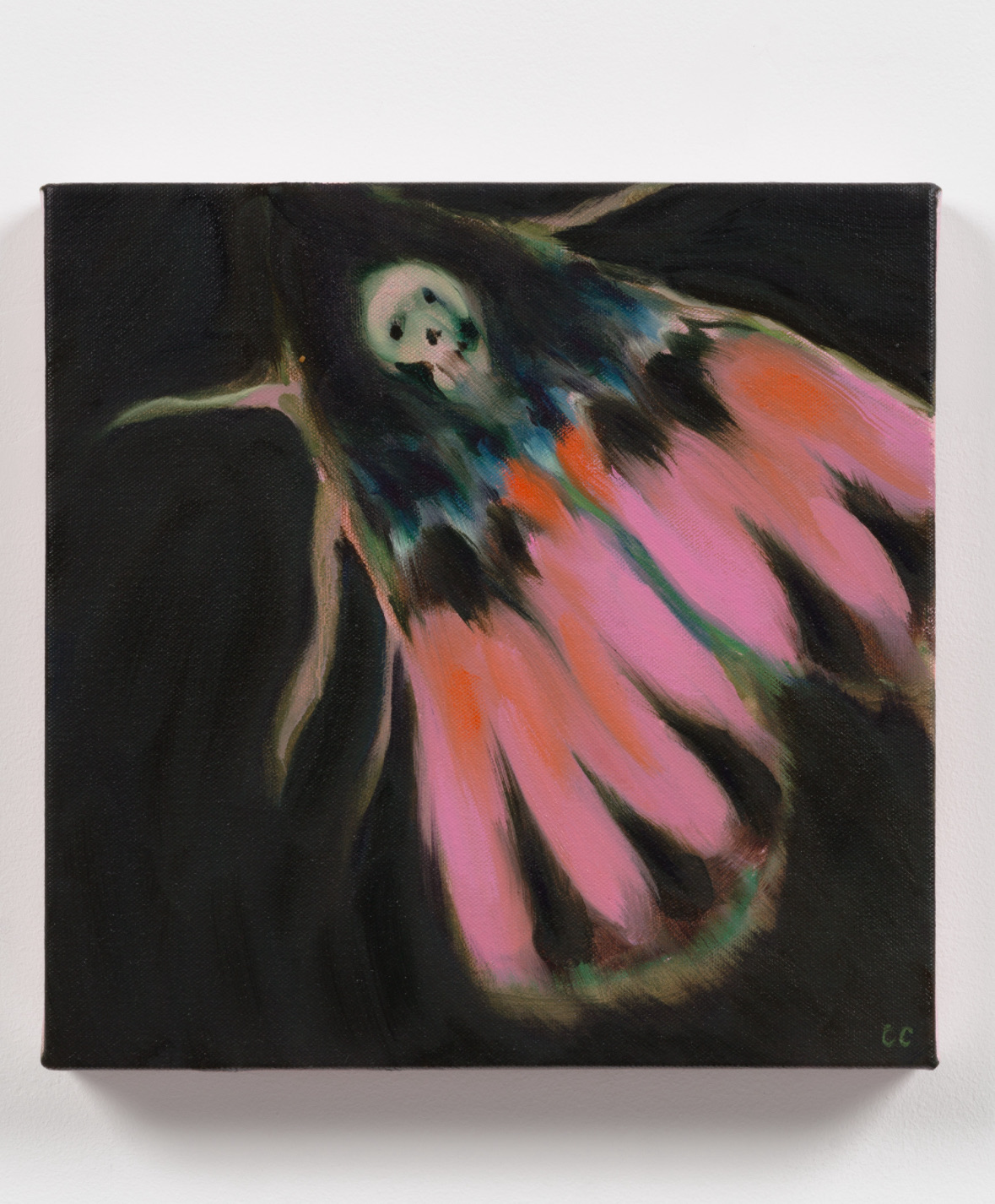
Hernan Bas
Things Fly About, 2006
Louise Bourgeois built a market that only strengthened late in her career and has remained remarkably resilient. But there are compelling opportunities at different price points. Adrian Ghenie, whose work sits in a lineage that runs from Bacon through German Expressionism, has gained serious institutional traction over the past decade and his secondary market prices reflect a collector base that is still expanding. Sterling Ruby occupies a fascinating position: his work absorbs American subcultural darkness, gang iconography, and violent color into something with genuine critical mass.
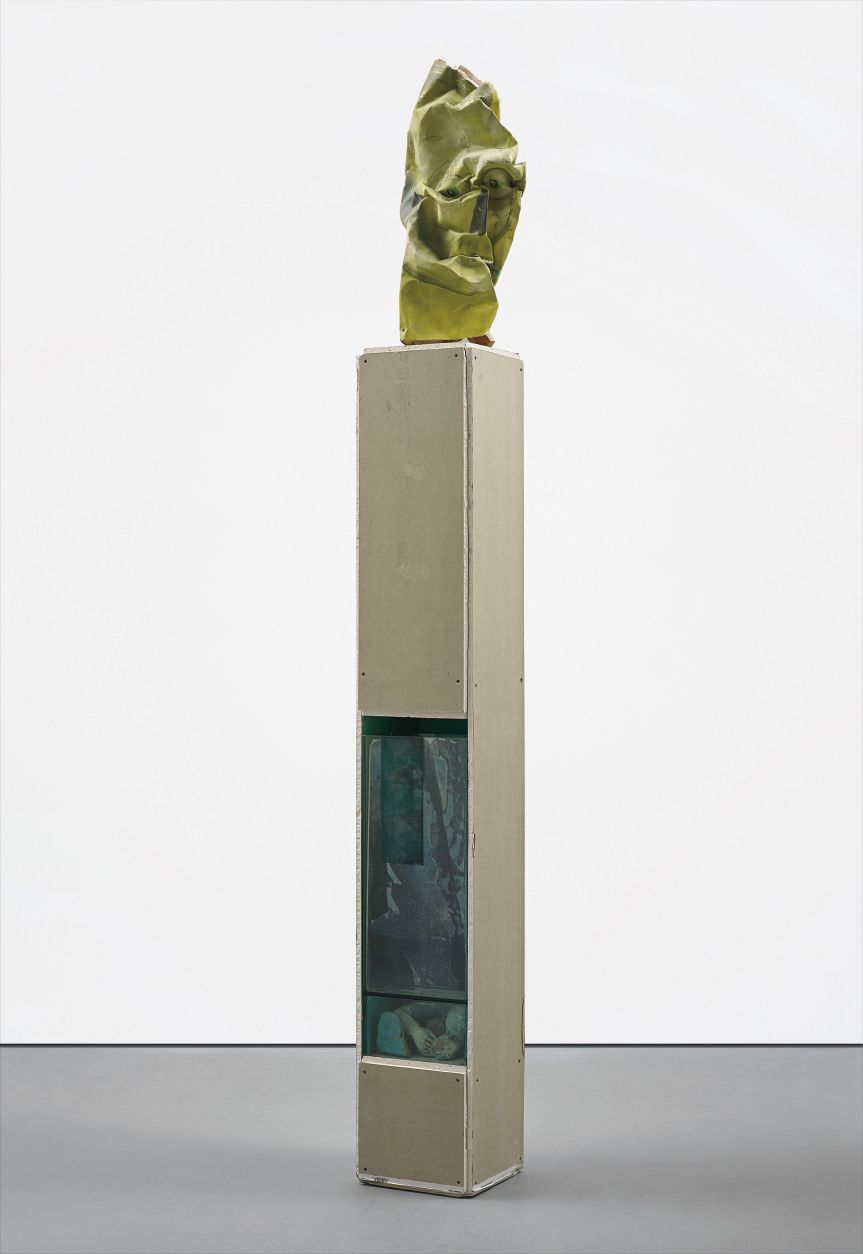
Matthew Barney's market has matured in ways that make certain works look undervalued relative to his cultural importance. For collectors with appetite for emerging positions, Markus Schinwald has been doing something genuinely strange and compelling with portraiture and the uncanny for years without receiving the market attention his work deserves. Matthew Monahan brings a sculptural intelligence to questions of death, decay, and historical weight that feels increasingly urgent. The late Dash Snow remains a complicated but important figure whose work has gained coherence in retrospect.
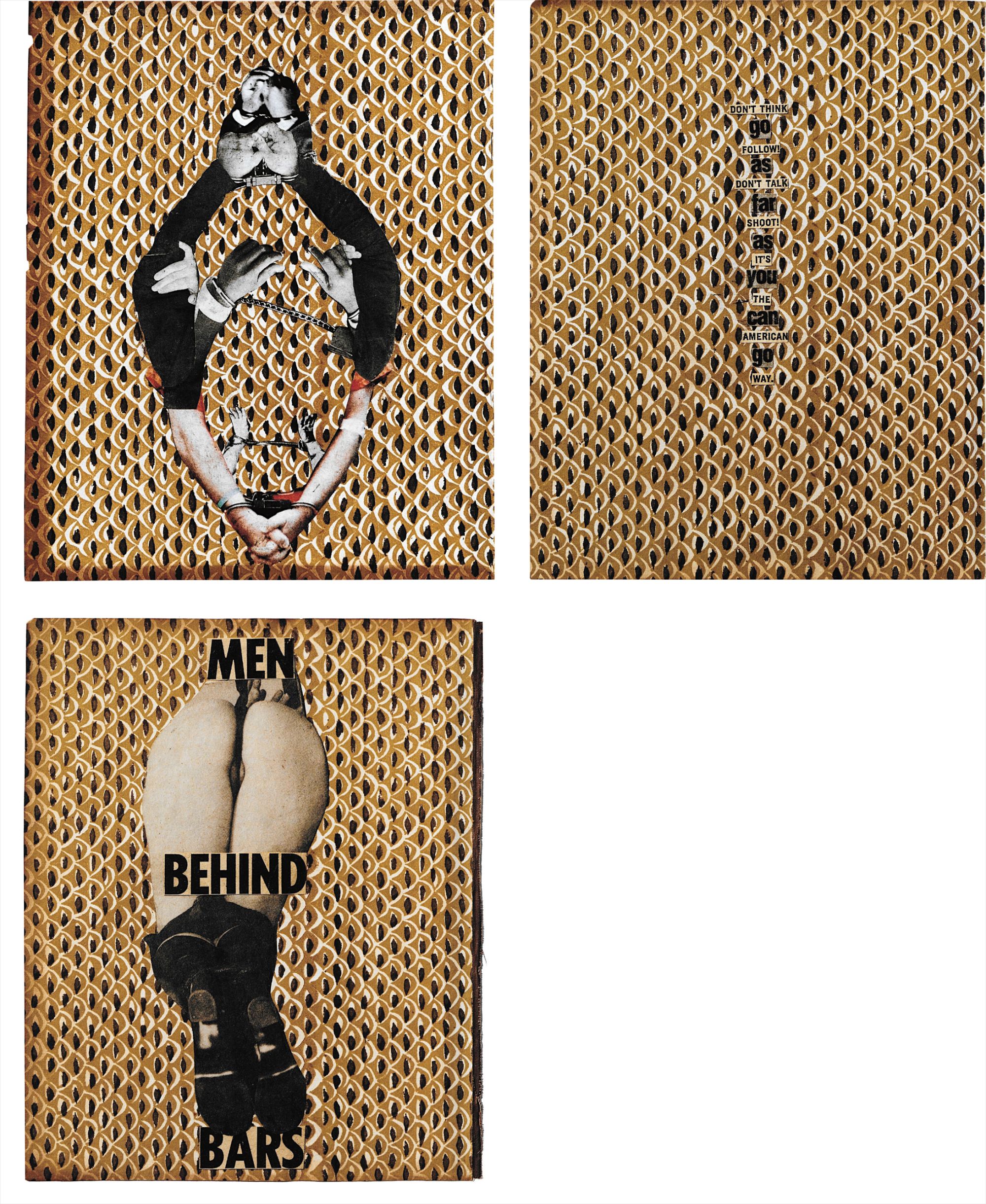
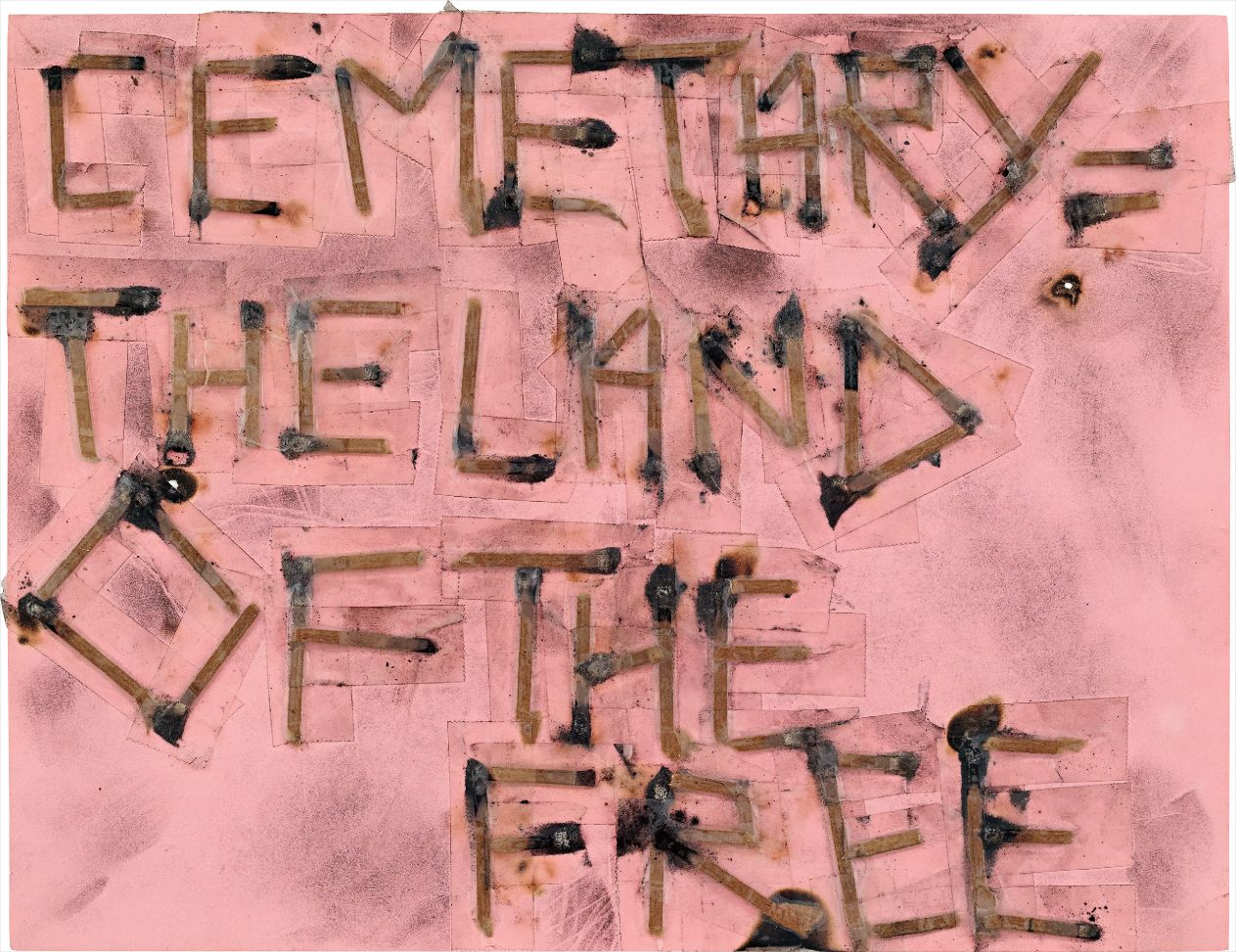
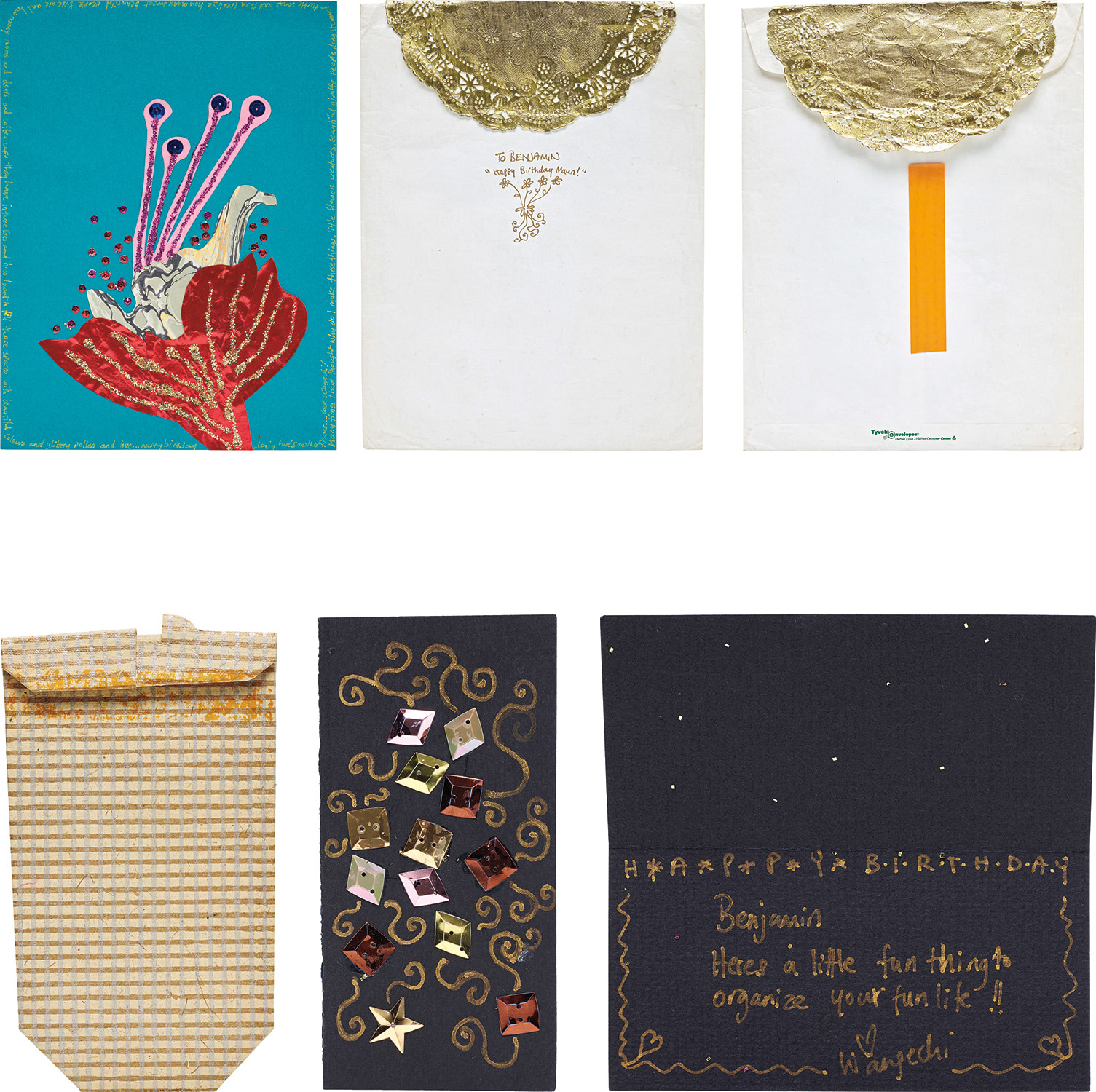
Dash Snow
three works: (i) Neverending (ii) Men Behind Bars (iii) Go AS Far as You Can Go, 2006
Luther Price is an artist whose film and object work operates in a space of extreme psychological intensity that serious collectors of dark material should know. At auction, dark mood work can be volatile in ways that require some preparation. Works by artists in this territory tend to perform strongly when there is a clear institutional narrative behind them, a recent retrospective or major museum acquisition that anchors the conversation. Bacon's triptychs have set records that reshaped the entire contemporary market.
Bernard Buffet, perhaps underappreciated for decades, has seen renewed international interest particularly from Asian collectors, which has stabilized and elevated his secondary market standing. Andres Serrano and Douglas Gordon both have auction records that occasionally surprise to the upside when the right work appears. Collectors should track not just hammer prices but the ratio of bought in lots, which in this category can signal market saturation or, alternatively, a floor that has not yet been tested. Practically speaking, dark mood work presents some specific challenges.
Works on paper, which feature prominently in this space across artists like Bellmer and Basquiat, require careful attention to light exposure and framing: UV protective glazing is not optional. For photographic and video work by artists like Tony Oursler or Douglas Gordon, edition position matters significantly to long term value, and collectors should always request the edition number and total size in writing before purchase. When approaching a gallery about a work in this category, ask directly about exhibition history and any condition reports from previous loans. Ask whether the work has appeared at auction before and what it achieved.
And ask yourself, with some honesty, whether you want to live with it or whether you simply want to own it. The collectors who thrive in this space are the ones for whom that distinction is never in doubt.