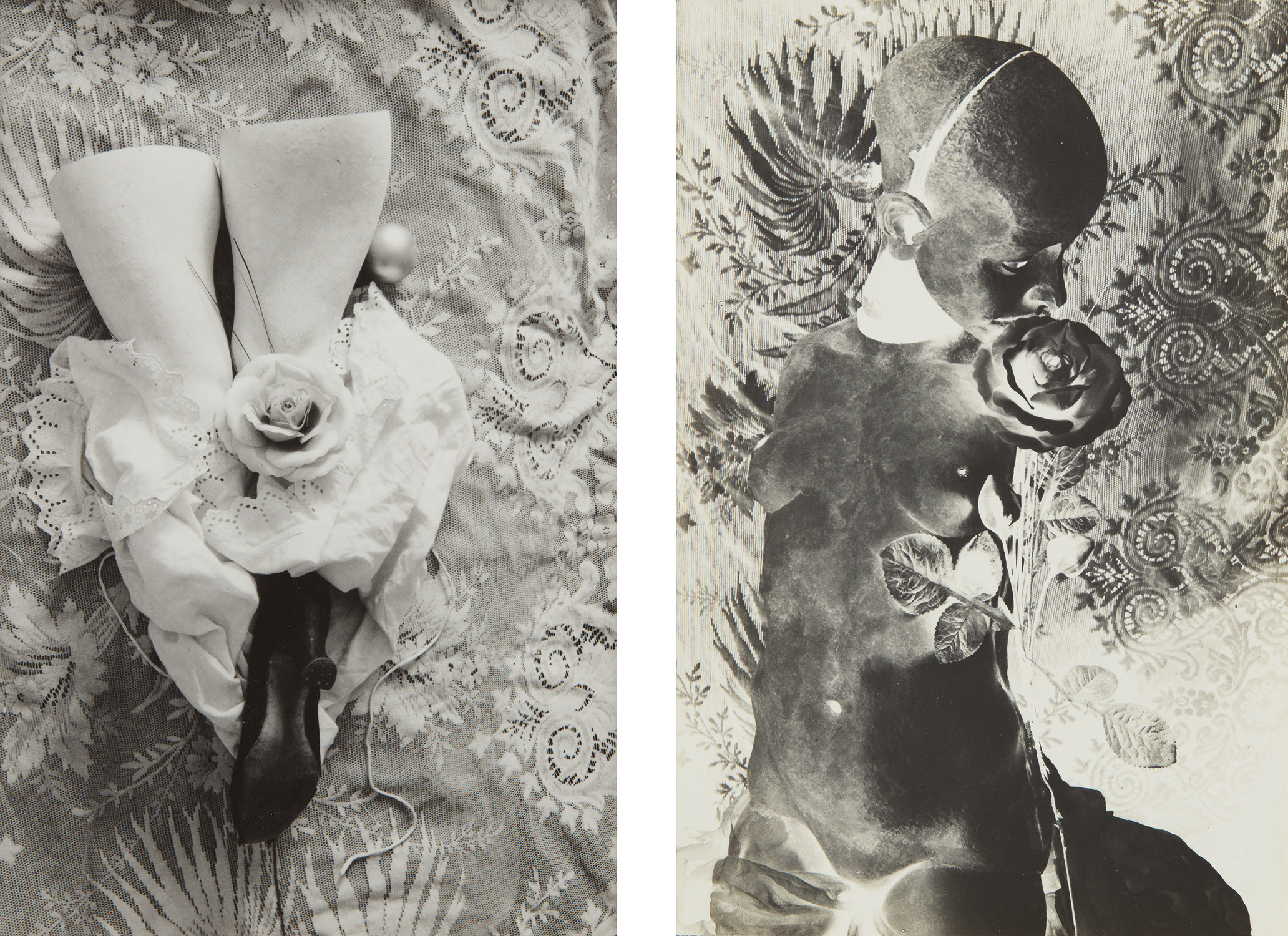
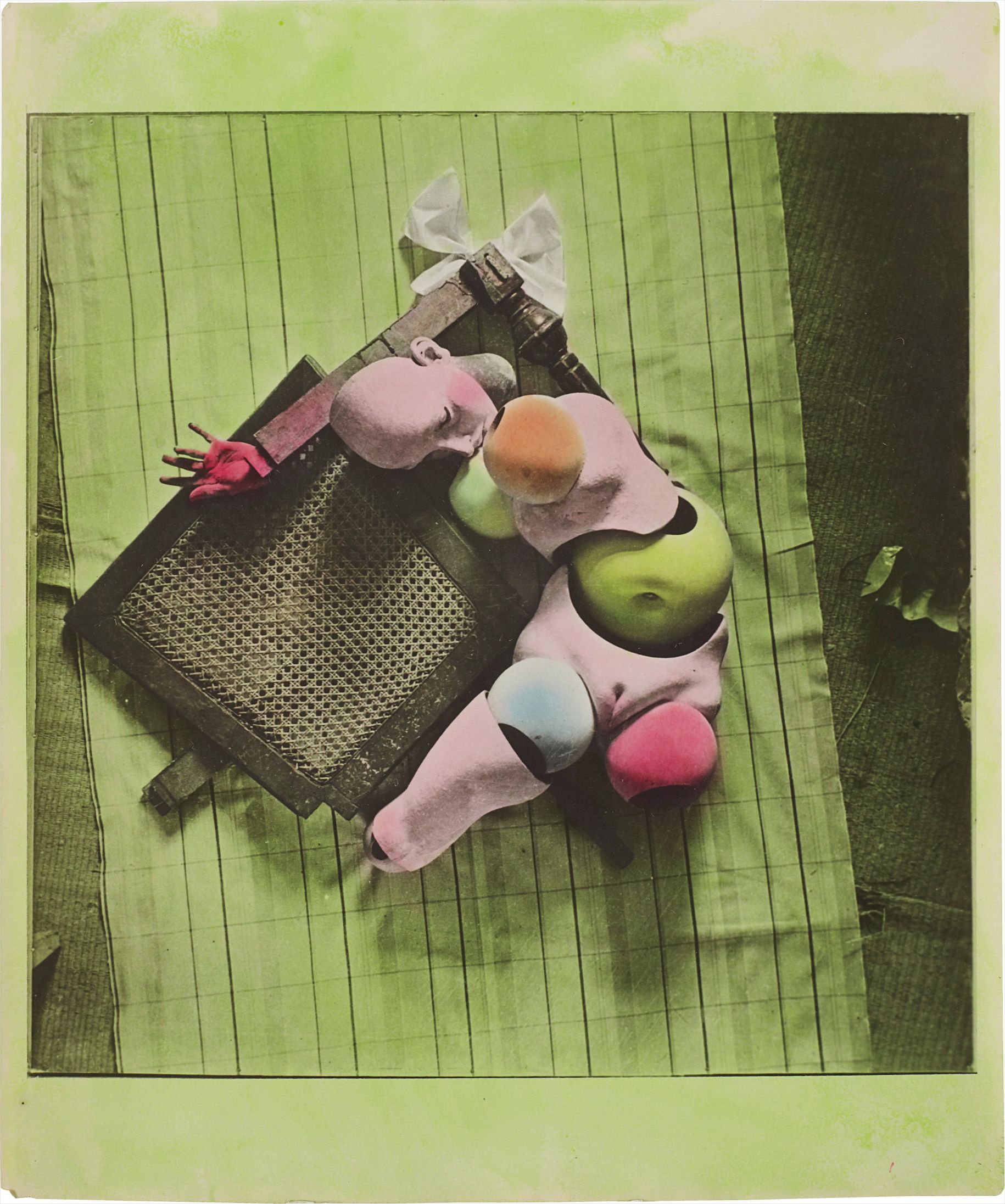
Hans Bellmer
Artist Spotlight
Hans Bellmer: The Visionary Who Reimagined the Body
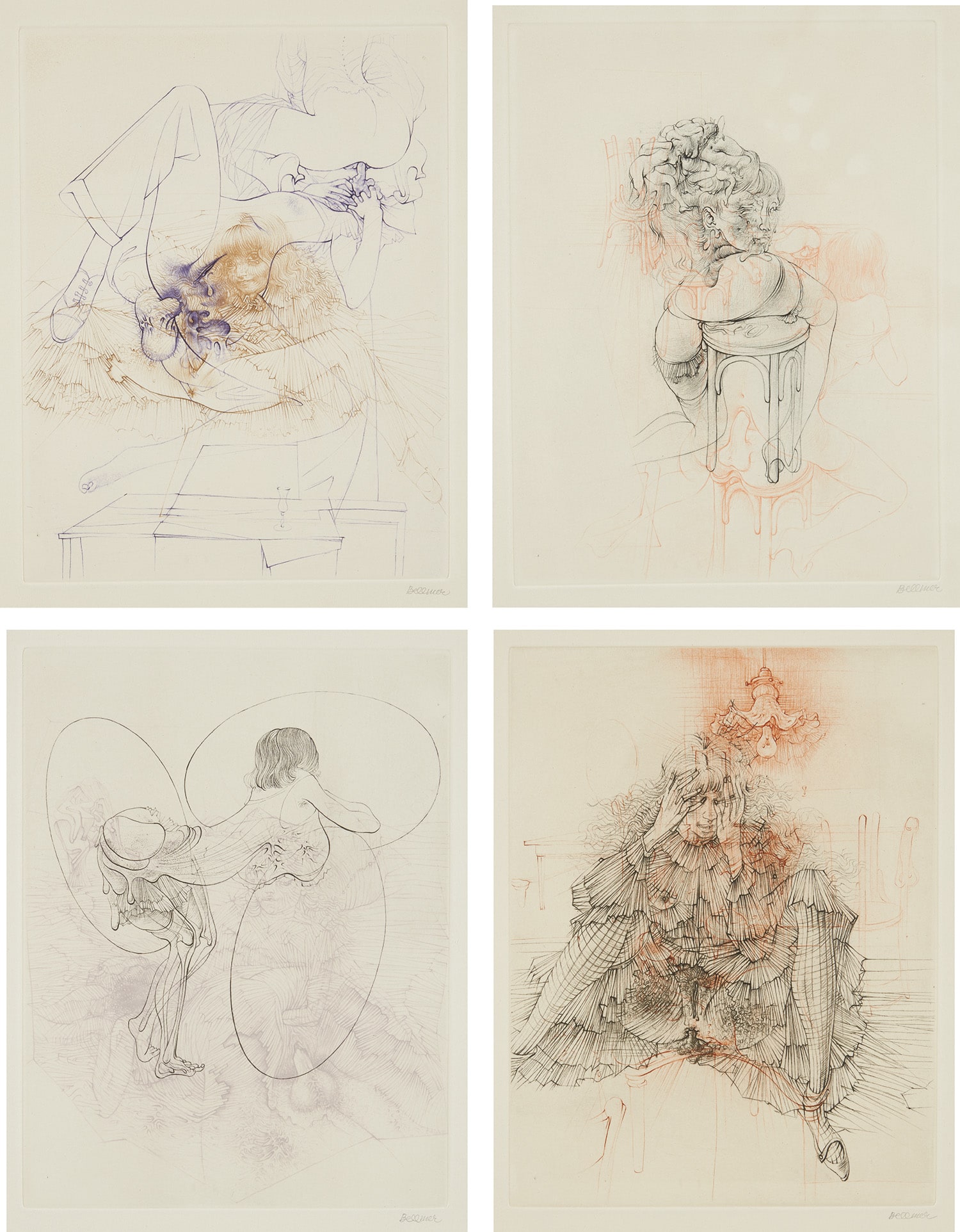
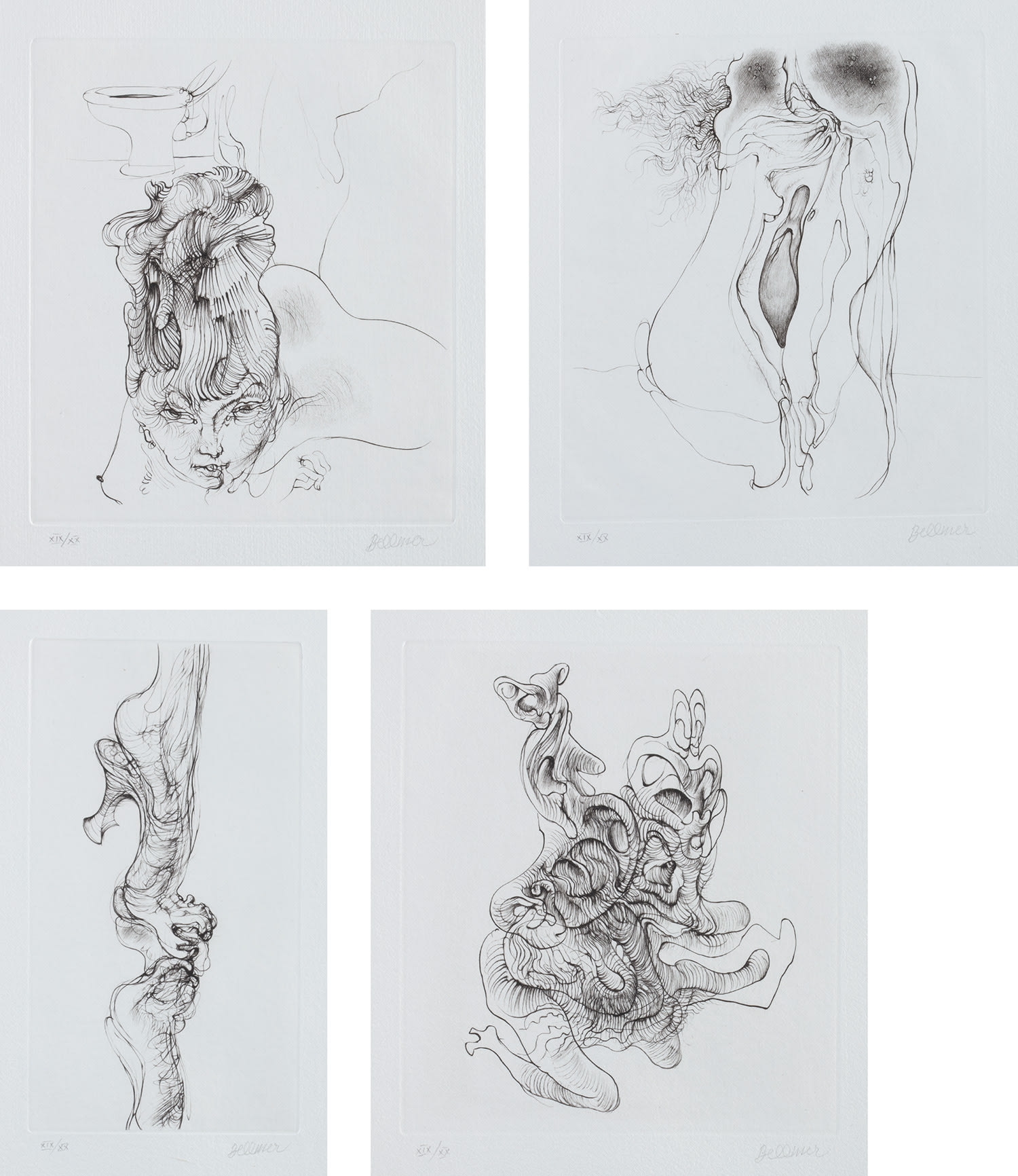
In the spring of 2023, the Centre Pompidou in Paris drew renewed attention to its holdings of Surrealist work, placing Hans Bellmer's uncanny constructions and photographs in dialogue with contemporaries who had long orbited his singular vision. That renewed curatorial interest reflects something broader: across major institutions from the Museum of Modern Art in New York to the Tate Modern in London, Bellmer's work has never felt more urgently discussed, more carefully theorised, or more passionately collected. For an artist whose practice was forged in deliberate opposition to the machinery… Continue reading
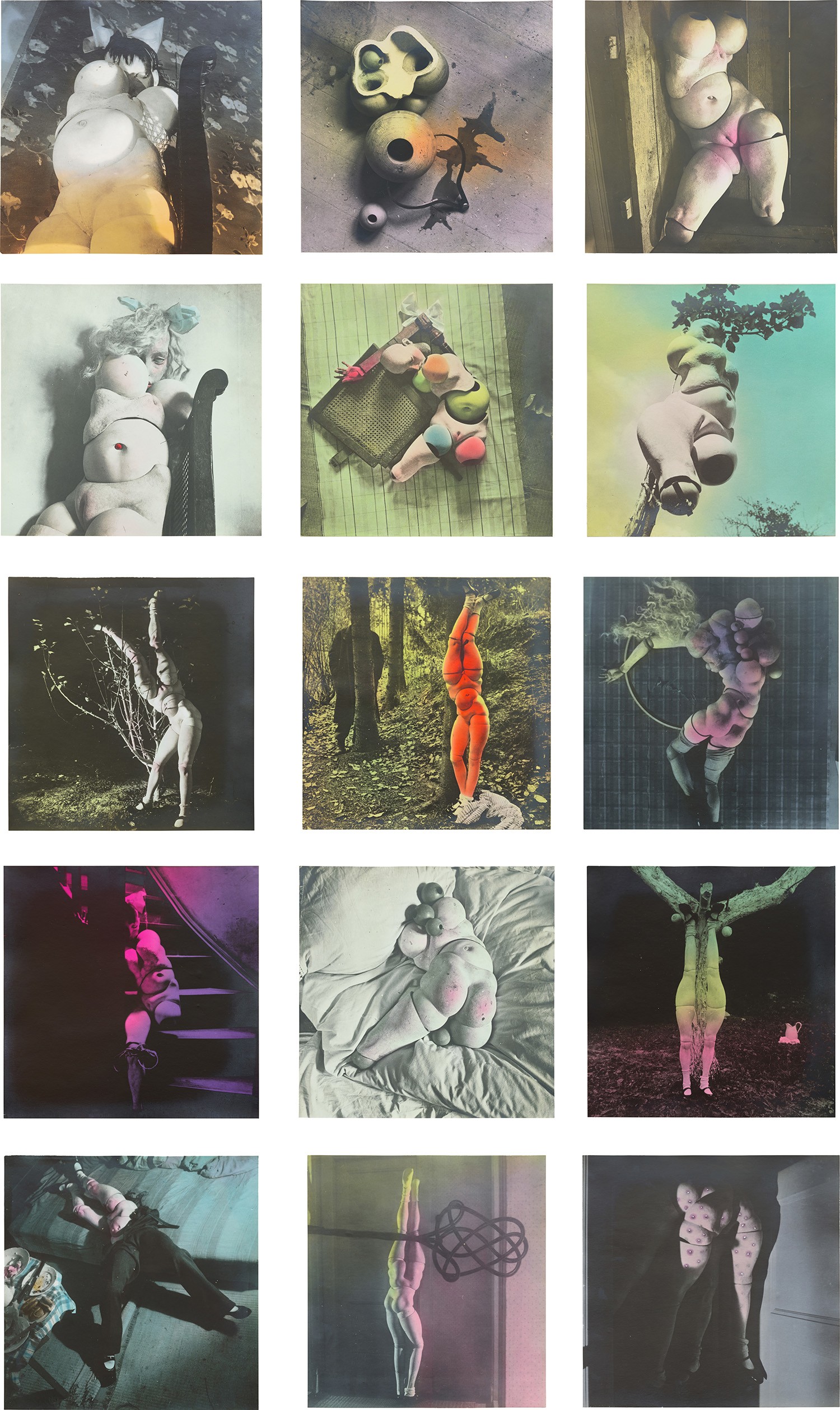
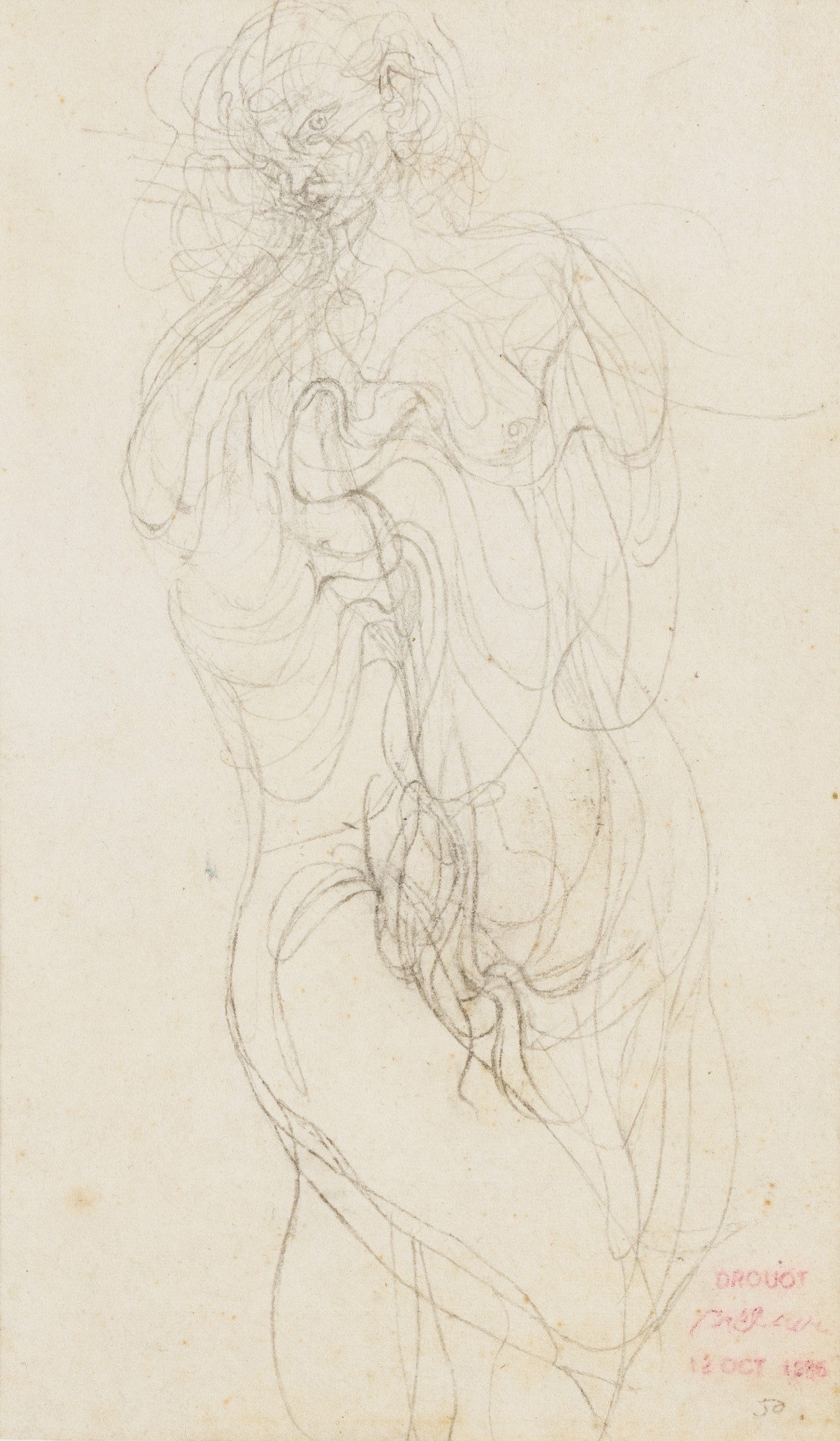
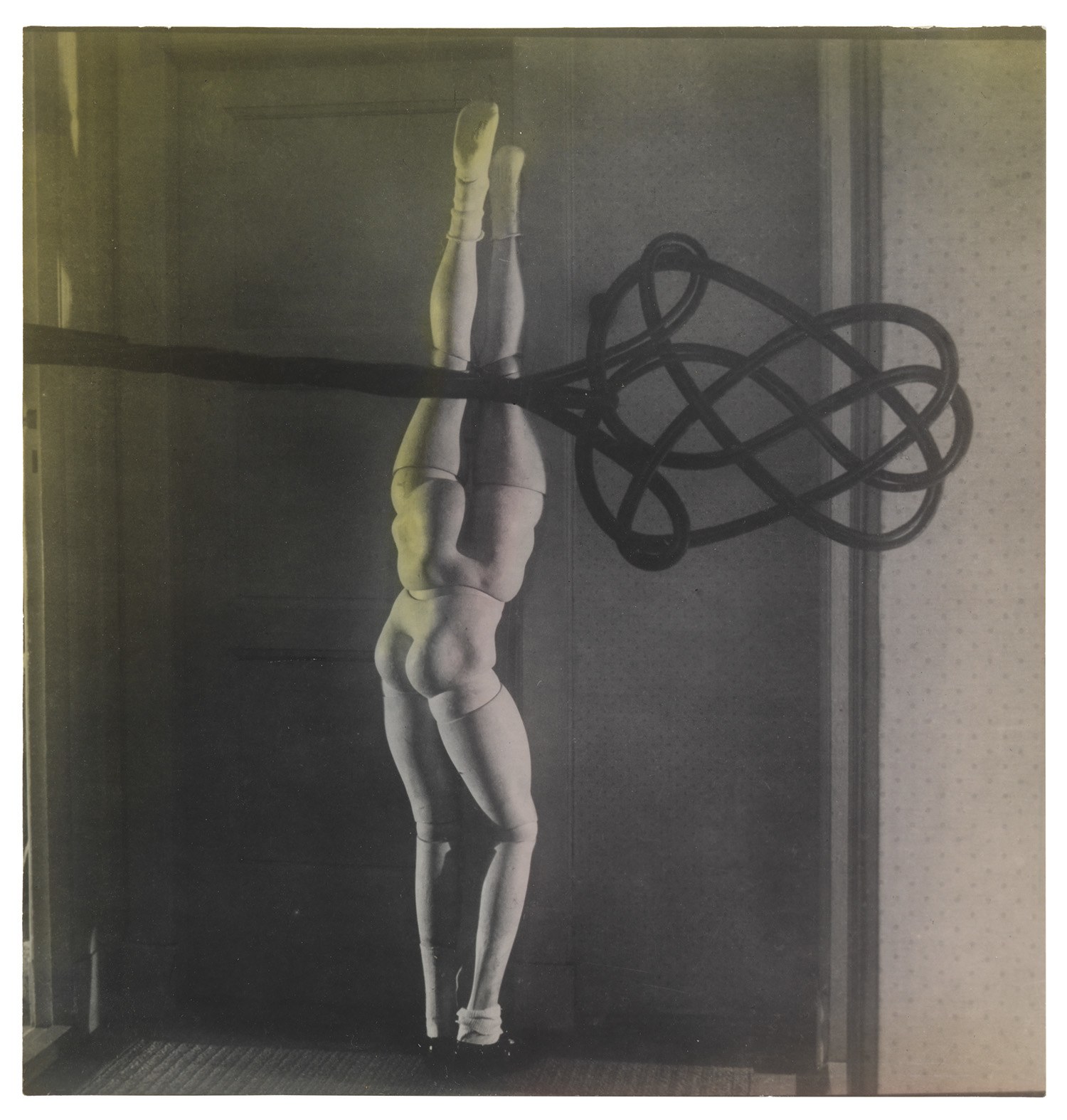
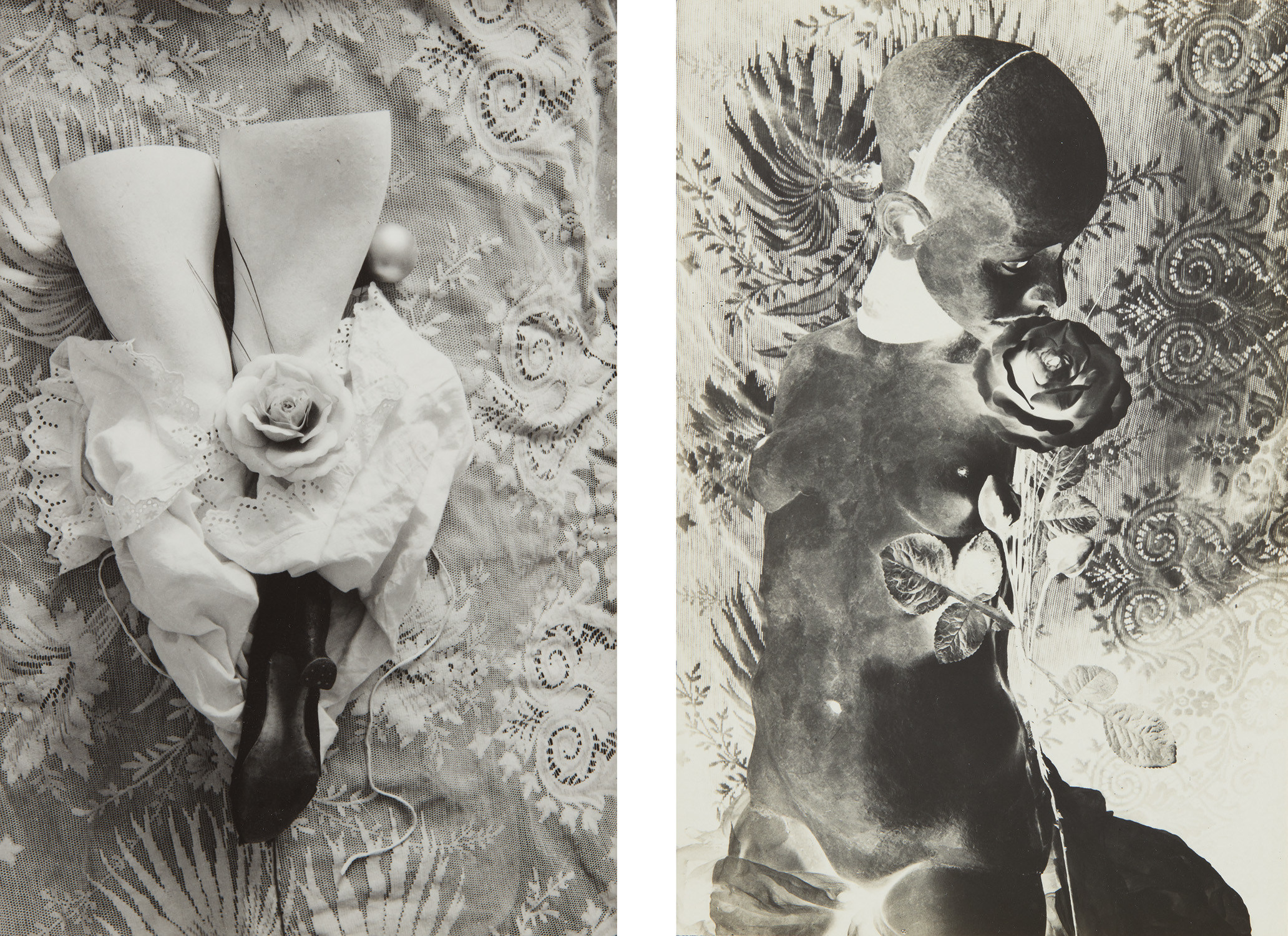
Artists in conversation
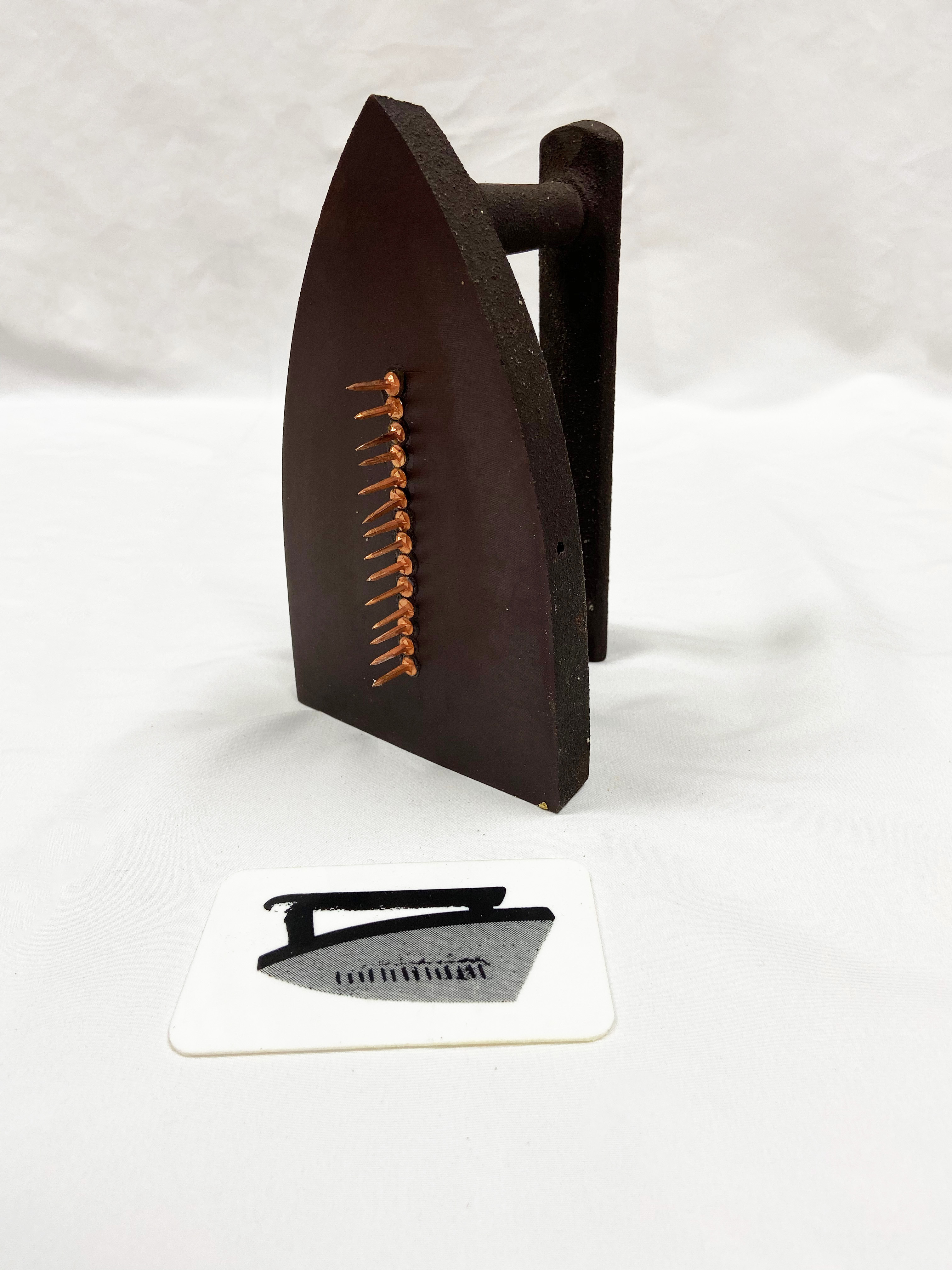
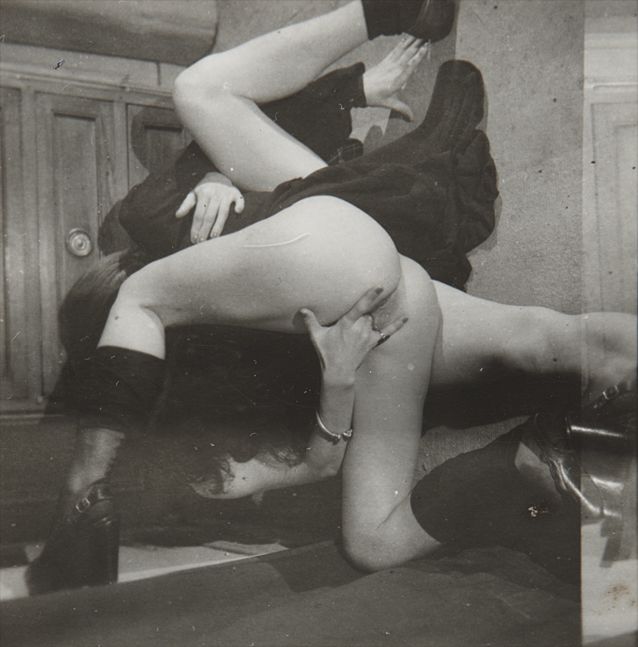
Man Ray
Man Ray shared Bellmer's Surrealist approach to photography and the objectified female body, using experimental darkroom techniques to create unsettling and erotically charged images that blurred the line between art and transgression.
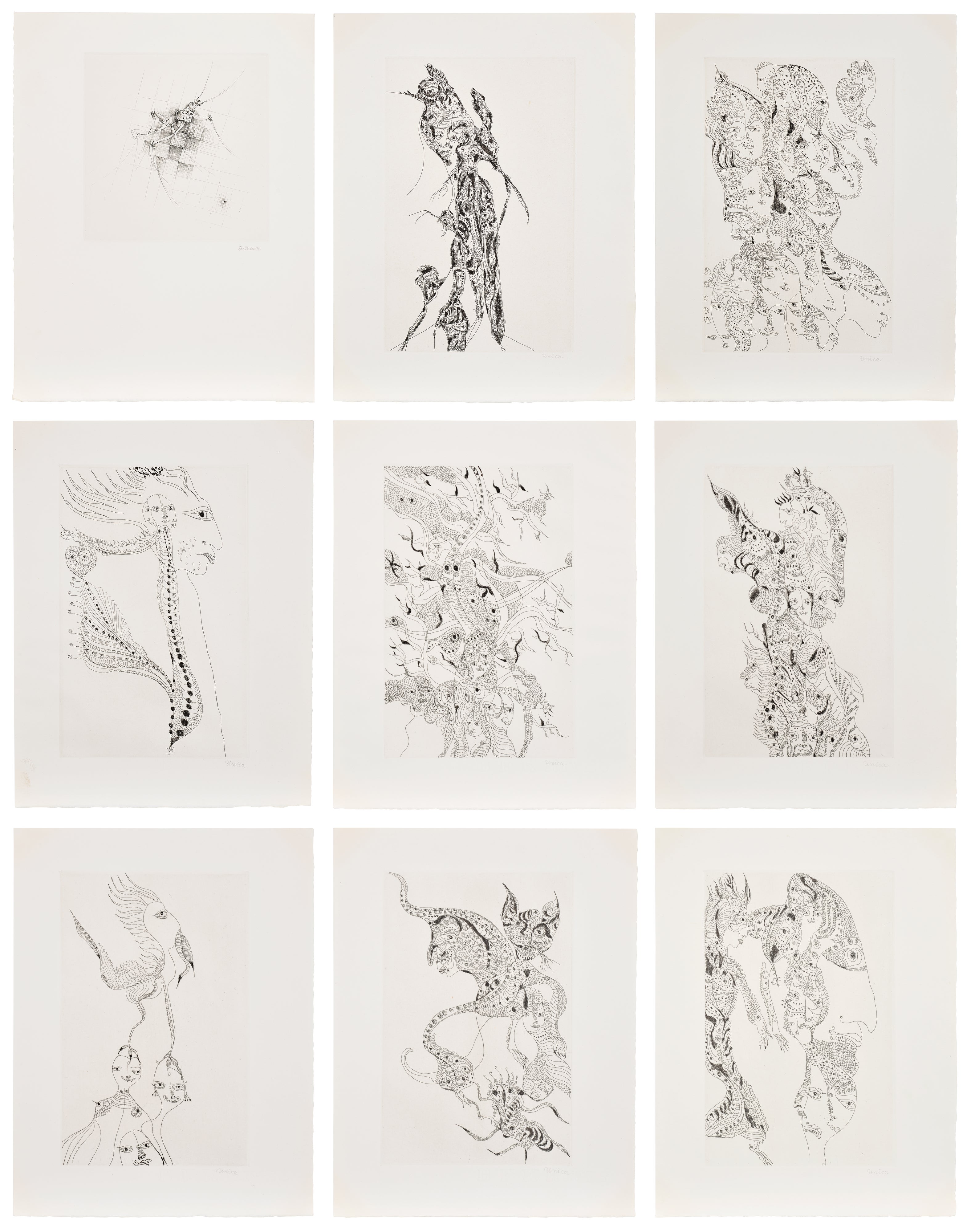
Unica Zürn
Zürn was Bellmer's life partner and artistic collaborator, producing figurative drawings and writings with a similarly dark, obsessive, and surrealist vision centered on the fragmented or constrained female form.
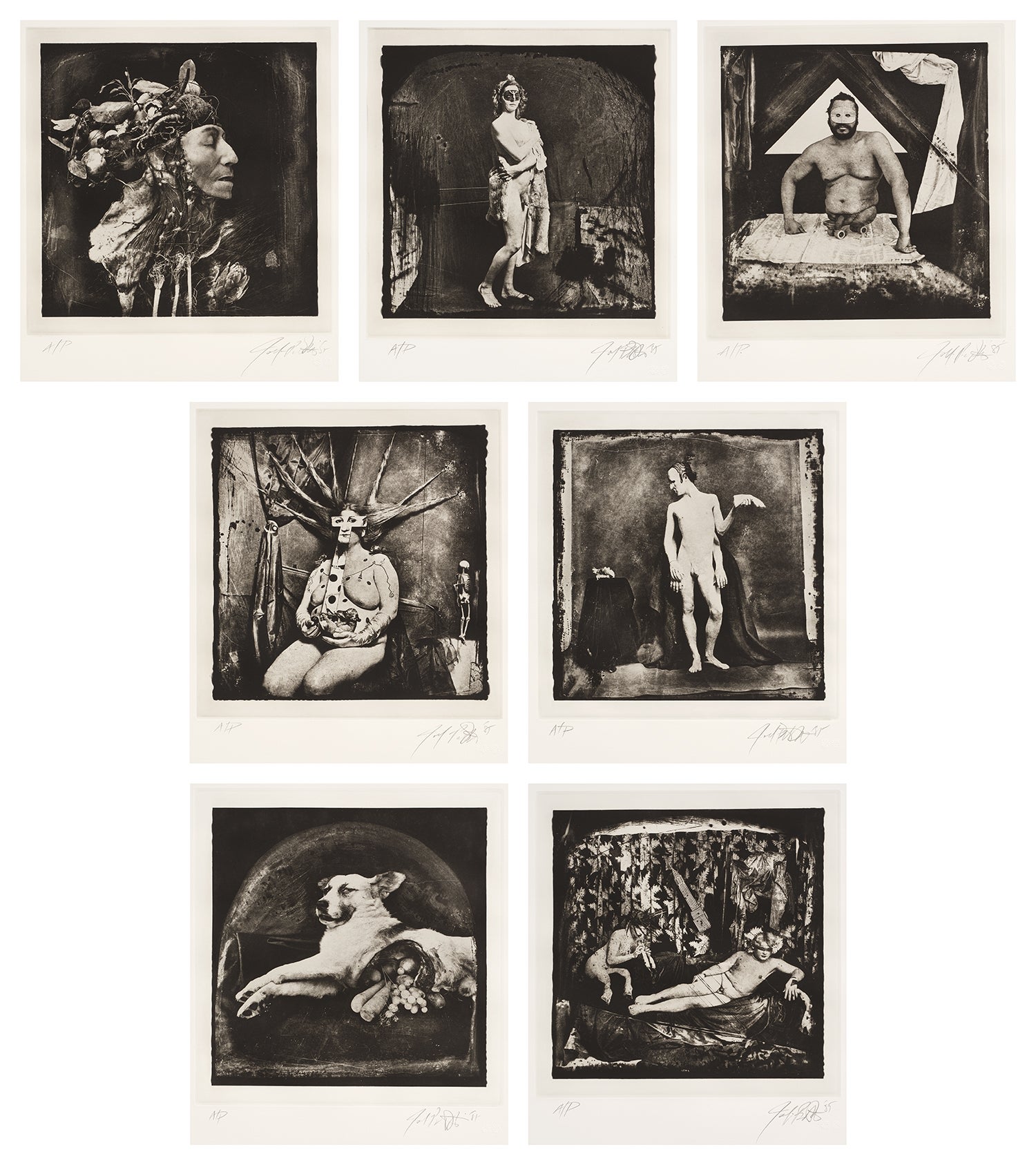
Joel-Peter Witkin
Witkin's studio photography features fragmented bodies, dark erotic symbolism, and a deeply unsettling aesthetic that closely parallels Bellmer's obsession with the deconstructed human form and transgressive subject matter.
Artists who inspired them
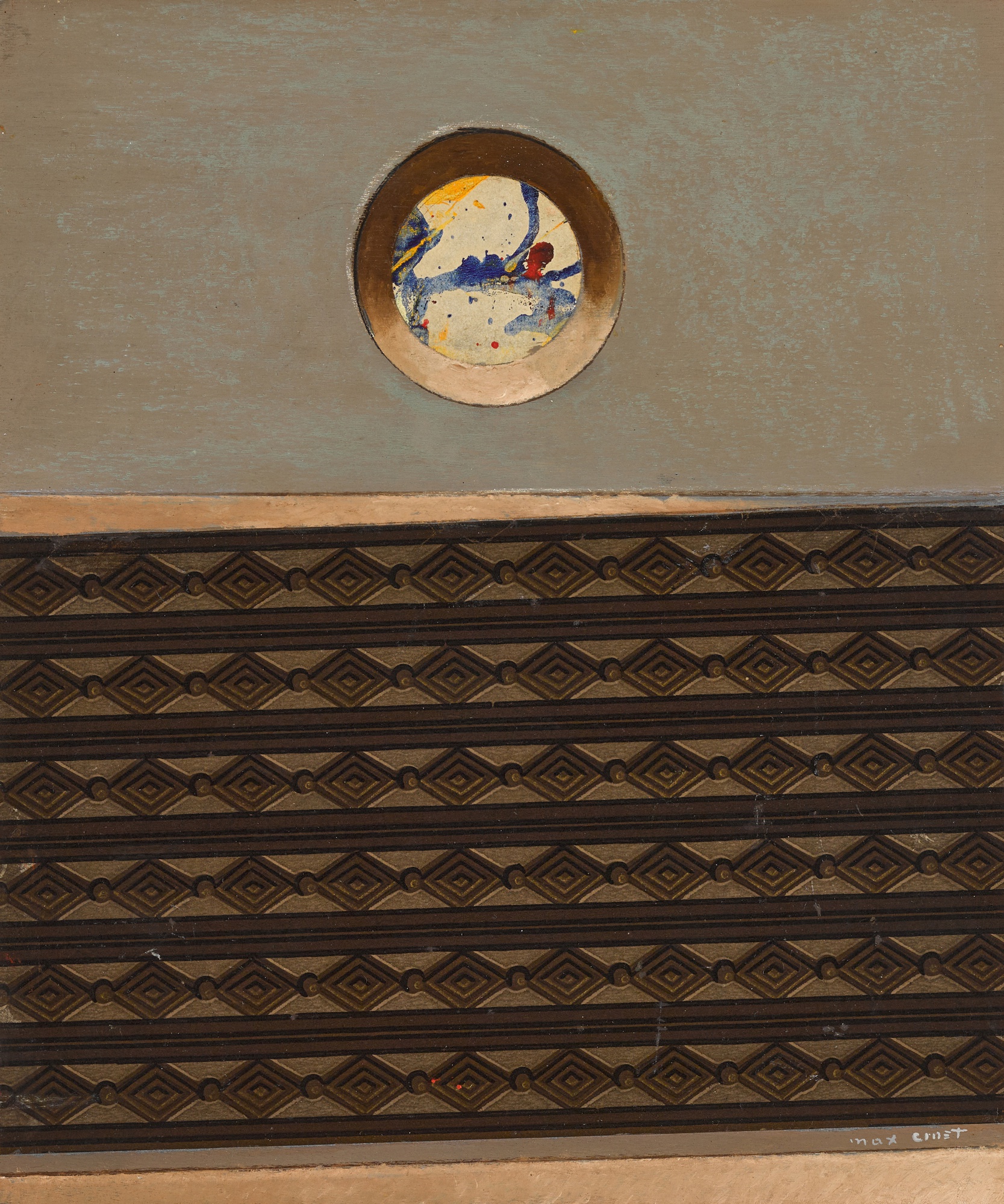
Max Ernst
Ernst was a central figure in the Surrealist movement whose exploration of unconscious desire, fetishism, and hybrid figures provided a direct conceptual framework for Bellmer's construction of the Poupée and his broader surrealist practice.
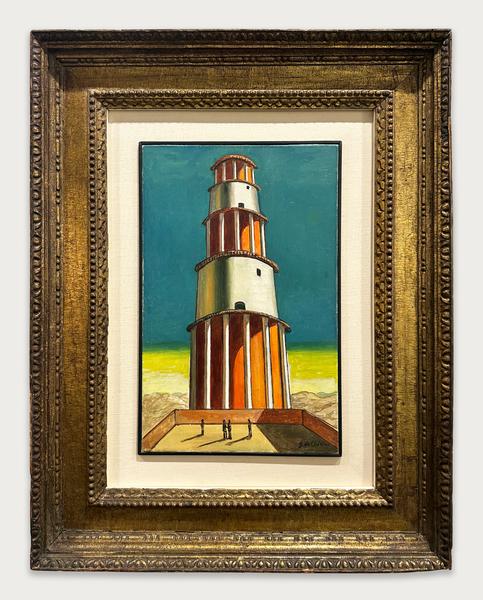
Giorgio de Chirico
De Chirico's metaphysical paintings featuring uncanny mannequins and disquieting spatial arrangements deeply influenced Bellmer's conception of the artificial body as a vehicle for psychological and erotic unease.
Artists they inspired
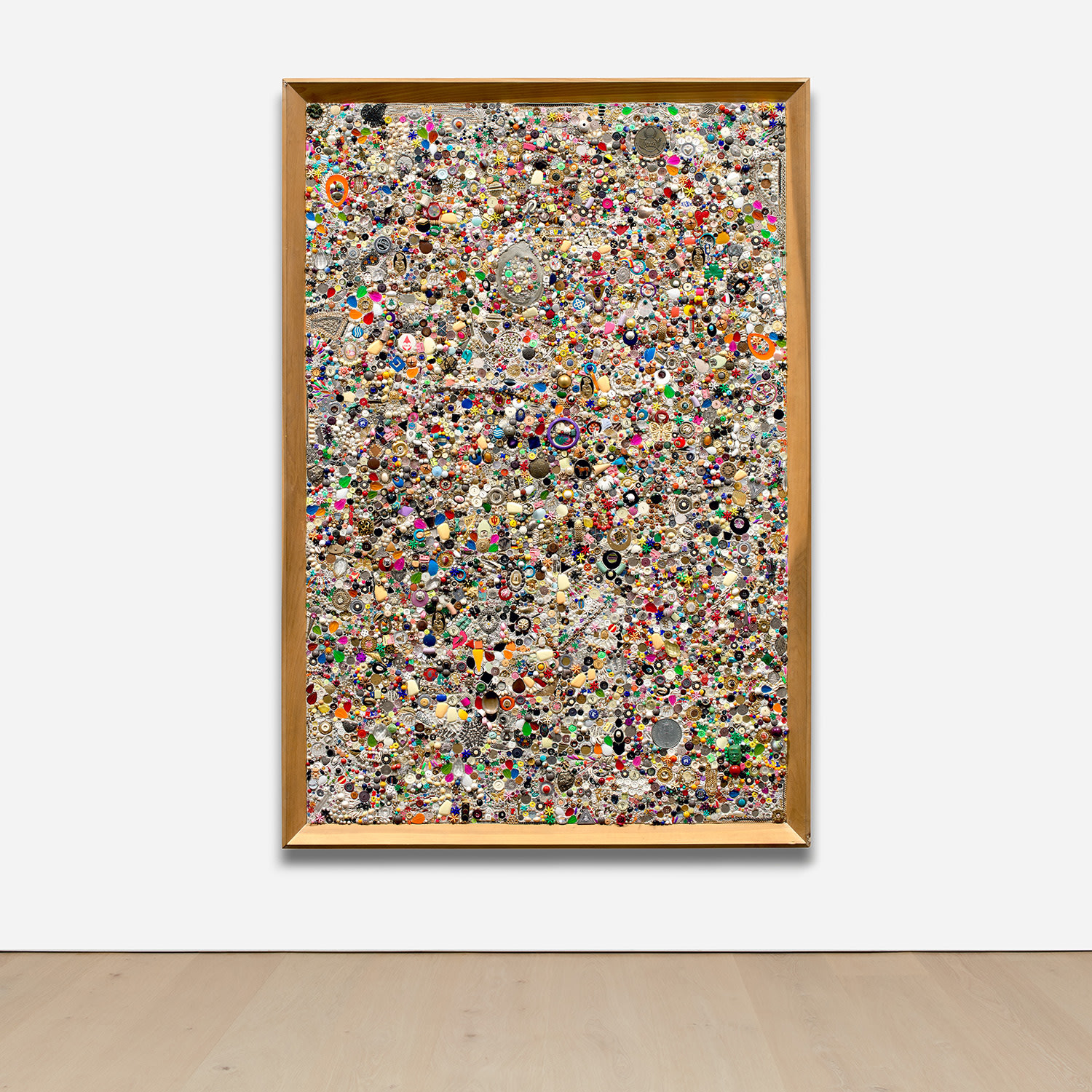
Mike Kelley
Kelley's use of stuffed toys and soft sculpture to explore trauma, repressed memory, and the dark undercurrents of childhood draws a direct conceptual line from Bellmer's Poupée and its psychosexual charge.

Cindy Sherman
Sherman's later work featuring disassembled mannequins and prosthetic body parts in staged erotic or grotesque tableaux echoes Bellmer's fragmented doll photographs and their critique of the constructed female body.

Kiki Smith
Smith's figurative sculptures exploring the fragmented, vulnerable, and abject female body reflect an awareness of Bellmer's pioneering approach to dismemberment and bodily transformation as vehicles for psychological and political meaning.