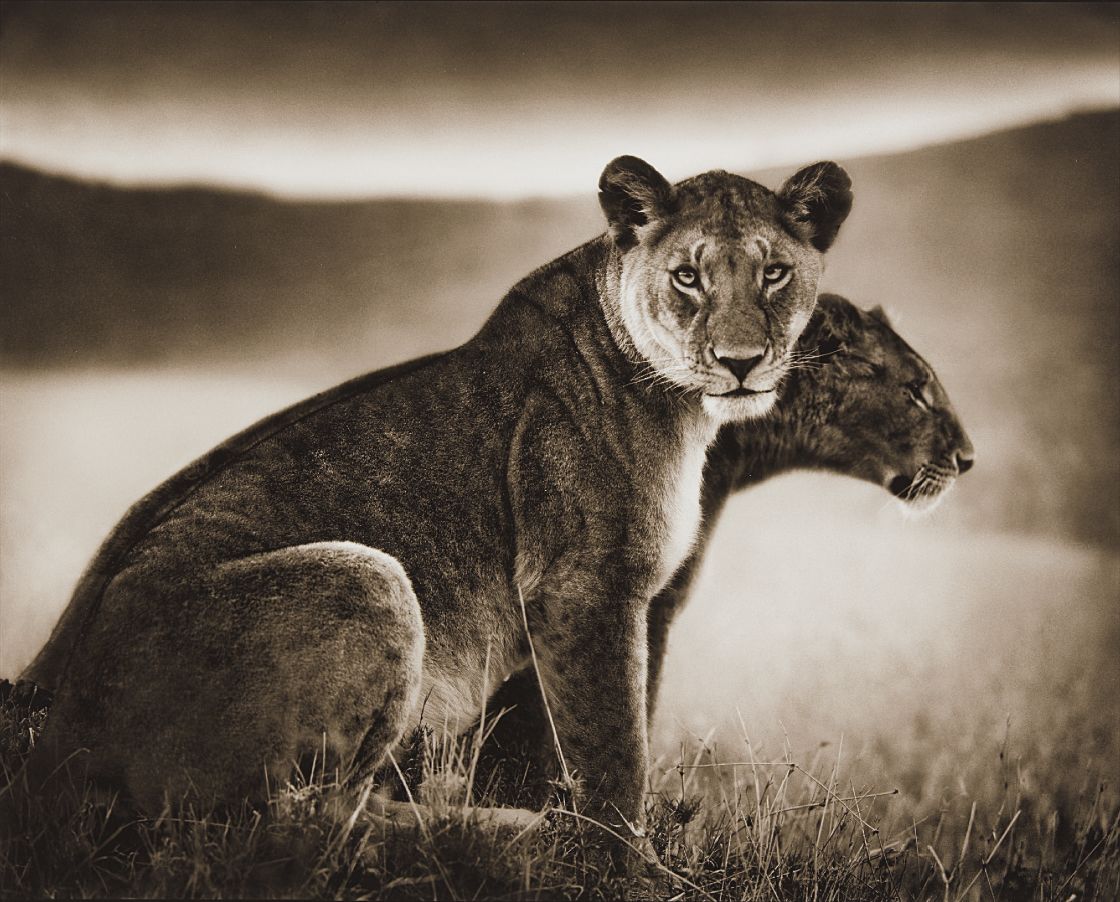
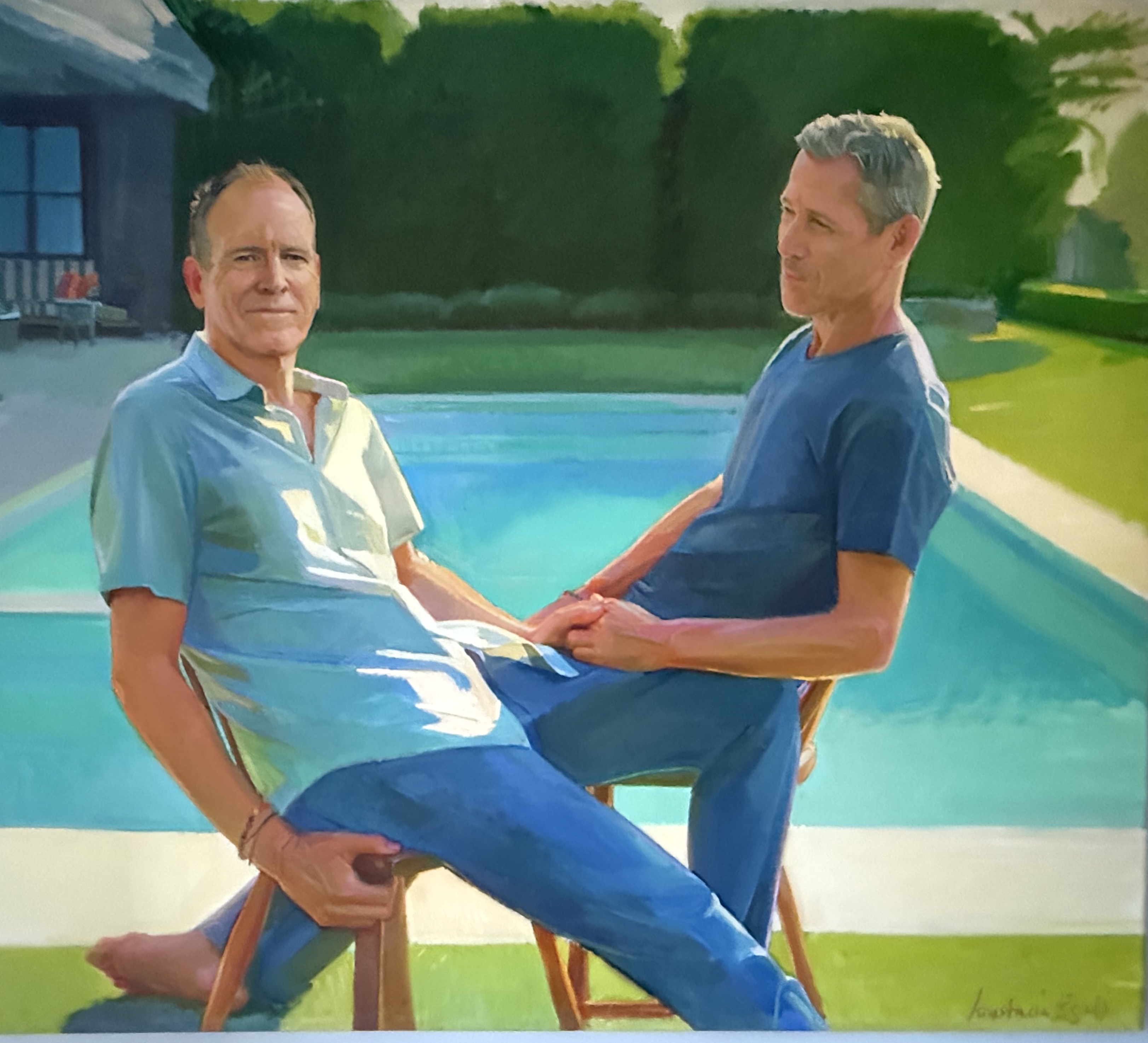
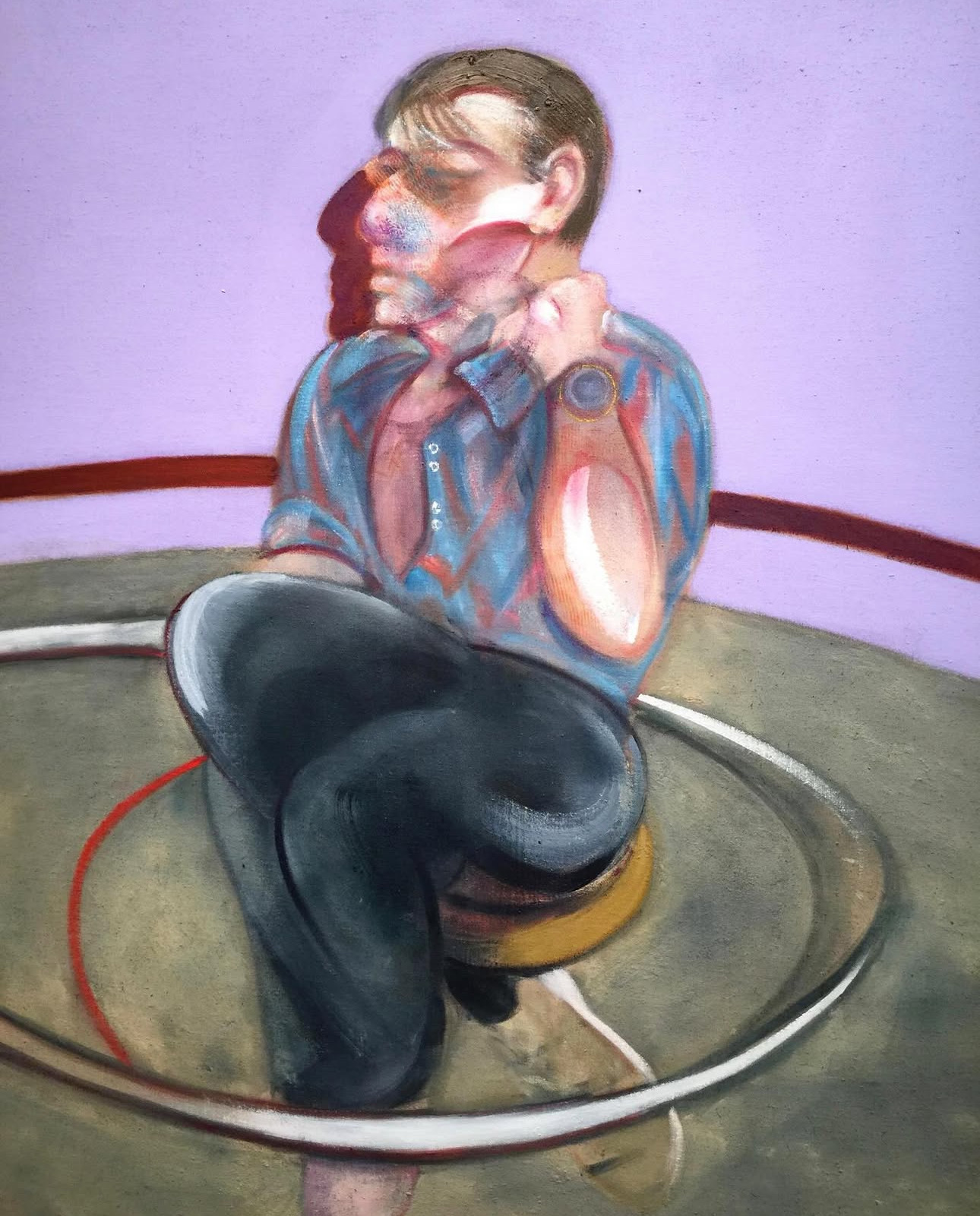
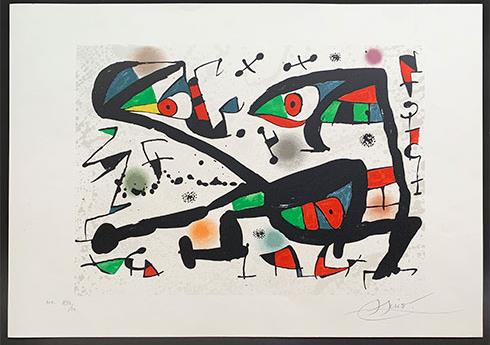
Contemporary Photography
Jeffrey Czum
Somewhere between love & lust
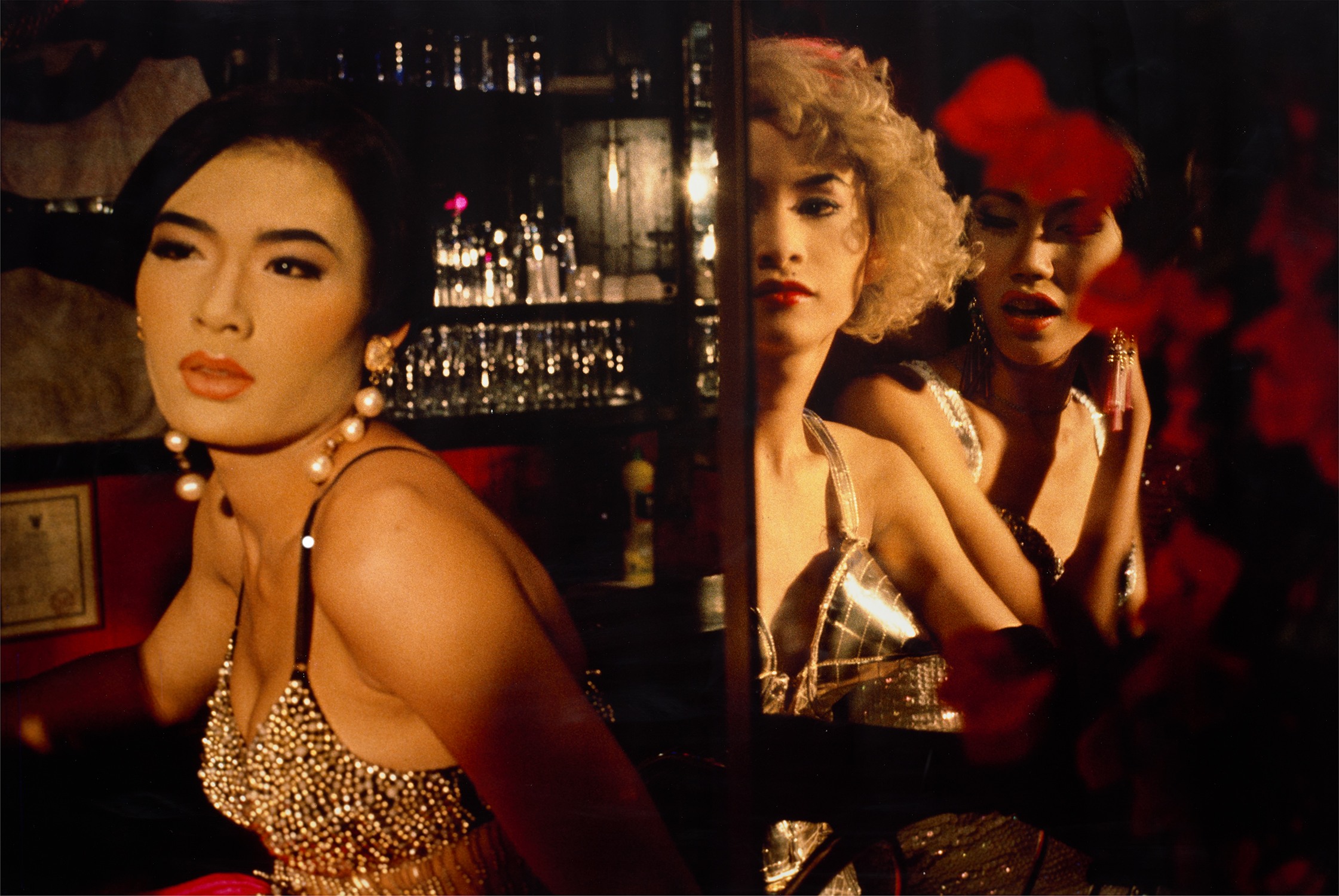
The Lens Never Lies, But It Seduces
There is something particular about living with a photograph. Unlike a painting, which announces its own making at every turn, a great photographic work holds its tension quietly. It sits on your wall and asks you to keep looking, to keep wondering whether what you see is document or fiction, accident or absolute control. This is precisely what draws serious collectors to contemporary photography, and it is what keeps them coming back.
The medium rewards sustained attention in a way that few others do. Collectors who arrive in this space often do so through an emotional encounter, a single work that stopped them cold. But the ones who build lasting collections quickly move beyond the emotional pull and into something more deliberate. They begin to understand that photography's apparent accessibility, the fact that we all take photographs, is exactly what makes the great works so astonishing.
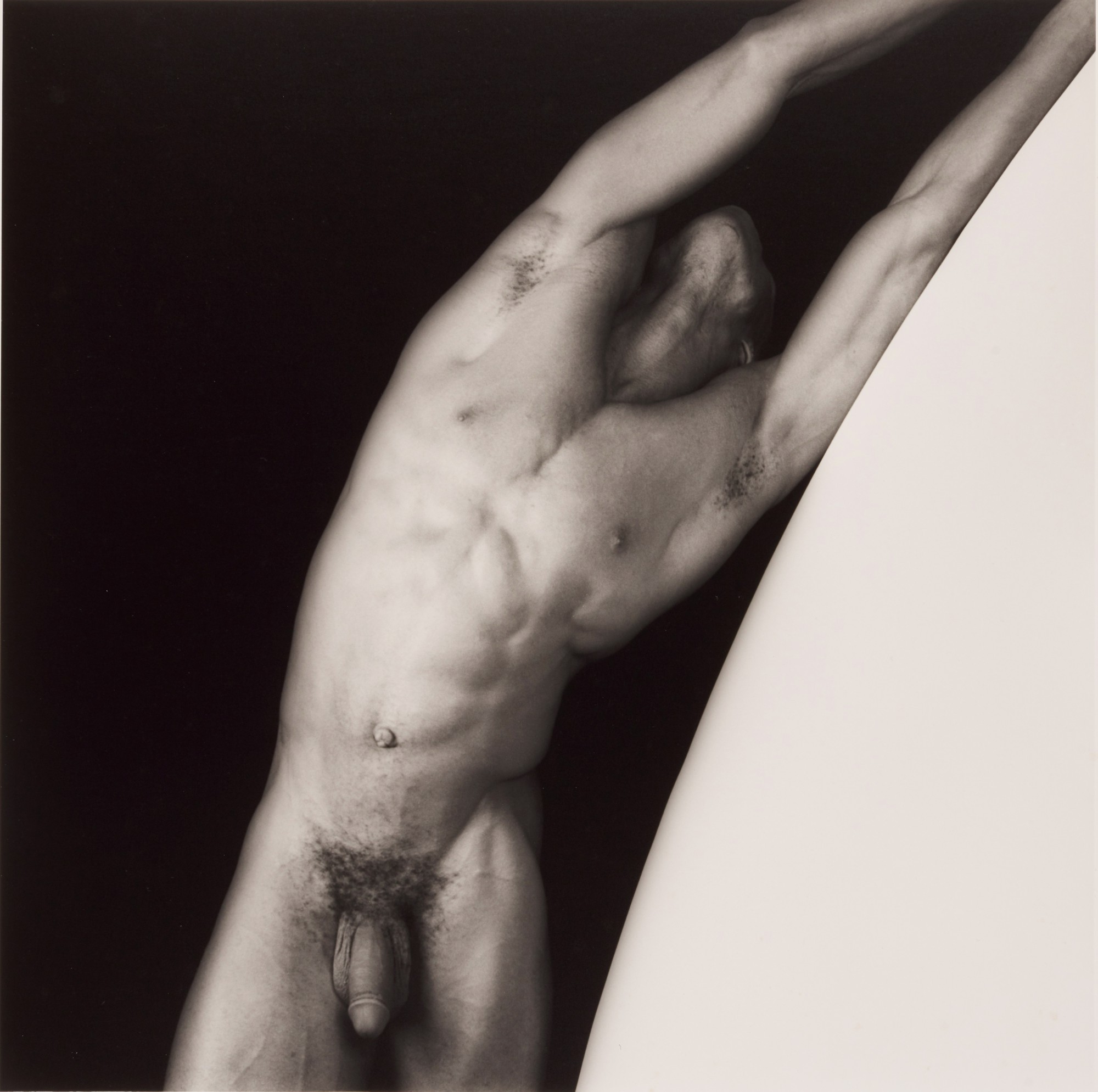
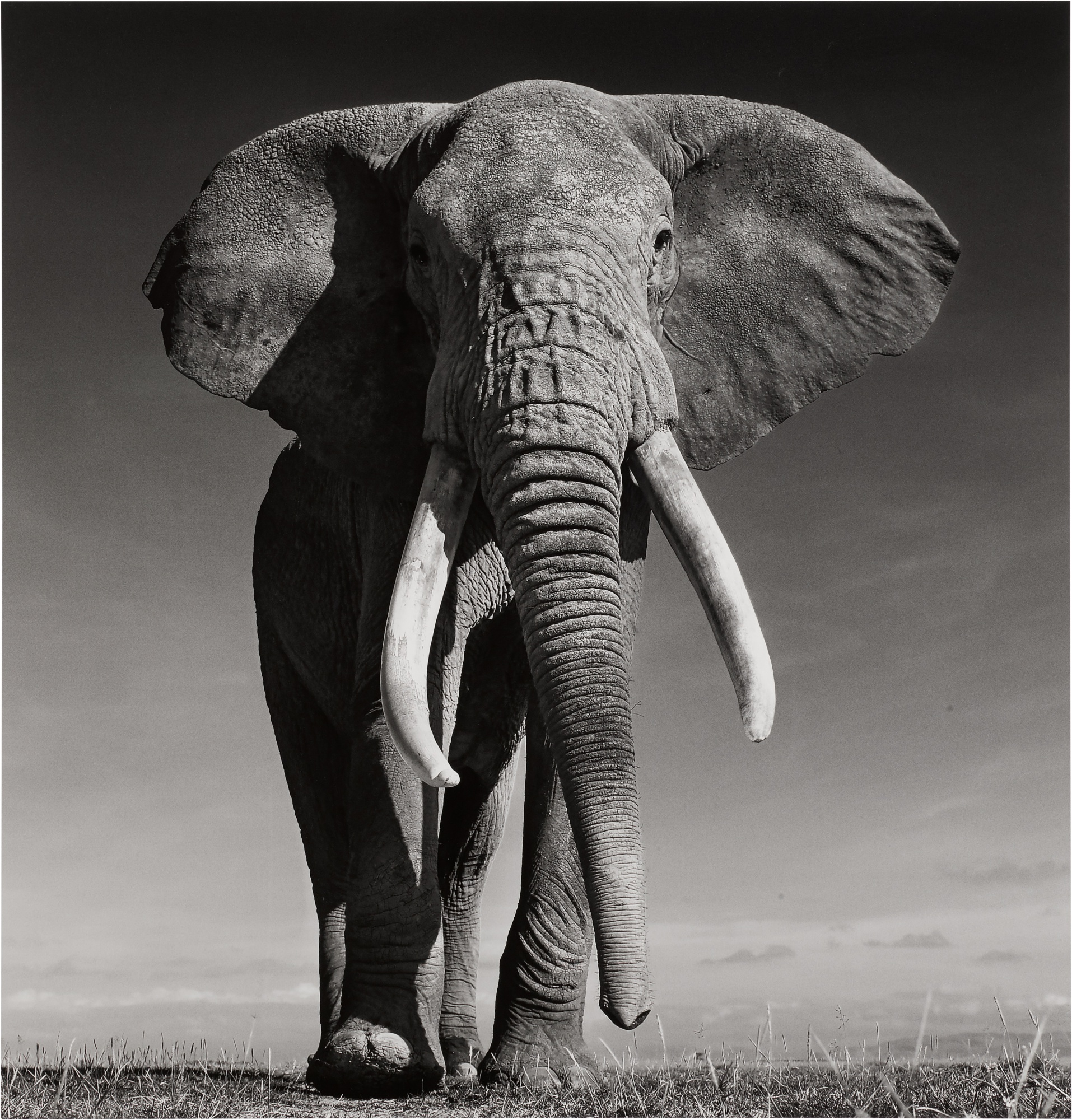
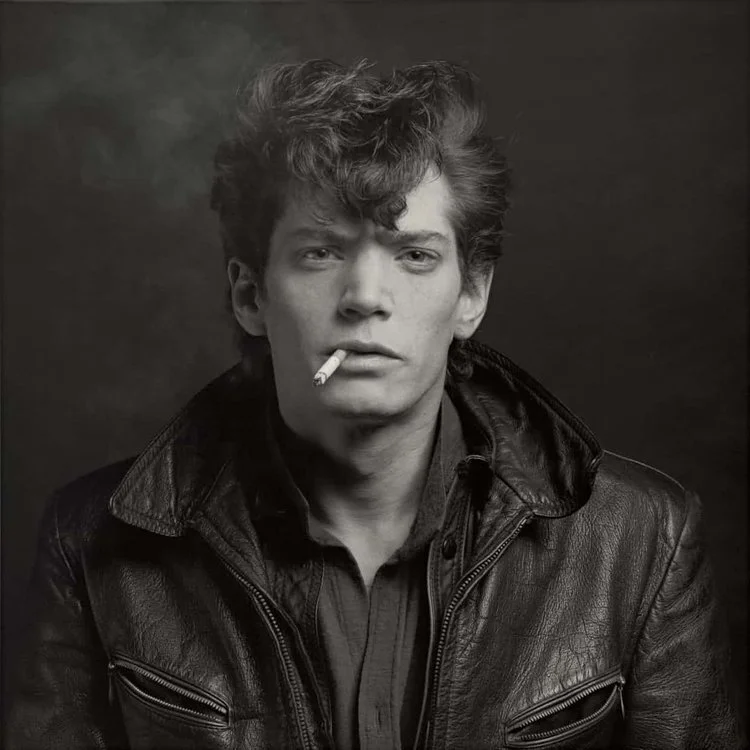
Robert Mapplethorpe
'Thomas', 1986
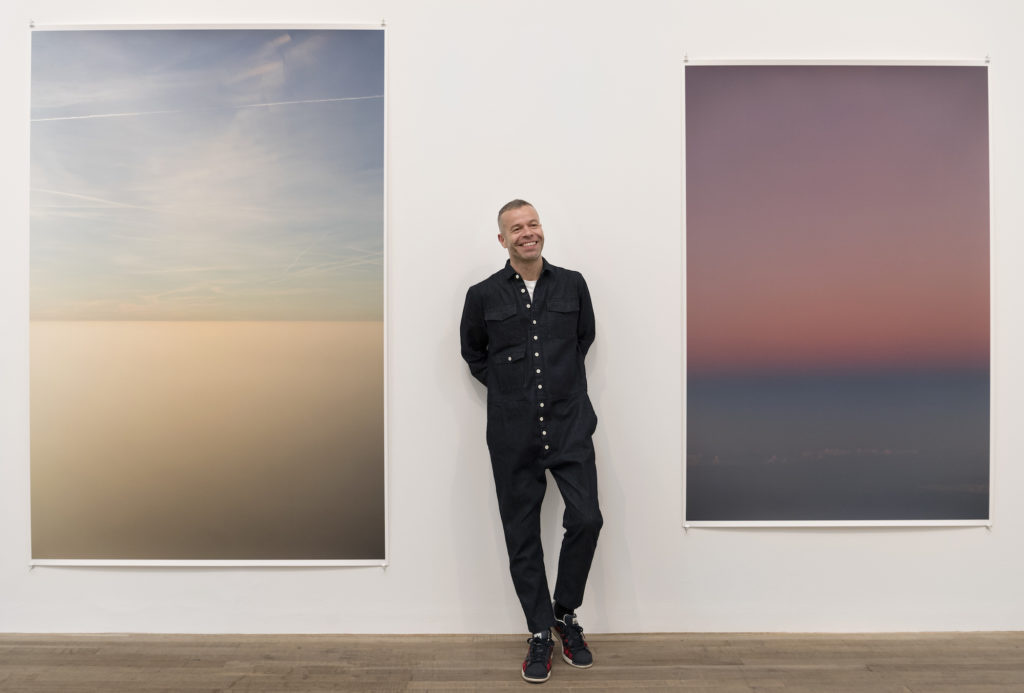
When you stand before a Thomas Struth museum photograph or a Wolfgang Tillmans inkjet print, you are confronting what the medium can do at its absolute outer edge. The gap between a snapshot and that kind of work is the whole history of seeing. So what separates a good photograph from a great one, from the perspective of someone building a collection? Scale and intention matter enormously, as does the relationship between the photographic moment and everything that was decided before and after it.
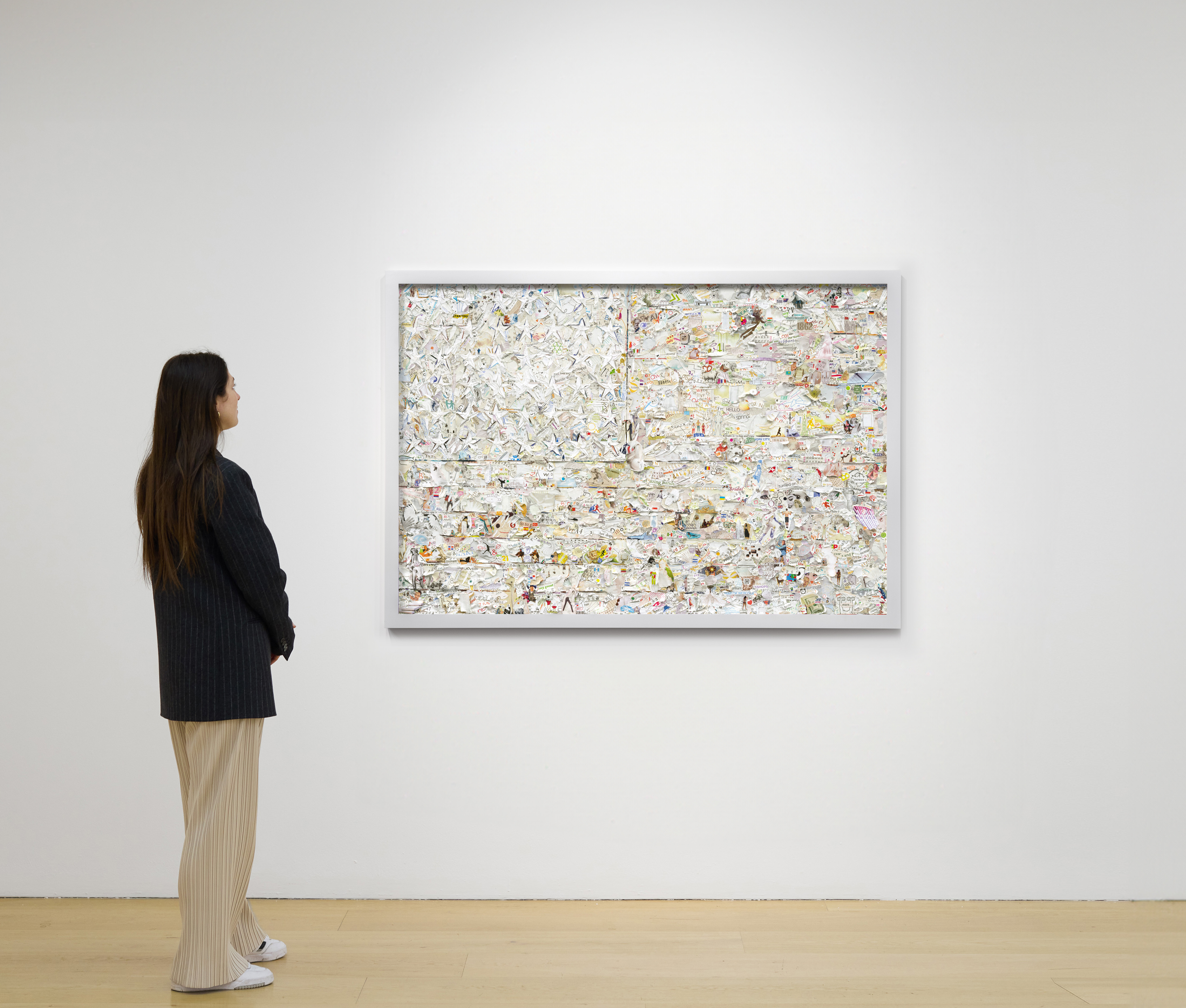
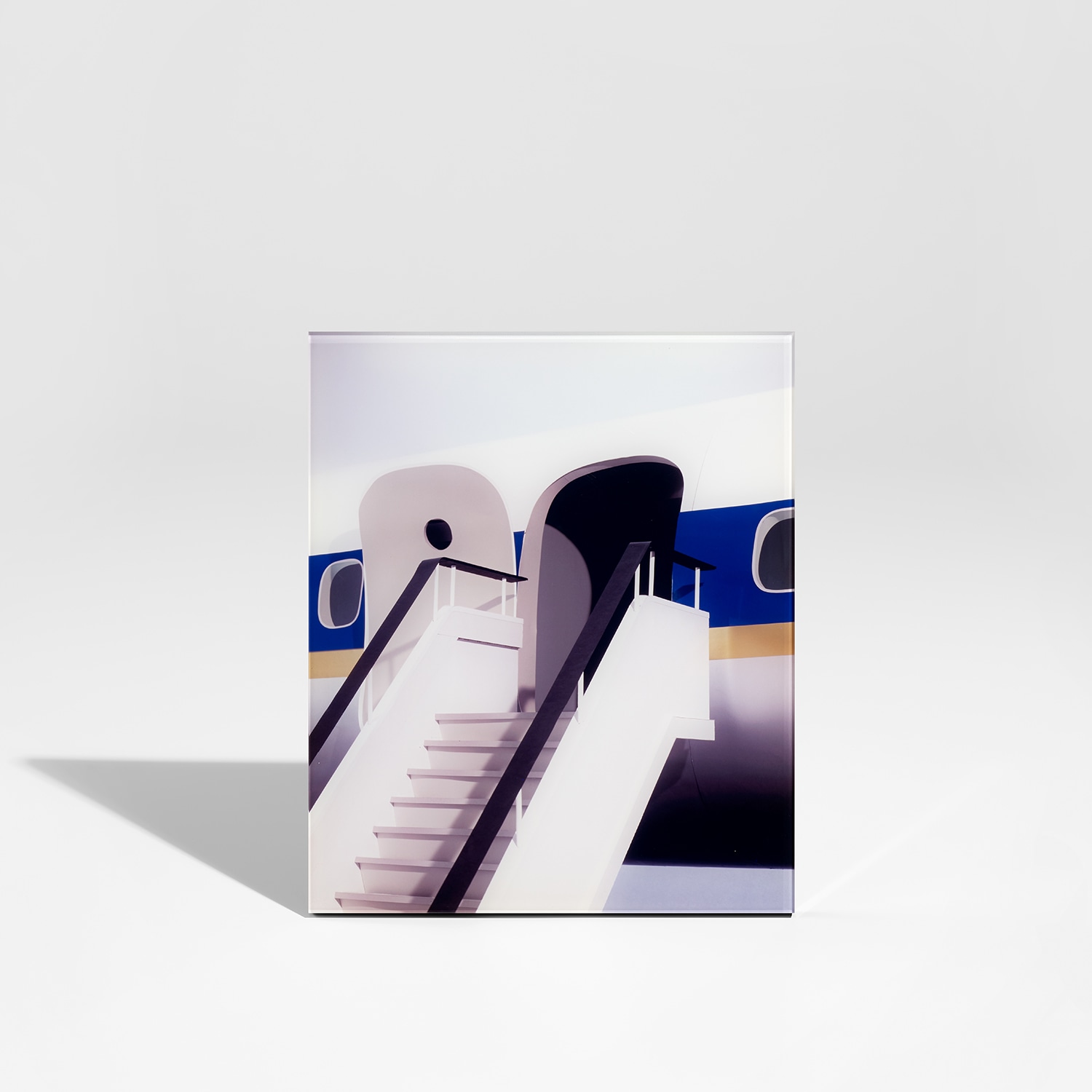
Hiroshi Sugimoto's seascape series, for instance, is technically simple in its premise, long exposures of the horizon line, but the conceptual and meditative weight behind each print is immense. Similarly, Thomas Demand constructs elaborate paper models of real spaces, photographs them, and destroys the originals, so that the photograph becomes the only remaining evidence of something that was itself a copy. The conceptual rigor in that process is what elevates the work from image to object of thought. Collectors should ask, not just what they are looking at, but why this needed to be a photograph.

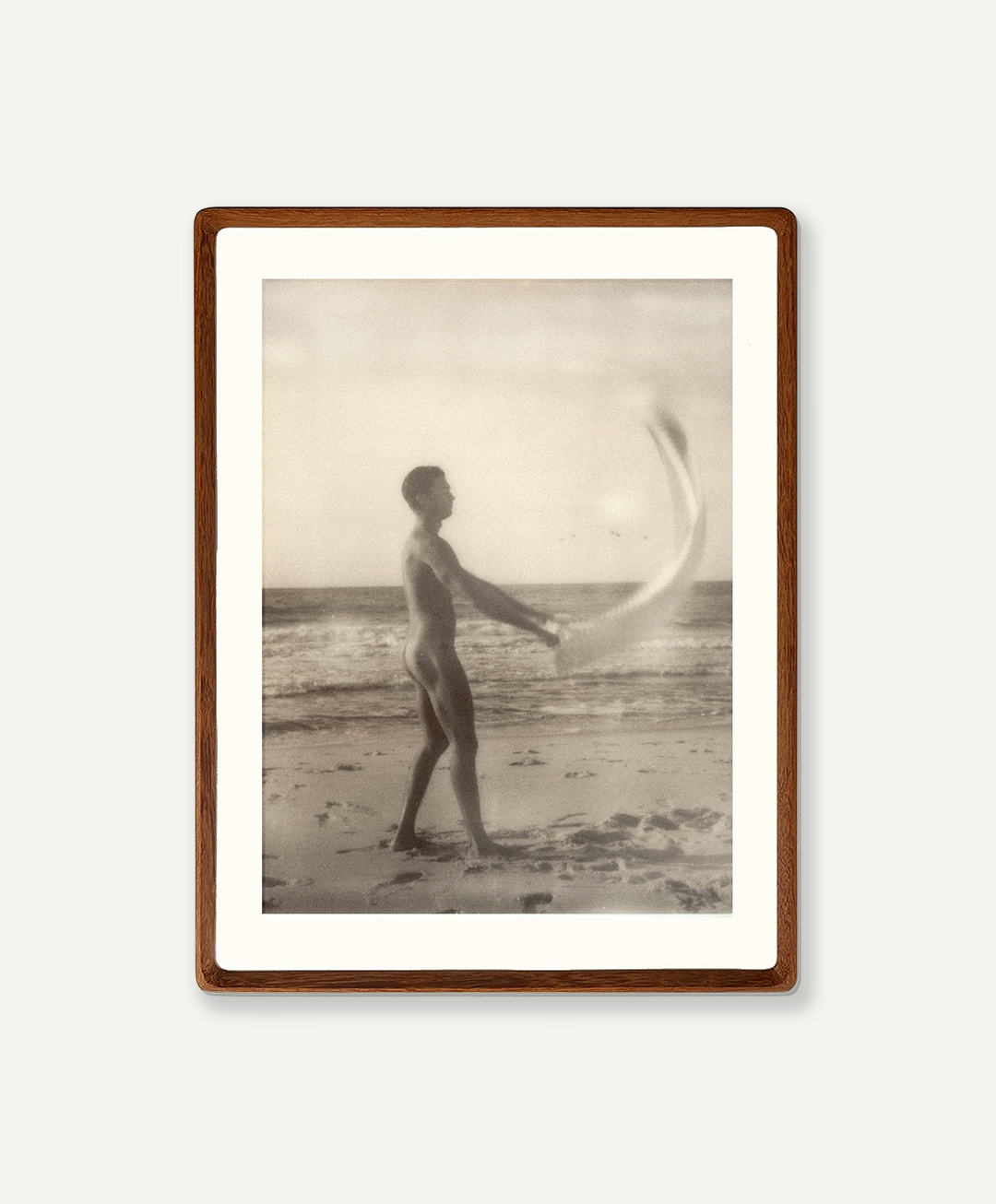
Hiroshi Sugimoto
Ionian Sea Santa Cesarea
Edition size and printing quality are the two practical considerations that separate a disciplined purchase from a costly mistake. Many photographers work in strictly limited editions, and the relationship between edition number and market price is not always intuitive. An early print from a small edition by Robert Mapplethorpe, for example, carries a very different weight than a later authorized estate print. Andreas Gursky works in editions so small and at scales so monumental that his prints function almost as singular objects.
Nan Goldin's work exists in a different register entirely, rooted in intimacy and urgency, where the emotional authenticity of the image is inseparable from the conditions under which it was made. Understanding what kind of object you are acquiring, its place within a larger body of work, and its print history, is essential due diligence that any reputable gallery should be able to walk you through. The strongest value propositions on the market right now sit in a range of territories. Vik Muniz, who is exceptionally well represented on The Collection, continues to perform steadily at auction while retaining enormous appeal to collectors who respond to work that is both visually seductive and conceptually sharp.
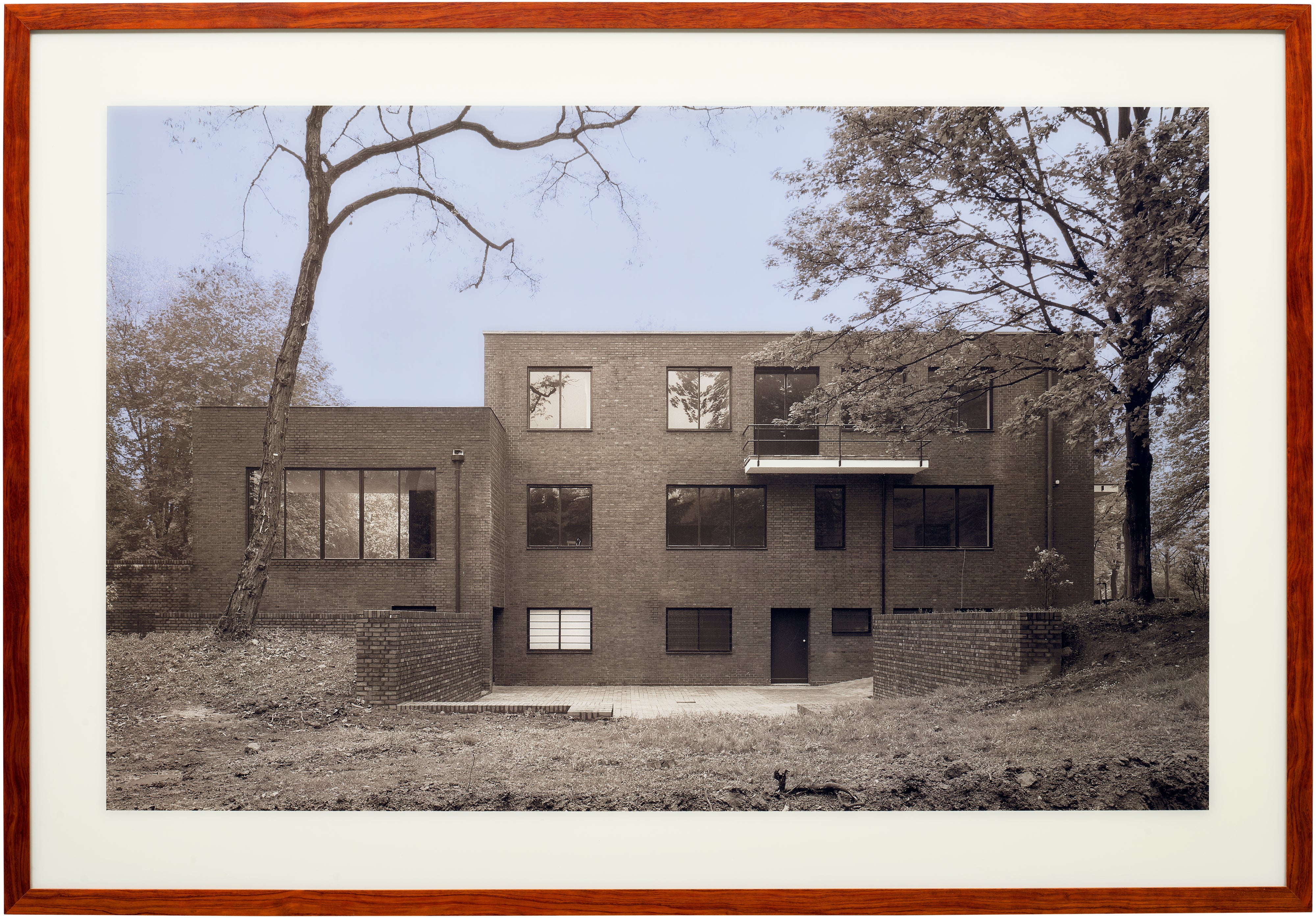
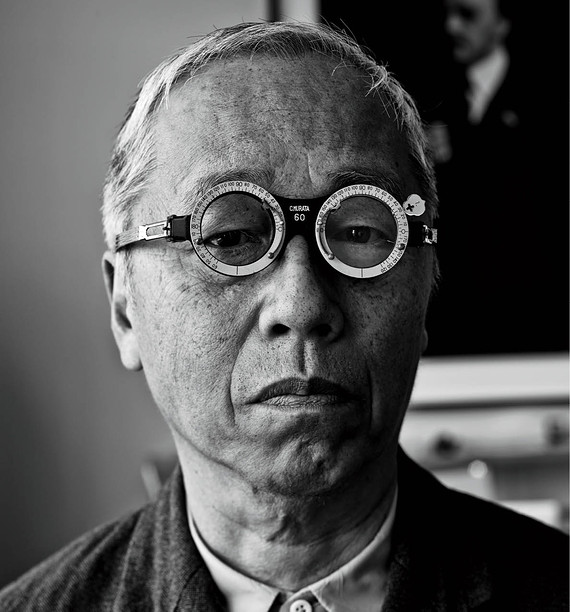
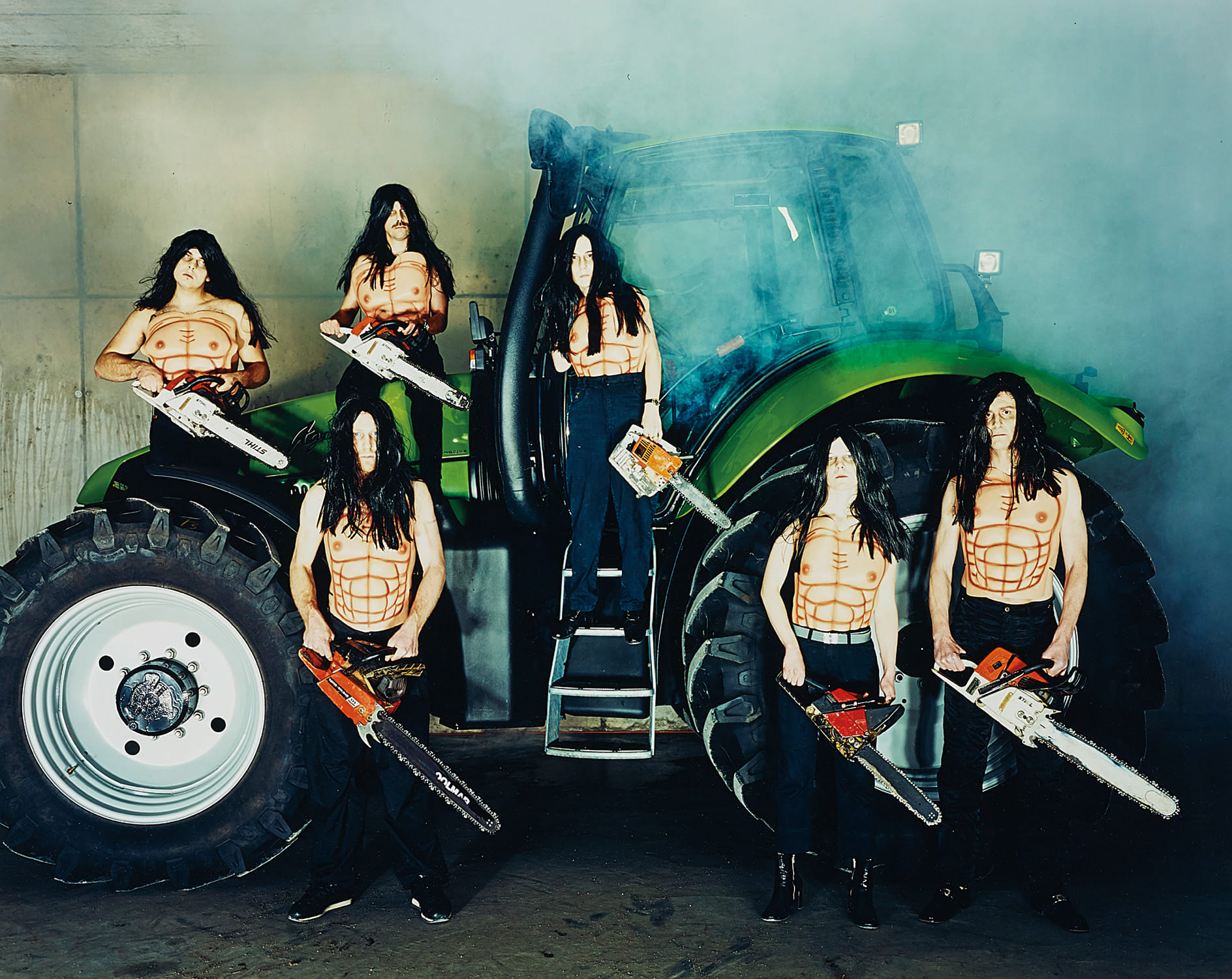
Thomas Ruff
h.e.k. 04, 2000
His photographs of images recreated in sugar, chocolate, wire, and debris occupy a unique space where photography interrogates itself. Thomas Ruff, the Düsseldorf School alumnus who has spent decades systematically dismantling photographic conventions, remains undervalued relative to his influence. His jpeg series, his nude works, and his newspaper photographs all reward the collector willing to engage with photography as a critical practice rather than a decorative one. Cindy Sherman's market is well established and shows no signs of softening, and for good reason.
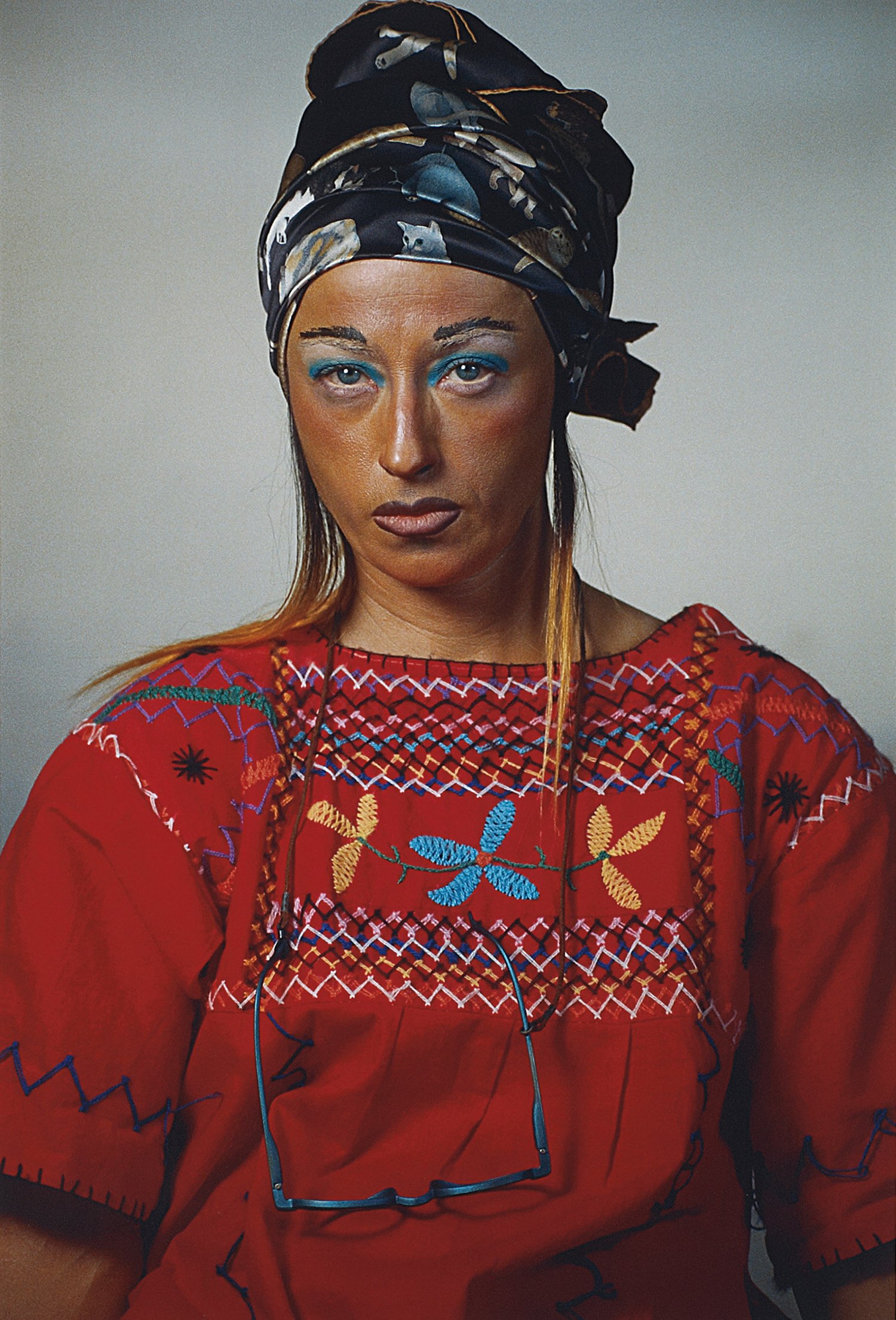
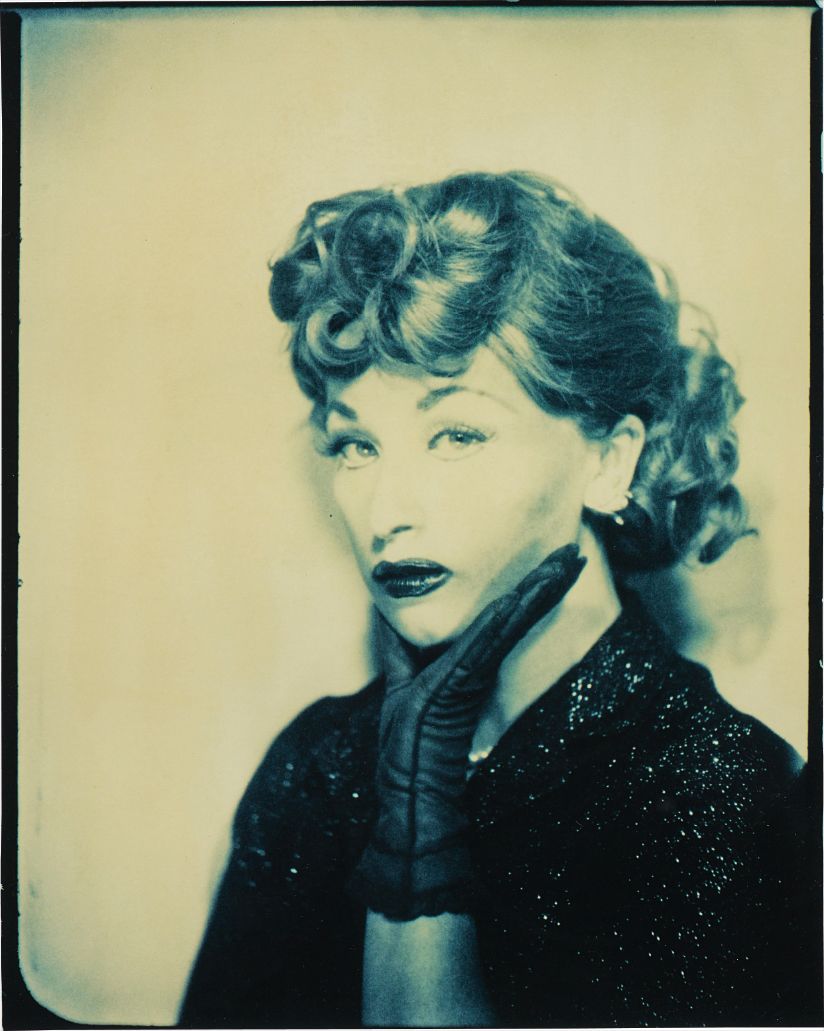
Her work sits at the center of debates about identity, performance, and the photographic surface that have only grown more urgent. For collectors with an eye toward what is still moving, several artists deserve close attention. Elad Lassry, who is quietly and seriously represented on The Collection, works in a space where photography folds back on its own history of commercial image making. His photographs exist in editions that remain accessible, and his critical reputation has been building steadily through gallery representation and institutional attention.

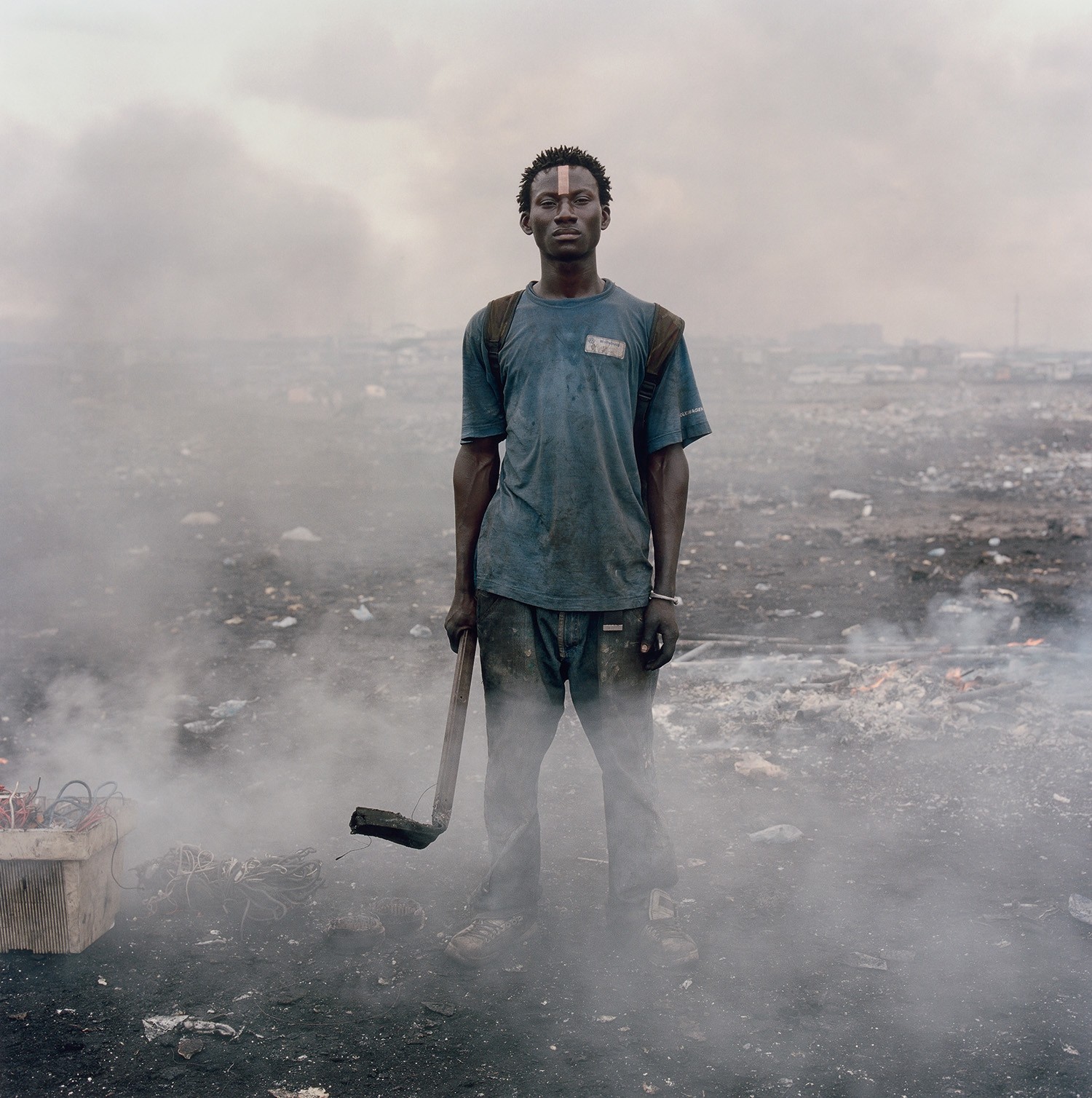
Steven Meisel
CK One, New York City
Lalla Essaydi, whose work places Moroccan women in spaces dense with Arabic calligraphy, sits at an intersection of postcolonial discourse and formal beauty that gives her work lasting critical resonance. Her market has been growing, and there is a strong argument that it has not yet caught up with her institutional standing. Ruud van Empel, who composites hyperreal images of children in lush natural settings, creates work that disturbs as much as it enchants, and that friction tends to reward collectors who hold over time. At auction, contemporary photography as a category has matured considerably since the market surge of the early 2000s.
Works by the Düsseldorf School, Gursky, Struth, Candida Höfer, and Thomas Demand, achieved record prices that helped establish photography as a fully legitimate collecting category. The secondary market has since settled into something more nuanced, where condition, provenance, and edition position matter enormously. A photograph in poor condition is almost impossible to restore convincingly, and fading or surface damage can devastate value. When displaying works, UV protective glazing is not optional.
It is the basic cost of stewardship. For large prints without glazing, the placement relative to light sources requires genuine care. When you approach a gallery about a photographic acquisition, the questions worth asking are these: Where does this print fall within the edition? Are there artist proofs, and how many?
What is the printing process, and who supervised it? Is there a certificate of authenticity, and what does it confirm? Has the work been shown or published, and does that documentation exist? These are not suspicious questions.
They are the vocabulary of a collector who takes the work seriously. The best galleries welcome them. Photography rewards that kind of seriousness, and so, over time, does the market.