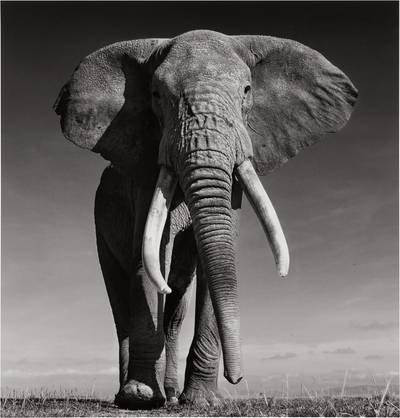
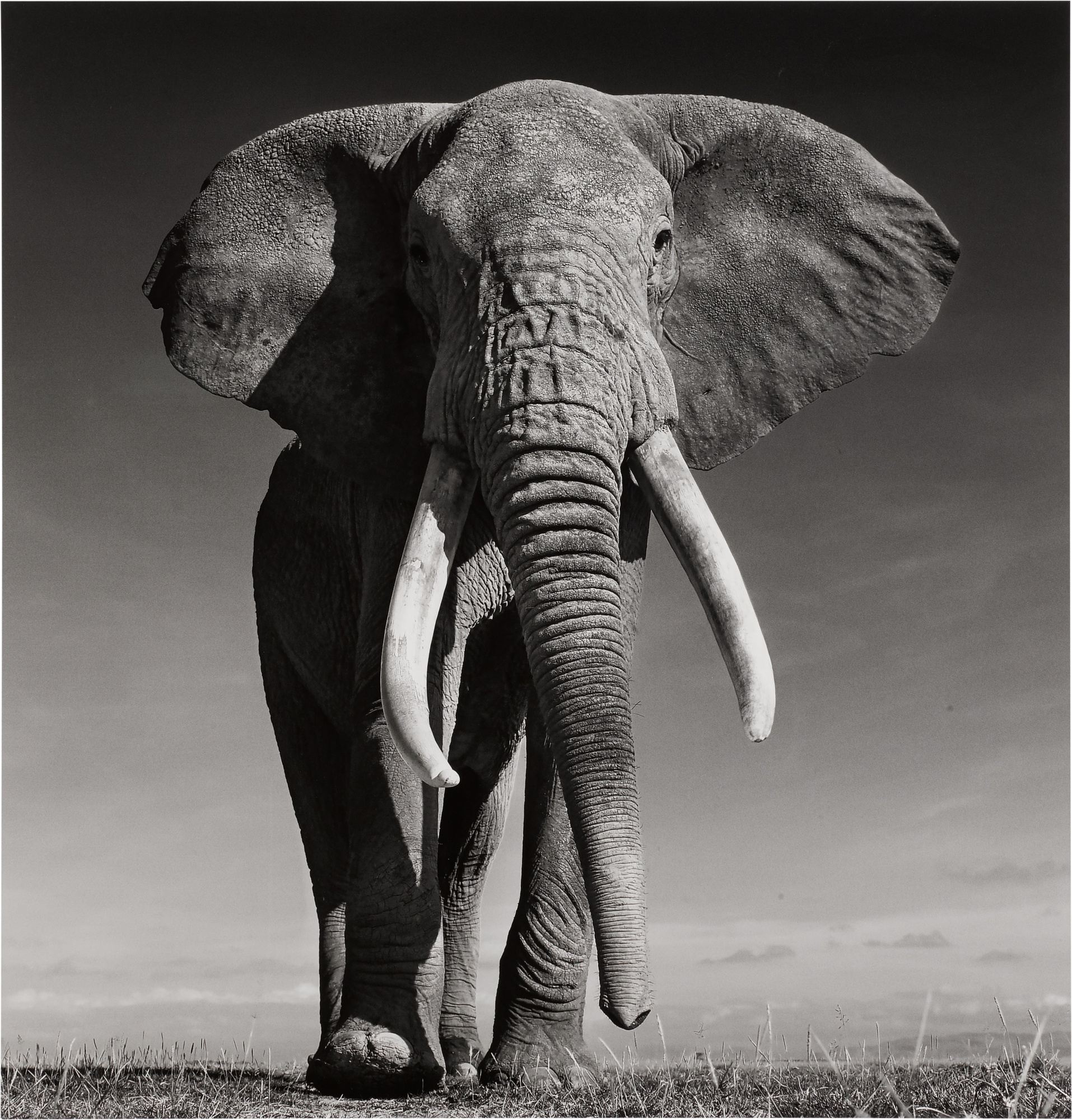
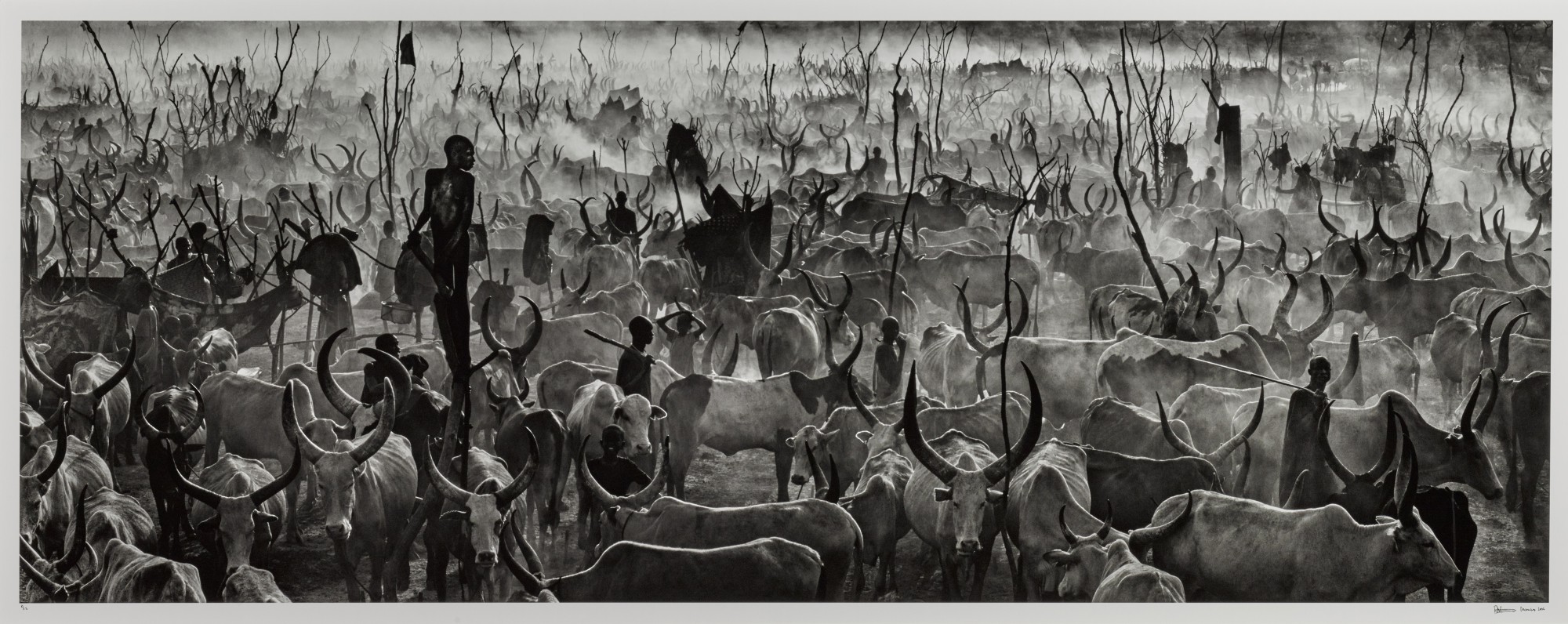
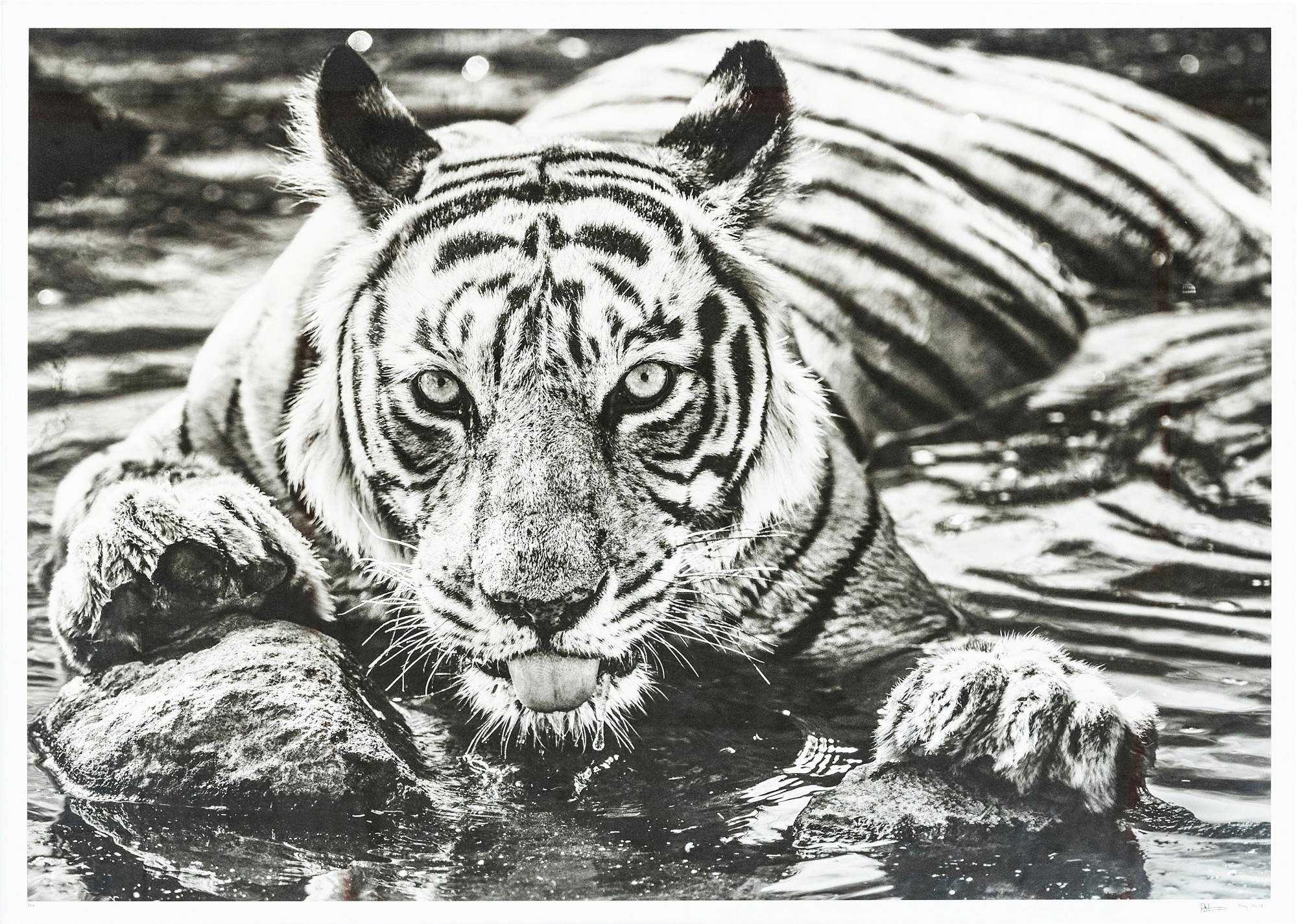
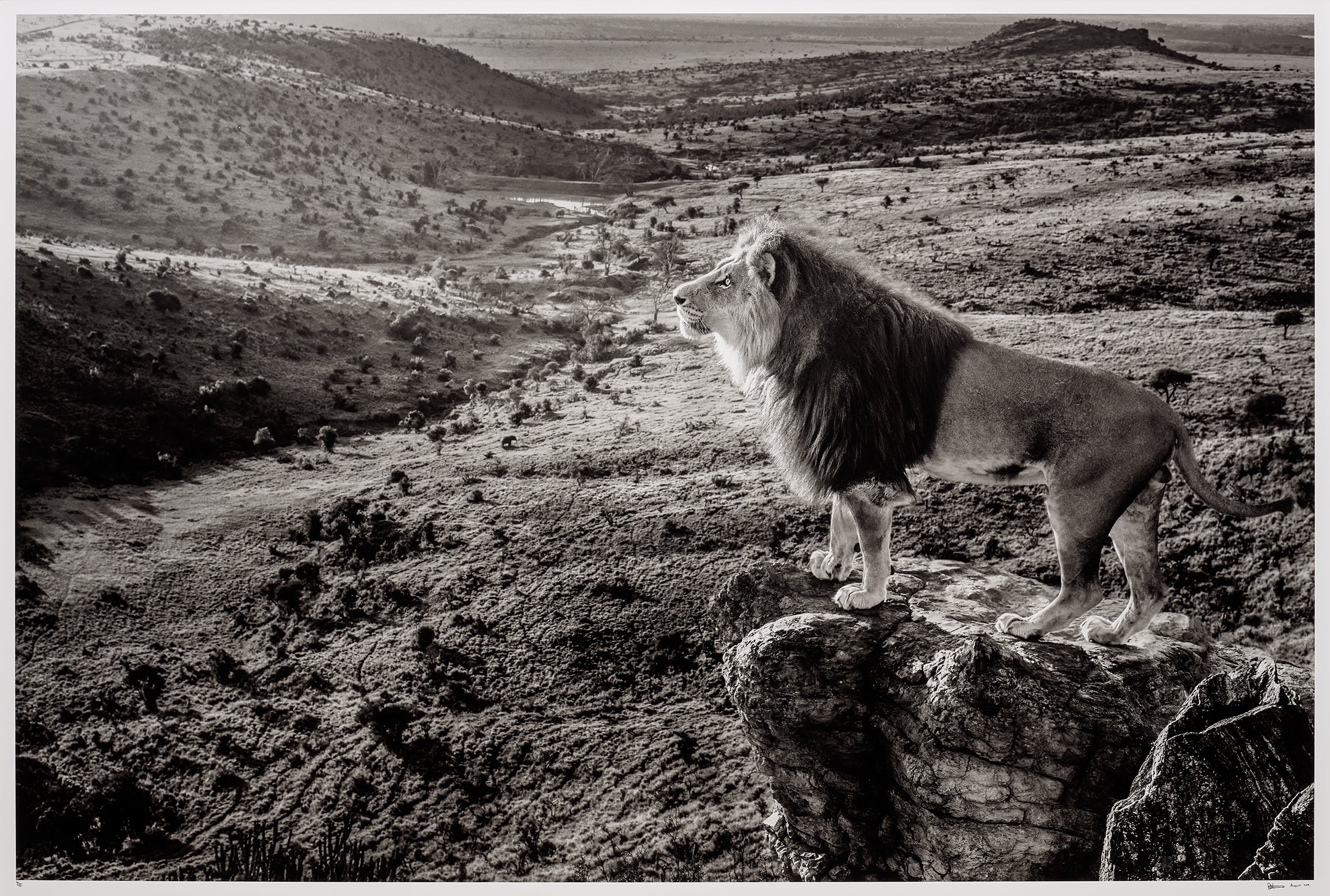
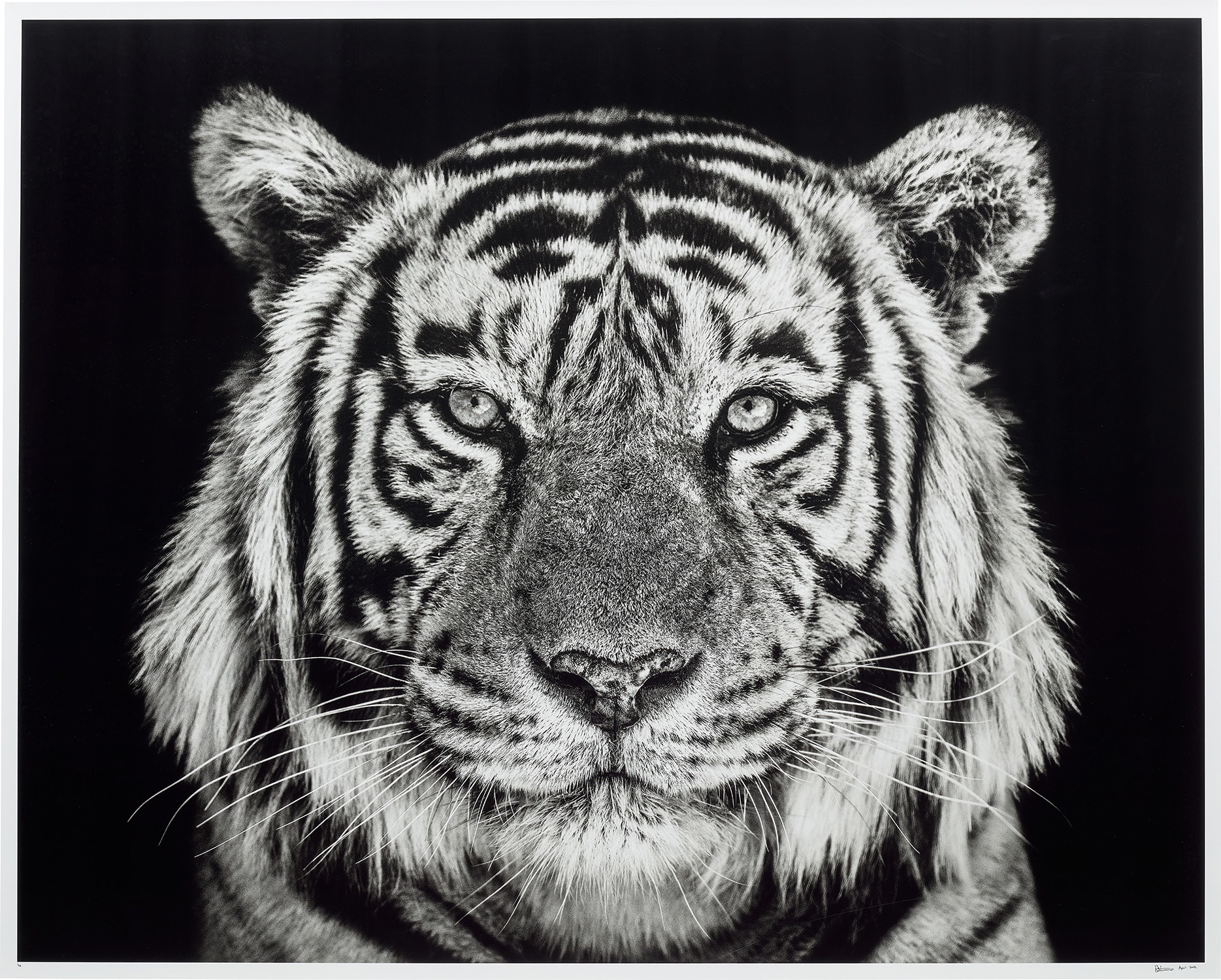
In the spring of 2023, Sotheby's New York offered a large format David Yarrow print that drew competitive bidding from collectors across three continents. It was not an isolated moment. For well over a decade, Yarrow has occupied a singular position in the contemporary photography market, one where fine art ambition and popular appeal reinforce rather than undermine each other. His prints now regularly achieve five and six figure sums at the major auction houses, and his limited edition releases sell out with a speed more commonly associated with streetwear drops than gallery openings. The story of how a British photographer arrived at this improbable vantage point is one of discipline, reinvention, and an almost reckless willingness to get close. David Yarrow was born in Glasgow in 1966 and grew up in a Scotland that instilled in him both a love of the outdoors and a certain stoic self reliance. He showed an early aptitude for photography and by his mid twenties had already captured one of the most reproduced sports images of his era, photographing Diego Maradona lifting the World Cup trophy in Mexico City in 1986 as a teenage photographer on assignment. That image, so instinctive and so precisely timed, announced a sensibility that would define his career: Yarrow understands that the decisive moment is not found by waiting at a comfortable distance. You must place yourself where the picture lives, regardless of the personal cost. After his early career in sports and editorial photography, Yarrow spent years working in financial services in the City of London, a chapter he has spoken about candidly as a detour rather than a destination. The pull of the camera never left him, and by the late 2000s he had committed fully to fine art photography, turning his attention to the natural world and to indigenous cultures with the same intensity he had once brought to football pitches and press boxes. This second act, far from feeling like a late beginning, proved to be the crucible in which his genuine artistic voice was forged. The years away had clarified something essential: he knew exactly what he wanted to say and he was willing to go anywhere on earth to say it. The technical grammar of a Yarrow photograph is immediately legible and deeply thought through. He works predominantly in black and white, a choice that strips his images of the picturesque and forces a confrontation with form, texture, and presence. His use of ultra wide angle lenses, often deployed at ground level or at the eye line of his subjects, collapses the expected distance between viewer and animal. A lion fills the frame not as a zoological specimen observed from a jeep but as a sovereign being whose authority you feel in your chest. This compression of space is not a trick. It is a philosophical position, an argument that wildlife photography need not be a record of absence, of animals glimpsed across a plain, but can instead be an act of genuine encounter. Works such as Pride Rock and The Don, Amboseli, Kenya demonstrate this vision at its most commanding, images in which the African savanna feels not vast and remote but immediate and alive. Yarrow's range extends well beyond African wildlife, and some of his most celebrated work engages with human stories of equal power. Mankind 2, made in Yirol in South Sudan, is among the most discussed photographs of his career. The image places a Dinka warrior within the same intimate, immersive frame that Yarrow brings to his animal subjects, asserting with quiet authority that the dignity and complexity of human beings in remote communities deserves the same quality of attention we give to the natural world. His work in Rajasthan and his series centred on the tigers of Ranthambore, including The Queen of Ranthambore, extend this sensibility into the Indian subcontinent, where the relationship between human civilisation and endangered wildlife is both ancient and urgently contemporary. In each geography, Yarrow arrives not as a tourist but as a student, working with local guides and experts over extended periods to earn the access his images require. From a collecting perspective, Yarrow's market has demonstrated a consistency that is rare in the photography world. His prints are produced in strictly limited editions, typically in multiple sizes, and the edition sizes are small enough to maintain genuine scarcity without being so restricted as to place his work beyond reach. Collectors who acquired his work in the early 2010s have seen values appreciate substantially, and the secondary market at Christie's, Sotheby's, and Phillips has been active and liquid. What draws serious collectors to Yarrow is not merely the visual impact of the work, which is considerable, but the integrity of the production. His prints are made to archival standards using pigment processes on museum quality paper, and the scale at which they are intended to be displayed transforms a wall and the room around it. These are not decorative objects. They are experiences. Yarrow occupies an interesting position within the broader history of fine art photography. His emotional ambitions connect him to the great tradition of American wilderness photographers from Ansel Adams onward, while his engagement with human subjects and indigenous cultures places him in conversation with contemporaries such as Jimmy Nelson. His commitment to conservation is not incidental to the work but woven into its making. He has raised tens of millions of dollars for charitable causes through print sales and dedicated auctions, embedding philanthropy into his practice in a way that has brought new collectors into the fine art photography market who might not otherwise have engaged with it. This expanding of the audience, rather than diluting the work, has given it a cultural resonance that purely gallery bound photography rarely achieves. What makes David Yarrow matter, finally, is not the records or the reach, though both are real. It is the seriousness of purpose behind every image. At a moment when the natural world is retreating from human view with frightening speed, Yarrow insists on proximity. He insists that we look, that we feel the weight of a great animal's gaze, that we understand what is at stake. His photographs are acts of witness made with extraordinary craft, and the best of them will endure long after the conversations around his market have quieted. For collectors who want work that is beautiful, significant, and deeply alive to the world we inhabit, Yarrow's photographs represent one of the most compelling propositions in contemporary art today.