British Artist
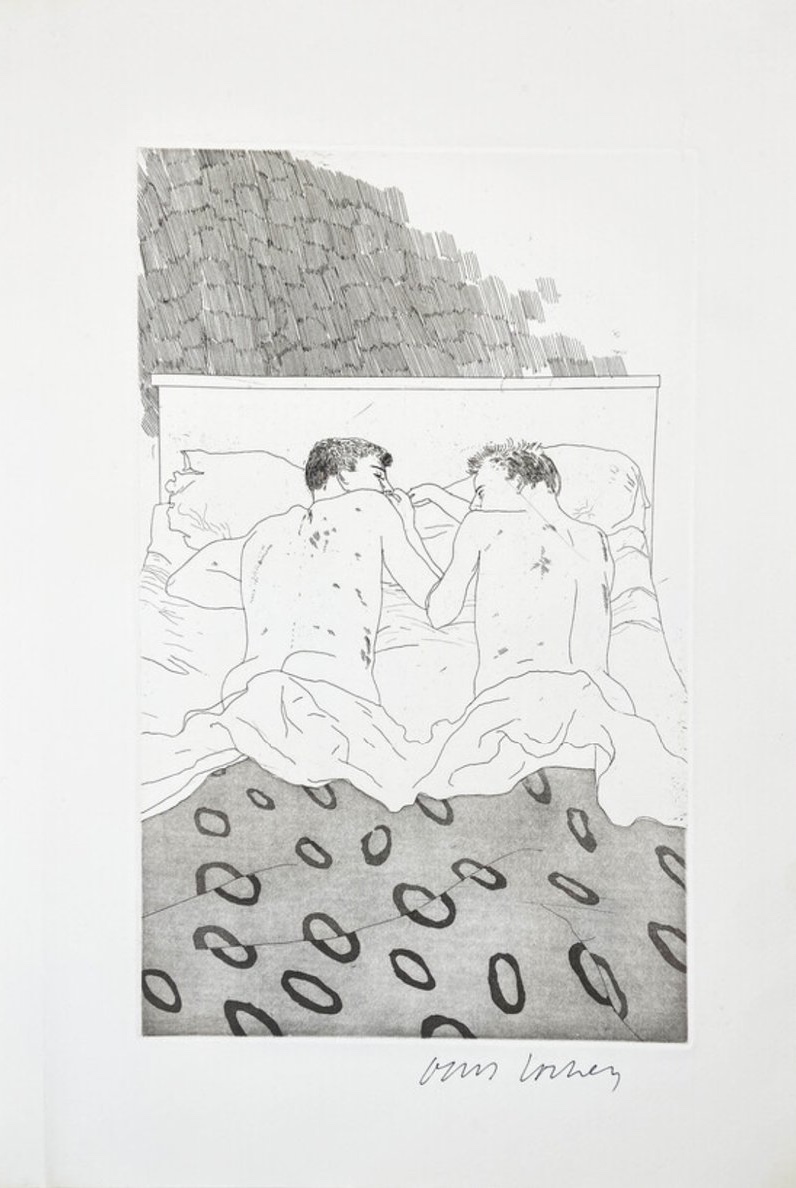
David Hockney
Two Boys Aged 23 or 24, 1966
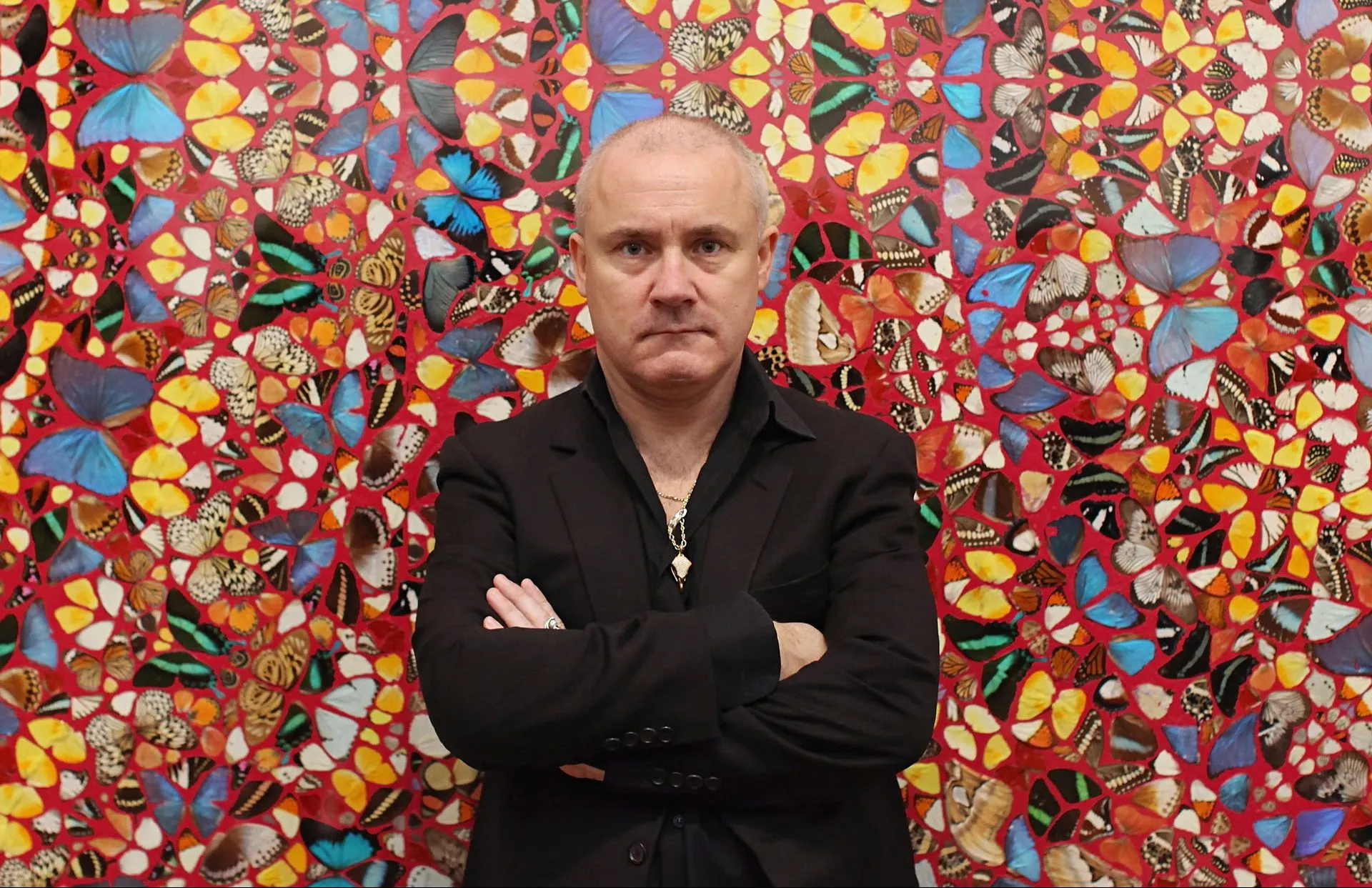
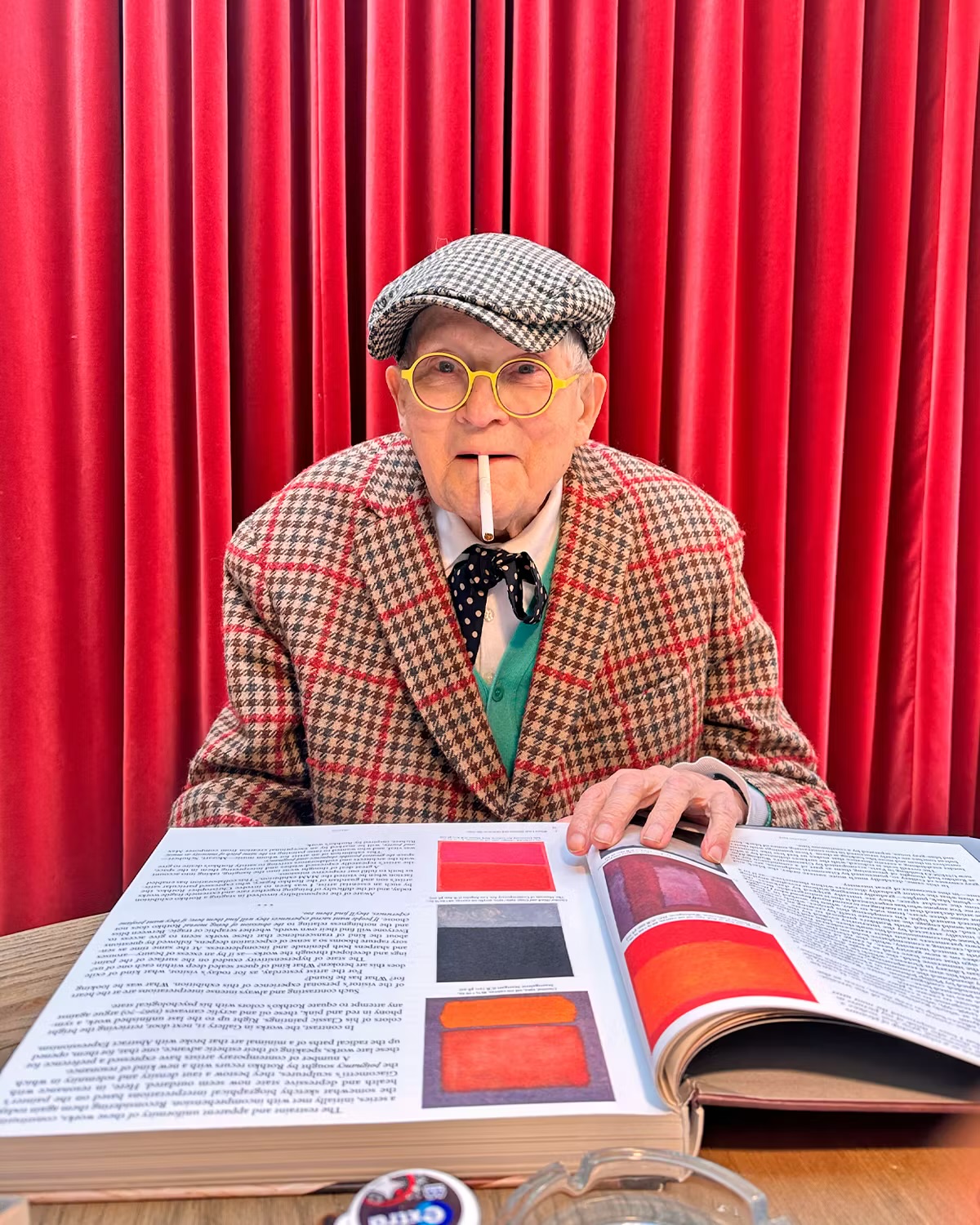
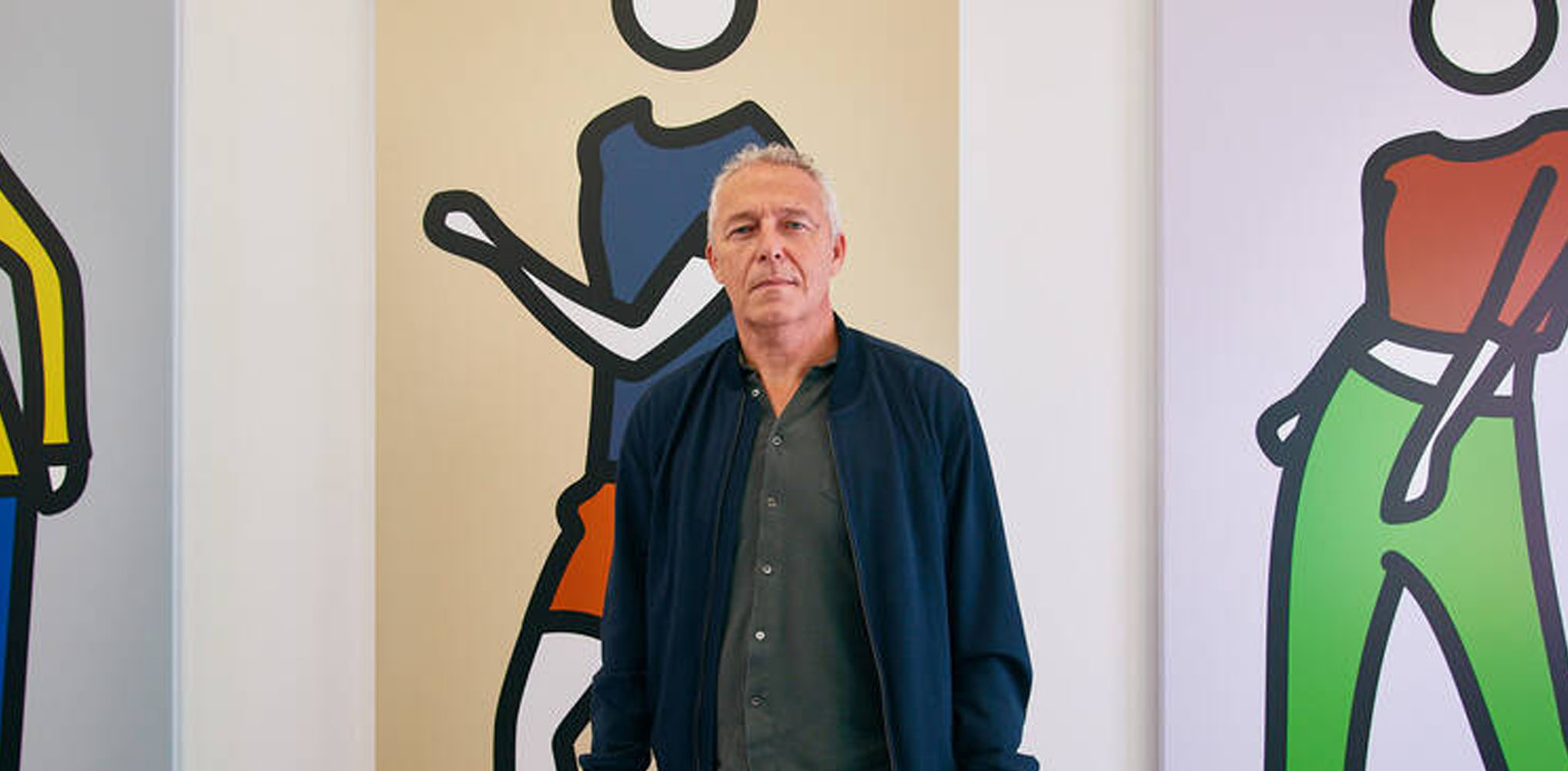


The British Art Obsession You Cannot Shake
There is something particular about living with British art. Collectors who begin with one piece often describe a quality that is difficult to name precisely but impossible to ignore once you have felt it: a kind of emotional directness wrapped in intellectual rigour, a willingness to be uncomfortable without being gratuitous. Whether it is a Lucian Freud portrait that seems to watch you from across the room, or a Bridget Riley that reorganises your entire sense of vision, British art has a way of asserting itself into daily life rather than decorating it. This is not a coincidence.
It is the result of a tradition that has, for decades, prized confrontation and originality in equal measure. For collectors entering this space, the first question worth sitting with is not which artist but which quality draws you in. British art covers extraordinary range, from the lyrical abstraction of Victor Pasmore and Ben Nicholson to the visceral figuration of Francis Bacon and Frank Auerbach, and understanding what you actually want to live with matters more than following the market. The works that perform best over time, both emotionally and financially, tend to be the ones that reward prolonged looking.
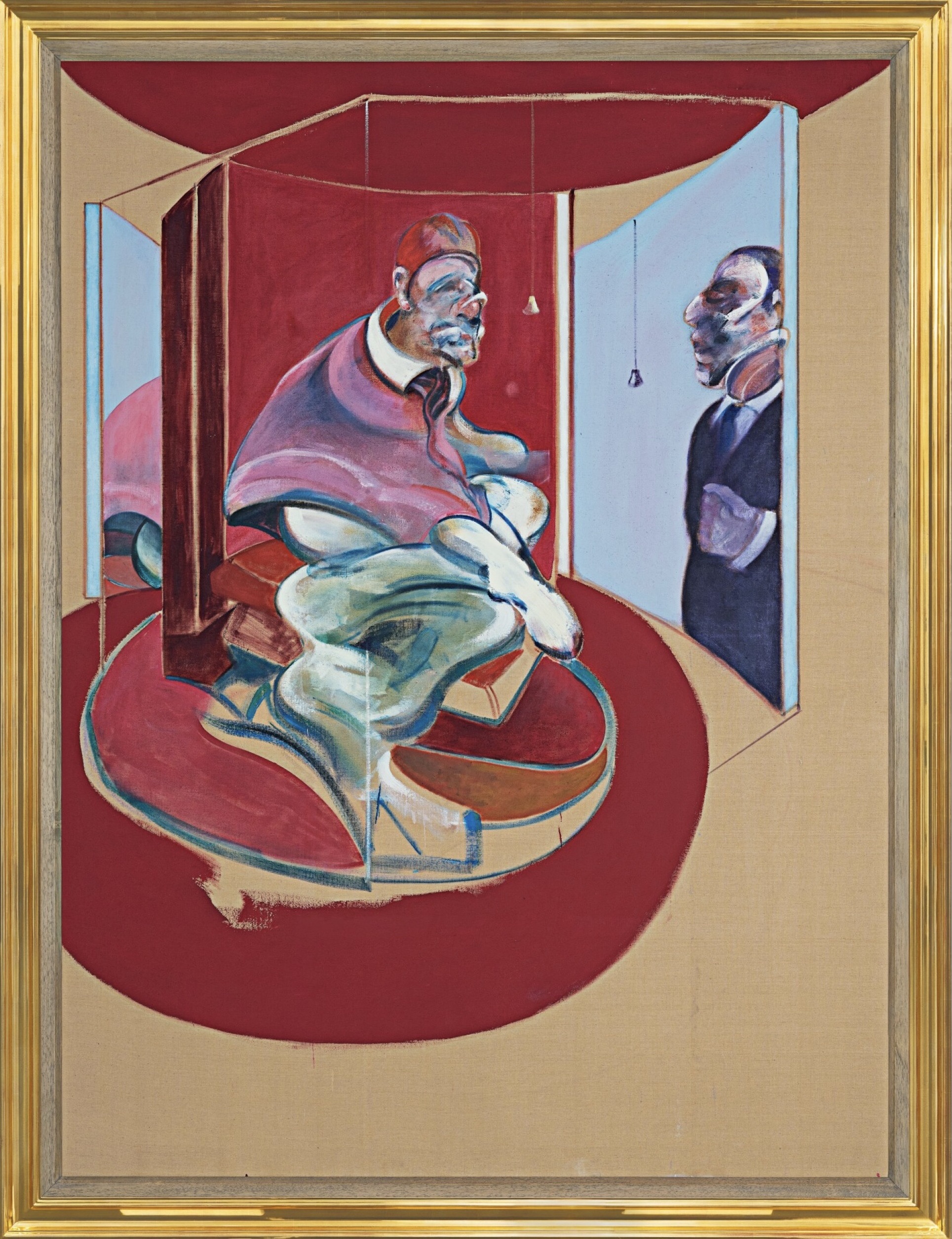
Francis Bacon
Study of Red Pope 1962, 2nd Version 1971, 1962
A Howard Hodgkin painting from his mature period does something different on a grey November morning than it does in bright summer light. That kind of durability is worth paying attention to. What separates a good work from a great one in British art often comes down to conviction. The strongest pieces feel inevitable, as though no other approach could have produced the same result.
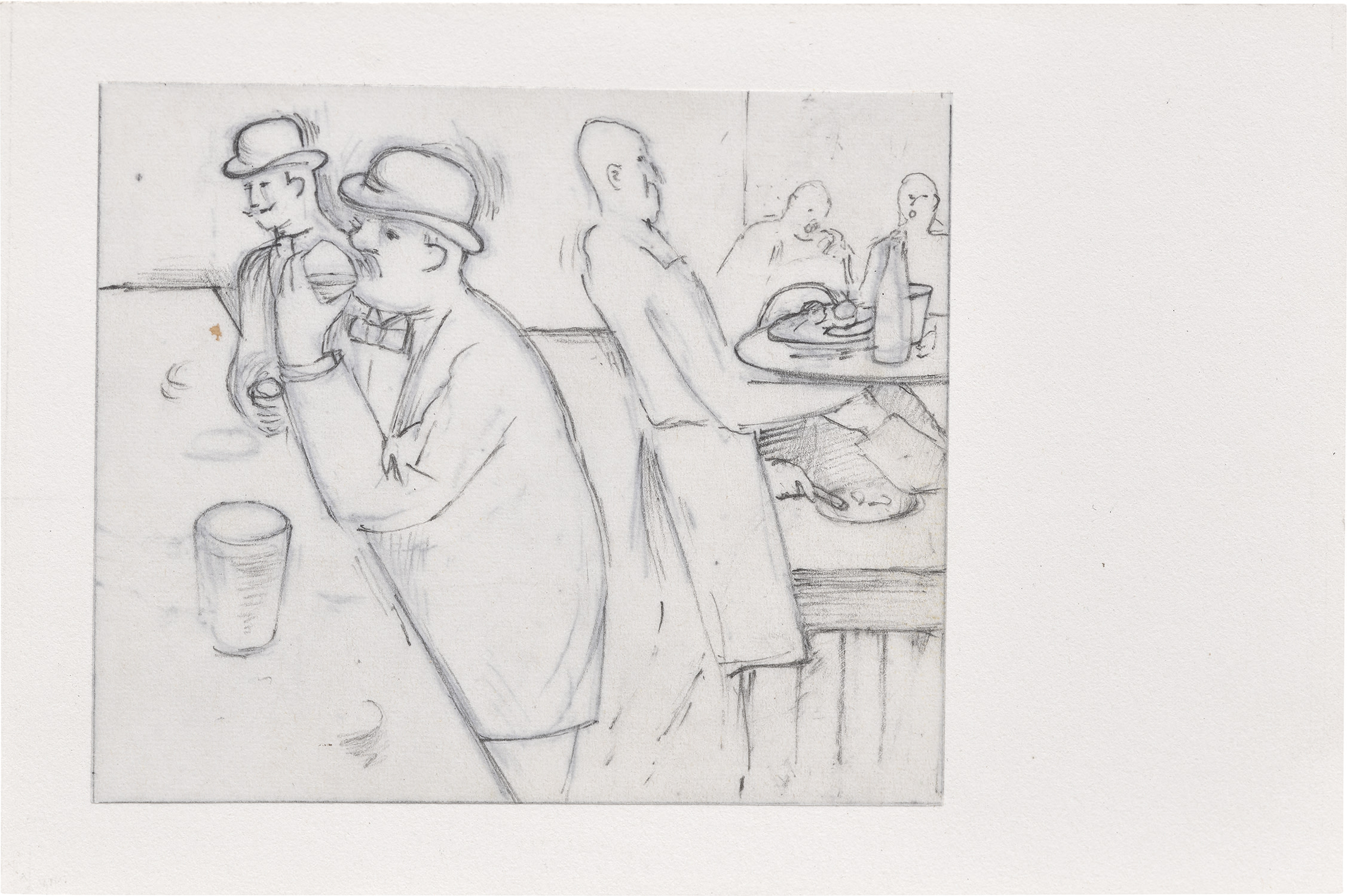
With Damien Hirst, the best works are those where the conceptual premise and the physical execution are inseparable, not merely decorative applications of a successful idea. With David Hockney, the great works carry a sense of discovery, as though he is genuinely surprised by what he has found in a swimming pool or a Yorkshire hillside. Collectors should look for works where the artist's hand or decision feels fully committed, where nothing has been hedged. Tentative work, even by significant artists, rarely holds its ground over time.
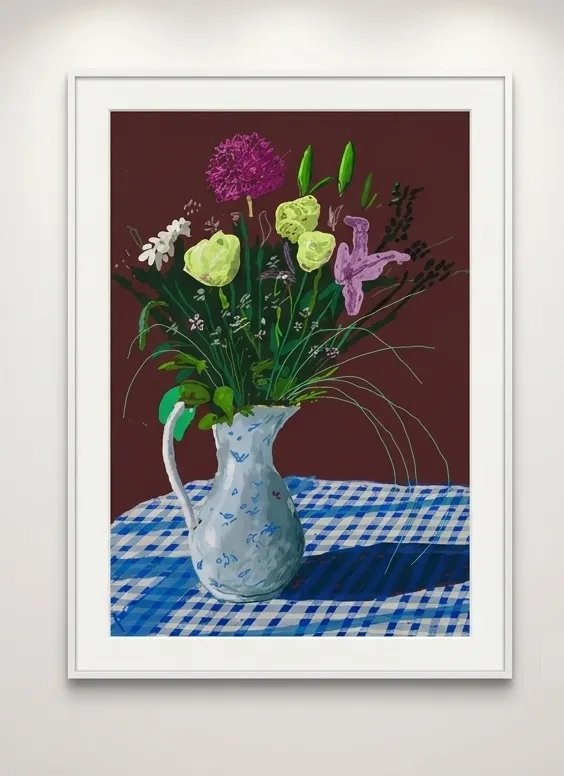
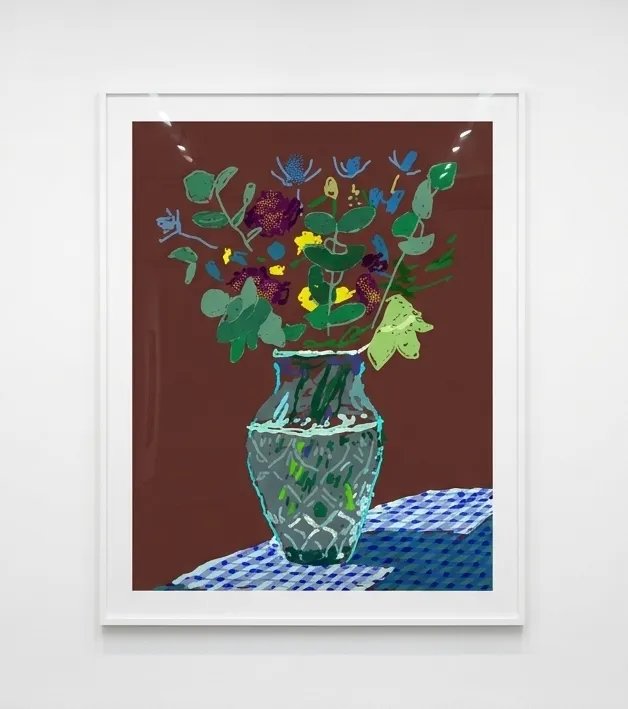
David Hockney
20th February, Jug with Flowers, 2021
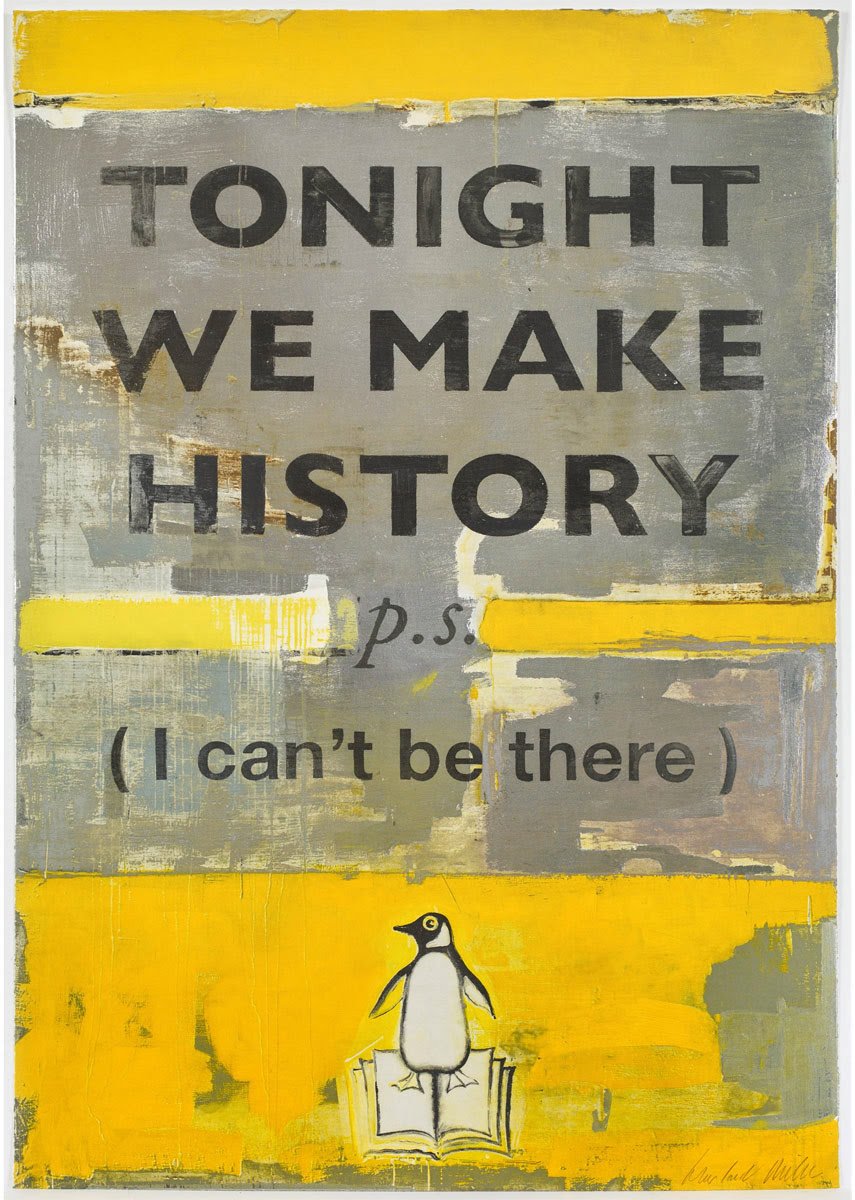
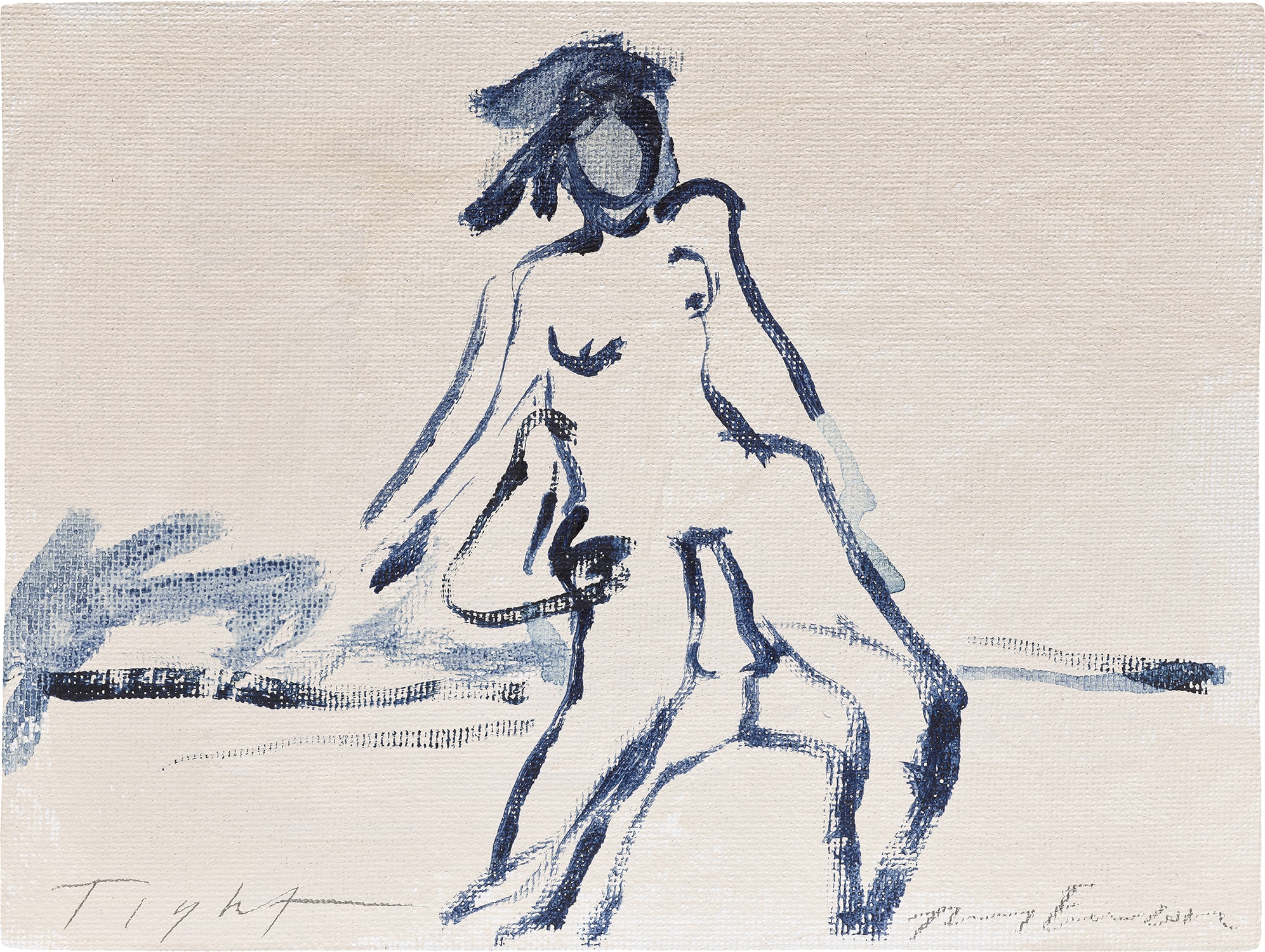
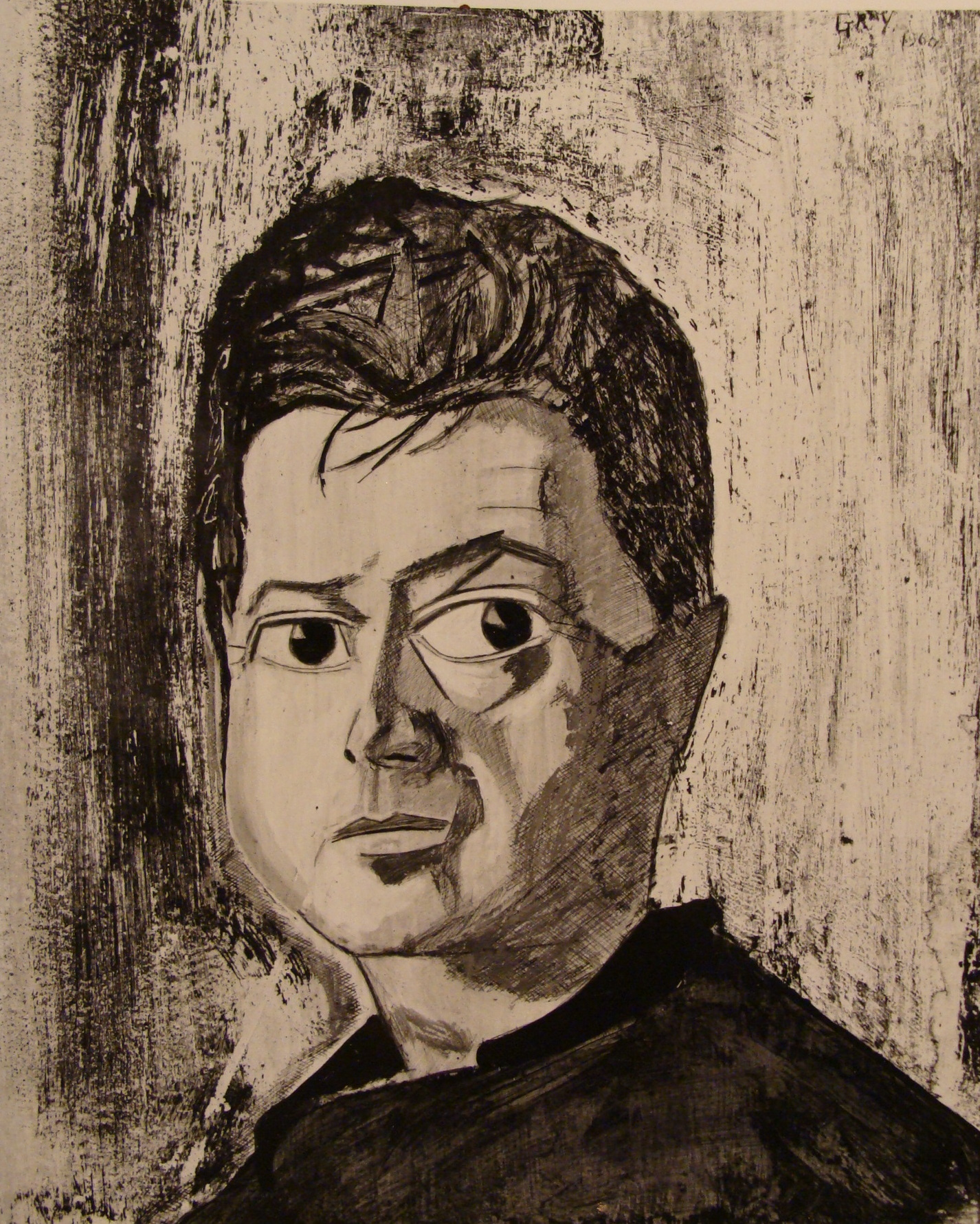
The question of value is where things become genuinely interesting. Grayson Perry and Tracey Emin both represent what might be called the emotionally autobiographical strand of British art, where the personal and the political are inseparable from the object itself. Both have strong institutional support, with Perry's retrospectives at the Holburne Museum and the National Portrait Gallery reinforcing his cultural standing, and Emin's long association with major international exhibitions keeping her firmly in view. Harland Miller occupies a compelling position, his large scale text paintings referencing both literary culture and the legacy of Pop in a way that reads as both nostalgic and sharply contemporary.
For collectors focused on long term value, Bridget Riley remains one of the most rigorous and undervalued propositions in the secondary market relative to her genuine art historical importance. For those interested in emerging or underrecognised opportunities, the picture is equally compelling. Idris Khan has been building a serious body of work that layers photographic and musical notation references into densely beautiful objects, and his auction results have been quietly strengthening. Eddie Peake is younger and more volatile in terms of market trajectory, but his engagement with performance, video, and painting makes him one of the more genuinely ambitious artists working in Britain today.
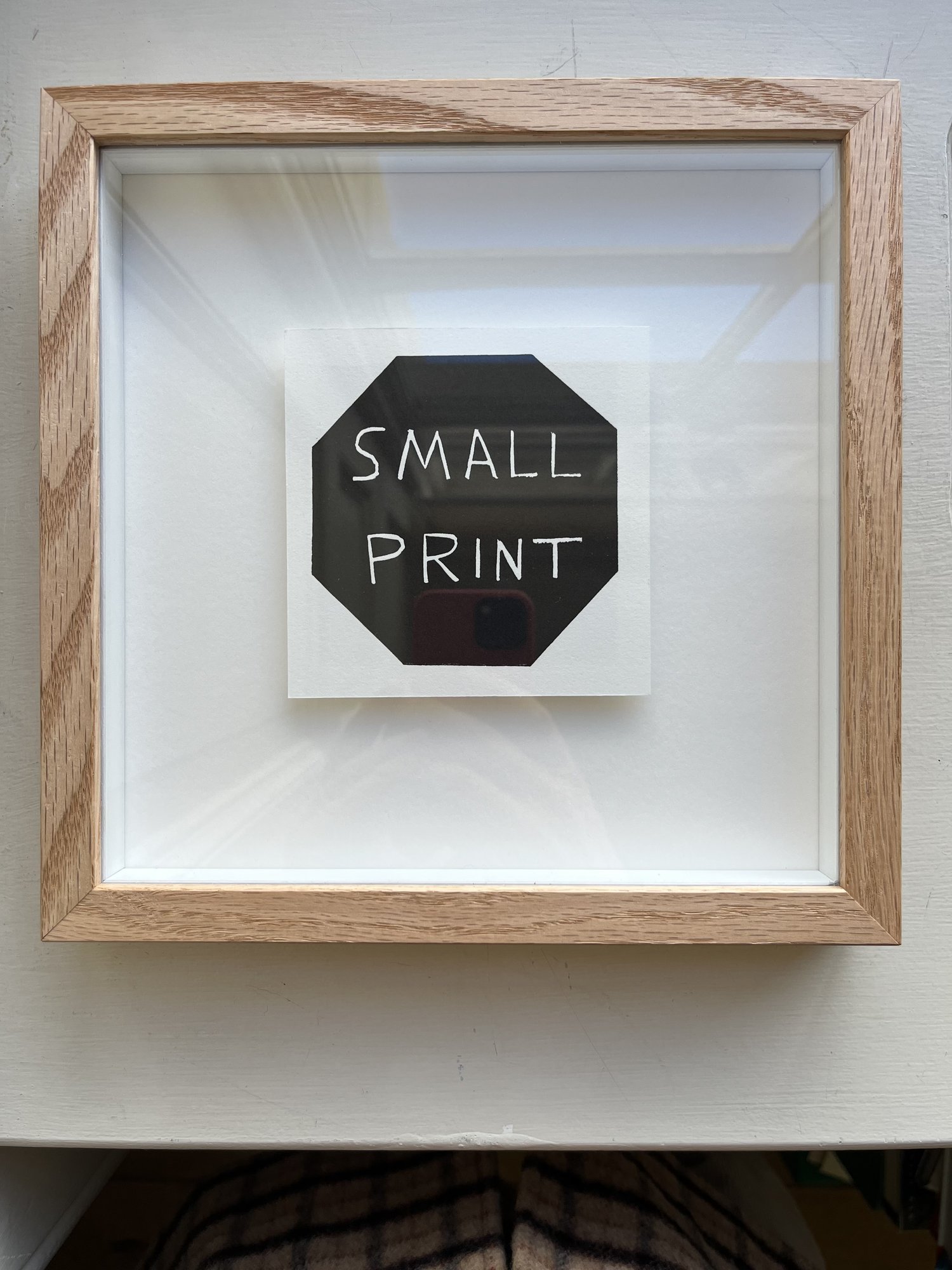
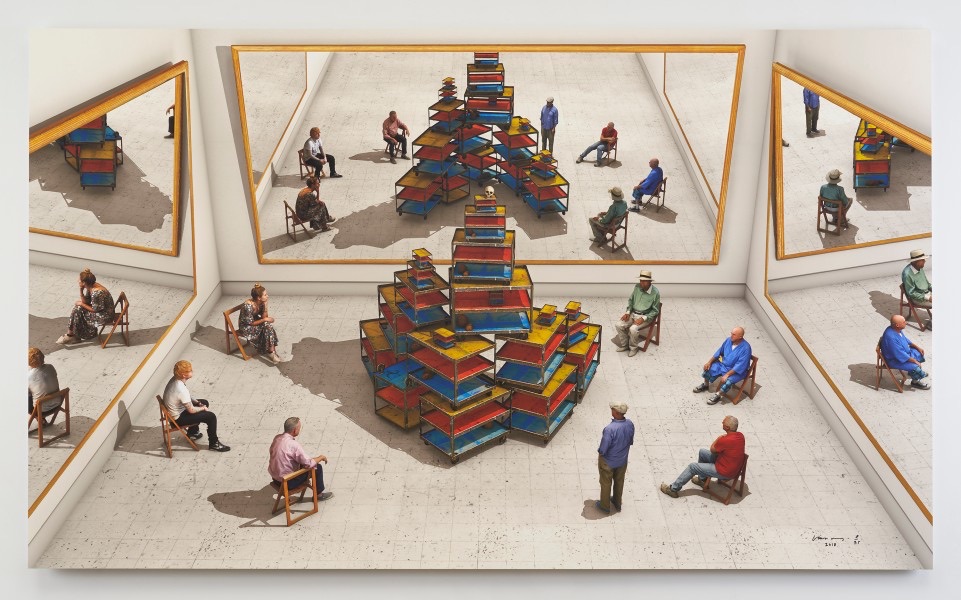
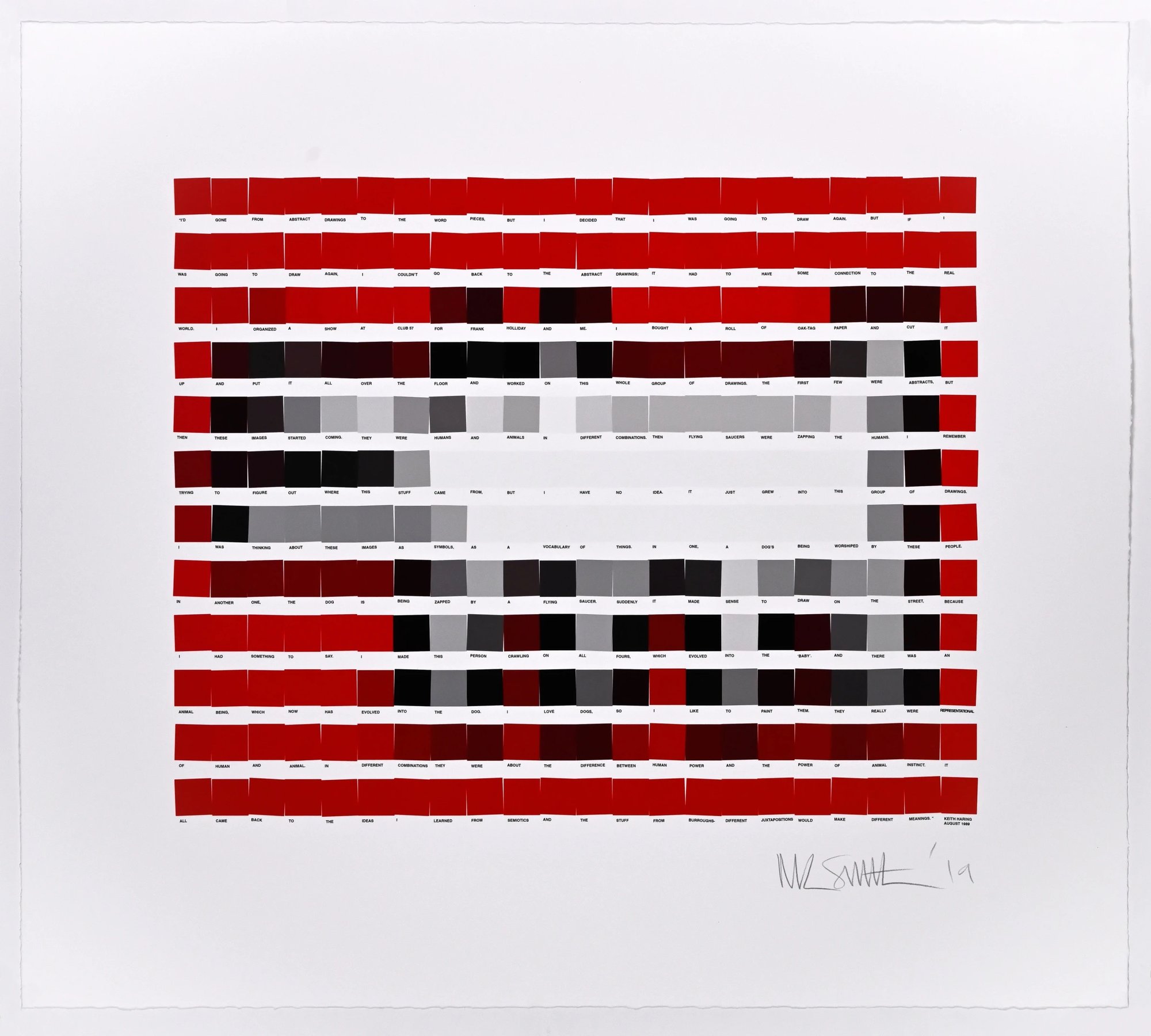
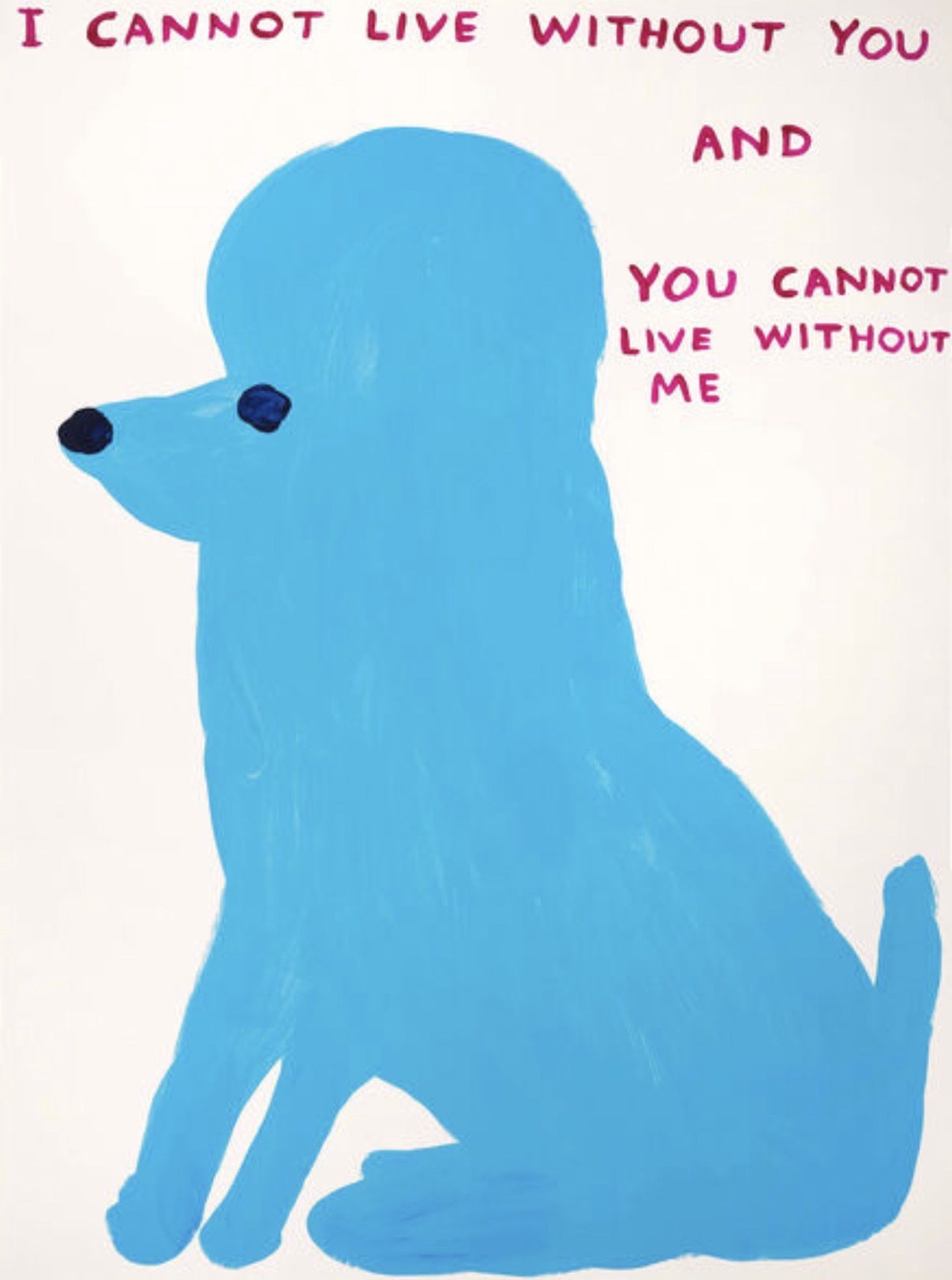
David Shrigley
Small Print, 2023
Gavin Turk, who has been making work since the early 1990s and was famously denied his degree show by the Royal College of Art, remains a figure whose influence on subsequent generations of British artists has not yet been properly priced into the market. These are the kinds of opportunities that patient collectors with genuine art literacy are well positioned to identify before wider recognition drives prices upward. Auction performance for British art across the secondary market tells a nuanced story. The YBA generation, which emerged with such force through Charles Saatchi's early championing and the 1997 Sensation exhibition at the Royal Academy, produced enormous auction highs in the mid 2000s that subsequently corrected.
Hirst's 2008 Beautiful Inside My Head Forever sale at Sotheby's, held at the height of the financial crisis, represented both a peak and a turning point. Since then, the market has matured into something more discerning, with premium prices reserved for works of genuine quality and provenance rather than name recognition alone. Peter Doig has shown consistent strength at auction, with buyers recognising that his slow, methodical output and institutional profile create natural scarcity. Marc Quinn, particularly his sculptural work, has found a stable collector base that tends to hold rather than flip.
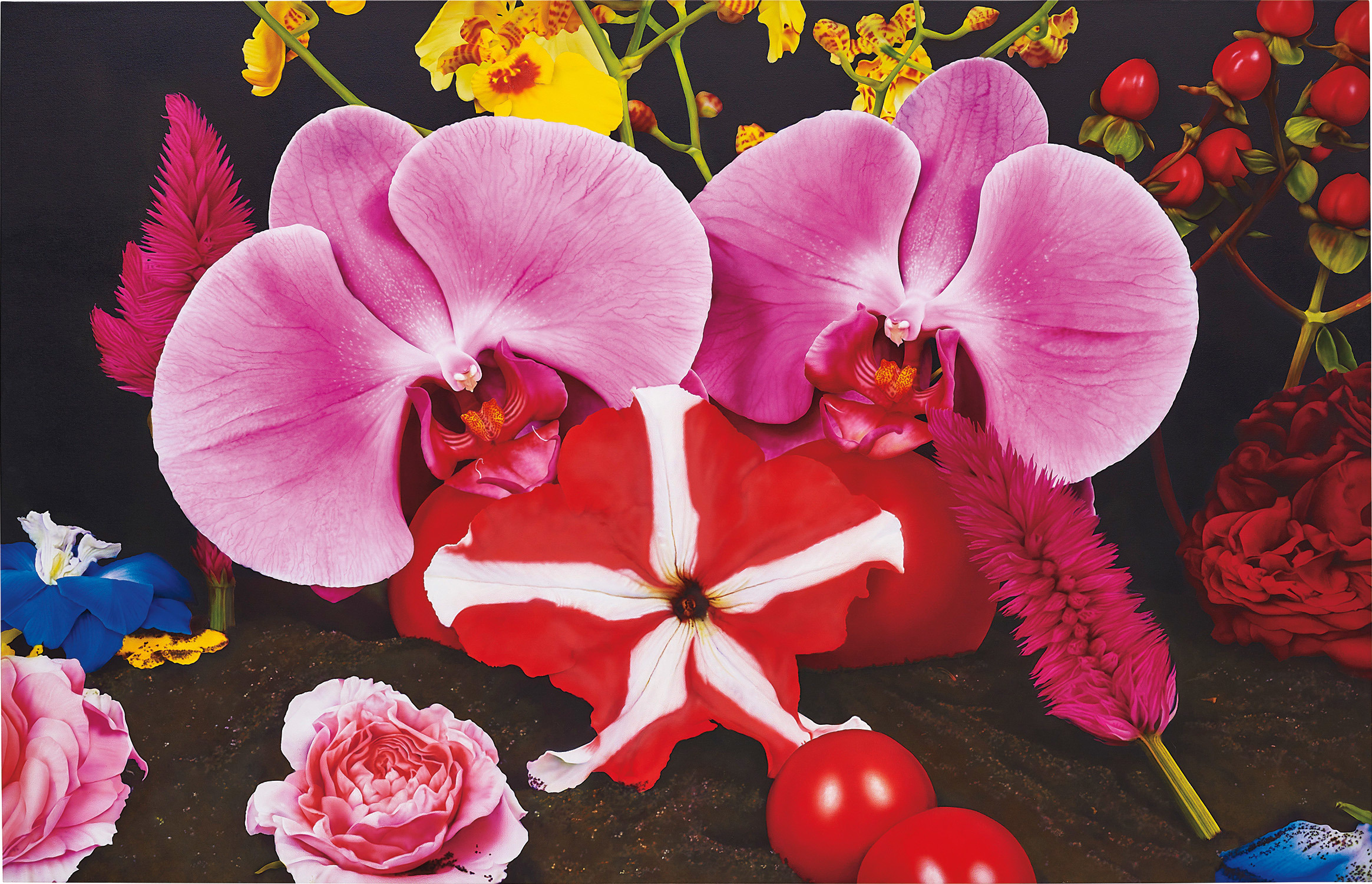
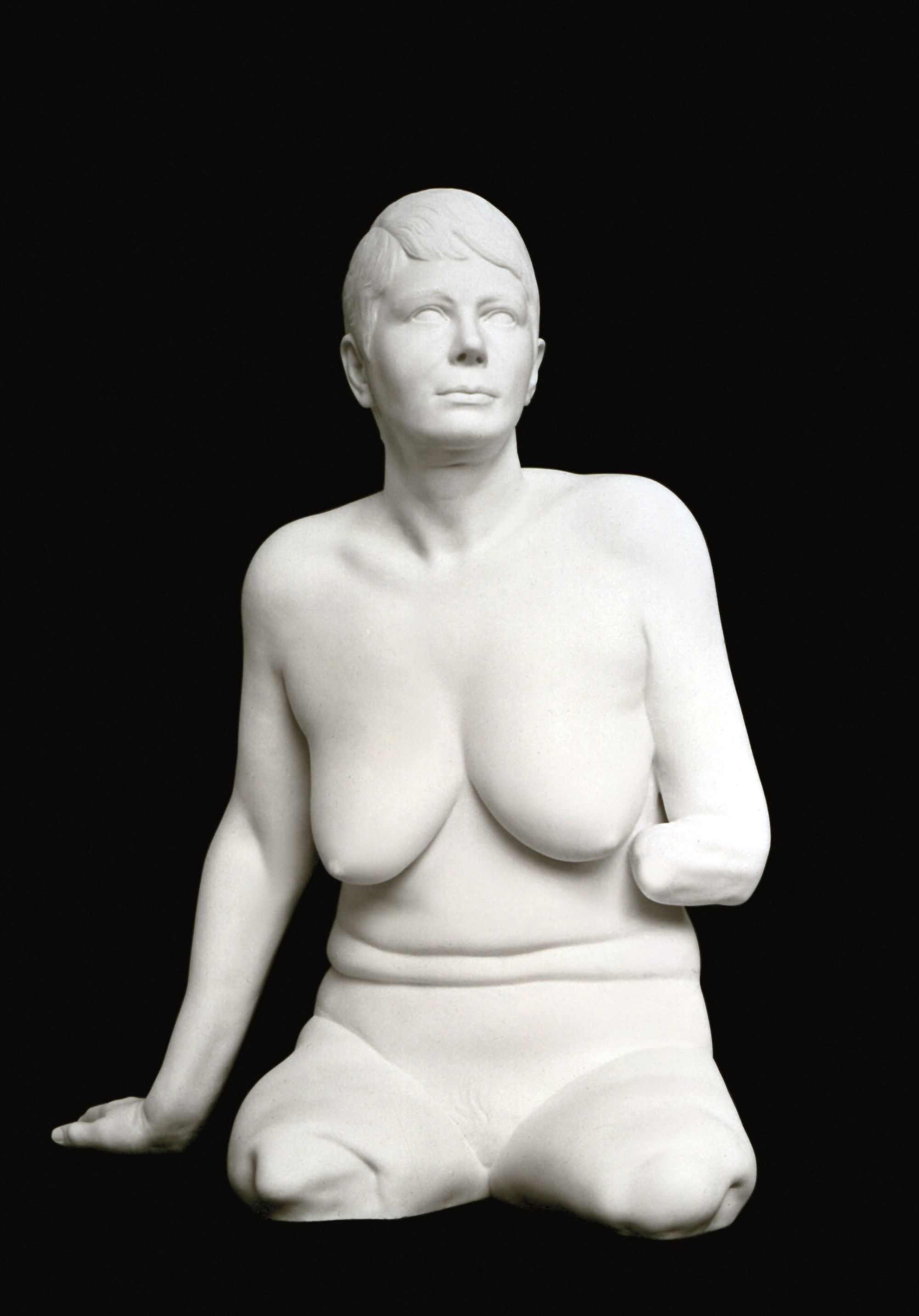
Marc Quinn
Under the Volcano (Pinacate, Mexico), 2012
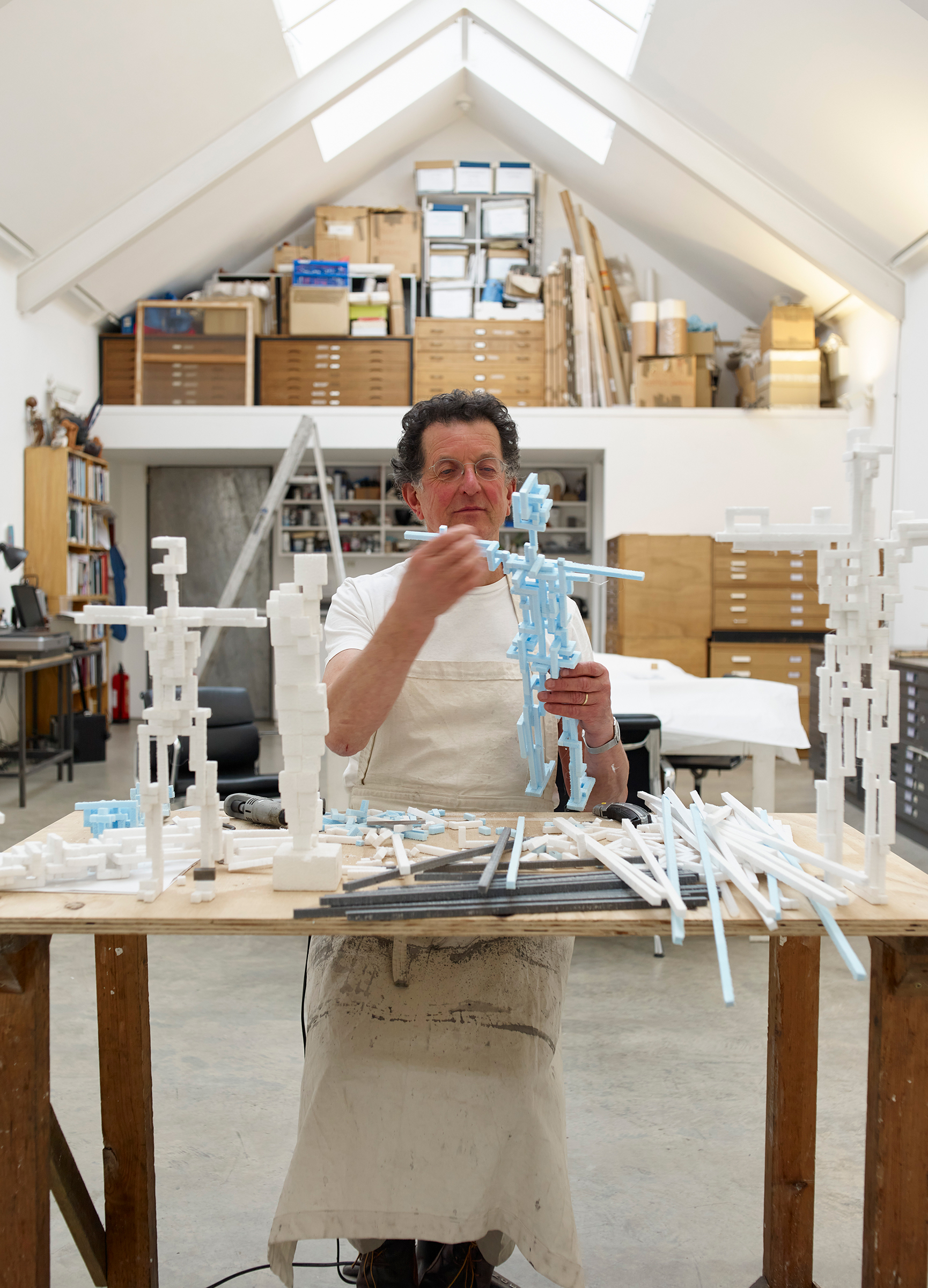
Practical considerations matter enormously when collecting British art. Works on paper, which are abundant across this tradition from Hockney's early drawings to Antony Gormley's body studies, require careful attention to light exposure and framing. Editions deserve particular scrutiny: limited prints by Julian Opie or Banksy carry very different weight depending on edition size, whether they are signed, and how consistently the artist has managed the print market. Unique works almost always outperform editions of any size over a long time horizon, which is worth bearing in mind when comparing price points.
When speaking with a gallery, always ask about exhibition history, institutional loans, and whether the work has been published in a catalogue. These are not bureaucratic details. They are the infrastructure of long term value, and any serious dealer will answer them without hesitation. British art rewards the kind of collector who is genuinely curious rather than merely acquisitive.
The tradition is deep enough and varied enough to sustain a lifetime of looking, and the works currently available through The Collection reflect that breadth honestly. From the monumental to the intimate, from the market proven to the quietly emerging, there is rarely a better moment to look carefully and trust what you see.