British Art
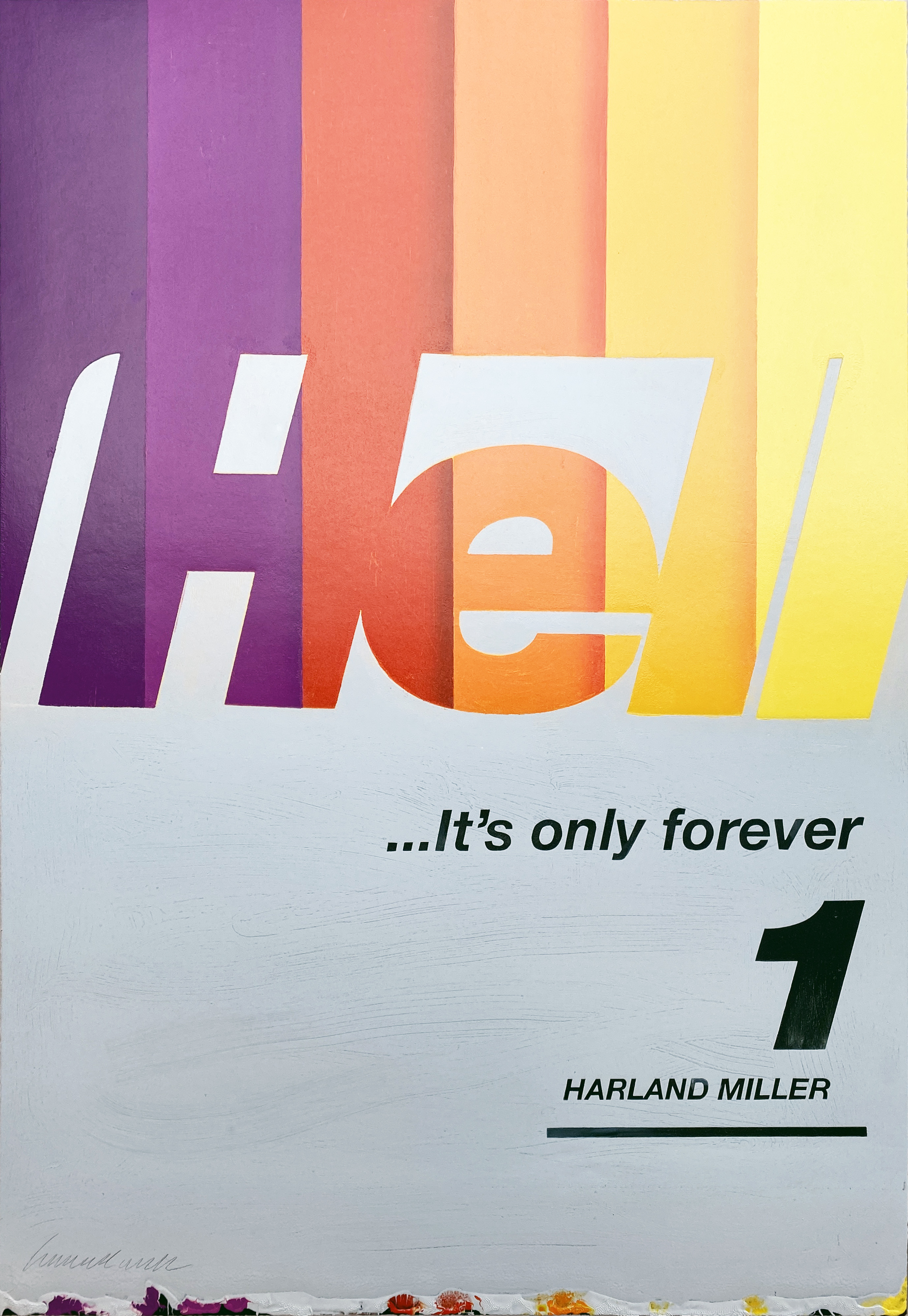
Harland Miller
Hell... It's only Forever 1, 2020

An Island Apart, A World Entire
There is something stubbornly singular about British art. It refuses easy categorisation, resists the grand theoretical manifestos that have driven continental and American movements, and yet it has produced some of the most viscerally affecting, intellectually restless, and culturally resonant work of the past two centuries. From the sublime landscapes of Turner to the confrontational installations of the Young British Artists, the tradition is not a straight line but a living argument, conducted across generations, about what art is for and who it belongs to. The story has long roots.
By the eighteenth century, Britain had developed a distinctive visual culture built around portraiture, landscape, and moral narrative. Hogarth established the template for an art that engaged directly with social life, unafraid of satire or discomfort. Reynolds and Gainsborough raised the status of British painting to a European level, while Turner and Constable, working at the turn of the nineteenth century, essentially invented the modern idea of landscape as an emotional and philosophical space rather than a mere backdrop. Turner in particular, with his late atmospheric canvases that dissolve form into light and weather, reads today as prophetic, a painter who seemed to intuit where art would need to go long before anyone else did.
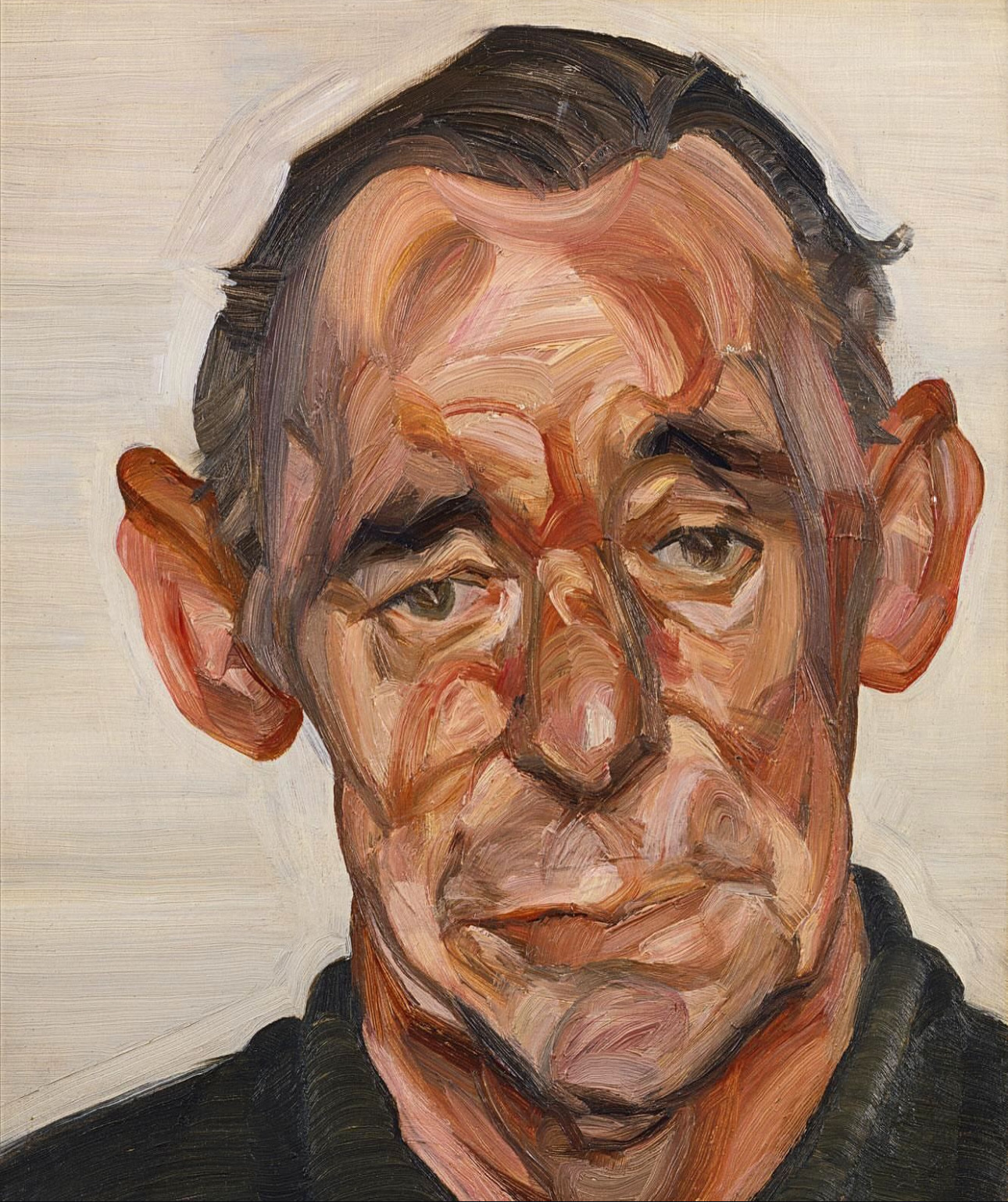
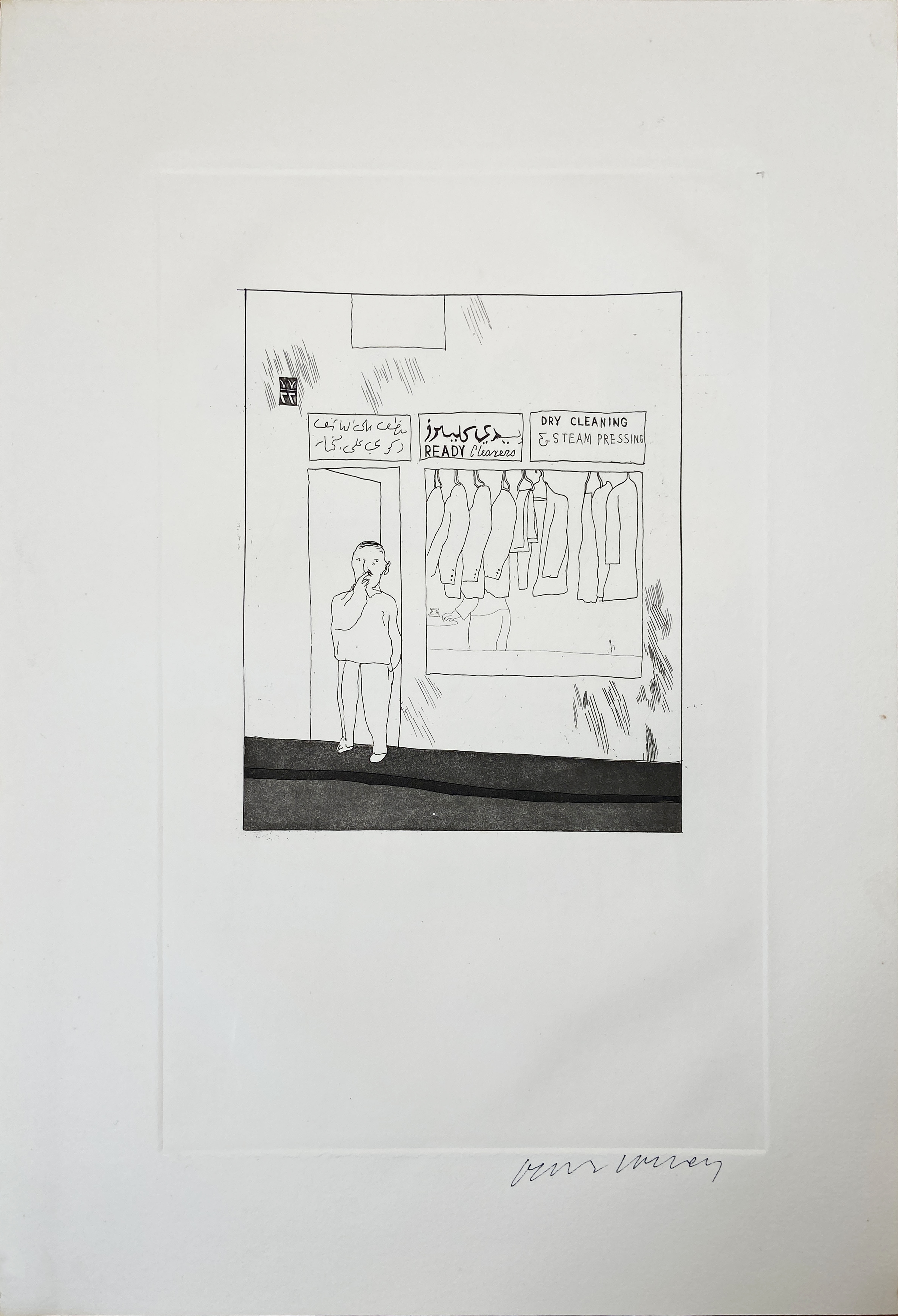
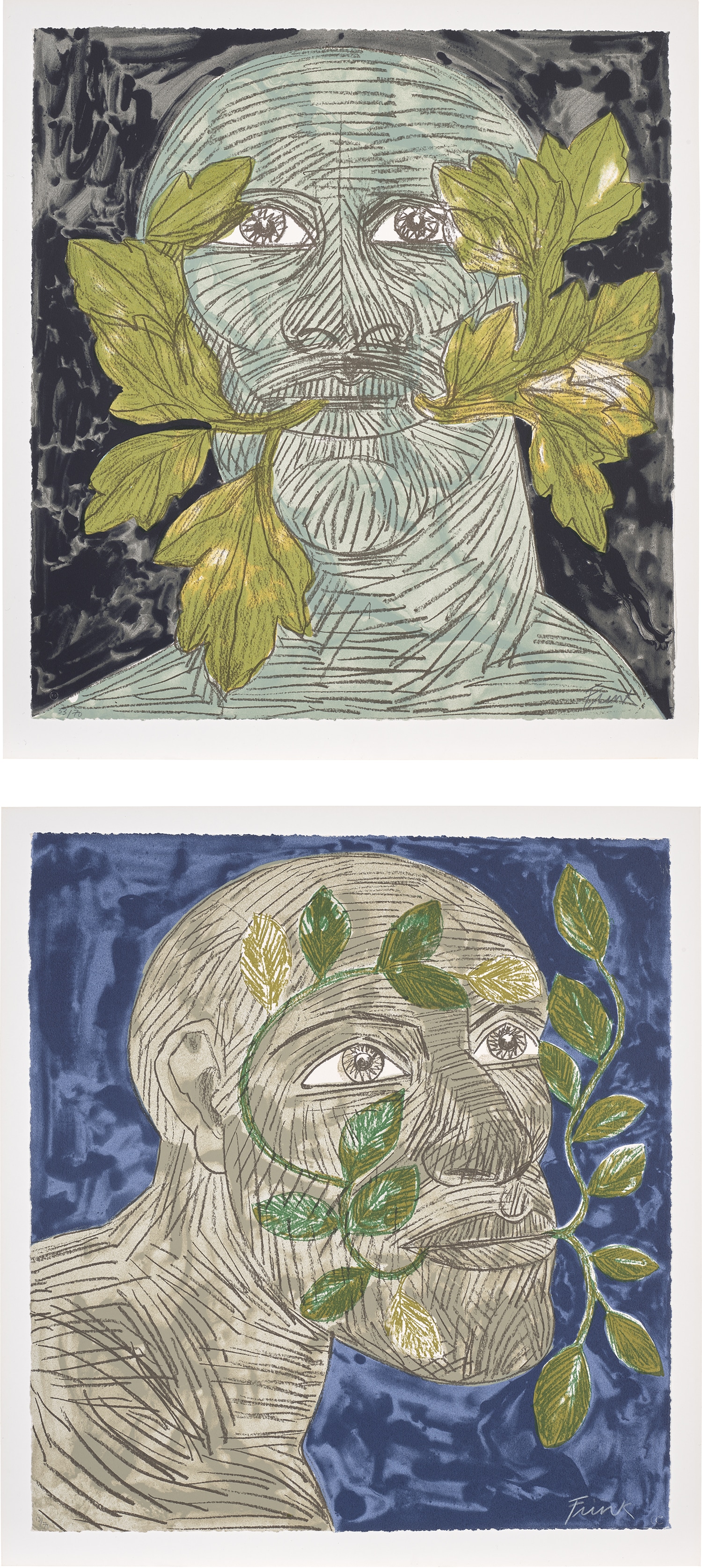
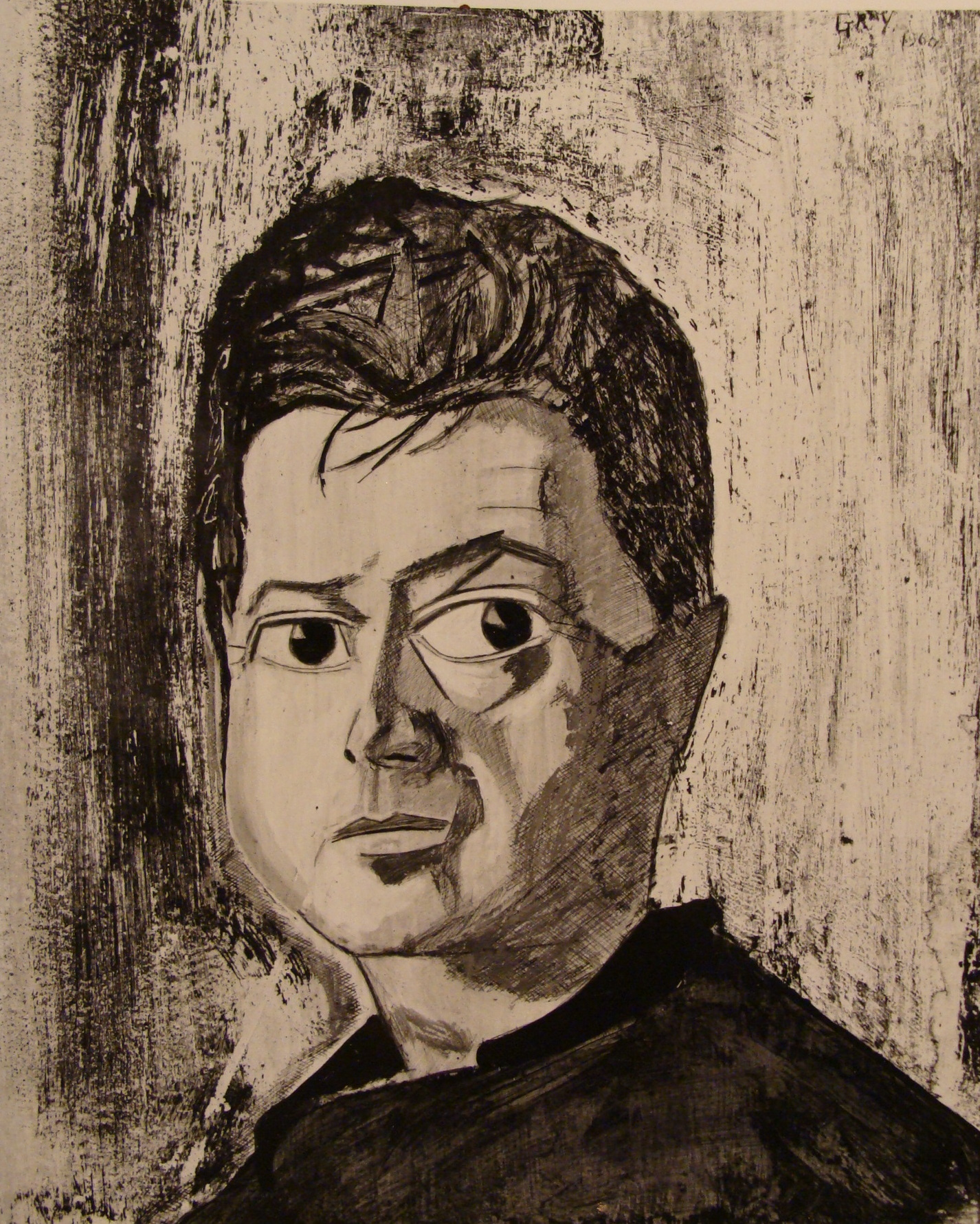
Lucian Freud
John Deakin, 1964
The twentieth century brought fragmentation and extraordinary vitality in equal measure. The two World Wars reshaped British culture profoundly, and artists responded with both anguish and formal innovation. Henry Moore, working through the 1930s and into the postwar decades, developed a sculptural language rooted in landscape, the human body, and archaic form that spoke to both individual vulnerability and collective endurance. His shelter drawings, made during the Blitz, remain among the most quietly devastating works produced in wartime Britain.
Around him, figures like Ben Nicholson pursued a rigorous geometric abstraction, while John Piper turned bombed buildings and ancient churches into haunted, romantic images that seemed to mourn civilisation itself. The 1950s and early 1960s marked another seismic shift. Francis Bacon, working in isolation and squalor in Soho, was producing paintings of screaming figures and contorted flesh that had no real precedent. His 1953 Study after Velázquez's Portrait of Pope Innocent X announced a new kind of existential dread in painting, intimate and operatic at once.
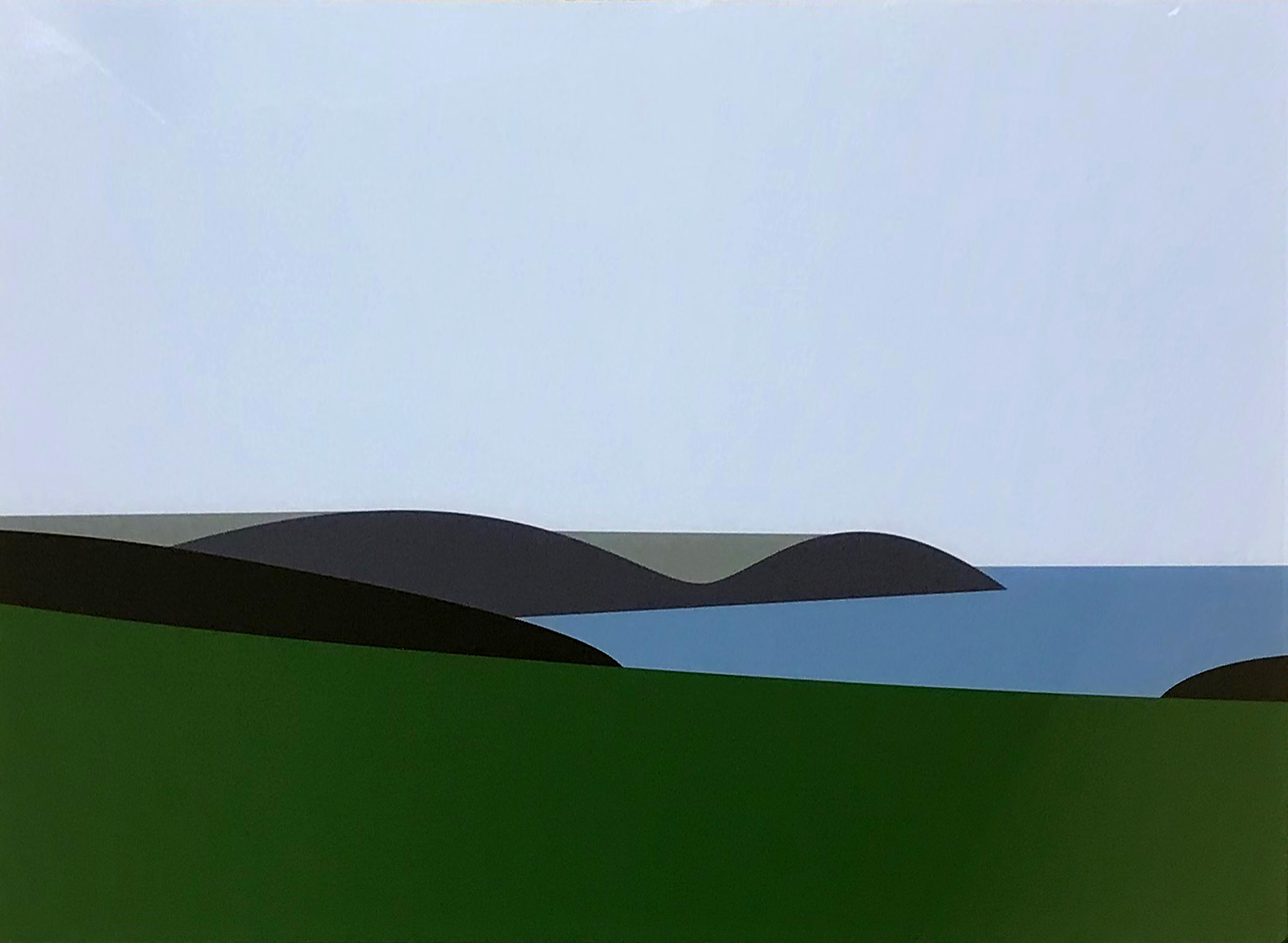
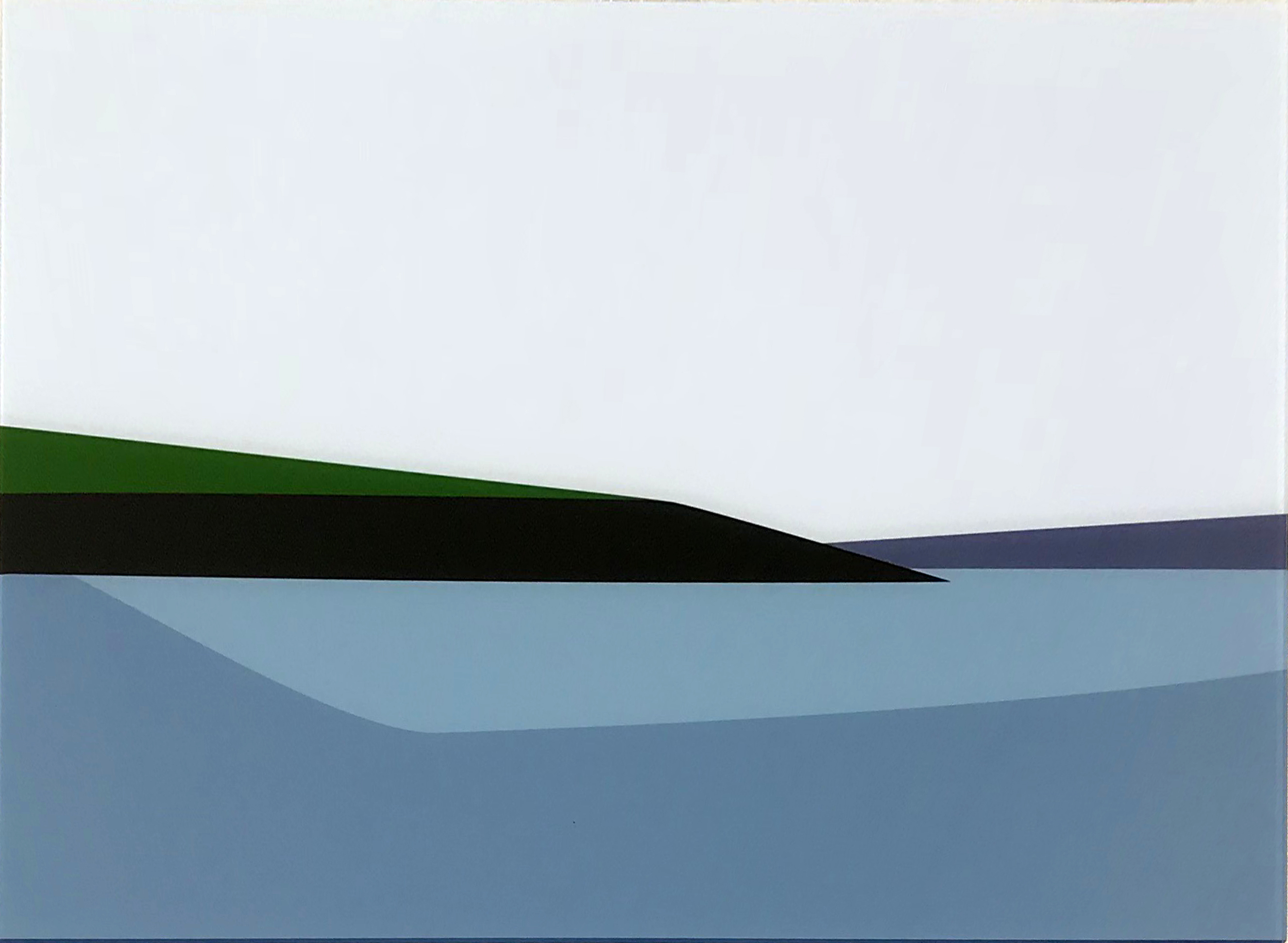
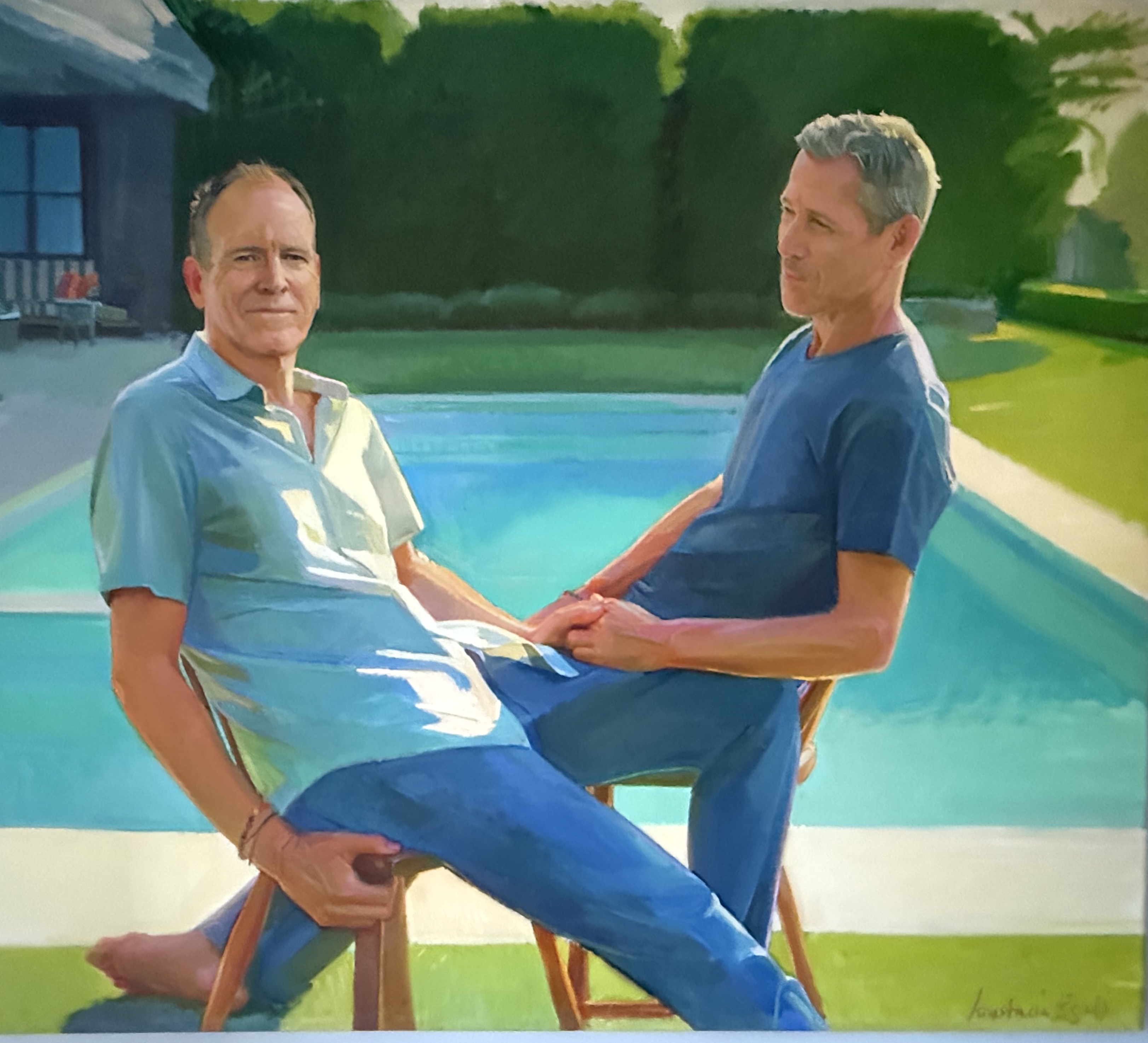
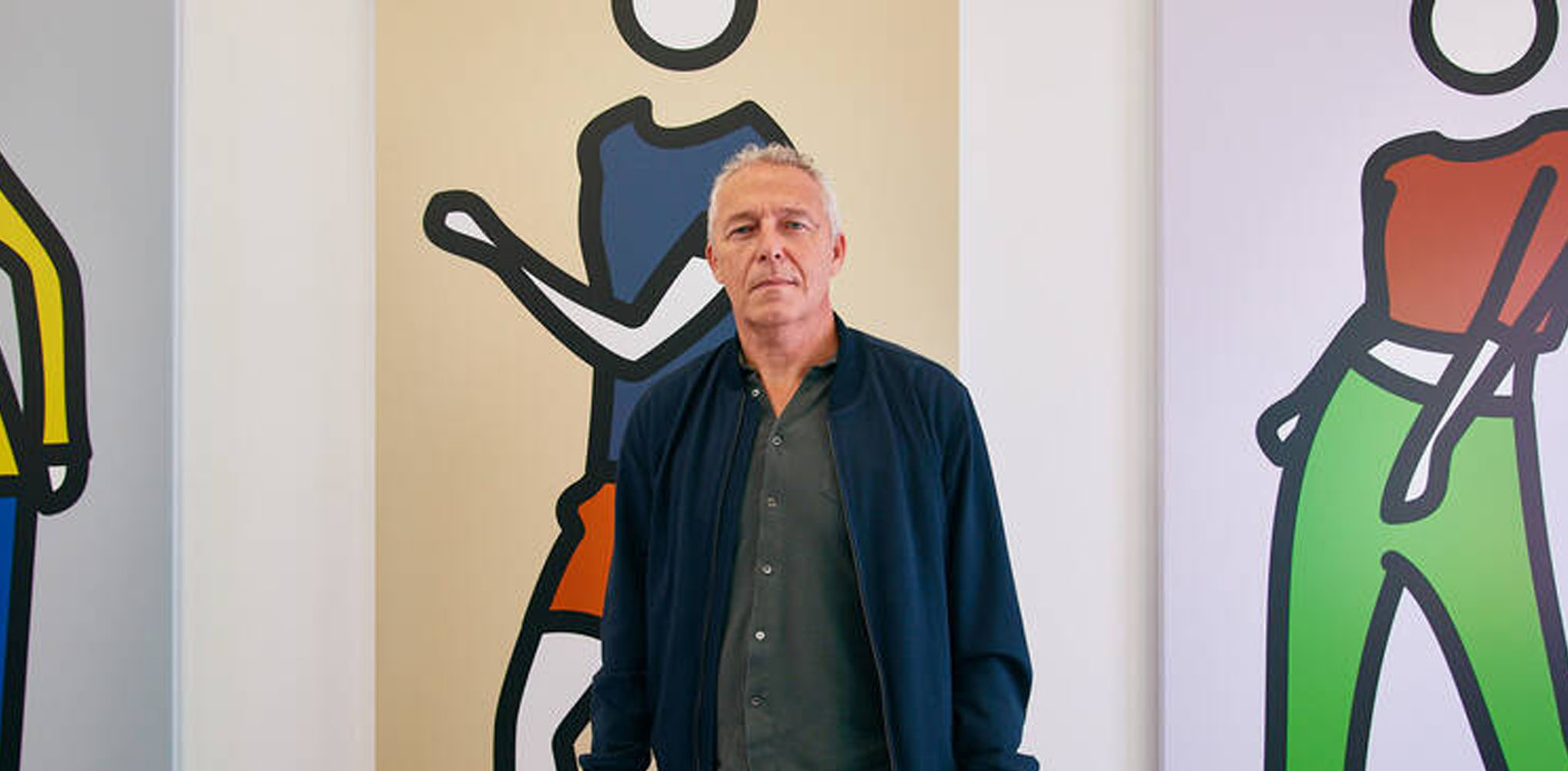
Julian Opie
Cornish Coast 2: Lantivet Coast, 2017
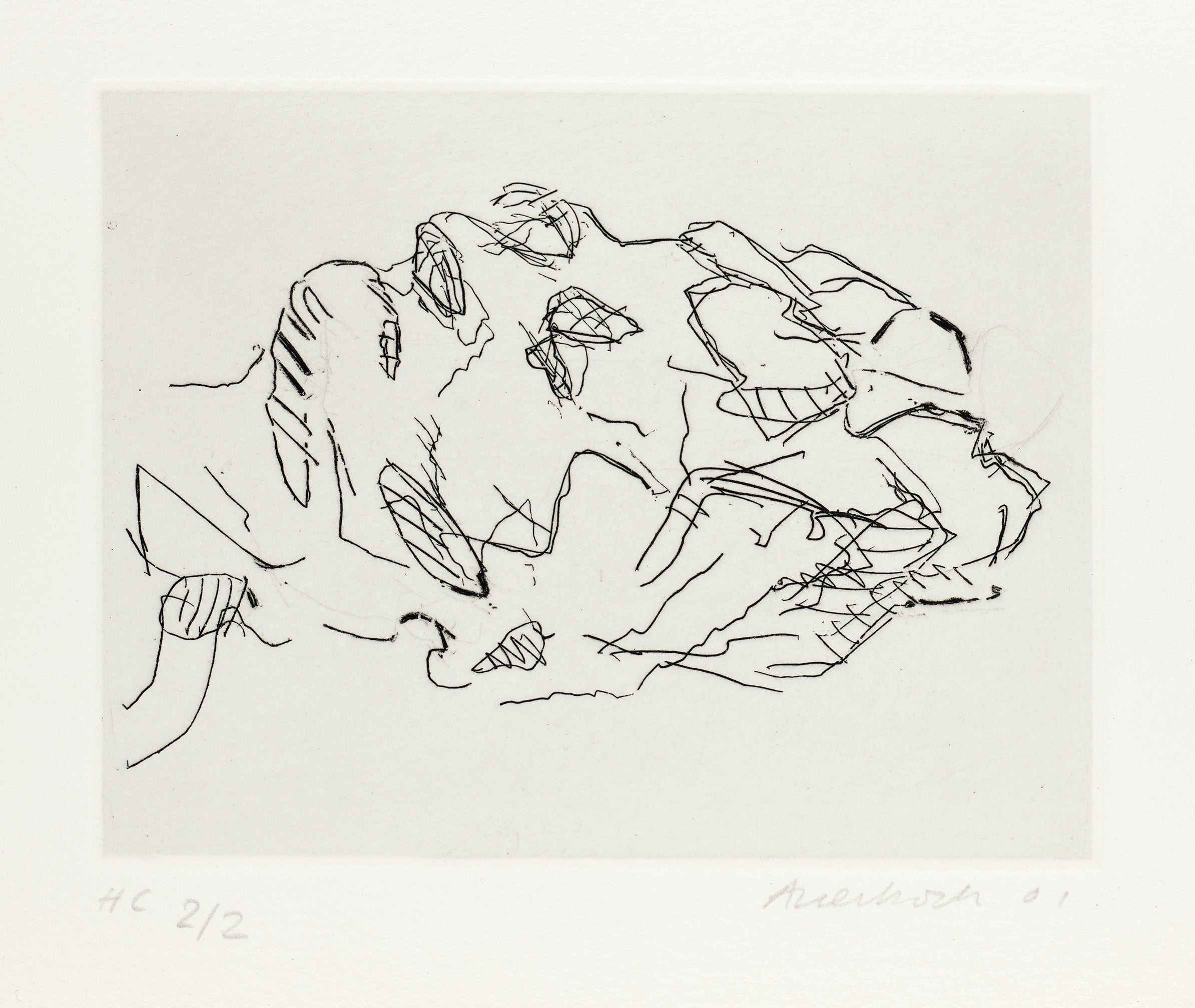
Lucian Freud, his friend and occasional rival, was developing a different kind of intensity: a slow, almost geological examination of the human body that would culminate decades later in monumental canvases of unflinching psychological weight. Frank Auerbach, a refugee who had arrived in Britain as a child and never really left, was building up surfaces so thick with paint they seemed less like pictures than excavations, the face of London emerging slowly from layers of accumulated looking. Pop Art arrived in Britain before it arrived in America, and that fact still tends to surprise people. Richard Hamilton's 1956 collage Just What Is It That Makes Today's Homes So Different, So Appealing, made for the This Is Tomorrow exhibition at the Whitechapel Gallery, is routinely cited as the first true Pop artwork.
Hamilton, who spent decades producing meticulous, ironic investigations of consumer culture and media spectacle, set the terms for a tradition that would eventually encompass Peter Blake, whose warmth and nostalgia gave British Pop its particular flavour, and later the entire YBA generation. The 1960s also produced L.S. Lowry, whose matchstalk figures moving through the smoky industrial towns of the North had been visible since the 1930s but only received mainstream recognition late in his life.
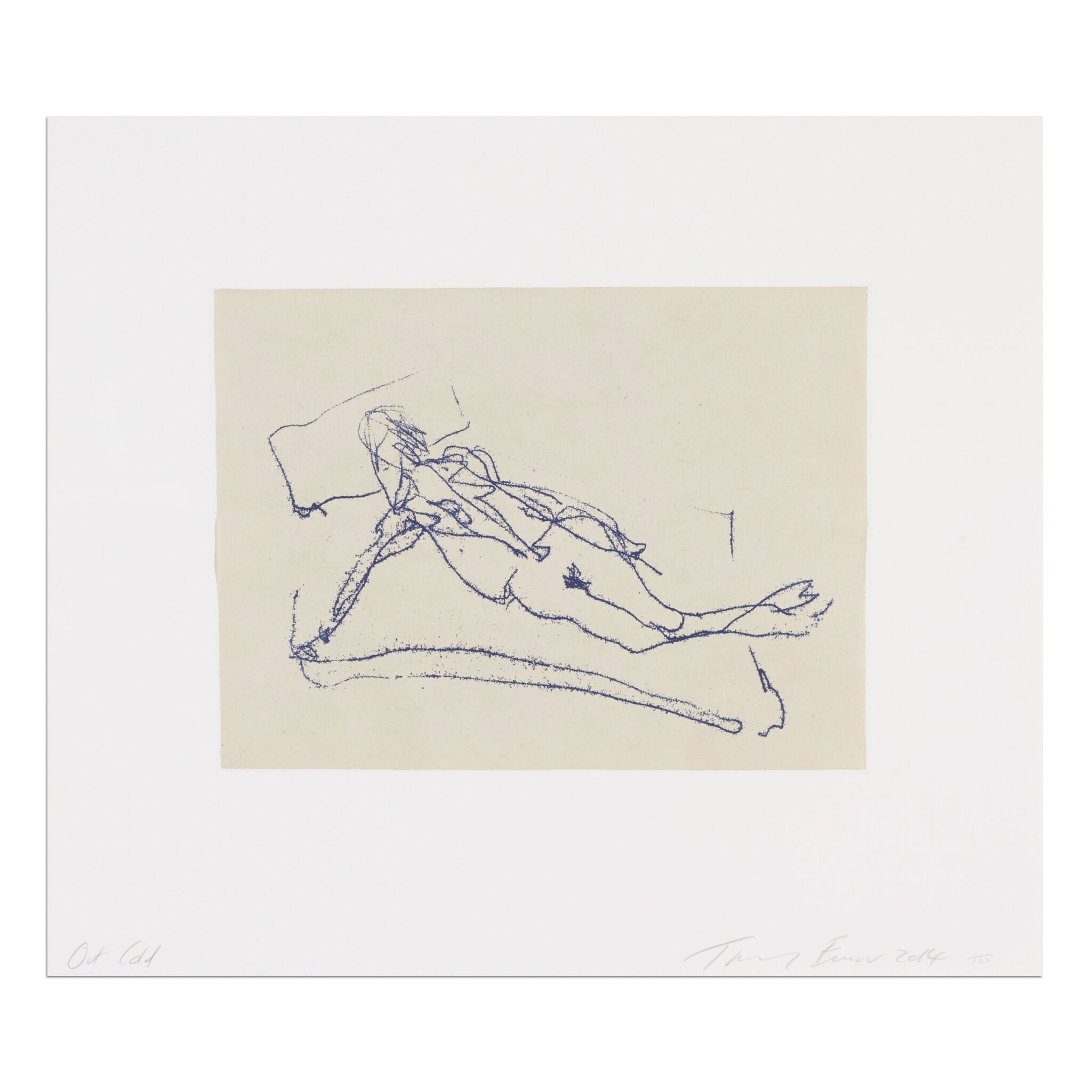
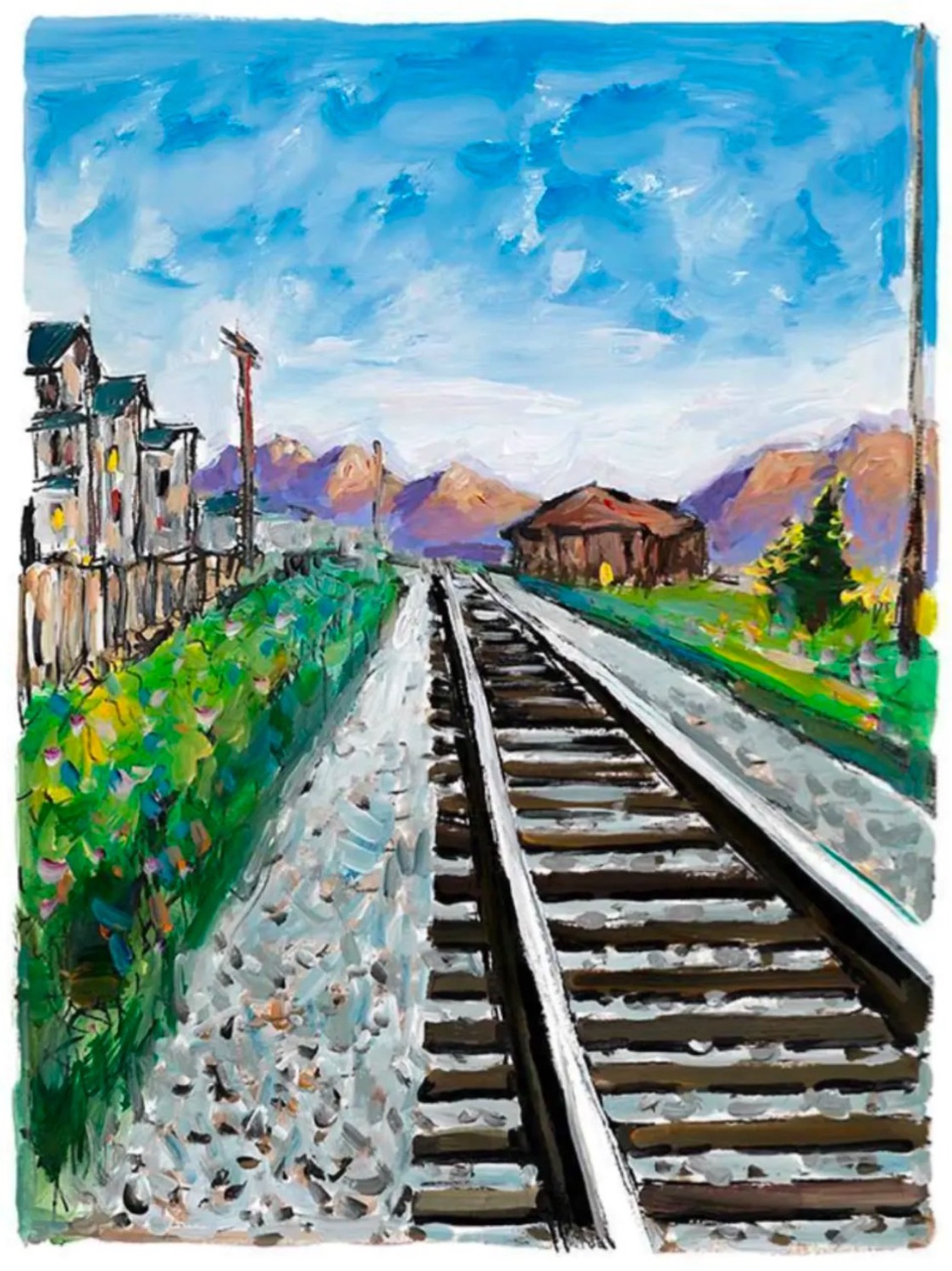
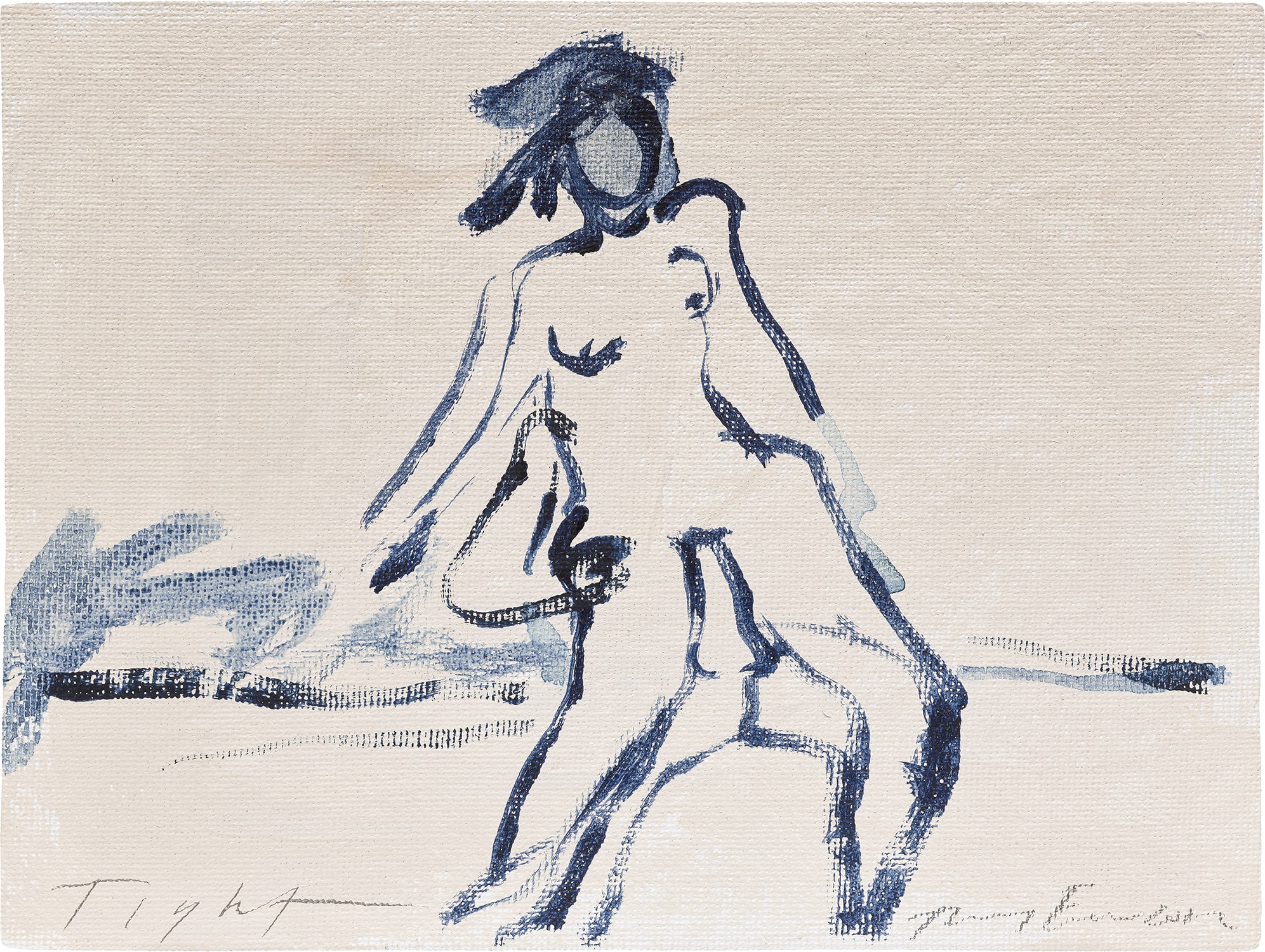
Tracey Emin
Out Cold
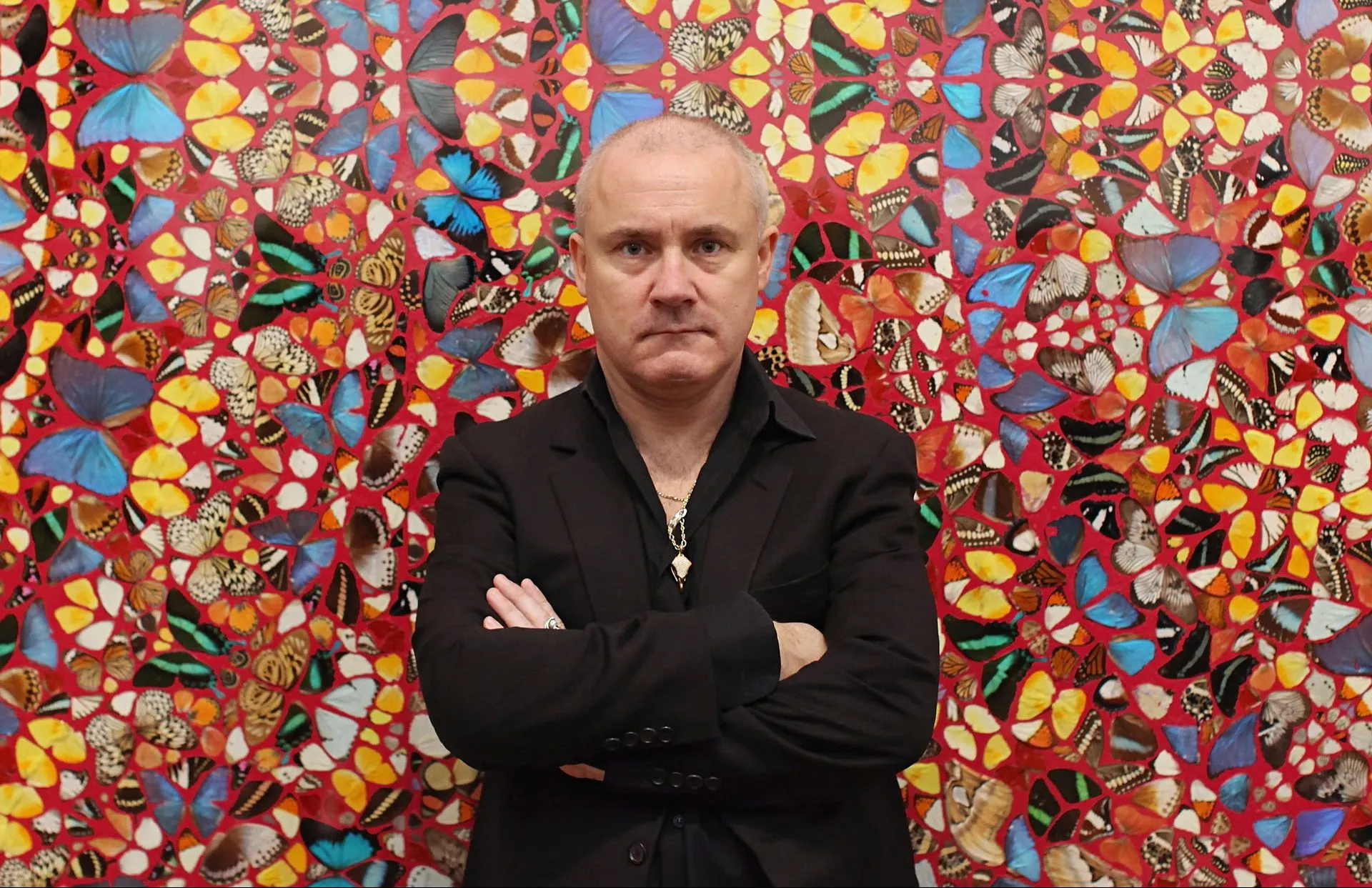
Lowry remains one of those artists the establishment takes time to catch up with, a genuinely original vision that did not fit the categories available to it. The period from roughly 1988 to the late 1990s remains the most globally influential chapter in recent British art history. The Freeze exhibition, organised by a twenty two year old Damien Hirst in a Docklands warehouse in 1988, introduced a generation of artists who were irreverent, media savvy, and entirely unafraid of spectacle. Hirst's spot paintings and vitrines, Tracey Emin's confessional installations, Sarah Lucas's crude and funny sculptures made from everyday objects: together they constituted a movement that repositioned London as the centre of the contemporary art world for at least a decade.
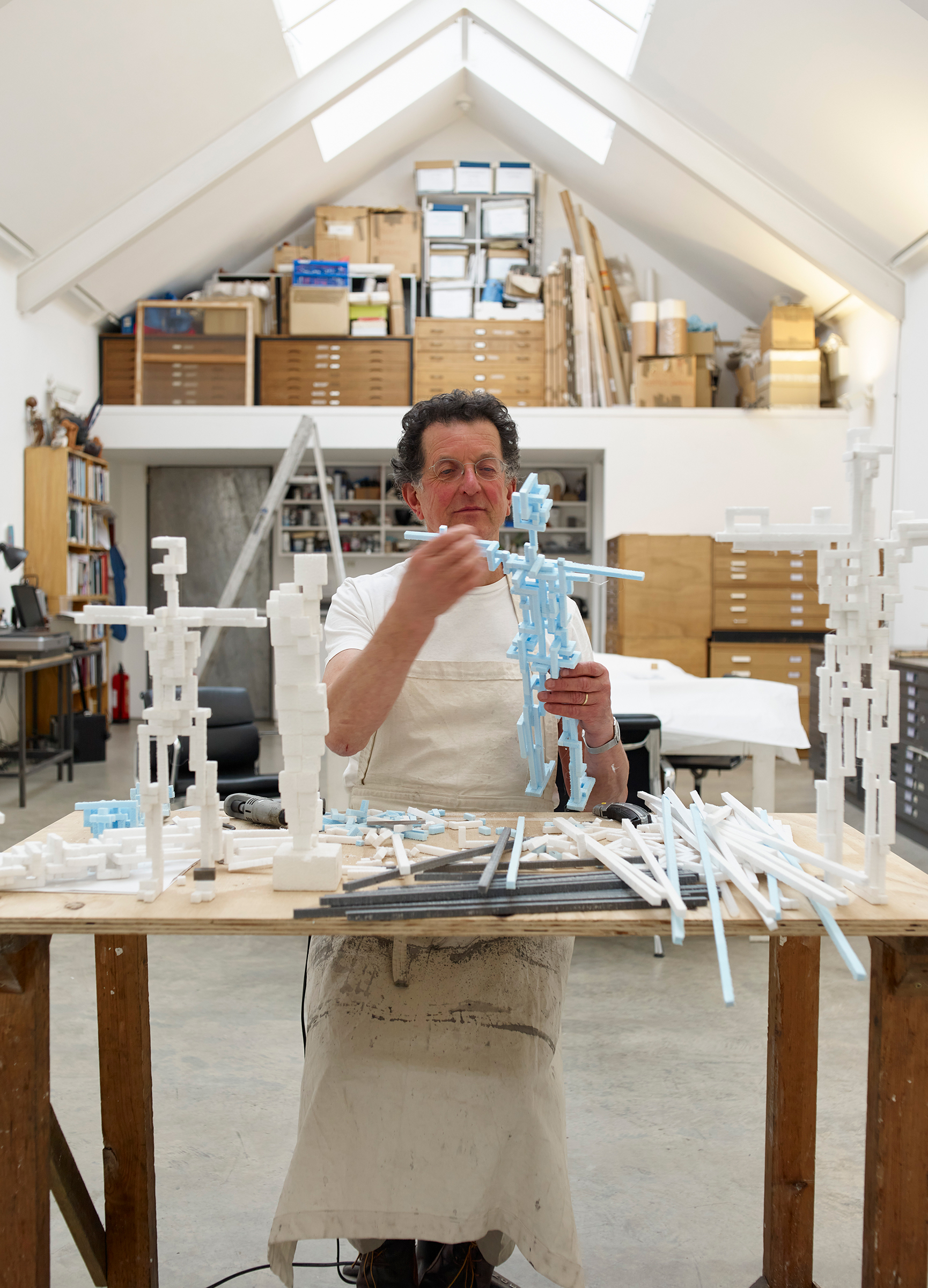
The Royal Academy's Sensation exhibition in 1997 brought these works to a wider audience and generated exactly the controversy the artists had anticipated. What followed the YBA moment was not a collapse but a diversification. Artists like Antony Gormley pursued a quieter, more philosophical investigation of the body in space, culminating in public projects of extraordinary ambition. Grayson Perry was making ceramics that looked traditional but contained some of the sharpest social commentary in contemporary British culture.
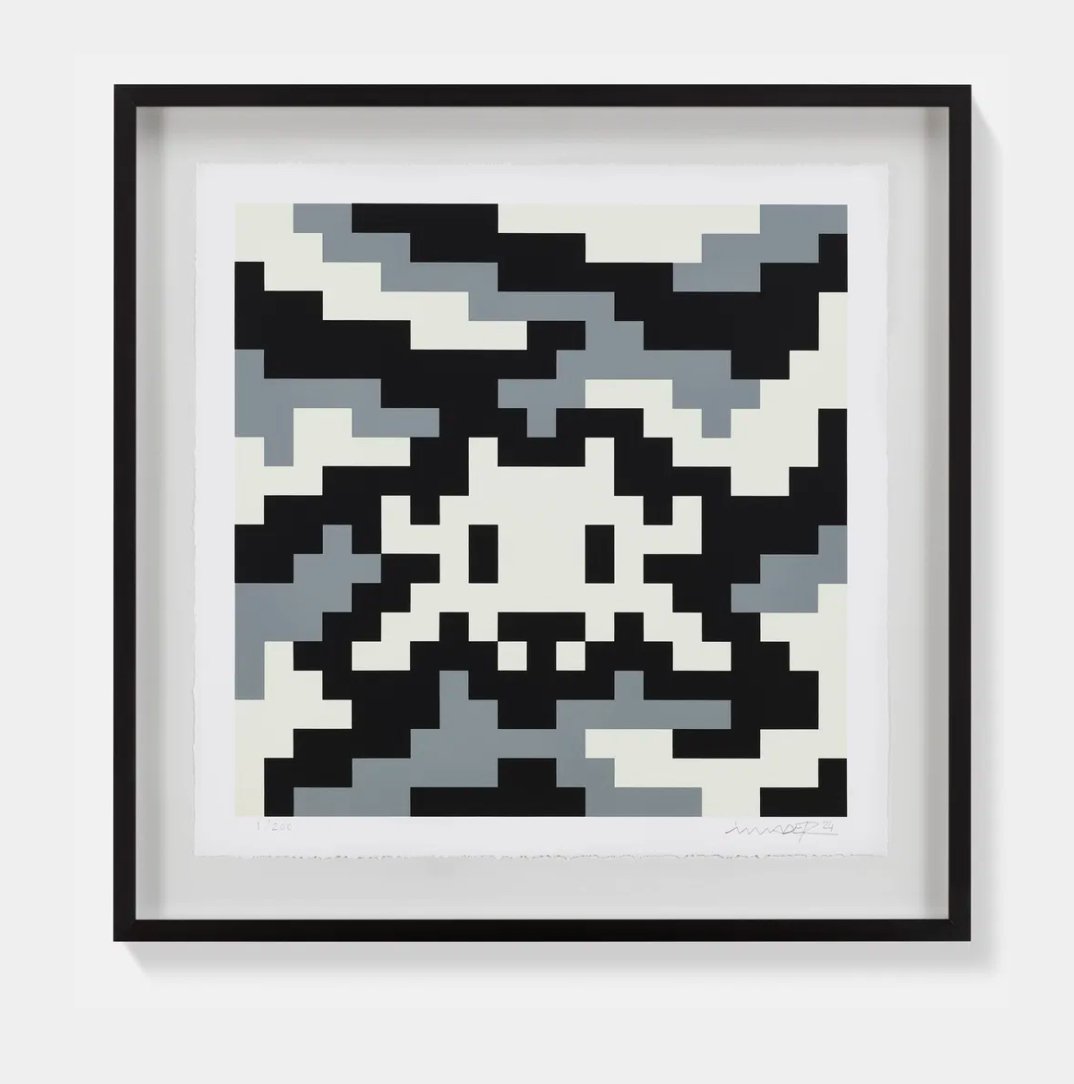
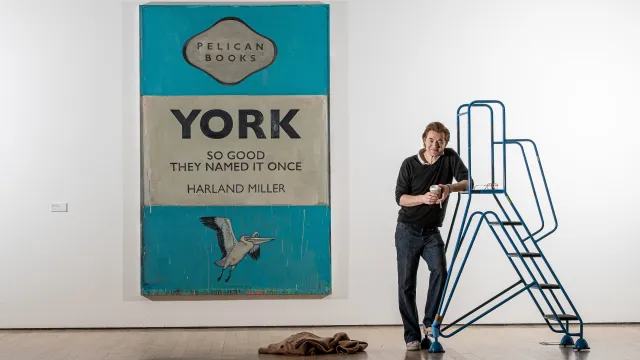
Harland Miller
Hell... It's only Forever 1, 2020
Julian Opie developed a graphic language so stripped back it seemed almost anonymous, yet unmistakably his. Harland Miller began combining the vernacular design of Penguin paperback covers with painting and text to produce works of real wit and melancholy. Howard Hodgkin, until his death in 2017, continued producing paintings that translated memory and emotional experience into abstract fields of colour with a lyricism few could match. British art is well represented on The Collection, spanning figures who defined movements and those who quietly redefined them.
Looking across works by artists from Bacon and Freud to Hurvin Anderson and Issy Wood, what becomes clear is the persistent thread connecting them: a refusal to be purely decorative, a tendency to use visual pleasure as a vehicle for something more demanding. Whether it is the intimate catastrophes of Emin's early work or the graphic certainty of Opie's urban figures, British art keeps returning to the question of what it means to be human, and more specifically, what it means to be human in this particular place, at this particular moment. That is not a small question, and the answers have been anything but. Collecting British art today means engaging with one of the richest and most contested traditions in the world.
It means sitting with contradictions: between sentiment and brutality, between craft and concept, between the parochial and the universal. It means recognising that the best British artists have never been comfortable, and that their discomfort is precisely the source of their enduring power.