Avant-Garde Pioneer
Marcel Duchamp
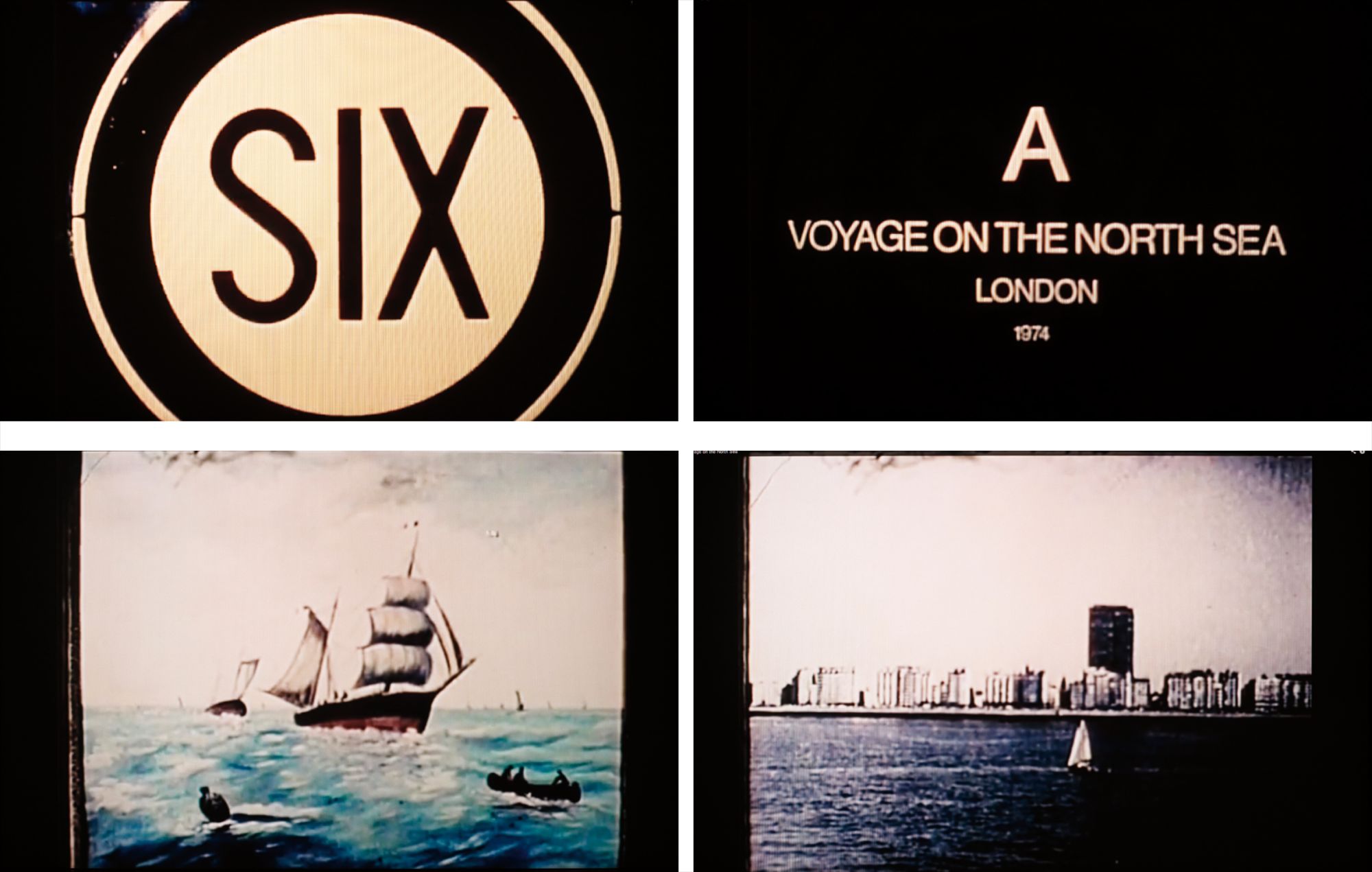
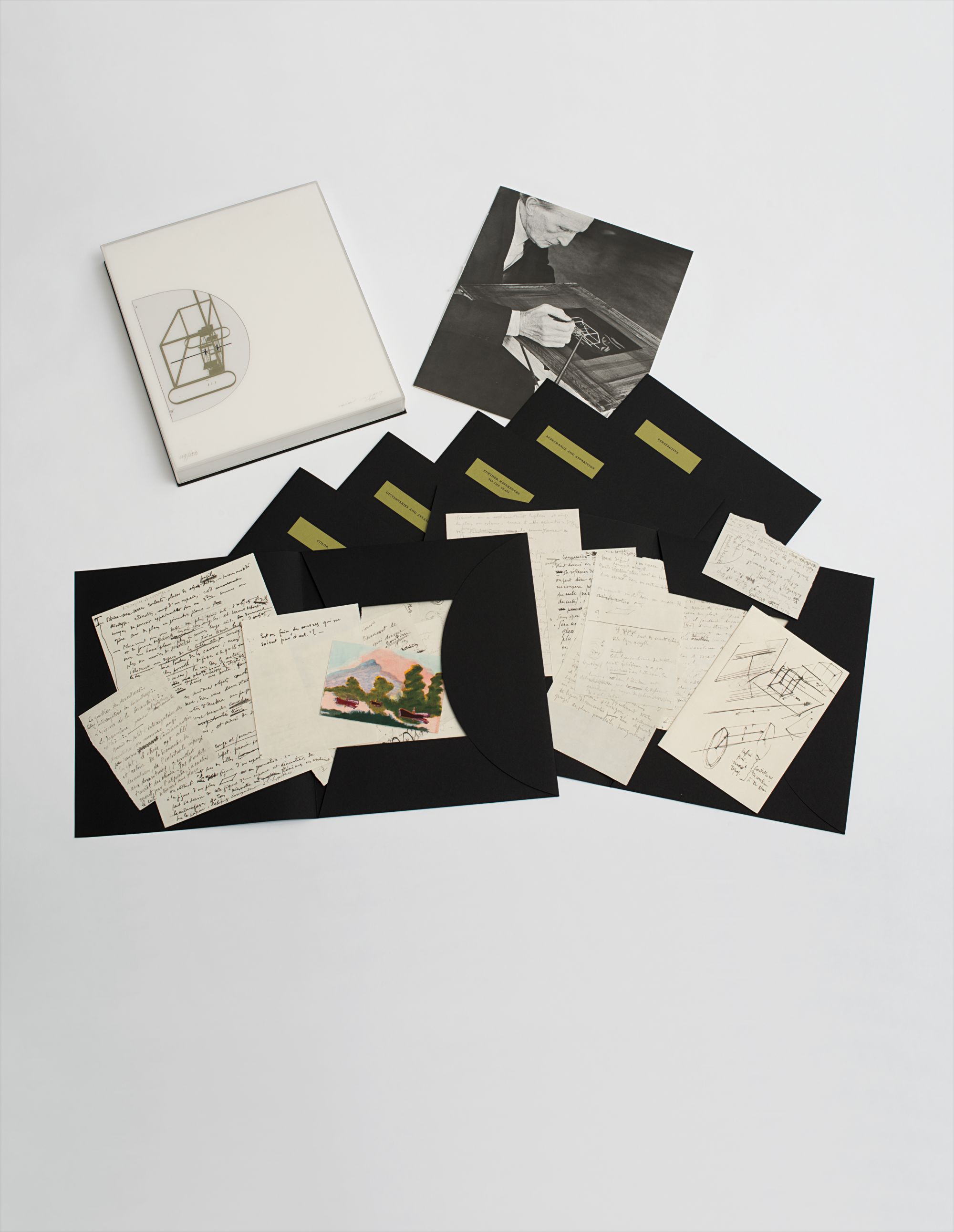
A l'Infinitif (The White Box)

The Rebels Who Remade Everything Still Win
There is a particular kind of collector who finds themselves drawn to avant garde work not despite its difficulty but because of it. These are people who want art that asks something of them, that refuses to settle into the background and become decoration. Living with a work by Kazuo Shiraga or Atsuko Tanaka is not the same as living with a landscape or a still life. The energy in the room changes.
Something is always being proposed, always being questioned. That friction is precisely the point, and for collectors who have experienced it, almost nothing else will do. The category itself rewards patience and genuine curiosity. Avant garde works from the postwar period, roughly the 1950s through the early 1970s, represent some of the most intellectually charged objects ever made.
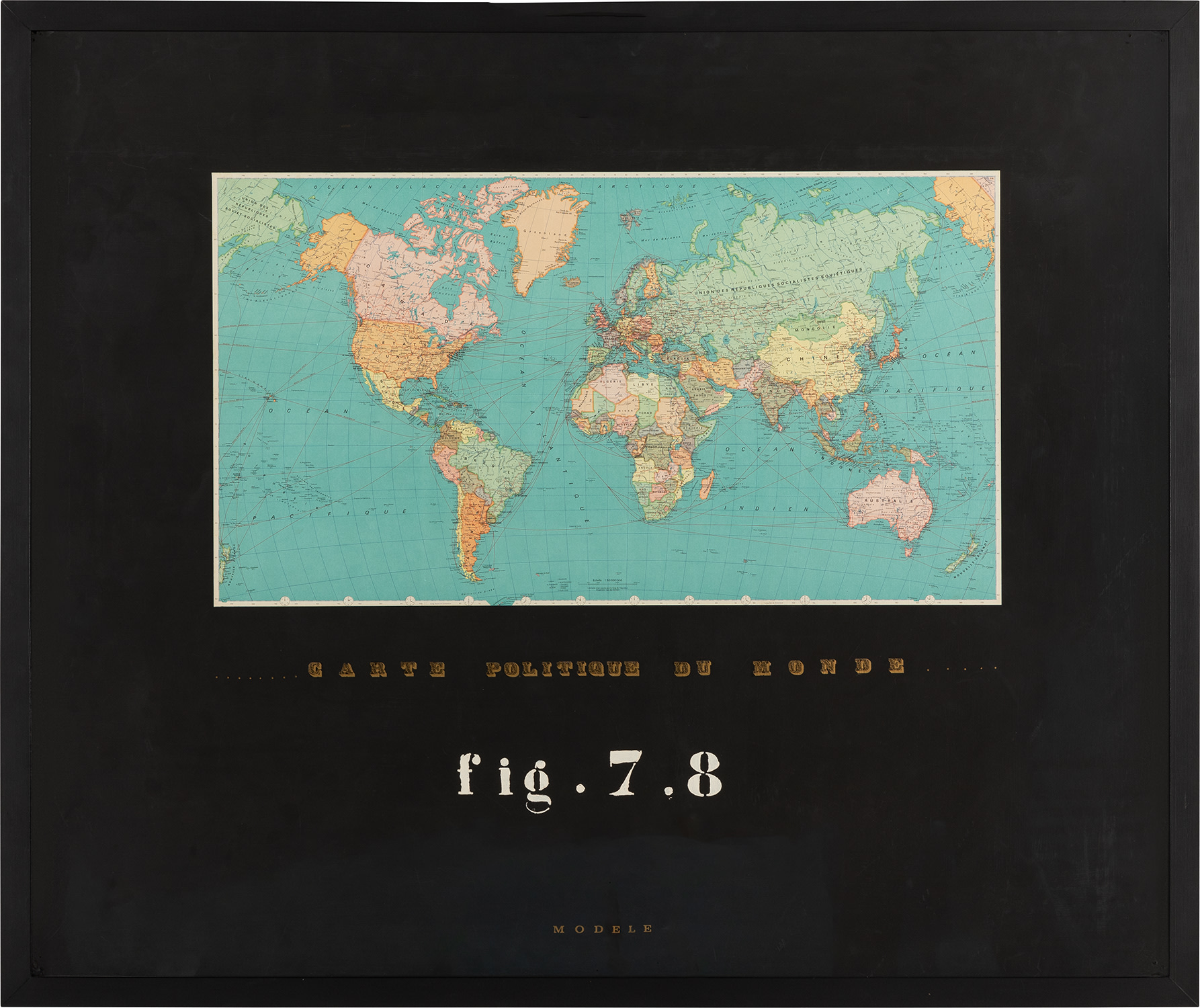
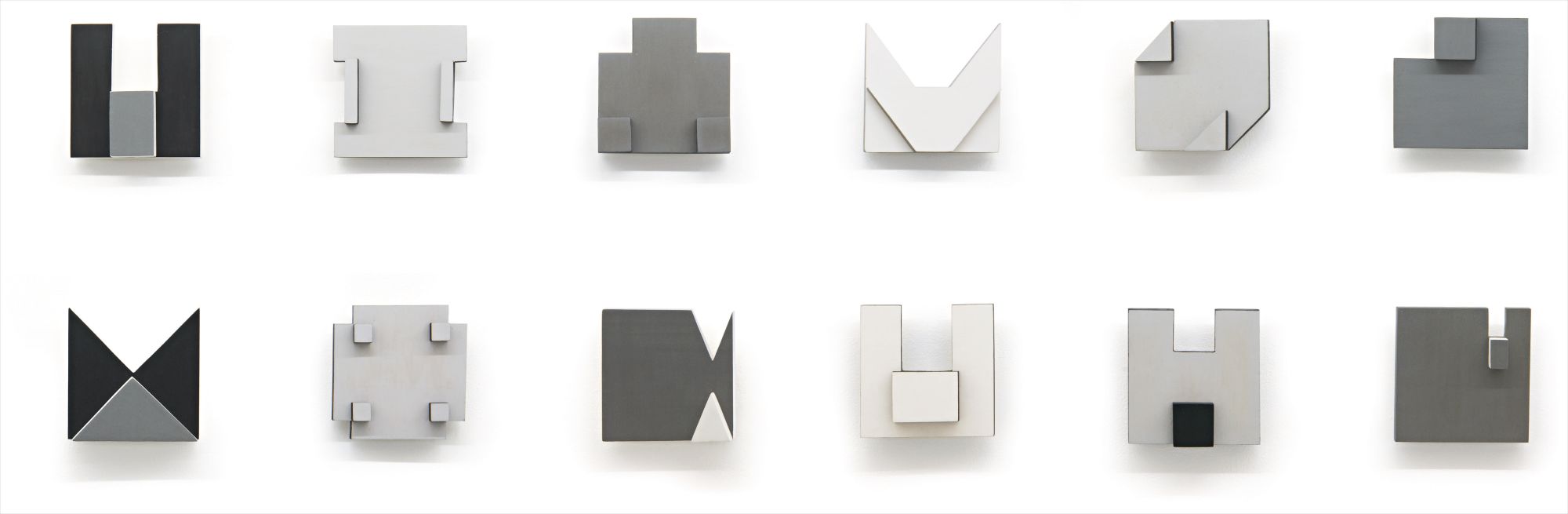
Marcel Duchamp
A l'Infinitif (The White Box)
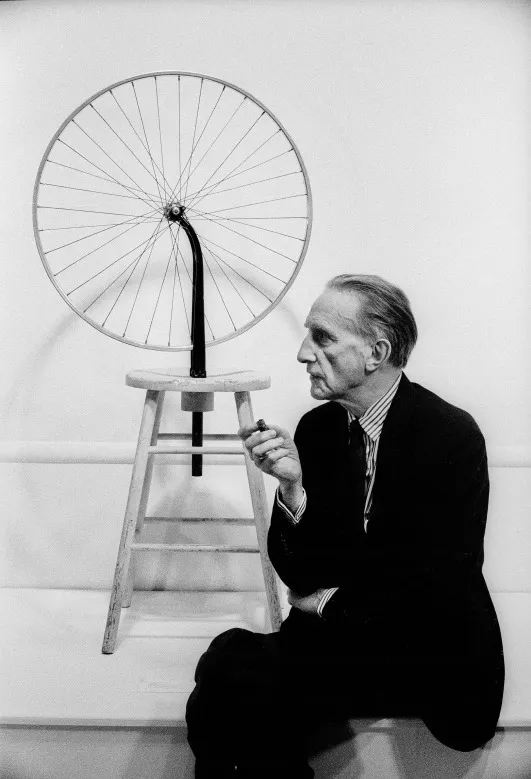
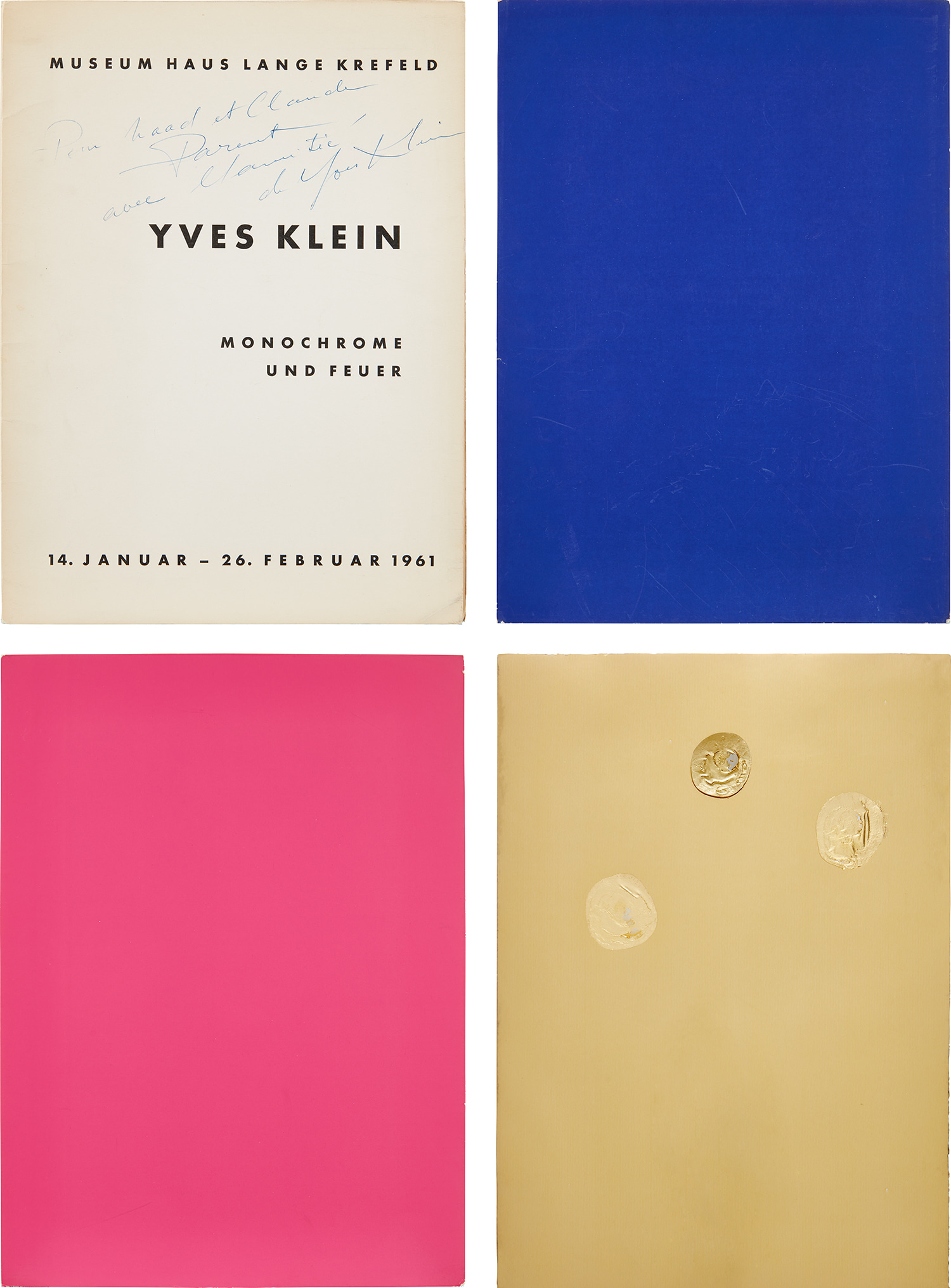
They arrived at a moment when artists across continents were simultaneously dismantling the conventions of painting, sculpture, and what an art object was even supposed to be. What makes collecting in this space so compelling is that the stakes were real. These were not aesthetic experiments conducted in a vacuum. Artists like Marcel Duchamp, whose influence spread across every serious movement of the twentieth century, and Yves Klein, who submitted the void itself as a painterly proposition, were operating with a conviction that art could fundamentally change how human beings understood their world.
So what separates a good work from a great one in this category? The question matters enormously because the range is wide and the variance in quality, even within a single artist's output, can be significant. The strongest works carry an irreducible quality of necessity. You look at them and feel that no other form could have carried that particular idea.
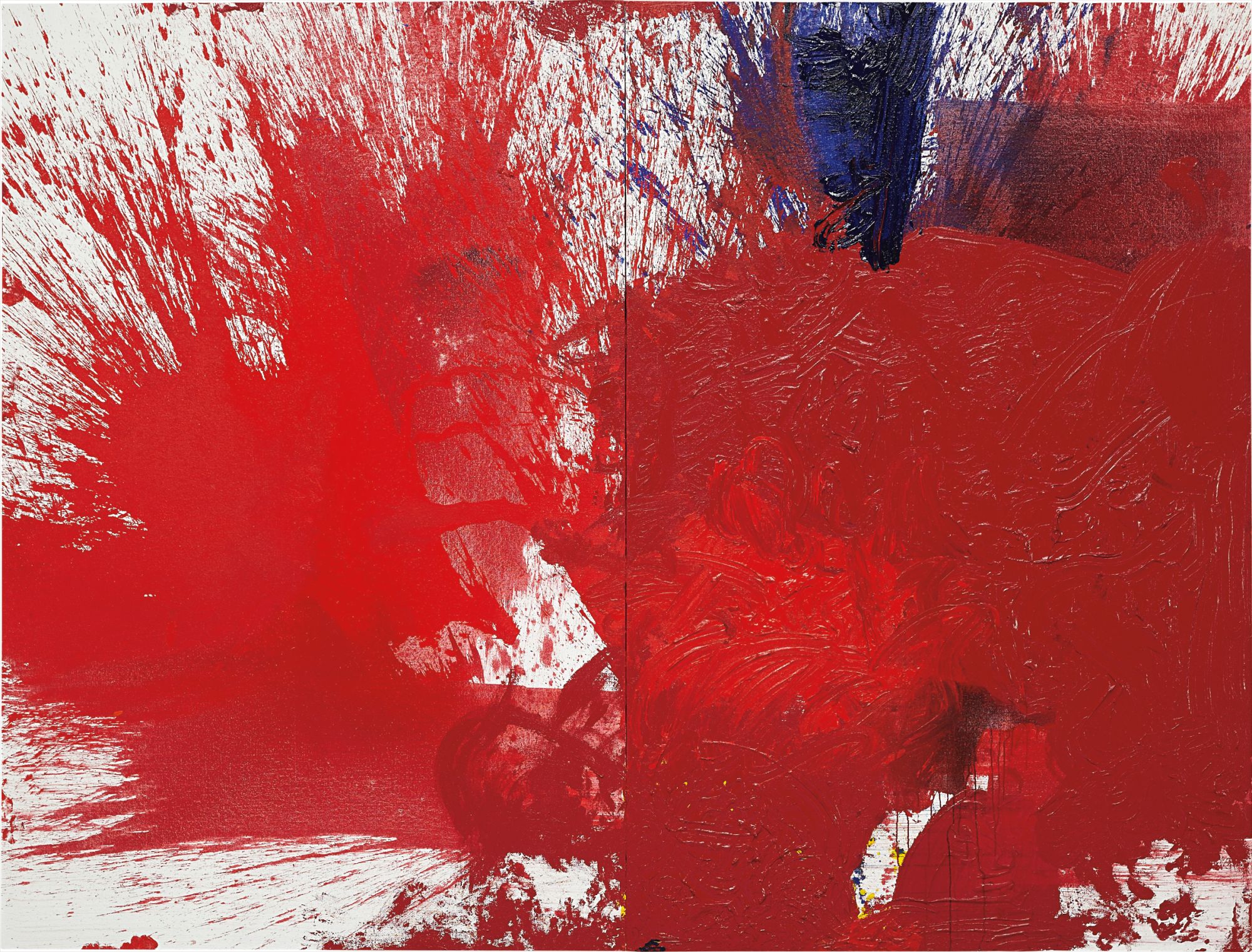
Hermann Nitsch
60 Malaktion MWG
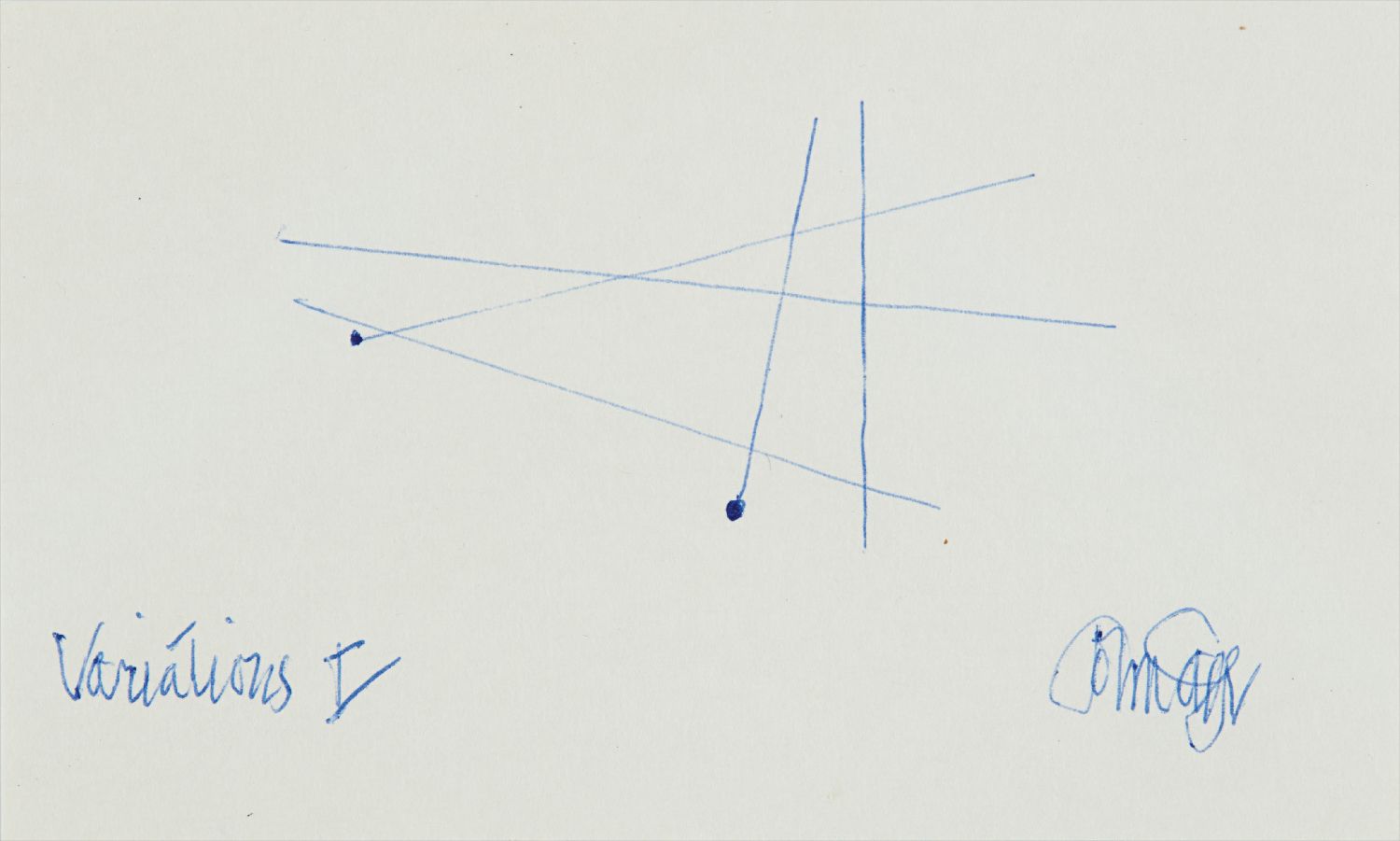
A Hermann Nitsch work that captures the ritual intensity of his Vienna Actionist practice, or a John Cage score that makes visible the philosophical dimensions of indeterminacy, succeeds because the form and the concept are inseparable. Collectors should be wary of works that feel like illustrations of an idea rather than the idea itself. The best avant garde objects are not documents of a position. They are the position.
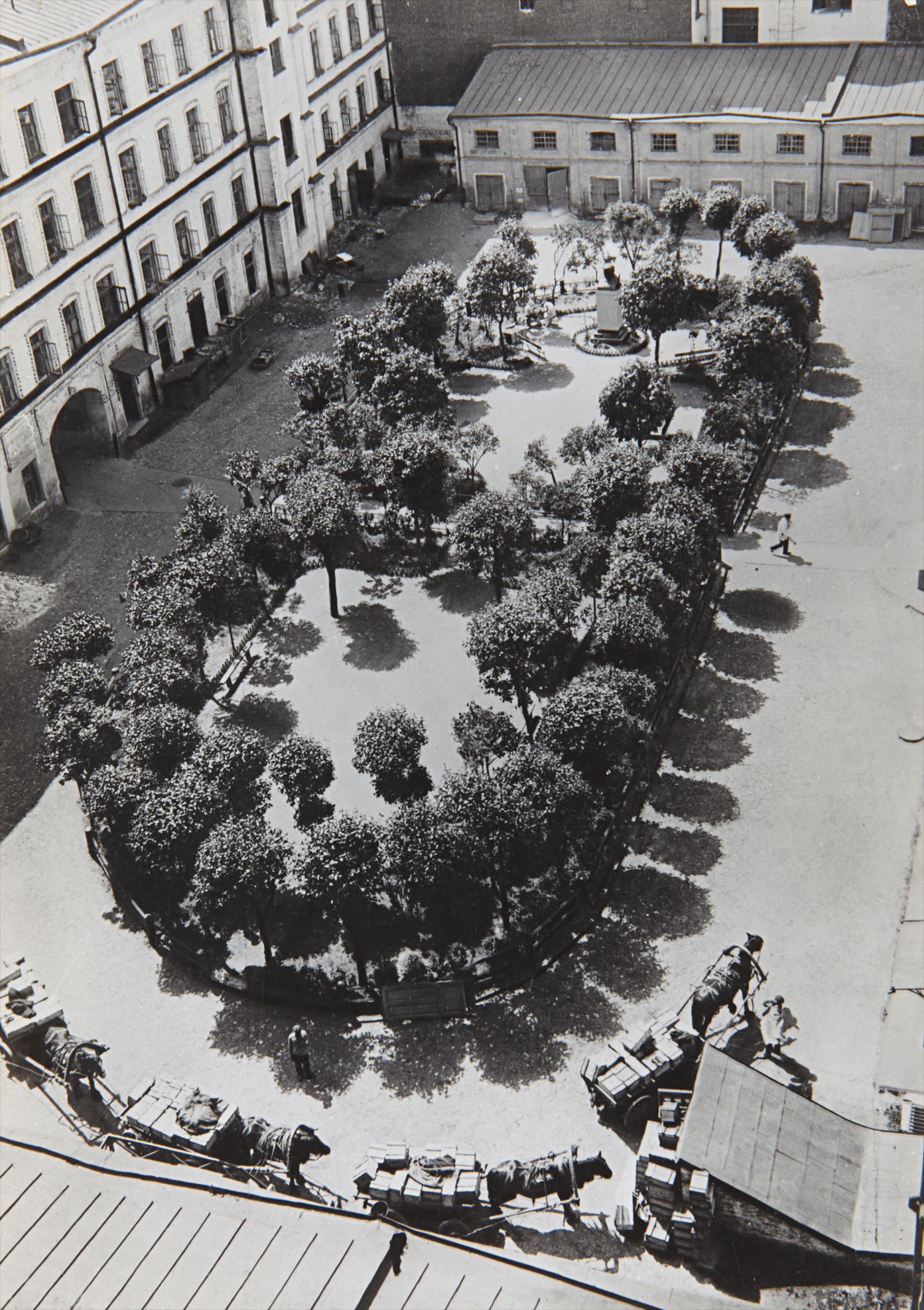
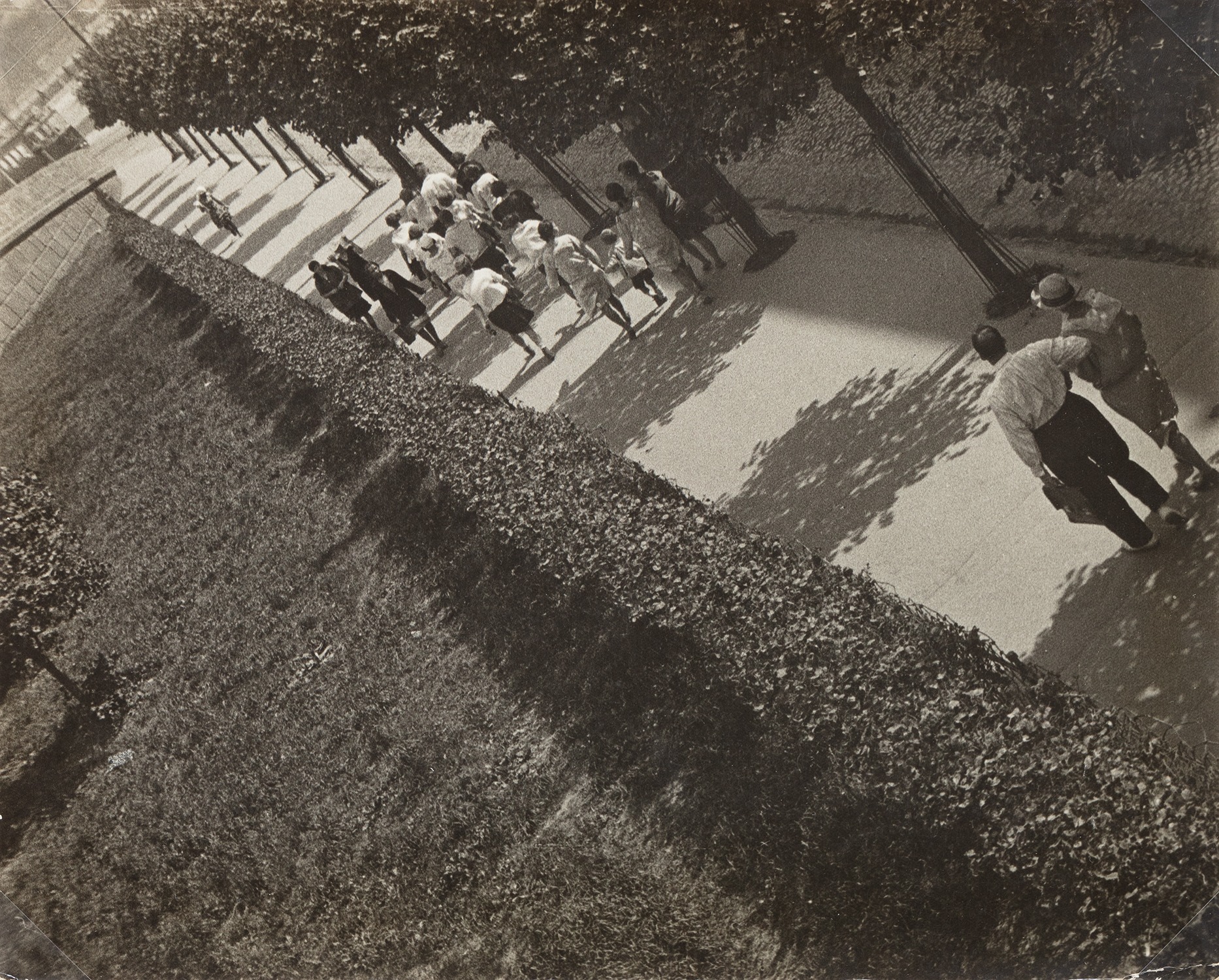
Provenance and exhibition history carry unusual weight in this category. Works that have been shown in landmark exhibitions, that appear in foundational catalogues, or that can be traced directly to the artist's studio through trusted dealers carry a premium that is entirely justified. When considering works by artists like Alexander Rodchenko or Marcel Broodthaers, knowing where a piece has been is almost as important as knowing what it is. Broodthaers in particular was extraordinarily deliberate about context, and a work that has strong institutional history behind it tells a richer story and commands a more stable market position.
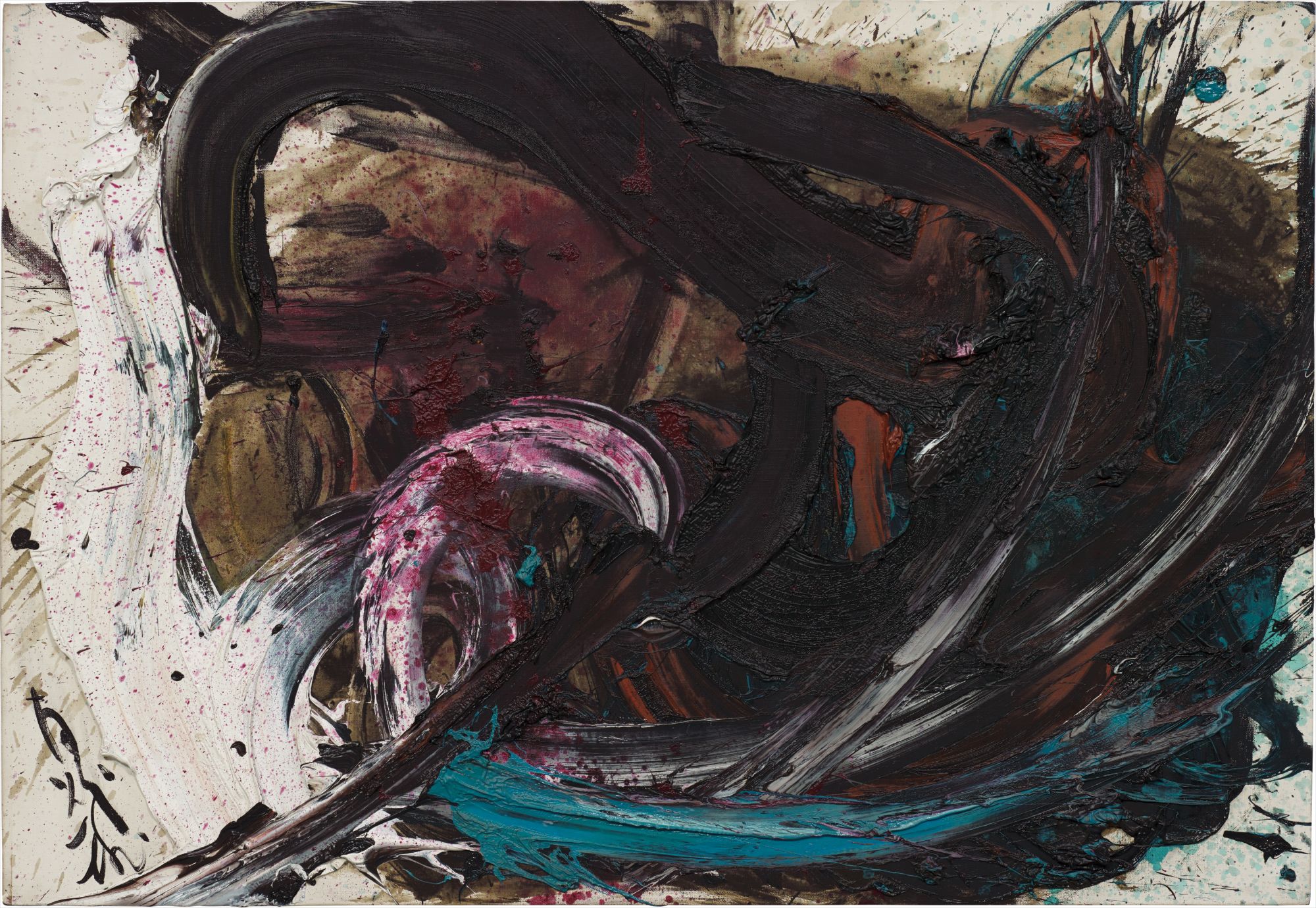
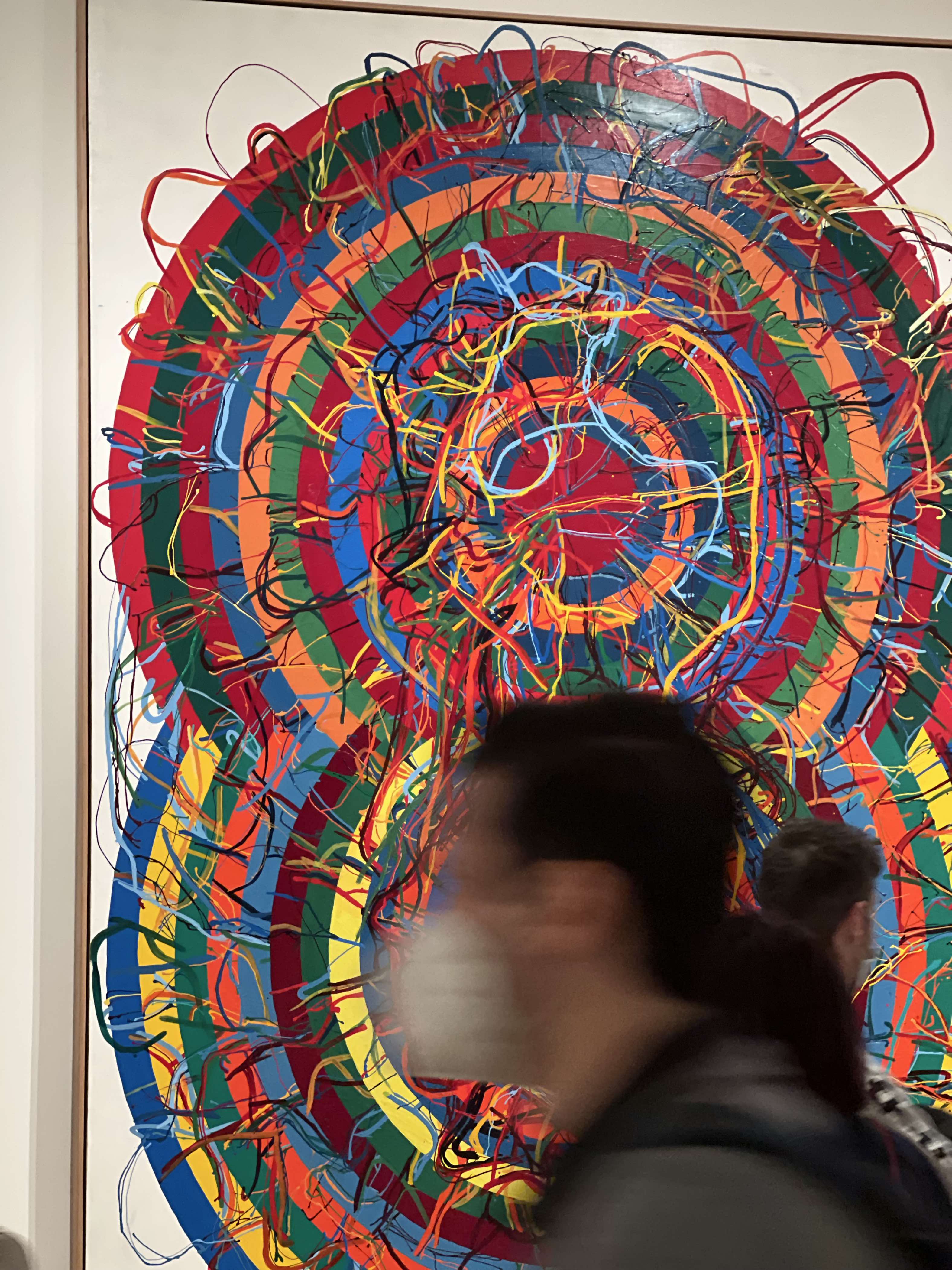
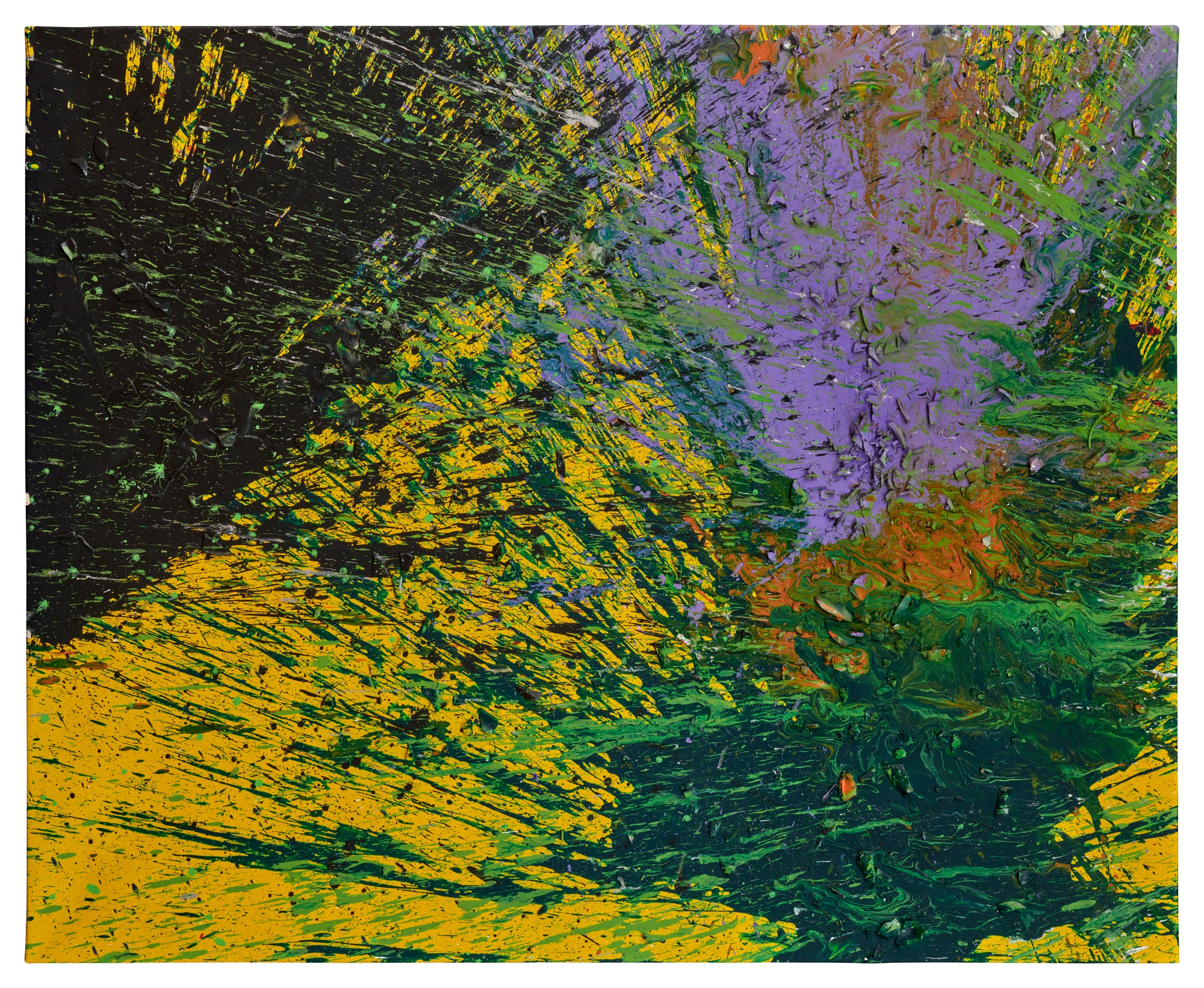
Kazuo Shiraga
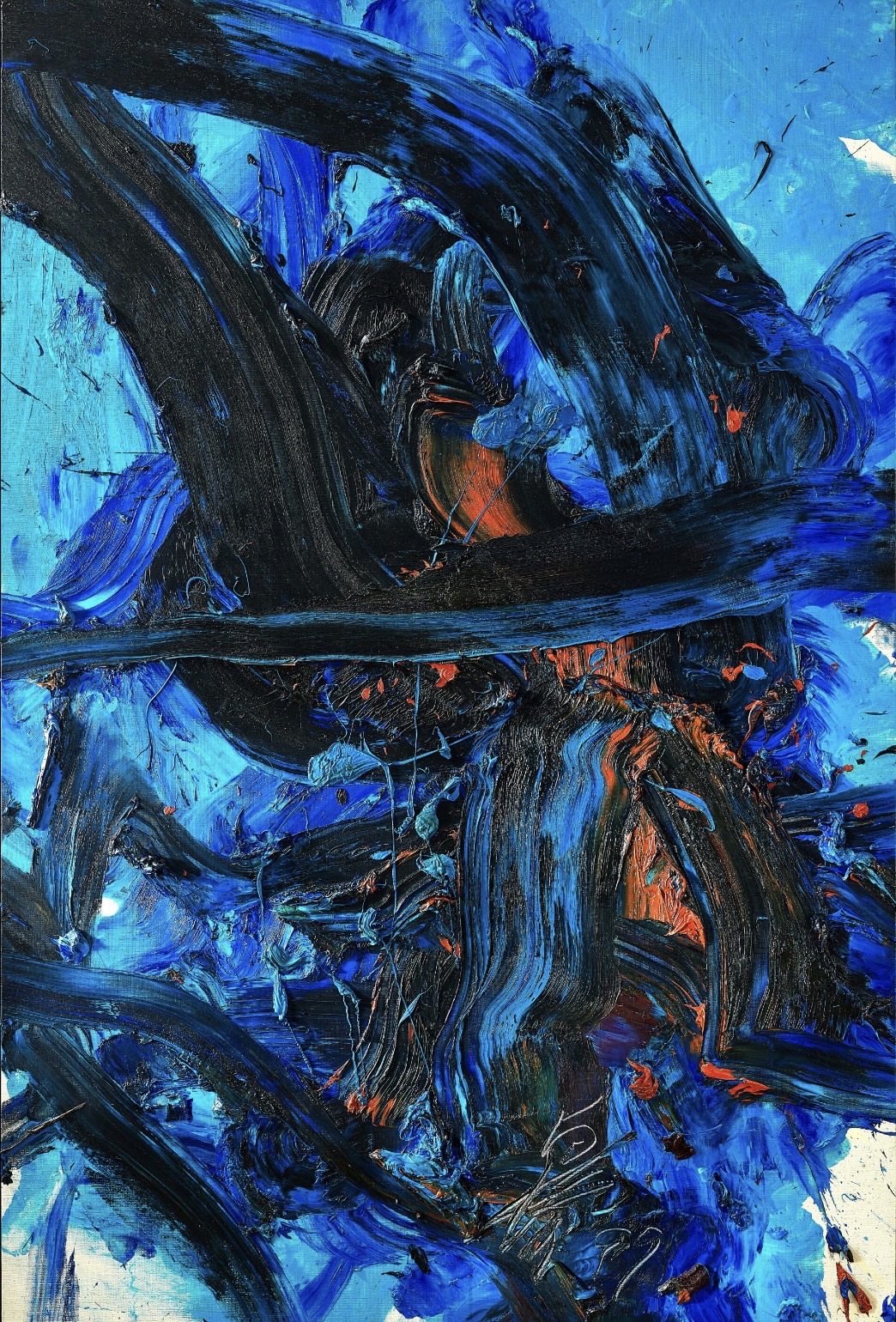
In 1955 Kazuo Shiraga wrote in the
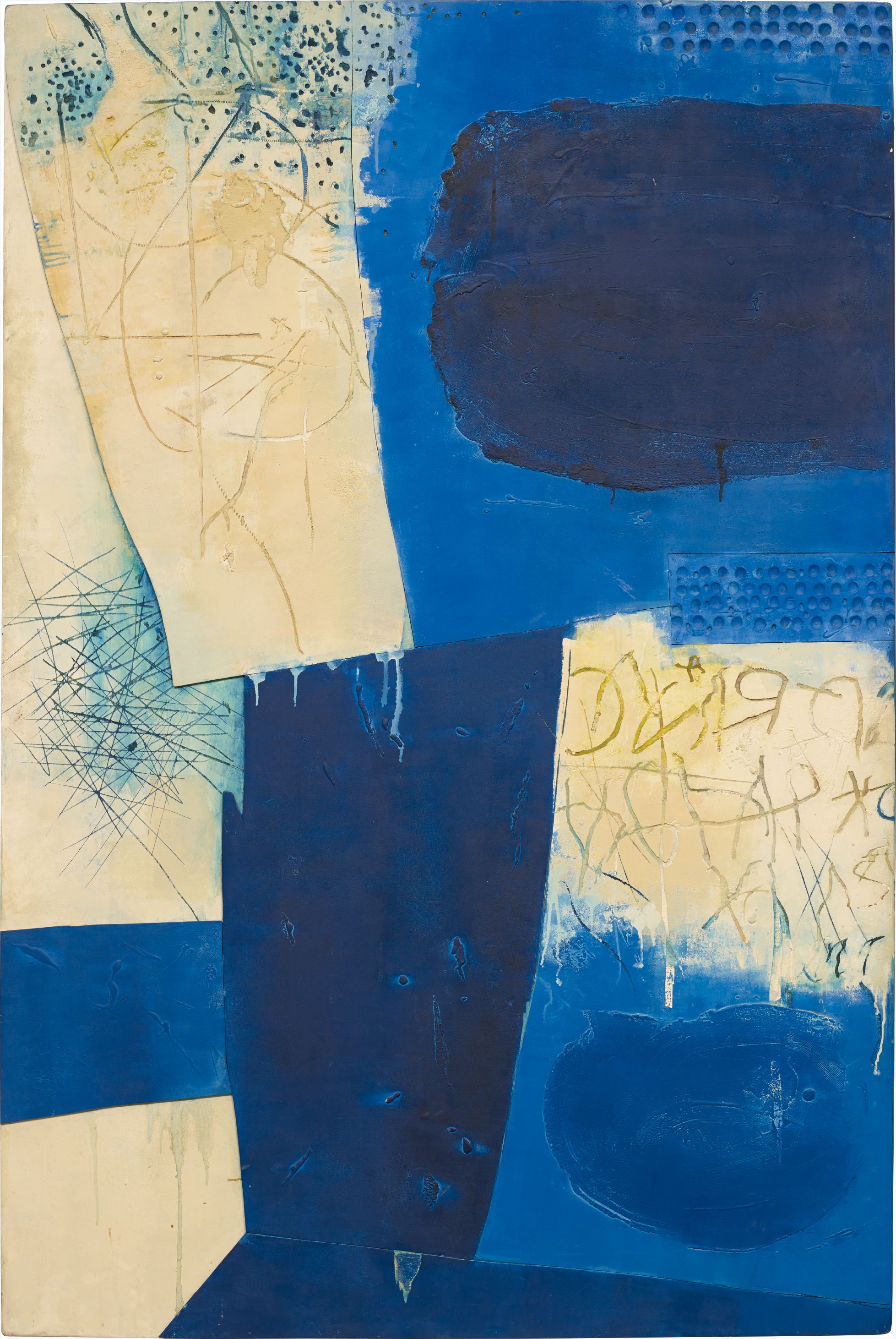
Authentication is a serious consideration across this field. Estates vary considerably in their organization and responsiveness, and working with dealers who have deep relationships with the relevant foundations is not a luxury but a necessity. In terms of where the strongest value currently resides, the Japanese postwar avant garde presents a genuinely compelling case. Kazuo Shiraga and Shozo Shimamoto, both central figures in the Gutai group, have seen sustained international interest accelerate over the past decade, and yet their work remains undervalued relative to their European peers of comparable historical importance.
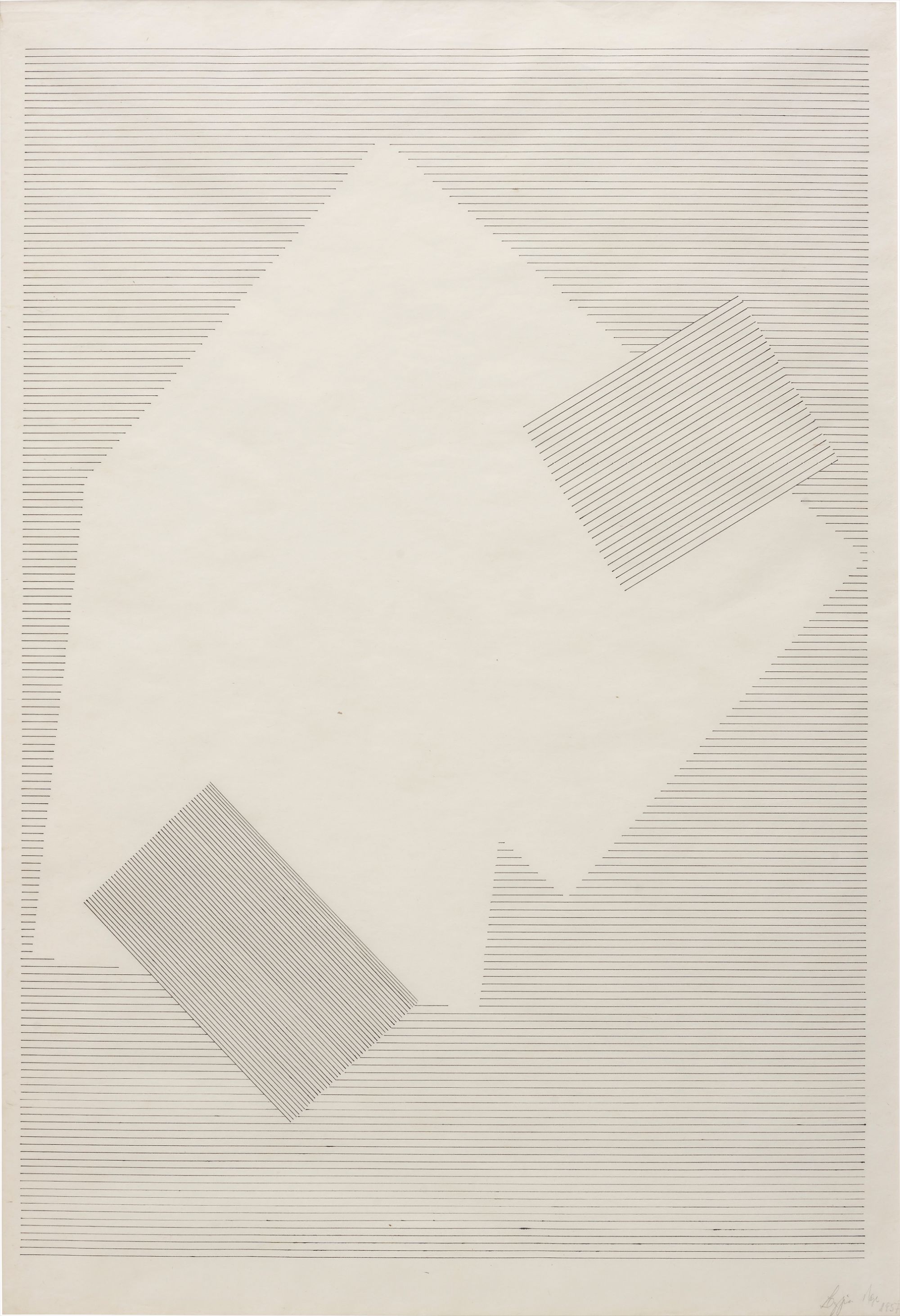
Yoshishige Saito, whose severe and philosophically rigorous constructions occupy a fascinating space between Mono ha and earlier abstractionist tendencies, represents the kind of opportunity that rewards a collector willing to do serious research. Similarly, the Brazilian and Latin American avant garde is experiencing a long overdue reappraisal. Lygia Pape and Hélio Oiticica are increasingly understood not as regional figures but as central participants in global postwar art, and works by León Ferrari, whose visual poetry operated at the intersection of politics and formal innovation, are appearing with greater frequency in serious institutional contexts. At auction, canonical avant garde works have demonstrated remarkable resilience.
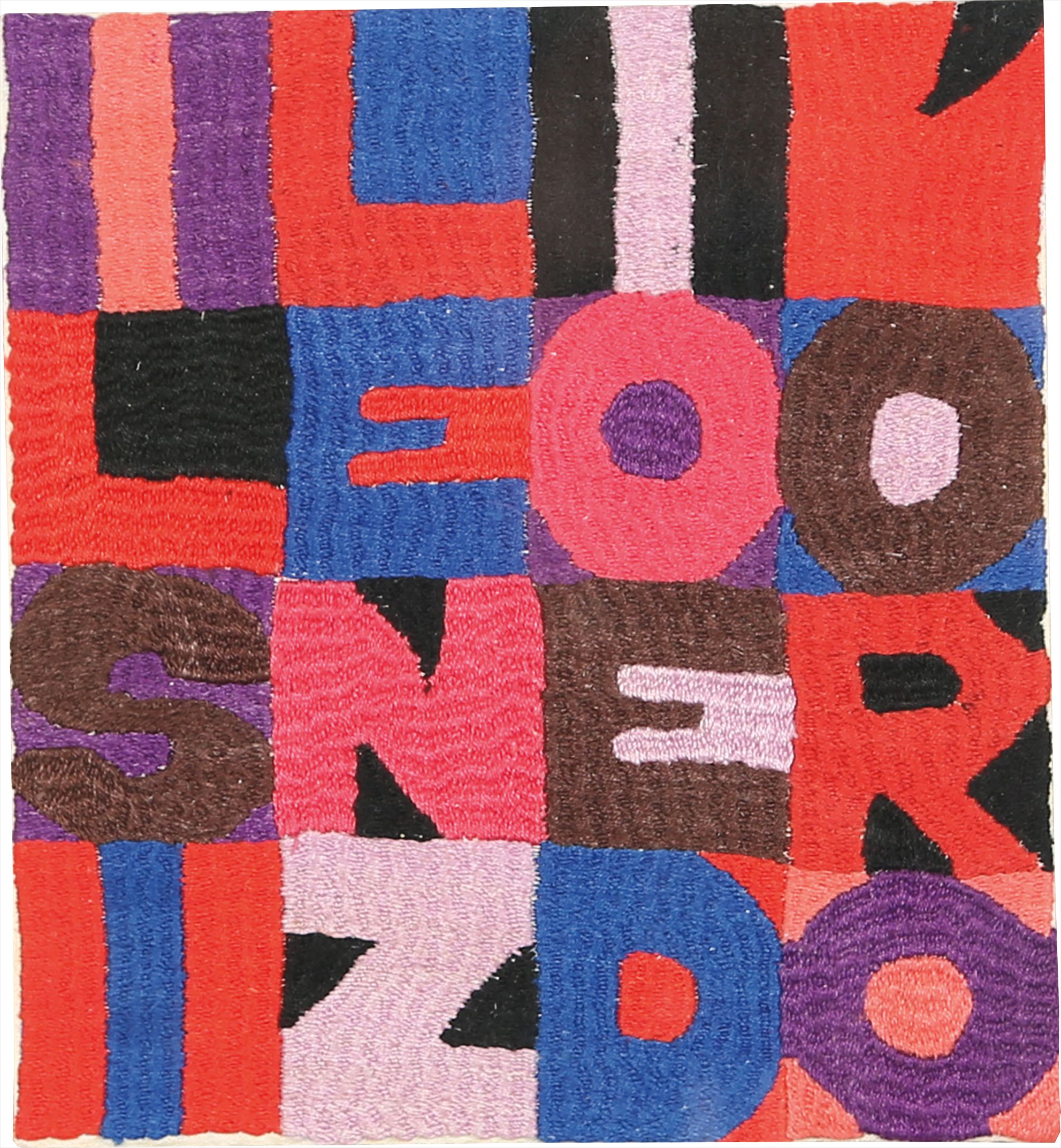
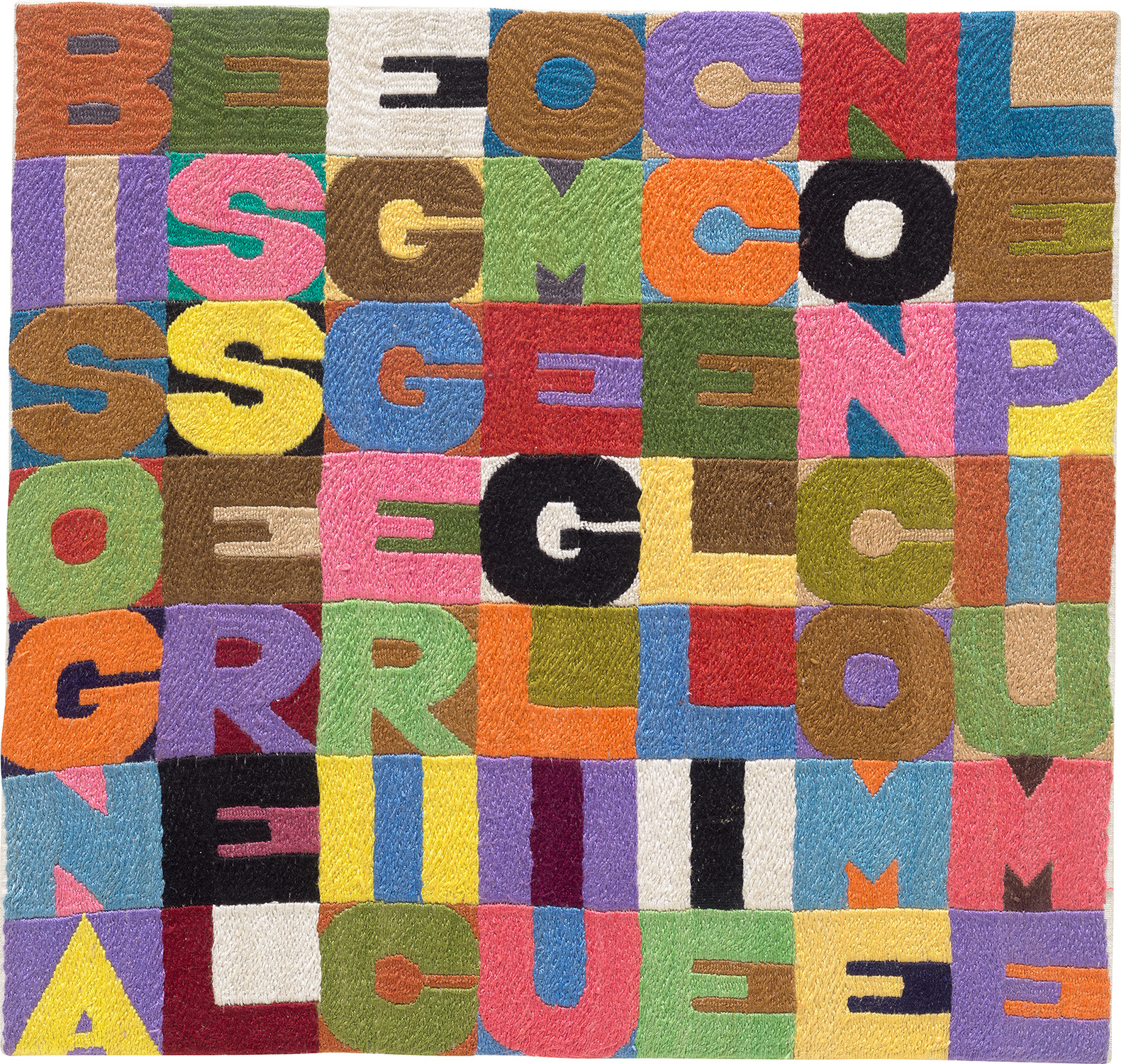
Alighiero Boetti
Il Silenzio e' d'Oro
Lucio Fontana's Concetto Spaziale works consistently perform above estimate when condition is strong and the example is characteristic rather than peripheral to his practice. Piero Manzoni's works, particularly anything from the Achromes series or his signed and certified objects, attract fierce competition from institutions and private collectors alike, with prices that have increased substantially over the past fifteen years. The secondary market for artists like Alighiero Boetti has deepened considerably, with major houses devoting focused attention to Arte Povera and its adjacencies. Jannis Kounellis remains somewhat underrepresented at auction relative to his museum presence, which suggests there is room for appreciation as more works enter the market through estate channels.
For collectors newer to this category, a few practical considerations deserve serious attention. Condition in avant garde work is complicated by the fact that many of these artists embraced materials that age unpredictably. Works involving organic matter, unstable pigments, or unconventional substrates require specialist conservation advice before purchase and careful environmental management afterward. Ask any gallery or auction house for full condition reports that address not just current state but likely future behavior of the materials.
The question of editions versus unique works is also worth thinking through carefully. Many Fluxus works exist in editions, and authenticity documentation from the relevant estate or foundation is essential. Ray Johnson's mail art objects and John Cage's visual scores exist in a complex relationship between uniqueness and reproducibility that requires nuanced understanding. Unique works generally carry stronger long term market positions, but a well documented edition from a significant series by the right artist can absolutely be a serious acquisition.
Finally, display deserves more thought than it usually receives. These works were made to provoke encounter, and hanging a Shimamoto or a Carol Rama in a low traffic corridor defeats the purpose entirely. The best collectors of avant garde work think about placement with the same seriousness the artists brought to their practice. Ask yourself not just where a work will fit but where it will be genuinely seen, genuinely lived with, and genuinely questioned.
That ongoing conversation between object and viewer is what the avant garde was always really about.