Art Historical Reference
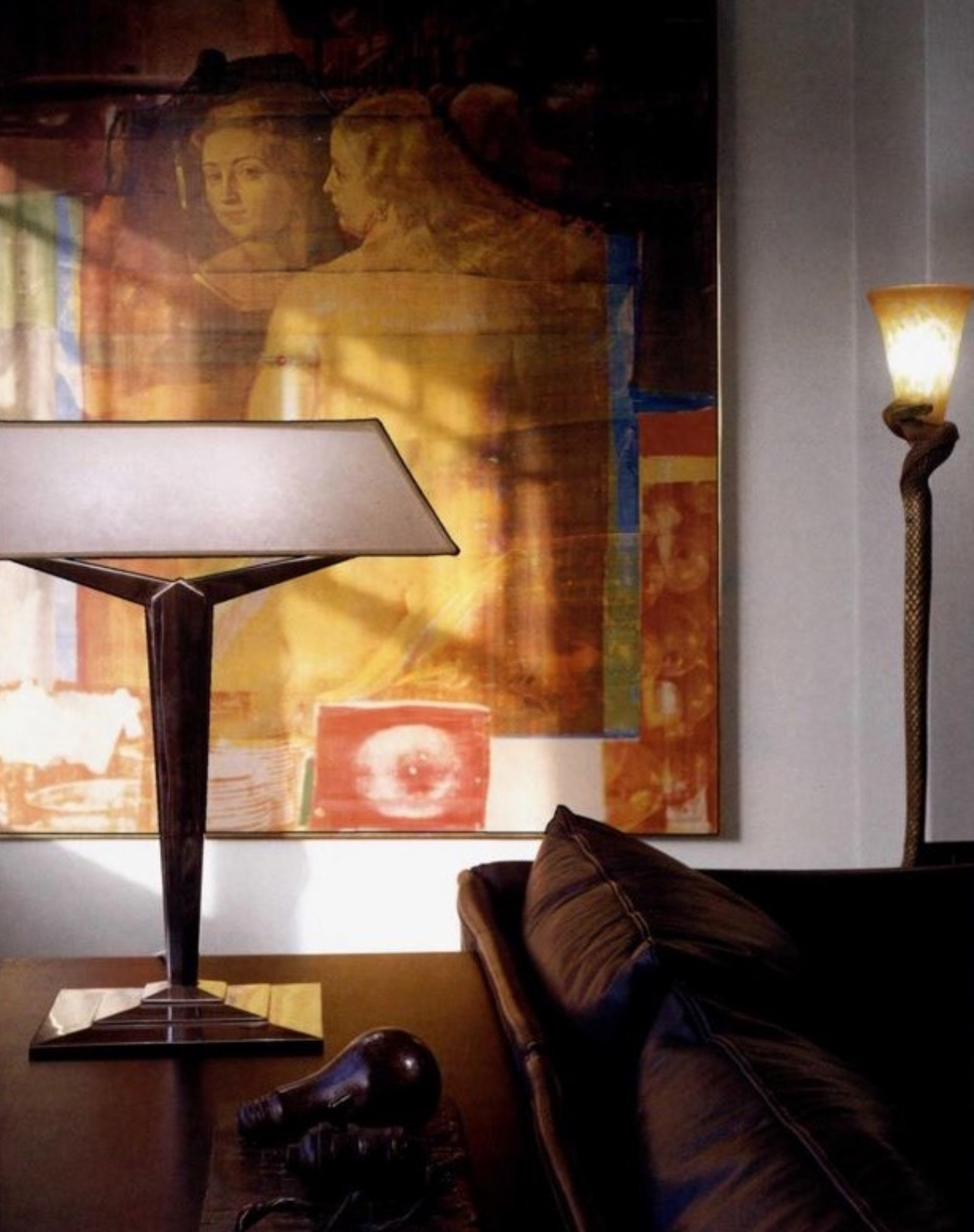
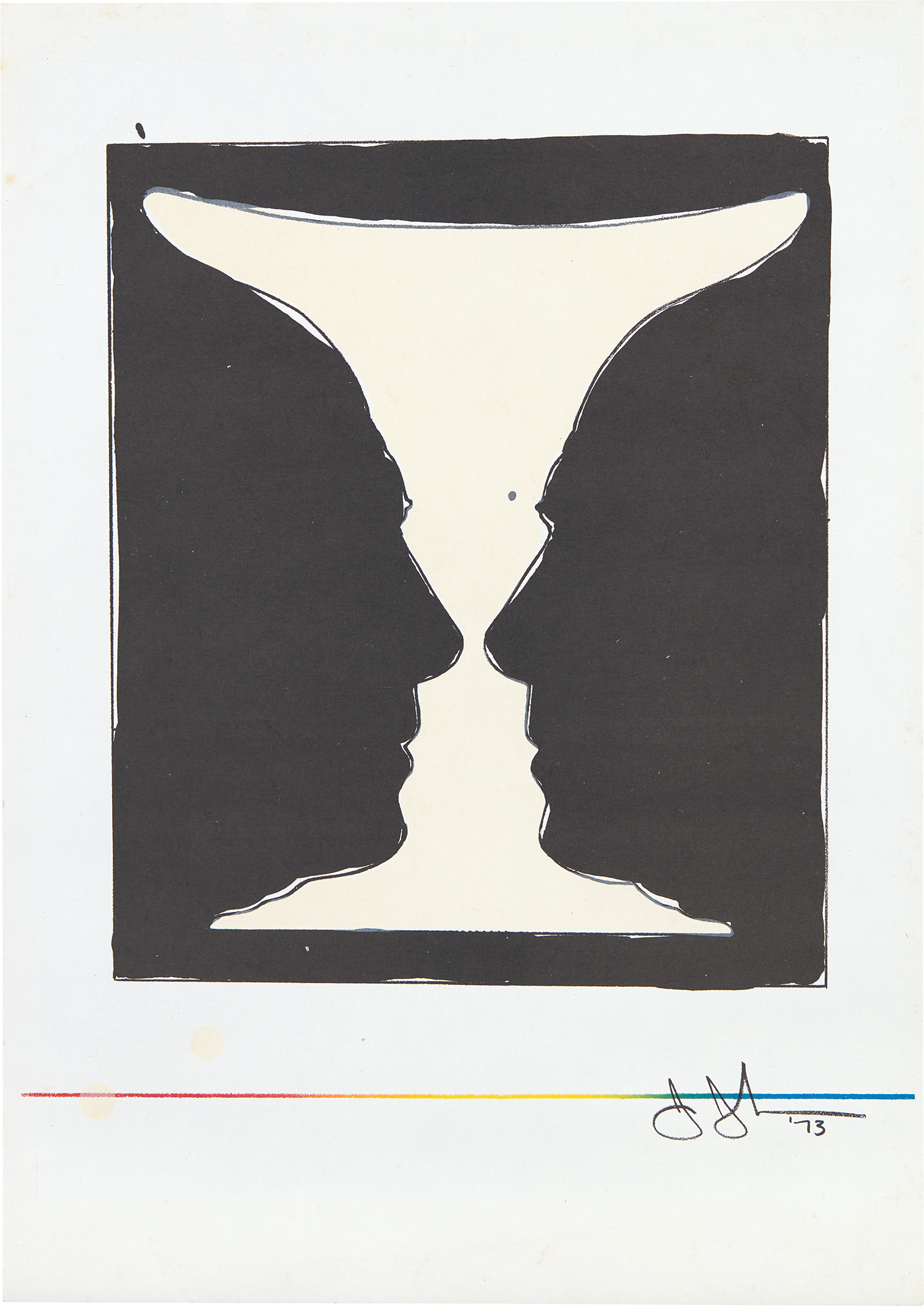
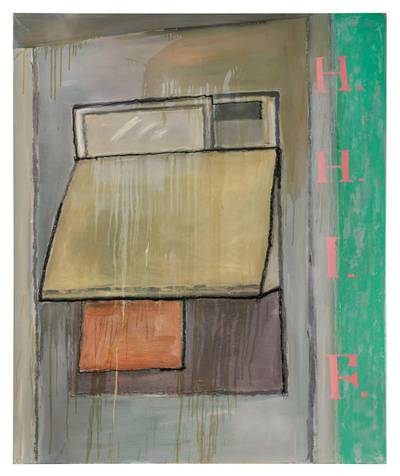
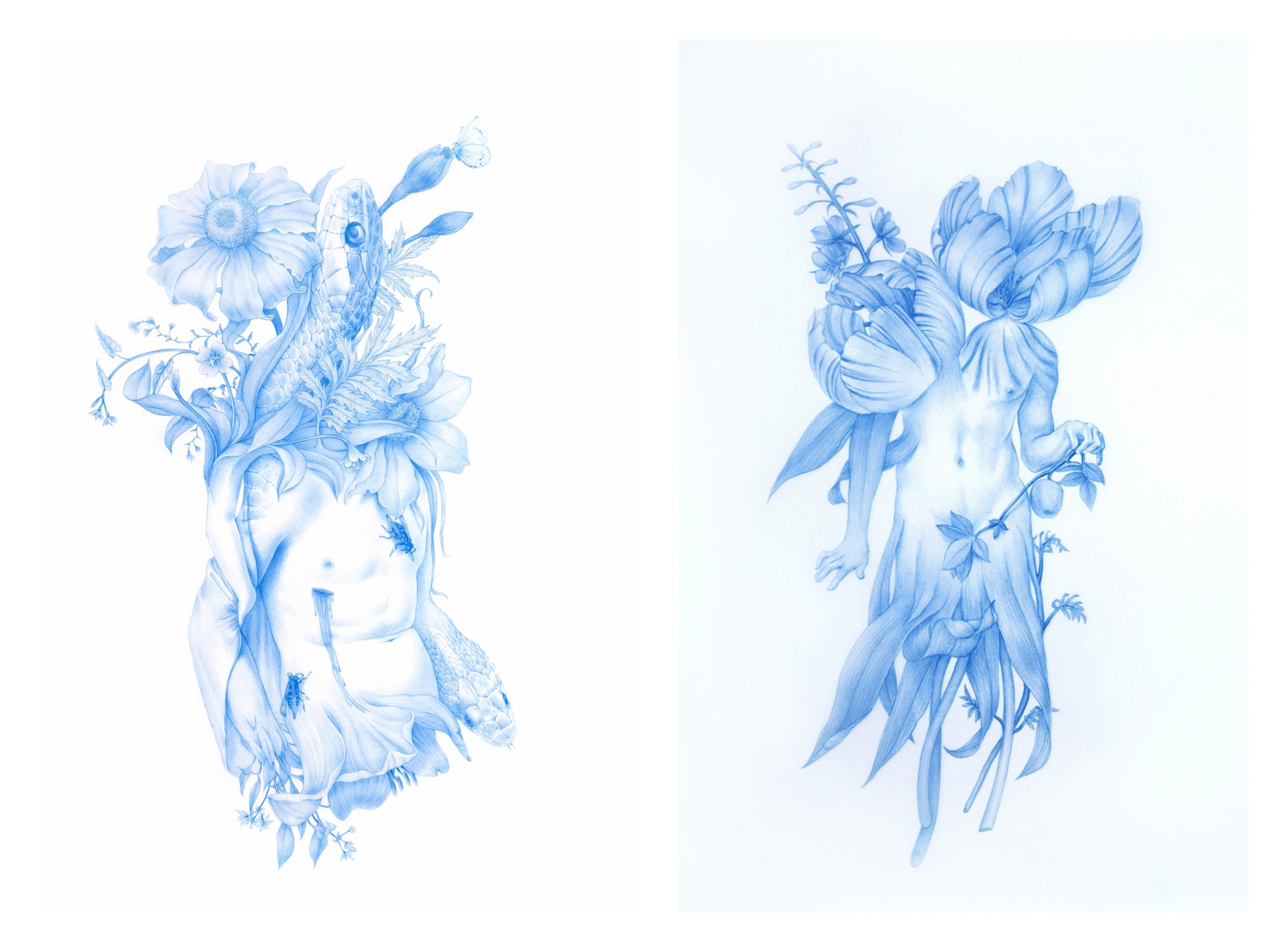
Robert Rauschenberg
Persimmon, 1964


The Past Was Never Really Past
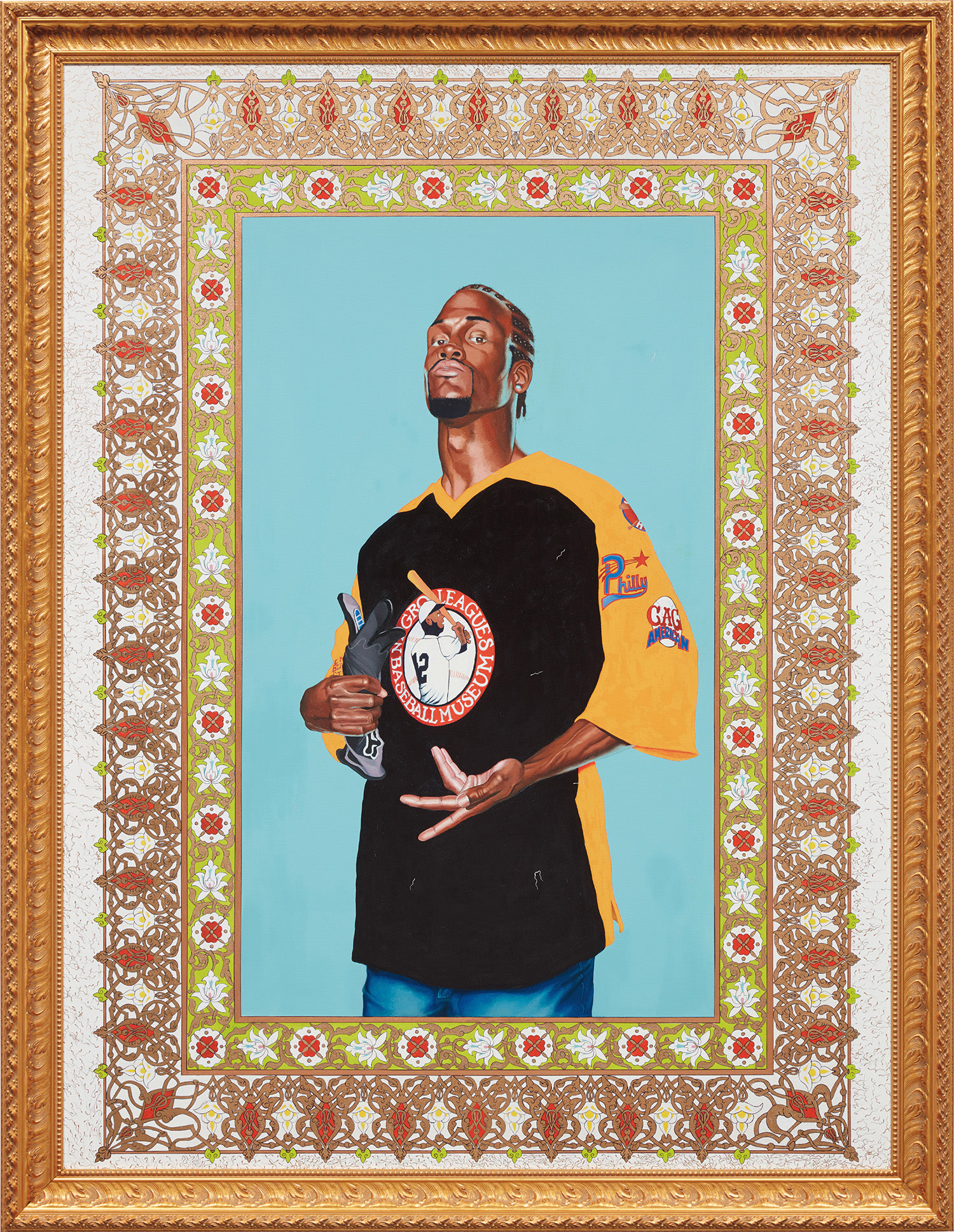
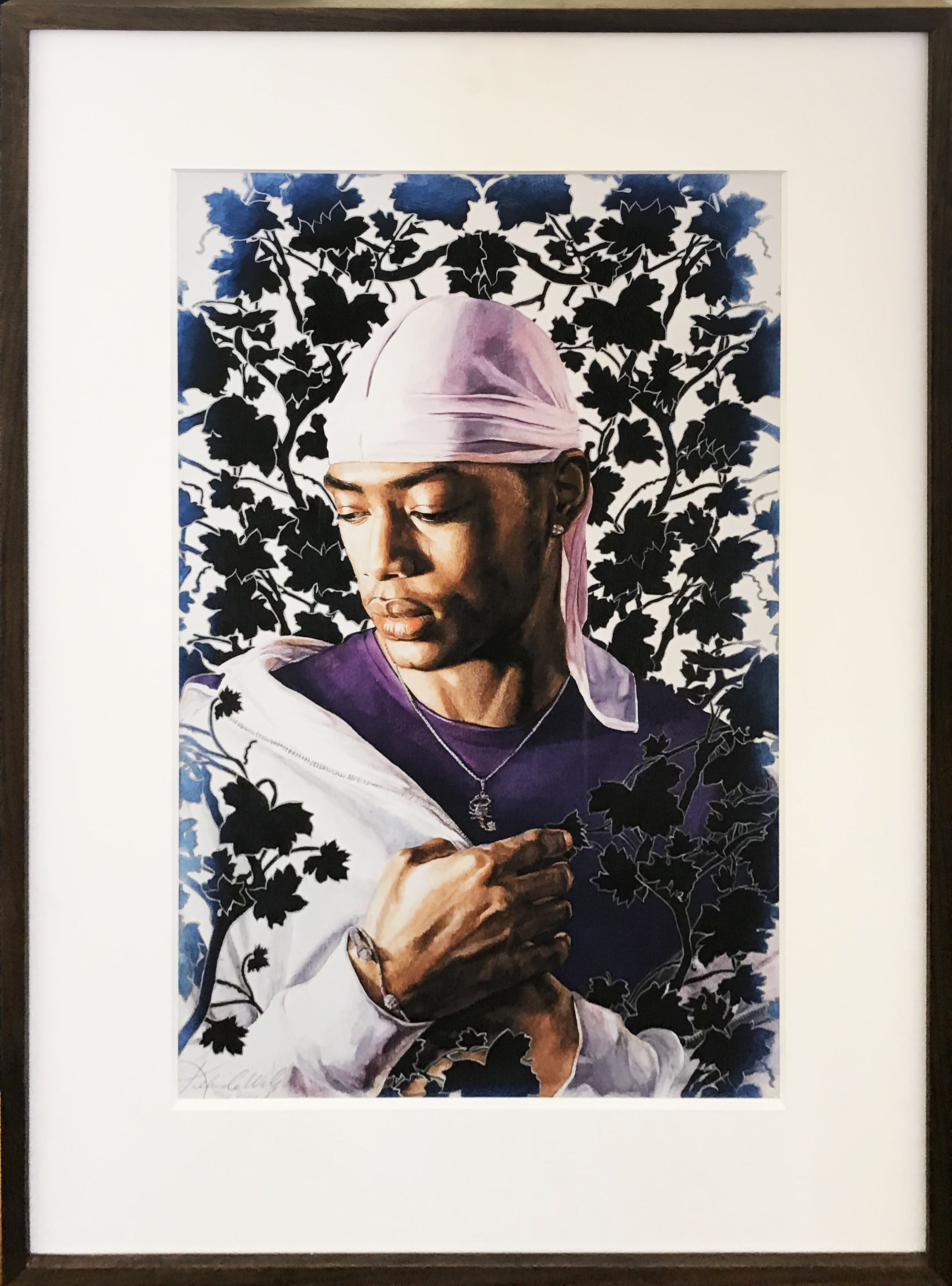
When Kehinde Wiley's portrait of Barack Obama was unveiled at the National Portrait Gallery in Washington in 2018, the room felt charged with something beyond ceremony. Here was a painter working in the grand tradition of European portraiture, the same lineage that runs through Velázquez and Titian, and he had bent that tradition so completely toward new subjects and new meanings that the history itself seemed to shift. The crowd understood intuitively that this was not pastiche, not quotation, not nostalgia. It was argument.
That moment crystallized something that had been building in contemporary art for decades: the most urgent work being made right now is deeply, deliberately, and sometimes combatively in conversation with what came before. Art historical reference as a conscious strategy has moved from the margins of critical discourse to its absolute center. The market has noticed. At Christie's New York in recent years, works that openly engage with canonical precedents have commanded serious premiums, with buyers increasingly attuned to the intellectual density that layered historical reference brings to a work.
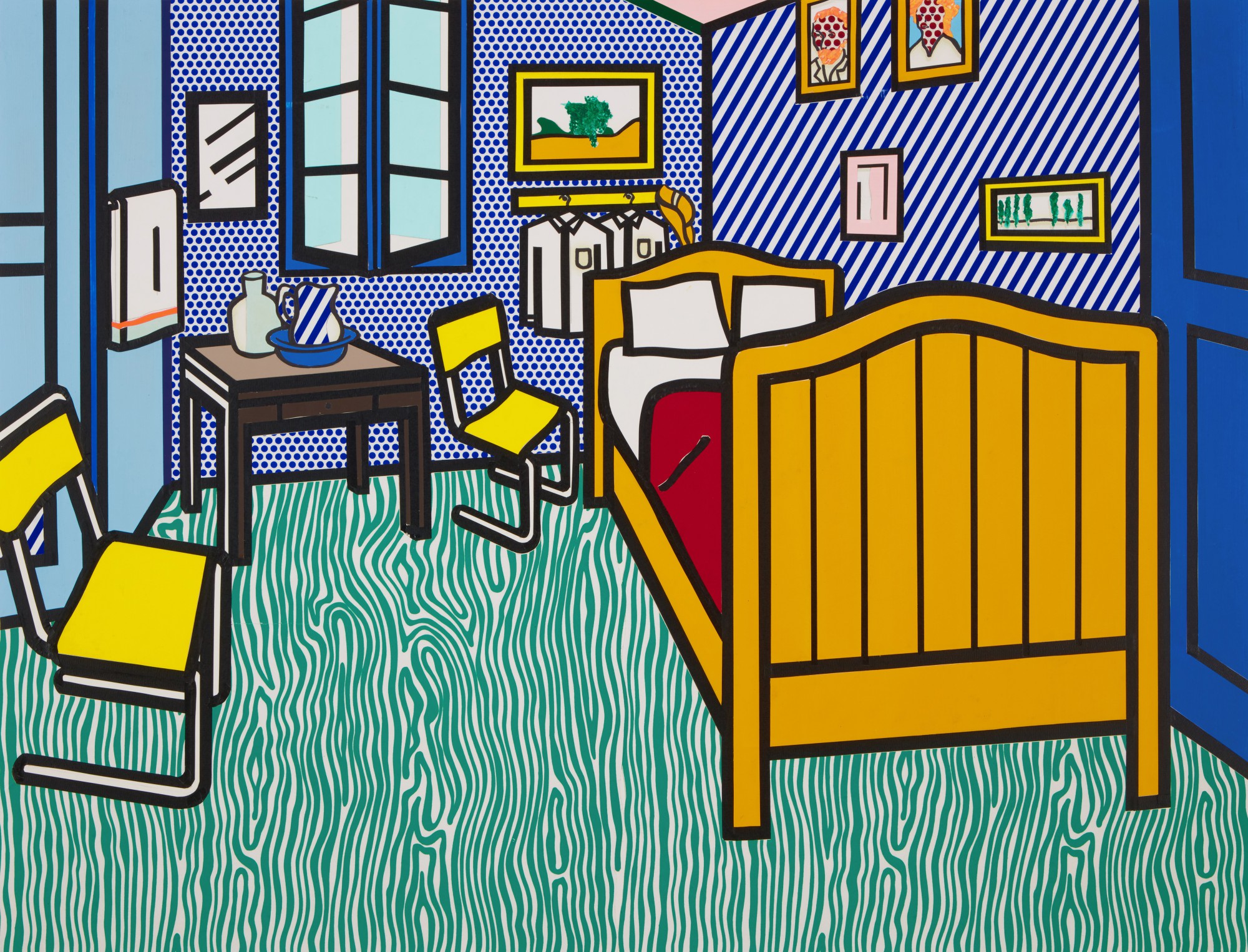
Roy Lichtenstein
Bedroom at Arles (Study), 1992
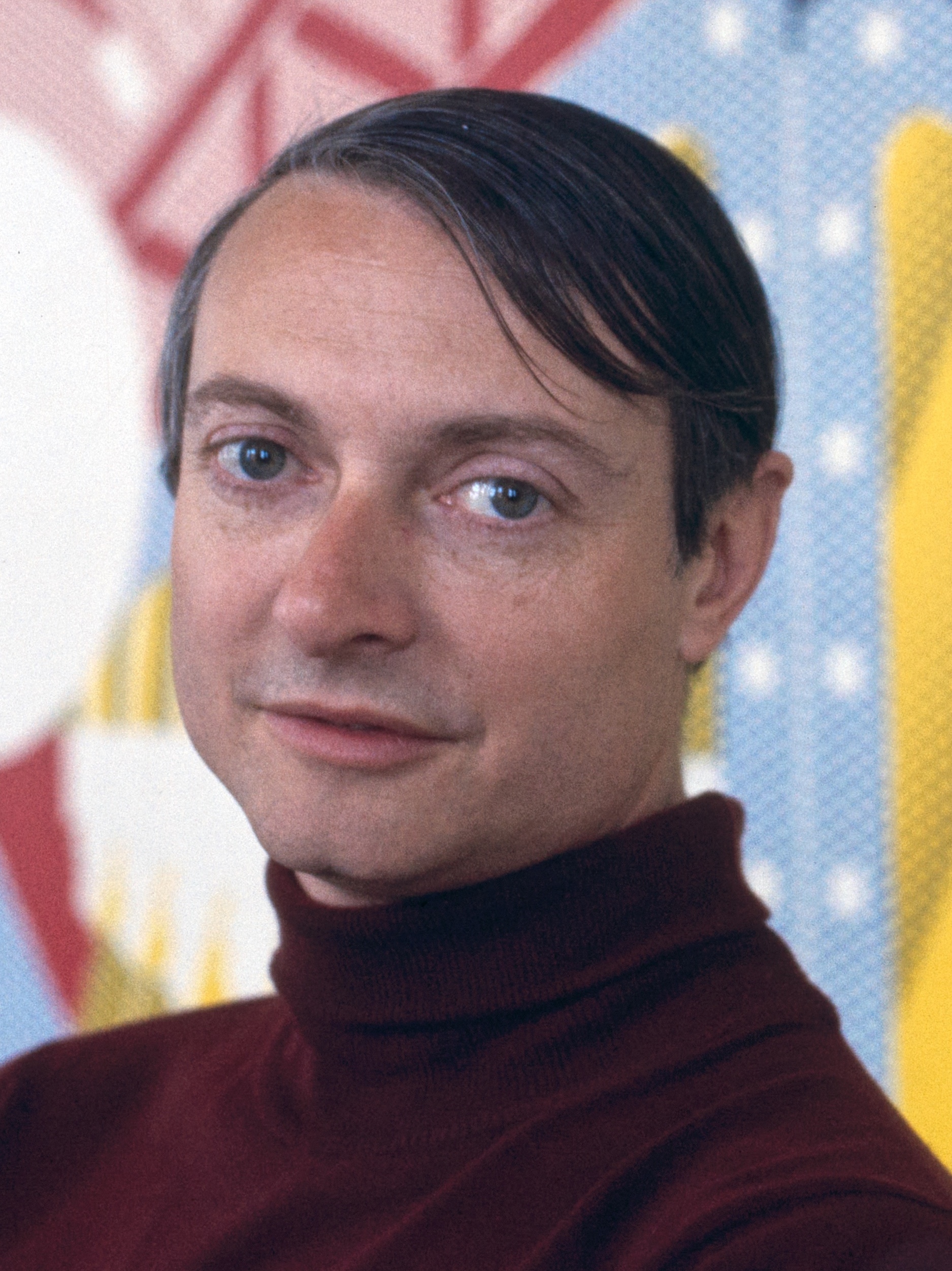
Roy Lichtenstein spent much of his career in explicit dialogue with art history, from his takes on Picasso and Matisse to his late Landscapes in the Chinese Style, and his auction records remain strong precisely because collectors recognize the stakes of that conversation. A Lichtenstein that riffs on a Monet is not merely decorative. It is a proposition about originality, mediation, and cultural memory. The exhibition landscape has tracked this energy with growing sophistication.
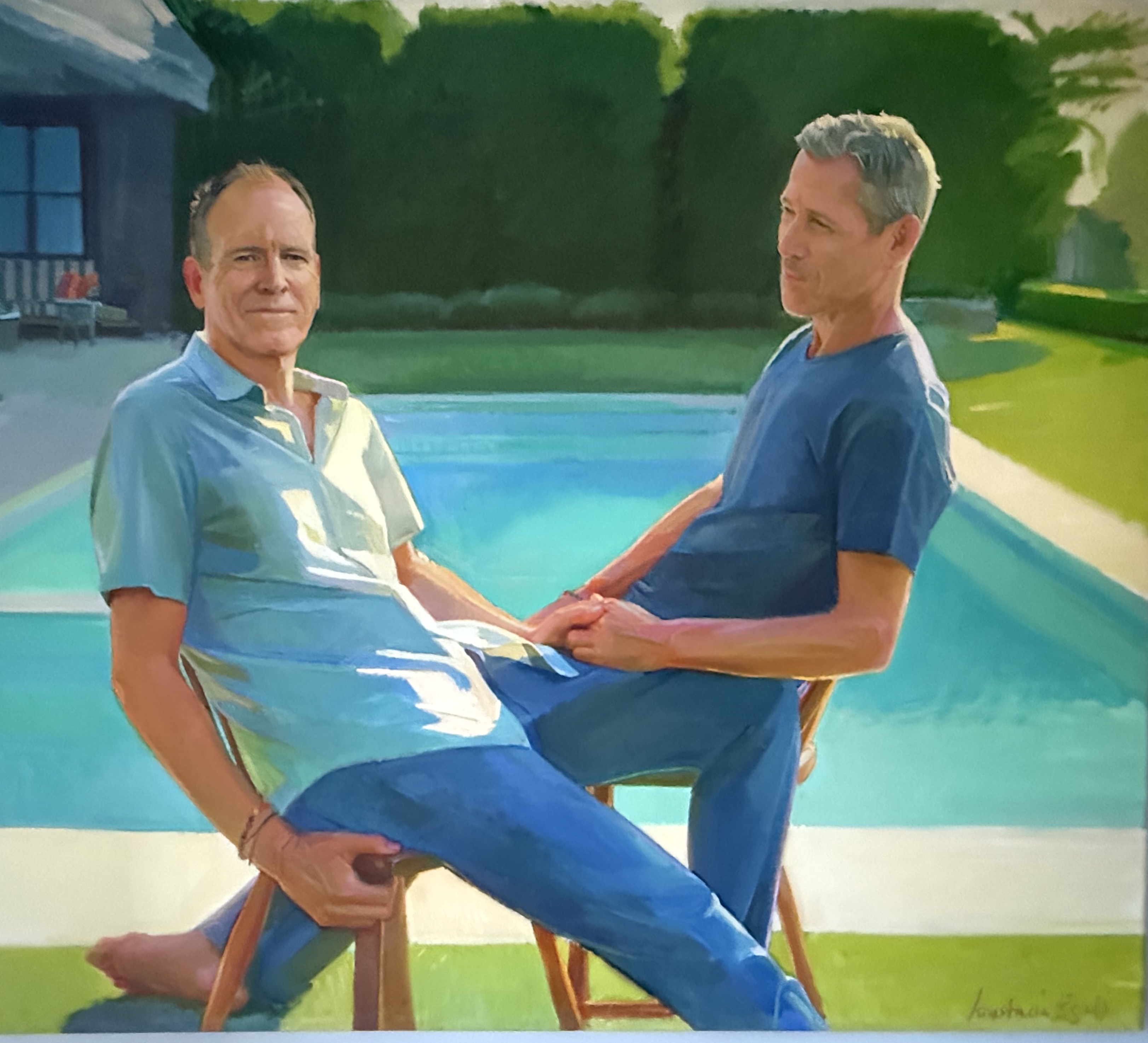
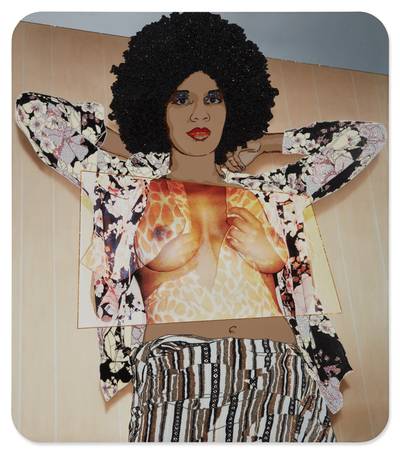
The Broad in Los Angeles mounted shows that placed Cindy Sherman's work in sustained dialogue with the painted portrait tradition, making visible how deeply her practice engages with the iconographic vocabulary of Western art. The Metropolitan Museum of Art has repeatedly used its own permanent collection as a kind of live interlocutor for contemporary commissions, understanding that the right contemporary work placed near a historical object does not diminish either but instead opens a productive tension. Mickalene Thomas has been one of the great beneficiaries of this institutional appetite, her rhinestone encrusted riffs on Manet and the odalisque tradition finding homes in museums that see themselves as active participants in rewriting the canon rather than merely preserving it. The critical conversation around this category has been shaped in particular by a generation of curators who came of age reading Hal Foster and Rosalind Krauss, writers who gave serious theoretical weight to the idea that artists working with historical material were not being derivative but were instead practicing a kind of critical archaeology.
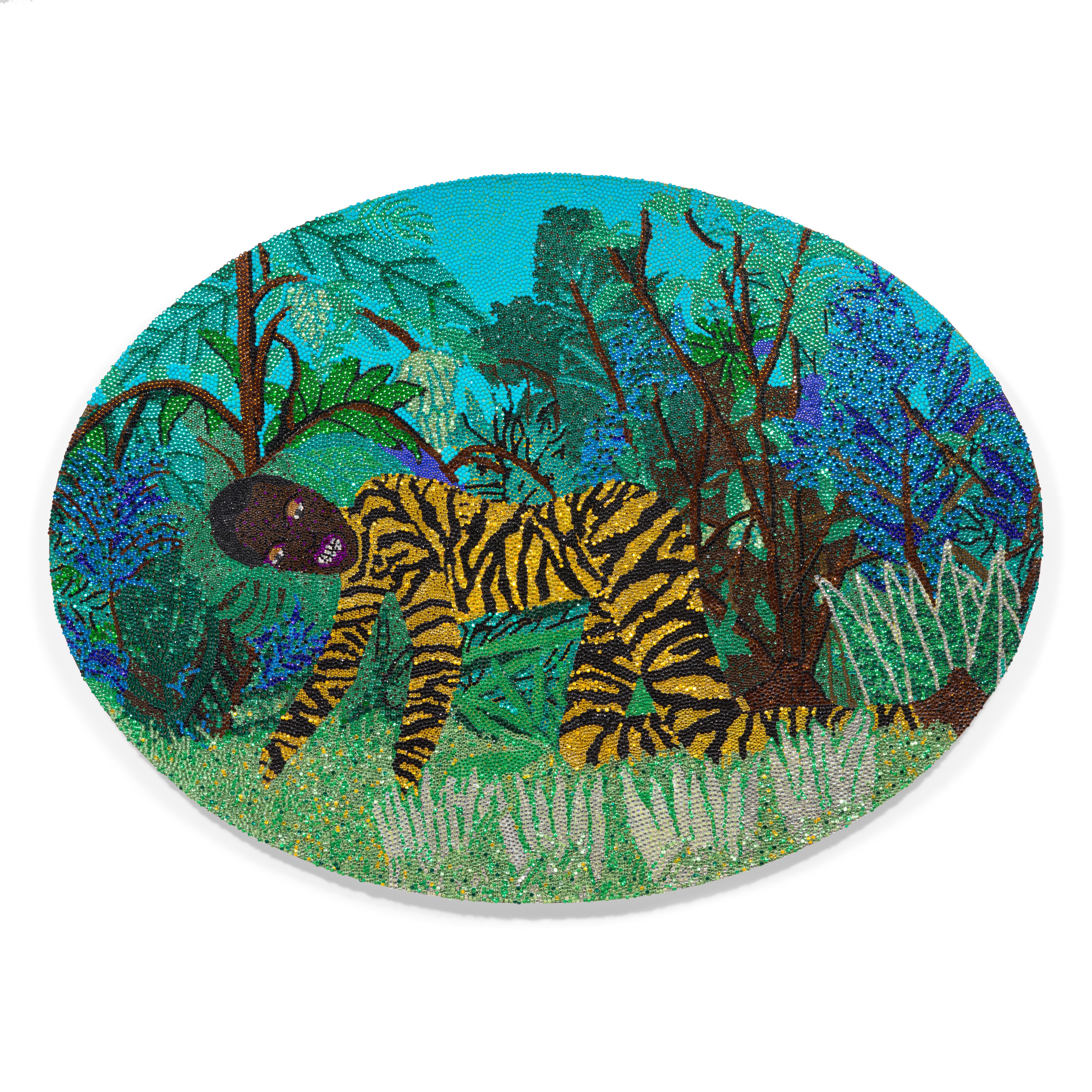
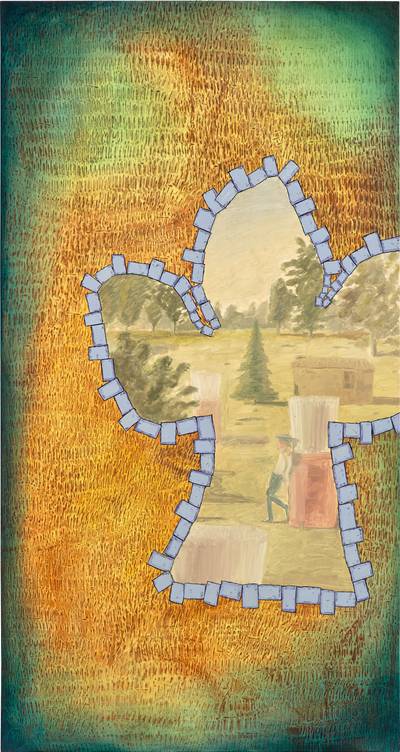
Mickalene Thomas
The Untamed in Rousseau, 2003
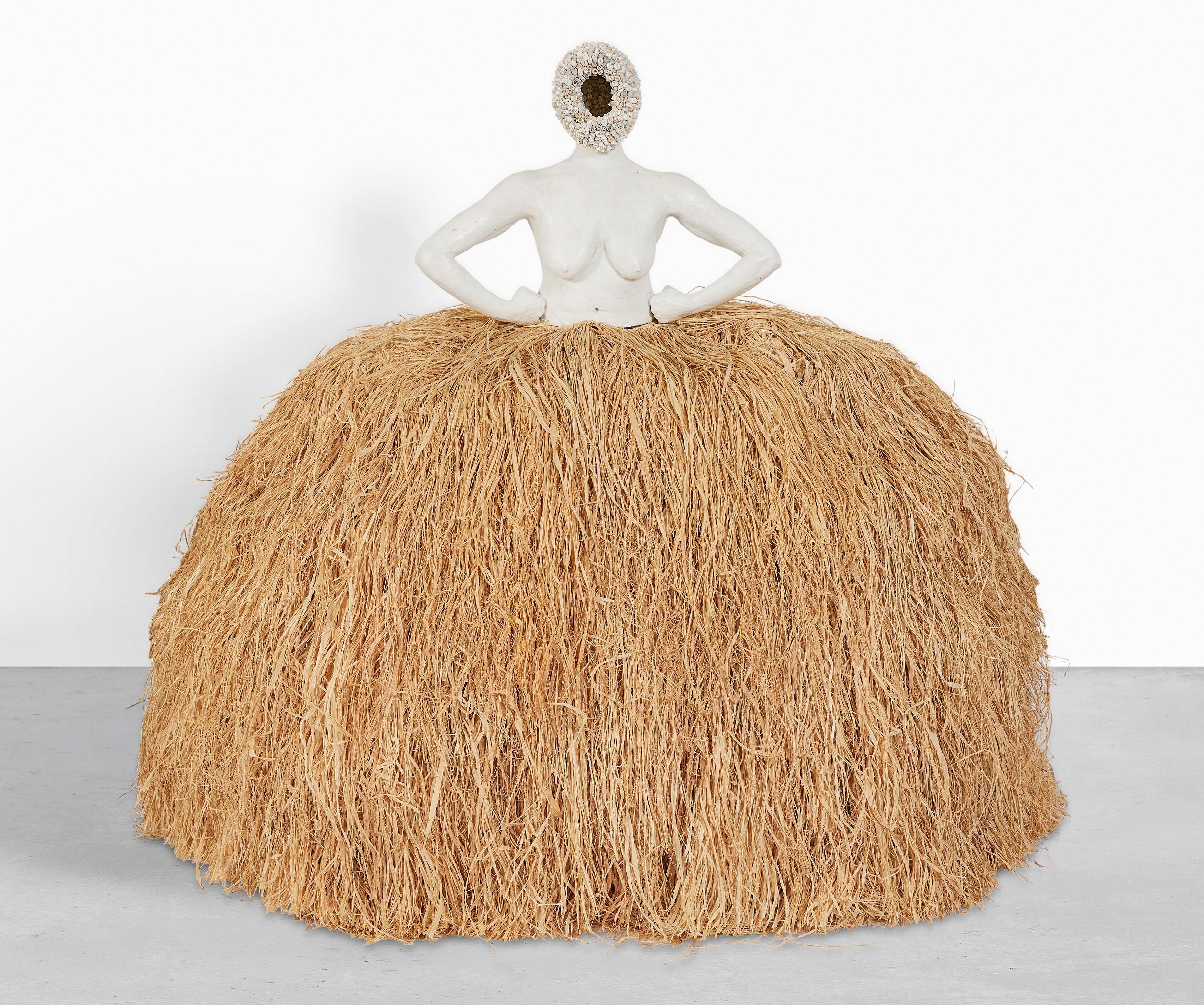
The journal October was foundational here. More recently, writers like Hilton Als and Siddhartha Mitter have pushed that conversation into territory that foregrounds questions of whose history is being referenced and to what end. When Simone Leigh draws on African and African American aesthetic traditions with the same deliberateness that Picasso once drew on African sculpture, but does so with full acknowledgment of the people and communities that produced those forms, the result is something that feels both historically rooted and urgently present tense. The collecting institutions that are most actively building in this space tend to share a particular sensibility.
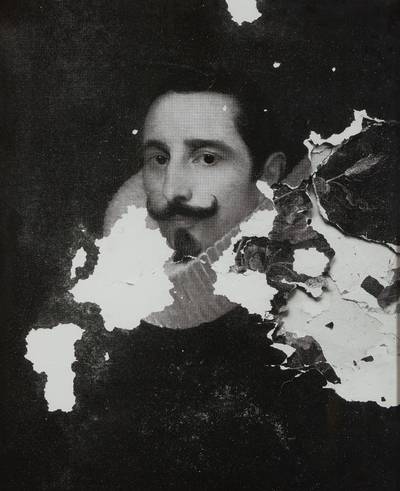
They are not simply acquiring art historical trivia or collecting irony for its own sake. The Rubell Museum in Miami, the Broad, and major European Kunsthalles have been drawn to artists whose engagement with the past feels earned and transformative rather than merely clever. Ewa Juszkiewicz occupies a fascinating position in this regard, her paintings of figures whose faces are obscured by elaborate historical hair and ornament suggesting a relationship to the Northern European portrait tradition that is at once reverential and deeply unsettling. Her market has accelerated considerably, with auction results in recent years signaling that collectors understand her work as genuinely renegotiating something important about the history of painting.
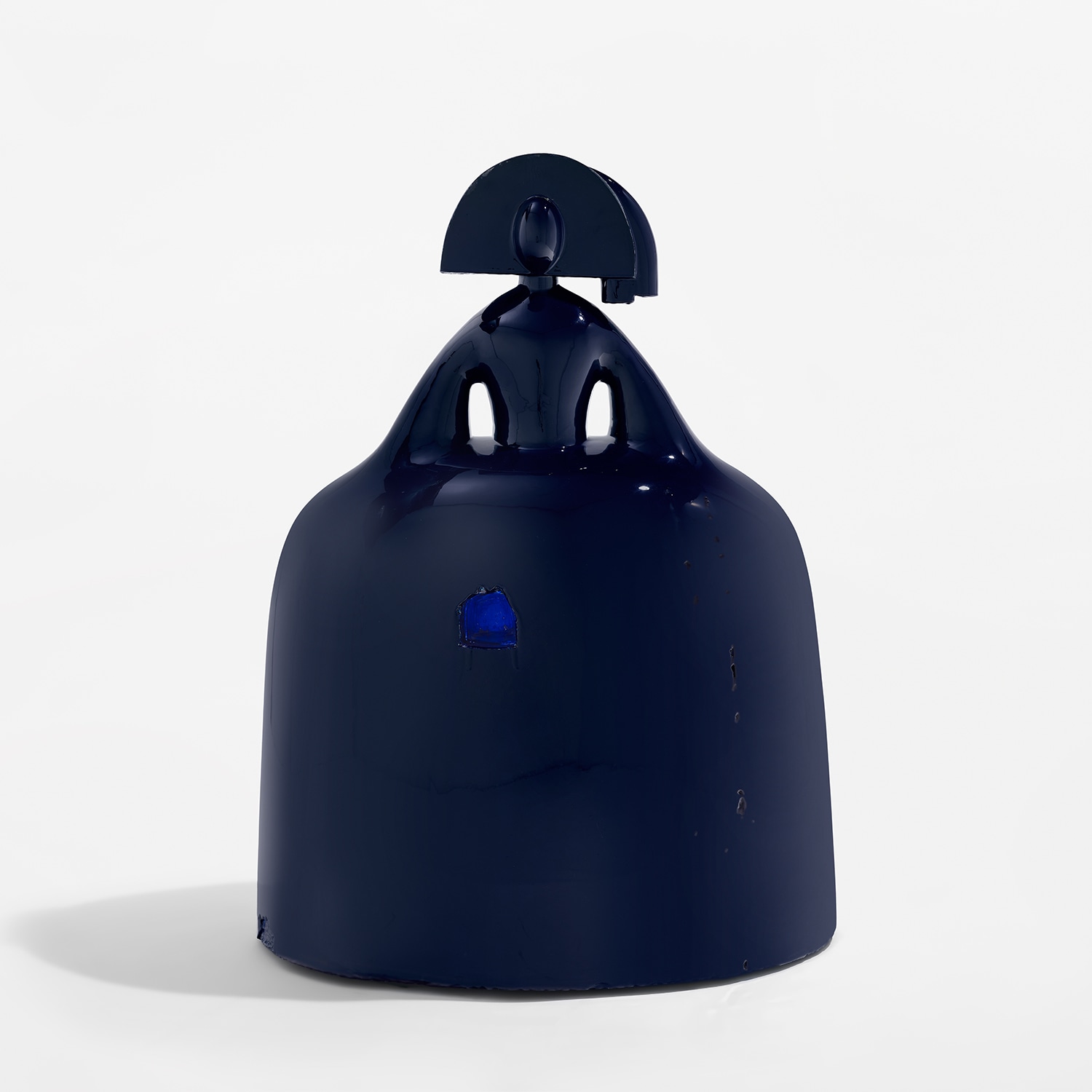
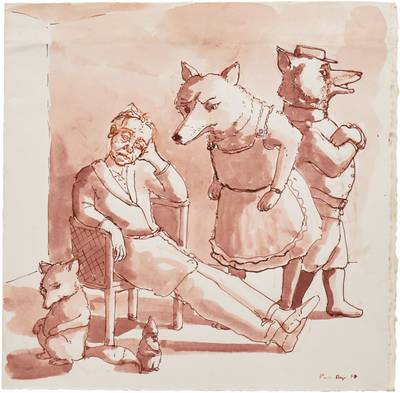
Manolo Valdés
Menina, 2015
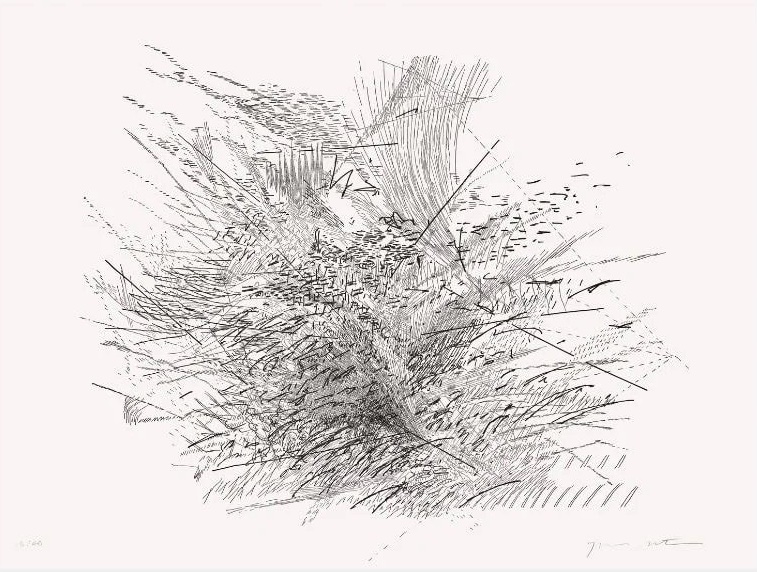
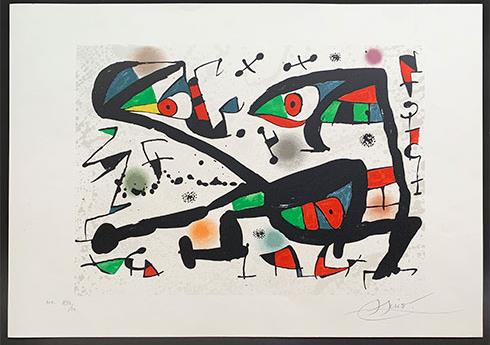
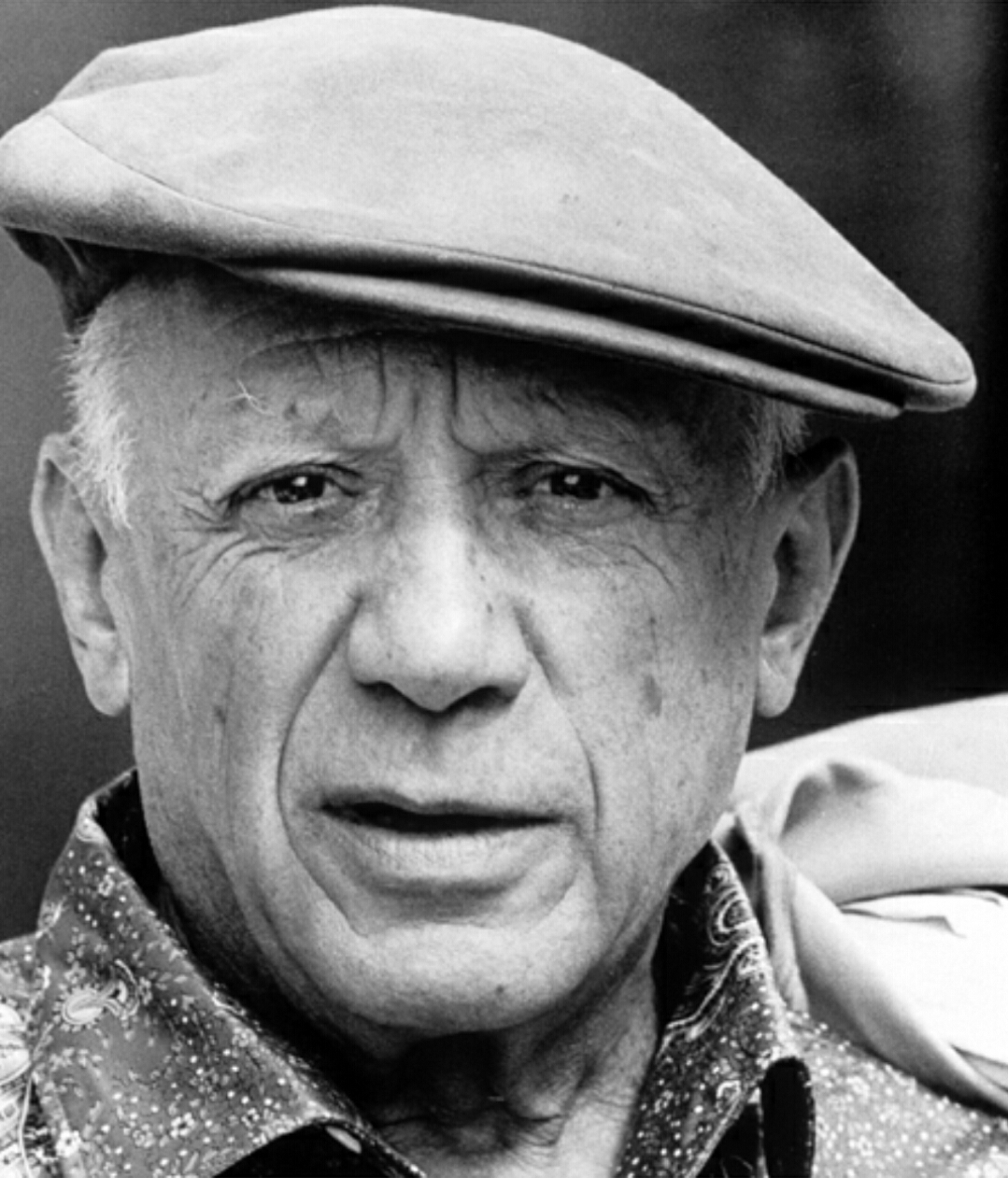
Pablo Picasso remains the gravitational center around which so much of this conversation orbits, simply because his own appropriations from African and Iberian art set the terms for how modernism understood the relationship between influence and transformation. That he did so without adequately crediting the cultures he drew from has made him a site of ongoing critical reconsideration, and artists including Manolo Valdés, who came up in Spain under the long shadow of Picasso and developed a practice that directly quotes and questions the Cubist tradition, have found that their work gains renewed relevance as those debates intensify. The Collection represents Valdés, and his presence alongside artists like Richard Hamilton and Robert Rauschenberg traces a coherent lineage of image makers for whom history is not a constraint but the very medium itself. What feels most alive right now is the way this practice is expanding beyond the Western canon it once almost exclusively referenced.
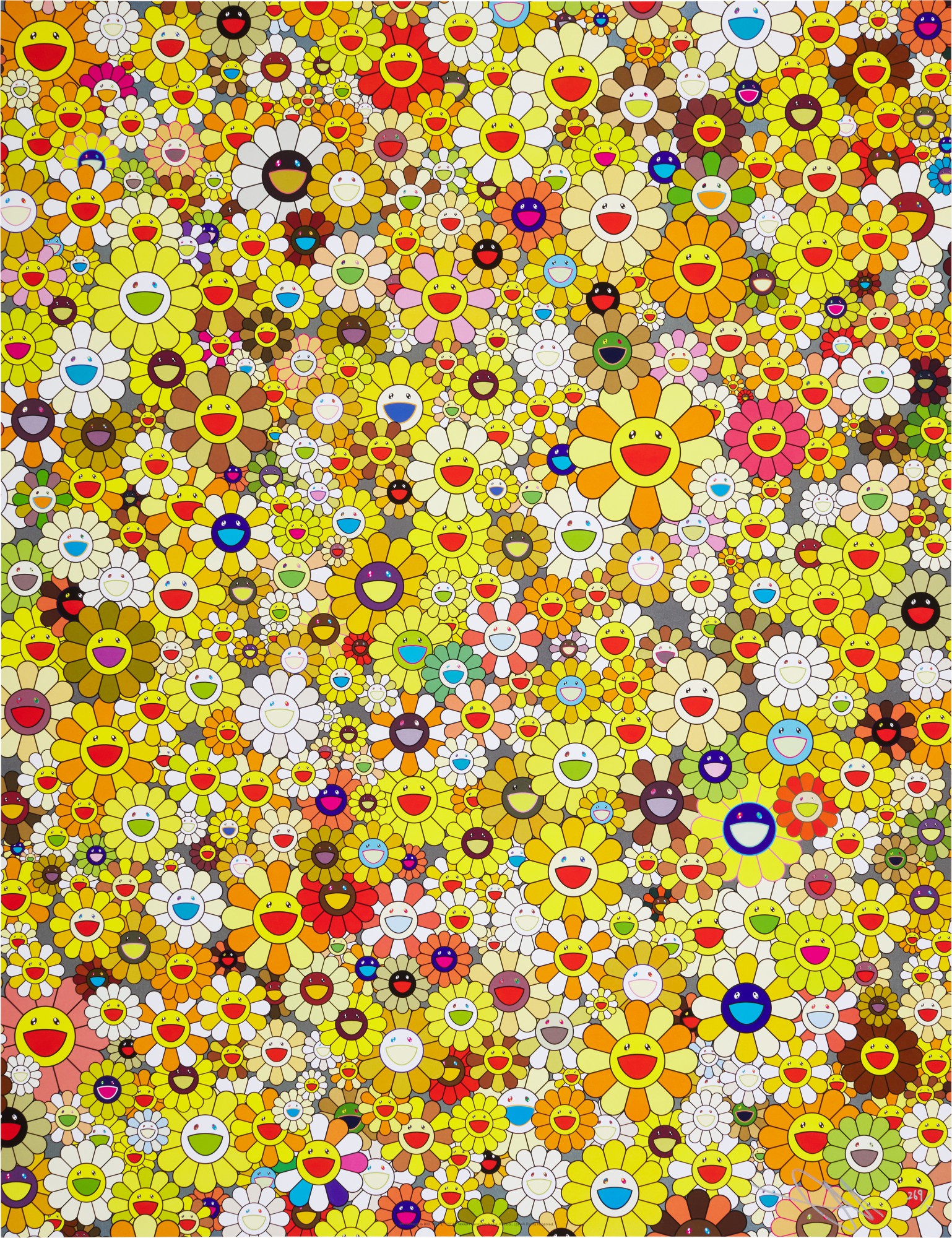
Takashi Murakami, whose body of work is substantial within The Collection, has built an entire theoretical framework around the Superflat aesthetic that positions Japanese art historical precedents including Edo period painting and manga as equally legitimate sources for contemporary work. He does not merely quote those traditions. He uses them to interrogate the global art market from within. Glenn Brown, for his part, takes the surface of art history itself as his subject matter, rephotographing reproductions of old master and science fiction illustrations and repainting them with an almost disturbing facility, raising questions about authenticity that feel more pressing in an era of artificial intelligence than when he first posed them.
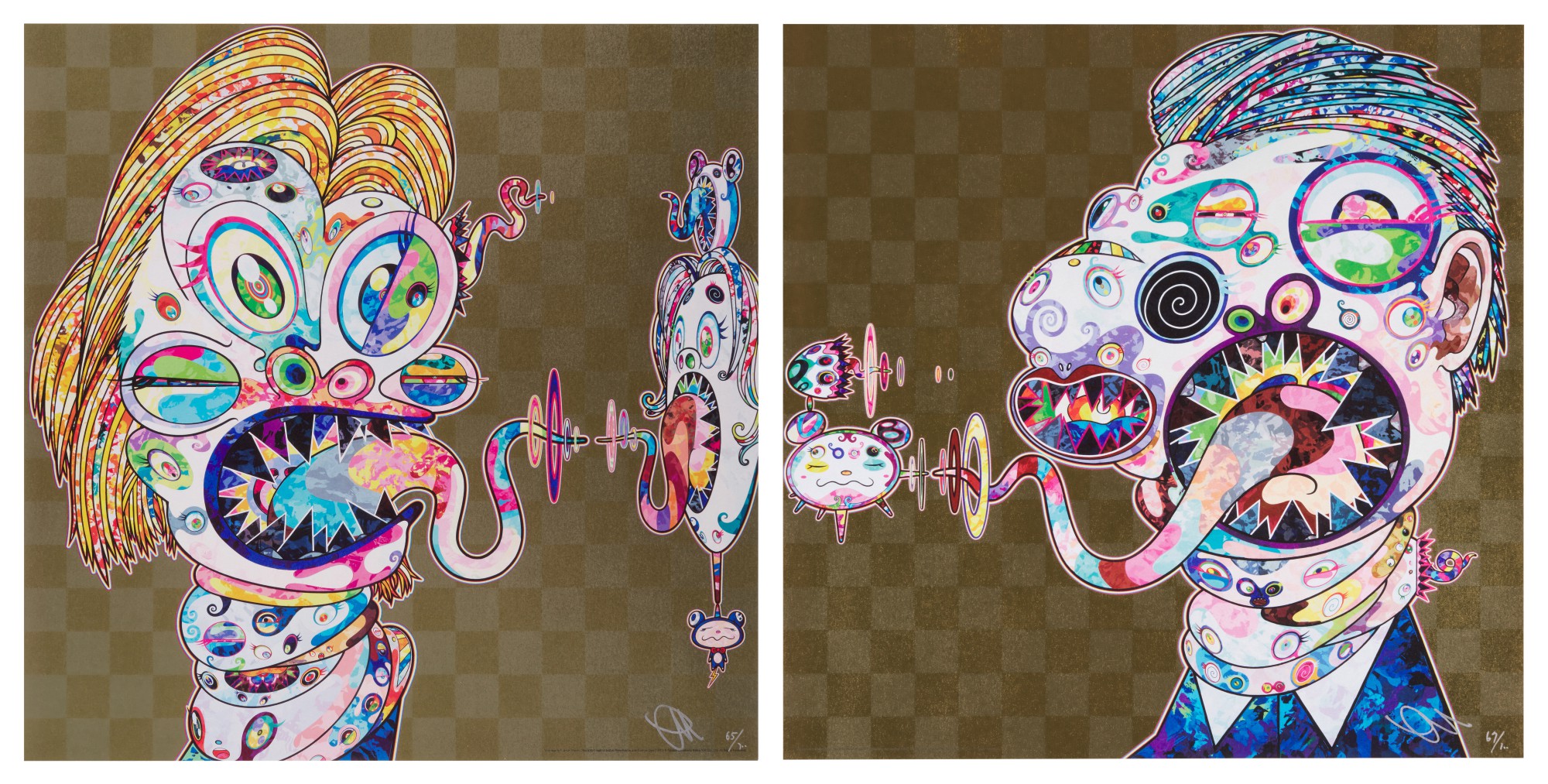
Takashi Murakami
Homage to Francis Bacon (Study for Head of Isabel Rawsthorne and George Dyer) (Two Works)
The surprise coming into focus is how squarely AI generated work has entered this conversation, and not from the outside. When artists use machine learning tools trained on millions of art historical images, the output is essentially a compacted and probabilistic version of art historical reference. The question of whether that constitutes genuine engagement or a kind of automated citation is one that critics, curators, and collectors are only beginning to parse seriously. What is clear is that the underlying impulse, the desire to stand in the stream of art history and redirect its flow rather than simply step out of it, is not going away.
It is accelerating, and the collectors who understand it best are the ones who will be best positioned to see where it leads.