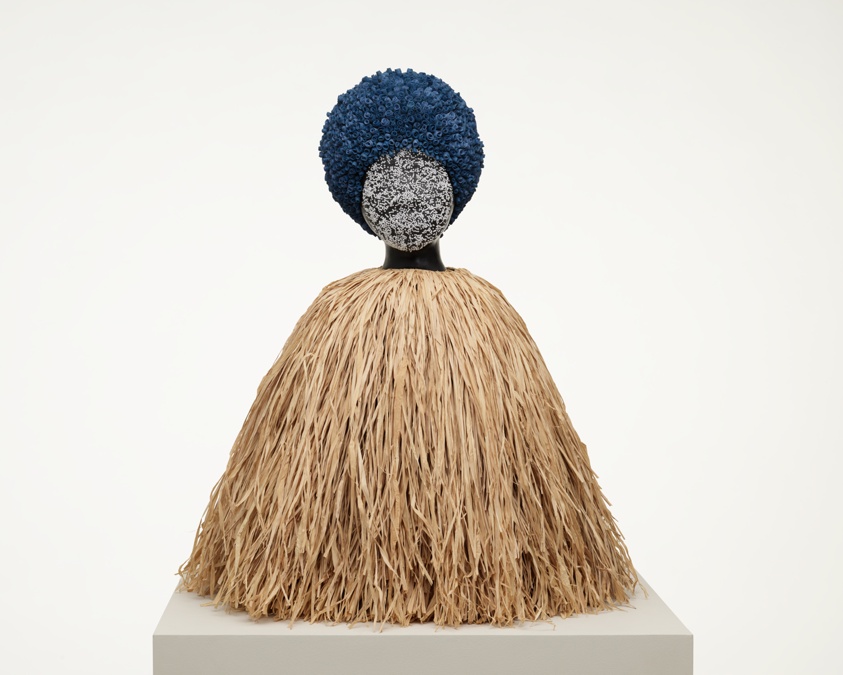
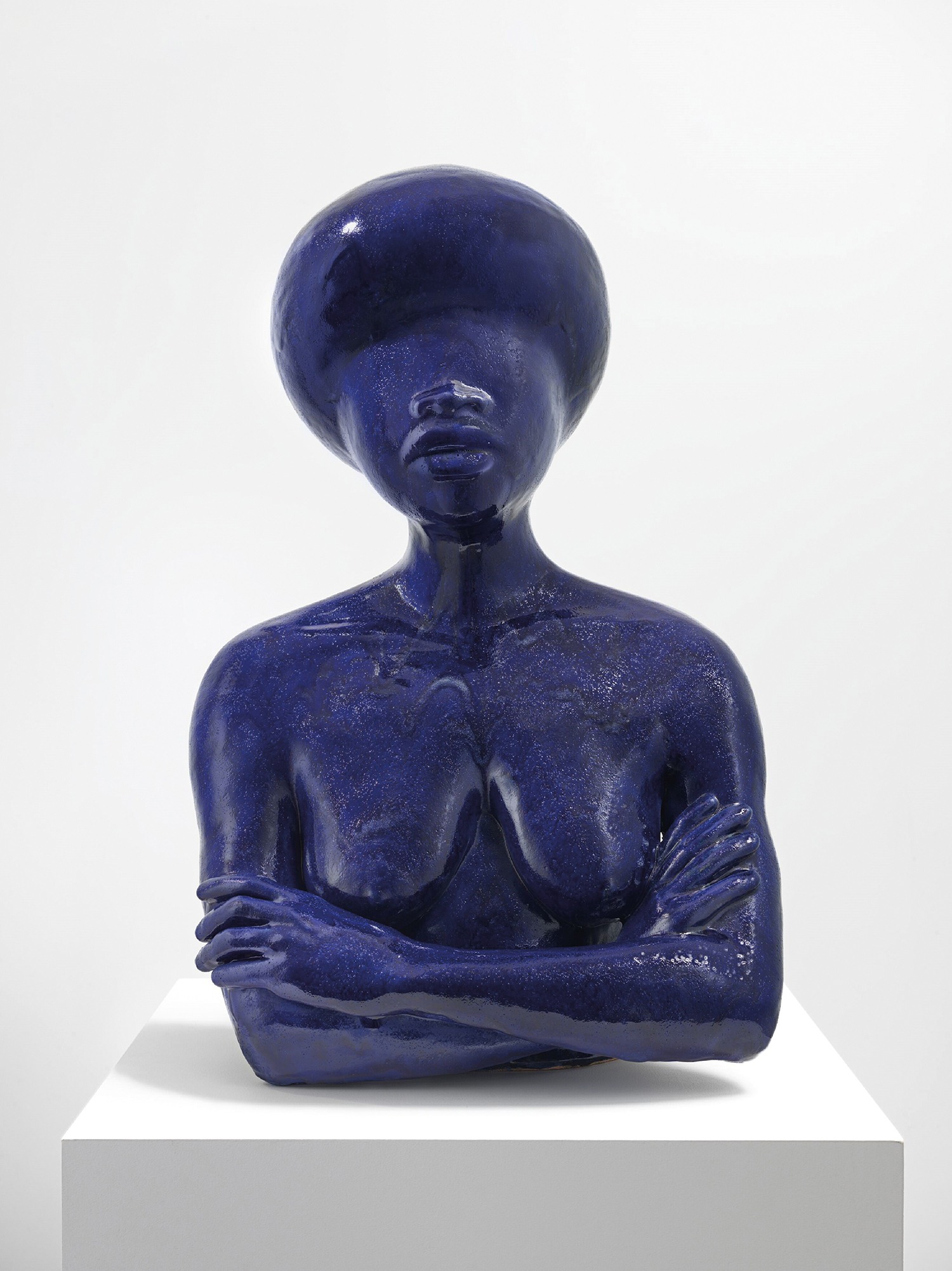
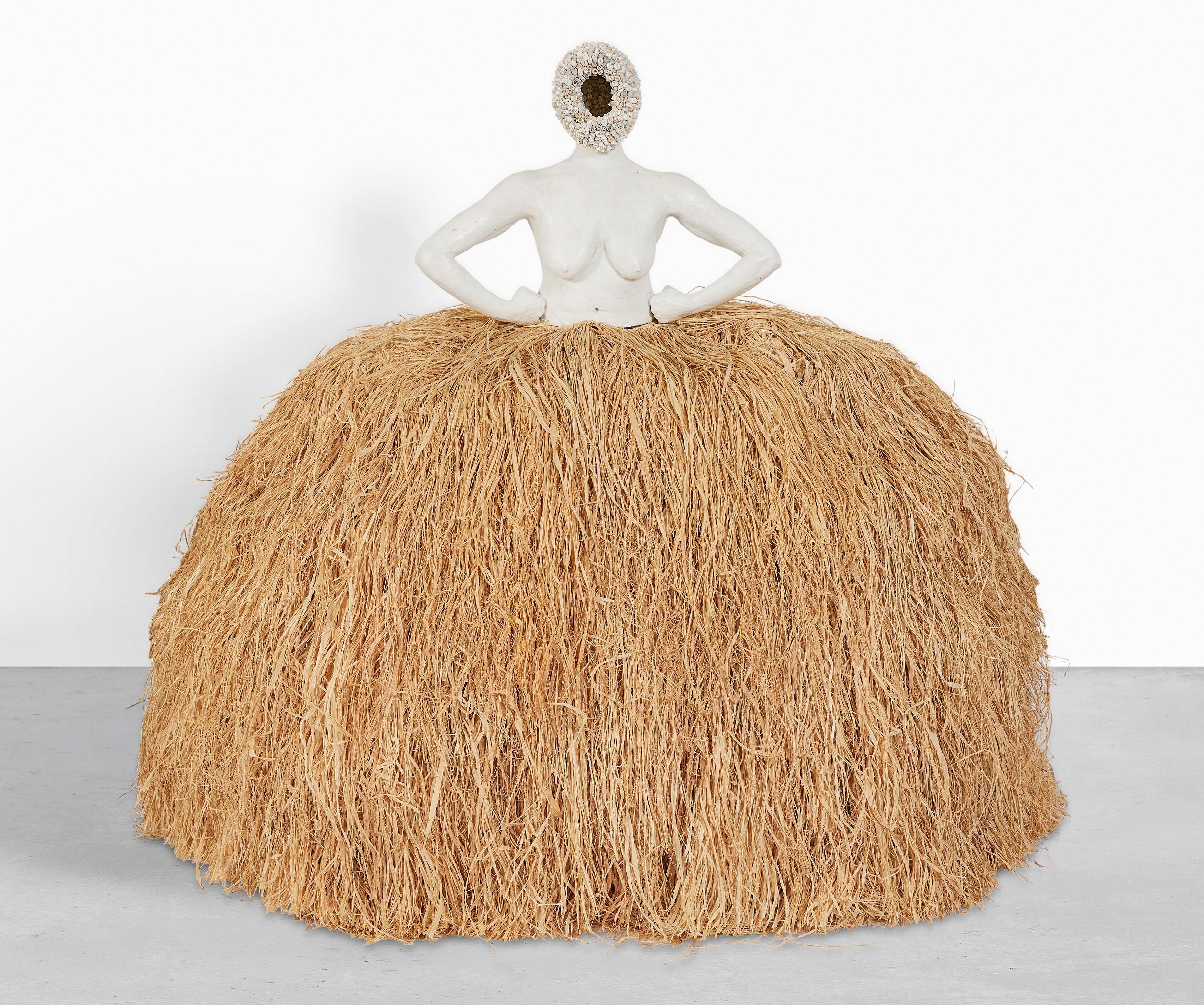
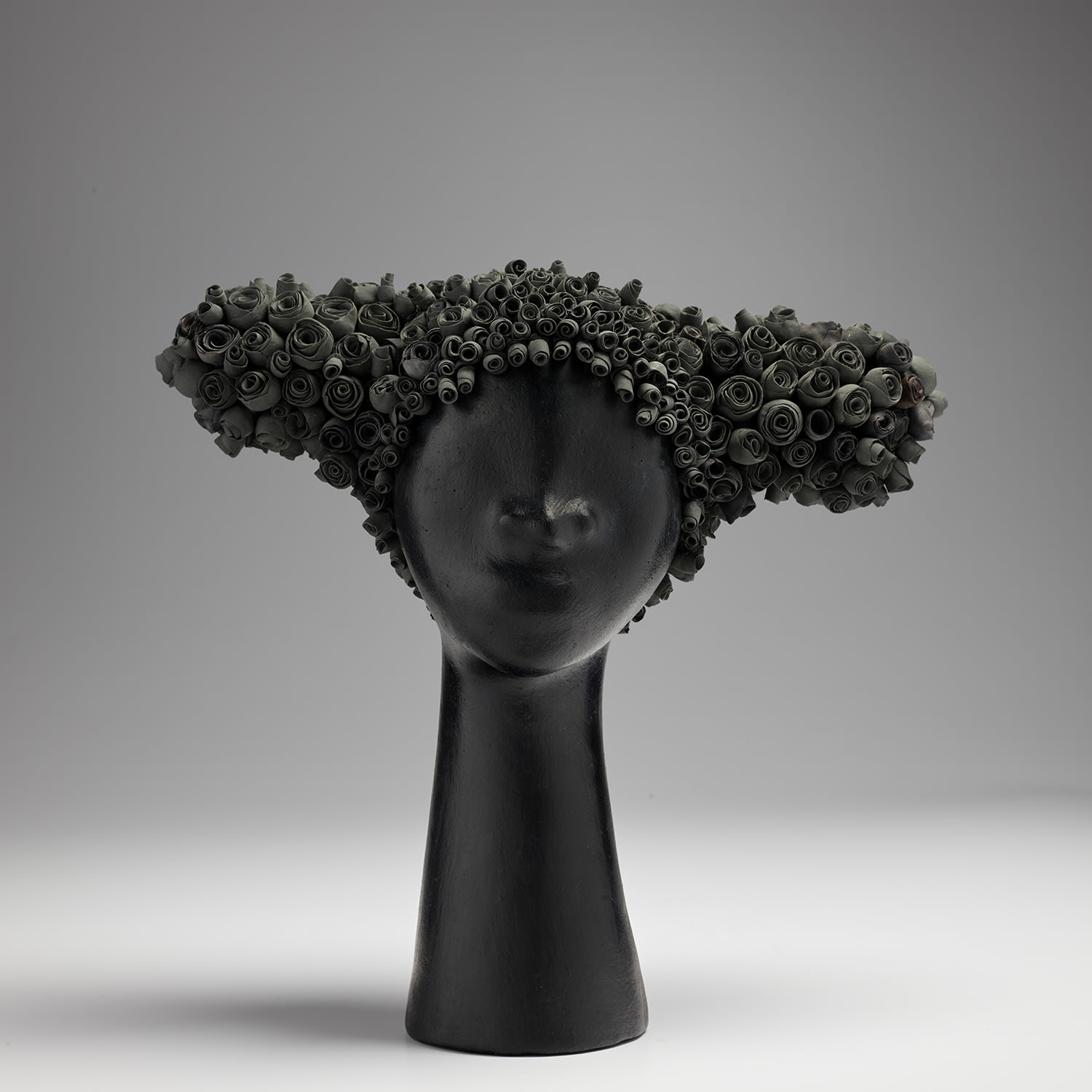
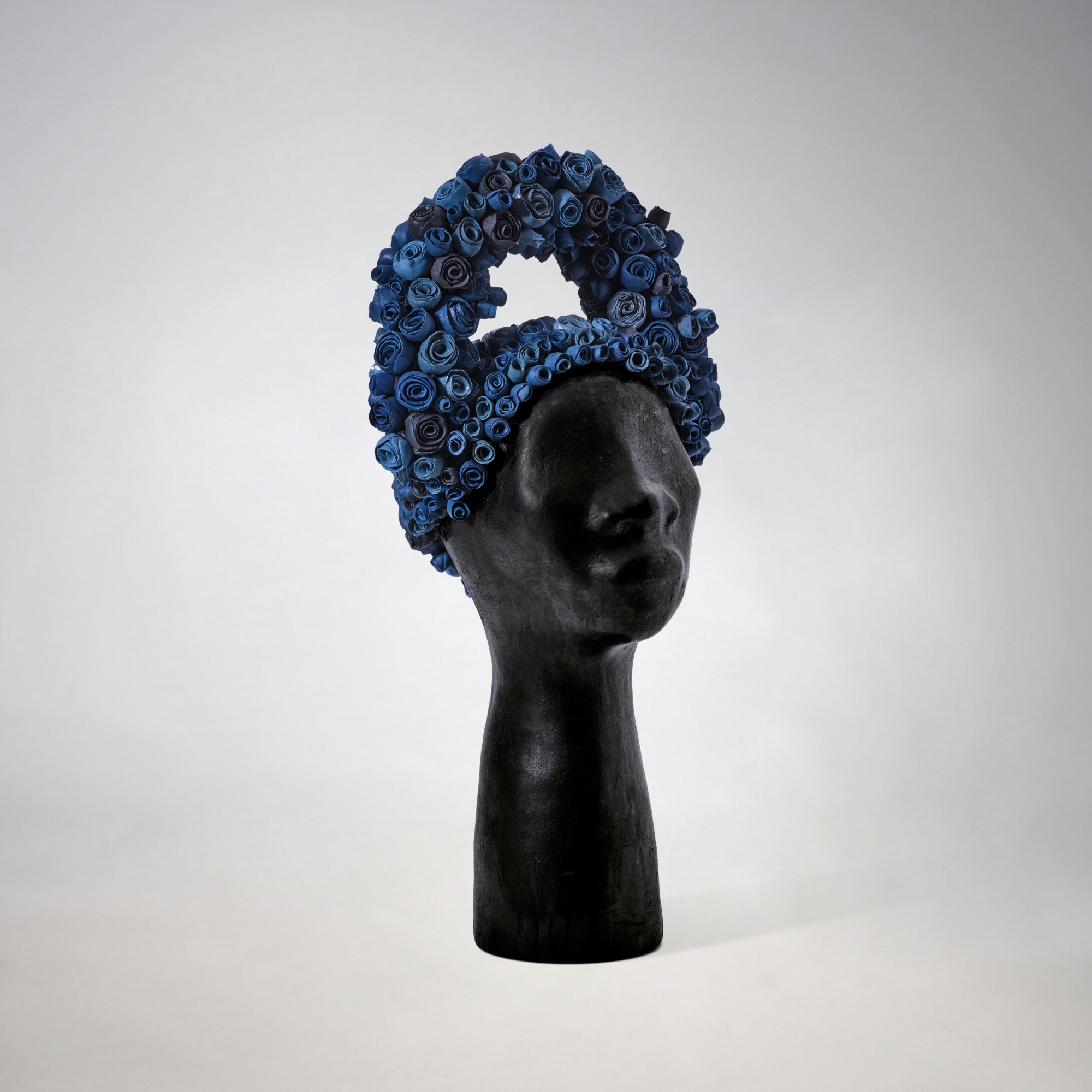
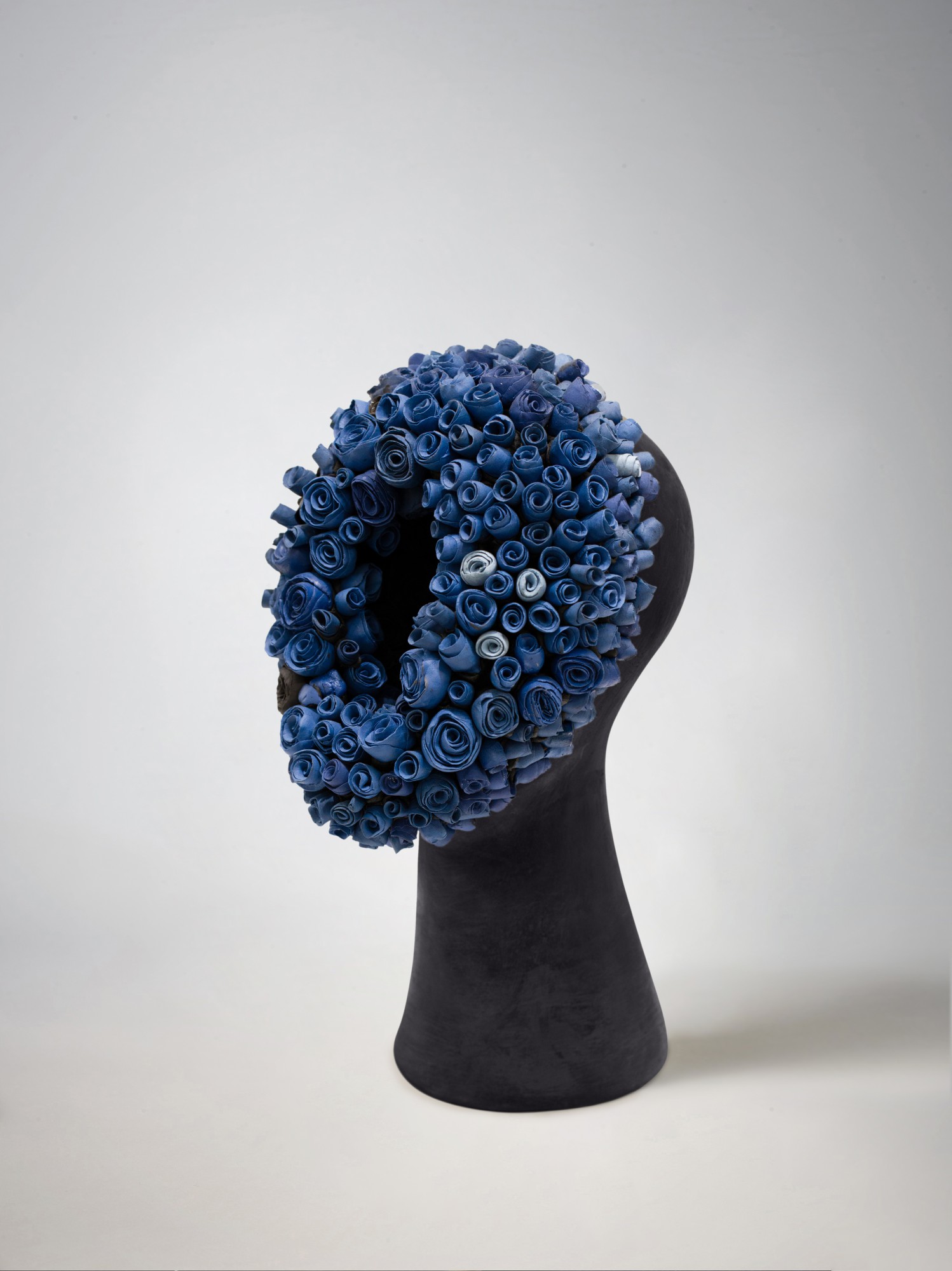
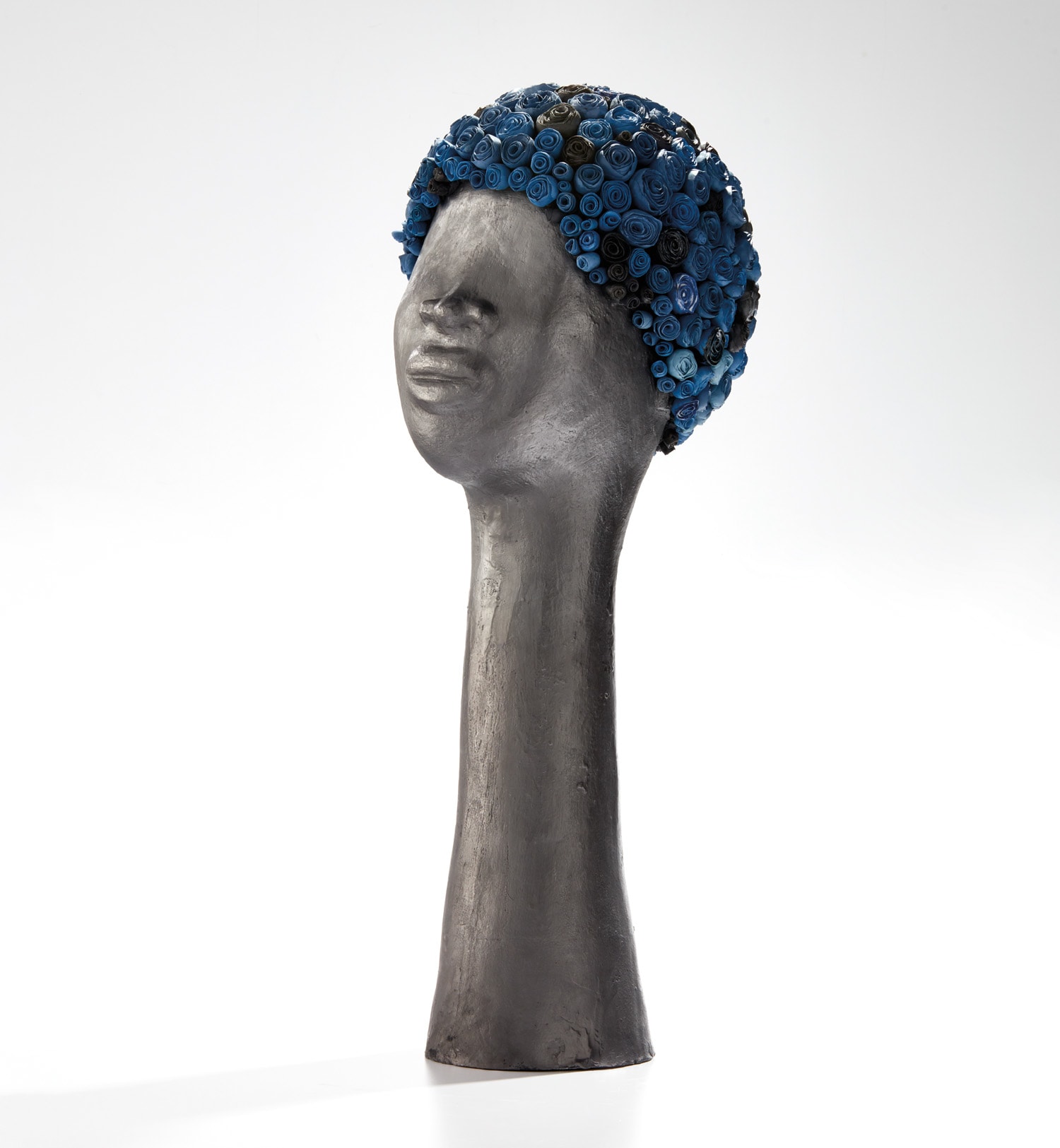
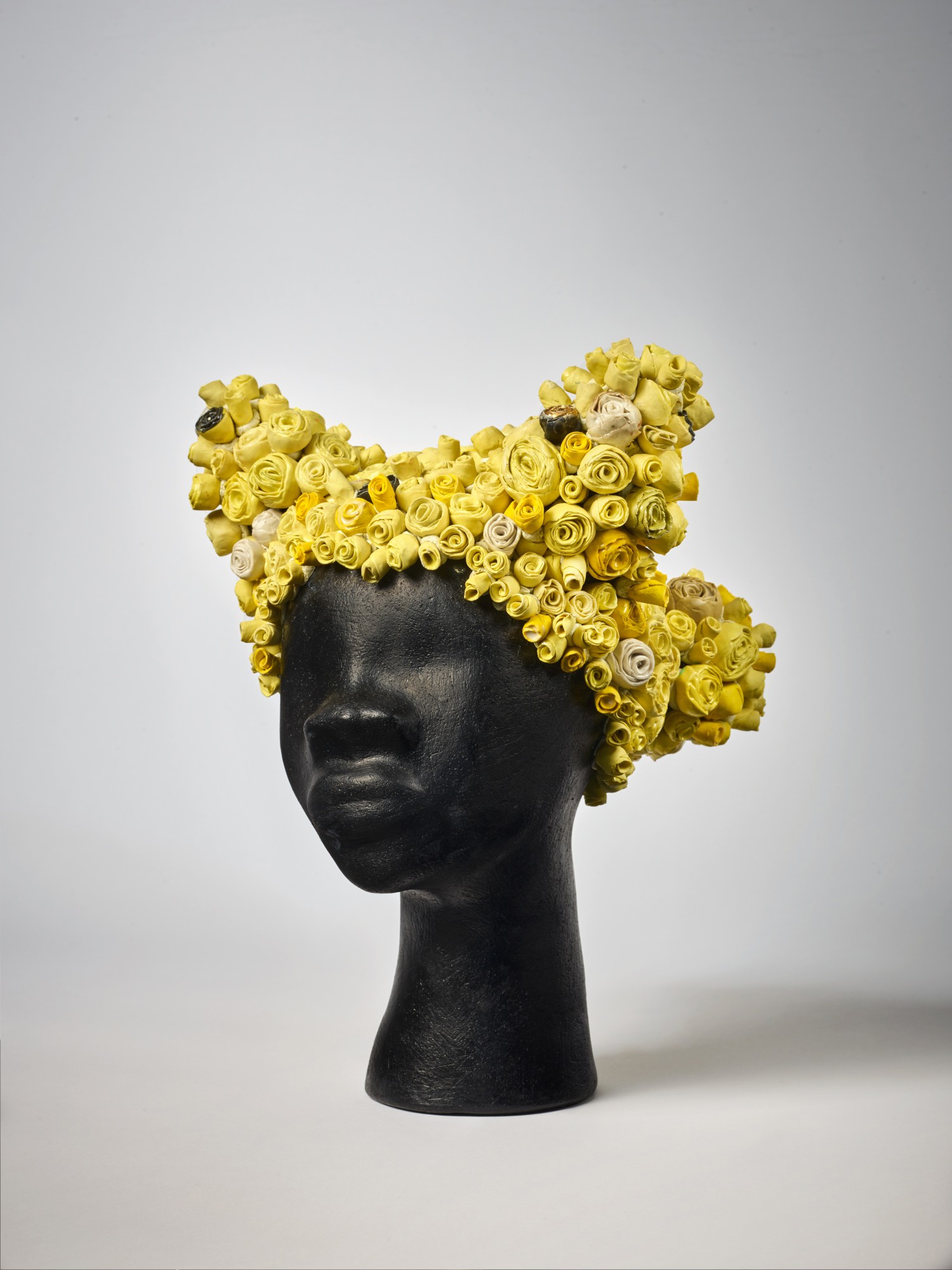
In the summer of 2022, something remarkable happened in the great hall of the United States Pavilion at the Venice Biennale. Visitors arriving at the Giardini found themselves walking beneath Simone Leigh's towering bronze figure, a woman whose lower body dissolved into the form of a thatched African dwelling, her presence so commanding and so tender that the space itself seemed to reorganize around her. When the jury awarded Leigh the Golden Lion for best national participation, it was not merely a prize. It was a recognition long overdue, a confirmation that one of the most serious and visionary sculptors working today had arrived at the very center of the art world's conversation, on her own terms. Leigh was born in Chicago in 1967 and grew up on the South Side, a landscape that shaped her understanding of community, resilience, and the often invisible labor of Black women in American life. She studied at Earlham College in Indiana, where she earned her undergraduate degree, before eventually settling in New York, where her practice took root and flourished. Chicago and New York gave her two distinct grammars: the architectural grandeur of a city that builds to last, and the relentless intellectual energy of a global art capital. Both registers are visible in her work, which thinks at the scale of institutions while remaining intimately attuned to the body. Leigh came to prominence gradually, through a sustained commitment to community practice as much as to object making. For years she ran the Free People's Medical Clinic, a project that offered health care and resources in Brooklyn, and she founded Lotion, a platform for the study of Black female subjectivity. These were not side projects or social practice addenda to a studio career. They were the intellectual and ethical foundation of everything she makes. Her sculptures emerge from the same conviction that animates those initiatives: that Black women's knowledge, labor, and experience constitute a legitimate and urgent subject for art history, and that the art world has been slow to catch up. Her material language is one of the great pleasures of contemporary sculpture. Leigh works primarily in ceramic and bronze, two of the oldest sculptural traditions in the world, and she brings them together with an encyclopedic fluency that draws on West African pottery, Dogon architecture, Japanese ceramics, and the domestic craft traditions of the American South. Works like "Birmingham" from 2012 and "Blue/Black" from 2014 demonstrate her early command of terracotta and porcelain, combining India ink and epoxy to achieve surfaces that read as both ancient and urgently present. "Shower Cap" from 2013 introduces a note of intimacy and wit, the most quotidian of objects rendered in stoneware and cobalt as if to insist that the private rituals of Black women's grooming are worthy of the same monumental attention as any classical subject. By the mid 2010s, her figures had begun to take on the architectural ambition that defines her mature practice. "Mandeville" and "Clarendon," both from 2015, show Leigh fusing the female form with structural elements drawn from vernacular building traditions across the African diaspora. The bodies in these works do not merely inhabit space; they become space. Their skirts, rendered in terracotta and raffia and glass beads, swell outward like the walls of a compound, sheltering and monumental all at once. "Dunham" from 2017, with its combination of terracotta, porcelain, raffia, steel, glass beads, epoxy, and India ink, represents perhaps the fullest realization of this impulse in her smaller scale work, a figure that carries entire geographies within its form. The year 2019 brought Leigh two of her most celebrated achievements. "Brick House," a six meter tall bronze bust installed permanently on the High Line in New York, became an immediate landmark, her face rendered with a noble serenity that quoted both ancient Yoruba sculpture and the heroic public monuments from which Black women have historically been excluded. In the same year, "Las Meninas II" appeared, a work in terracotta, steel, raffia, and porcelain that rewrites Velázquez's famous painting from the inside, replacing the courtly gaze with a vision centered on the knowledge and dignity of women of African descent. The title alone announces Leigh's ambition: she is not adding a footnote to art history but proposing an entirely different archive. "Figure (Cobalt)" from 2021 is among the most refined and collectible of her glazed stoneware works. The deep cobalt glaze, applied to a form that merges a woman's torso with a ceramic vessel, makes explicit a metaphor that runs throughout her practice: the Black female body as a container of knowledge, history, and sustenance. This is not a diminishment but an elevation, a recognition of the vessel form as one of humanity's oldest technologies of care. Works in this series are held by major institutions including the Guggenheim Museum in New York and the Hammer Museum in Los Angeles, and they represent the clearest entry point for collectors seeking to understand the full arc of her thinking. For collectors approaching Leigh's market, several things are worth noting. Her institutional footprint is now substantial, which means that works entering secondary channels carry the full weight of museum validation. Ceramic works tend to offer a more accessible price point than her large bronzes, and pieces from her ongoing series allow for meaningful comparative study within a collection. Collectors drawn to the intersection of feminist art, African diasporic aesthetics, and material innovation will find in Leigh a practice that rewards sustained engagement. Her work sits in productive dialogue with artists including Kara Walker, whose engagement with Black American history shares something of Leigh's archival ambition, and with the ceramicist and sculptor Theaster Gates, whose rehabilitation of craft traditions runs parallel to her own. Internationally, her use of vernacular architectural form connects her to a broader movement of artists reclaiming non Western building traditions as a sculptural vocabulary. What Leigh has accomplished, across three decades of tireless work, is nothing less than a reorientation of how we think about the body, about shelter, and about who gets to be memorialized in bronze. She has built a practice that is simultaneously deeply personal and universally resonant, one that takes the specific experience of Black womanhood and expands it until it contains multitudes. The Golden Lion is one measure of her achievement. The deeper measure is the way her figures seem to look back at you from across centuries, patient and certain and entirely alive.