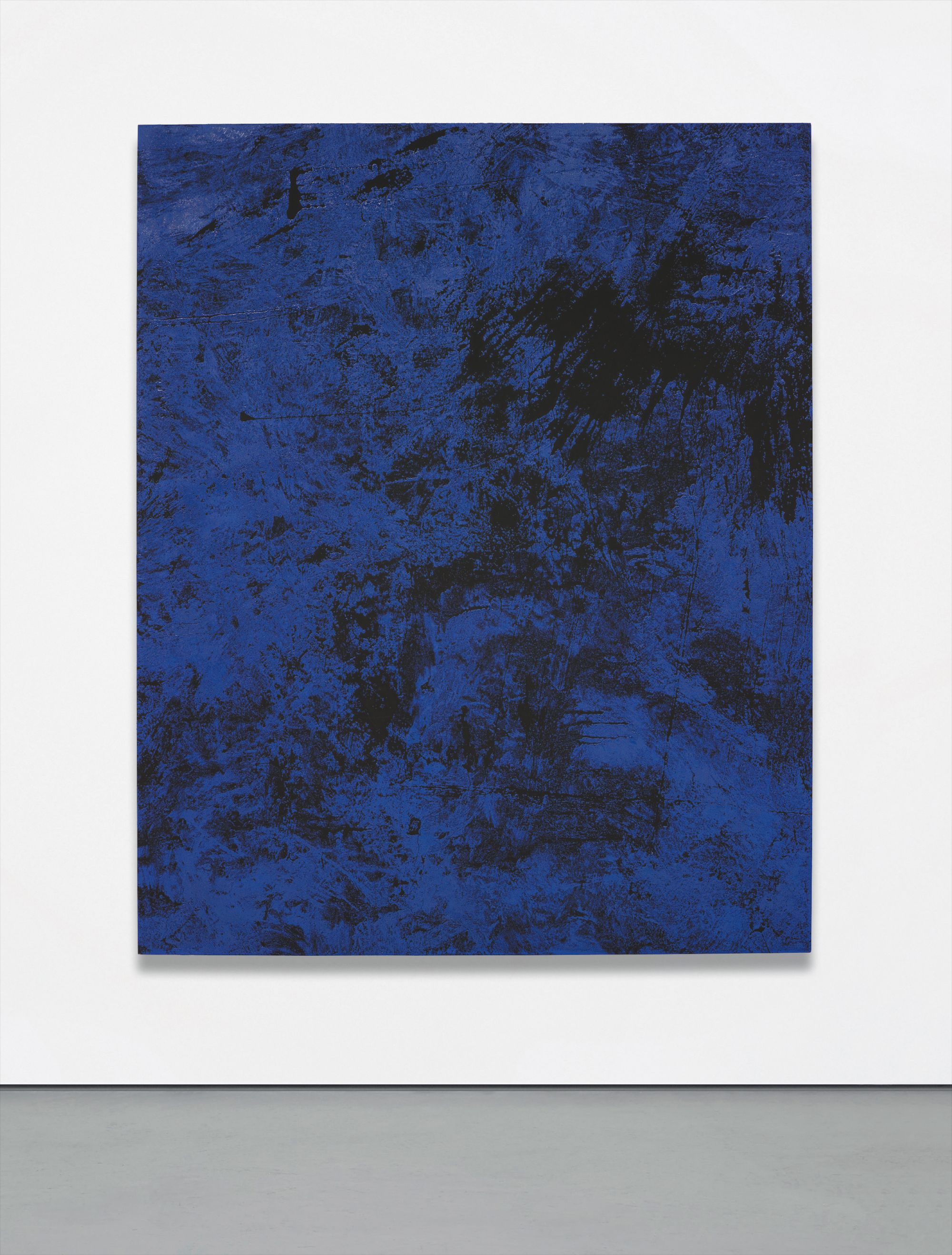
Always one to challenge the boundaries of art, Rudolf Stingel strives to dispel the preconceptions based around art’s elevated status and actively negates any notions of hierarchy within its production. Using a broad range of mediums and techniques, Stingel explores various means of artistic expression, however, what transcends all of his pieces is an inherently reductionist approach. Peeling away areas, scratching into surfaces, carving out patches in his material, are just some of the ways the artist signals his presence. In this manner, Stingel refuses to conform to notions of the artist’s hand bringing clarity and development.
Rudolf Stingel's oil on canvas work exemplifies his signature reductionist approach, where the act of subtraction becomes the primary mode of expression. Rather than building up layers of paint to create form, Stingel strips away, scratches, and carves into the surface, leaving behind traces of his physical presence as both mark and meaning. The result is a work that challenges traditional notions of painterly skill, inviting viewers to reconsider what it means for an artist's hand to leave its mark on a canvas.
- Medium
- oil on canvas
- Location
- Phillips, Salt Lake City, UT
- Spotted At
- Auction House · PhillipsView on map
🔨 Auction Lot
Contemporary Art Evening Sale
October 14, 2015
More by Rudolf Stingel
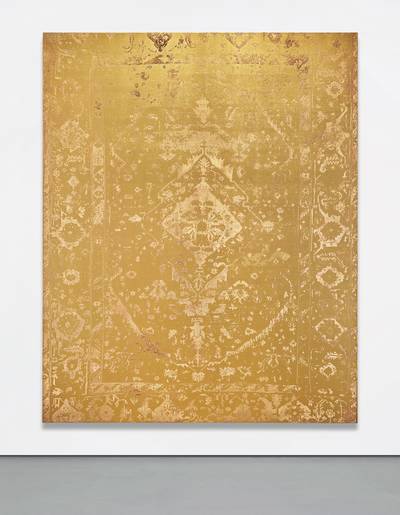
Rudolf Stingel has spent the past three decades exploring the boundaries of painting, pattern and design through his experimentation with surface and materiality. Rendered in opulent gold,
2014
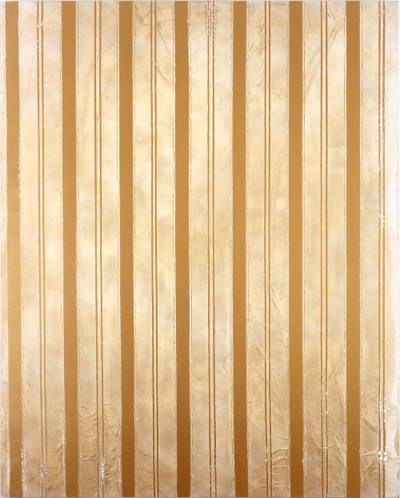
Working across the various media of painting, sculpture and installation, Rudolf Stingel has always challenged the very nature of artistic practices in order to critically reveal the technical processes that lies behind them. In the present lot
Rudolf Stingel
Artists in conversation
Lucio Fontana
Italian-Argentine · b. 1899
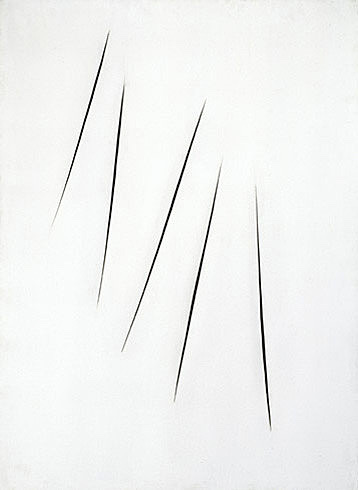
Fontana's Spatialism directly parallels Stingel's reductionist approach through his iconic slashed and punctured canvases, where subtraction and physical intervention into the surface become the primary expressive act. Both artists use destruction of the painted surface to signal the artist's bodily presence while challenging conventional notions of painterly craft.
Cy Twombly
American · b. 1928
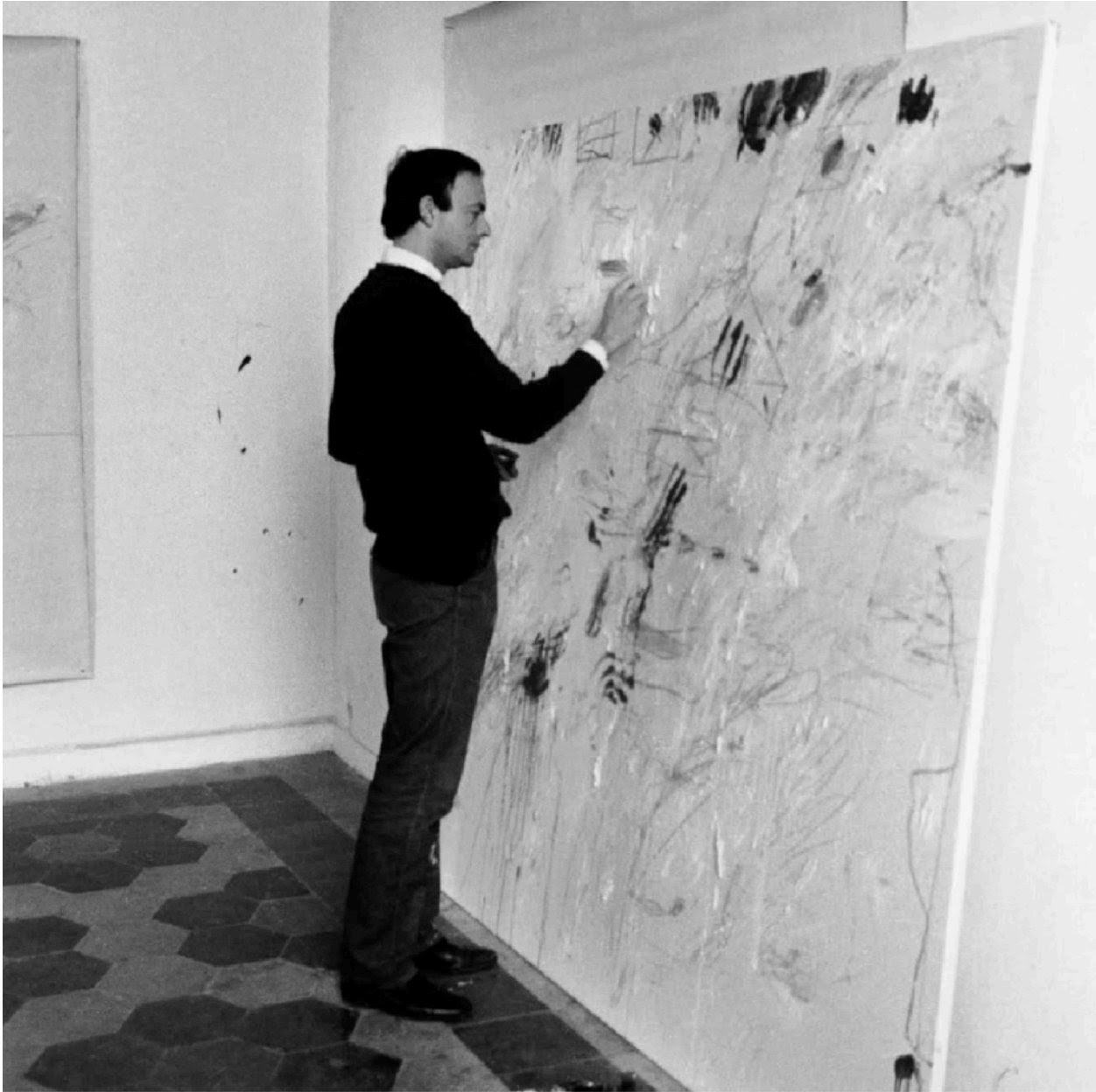
Twombly's gestural, process driven works share Stingel's interest in scratching and carving into surfaces to leave raw physical traces, resulting in works with muted and neutral tones that foreground the act of making over representational clarity. Both artists embrace a contemplative minimalist aesthetic where the mark itself carries conceptual weight rather than describing external subjects.
Robert Ryman
American · b. 1930
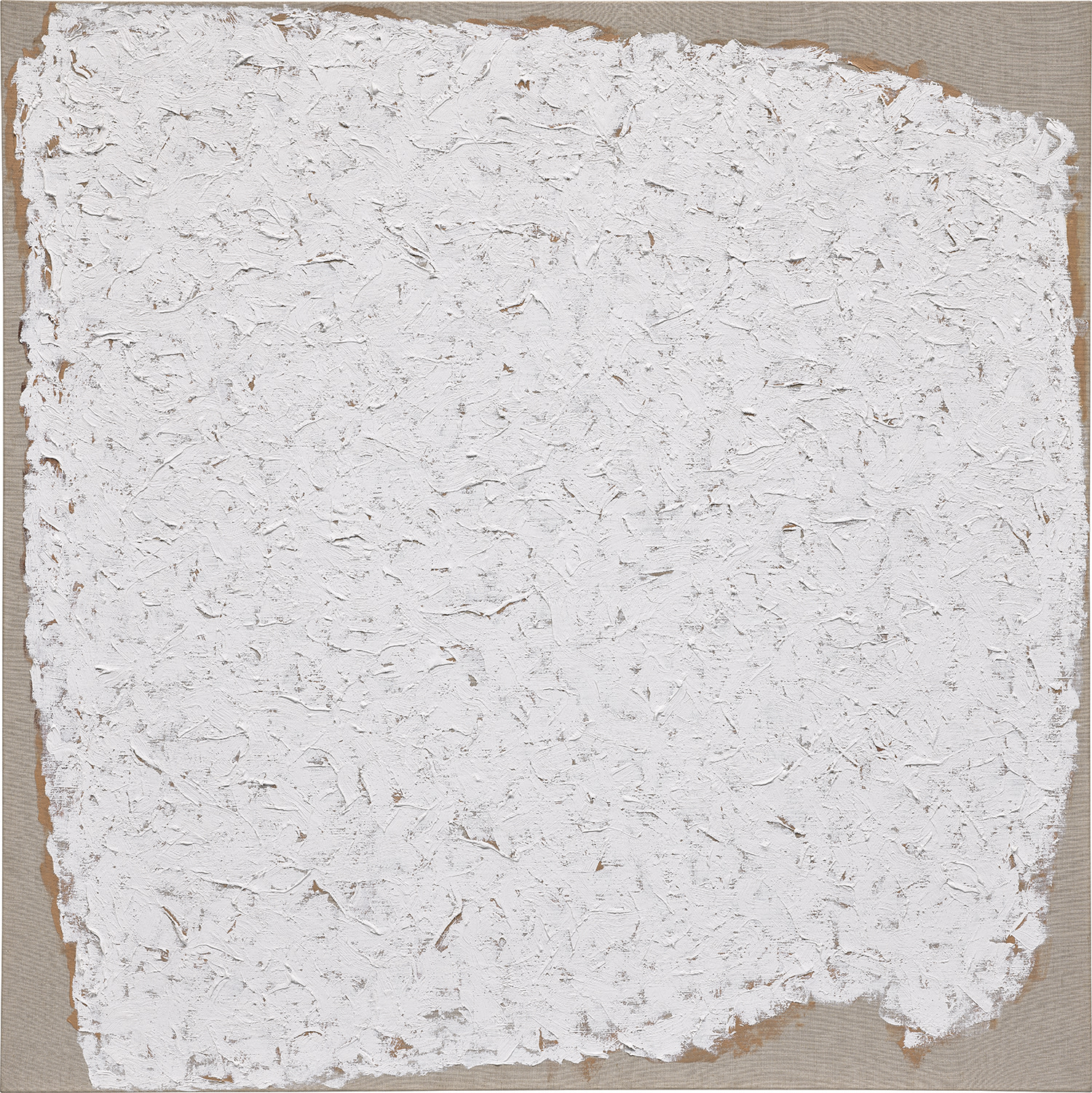
Ryman's lifelong dedication to reductionist oil on canvas painting, characterized by neutral tones, textural surface exploration, and a rigorous questioning of what painting fundamentally is, aligns closely with Stingel's conceptual and process oriented approach. Both artists strip away conventional pictorial content to focus attention on the physical materiality of paint and the conditions of its application.
Start the Discussion
Request access to join the discussion