Textural Surface
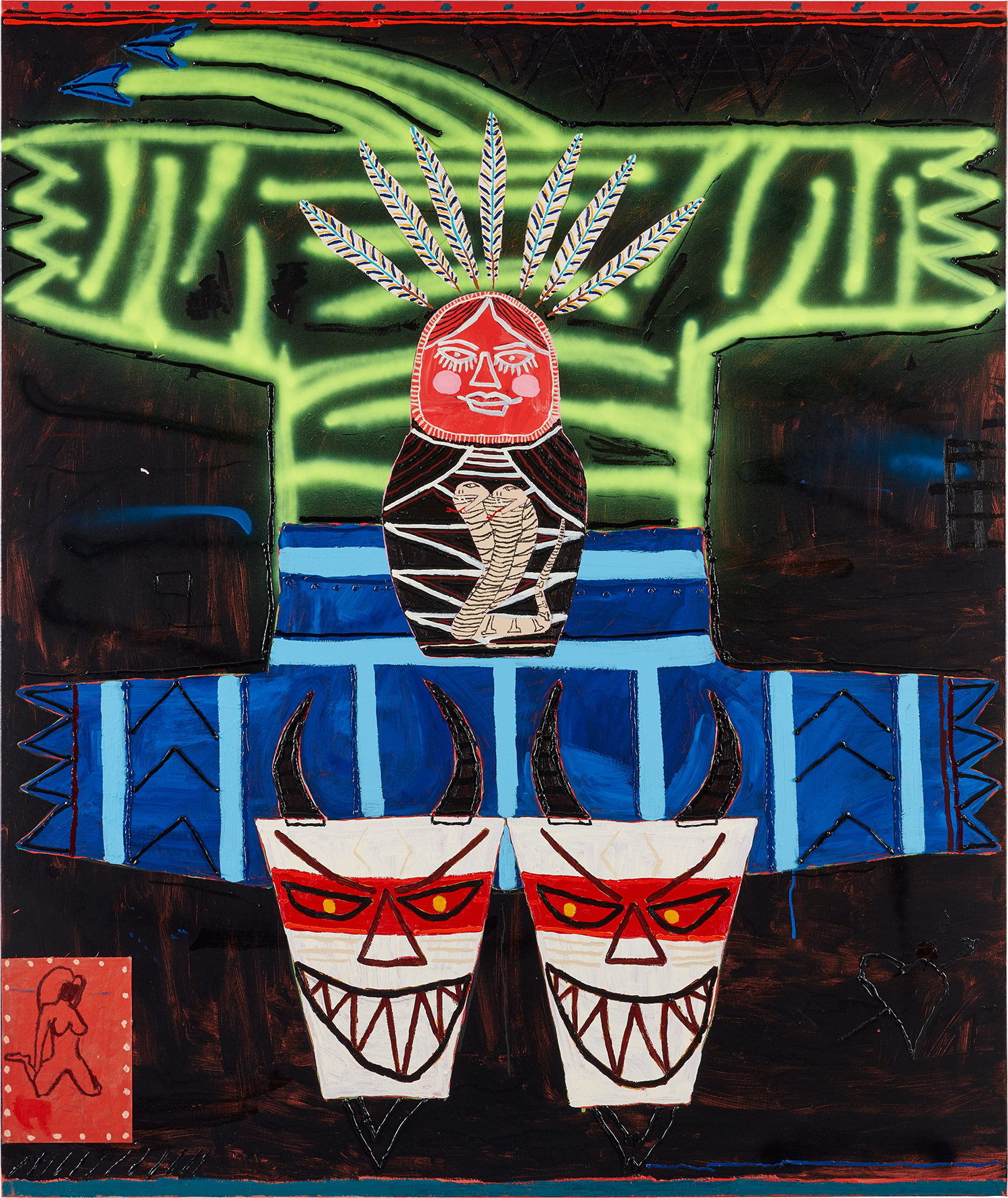
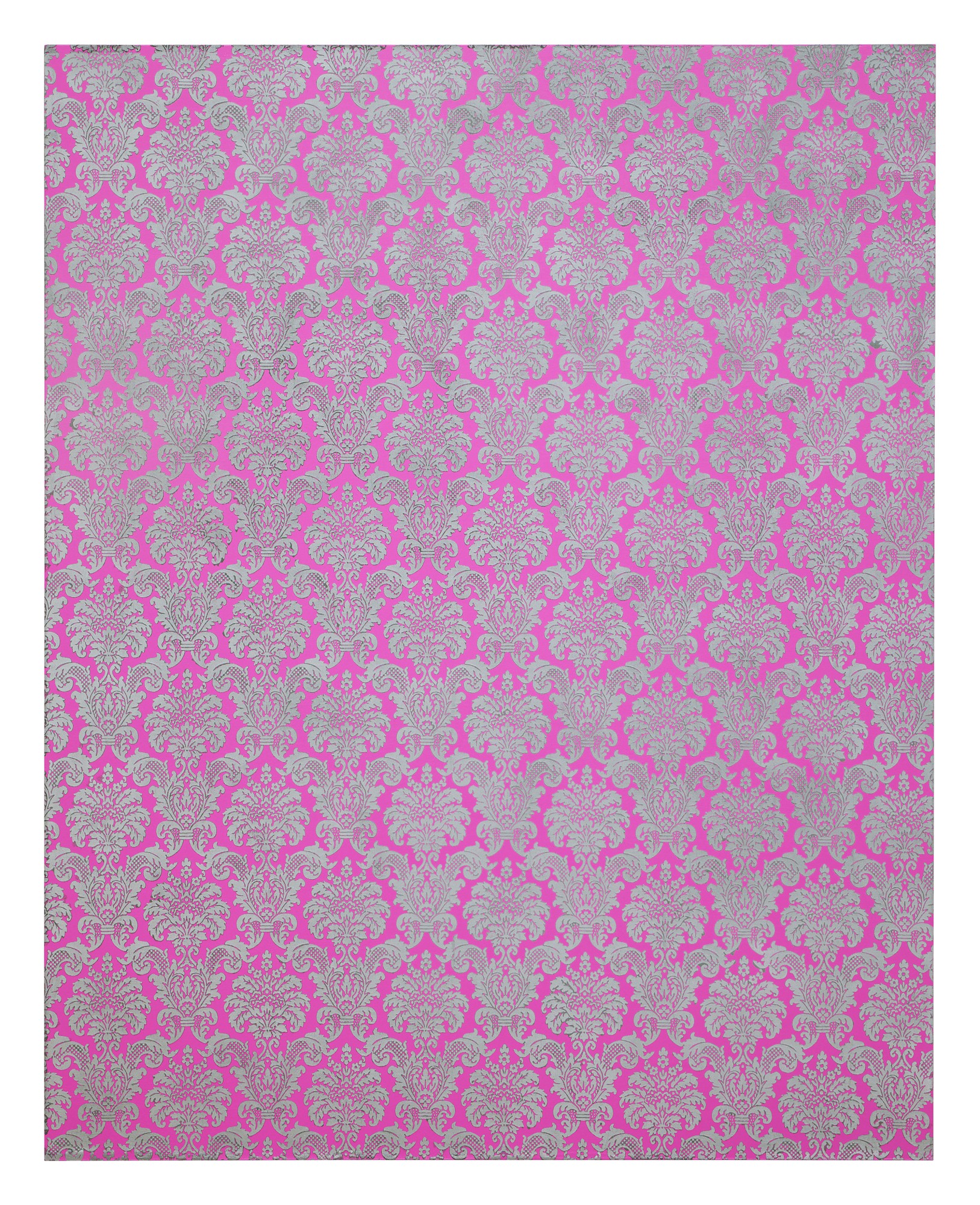
Jordy Kerwick
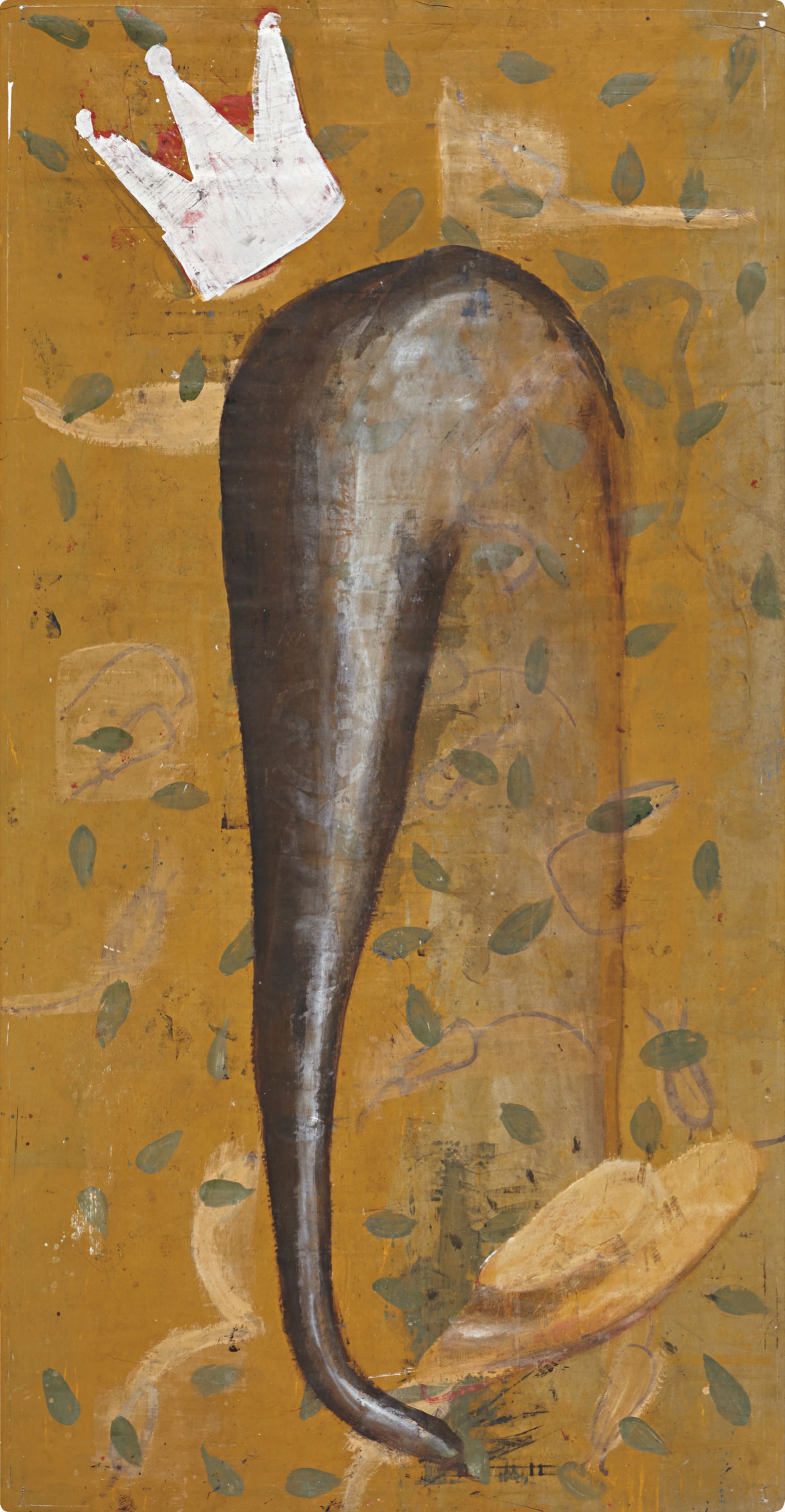
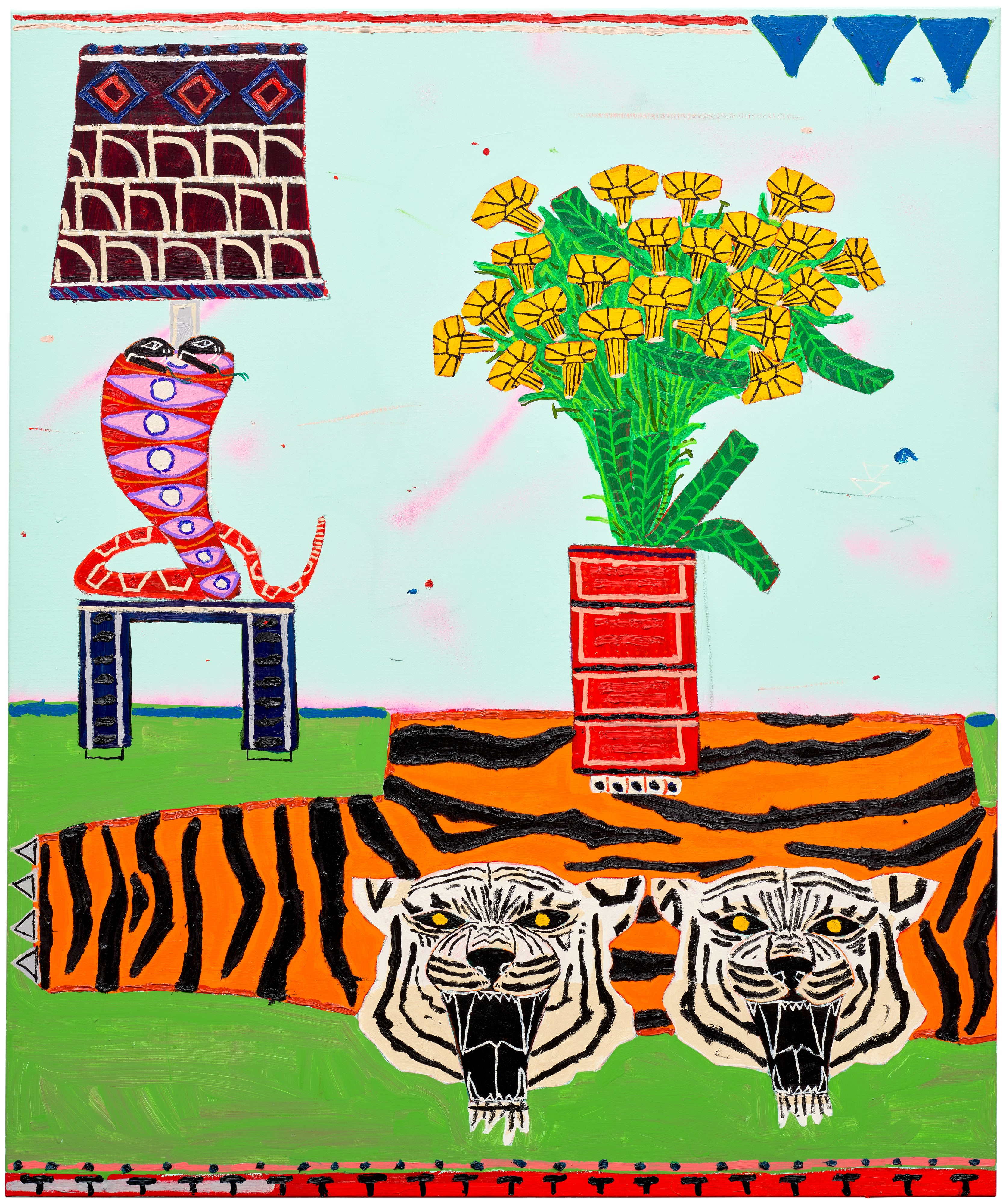
Reaper Reaper Sergent Keeper, 2021

The Art of Touch: Surface as Pure Language
There is something almost primal about a painting that refuses to stay flat. When a work reaches out toward you, when you can read the history of its making in the ridges and furrows of its surface, something shifts in the relationship between viewer and object. Textural surface, as a conscious artistic strategy rather than mere byproduct, represents one of the most sustained and philosophically rich conversations in postwar and contemporary art. It is a conversation about materiality, about time, about what a painting can be when it stops pretending to be a window and starts insisting it is a wall, a skin, a body.
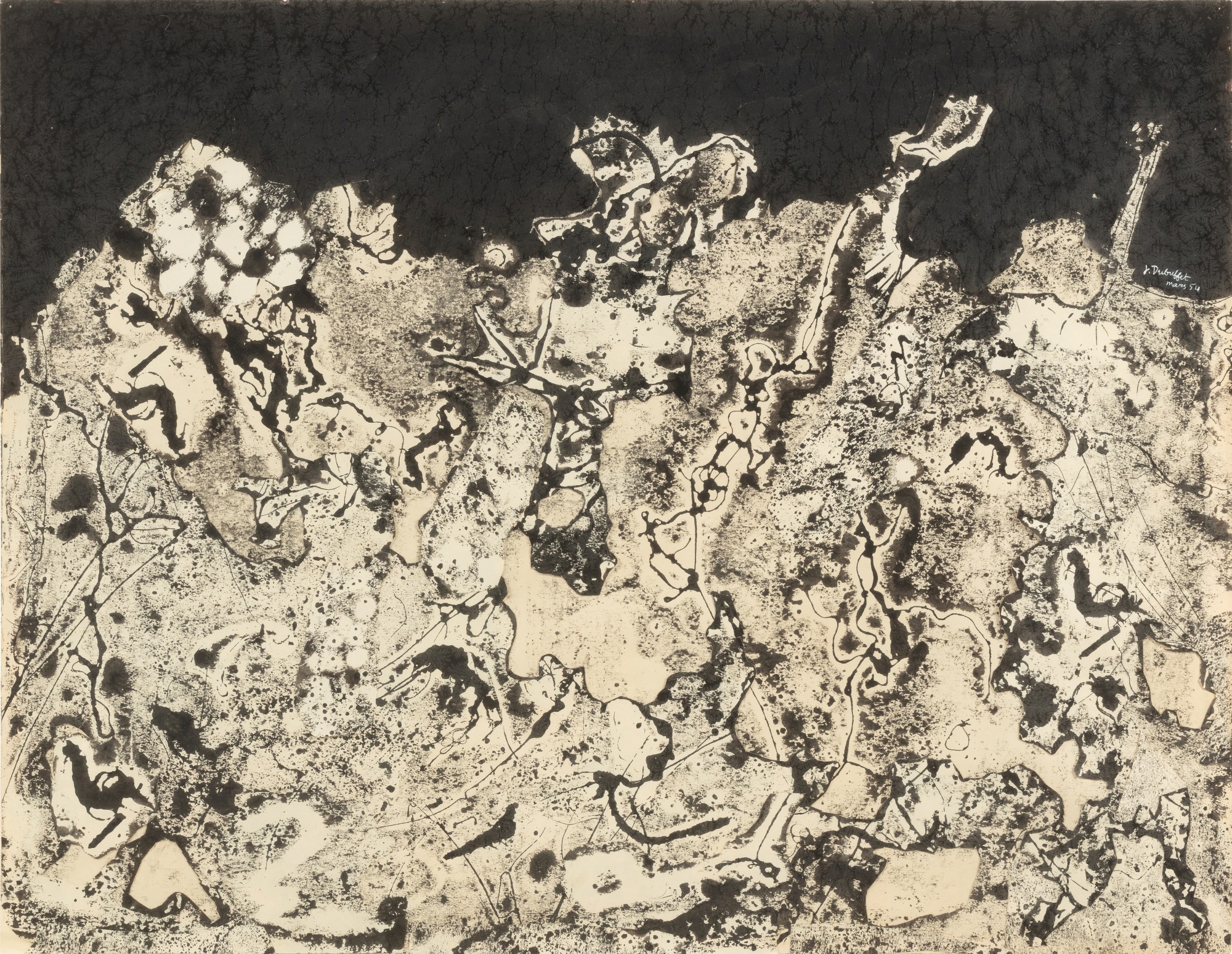
The roots of this impulse stretch back at least to the mid twentieth century, when artists on both sides of the Atlantic began pushing against the illusionistic conventions that had governed Western painting for centuries. In Paris, Jean Dubuffet was already working in the late 1940s with what he called haute pâte, building surfaces from tar, sand, gravel, and other unconventional materials to create a deliberately crude, almost geological quality. His series Texturologies from the late 1950s treated the painted surface as a kind of landscape unto itself, a terrain with no horizon and no narrative, only the fact of matter under pressure. Around the same time in Spain, Antoni Tàpies was developing his own language of encrustation and accumulation, mixing marble dust, powdered pigment, and varnish into reliefs that seemed to grow out of the wall rather than hang on it.
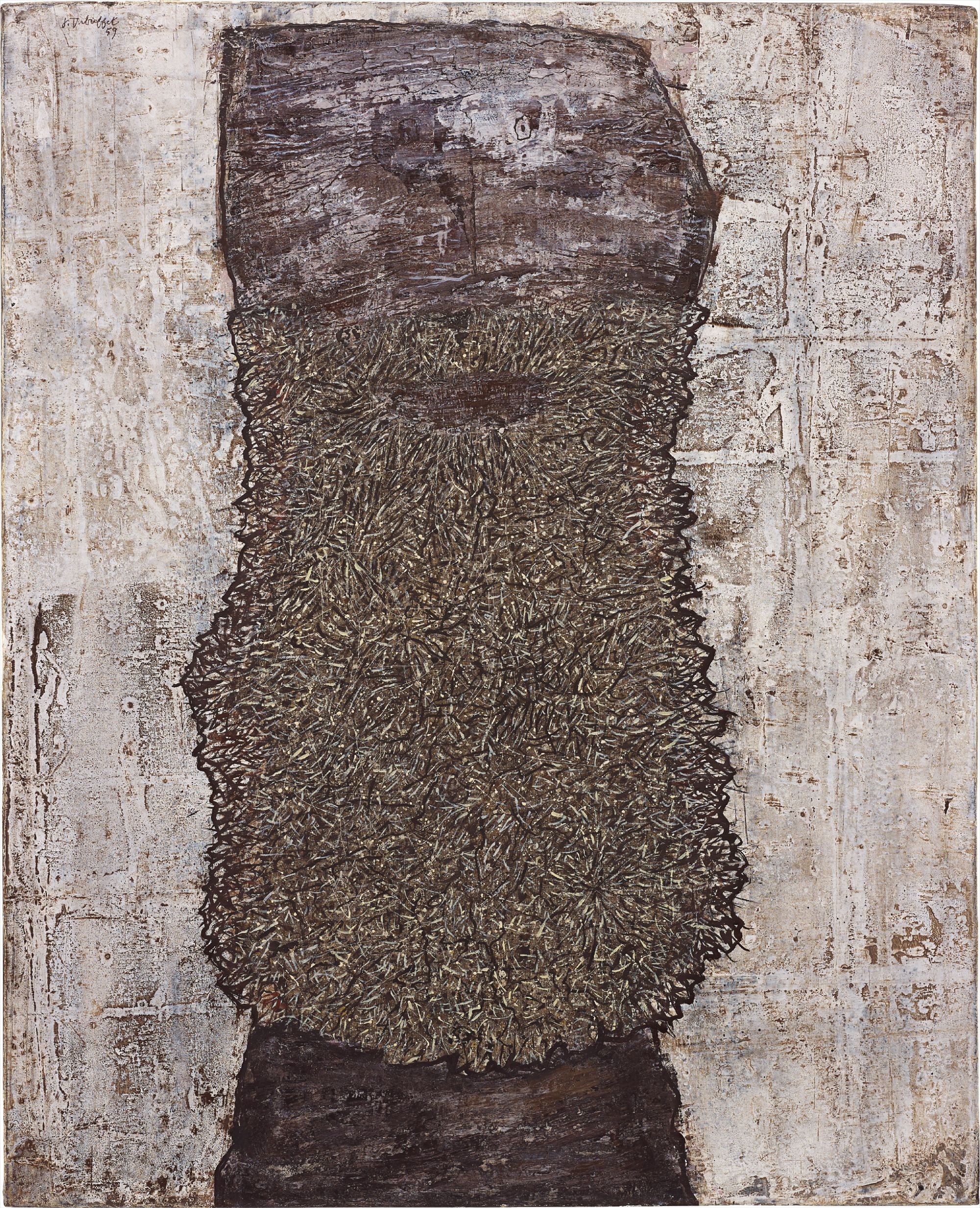
Jean Dubuffet
Barbe des rites
Tàpies understood texture as a form of memory, something that bore the mark of time and resistance in the same way that old stone does. Art Informel in Europe and Abstract Expressionism in America both gave texture a philosophical weight it had rarely carried before. The mark was no longer decorative. It was existential.
Yet what distinguishes the more sustained investigation of textural surface from general painterly gesture is a kind of deliberateness, a sense that the artist is thinking about the surface itself as the subject rather than a vehicle for something else. This distinction became clearer through the 1960s and 1970s as artists began treating the support and the material with an almost scientific specificity. Robert Ryman, whose work is well represented on The Collection, spent his entire career examining the conditions under which paint meets surface, asking what white paint does on a linen square versus a steel panel versus a fiberglass ground. His inquiry was minimal in scope but radical in implication.
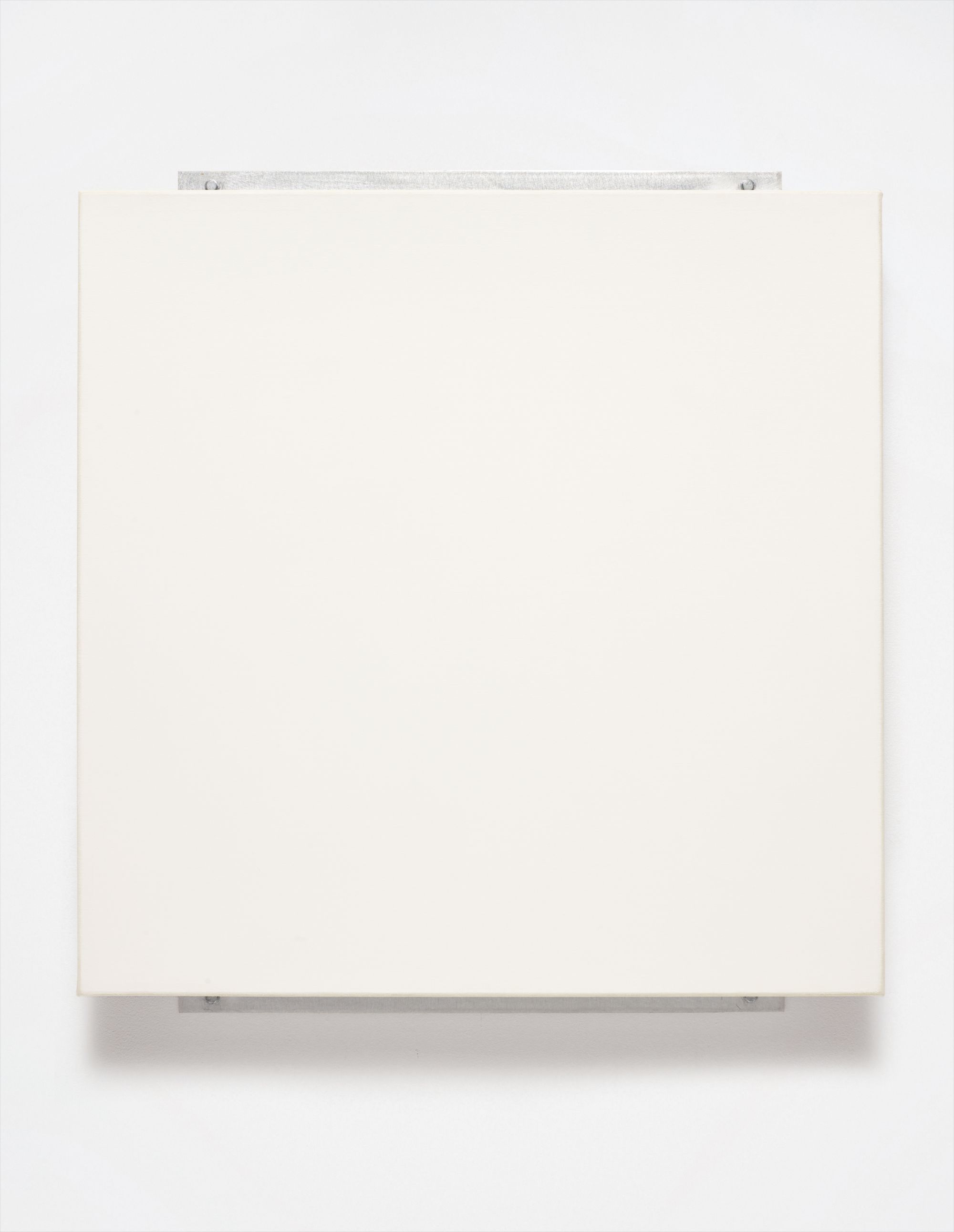
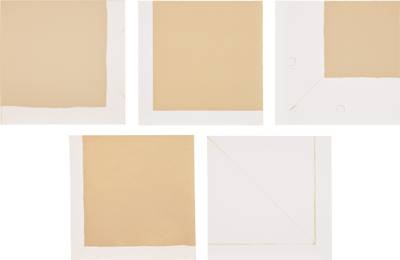
Robert Ryman
Sign
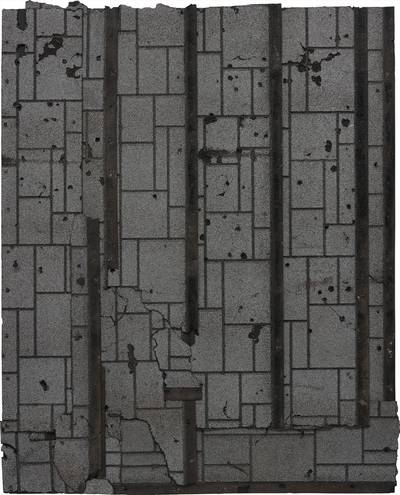
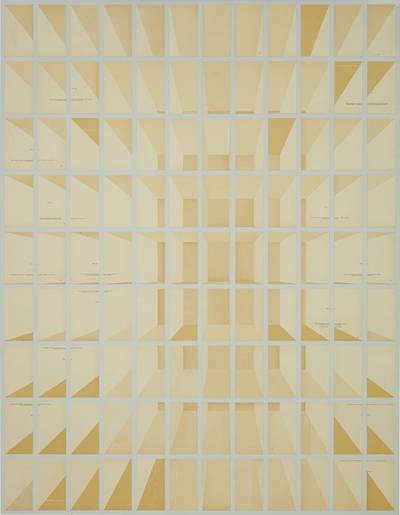
By the 1980s and into the 1990s, texture had become a site of both historical excavation and material invention. Anselm Kiefer was applying lead, straw, and shellac to enormous canvases, treating the surface as a kind of archaeology of German history and myth. His scale and ambition gave textural work a new moral seriousness, insisting that the weight of history could be made physical. Meanwhile Rudolf Stingel was beginning his investigations into the cultural life of surfaces, famously inviting viewers to mark and carve into the silver Celotex panels he installed at the Paula Cooper Gallery in New York and later the Venice Biennale, understanding the surface as a record of collective touch rather than individual authorship.
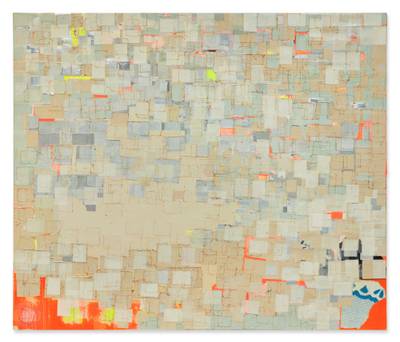
Stingel's work, present on The Collection, occupies a quietly radical position: it argues that the most interesting thing a surface can do is accumulate the evidence of time and contact. The artists working with textural surface today draw from this history with remarkable range. Mark Bradford, who has a strong presence on The Collection, builds his large scale works through an intensive process of layering and excavating commercial paper, string, and paint, creating surfaces that are simultaneously map and palimpsest, record and erasure. His process mirrors the archaeology of urban space, particularly the billboard landscapes of South Los Angeles where he has long been based.
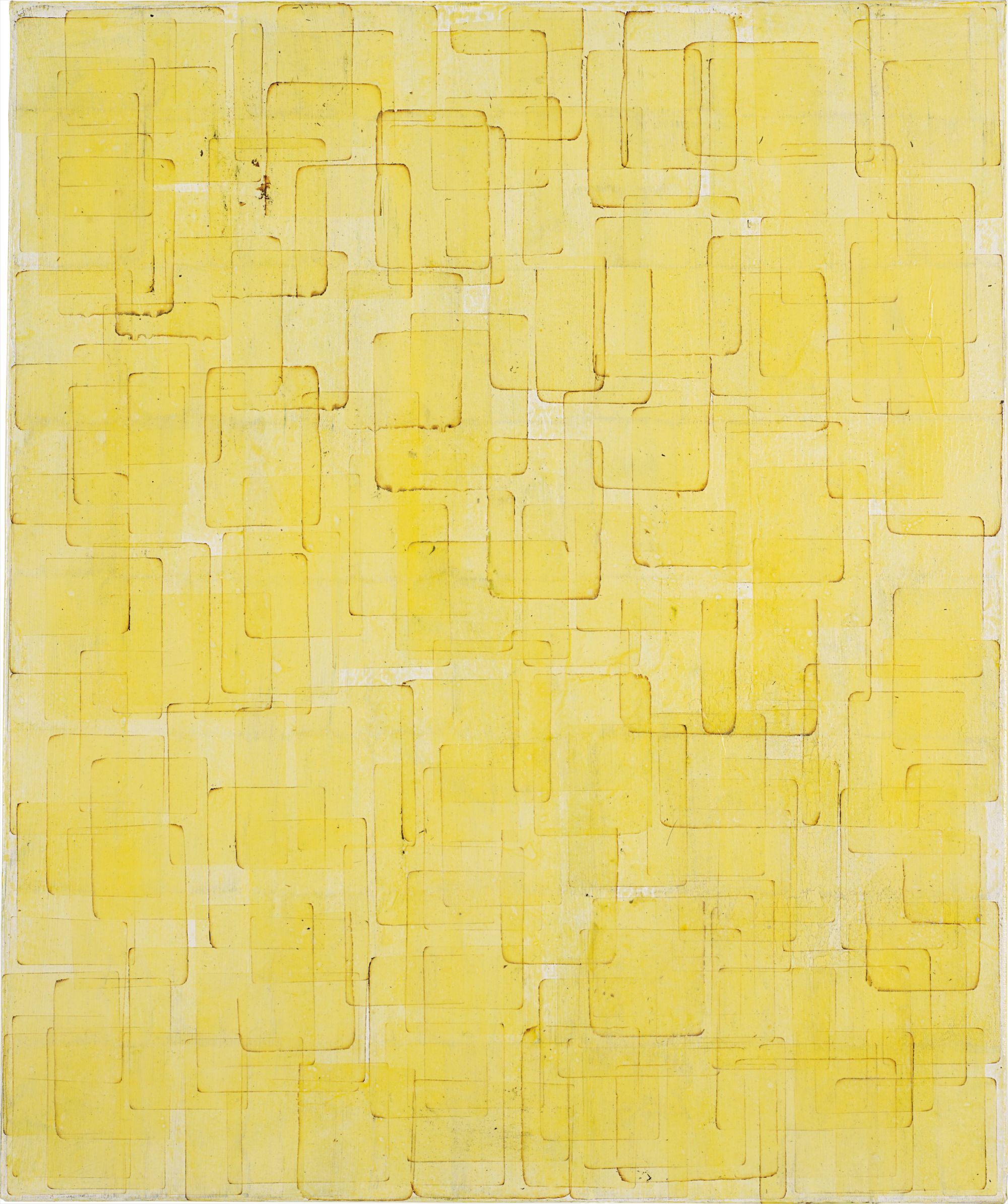
Mark Bradford
"What's available on the surface isn't all that's there."
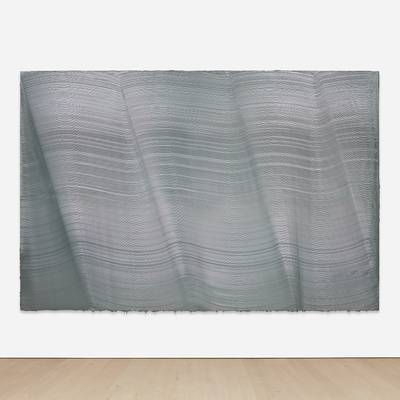
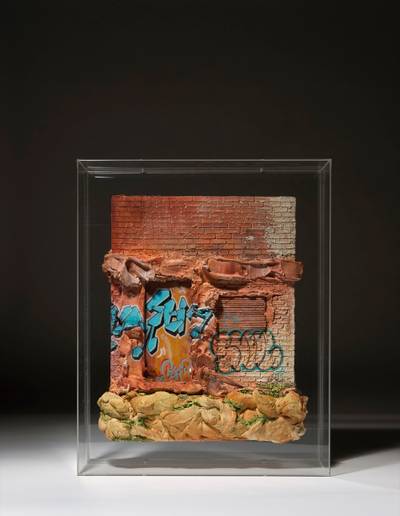
Jason Martin, also on The Collection, works at the opposite end of the emotional register, using single sweeping applications of pigment mixed with medium to create surfaces that are at once brutally simple and phenomenologically complex, the trace of a single gesture preserved in slow drying paint. Marianne Vitale uses scorched and weathered wood to construct works that carry the texture of American vernacular architecture and industry, surfaces that feel as though they have already lived a life before entering the gallery. What unites these otherwise very different practices is an insistence on material honesty and a resistance to the purely optical. Where traditional painting asks you to look through the surface into a represented world, textural work insists that looking at the surface is enough, that there is sufficient meaning in the grain of a board, the thickness of a impasto, the fossilized gesture of a palette knife dragged through still wet matter.
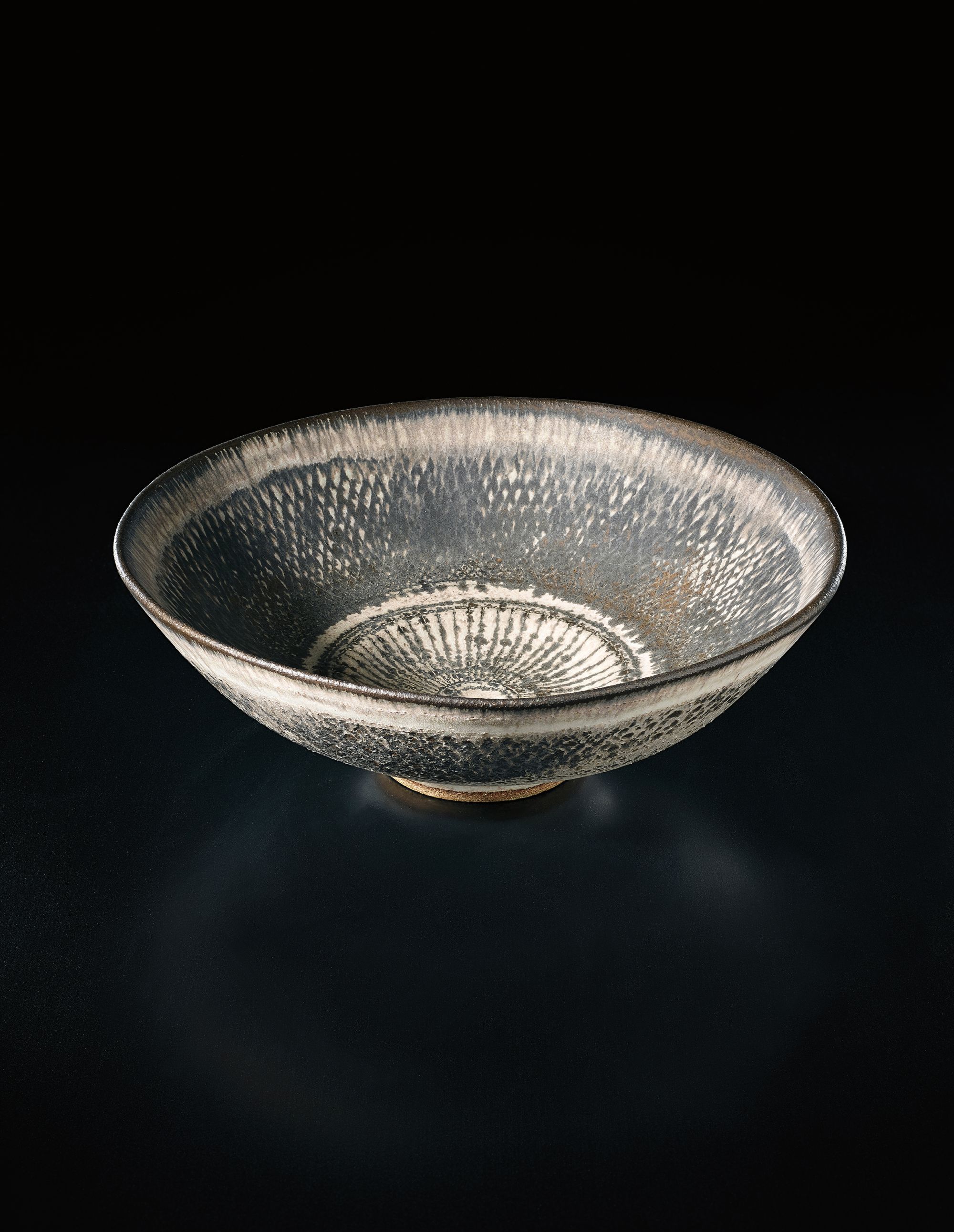
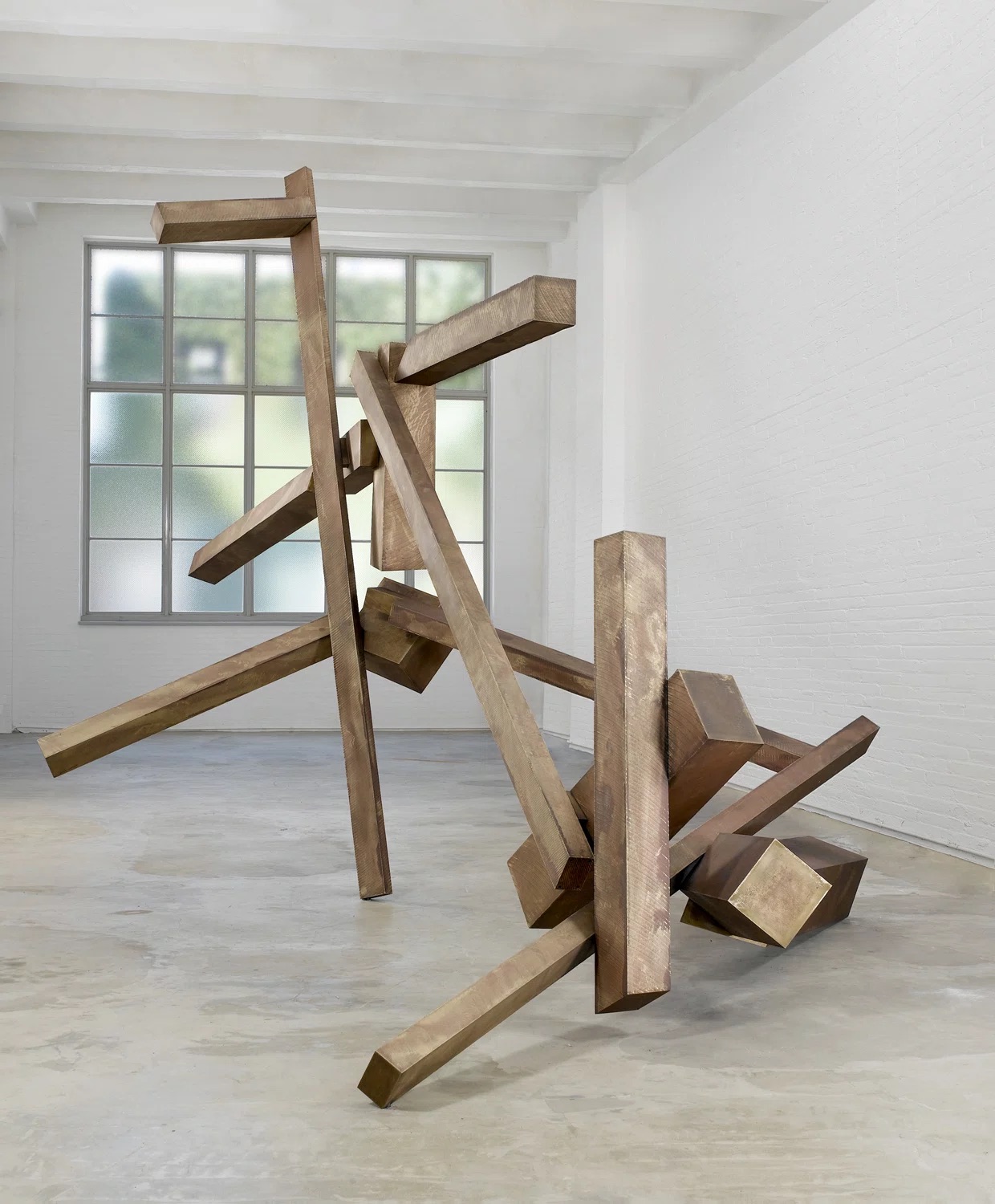
Thilo Heinzmann, Daniel Senise, and Vicky Colombet all explore this territory in their own registers, from Heinzmann's incorporation of organic and synthetic materials into luminous, thick skinned surfaces to Senise's use of industrial processes including the pressing of canvas onto painted floors to transfer and distort image and texture simultaneously. The continued vitality of textural surface as a category reflects something deep about the current moment in contemporary collecting. In an era saturated with images, with screens that deliver everything in the same frictionless resolution, there is an almost counterculture quality to work that demands physical attention, that rewards proximity, that changes depending on the angle of light and where you stand. Collectors who have spent time with works by Lucie Rie, whose ceramic surfaces reward years of close looking, or with the accumulative constructions of Arnaldo Pomodoro, understand something important: certain works give more the longer you stay.
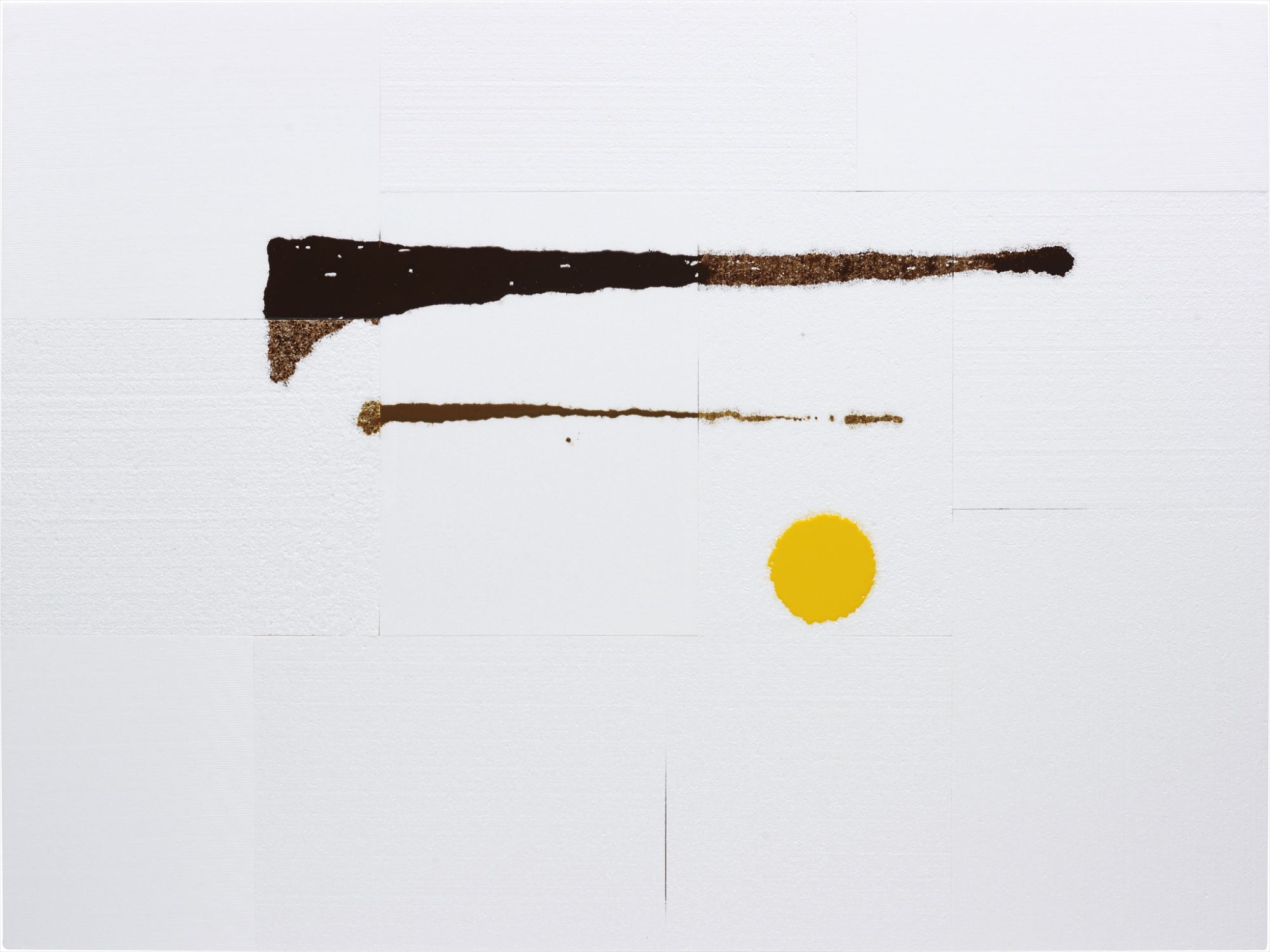
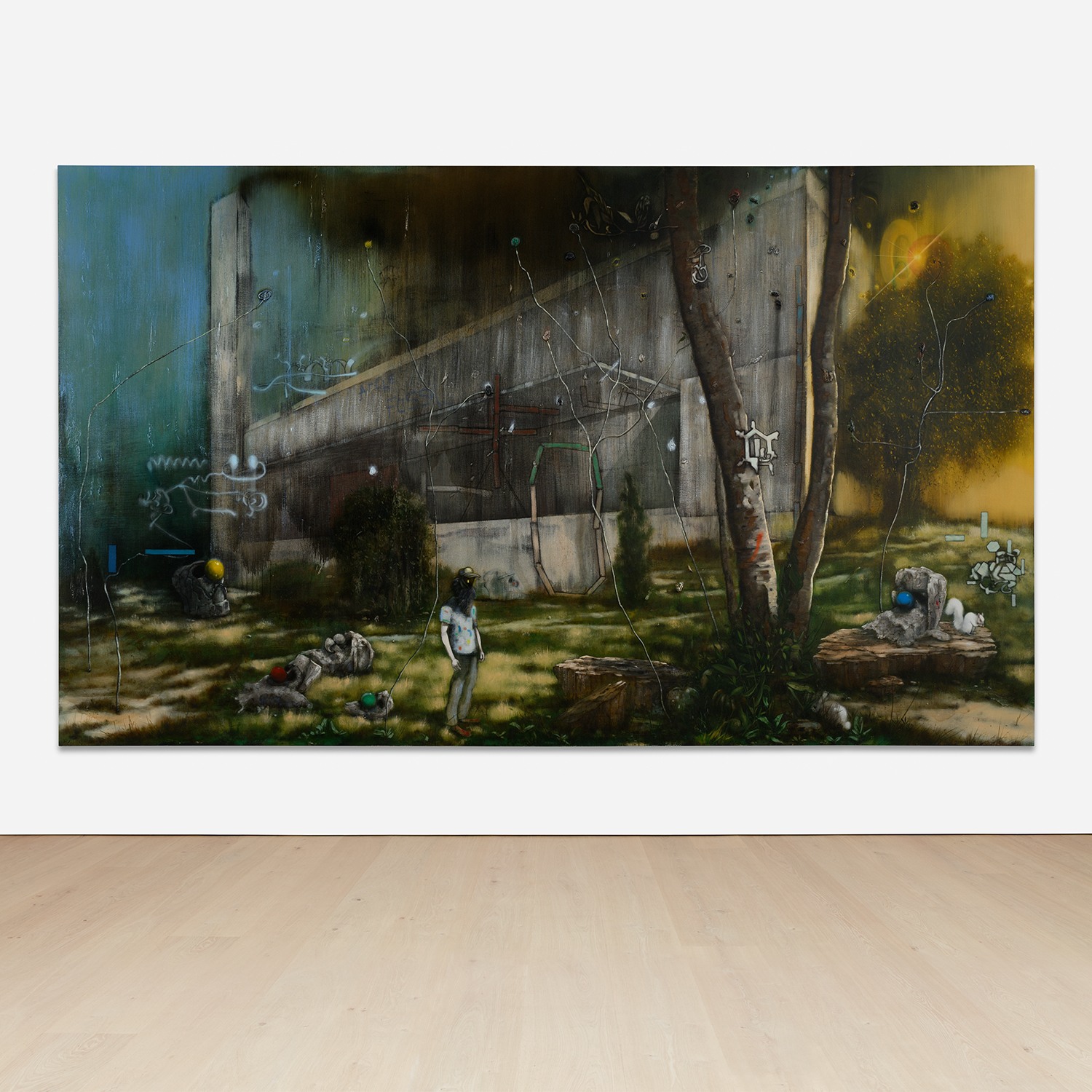
Thilo Heinzmann
Too tough too cry, 2000
Textural surface is perhaps the purest expression of that principle in contemporary art, a commitment to the irreducible fact of the made thing, standing in the world, asking for your full attention.