Modern Painting
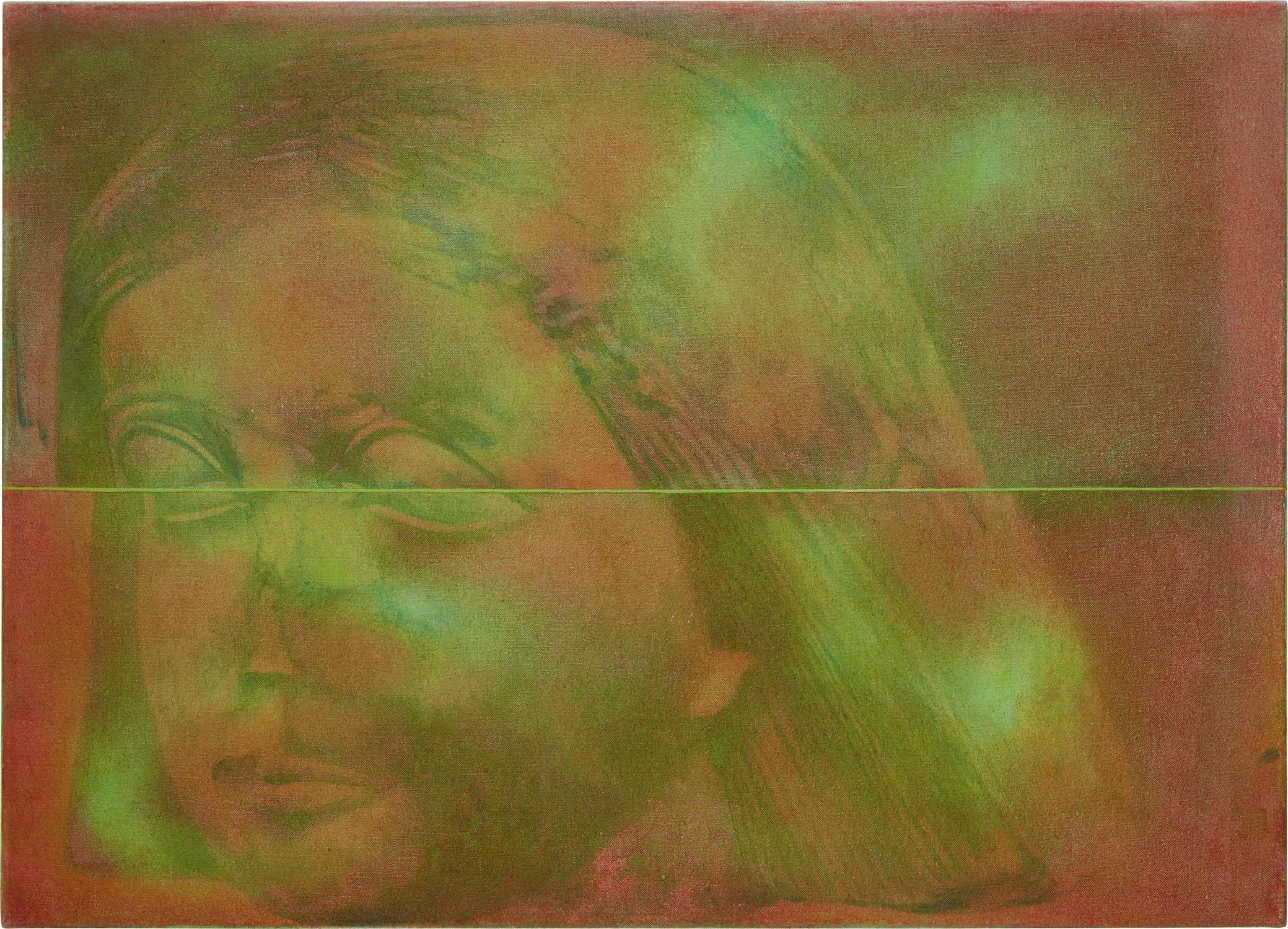
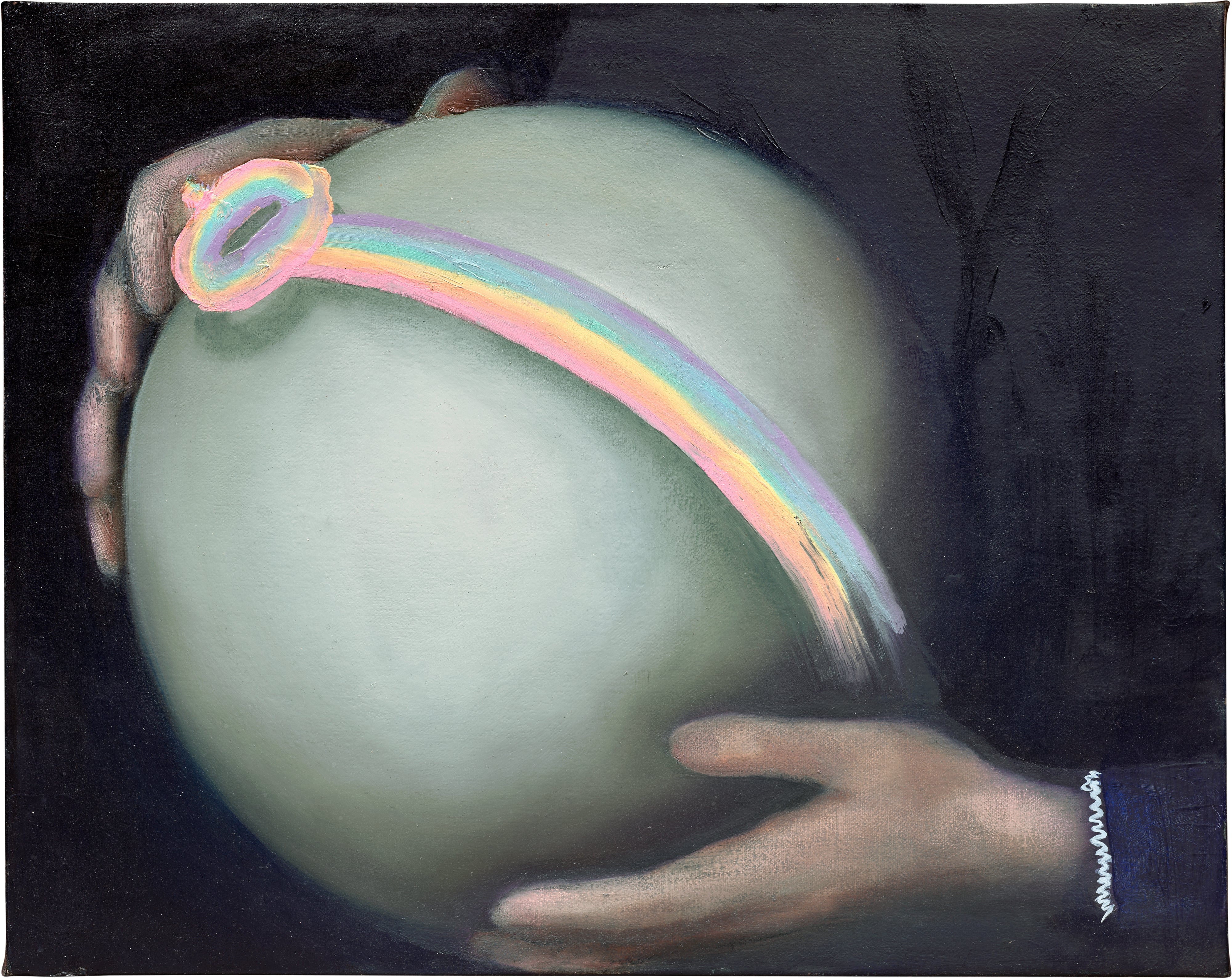
Louise Giovanelli
Seal, 2019
Painting Refuses to Sit Still Right Now
When Matthew Wong's "The Realm of Appearances" sold at Christie's in 2021 for over two million dollars, shattering its presale estimate, the art world paused. Here was a largely self taught painter who had died just two years earlier at thirty five, whose work combined Van Gogh's fever dream intensity with something entirely his own, commanding prices that placed him among the most urgently collected artists of his generation. That result was not merely a market anomaly. It was a signal, loud and unmistakable, that painting, so many times declared finished or exhausted or irrelevant, was alive in ways that felt genuinely surprising even to those who had never doubted the medium.
The conversation around modern painting right now is marked by a productive restlessness. Galleries and institutions are not simply affirming old hierarchies but actively searching for something more honest about what painting can do in a moment shaped by digital saturation, geopolitical anxiety, and a renewed hunger for objects that carry physical weight. The works that feel most alive share a quality of resistance, a refusal to be immediately comfortable or legible, while still managing to hold the eye. This is the tension that collectors and curators are chasing, and it explains why the field feels so open at the moment.
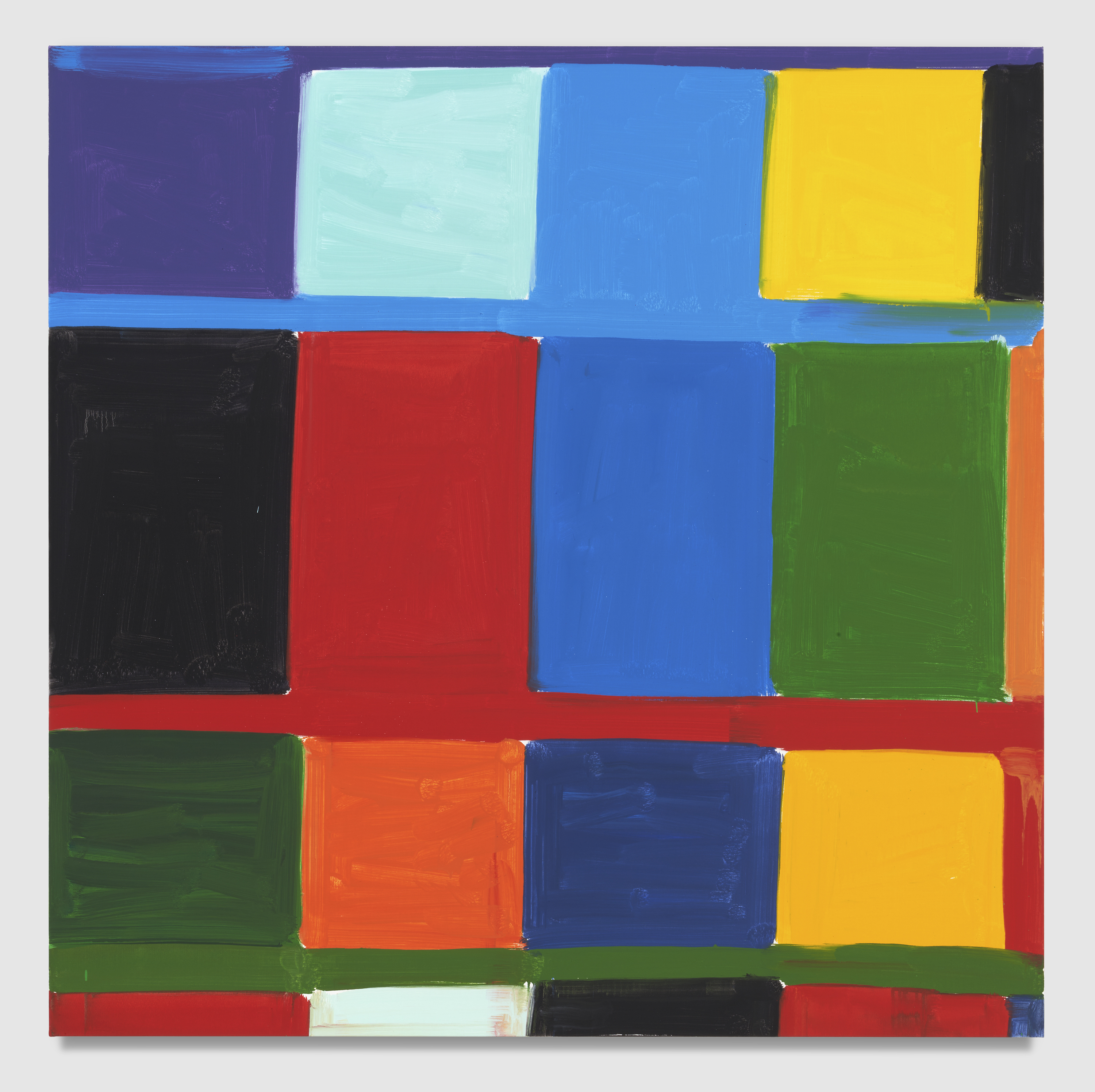
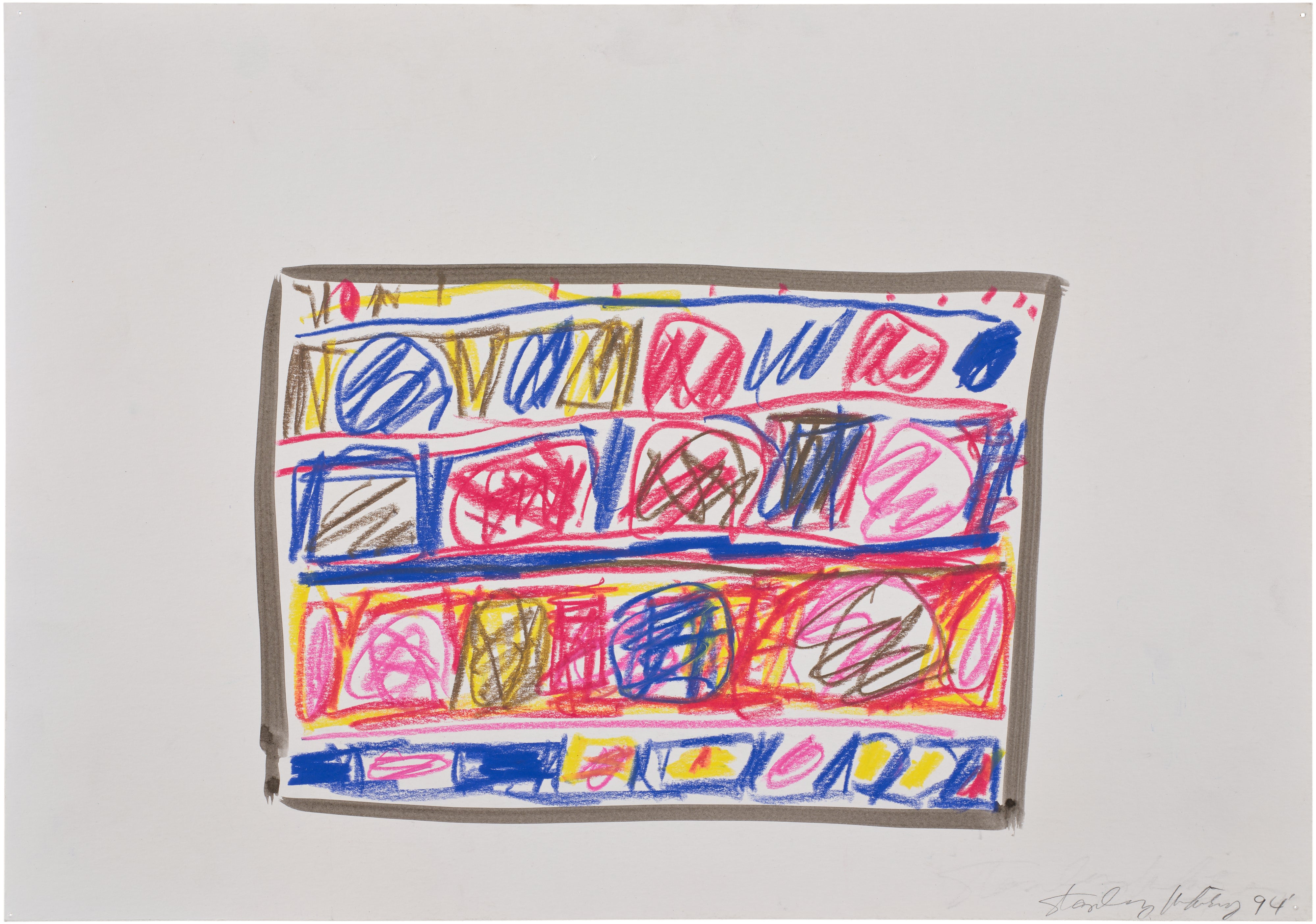
Stanley Whitney
Nina in the Sky with Diamonds, 2023
Stanley Whitney has been one of the great revelations of recent years for those who had not been paying close attention since the 1970s. His retrospective at the Kunstmuseum Basel in 2022 made the argument compellingly that his stacked grids of color belong in the same conversation as Josef Albers and Mark Rothko while remaining completely distinct from either. Whitney's market followed suit, with major works crossing seven figures at auction and institutions from the Studio Museum in Harlem to the Tate beginning to build significant holdings. His presence on The Collection reflects the broader collector recognition that his moment, long overdue, is now fully arrived.
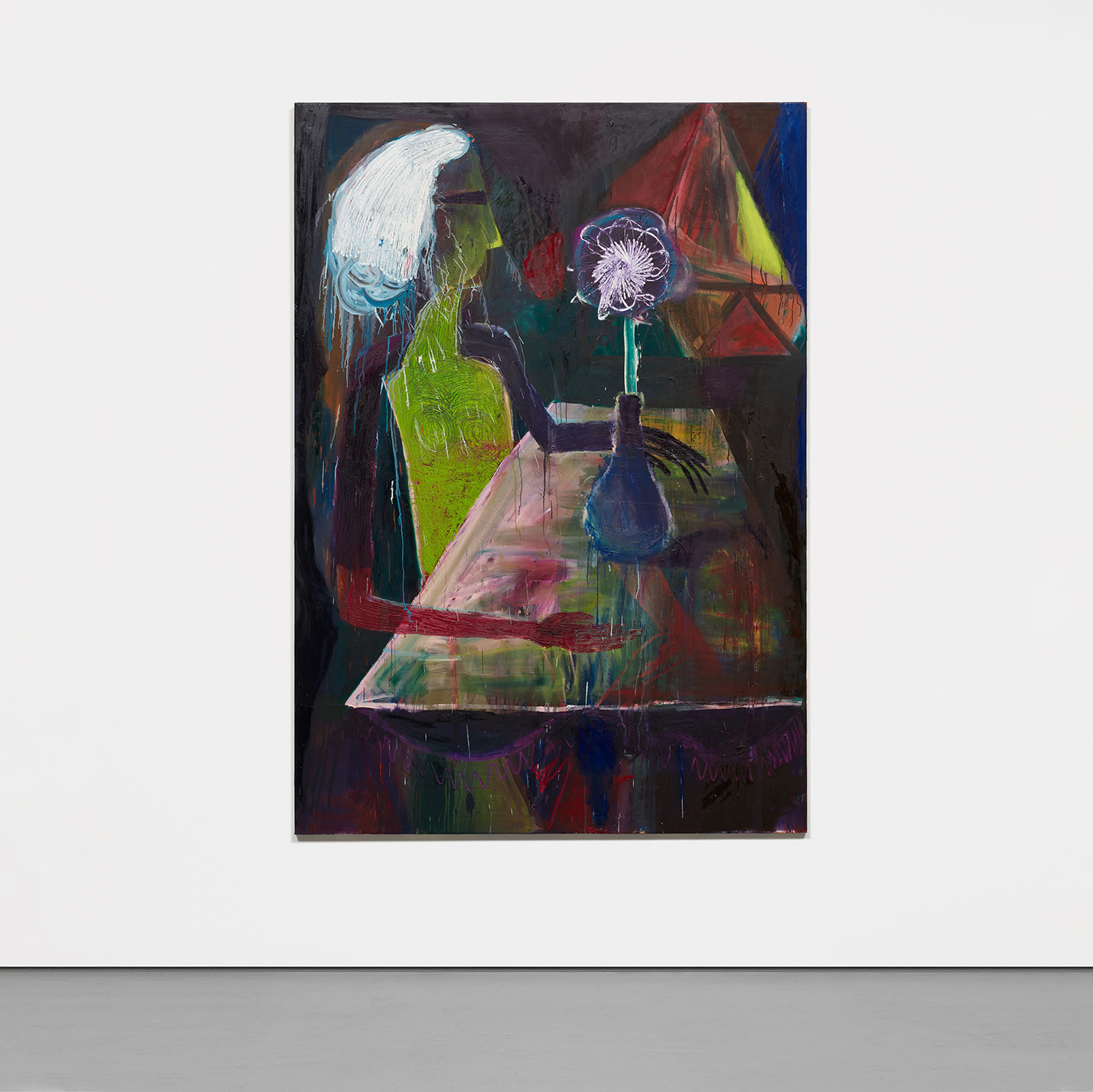
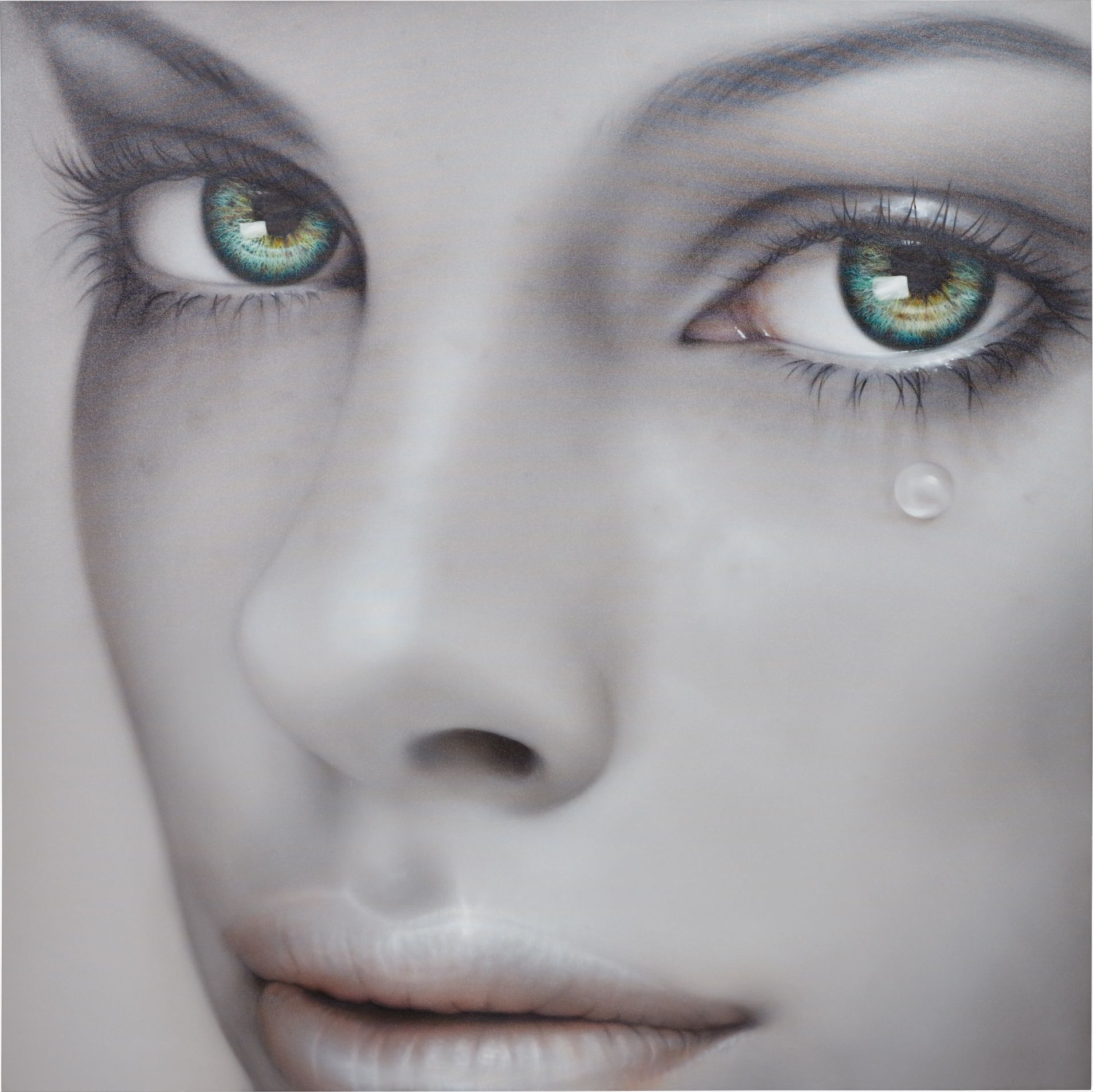
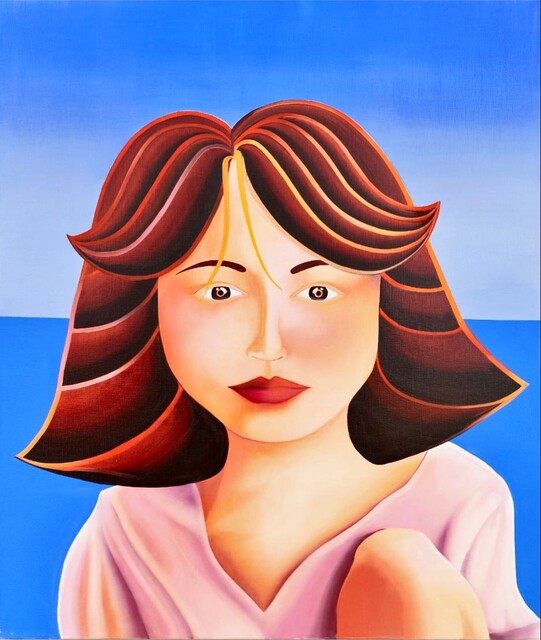
The institutional appetite for this generation of painters has been notable. The Museum of Modern Art's recent acquisitions have leaned toward artists who complicate easy categorization, and shows at the Serpentine, the Camden Art Centre in London, and the Museum of Contemporary Art in Los Angeles have all made ambitious claims for painters working in figurative and abstract modes simultaneously. Louise Giovanelli, whose work hovers between old master surface and contemporary unease, was given a substantial solo presentation that drew serious critical attention and introduced her to a collector base that had previously overlooked British painting of this generation. Her ability to make a painting feel both ancient and unsettled is rare, and the market has begun to recognize it accordingly.
Louise Giovanelli
Seal, 2019
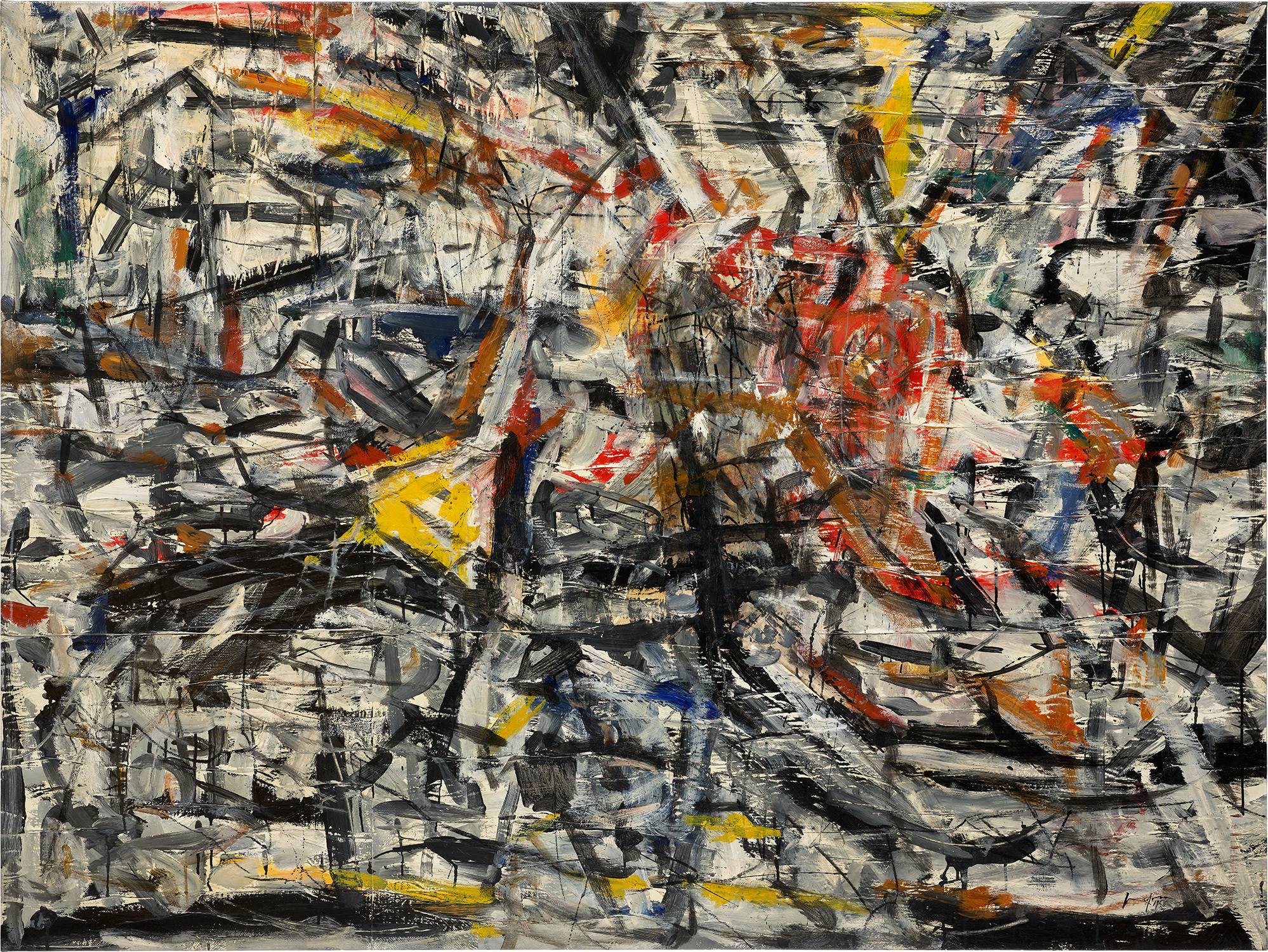
Georges Mathieu, the French action painter who predated much of American abstract expressionism's global reach, has seen renewed institutional interest as curators reassess the postwar European contribution to gestural abstraction. Emilio Vedova, the Venetian painter whose explosive canvases were central to Arte Informale, has similarly been recontextualized by shows in Germany and Italy that draw younger collectors into dialogue with his legacy. Both artists remind us that the history of postwar painting is still being written, still being corrected, and that there are significant figures whose full stature has not yet been absorbed into market prices or popular understanding. This revisionary energy is one of the most interesting currents running through the field right now.
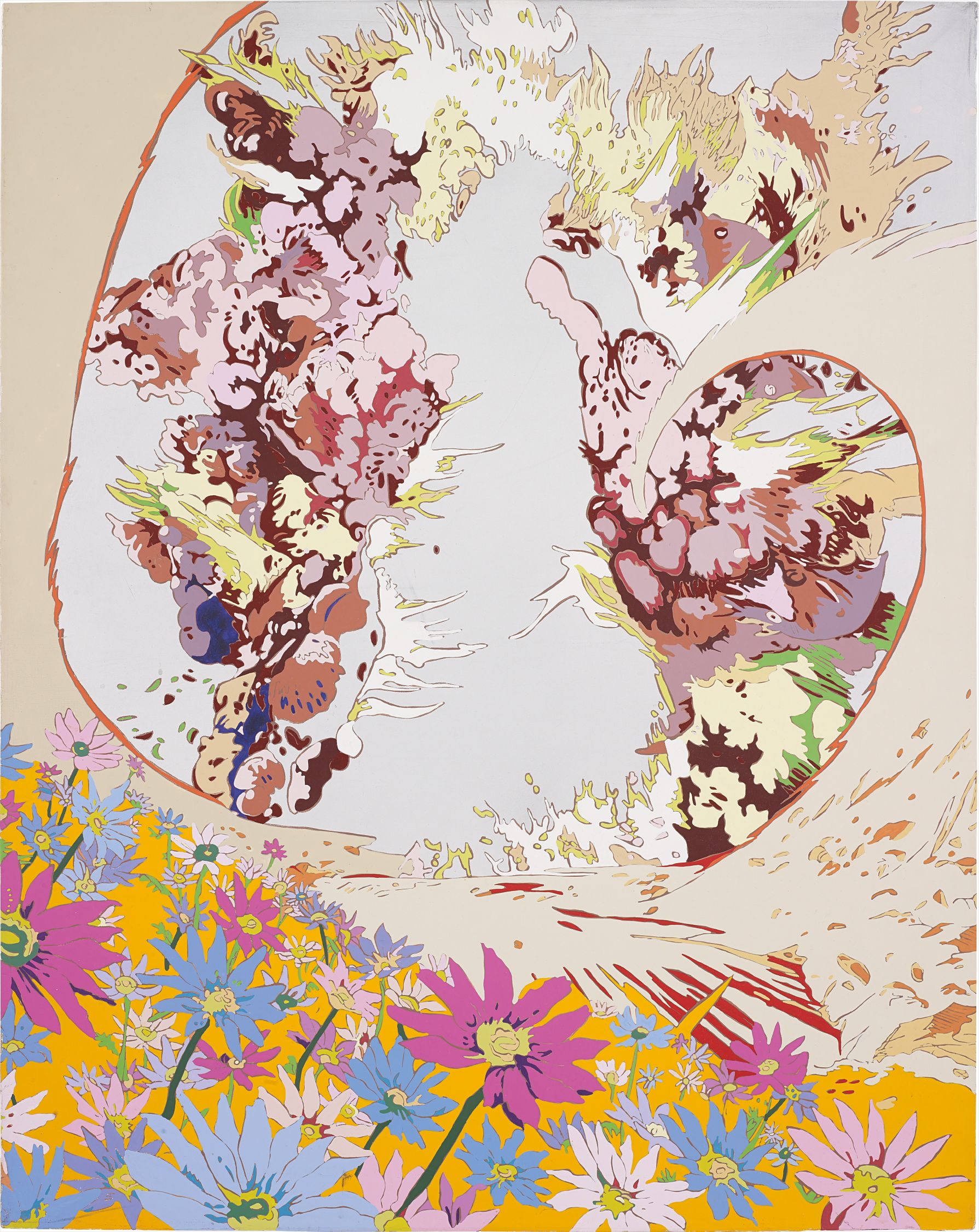
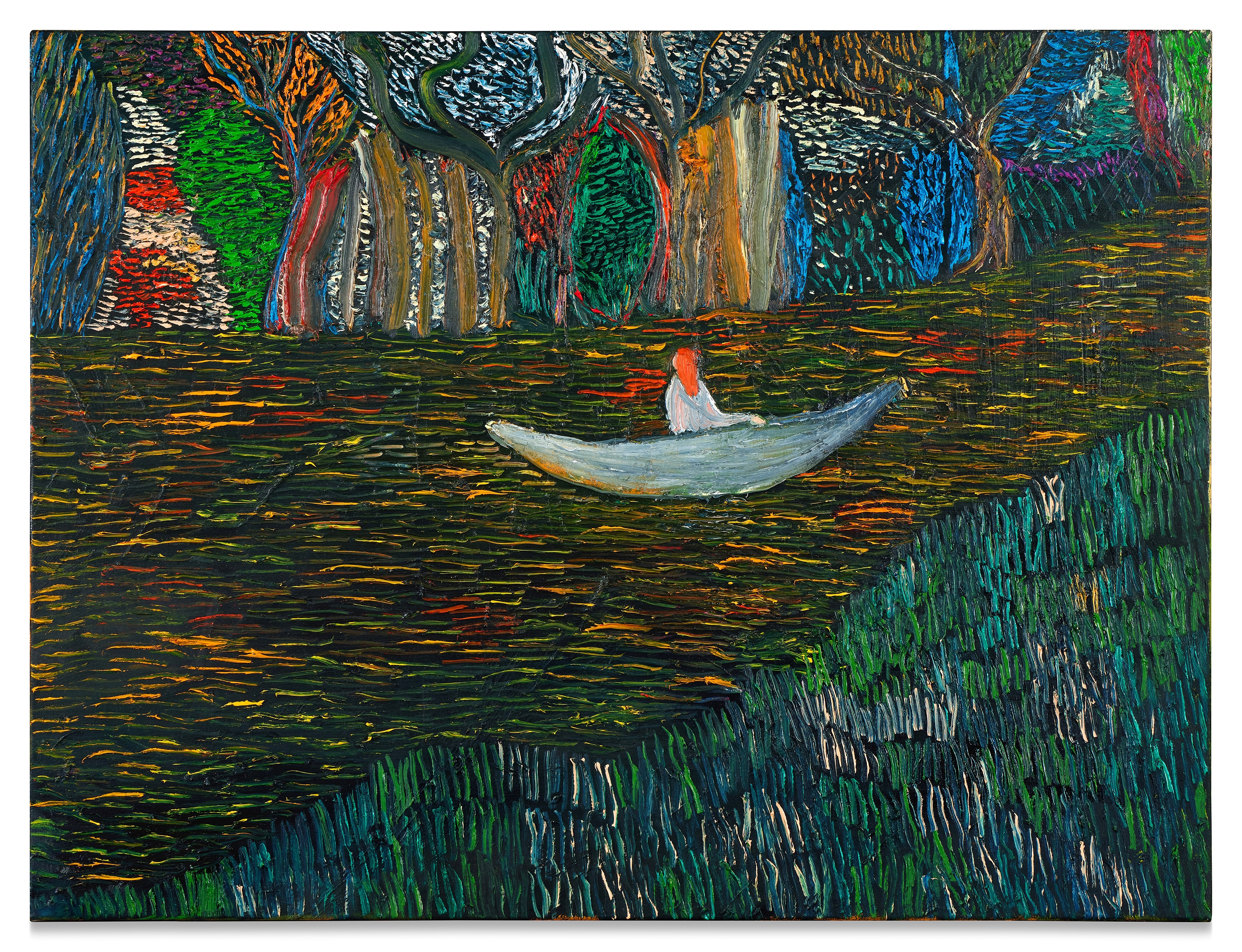
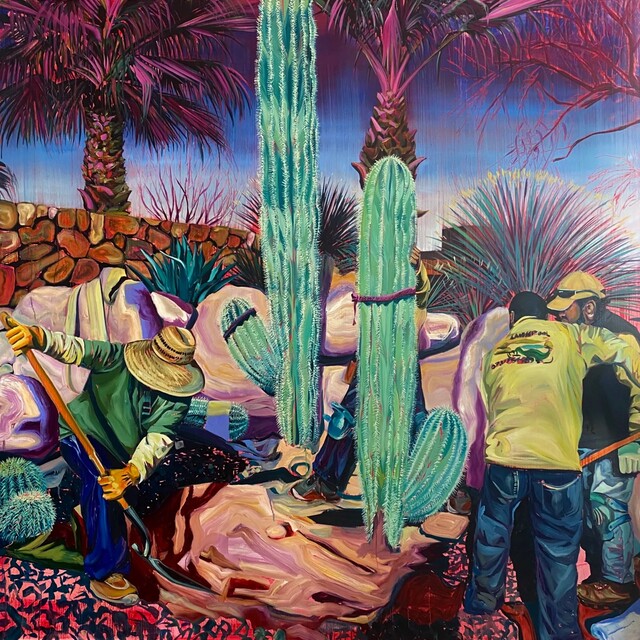
Among younger painters, the energy is distributed across geography in ways that feel genuinely new. Shara Hughes, known for her hallucinatory landscapes that seem to pulse with their own interior weather, has become a fixture in major collections and appeared in significant group shows exploring painting's relationship to place and psychological space. George Rouy works in a vein of figuration that owes something to Francis Bacon but arrives at something more ambiguous and contemporary, his bodies seeming to dissolve and reform within the canvas. Liang Yuanwei, whose work has been shown extensively in Europe and Asia, brings a meditative attention to surface and light that has earned her a devoted international following and serious museum consideration.
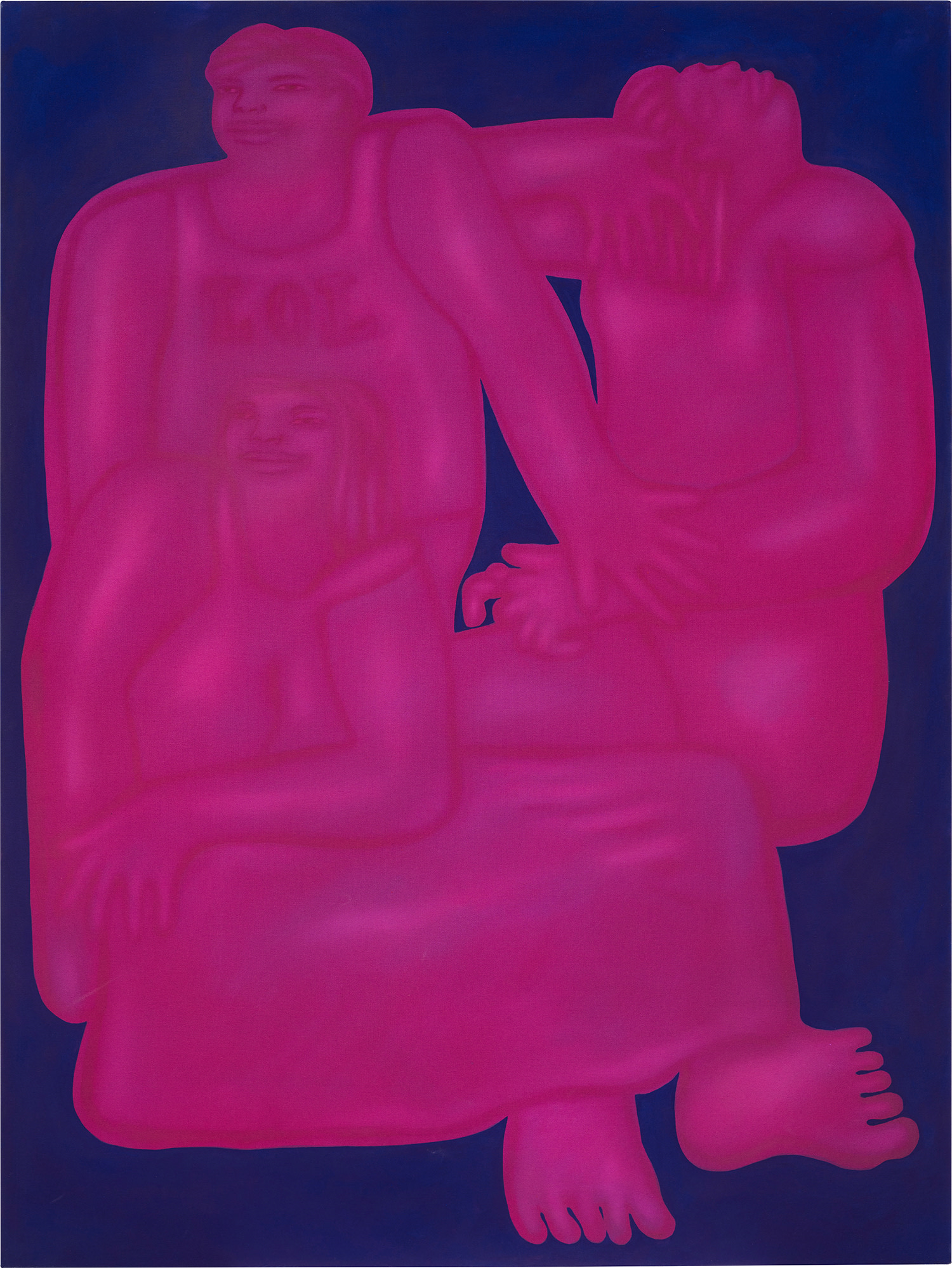
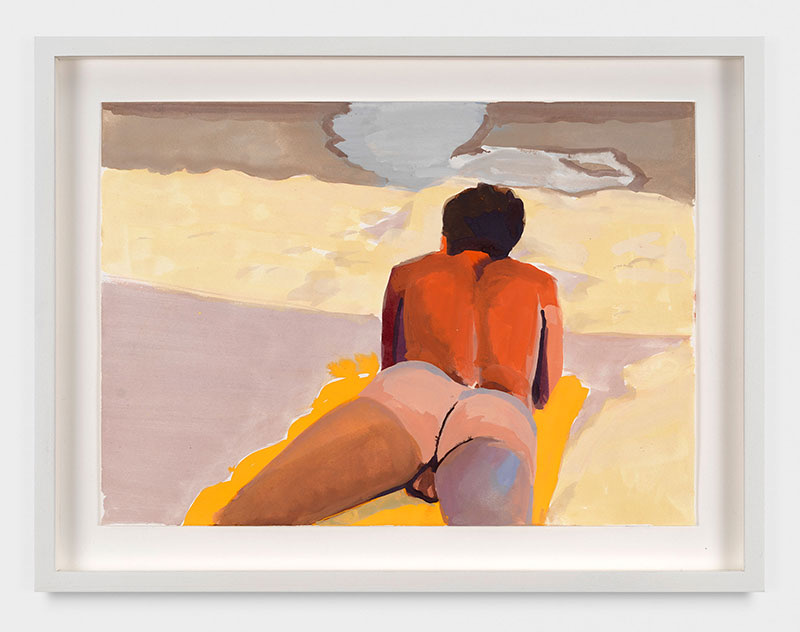
George Rouy
Love Triangle, 2018
What connects these very different artists is a commitment to painting as a space for genuine inquiry rather than style exercise. The critical conversation has been shaped in recent years by a handful of writers and curators willing to make strong claims. Roberta Smith and Jason Farago at the New York Times have consistently argued for painting's continued centrality without sentimentality. The journal October has engaged more skeptically, which is healthy.
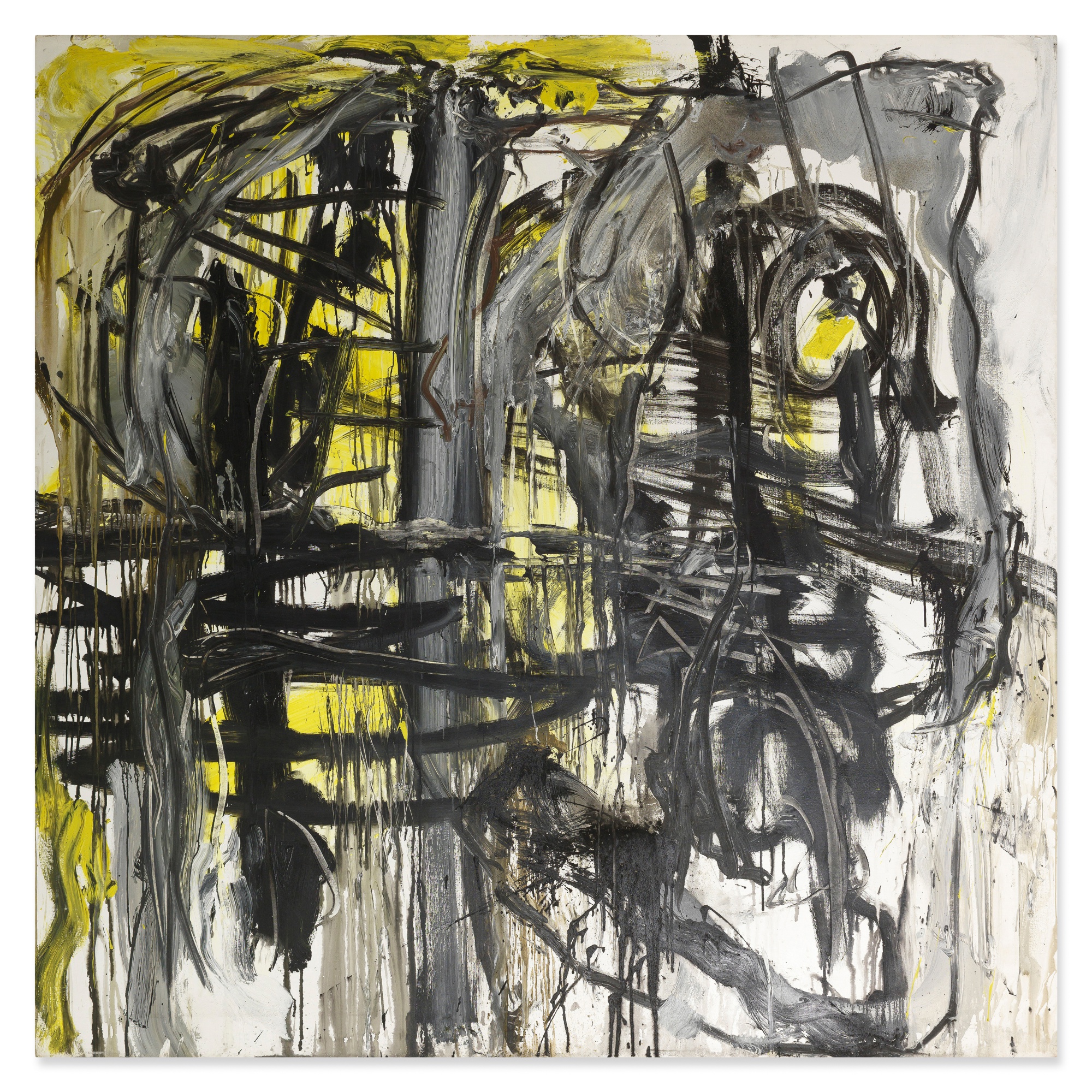
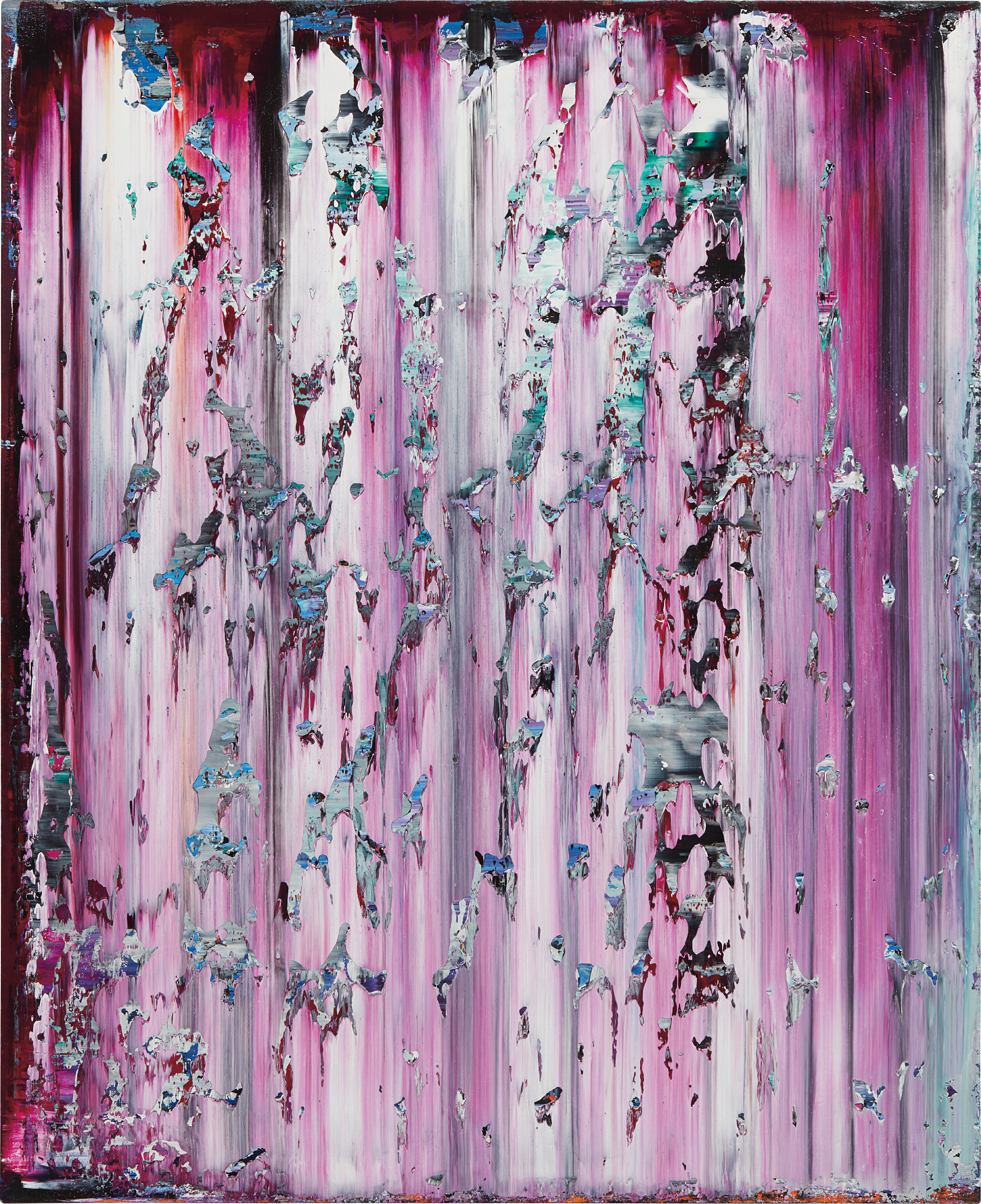
Curators like Katy Siegel, whose thinking about abstraction has been influential for two decades, continue to provide the intellectual framework within which collectors and institutions make sense of what they are seeing. Publications including Frieze, Artforum, and the Burlington Magazine have all run substantial features on contemporary painting in the past three years that reflected genuine critical excitement rather than market boosterism. The artists on The Collection represent a cross section of this moment that feels considered and alive. Stanley Casselman's work sits in a lineage of gestural abstraction that connects to Vedova and Mathieu while arriving from a completely different direction.
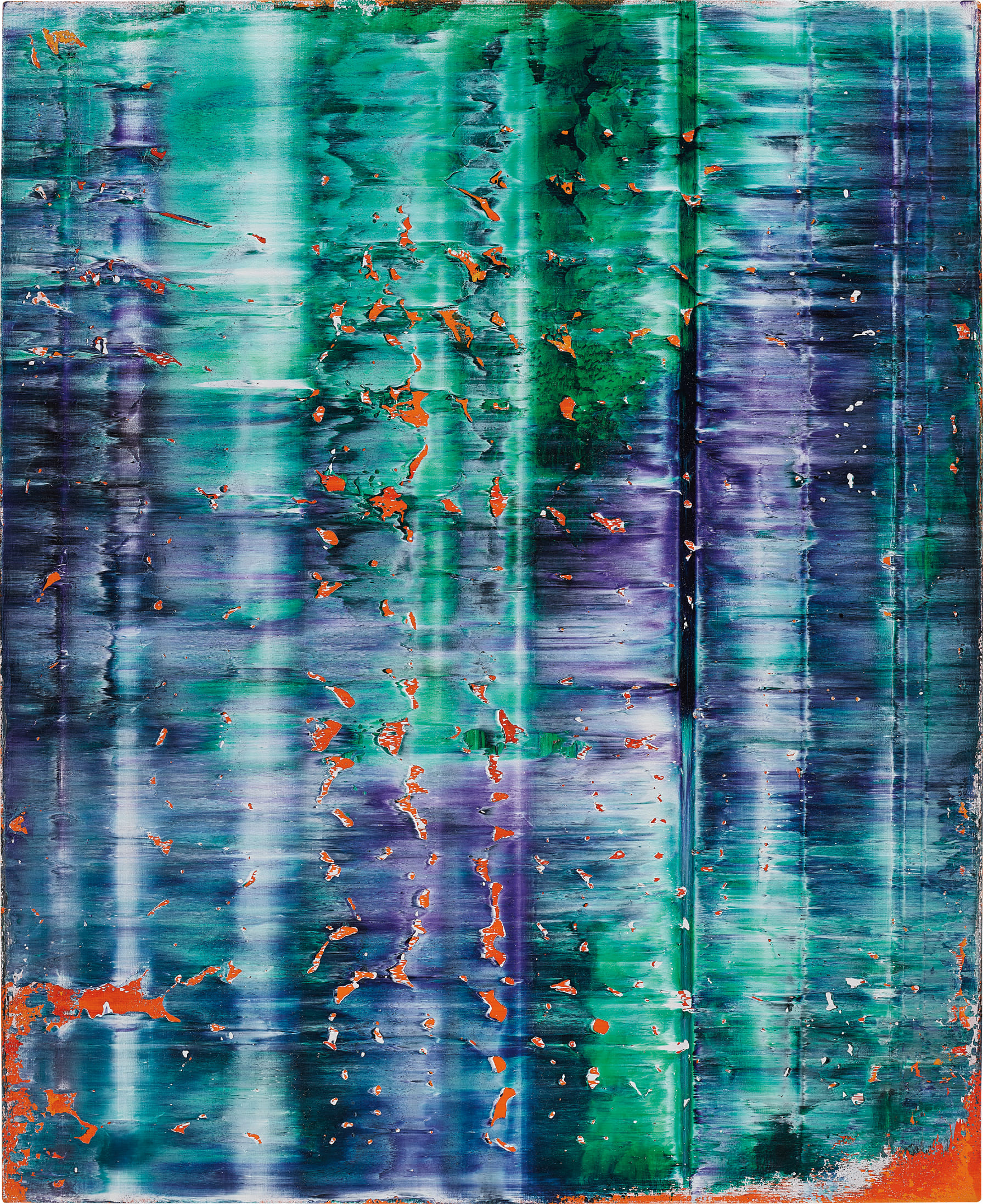
Stanley Casselman
Ir-40-8, 2013
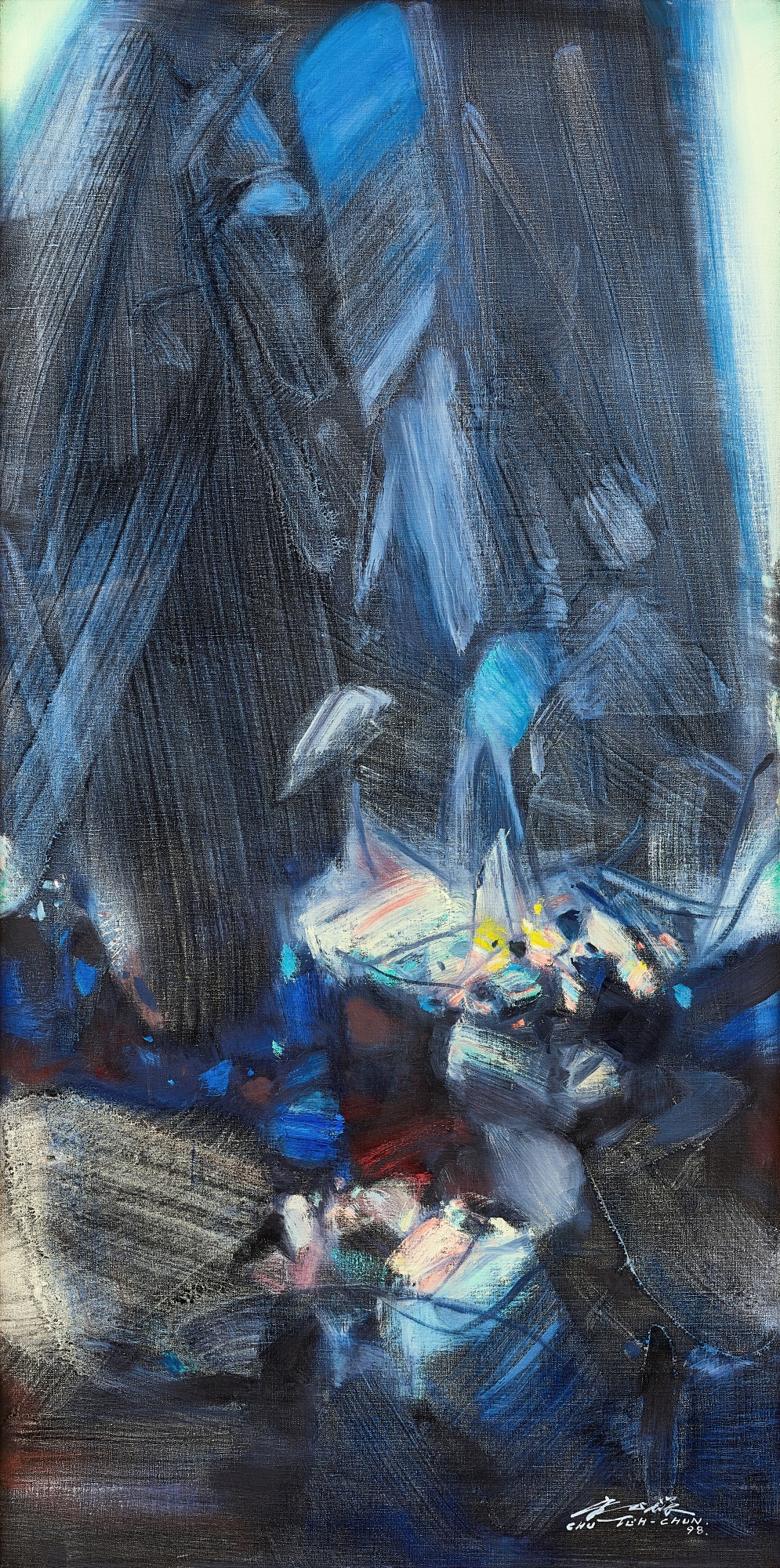
Chu Teh Chun, whose synthesis of Chinese ink painting traditions and Western abstraction produced canvases of remarkable resonance, continues to attract serious collectors in Asia and Europe alike. Newcomers like Héloïse Chassepot and Marcela Flórido bring perspectives that expand the frame of what modern painting looks like and where it comes from, which is exactly what the field needs. What feels settled is the argument about whether painting matters. That argument is over, and painting won.
What feels alive is the question of which painters, which lineages, which institutional frameworks will define how this moment is understood in twenty years. The surprises will come, as they always do, from the margins: the artist working outside the gallery system who suddenly becomes impossible to ignore, the overlooked figure whose retrospective reorders the conversation entirely. The collectors who are paying attention not just to prices but to the actual experience of standing in front of a painting, of letting it work on them over time, are the ones who will find those moments first.