Contemplative Mood
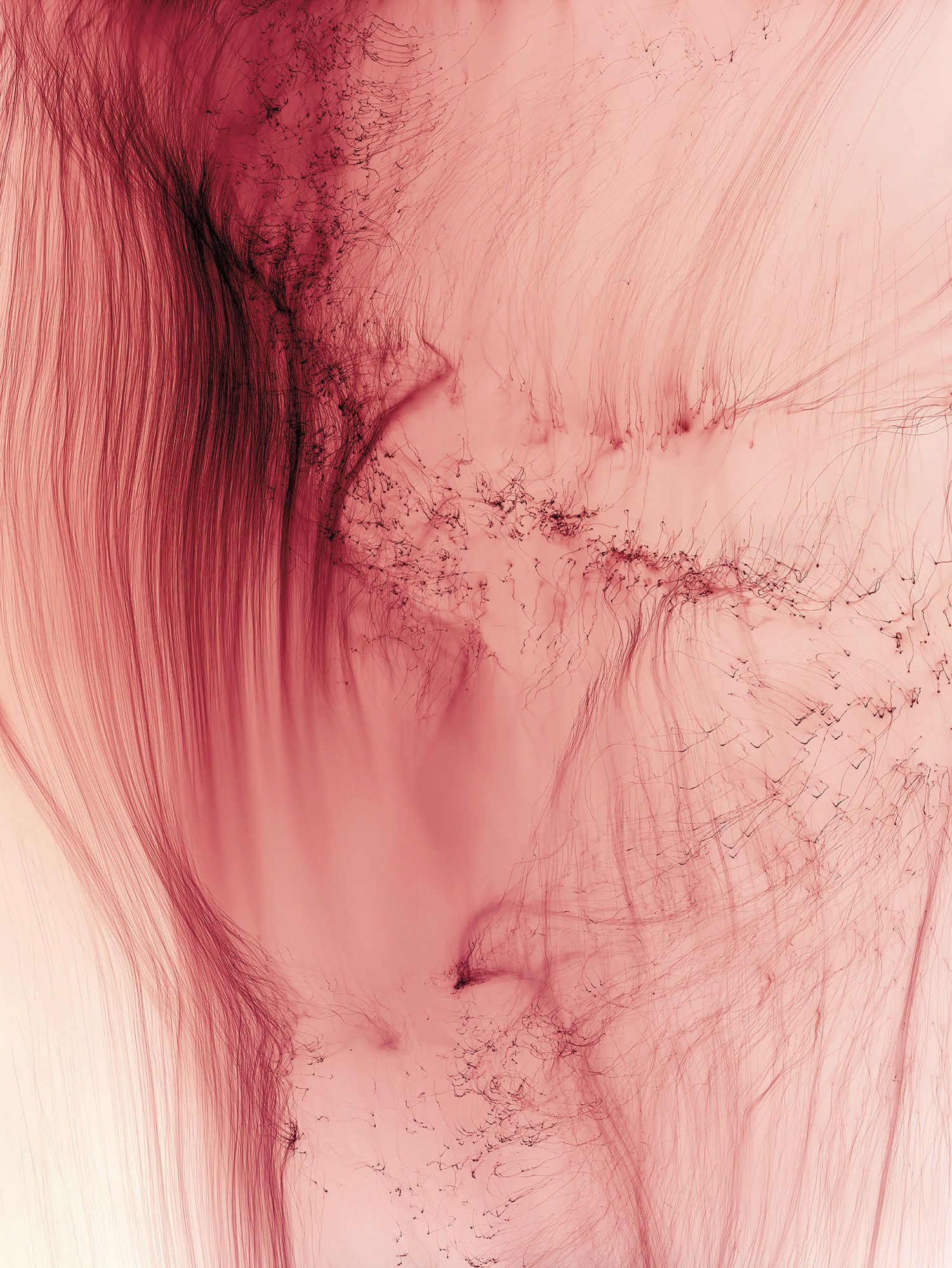
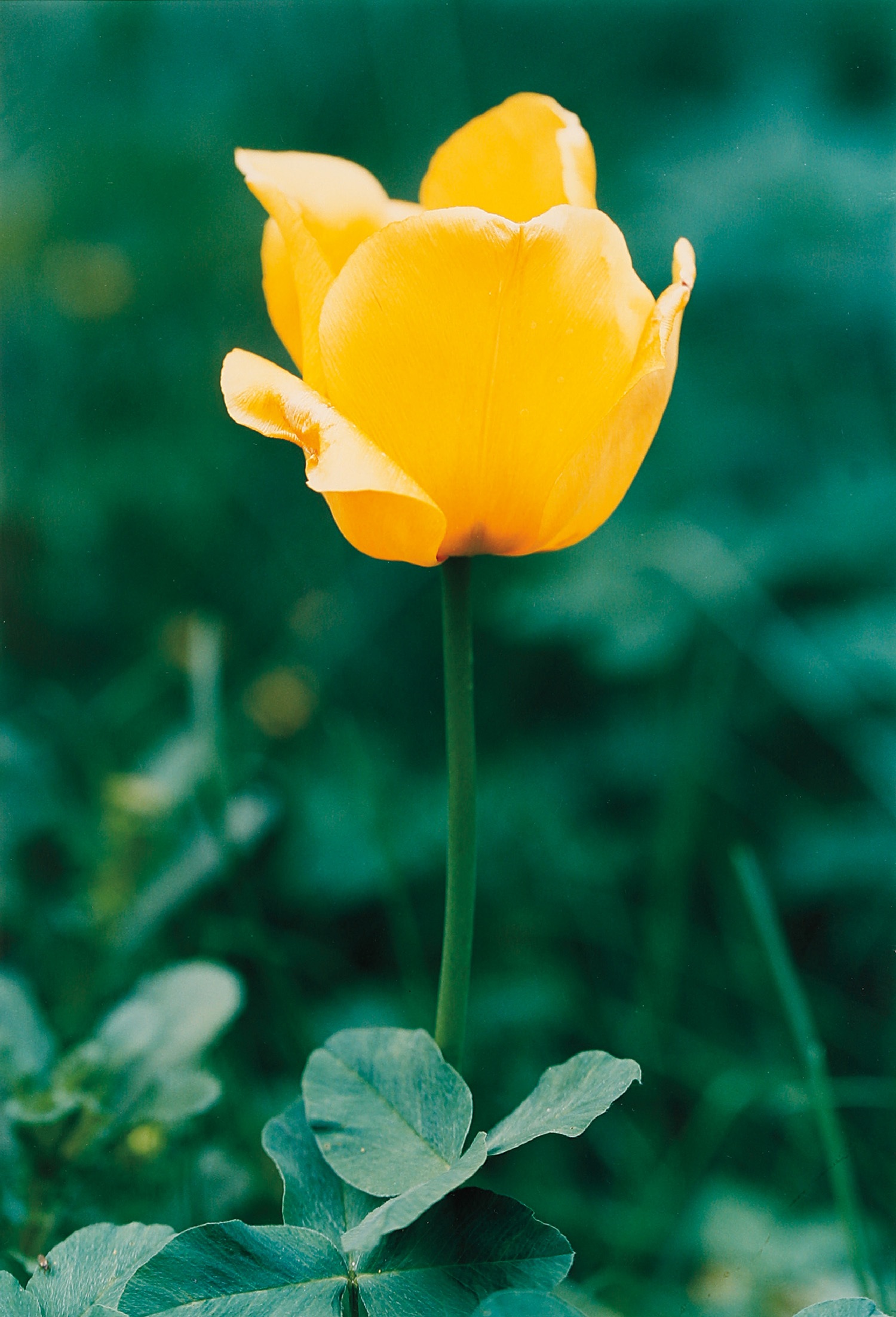
Wolfgang Tillmans
Freischwimmer 20
The Art of Slowing Down to See
There is a particular quality of attention that certain works demand of us. Not the quick scan, not the Instagram pause, but something deeper and more patient. A willingness to let the image or object do its work over time, to sit inside the silence a work creates and find it surprisingly full. This is the territory of contemplative mood in art, and it has a richer, stranger history than the word "contemplative" might suggest.
The contemplative impulse in Western art stretches back well before modernism claimed it. Dutch Golden Age painters understood that a single shaft of light falling across a table could hold a viewer longer than any busy narrative composition. Vermeer built entire careers on this understanding. But the deliberate pursuit of contemplation as a primary artistic aim, the elevation of inward stillness to a formal and conceptual goal, gathered force in the twentieth century as the noise of modern life grew louder and artists began to push back against it with silence.
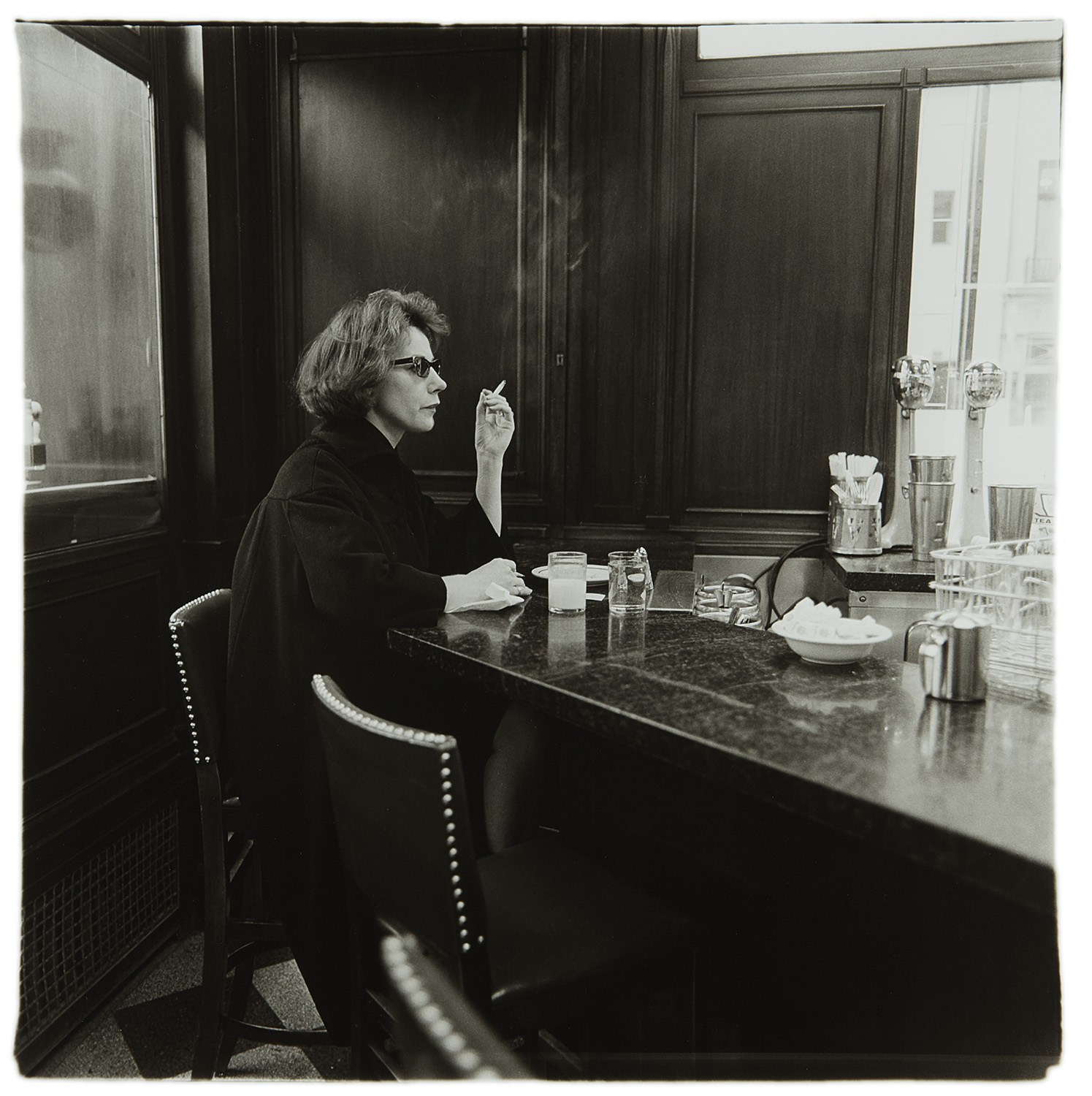
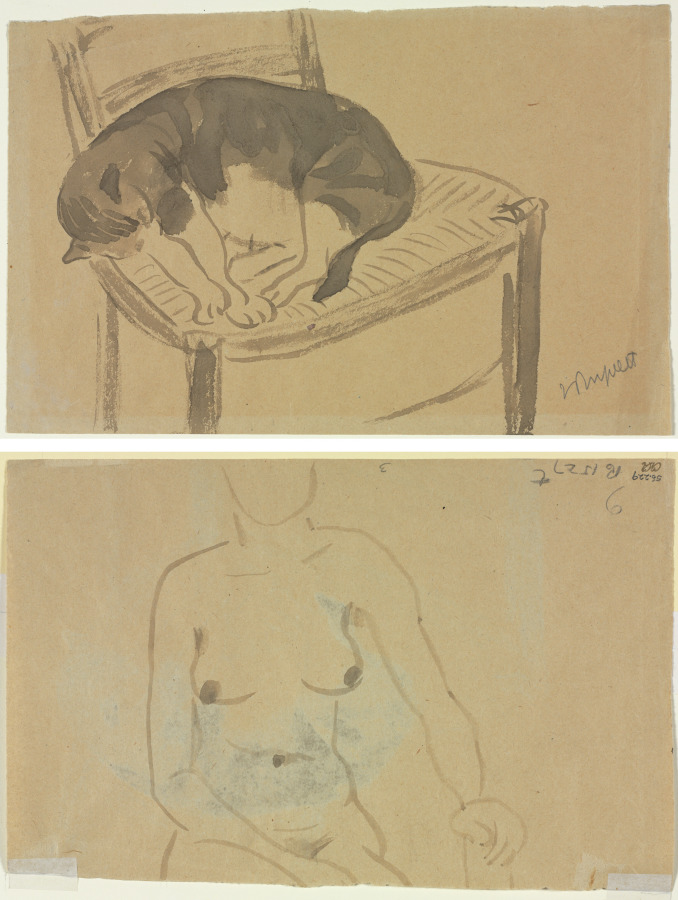
Diane Arbus
Woman at a counter smoking, N.Y.C.
The Abstract Expressionists were among the first to articulate this in American terms. Mark Rothko famously spoke of wanting his paintings to be experienced as living presences, and the Chapel he completed in Houston in 1971 stands as perhaps the most sustained architectural argument for contemplative space in postwar art. But the mood he sought was not peace in any easy sense. It was the kind of alertness that comes from standing at the edge of something vast.
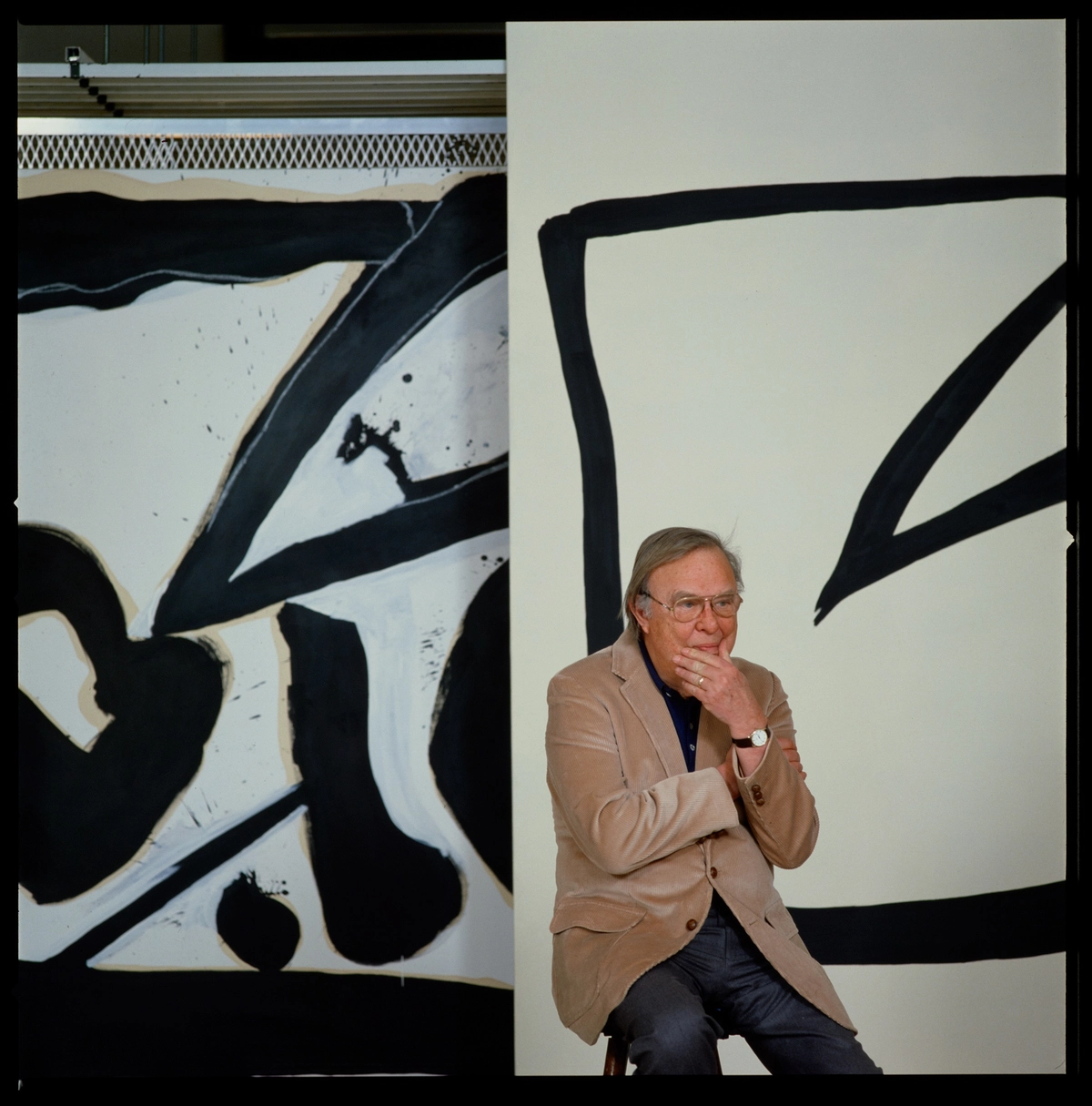
Robert Motherwell, whose work is well represented on The Collection, moved through related terrain. His Elegy to the Spanish Republic series, begun in the late 1940s and continued for decades, uses its heavy recurring forms not to narrate but to accumulate weight, to press against the viewer until something gives way into feeling. In Europe, a quieter but equally serious reckoning was taking place. The Arte Povera movement of the 1960s found contemplative possibility in humble and overlooked materials.
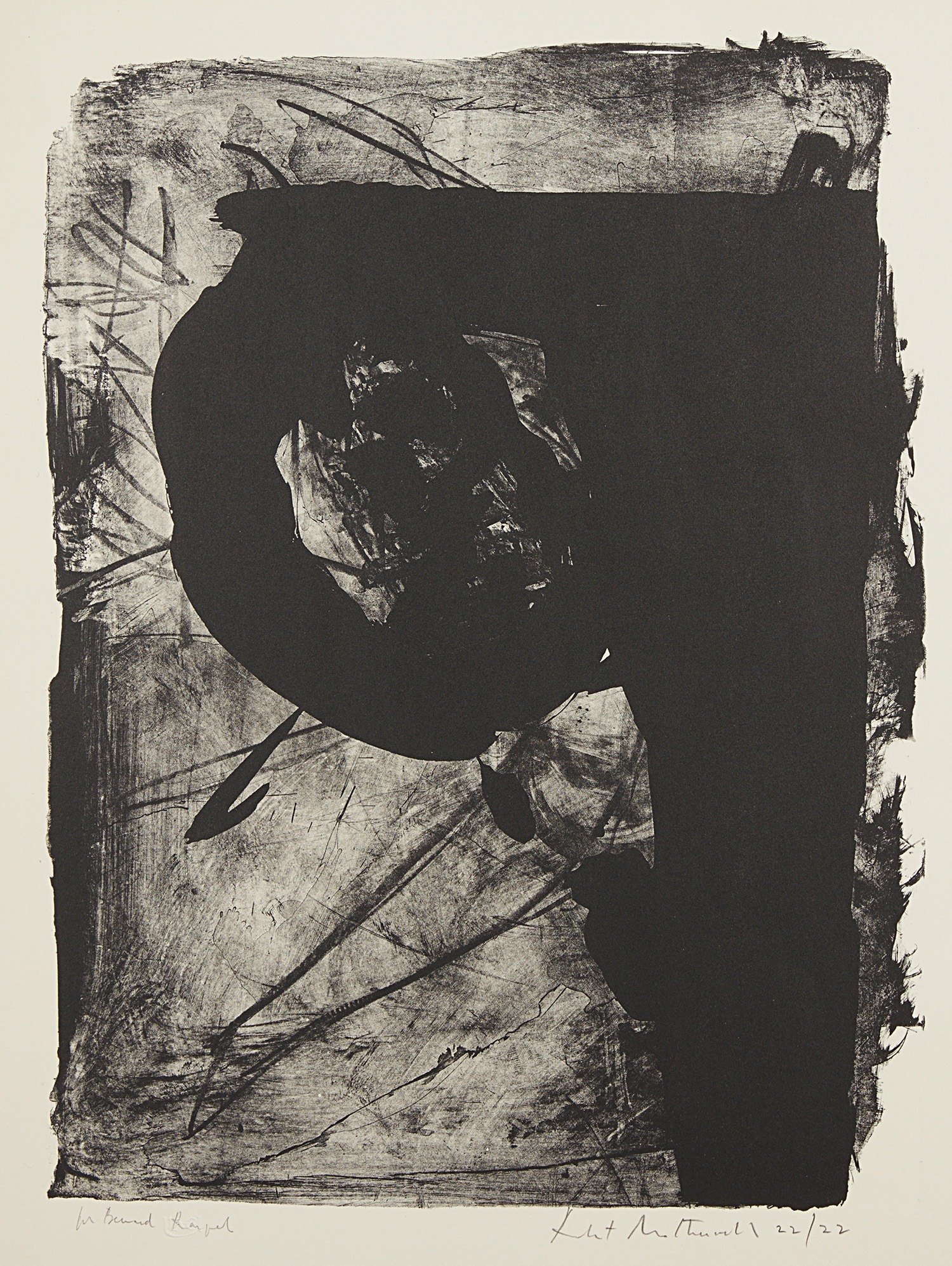
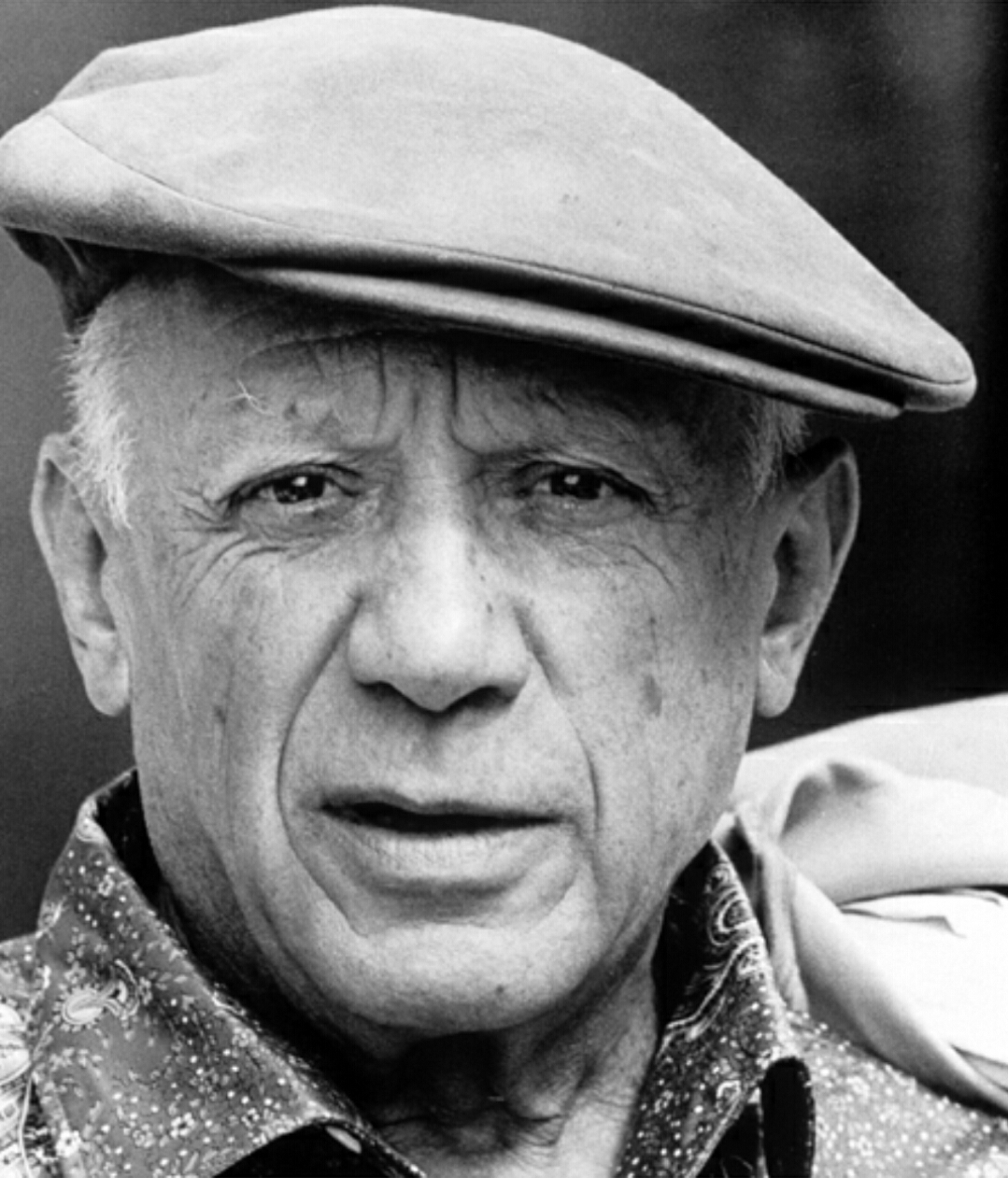
Robert Motherwell
Poet I
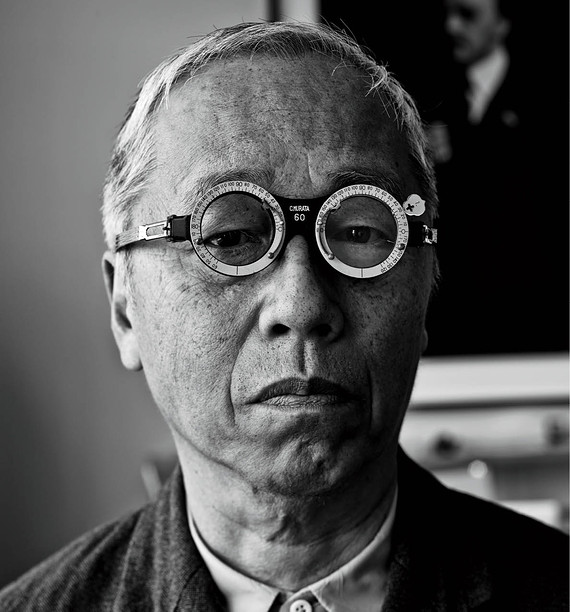
Artists connected to Zen philosophy and East Asian aesthetic traditions brought a different vocabulary altogether. Lee Ufan, whose practice spans painting and sculpture and whose work appears on The Collection, developed a philosophy he called Mono no aware, drawing on Japanese notions of the poignancy of transient things. His sparse canvases, often featuring a single brushstroke against an unpainted ground, ask the viewer to attend to what surrounds the mark as much as the mark itself. The empty space is not absence.
It is invitation. Photography, perhaps surprisingly, has been one of the most fertile grounds for contemplative work. Henri Cartier Bresson, whose vast body of work is a cornerstone of The Collection, spoke of the decisive moment, that fraction of a second in which form and content align perfectly. But many of his quieter images, the ones not built around the dramatic instant, carry a meditative weight that his famous phrase almost obscures.
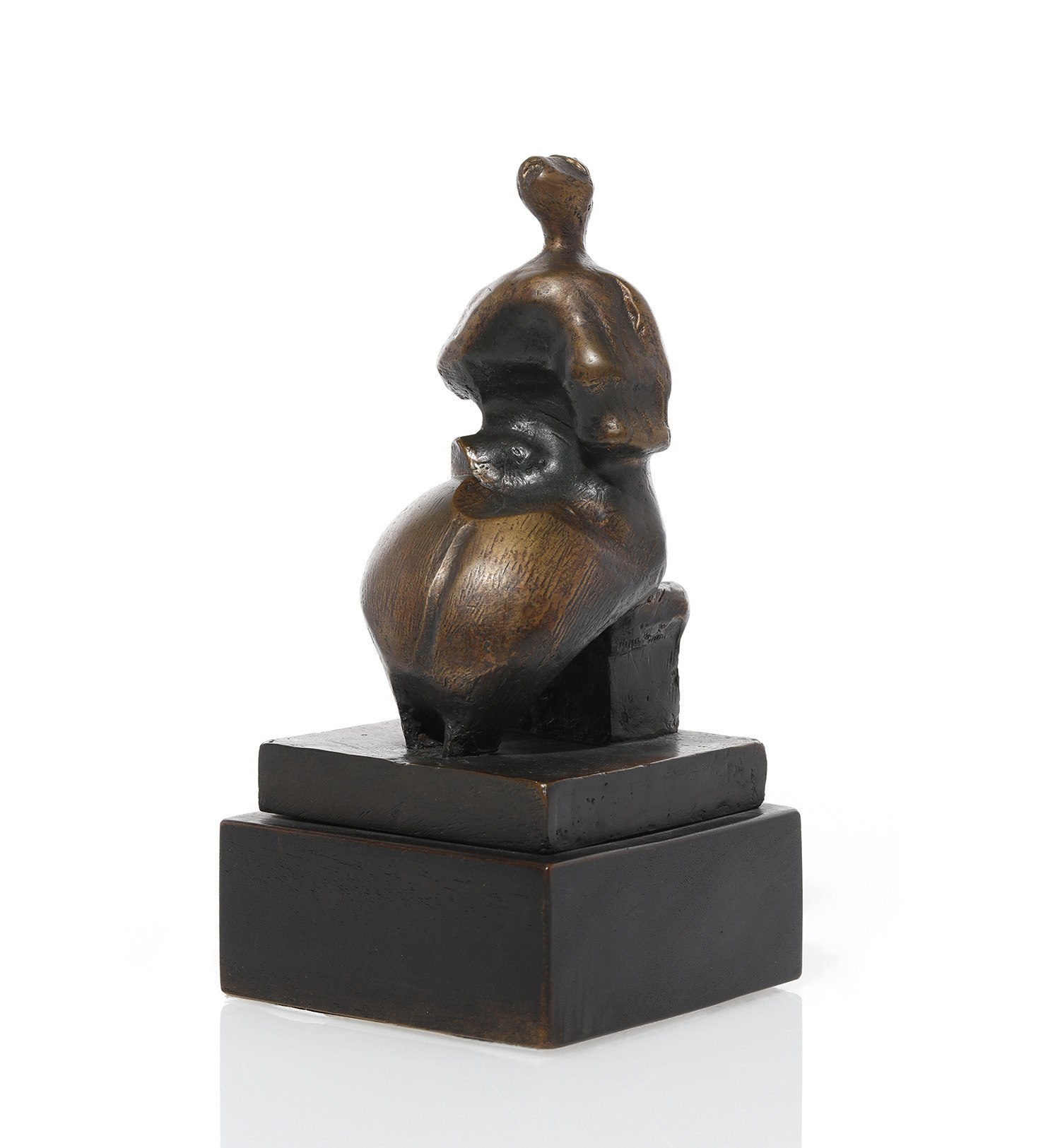
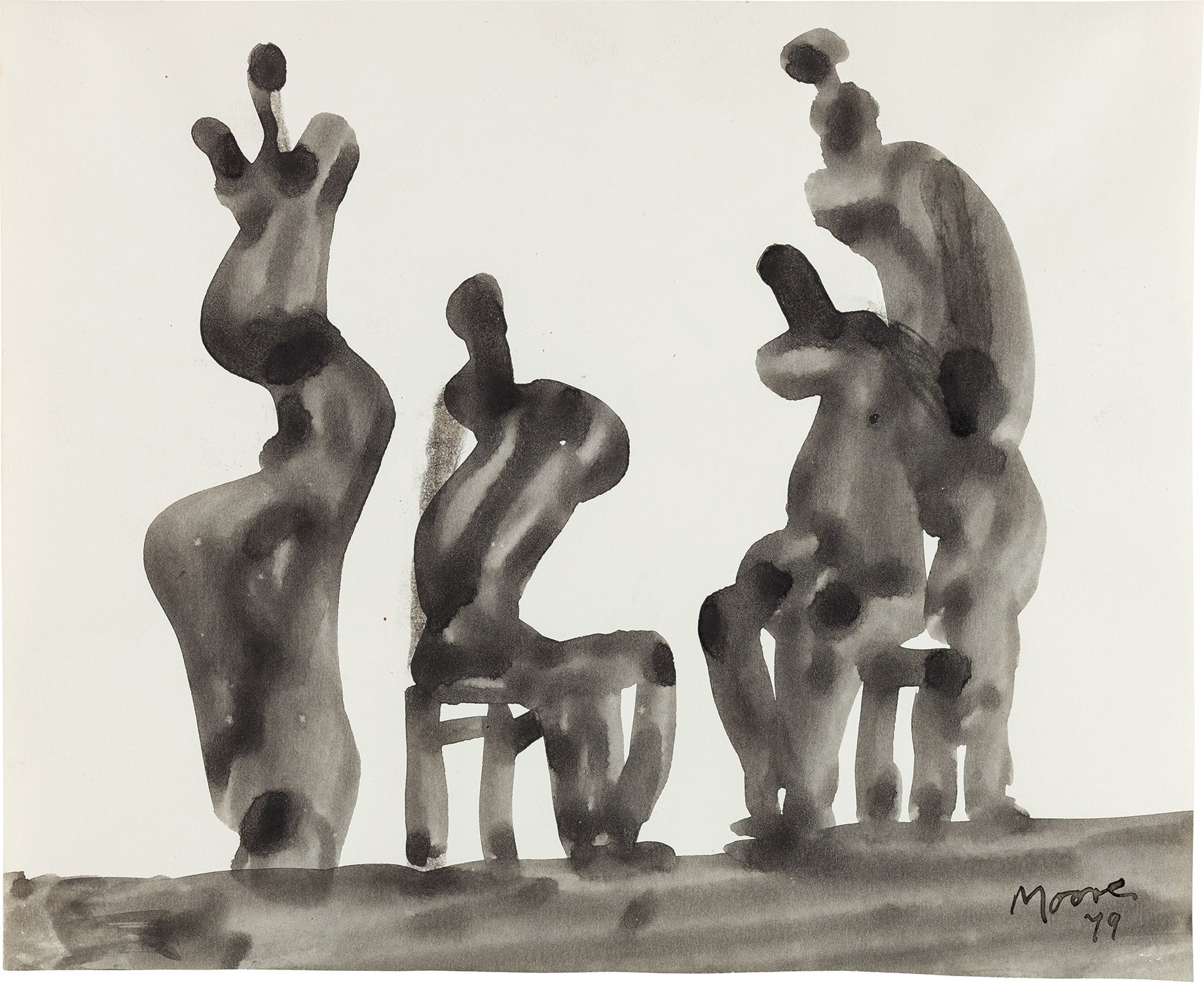
Henry Moore
Maquette for Seated Woman
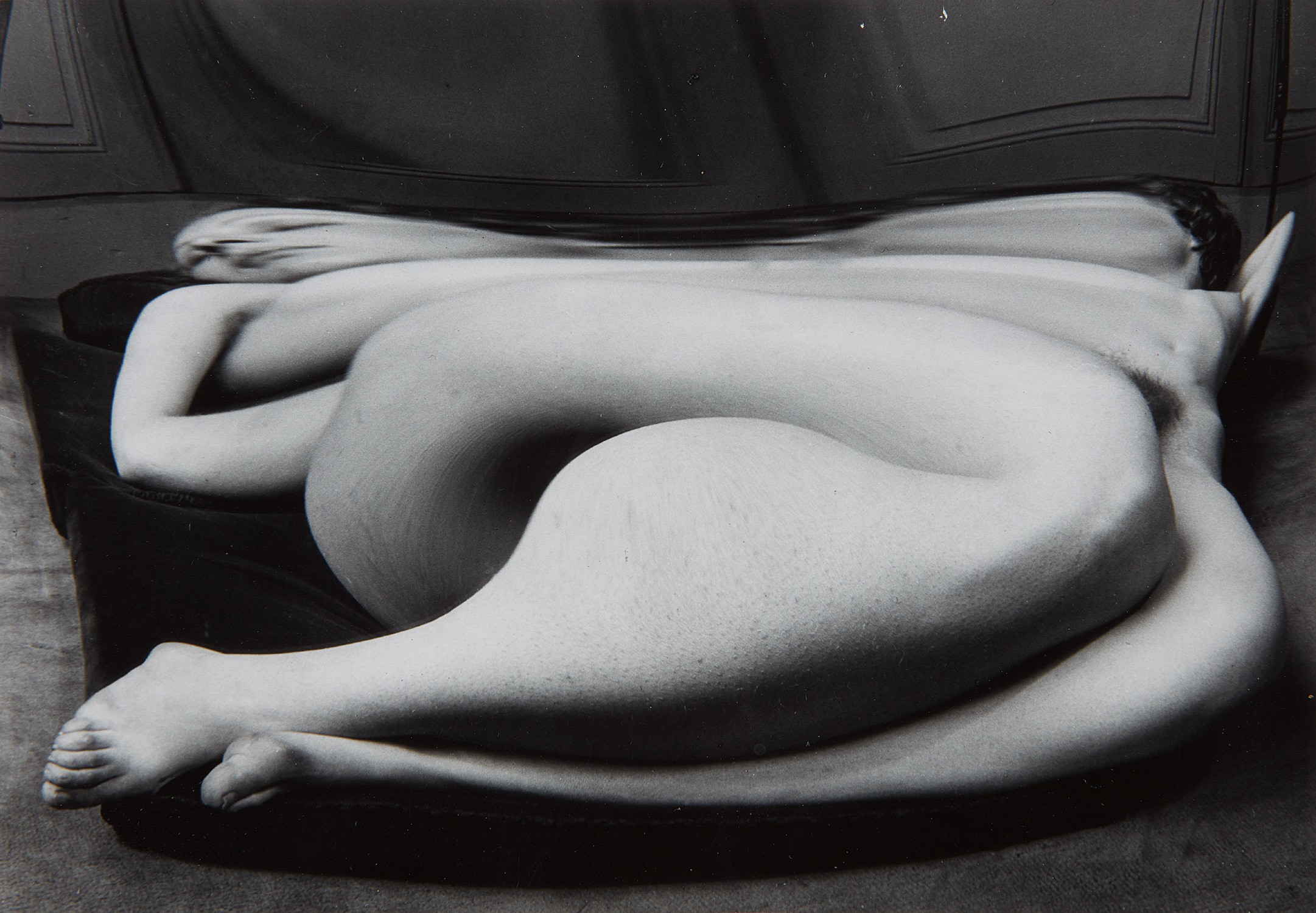
André Kertész, another photographer strongly represented here, was perhaps more naturally a contemplative artist. His images of shadows, reflections, and solitary figures in Paris and New York have a stillness at their center that feels less about capturing time than about suspending it. Hiroshi Sugimoto's seascape photographs, which appear in depth on The Collection, take this further still. Each long exposure image collapses hours into a single plane of gradated grey.
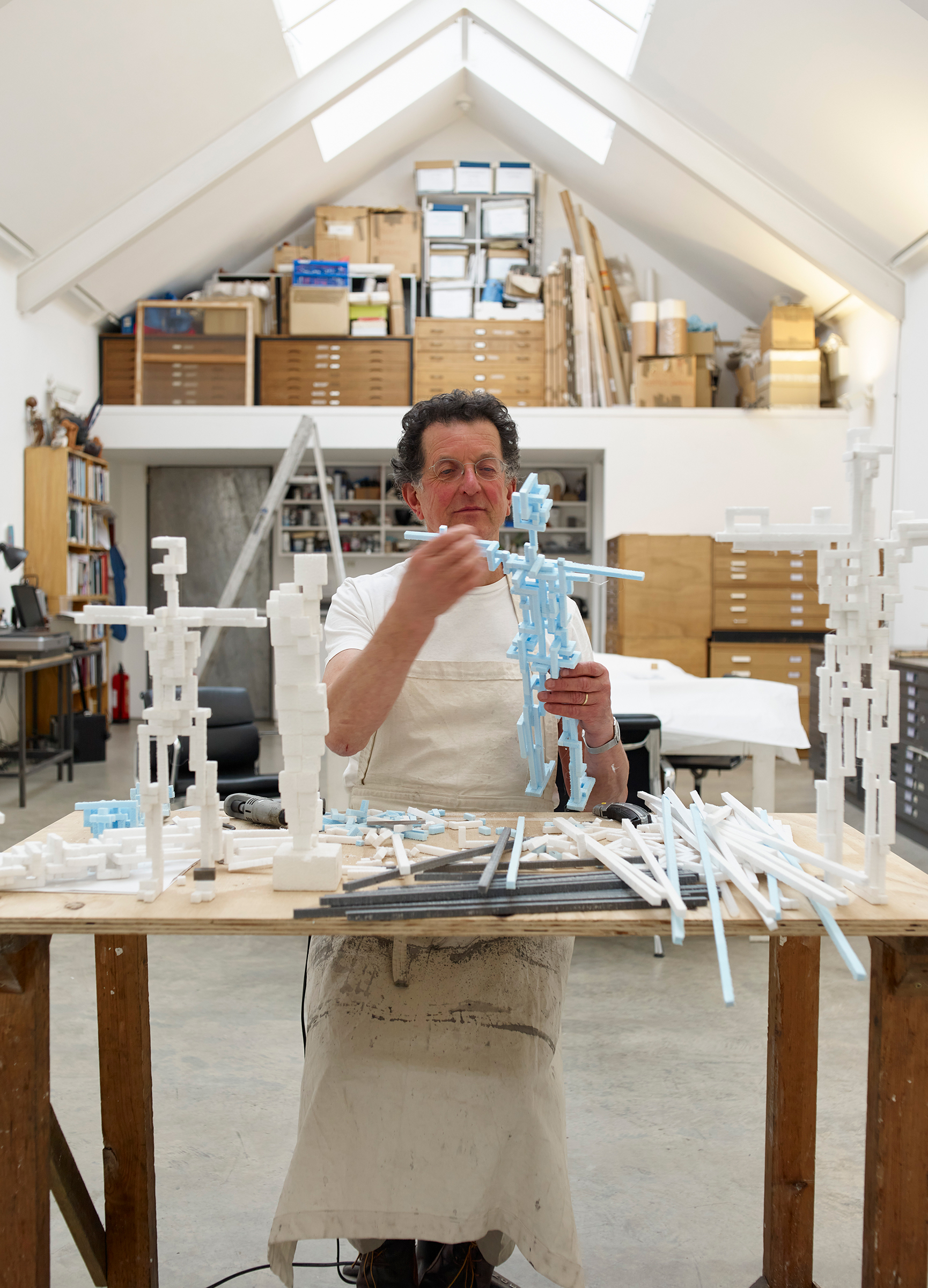
The horizon line divides sky from sea with such precision that the images seem less like photographs and more like diagrams of infinity. Sugimoto has spoken about photography as a time machine, and in these works the contemplative mood is inseparable from a confrontation with duration itself. They are among the most genuinely meditative objects made by any artist working in any medium in the past fifty years. Sculpture has its own contemplative lineage, running through Brancusi's reductive forms and continuing into the work of artists like Antony Gormley and Henry Moore, both of whom are represented extensively on The Collection.

Sarah Lee
Two Half Moons, 2022
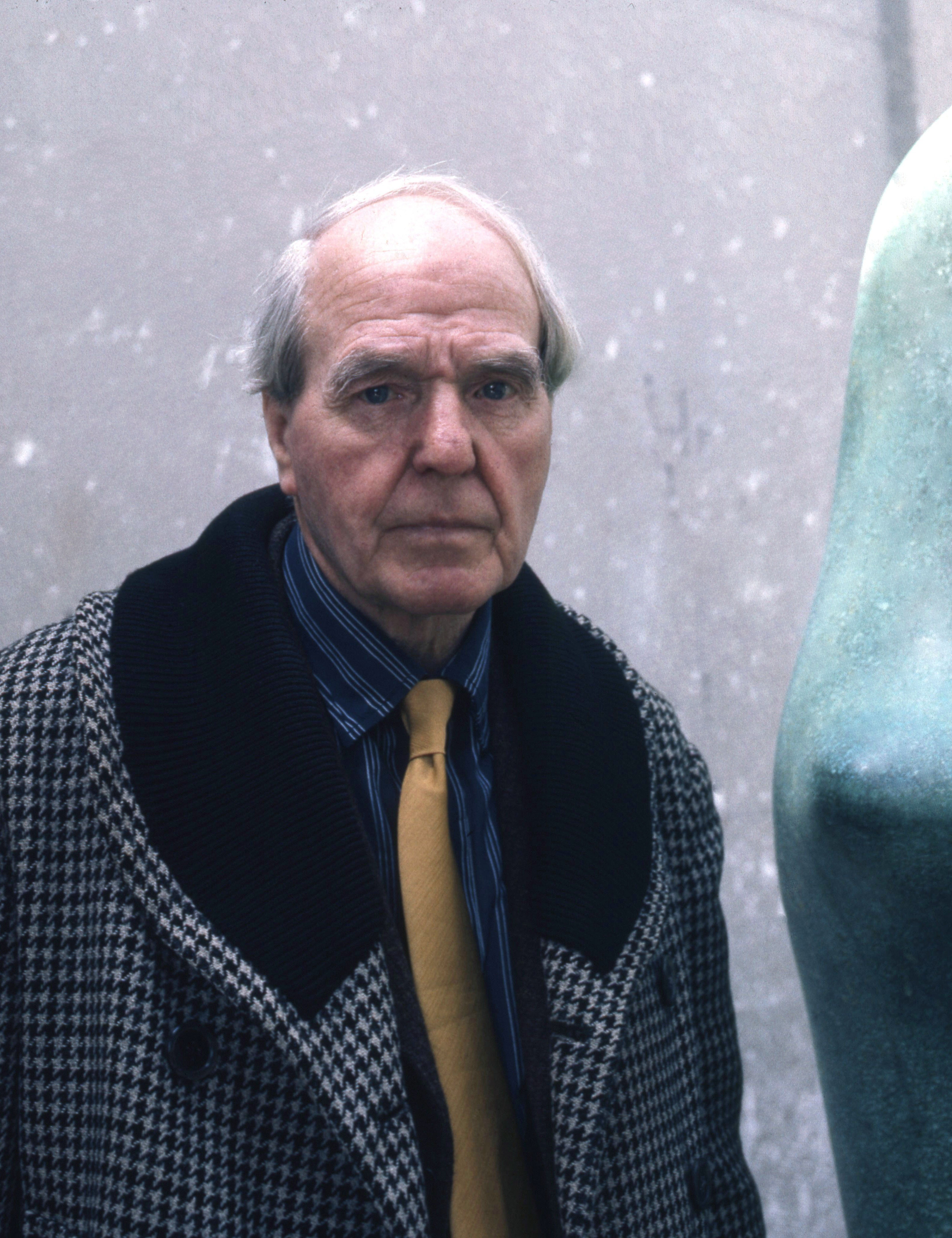
Moore's reclining figures, scattered across public landscapes from London to Lincoln Center, invite a particular quality of attention partly because their organic abstraction resists quick reading. You walk around them. Your understanding changes. Gormley's ANOTHER PLACE, the work in which cast iron figures stand in the tidal waters off Crosby Beach, uses duration and environment to produce contemplative experience on a grand and democratic scale.
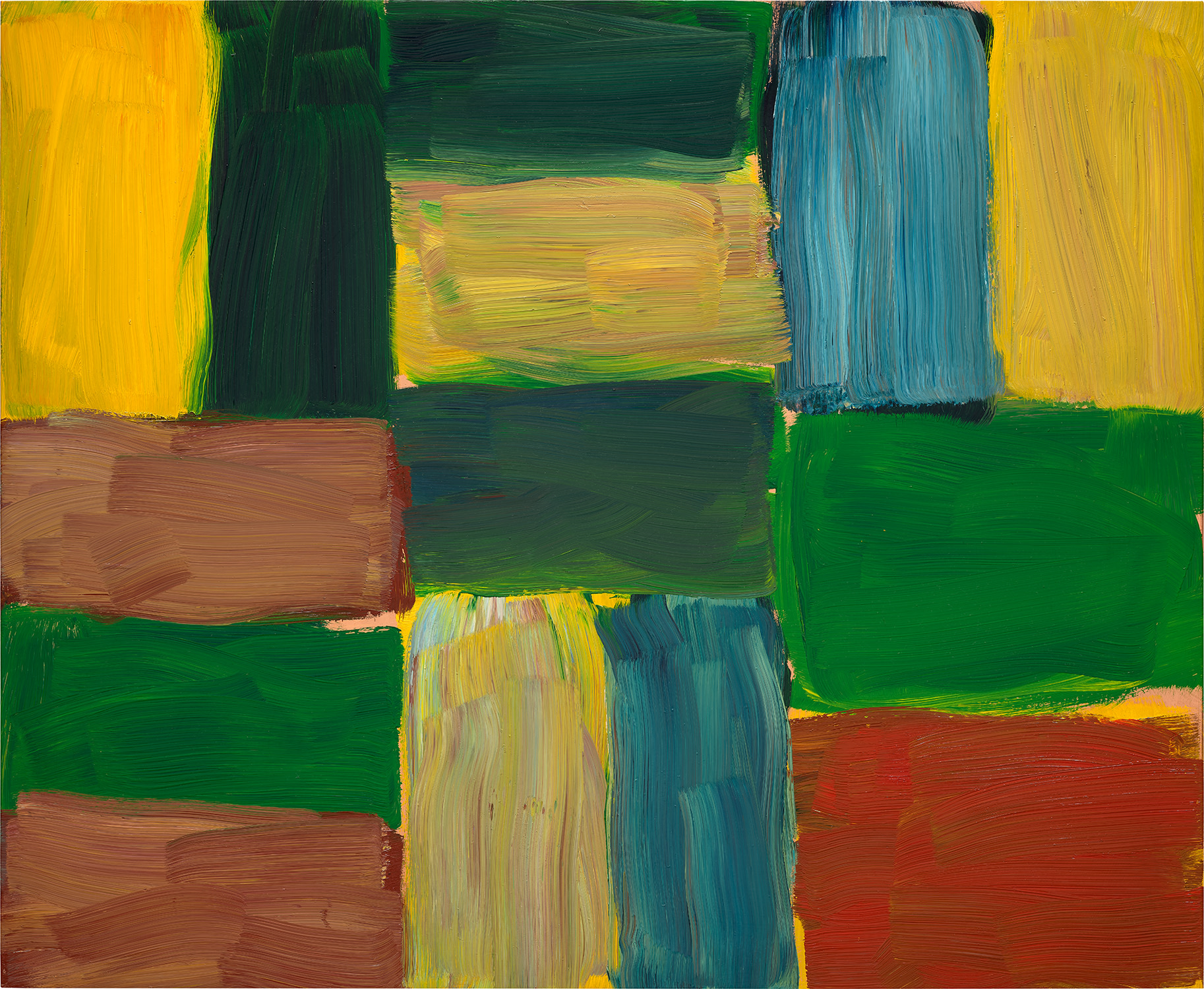
The figures stare out to sea. Standing among them, you tend to do the same. Painting continues to renew this mood in ways that feel genuinely urgent. Sean Scully's stripe paintings, seen in number on The Collection, carry an emotional directness that confounds those who dismiss geometric abstraction as cold.
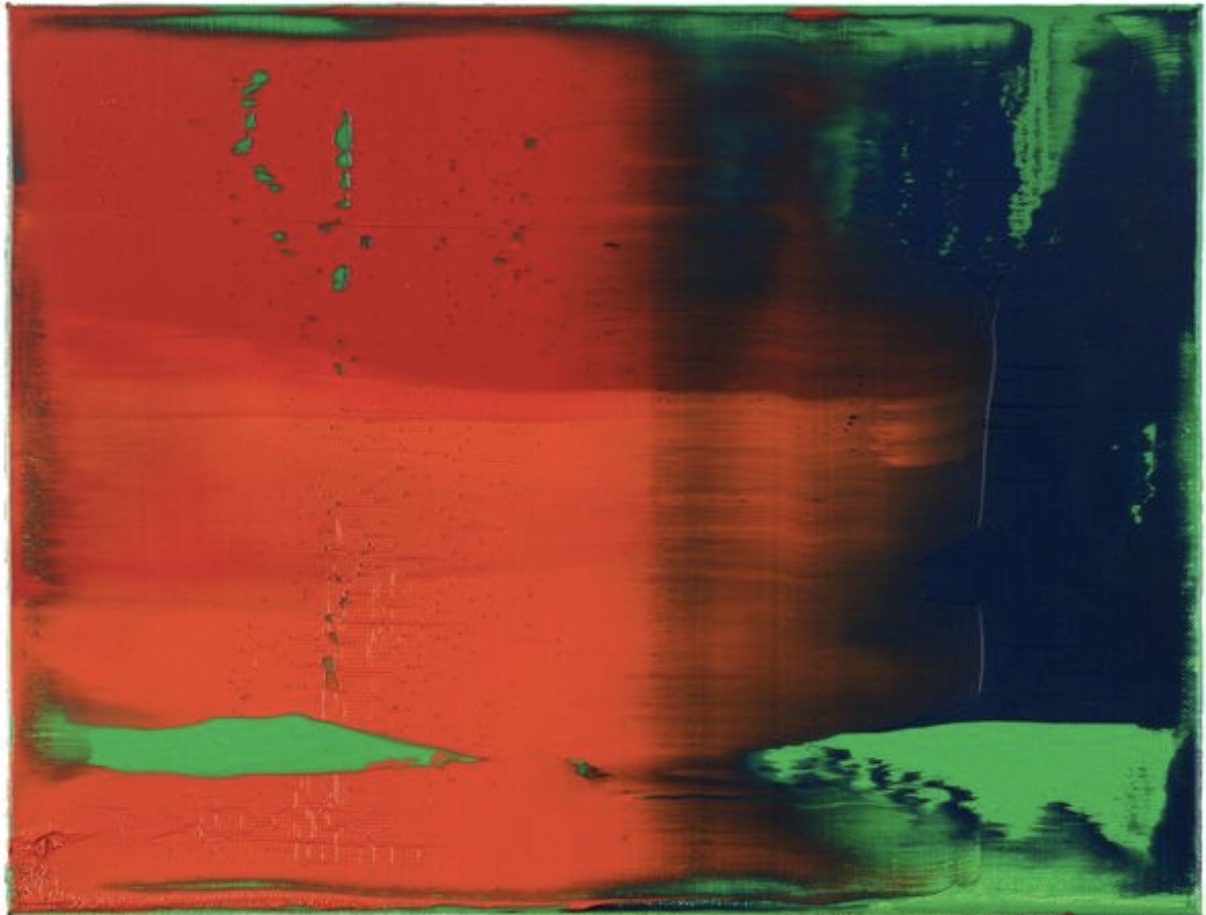
His surfaces are worked and reworked, built up over time, and that labor is visible. Brice Marden's work moves between the grid and the gestural, creating surfaces that reward the kind of slow looking that most contemporary life actively discourages. Gerhard Richter, whose presence on The Collection is deep and varied, has explored contemplative possibility across radically different modes, from his blurred photo paintings to his squeegee abstractions, each asking the viewer to locate meaning in the space between recognition and uncertainty. What unites these artists across their considerable differences of medium, nationality, and era is a shared conviction that art can change the quality of a person's attention.
Not just what they see but how they see. In a cultural moment defined by speed, fragmentation, and the perpetual demand for immediate response, this feels less like a historical category and more like a form of resistance. The works gathered under a contemplative mood on The Collection are not retreating from the world. They are proposing a different way of inhabiting it.
That is a serious offer, and it deserves to be taken seriously.