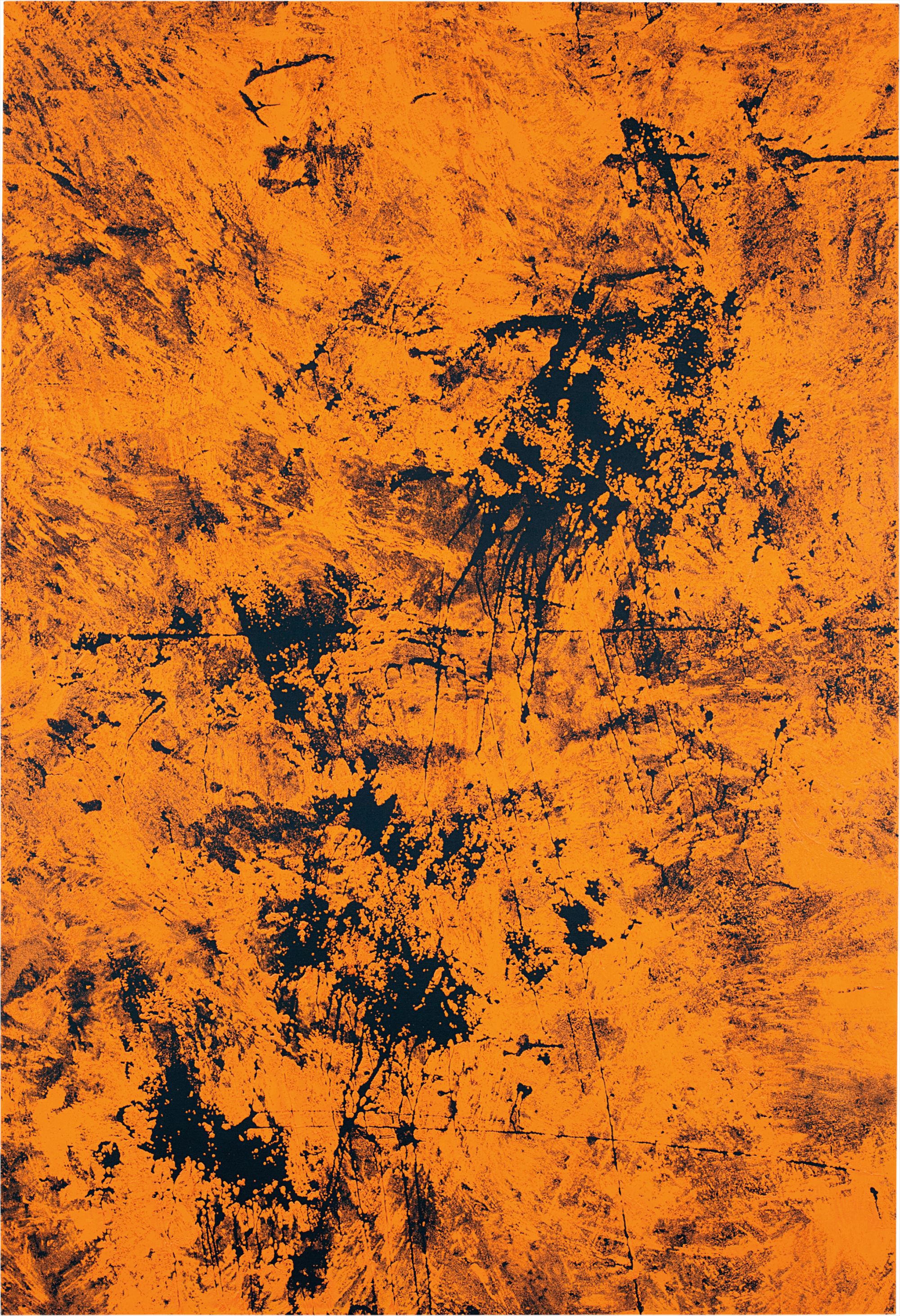
“I wanted to be against a certain way of painting. Artists have always been accused of being decorative. I just went to the extreme.” - Rudolf Stingel
Rudolf Stingel's large-scale oil on canvas presents a meticulously rendered, hyper-realistic depiction of an ornate silver or golden patterned surface, resembling embossed wallpaper or decorative textile. The work deliberately pushes the boundaries of what is considered "decorative" in painting, transforming a traditionally dismissed aesthetic quality into the central subject itself. Through obsessive detail and sheer scale, Stingel challenges conventional hierarchies in art, forcing viewers to confront their own assumptions about beauty, craft, and the nature of painting.
- Medium
- oil on canvas
- Location
- Phillips, Salt Lake City, UT
- Spotted At
- Auction House · PhillipsView on map
🔨 Auction Lot
Contemporary Art & Design Evening Sale
March 6, 2014
More by Rudolf Stingel
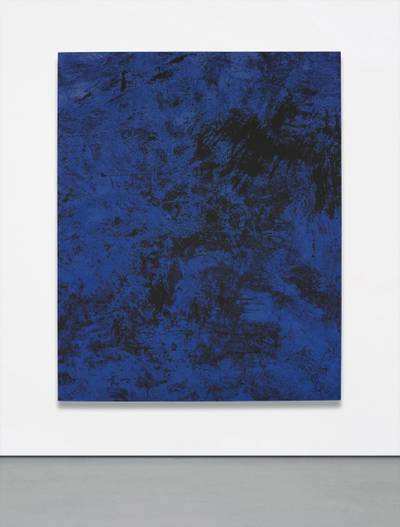
Always one to challenge the boundaries of art, Rudolf Stingel strives to dispel the preconceptions based around art’s elevated status and actively negates any notions of hierarchy within its production. Using a broad range of mediums and techniques, Stingel explores various means of artistic expression, however, what transcends all of his pieces is an inherently reductionist approach. Peeling away areas, scratching into surfaces, carving out patches in his material, are just some of the ways the artist signals his presence. In this manner, Stingel refuses to conform to notions of the artist’s hand bringing clarity and development.
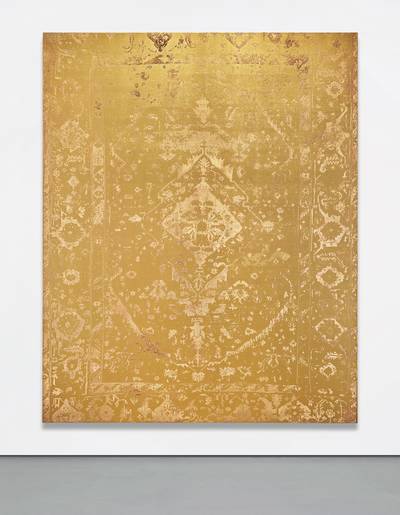
Rudolf Stingel has spent the past three decades exploring the boundaries of painting, pattern and design through his experimentation with surface and materiality. Rendered in opulent gold,
2014
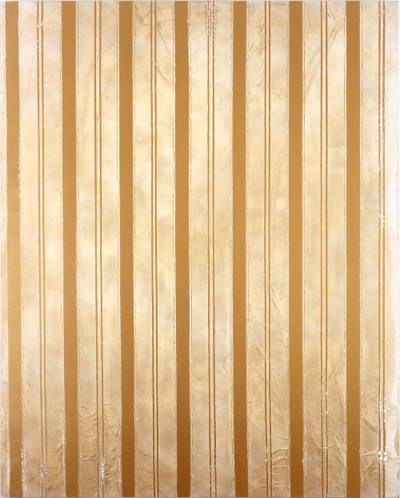
Working across the various media of painting, sculpture and installation, Rudolf Stingel has always challenged the very nature of artistic practices in order to critically reveal the technical processes that lies behind them. In the present lot
Artists in conversation
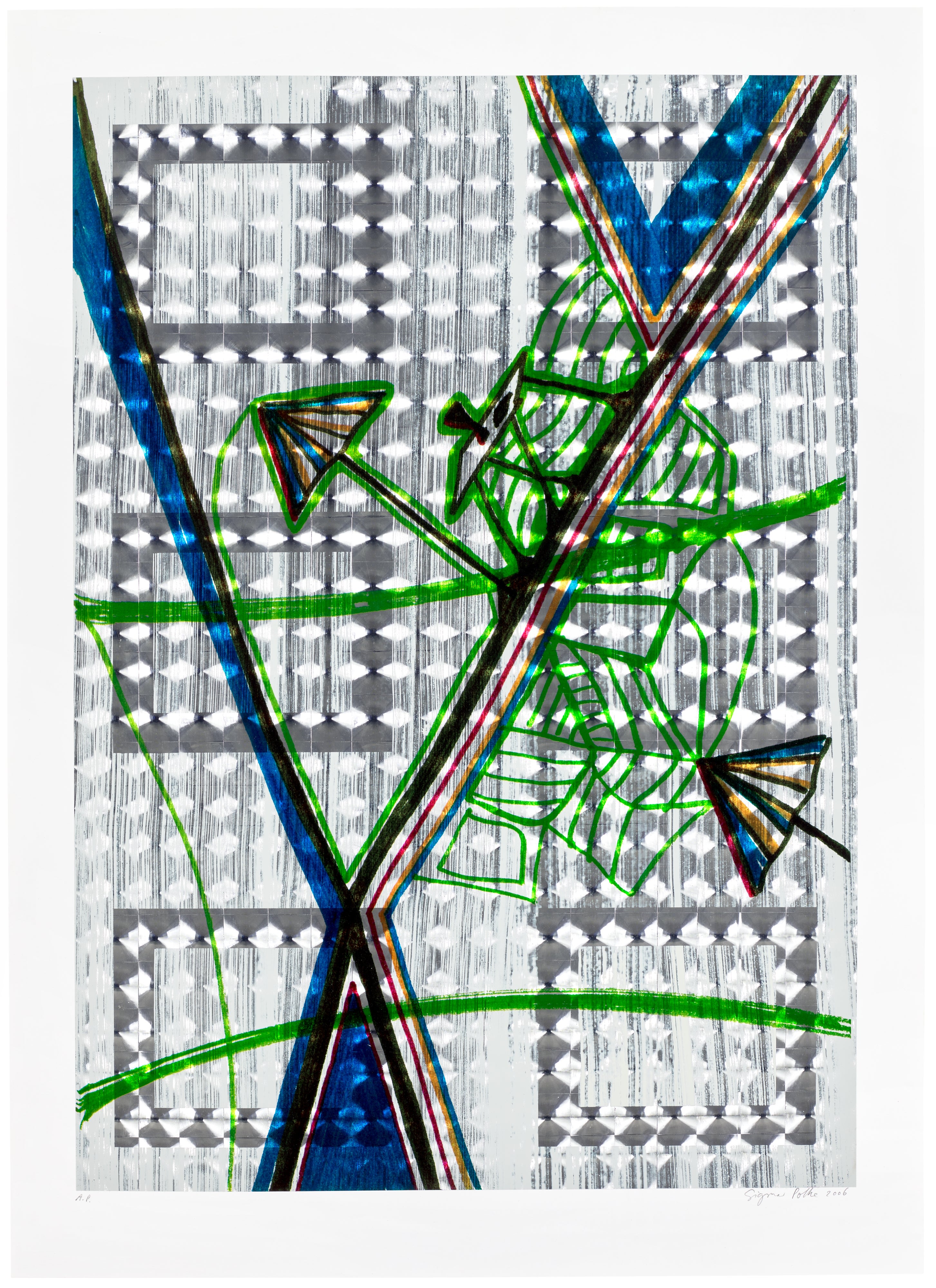
Sigmar Polke
German · b. 1941
Polke similarly elevated decorative and kitsch patterning to serious painterly subjects, using ornate surfaces and repetitive motifs to challenge the hierarchies between high art and decoration. His large scale works interrogate what qualifies as legitimate artistic content in ways that directly parallel Stingel's deliberate embrace of the ornamental.

Damien Hirst
British · b. 1965
Hirst's spot paintings and ornate encrusted works share Stingel's obsessive commitment to repetitive decorative surfaces as a conceptual provocation, pushing the boundaries between craft, decoration, and fine art at monumental scale. Both artists use meticulous surface elaboration to force viewers to reconsider what painting is permitted to be about.
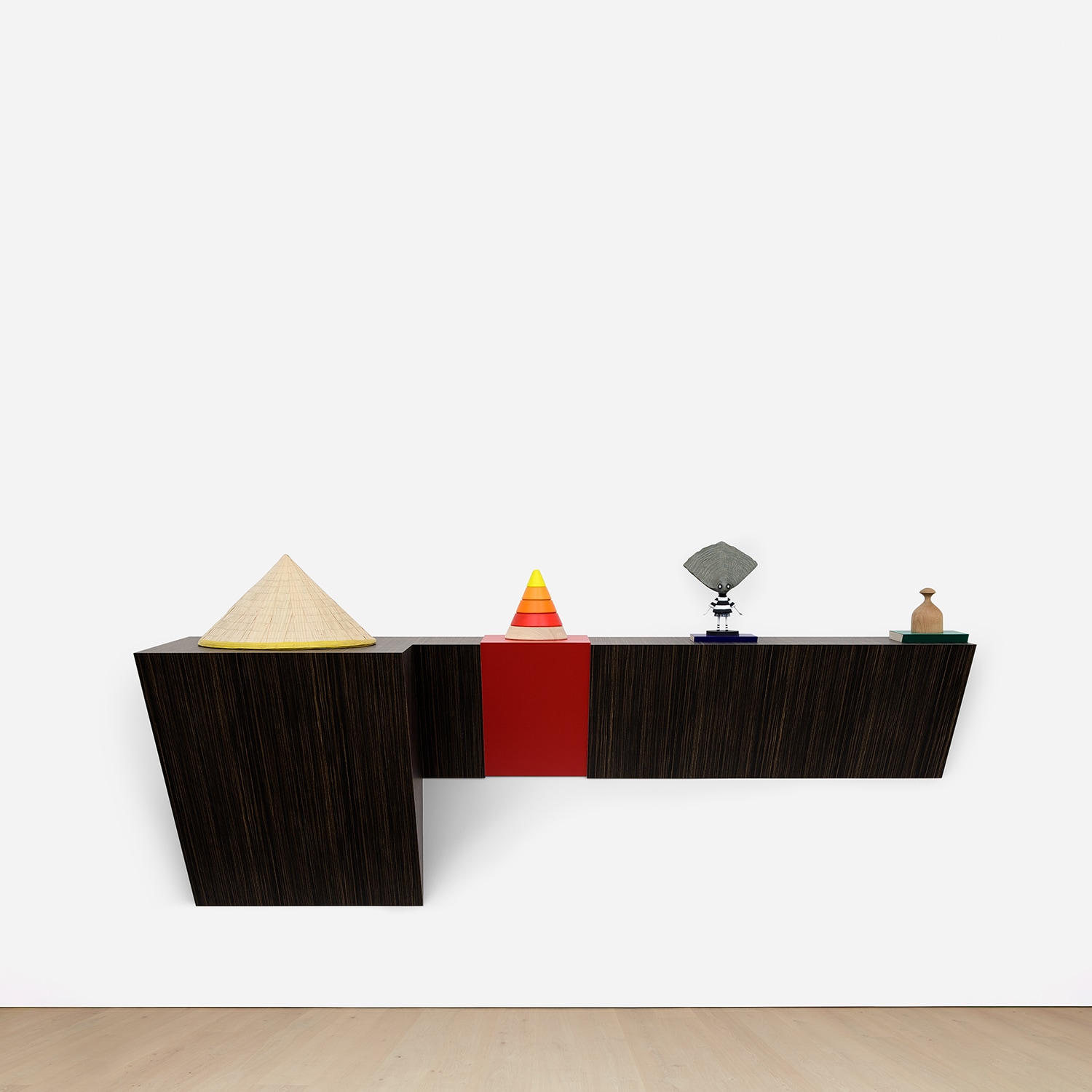
Haim Steinbach
Israeli American · b. 1944
Steinbach's practice centers on elevating decorative and consumer surfaces into serious art objects, interrogating taste hierarchies and the cultural weight assigned to ornamental aesthetics. His work resonates with Stingel's strategy of transforming the traditionally dismissed decorative into the primary conceptual and visual focus of the artwork.
Start the Discussion
Request access to join the discussion