Israeli
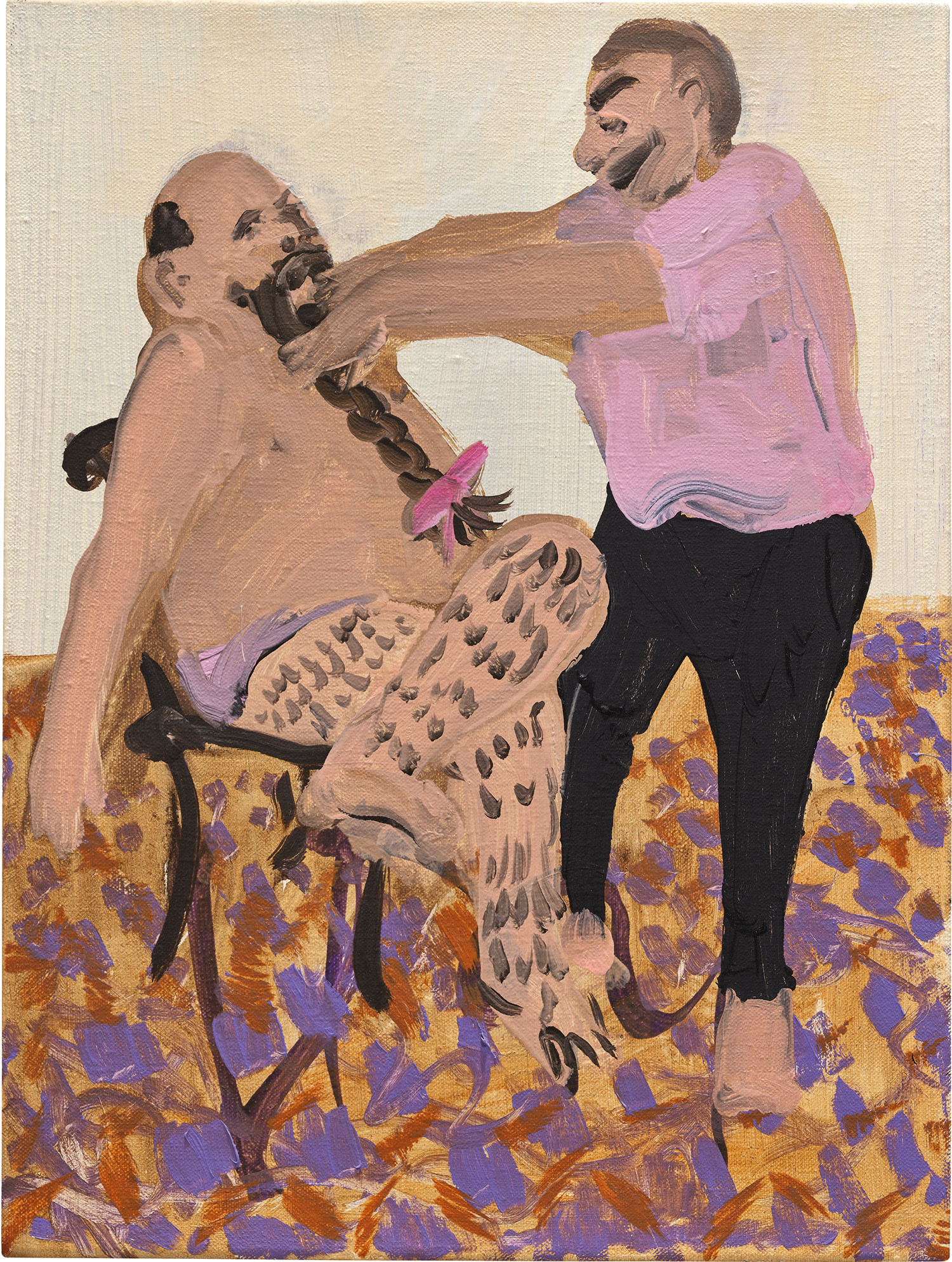
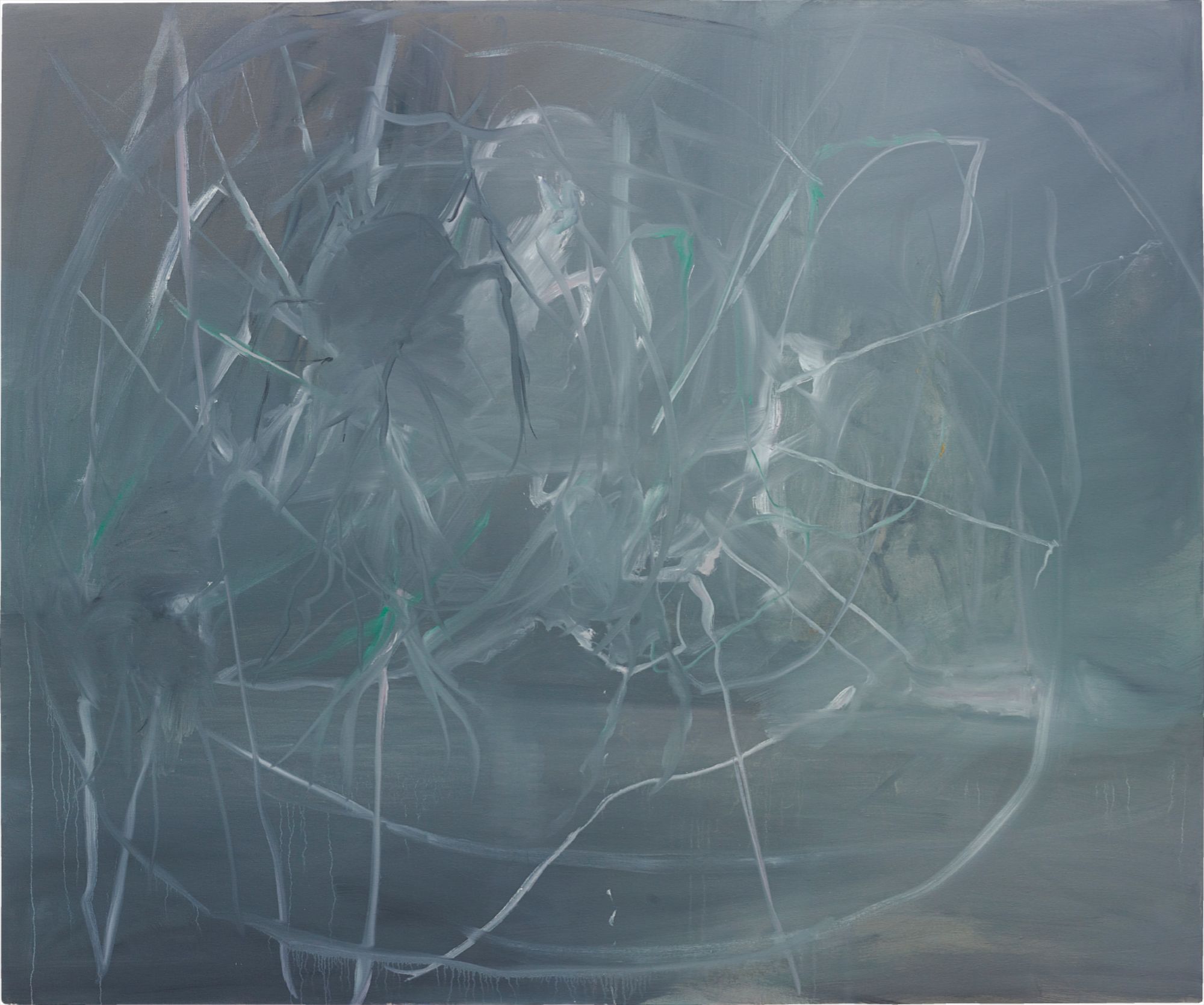
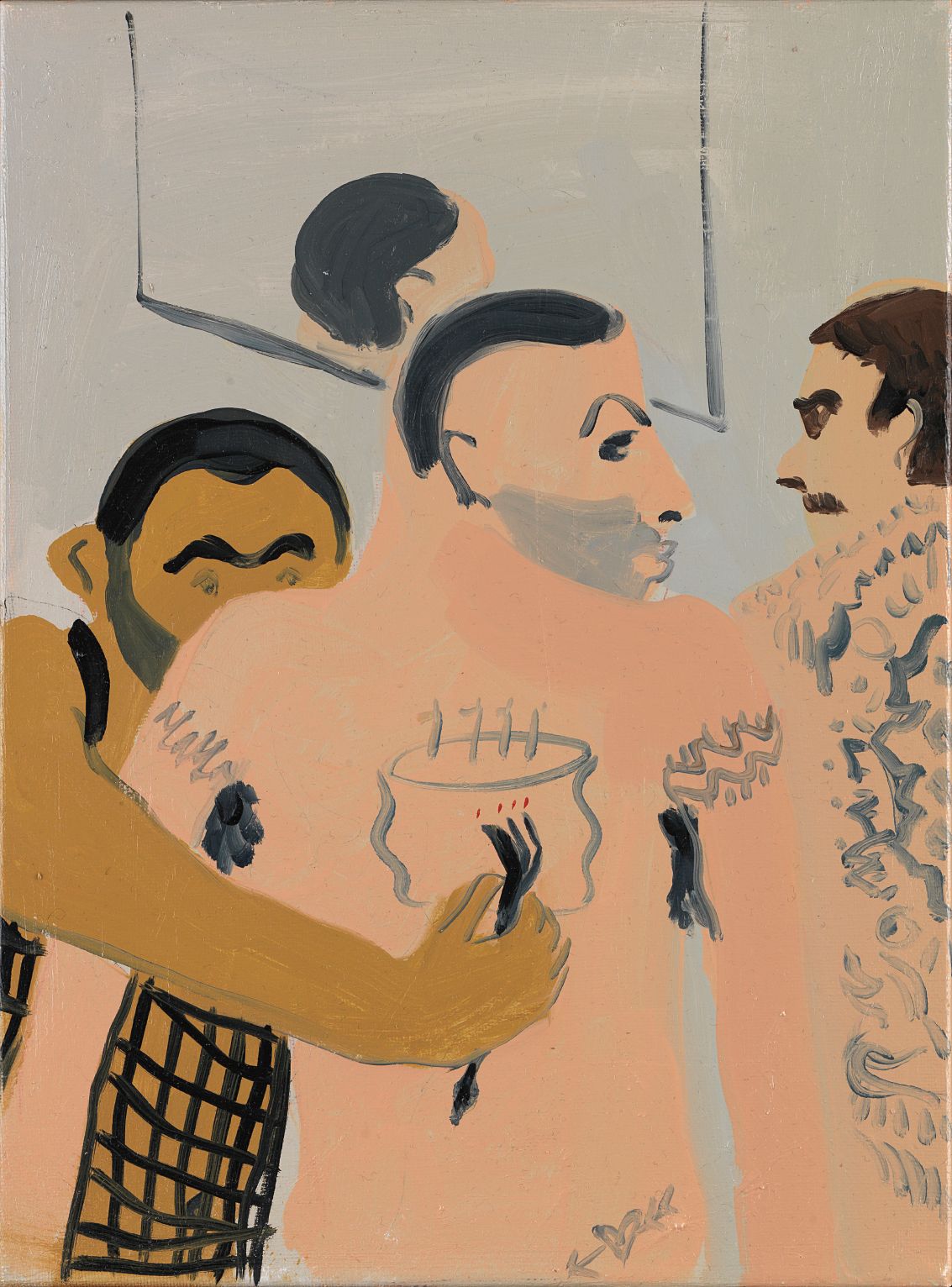
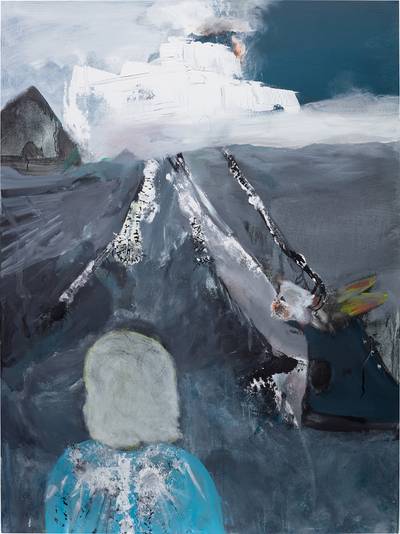
Tala Madani
Braided Beard, 2007

The Israeli Art Bet No One Is Ignoring
There is a particular quality of light in Israeli art that collectors describe again and again, not the literal Mediterranean light, though that is certainly present, but something more restless and searching. Works by Israeli artists tend to carry a psychological weight that makes them genuinely difficult to forget. They ask something of the viewer, and that quality, the sense of being implicated rather than simply entertained, is precisely what draws serious collectors to this area. Living with these works is rarely passive.
They tend to accumulate meaning over time. The category is broader than it first appears. Israeli art encompasses painters working in densely chromatic figuration, photographers transforming documentary traditions into something closer to myth, sculptors whose work bridges industrial design and conceptual practice, and video artists whose installations have redefined what moving image work can do in a collector's space. What unites so much of this output is a willingness to sit with contradiction, to hold irony and sincerity simultaneously without resolving them.
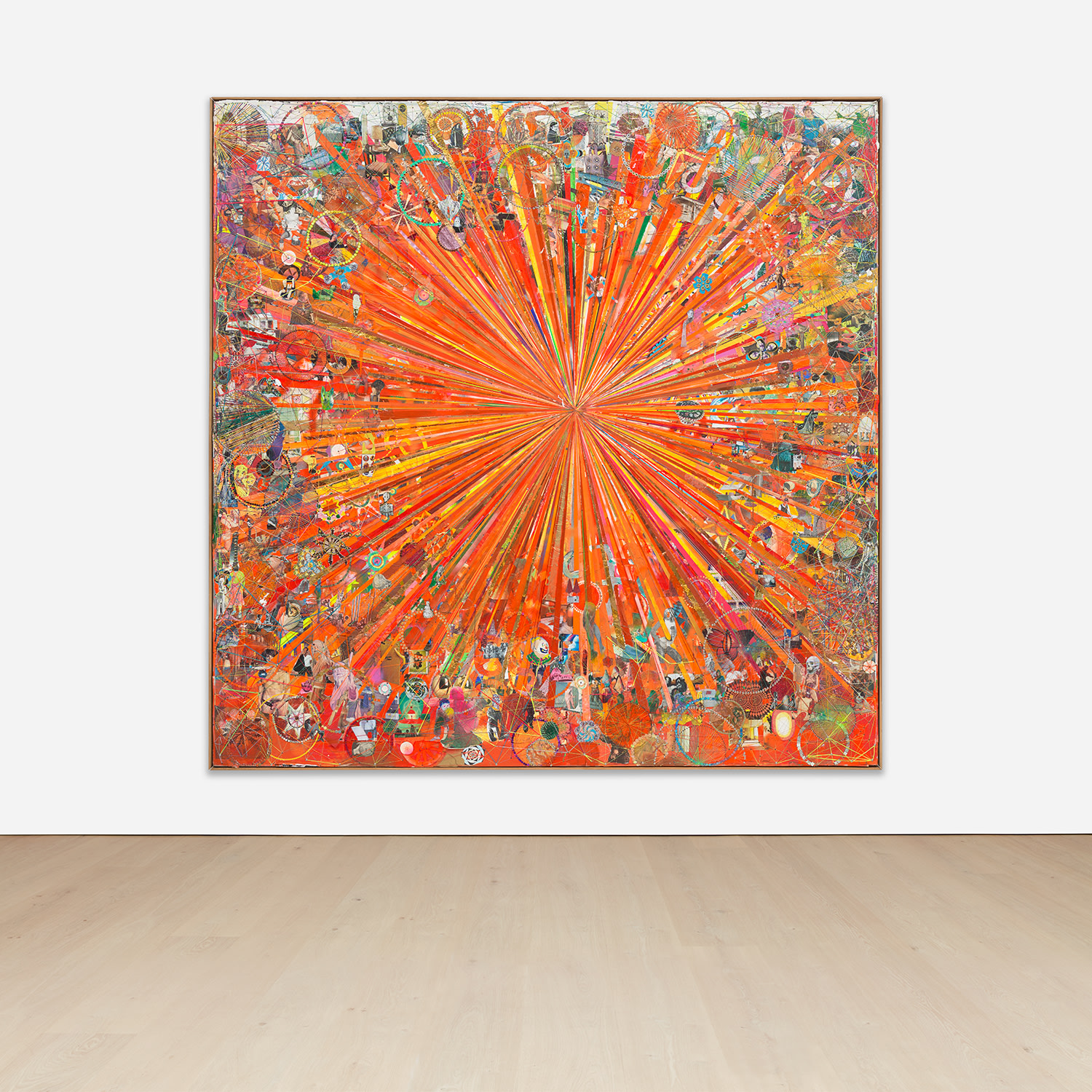
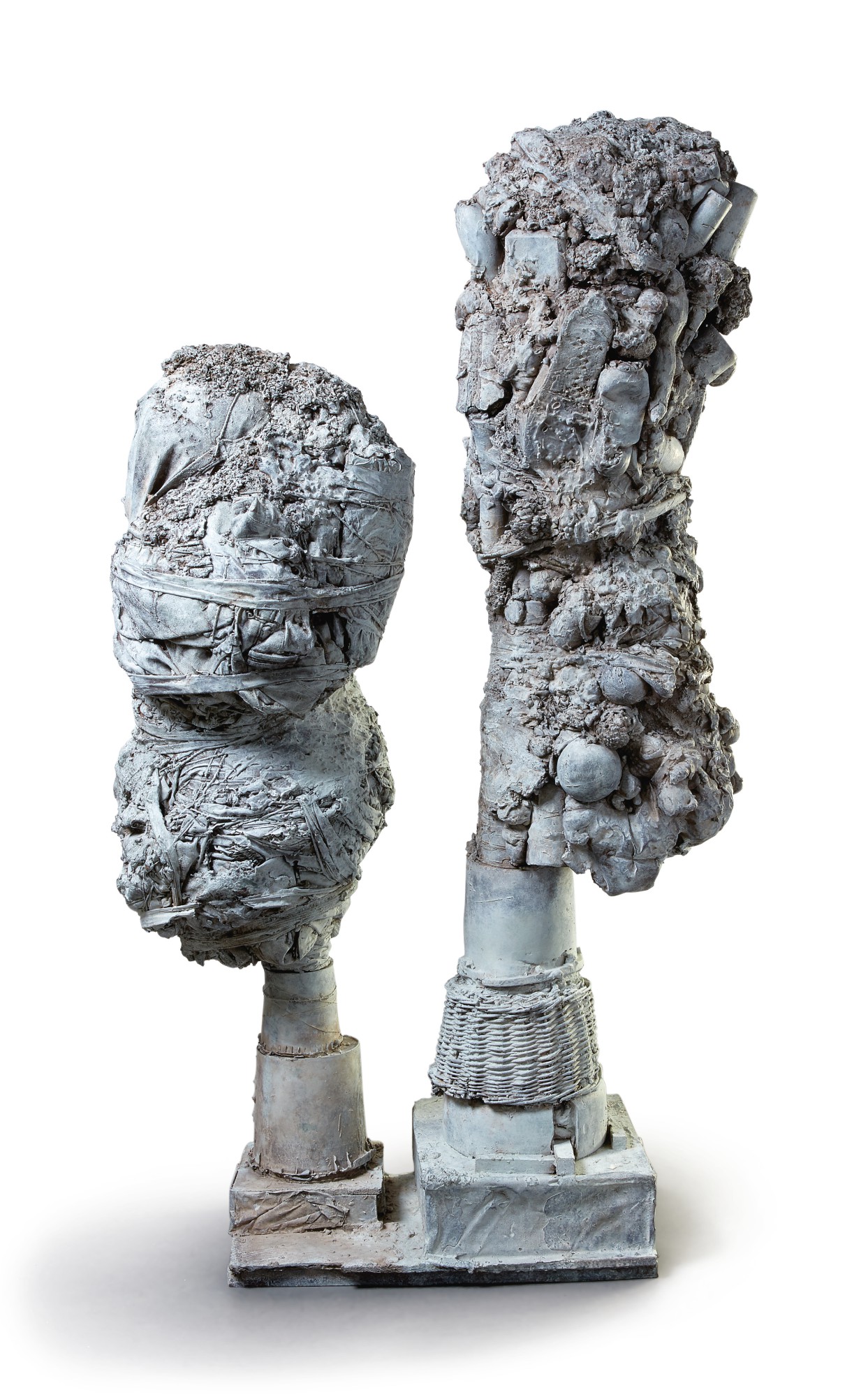
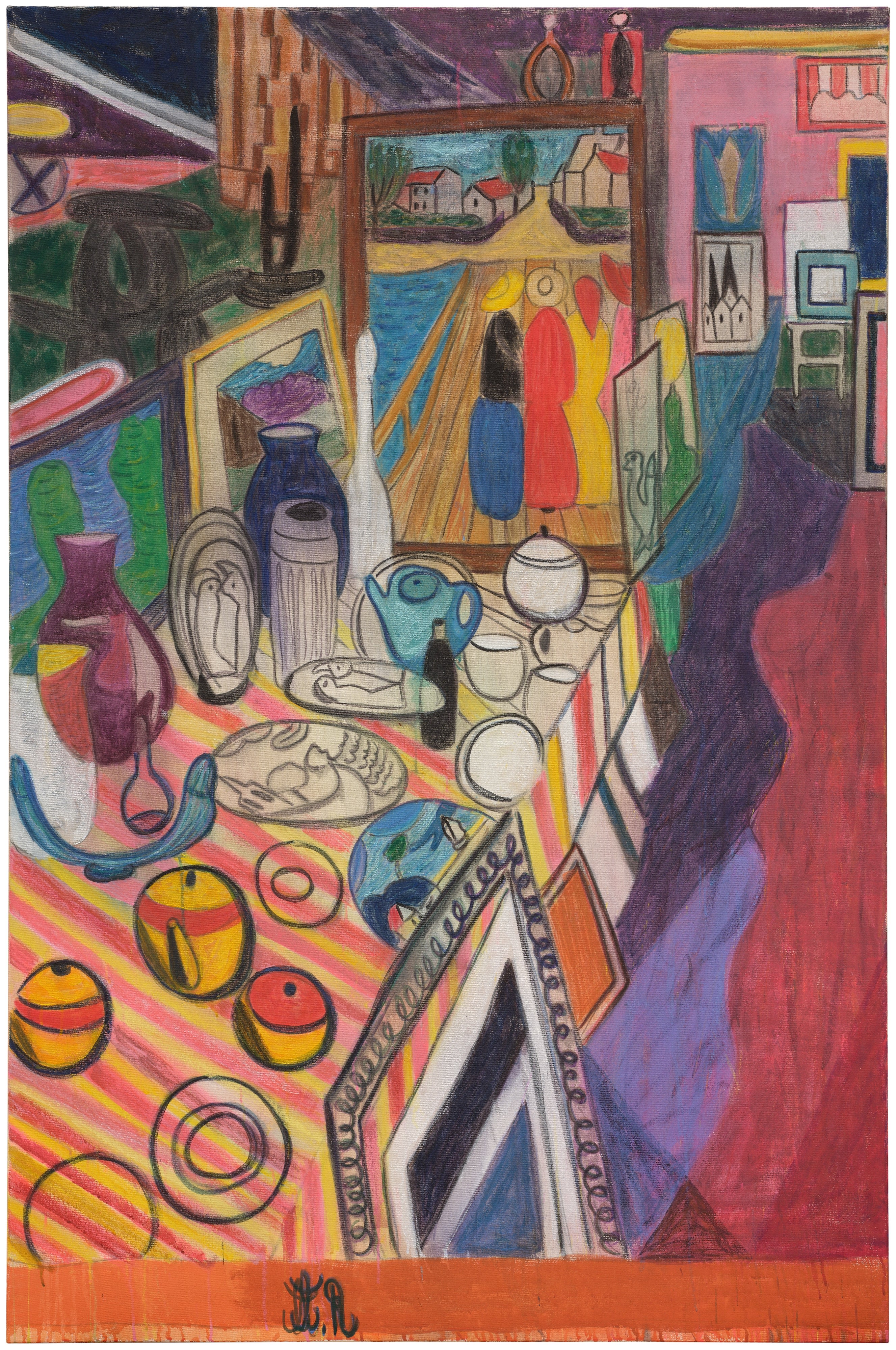
Tal R
Adieu Interessant (orange), 2005
That sensibility is not accidental. It emerges from a specific cultural and political context, and it gives even quiet works an unusual density. When thinking about what separates a good work from a truly great one in this area, the question of biographical authenticity is worth setting aside almost immediately. What matters more is whether the artist has genuinely transformed their cultural inheritance into a visual language that operates independently of explanation.
The works that hold value over time are the ones that do not require a lecture to justify their presence in a room. Look for specificity of mark or surface, works where you can sense real decisions being made rather than a formula being executed. Ask yourself whether the work gains or loses power when you move closer. The best Israeli works tend to reward that scrutiny.
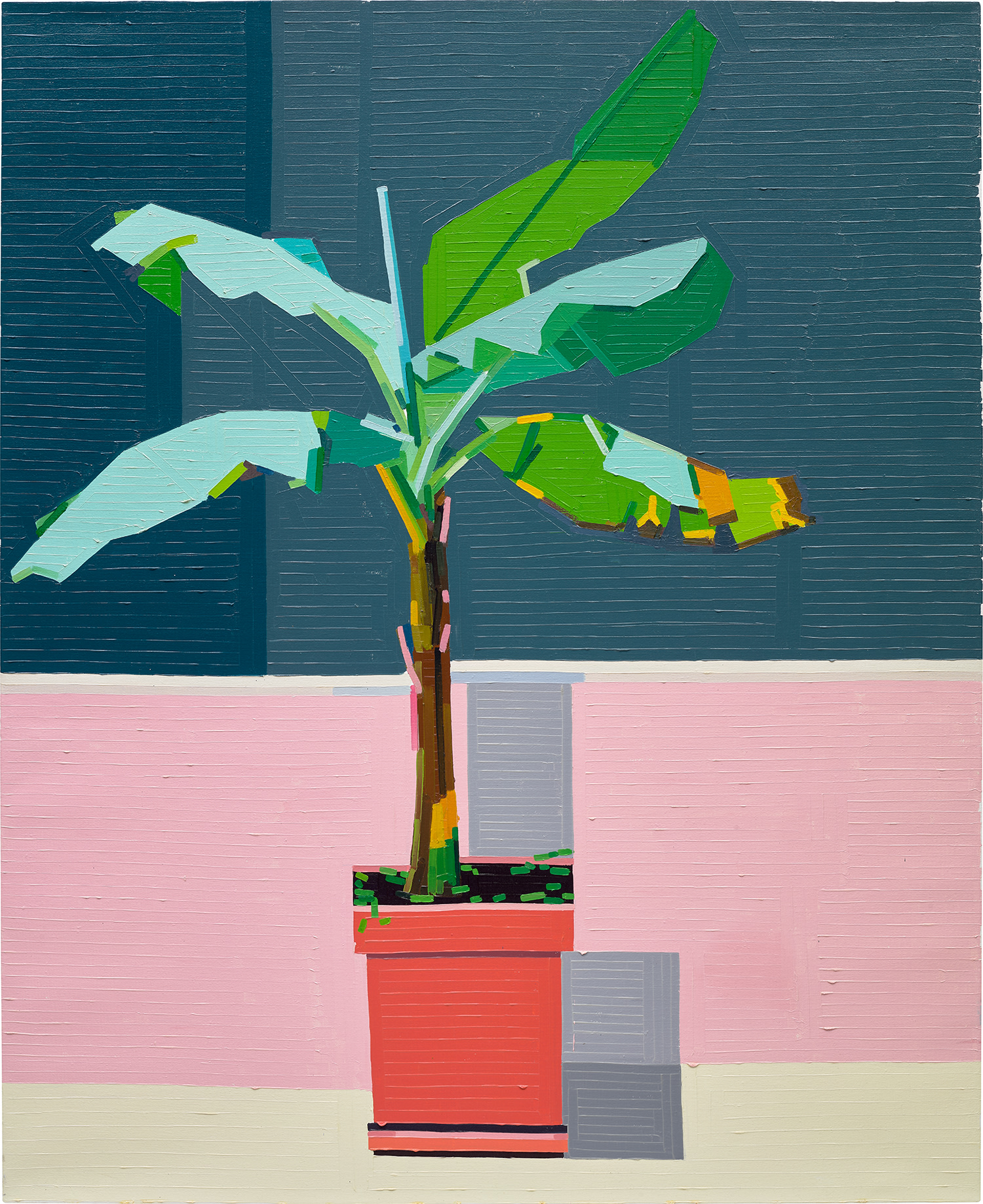
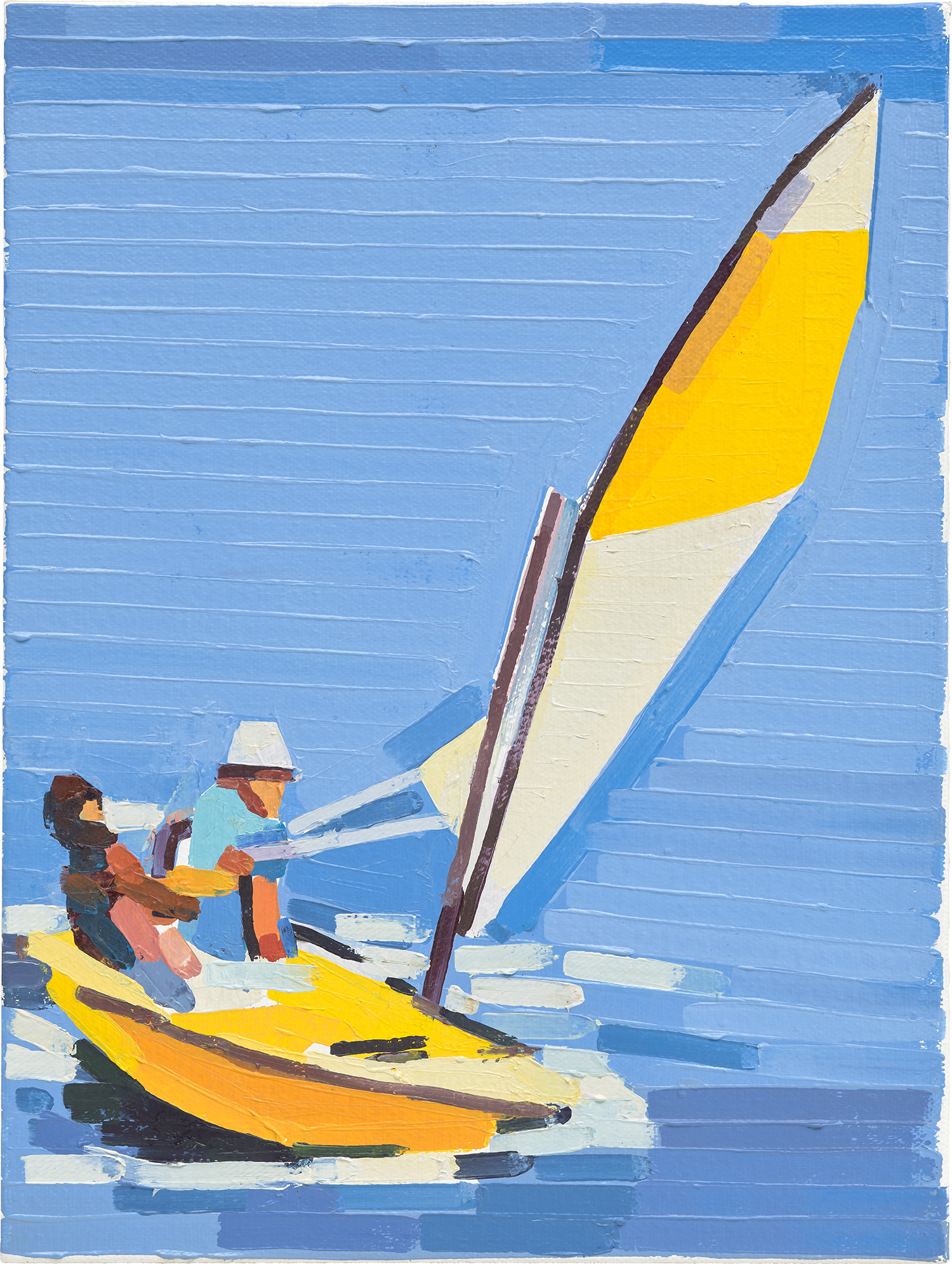
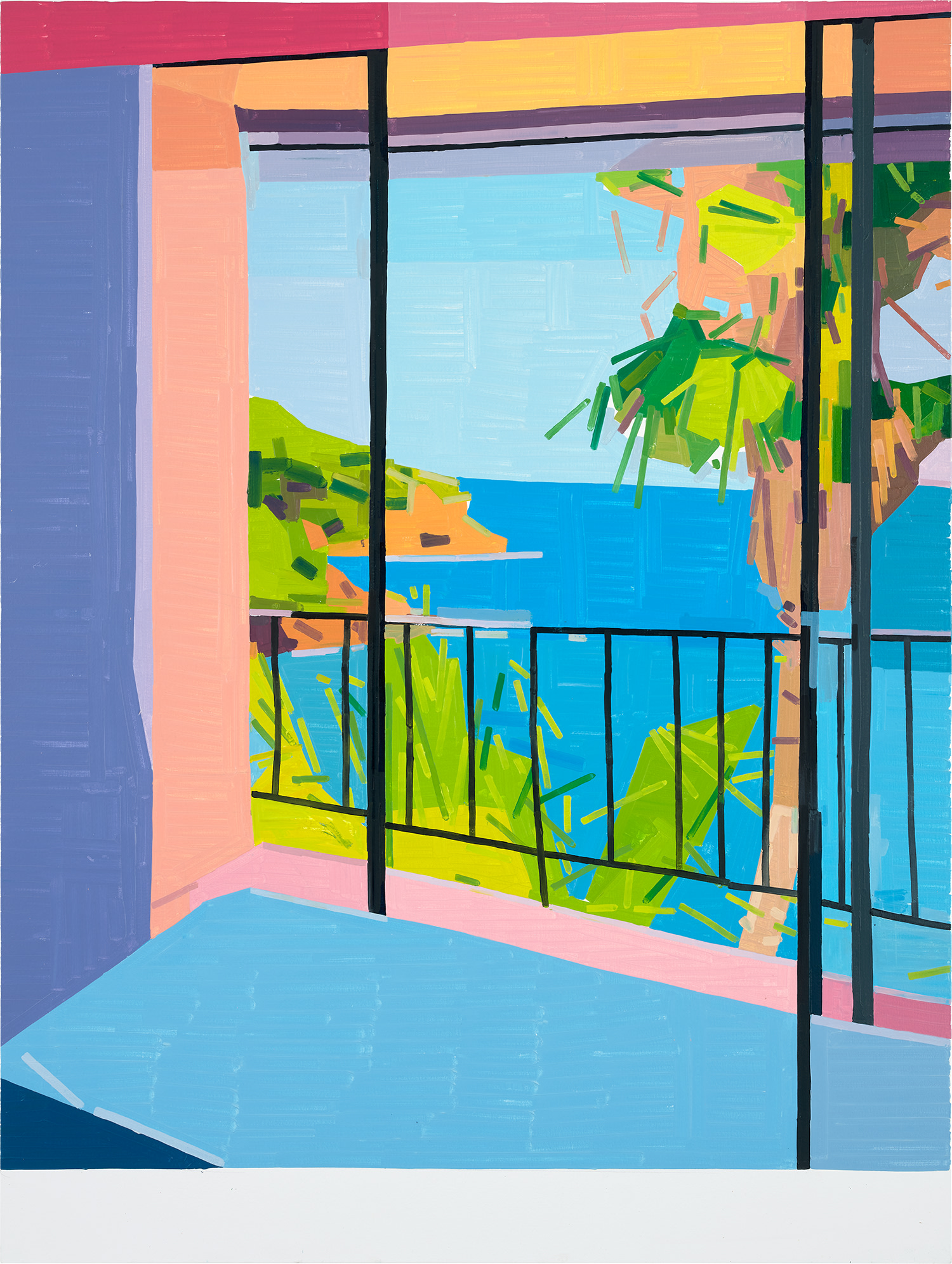
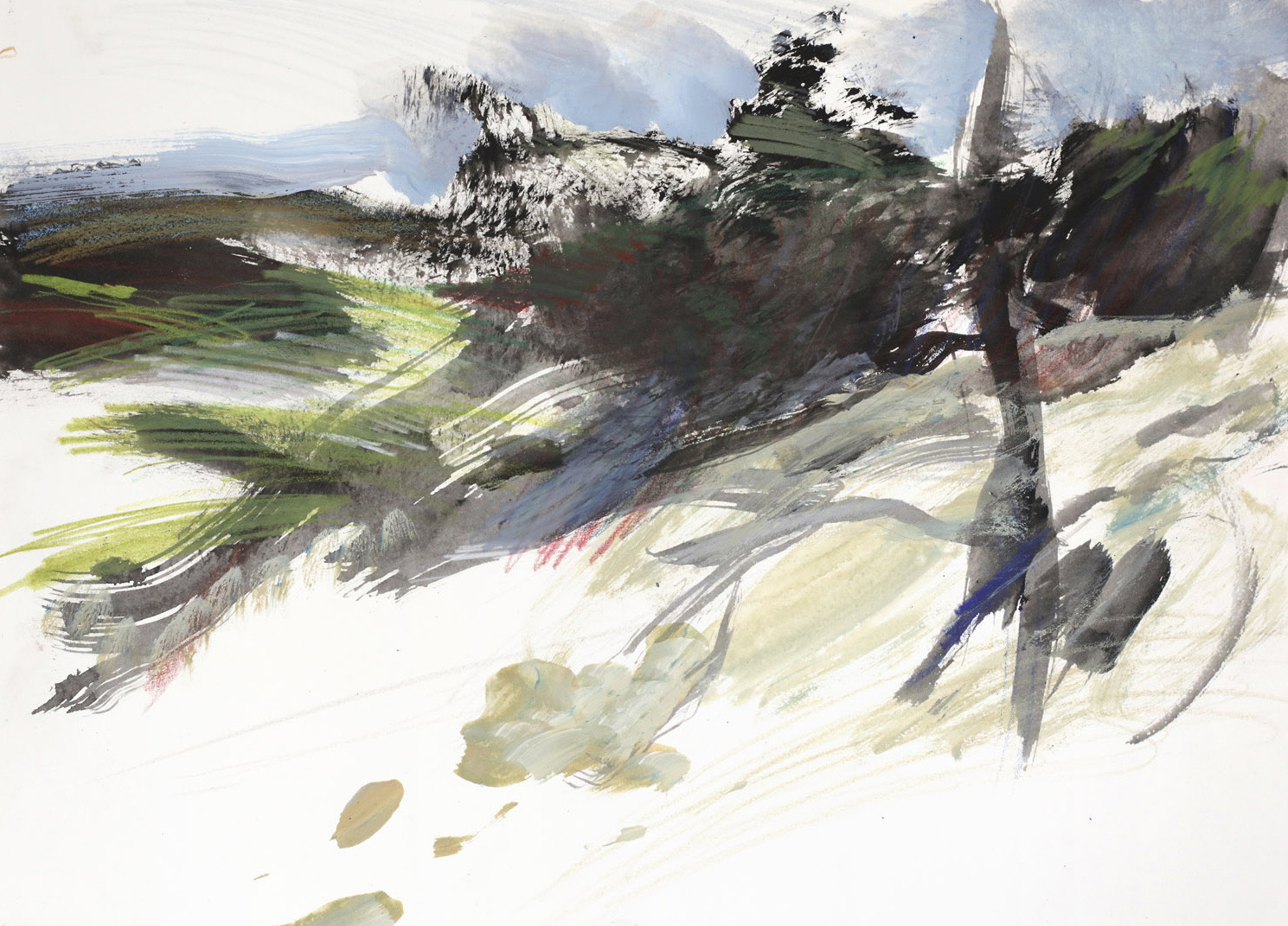
Guy Yanai
Gilboa Balcony Plant, 2017
Among the most important names working today, Guy Yanai represents a particularly compelling case for collectors. His flattened, luminous interiors and leisure scenes read almost as post internet Bonnard, pictures that absorb the language of digital image culture and return it as something warm and slightly melancholy. His market has grown steadily as collectors have recognized that his apparent simplicity is actually the result of extraordinary discipline. Michal Rovner occupies a very different register, her video and photographic works dealing with collective memory, migration, and the fragility of human traces in landscape.
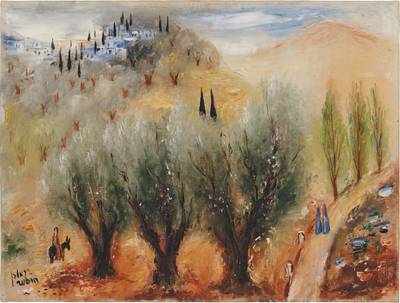
Her practice has been validated at the highest institutional level, with significant acquisitions by major international museums, and her works on The Collection represent genuine opportunities at a moment when her secondary market presence is strengthening. Reuven Rubin, who arrived in Palestine in the early 1920s and became one of the foundational figures of Israeli modernism, offers a different kind of value proposition. His paintings carry the weight of art historical significance while remaining visually accessible, and they tend to perform reliably at auction precisely because their importance is undisputed. At the other end of the historical spectrum, Yaacov Agam, the kinetic and optical art pioneer who became one of the first Israeli artists to achieve genuine international recognition in the 1960s and 1970s, remains undervalued relative to his peers in the Op Art movement.
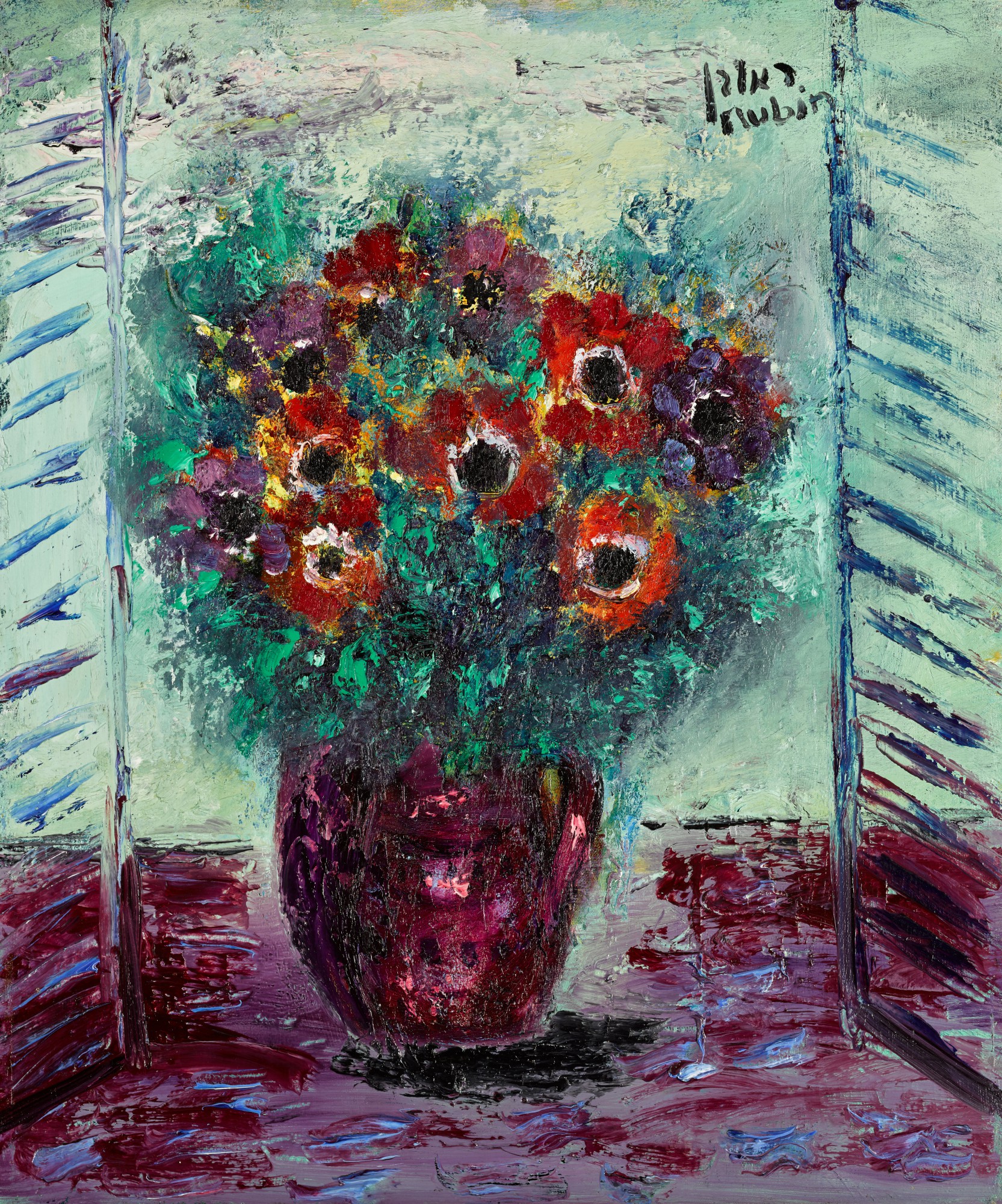
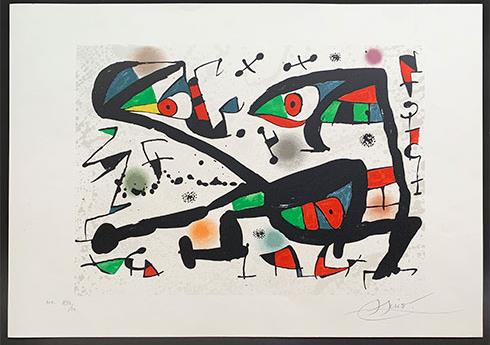
Reuven Rubin
Anemones on My Window, 1962
Collectors who compare his market position to that of comparable European kinetic artists will notice a gap that seems unlikely to persist. For those looking at emerging and underrecognized positions, Doron Langberg deserves serious attention. His figurative paintings, dense with paint and charged with intimacy, have attracted strong critical interest and institutional support in New York, where he is based, and his prices have moved quickly through their early range. Naama Tsabar works in a more conceptual register, using sound, performance, and sculptural installation to explore themes of vulnerability and physical presence, and her work has been acquired by important collections that tend to anticipate the broader market.
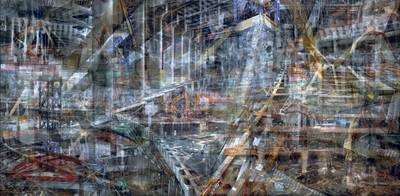
Nir Hod, whose glossy, emotionally dissonant figurative paintings oscillate between glamour and grief, has built a dedicated collector base and continues to find new audiences as his work travels internationally. On the secondary market, Israeli art has historically shown a pattern of underperformance relative to peers of equivalent critical standing in other national traditions, and this is gradually correcting. Auction results for major figures have become more consistent over the past decade, and the international gallery representation that artists like Elad Lassry and Tala Madani have secured, with Madani showing extensively with Pilar Corrias and other top tier galleries, means that institutional frameworks supporting long term value are solidly in place. Barry Frydlender, whose large scale panoramic photographs use digital compositing to construct impossible but believable urban scenes, won the Deutsche Börse Photography Foundation Prize shortlist recognition and has work in the Museum of Modern Art.
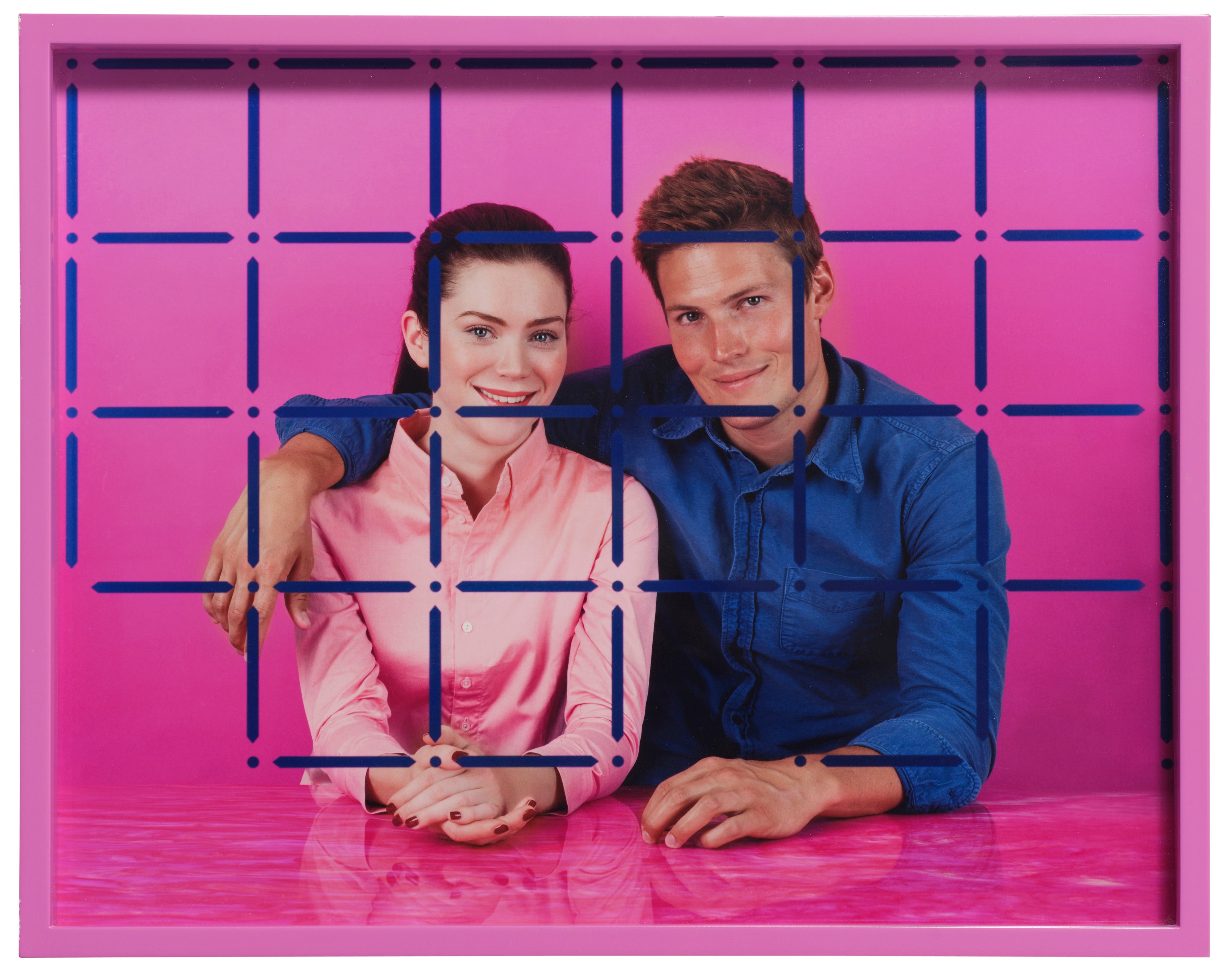
Tala Madani
Braided Beard, 2007
His secondary market appearances are infrequent, which tends to support prices when works do come up. From a practical standpoint, photography and works on paper in this category require the standard precautions around light exposure and humidity, but the more pressing question for many collectors concerns editions. Several Israeli artists working in photography, including Adi Nes, whose large scale biblical and military tableaux are among the most discussed Israeli photographic works of the past thirty years, produce work in small numbered editions. Always ask the gallery for the full edition size and the current number of prints placed in public institutions, since institutional holdings effectively reduce the number of works available to private collectors and support long term value.
For unique works, particularly paintings, condition reports should specifically address varnishing history and any previous restoration, as some works that passed through the Israeli market in the 1980s and 1990s were treated with materials that have aged unpredictably. The rewards for doing this work carefully are considerable. The field is serious, the artists are serious, and the collecting opportunity, viewed honestly, remains wide open.