Lei Yixin
1
Works
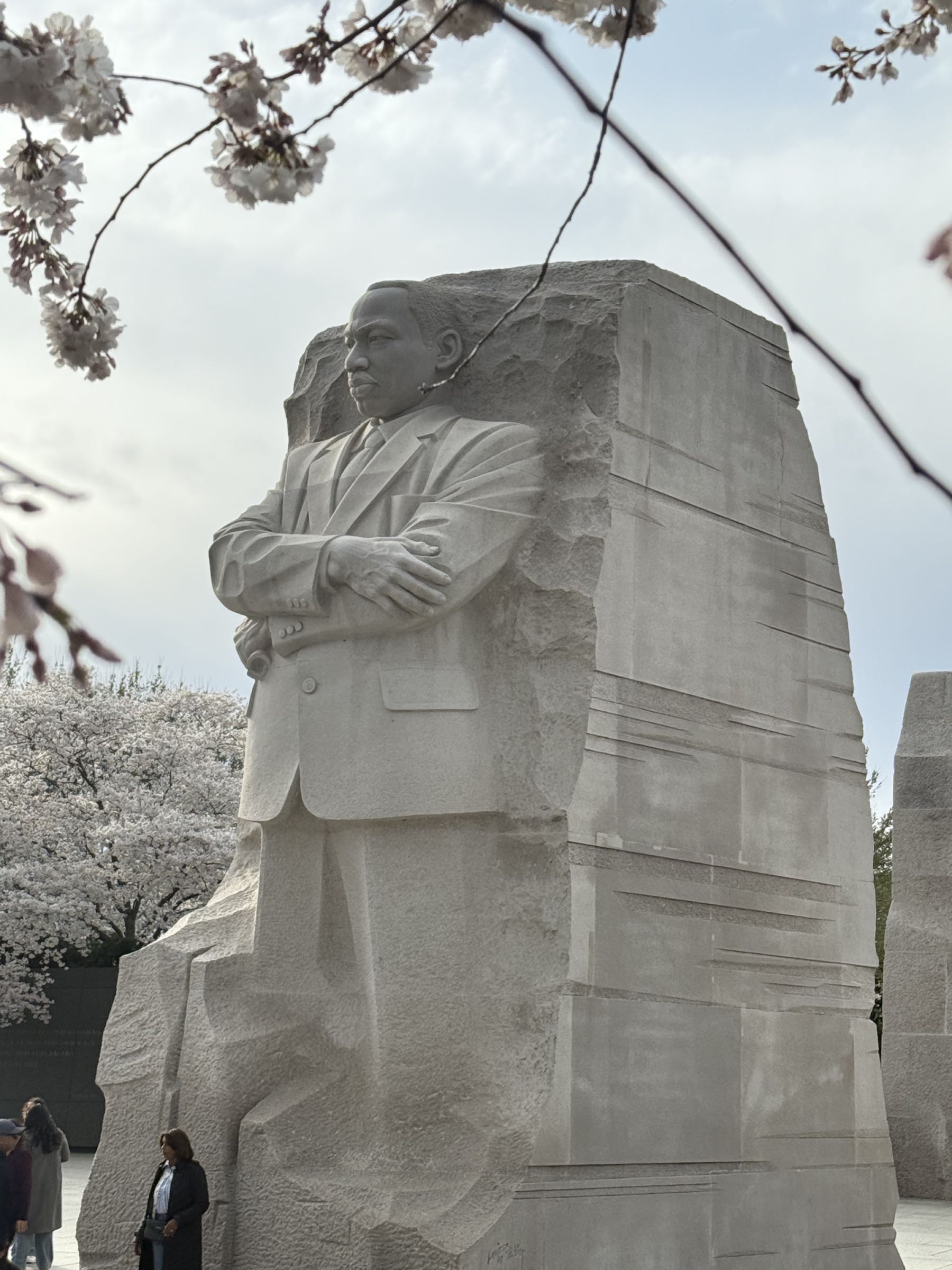
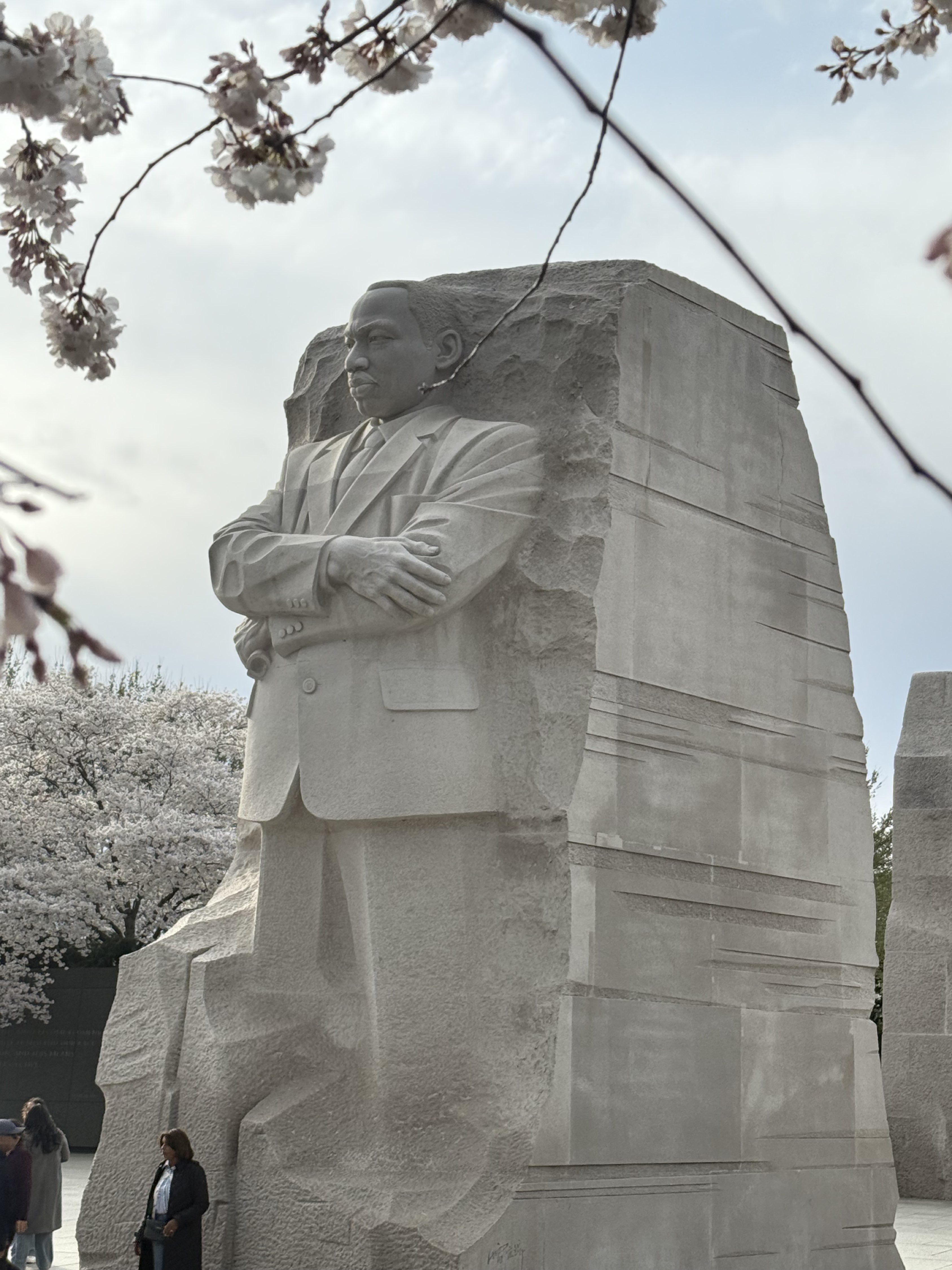
Lei Yixin is a celebrated Chinese sculptor born in 1959 in Xiangtan, Hunan Province, the same city that was the birthplace of Mao Zedong. He is widely regarded as one of China's most accomplished monumental sculptors, having dedicated much of his career to large-scale figurative works rooted in the Socialist Realist tradition and classical Chinese sculptural aesthetics. His technical mastery spans stone, bronze, and other materials, and he has been commissioned by the Chinese government for numerous prestigious public works throughout his career. His reputation in China is built on decades of officially recognized work, and he holds senior positions within Chinese arts institutions. Lei Yixin is perhaps best known internationally for creating the granite statue of Martin Luther King Jr. that stands at the Martin Luther King Jr. Memorial in Washington, D.C., which was dedicated in 2011. The statue, titled 'Stone of Hope,' depicts King emerging from a block of granite and stands approximately 30 feet tall. The commission generated considerable debate in the United States, as some critics questioned the choice of a Chinese sculptor for such a symbolically significant American monument, while others raised concerns about the statue's stylistic qualities and its resemblance to Socialist Realist aesthetics. Despite the controversy, the memorial became one of the most visited sites on the National Mall. Throughout his career, Lei Yixin has produced numerous monumental portraits and commemorative sculptures of historical and political figures within China, cementing his status as a leading figure in state-sponsored Chinese public art. His work reflects the Chinese tradition of heroic, large-scale portraiture intended to inspire civic pride and collective memory. His practice bridges official Chinese artistic institutions and international public commissions, making him a distinctive and sometimes controversial figure in the global conversation about public sculpture, representation, and the politics of monumental art.
Artists in conversation