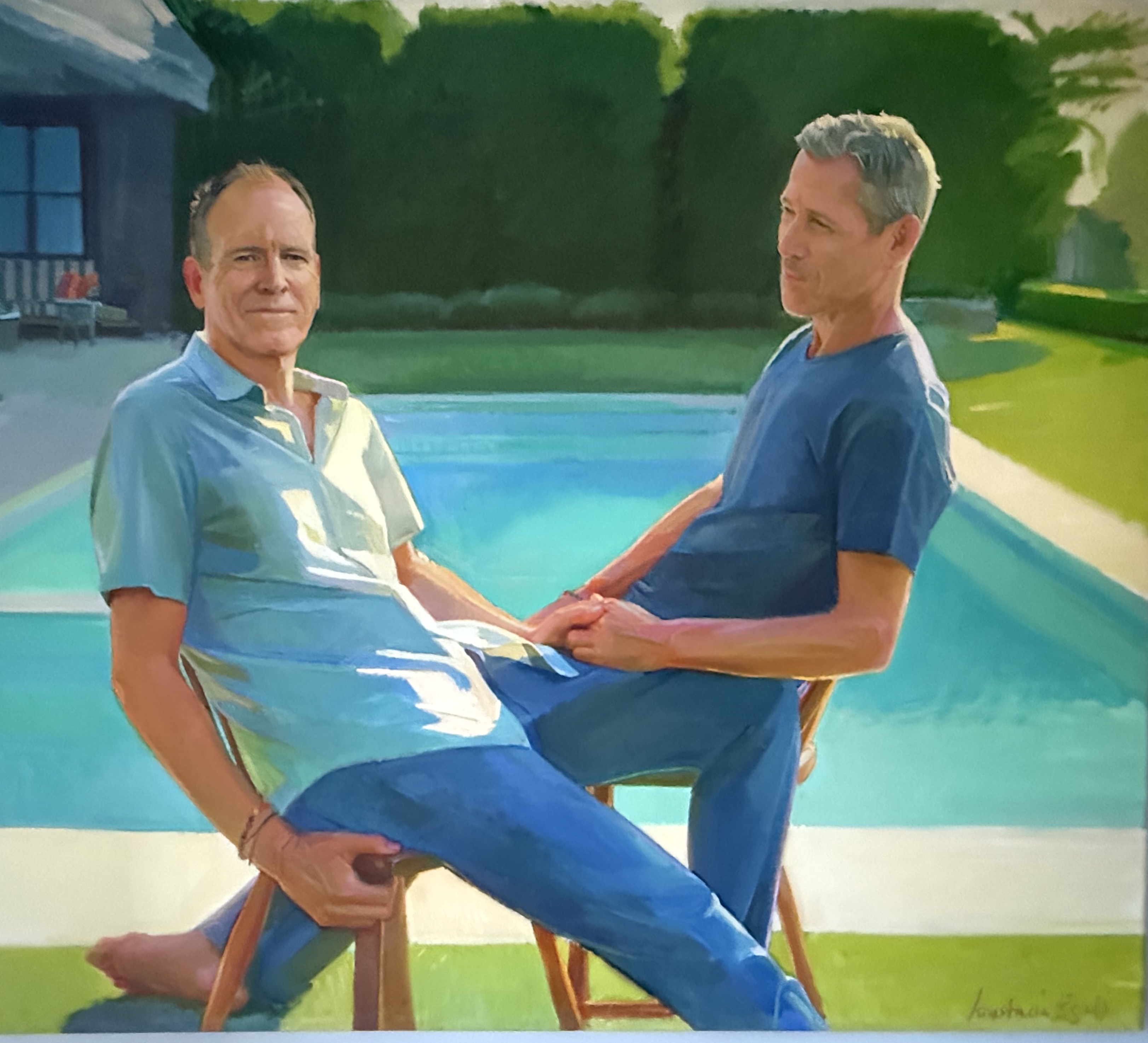
Asian Artist
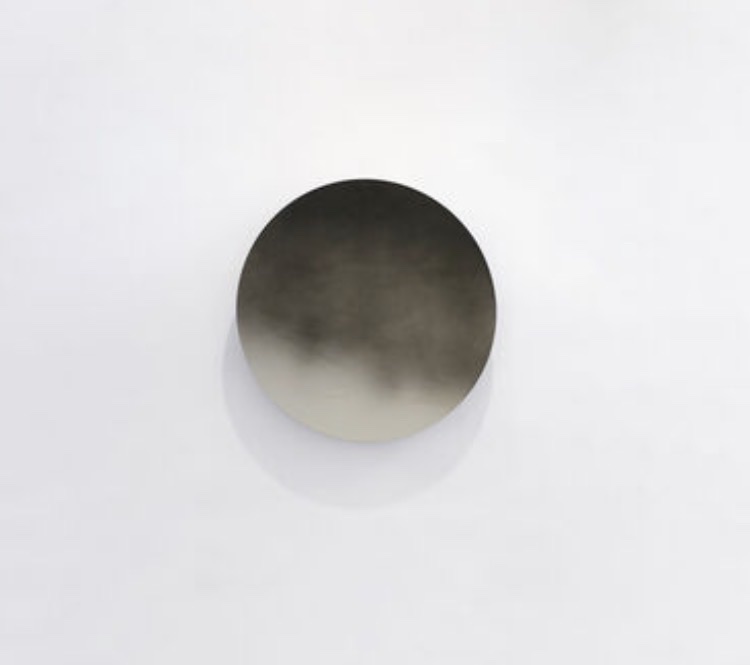
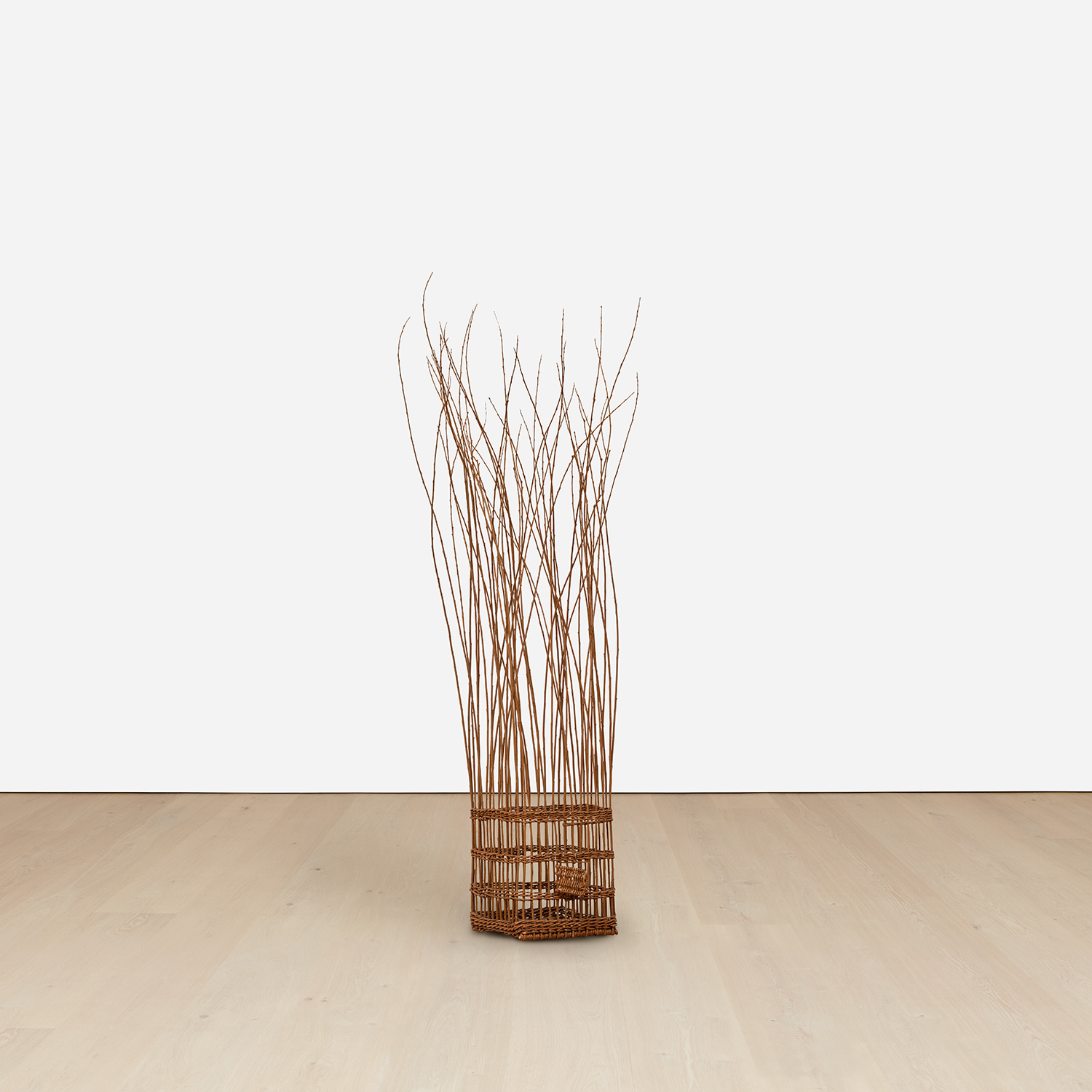
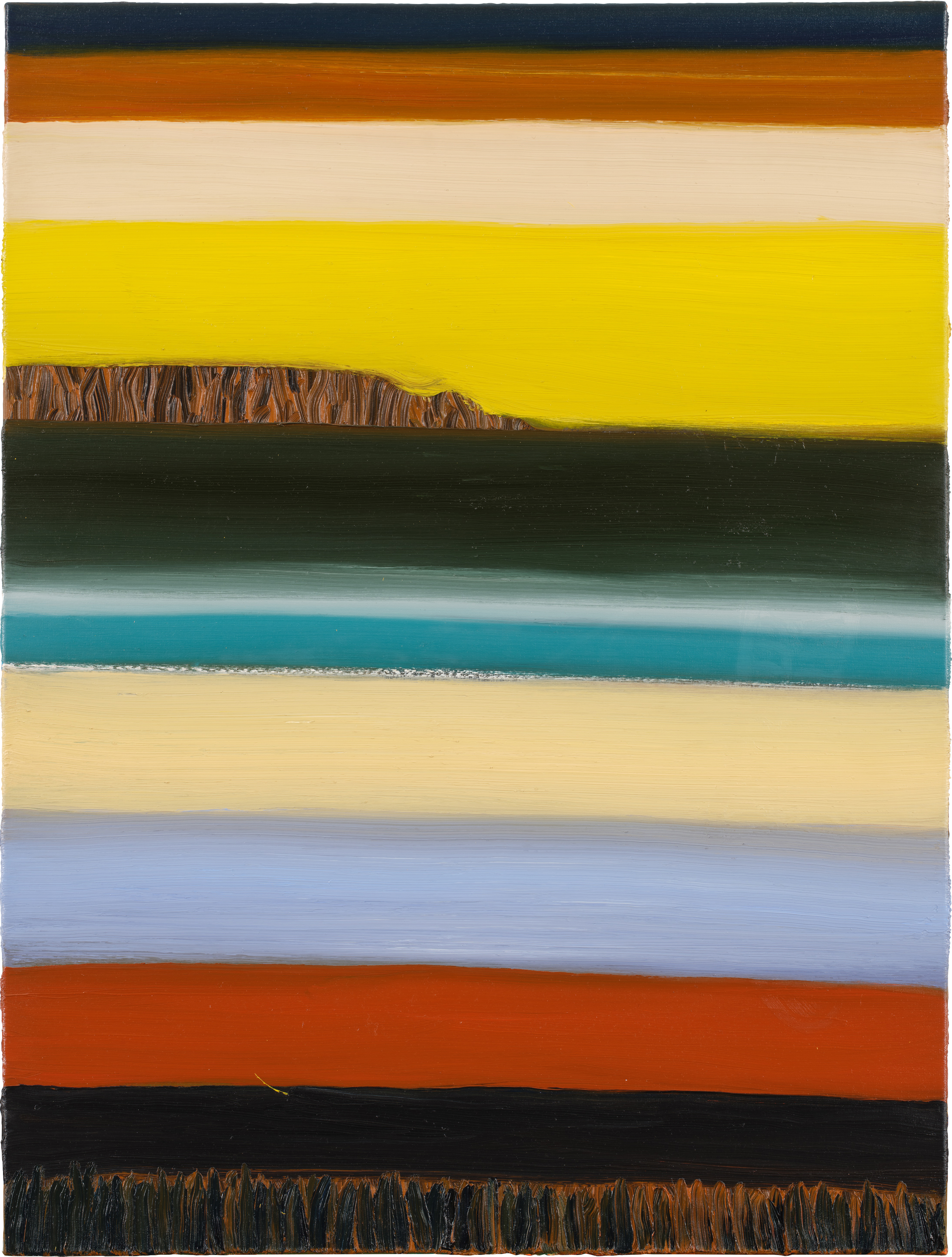
Robi Dwi Antono
Untitled
The Label That No Longer Fits
There is a particular kind of collector who approaches art made by artists of Asian descent with a different quality of attention. Not the reverence that tips into preciousness, and not the acquisitive energy that reduces a practice to a geographic footnote, but something more like recognition: an awareness that some of the most searching, formally rigorous, and emotionally precise work being made anywhere in the world is coming from artists whose biographies span continents, languages, and inherited visual traditions that Western modernism spent decades pretending did not exist. Living with this work tends to rearrange a collection. It does not sit quietly in the corner.
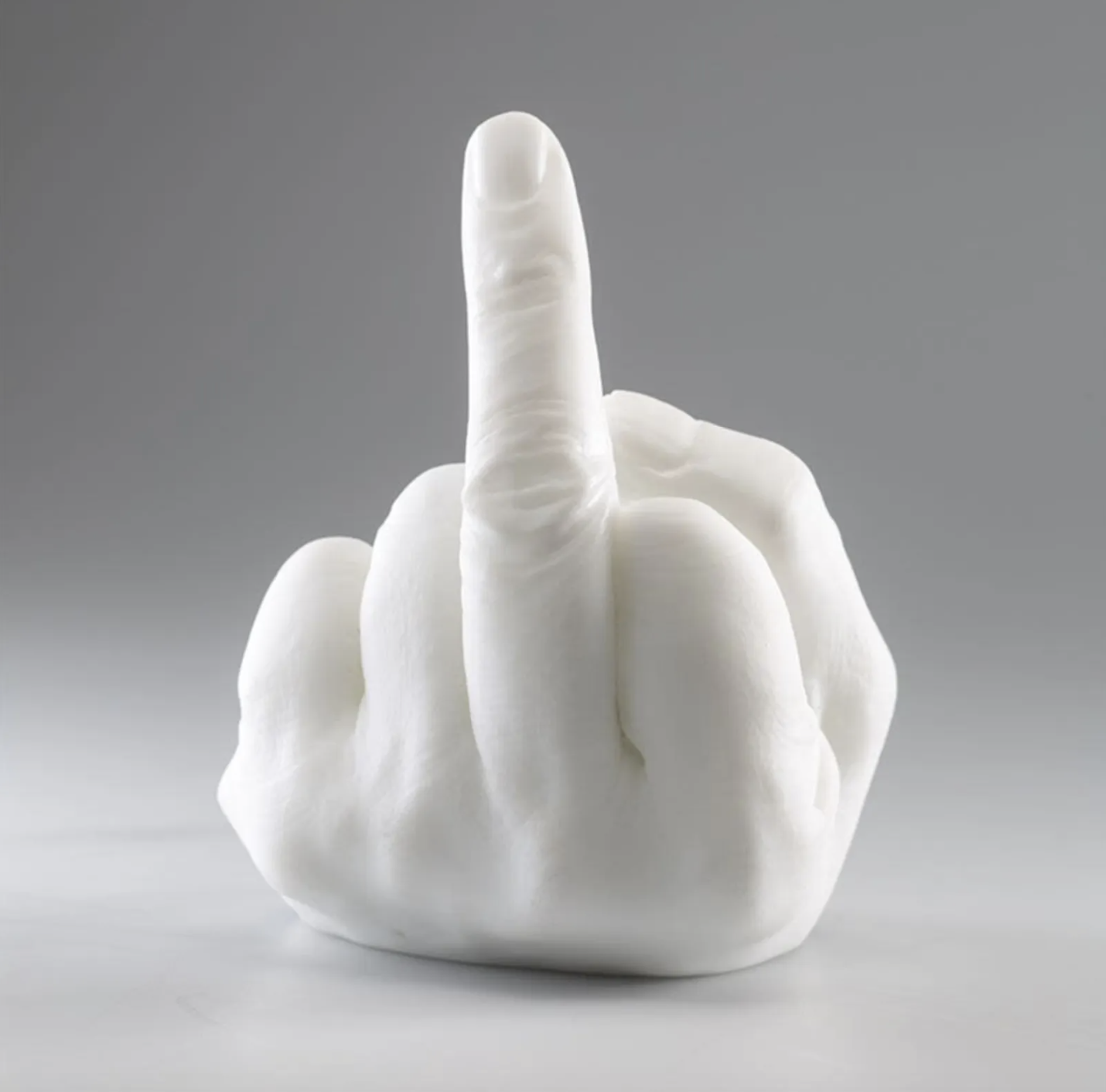
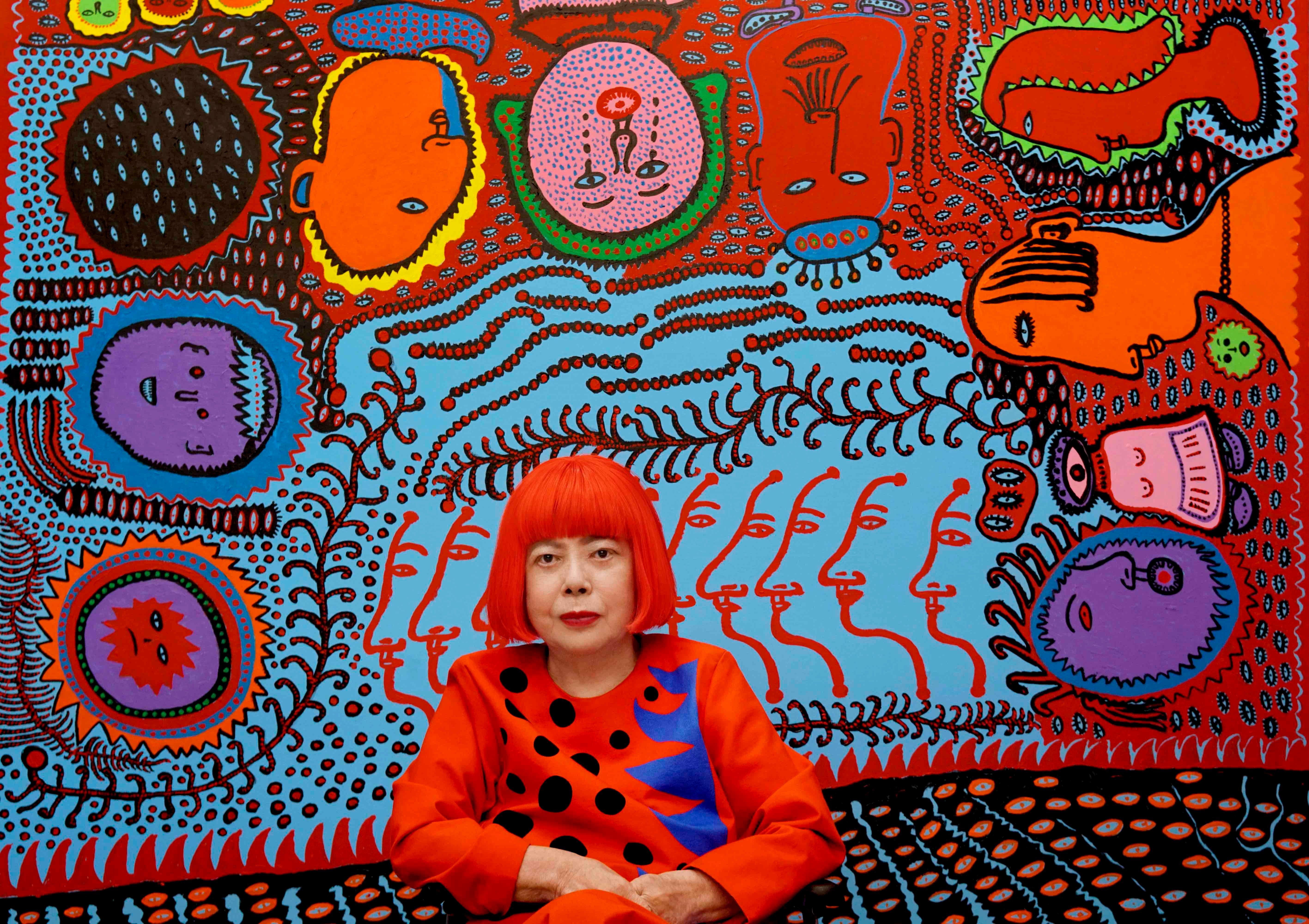
The category itself is worth interrogating before you spend a dollar on it. "Asian Artist" as a collecting rubric is both useful and slightly absurd, grouping together practices as divergent as Yayoi Kusama's obsessive, infinity reaching dot fields and Ai Weiwei's conceptually blunt provocations, or the meditative ink abstractions of Lee Bae and the lush, psychologically loaded figurative painting of Salman Toor. What binds them is not aesthetic but circumstantial: a shared experience of being read through the lens of origin, of having their work filtered through assumptions about what Asian artists are supposed to make. The most compelling collectors in this space are those who see through the category to the individual practice, and who buy accordingly.
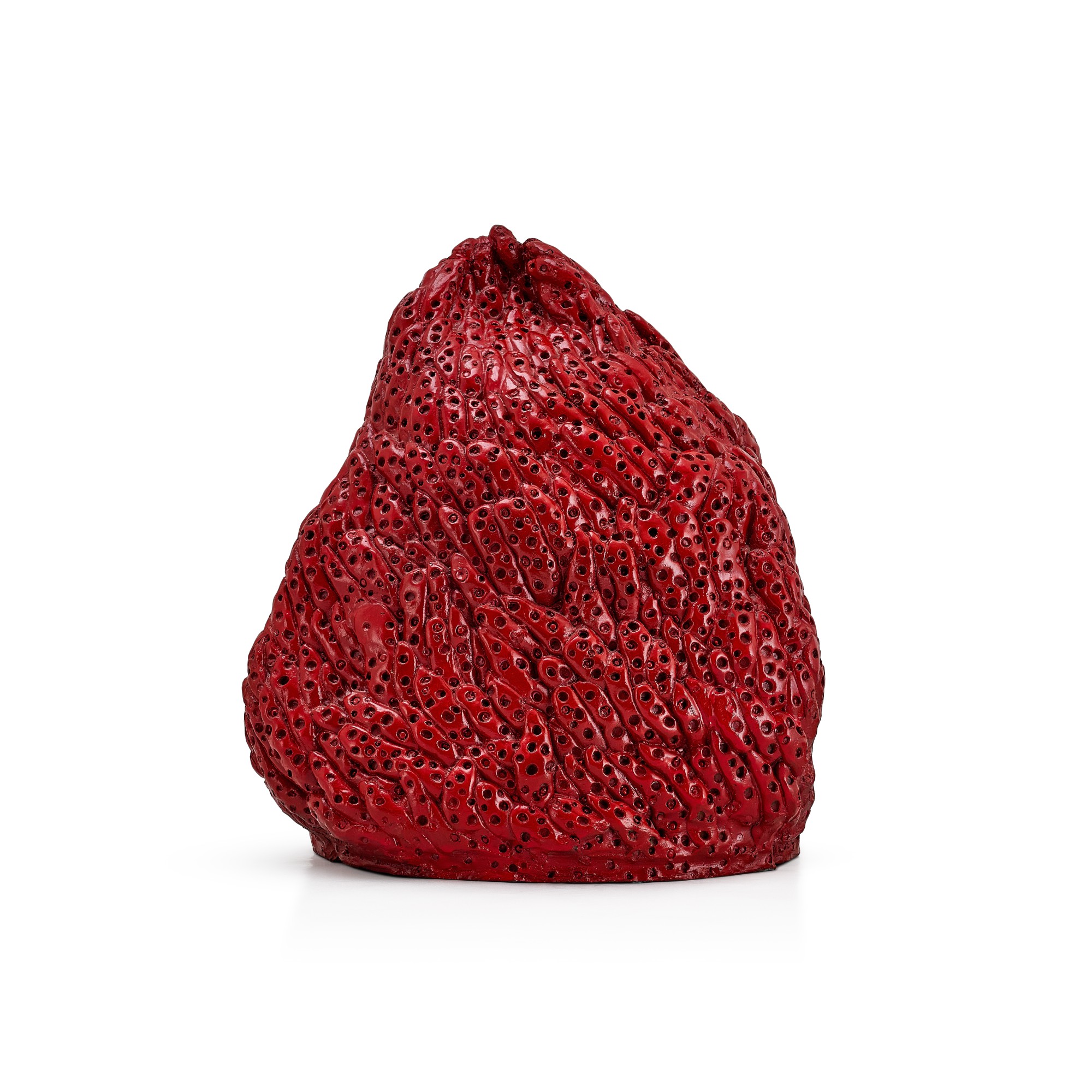
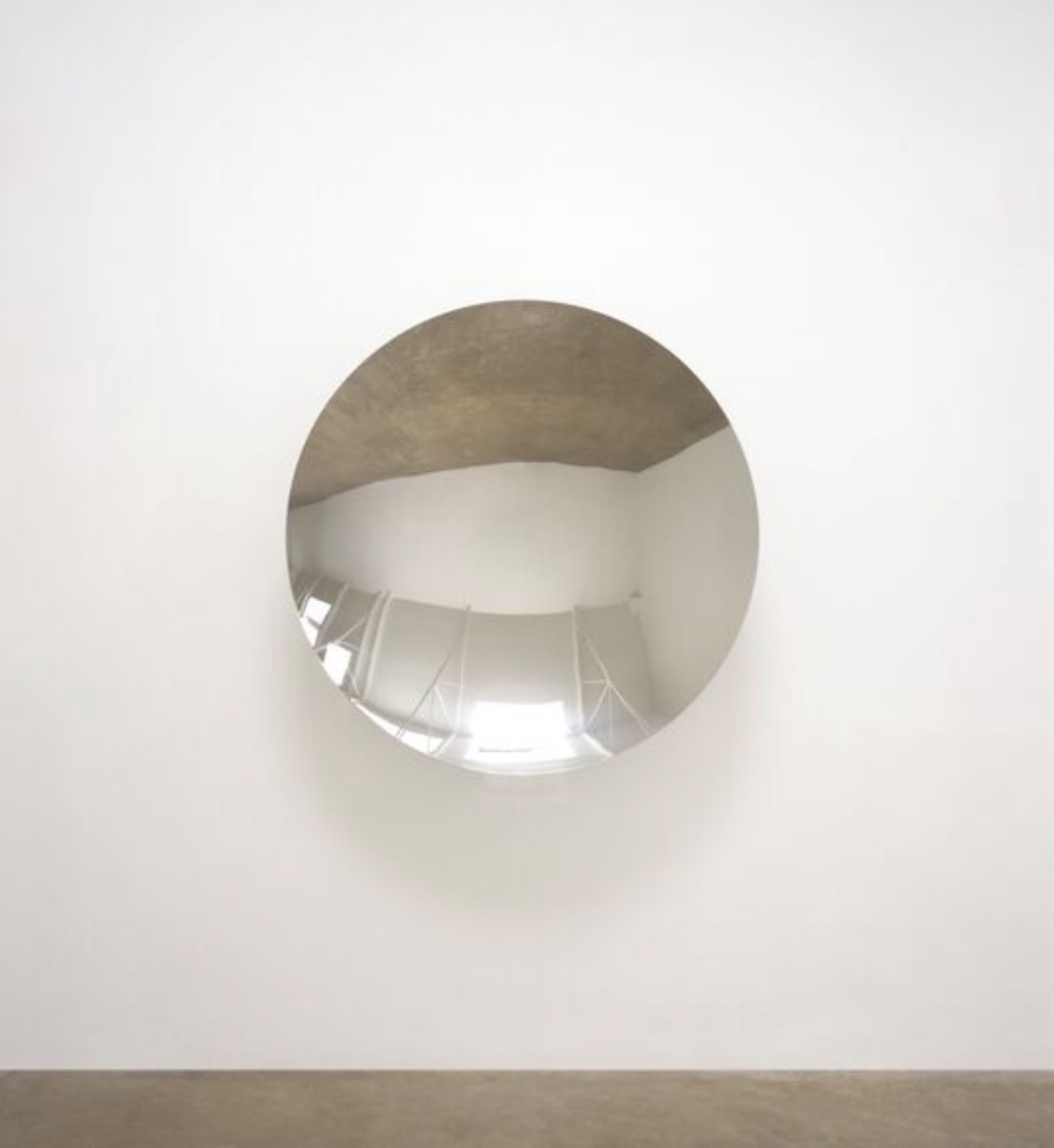
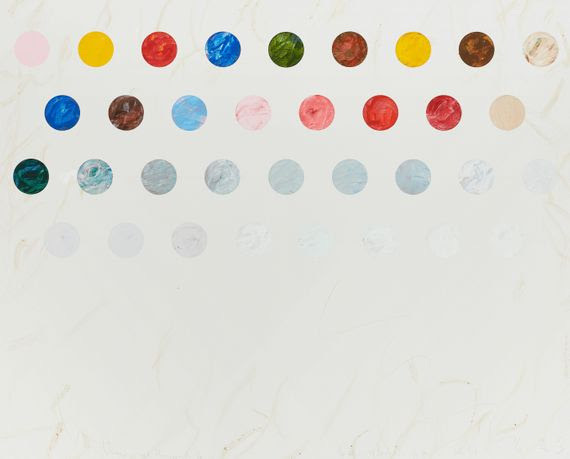
Yayoi Kusama
草莓(2), 1974
What separates a good work from a great one here, as elsewhere, comes down to necessity. Does this particular object feel like it could only have been made by this particular person, at this particular moment? In the work of Zao Wou Ki, who spent decades synthesizing the gestural energy of Abstract Expressionism with something far older and more rooted in Chinese landscape philosophy, the great works are those where neither tradition wins. They are genuinely new.
The same test applies to Nam June Paik, whose video installations from the 1970s and 1980s feel not like a meeting of East and West but like a third thing entirely. Collectors should ask whether a work demonstrates mastery of its chosen language or merely fluency. Mastery is rarer and worth considerably more. For established value with genuine art historical weight, the anchors on The Collection are hard to argue with.
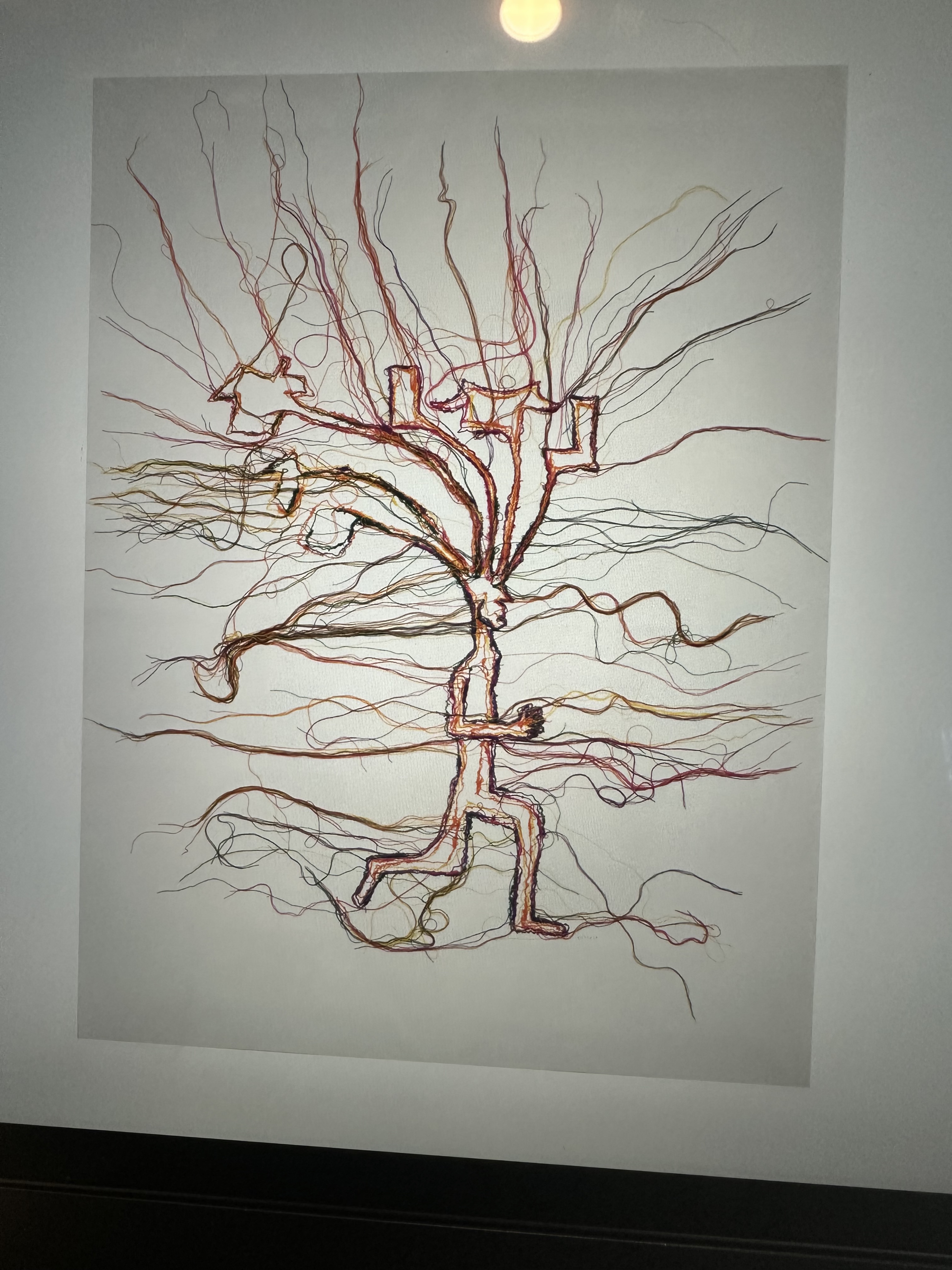
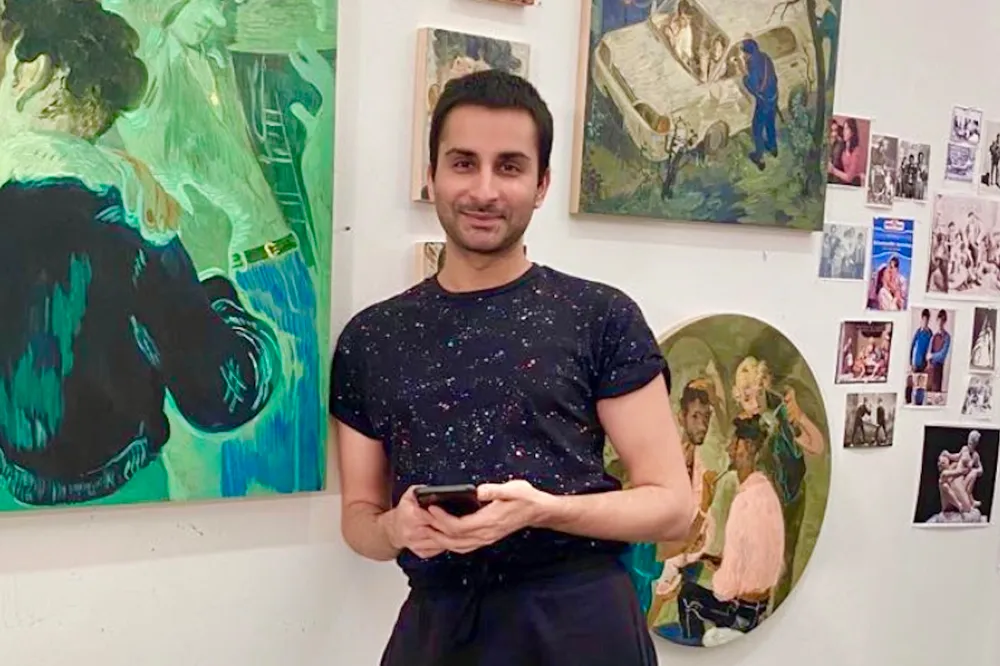
Do Ho Suh
my journey, 2025, 2025
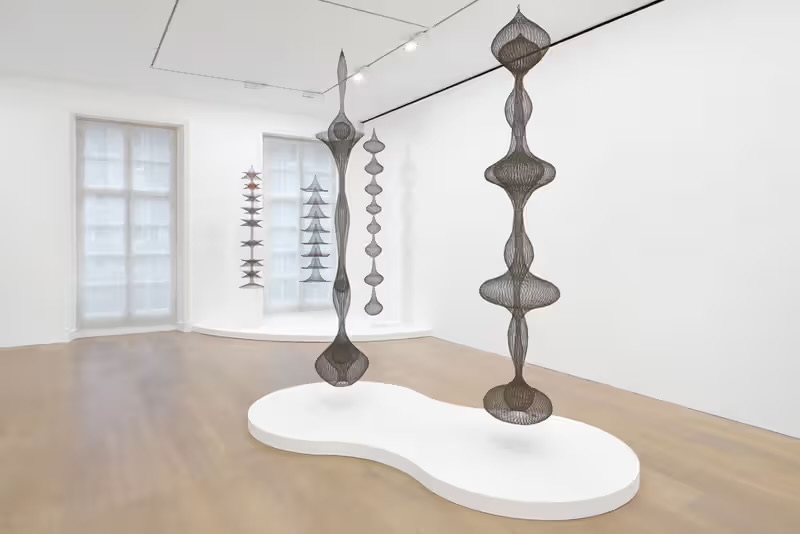
Kusama needs little introduction in market terms: her work has held and grown in value with a consistency that is almost unprecedented for a living artist, and the secondary market for her paintings, sculptures, and works on paper remains intensely competitive. Sanyu, whose sensuous oil paintings of nudes and flowers represent one of the great underappreciated contributions to European modernism, has seen sustained auction momentum particularly in Hong Kong and mainland China over the past decade. Do Ho Suh's fabric architectural works and delicate drawings occupy a sweet spot between conceptual rigor and genuine emotional resonance, and his market has matured steadily as institutional recognition has caught up with collector enthusiasm. Walasse Ting, long beloved in Europe and among specialists, represents a relative value for those paying attention.
The more interesting conversation for a collector with appetite and patience is happening slightly further from the spotlight. Matthew Wong, who died in 2019 at the age of 35, had a secondary market correction after his initial posthumous surge, but the best works, those dense nocturnal interiors and luminous landscapes that read simultaneously like Bonnard and something impossible to pin down, remain extraordinary objects and are likely to be reassessed upward over time. Vivien Zhang, whose paintings blur figuration into something stranger and more atmospheric, is building a serious institutional profile. Kei Imazu works at the intersection of digital visual culture and painting in ways that feel genuinely prescient rather than trend chasing.

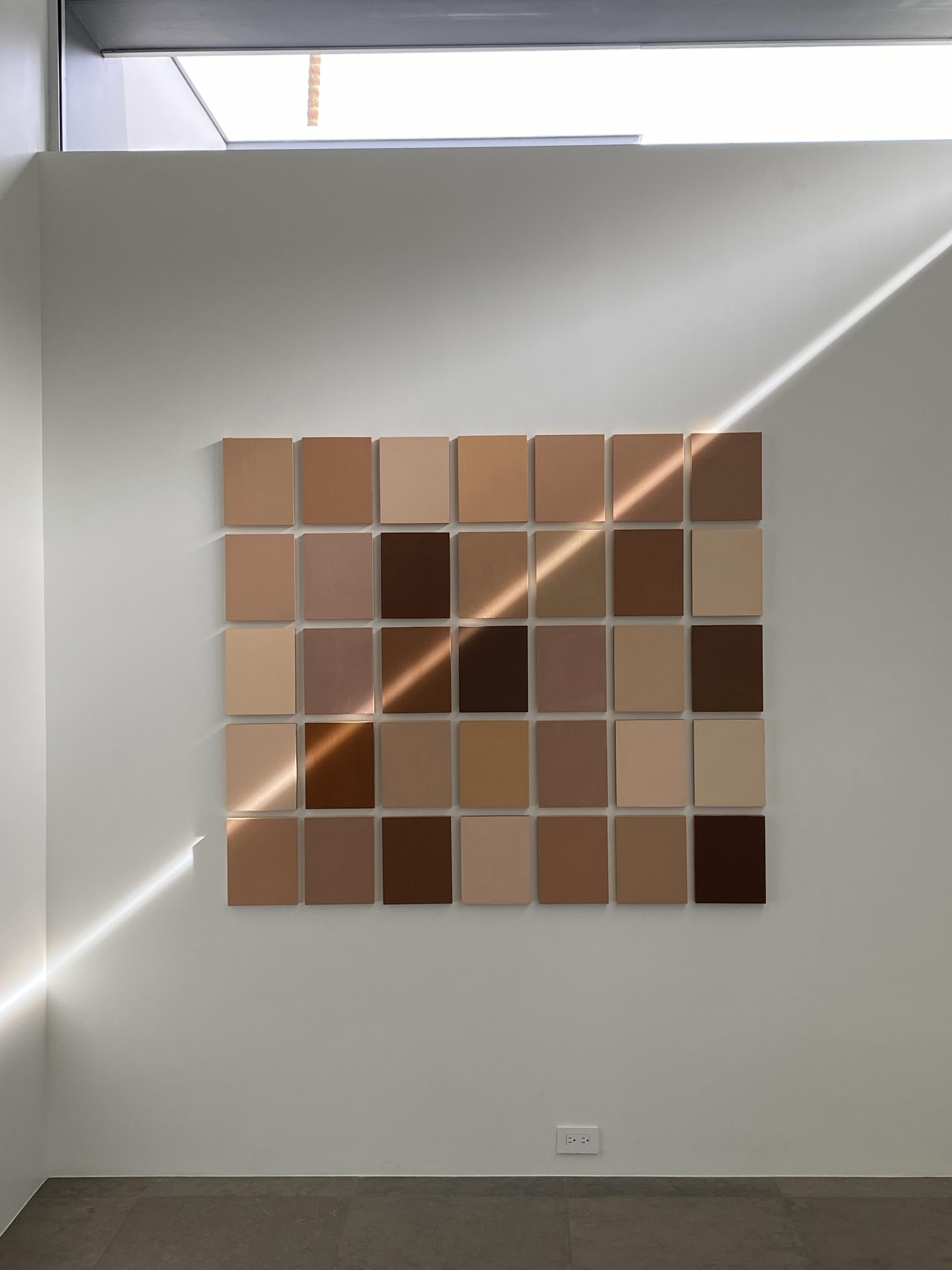
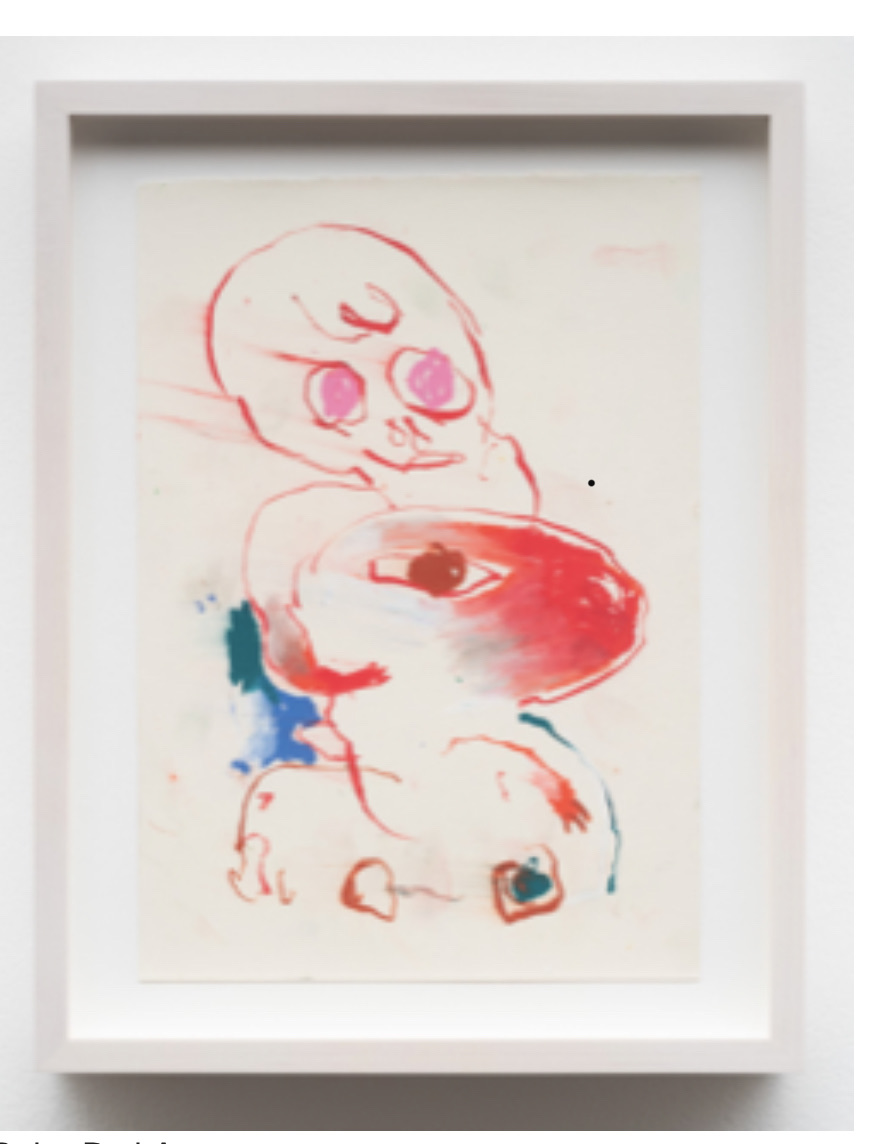
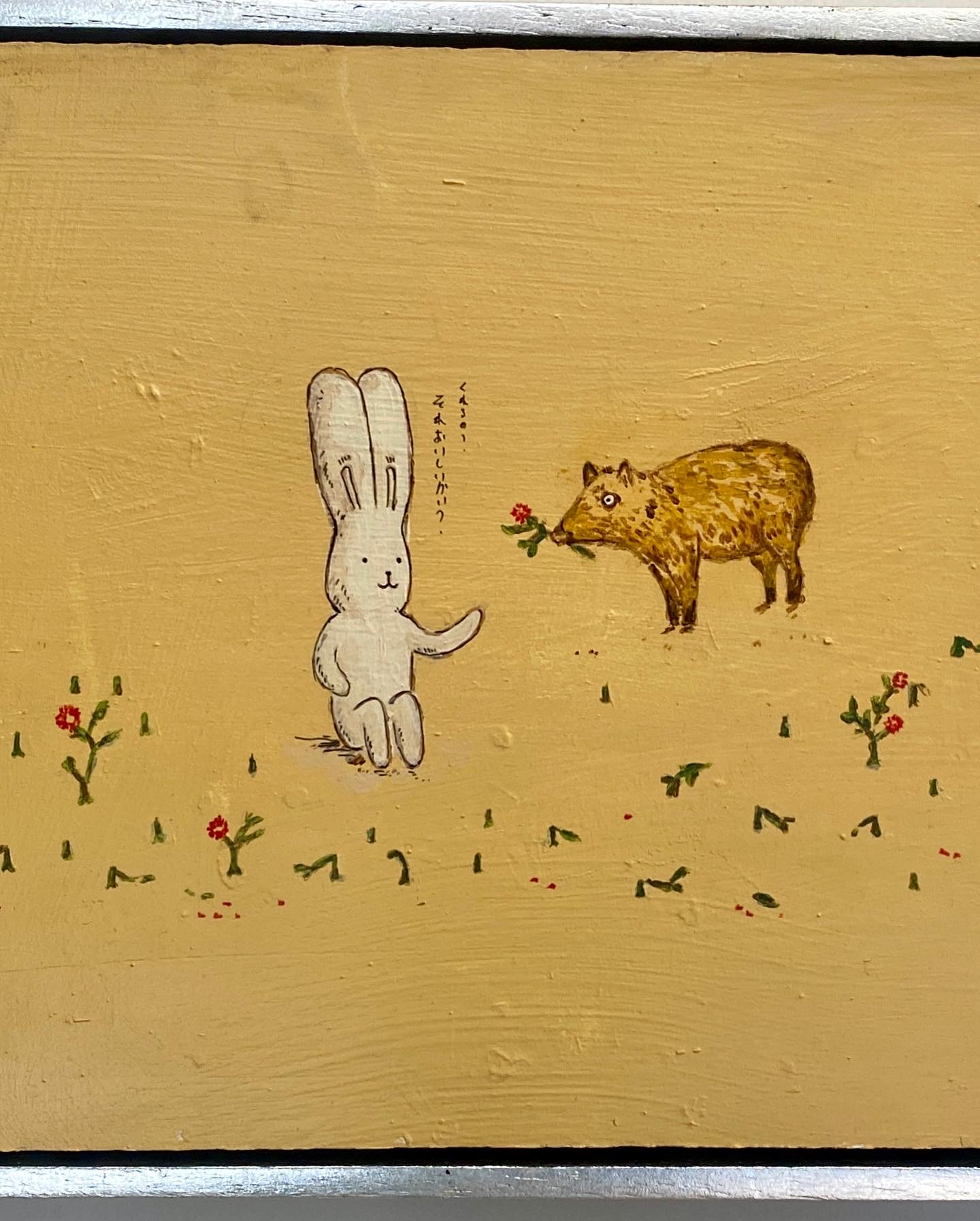
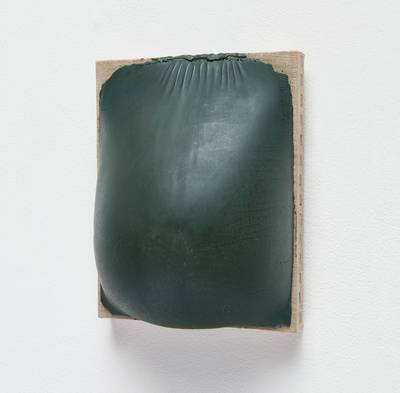
Greg Ito
Untitled
Yoshitomo Nara, already well established, continues to perform strongly and has earned his place in collections that want both cultural legibility and actual formal quality. For those willing to look harder, Greg Ito and Ken Gun Min are artists whose practices reward sustained attention. At auction, works by artists in this category have shown remarkable range in performance depending on where they are sold. The Hong Kong salesrooms at Christie's and Sotheby's have become genuinely important venues, not just for Chinese modern masters but for a broader Asian contemporary conversation, and savvy collectors have learned to watch those results as a leading indicator rather than a lagging one.
Western auction records for artists like Kusama and Kapoor remain the headline numbers, but the real market intelligence is often found in the mid tier sales, where works by artists like Nguyen Trung or Wang Huaiqing trade among specialists who understand their historical position in ways that general market buyers do not. This knowledge gap is where value is still to be found. Practically speaking, there are several things worth keeping in mind before committing. For works on paper, which represent a significant portion of what is available by artists like Hsiung Ping Ming or Yuan Yuan, condition is everything: light exposure, humidity, and improper framing are the enemies of longevity, and a conservator's report is not an extravagance but a baseline expectation.
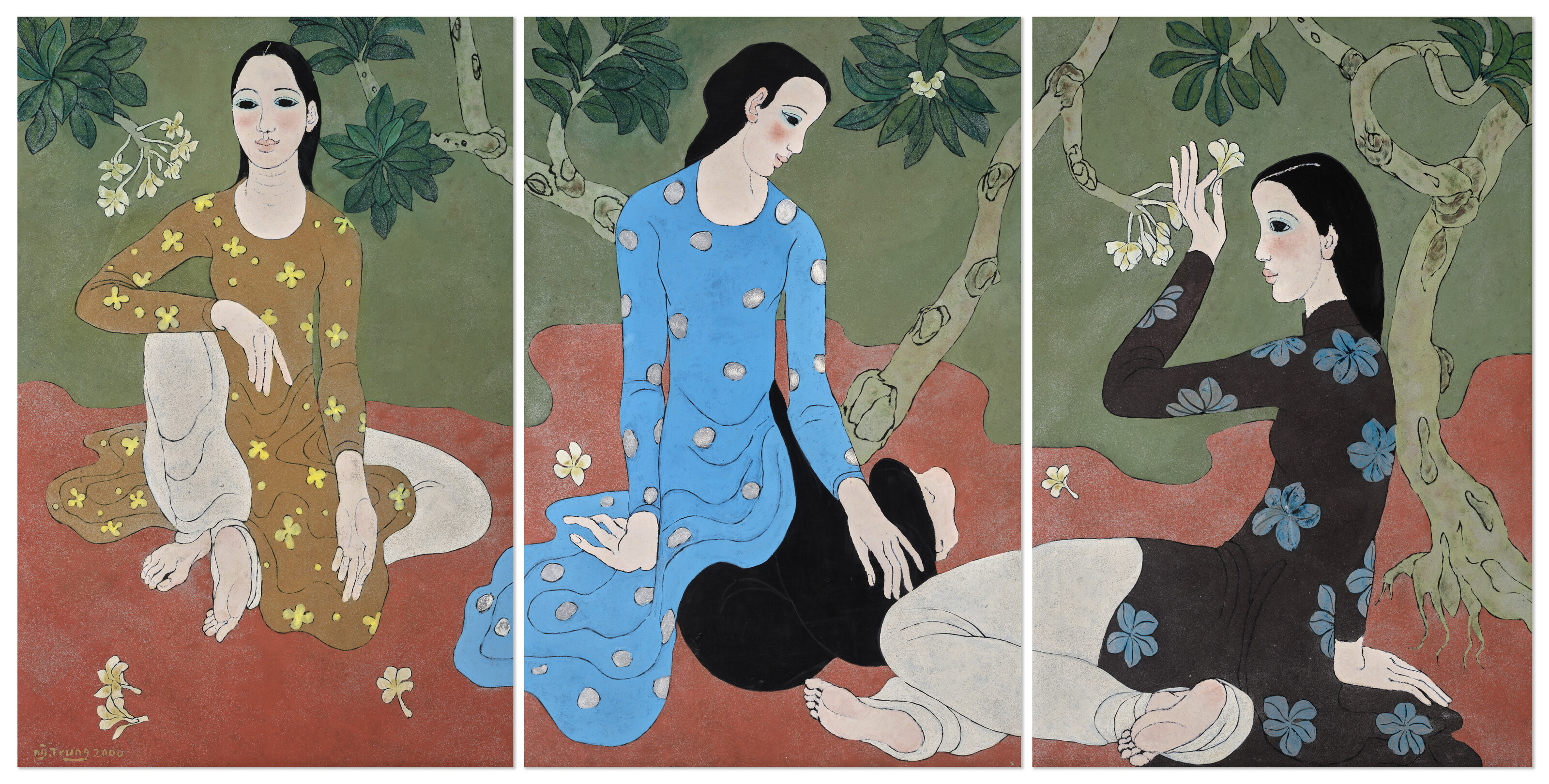
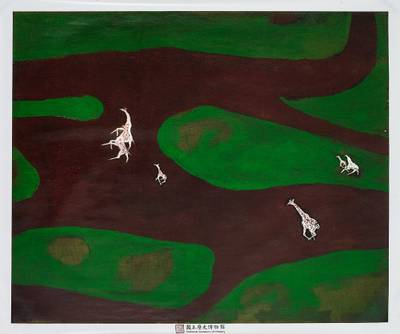
Nguyen Trung
Elegant Ladies
For edition works, particularly prints and sculptures produced in multiples, the edition size matters enormously: a work from a run of ten sits in a fundamentally different market position from one in a run of one hundred, and galleries do not always volunteer this information unprompted. Ask. Ask also about exhibition history, institutional loans, and whether the work has been included in any catalogue raisonné research, particularly for artists like Ju Ming or Li Chen whose markets are more developed in Asia than in Europe or North America. The best galleries will welcome these questions.
The ones that don't are telling you something important.