Feminist Art
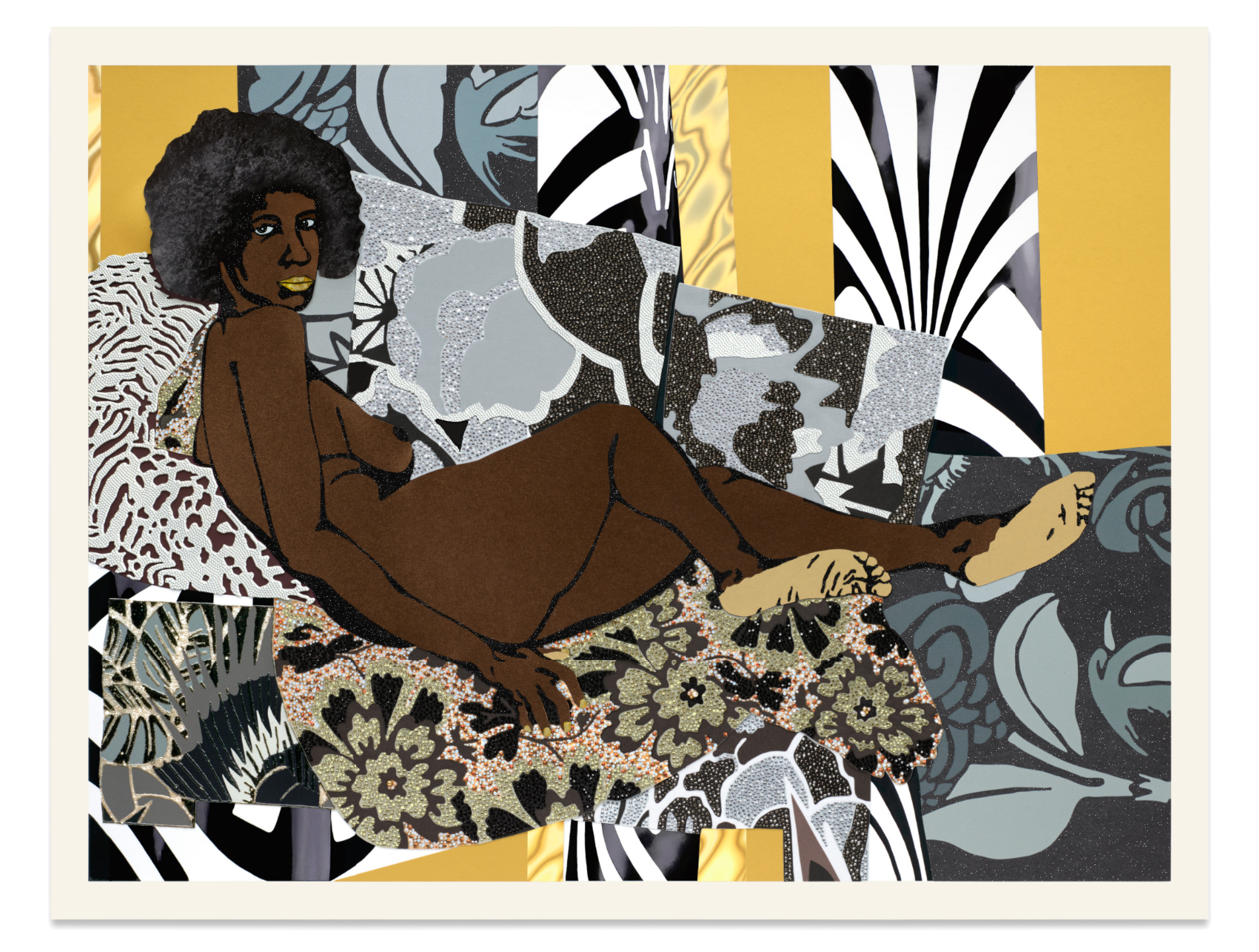
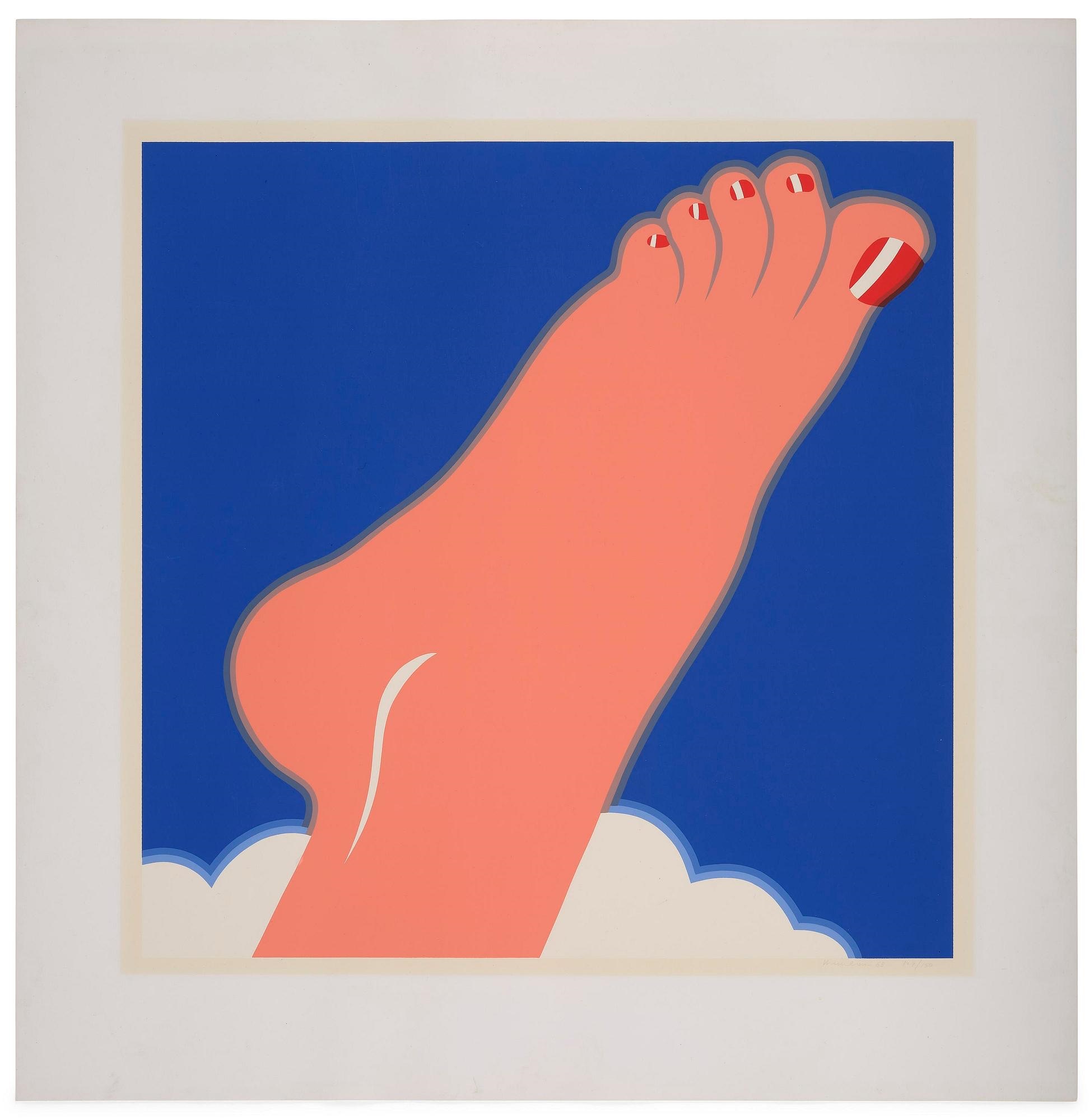
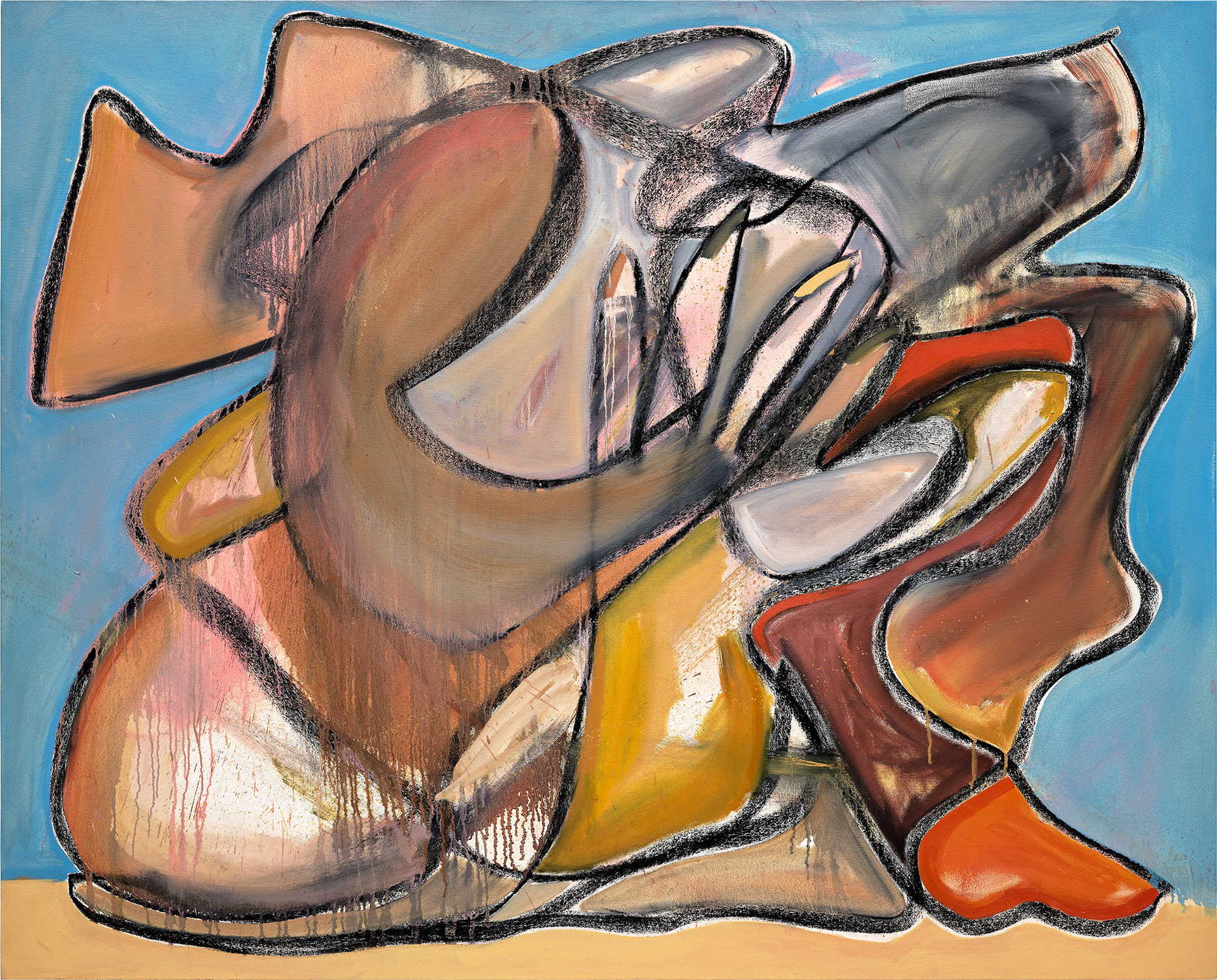
Mickalene Thomas
A Little Taste Outside of Love, 2025








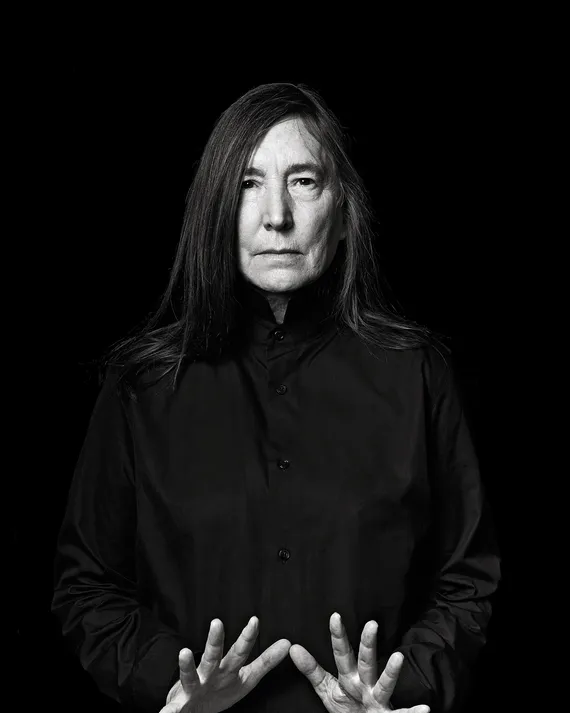

The Art That Refuses to Be Quiet
There is something particular that happens when you live with feminist art. It does not settle into the background the way a landscape might, or ask nothing of you the way a purely decorative object can. It watches back. It asks questions.
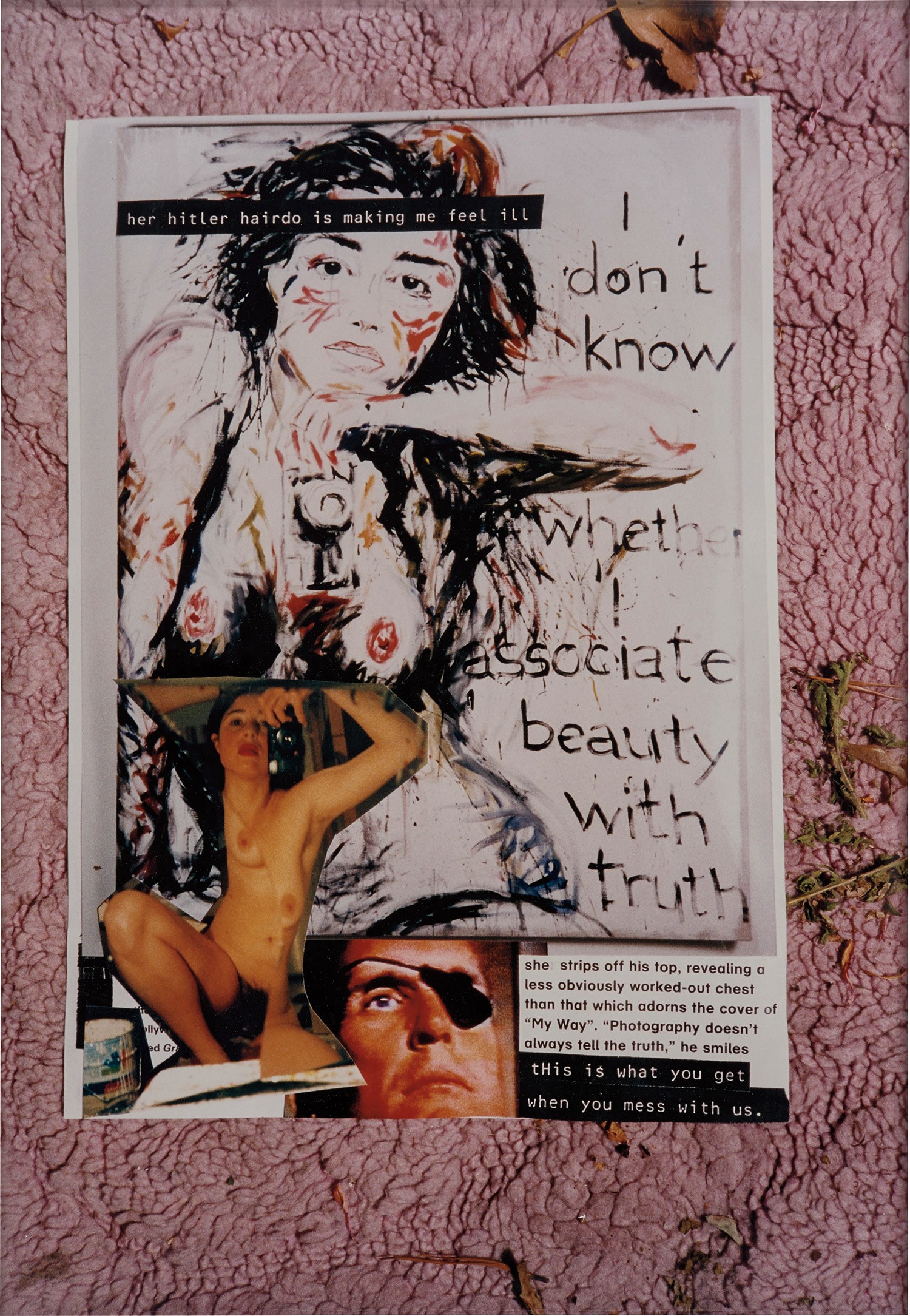
Over time, collectors who have built serious holdings in this area often describe a similar experience: the work grows in presence, not just in value, and it changes the quality of the conversation in any room it inhabits. That combination of intellectual friction and emotional directness is rare in any category, and it is a large part of what draws discerning collectors here in the first place. Feminist art also carries an unusual kind of cultural weight right now. We are in a moment when institutions are actively reassessing their permanent collections, when major retrospectives are being mounted for artists who were sidelined for decades, and when the market is catching up to what the art world has known for some time: that some of the most formally inventive and conceptually rigorous work of the last fifty years was made by women who were not adequately recognized when it was new.
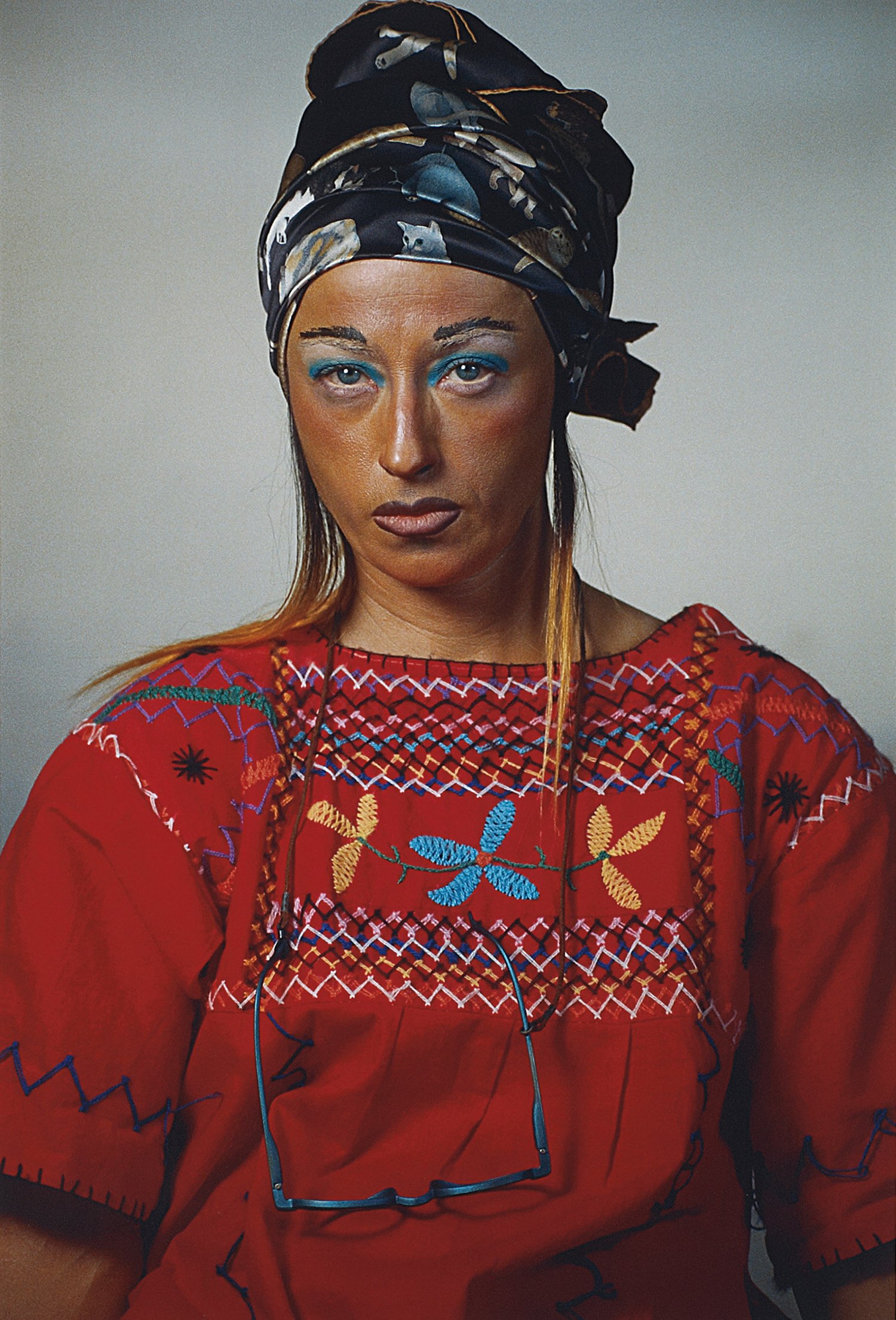
Cindy Sherman
Sans Titre, 2000
Collecting in this space today means participating in a genuine revaluation, not simply following a trend. When it comes to separating strong works from exceptional ones, the most important question is whether the work operates on multiple registers at once. The best feminist art is never simply didactic. Louise Bourgeois, for instance, made work that was deeply personal and psychologically complex long before critical frameworks caught up to her, and the pieces that collectors compete for most fiercely are the ones where her formal invention and her emotional rawness are inseparable.
Similarly, Cindy Sherman's most sought after photographs are the ones where the conceptual argument and the sheer visual seduction are in genuine tension with each other. When craft and conviction align at the highest level, that is when you have something extraordinary. Works that feel illustrative of an idea, rather than embodiments of one, tend to plateau in the market. Among the artists well represented on The Collection, several stand out as particularly strong propositions for collectors building with a long view.
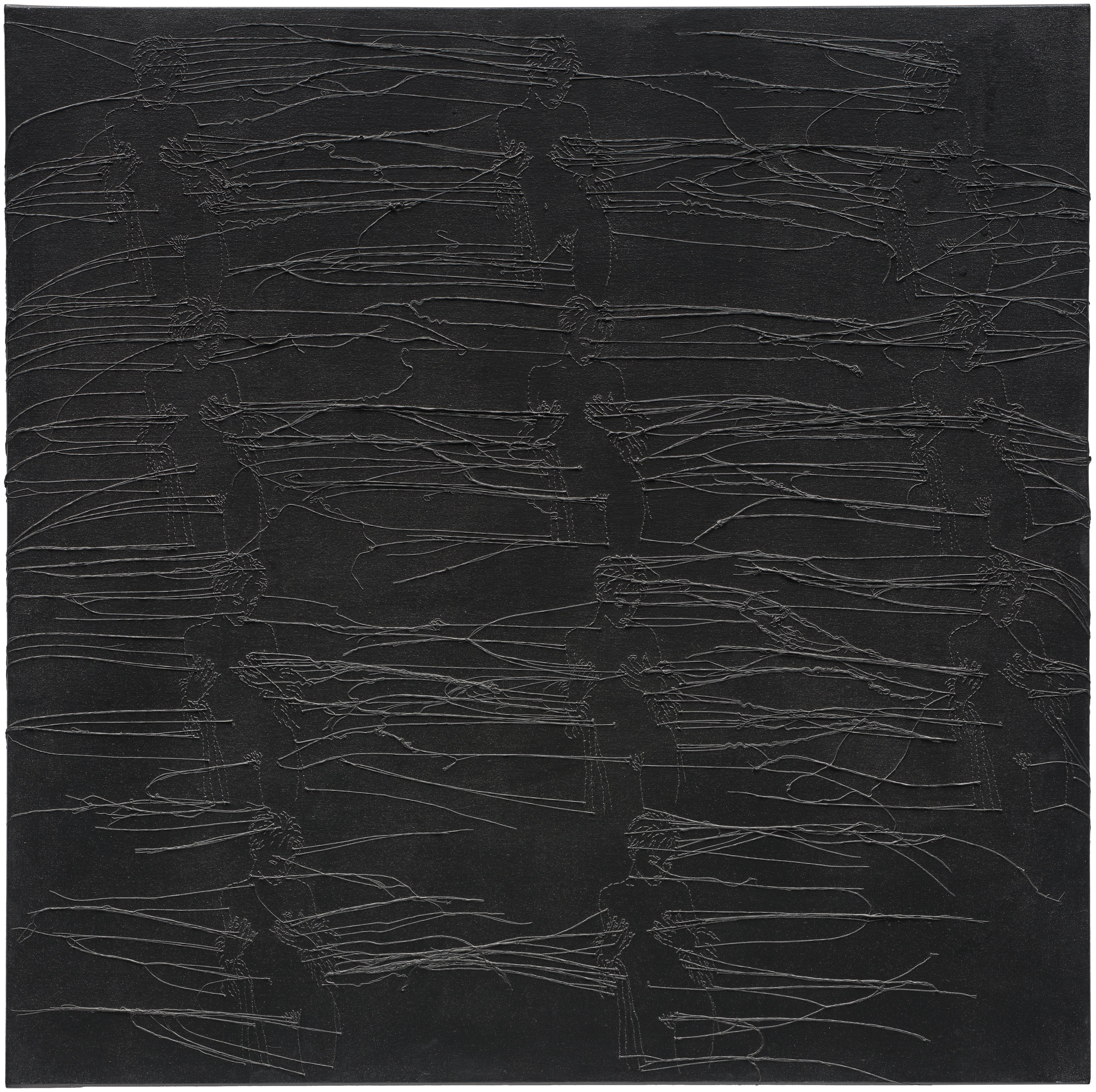
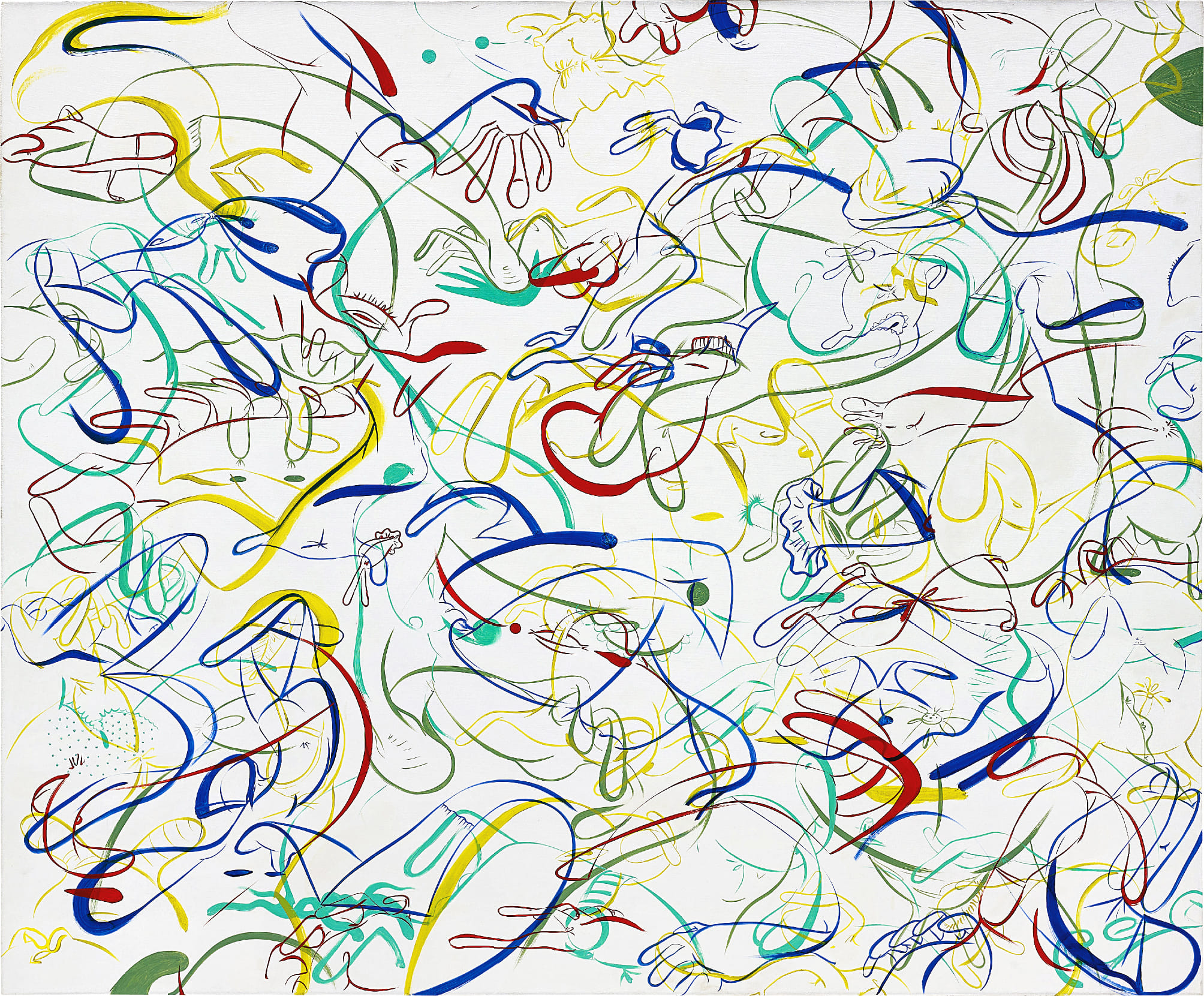
Ghada Amer
3 Diagonales Noires, 2000
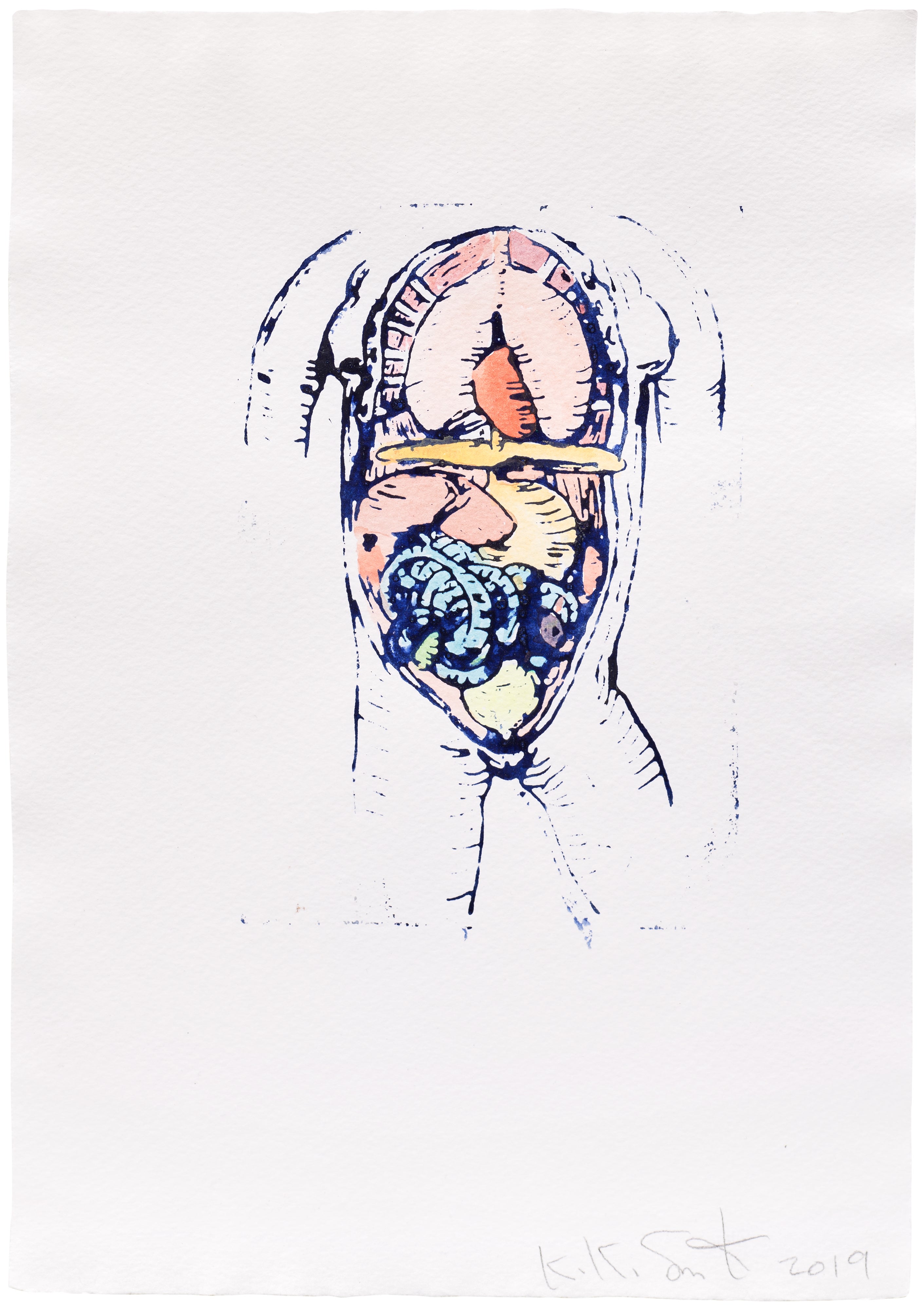
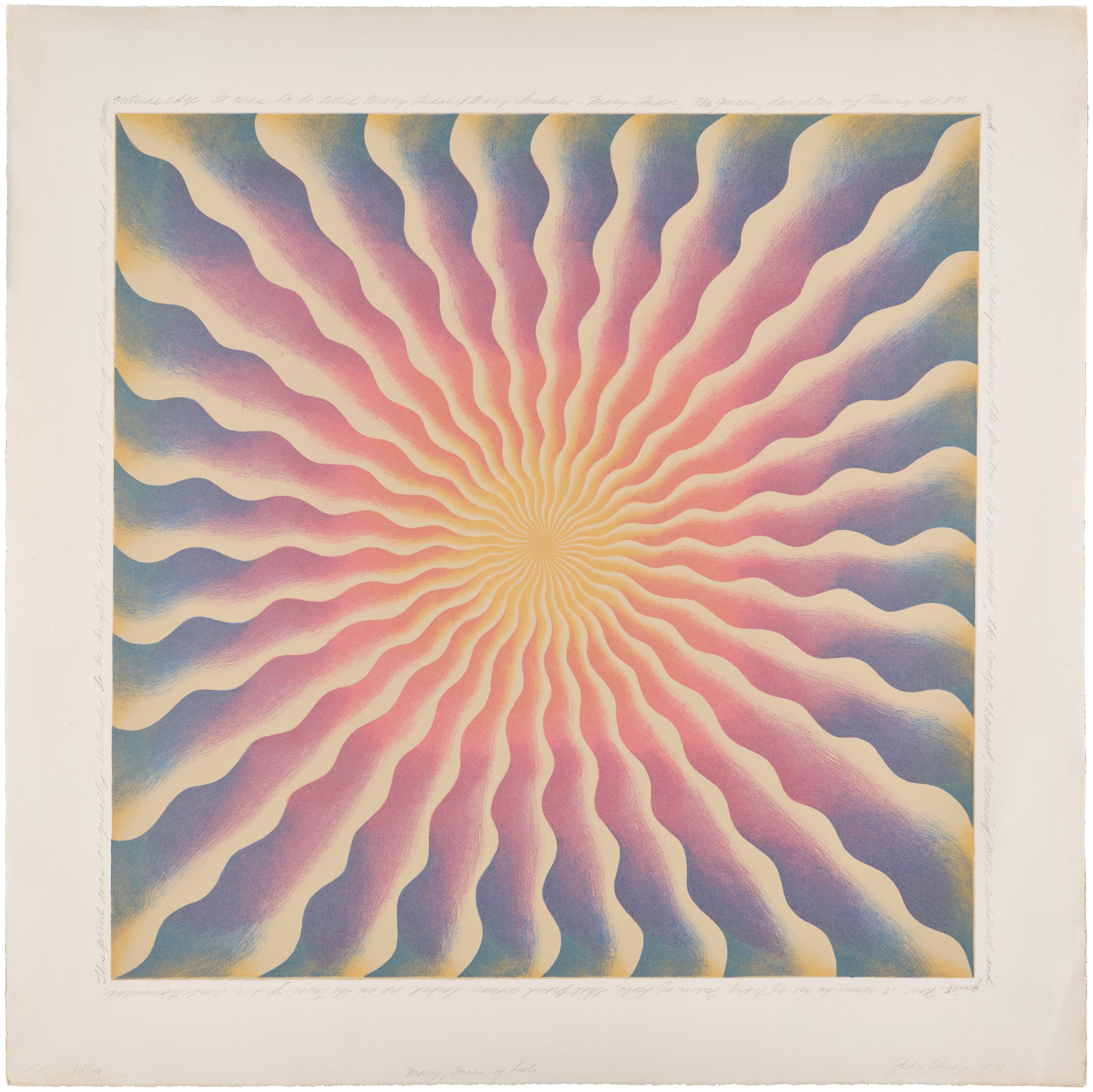
Barbara Kruger's work has moved from being considered primarily art world shorthand to being recognized as some of the most formally prescient graphic production of the twentieth century, and her prints and multiples offer accessible entry points before her unique works become institutional territory. Judy Chicago's market has been transformed in recent years, particularly following the reacquisition and reinstallation of The Dinner Party at the Brooklyn Museum, and there is genuine momentum around her works on paper. Ghada Amer occupies a fascinating position: her paintings function beautifully as objects while carrying a layered argument about desire, representation, and craft that rewards sustained looking. Her work remains undervalued relative to its quality and institutional presence.
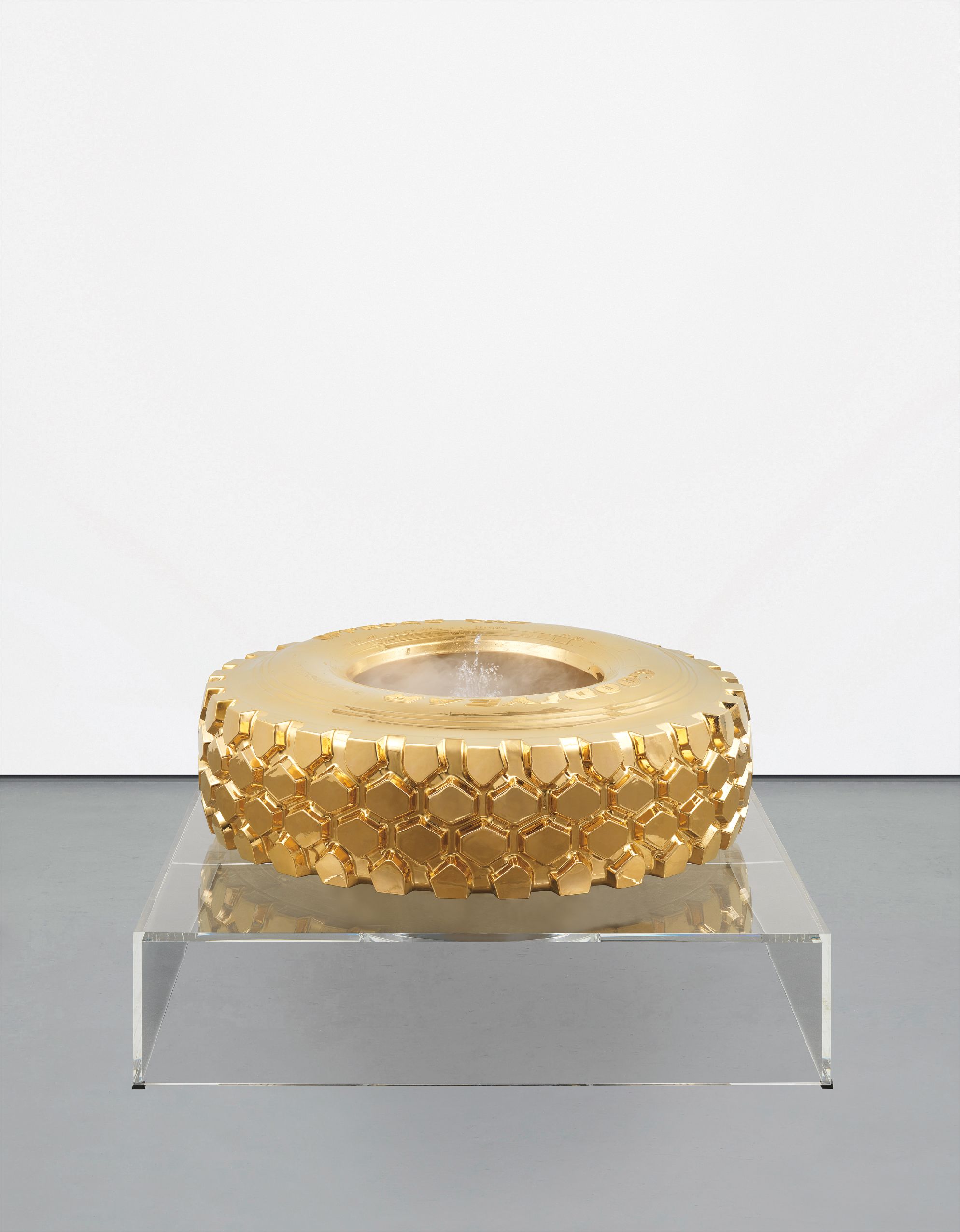
Sarah Lucas is another artist whose secondary market has strengthened considerably as her influence on younger generations became undeniable. Her confrontational use of everyday materials and her wit give her work a quality of aliveness that reproduces poorly and rewards the encounter with the actual object. Shirin Neshat's large scale photographs, with their calligraphic text and charged political atmosphere, have found consistent institutional and private collecting support, and their visual authority translates powerfully in both domestic and larger spaces. For collectors interested in artists whose reputations are still consolidating, Lalla Essaydi and Mickalene Thomas both represent compelling cases: each has developed a signature visual language that is both culturally specific and formally ambitious, and institutional interest in their work continues to build.
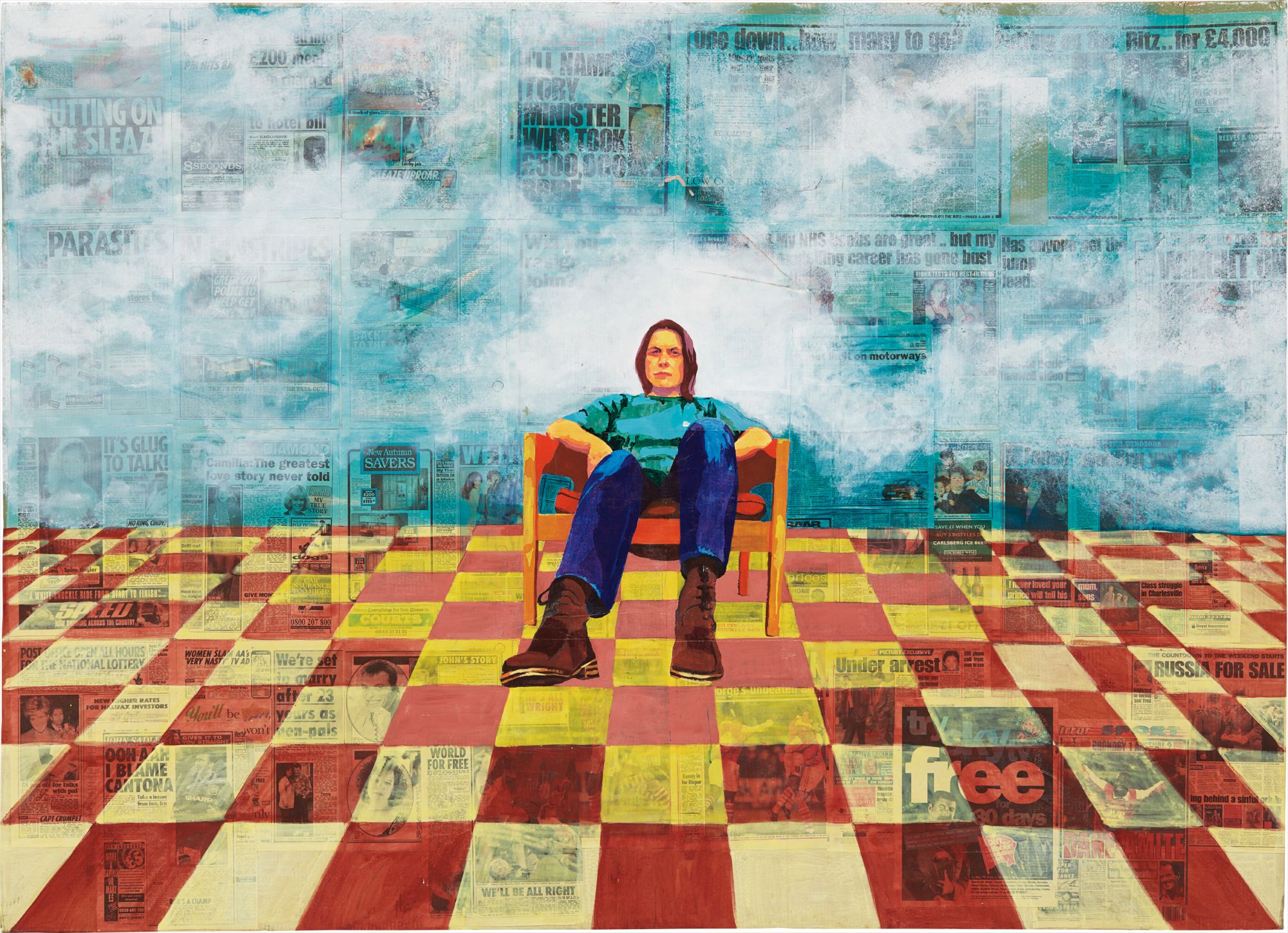
Sarah Lucas
Supersensible, 1994
At auction, feminist art has shown a pattern worth understanding. Blue chip names such as Cindy Sherman and Louise Bourgeois perform with the consistency of any major postwar category, with strong results at the major houses. The more interesting dynamic, and the greater opportunity, is in the tier just below: artists like Hannah Wilke, Ana Mendieta, and Nancy Spero, whose historical significance is well established in academic and curatorial circles but whose market has not yet fully reflected that standing. Mendieta in particular is a case where auction results can vary considerably depending on the documentation and context surrounding a work, which makes provenance research essential.
Jenny Holzer's works have performed well when the specific text and medium feel essential rather than interchangeable, which is the right question to ask of any edition based practice. On the question of editions versus unique works: this is a category where editions deserve serious attention, not as a compromise but as a genuine collecting strategy. Kruger, Holzer, Laurie Simmons, and Carrie Mae Weems have all produced editions that are among the most important works in their respective practices. The key is understanding where a given edition sits within an artist's broader output, how large the edition is, and whether the work was central to the artist's thinking at the time of its making or peripheral.
Jenny Holzer
Living Series: There's the Sensation of a lot of Flesh..., 1989
Asking a gallery for the exhibition history of a specific work, and whether any institutional collections hold the same edition, is a reliable way to calibrate significance. For condition considerations, works on paper and photographic works require the most attention. Many of the photographs from Sherman's early film stills series, for example, are gelatin silver prints that are sensitive to light and humidity, and a condition report from a conservator before purchase is not excessive caution but standard practice. When displaying feminist art that includes text, whether Holzer's cast bronze benches or Kruger's graphic works, placement matters enormously: these are pieces that need breathing room and context, not competition from adjacent objects.
Above all, talk to the artist's gallery about the artist's own preferences and stated intentions for display. In a category where the relationship between meaning and form is so deliberate, that conversation will almost always tell you something important about the work itself.