Collage
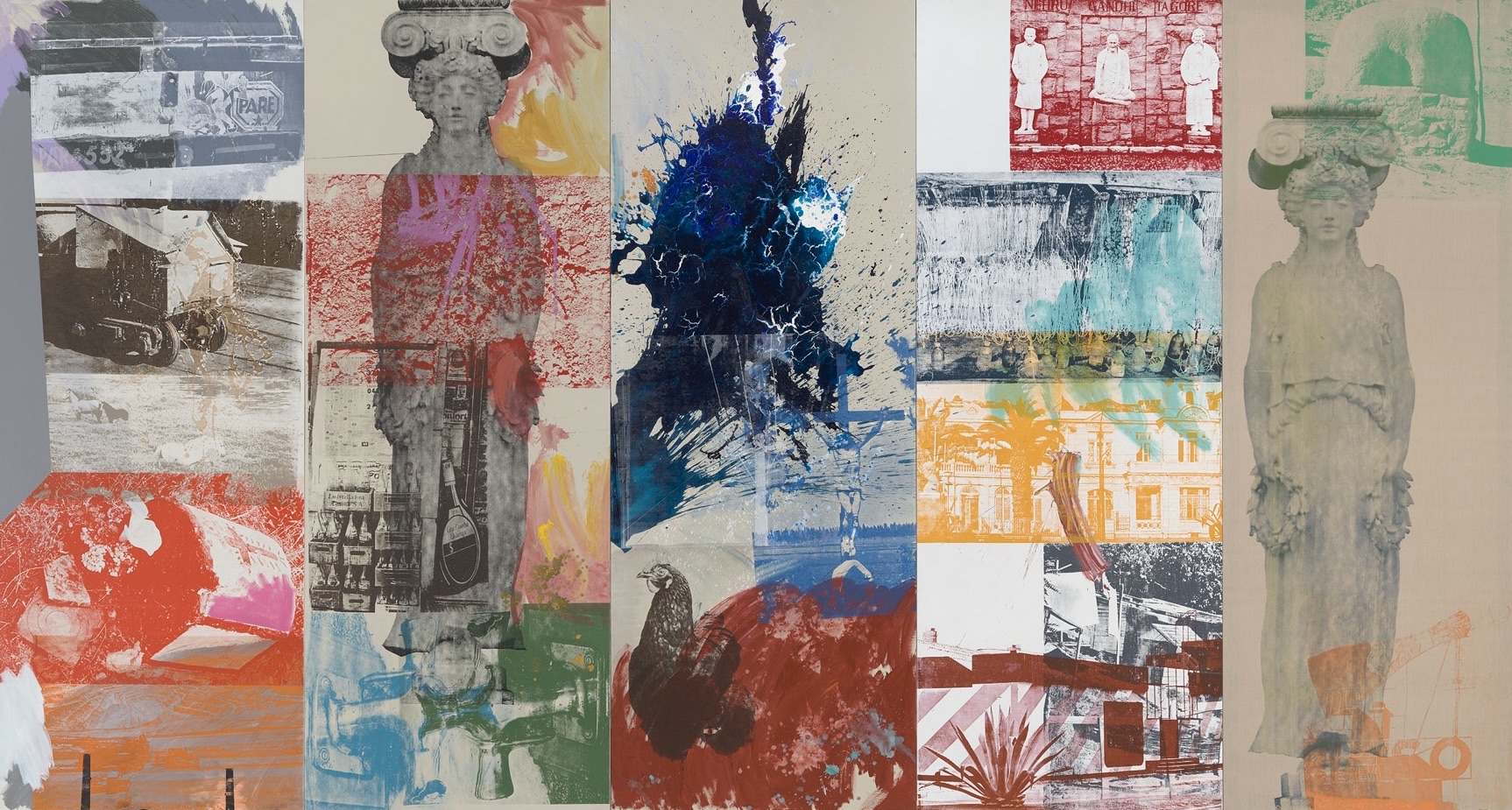
![Robert Rauschenberg — Duet [Anagram (A Pun)]](https://rtwaymdozgnhgluydsys.supabase.co/storage/v1/object/public/artwork-images/1BDDC6C9-713B-4E33-A3AB-1D77A076A44C/C31FBA06-7157-46C9-838D-F46B2CE3302E/0.jpg)
Robert Rauschenberg
Duet [Anagram (A Pun)], 1998






Torn, Pasted, Transformed: Why Collage Collects
There is something almost confessional about collage. Collectors who live with it often describe the same experience: a work that seemed straightforward at first glance reveals itself slowly, across days and seasons, releasing new associations the longer you look. Unlike a painting that declares its intentions, collage withholds. It is built from the world's detritus, from newsprint and magazine pages, fabric scraps and photographs, and so it carries the texture of lived time in a way that purely painterly work rarely achieves.
This quality, the sense that a work contains compressed history rather than simply depicting it, is what draws serious collectors back to the medium again and again. The intimacy of collage also has something to do with scale and material. Many of the most significant works in this tradition are not monumental. They invite close looking, the kind of attention you give a letter or a page of notes.
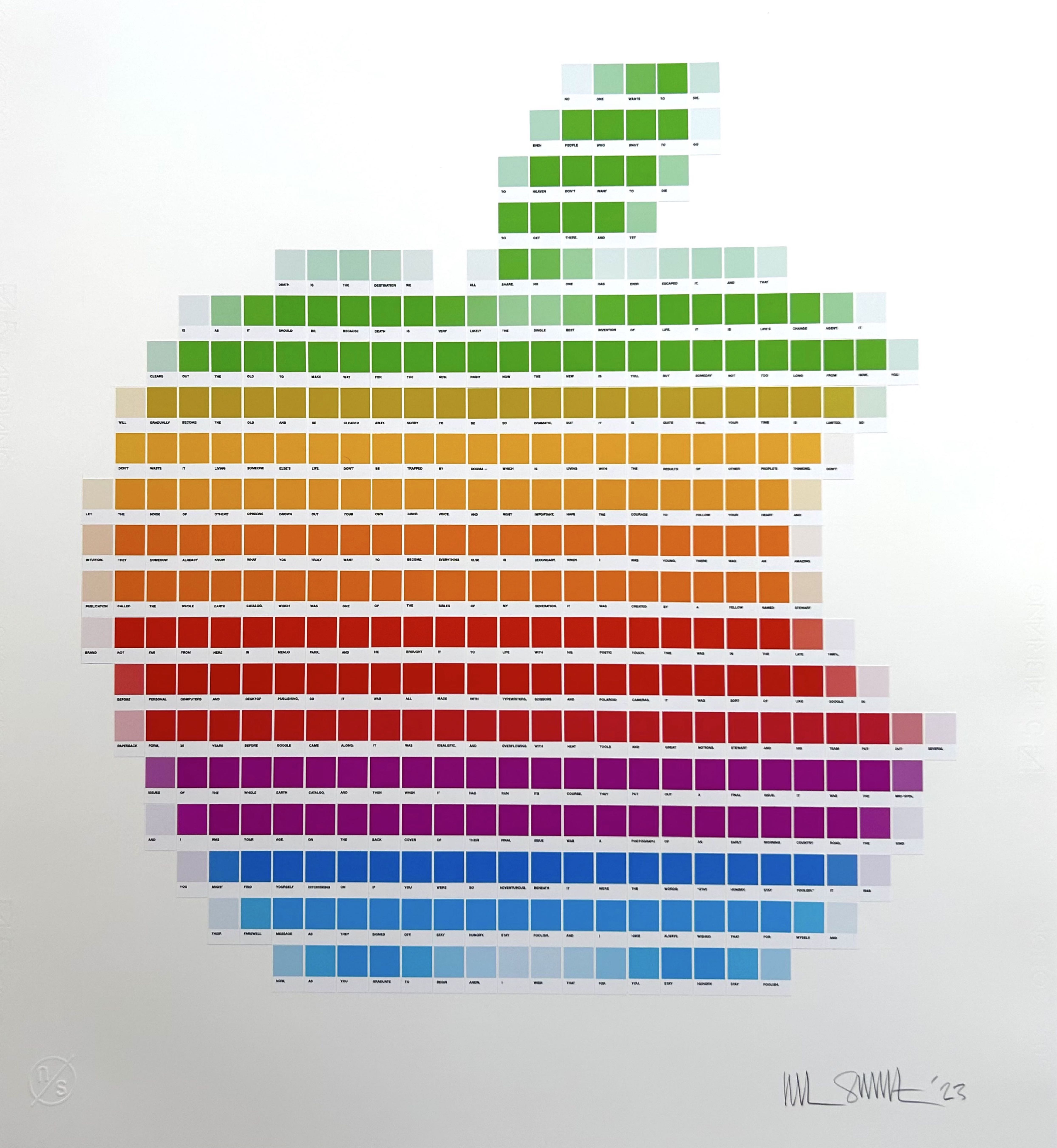
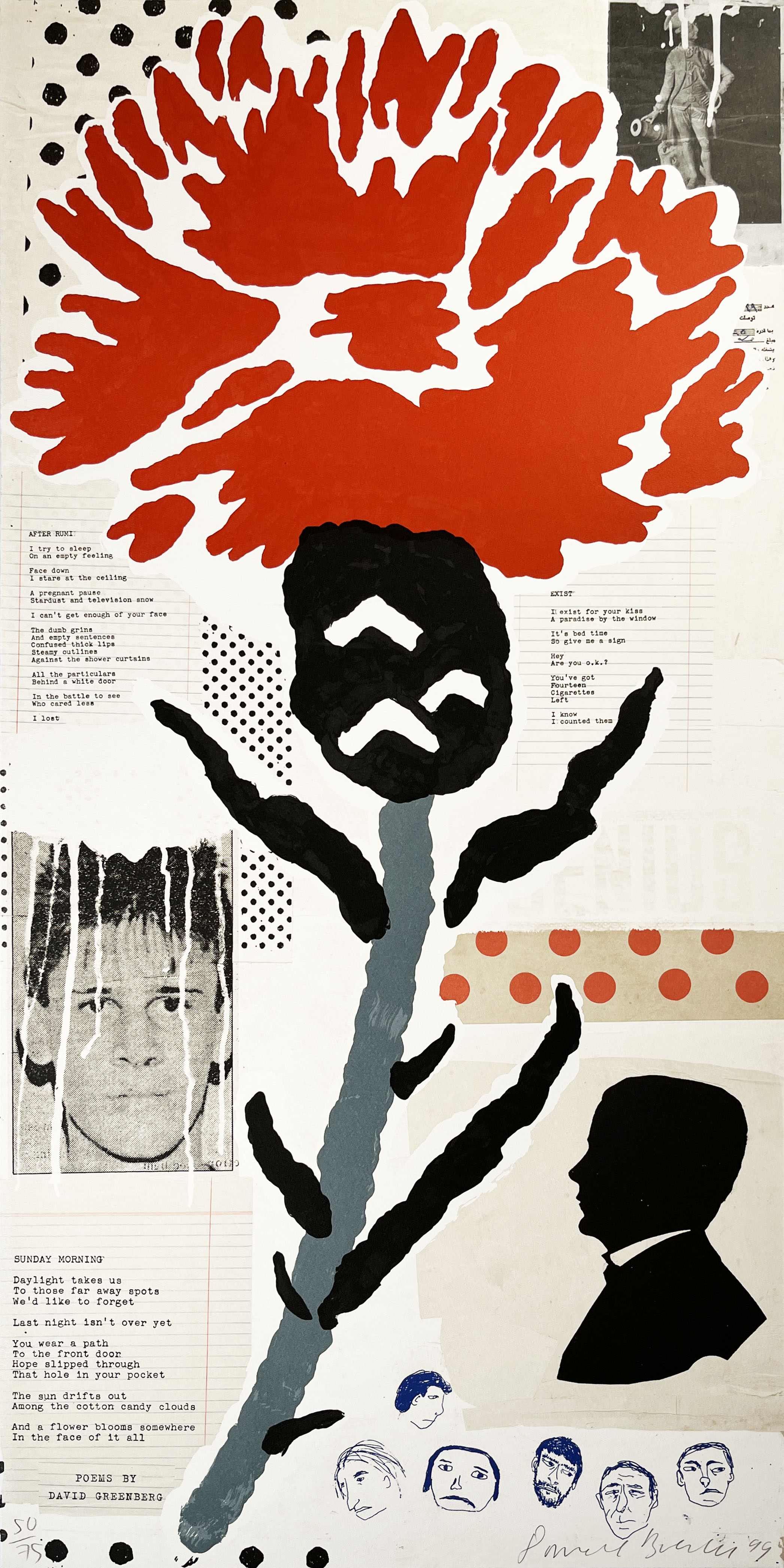
Nick Smith
Apple 1977 Logo Commission, 2023
Living with collage means living with evidence: evidence of the artist's hand, their obsessions, the specific cultural moment they were metabolizing. When Kurt Schwitters gathered urban ephemera into his Merz constructions in the early twentieth century, he was not making decoration. He was performing a kind of archaeology of the everyday, and that act of salvage still feels urgent when you stand in front of one of his works today. Knowing what separates a good collage from a great one is the real work of collecting in this category.
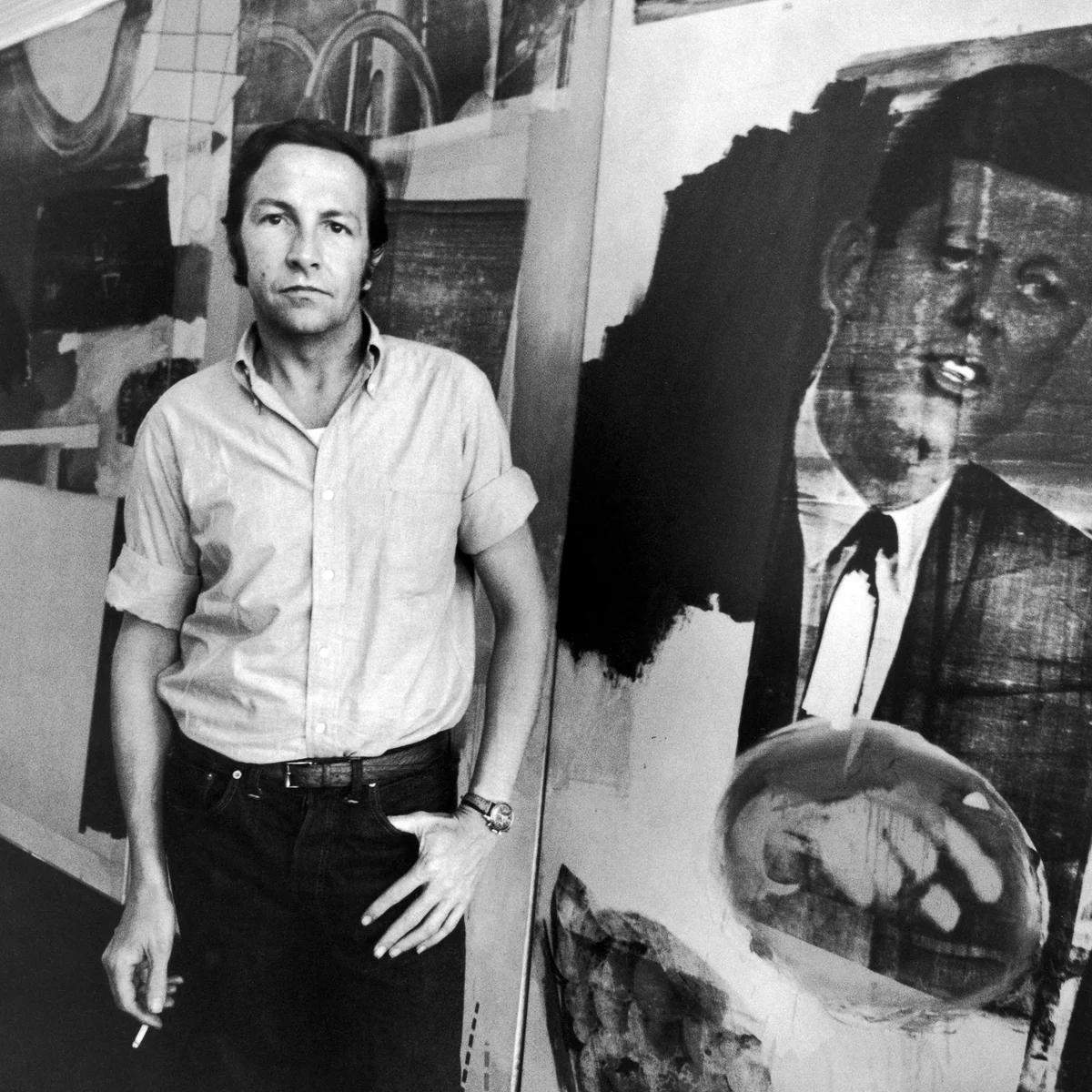
Density of thought matters as much as visual complexity. The best collages have an internal logic, a sense that every element was chosen rather than simply placed. Look for works where tension between materials is productive rather than arbitrary, where the collision of surfaces generates meaning instead of merely texture. Robert Rauschenberg understood this at a level few artists have matched.

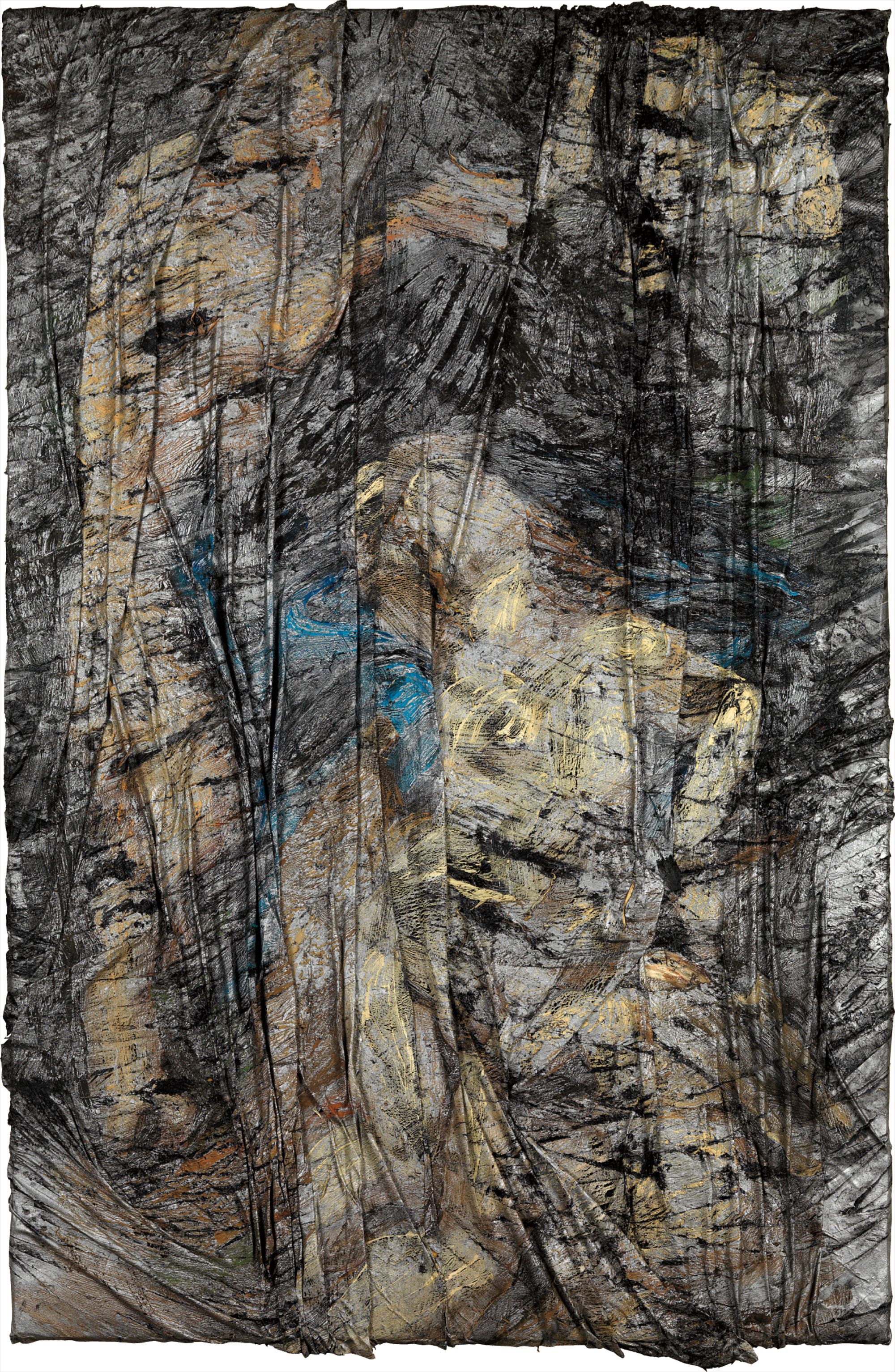
Robert Rauschenberg
Persimmon, 1964
His Combines of the mid 1950s onward used found images and objects not as illustration but as argument, each element rubbing against the next to produce something genuinely unpredictable. The works on The Collection represent this thinking across a wide range of periods and scales, and the stronger examples reward sustained attention in ways that more decorative collage simply cannot. Robert Motherwell approached the medium from a different angle entirely. Deeply read in Symbolist poetry and existentialist philosophy, he brought an intellectual seriousness to collage that aligned it with the ambitions of Abstract Expressionism.
His collages are not preliminary sketches or studio experiments. They are fully realized works in their own right, and they have been recognized as such by major institutions for decades. Romare Bearden, working across the 1960s and onward, demonstrated what collage could do when routed through personal and collective memory. His layered photomontages of African American life carry a density of feeling that places them among the most important American artworks of the twentieth century, and the market has consistently reflected this.
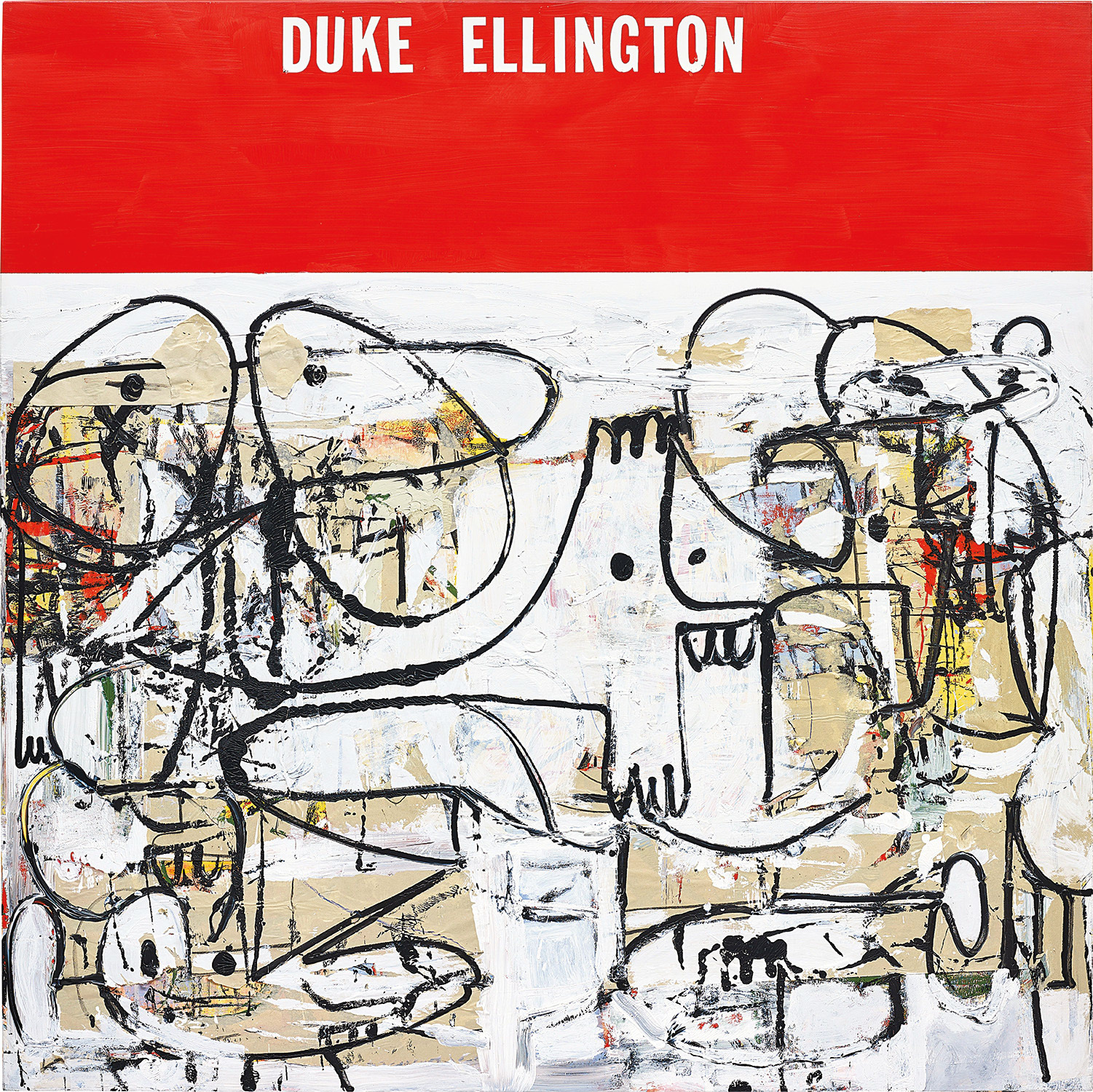
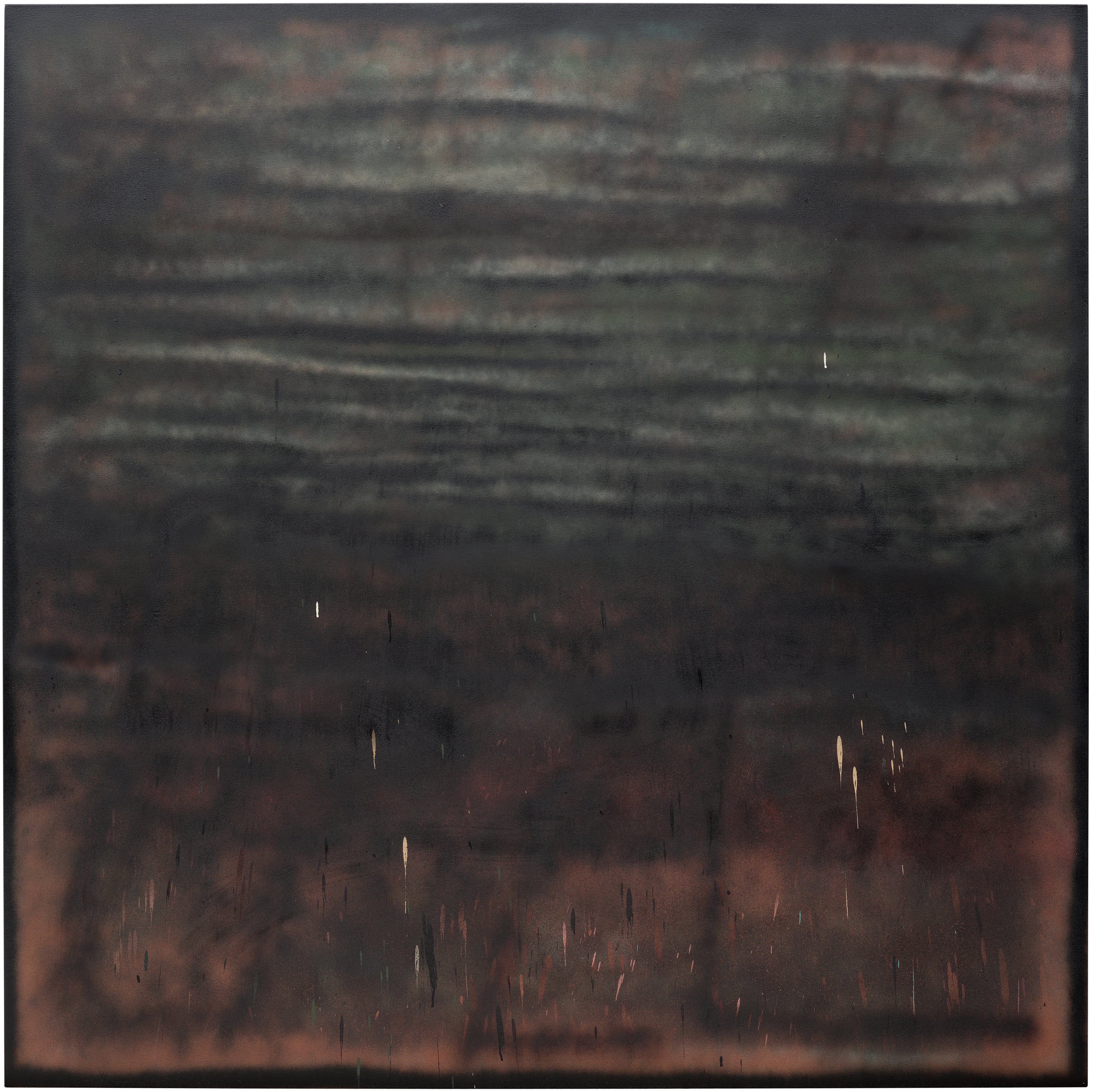
George Condo
Duke Ellington, 1999
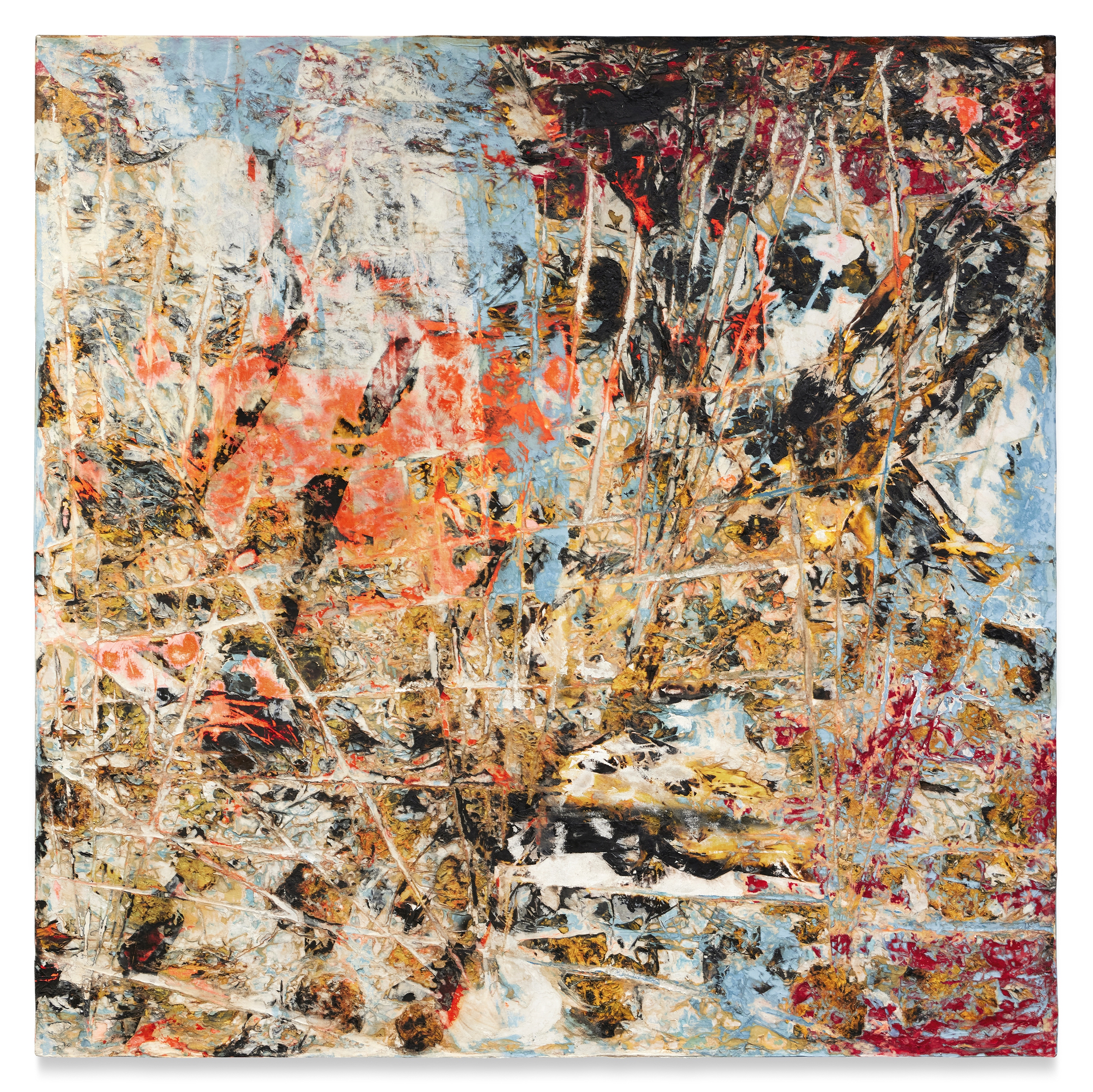
Similarly, Joseph Cornell's boxes occupy a category adjacent to collage but governed by the same logic of assemblage and found imagery. They remain among the most coveted objects in American art, partly because they are so genuinely strange and partly because they have never stopped feeling contemporary. For collectors thinking about where value is still being created, the living artists working in collage deserve serious consideration. Mark Bradford builds his large scale works from layers of end papers found in barbershops, using the material culture of Black neighborhoods in Los Angeles as both medium and subject.
His market has grown substantially over the past decade and institutional recognition has kept pace, with major museum acquisitions and retrospectives confirming his position. Angel Otero works with peeled layers of dried paint arranged into collaged compositions that hover between painting and sculpture. His practice is genuinely difficult to categorize, which is part of what makes it interesting, and his market remains strong relative to his visibility. Wangechi Mutu brings a political and mythological intensity to collage that has earned her serious critical attention and a solo commission at the Metropolitan Museum of Art in 2019.

Keith Haring
Apocalypse 8, 1988
Her works on The Collection represent this thinking at full strength. At auction, collage presents collectors with specific dynamics worth understanding. Works on paper, which describe many collages, can face condition sensitivities that works on canvas do not. Acid migration between materials, yellowing, and the fragility of certain adhesives mean that provenance and conservation history matter enormously.
Always ask for a detailed condition report and request information about any past restoration. Works that have been stored in archival conditions and exhibited infrequently tend to perform best. The secondary market for blue chip collage, think Rauschenberg, Bearden, and Cornell, remains robust with consistent demand from both institutional and private buyers. Mid tier works by artists like Conrad Marca Relli, whose gestural collages of the 1950s and 1960s remain critically respected, can offer genuine value for collectors willing to do the research.
Practical considerations for living with collage are worth taking seriously before acquisition. Light sensitivity is the primary concern: works on paper should be displayed away from direct sunlight and under UV filtering glass or acrylic. Framing choices matter more here than in almost any other medium because the frame establishes the boundary between the work's layered world and the room around it. When evaluating a collage, ask the gallery or dealer specifically about the materials used: are any elements photographic?
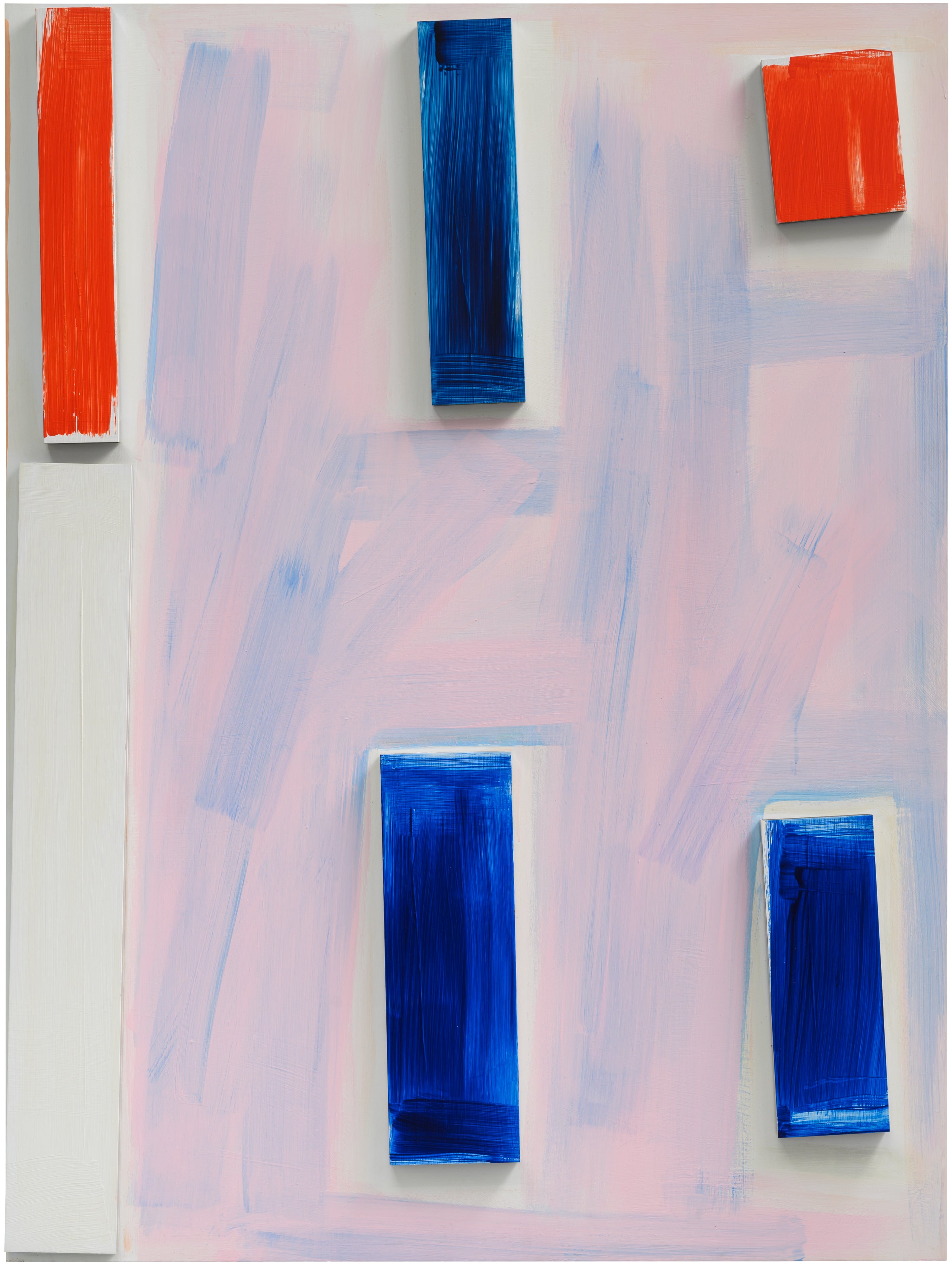
Is the paper acid free? Has the work been tested for long term stability? For works involving unconventional materials, as with Sterling Ruby's densely worked surfaces or the textural experiments of Sam Gilliam, these questions become even more pressing. Editions exist in some corners of this medium, particularly in works involving printmaking combined with collage elements, but the most significant collages tend to be unique works, and that singularity is a core part of their value.
What you are acquiring, ultimately, is a specific set of decisions made by a specific intelligence at a specific moment in time. That is a rarer thing than it might seem.