Bill Woodrow
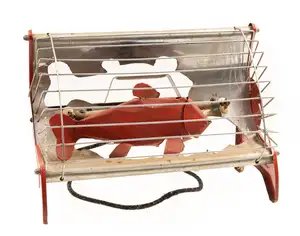
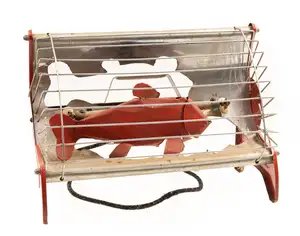
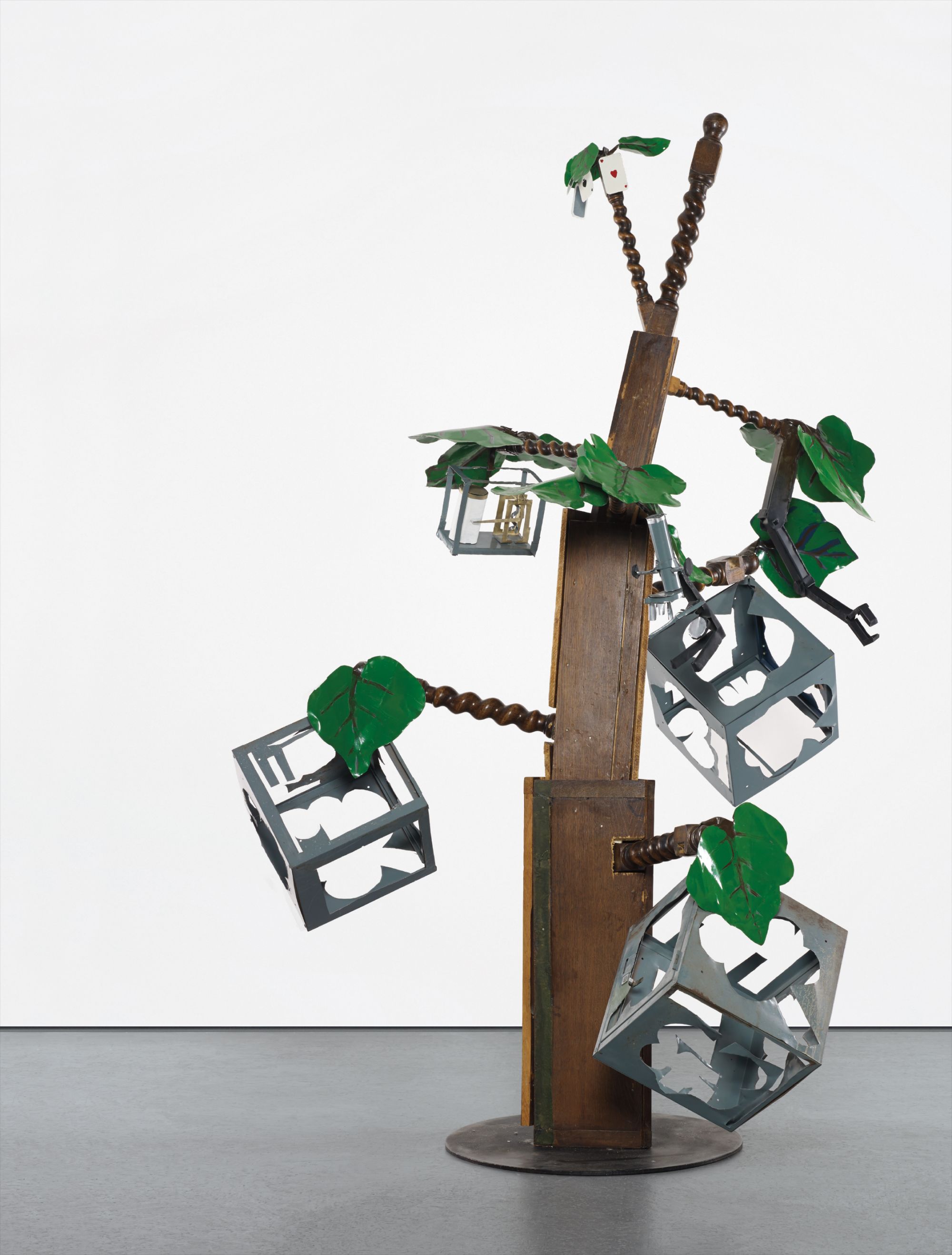
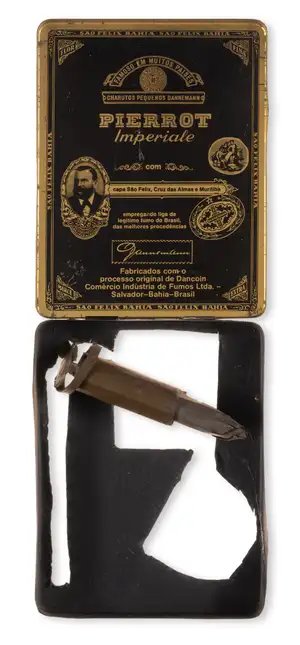
Bill Woodrow is a British sculptor who rose to prominence in the early 1980s as part of the 'New British Sculpture' movement, known for his innovative practice of transforming discarded consumer objects and scrap materials into thought-provoking works that comment on modern society, consumerism, and the environment. His signature technique involves cutting and shaping found objects, such as washing machines, car doors, and televisions, to create new forms that remain physically connected to their source material, revealing a poetic relationship between the original object and its transformation. Woodrow represented Britain at the Venice Biennale in 1982 and has exhibited internationally, establishing himself as one of the most significant British sculptors of his generation.
Artists in conversation
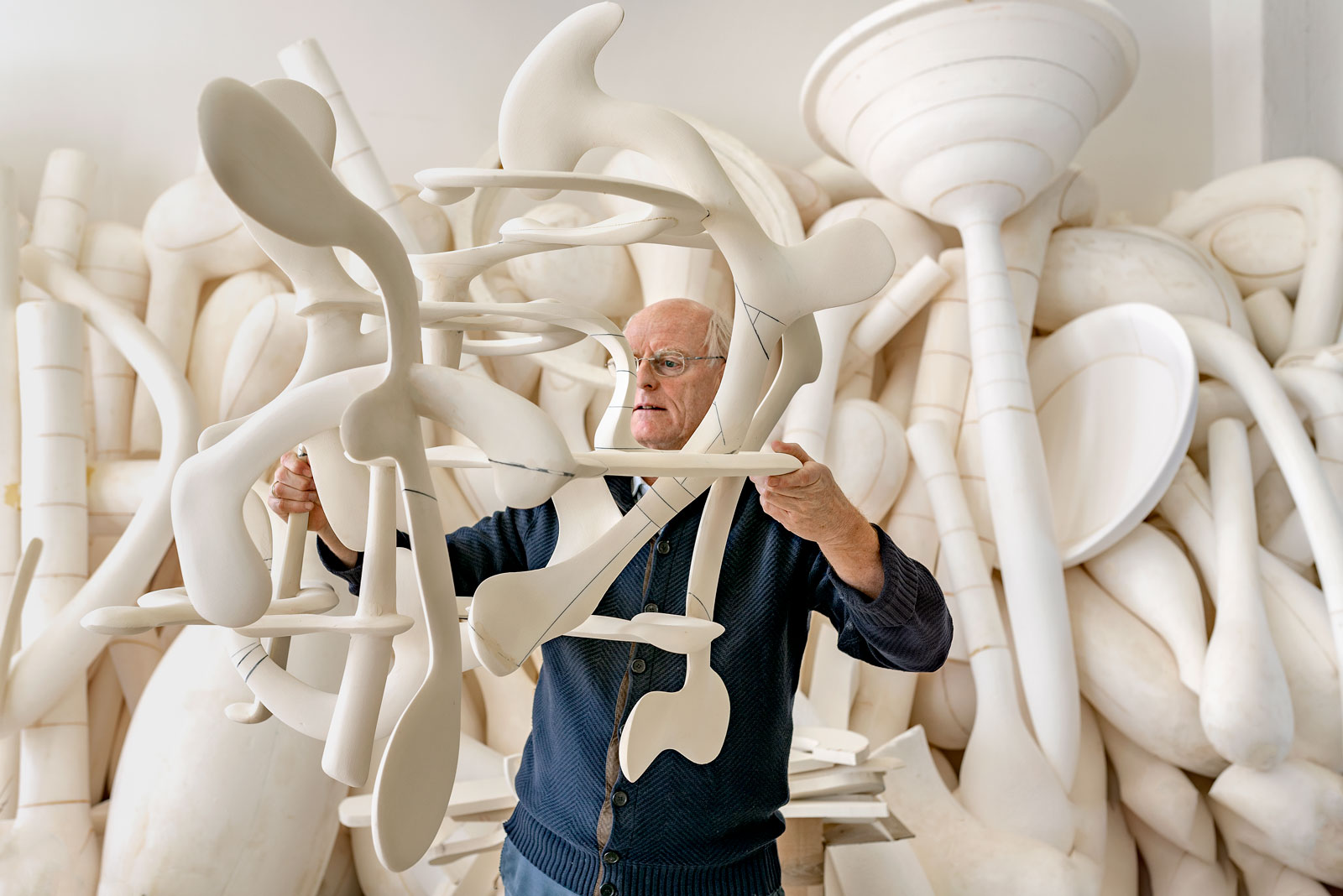
Tony Cragg
Cragg was a fellow New British Sculpture pioneer who similarly assembled found industrial and consumer detritus into sculptural works commenting on materiality and contemporary society. Both artists share a commitment to transforming everyday discarded objects into conceptually loaded forms.
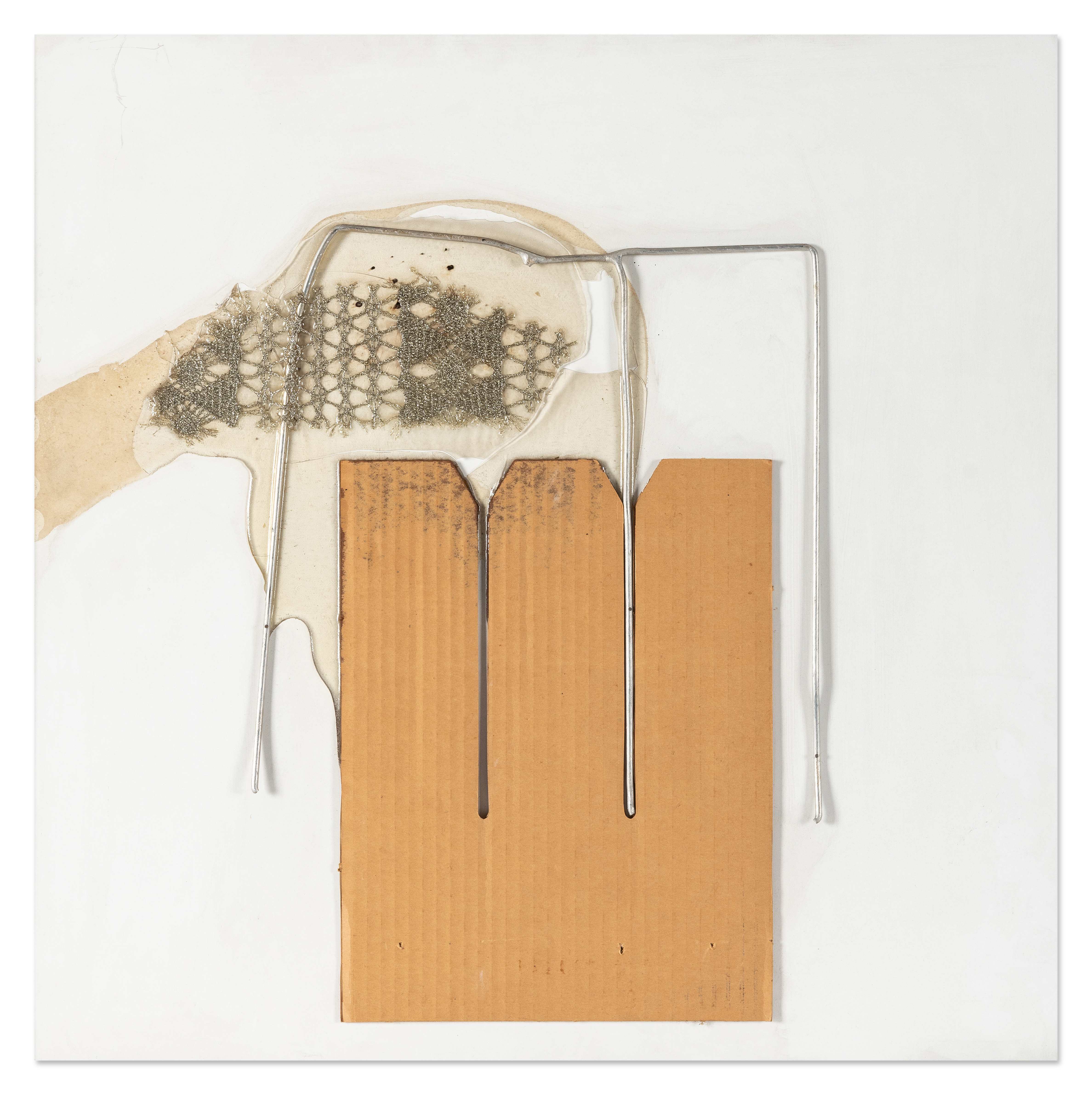
Edward Kienholz
Kienholz constructed powerful assemblage tableaux from salvaged domestic and consumer objects to critique modern American society, paralleling Woodrow's use of found household items to interrogate consumerism and everyday life. Both artists retain the recognisable identity of source objects within their transformed works.
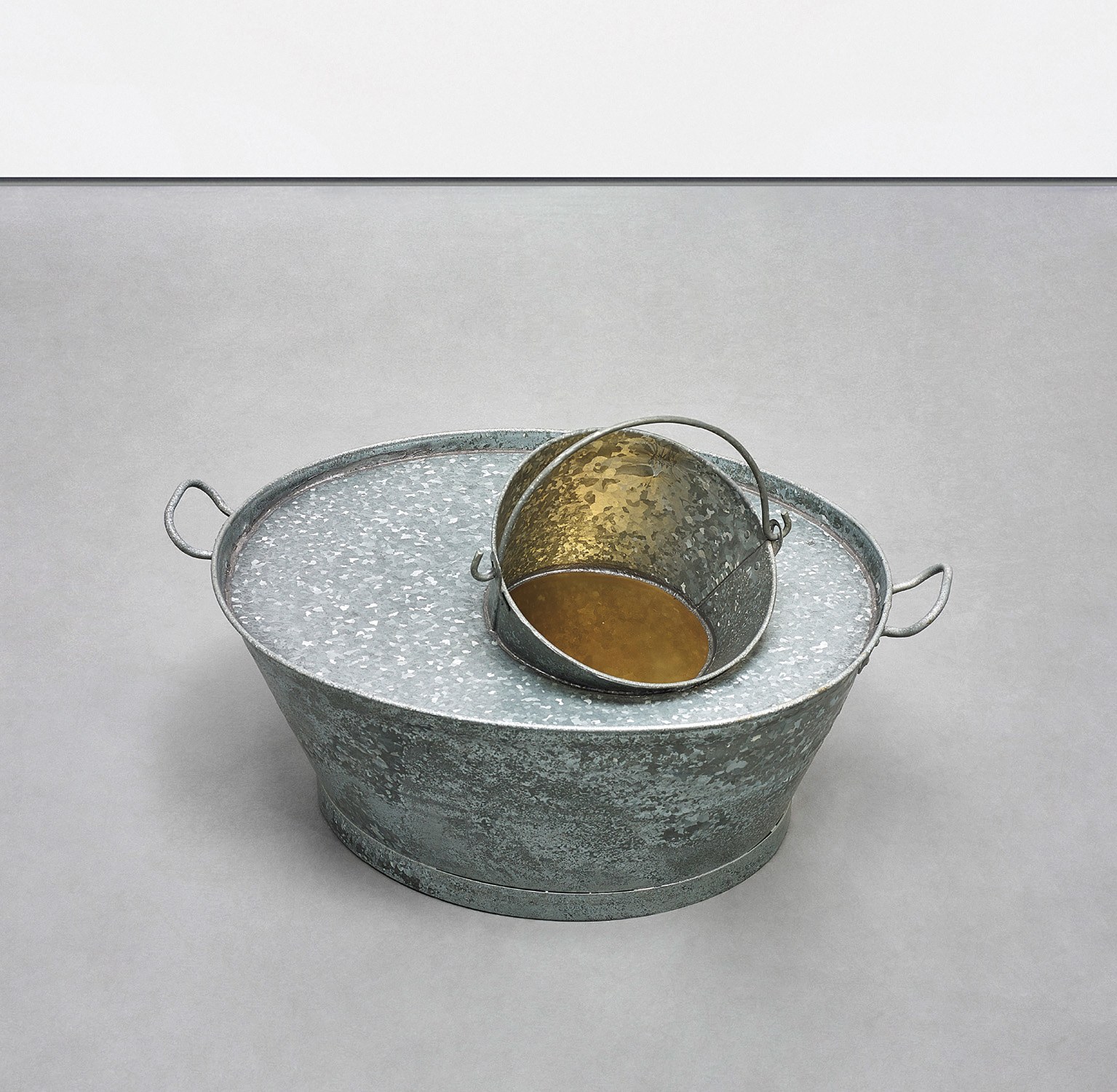
Richard Wentworth
Wentworth is closely associated with the New British Sculpture movement and shares Woodrow's fascination with ordinary manufactured objects and their latent sculptural and metaphorical potential. His work similarly probes the cultural meaning embedded in mundane consumer goods.
Artists who inspired them
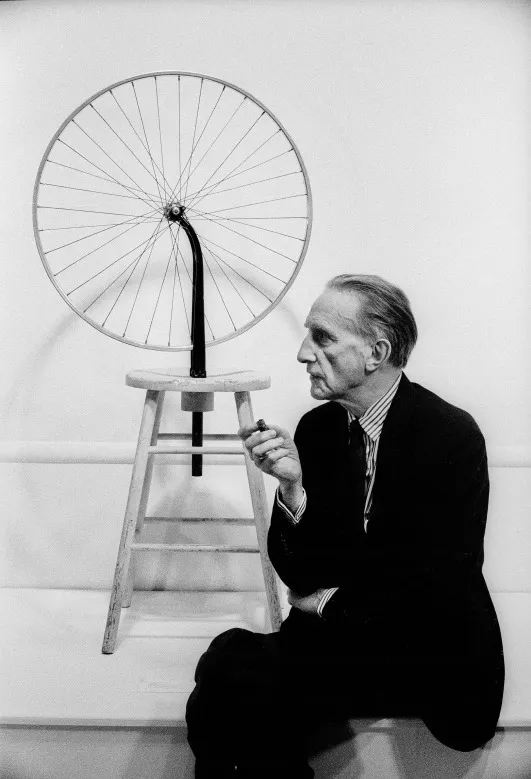
Marcel Duchamp
Duchamp's readymade practice fundamentally established the legitimacy of using unaltered or minimally transformed everyday objects as art, providing a critical conceptual foundation for Woodrow's transformation of found consumer goods. Woodrow extends the readymade tradition by physically cutting and reshaping his source objects rather than simply presenting them.
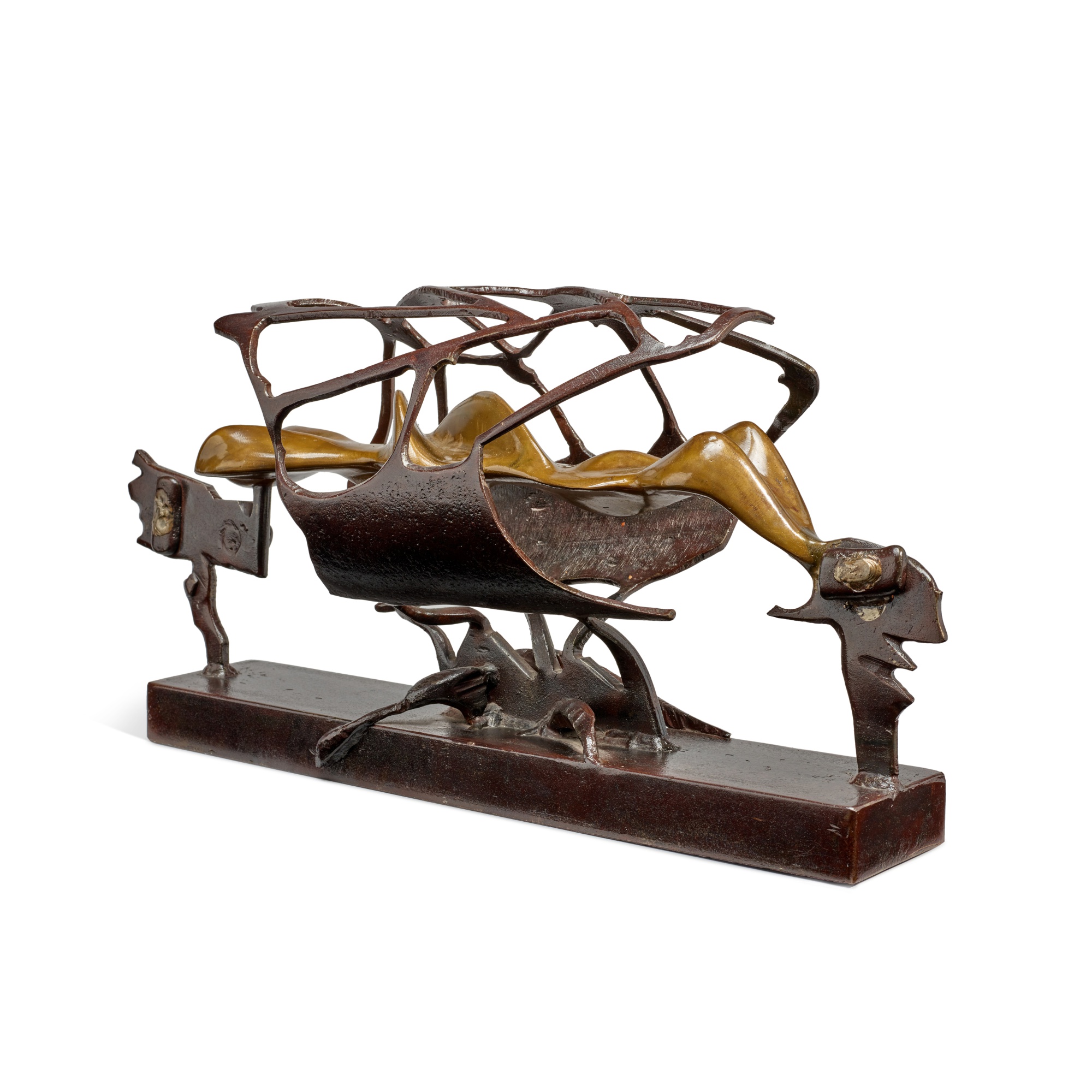
David Smith
Smith pioneered the use of industrial steel and welded found metal components as a primary sculptural language, demonstrating that raw fabricated materials could carry poetic and expressive weight. His approach to assemblage and industrial materials helped open the path for Woodrow's own practice with scrap and manufactured objects.
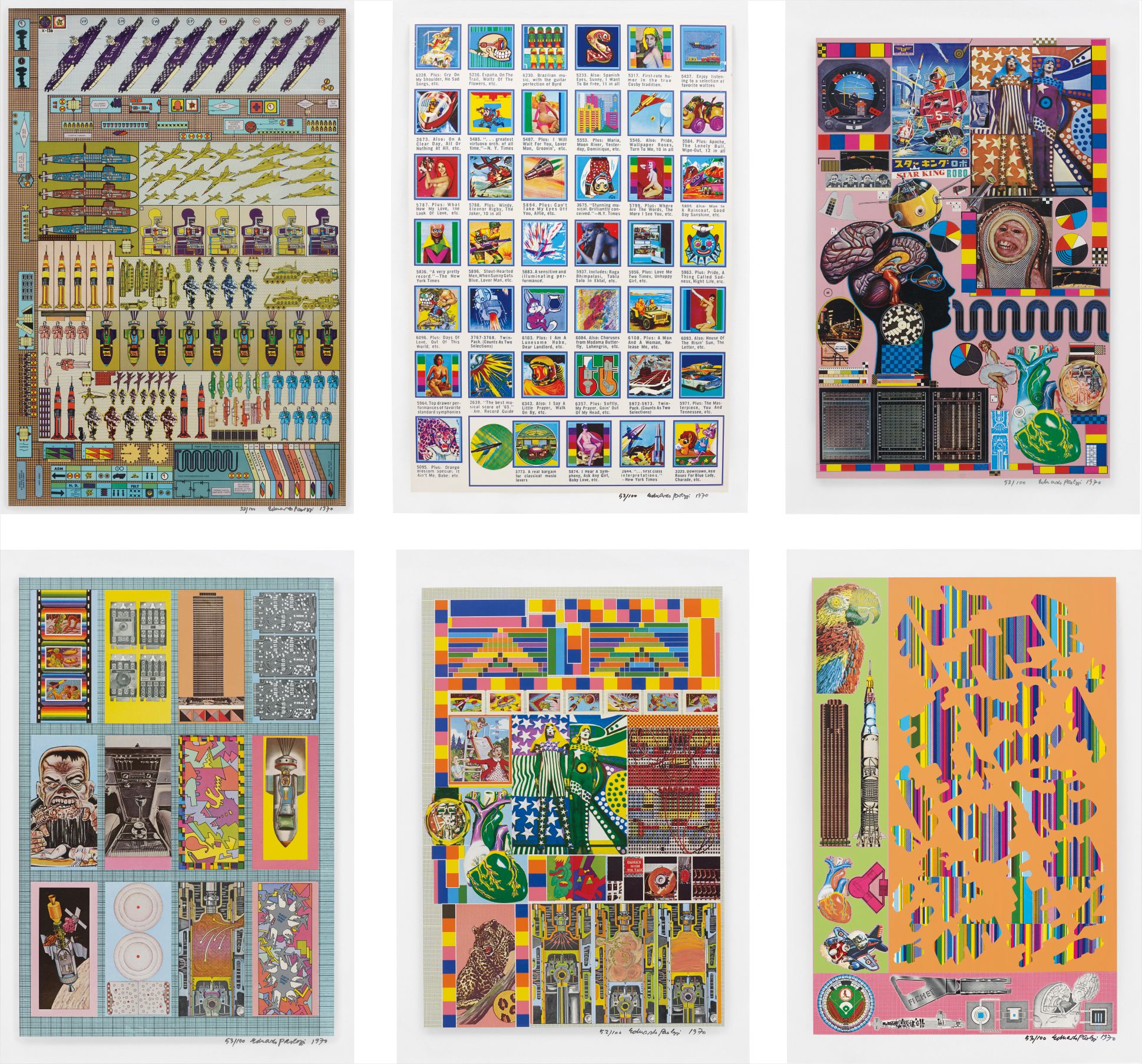
Eduardo Paolozzi
Paolozzi pioneered assemblage and collage techniques in Britain using mass produced imagery and industrial cast forms to critique consumer culture, anticipating many of Woodrow's thematic concerns. His presence within British art as a figure who legitimised found material and popular culture as serious sculptural subject matter was influential on Woodrow's generation.