Animal Imagery
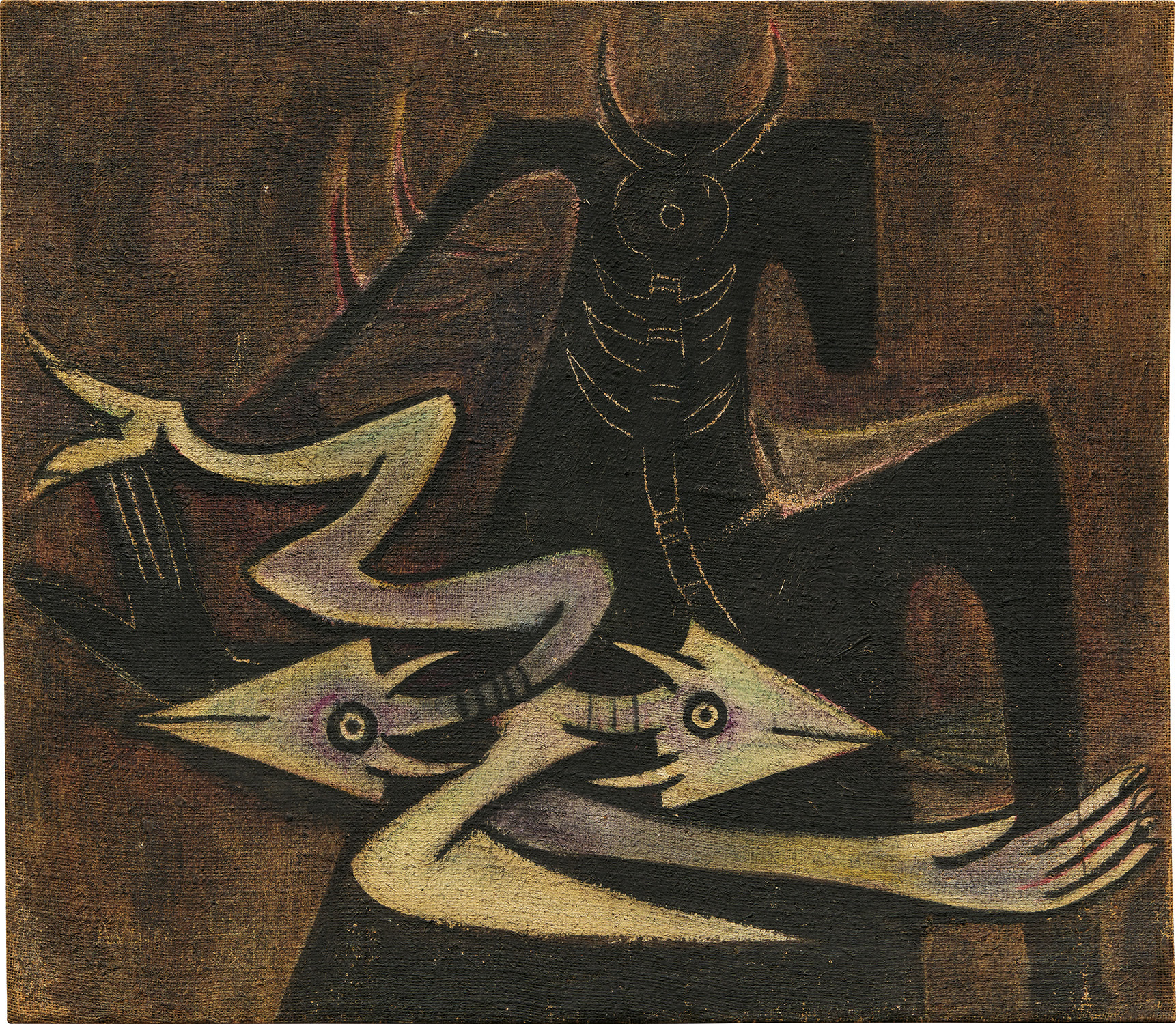
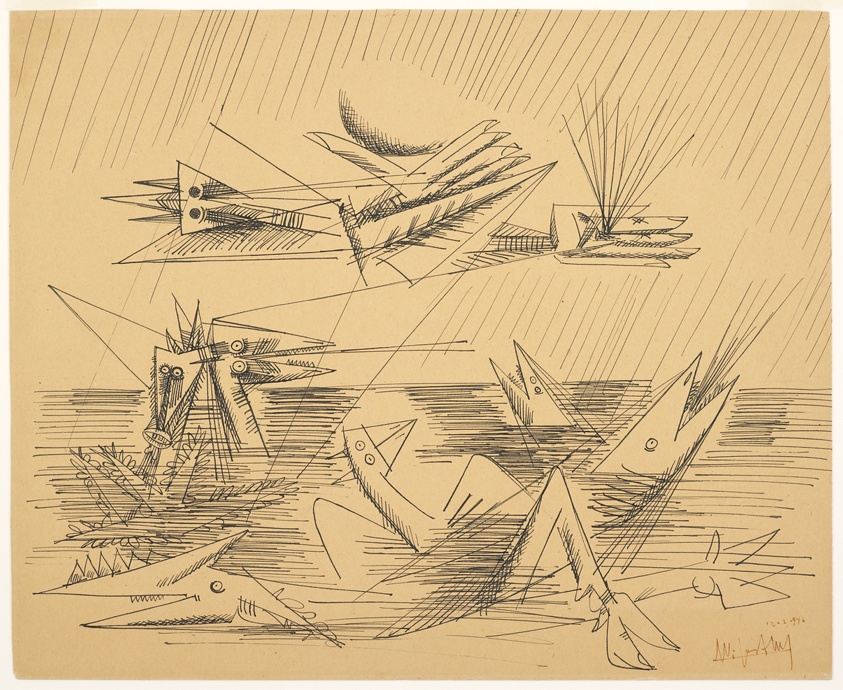
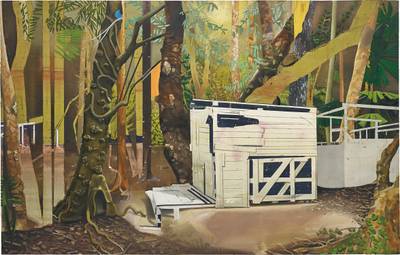
Wifredo Lam
The Warrior (Personnage avec lézard), 1947




Wild at Heart: Collecting the Animal Gaze
There is something almost primal about the pull of animal imagery in art. Collectors who live with it will tell you the same thing: a great work in this vein changes the room, charges it with a kind of watchful energy that purely abstract or figurative human work rarely achieves. Animals in art carry the weight of myth, instinct, and the unconscious without ever having to explain themselves. That ambiguity is precisely what makes the category so durable and so deeply pleasurable to collect.
The appeal goes beyond decoration or sentiment. For a serious collector, animal imagery offers an almost unparalleled range of entry points, from the archaic and totemic to the surrealist and the politically charged. The category rewards curiosity because it threads through so many movements and periods. When you find a work that genuinely stops you, one where the animal presence feels necessary rather than illustrative, you are likely looking at something that will continue to reveal itself over years of living together.
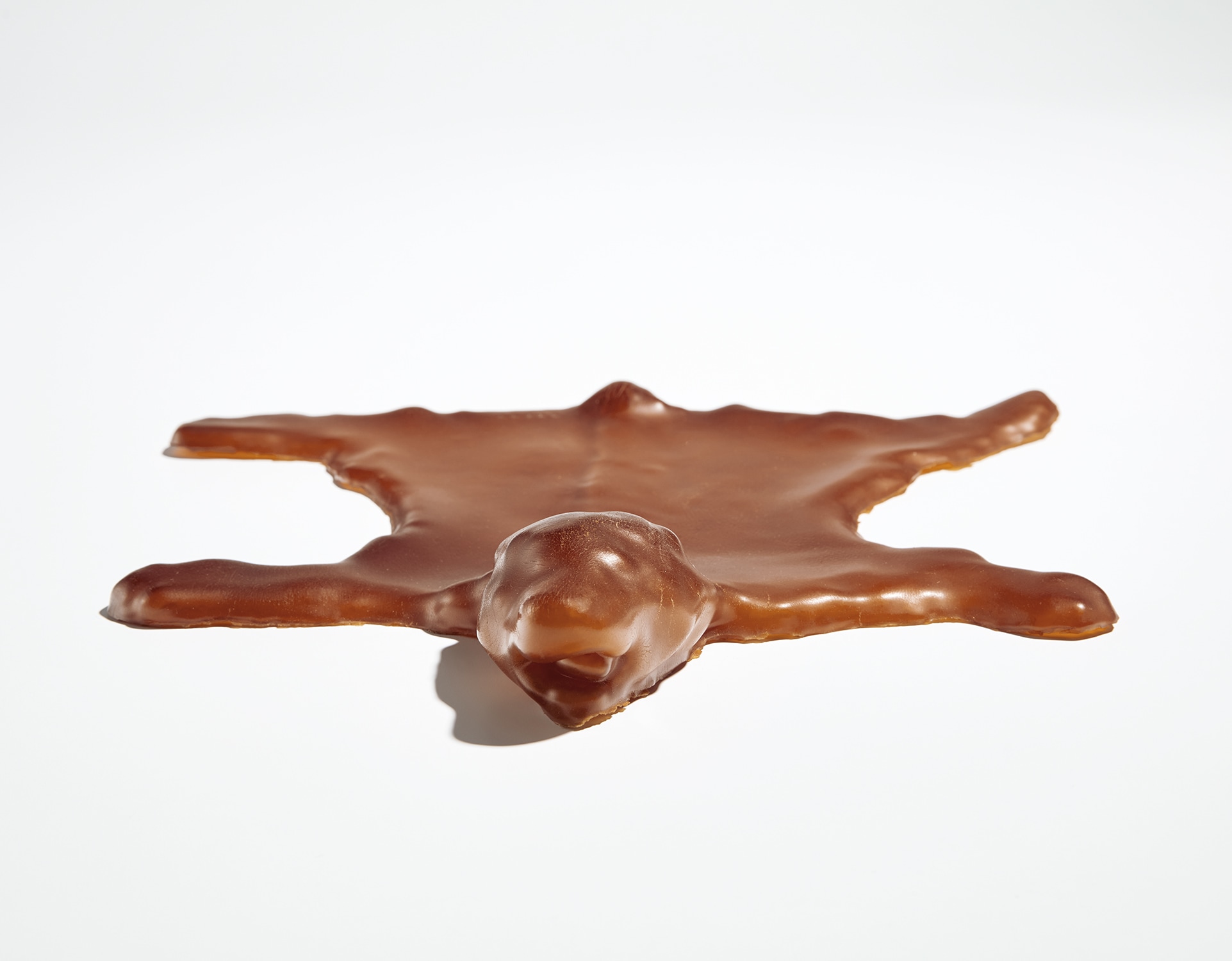
Susan Rothenberg
Bear Skin Rug (P. 43)
What separates a strong work from a truly exceptional one comes down to intentionality and tension. The animal cannot simply be a subject. It must be doing conceptual or emotional work. Consider the difference between a naturalistic rendering and the kind of totemic distortion you find in Susan Rothenberg's horses, where the animal becomes a vehicle for exploring perception, gesture, and the very act of mark making.
Rothenberg's horses, which emerged in her practice through the 1970s, are not about horses at all. They are about the charged space between symbol and sensation. That is the quality a collector should pursue: work where the animal functions as a lens rather than a portrait. The roster of artists engaging with animal imagery across The Collection reflects the full ambition of this conversation.
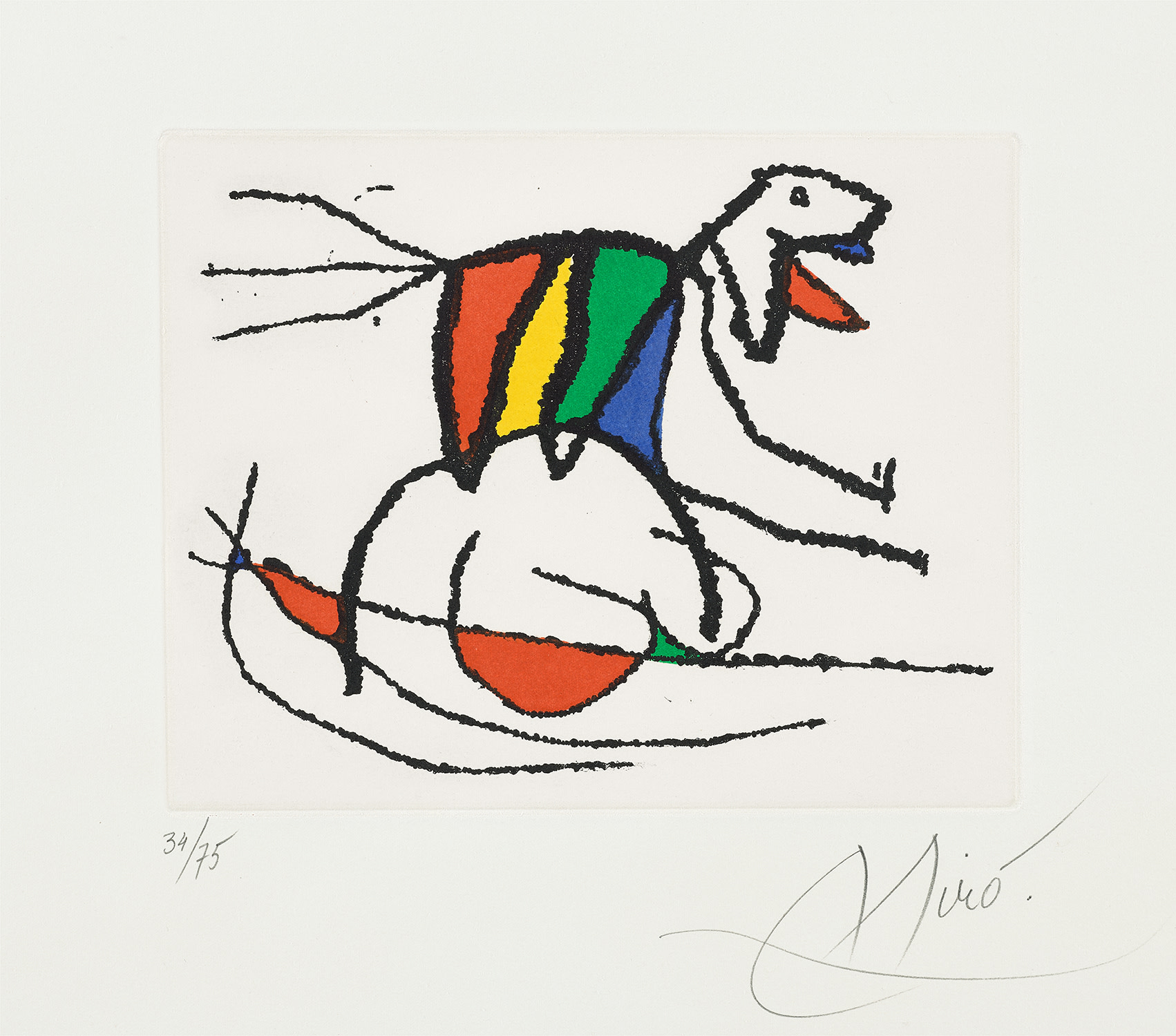
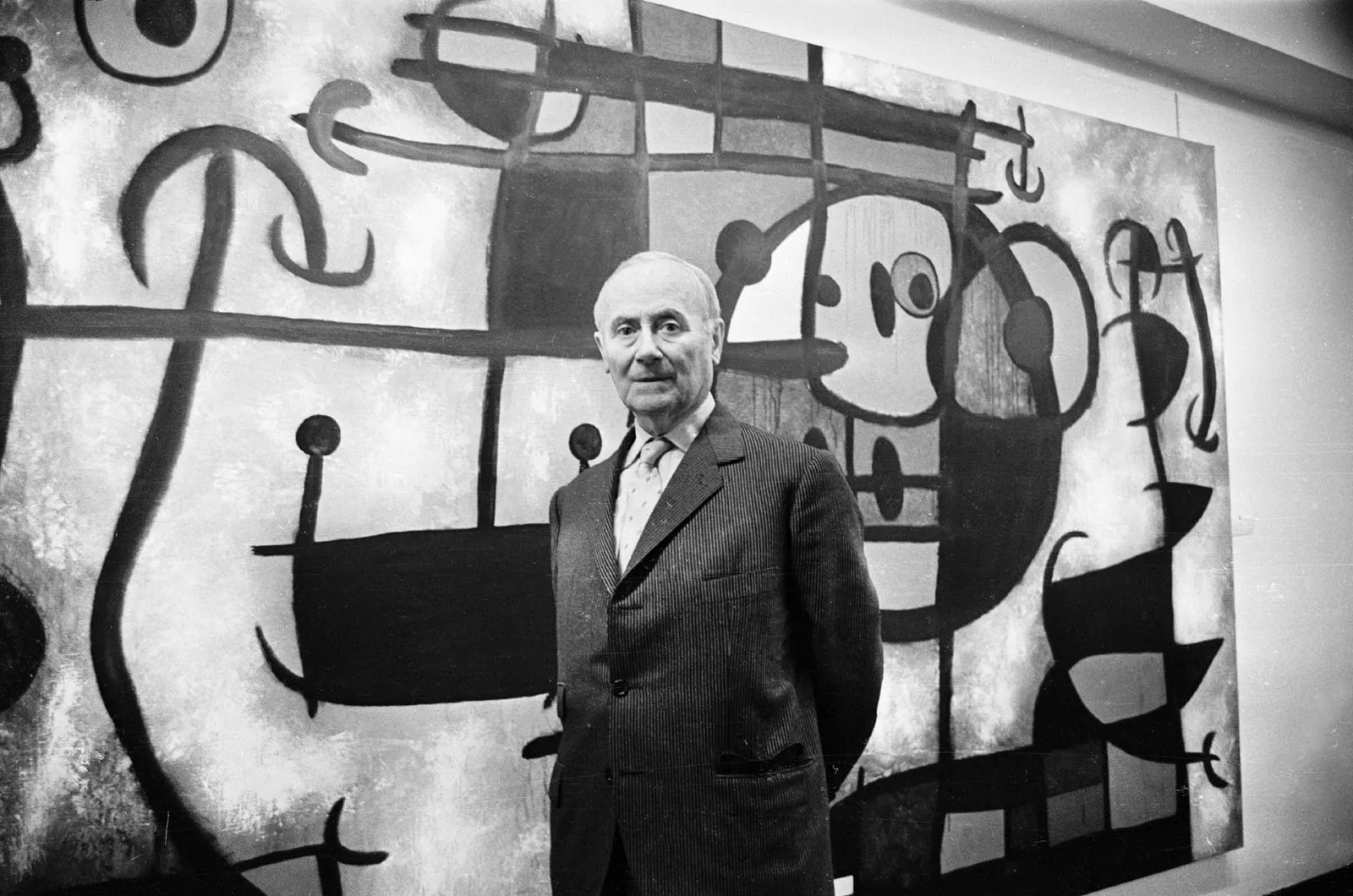
Joan Miró
El Sobreviviente vista a los pájaros (The Survivor Visits the Birds): one plate (D. 561, see C. bks 157)
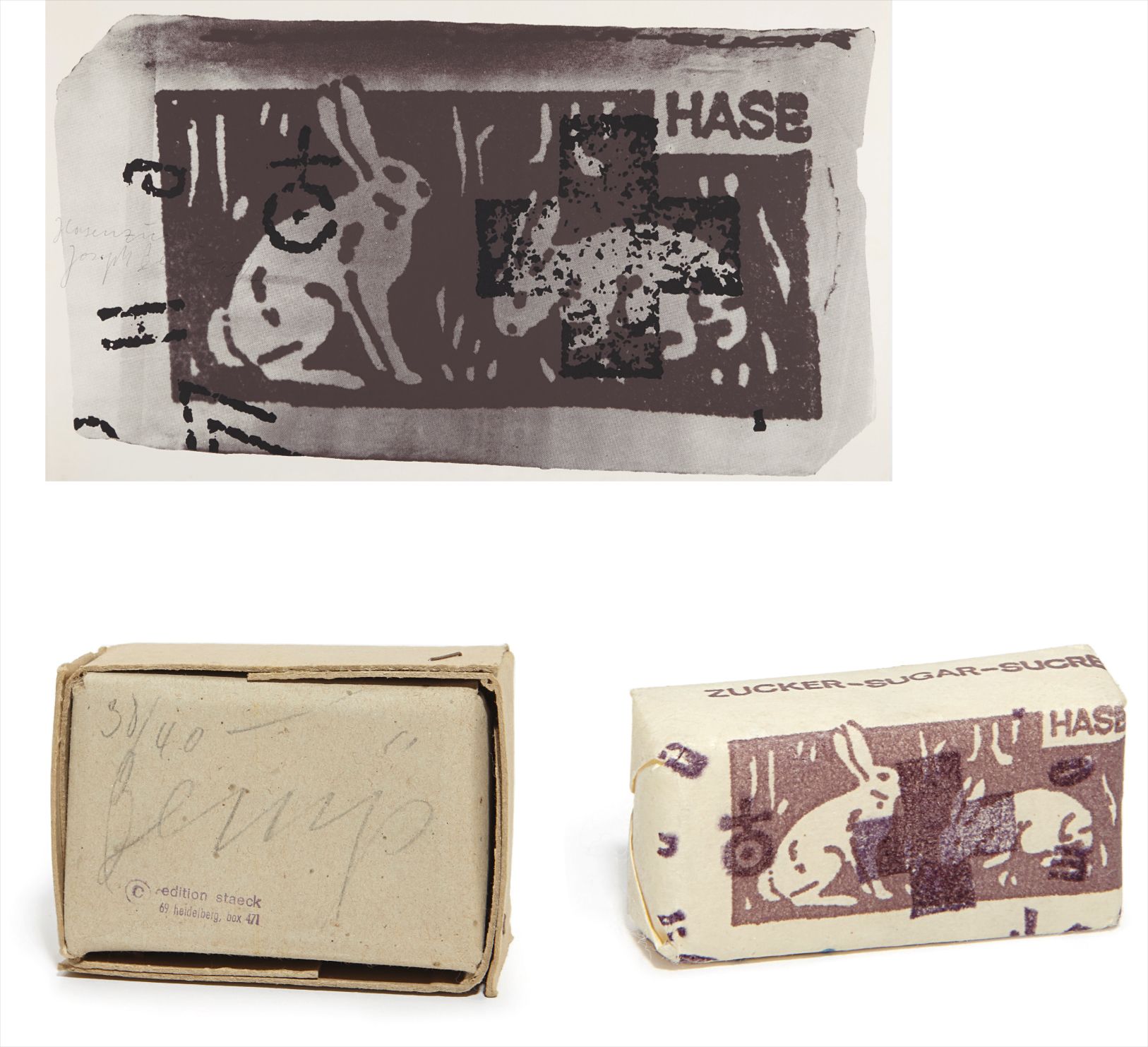
Joseph Beuys built his entire mythological persona around the hare and the coyote, understanding animals as carriers of spiritual and political meaning in a way that no human figure could achieve without irony. Wifredo Lam drew on Afro Cuban spiritual traditions to populate his canvases with hybrid presences, neither fully human nor fully animal, creatures that challenge Western rationalism at its foundations. Joan Miró, whose playful biomorphic forms dance between creature and cosmos, created a visual language where the animal is always becoming something else. These artists understood that the animal is one of the oldest and most loaded symbols available, and they used that weight deliberately.
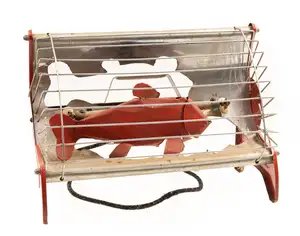
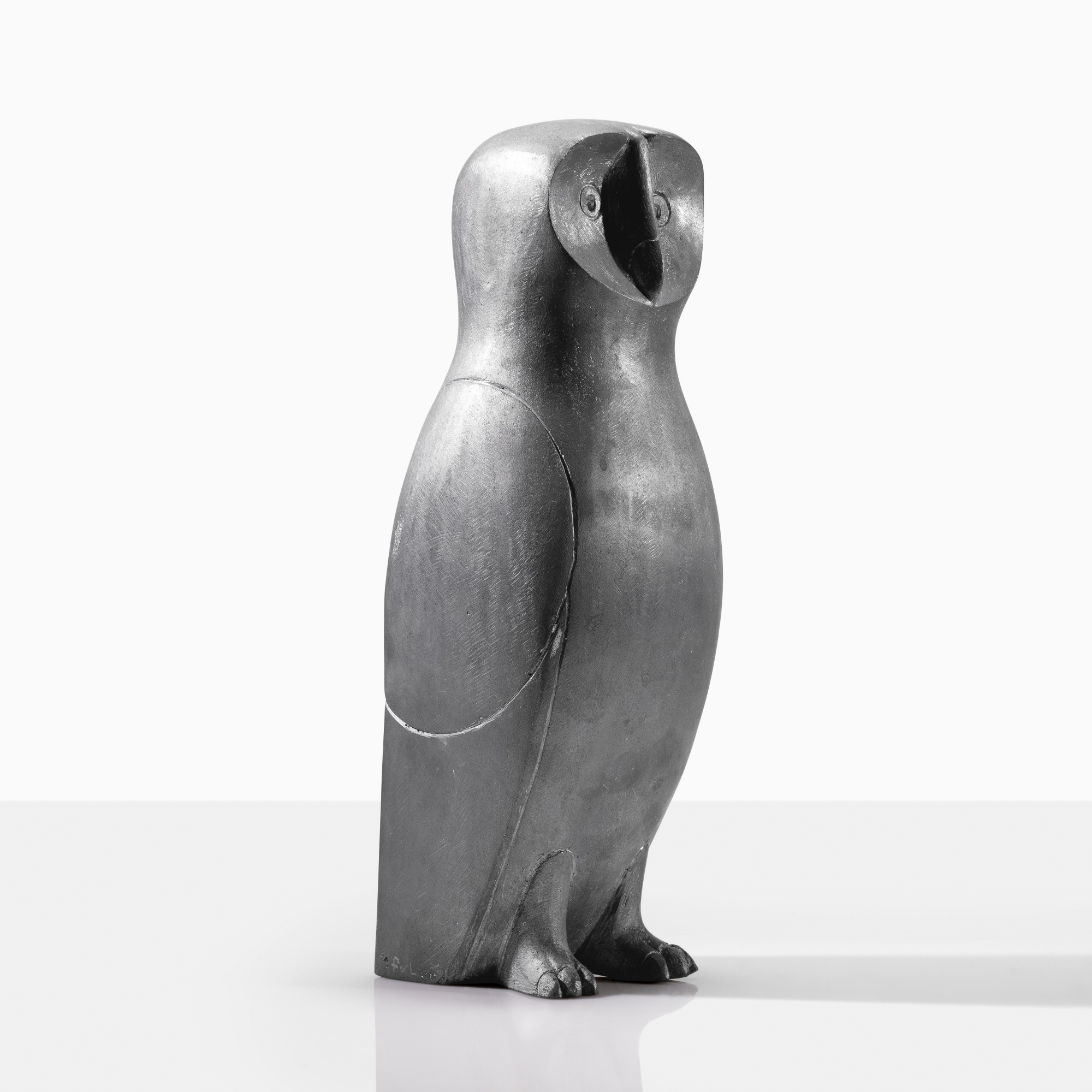
For collectors focused on value and long term market performance, François Xavier Lalanne represents one of the most compelling propositions in this space. His sculptural animals, the famous sheep, the rhinoceros bar, the baboon desk, exist at the intersection of fine art, surrealist tradition, and the decorative arts. Works by Lalanne have performed consistently and strongly at auction, with his pieces regularly achieving significant results at Christie's, Sotheby's, and Phillips. The functional quality of his work has historically made it accessible to a broader range of buyers, but that same quality also means that condition is paramount.
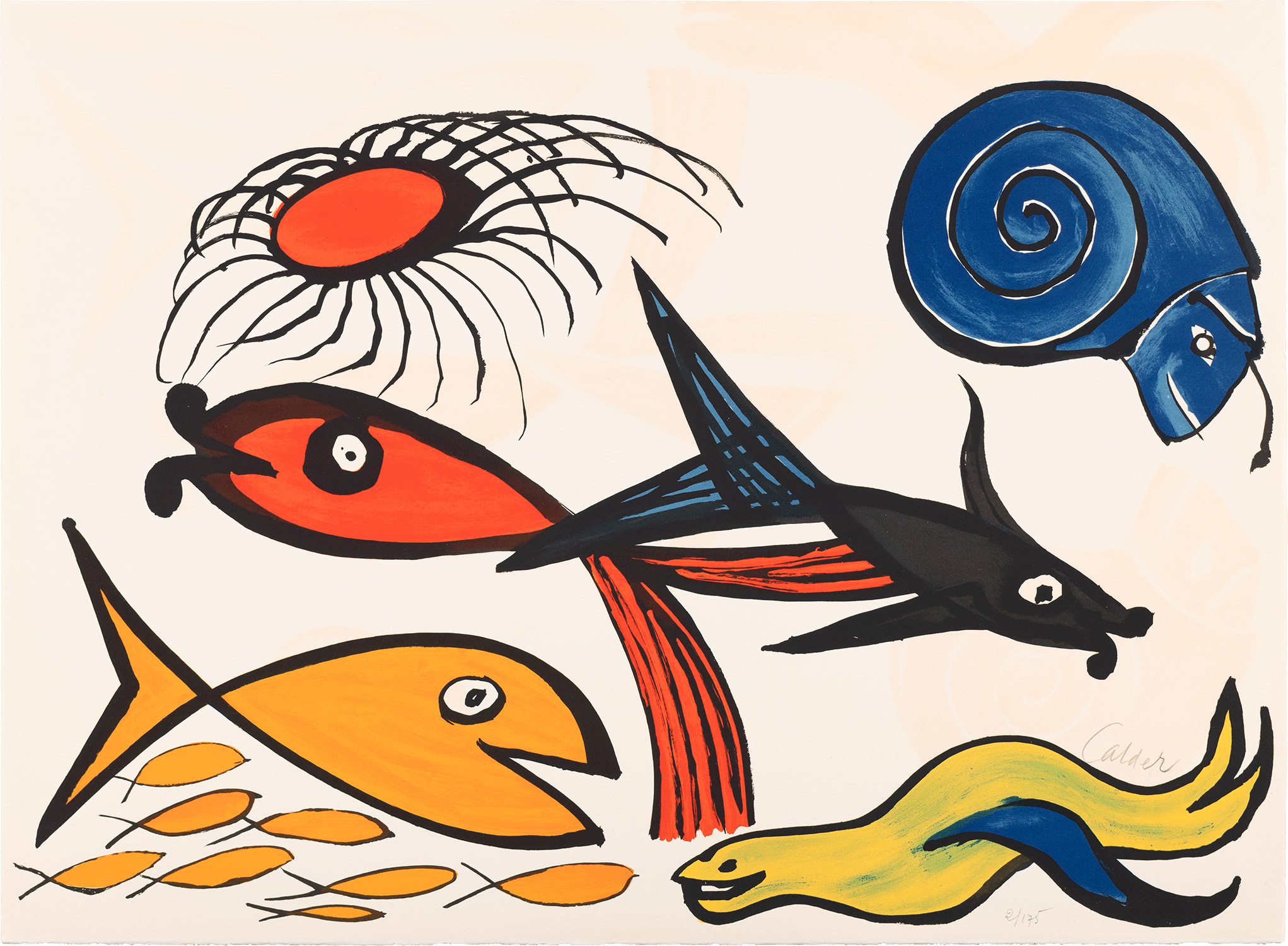
Alexander Calder
Seal, from Our Unfinished Revolution
A Lalanne piece that has been used, touched, or improperly stored will carry that history in its finish and patina, so provenance and condition documentation are essential when buying in this market. Alexander Calder brings a different dimension to animal imagery through his mobiles and stabiles, where the animal form is abstracted into pure movement and balance. Calder's market is deep and well established, with strong institutional support and a collector base that spans generations. The challenge with Calder is authentication and the edition question: understanding exactly what you are buying, whether it is a unique work, an authorized posthumous casting, or a study, matters enormously both for value and for display.
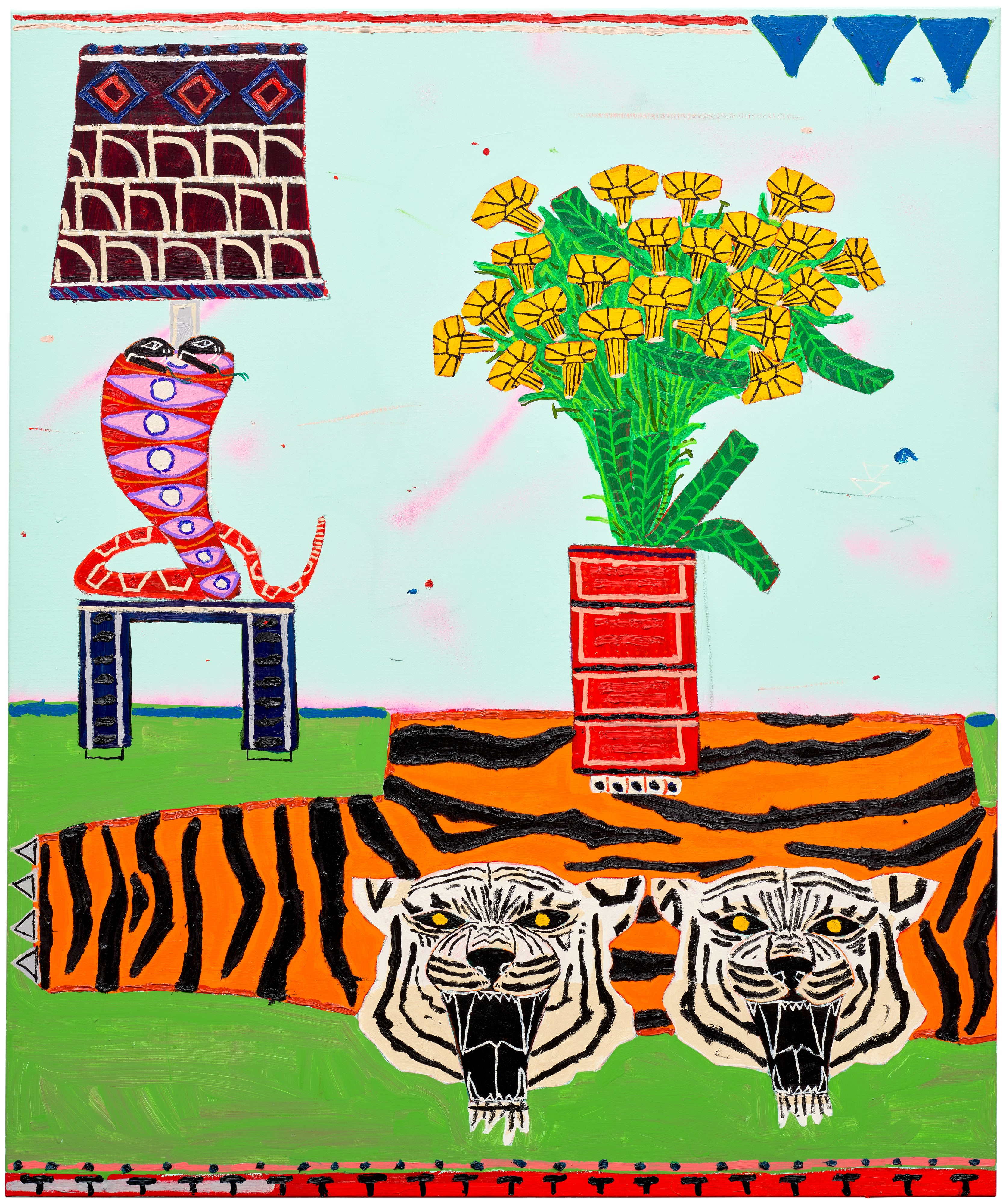
This is a conversation to have explicitly with any gallery before committing. Among younger and less established voices, Jordy Kerwick is a name worth watching closely. The Australian born, France based painter works with animals in a raw, expressionist register that feels both immediate and mythologically resonant. His prices remain accessible relative to where the trajectory of his career suggests they may eventually land.
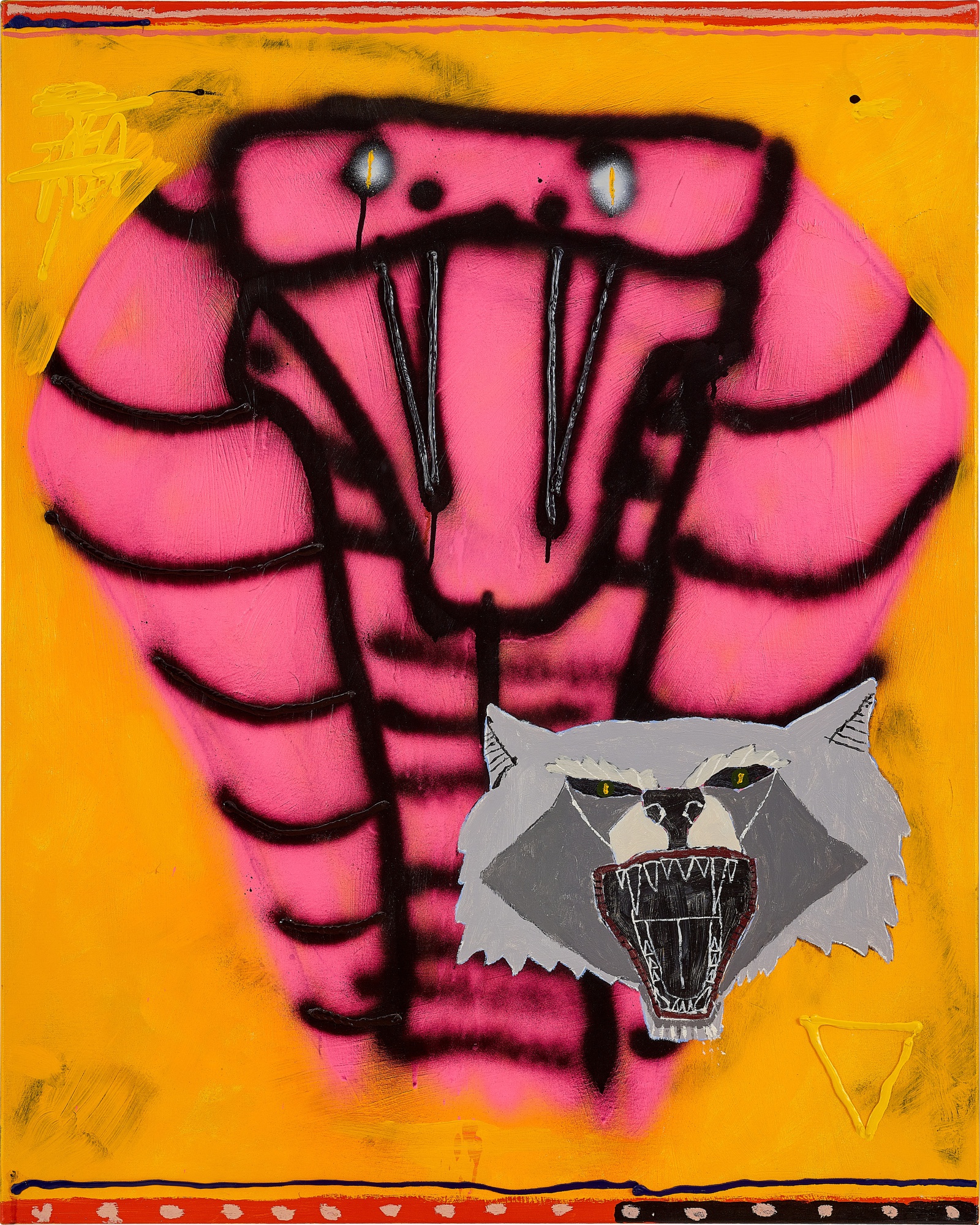
Jordy Kerwick
無題(狼頭與蛇頭), 2020
Similarly, Mayuka Yamamoto and Sanya Kantarovsky each bring an unsettling psychological dimension to their figurative work that incorporates animal presence in ways that feel genuinely contemporary, uncomfortable in the best sense. These are artists building serious critical reputations, and the window for collecting at current price points will not remain open indefinitely. At auction, animal imagery as a category has shown remarkable resilience across market cycles. Works with strong surrealist or mythological associations tend to hold value well, while more literal or decorative animal subjects can be more volatile depending on taste cycles.
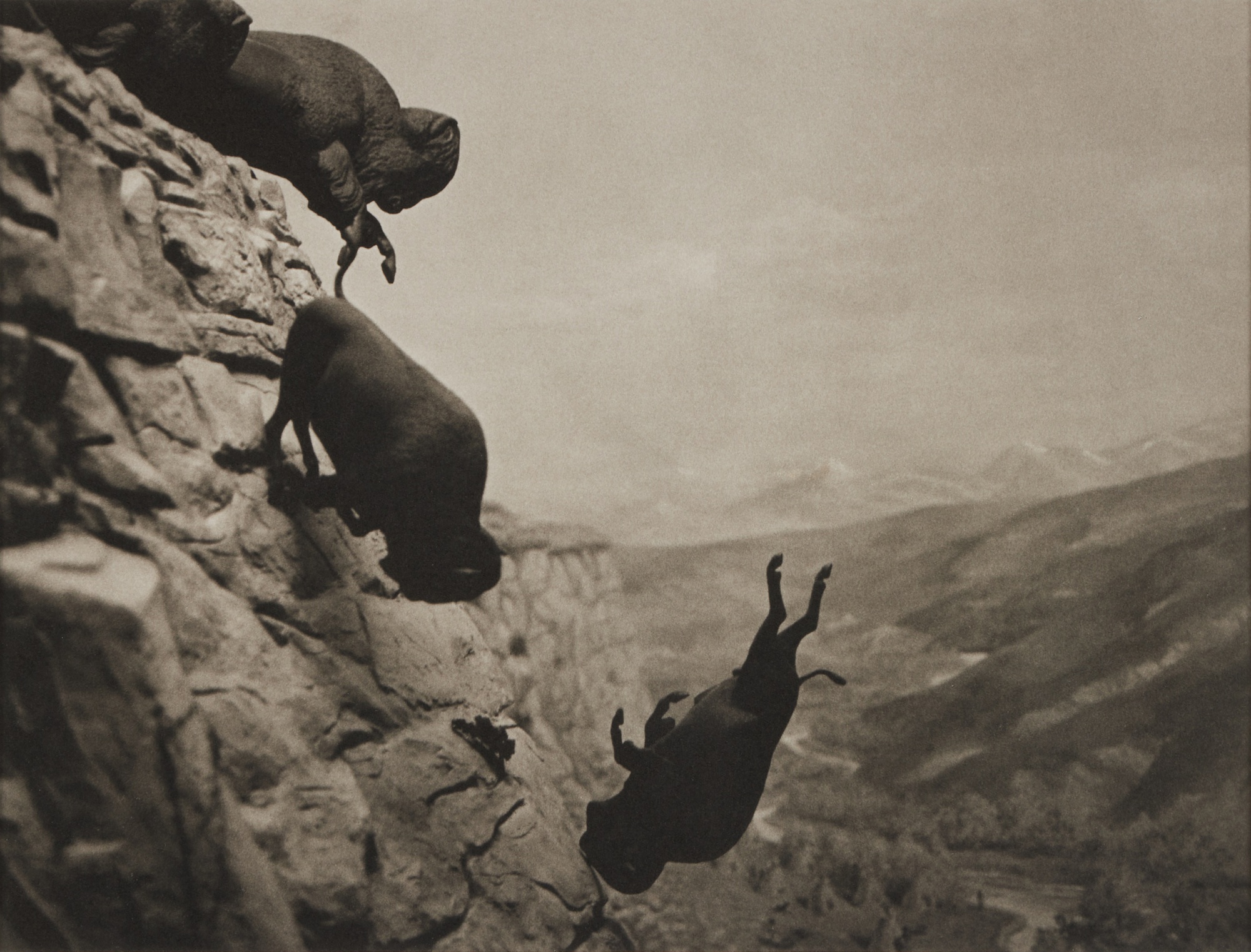
The current market shows particular appetite for work that carries an ecological or political charge, and here David Wojnarowicz is a crucial figure. His use of animal imagery, particularly the buffalo and the snake, was never incidental. It was a direct confrontation with American mythology, masculinity, and the AIDS crisis. His work has seen sustained auction growth and deepening institutional recognition, and it carries an urgency that only increases with time.
Practically speaking, collectors should approach this category with a few specific considerations in mind. For works on paper or canvas featuring animals in rich pigment, ask about light sensitivity and fading, especially with works from the mid twentieth century where certain dyes can shift over decades. For sculpture, understand the casting history in full and request any available certificates or foundry records. When displaying animal imagery, resist the urge to cluster thematically.
A single powerful work given room to breathe will almost always outperform a salon hang of related pieces. The animal in art earns its authority through solitude and space, much like the real thing.