Industrial Materials
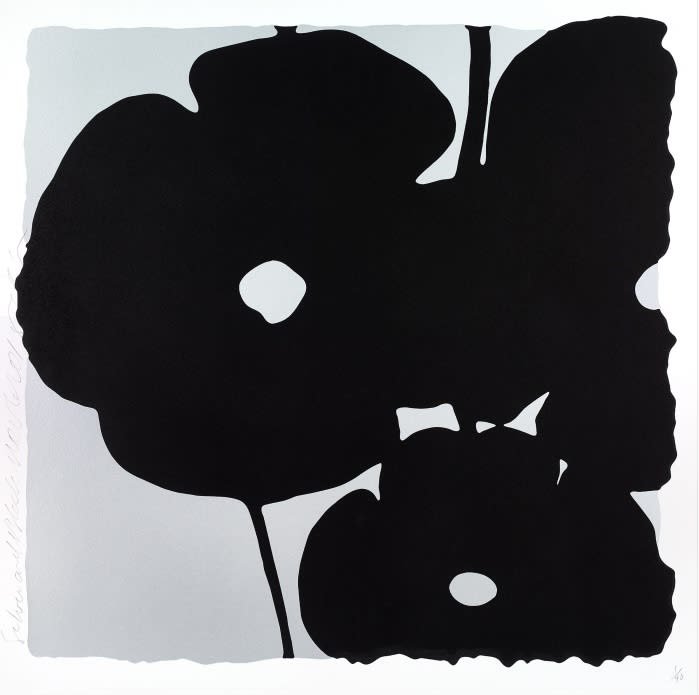
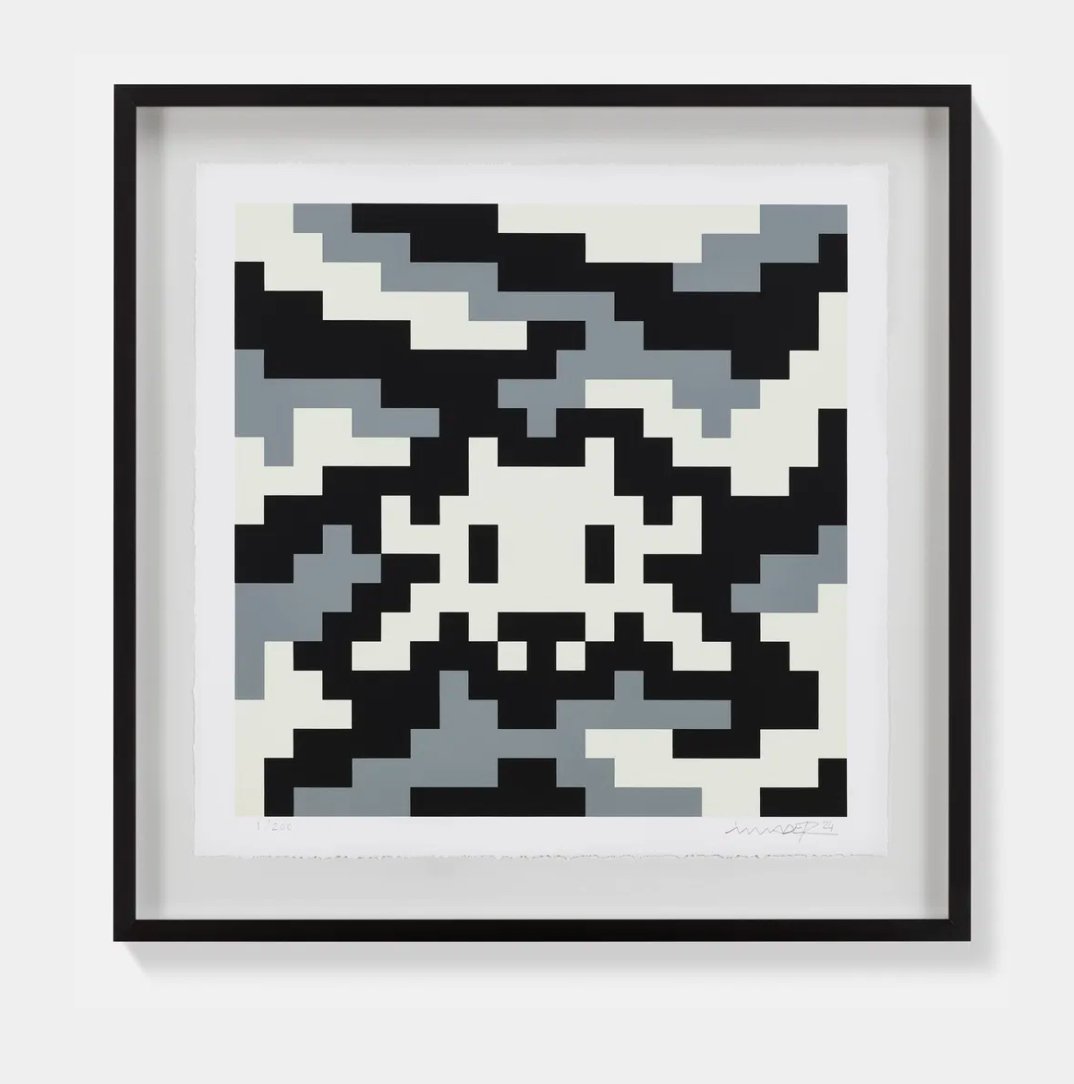
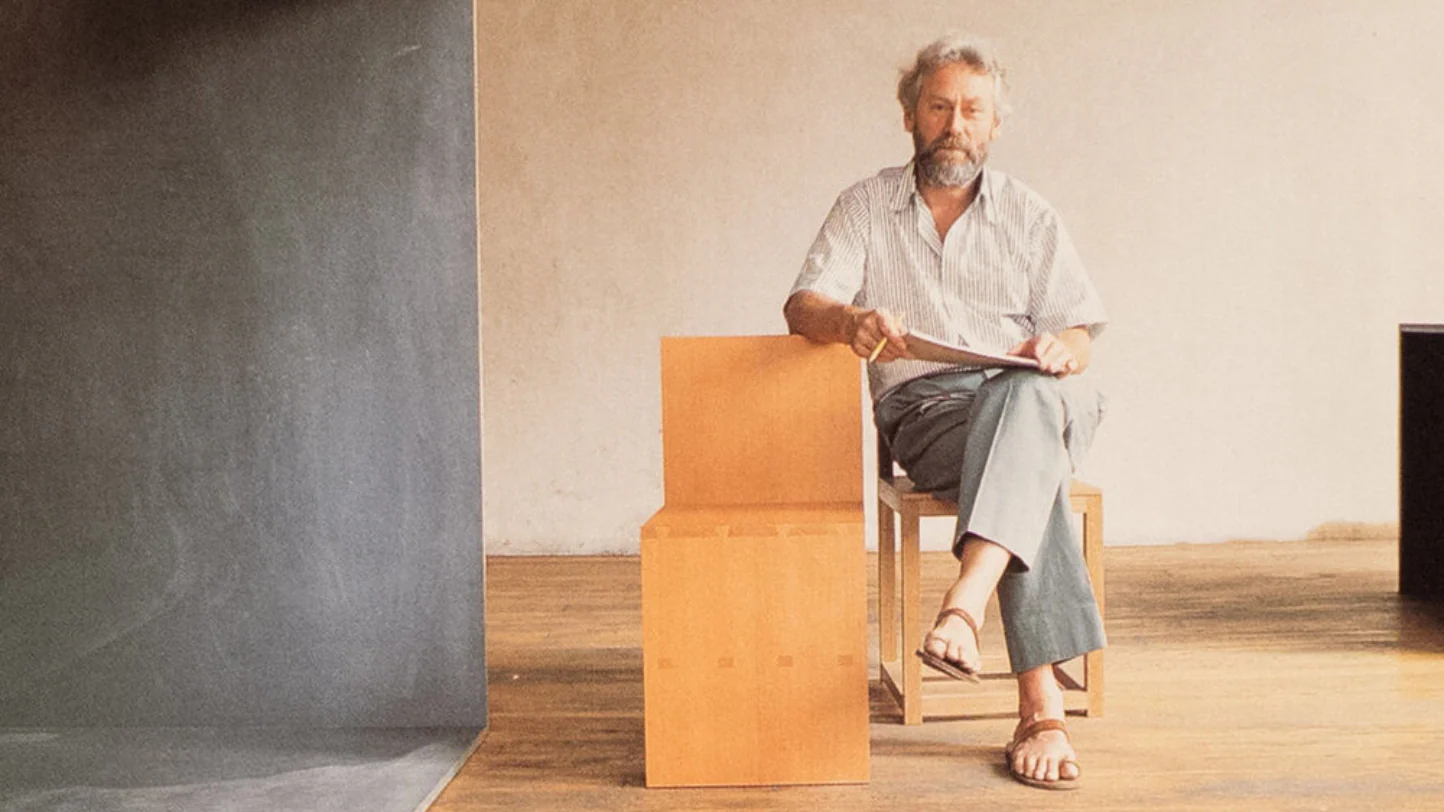
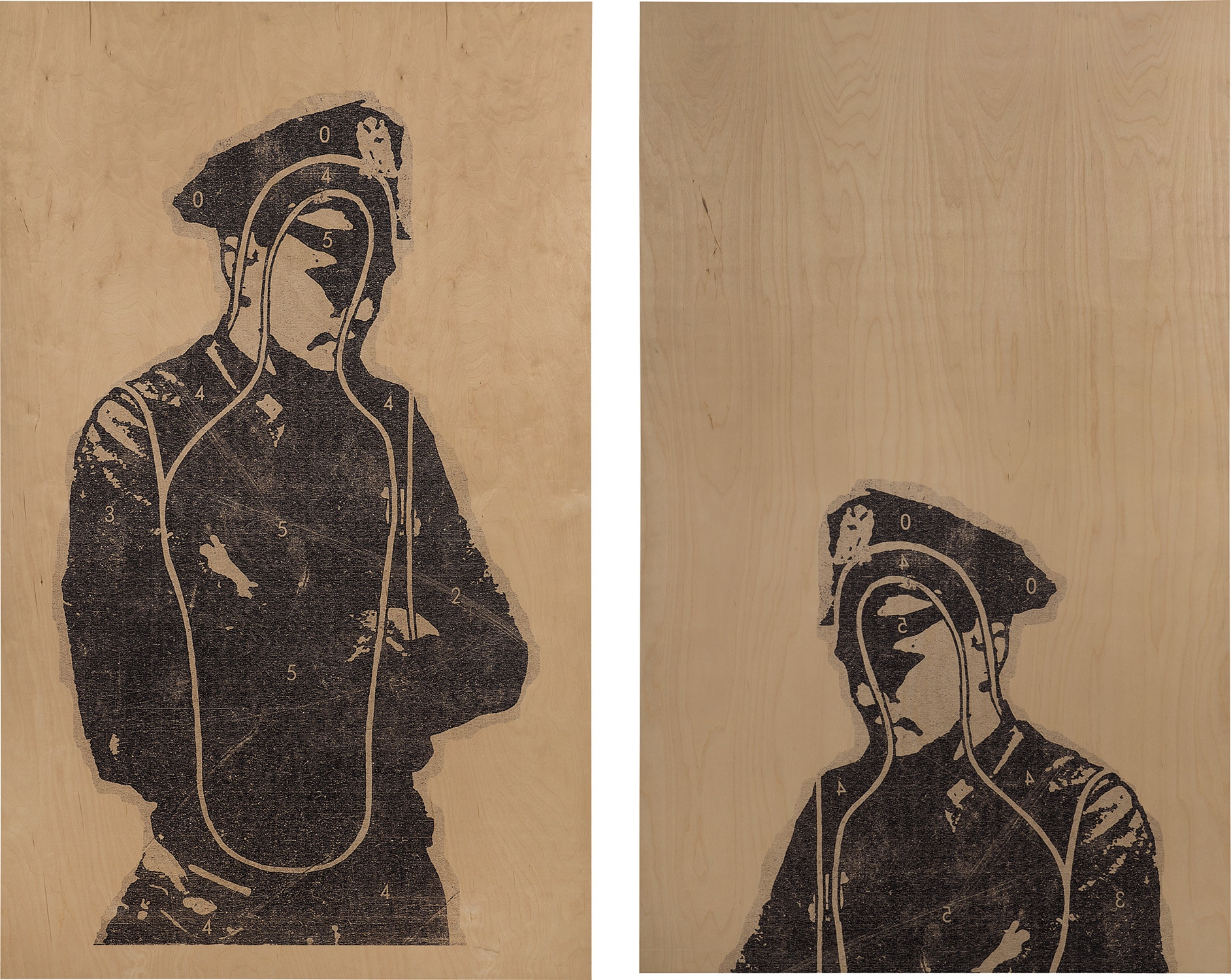
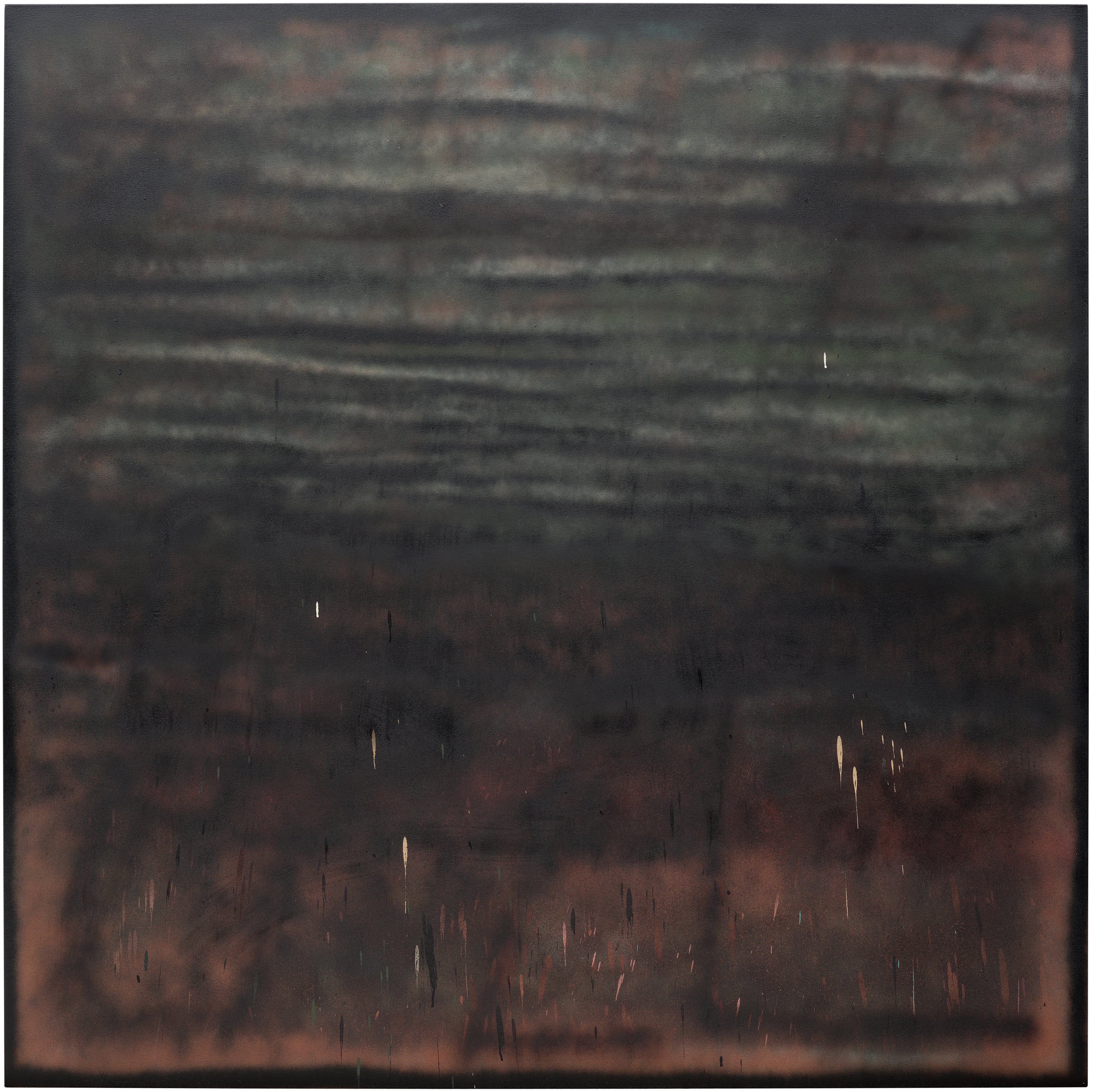
Donald Sultan
Silver and Black, 2015
Hard Stuff: When Raw Materials Became High Art
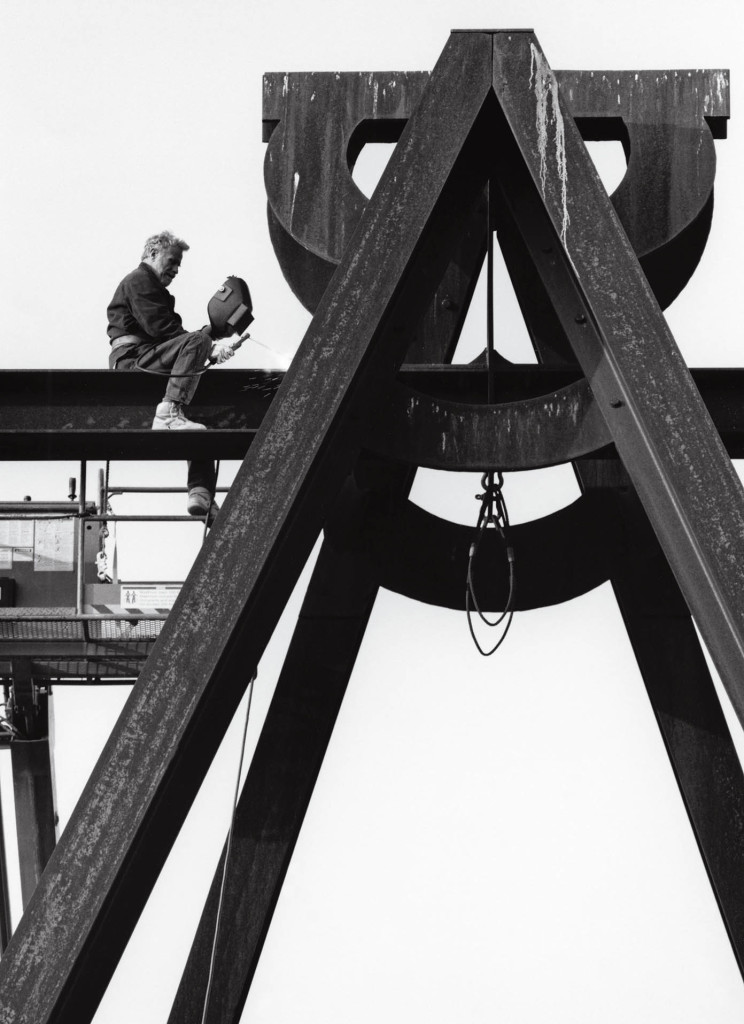
When John Chamberlain's crushed automobile sculpture 'Nutcracker' sold at Christie's for well over a million dollars, it confirmed something collectors in this space have understood for years: the rough stuff is where the real conversation lives. Steel, rubber, fluorescent tubes, raw concrete, industrial foam. The materials that built the twentieth century are now among its most argued over and coveted artifacts. What once provoked bewilderment in galleries now commands serious attention from the most sophisticated buyers in the room.
The Minimalist moment of the 1960s is where the critical story usually begins, though calling it a beginning undersells how radical the rupture was. When Carl Andre laid his metal floor tiles directly on the ground at the Tibor de Nagy Gallery in 1966, he was not making objects to hang and admire. He was insisting that matter itself, in its most unromantic industrial form, carried meaning without transformation. Donald Judd was arriving at similar conclusions through different logic, specifying his stacks and progressions to be fabricated at industrial facilities in New Jersey and later Texas, deliberately severing the artist's hand from the finished thing.
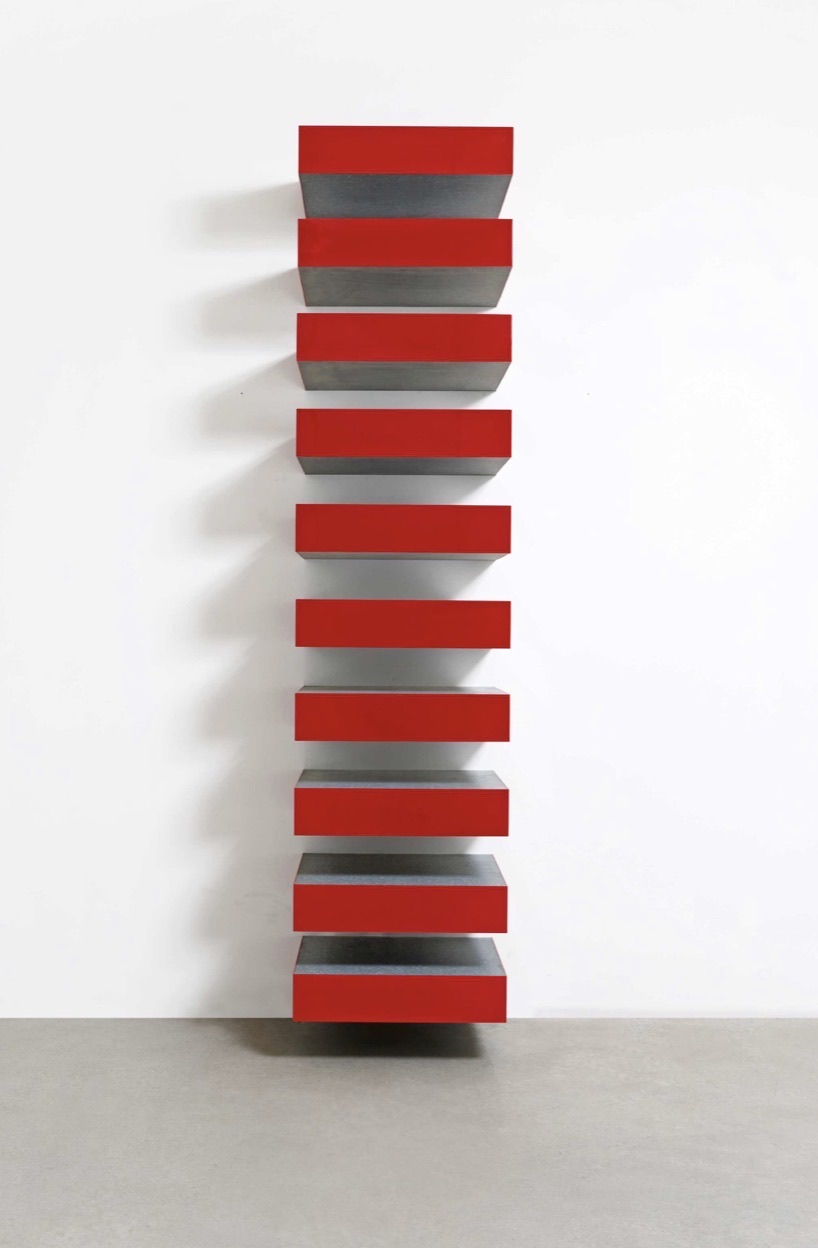
Donald Judd
Untitled (Stack), 1967
That conceptual move, the idea that meaning lives in the proposition rather than the touch, has shaped collecting in this category ever since. The auction market for industrial material works has been consistently strong over the past decade, with certain artists emerging as clear market leaders. Chamberlain remains the most actively traded of the crushed steel artists, with major works appearing regularly at Phillips, Christie's, and Sotheby's. Judd's wall pieces and floor progressions in metals, plywood, and anodized aluminum command prices well into the millions and reliably attract bidding from institutional scouts as well as private buyers.
Dan Flavin's fluorescent light arrangements, deceptively simple to describe and deeply complex to install correctly, have seen sustained price growth, with strong results particularly for his works dedicated to other artists. The market understands that light, in Flavin's hands, is not decoration but material fact. Exhibitions of the past several years have helped reframe the narrative around industrial materials beyond the canonical Minimalist figures. The Hammer Museum's survey of Sterling Ruby's practice revealed how decisively younger artists have absorbed and complicated the industrial inheritance.
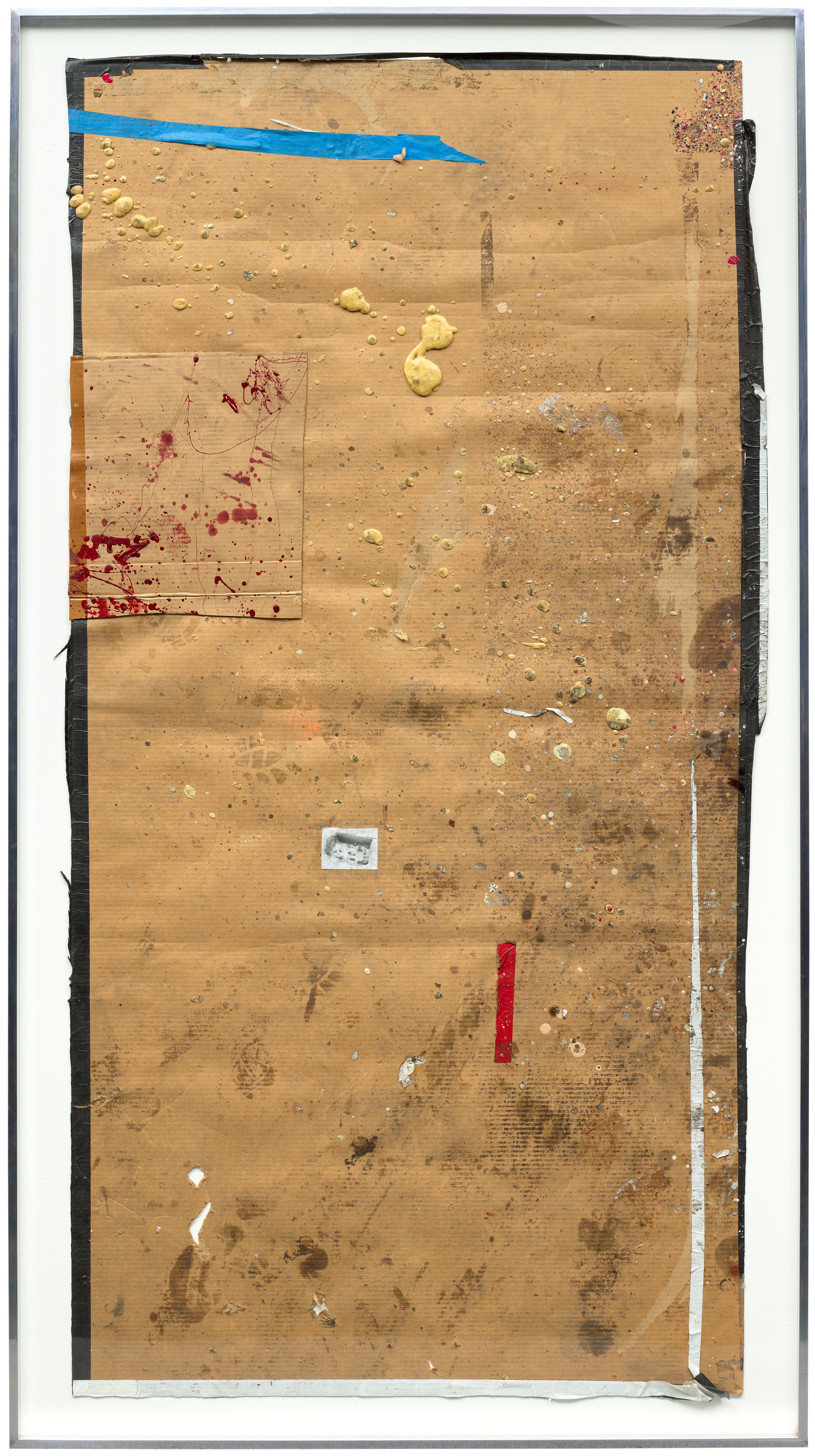
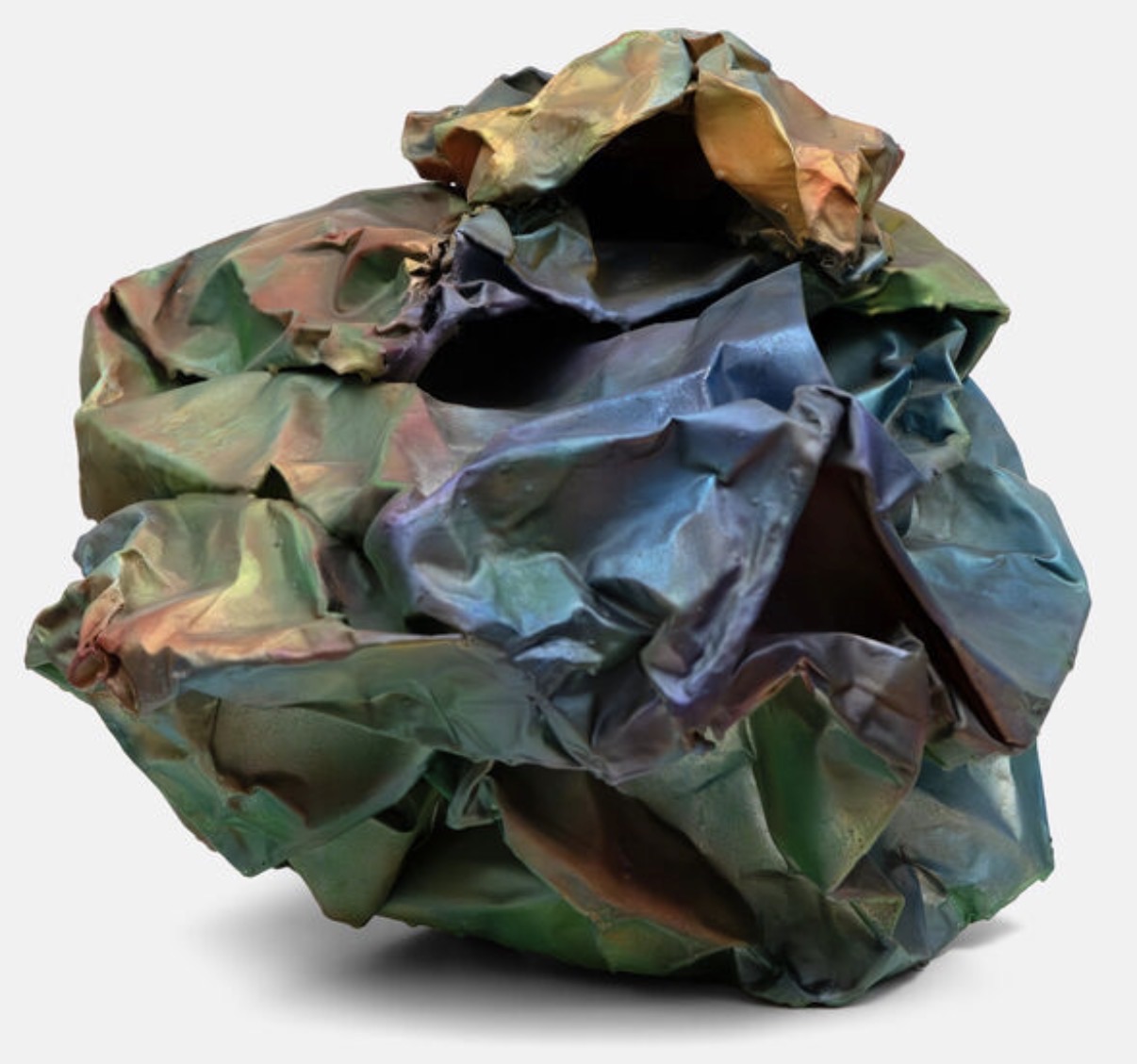
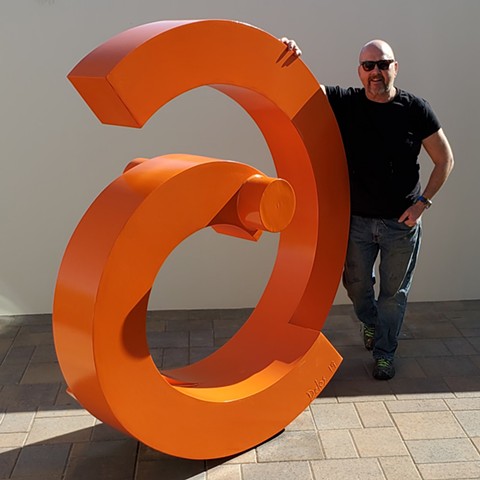
Sterling Ruby
EXHM/DS3, 2011
Ruby works with spray paint, urethane foam, industrial fabrics, and ceramic in ways that feel both formally rigorous and emotionally dense, a combination that the Minimalists would have resisted but that now feels like the logical evolution of their project. Mona Hatoum's ongoing exhibitions at major institutions including the Tate Modern have brought sustained critical attention to how industrial and utilitarian materials can carry political and bodily weight simultaneously. Her steel mesh beds and steel wool carpets are quiet and devastating at once. The institutional collecting picture tells its own story.
The Museum of Modern Art, the Chinati Foundation in Marfa, and the Dia Art Foundation have all doubled down on industrial material works in recent acquisition cycles. Dia in particular has long been the spiritual home of this territory, given its historical commitment to artists like Andre, Flavin, and Judd, but the newer generation of works by artists like Liam Gillick and Oscar Tuazon suggests the institution is attentive to where the lineage is moving. Gillick's painted aluminum and plywood structures occupy an interesting position between furniture, architecture, and critique, while Tuazon builds raw concrete and steel structures that seem to resist institutional domestication even while sitting inside white cube spaces. The tension is the point.
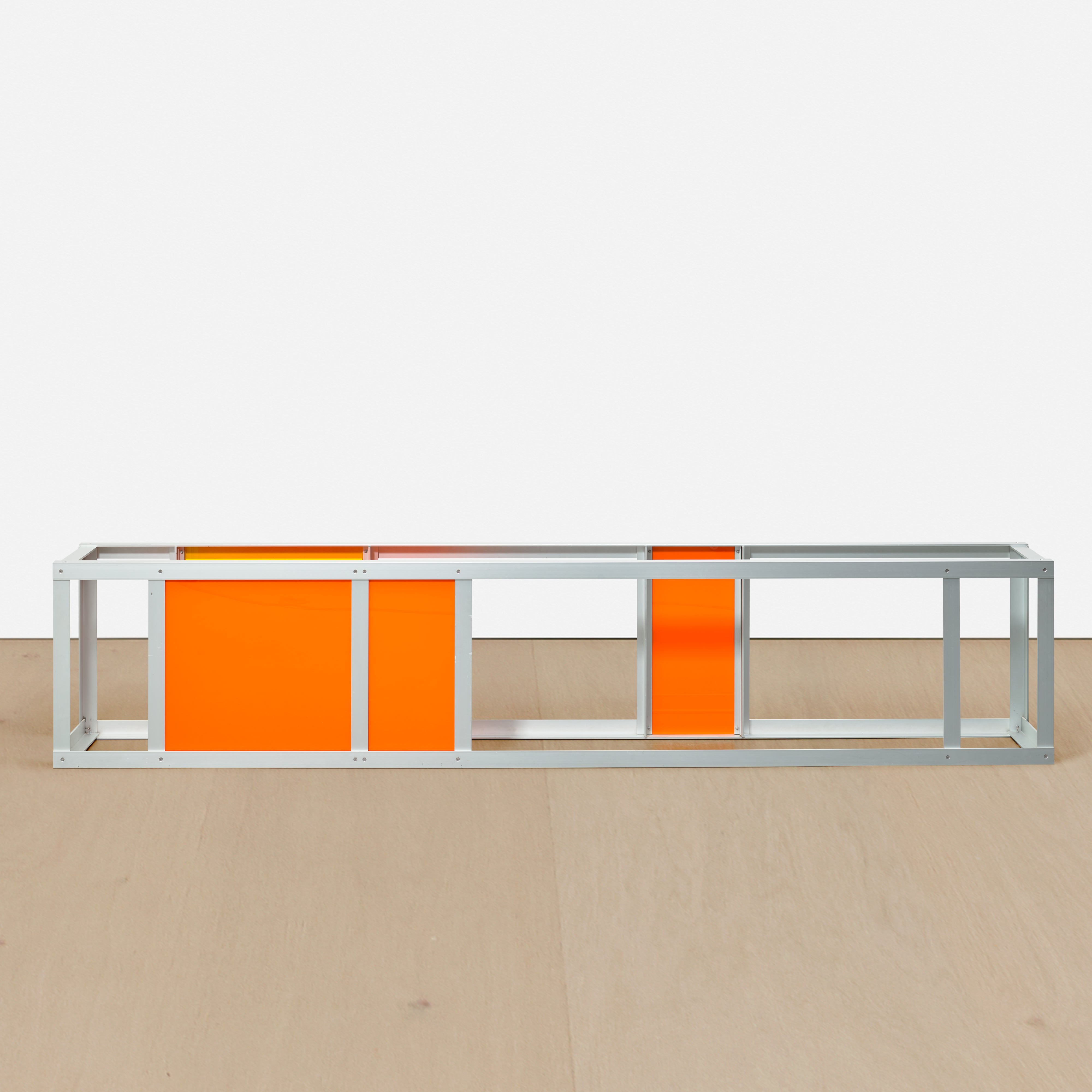
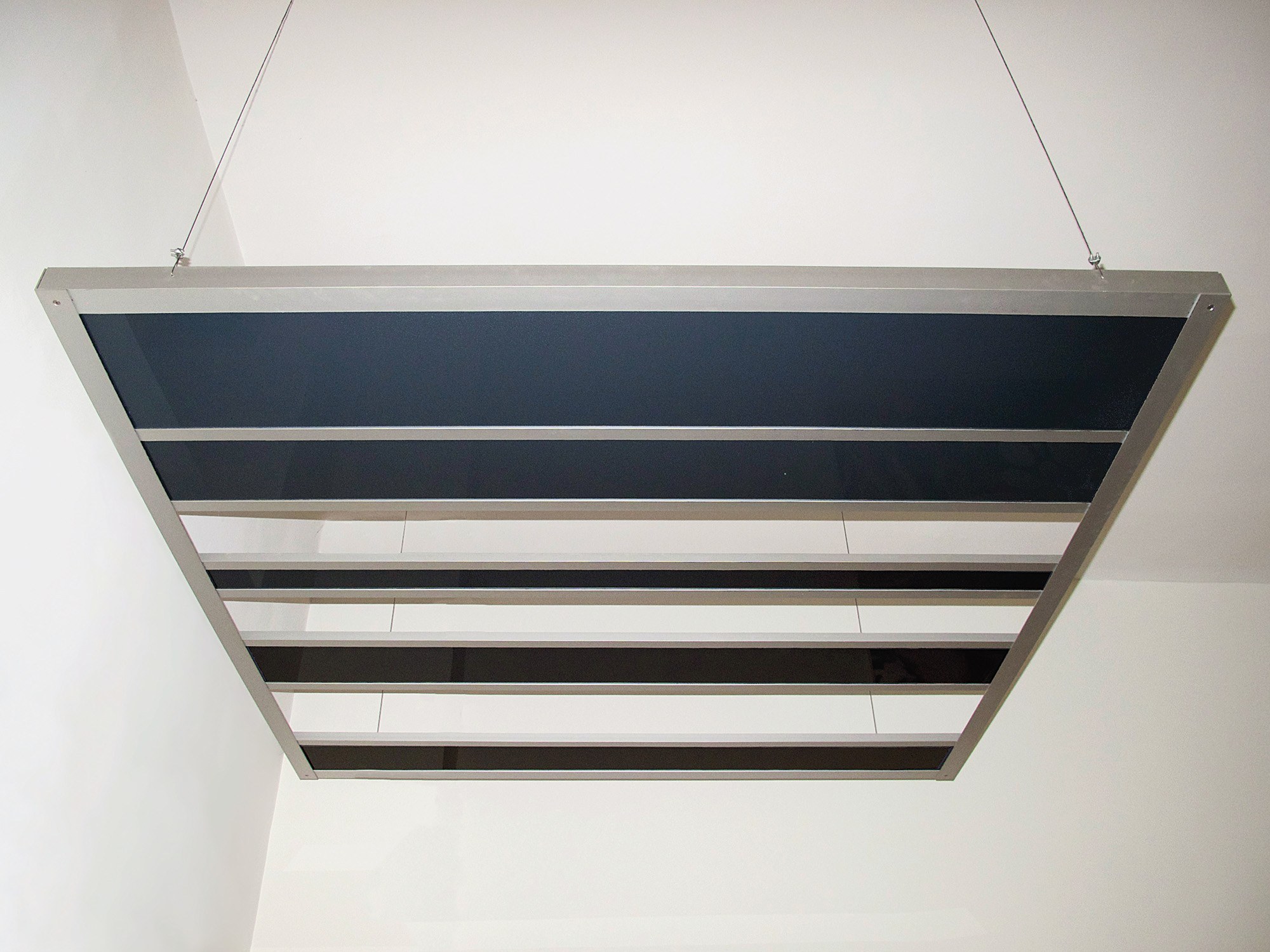
Liam Gillick
Liaison Screen, 1999
Curators and critics shaping the current conversation include Alex Bacon, whose writing on post Minimalism has helped establish a vocabulary for understanding the generation after Andre and Judd, and Briony Fer, whose scholarship on objecthood and industrial process remains essential reading. Publications including Artforum, October, and Frieze consistently return to this territory precisely because it resists easy resolution. The argument about what industrial materials mean, whether they speak of alienated labor or formal purity or something more ambiguous and alive, has not been settled and shows no sign of settling. The energy in the market right now is concentrated around artists who complicate the austere purity of the original Minimalist program.
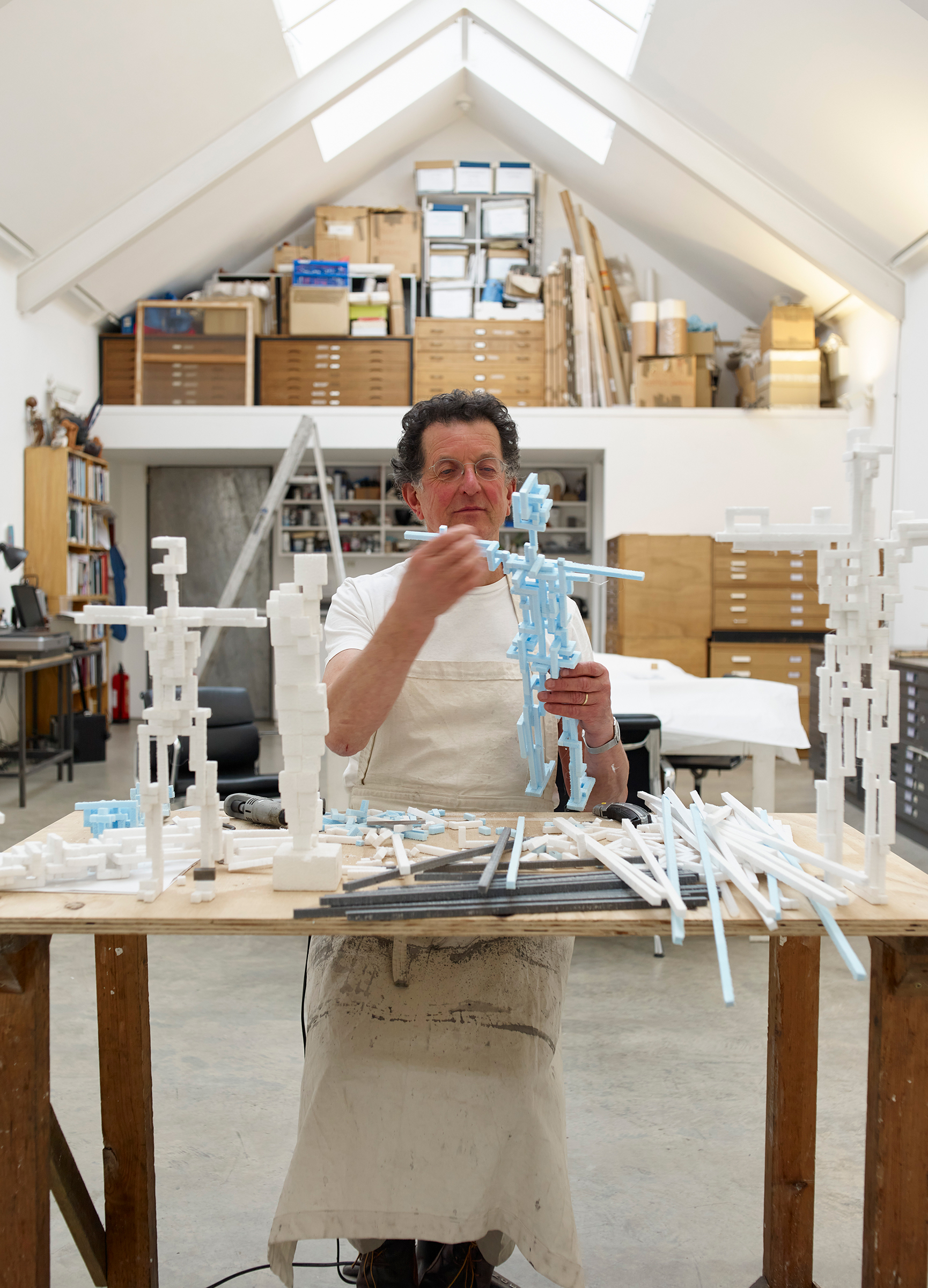
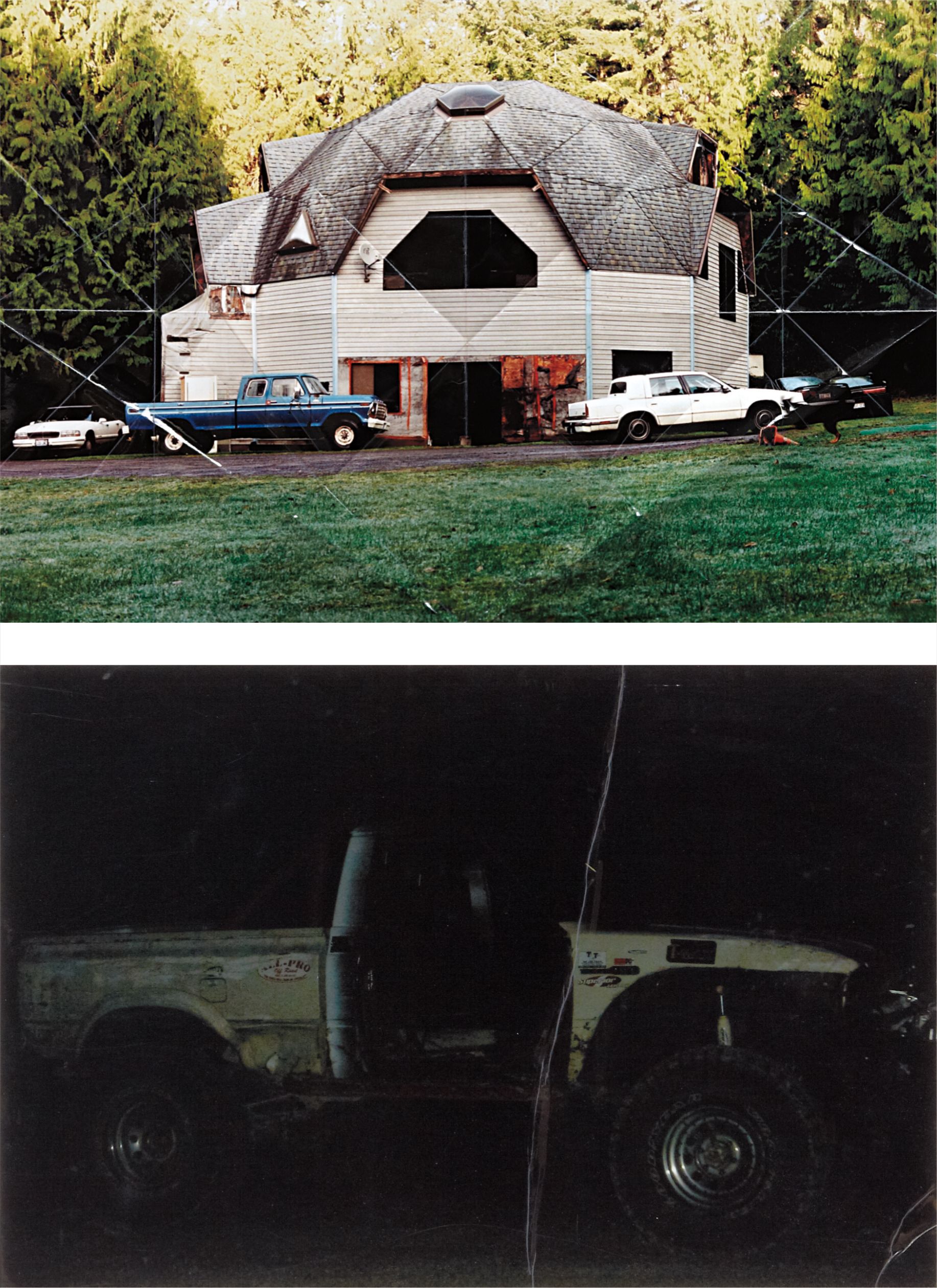
Joseph Beuys, whose felt and fat sculptures have always occupied a different emotional register from the cool geometries of Judd or Andre, has seen renewed critical interest, with major retrospective attention helping to clarify his singular position. Antony Gormley's cast iron body forms and Tony Cragg's investigations into industrial forms and plastic detritus continue to find serious buyers, while artists like Iván Navarro, whose neon and mirror works carry both formal elegance and political urgency, represent exactly the kind of expanded definition of industrial material that the market is learning to embrace. What feels most alive right now is the overlap between industrial material and questions of labor, supply chain, and environmental cost. Walead Beshty's FedEx sculptures, which are glass boxes shipped in their own packaging and displayed with their damage intact, are deceptively deadpan works about systems, risk, and the movement of value through industrial logistics.
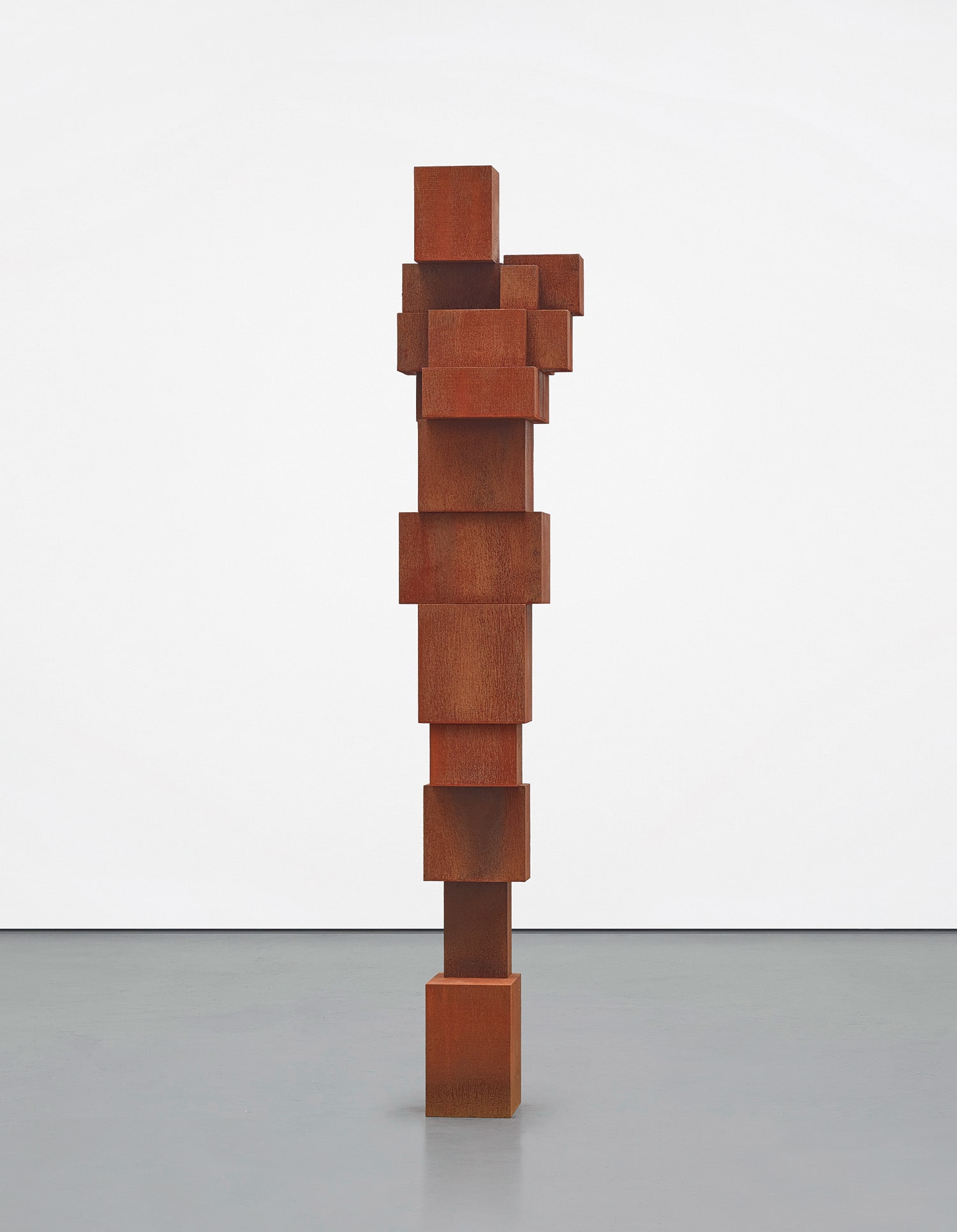
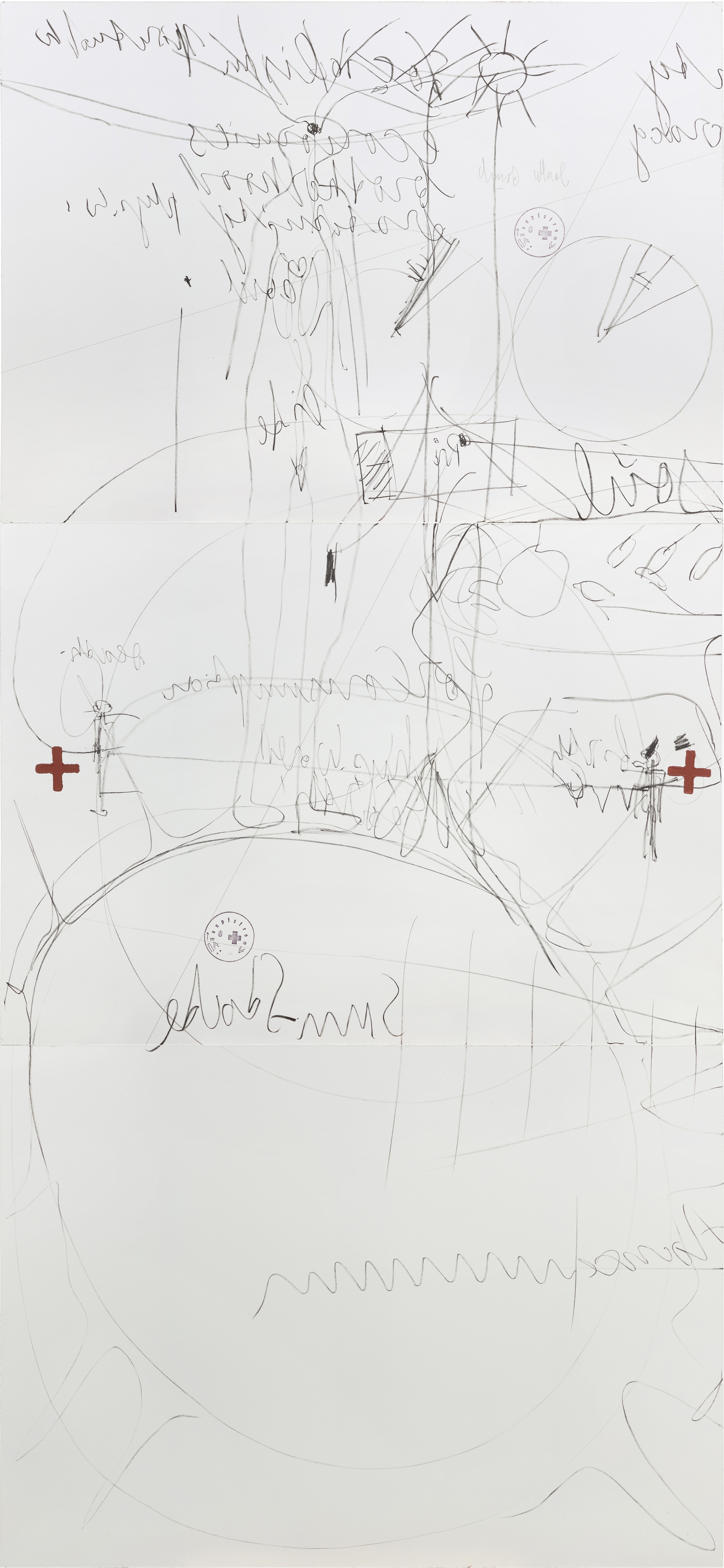
Antony Gormley
Vise, 2015
Seth Price's explorations of vacuum formed plastics and polymer materials engage with consumer culture and its industrial underpinnings in ways that feel urgent rather than archival. These are works that could only have been made now, which is not something you can say about everything in the contemporary market. For collectors looking at this space, the opportunities are real and the field is still sorting itself out at the edges. The canonical figures, Chamberlain, Judd, Flavin, Andre, are as close to settled as anything in the contemporary market gets.
The interesting decisions involve the generation of artists who took those propositions somewhere stranger and more contested. The works on The Collection reflect exactly this range, from the established pillars of the industrial material tradition to the artists still being argued over in reviews and acquisition meetings. That combination of the settled and the live is, in the end, what makes a collection feel like a conversation rather than a statement.