Assemblage
Joe Landry
NO PARKING
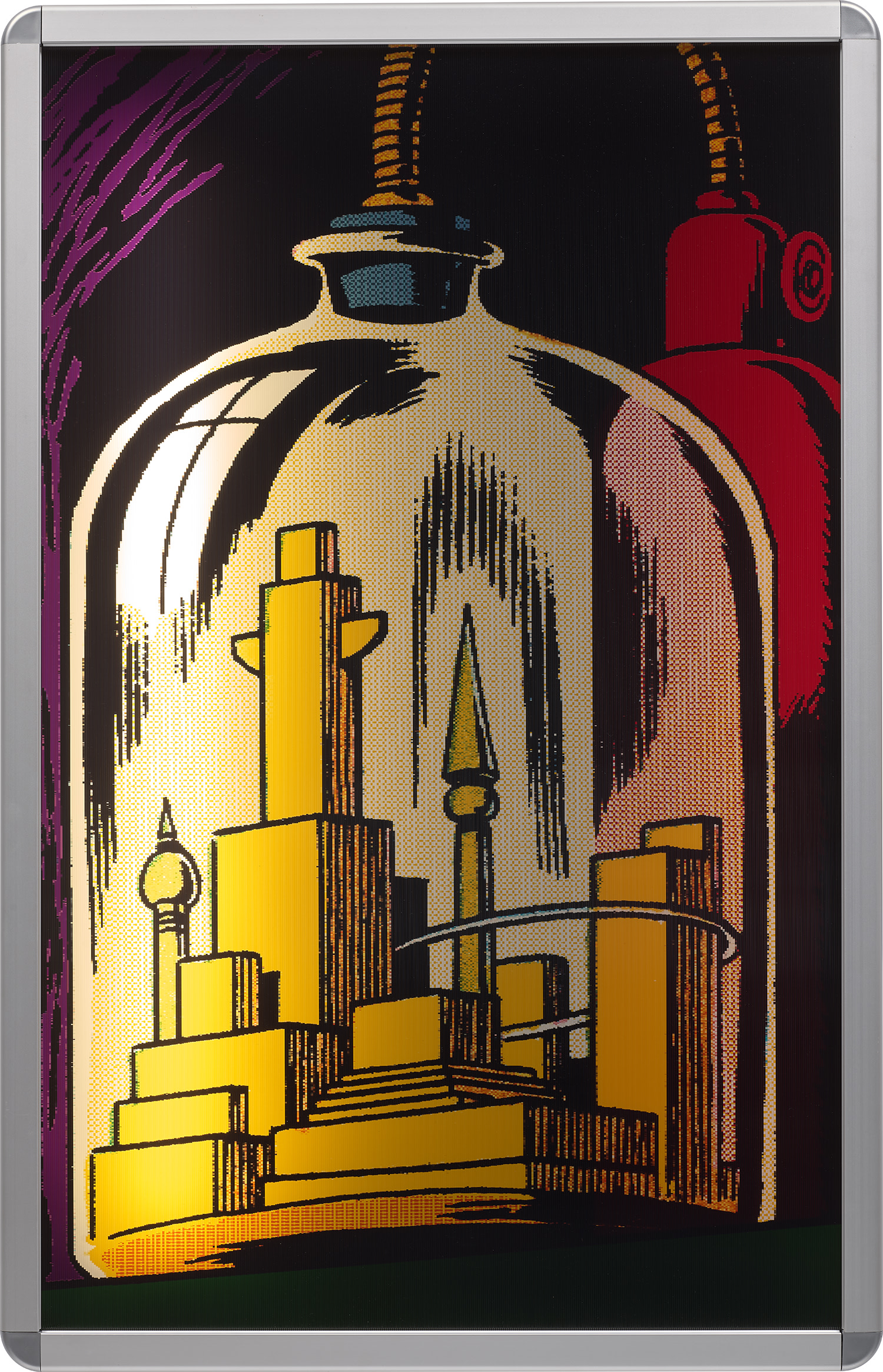

Art Made From the World's Leftovers
There is something almost defiant about assemblage. It insists that the world already contains enough raw material for art, that beauty and meaning can be drawn from the discarded, the overlooked, the worn and the broken. More than a technique, it is a philosophical position: that the found object carries its own history, its own charge, and that the artist's job is not to create from nothing but to listen to what things already know. The roots of assemblage reach back to the early twentieth century and to the radical experiments of Cubism.
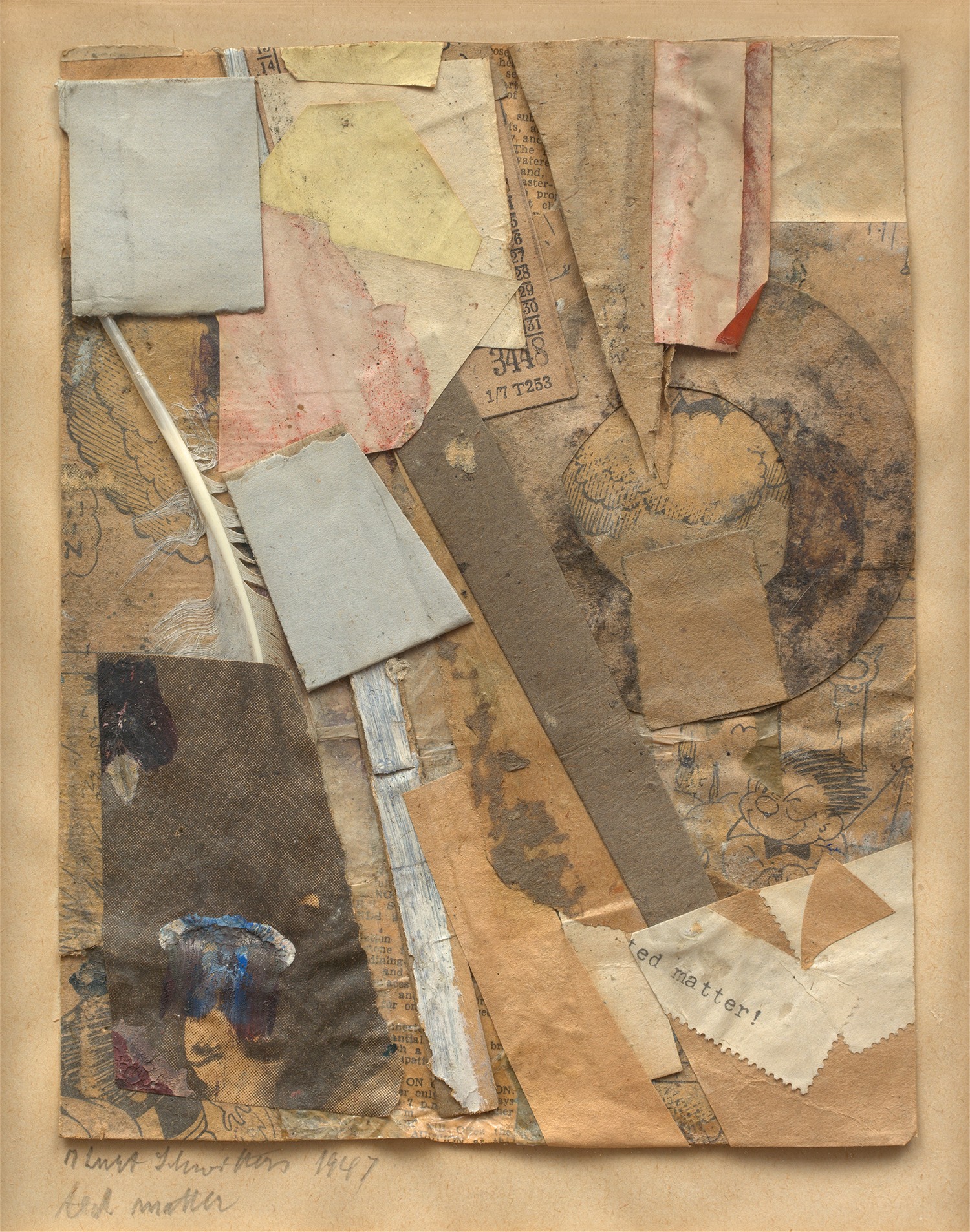
Pablo Picasso's 1912 Still Life with Chair Caning, which incorporated actual oilcloth and rope into a painted canvas, is often cited as the first significant rupture in the tradition of making art from homogeneous materials. Marcel Duchamp pushed further with his readymades, but it was Kurt Schwitters who most fully inhabited the spirit of assemblage, filling entire rooms with salvaged fragments of daily life in his Merzbau project, which he began in Hanover around 1923. Schwitters understood that the cast off object was not merely material but testimony, evidence of lives lived and time passed. The word assemblage itself was given formal currency by William C.
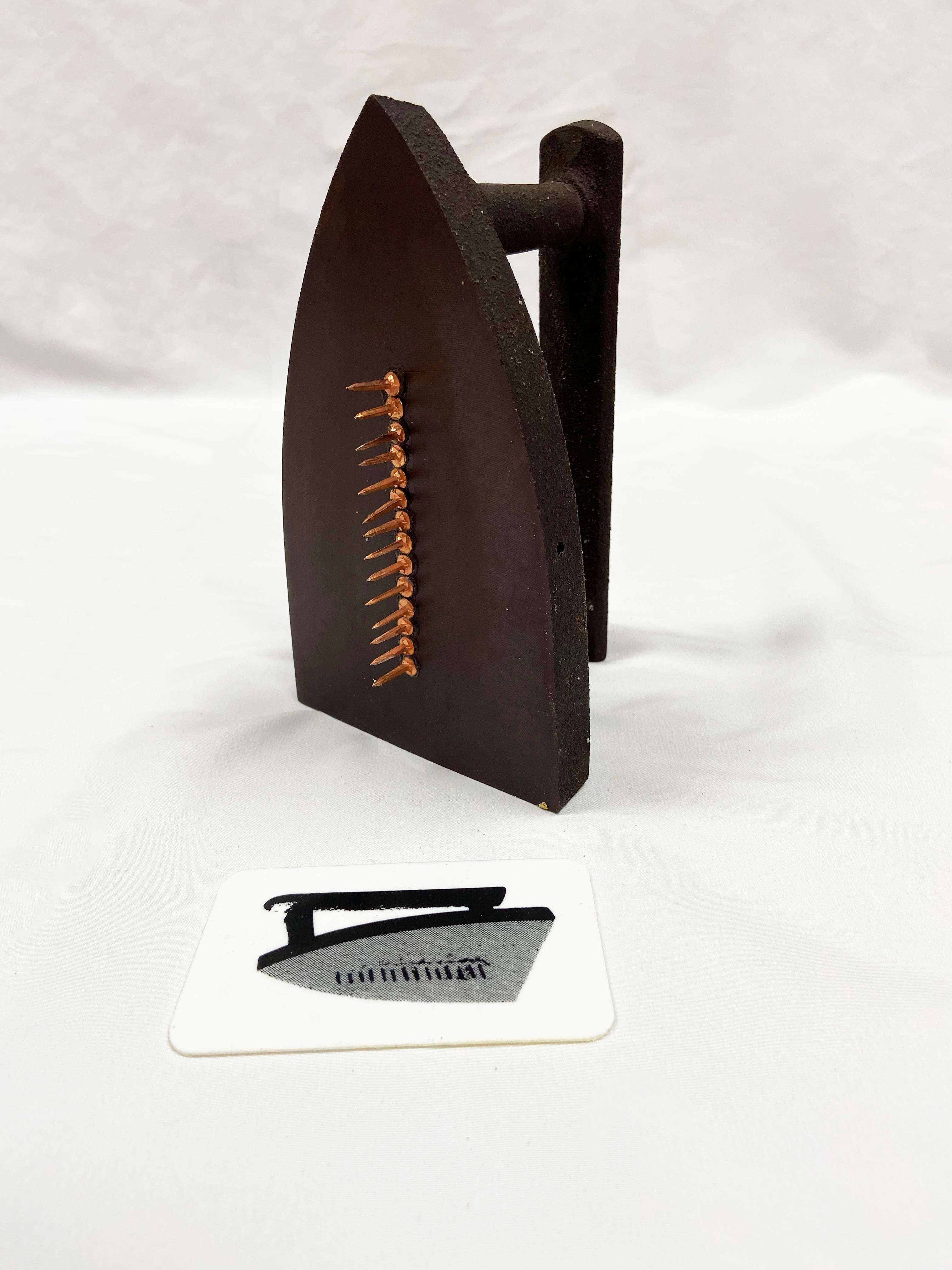
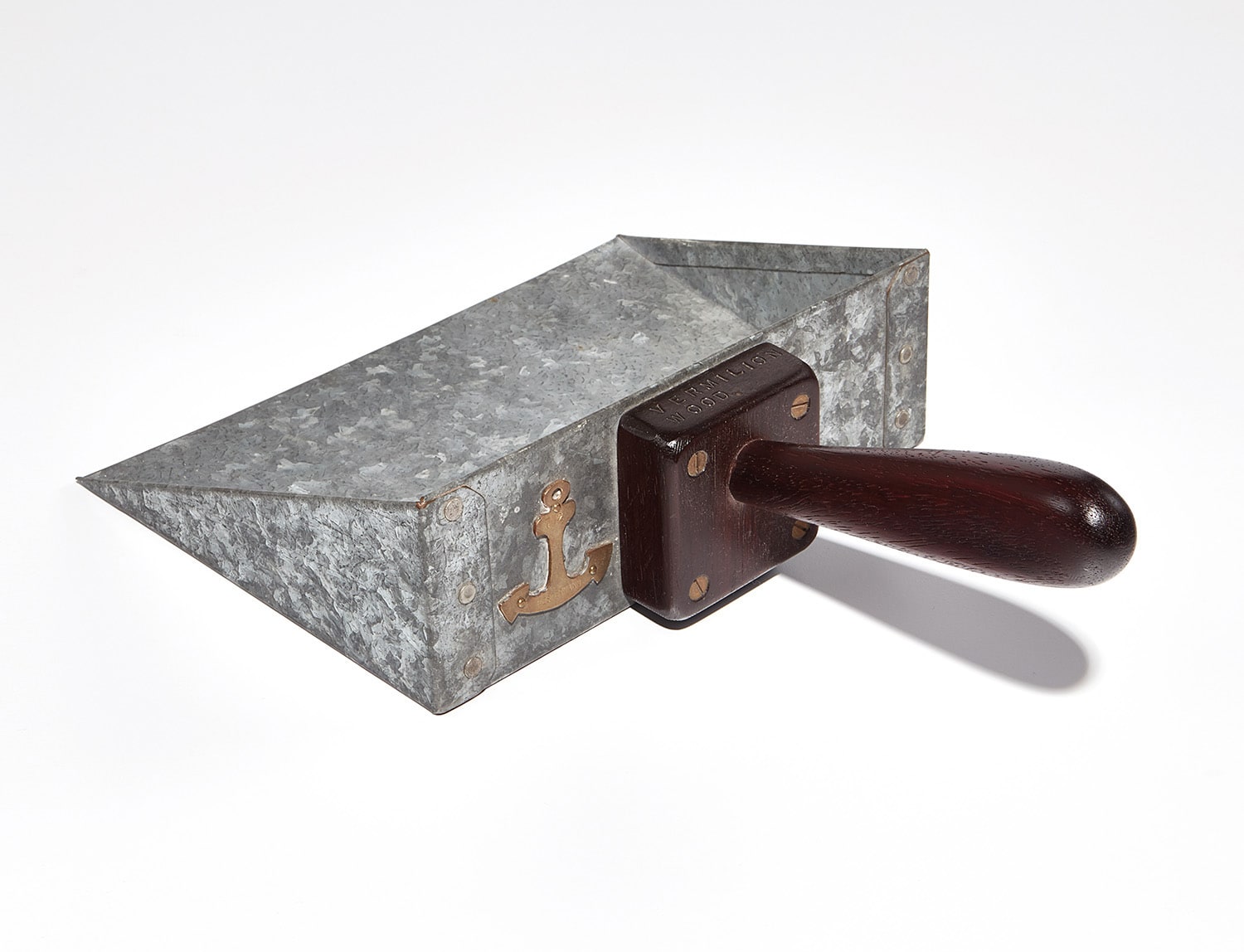
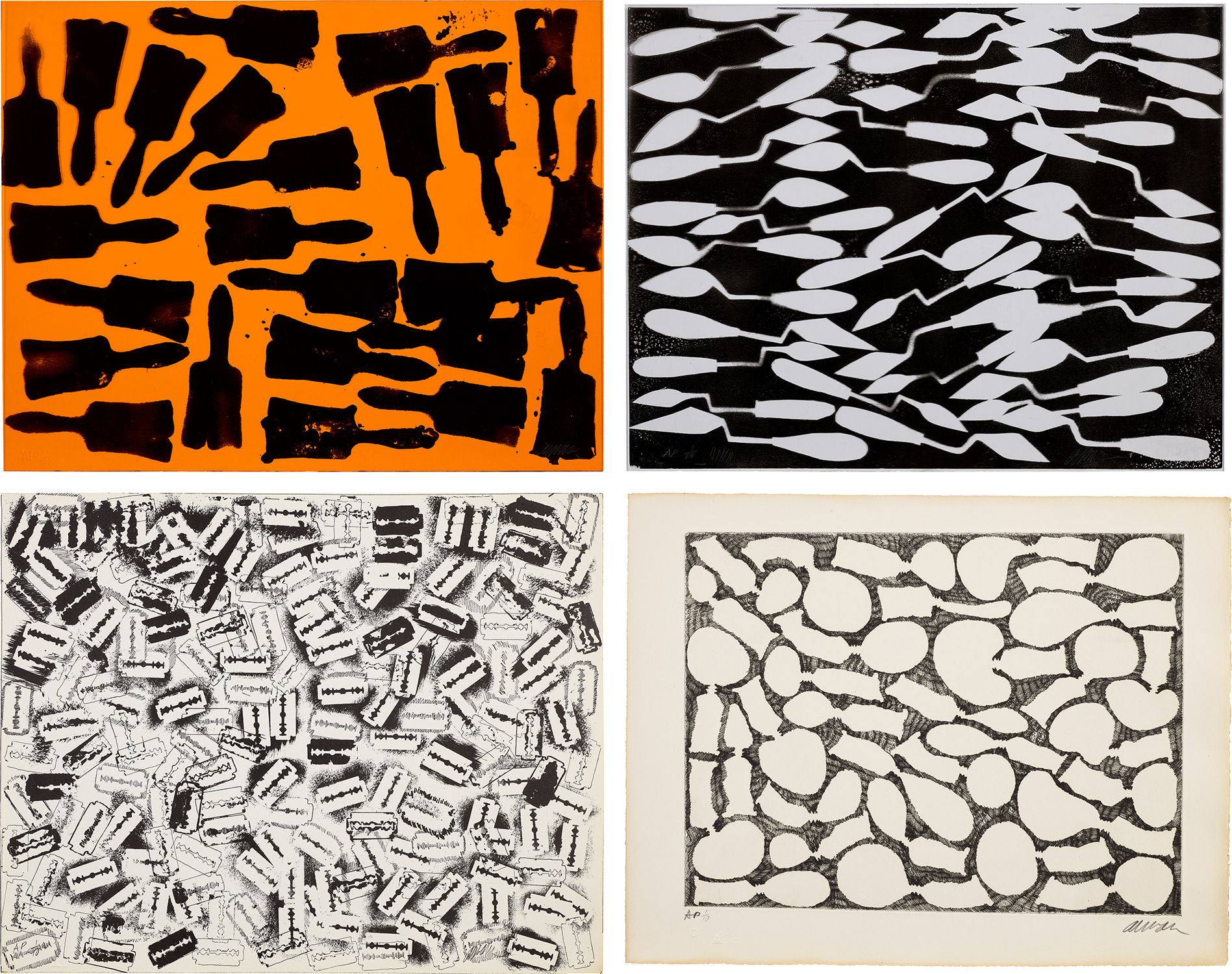
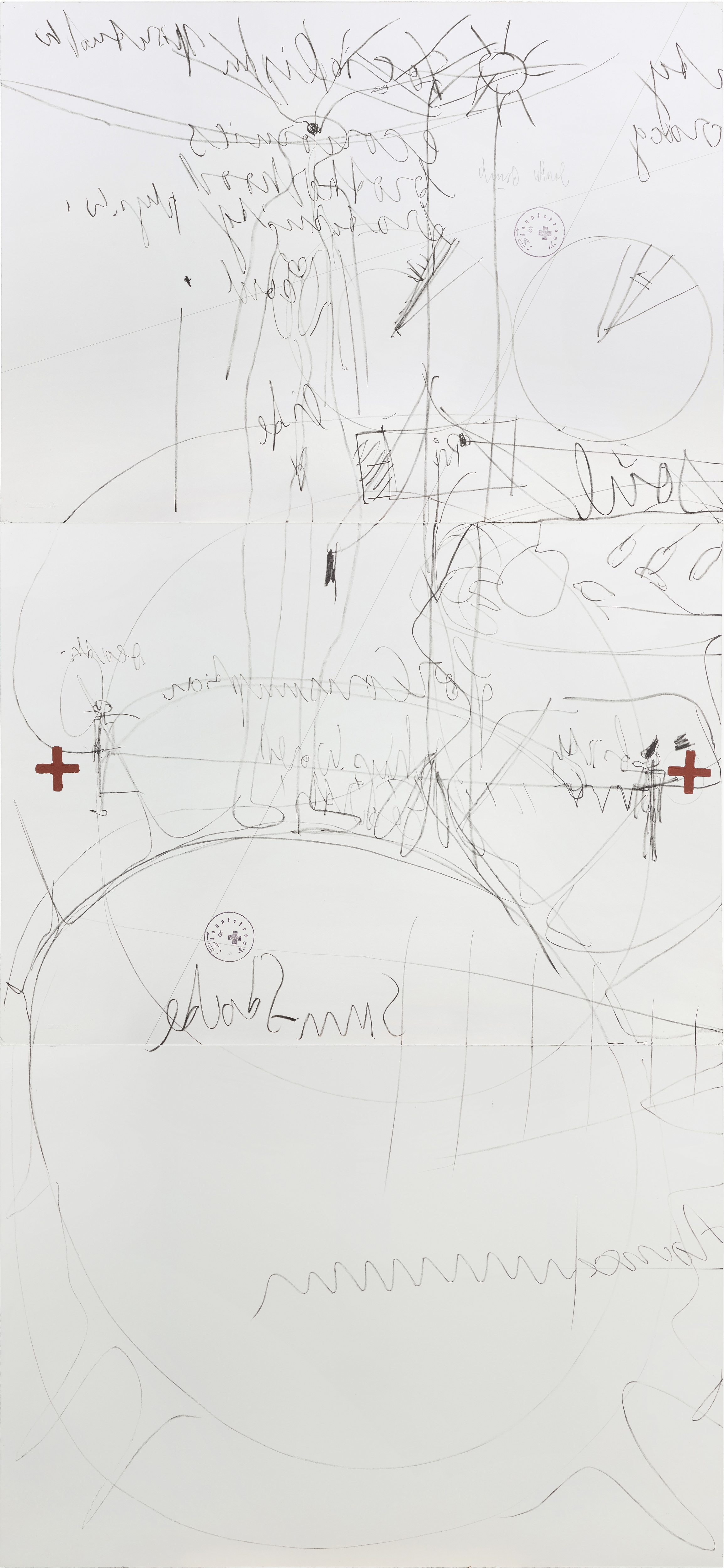
Man Ray
Cadeau, 1972
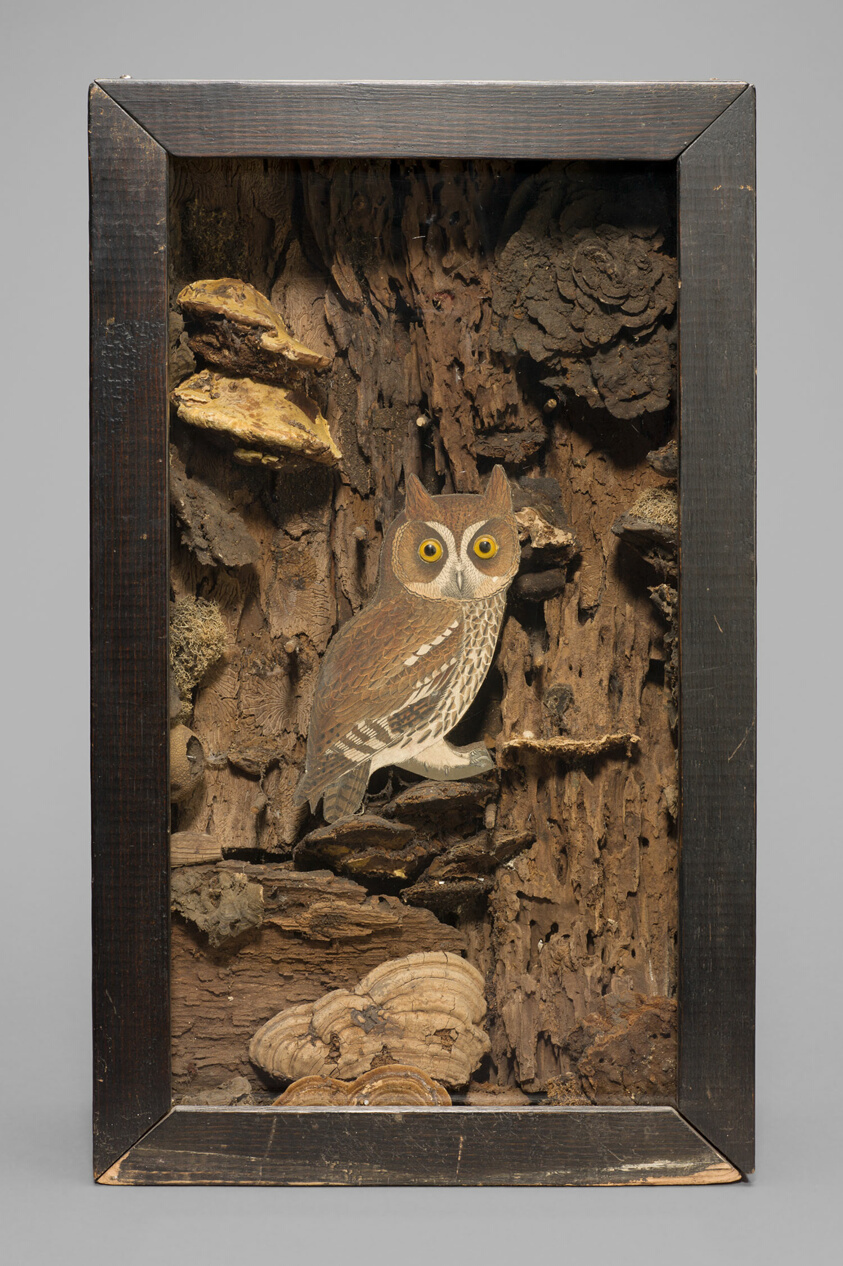
Seitz in his landmark 1961 exhibition The Art of Assemblage at the Museum of Modern Art in New York. The show gathered work by dozens of artists and effectively named a lineage that had been building for decades, connecting Dada, Surrealism, and the postwar avant garde into a single recognisable impulse. Among those represented in that exhibition were Man Ray and Joseph Cornell, two figures whose work remains touchstones for anyone trying to understand what assemblage can do at its most poetic. Cornell's shadow boxes, those mysterious vitrines filled with birds, maps, wine glasses, and found photographs, created whole cosmologies from the contents of thrift stores and New York's Lower East Side.
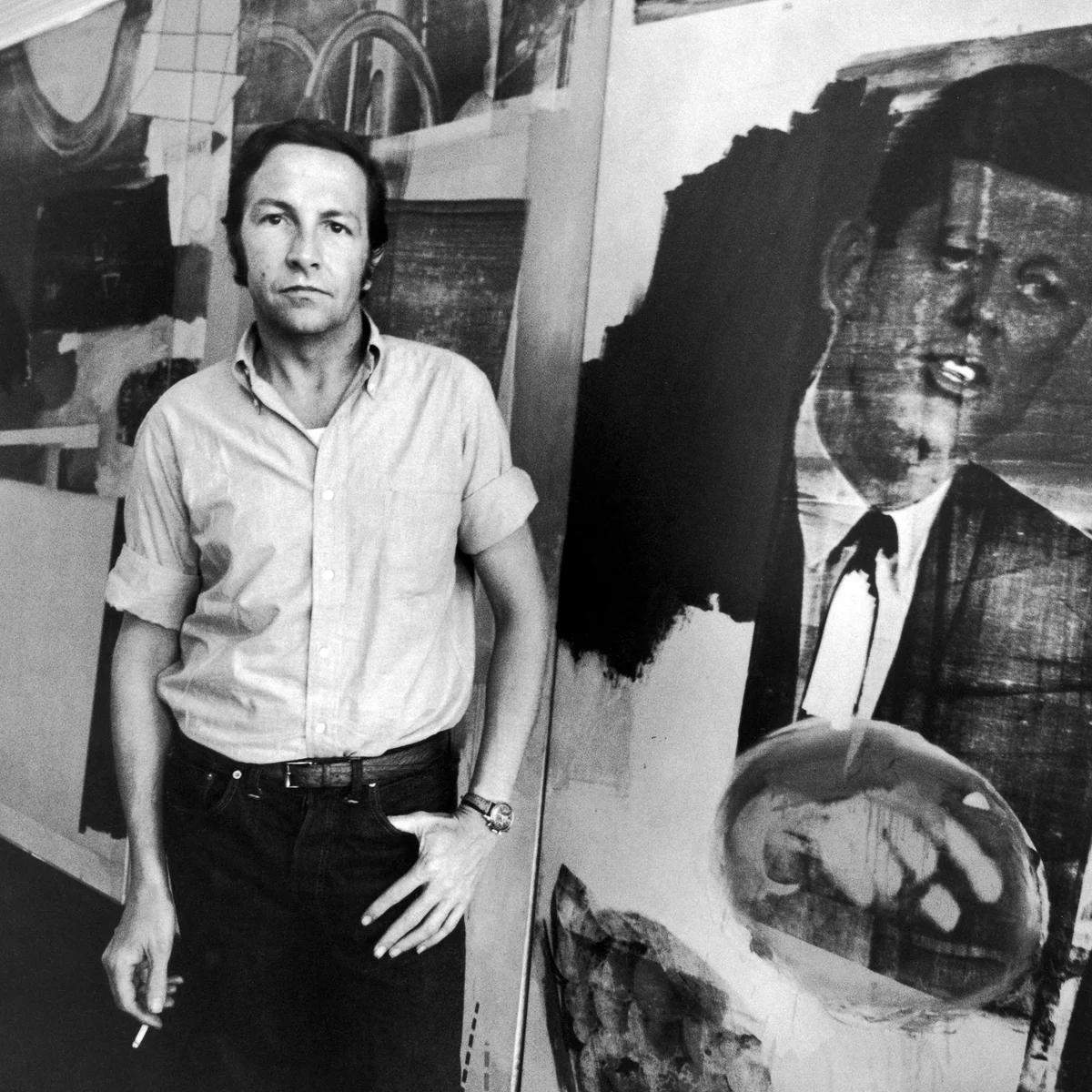
The 1960s saw assemblage move into more confrontational territory. Robert Rauschenberg's Combines, works from the mid 1950s onward that fused painting and three dimensional objects including stuffed animals, quilts, and street debris, demanded a new vocabulary from critics who had no language for what they were seeing. Rauschenberg understood the city as an inexhaustible archive, and his work has an almost journalistic quality, capturing the texture of postwar American life with an immediacy that purely painterly abstraction could not match. Arman, working in Paris and New York, took a more systematic approach, accumulating identical objects in polyester resin or destroying them in calculated acts that he called Colères, revealing the violence latent in consumer culture's cycles of production and waste.
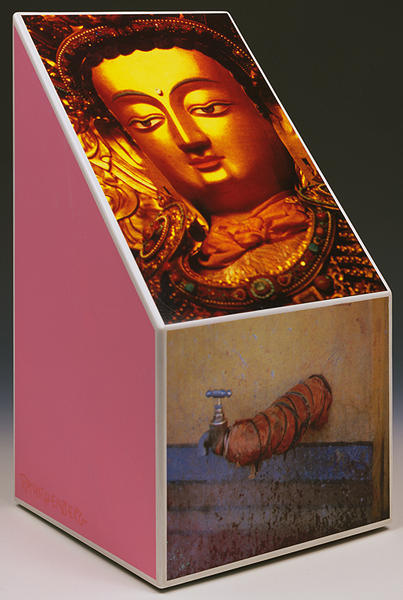
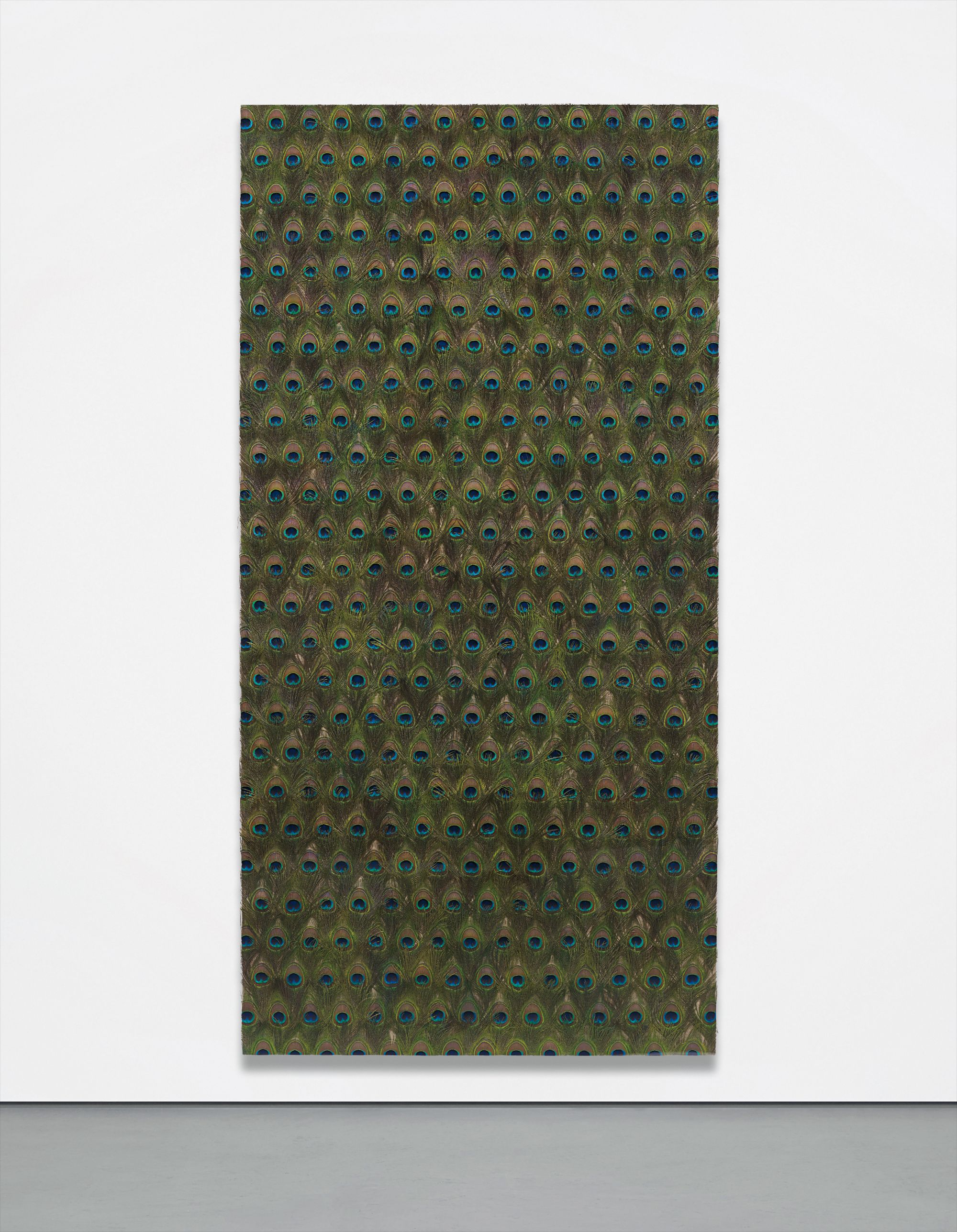
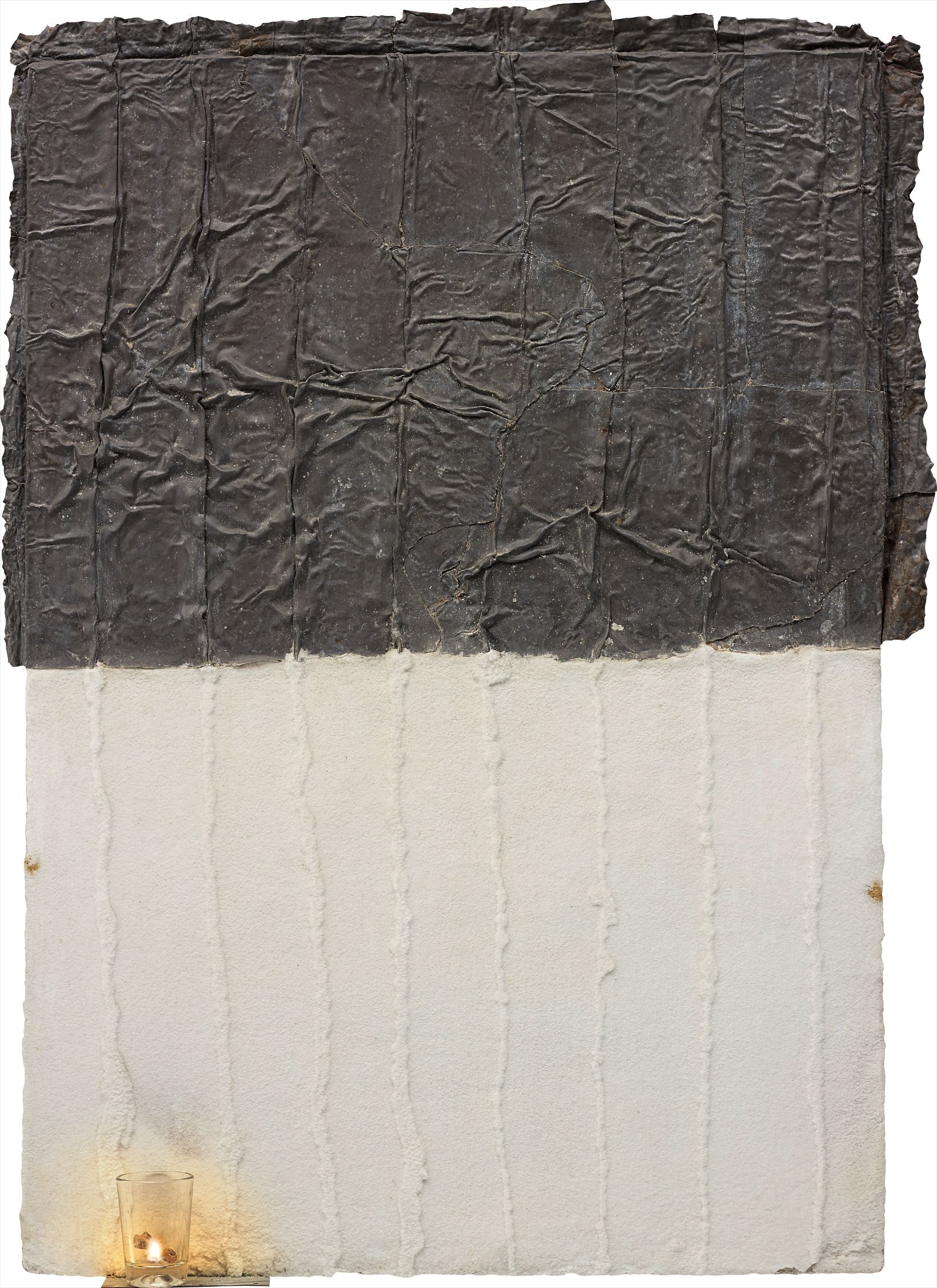
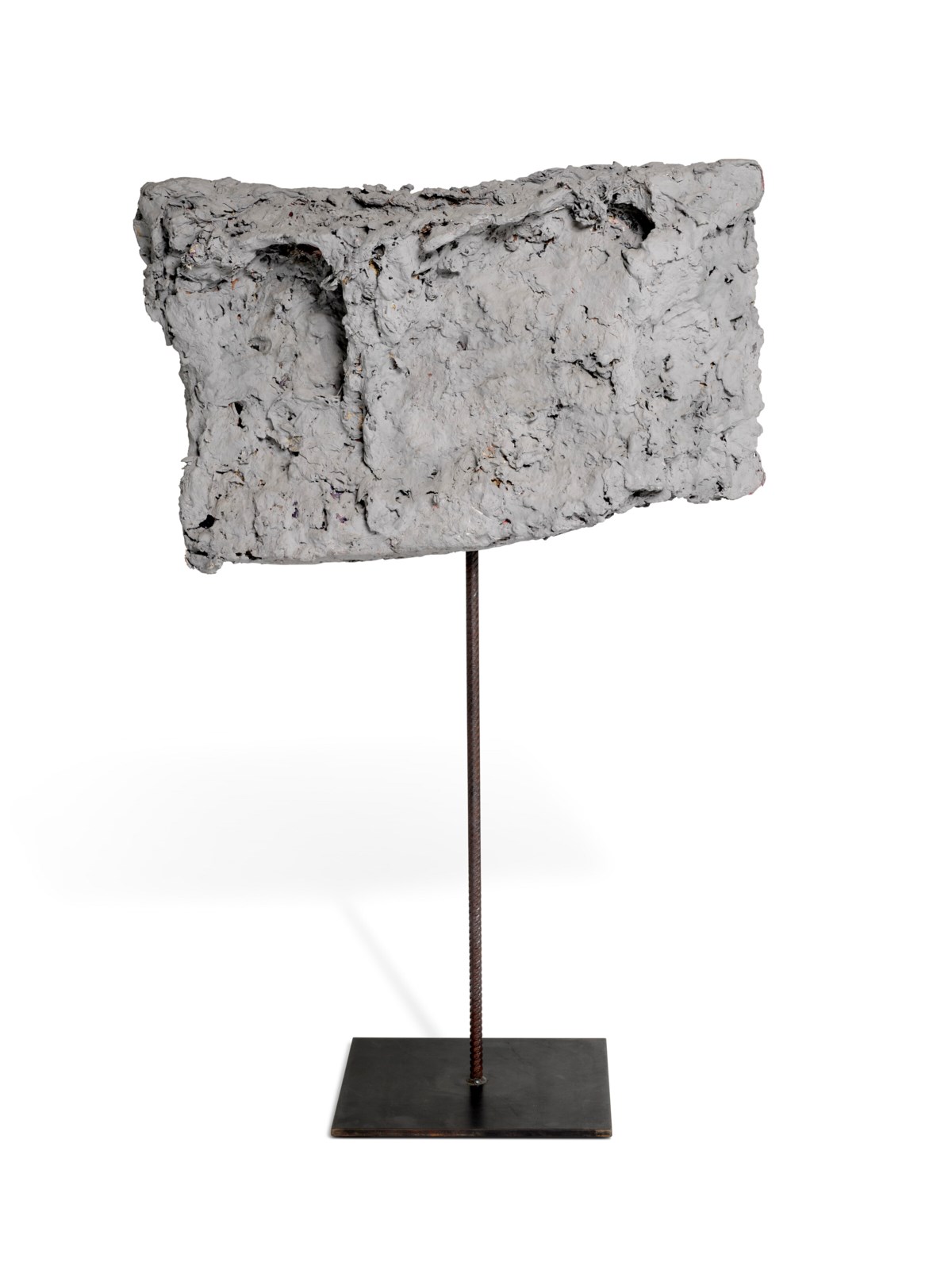
Robert Rauschenberg
Tibetan Keys (Bevel), 1987
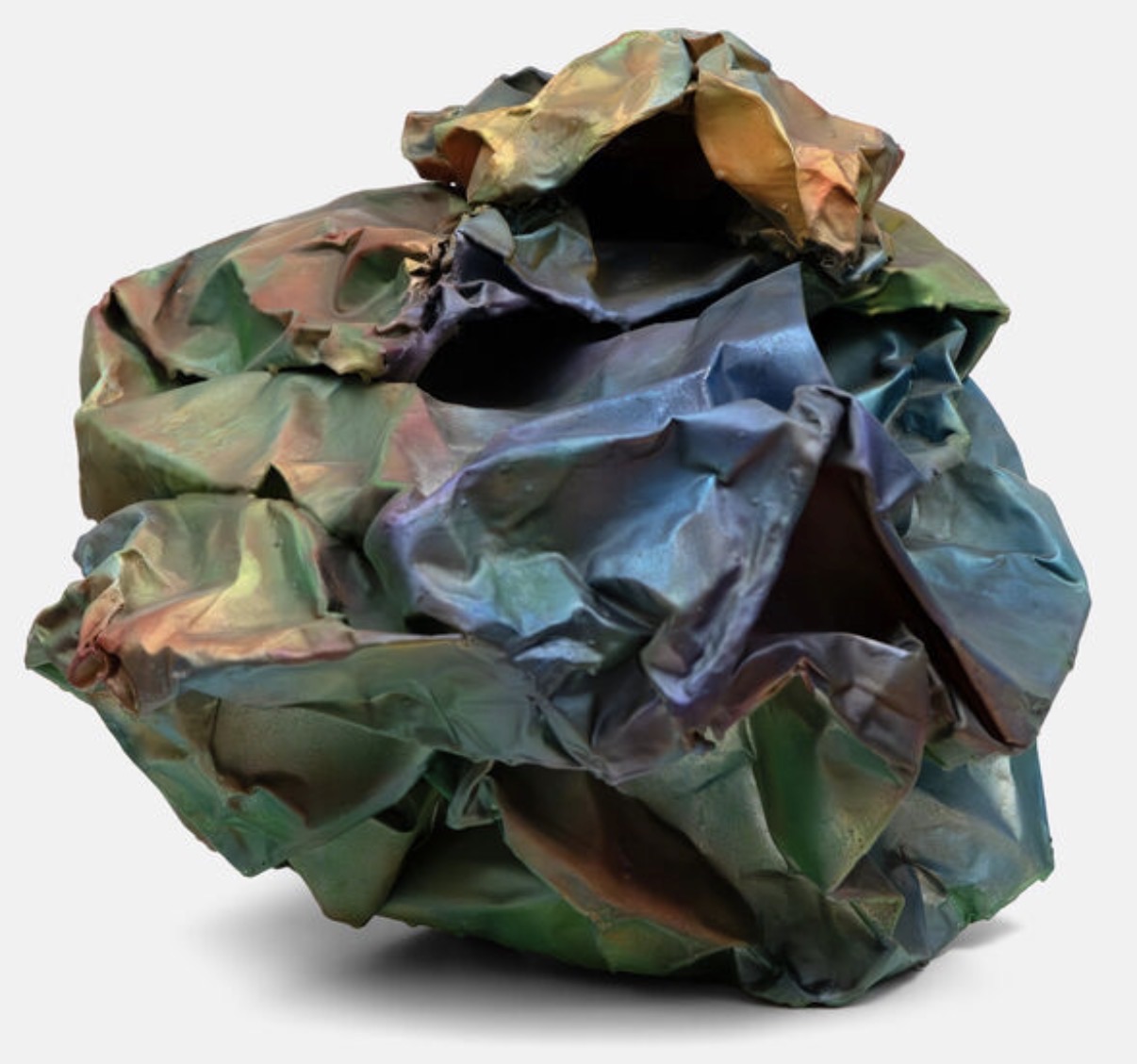
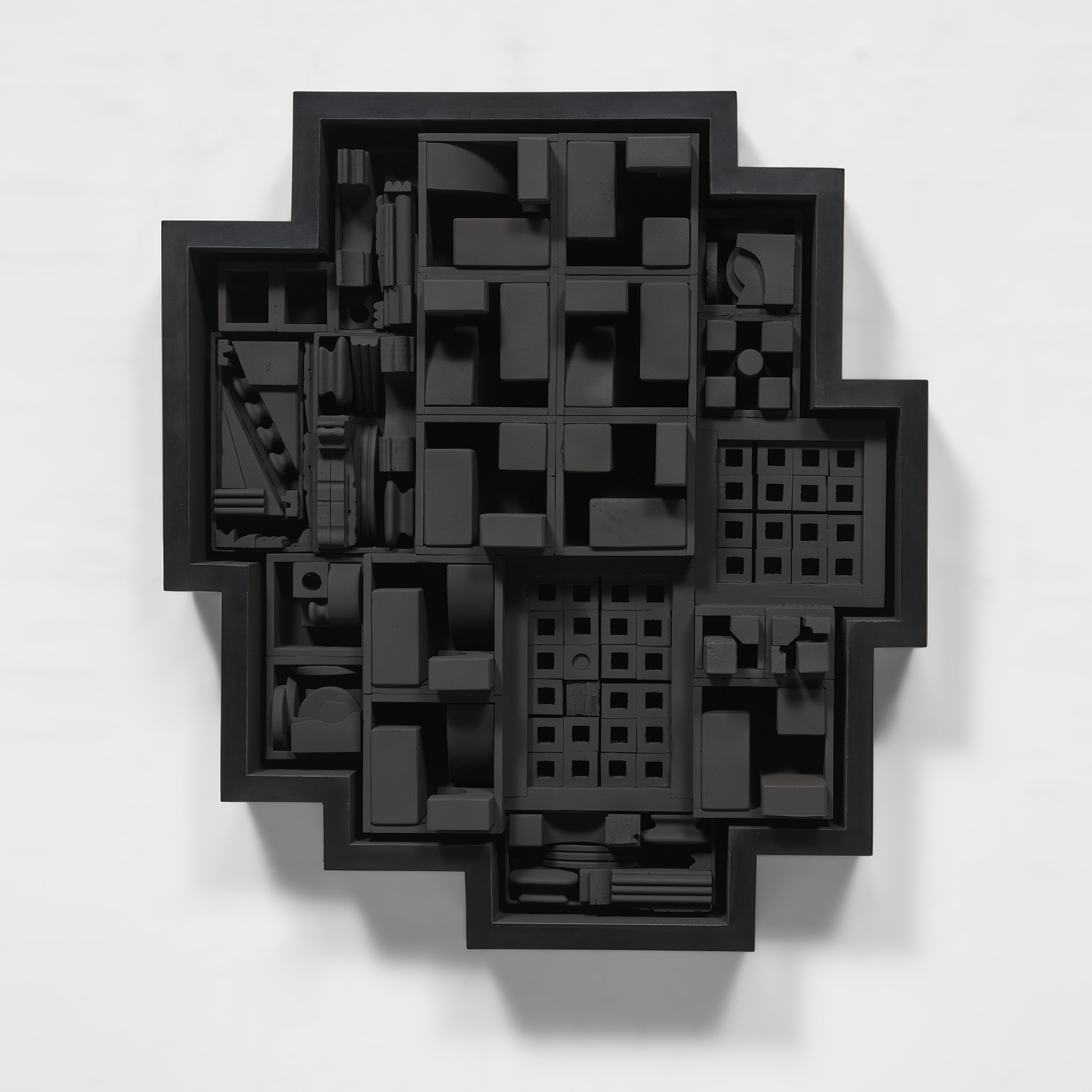
Louise Nevelson brought a different gravity to the form, assembling monumental walls from wooden architectural fragments, chair legs, banister posts, and crates, then painting them uniformly black or gold to create unified environments of extraordinary psychological weight. Her work demonstrated that assemblage could aspire to the monumental and the meditative, not merely the provocative. John Chamberlain found similar authority in crushed automobile bodies, compressing Detroit steel into forms that rhymed with Abstract Expressionism while insisting on the dignity of industrial materials. Edward Kienholz created tableaux that were almost theatrical, populated with mannequins and detritus arranged into scenes of American social life that functioned simultaneously as moral indictment and elegy.
Joseph Beuys extended the philosophical dimension of assemblage into something close to ritual. His felt, fat, and found objects were not compositional choices so much as symbolic propositions, drawing on personal mythology and a belief in the transformative power of materials that bordered on the shamanistic. For Beuys, every object retained the memory of its origin and could be enlisted in a kind of healing. This idea, that materials carry meaning beyond their physical properties, runs through assemblage practice as a recurring and generative preoccupation.
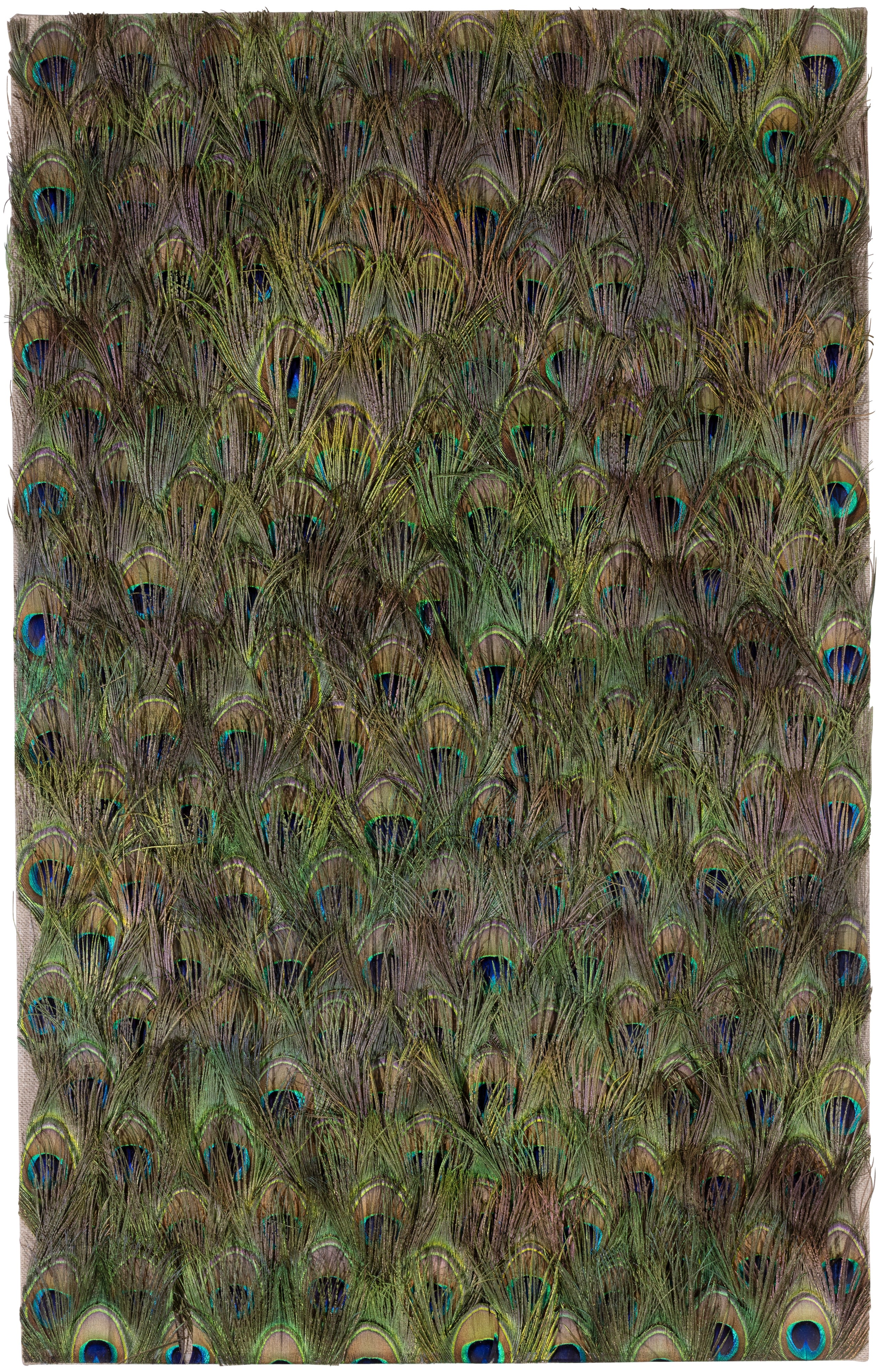
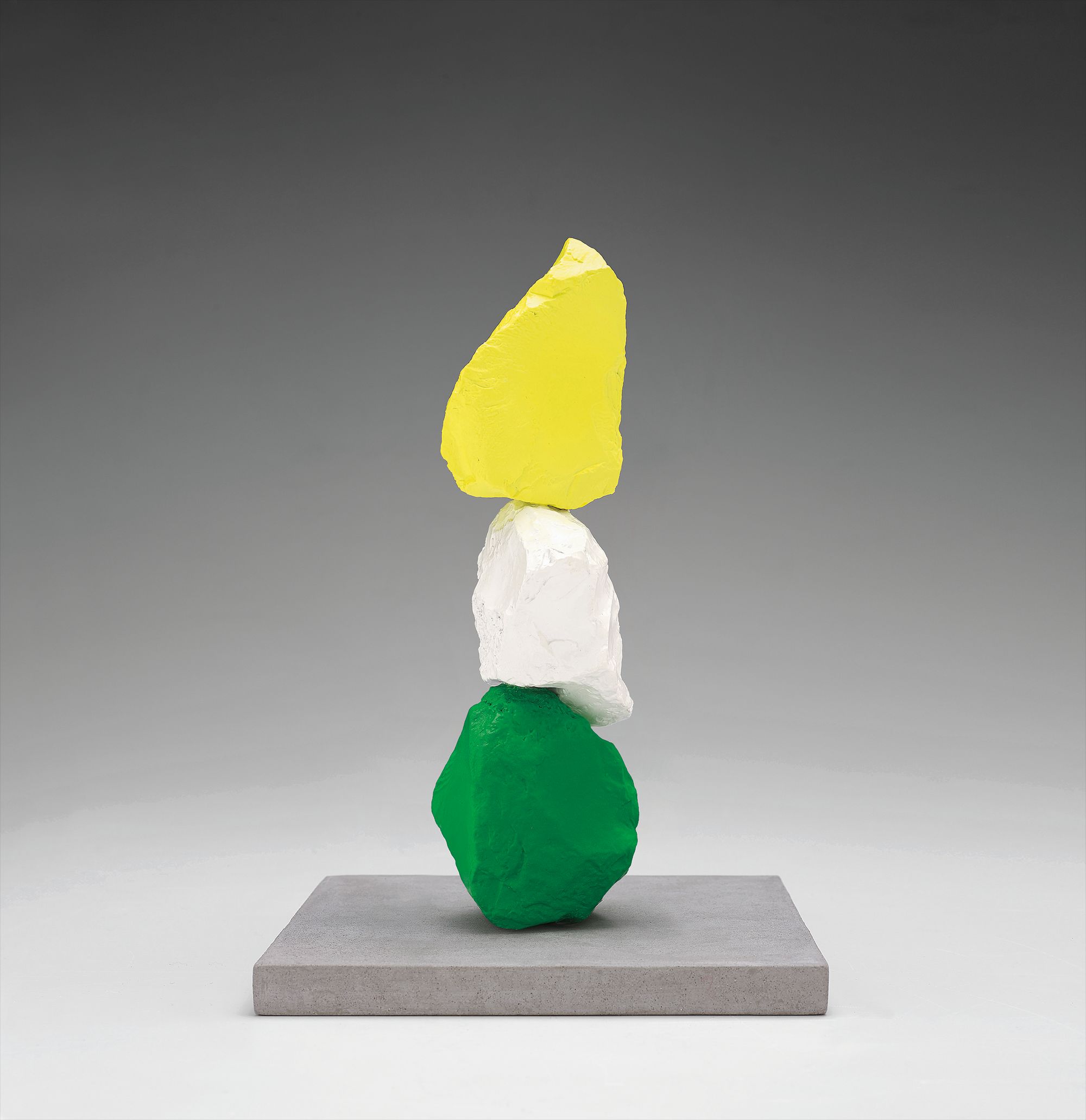
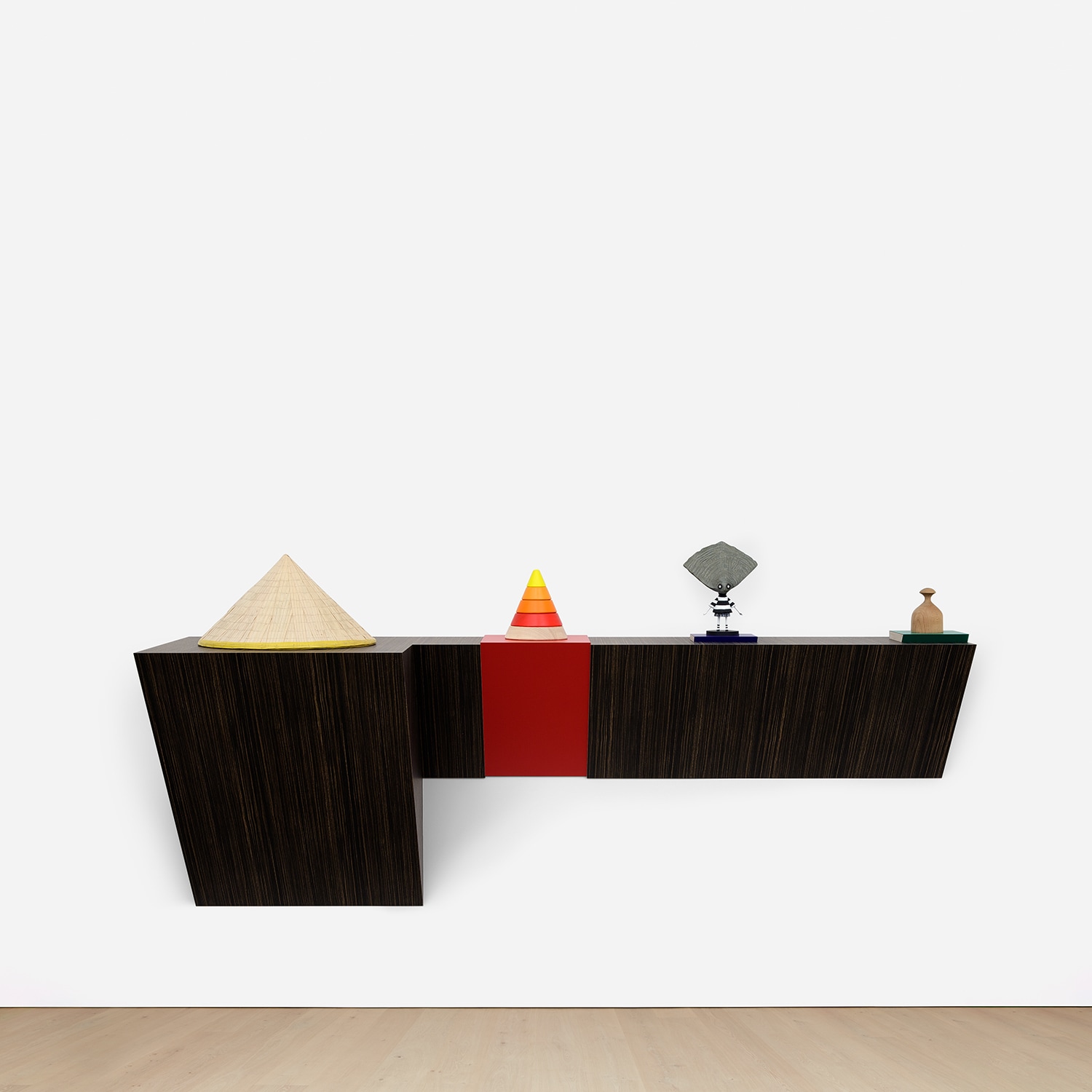
Carol Bove
Untitled, 2009
Jasper Johns, whose work sits at the intersection of painting and object, shared a related interest in the way familiar things become strange when placed in art's frame of attention. By the 1980s and 1990s, a younger generation had absorbed the lessons of assemblage and was pushing them in new directions. Haim Steinbach placed commercially acquired objects on geometric shelves, draining them of function while amplifying their cultural aura. Mike Kelley assembled stuffed animals and domestic craft objects into arrangements that excavated the psychological terrain of American childhood with genuine unsettling intelligence.
Franz West made his Passstücke, or Adaptives, objects that required bodily interaction and refused the passivity of conventional sculpture. Ashley Bickerton incorporated corporate logos and product labels into constructed objects that interrogated late capitalist identity with a mixture of seduction and alarm. The practice has continued to evolve in ways that reflect each era's particular anxieties and enthusiasms. El Anatsui weaves bottle caps and metal fragments into cascading works that move between sculpture and textile while engaging directly with histories of trade and colonialism.
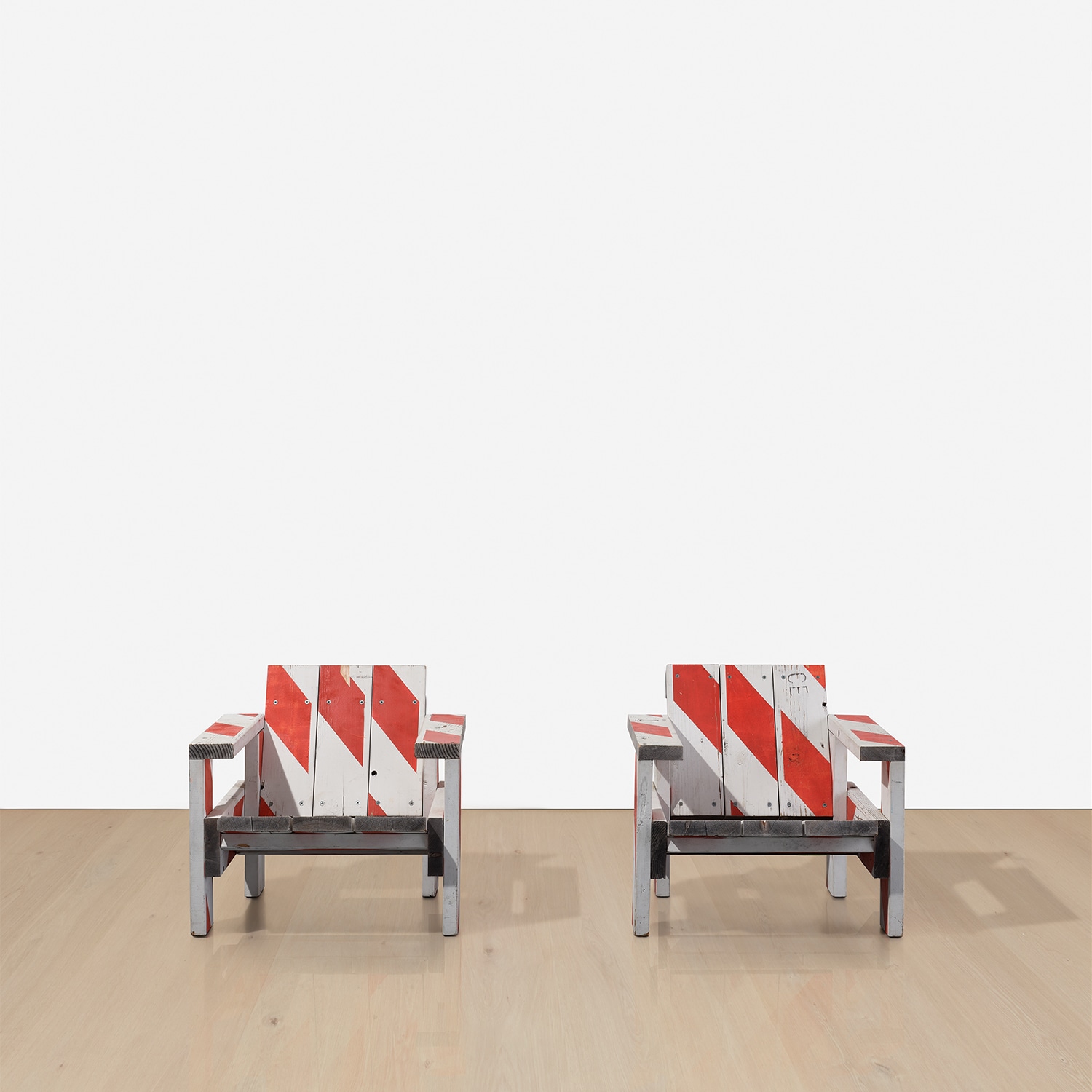
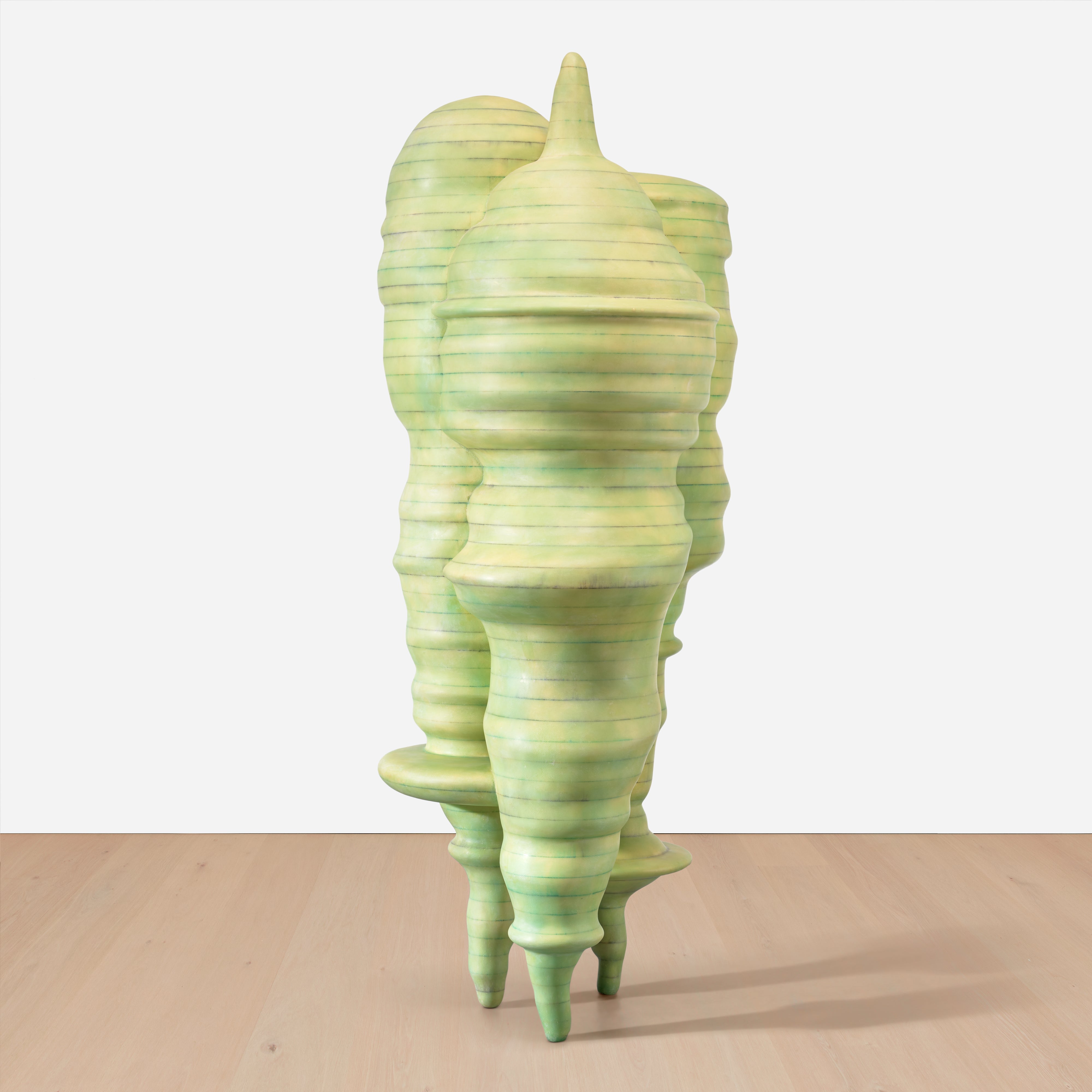
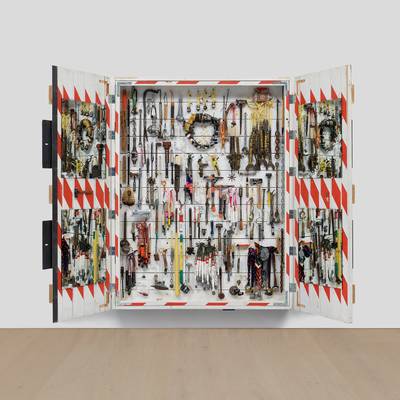
Tom Sachs
Two works (i-ii):, 2015
Theaster Gates incorporates materials from demolished buildings in Chicago's South Side, making visible the relationship between urban disinvestment and cultural memory. Thomas Hirschhorn constructs sprawling environments from cardboard, tape, and aluminium foil that function as urgent, sometimes overwhelming arguments about politics and media. Tom Sachs builds elaborate functional sculptures from everyday branded materials, creating a kind of reverent and irreverent commentary on consumer mythology. What connects Kurt Schwitters sorting through Hanover rubbish in the 1920s with Carol Bove arranging found and fabricated elements in her precise, quietly charged sculptures today is a shared conviction that the world of objects is not mute.
Assemblage remains one of the most democratic and urgent of artistic impulses because it begins not in the studio's rarefied isolation but in the street, the junkyard, the living room, and the refuse of everyday life. The works gathered on The Collection represent the full arc of this tradition, from its modernist foundations through its postwar flowering and into the complex, contested present. For collectors, there is particular pleasure in understanding assemblage as an art historical argument that is still very much in progress.