Surreal
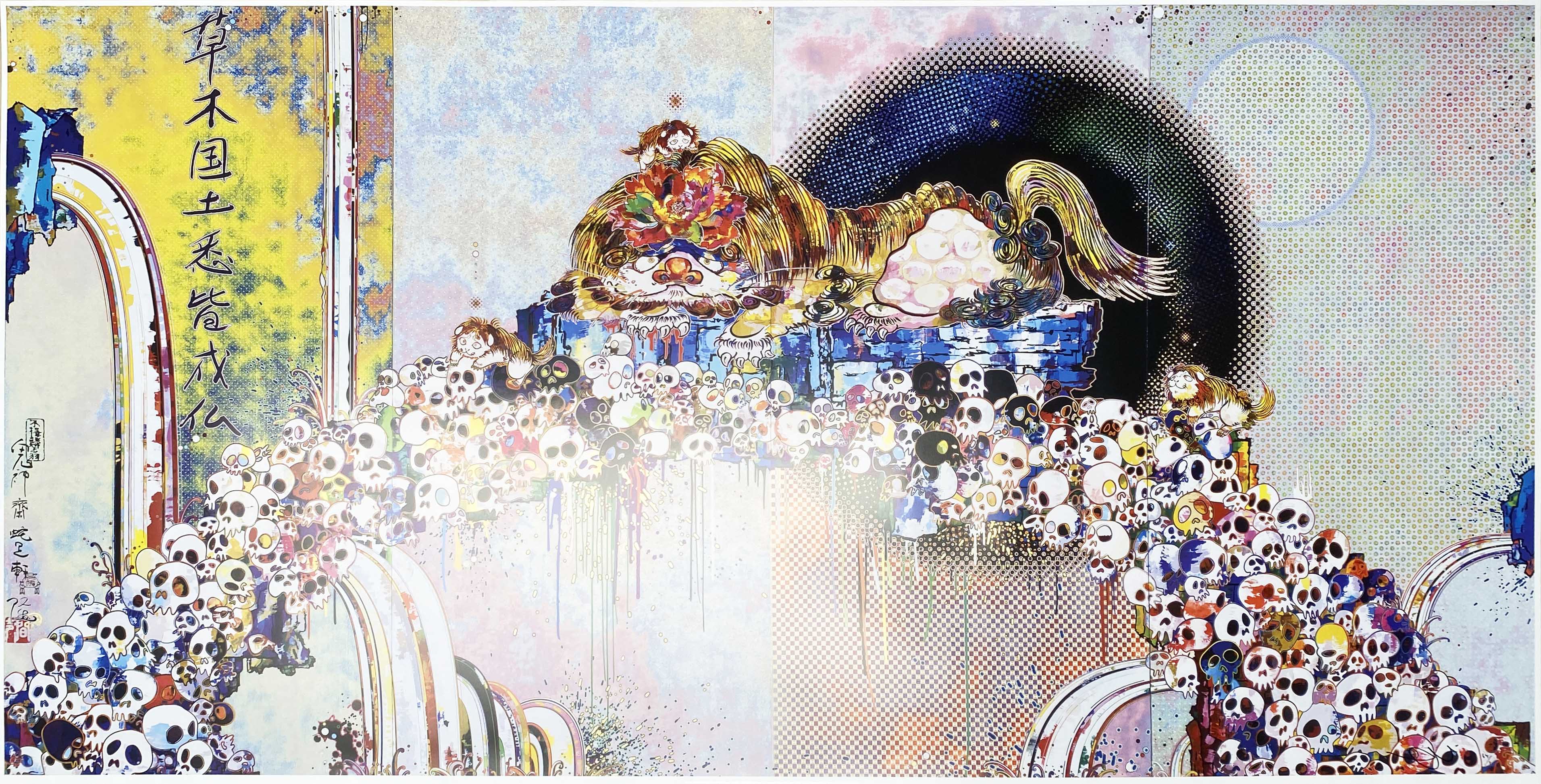
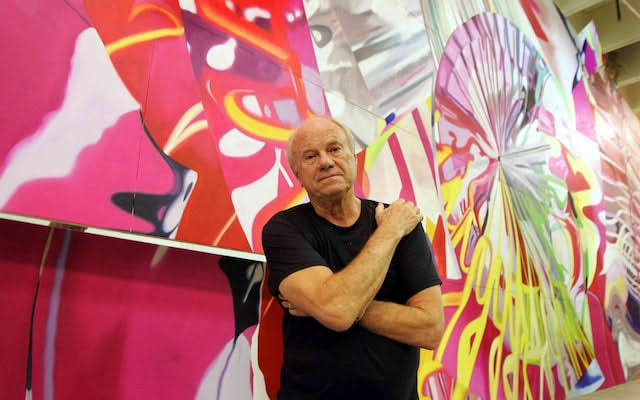
Takashi Murakami
As the Interdimensional Waves Run Through Me, I can distinguish Between the Voices of Angel and Devil, 2012

Reality Is Overrated: Collecting the Uncanny
There is something particular about waking up to a work that refuses to behave. Collectors who are drawn to the surreal tend to describe the experience in similar terms: a persistent low hum of unease, a sensation of being watched by something that does not have eyes, a room that feels larger and stranger after the work went up on the wall. This is not merely aesthetic preference. It speaks to a deeper appetite for images that hold their mystery over time, that resist the kind of familiarity that eventually dulls even the most technically accomplished painting.
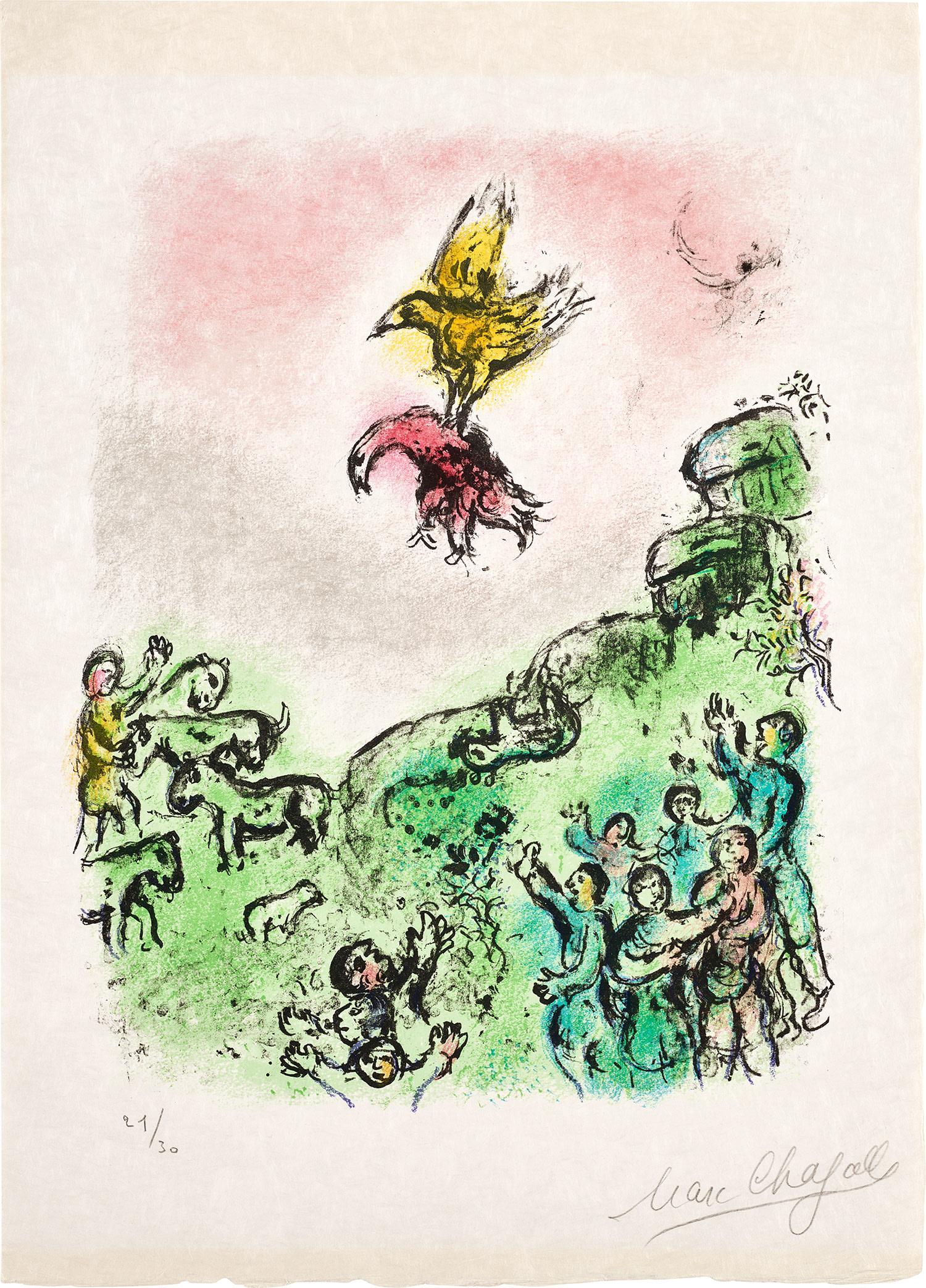
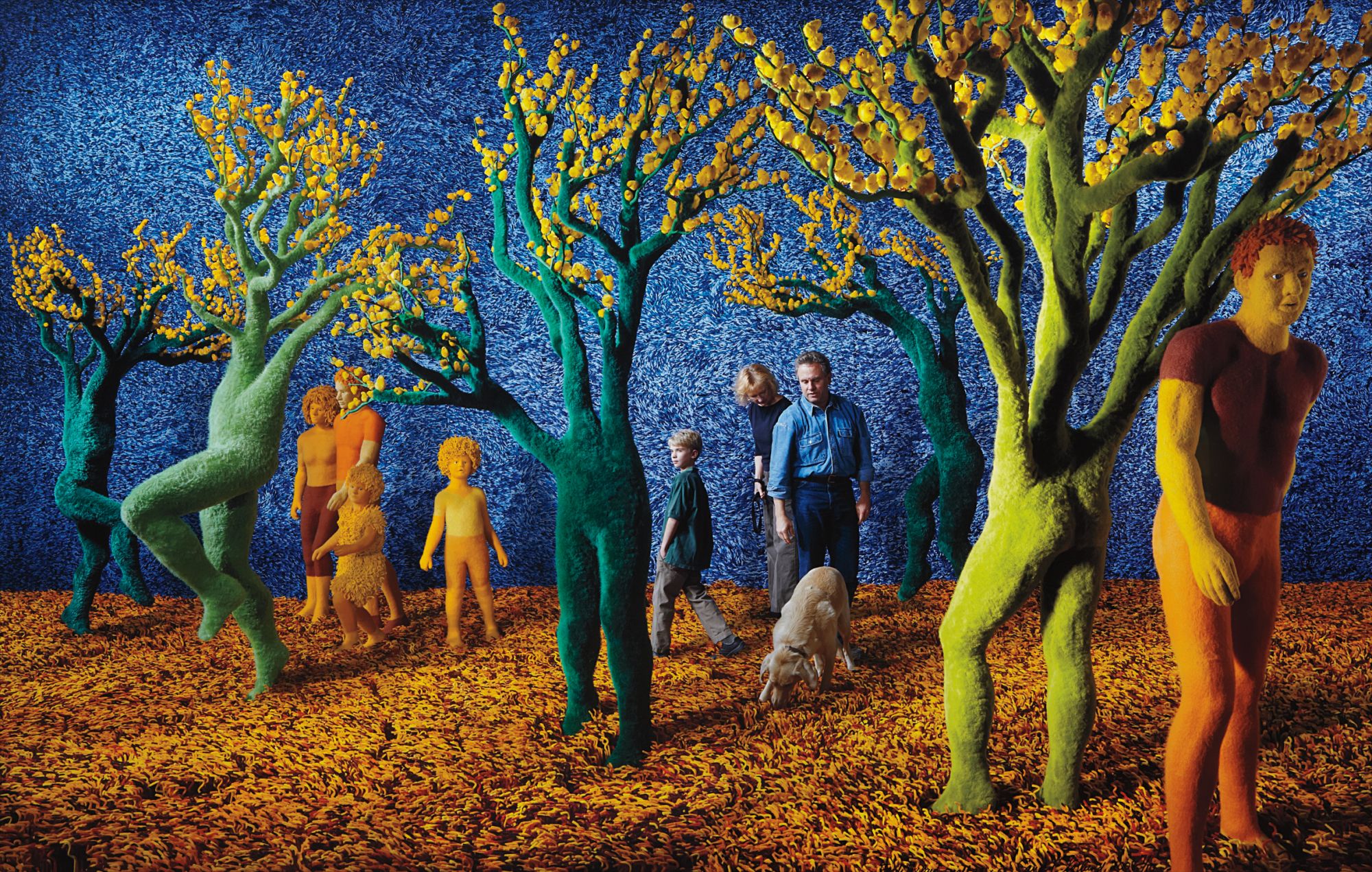
The surreal, broadly understood, earns its place in a collection not by being beautiful but by being inexhaustible. What draws collectors into this territory is often a single encounter they cannot explain away. Perhaps it was a Chagall print where the figures float above a Russian village with a logic that feels entirely coherent in the dream and entirely absurd in the waking. Perhaps it was a Sandy Skoglund installation photograph where the world has been colonized by ceramic cats or radioactive foxes, and the human figures in the frame seem less real than the animals.
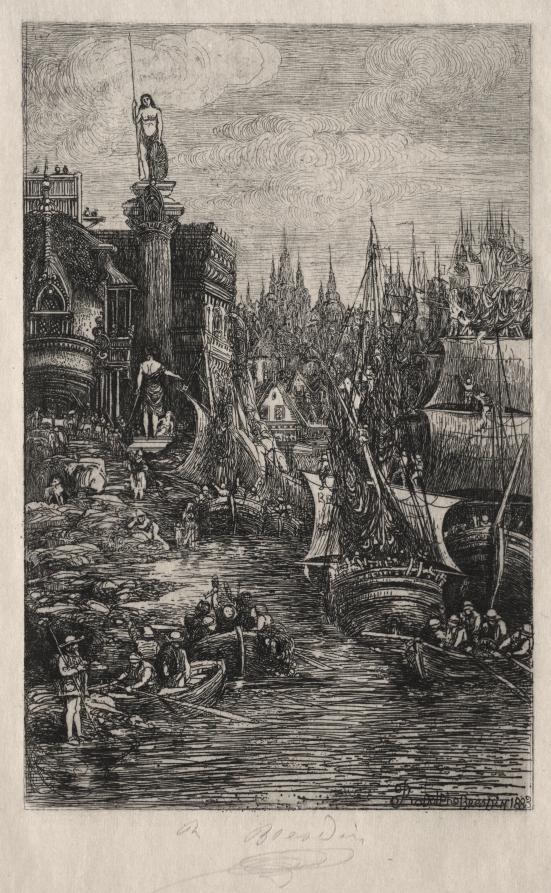
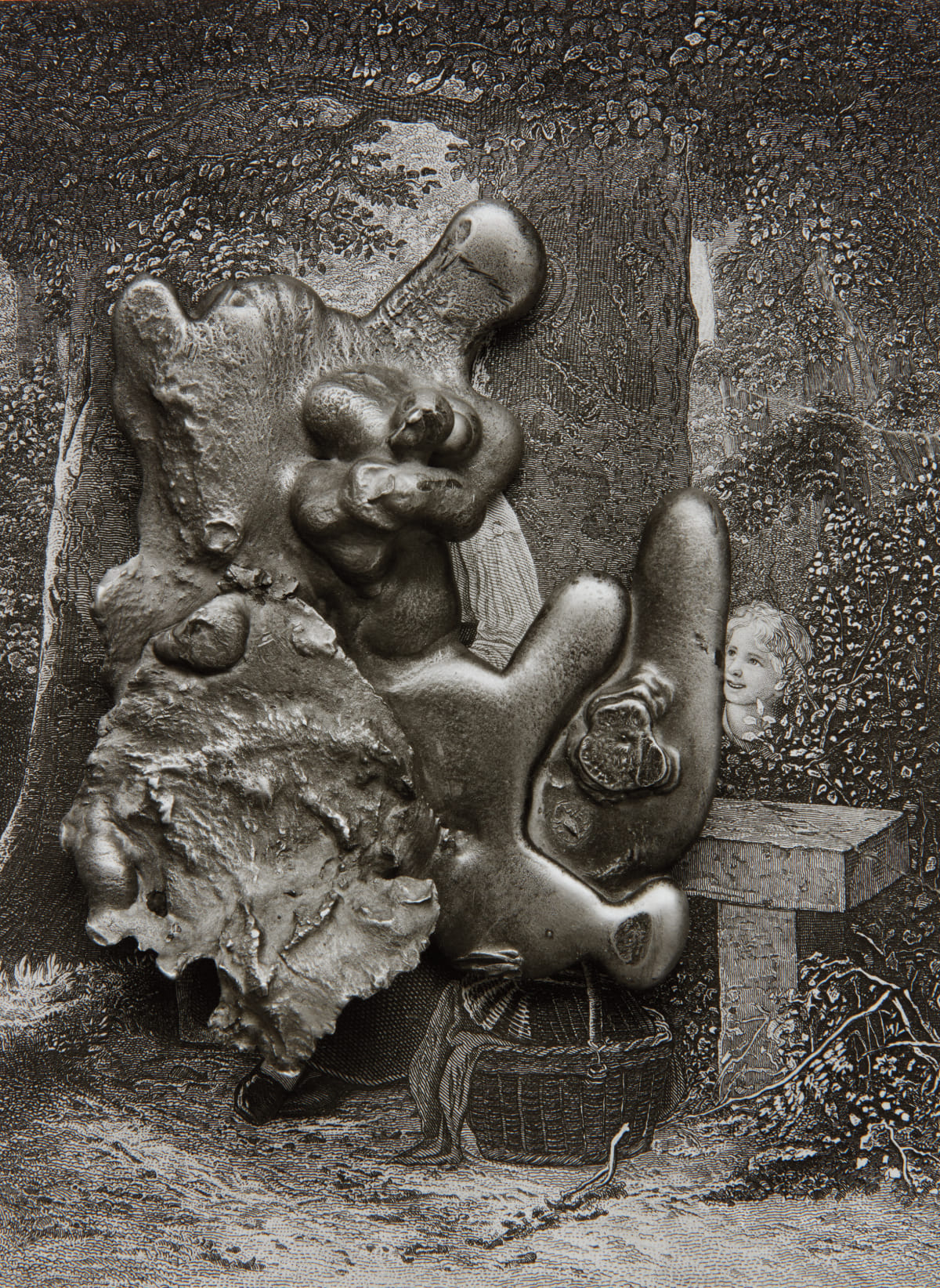
Rodolphe Bresdin
My Dream, 1883
Whatever the entry point, the experience tends to be sticky. The work keeps demanding something from you. That quality of persistent demand is, in the end, what makes this category so compelling to live with and so reliable as a long term collecting focus. Separating a good surreal work from a great one requires asking a specific question: does the strangeness feel inevitable, or does it feel merely applied?
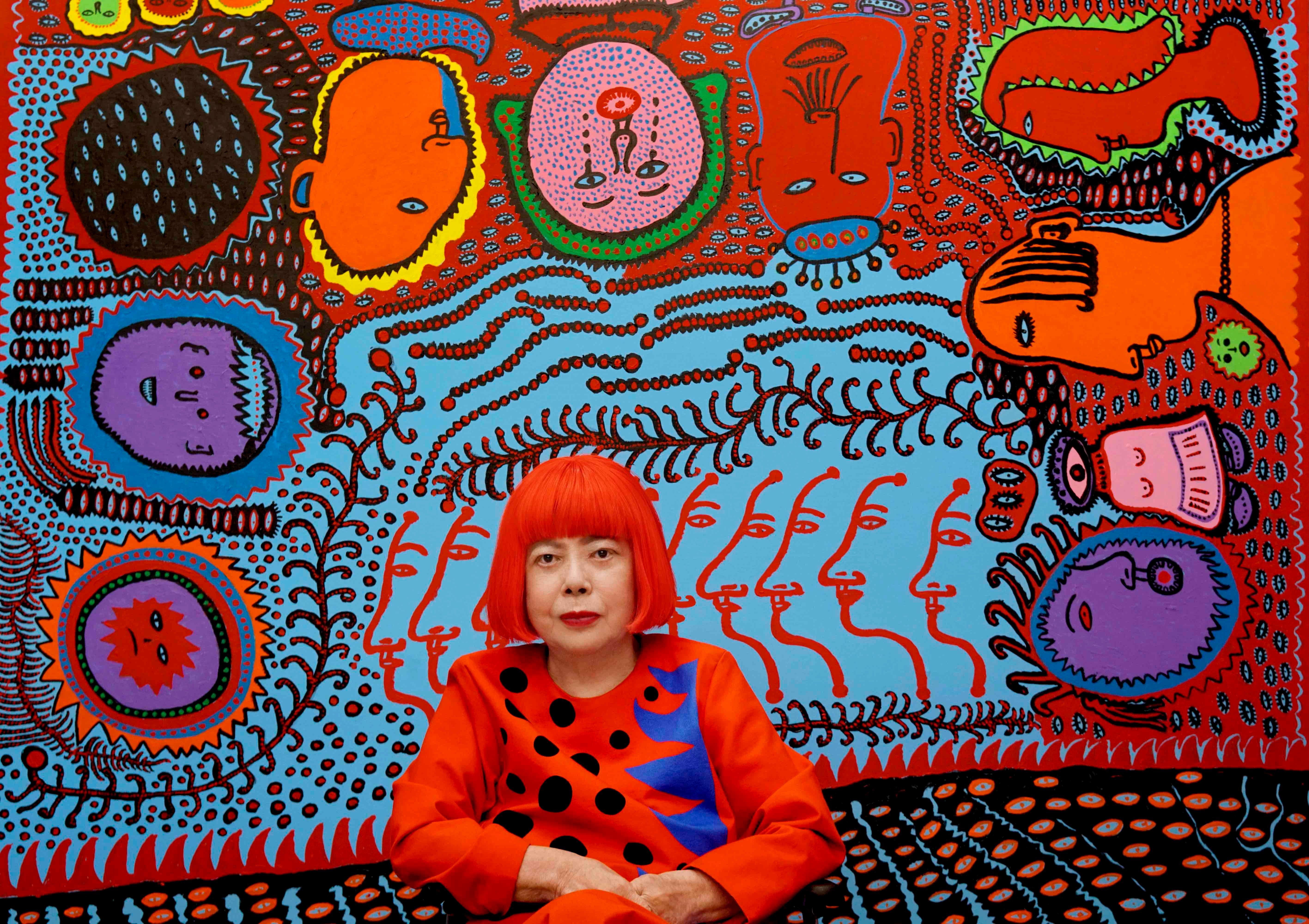
The weakest works in this genre announce their subversion too loudly. They lean on shock or novelty and exhaust themselves quickly. The strongest works carry their logic internally. When you stand in front of a Yayoi Kusama work on paper, the obsessive repetition does not feel like a stylistic choice.
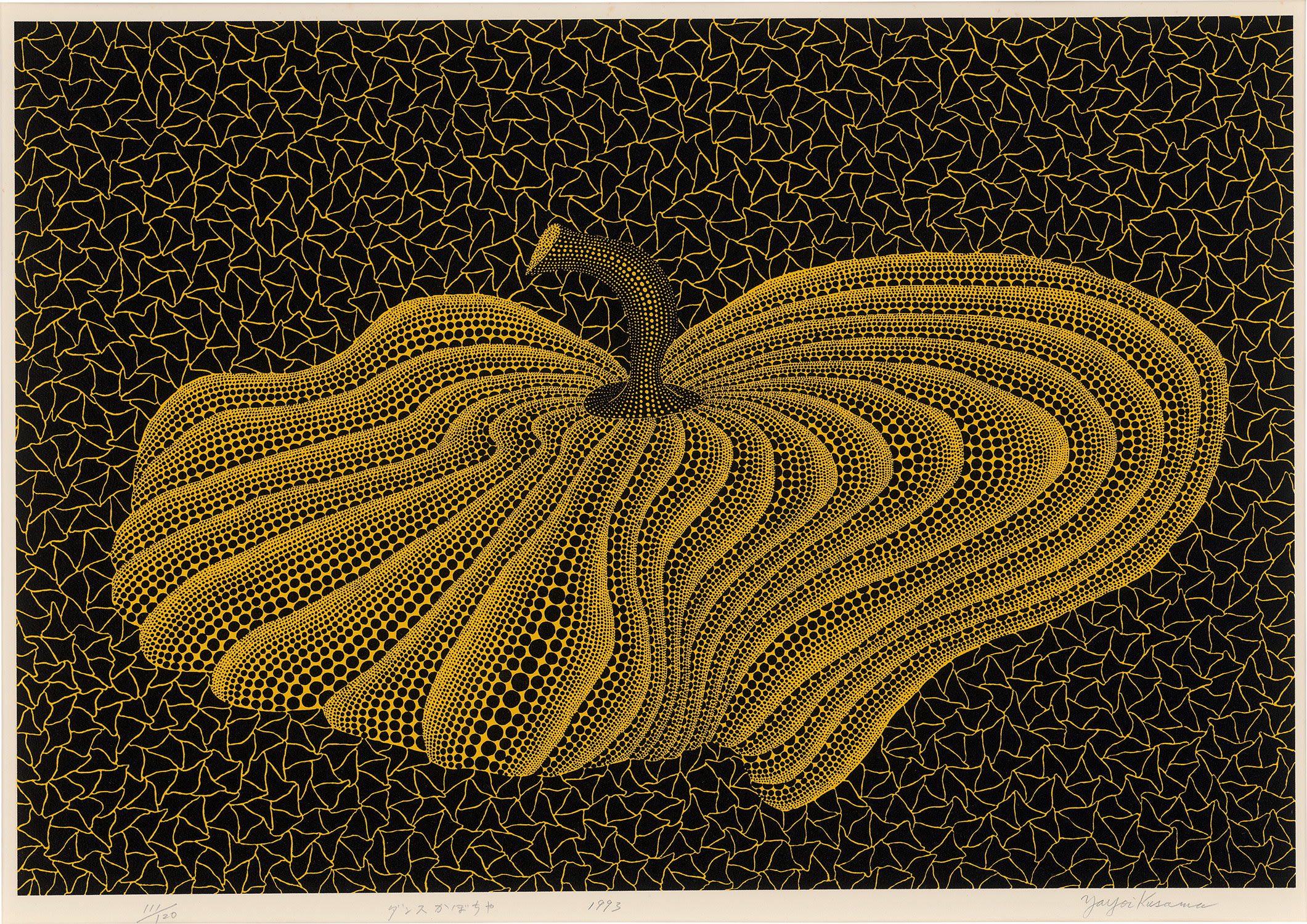
Yayoi Kusama
Dancing Pumpkin, 1993
It feels like the only possible response to the world she is describing. Similarly, the best works by George Condo achieve a kind of psychological necessity: those fractured faces could not be assembled any other way and still mean what they mean. Collectors should look for that sense of internal pressure, of an image that has arrived rather than been constructed. In terms of where to focus collecting energy, the artists represented on The Collection offer a genuinely instructive range.
Marc Chagall remains one of the most reliably resonant names in this space, not because he used the word surreal to describe himself but because his pictorial world operates by dream logic with a consistency and warmth that no amount of market exposure has diminished. His prints and works on paper represent strong value relative to his paintings, and they wear well in domestic spaces in ways that many more aggressive works do not. Frederick Sommer is a different kind of proposition: slower to be understood, more demanding of the viewer, but deeply important to anyone tracing the history of photographic surrealism in America. His work remains undervalued relative to its influence.
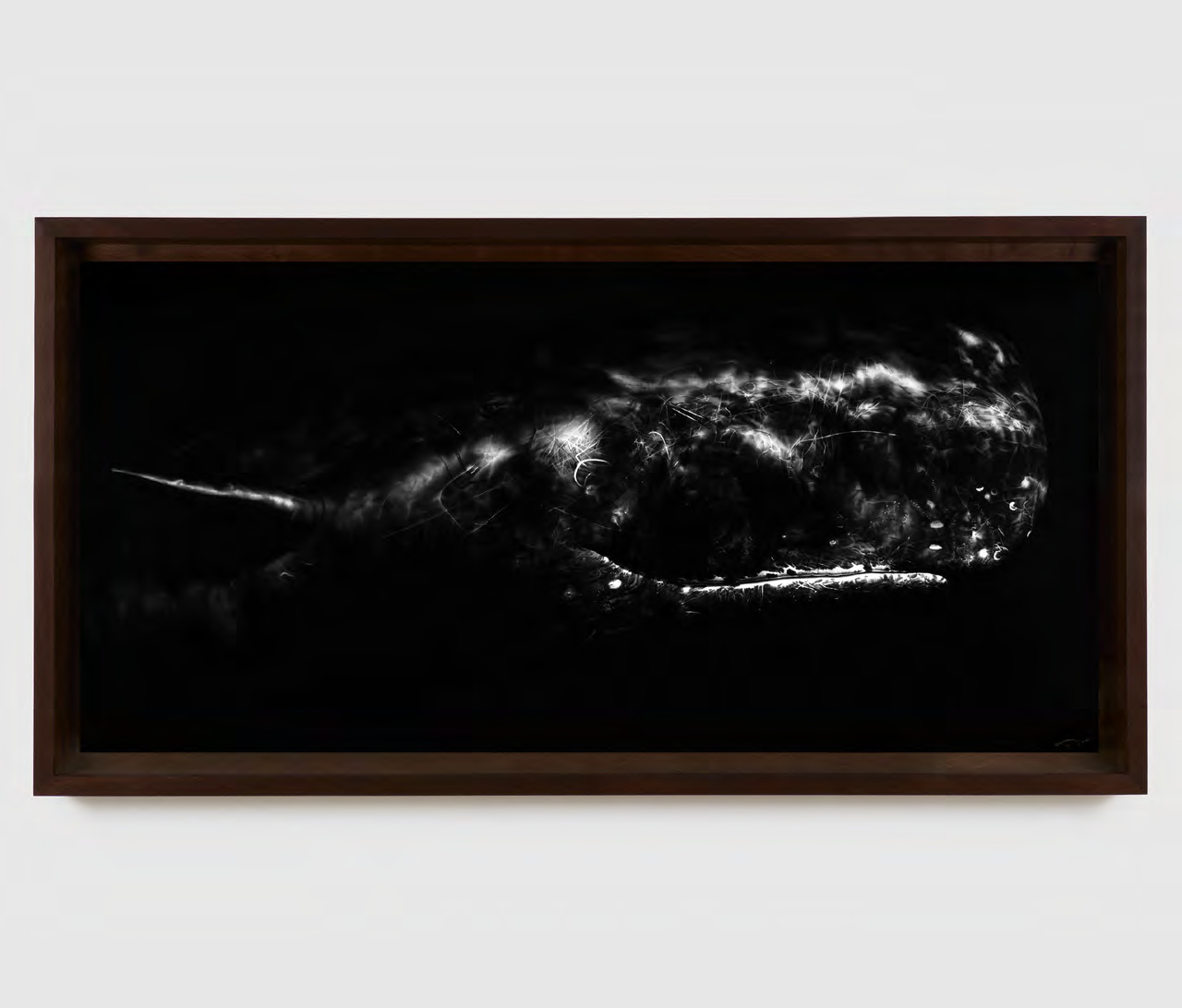
Robert Longo
Untitled (Scarred Leviathan), 2024
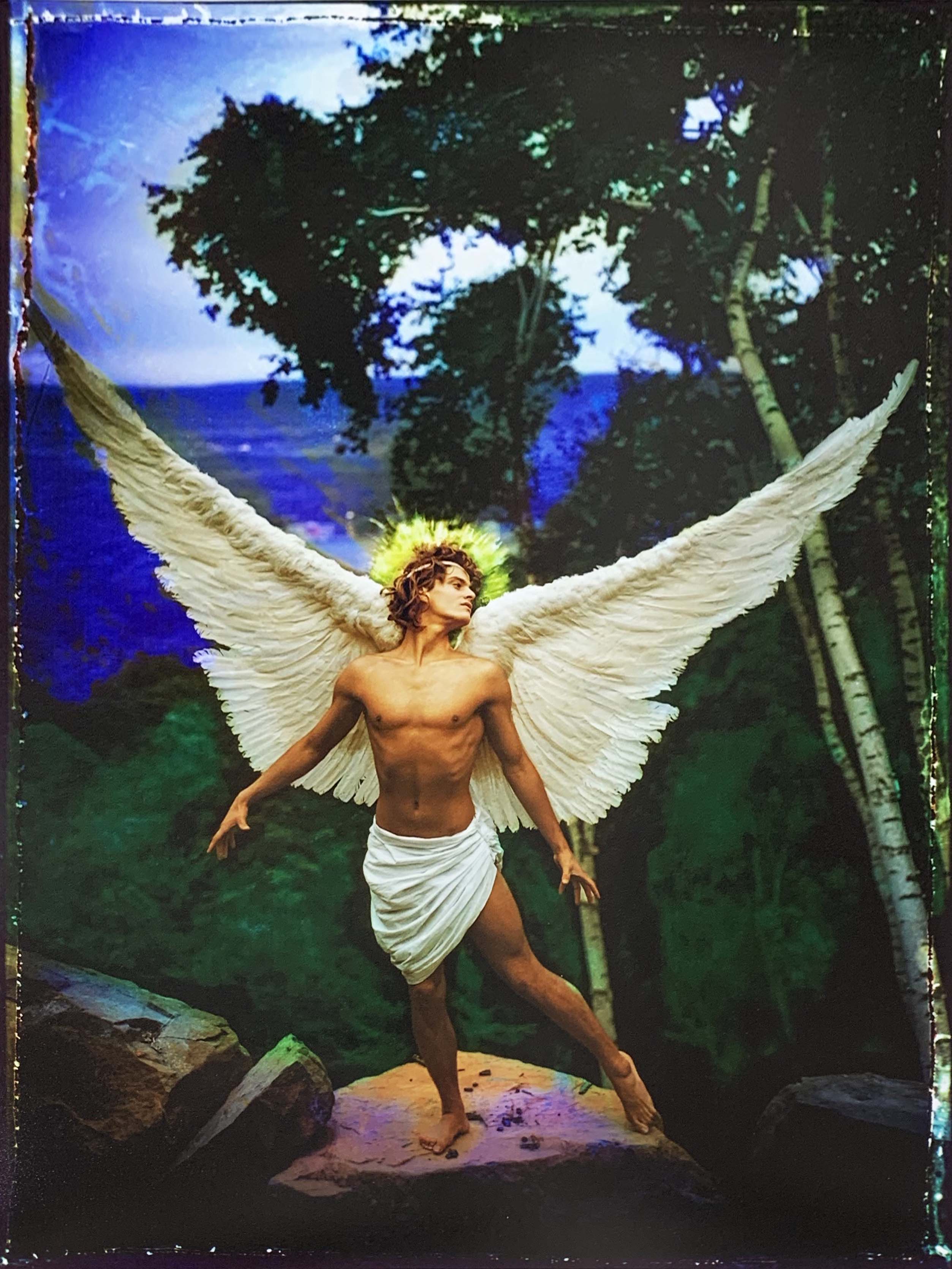
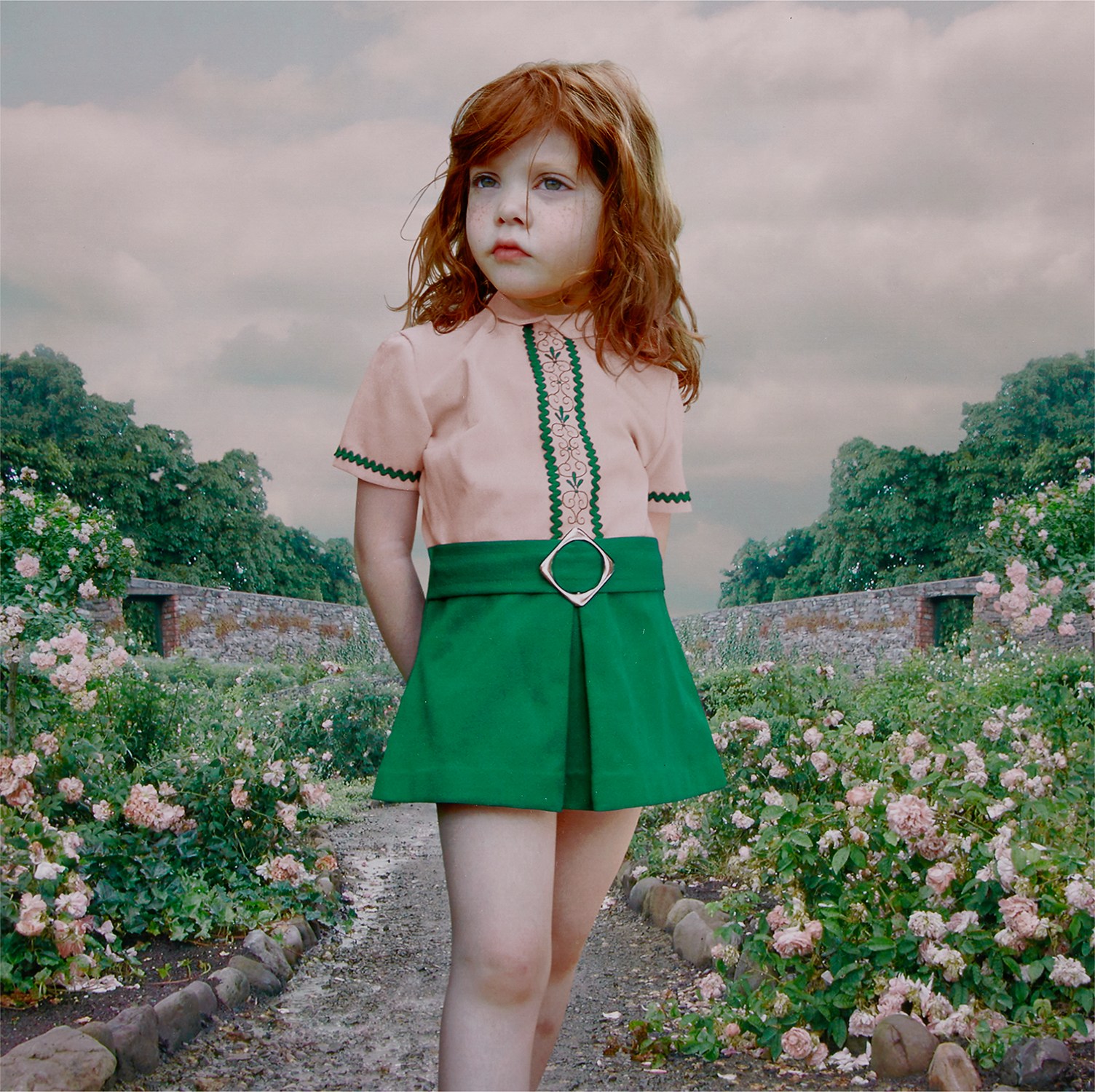
David LaChapelle occupies the opposite end of the register, loud and ecstatic and culturally hypercharged, but the strongest works hold up as serious investigations of desire and spectacle that reward sustained attention. For collectors interested in emerging and underrecognized artists working in adjacent territory, the photographers represent a particularly rich seam. Ruud van Empel constructs digitally assembled images of children in uncanny natural settings that feel at once utopian and profoundly unsettling. His work sits in major collections but has not yet achieved the auction visibility his quality deserves.
Robert ParkeHarrison, who makes staged allegorical photographs that read like dispatches from a failed civilization, occupies a similarly interesting position. Both artists are working with the vocabulary of the surreal but in languages that feel distinctly contemporary, which tends to be where the most interesting collecting opportunities reside. Loretta Lux deserves mention in the same breath: her digitally altered portraits of children carry an unease that is nearly impossible to shake, and her edition sizes are small enough to support long term value. The secondary market for surreal works is robust but uneven, which is actually good news for serious collectors.
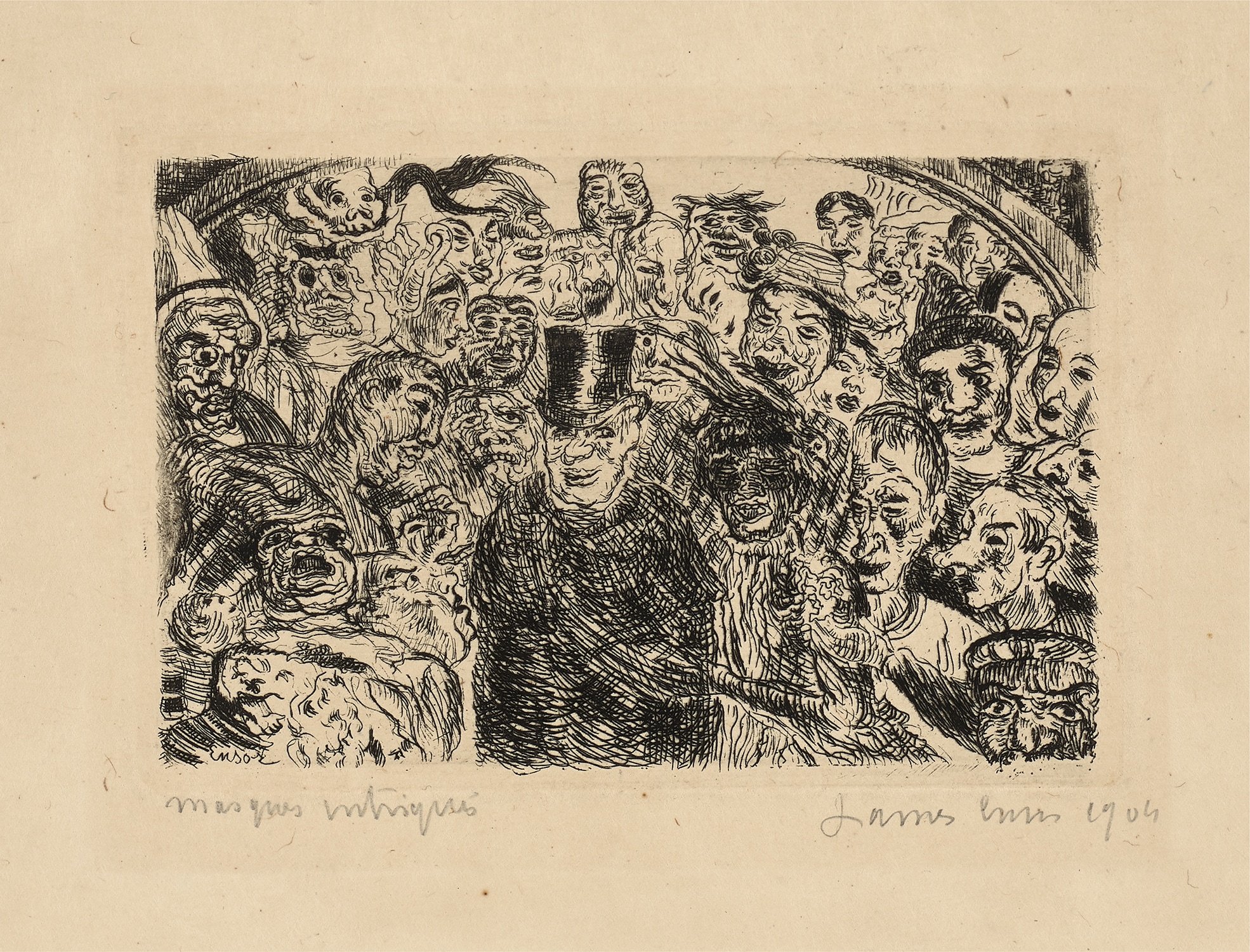
James Ensor
Masques intrigués (Perplexed Masks) (T. 128, E. 133)
Blue chip surrealism, the canonical Dali or the major Chagall painting, performs predictably at the top auction houses. But the category is wide enough that genuine discoveries are still possible. Works by James Ensor, whose masked carnival scenes prefigure so much of what came later, have seen renewed critical interest in recent years without a proportionate spike in secondary market prices. Max Klinger, the German Symbolist printmaker whose etchings are among the most psychologically complex images of the nineteenth century, remains accessible at auction in ways that would astonish anyone who has spent serious time looking at the work.
These are the kinds of names where patience and connoisseurship still pay off. Practically speaking, collectors in this category should pay close attention to edition size and publication history when acquiring photographs or prints, since the surreal mode translates powerfully into multiples and many of the most important artists worked extensively in these formats. Ask galleries not just about condition but about exhibition history: works that have been shown frequently in challenging light environments or fluctuating climates can carry invisible damage. For photographic works specifically, inquire about whether prints are vintage or printed later, and whether the artist was involved in the printing process.
Condition concerns for unique paintings are more traditional but worth stating: lining, retouching, and provenance gaps all matter more in a category where authenticity questions have historically been active. Display considerations are equally important. Surreal works tend to need space to breathe. A work that is crowded by its neighbors loses the psychological autonomy that makes it work in the first place.
Give it a wall. Let it be strange on its own terms.