Alexander Calder
399
Works
11
Followers
Artist Spotlight
Alexander Calder: The Art of Pure Motion
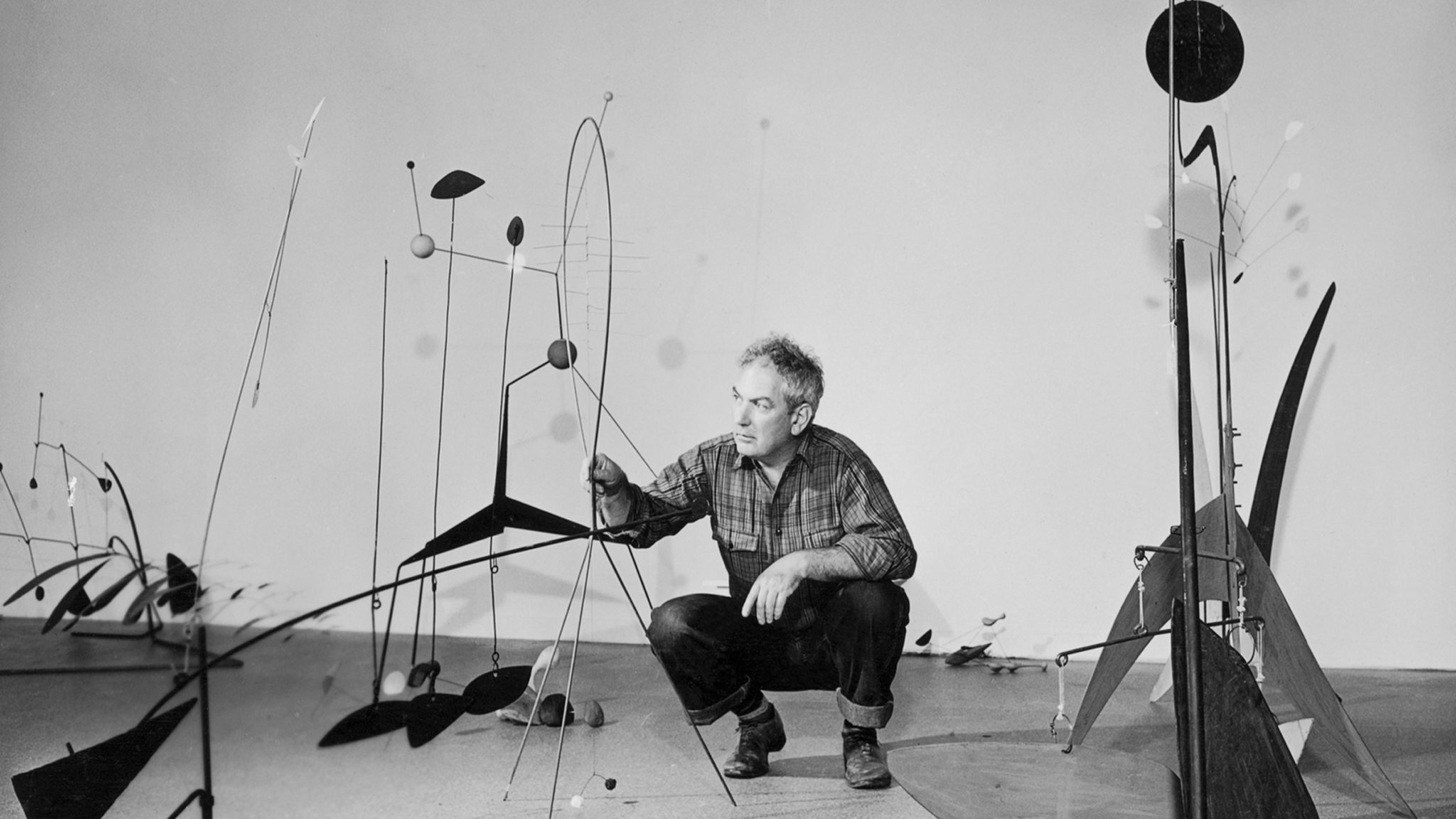
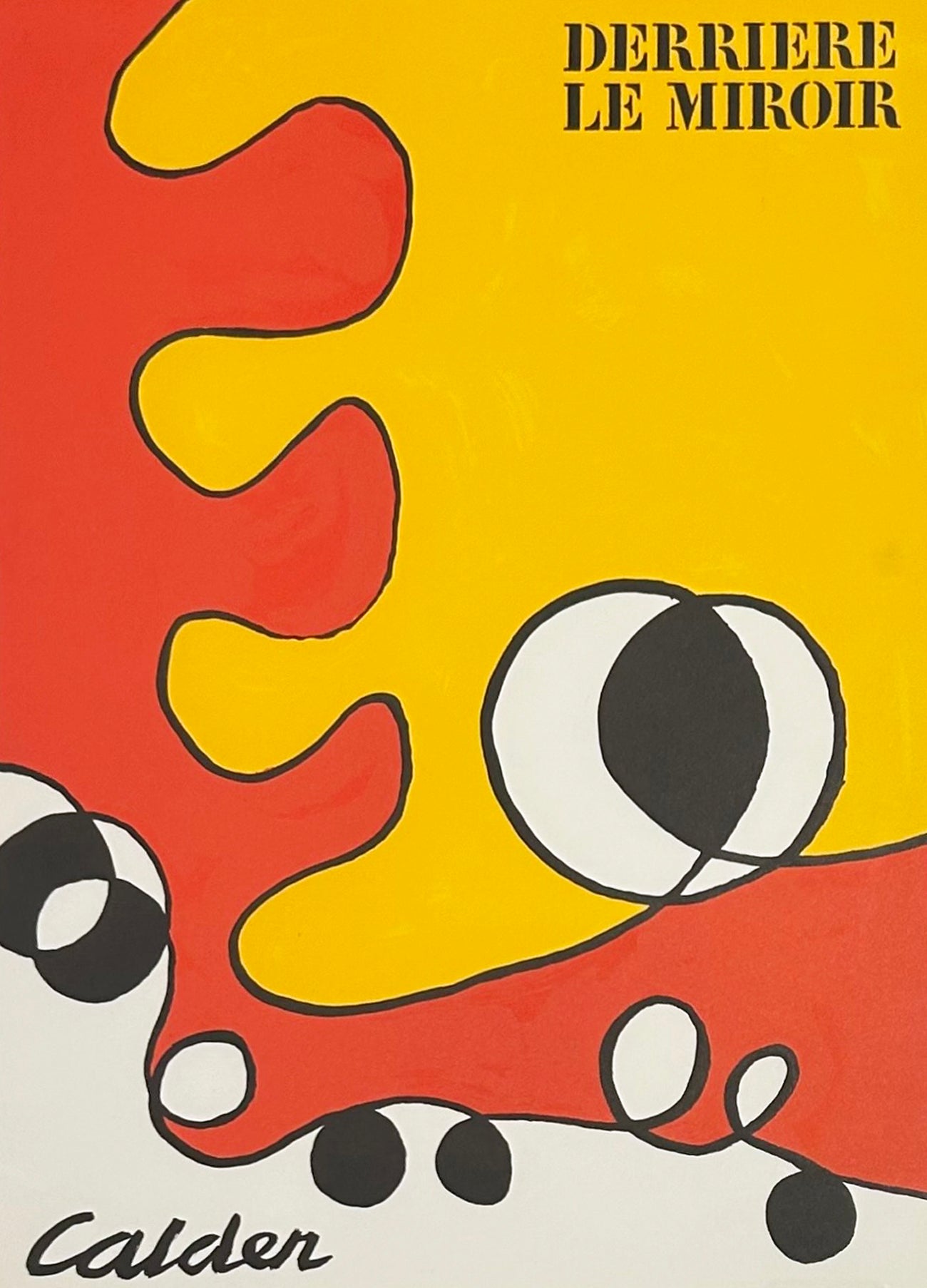
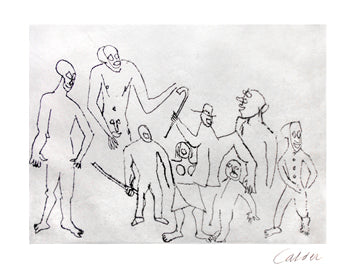
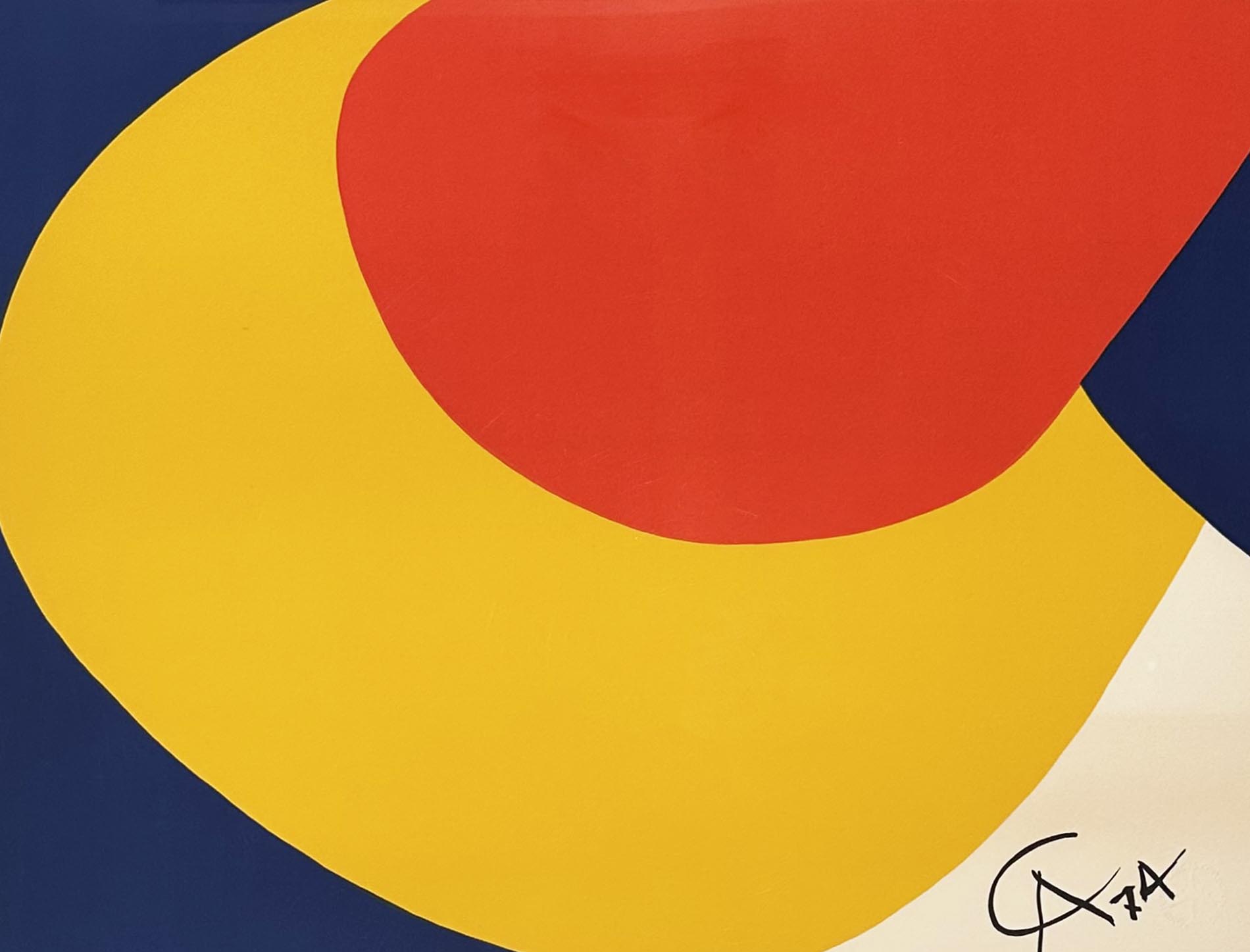
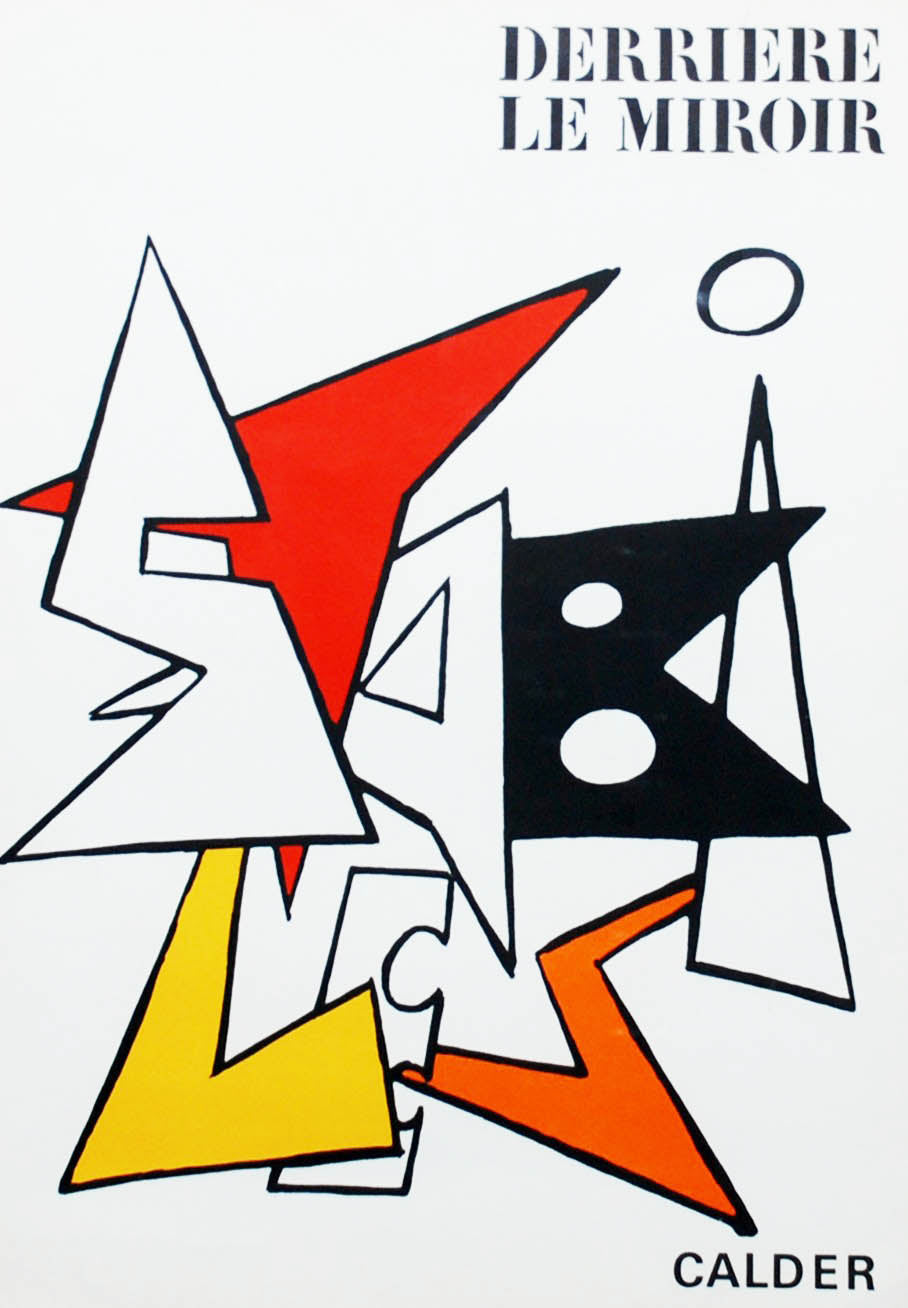
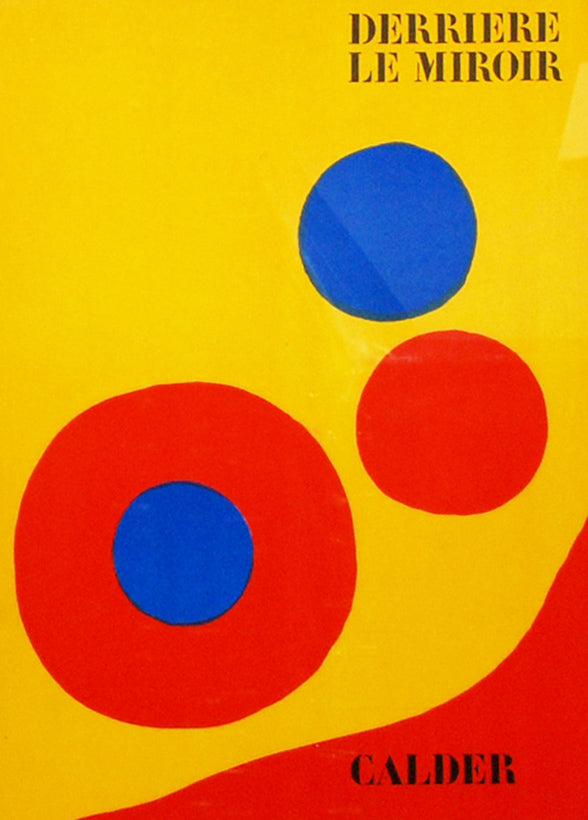
There is a moment, standing beneath one of Alexander Calder's great mobiles, when the ordinary world falls away. The steel arcs dip and rise, the painted discs catch the light, and something that seems impossible becomes self evident: sculpture can breathe. That sensation has captivated audiences since Calder first suspended his painted forms from wire in the early 1930s, and it continues to animate museum atria, corporate plazas, and private collections around the world. Recent retrospectives at the Calder Foundation and the ongoing institutional reassessment of mid century American… Continue reading

Also spotted by

Artists in conversation
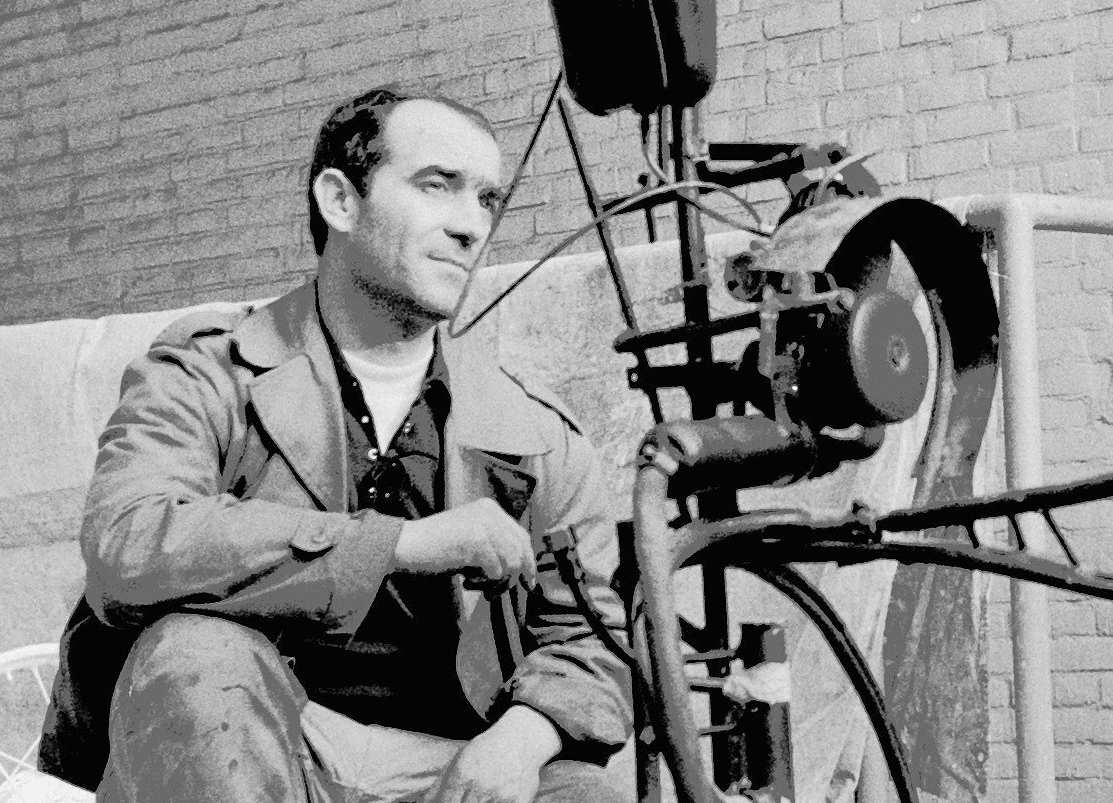
Jean Tinguely
Tinguely created kinetic sculptures that share Calder's fascination with movement and mechanical motion in three dimensional abstract form. Both artists transformed sculpture into a living, temporal experience through carefully engineered balance and motion.
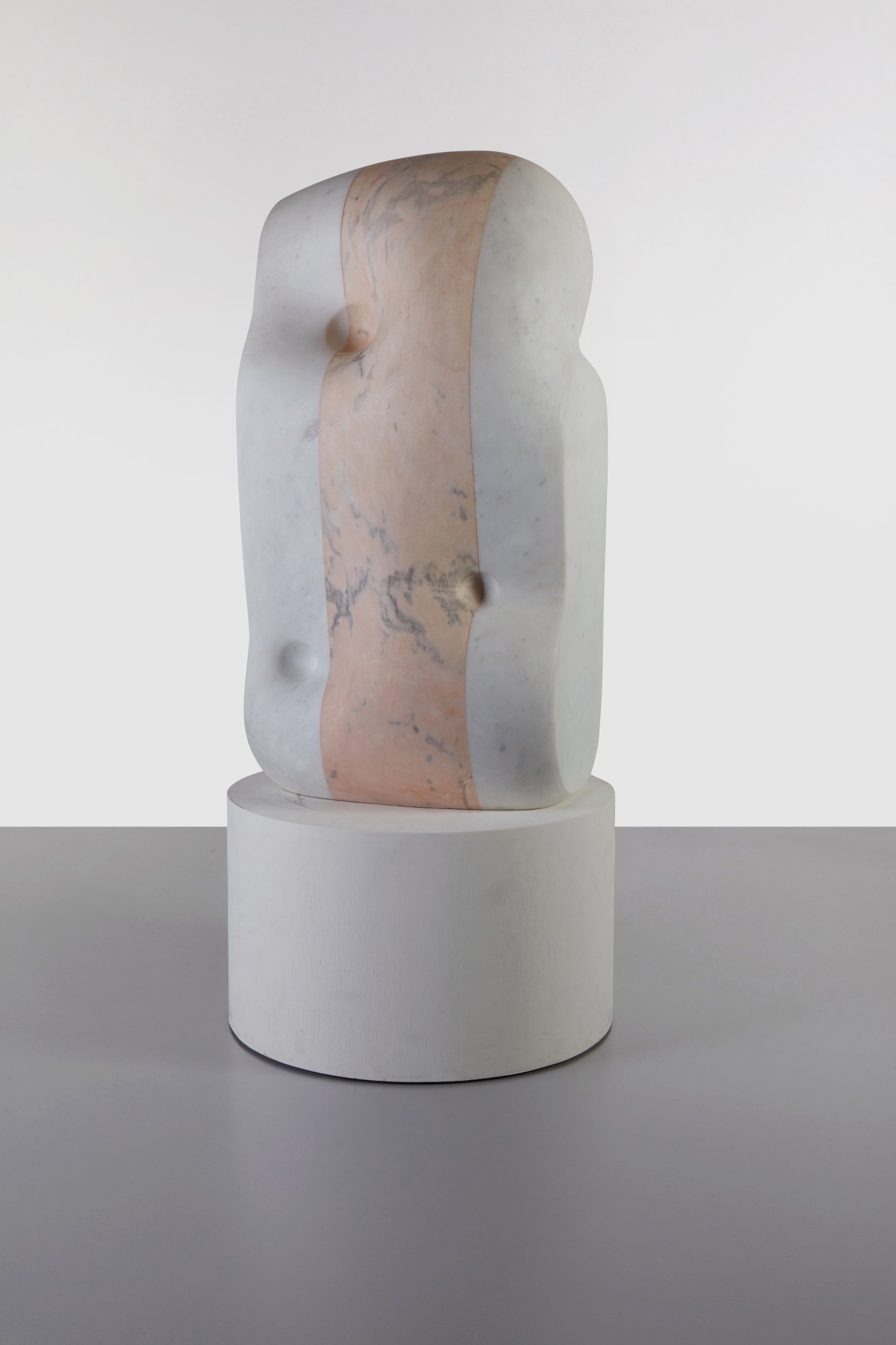
Isamu Noguchi
Noguchi worked in abstract biomorphic sculpture that echoes Calder's language of organic shapes and poetic abstraction. His public sculptures and intimate studio works share Calder's ability to blend whimsy with formal rigor and natural inspiration.
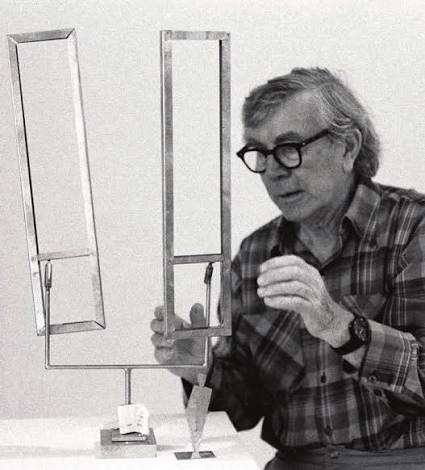
George Rickey
Rickey devoted his practice to kinetic sculpture with delicately balanced stainless steel elements that move in response to air currents, closely paralleling Calder's mobile tradition. His work is perhaps the most direct formal parallel to Calder's kinetic legacy.
Artists who inspired them
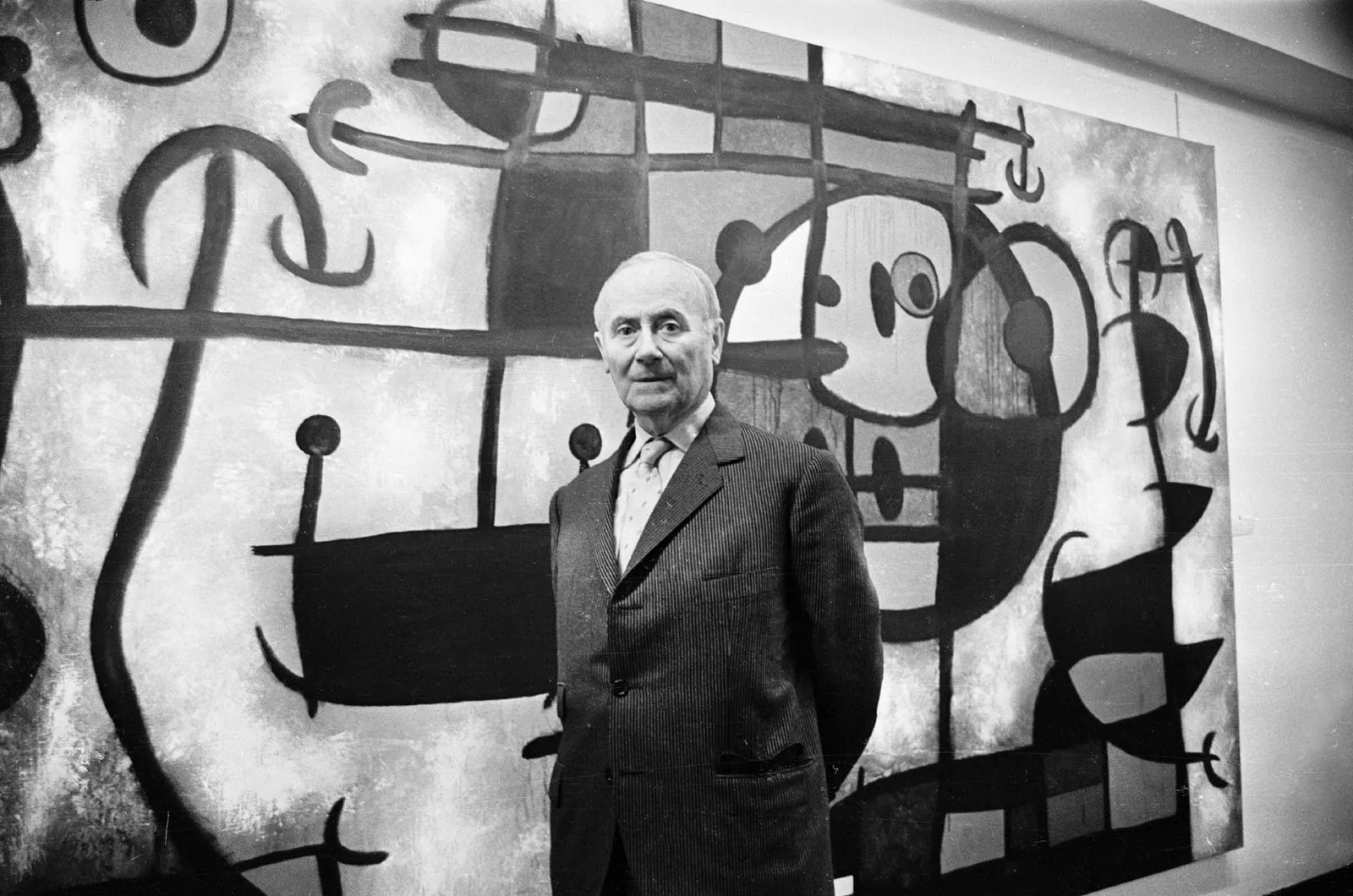
Joan Miró
Miró's biomorphic surrealist vocabulary of floating playful shapes had a profound impact on Calder's visual language and palette. The two were close friends in Paris and Miró's joyful abstraction is directly reflected in Calder's painted mobiles and gouaches.
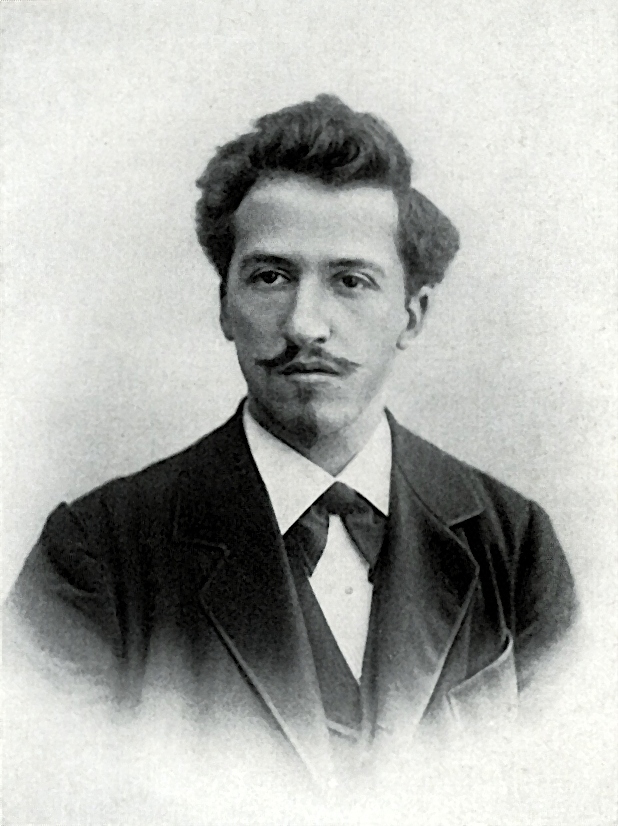
Piet Mondrian
A visit to Mondrian's Paris studio in 1930 was a transformative moment for Calder, inspiring him to create abstract rather than representational work. Mondrian's use of primary colors and geometric reduction directly shaped Calder's abstract sculptural language.
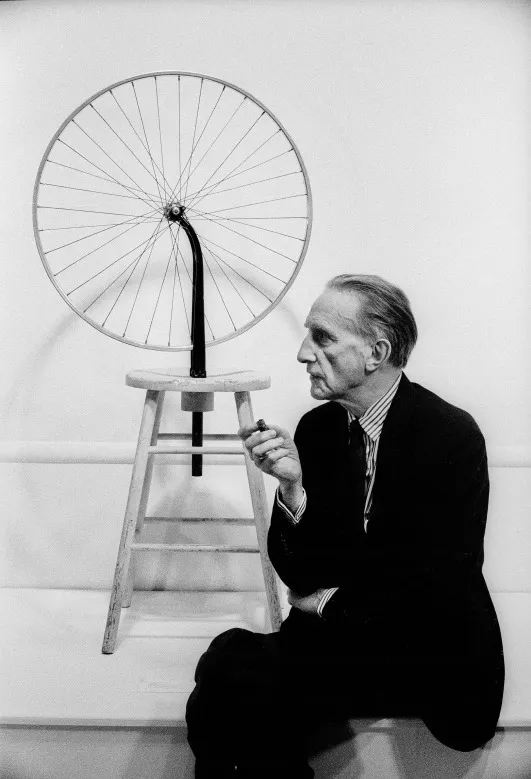
Marcel Duchamp
Duchamp was a close friend and advocate of Calder who famously coined the term mobile to describe Calder's kinetic works. Duchamp's conceptual approach to art objects and his interest in chance and motion deeply informed Calder's thinking about sculpture.
Artists they inspired
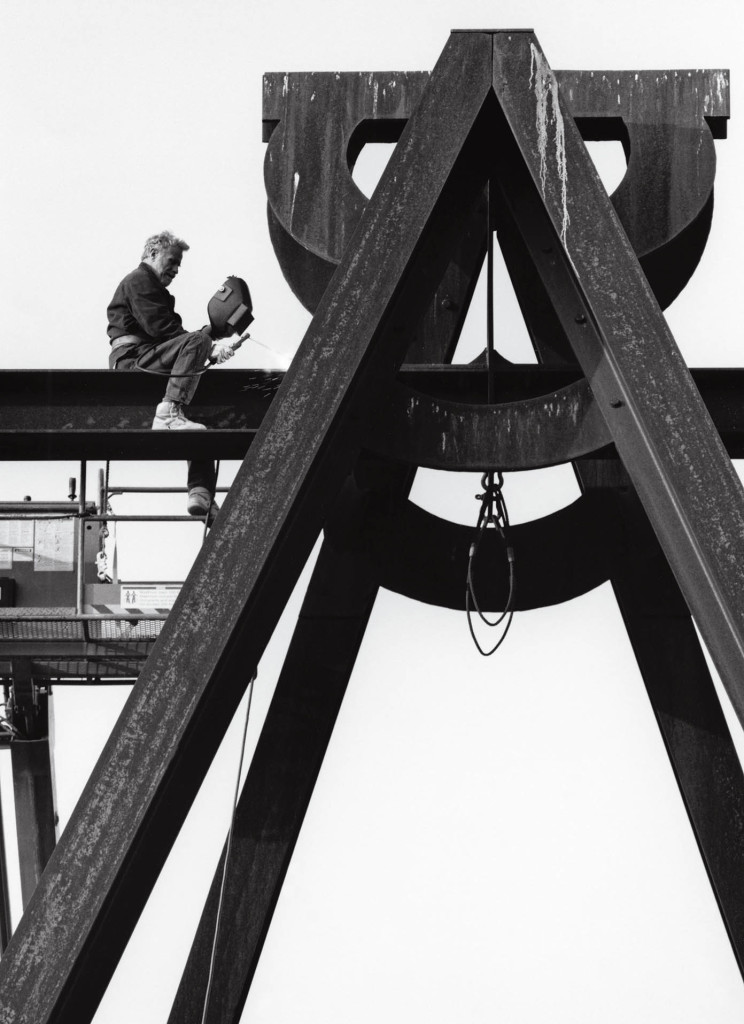
Mark di Suvero
Di Suvero's large scale abstract steel sculptures extend Calder's legacy of monumental welded form and at times incorporate moving elements that echo Calder's kinetic tradition. His bold use of industrial materials in expressive abstract sculpture builds directly on Calder's stabile vocabulary.
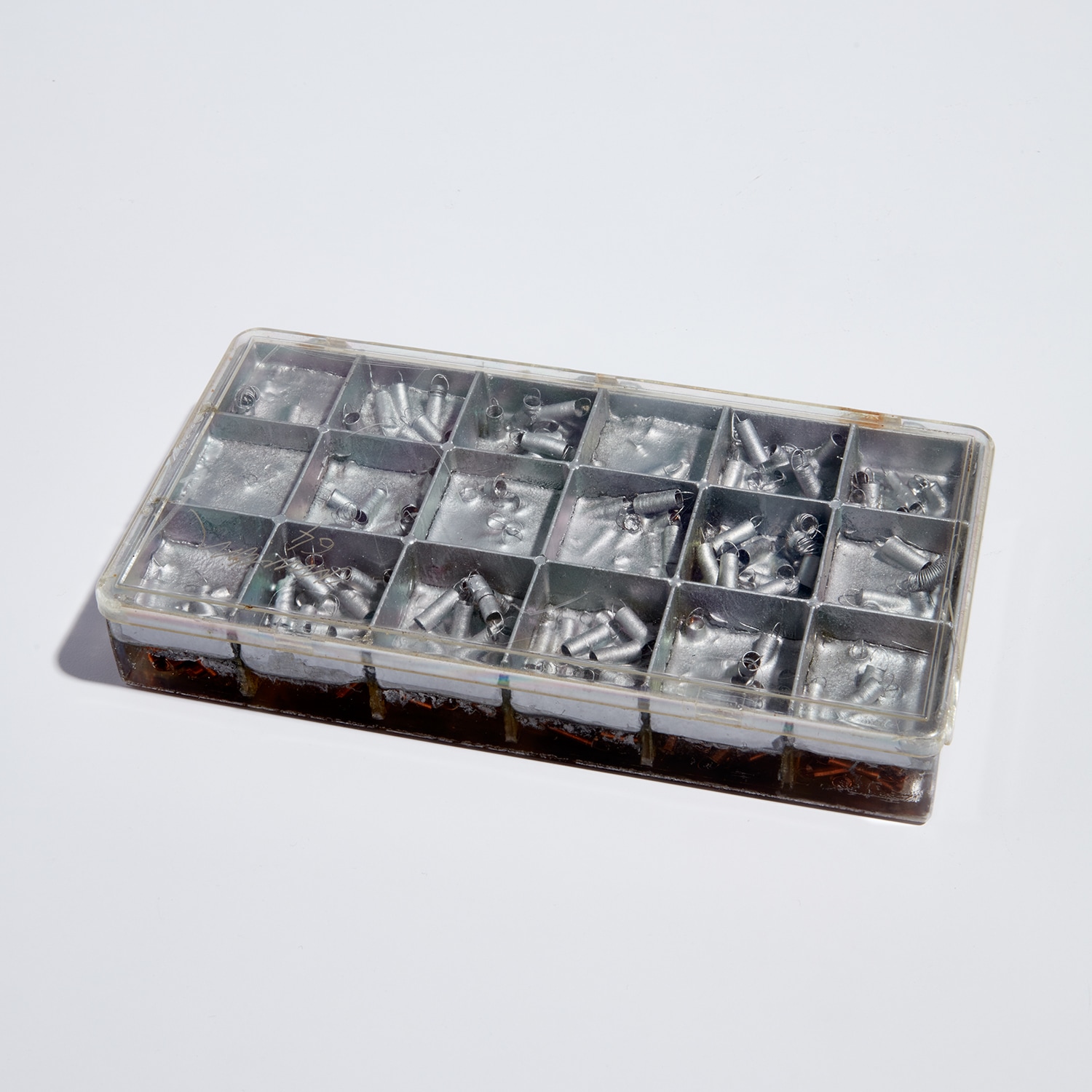
Kenneth Snelson
Snelson studied under Buckminster Fuller but was deeply shaped by Calder's demonstration that sculpture could explore tension, balance, and spatial suspension as its primary subject matter. His tensegrity structures reflect Calder's pioneering investigation of equilibrium as an artistic concept.
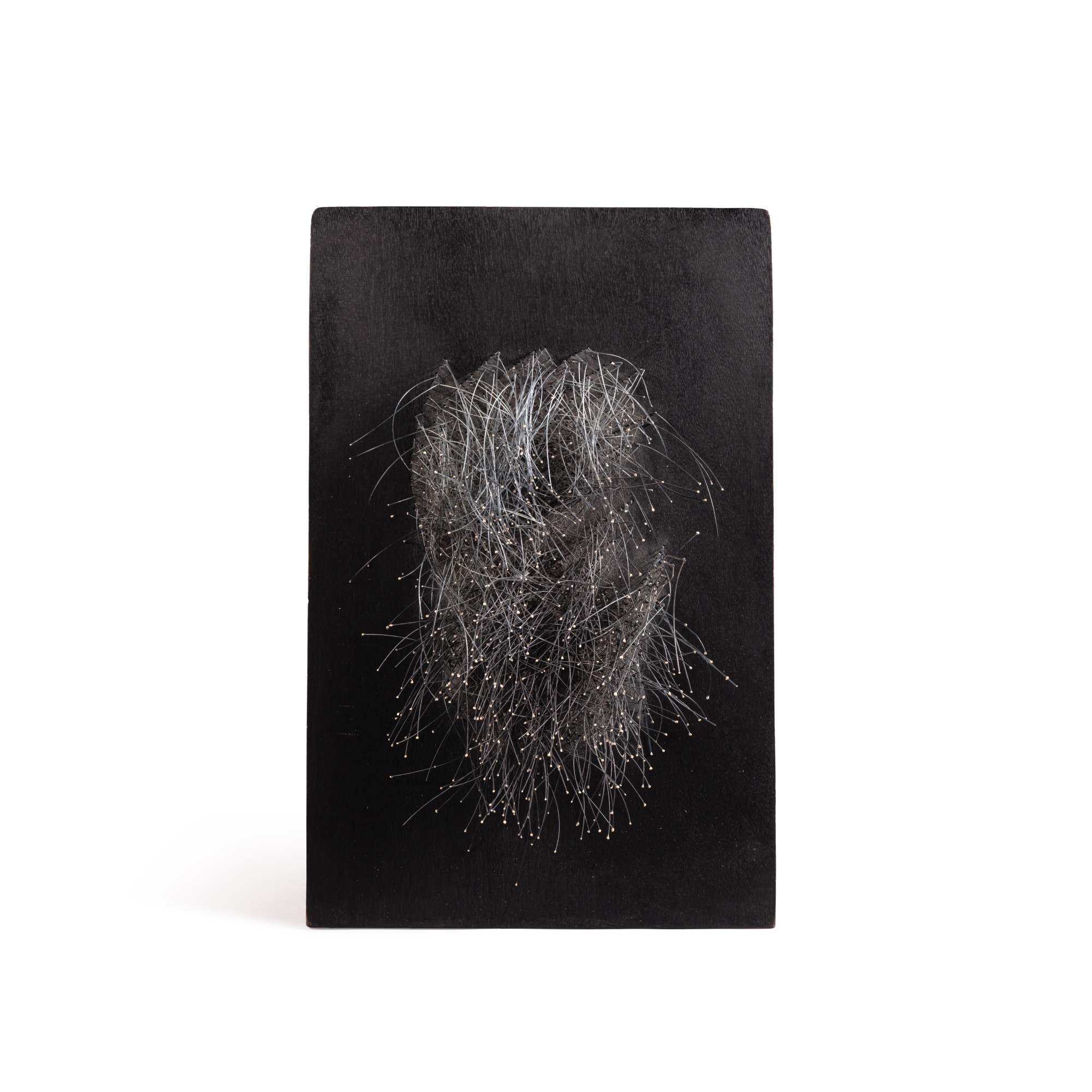
Pol Bury
Bury developed a practice of slow moving kinetic sculpture that grew directly out of his encounter with Calder's mobiles at a 1953 exhibition in Brussels. He credited that experience as the catalyst that redirected his work toward motion as a sculptural medium.