Peter Alexander
11
Works
7
Followers
Artist Spotlight
Peter Alexander, Where Light Becomes Everything
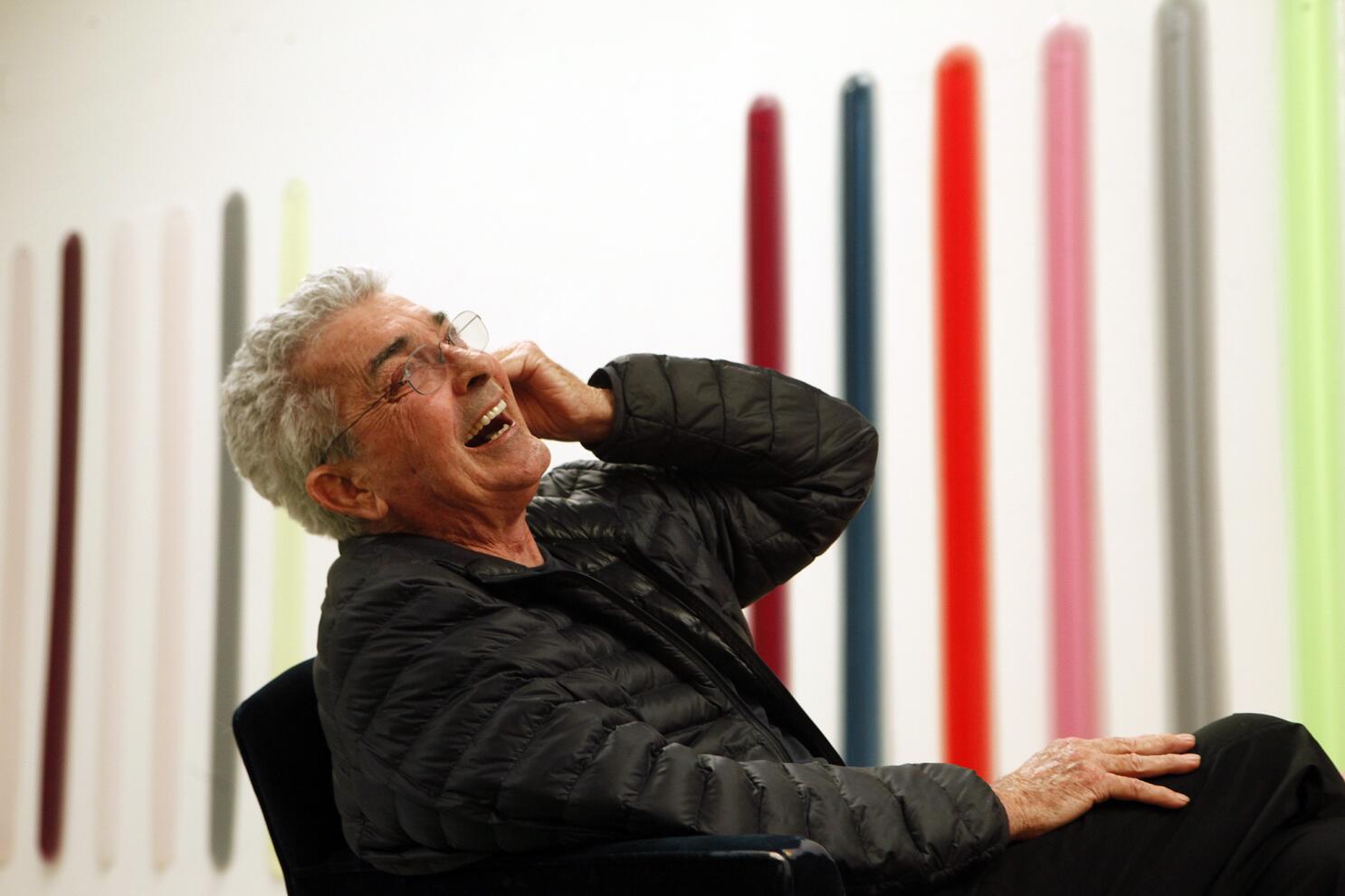
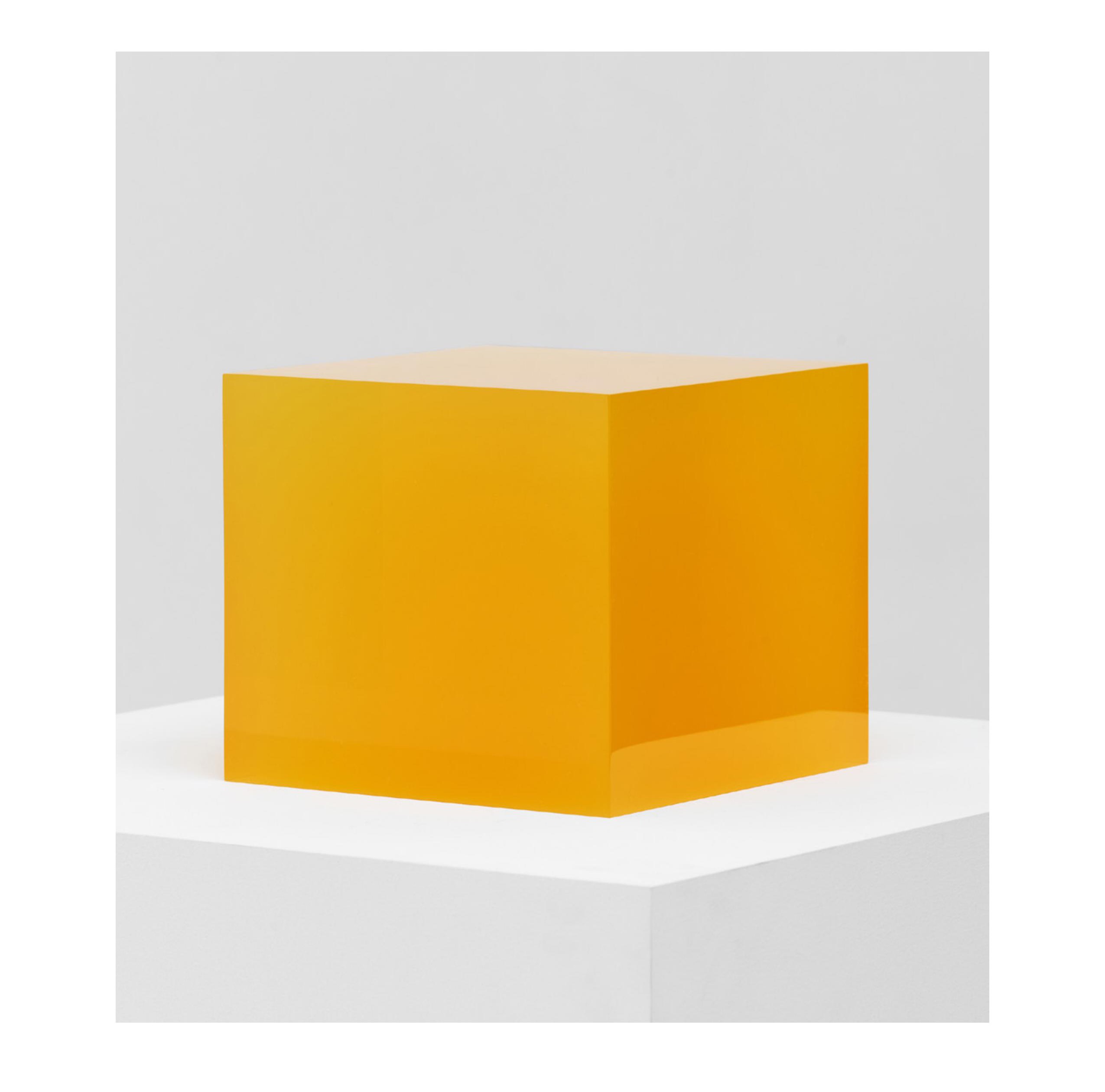
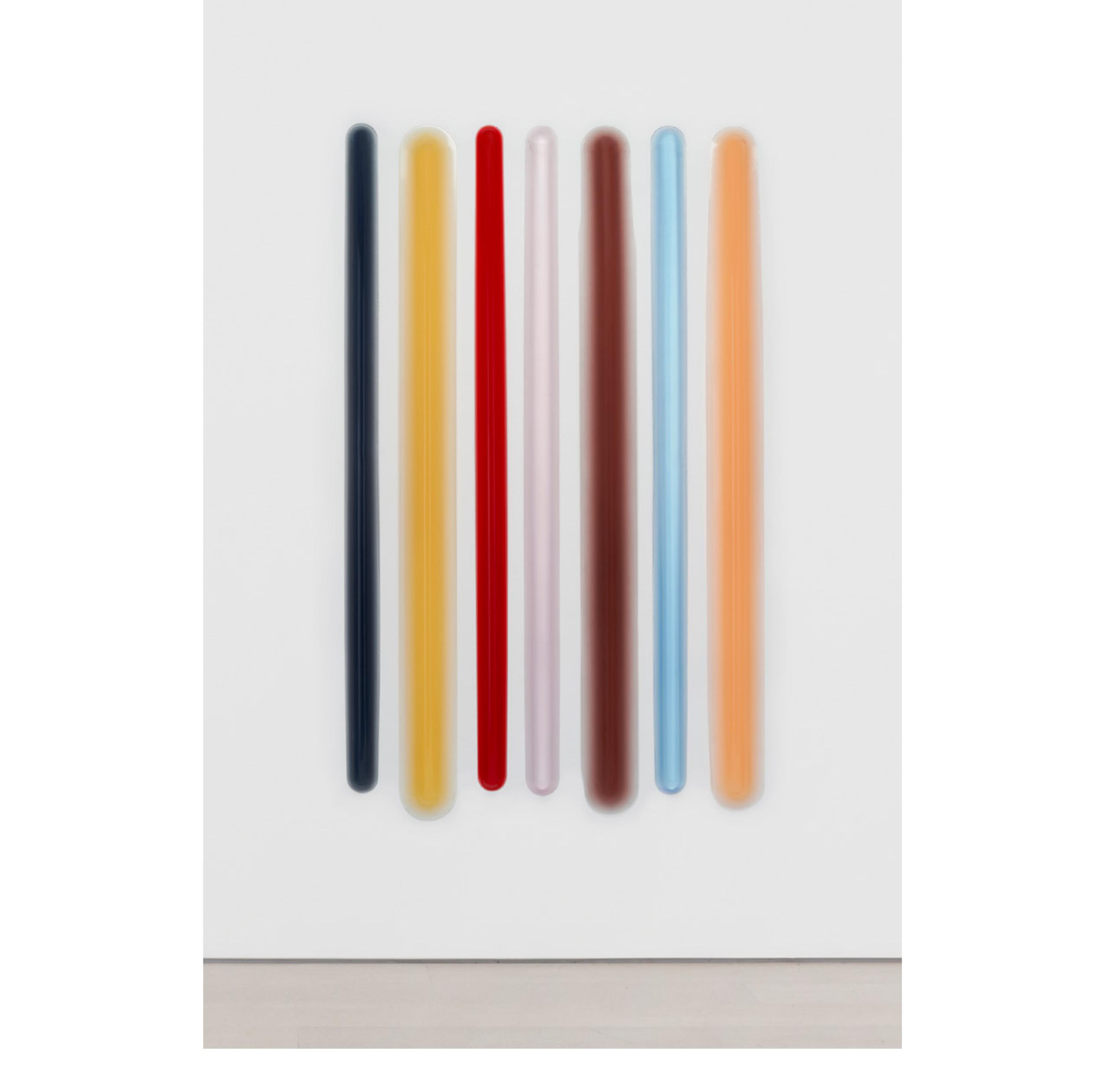
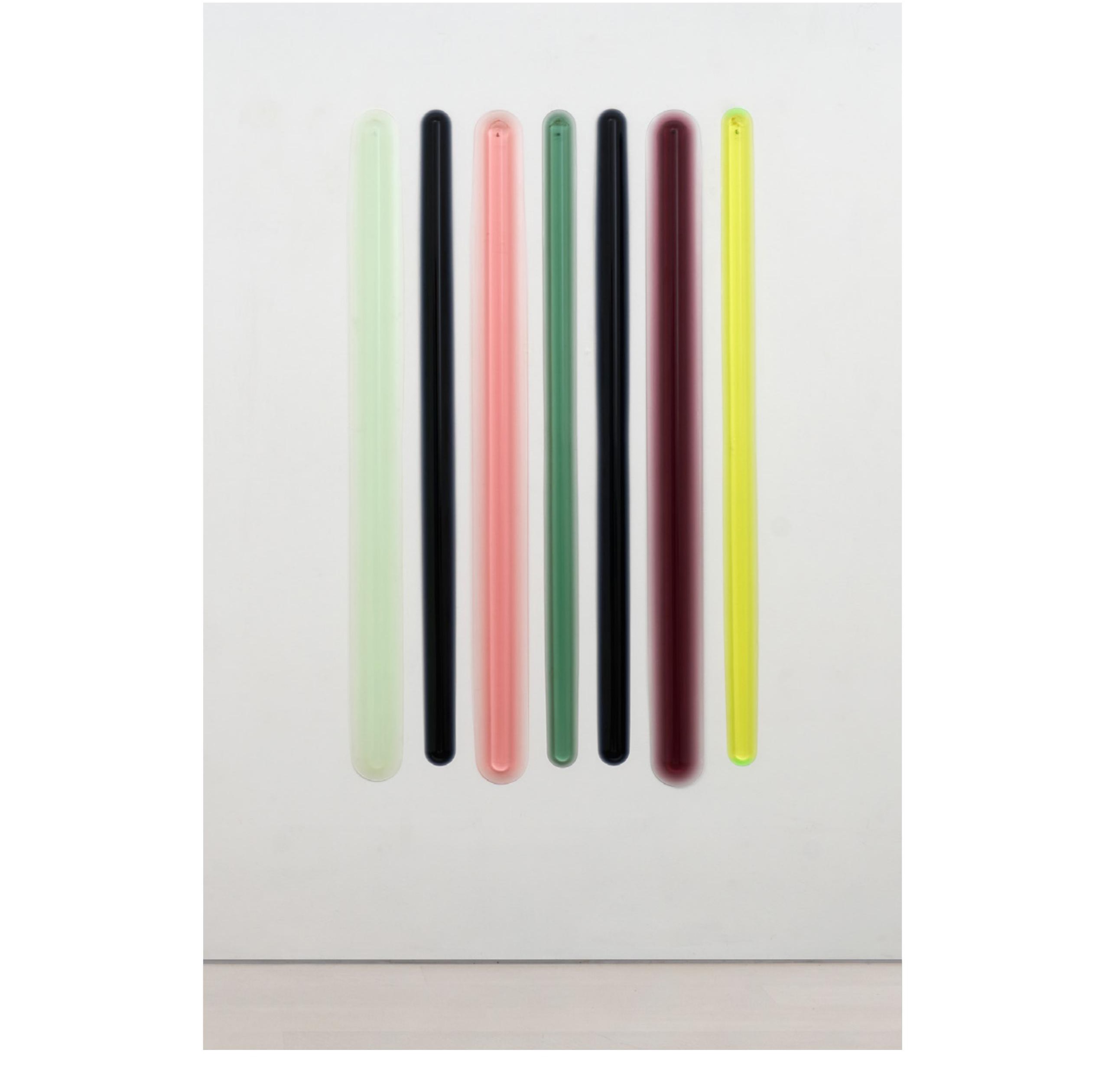
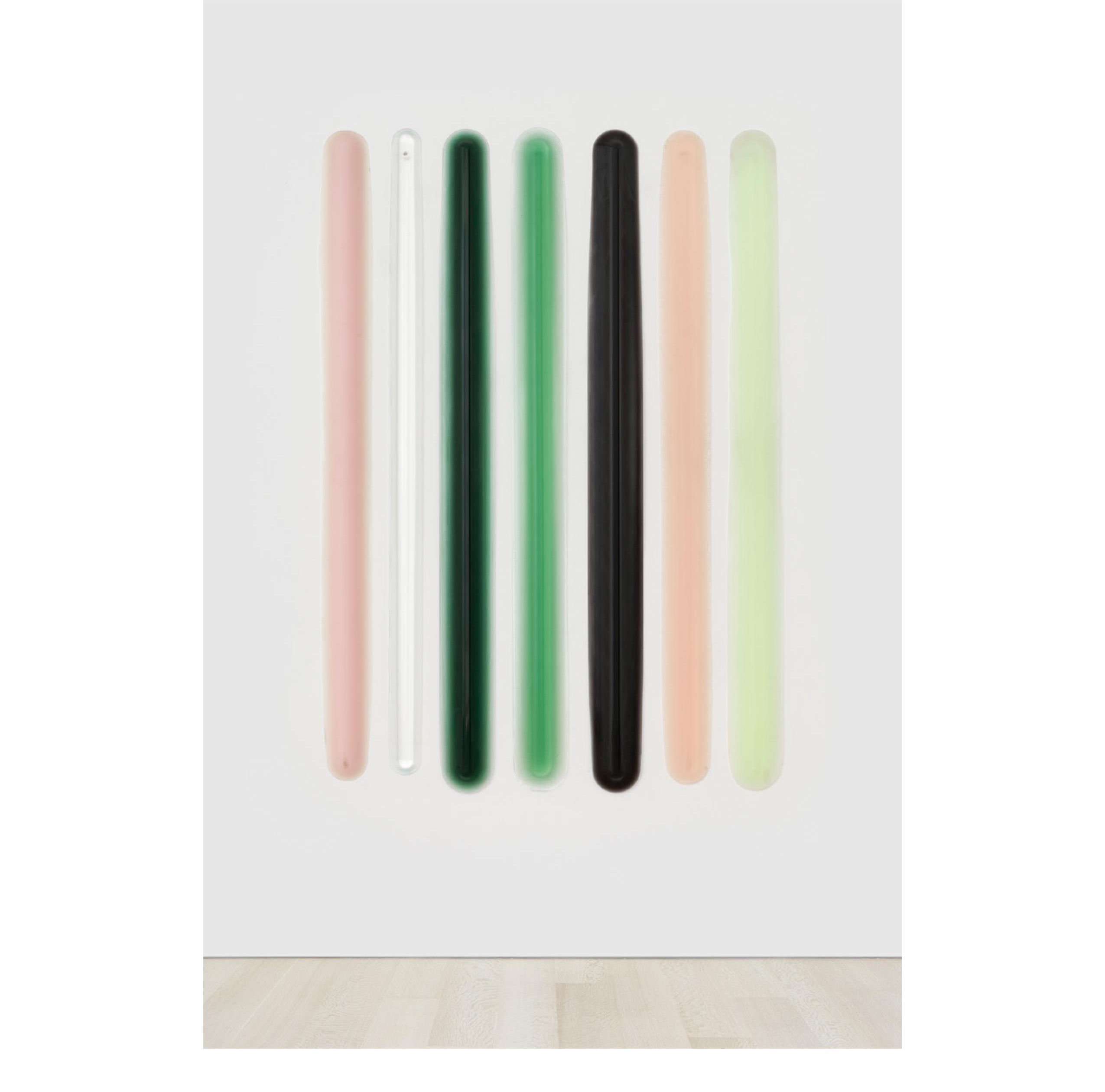
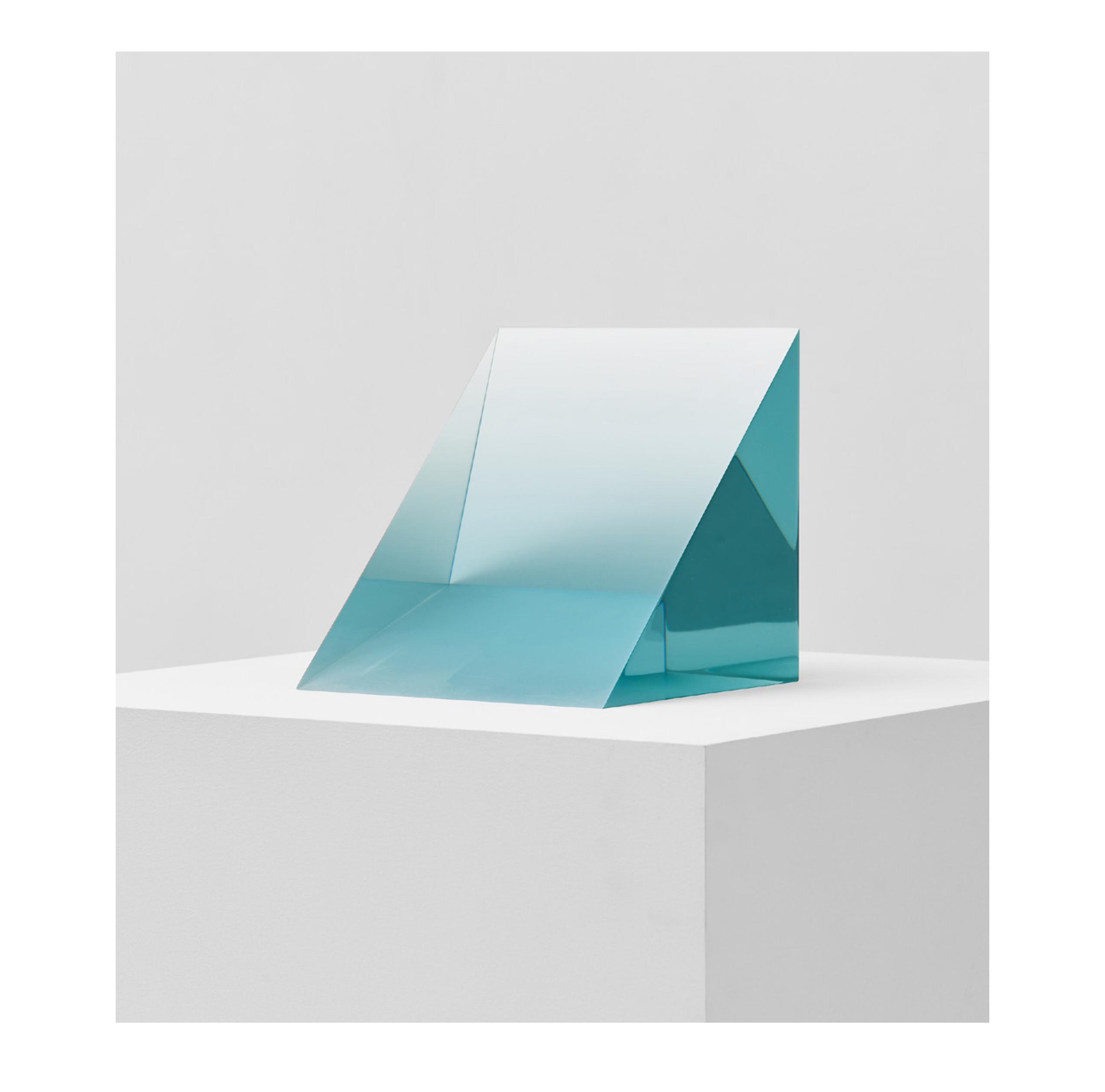
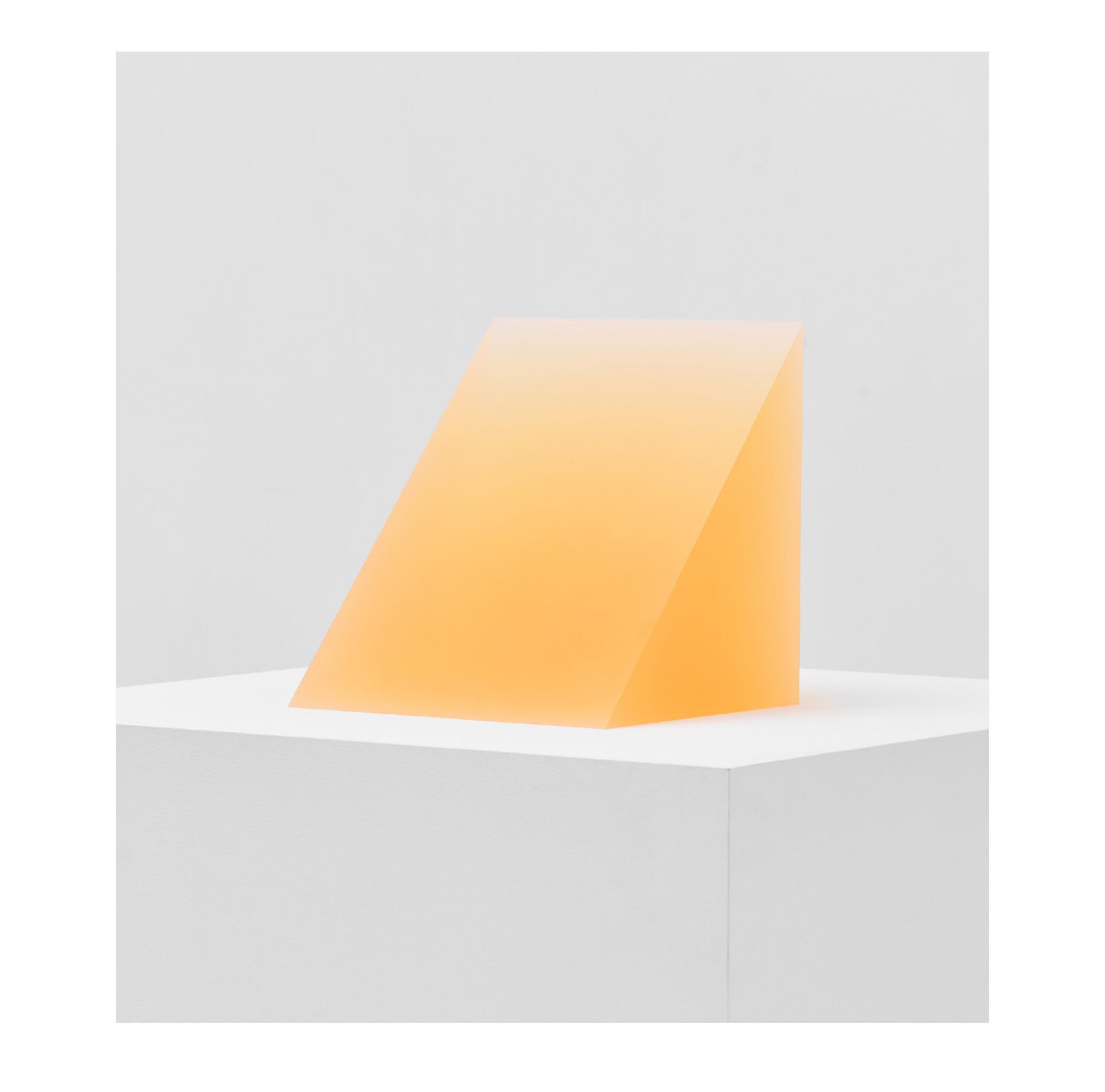
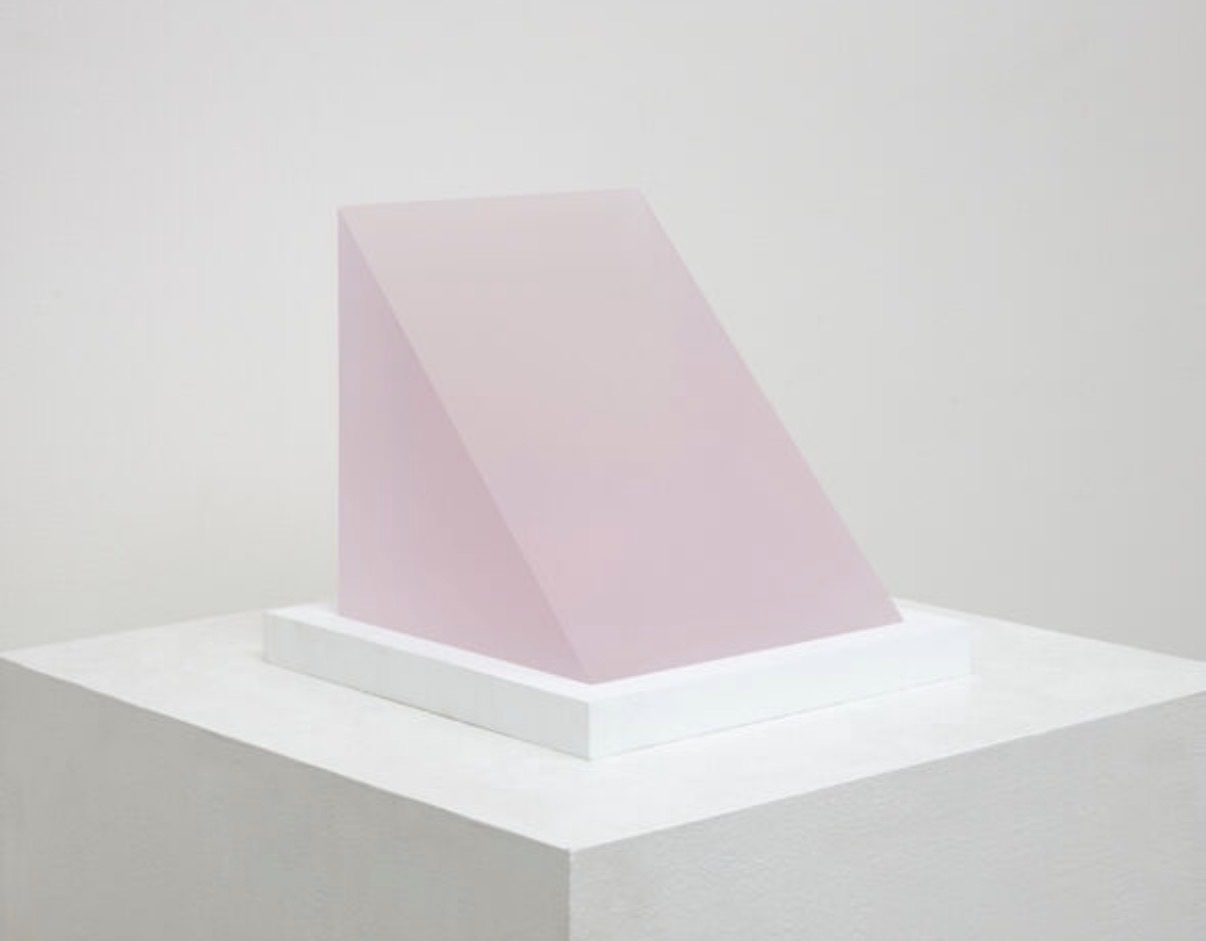
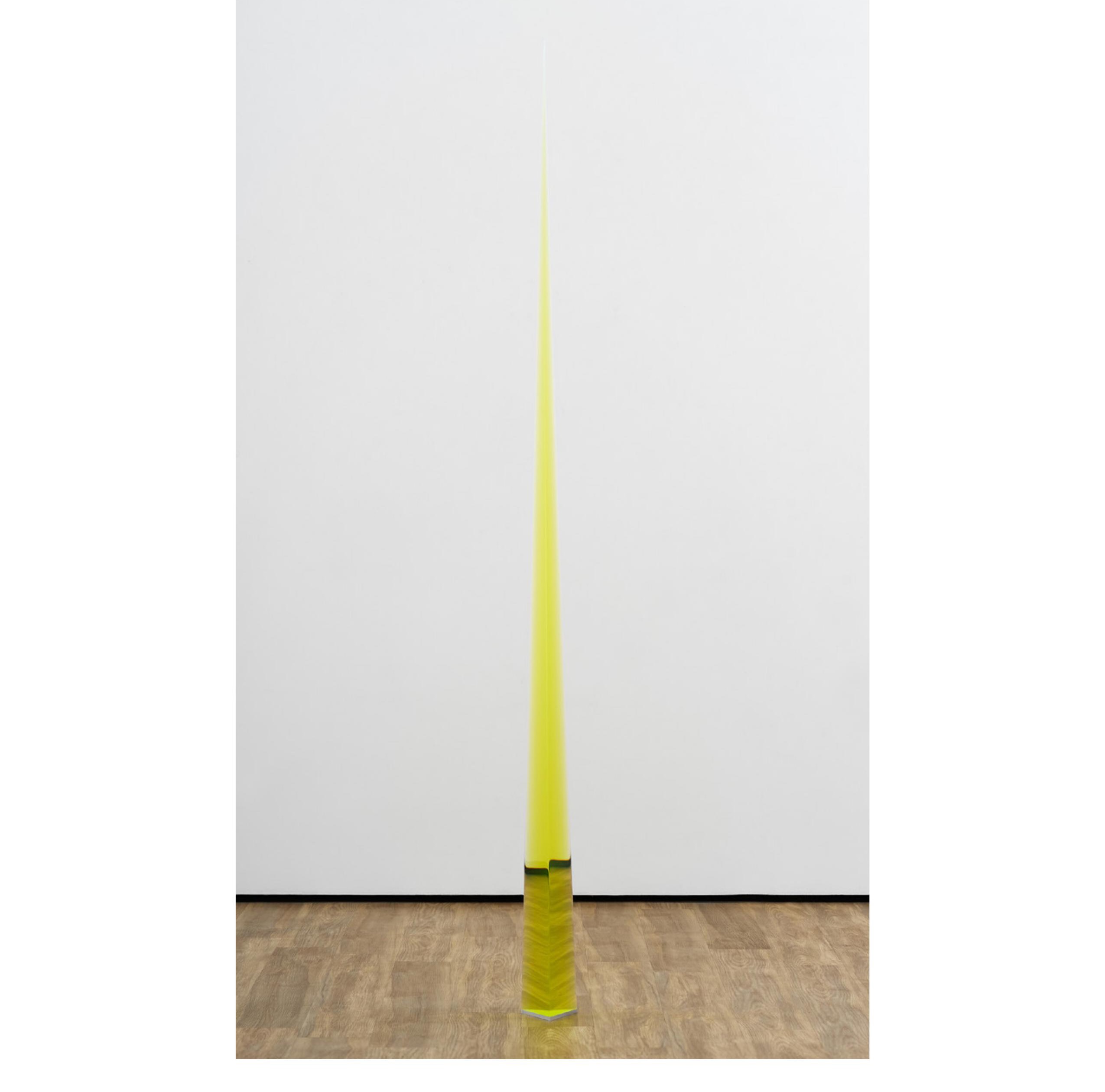
There is a moment, standing before a Peter Alexander wedge, when the eye refuses to settle. The urethane catches whatever light is in the room and transforms it into something interior, something almost breathing. It is a sensation that collectors and curators have returned to for more than five decades, and one that continues to generate serious institutional attention. In 2019, the Palm Springs Art Museum mounted a comprehensive survey of Alexander's work that brought together sculptures, paintings, and resin pieces spanning his entire career, affirming his central place in the history of… Continue reading
Collectors

Also spotted by
Artists in conversation
Larry Bell
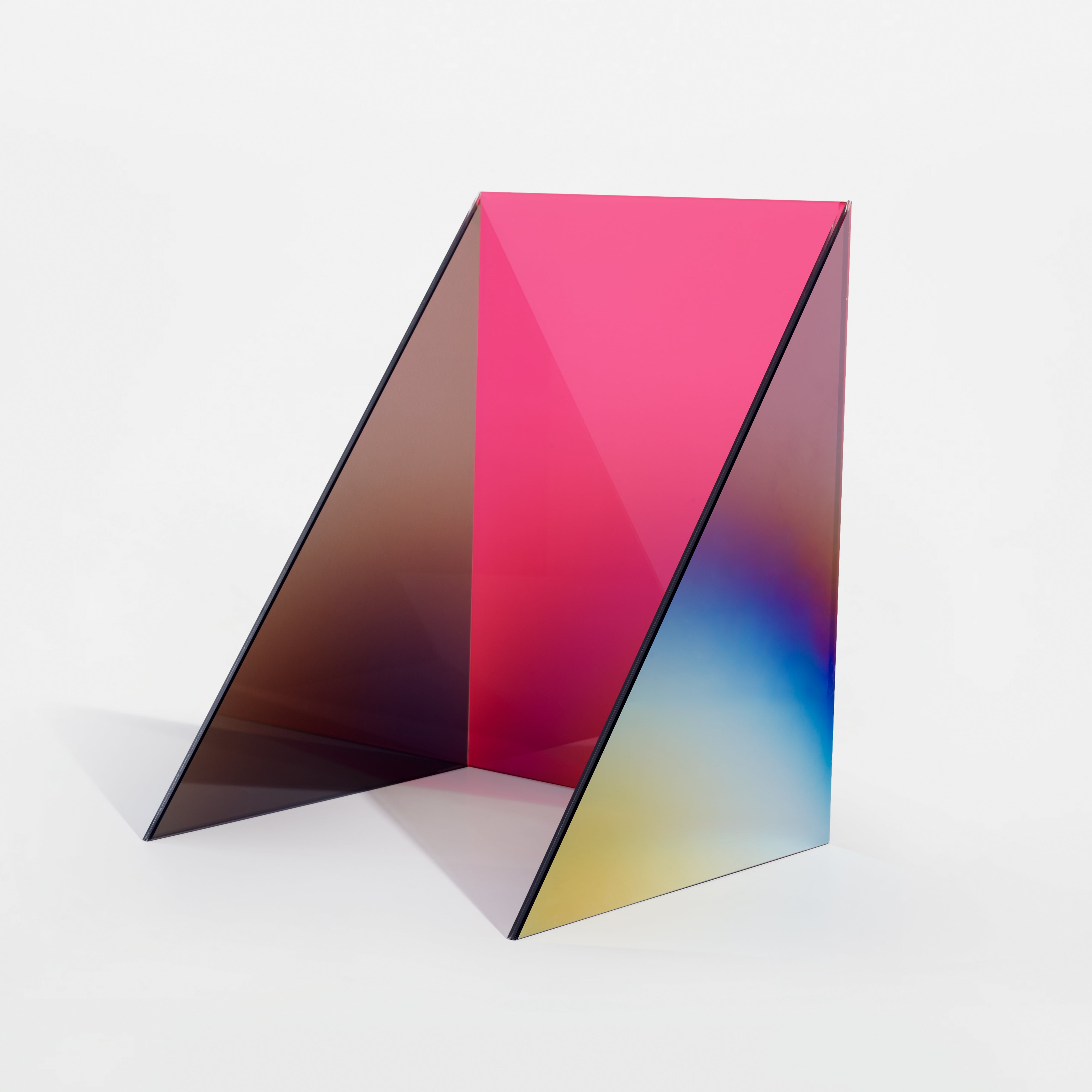
Bell shares Alexander's deep engagement with the Light and Space movement, using industrial materials like glass and vacuum coated films to create translucent objects that manipulate light and perception in ways closely parallel to Alexander's resin works.
De Wain Valentine
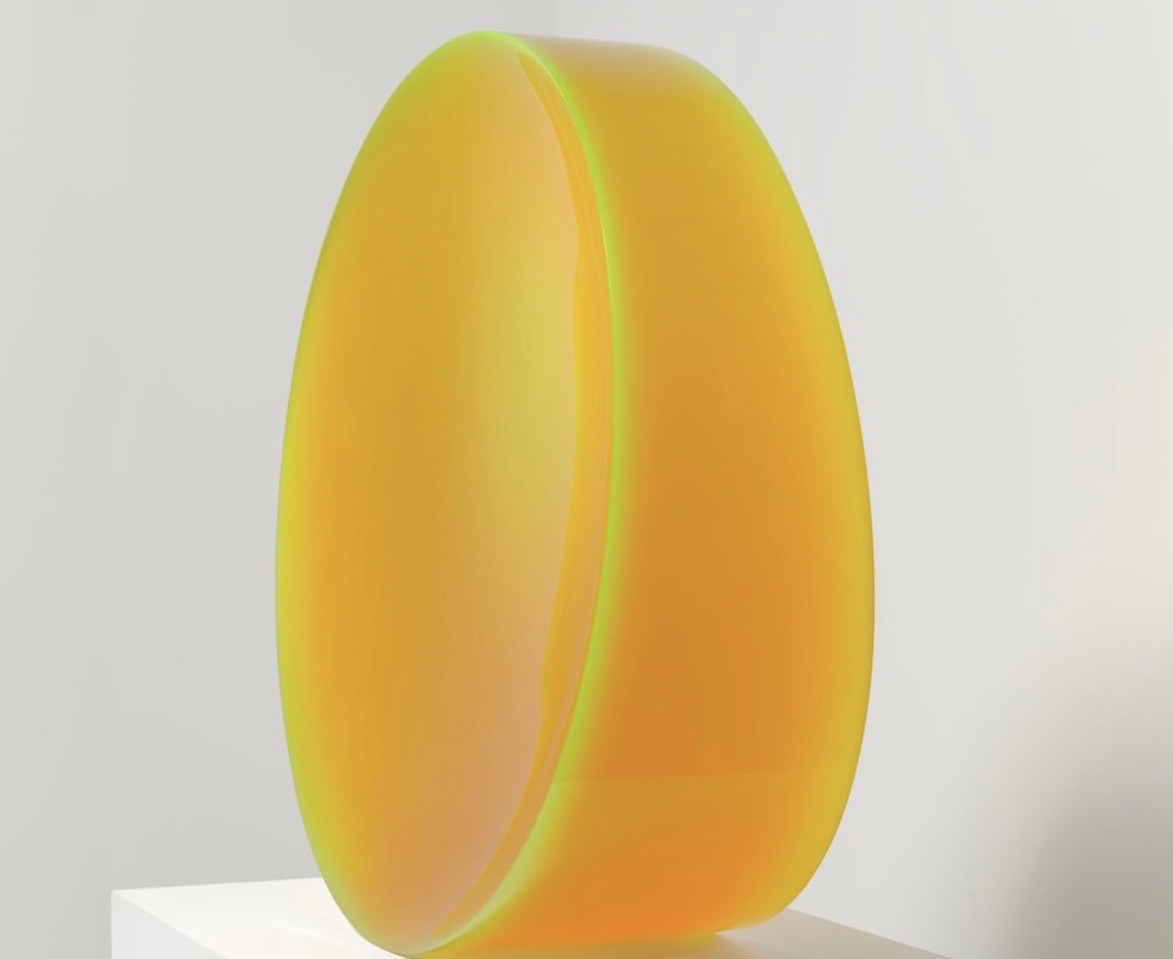
Valentine worked simultaneously with Alexander in casting large scale polyester and resin sculptures that glow with internal luminosity, making him the closest peer in terms of both material practice and the Southern California Light and Space aesthetic.
Helen Pashgian
Pashgian is a fellow Light and Space artist who similarly cast resin into lenticular and spherical forms that refract and absorb light, making her work a natural complement to Alexander's explorations of luminous translucent sculpture.
Artists who inspired them
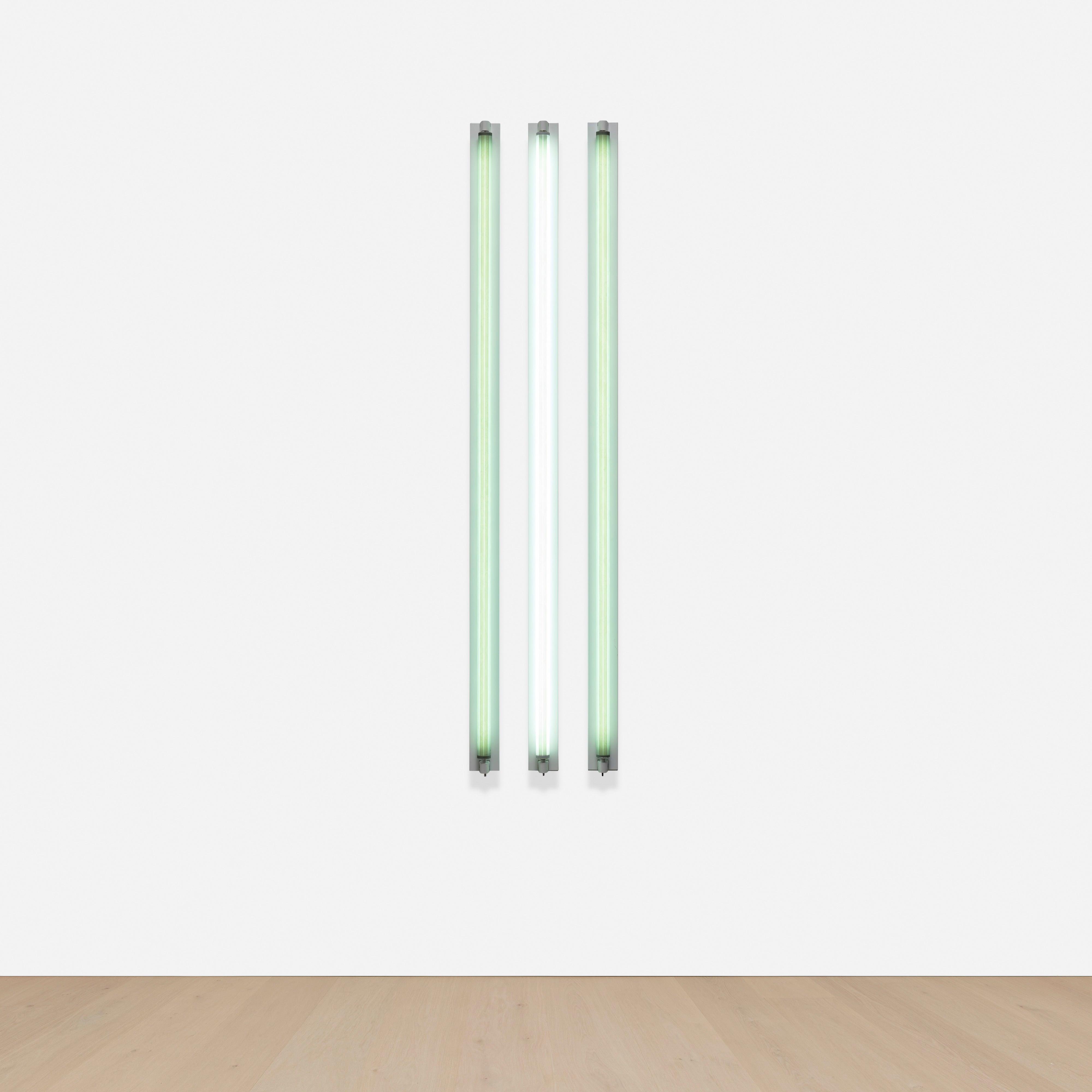
Robert Irwin
Irwin was a foundational figure in the Southern California Light and Space context that shaped Alexander's artistic direction, with his investigations into perceptual phenomena and the dematerialization of the art object providing a conceptual framework Alexander absorbed and adapted through material means.
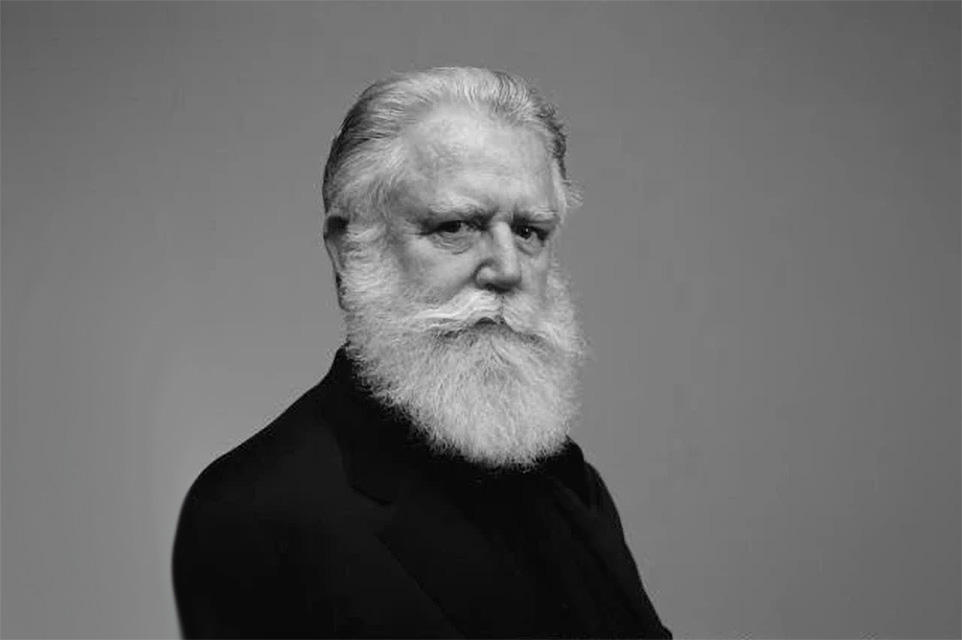
James Turrell
As a peer and fellow traveler in the Light and Space movement, Turrell's rigorous focus on light itself as the primary medium reinforced Alexander's commitment to making luminosity and optical experience the central subject of his sculptural work.
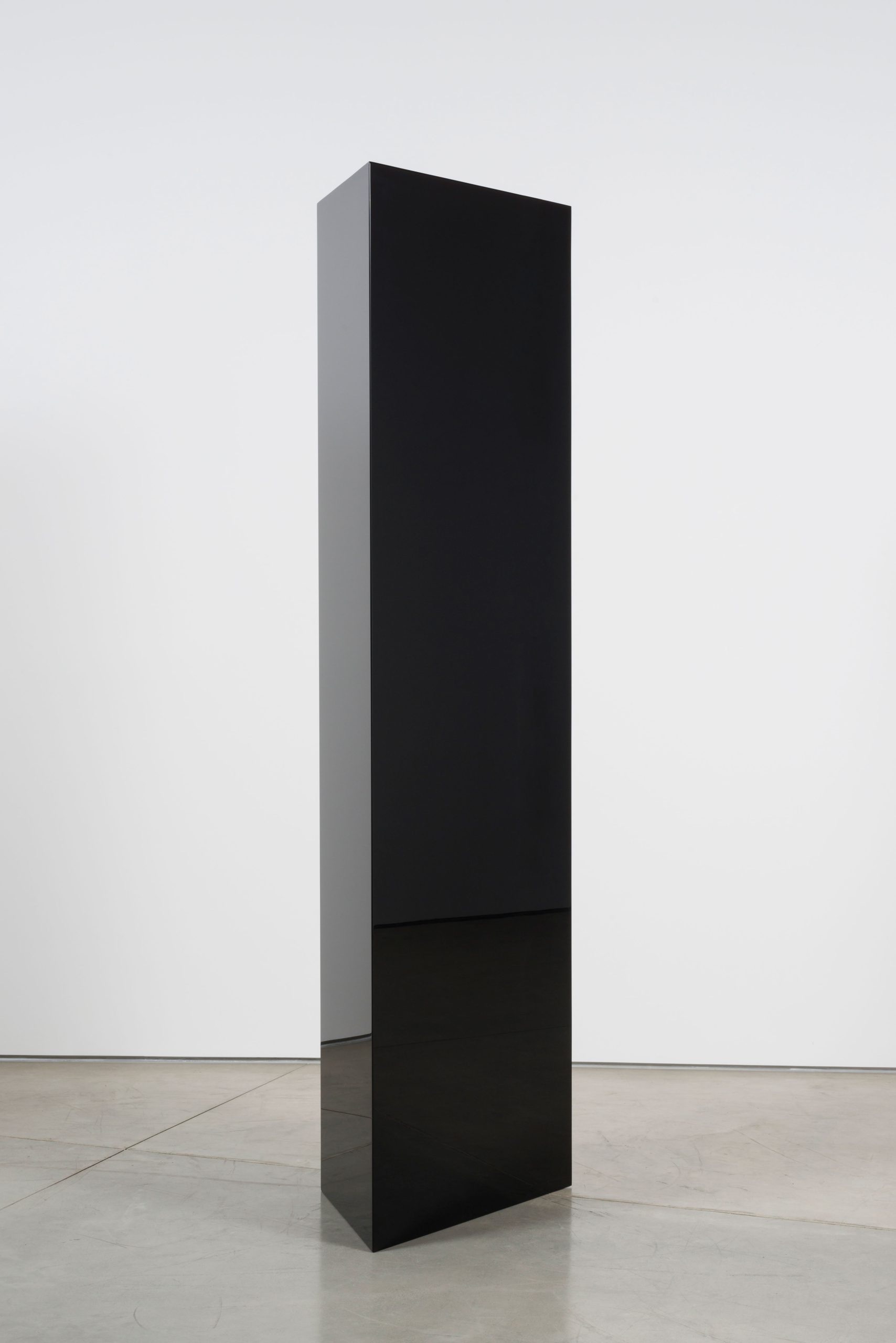
John McCracken
McCracken's use of highly polished industrial surfaces and saturated color in Minimalist plank sculptures offered Alexander a model for merging Minimalist geometry with sensuous material presence, a tension that runs through Alexander's resin panels and casts.