Translucent
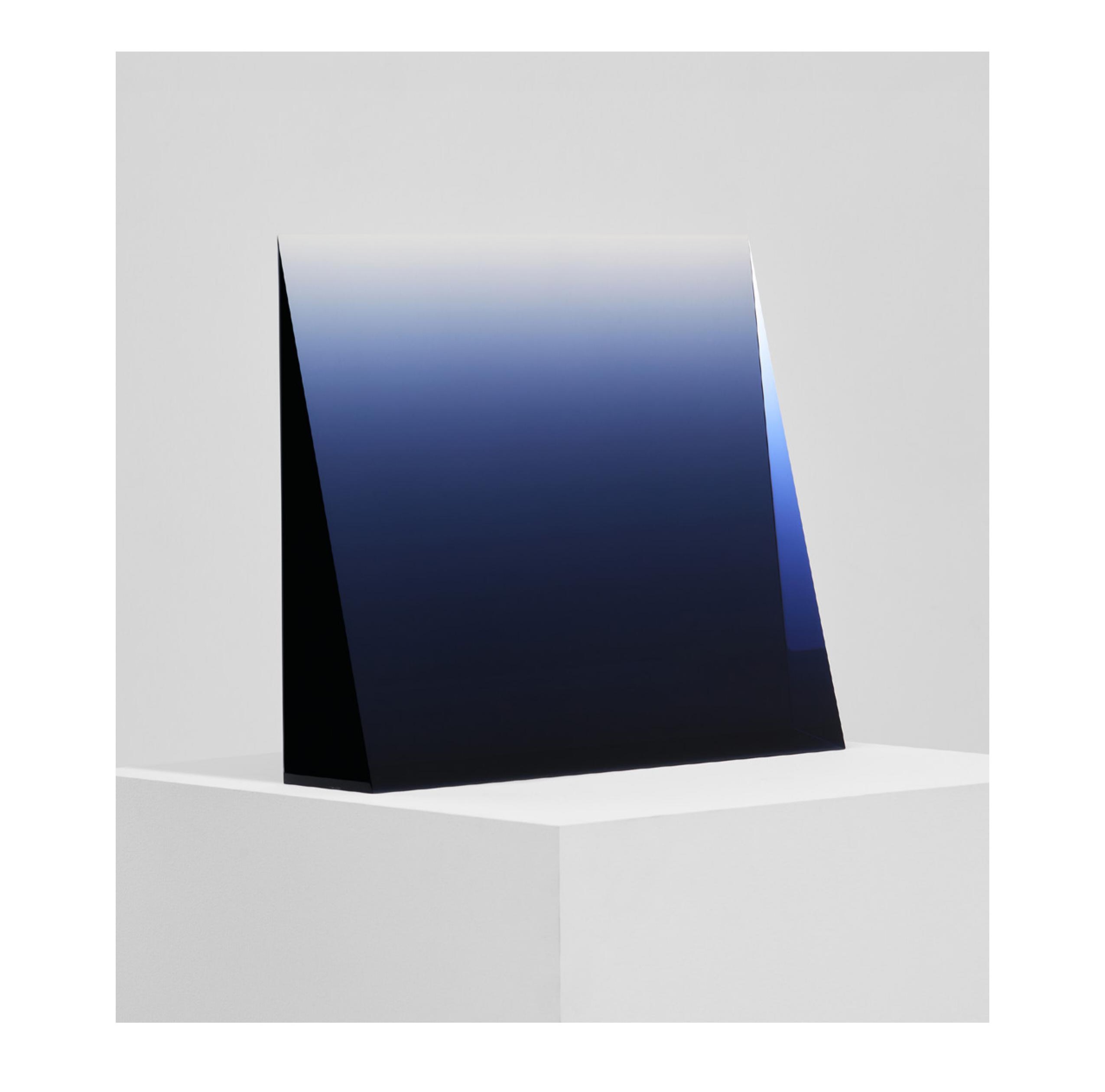
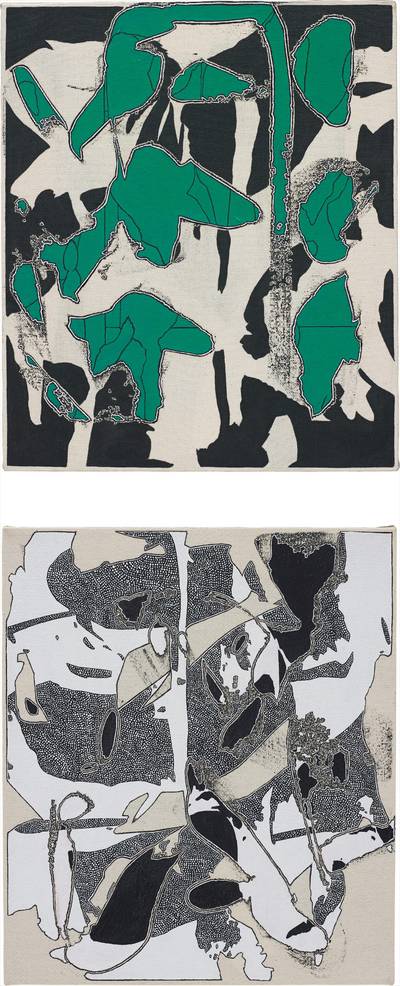
Peter Alexander
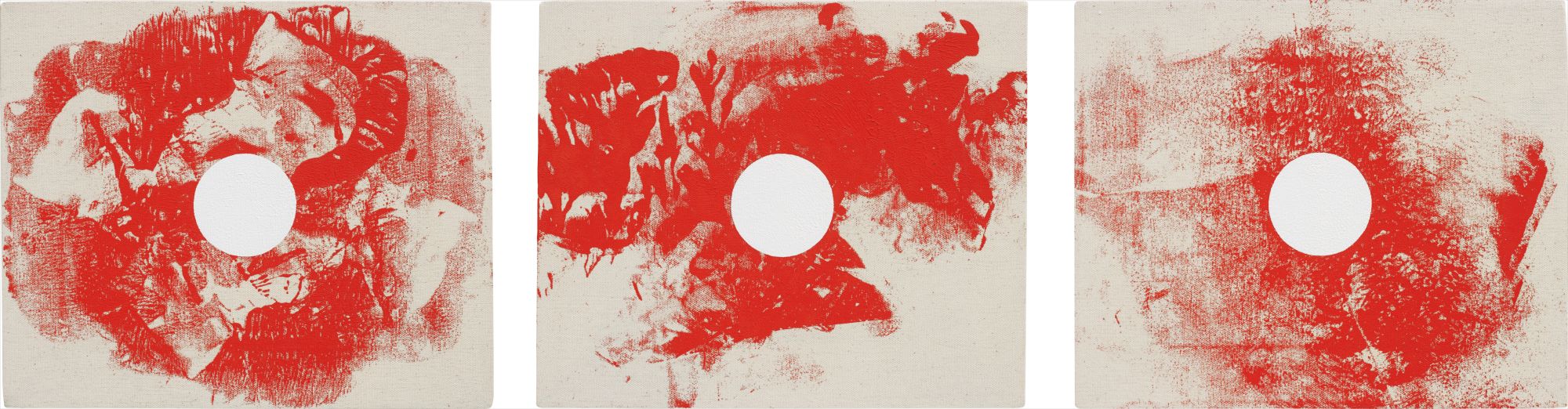
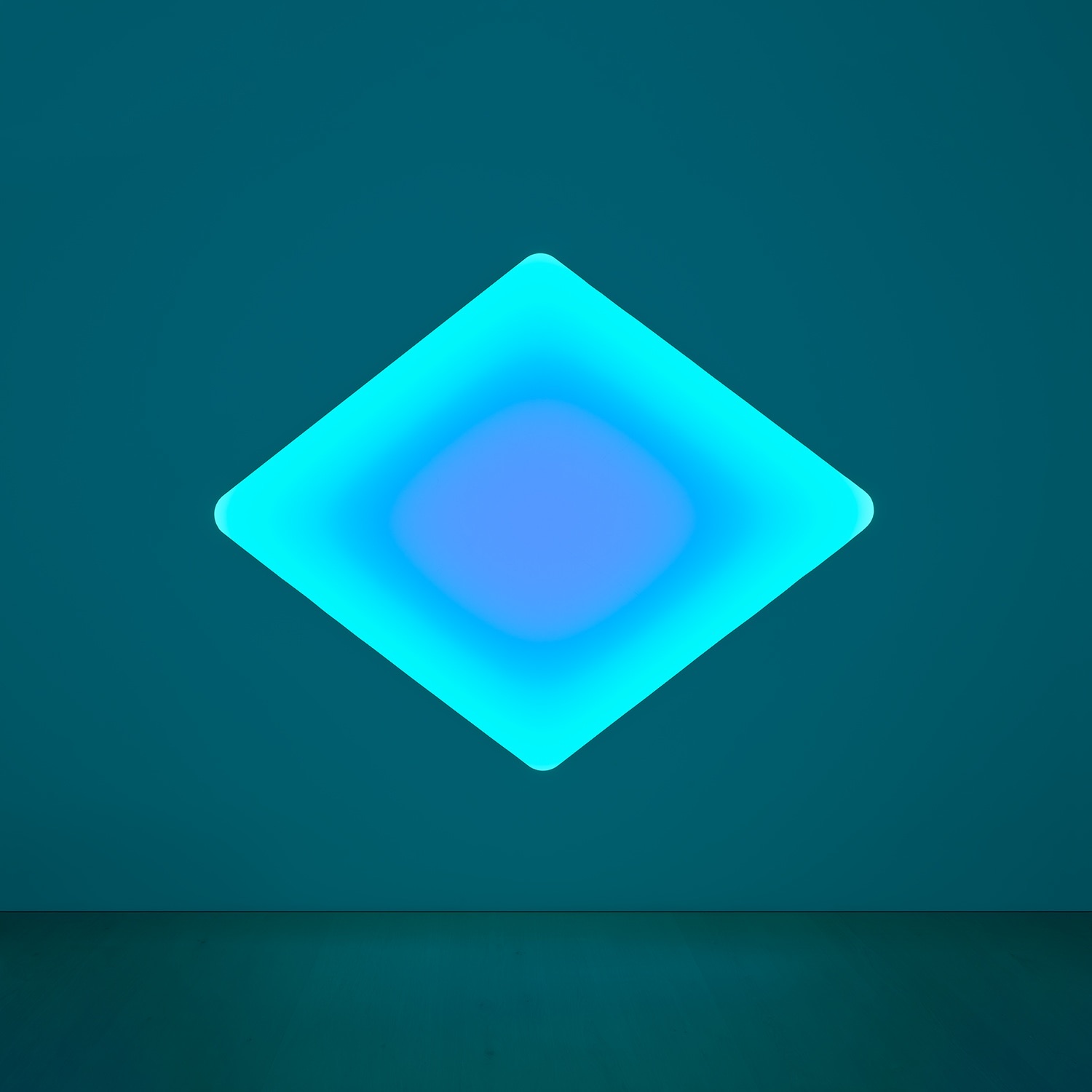
7/17/17 (Black Violet Window), 2017
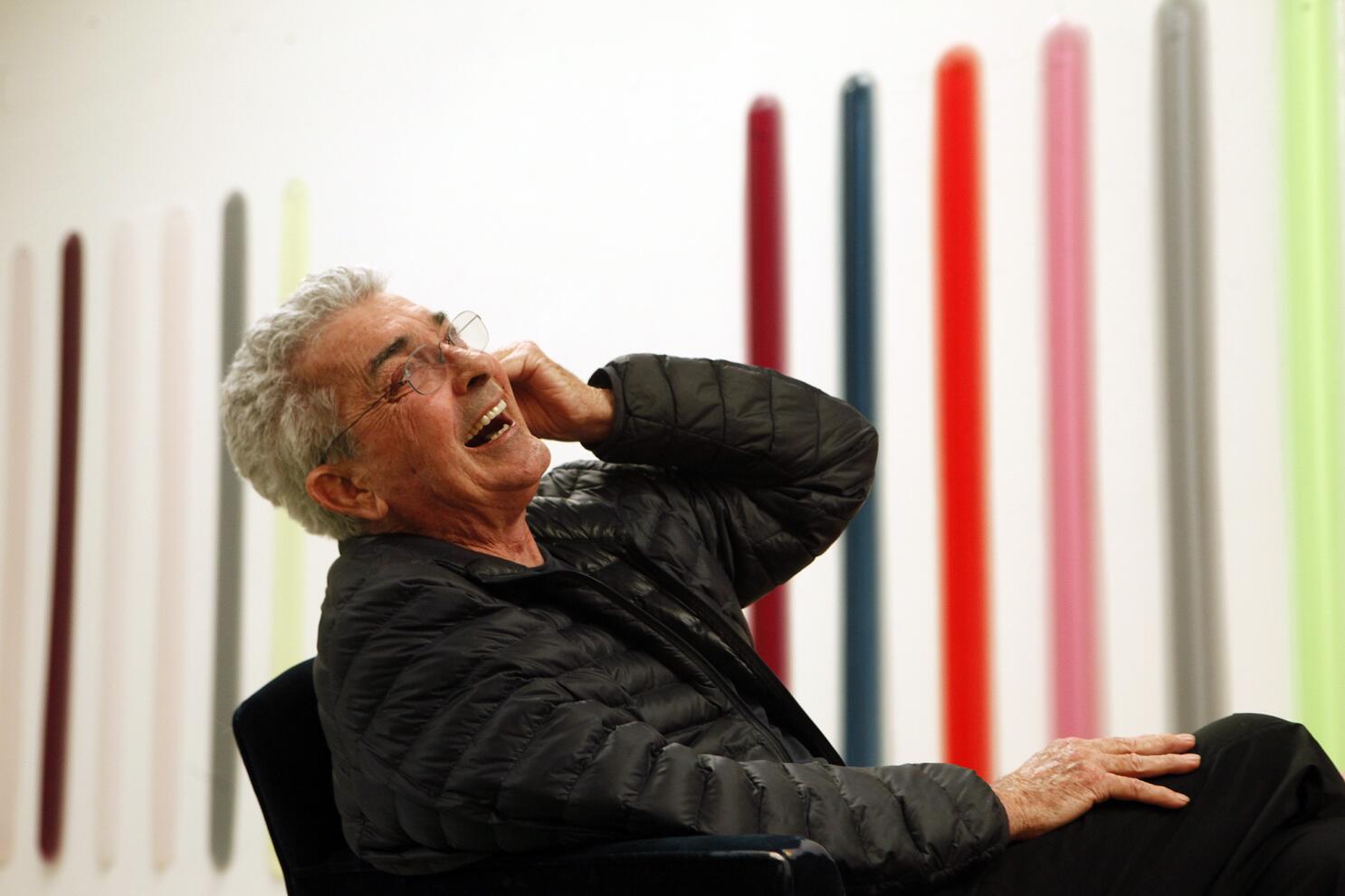

Light Made Solid: The Allure of Translucence
There is something almost unreasonable about the desire to hold light. And yet that desire sits at the very heart of one of art history's most enduring obsessions. From the glassblowers of ancient Sidon to the light installations flooding contemporary biennials, artists across every era have pursued the same impossible ambition: to give physical form to something that is, by its nature, immaterial. Translucence is not merely a quality of certain materials.
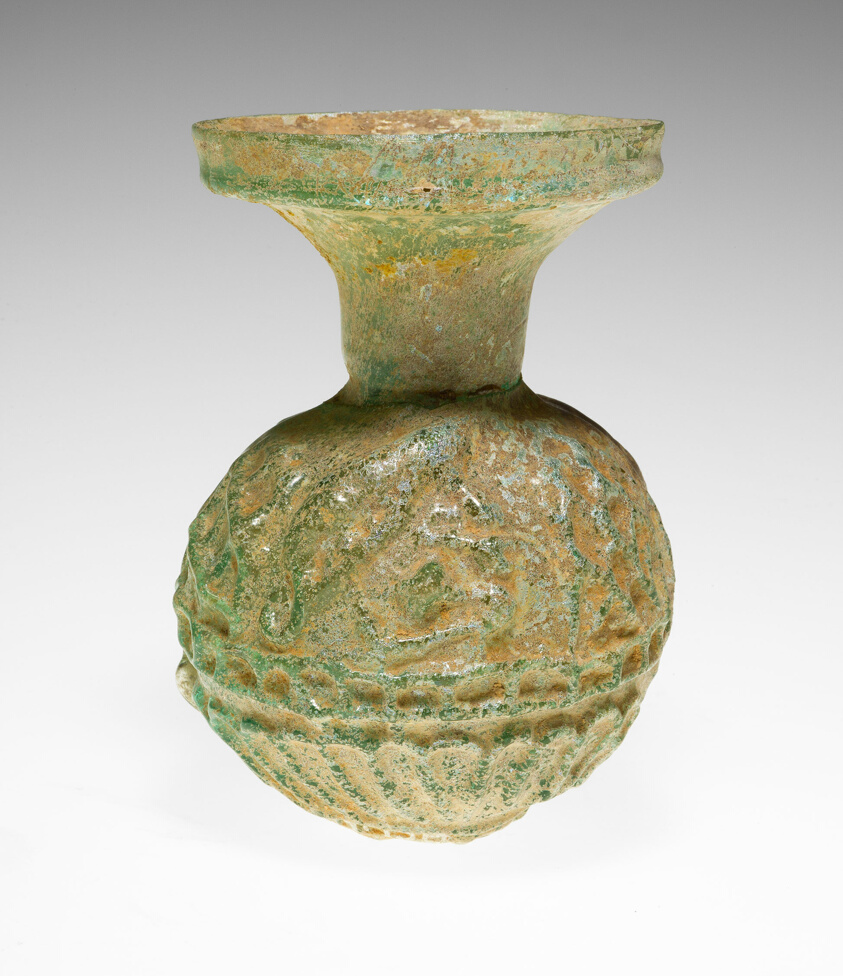
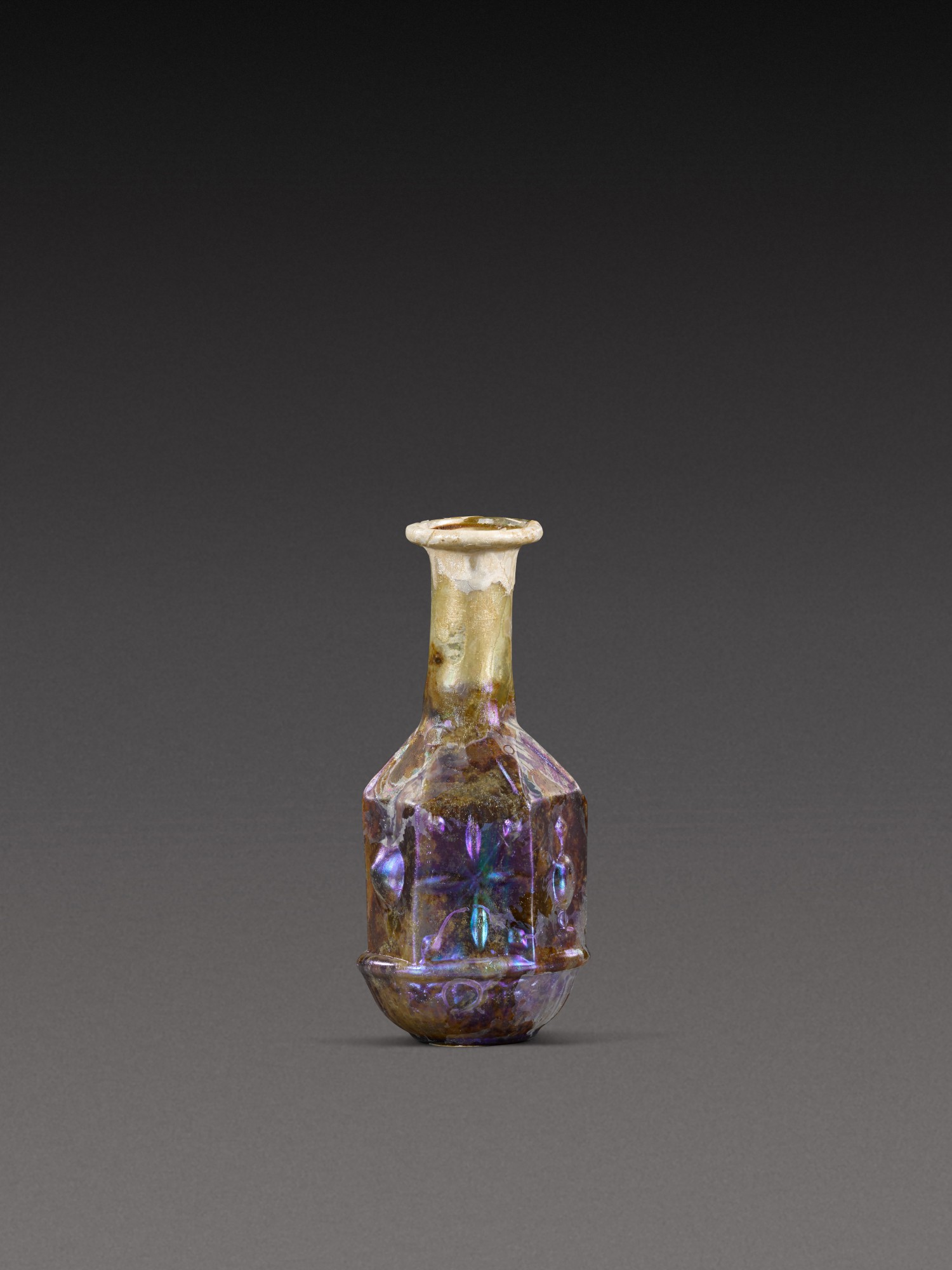
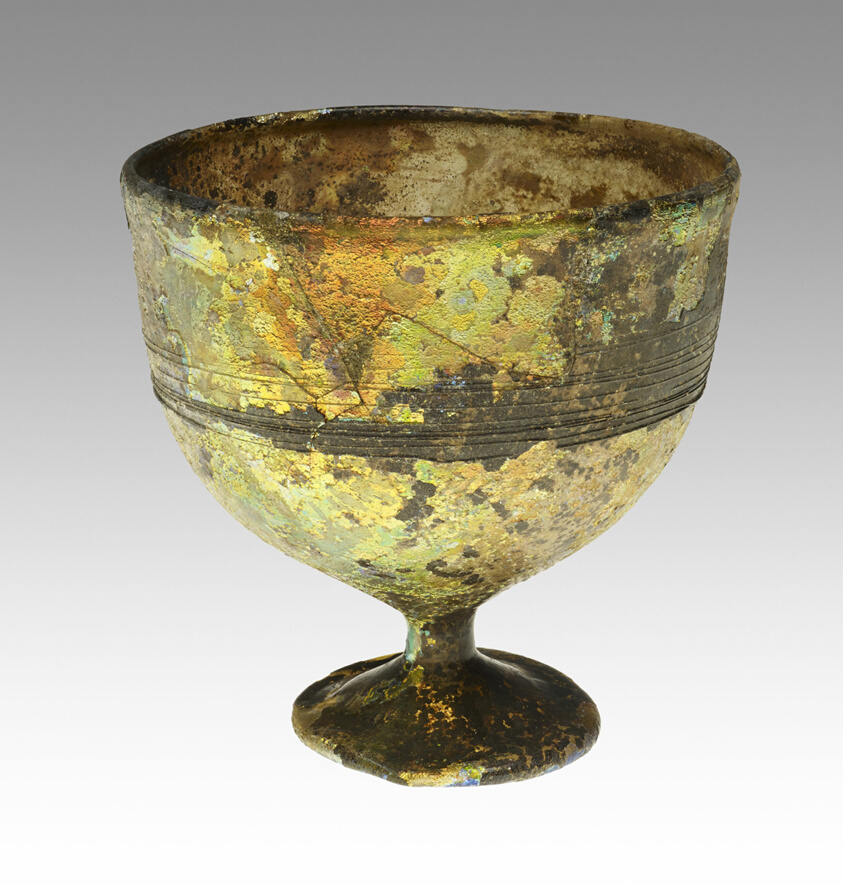
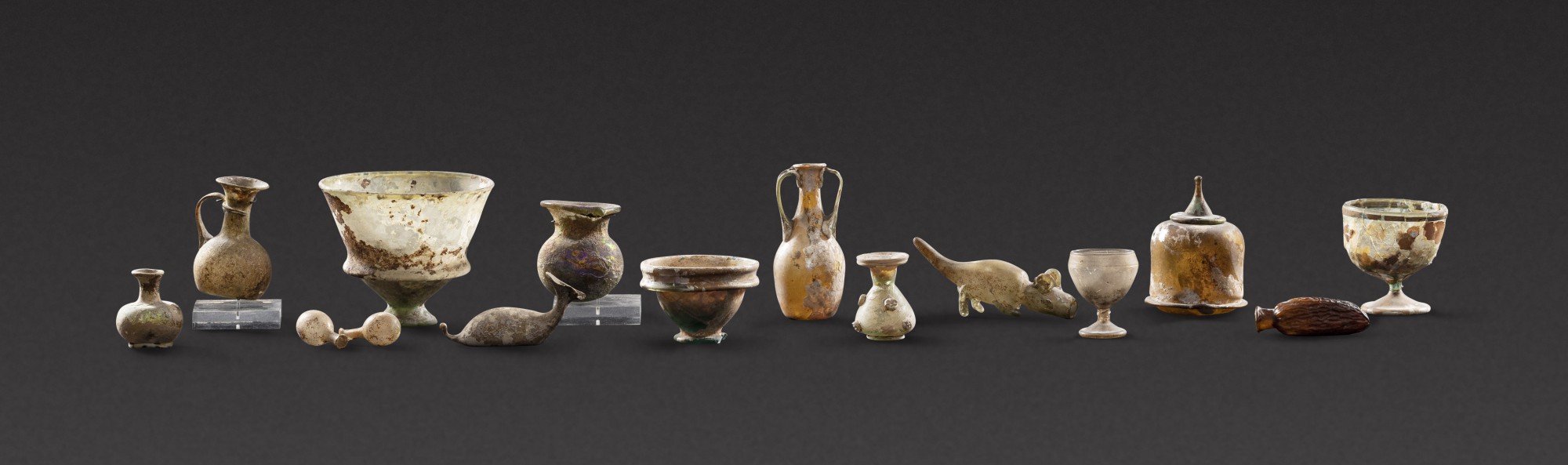
It is a philosophical position, a way of asking what it means to be present and absent at the same time. The story begins, fittingly, in the ancient Levant. By at least the first century BCE, glassworkers in what is now Syria and Lebanon had developed mold blowing techniques that allowed them to produce vessels of startling refinement. A Roman mold blown hexagonal glass flask, for instance, carries within its faceted walls a kind of compressed sunlight, the blue green tint of its glass shifting as the vessel rotates in the hand.
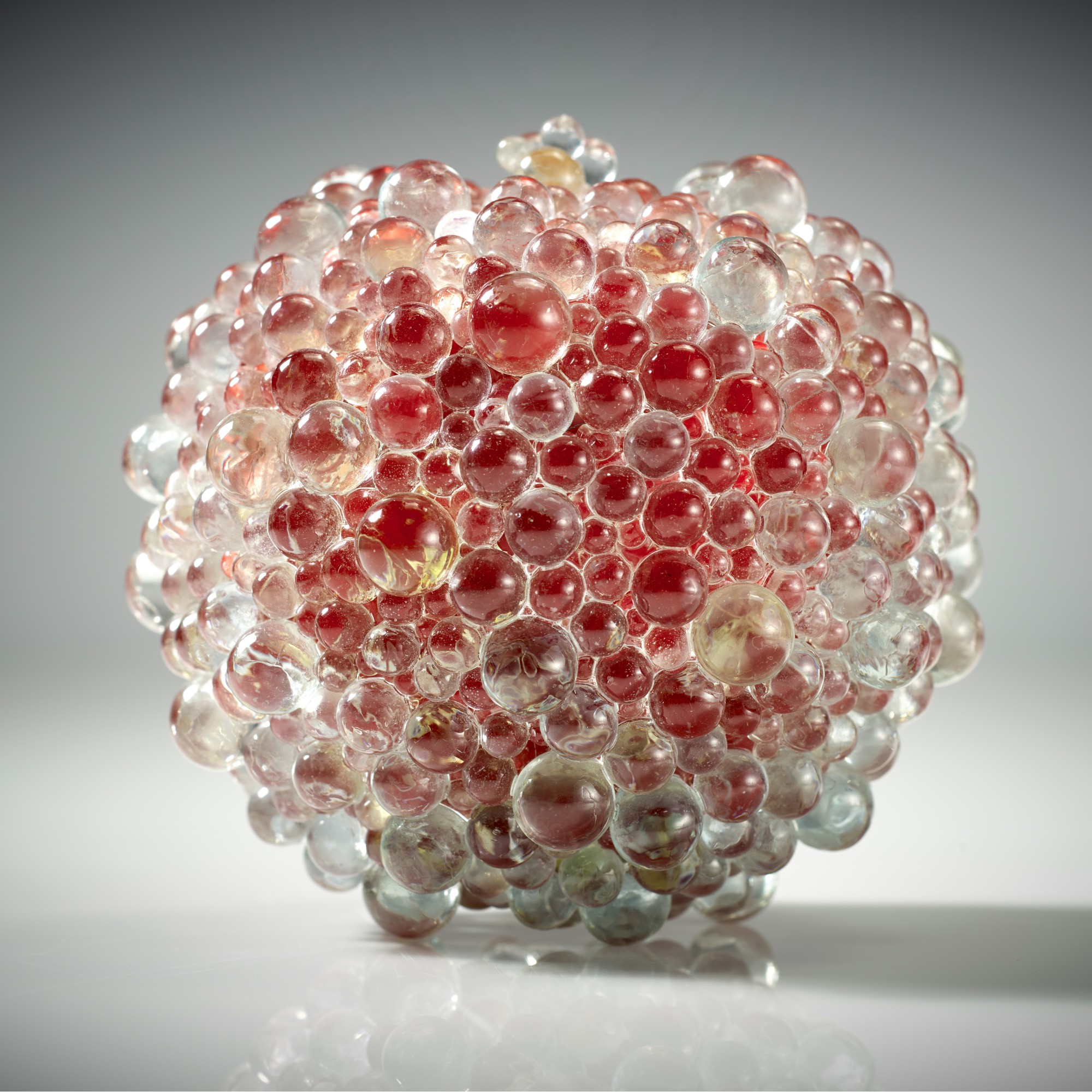
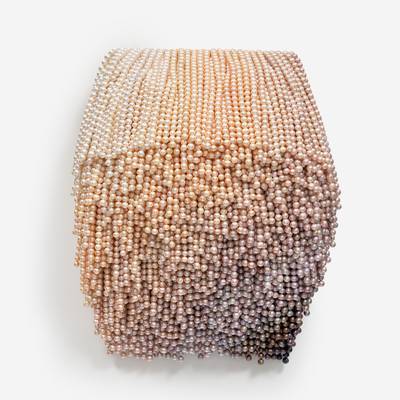
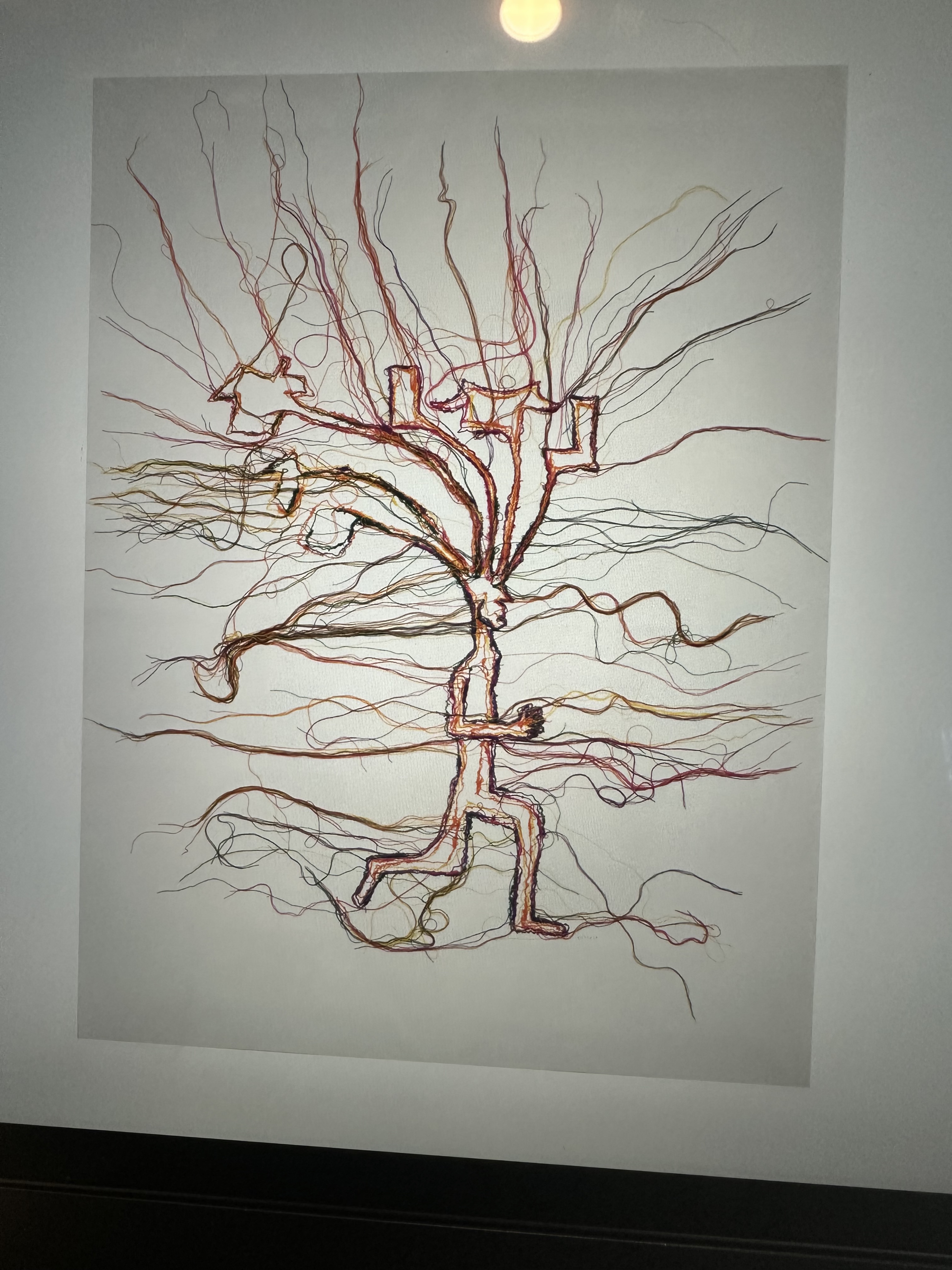
Paola Pivi
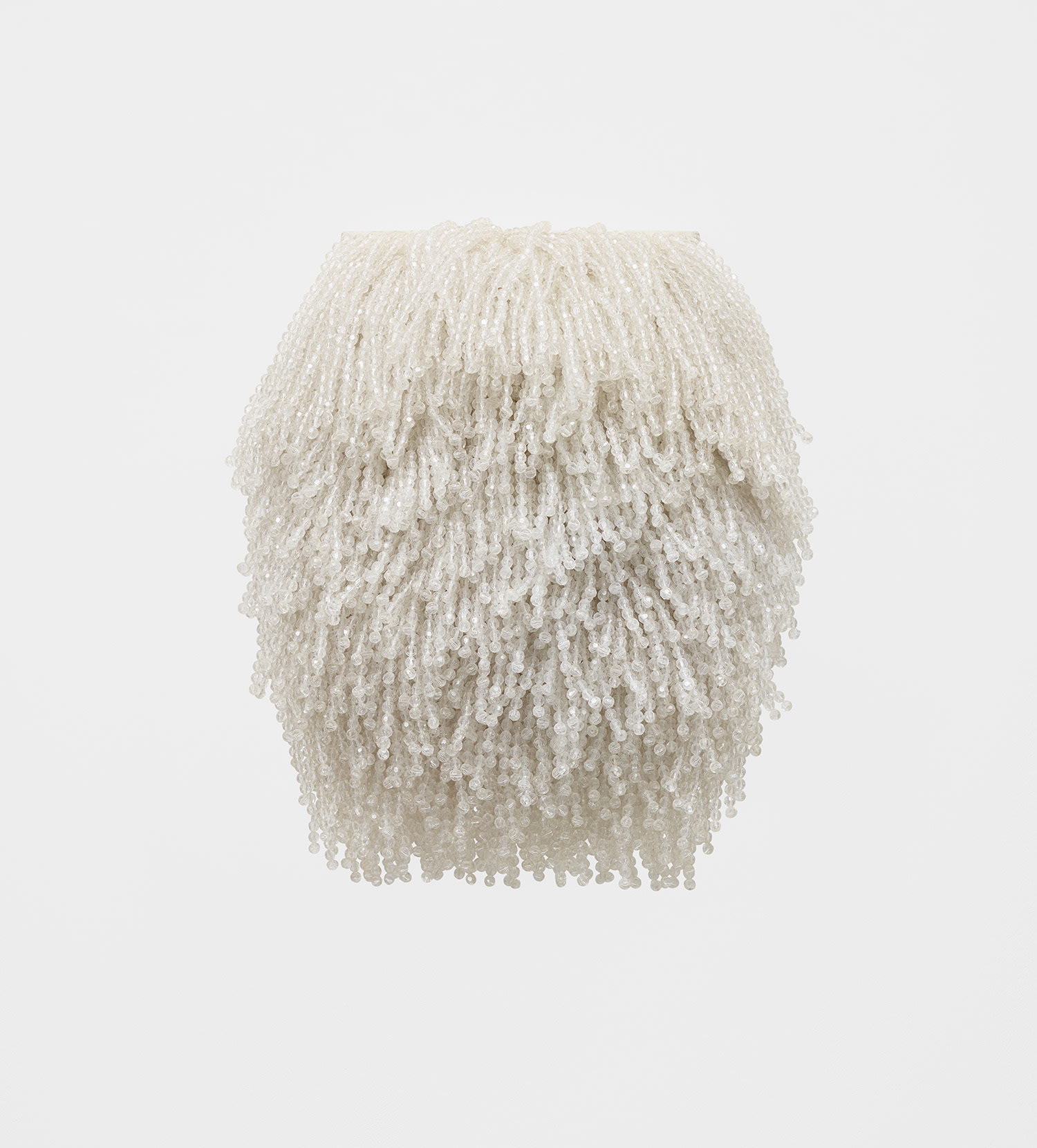
Plexiglas beads on thread mounted on wood panel, 2003
These were not purely utilitarian objects. They were status symbols, precious precisely because of the way they mediated between interior and exterior, between the substance held inside and the world beyond the glass. Roman blue glass jars and cinerary urns performed a similar alchemy, turning the act of containment into something contemplative. The translucent walls of a cinerarium holding cremated remains offered mourners a visual metaphor for the soul itself: present yet intangible, visible yet beyond reach.
What the ancient world understood intuitively, modernity has spent considerable effort theorizing. The postwar period in California produced some of the most rigorous and sensuous explorations of light and translucence in art history. The Light and Space movement that emerged in Los Angeles during the 1960s was not merely an aesthetic experiment. It was a phenomenological inquiry into the nature of perception itself.
Peter Alexander
7/17/17 (Black Violet Window), 2017
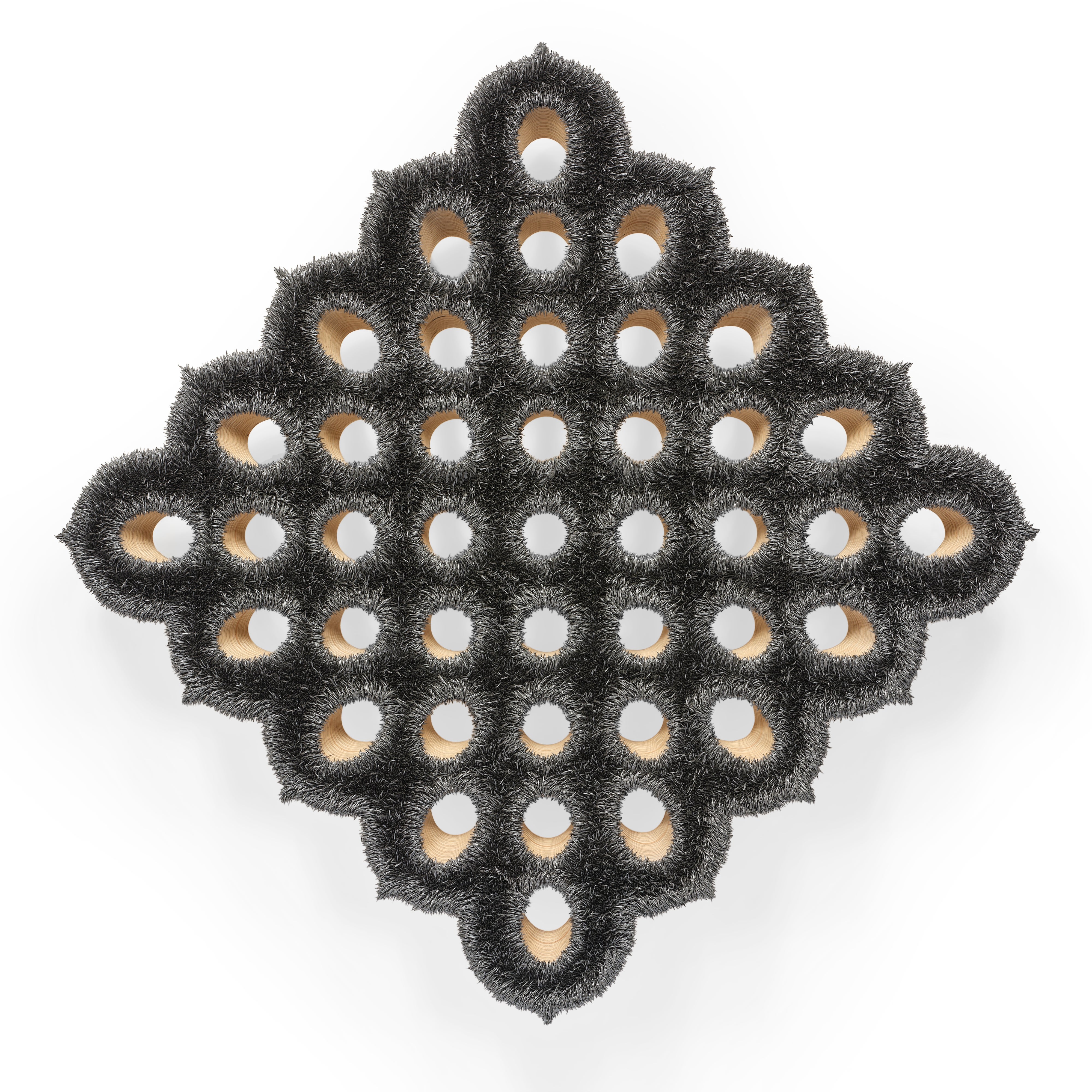
Artists associated with this tendency were less interested in making objects than in engineering experiences. Peter Alexander, who studied at the University of Southern California and became one of the movement's most refined voices, cast polyester resin in slabs and wedges that seemed to hold fog, cloud, and dusk inside solid geometry. His works on The Collection exemplify this quality of suspended atmosphere, color that floats within material rather than sitting on its surface. The concern with translucence is never purely visual.
Across cultures and centuries, materials that allow light to pass through them have carried spiritual weight. Quartz, for example, was understood in many traditions as a bridge between worlds, its clarity read as evidence of purity or divine proximity. Figural quartz desk seals produced in Ekaterinburg in the second half of the nineteenth century, when Russian decorative arts were in a period of extraordinary refinement, speak to this longer symbolic history. Their translucence is part of their meaning.
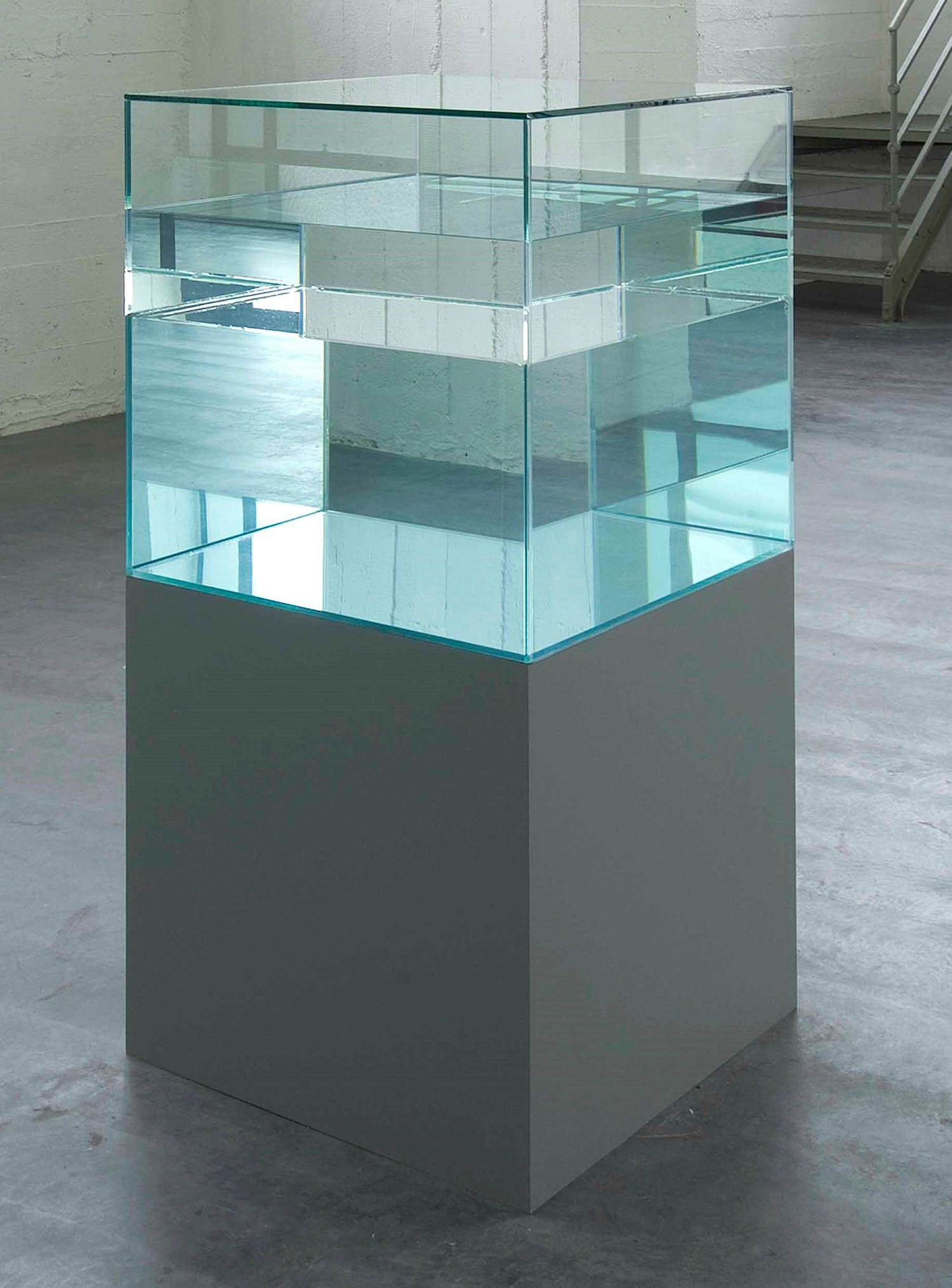
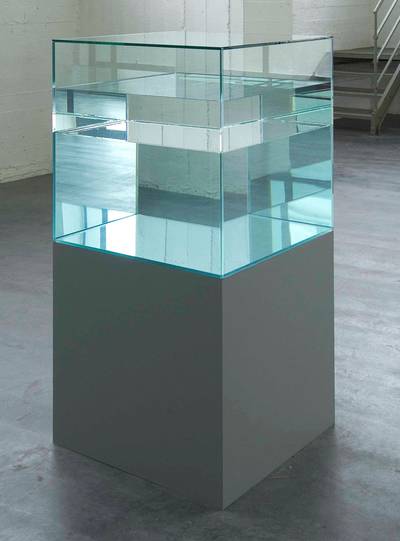
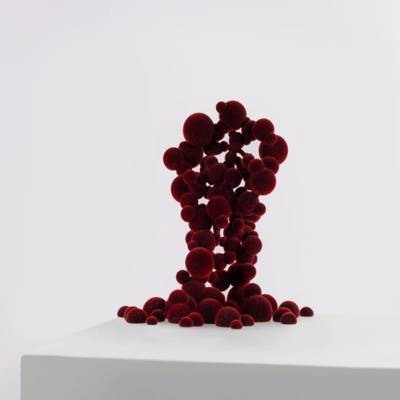
Ann Veronica Janssens
Cocktail Sculpture, 2008
Similarly, the tiny reliquary bottles produced in medieval Europe from translucent blue glass were chosen for their material precisely because that material performed a kind of sanctity, the contents made sacred in part by the way light could reach them. In the contemporary period, artists have approached translucence with both reverence and wit. Ann Veronica Janssens has spent decades dissolving the boundary between sculpture and atmosphere, filling rooms with colored mist and light so that viewers lose their bearings entirely and become aware of their own perceptual apparatus. Her practice owes something to James Turrell and Robert Irwin, but is distinctly her own: more bodily, less austere.
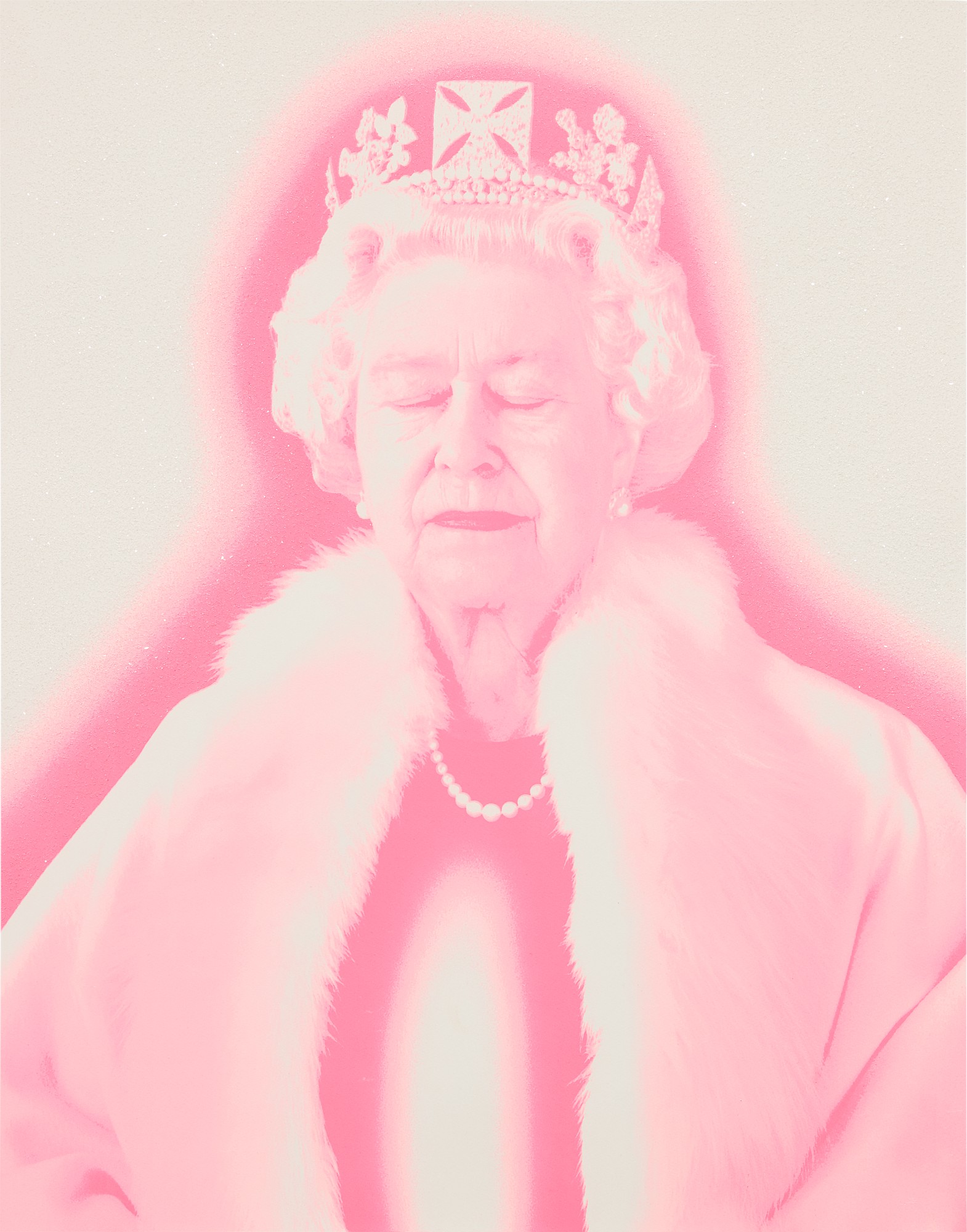
Kohei Nawa, working in Japan, has encrusted found objects in transparent glass beads, creating surfaces that simultaneously reveal and obscure, the original form visible only as a rumor beneath layers of refraction. Chris Levine, best known for his lenticular portraits and his long collaboration with subjects including Queen Elizabeth II, has developed a practice that treats light itself as pigment, building images that shift and breathe depending on where the viewer stands. Karla Black brings an entirely different register to the conversation. Working with translucent materials including cellophane, polythene, and powdered pigment, she creates large scale hanging sculptures that billow and pool in gallery spaces.
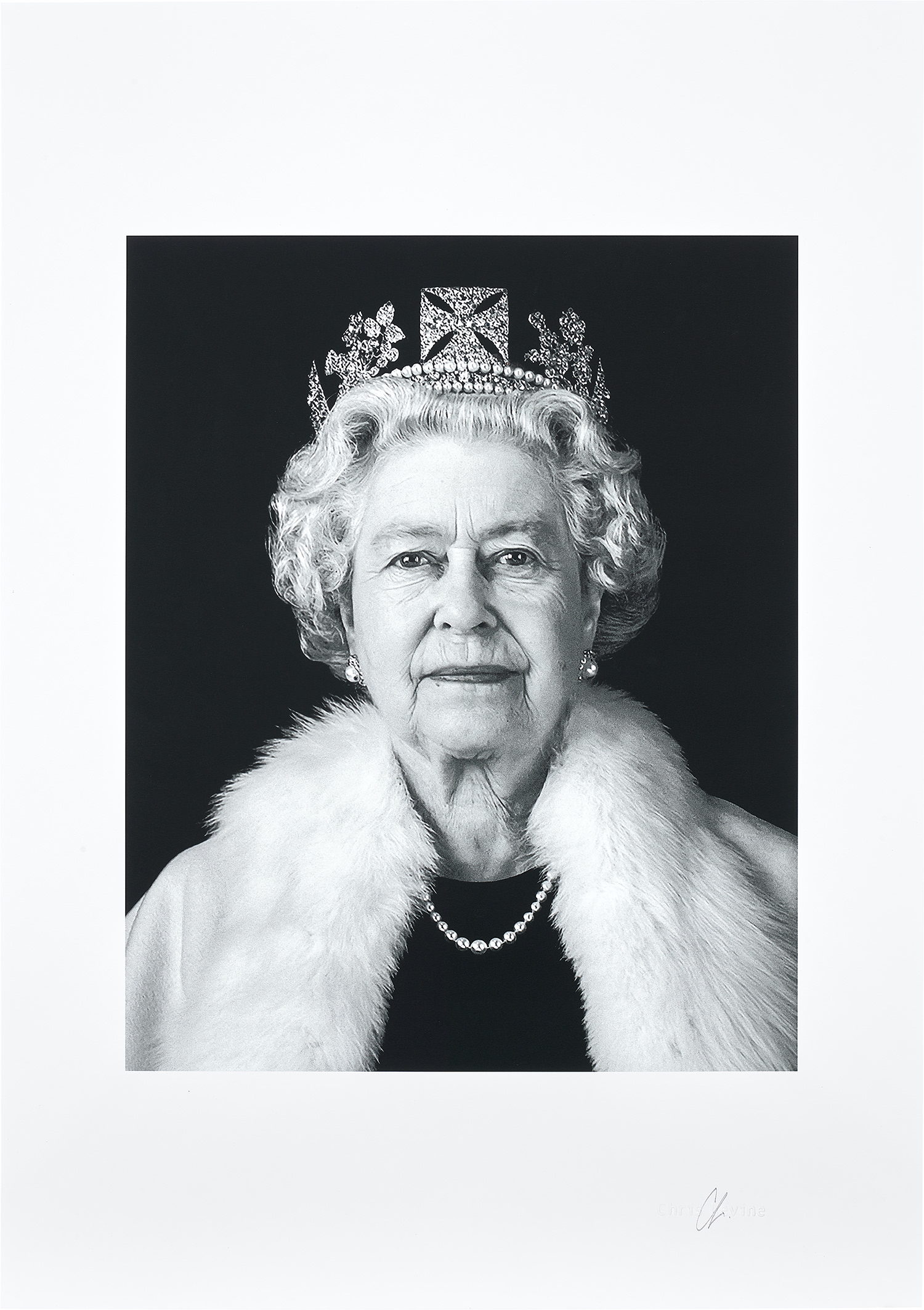
Chris Levine
Equanimity (Crystal Edition)
There is nothing precious about her handling of materials, yet the results are genuinely luminous. Paola Pivi, whose practice ranges from polar bears to feathered installations, has also engaged the translucent register through works that use light and material together to produce experiences of disorientation and delight. Meanwhile Do Ho Suh, the Korean American artist celebrated for his architectural fabric sculptures, renders the walls and corridors of remembered homes in sheer translucent polyester, so that the structures of the past become simultaneously present and ghostly. What unites figures as different as an ancient Levantine glassblower and a Seoul born sculptor working in London is a shared intuition about what translucence makes possible.
It allows an object to be in two states at once: opaque enough to exist as a thing, transparent enough to point beyond itself. Roy Lichtenstein, not typically associated with this tendency, nonetheless engaged it through his explorations of reflected light in his late mirror paintings, where the depicted reflections never quite cohere into a stable image. Ai Weiwei, whose conceptual range encompasses the monumental and the intimate alike, has used materials including crystal and glass in ways that invoke both the weight of history and the fragility of the present moment. To collect works in the translucent register is to accept a certain instability.
These are not works that look the same from one hour to the next, from one season to the next. They respond to the light in a room, to the angle of the sun through a window, to the presence of a viewer moving through the space. That responsiveness is not a limitation. It is the point.
The works gathered around this theme on The Collection ask something particular of their owners: not just to acquire, but to look again, and then again, each time finding the work slightly changed and finding yourself changed along with it.