Warm Palette
Jeffrey Heiman
Residual Heat

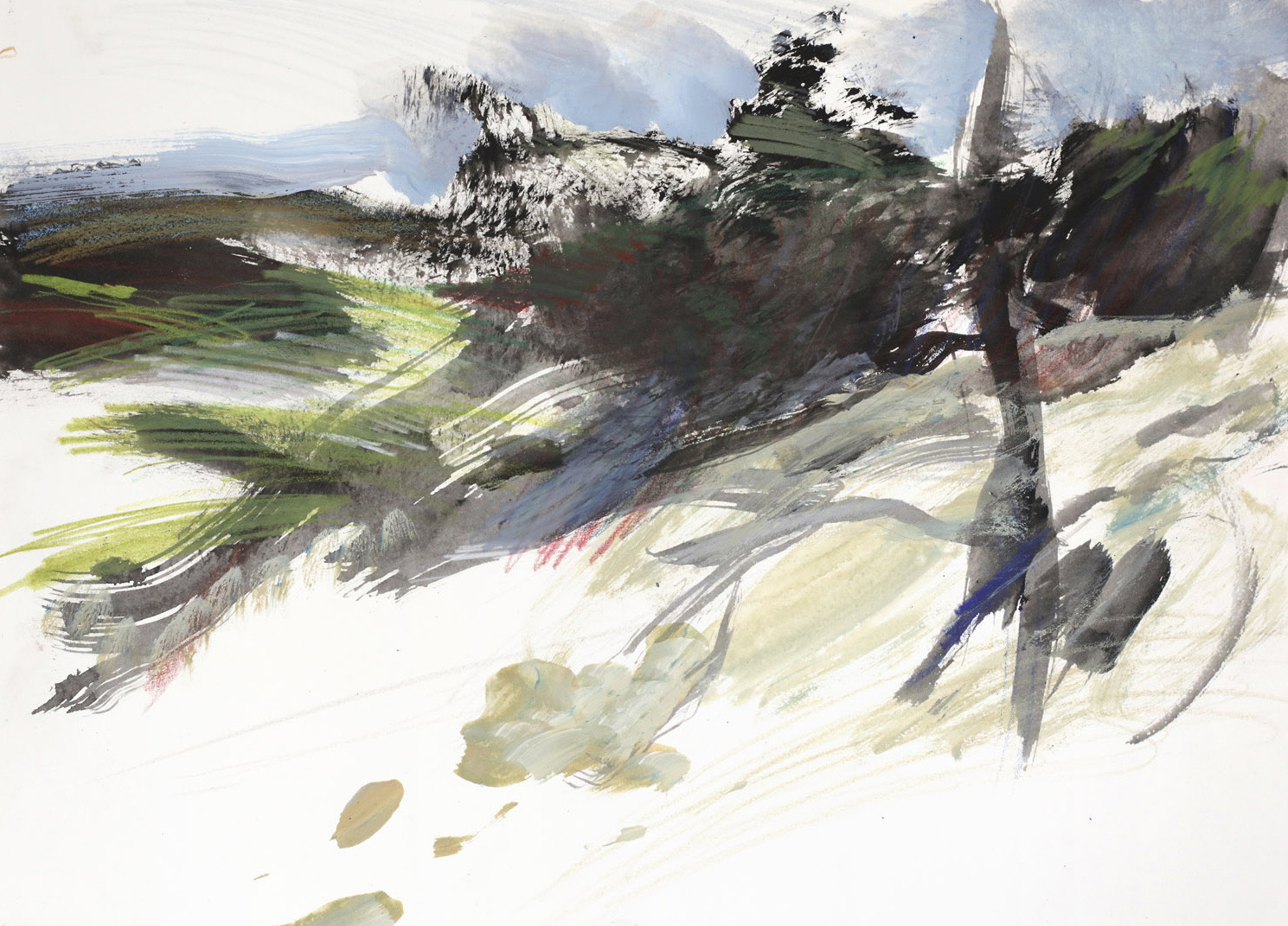
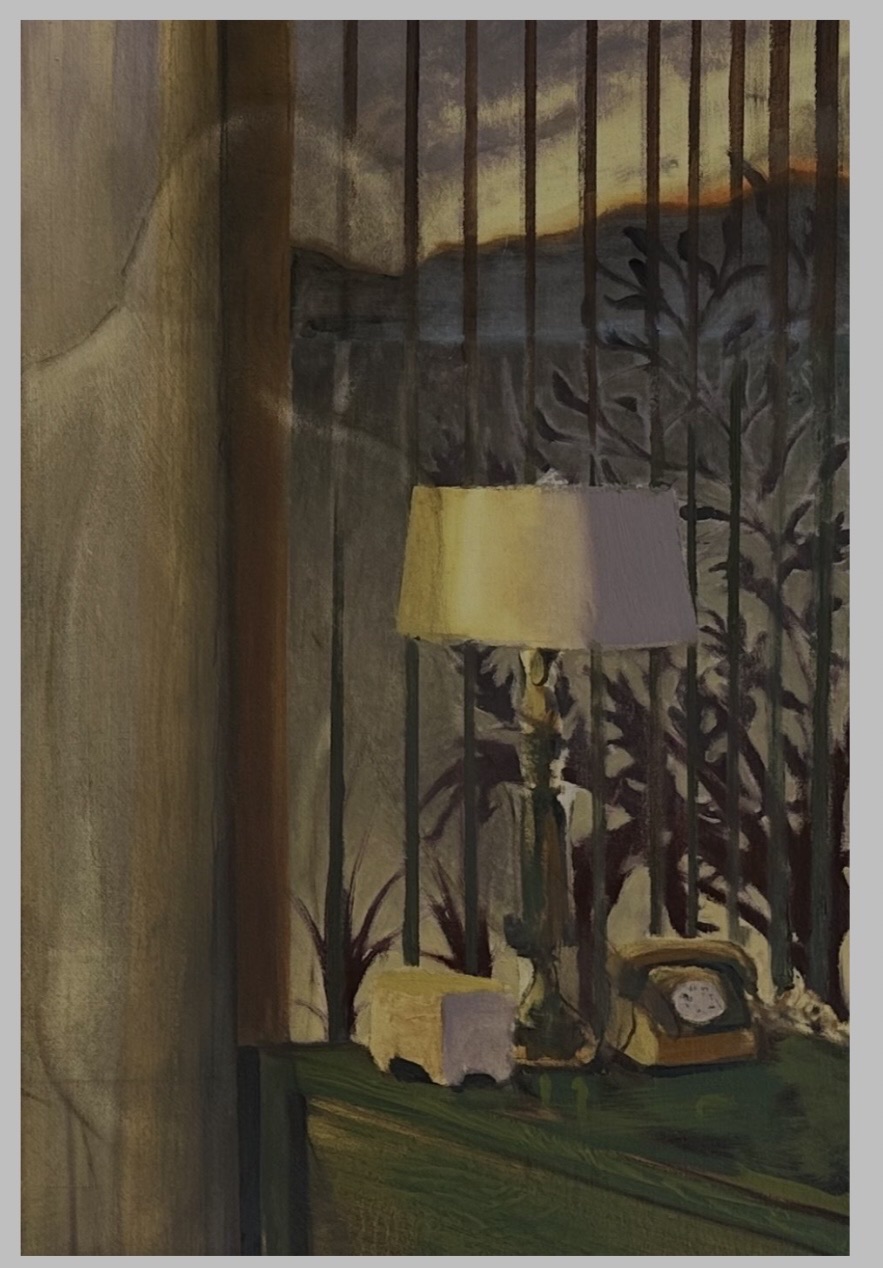
Heat on the Wall: Collecting the Warm Palette
There is something almost physiological about living with a warm palette. Collectors who have hung a deeply saturated amber canvas or a sun drenched interior scene in their homes will tell you the same thing: the room changes. Not just visually, but atmospherically. The color does something to your nervous system, to the quality of attention you bring to a space, and over time it becomes difficult to imagine the walls without it.
This is the quiet power that draws collectors to warm palette works again and again, and it explains why such paintings so rarely come back to market once they have found a home. The appeal is also deeply psychological in a way that transcends fashion. Warm tones, those reds and oranges and golds and the particular amber that sits between all three, carry an evolutionary charge that cooler palettes simply do not. They suggest fire, late afternoon, intimacy, the feeling of being sheltered.
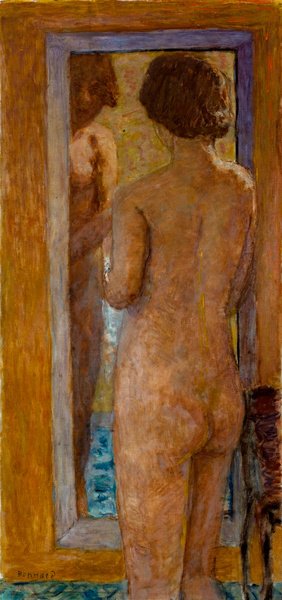
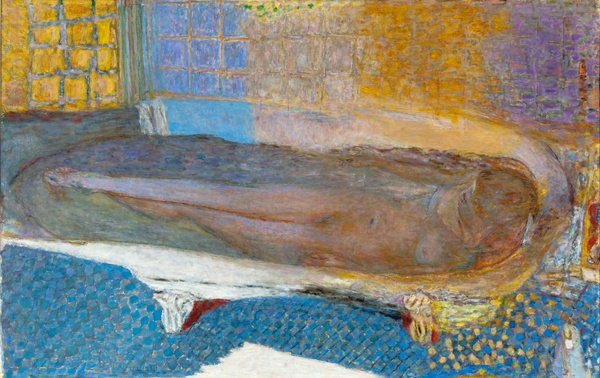
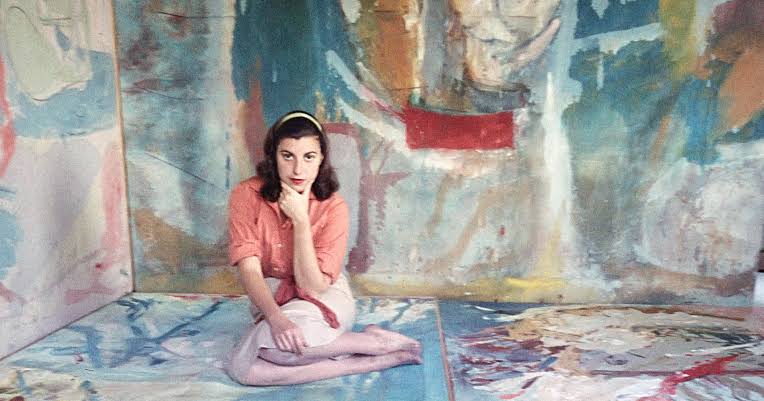
Pierre Bonnard
Femme à sa toilette, 1934
This is not sentimentality. It is something more fundamental, and the best artists who have worked in this register have understood how to metabolize that charge into something sophisticated rather than merely pleasant. The collector's challenge is to learn the difference between warmth that comforts and warmth that compels. What separates a good warm palette work from a great one is almost always a question of tension.
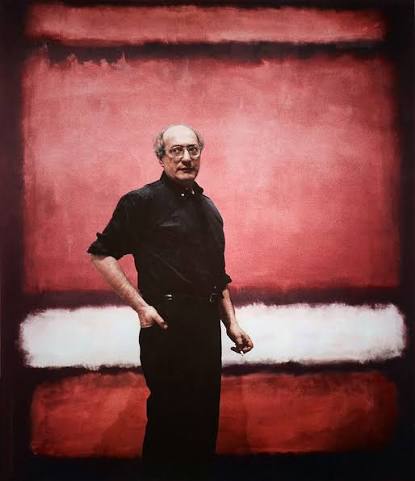
The artists who matter in this space are those who resist the gravitational pull toward the decorative. Pierre Bonnard is the canonical example and remains one of the most instructive. His interiors and garden scenes from the 1920s and 1930s hold their warmth in a constant state of vibration, the color refusing to settle, the light always slightly more than you expect. Mark Rothko, working from an entirely different tradition, demonstrated that warm color could carry existential weight, that orange and red could be tragic rather than cheerful.
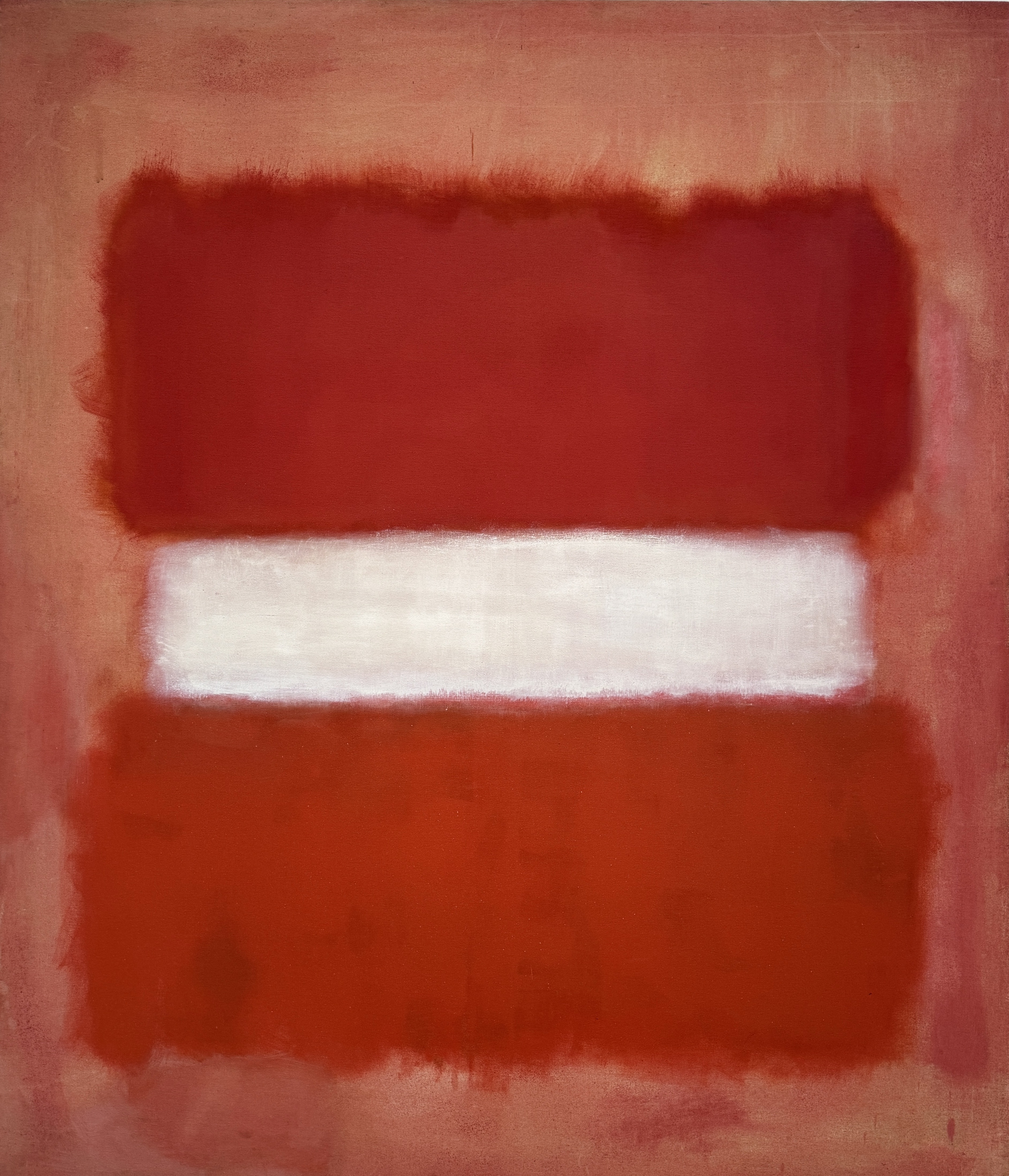
Mark Rothko
White Center, 1957
Works by both artists appear on The Collection, and they serve as useful benchmarks precisely because they show how differently warmth can be deployed at the highest level. For collectors building a position in this space, the question of what to look for comes down to a few reliable markers. First, consider how the warm tones relate to the cooler passages within the same work. Great warm palette paintings are almost never monochromatic in temperature.
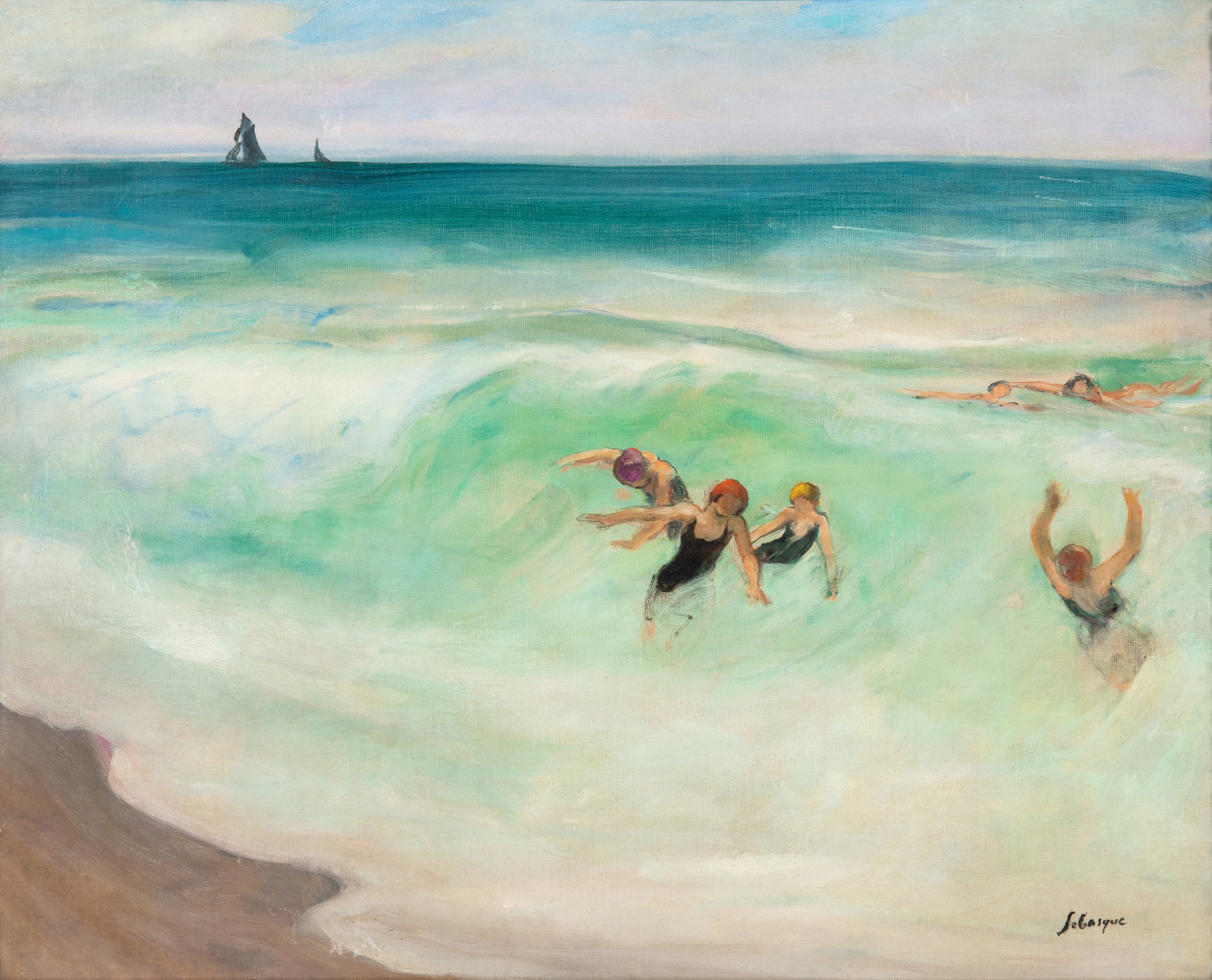
Bonnard understood this intuitively. So did Henri Lebasque, whose Mediterranean scenes use shadow as a structural element rather than an afterthought. Second, look at the handling of light. Is the warmth internal to the color itself, or is it the result of depicted sunlight?
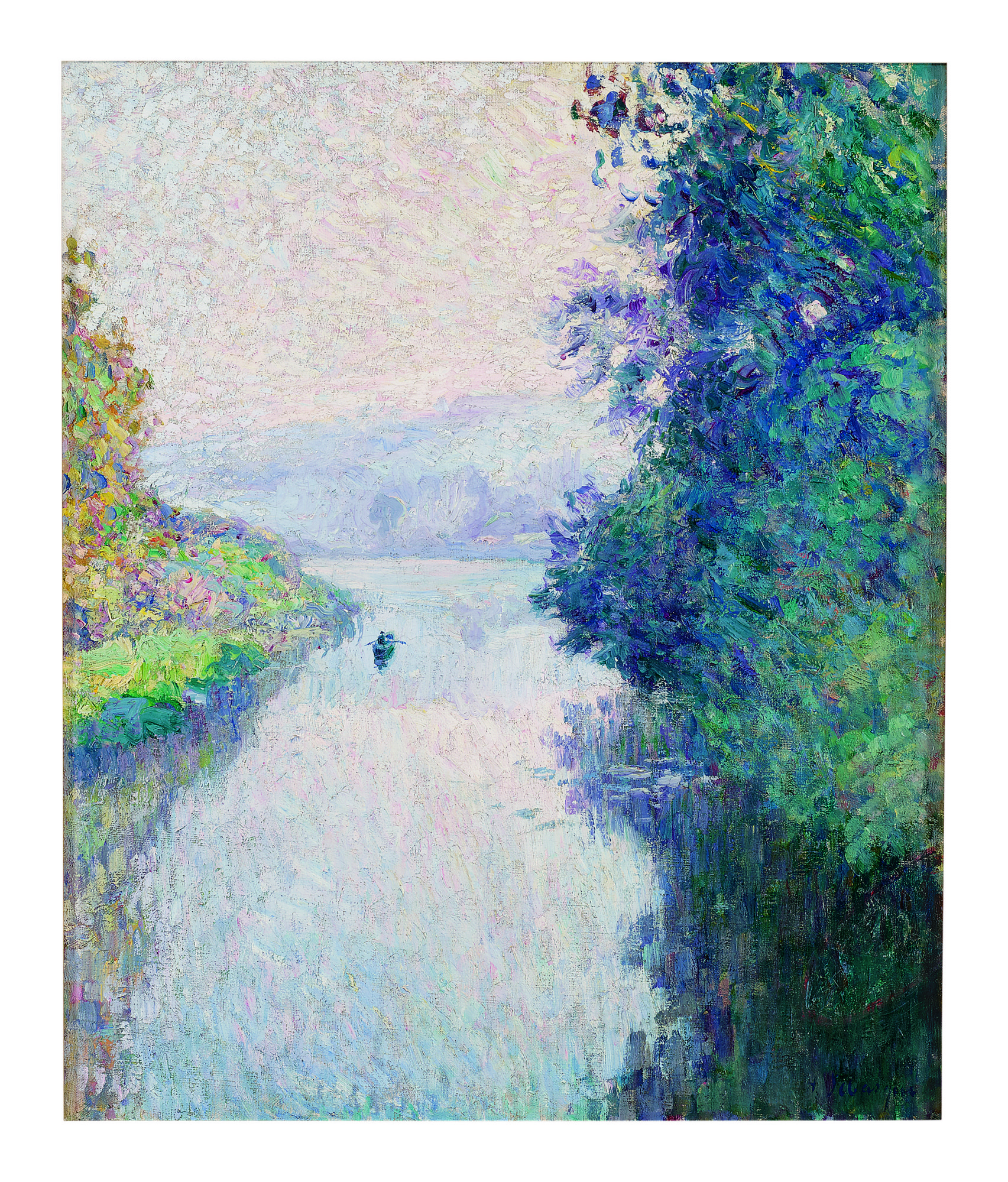
Henri Lebasque
Barque Sur La Marne, 1900
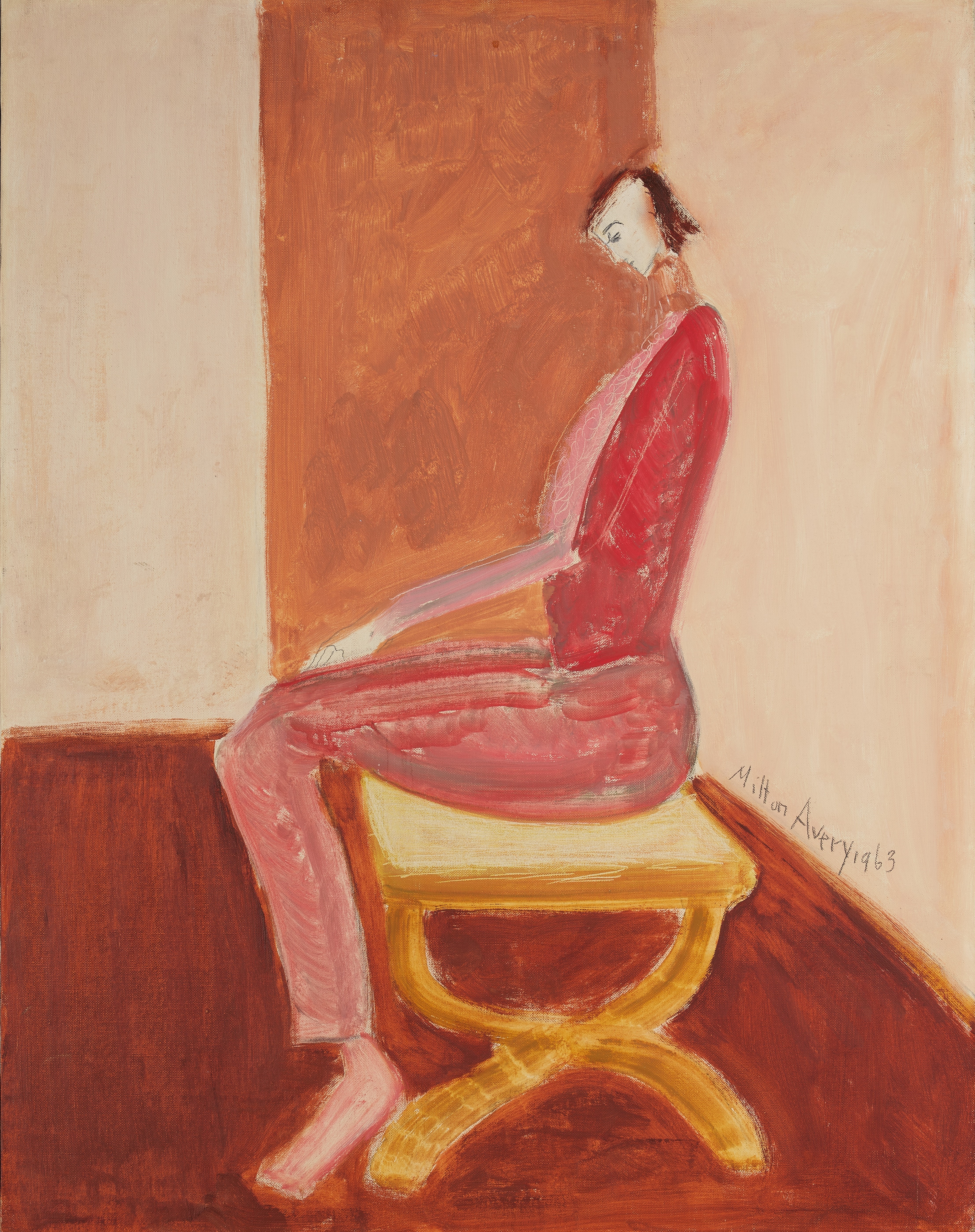
The former is almost always more durable as a collected object, more alive across different times of day and different seasons of your own life with the work. When thinking about value and market positioning, a few names on The Collection merit particular attention. Milton Avery occupies a fascinating position in American modernism, consistently undervalued relative to his influence on Rothko and the generation that followed him. His warm figure paintings and landscapes have shown steady appreciation at auction, and museum attention has been increasing over the past decade.
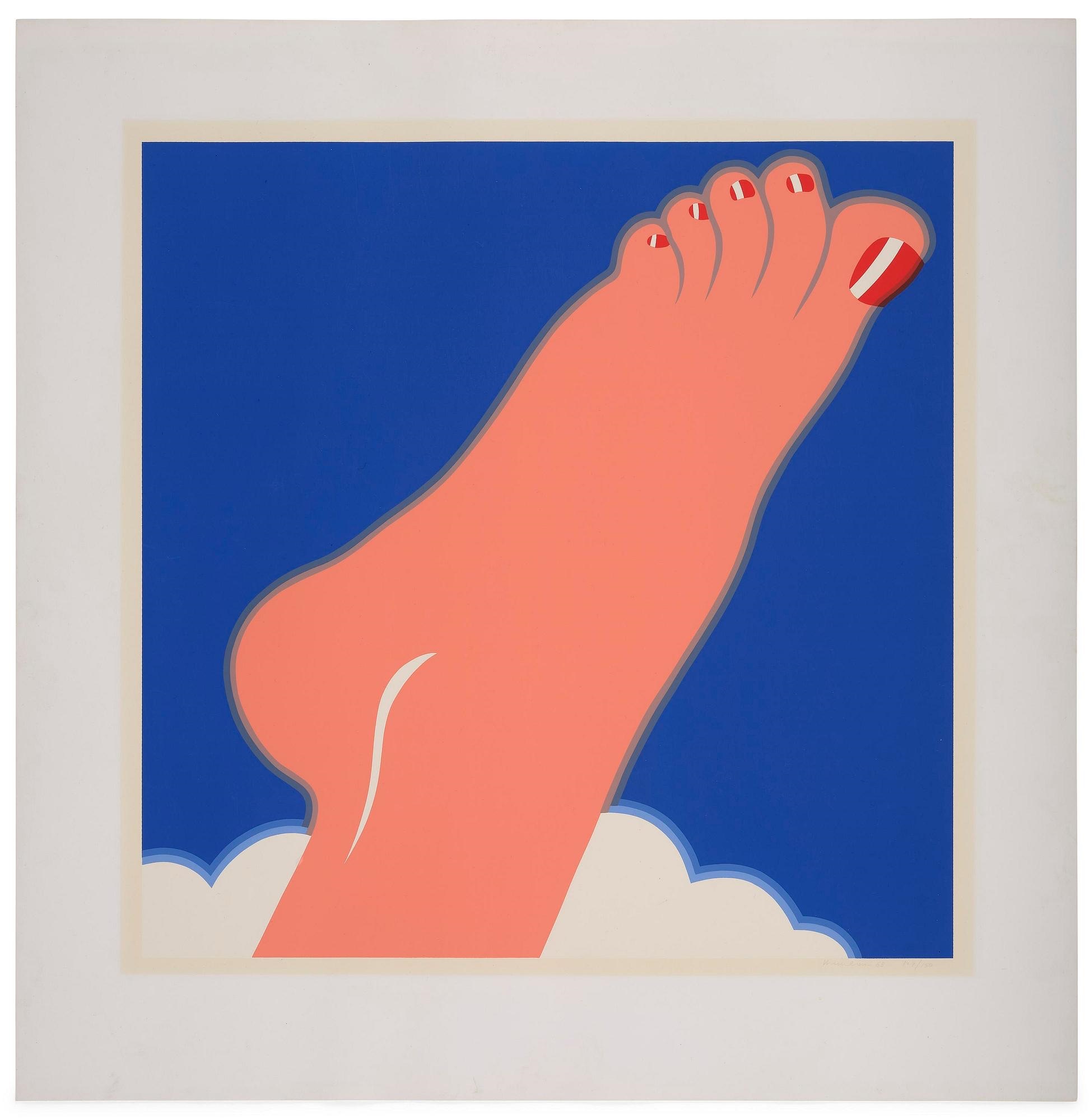
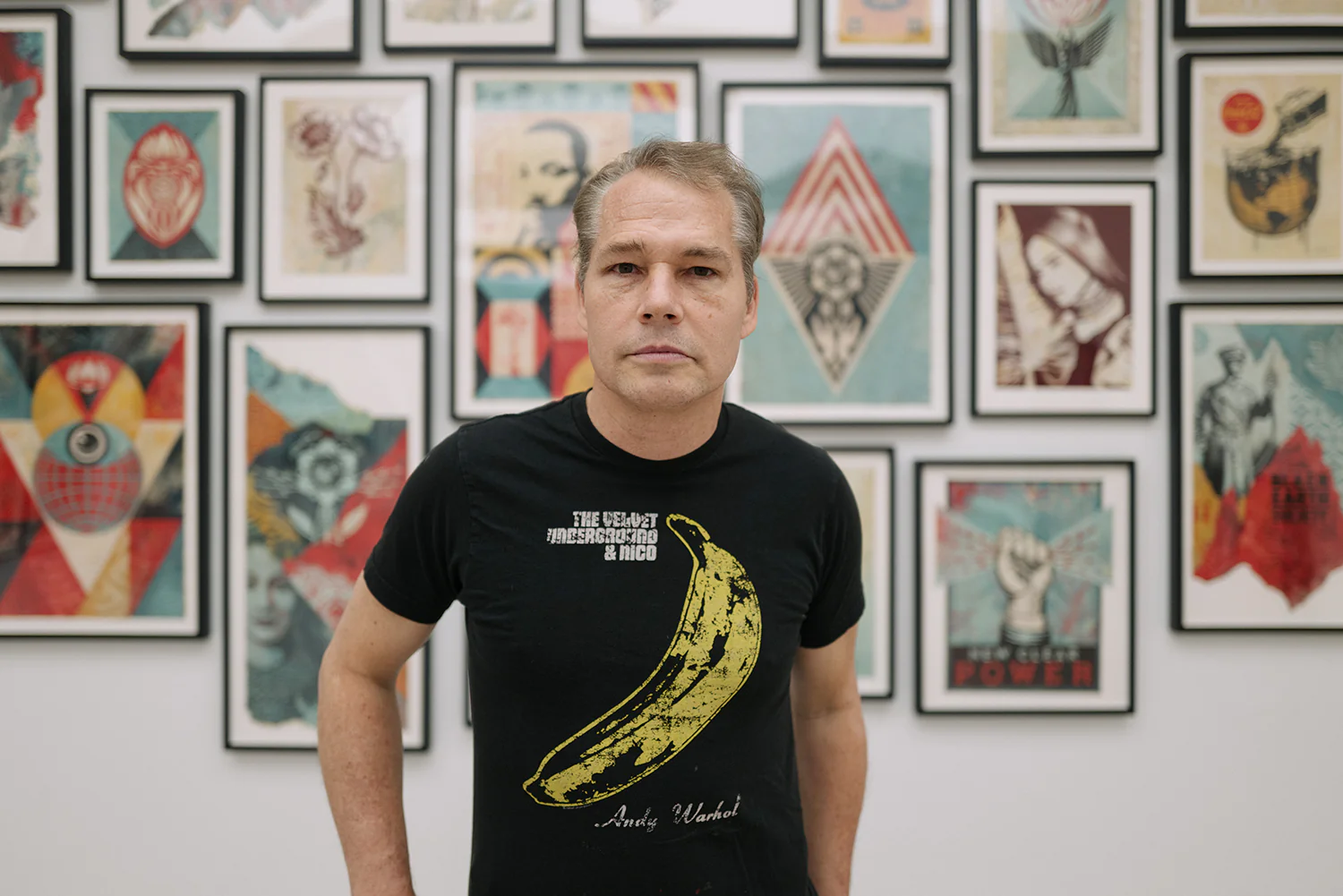
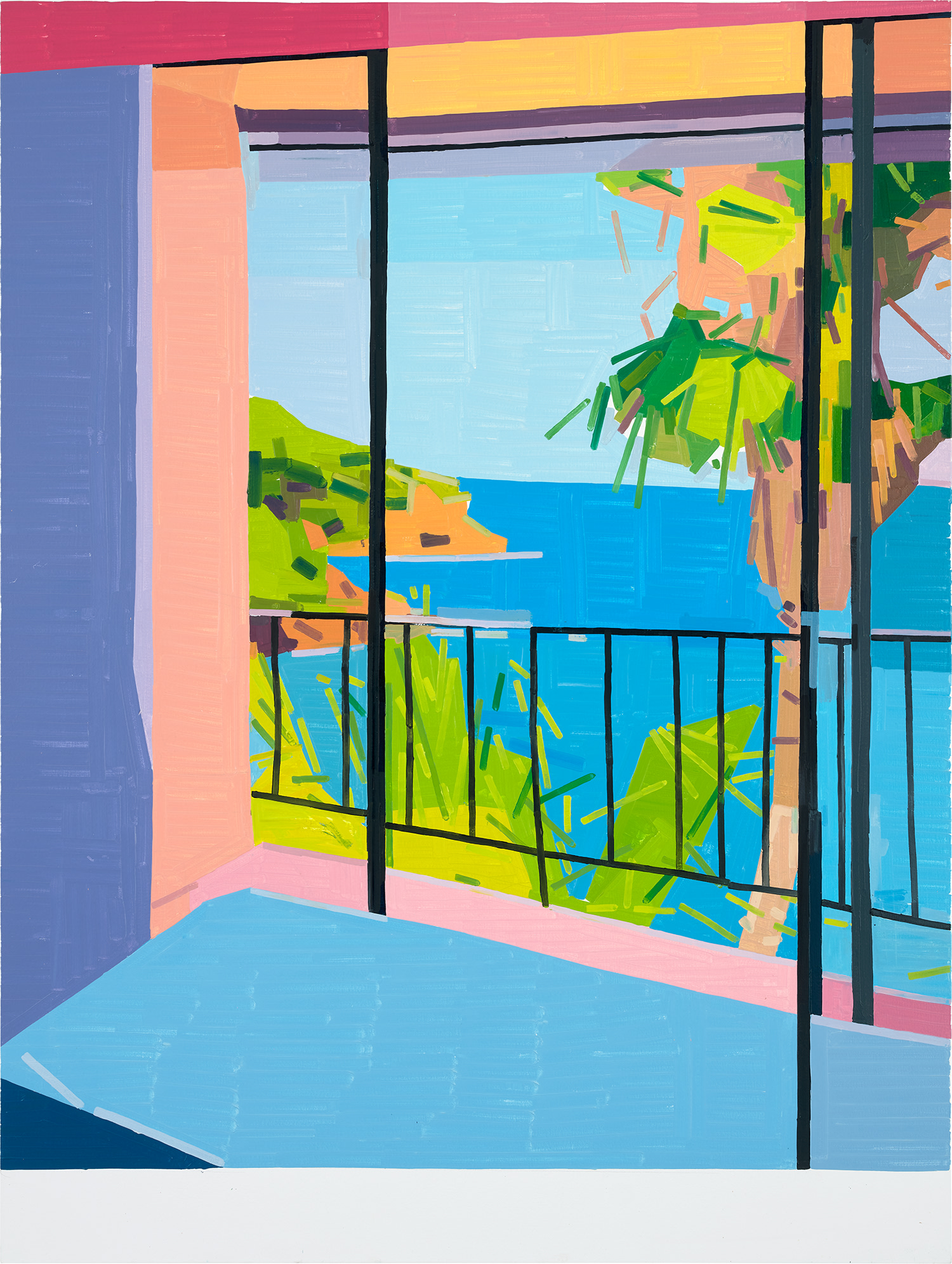
André Derain is another artist whose Fauvist period work remains underpriced relative to his historical importance, largely because the subsequent phases of his career have complicated his critical reputation. Collectors willing to engage with that complexity are often rewarded. Guy Yanai and Salman Toor represent the contemporary end of this lineage, both working with warm, intimate palettes and both generating serious gallery and institutional momentum right now. The emerging opportunities are genuinely exciting.
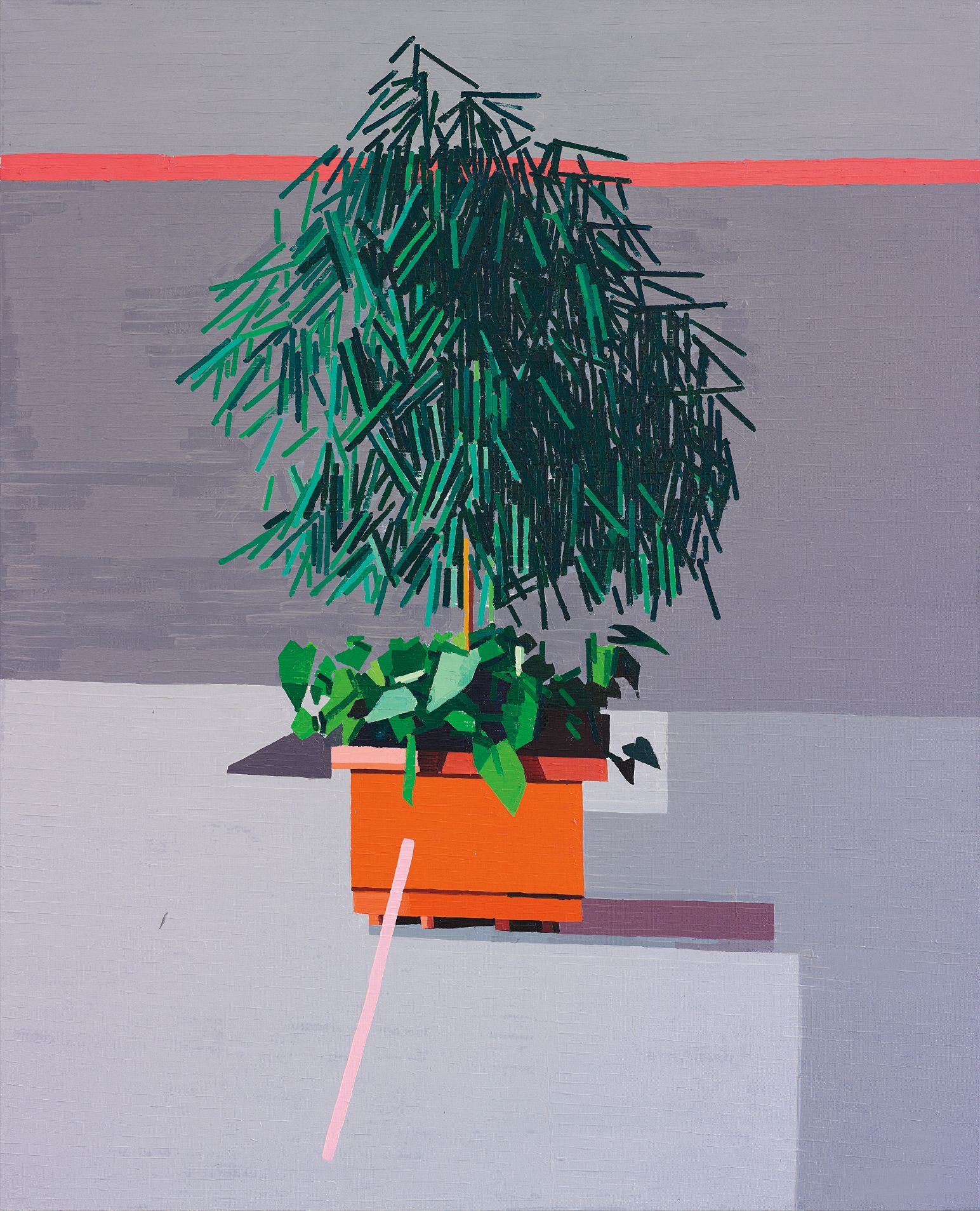
Guy Yanai
Bye Torino
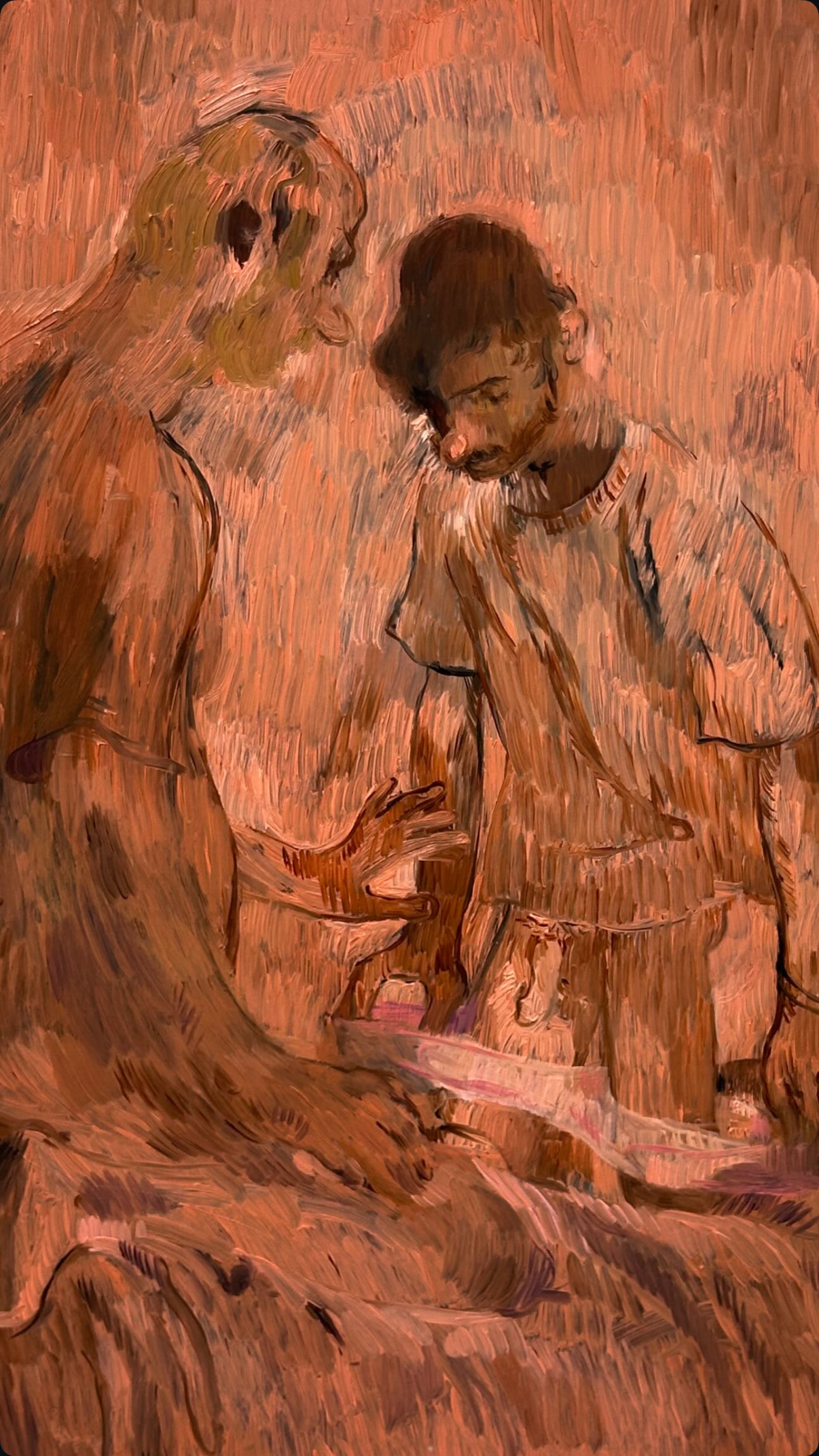
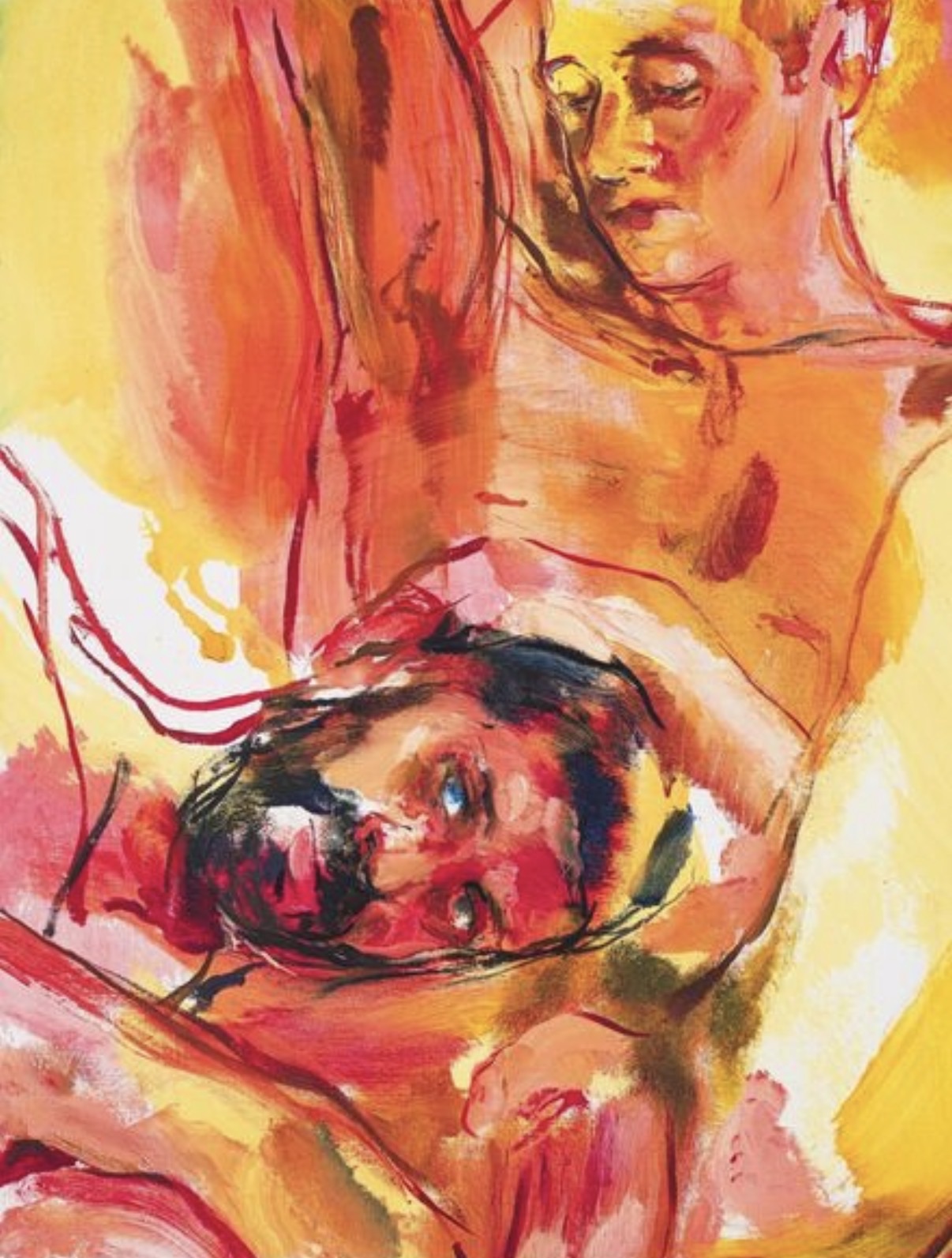
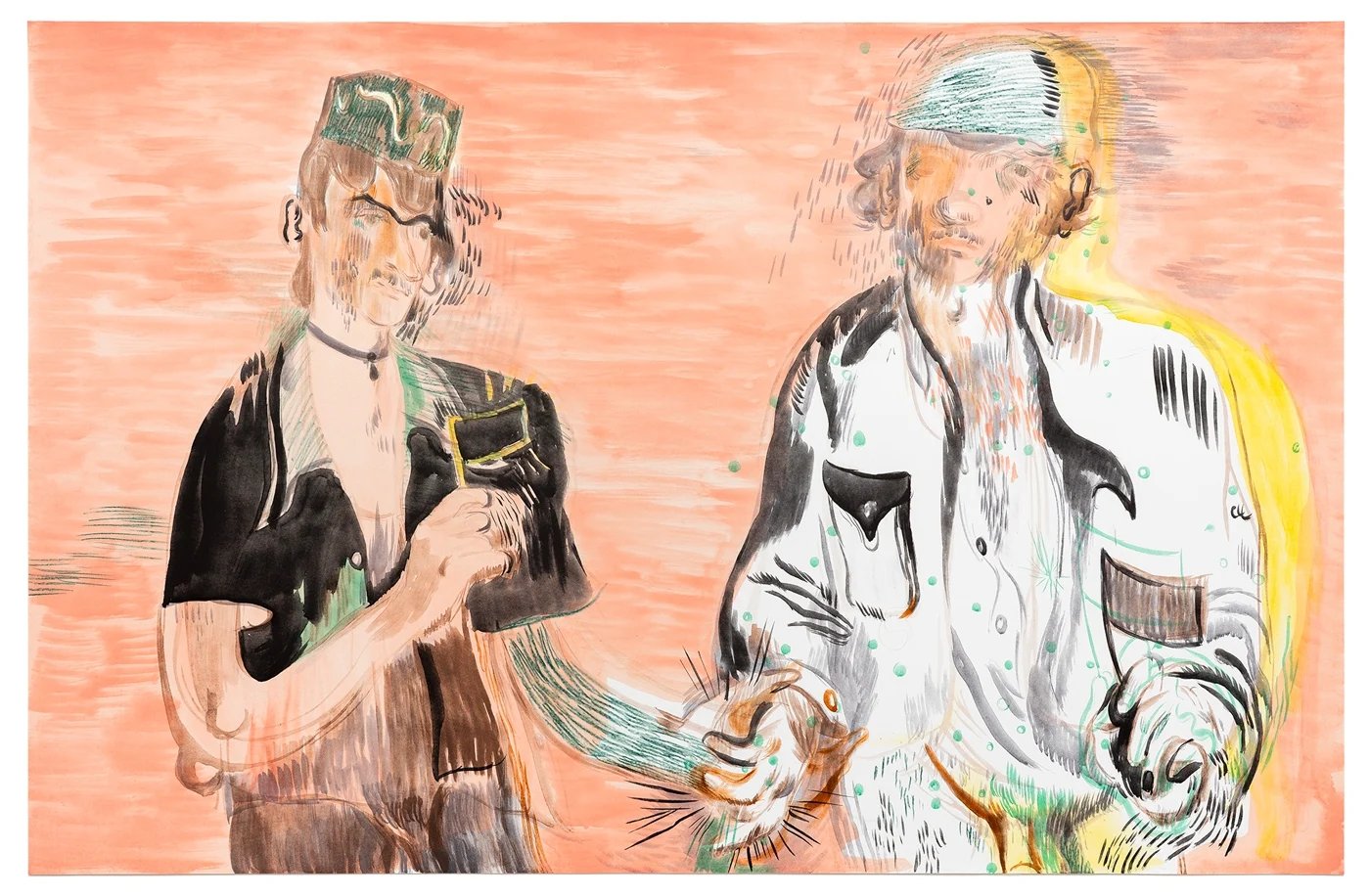
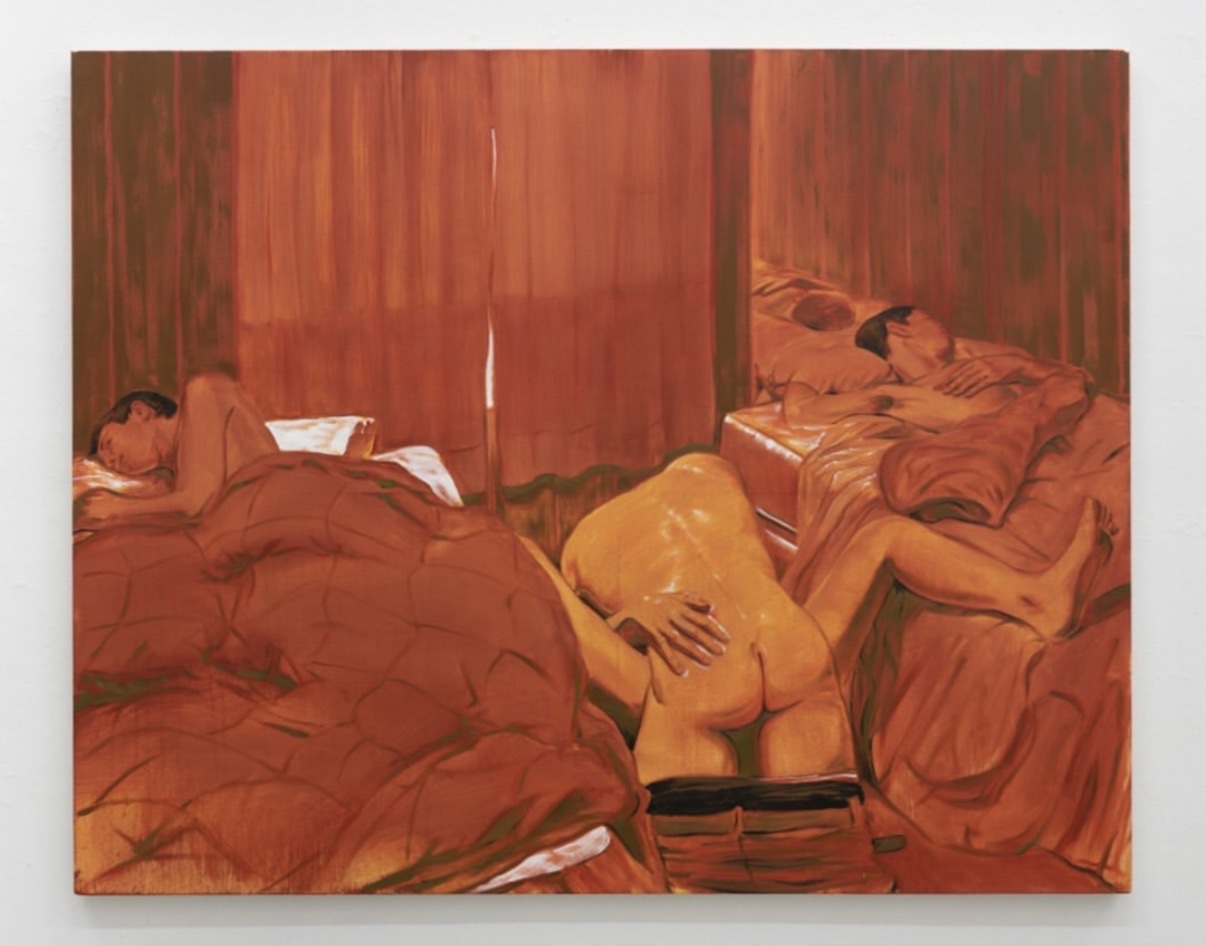
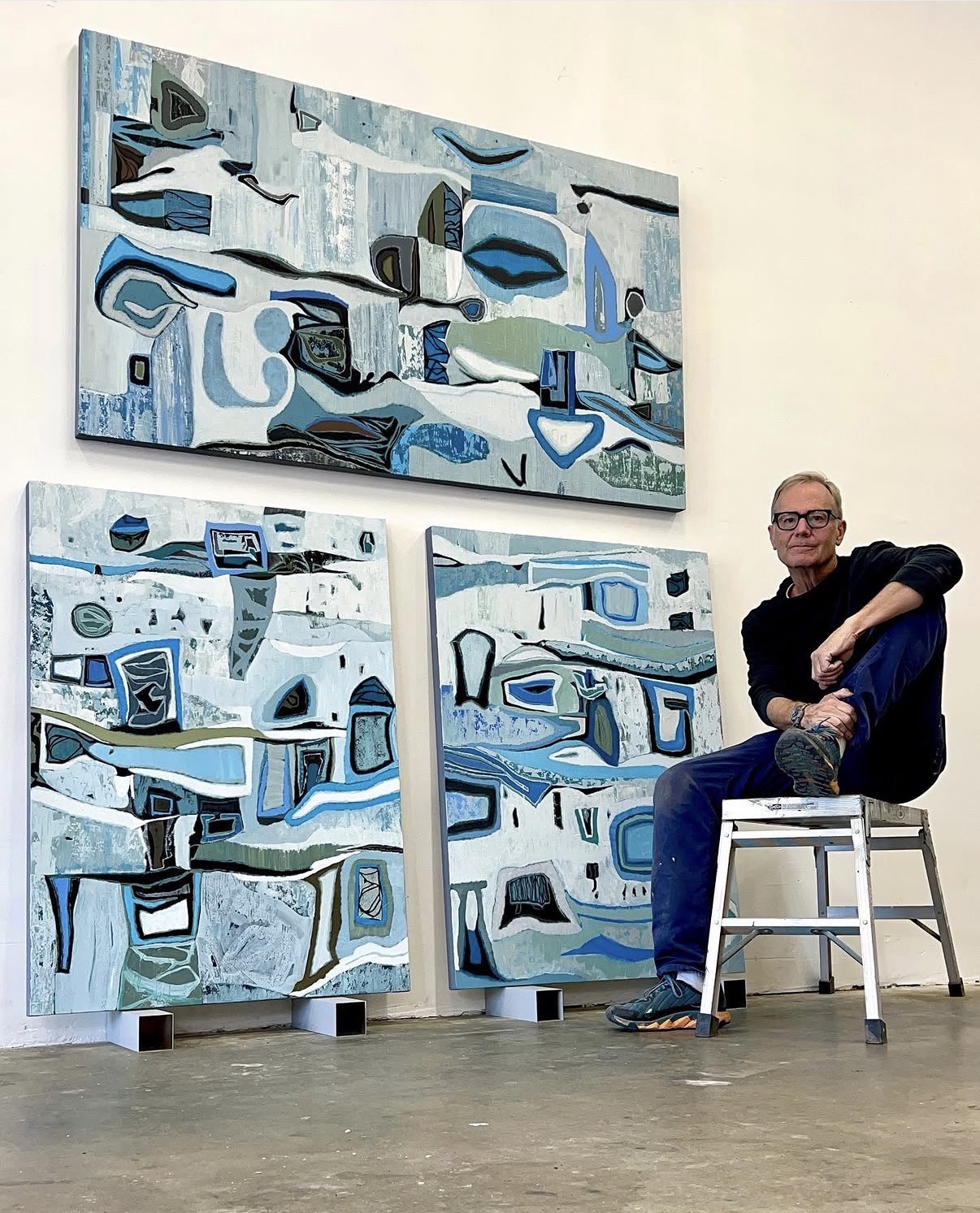
Doron Langberg has developed a committed following among collectors who respond to the way he uses warm, loaded color to describe intimacy and domestic tenderness. His paintings have moved through galleries in New York with increasing speed, and auction appearances have been encouraging. Honor Titus is another figure worth watching closely. His work carries heat in a way that feels both art historically informed and completely contemporary, and the critical conversation around him has been building steadily.
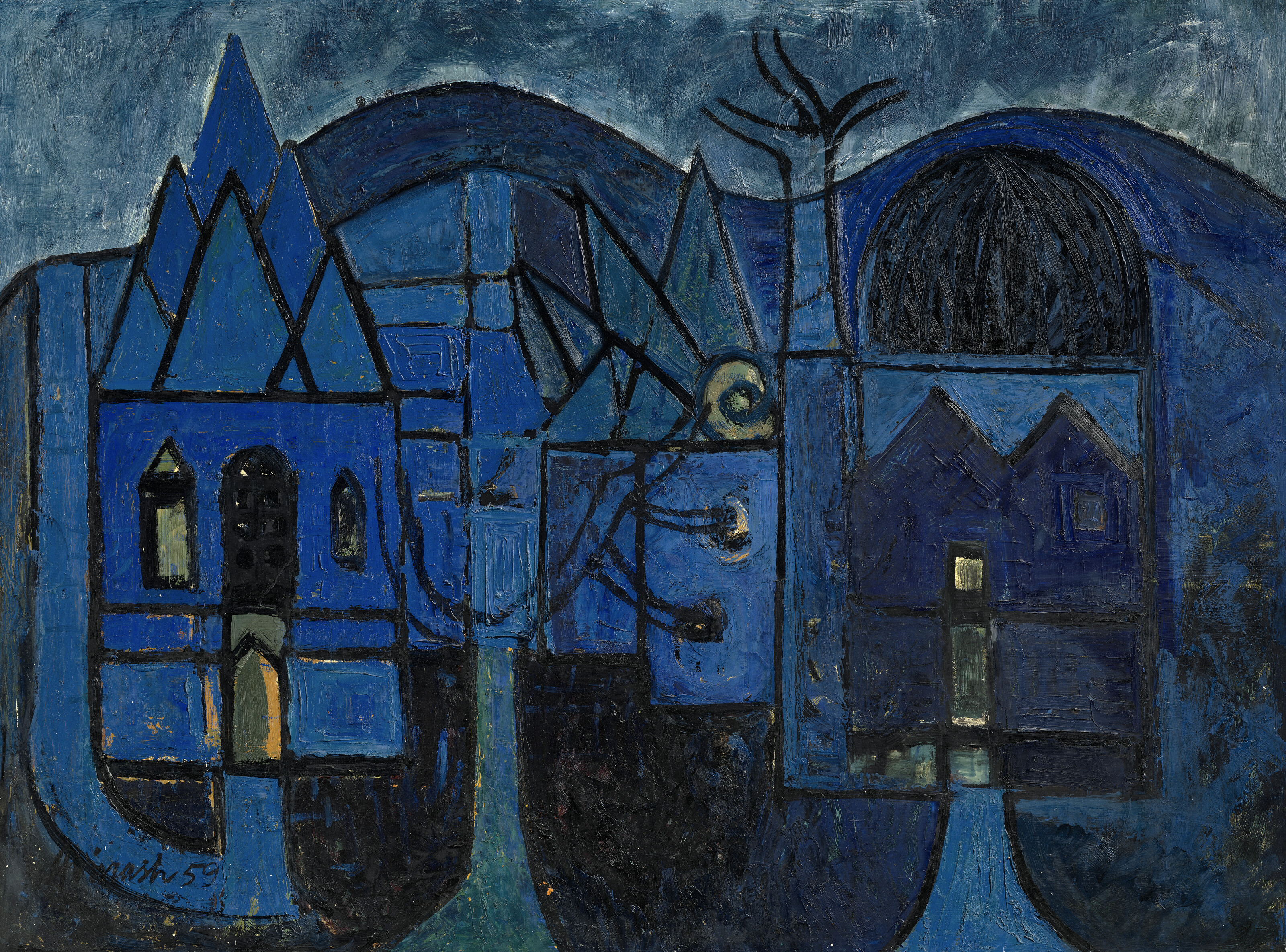
Roberto Gil de Montes brings a warmth to his imagery that is charged with meaning, a quality that tends to drive long term collector loyalty. Jesse Mockrin and Deborah Segun are both producing work that rewards sustained attention, and both are at stages in their careers where acquisition is still possible at accessible price points. At auction, warm palette works have shown consistent resilience across market cycles. This is partly because the category sits at an intersection of aesthetic appeal and emotional accessibility that attracts a broad collector base, including buyers who might not otherwise follow the contemporary market closely.
Post war works in warm tones by recognized names have performed particularly well at the major houses over the past five years, with Rothko and Bonnard both achieving strong results when exceptional examples come to market. The caveat is that quality variance within any given artist's output can be significant, and warm palette works are especially susceptible to overcleaning and restoration, which can strip the very luminosity that makes them valuable. On the practical side, condition is everything in this category, and it deserves more scrutiny than collectors often give it. Ask specifically about lining, restoration history, and any past exposure to direct light, which fades warm tones more aggressively than cool ones.
When displaying these works, avoid south facing walls that receive sustained afternoon sun, and invest in UV filtering glass or film if the space demands it. For works on paper, framing with museum quality materials is non negotiable. When approaching a gallery about a warm palette work, ask to see the work in different lighting conditions before committing. The difference between incandescent and natural light can be transformative, and you want to know what you are actually buying.
Editions in this space are worth considering when the artist controls the process closely, but unique works nearly always carry greater long term value and deeper personal connection. That connection, in the end, is what the warm palette is really about.