War Photography
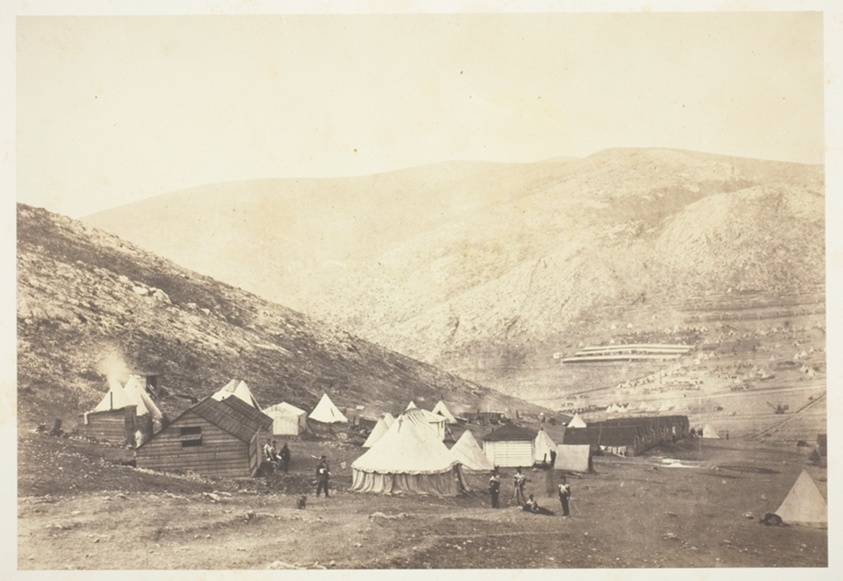
Roger Fenton
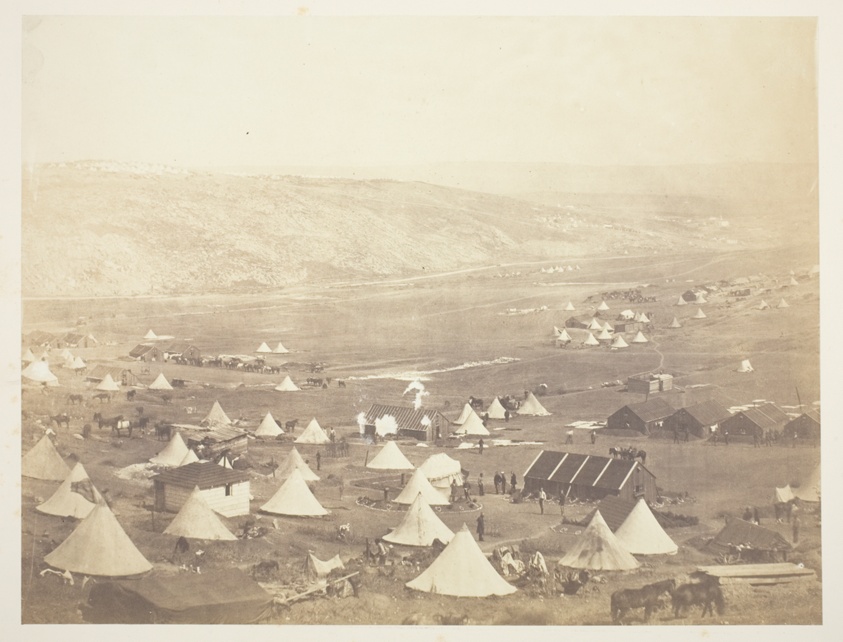
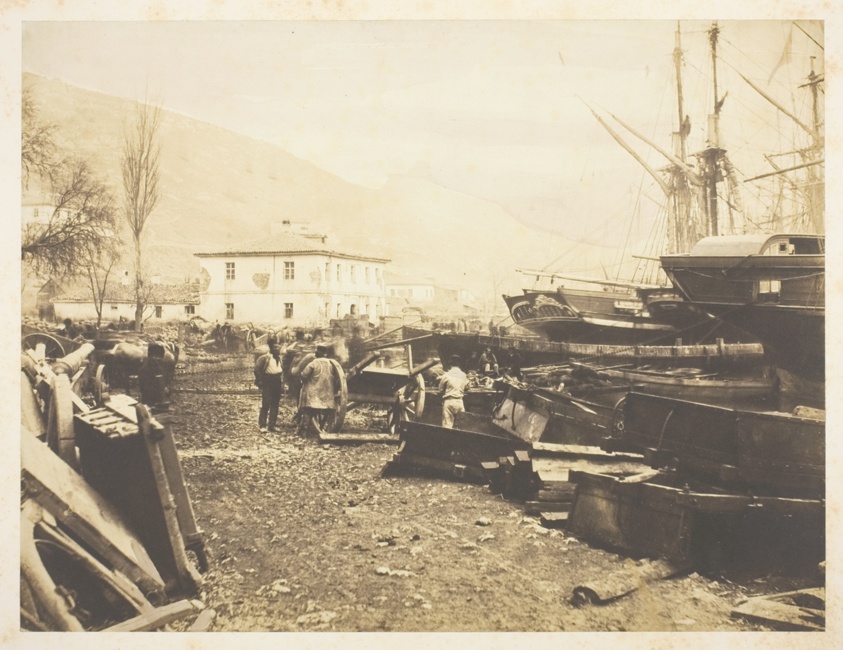
Encampment of the 71st Regiment, 1855
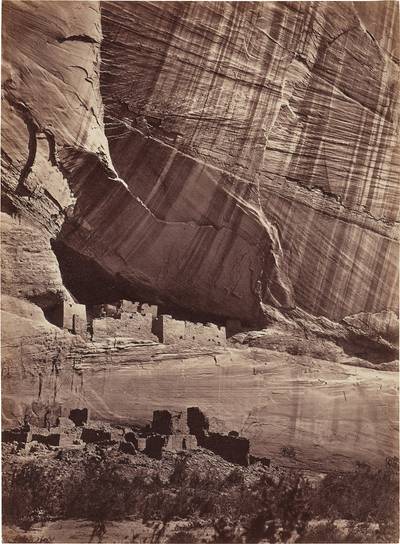
The Camera Never Flinches, But We Do
When Sotheby's offered a vintage print of Robert Capa's Falling Soldier in recent years, the room went quiet in a particular way that auction rooms rarely do. Not the hush of uncertainty, but the hush of recognition. Something about that image, first published in 1936 and debated ever since, still carries an almost unbearable weight. It remains among the most contested and most coveted photographs ever made, and the fact that serious collectors continue to pursue it tells you everything about where war photography sits right now: at the intersection of historical document, ethical flashpoint, and undeniable art object.
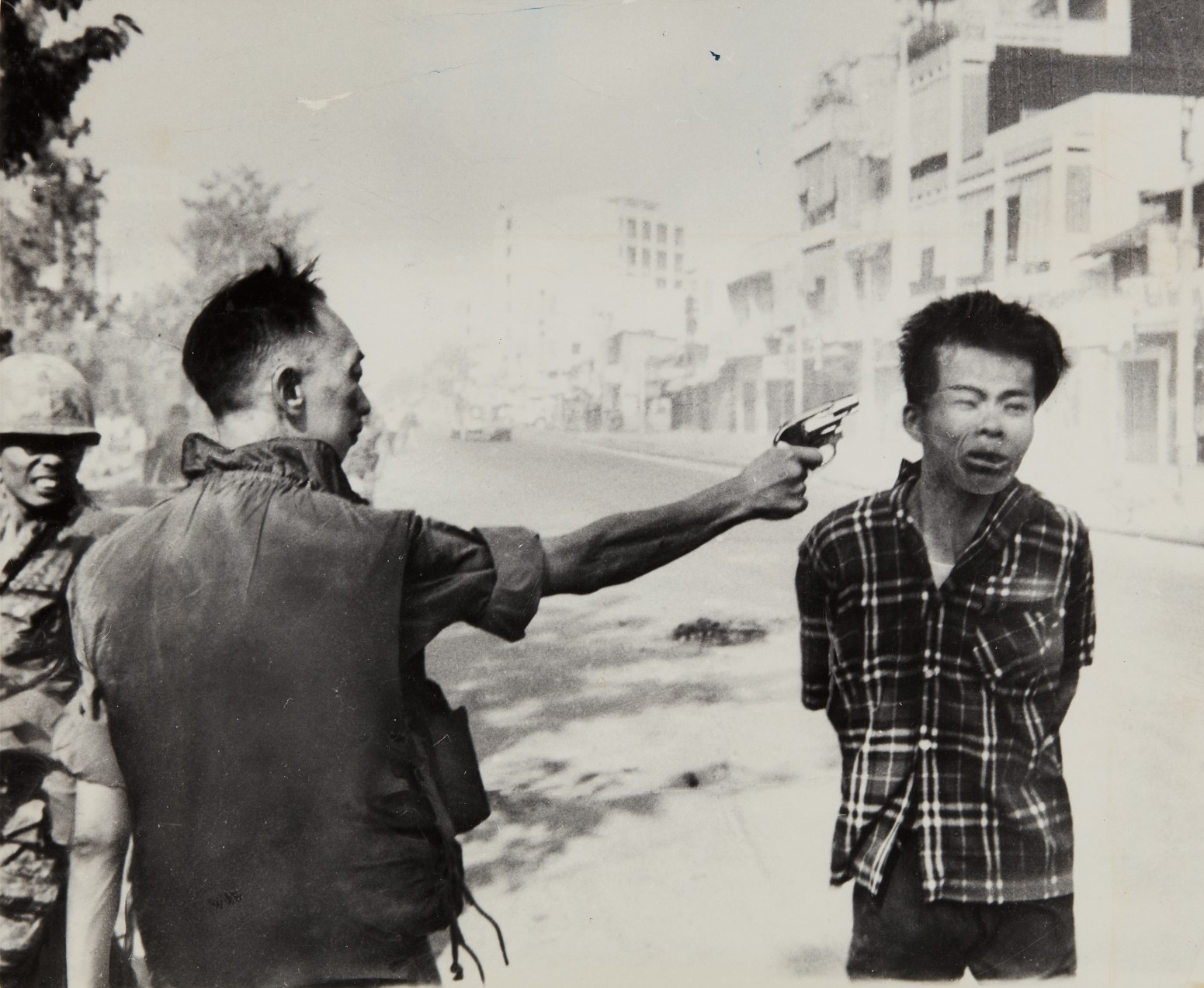
The market for war photography has matured considerably over the past decade, moving from the fringes of photographic collecting into the kind of serious institutional and private conversations that once belonged exclusively to painting and sculpture. The appetite is no longer confined to documentary enthusiasts or historians. Collectors who buy Agnes Martin and Wolfgang Tillmans are now sitting in the same rooms bidding on Don McCullin's Vietnam work and Eddie Adams's images from the same conflict. That convergence says something meaningful about how the art world has recalibrated its understanding of what photography can hold.
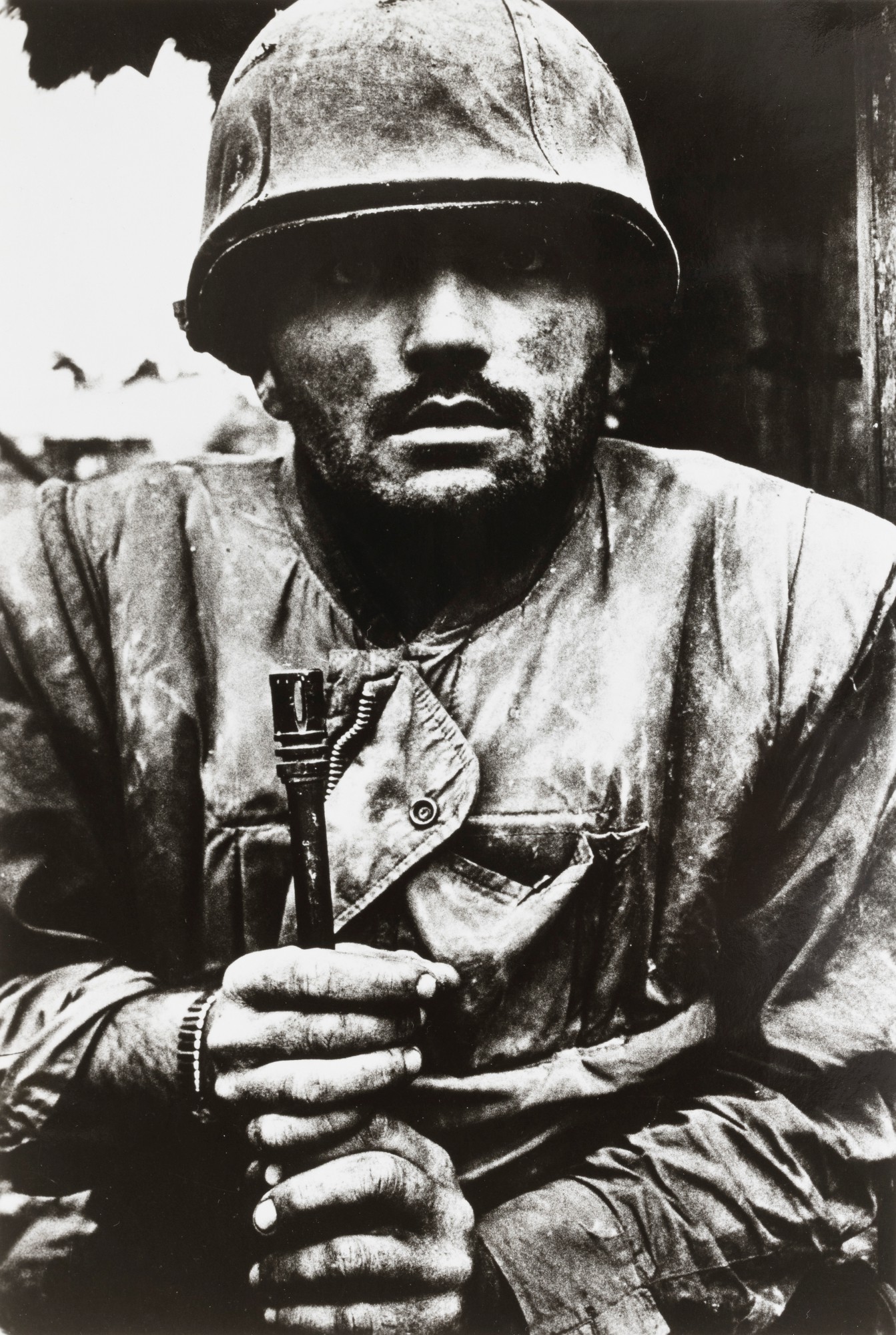
Don McCullin
Shell-shocked US Marine, Hue south vietnam, 1968
McCullin in particular has become a touchstone for this recalibration. His retrospective at Tate Britain in 2019 was one of the most attended photography exhibitions the institution had mounted in years, drawing visitors who came not simply for historical record but for the formal qualities of the work itself. The show made an unambiguous case for McCullin as one of the great image makers of the twentieth century, and the market responded accordingly. His prints, especially those he made himself in his darkroom in Somerset, command prices that reflect both rarity and a growing consensus that this is work built to last.
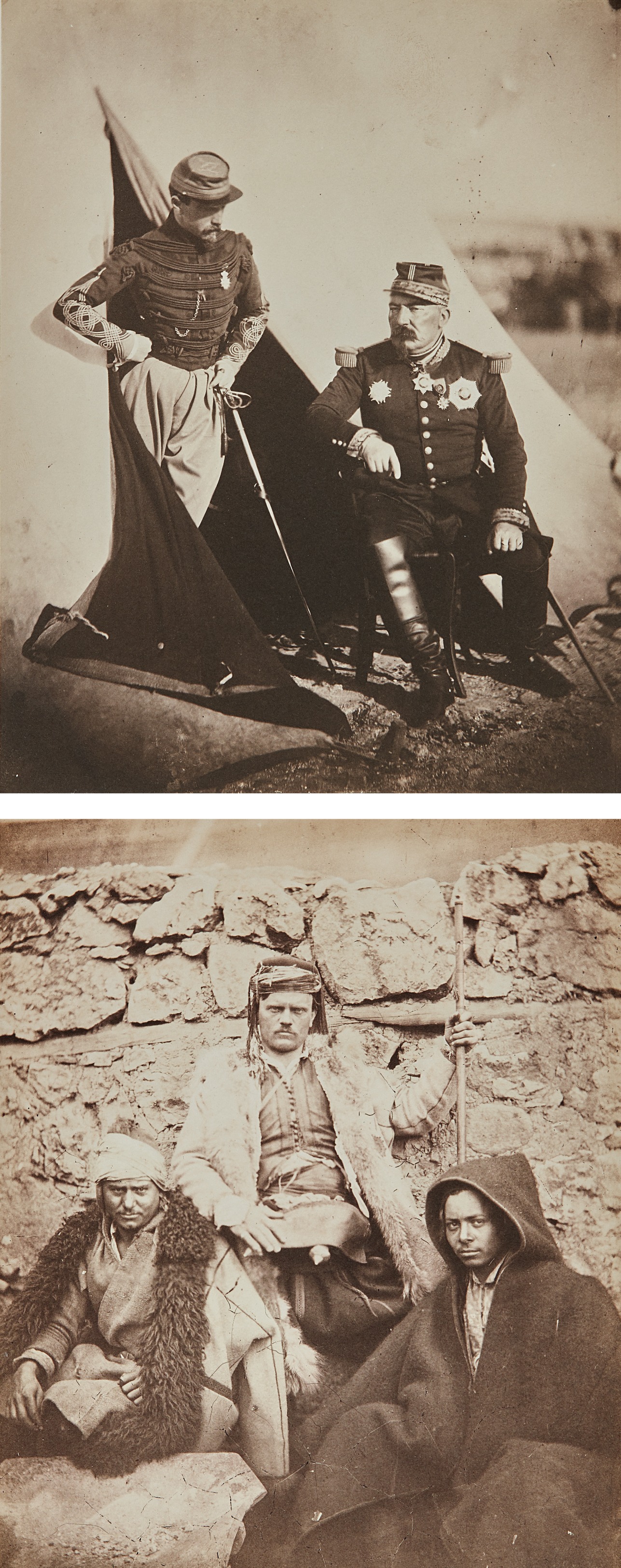
His representation on The Collection speaks to that sustained collector interest. The nineteenth century material is having a remarkable moment as well. Roger Fenton, who traveled to Crimea in 1855 and returned with images that became among the first sustained photographic records of war, is increasingly understood not just as a pioneer but as a genuinely sophisticated visual thinker. His Valley of the Shadow of Death, with its road scattered with cannonballs, remains one of the most analyzed photographs in the medium's history, and institutions from the Library of Congress to the Victoria and Albert Museum hold his work with the kind of care usually reserved for old master drawings.
Roger Fenton
Encampment of the 71st Regiment, 1855
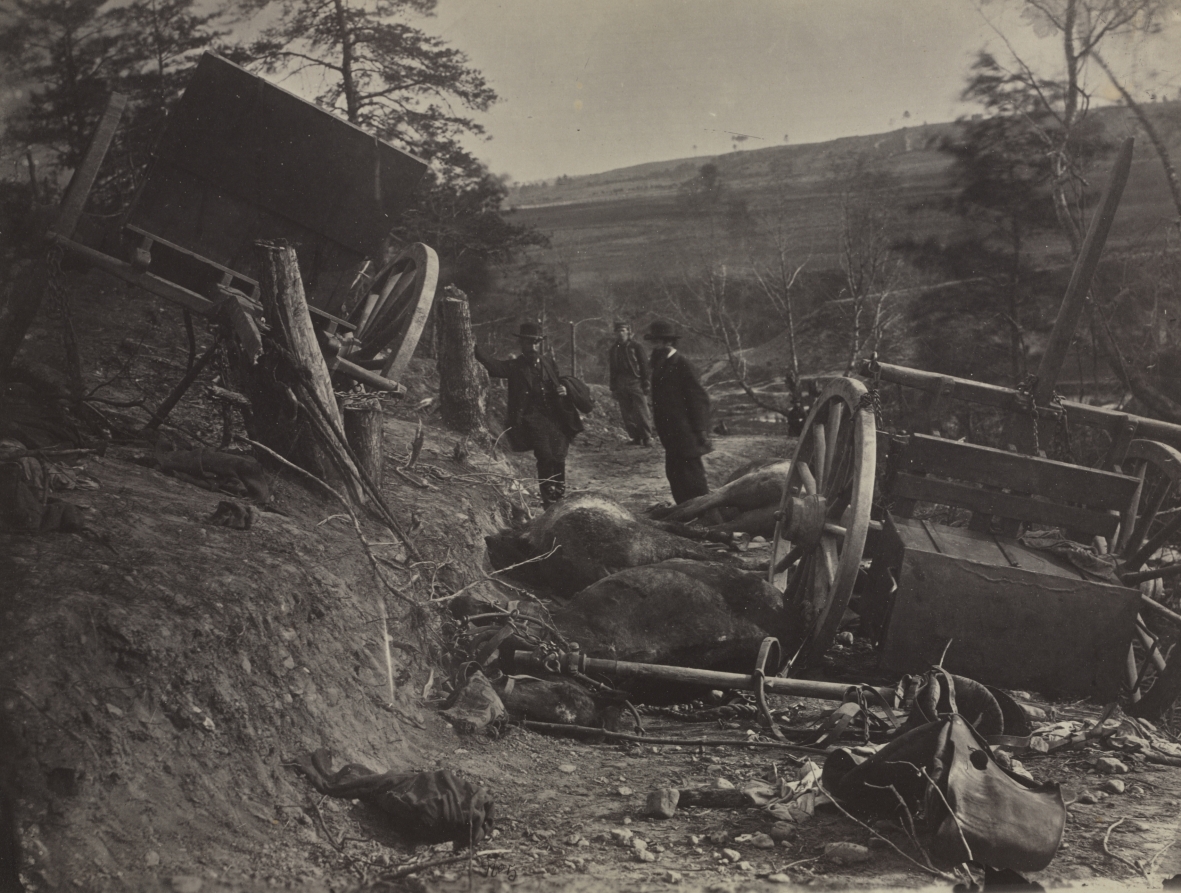
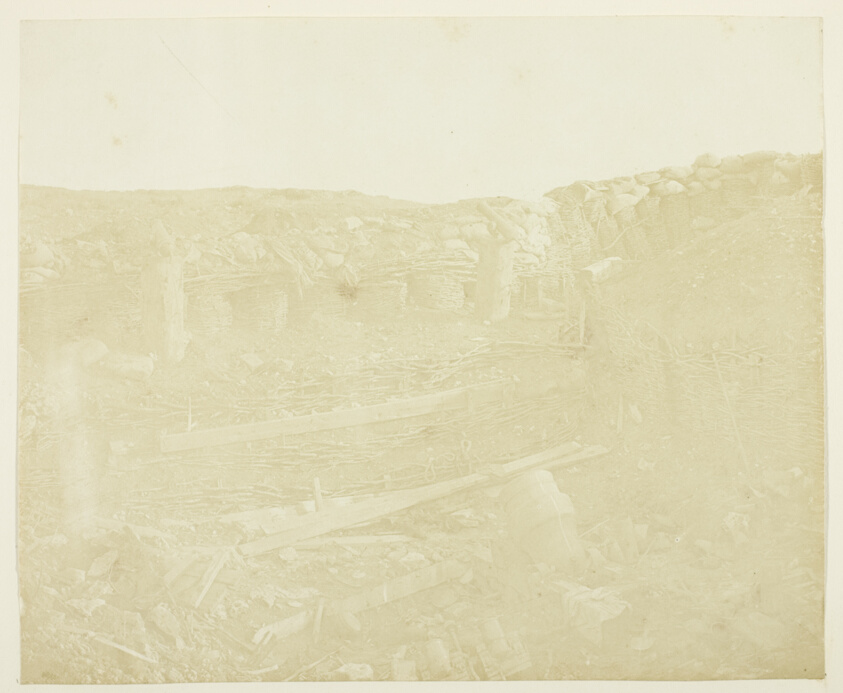
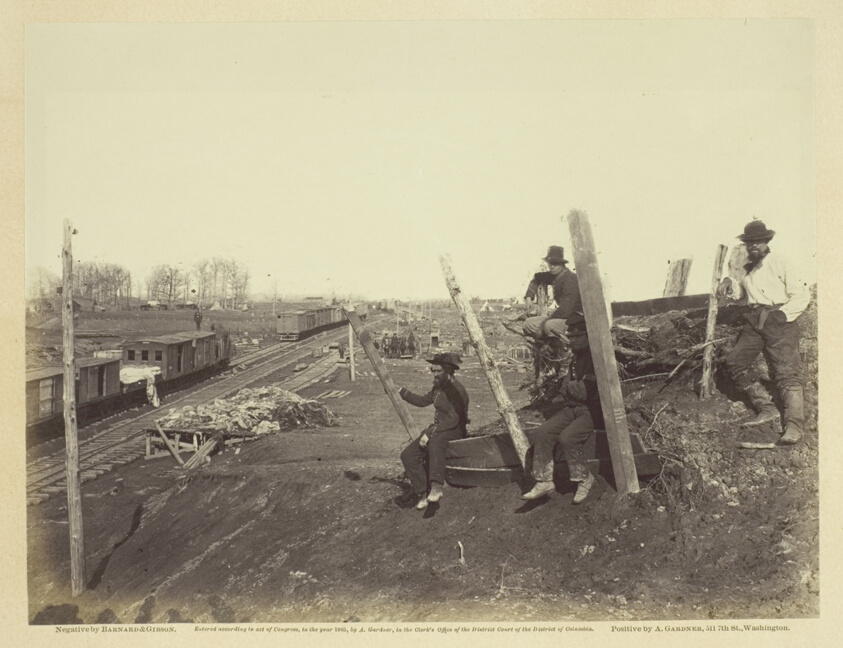
The collection of Fenton's work available on The Collection reflects serious curatorial depth in this area. James Robertson, who photographed the aftermath of the same conflict, and Andrew Joseph Russell, who documented the American Civil War with a rigorous, almost architectural eye, round out a picture of the medium finding its footing under extreme historical pressure. The critical conversation around war photography has grown considerably more nuanced and more honest in recent years. Susan Sontag's Regarding the Pain of Others, published in 2003, cast a long shadow over how the field understood itself, raising uncomfortable questions about spectatorship, compassion fatigue, and the ethics of image consumption.
But a generation of writers and curators has since pushed further. David Campany's work on photography and conflict, along with exhibitions developed at institutions like the International Center of Photography in New York, have moved the debate away from pure ethics and toward questions of form, reception, and the long afterlife of wartime images. The ICP remains probably the single most important institutional voice in this space, and its program consistently reframes what counts as documentary and what counts as art. Simon Norfolk represents the direction a younger generation of photographers has taken in response to that critical pressure.
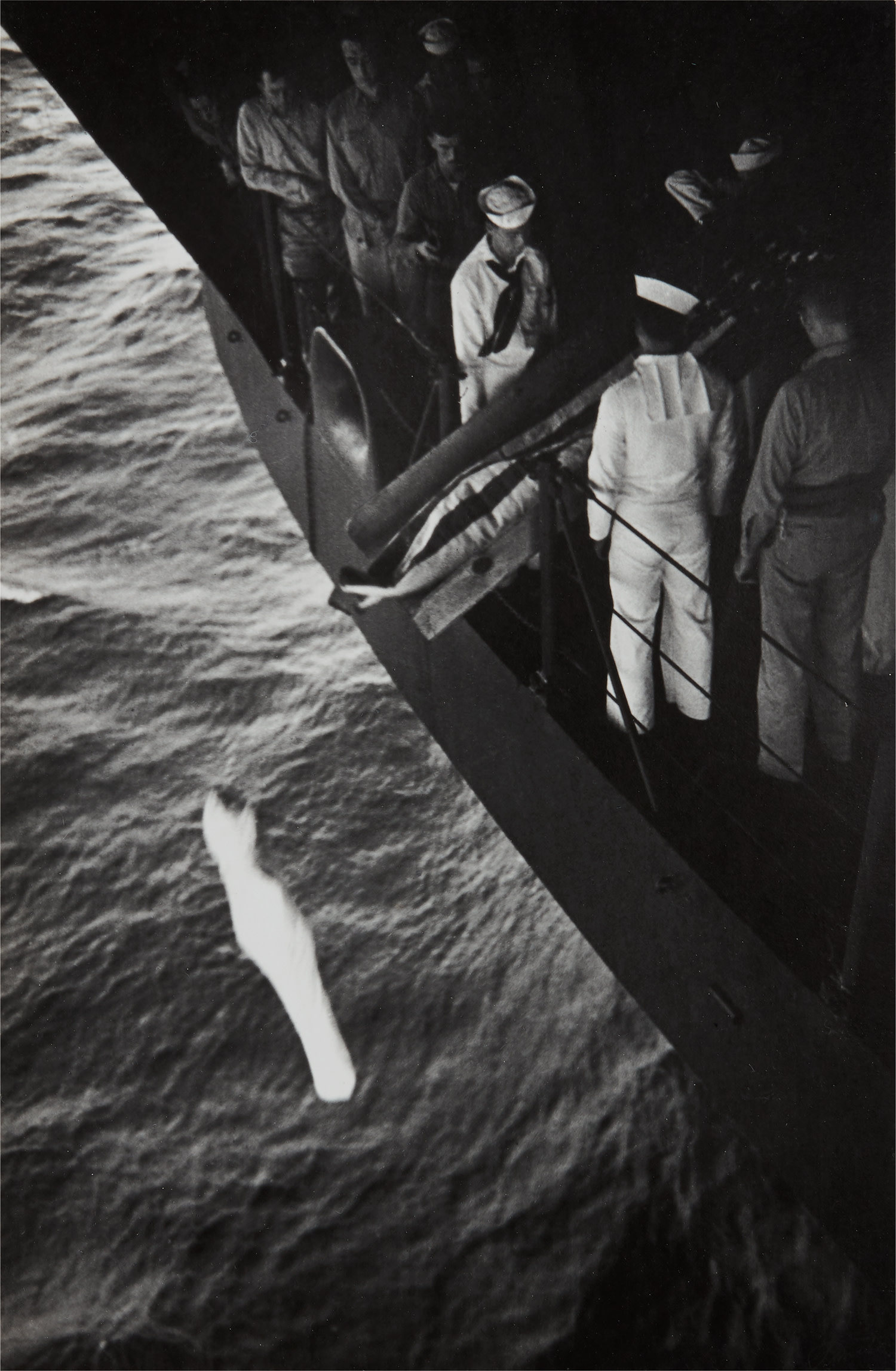
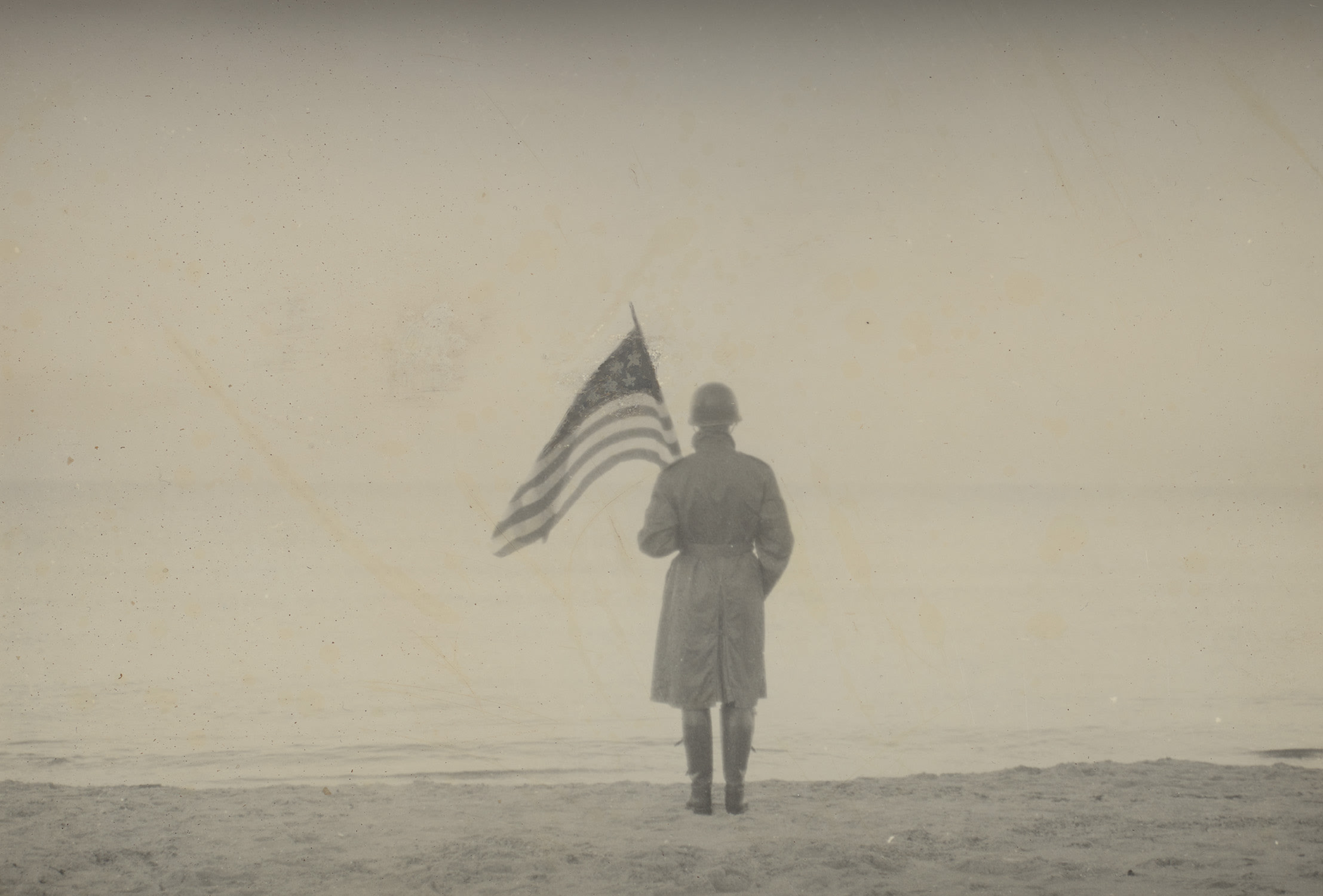
W. Eugene Smith
Burial at Sea, from the U.S.S. Bunker Hill Marshall Islands Campaign, 1960
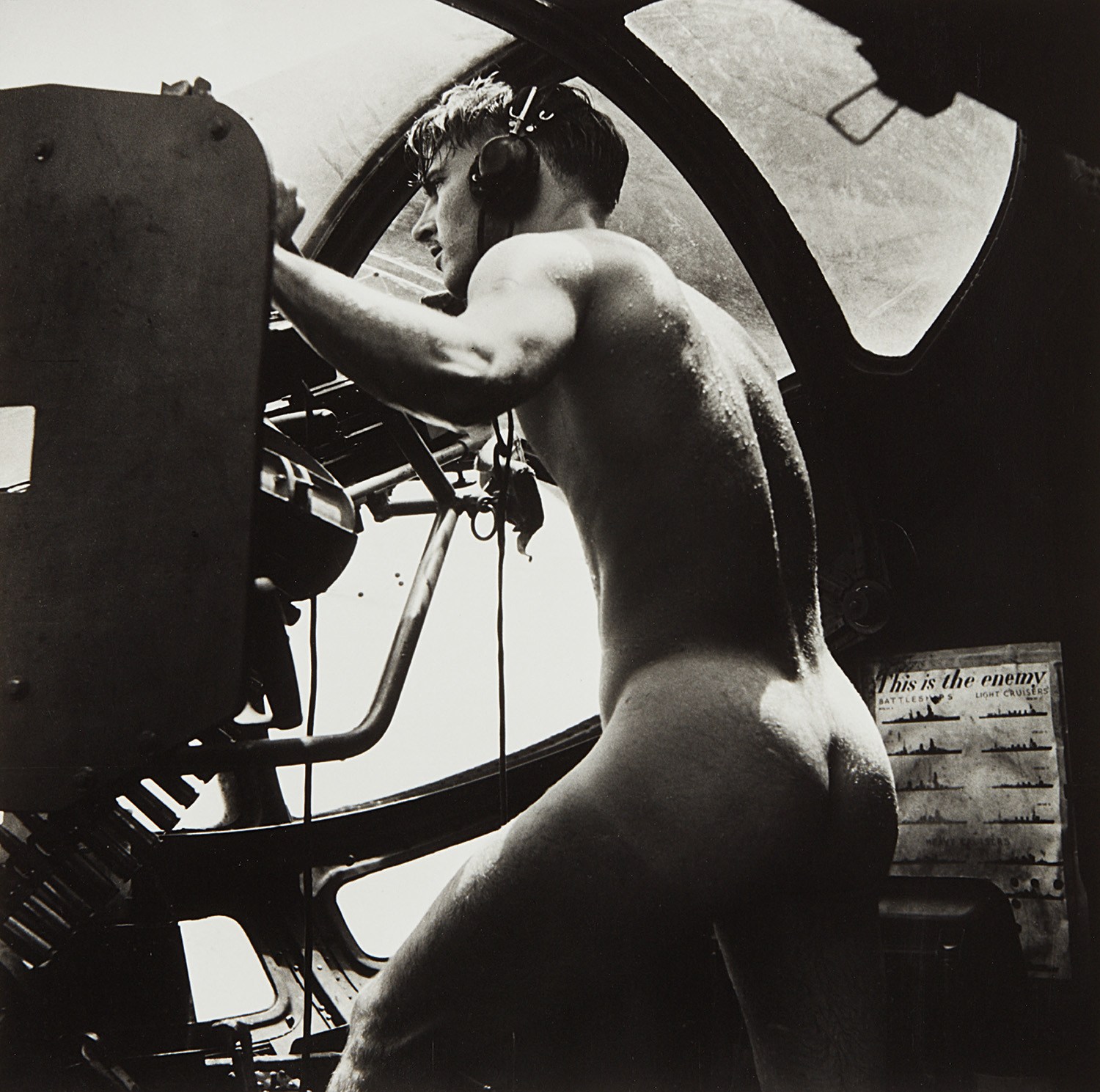
Rather than embedding with troops or capturing decisive moments, Norfolk photographs the landscapes that war leaves behind, the infrastructures of conflict, the geology of violence. His work, cool and technically precise, asks different questions than Capa or McCullin asked, and it has found serious collectors among those who came to photography through contemporary art rather than photojournalism. W. Eugene Smith's unflinching social documentary work and Dmitri Baltermants's images from the Eastern Front during the Second World War occupy a different register entirely, but they share with Norfolk a commitment to photography as a sustained, considered practice rather than a reflexive one.
Dmitri Baltermants deserves particular attention in the current market context. His 1942 image Grief, showing Soviet civilians searching for their dead across a vast, snow covered plain, is among the most formally extraordinary photographs to emerge from any conflict. For decades it circulated primarily in the Soviet Union and among historians of Russian photography. It has since entered the broader canon, and institutions acquiring his work now are doing so with the understanding that the canon itself is still being written.
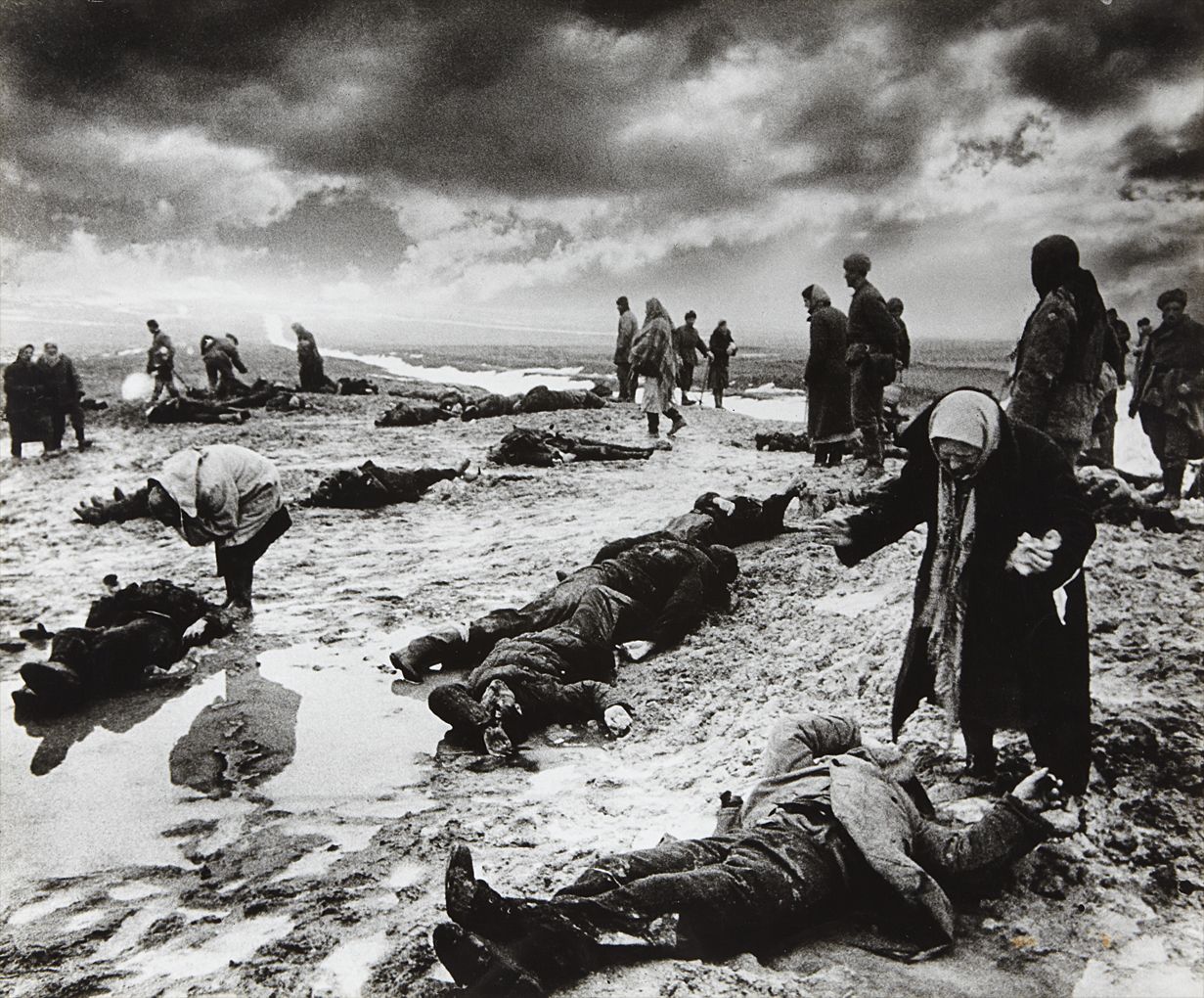
Dmitri Baltermants
Grief (Ditch of Kertsch)
Margaret Bourke White, whose access to the liberation of Buchenwald in 1945 produced images that shaped global understanding of the Holocaust, is another figure whose market has deepened as institutions reckon seriously with what it means to hold such history in photographic form. What feels most alive right now is the willingness of collectors and curators to hold complexity without resolving it. The question of whether a photograph of war is a document or an artwork or an ethical problem or all three at once no longer seems to require an answer. The market has essentially decided that the tension itself is part of the value, that these images carry weight precisely because they refuse easy categorization.
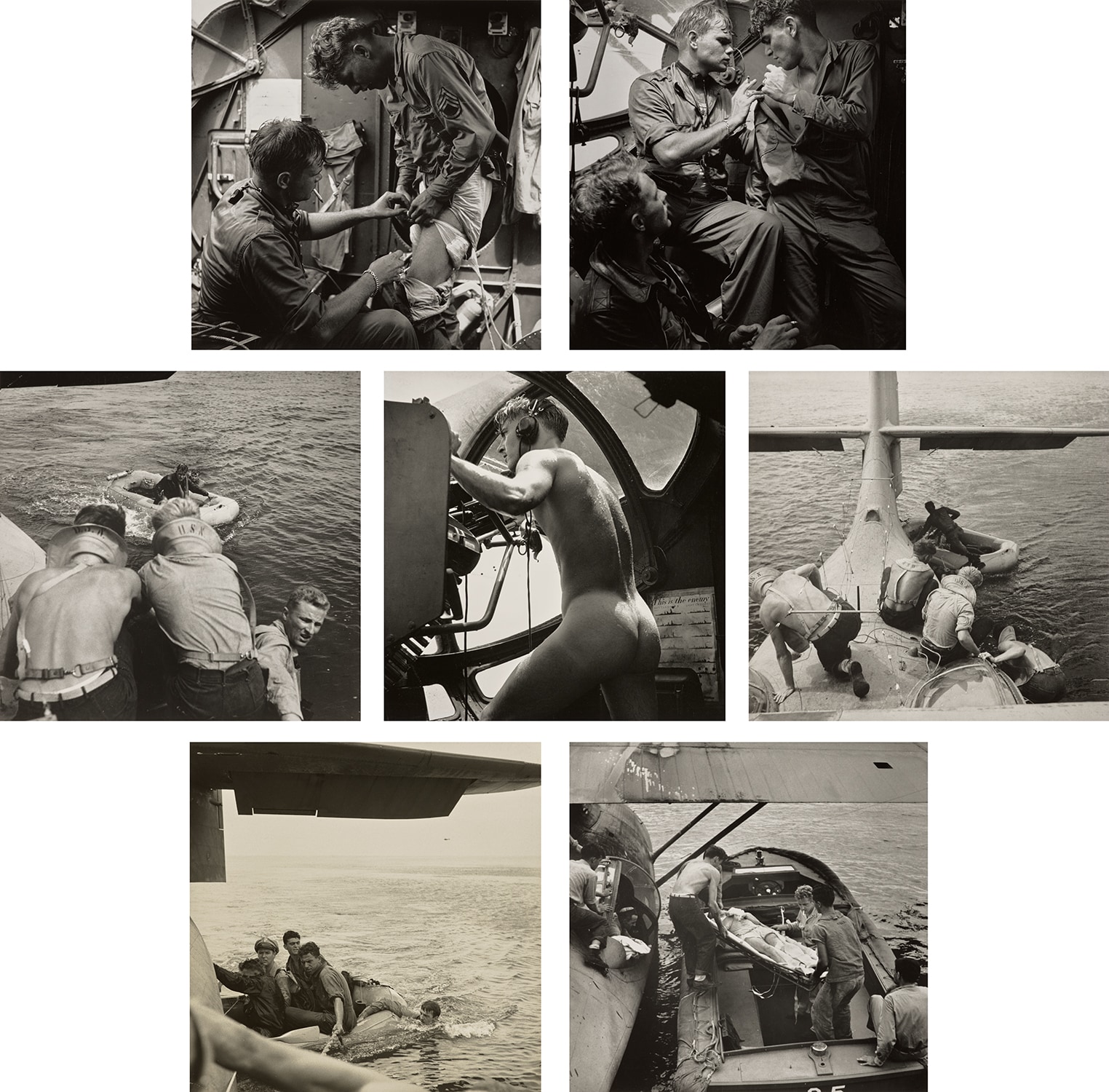
Horace Bristol's photographs from the Pacific theater and Timothy O'Sullivan's Civil War work both reward that kind of layered attention, combining historical specificity with a formal intelligence that becomes clearer the longer you look. The works on The Collection in this area reflect a collecting logic that understands war photography not as a genre apart, but as one of the central chapters in the story of what photography is for.