War Imagery
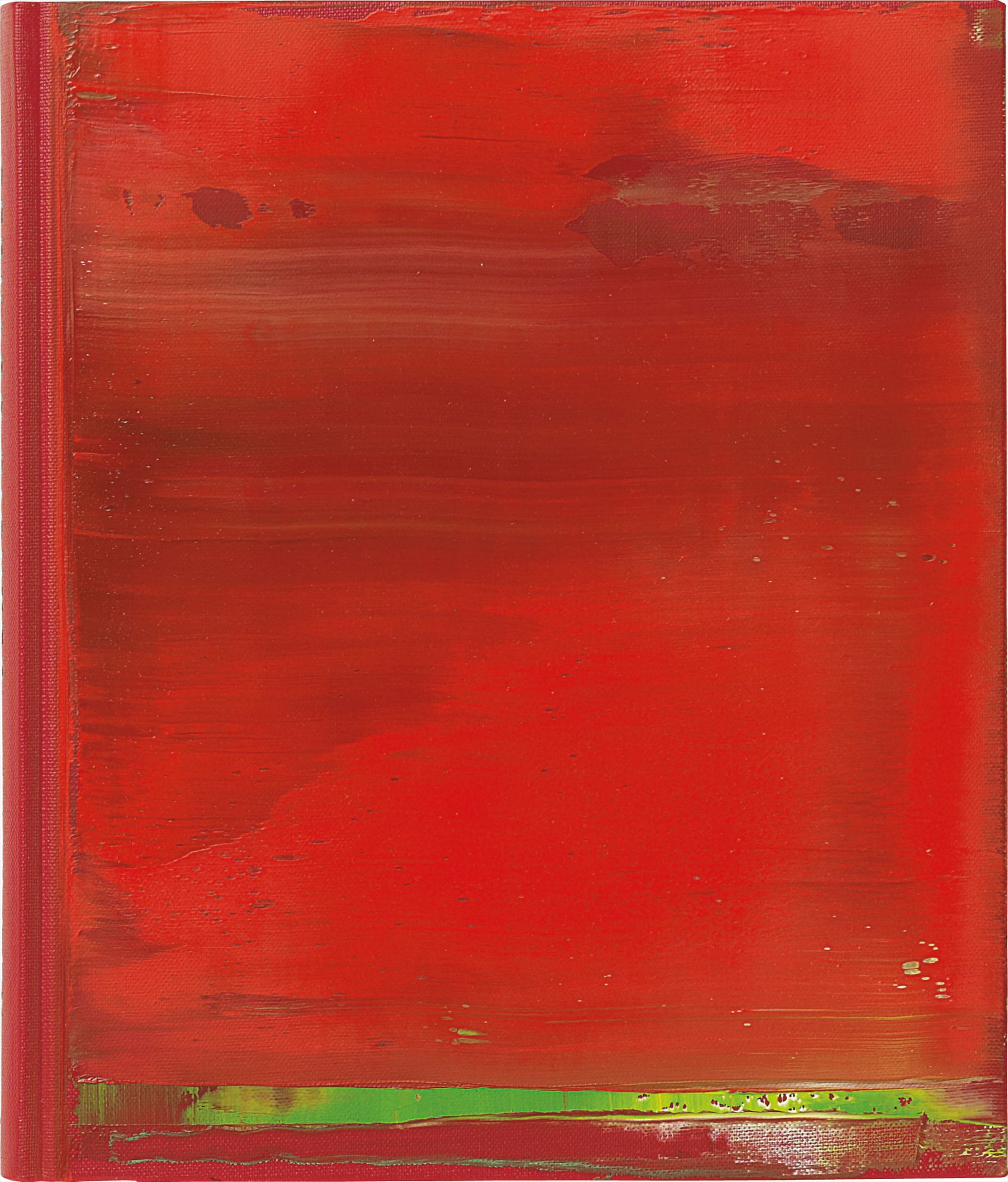
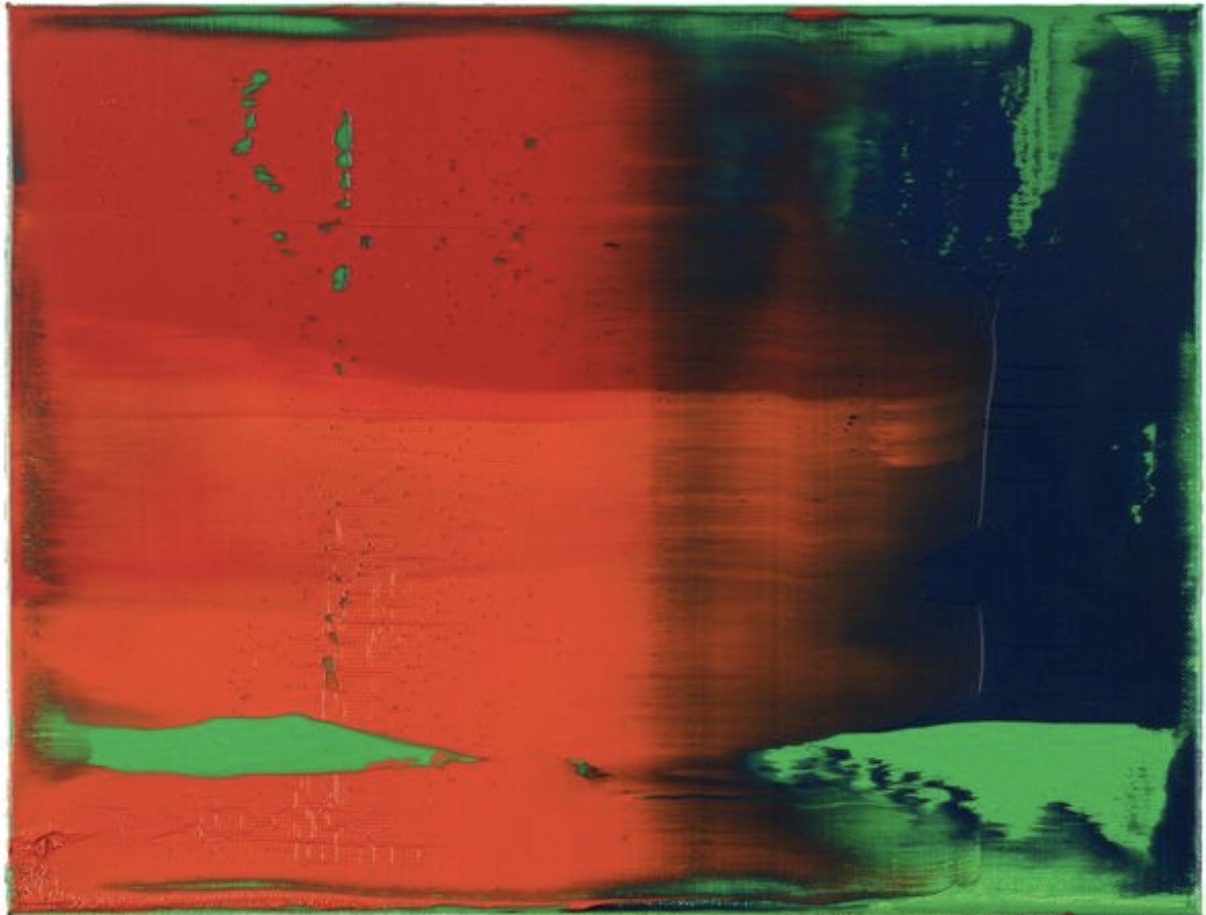
Gerhard Richter
War Cut II

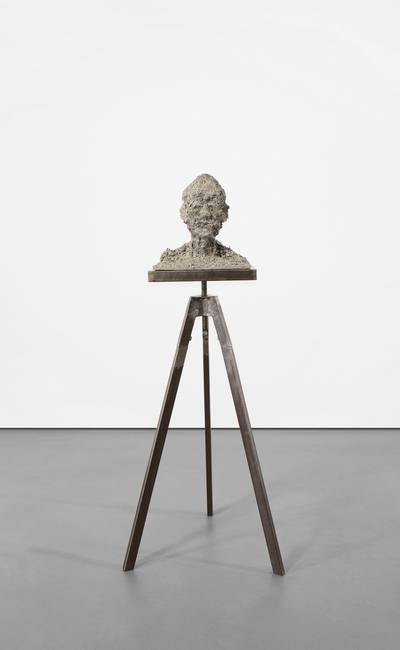
Art Has Always Known War's True Face
There is a particular kind of silence that settles over a viewer standing before a great war painting. Not the silence of peace, but the silence of held breath, of recognition, of something primal being named at last. Art has been reckoning with the violence of organized conflict for as long as human beings have made marks on surfaces, and that reckoning has never been simple, never merely documentary. The greatest works about war refuse to illustrate it.
They implicate us instead. The tradition stretches back through Goya's devastating Disasters of War series, begun around 1810 during the Peninsular War, which established a template that artists are still responding to today. Goya understood that war's truest horror was not the battlefield spectacle but the intimate scale of suffering, the human face undone. That insight traveled forward through Otto Dix and his triptych Der Krieg of 1932, through Picasso's Guernica of 1937, and into the postwar years when artists found themselves sorting through rubble, both literal and psychological.
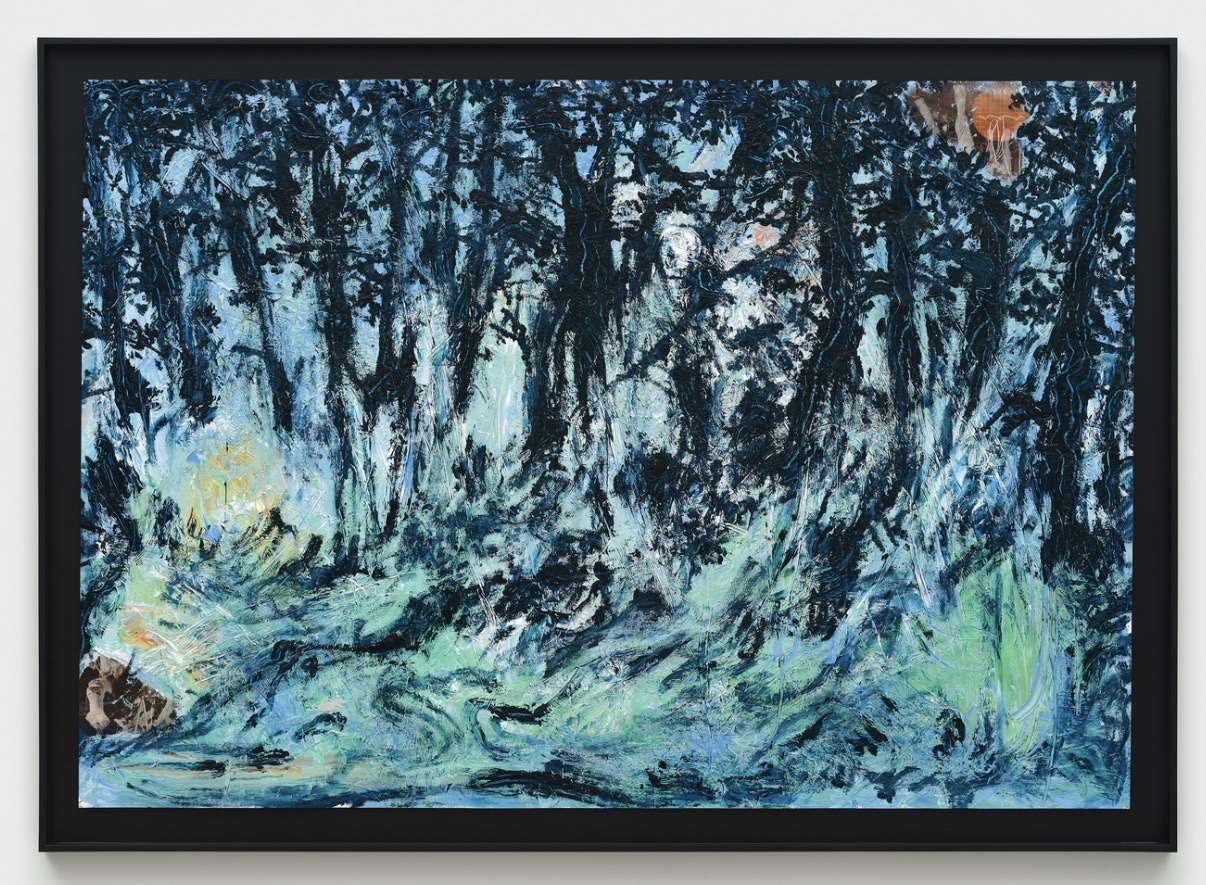
Gerhard Richter
War Cut II
The question of how to make images about events that seem to resist representation entirely has animated some of the most urgent art of the past century. Gerhard Richter's engagement with this question is among the most considered in contemporary art. His Atlas project, assembled across decades, includes found photographs of wartime violence alongside vernacular images, creating an archive that refuses hierarchy between the catastrophic and the mundane. Richter's blurred photorealist paintings, particularly works referencing the violence of the Baader Meinhof era, insist on a kind of ethical ambiguity in the act of looking.
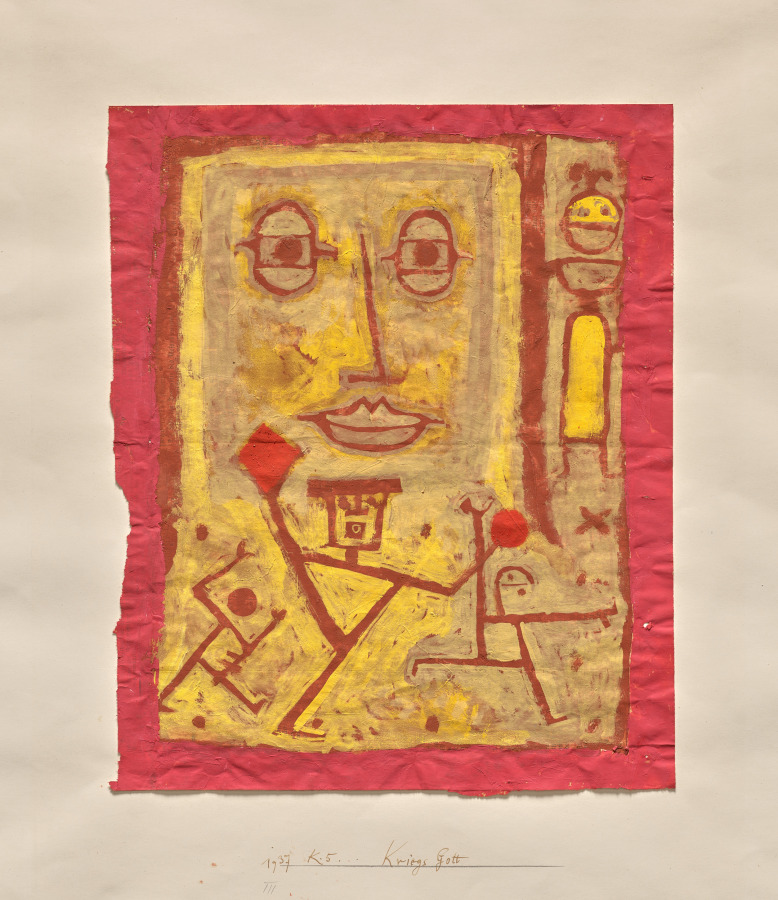
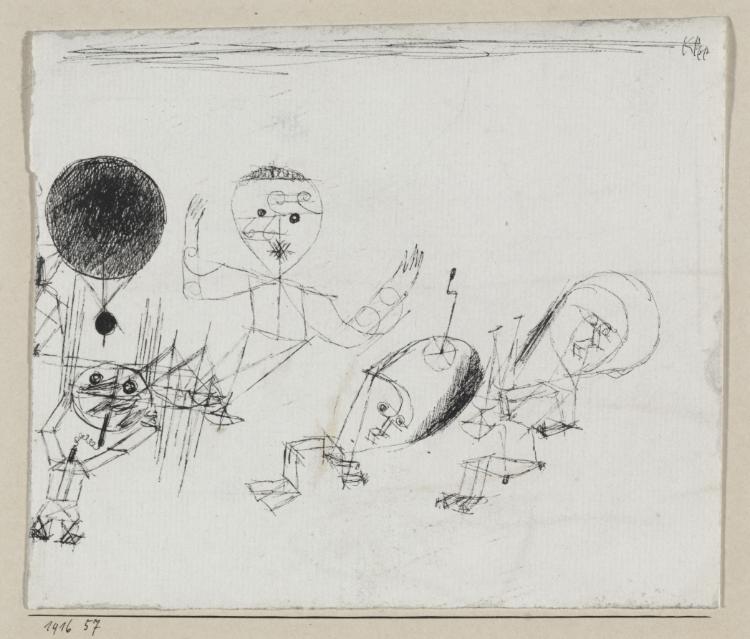
To paint atrocity in his method is to acknowledge that images of violence are already filtered through layers of mediation before they reach us. His work on The Collection reflects that characteristic refusal to give the viewer easy ground to stand on. Paul Klee, whose practice spans the years between and through both World Wars, offers a different register entirely. Klee served in the German military during the First World War and his work from that period carries a strange weight beneath its apparent whimsy.
Paul Klee
With the Dot, 1916
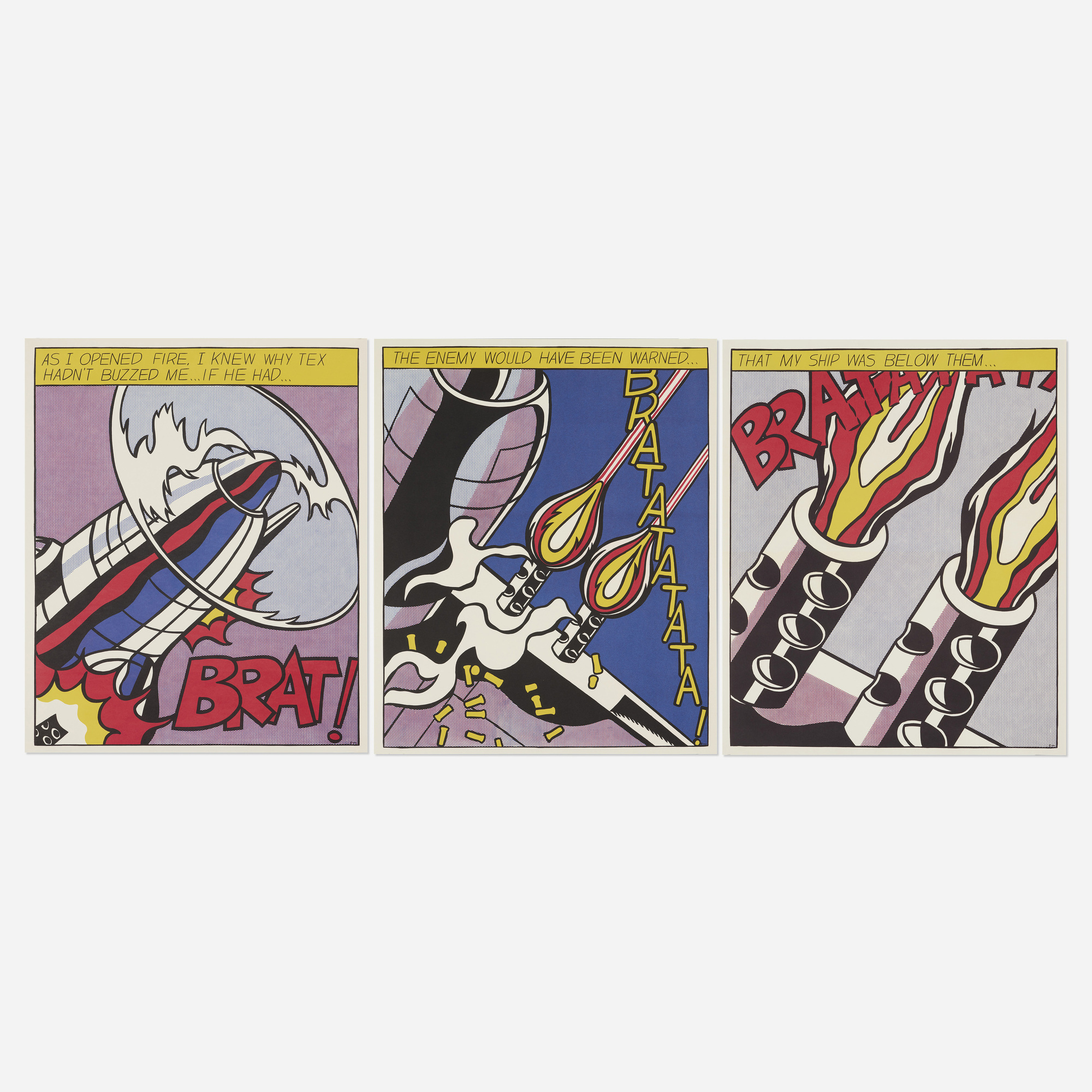
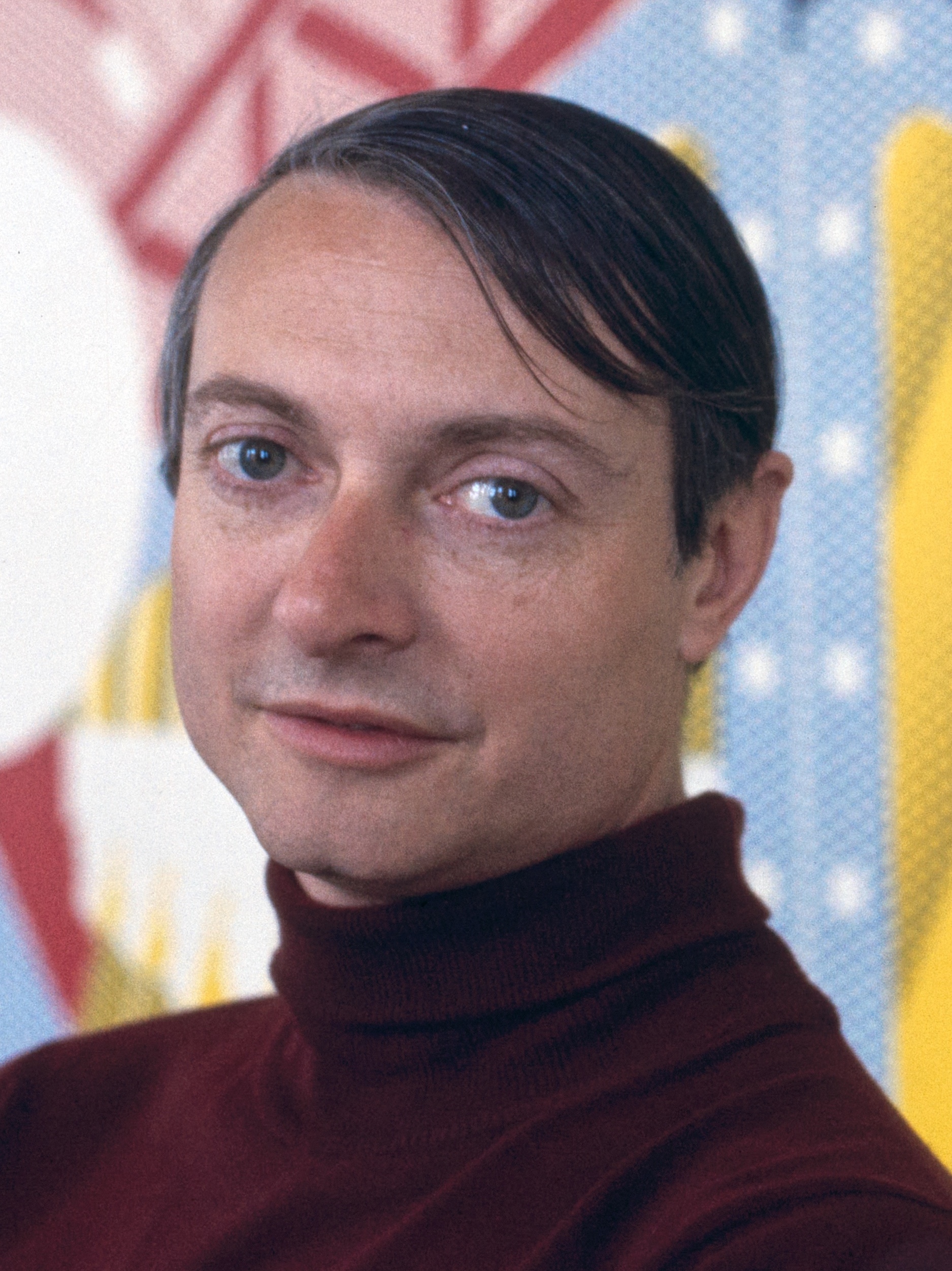
The fragmented figures, the childlike marks, the architectures that seem on the verge of collapse, these are not naive forms but rather a kind of protective language for things that could not be said directly. The tension between the delicate surface of a Klee and the historical moment that produced it is one of the more instructive lessons in how war enters art obliquely, through the back door of form. Roy Lichtenstein's approach in the 1960s was a different kind of oblique strategy entirely. Works like Whaam!
of 1963 lifted the visual language of combat directly from American war comics, blowing the source material up to monumental scale and draining it of narrative urgency. What remained was the aesthetics of violence, the clean line, the flat color, the onomatopoeic text, all the devices that popular culture used to make killing look thrilling and consequence free. Lichtenstein was not celebrating war, he was diagnosing a cultural appetite for its image, and in doing so he produced some of the most unsettling pictures of the postwar period disguised as Pop delight. The Indian painter T.
Vik Muniz
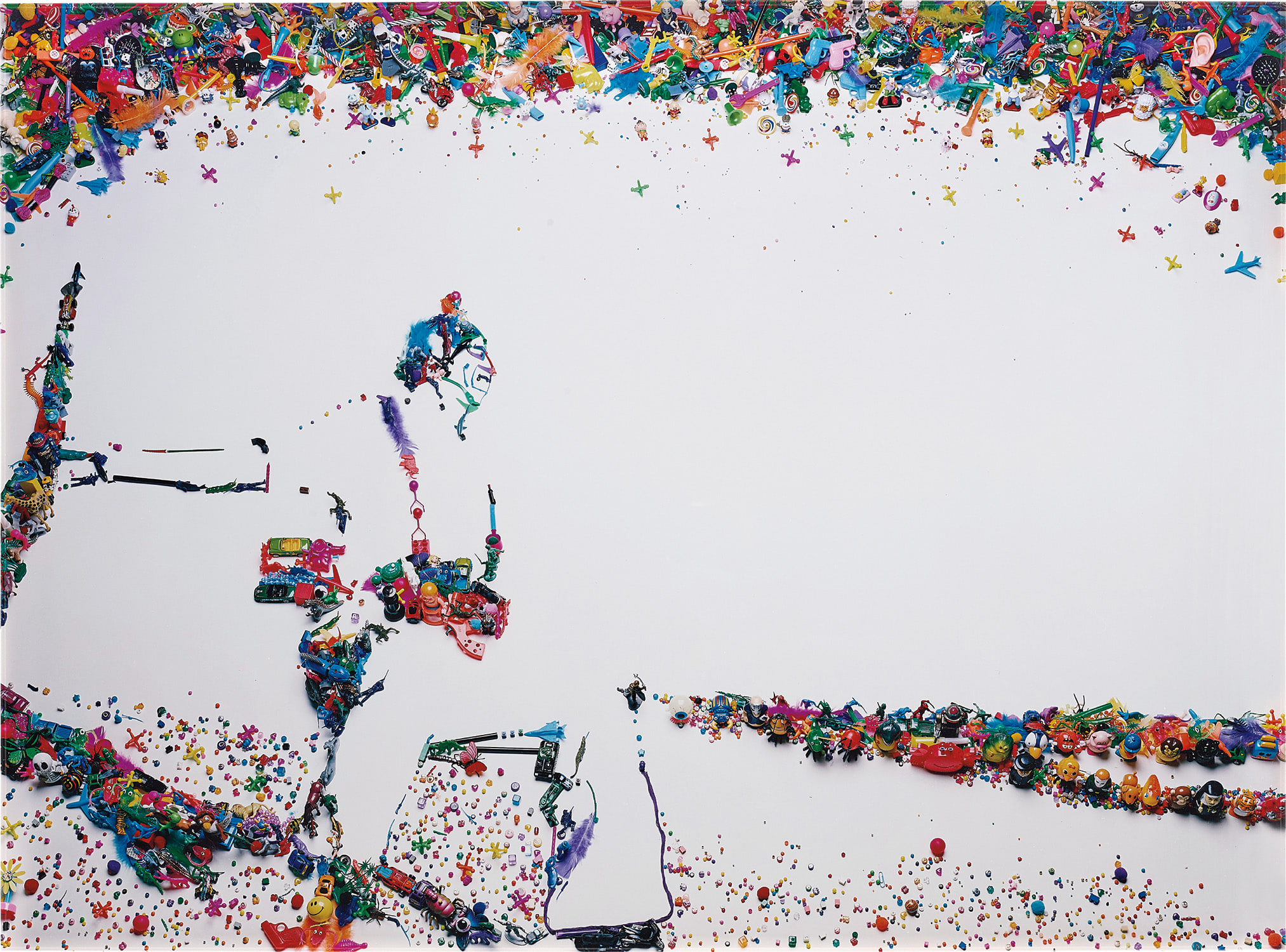
Death of Loyalist Militiaman Frederico Borrell Garcia, after Robert Capa, from Rebus, 2003
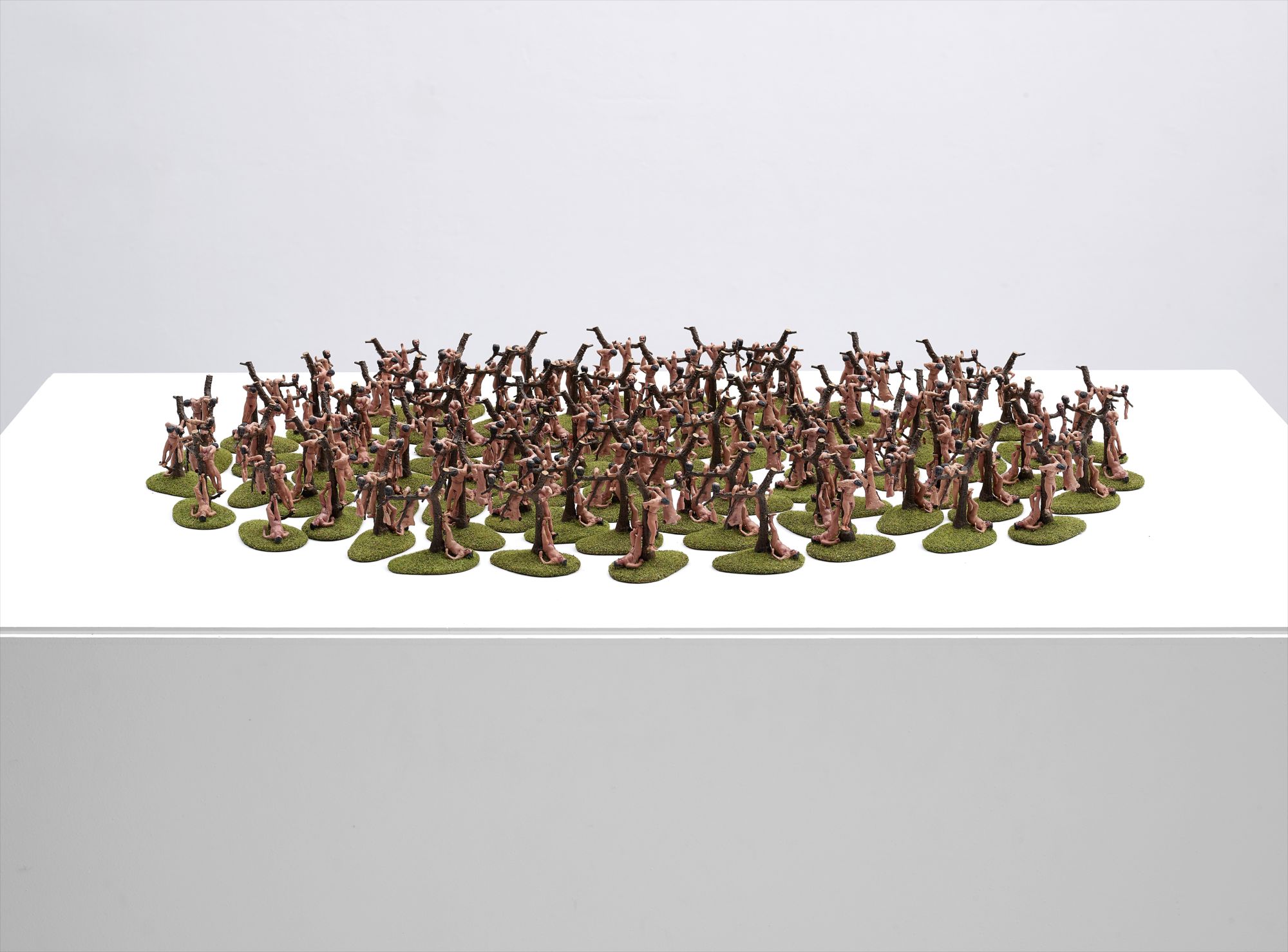
V. Santhosh works in a tradition that might be called spectacular critique. His large scale paintings cannibalize the visual grammar of military hardware, news photography, and religious iconography, assembling them into images that feel simultaneously seductive and deeply wrong. There is something deliberately uncomfortable about the beauty of his surfaces, a deliberate trap.
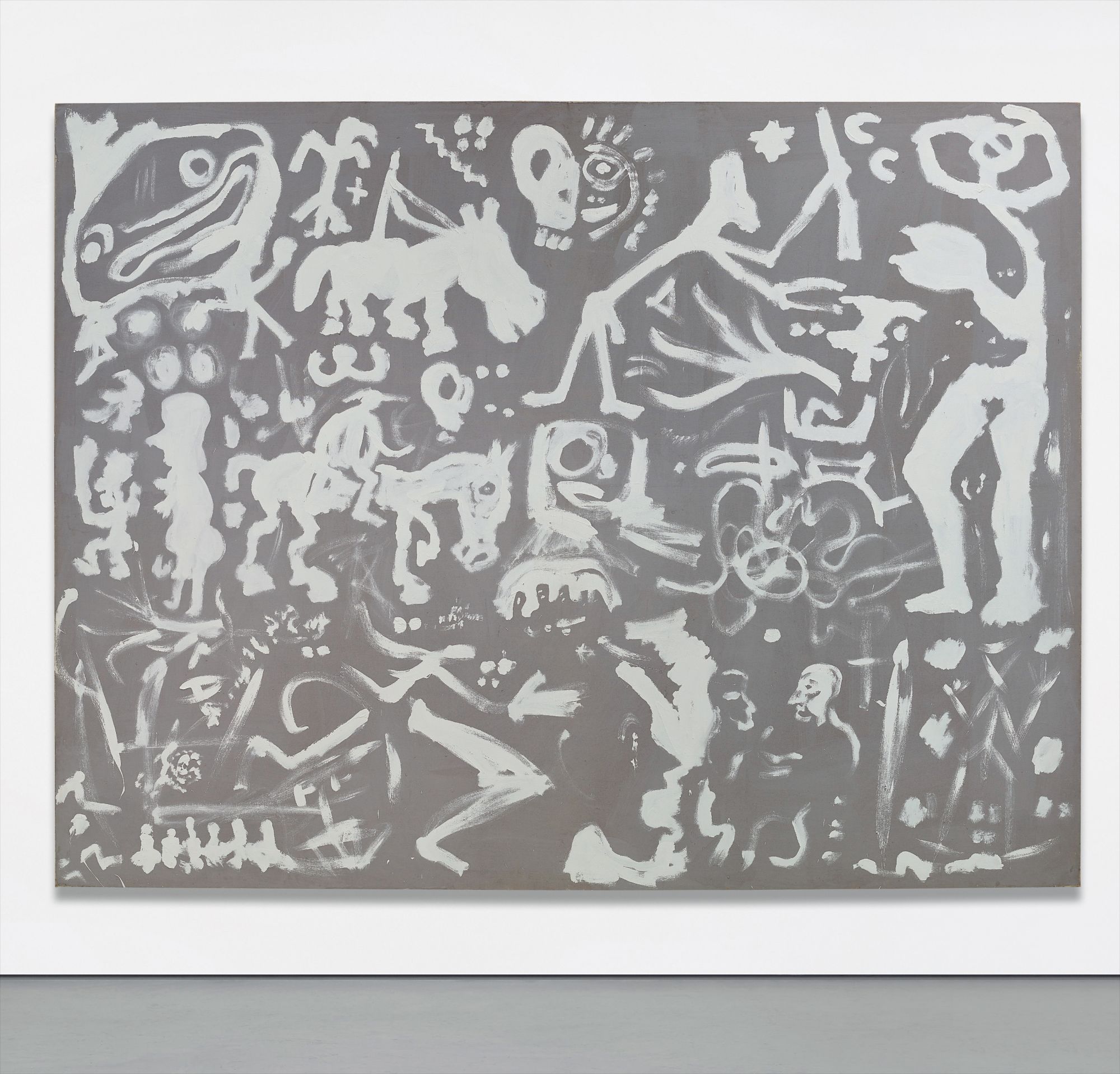
Santhosh's work, visible on The Collection, belongs to a broader conversation among artists from post colonial contexts who understand that war is never simply a story told from one direction. A.R. Penck, the German artist who worked under the pressures of life in the GDR before defecting to the West in 1980, developed a visual language rooted in primitive stick figures and symbolic confrontations that reads almost like an ancient script invented for modern catastrophe.
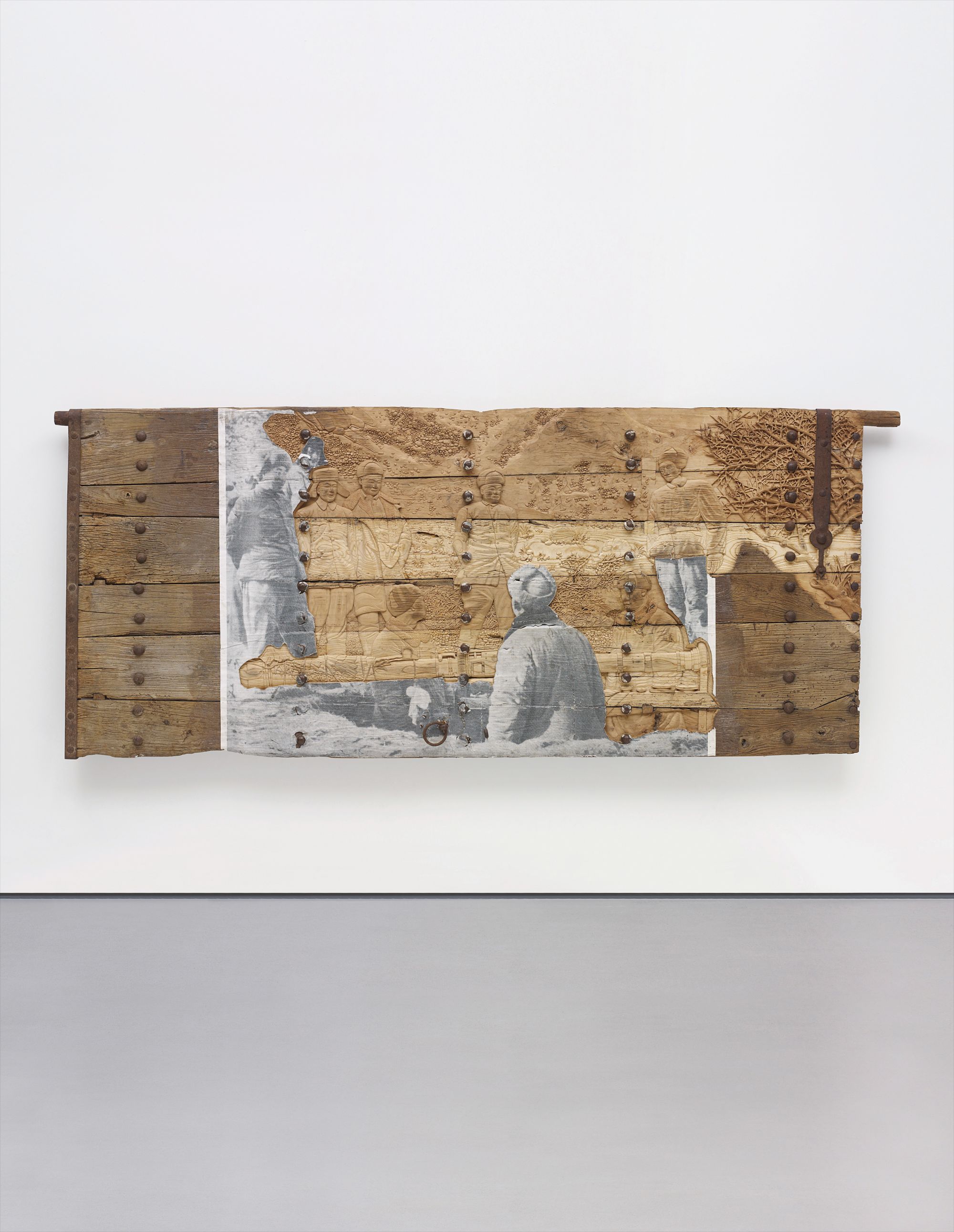
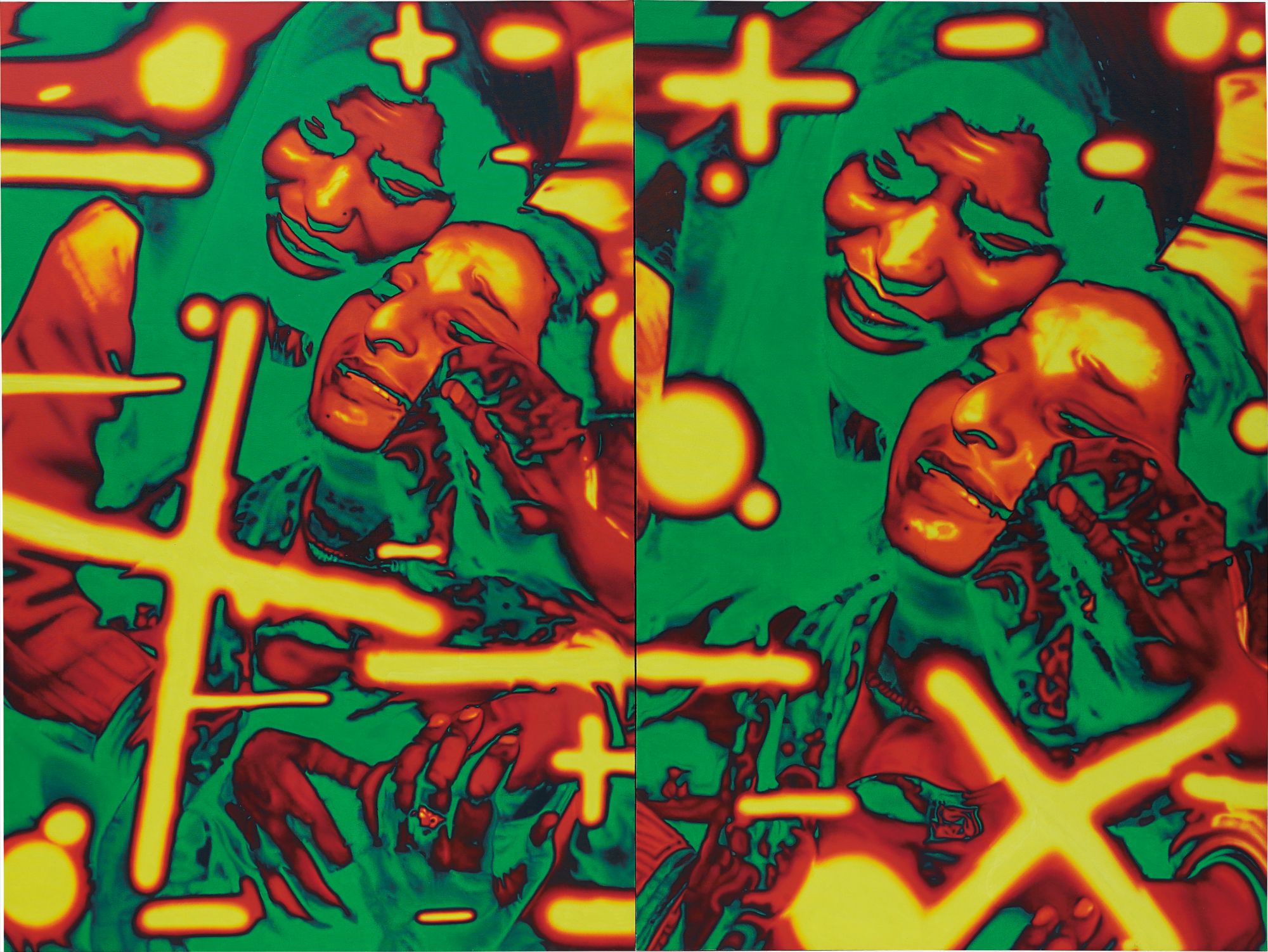
Zhang Huan
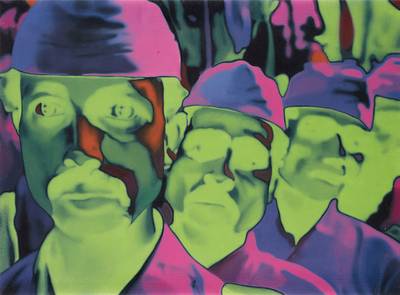
Memory Door (War Age)
His figures face each other across canvases with an existential directness that speaks to the Cold War paranoia of his formation, but also to something older, the cave wall, the petroglyph, the fundamental human need to record the fact of conflict before it erases the people who witnessed it. Zhang Huan's work approaches war and violence through the body, treating his own flesh as a site of historical inscription. His performances and subsequent photographs document extreme physical states that invoke collective suffering, drawing on both Chinese history and a broader meditation on what bodies absorb over generations of trauma. The body as archive, as witness, as the true casualty of political violence, Zhang Huan makes this case with a conviction that is hard to argue with.
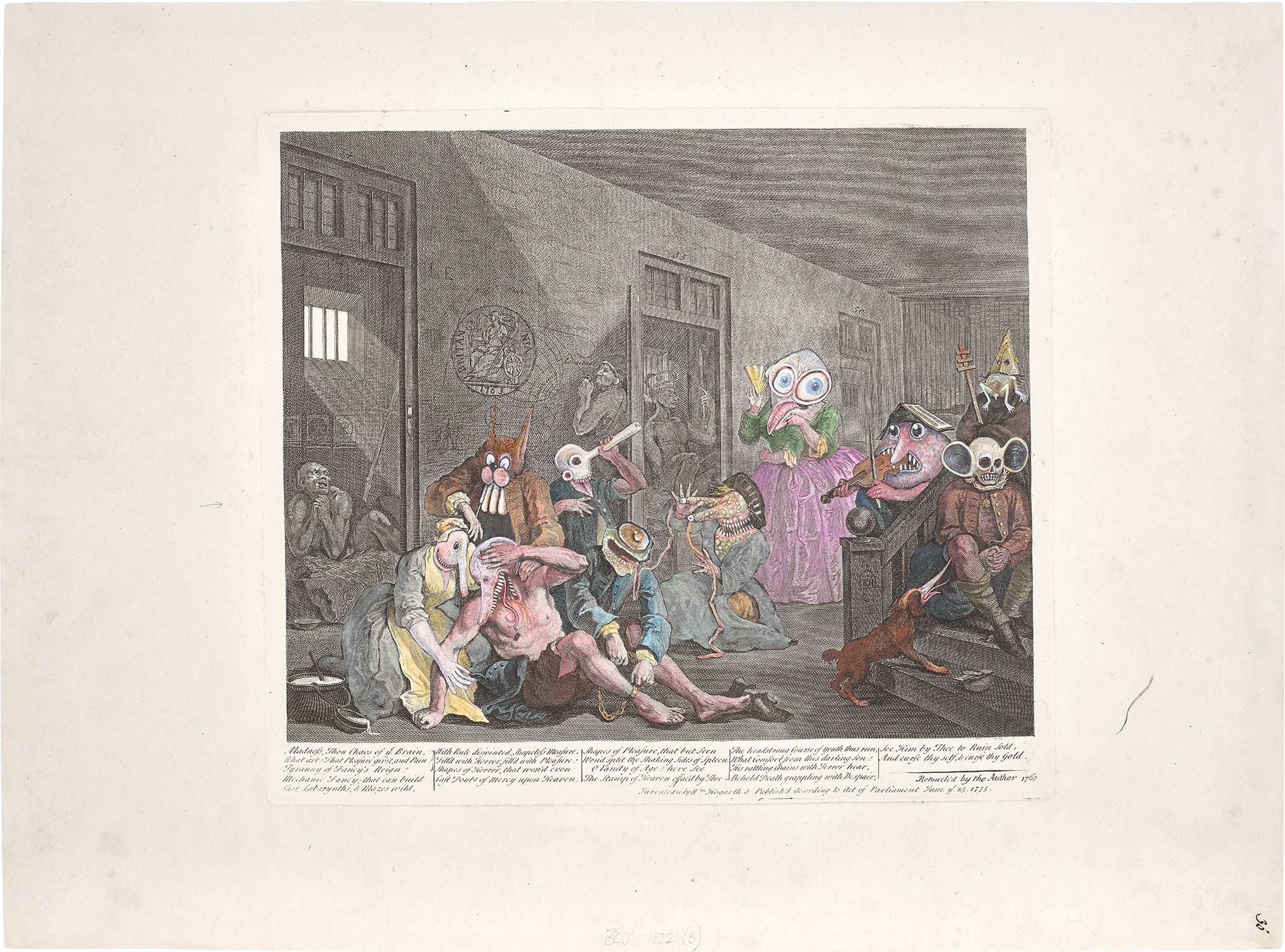
Vik Muniz, by contrast, uses reproduction and transformation, working with materials that are themselves loaded with meaning, to create images that ask what happens to the original when it passes through so many hands. What binds artists as different as these together is a shared suspicion of the straightforward war image. The heroic battle painting, the triumphalist monument, the propaganda poster, these forms have largely been abandoned by serious artists not because war has become less terrible but because artists understand better now how images of war can be conscripted into the service of more war. The artists working in this space today are doing something closer to what Jake, whose practice engages directly with the iconography of contemporary conflict, understands as necessary, which is to make images that interrupt rather than perpetuate the visual cycles that normalize violence.
The history of war imagery in art is ultimately a history of the human conscience working in public, trying to find forms adequate to facts that resist adequacy. That project is never finished, because the facts keep arriving, and the images that greet them keep needing to be interrogated. What The Collection offers in this territory is not a survey but a set of encounters, with artists who have each found a different way to stand in front of something terrible and refuse to look away, while also refusing to make the looking comfortable.