Trompe-L'Oeil
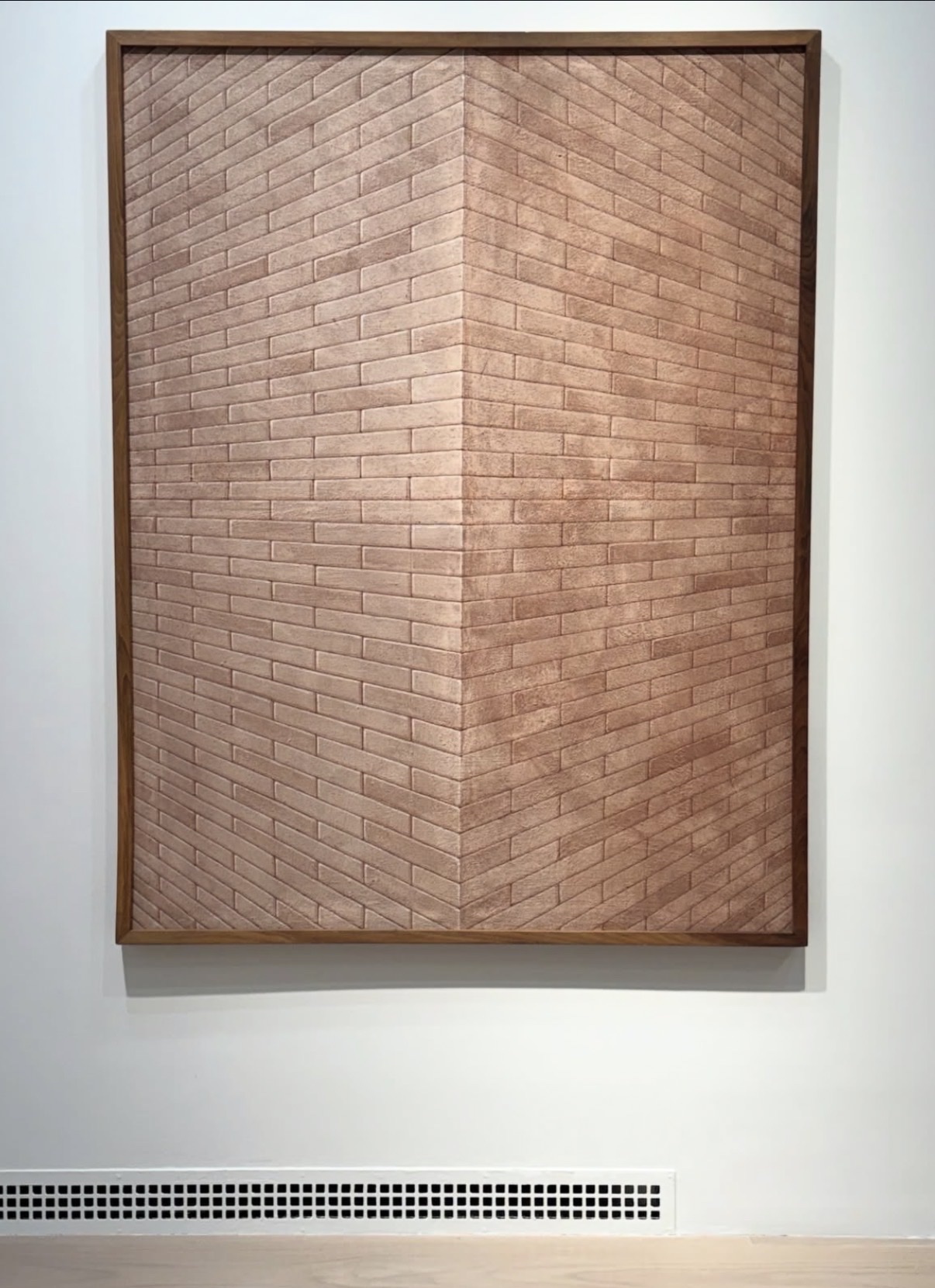
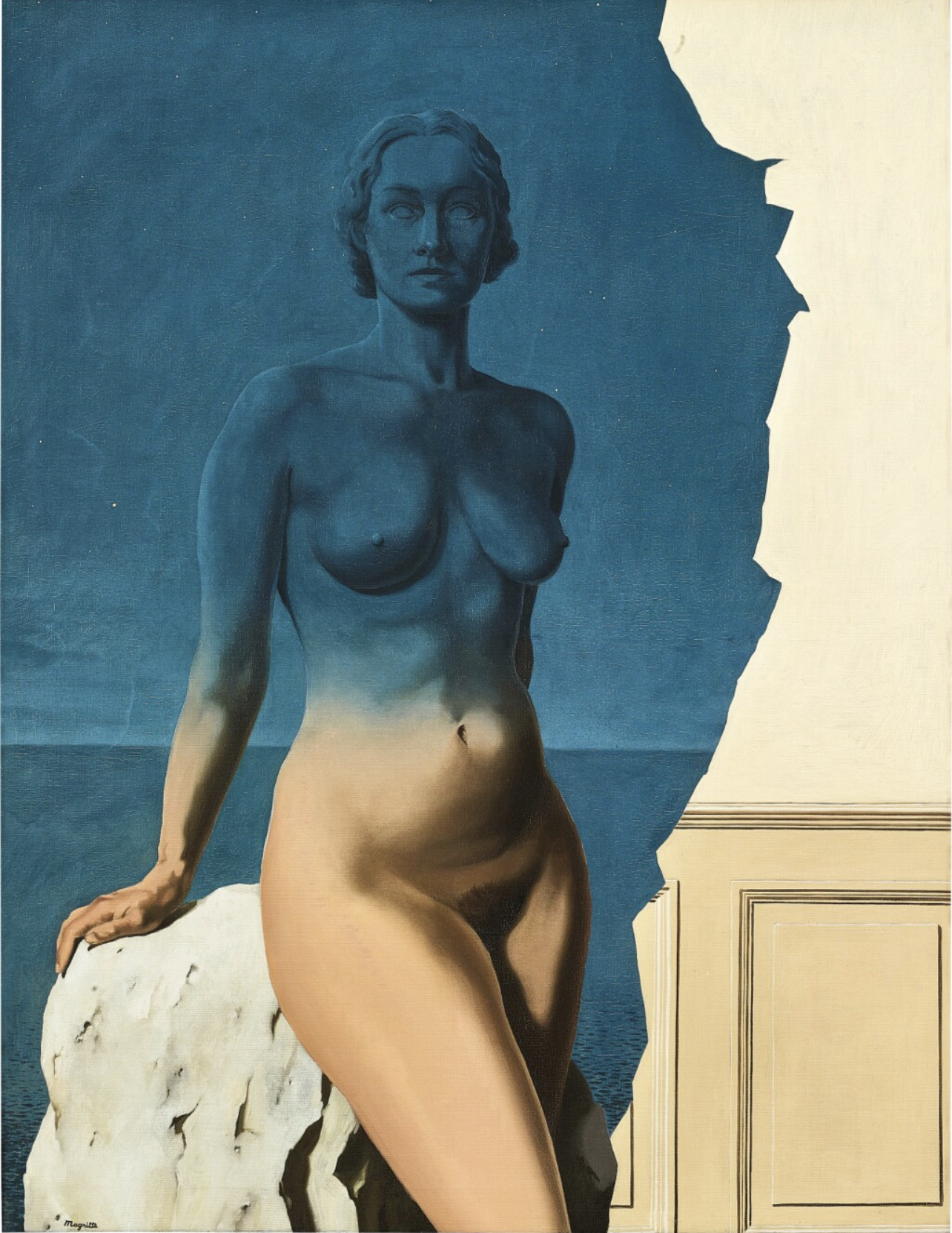
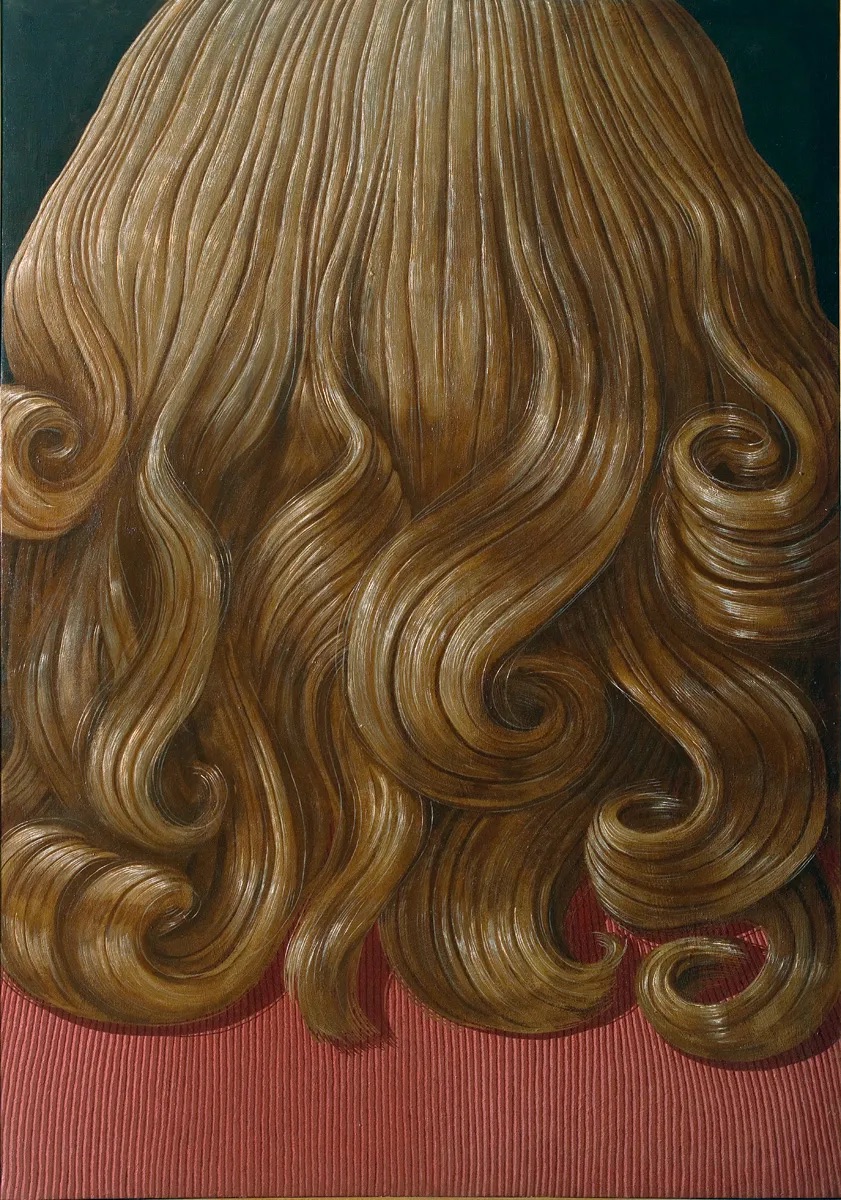
Domenico Gnoli
Untitled

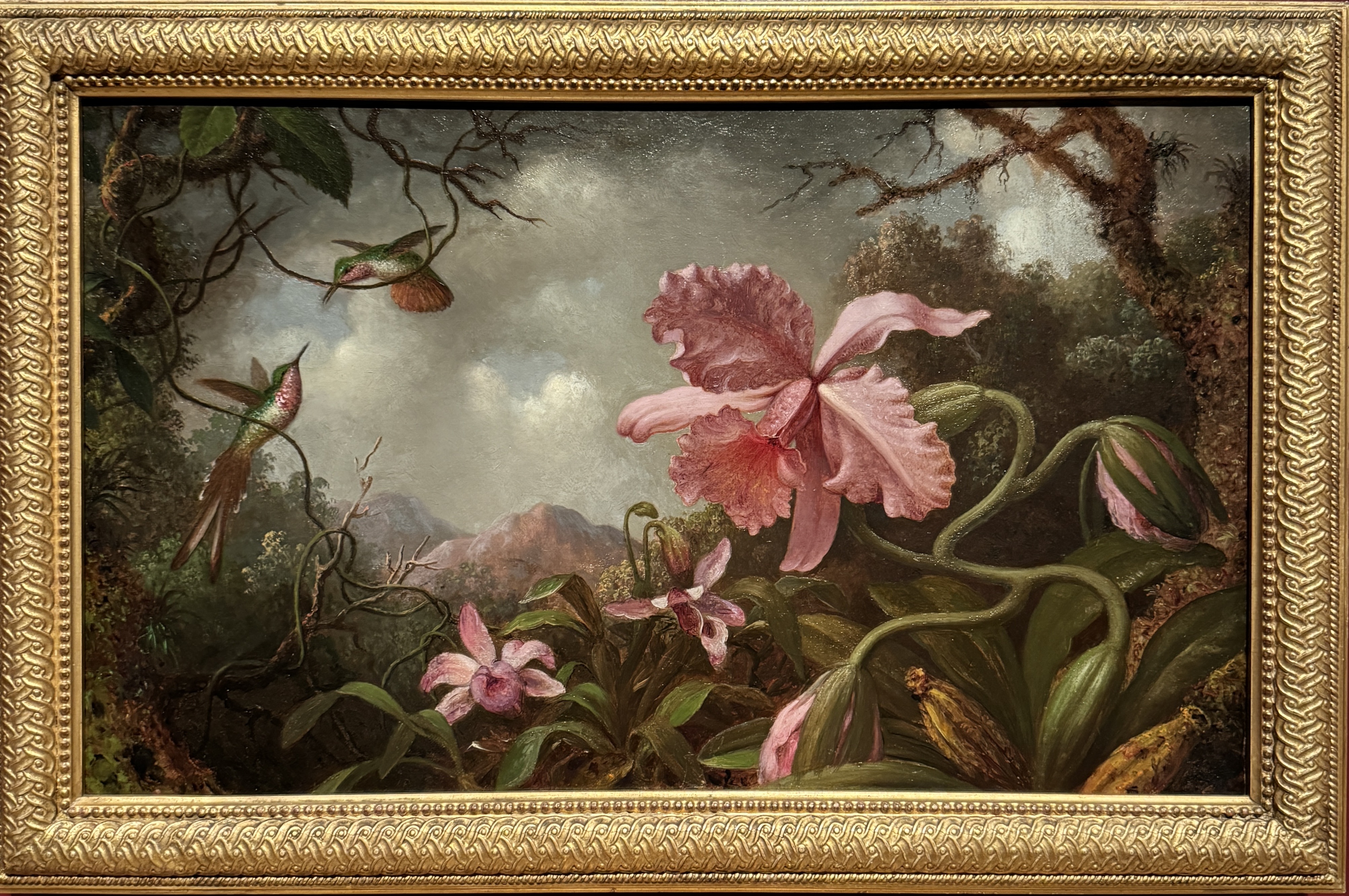


Nothing Is Real. Buy It Anyway.
There is a particular pleasure in being fooled by a painting, and collectors who have discovered trompe l'oeil tend to describe their first serious encounter with the genre in almost physical terms. A canvas that convinces you, even for a half second, that you are looking at a folded letter or a worn work glove rather than at paint on a surface does something to the nervous system that more straightforwardly beautiful work simply cannot replicate. Living with a great trompe l'oeil is living with a daily provocation, a quiet argument about the nature of seeing that never quite resolves itself. That ongoing tension is, for many collectors, profoundly addictive.
The genre rewards close attention in a way that suits the serious collector well. What separates a good trompe l'oeil from a truly great one is rarely technical virtuosity alone, though the craft demands are obviously extreme. The best works operate on a conceptual level that sits underneath the illusionism, so that even after you have accepted the reality of the painted surface, the work continues to ask interesting questions. William Michael Harnett understood this intuitively in the nineteenth century, and his work remains a benchmark for how an arrangement of studio detritus can become a meditation on time, memory, and the fragility of material things.
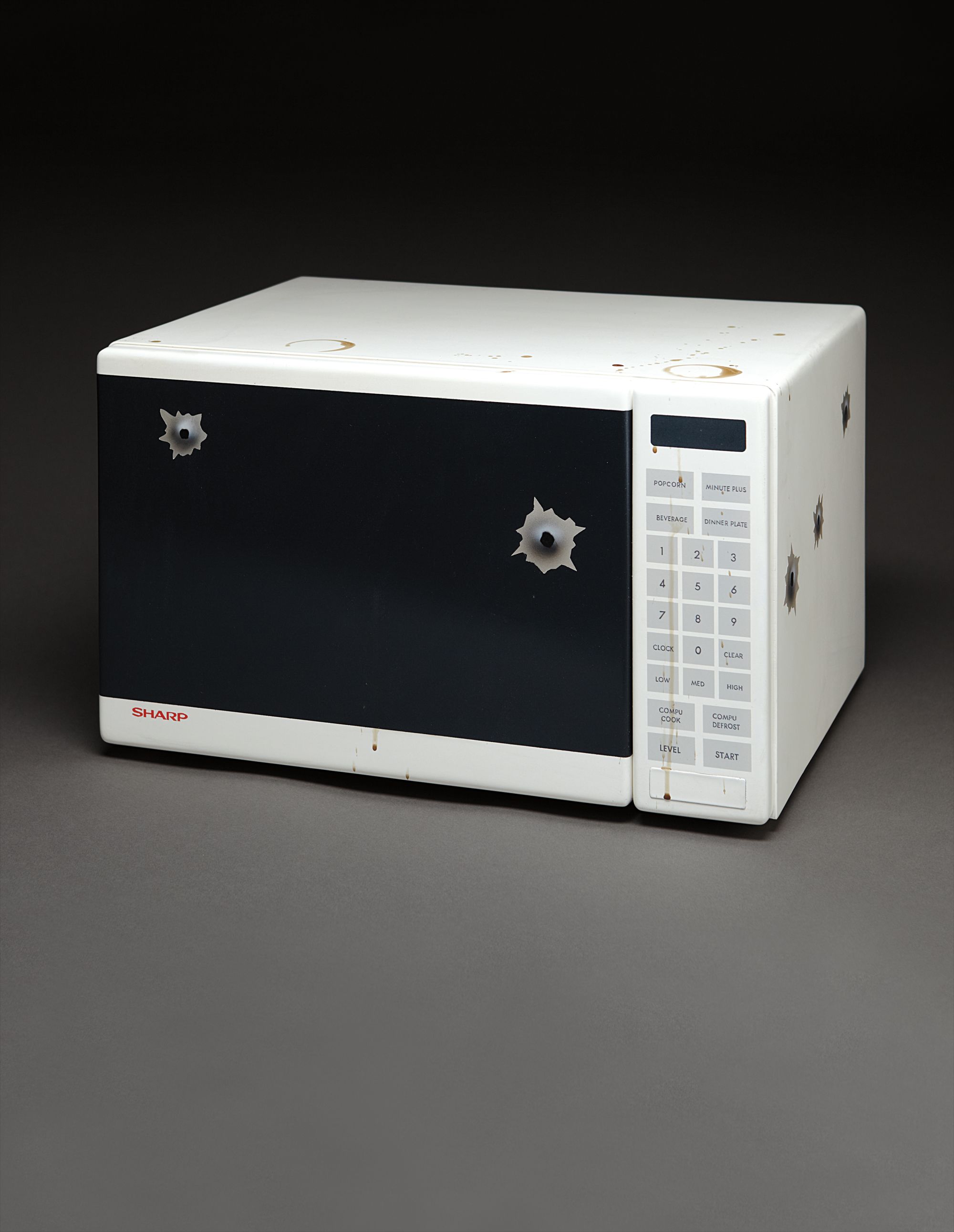
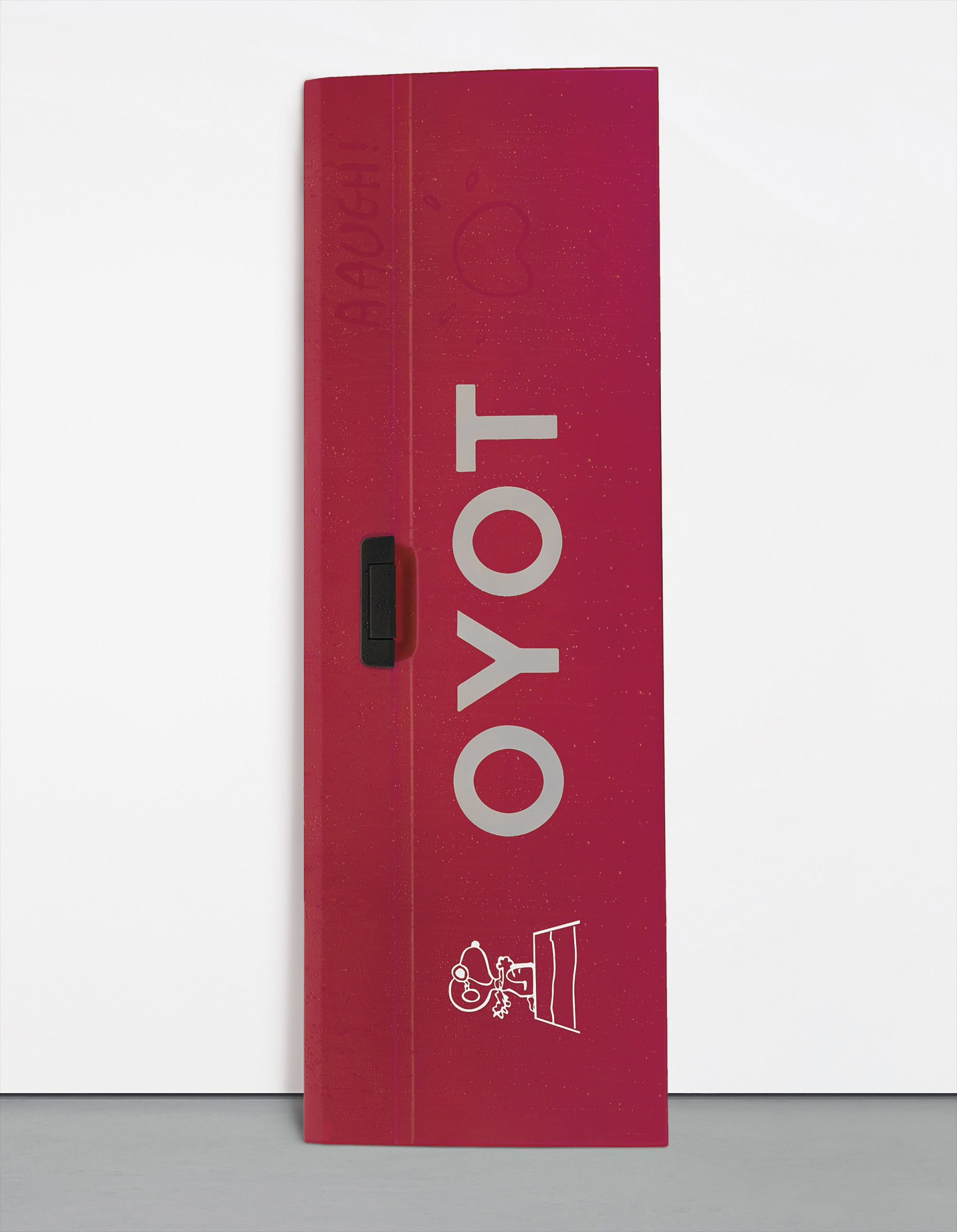
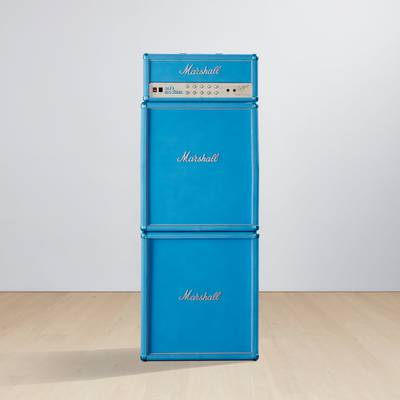
Kaz Oshiro
Microwave Oven (White/Bullet Holes)
When you encounter a Harnett in person, the technical achievement is the entry point, not the destination. For collectors building a collection today, the artists working in this tradition who command the most sustained critical and market attention are those who use illusionism as a philosophical tool rather than a demonstration of skill. Kaz Oshiro occupies a unique position here. His painted recreations of amplifiers, trash cans, and other vernacular objects made from stretched canvas are not trying to fool anyone in the strict sense, yet they engage the perceptual confusion of trompe l'oeil in a way that feels entirely contemporary and rigorously considered.
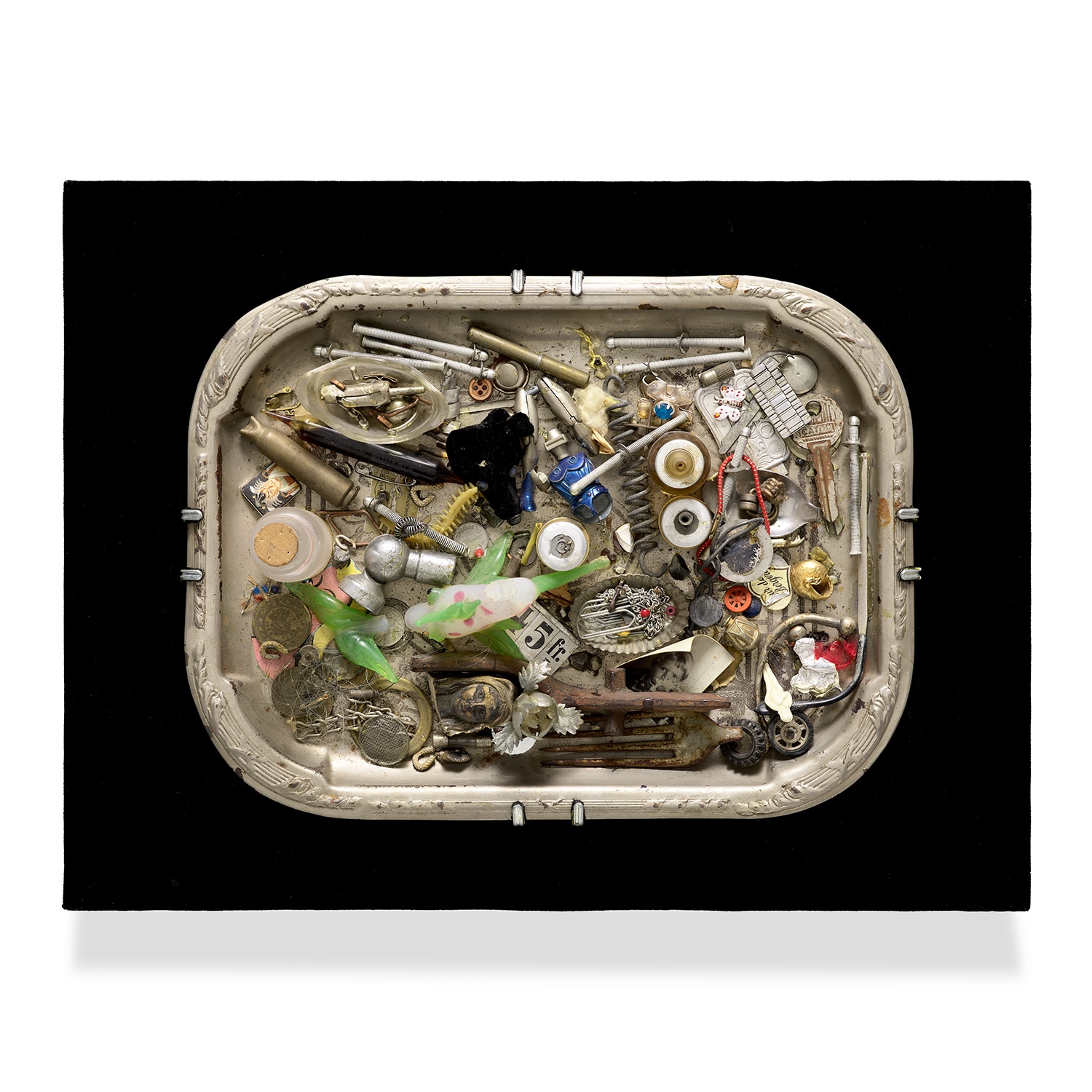
His market has grown steadily over the past decade, and works from his earlier series now change hands at prices that reward early collectors handsomely. Similarly, Vik Muniz operates in territory adjacent to classical illusionism, working with photography and constructed materials to interrogate how images form meaning and how the eye negotiates between what it recognises and what it knows. His work has a broad international collector base and performs reliably at auction. Gavin Turk and Susan Collis both approach the tradition from a conceptually wry angle that places them firmly in the lineage of artists who use the language of deceit to generate genuine feeling.
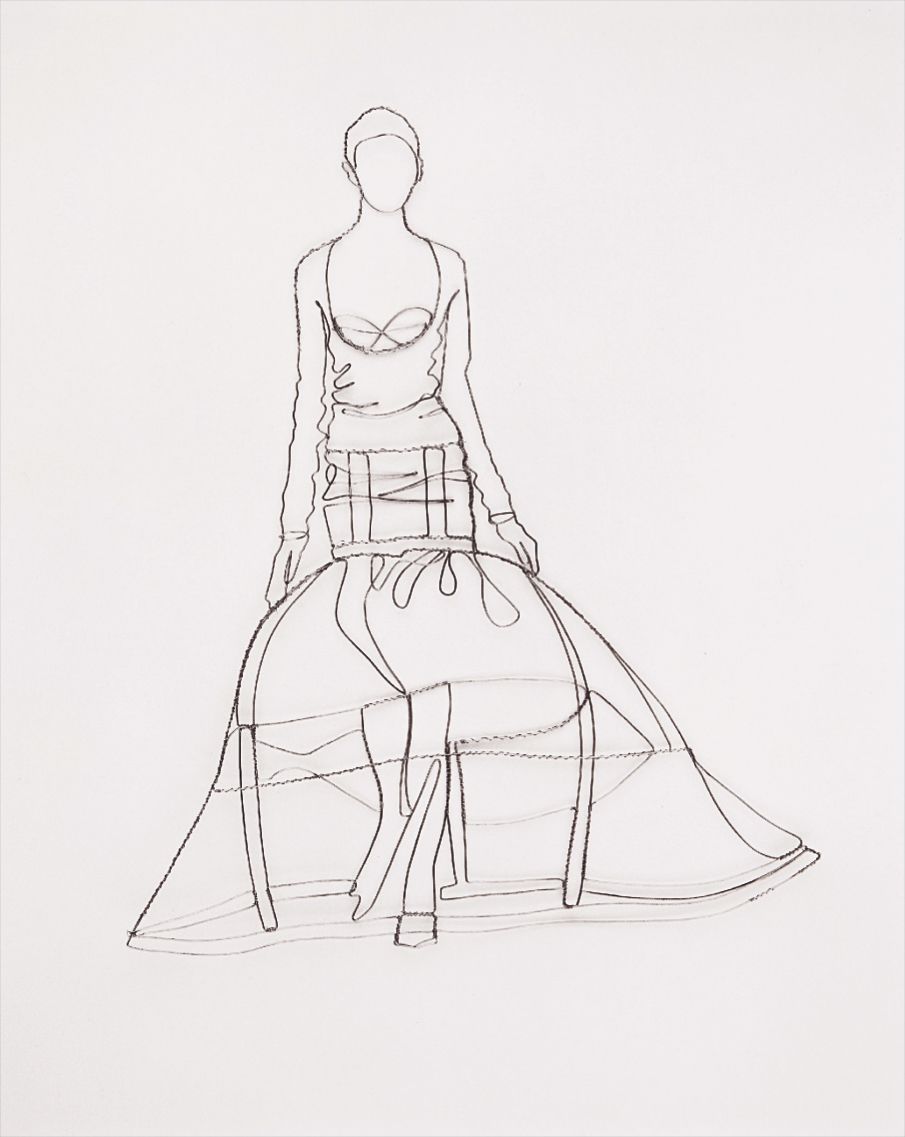
Vik Muniz
Rochas from Pictures of Wire
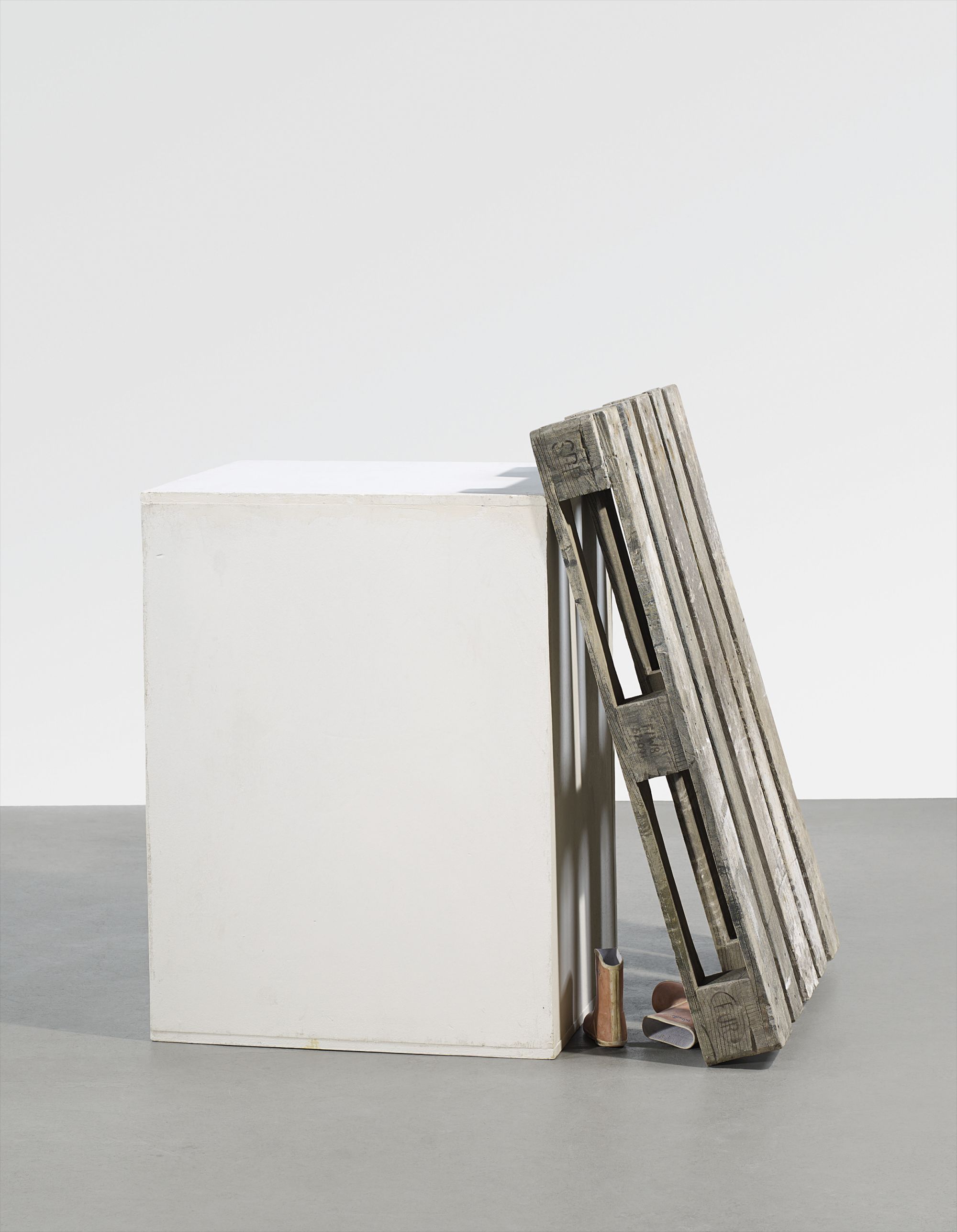
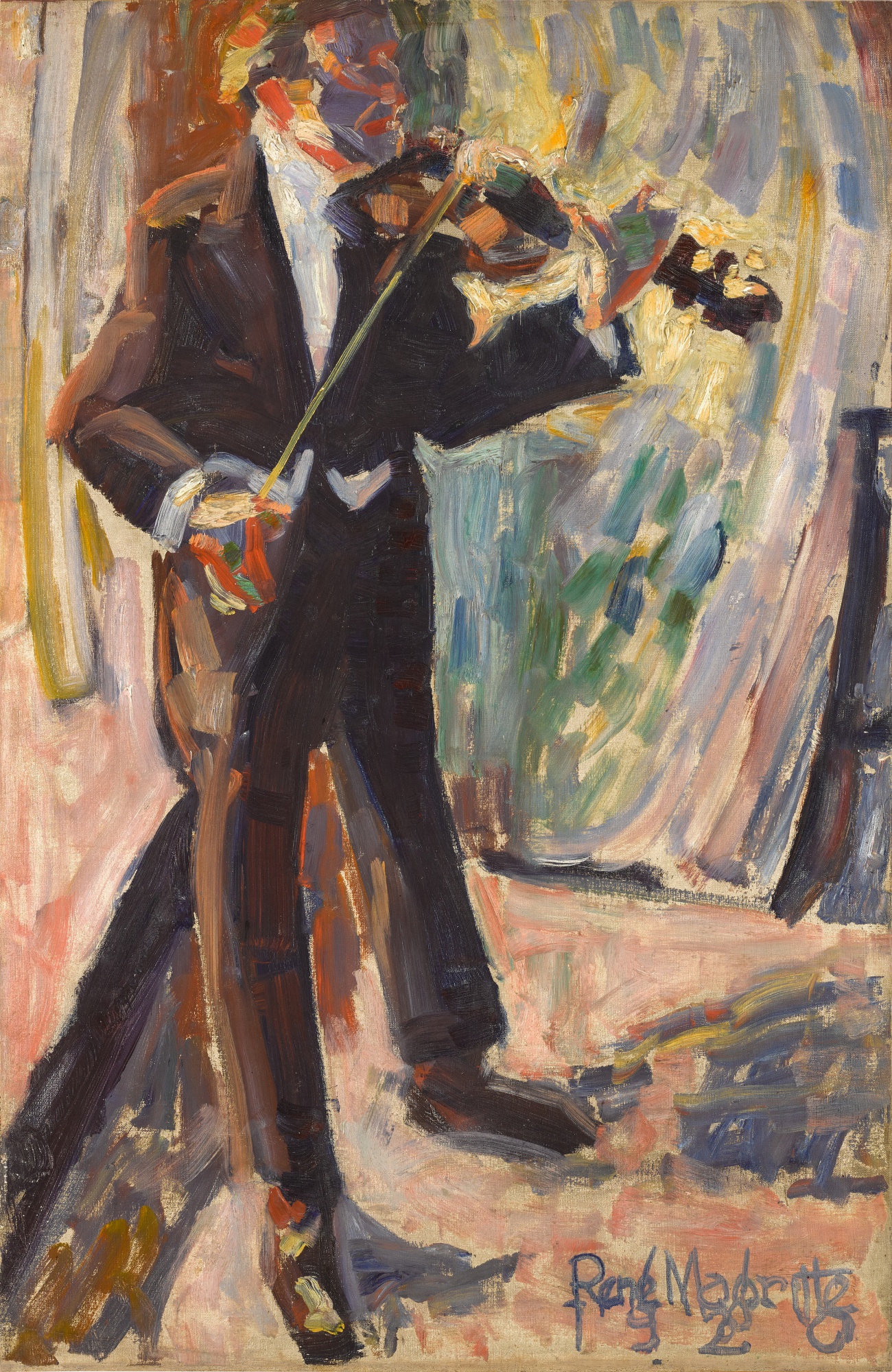
Turk has long been interested in the gap between the authentic and the fabricated, and his work in this vein connects naturally to a tradition running from seventeenth century Dutch still life painting through the Surrealist provocations of René Magritte, whose famous interrogation of representation continues to feel radical rather than historical. Collis is perhaps the more undersung of the two. Her practice involves replacing what look like accidental marks and studio mess with painstakingly crafted equivalents in precious materials, a gesture that is both deadpan and deeply moving. Her work is not aggressively priced relative to its ambition, and that represents a genuine opportunity for collectors paying attention.
On the historical side, the market for seventeenth and eighteenth century European trompe l'oeil has been quietly robust for years, with works from Flemish and Dutch masters consistently attracting strong interest from institutional and private buyers alike. Artists such as Michiel Ceulers and Jacob van Spreeuwen, both of whom appear in The Collection, represent the kind of historically significant work that anchors a collection and tends to appreciate with considerable stability. These are paintings that have survived centuries precisely because they were extraordinary objects to begin with, and that durability is not lost on the market. Auction results for strong examples from this period have held firm even in softer overall market conditions, which speaks to the resilience of the category.
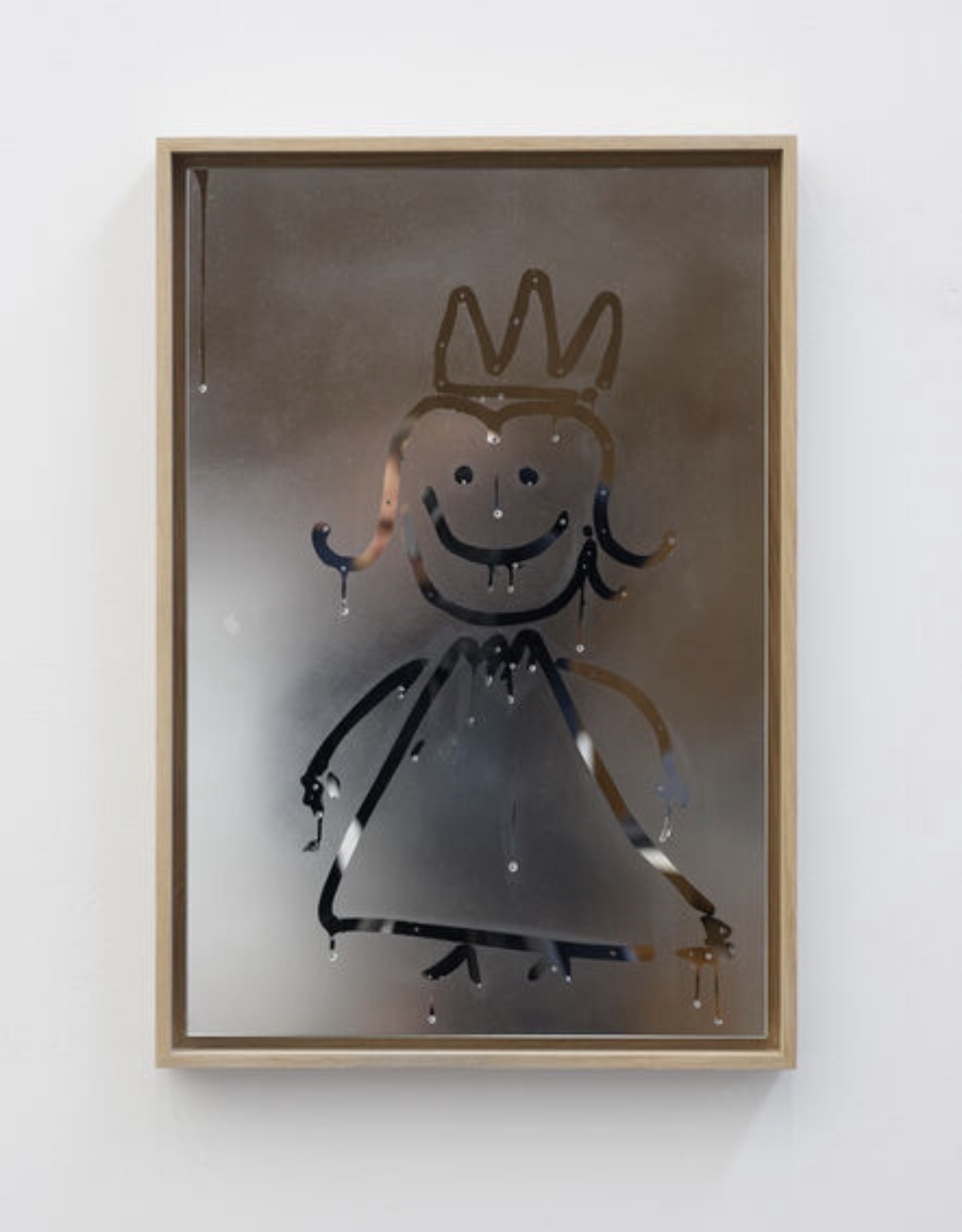
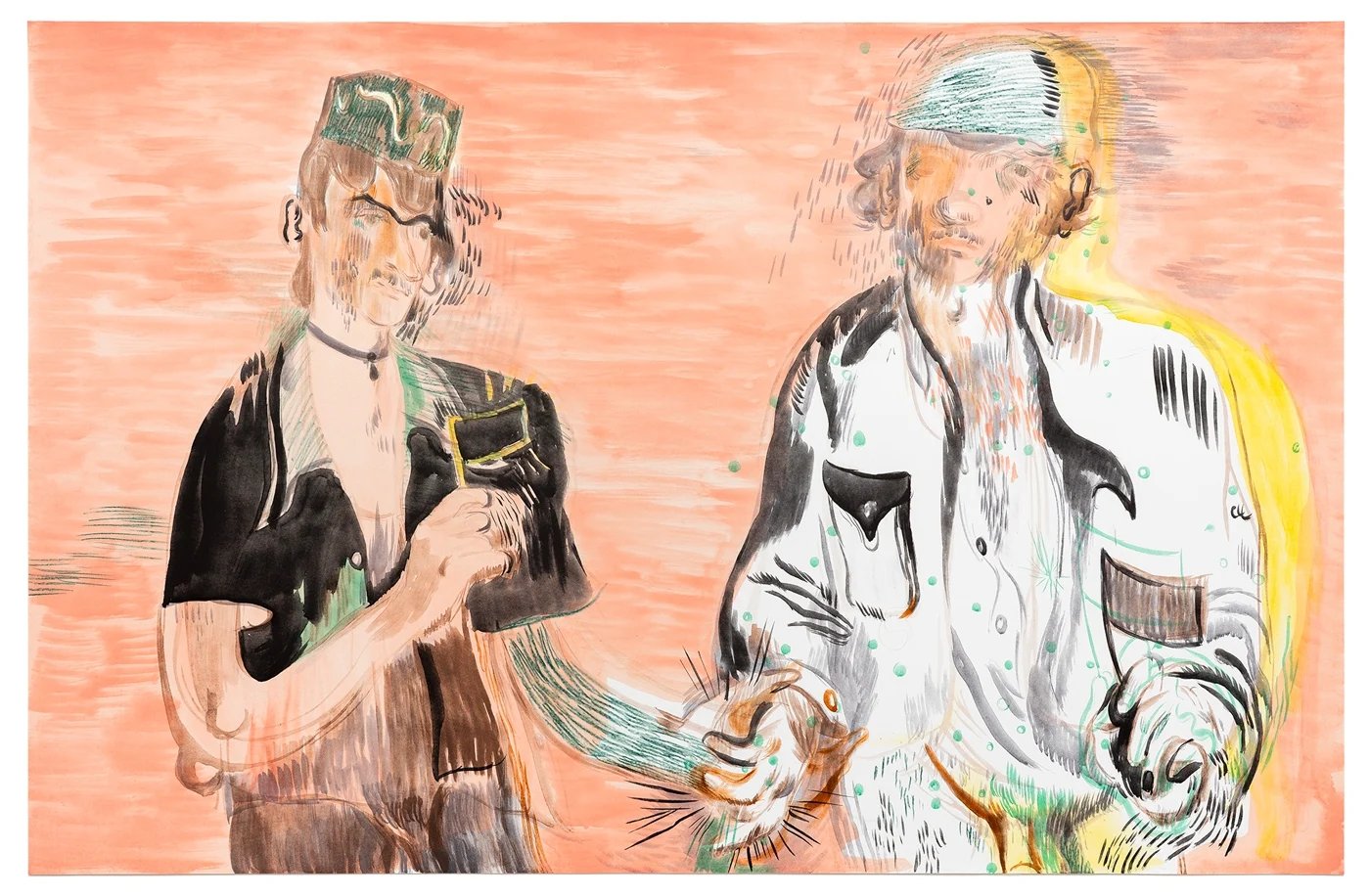
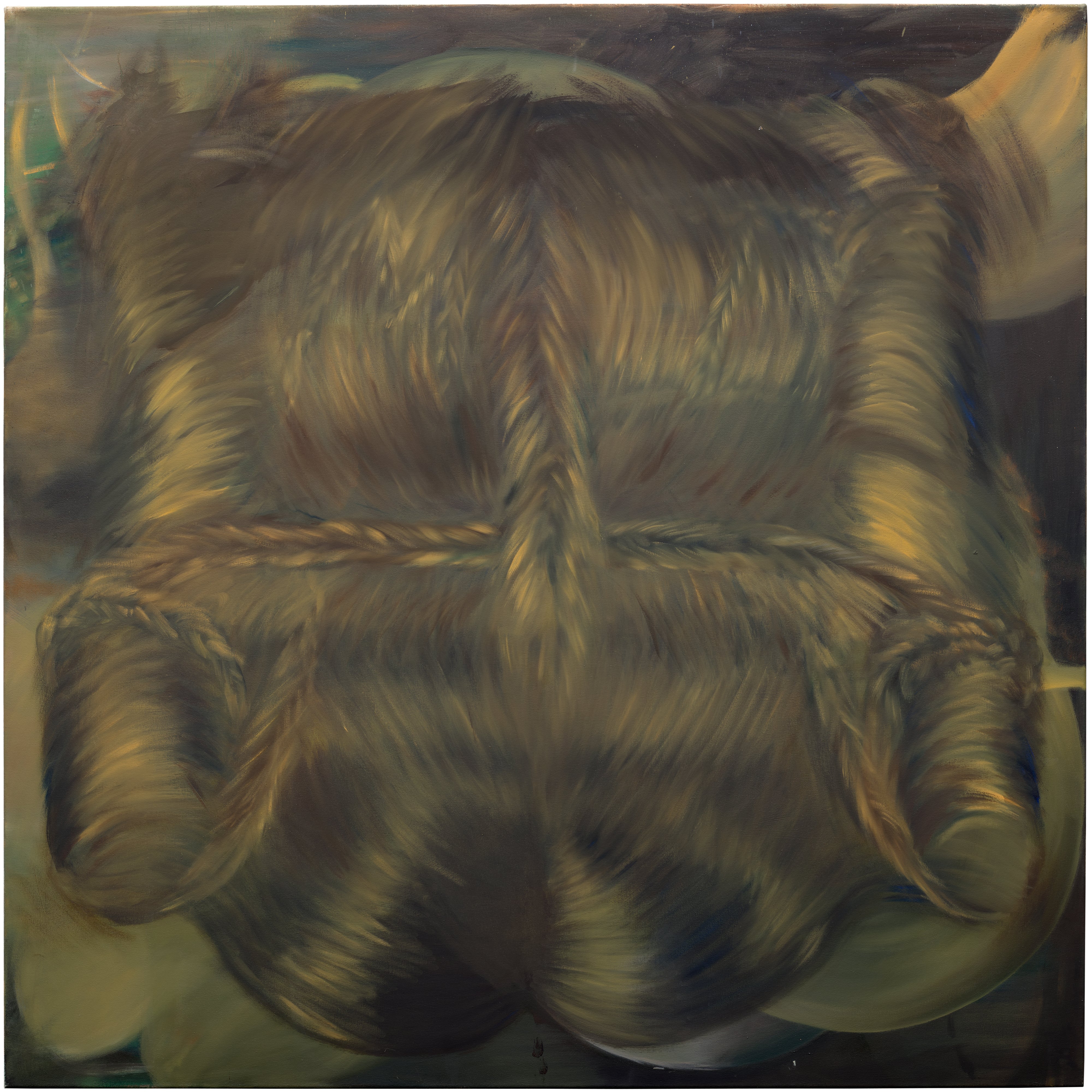
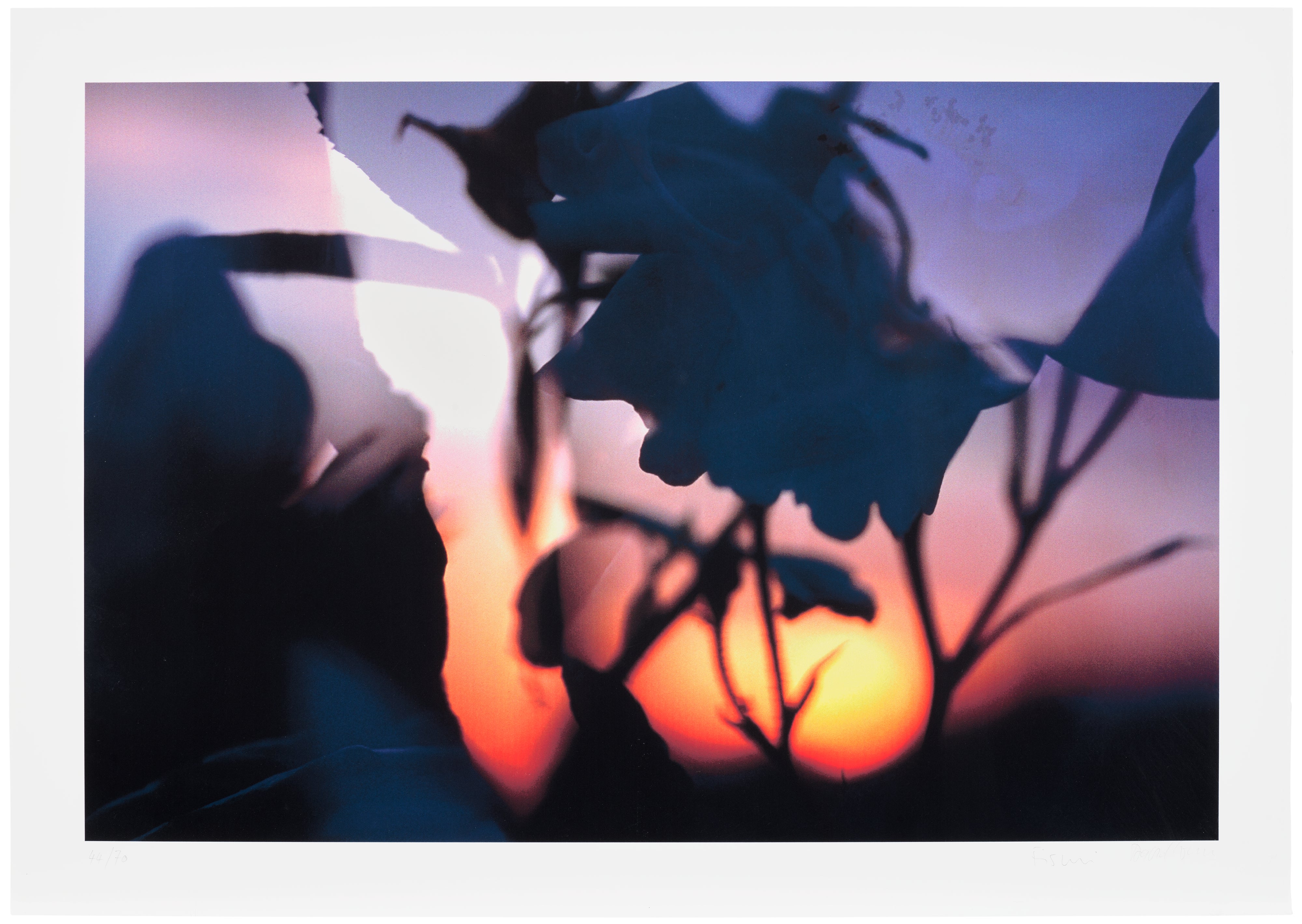
Jochen Mühlenbrink
MP Princess, 2025
For collectors looking at emerging or underrecognised voices, Jochen Mühlenbrink deserves serious consideration. His large scale paintings of rumpled tarpaulins and draped studio materials sit in a tradition that references both the old masters and a more contemporary interest in the abject and the overlooked. He has attracted growing institutional attention in Europe without yet achieving the kind of secondary market premium his work seems likely to eventually command. Issy Wood is another artist whose practice touches on the uncanny and the perceptually destabilising in ways that feel connected to trompe l'oeil thinking, even when her methods are not strictly illusionist.
Her prices have moved quickly, and the window for collecting her at anything approaching accessible levels is narrowing. Practically speaking, condition is everything in this genre in a way that is more acute than in almost any other. A work whose illusionism depends on a perfectly preserved surface is catastrophically damaged by even minor paint loss or craquelure in the wrong place, so provenance and conservation history require more careful scrutiny than usual. Ask dealers specifically about any restoration work and request ultraviolet examination reports before committing to a significant purchase.
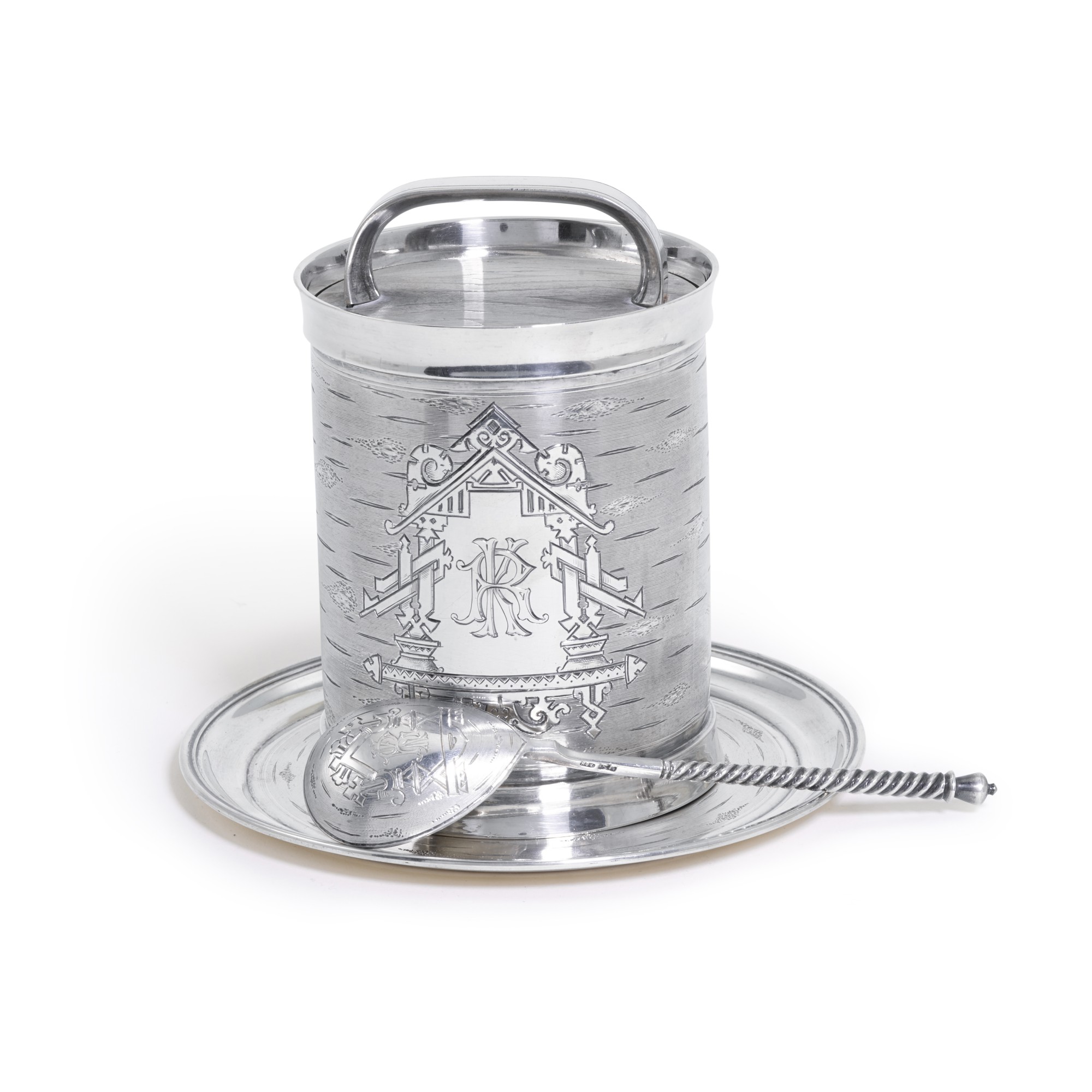
Unknown
A silver trompe l'oeil caviar set, makers in Cyrillic 'K.V' and 'P.G', Moscow, 1876
Display considerations matter enormously too. Many trompe l'oeil works are calibrated for a specific viewing distance and a specific light condition, and hanging them incorrectly undermines the entire enterprise. Works on panel or stretched canvas each carry different environmental sensitivities, and climate control in your space is worth discussing with a conservator before installation. The question of unique works versus editions arises particularly with contemporary practitioners, some of whom produce photographic works or multiples that engage trompe l'oeil strategies.
The advice here is consistent with broader collecting wisdom: unique works tend to hold value more reliably, but a small edition from a significant artist in this mode can represent excellent value if the edition size is tightly controlled and the work is genuinely canonical within the artist's output. The genre rewards patience, knowledge, and the willingness to look very carefully at what is actually in front of you. In that sense, collecting it is exactly like experiencing it.