Trial Proof
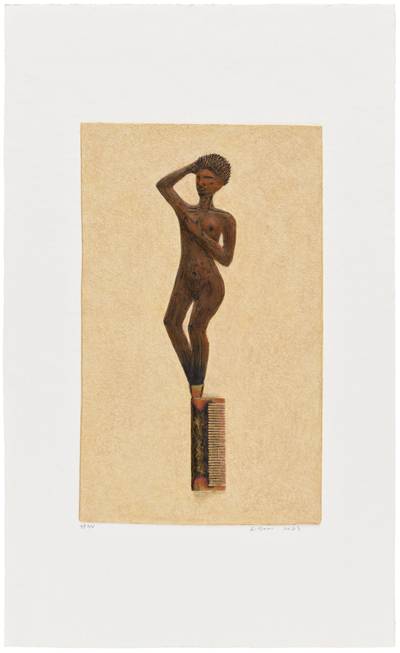
Alison Saar
Hot Comb Haint: Mona

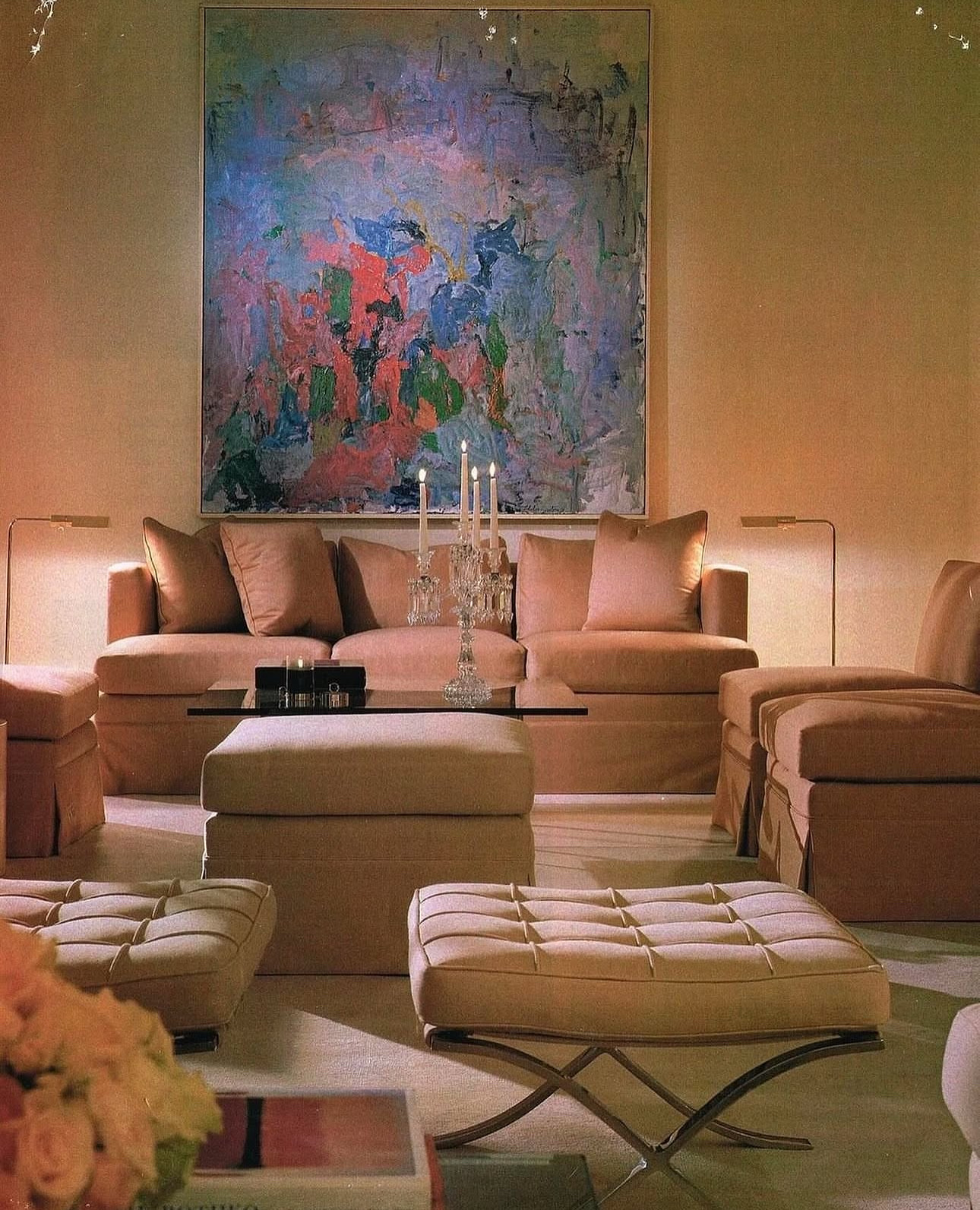
Before the Edition: The Allure of Trial Proofs
There is something almost voyeuristic about owning a trial proof. You are holding the moment before the decision was made, the print that existed in the studio before the artist signed off on what the public would eventually see. Collectors drawn to this category tend to share a particular disposition: they are less interested in owning art as a finished product and more compelled by the idea of being present, however retroactively, in the creative process itself. That intimacy is not available in an open edition.
It lives specifically and almost exclusively here. Trial proofs occupy a strange and productive tension in the print market. They are neither unique works in the painting sense nor editions in the conventional sense. They are documents of thinking, physical records of a collaboration between artist and printer that most viewers never see.
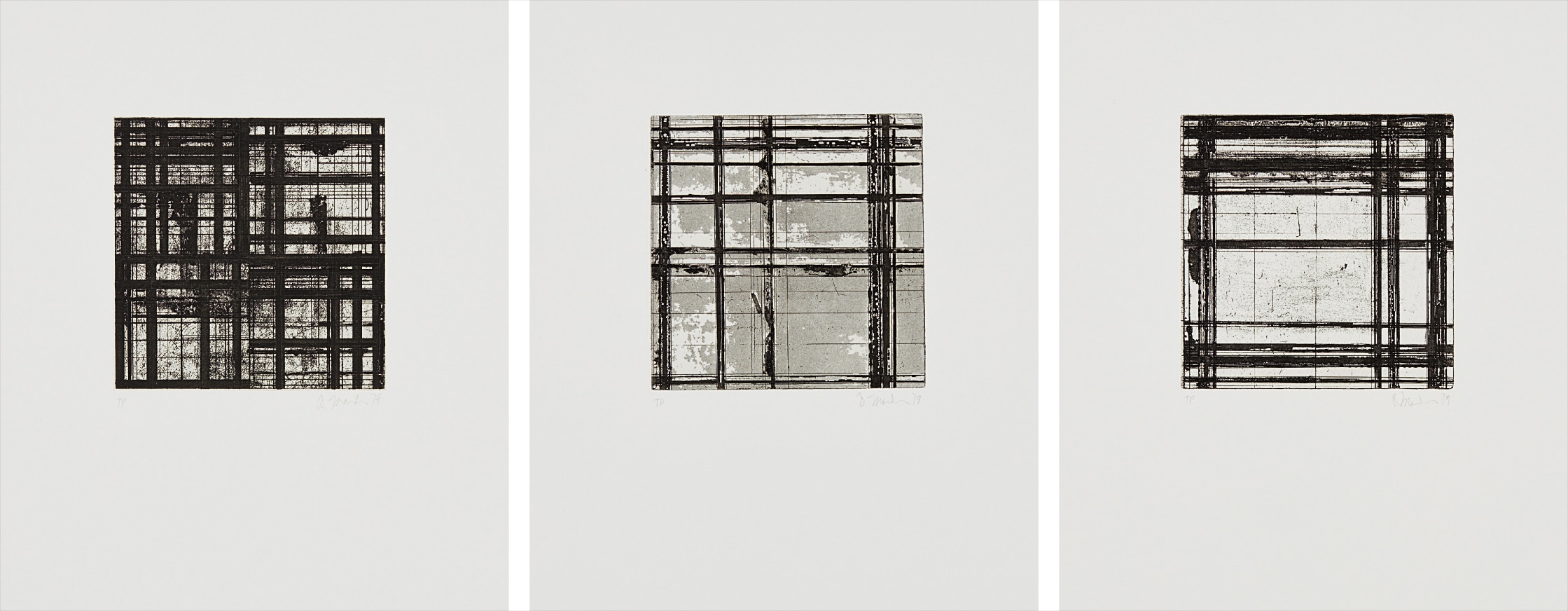
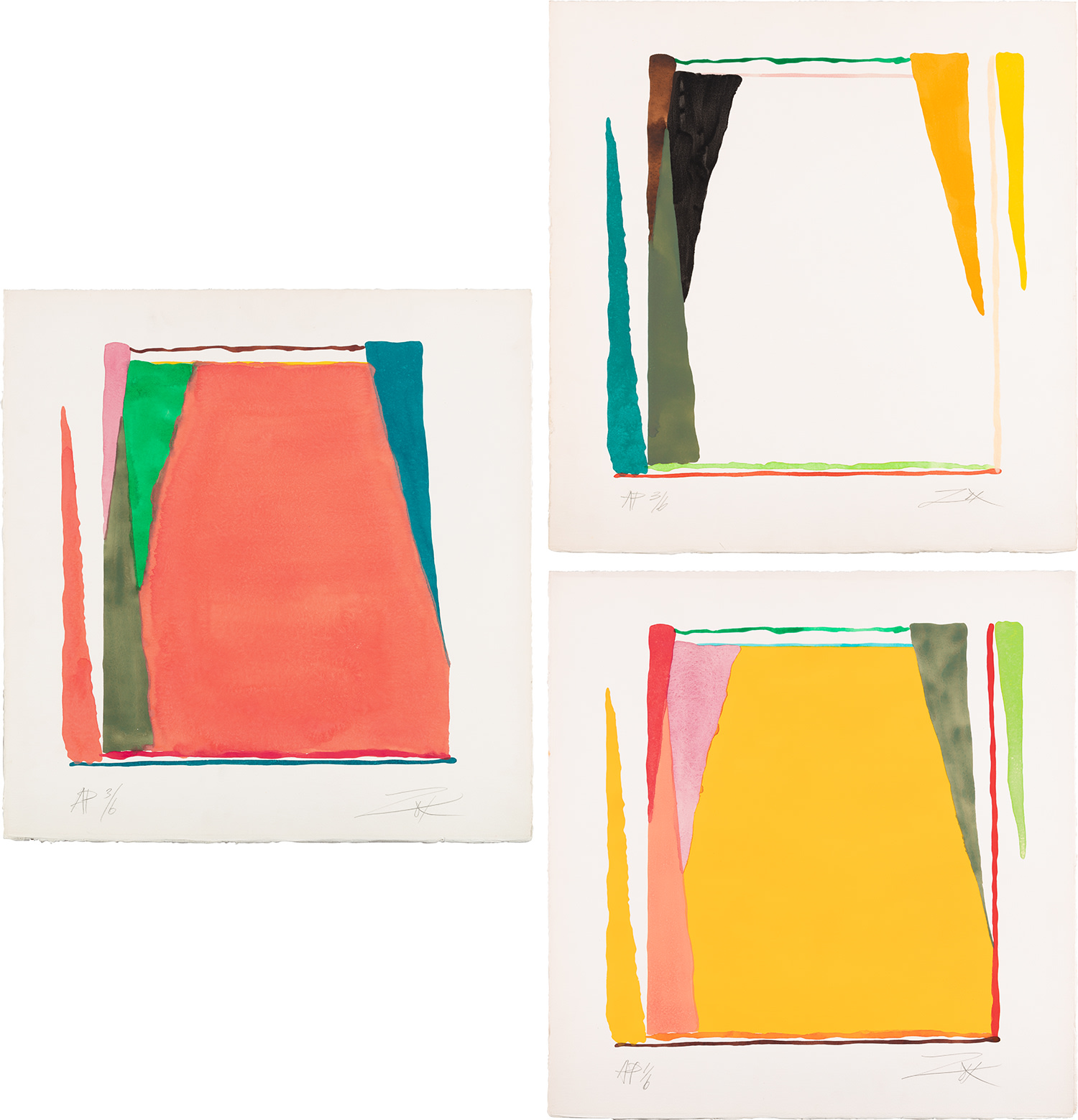
Brice Marden
Tiles: three prints
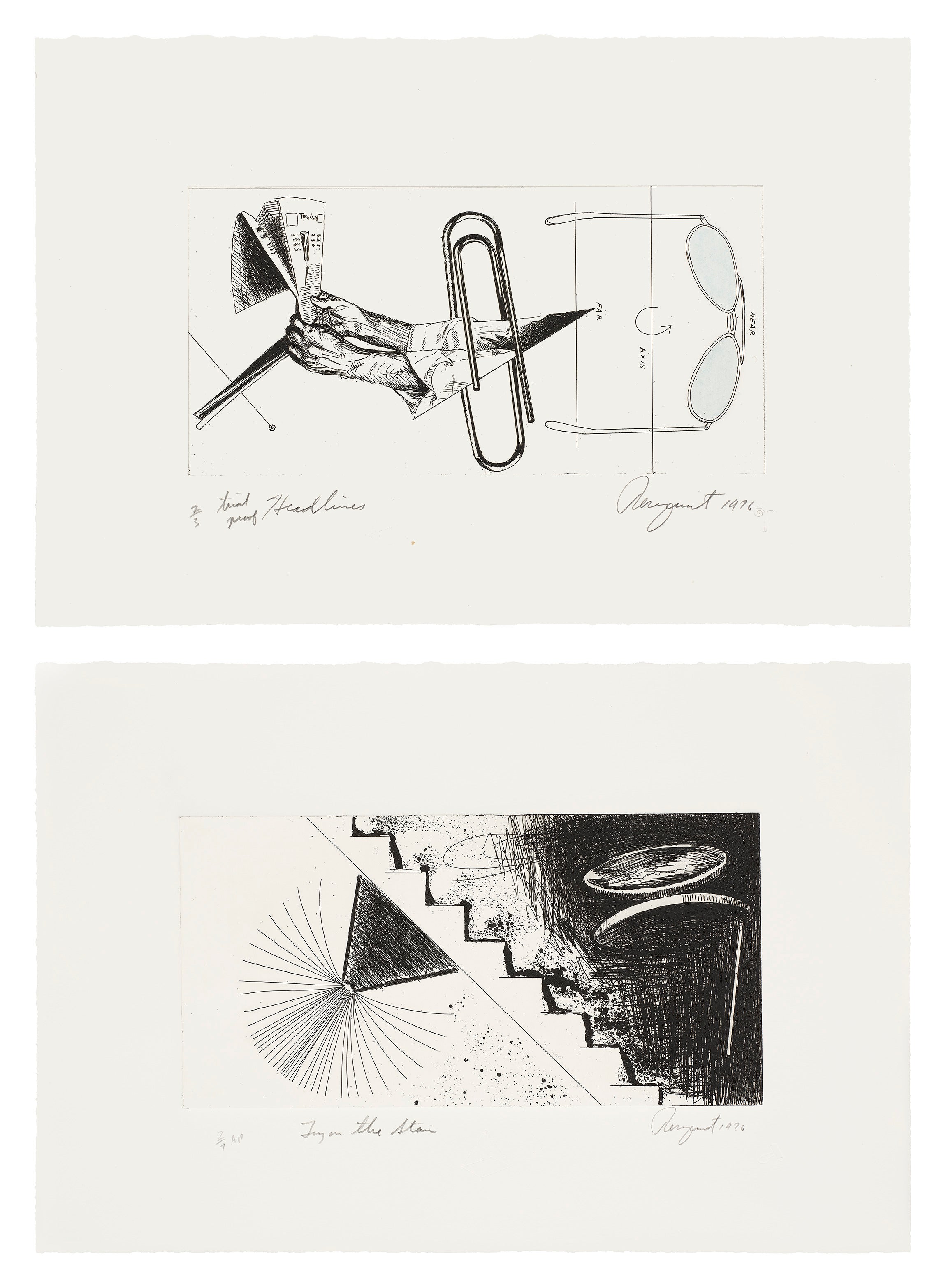
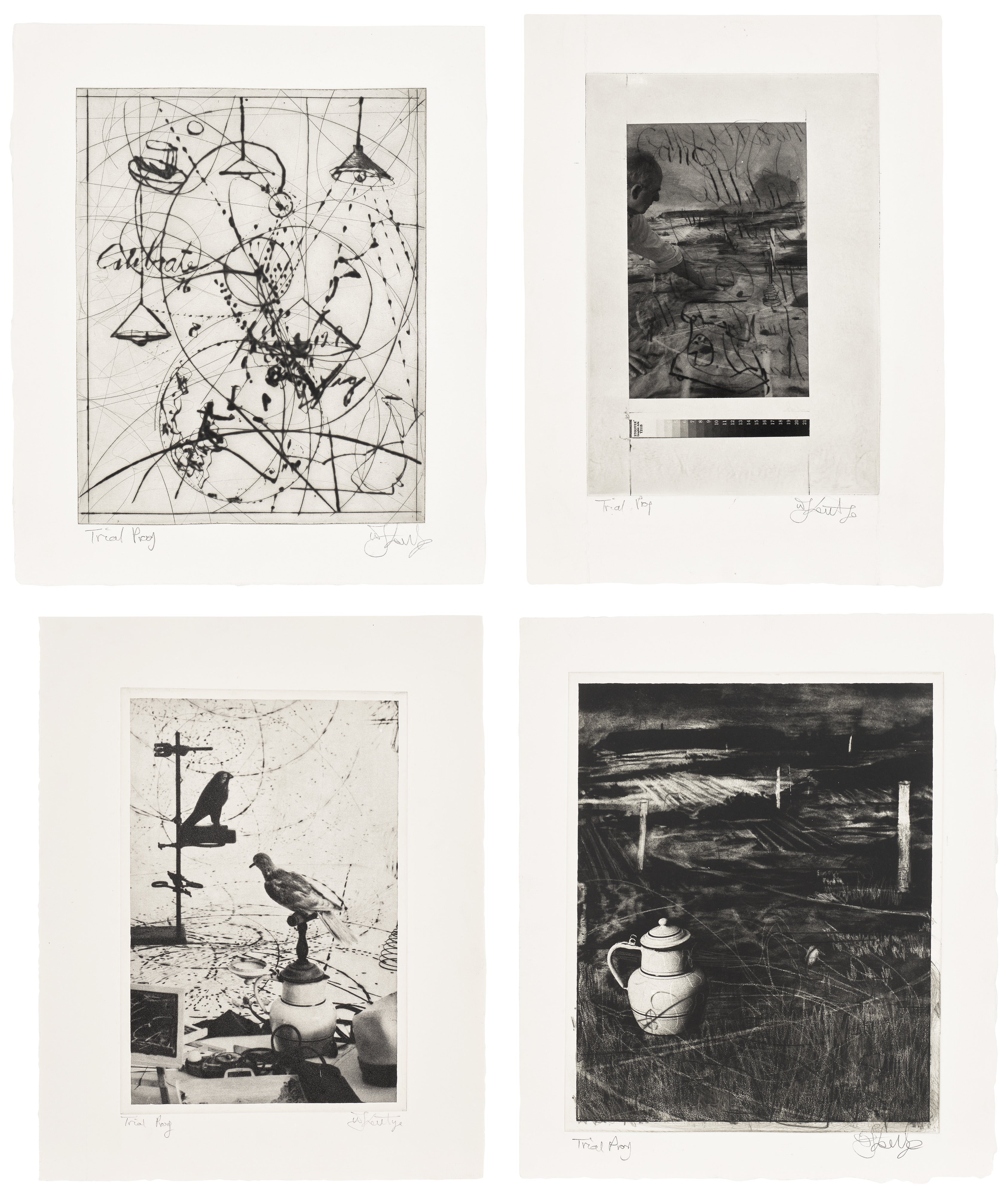
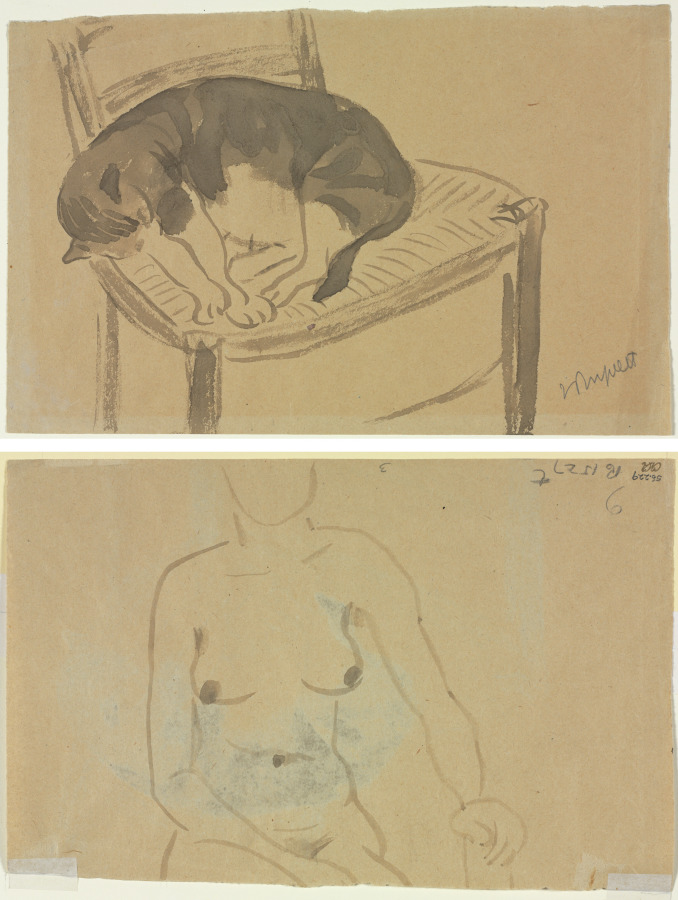
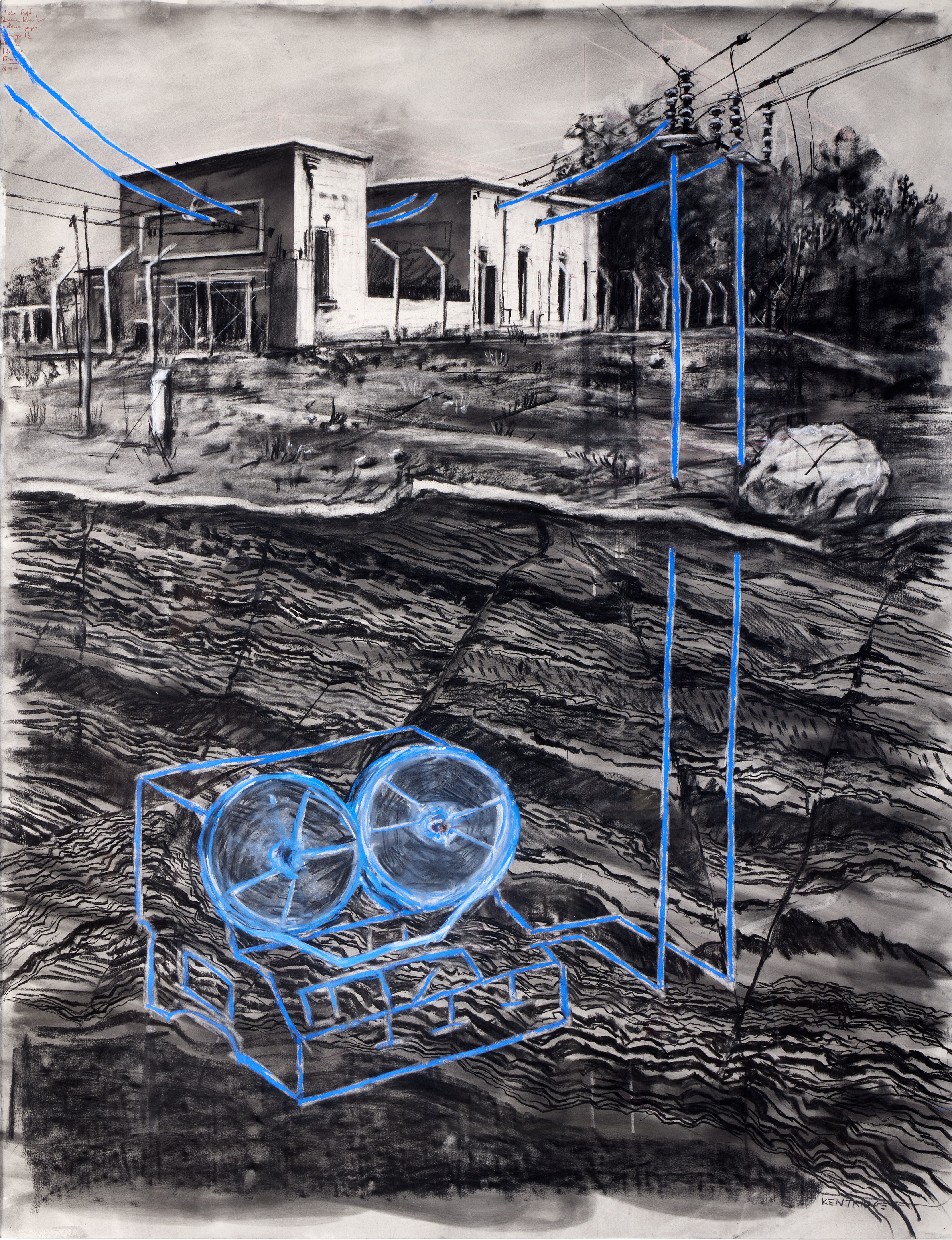
When a collector acquires a trial proof from an artist like Brice Marden or William Kentridge, they are acquiring evidence of a mind at work, not the resolved statement but the question still being asked. That quality is genuinely rare, and the market has not always priced it appropriately, which creates real opportunity for the attentive buyer. What separates a good trial proof from a great one begins with the degree of variation from the published edition. The most desirable examples show meaningful deviation: a different color register, a compositional element that was ultimately removed, a texture or plate tone that the artist decided did not serve the final work.
A trial proof that is nearly identical to the published edition is interesting as a document but less compelling as an object. The greatest examples function almost as alternate versions of a work, artworks in their own right that happen to share a lineage with something better known. Provenance matters enormously here too. A trial proof that passed through the hands of the printer, or that comes with correspondence or documentation connecting it to the studio, carries a different weight entirely.
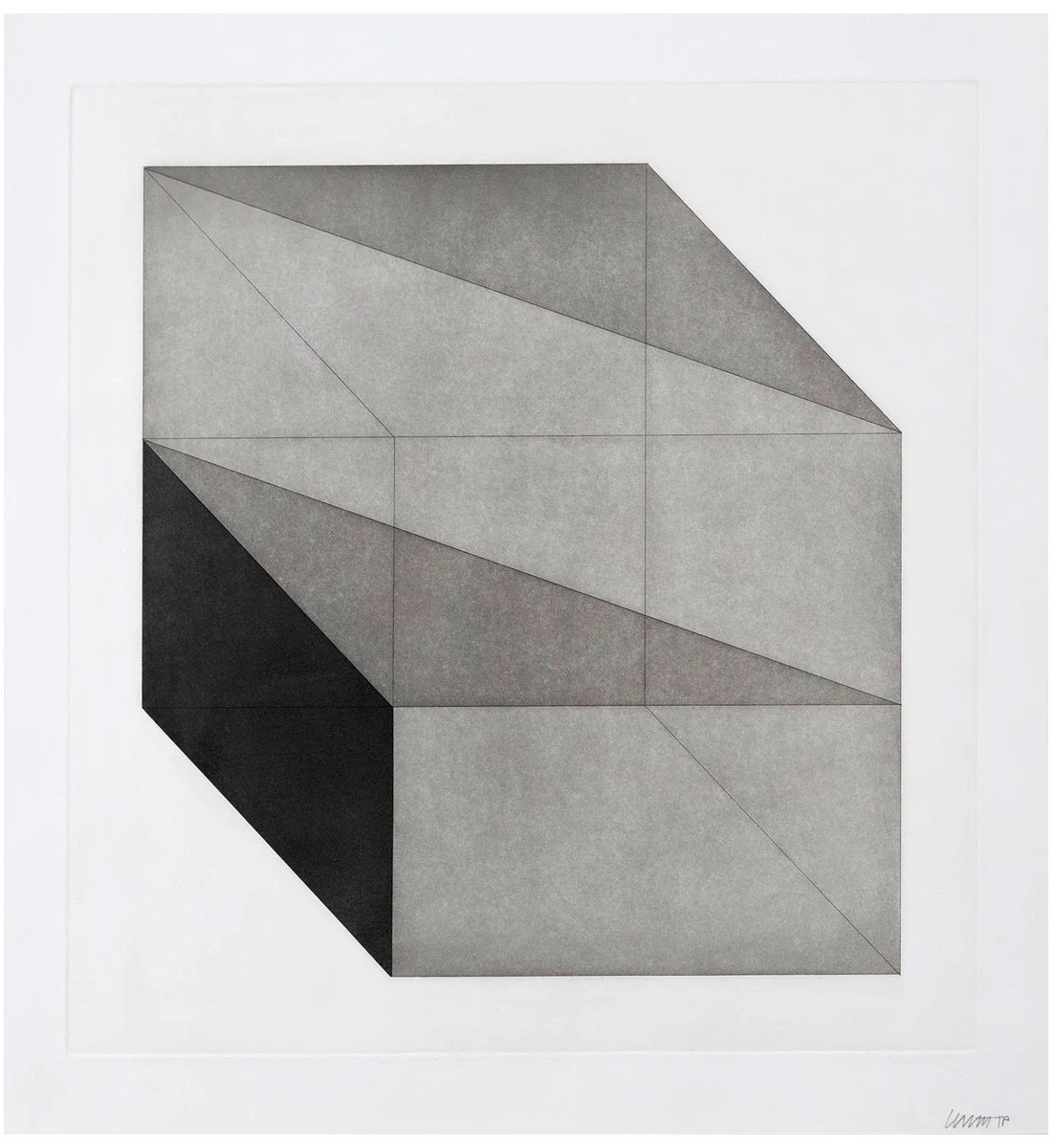
Sol LeWitt
Derived from a Cube 5, 1982
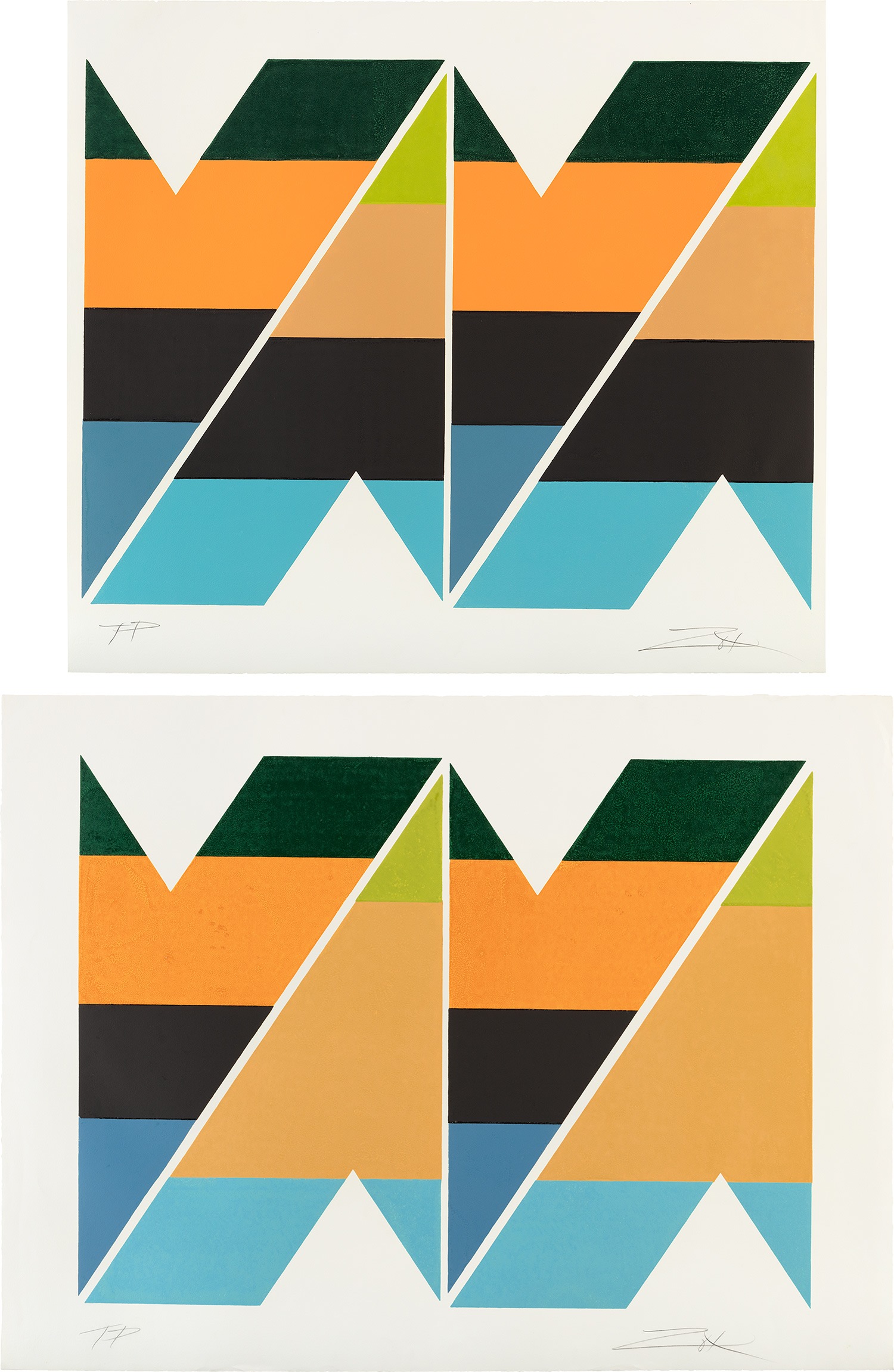
The artists on The Collection offer a particularly strong lens through which to think about this category. Sol LeWitt, whose relationship with printmaking was deeply conceptual, produced working proofs that reveal how rigorously his geometric systems were tested before being resolved. The trial proofs associated with his work are not decorative accidents but evidence of a structural intelligence at play. Similarly, the prints of Robert Rauschenberg, whose collaborations with Gemini G.
E.L. and Universal Limited Art Editions in the 1960s and 1970s were among the most innovative in postwar American art, generated proofs that often carry the marks of his improvisational sensibility. When those proofs surface, they tend to reward buyers who understand the full arc of his practice.
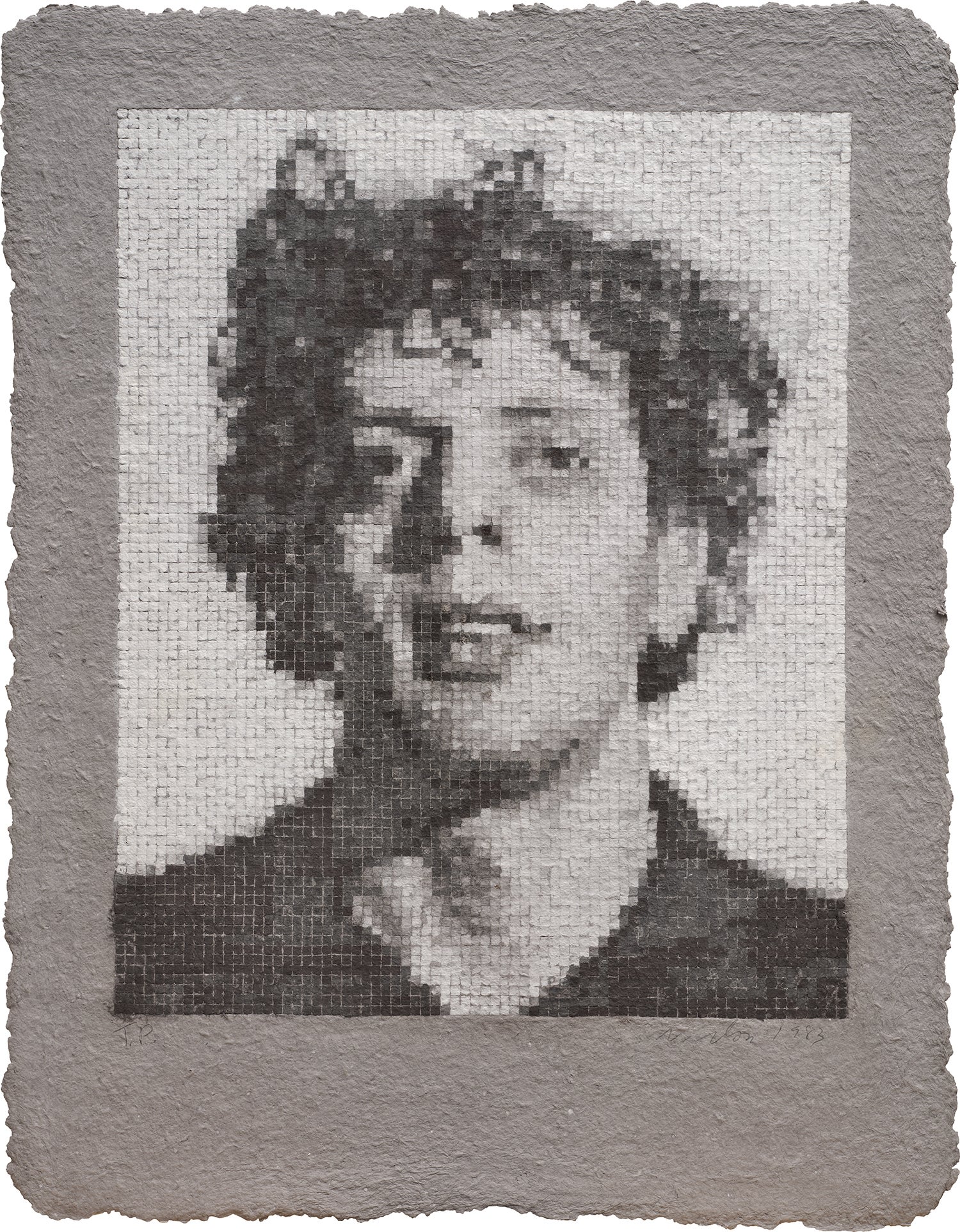
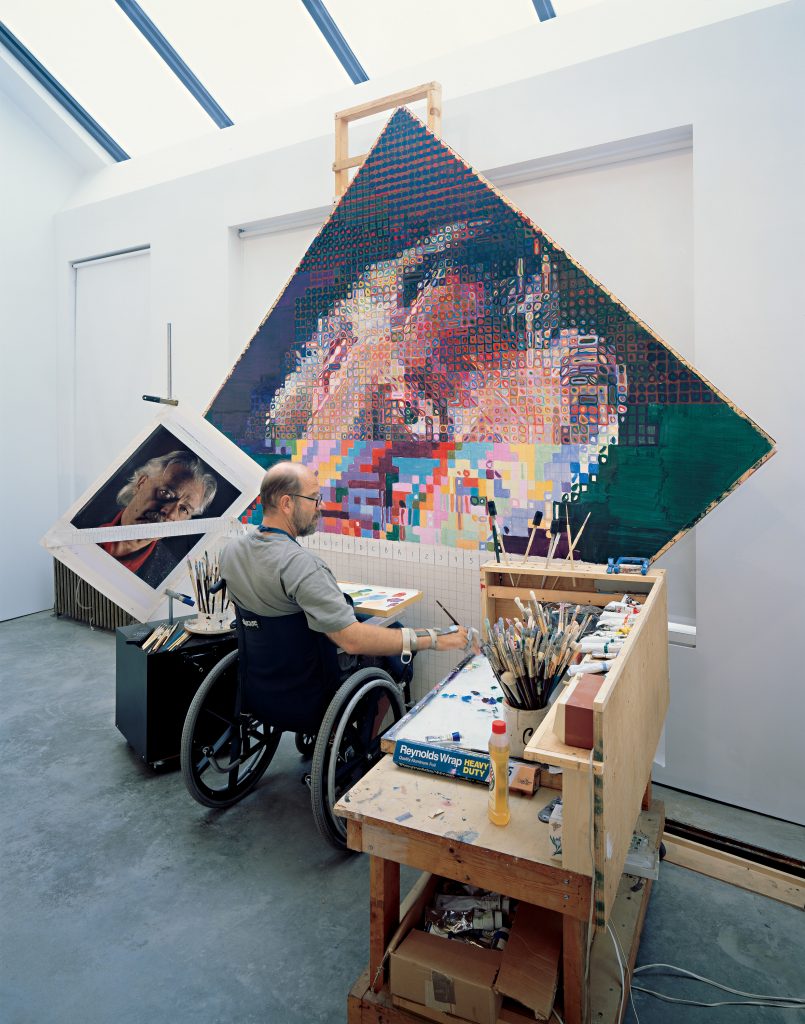
Chuck Close
Phil/Manipulated
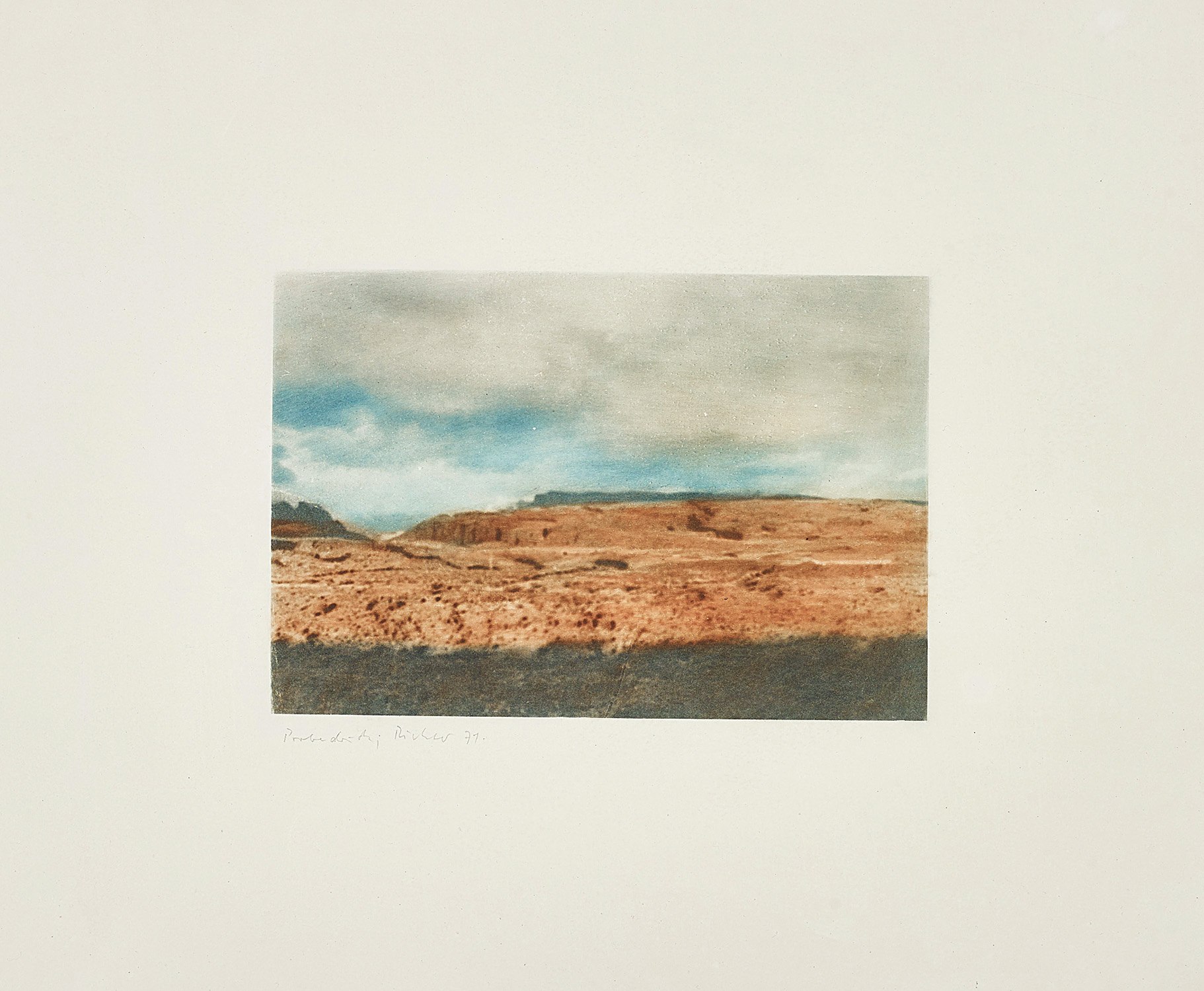
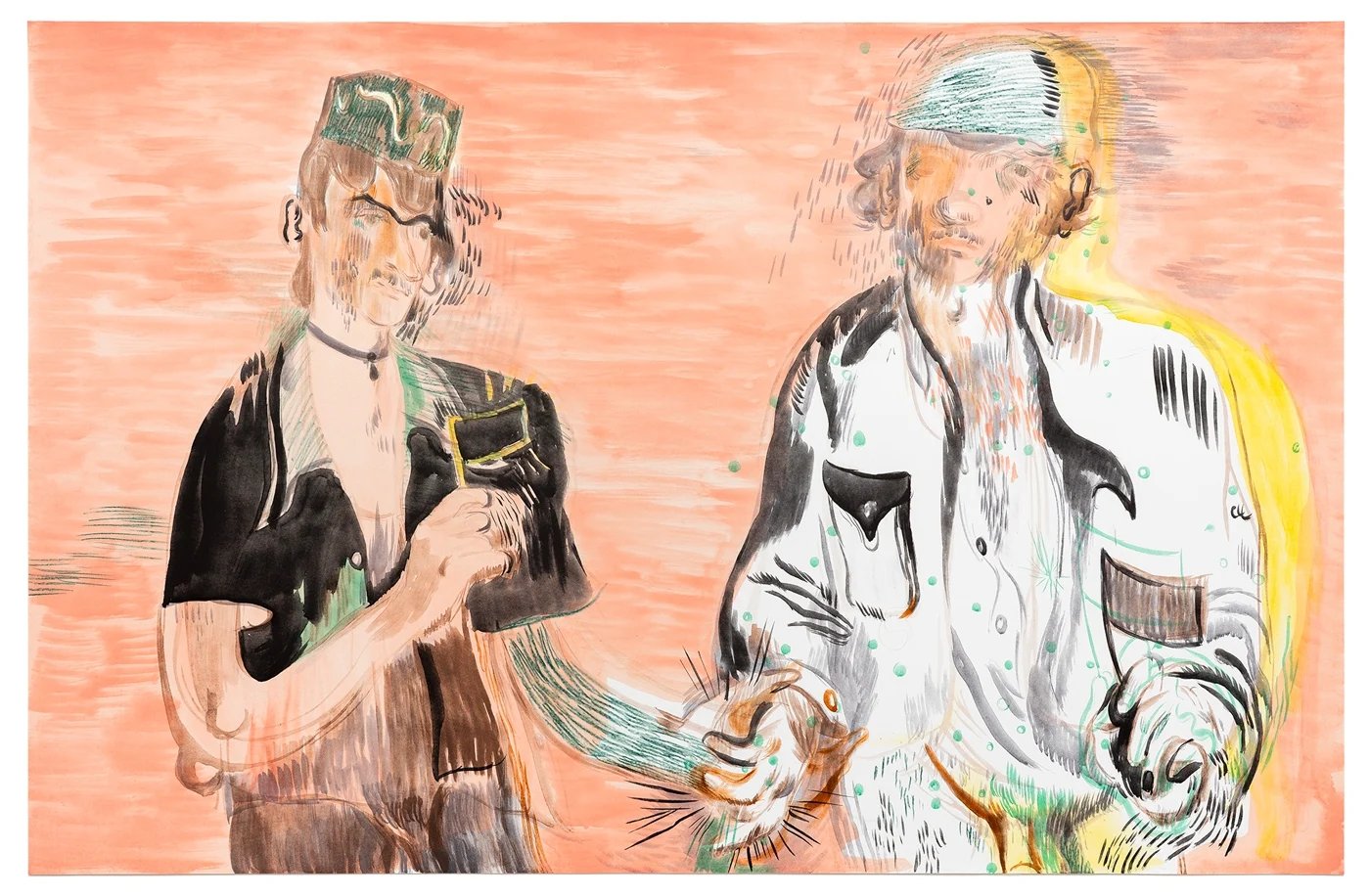
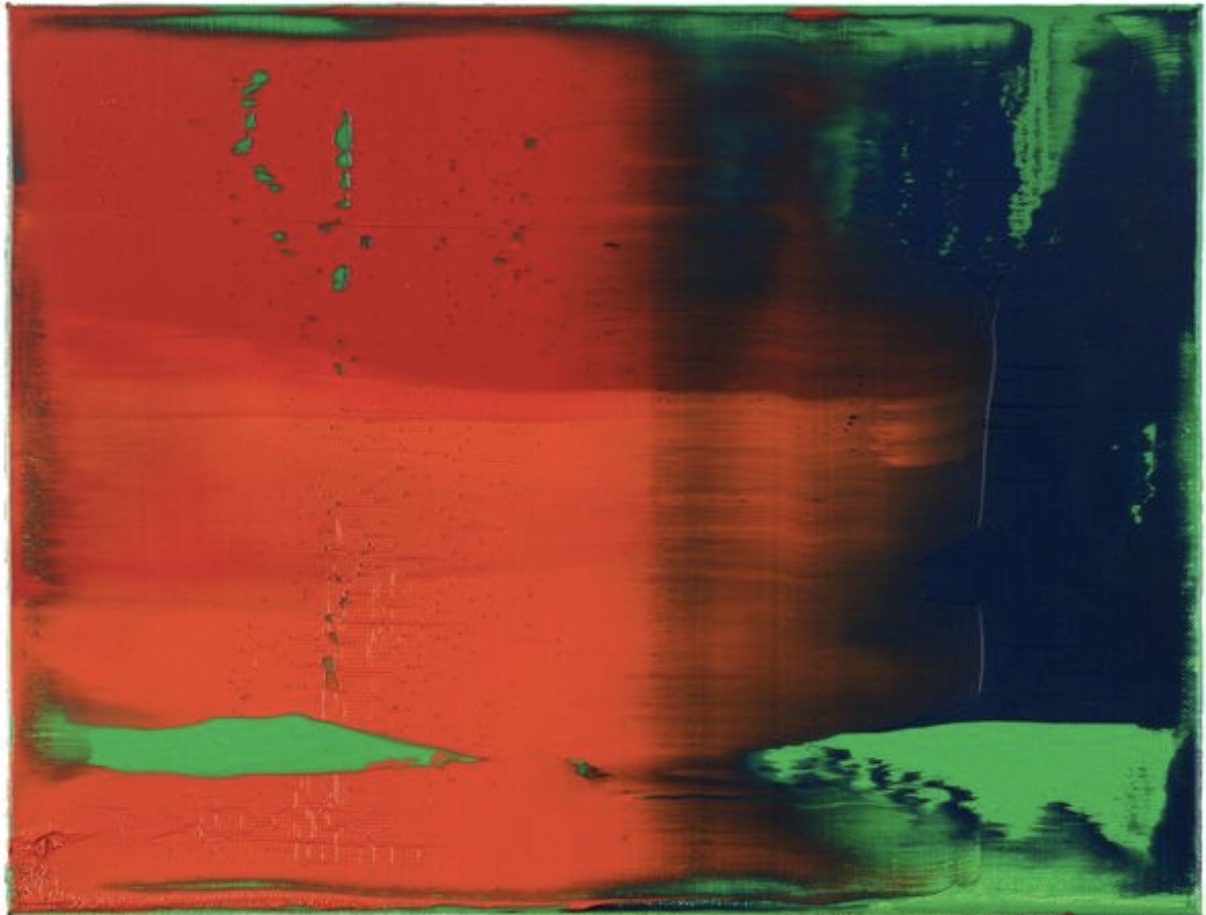
Gerhard Richter's engagement with printmaking, particularly through his photo based works and the squeegee abstractions he translated into print form, has produced proofs that are increasingly sought after as his market has consolidated at the very top. Philip Guston's late prints, made during the period of his return to figuration in the 1970s, are among the most emotionally direct works in the American print canon, and trial proofs from this period offer access to a body of work that is otherwise difficult to acquire at any price. Chuck Close, whose grid based portrait prints demanded extraordinary technical precision, worked through proofs in a way that makes the variance between states genuinely visible and intellectually interesting. For collectors watching the emerging end of the market, the opportunity lies in identifying artists who are building serious print practices with master printers but have not yet attracted the secondary market attention their work deserves.
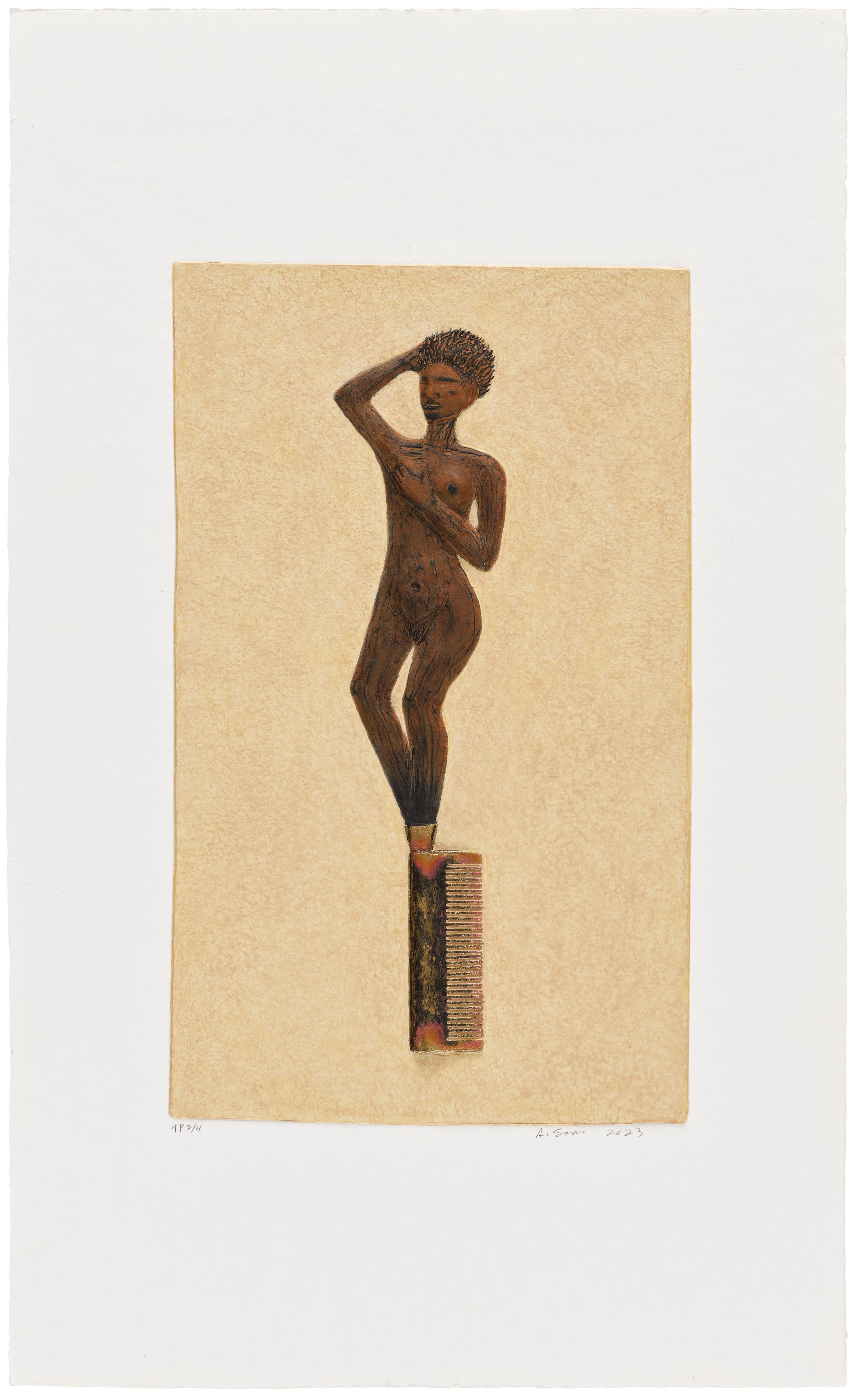
Alison Saar, whose work engages African American history and spirituality through a sculptural and graphic vocabulary that is wholly her own, has produced prints that remain underpriced relative to both their quality and the cultural significance of her broader practice. As institutional attention to her work continues to grow, the window for acquiring trial proofs and early edition prints at accessible prices is narrowing. At auction, trial proofs behave somewhat unpredictably, which is part of their appeal and part of their risk. Because they fall outside the standard edition numbering system, condition reports require particular scrutiny.
Alison Saar
Hot Comb Haint: Mona
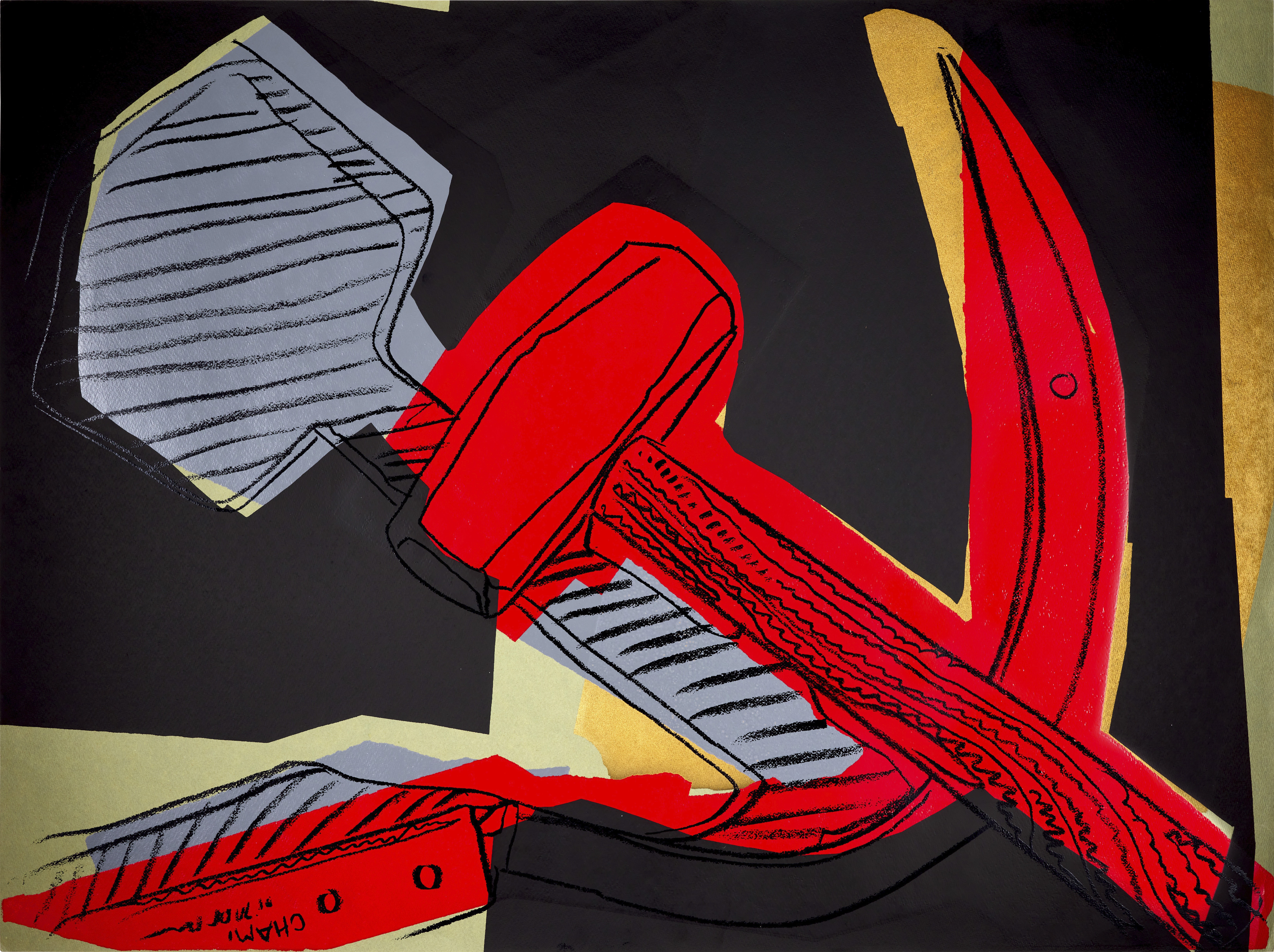
The absence of an edition number does not diminish a work, but it does mean that establishing comparable sales is harder, and therefore that persuading a future buyer of value requires more narrative work. The strongest results at auction for trial proofs tend to occur when the work is well documented, when it comes from a recognizable print series by a blue chip artist, and when the variation from the published edition is both visible and artistically significant. Works by Andy Warhol and Pablo Picasso in this category have performed exceptionally well precisely because the surrounding scholarship is deep enough to contextualize the proof within a larger story. Practically speaking, anyone acquiring trial proofs should treat condition as non negotiable.
These works were often handled in the studio, and the best examples will show nothing beyond the evidence of their making, no foxing, no handling creases, no fading from poor storage. Ask the gallery or dealer for the full provenance chain and for any documentation connecting the proof to the printer or the studio. If you are comparing a trial proof to an open edition work by the same artist, the framing question should always be: what does this proof show me that the edition does not. If the answer is genuinely compelling, the premium is almost always worth it.
If the answer is unclear, wait for a work where it is not. The best trial proofs reward sustained looking in a way that finished editions sometimes do not. Living with one means living with the process of art making rather than its conclusion, which turns out to be a surprisingly rich thing to have on a wall.