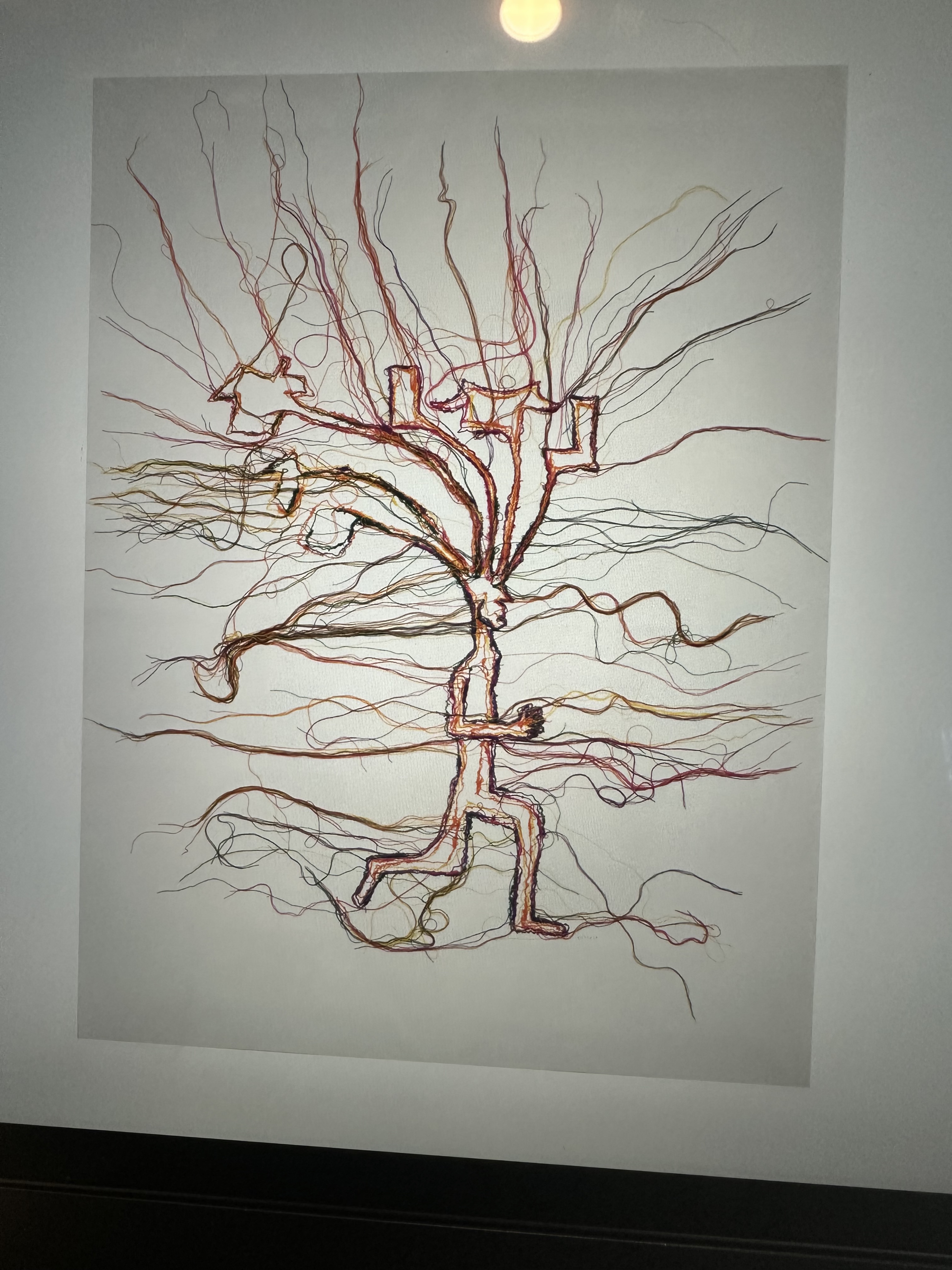
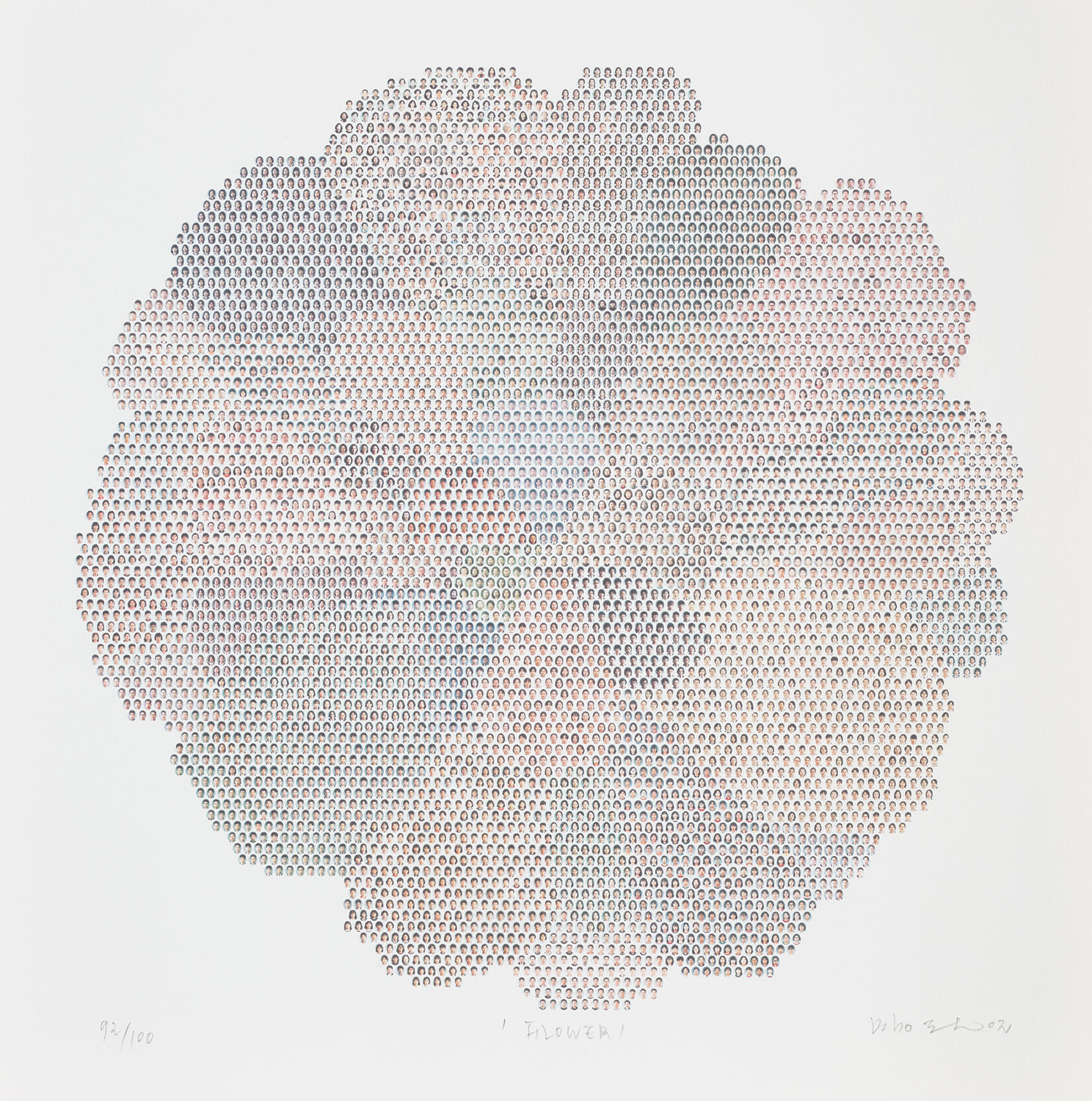
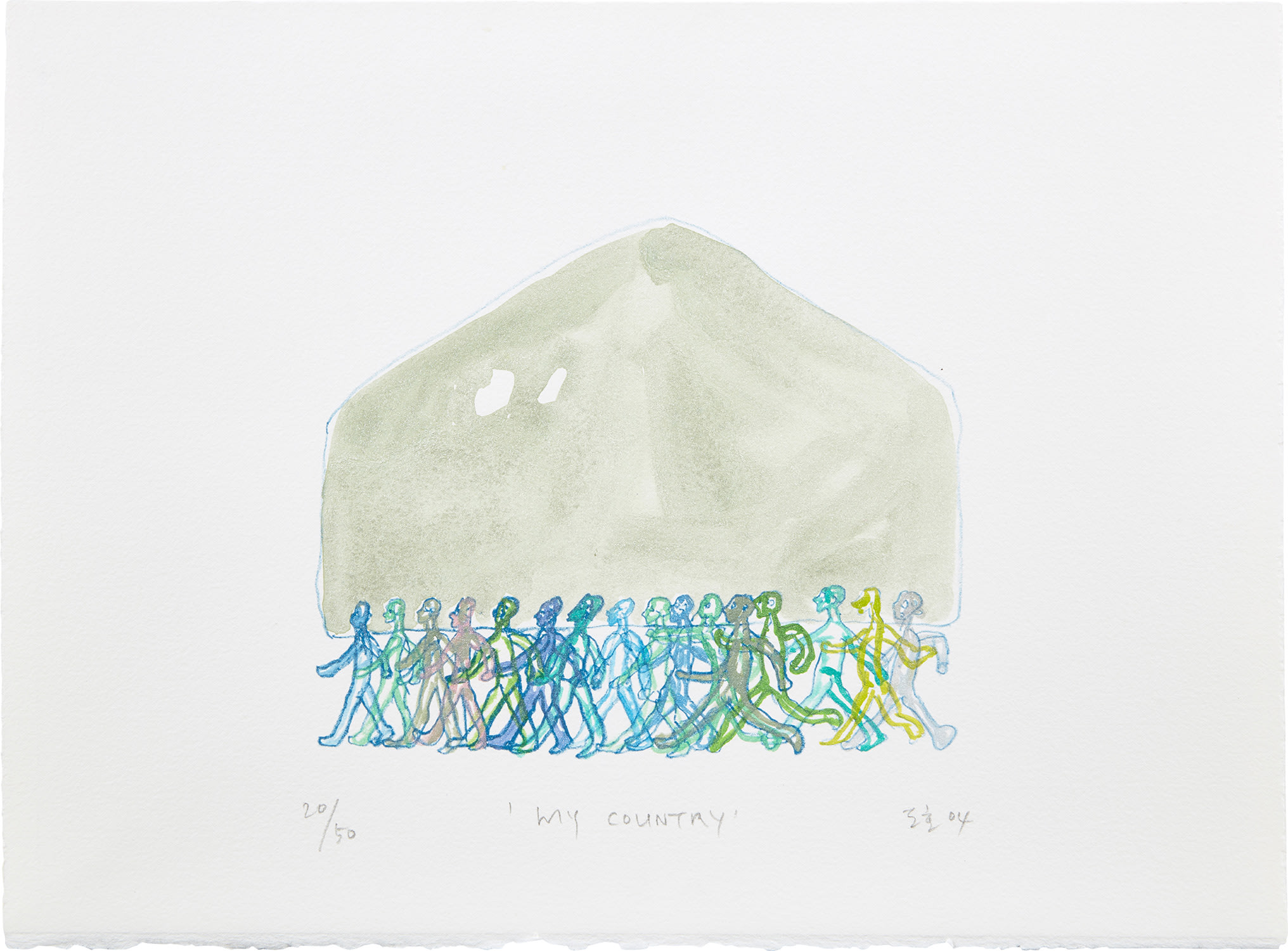
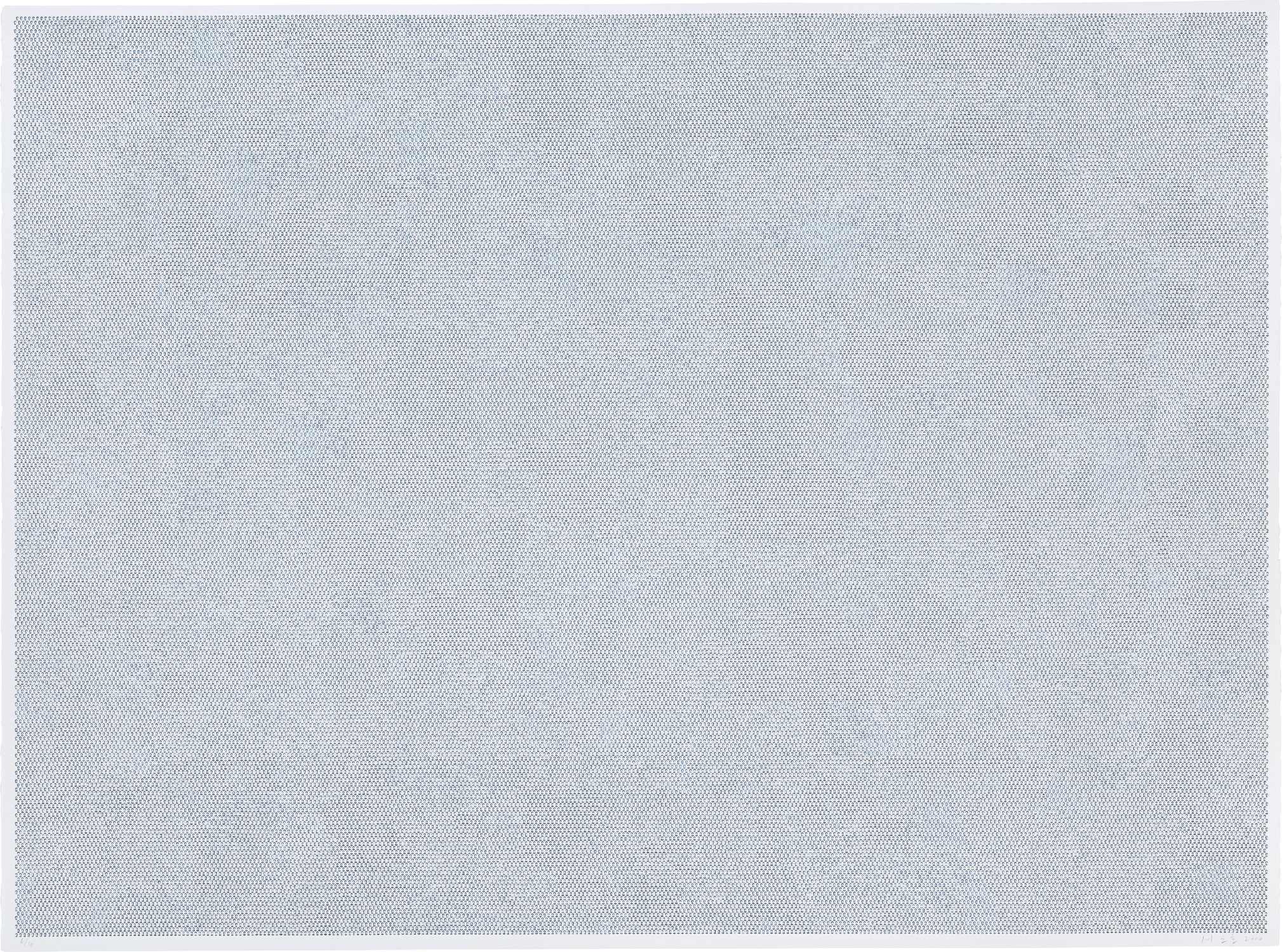
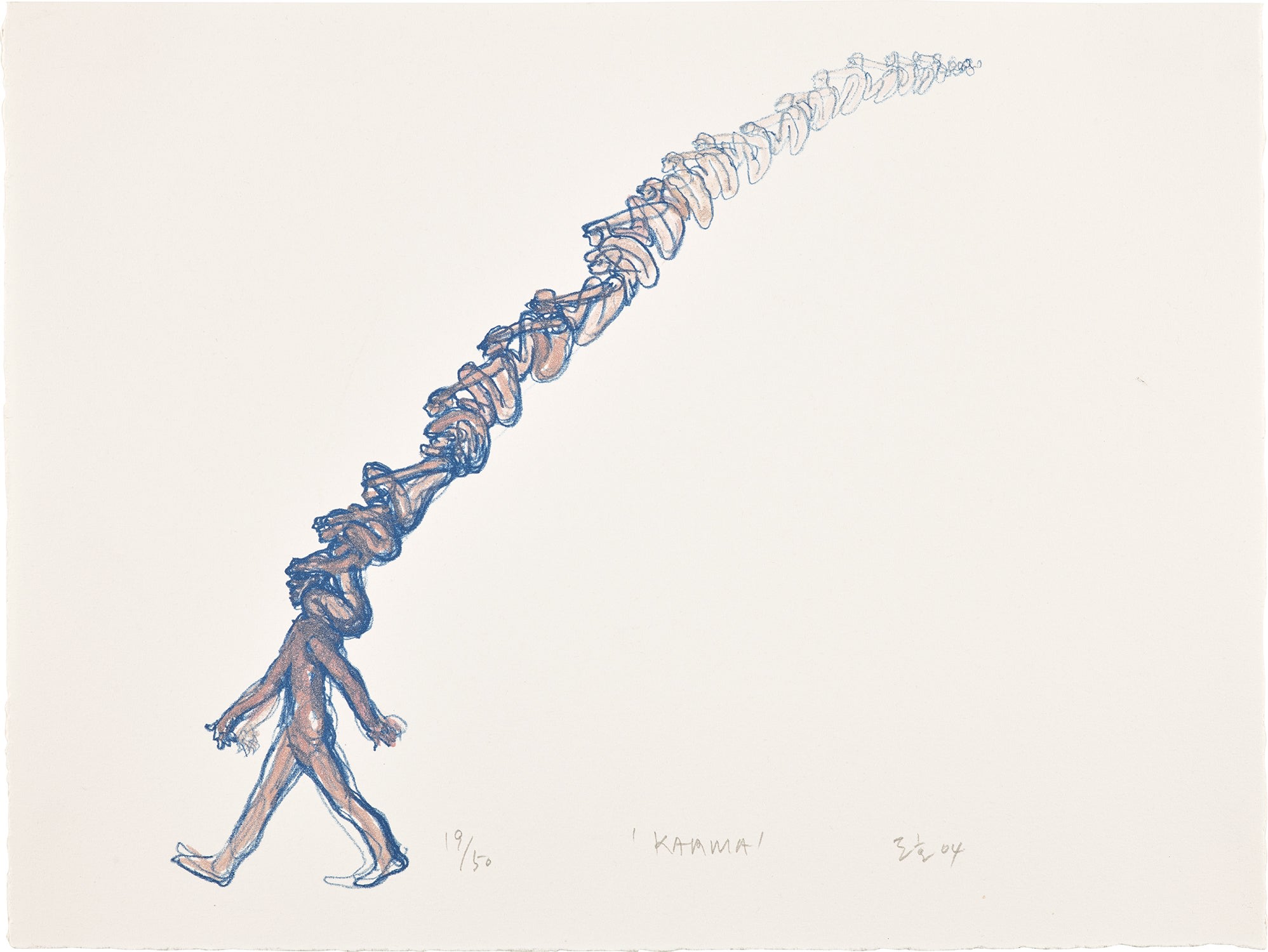
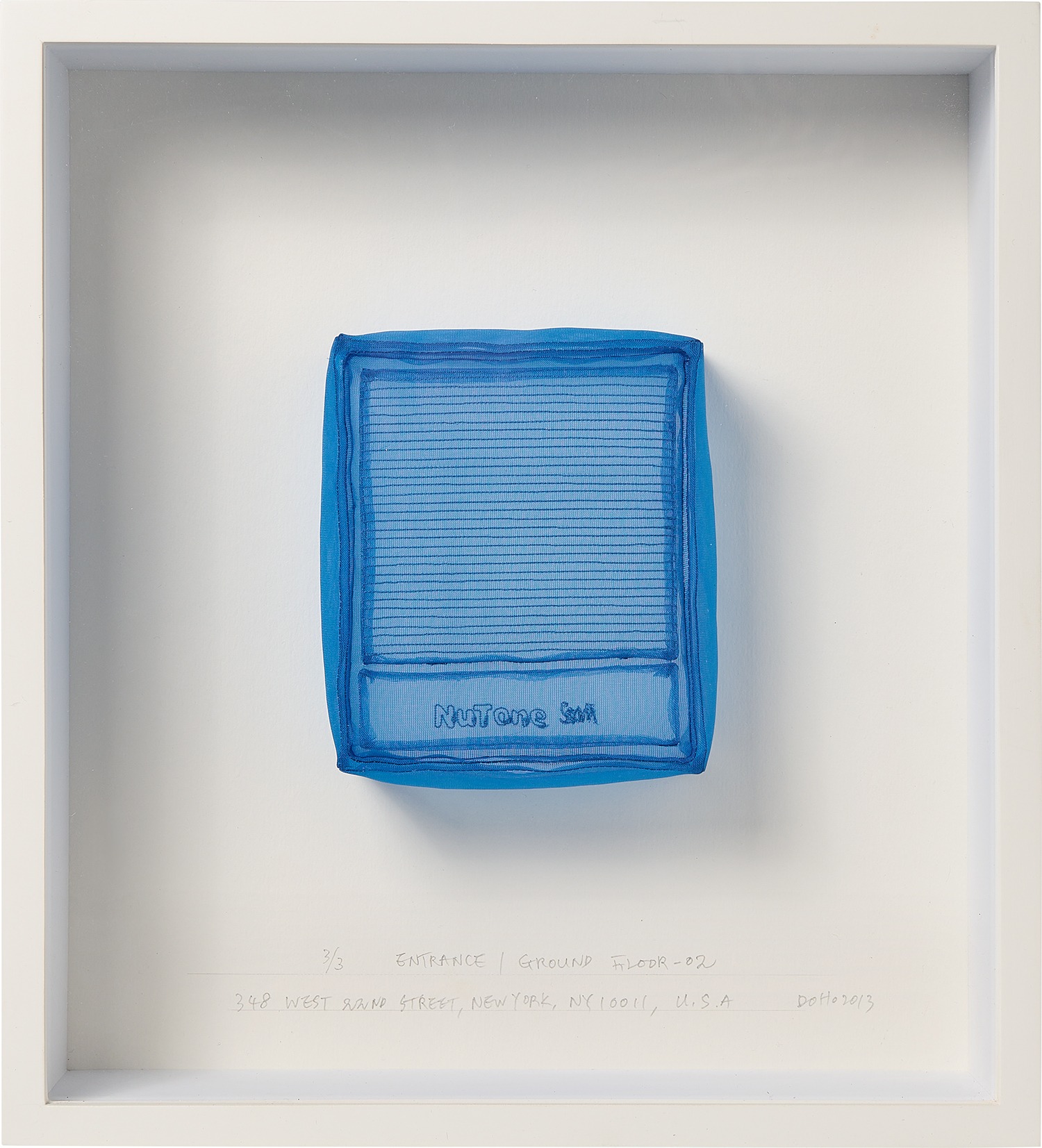
In the spring of 2023, the Smithsonian American Art Museum unveiled a significant presentation of Do Ho Suh's architectural fabric works, drawing visitors into shimmering corridors of translucent polyester that seemed to breathe with accumulated human presence. The installation invited viewers to walk through what felt simultaneously like a ghost and a living thing, a home remembered so precisely that its absence became tangible. That tension, between presence and disappearance, between the particular and the universal, is precisely where Suh has built one of the most emotionally resonant bodies of work in contemporary art. Decades into a practice that continues to deepen and surprise, he remains one of the most quietly essential artists of his generation. Do Ho Suh was born in Seoul in 1962, growing up in a city defined by rapid transformation and a layered relationship to tradition. His father, the celebrated Korean ink painter Suh Se ok, gave him an early and intimate understanding of art as a daily discipline rather than a distant pursuit. The family home in Seoul, a traditional hanok house within a modernist compound, would later become the subject of some of Suh's most celebrated works. When he left Korea to study at the Rhode Island School of Design in the early 1990s and then pursued graduate studies at Yale University, the experience of displacement sharpened his attention to the architecture of daily life in ways that would prove formative and lasting. The move from Seoul to Providence to New York forced a reckoning with what a home actually is, not just structurally but psychically. Suh has spoken about the disorienting experience of carrying a sense of place within yourself while the physical spaces you inhabited kept changing. Rather than treating this as purely a personal wound, he transformed it into a methodology. He began reconstructing the interiors of his former homes entirely in fabric, working with teams of skilled seamstresses to render every light switch, every doorknob, every corridor in translucent silk or polyester. The results are breathtaking in their specificity and their strangeness, spaces you recognize as domestic yet experience as something closer to a vision or a memory made walkable. His practice developed through the late 1990s and into the 2000s with remarkable consistency and ambition. The series of fabric architecture works grew to encompass multiple residences, each one overlapping and connecting with the others through corridor pieces that Suh calls "Transitions," segments that join one home to another across impossible geographies. A hallway in Seoul connects to a stairwell in New York. Time folds. The works ask what it means to carry the imprint of places you have left, and what of yourself you necessarily leave behind in them. This is conceptually rich territory, and Suh navigates it without sentimentality, grounding every philosophical inquiry in the physical exactitude of hand sewn detail. Among the works available through The Collection, the 2013 polyester fabric and stainless steel piece "Entrance/Ground Floor 02, 348 West 22nd Street, New York, NY10011, U. S.A" stands as a definitive example of Suh's architectural ambitions at their most transportive. The work reconstructs the entry point of his Chelsea apartment with characteristic translucency, the steel armature holding the fabric form in space so that light passes through every surface. The address embedded in the title is itself a gesture of precision and tenderness, insisting on the specificity of lived experience against the anonymity of urban life. The 2025 work "my journey," executed in thread embedded in cotton paper, represents a newer direction that carries the same emotional intelligence into a more intimate, works on paper register. His prints, including "Karma" and "My Country," demonstrate that Suh's thematic concerns translate with full conviction across media, the lithographs layered in color and hand touching that give each one a singular character within the edition. For collectors, Suh's work occupies a particularly compelling position. His major fabric installations are held by institutions including the Museum of Modern Art in New York, Tate in London, and the Guggenheim, which speaks to the consensus among curators that his contribution is genuinely historic. Works on paper and editions offer serious collectors a meaningful point of entry into a practice that can be experienced in full scale only in major institutional contexts. The prints carry the conceptual weight of his larger concerns while functioning beautifully as objects in domestic settings, which feels entirely appropriate given that the home is his central subject. Auction interest in Suh's work has grown steadily as his institutional profile has expanded, with collectors drawn to the combination of intellectual rigor, emotional accessibility, and extraordinary visual delicacy that defines everything he makes. Suh belongs to a generation of artists who came of age during a period of intense globalization and who made that condition the very subject of their art. He is often discussed alongside artists such as Cai Guo Qiang and Mona Hatoum, peers who likewise use personal experience of cultural dislocation as a lens through which to examine broader questions of identity, belonging, and the politics of place. Like Hatoum, Suh finds profound strangeness in the familiar objects of domestic life. Like Cai, he works across scales and media with an ambition that never loses sight of individual human experience. His closest formal ancestor may be the architectural interventions of Gordon Matta Clark, though where Matta Clark cut and subtracted, Suh sews and reconstructs, an act of repair rather than disruption. What makes Do Ho Suh's legacy feel so secure and so generative is that his work grows more relevant with each passing year. In a world where displacement, migration, and the search for home have become defining experiences for millions of people, his art offers something rare: a formal language equal to the emotional complexity of those experiences. The translucency of his fabric is not a formal flourish but a philosophical statement, a home you can see through is a home you understand as both real and impermanent, both yours and not entirely yours. Collectors who live with his work consistently describe it as a presence in their homes that deepens over time, a fitting outcome for an artist whose entire practice is a meditation on what it means to be truly present somewhere, and what remains when you are gone.