Symbolism
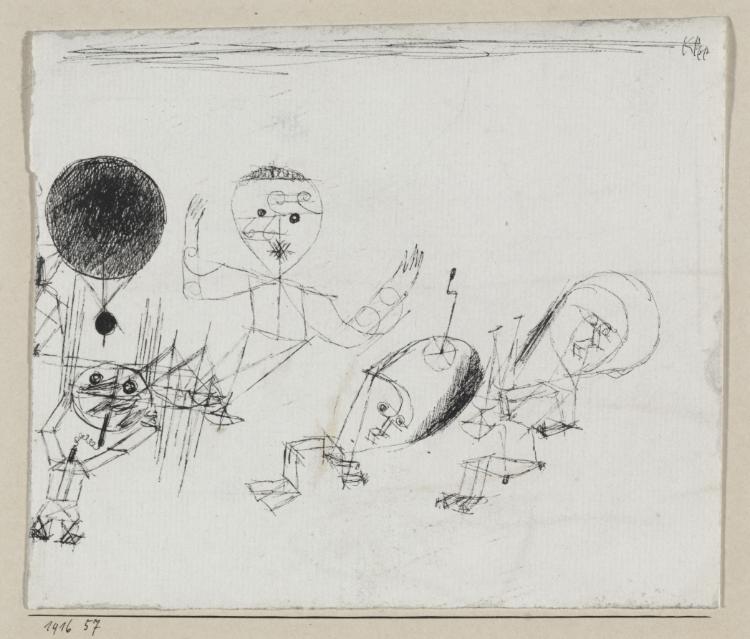
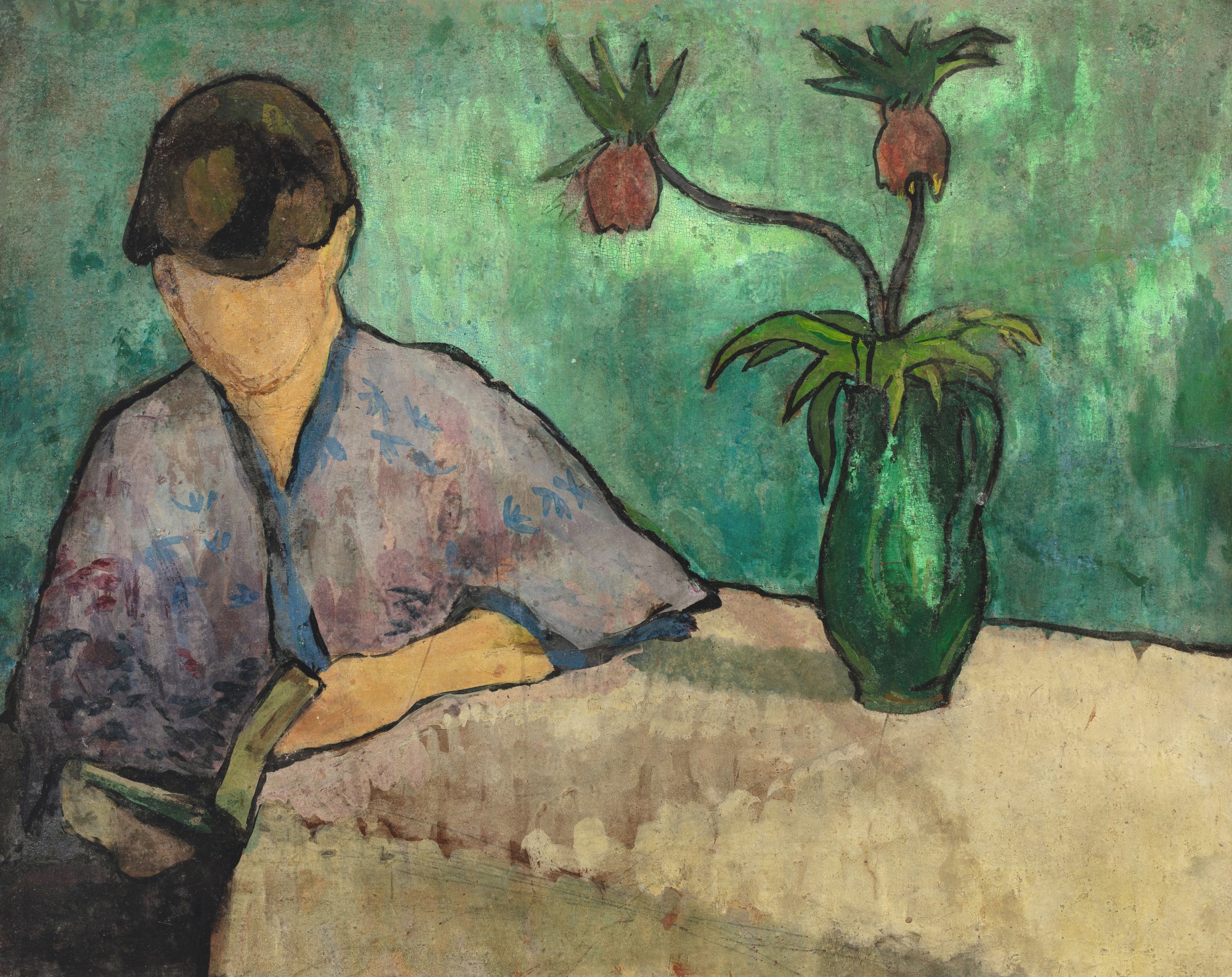
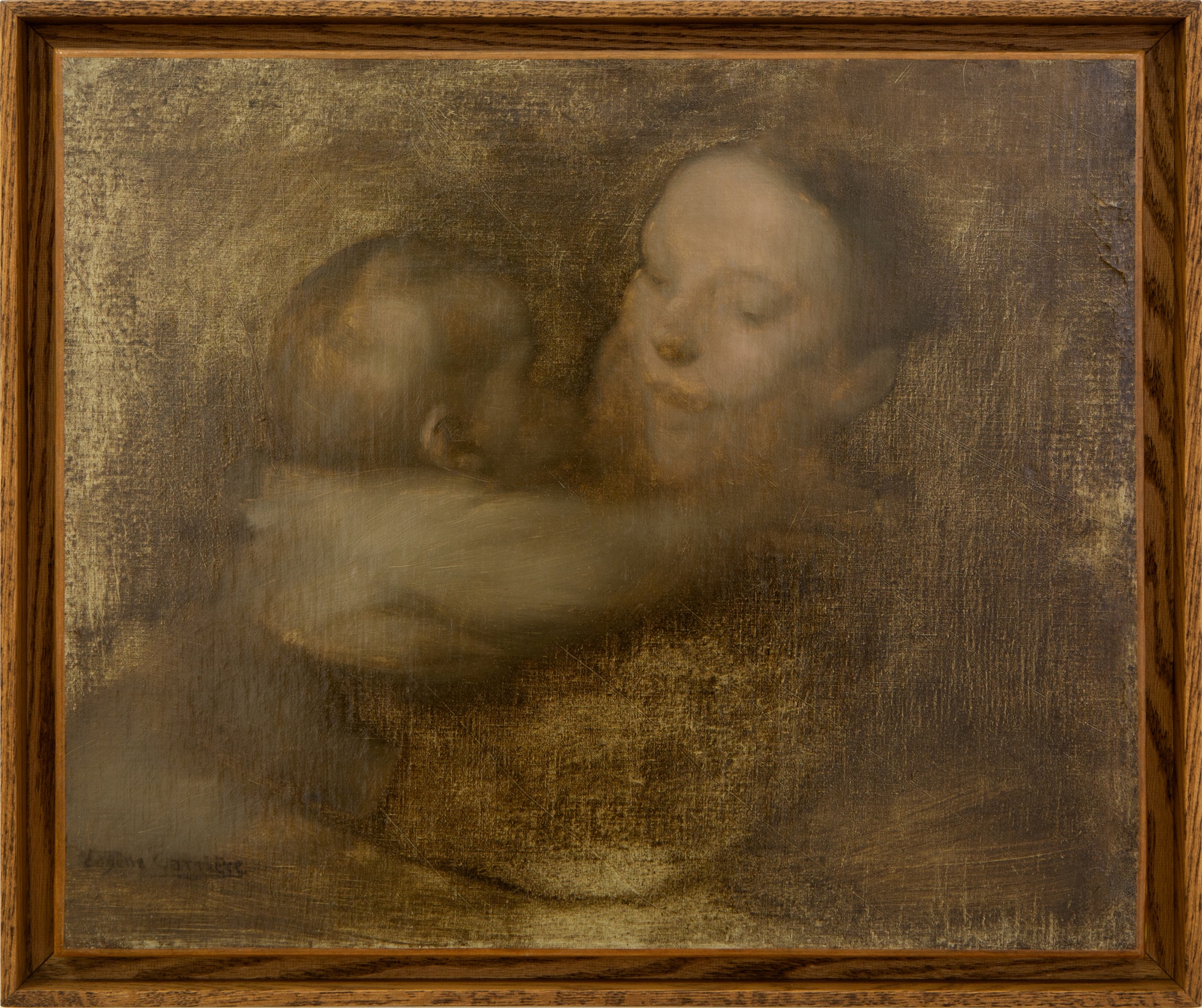
Paul Klee
With the Dot, 1916


The Art That Dared to Dream Otherwise
There is a particular kind of image that lodges itself somewhere between the eye and the unconscious, refusing to resolve into pure meaning. A lotus bloom that becomes a face. A spider threading its web across the ruins of civilization. A woman whose hair dissolves into the sea.
These are the signatures of Symbolism, a movement that emerged in the final decades of the nineteenth century and permanently altered what art was permitted to ask of its audience. It did not describe the visible world. It summoned the invisible one. The roots of Symbolism reach back to a broader cultural exhaustion with the literalism of both academic painting and the Realist tradition that had dominated European art since the 1850s.
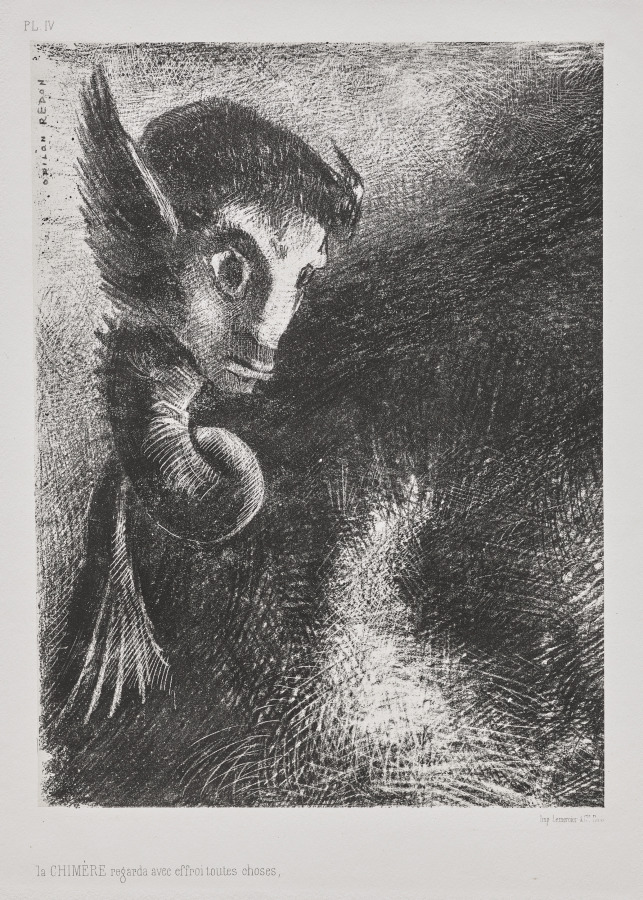
Odilon Redon
The Chimera Gazed at All Things with Fear, 1886
By the time the French poet Jean Moréas published his Symbolist Manifesto in Le Figaro in 1886, there was already a generation of artists who had been groping toward the same conclusions independently. The idea, stated plainly, was that art should not depict but evoke, that the surface of a painting was merely a doorway into something larger, stranger, and more emotionally true. The influence of Wagner's concept of the Gesamtkunstwerk, the total work of art that fused music, image, and emotion into a unified experience, loomed large over this thinking. No artist embodied the Symbolist vision more completely than Odilon Redon, whose work represents one of the deepest holdings on The Collection.
Redon spent the first half of his career working almost exclusively in charcoal and lithography, producing a series of albums known as the Noirs that circulated through Parisian literary circles and transfixed figures like Joris Karl Huysmans, whose 1884 novel À rebours effectively canonized Redon as the artist of interior, forbidden sensation. There is a cyclops who cradles a sleeping woman with an expression of unbearable tenderness. There are eyes that float like balloons through desolate skies. Redon called his method the logic of the visible at the service of the invisible, and it remains one of the most precise descriptions of what Symbolism actually does.
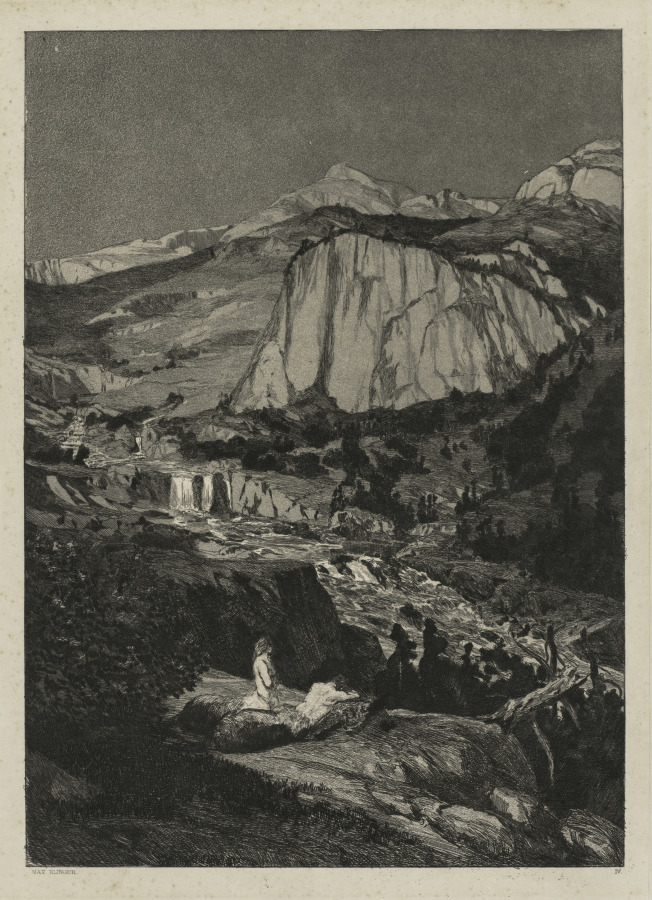
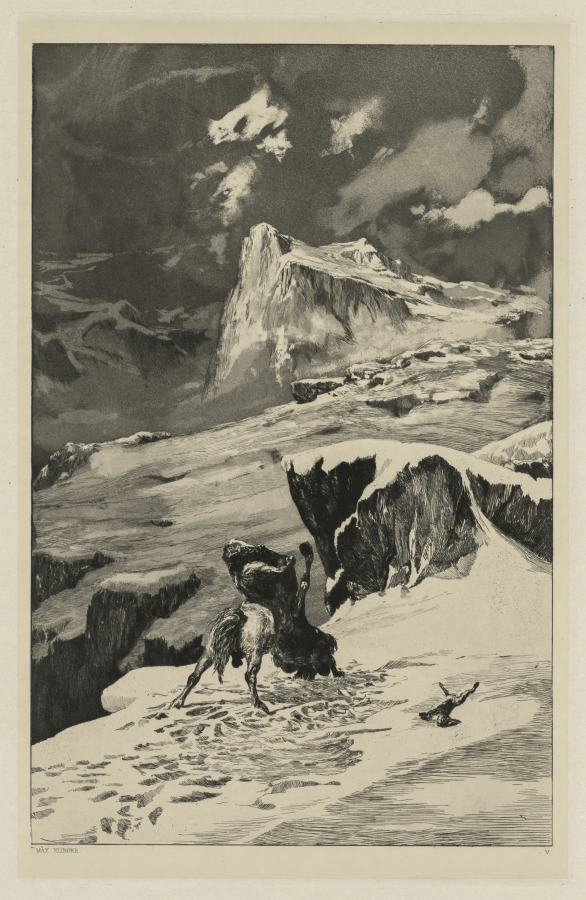
Max Klinger
Intermezzo: Moonlit Night (Opus IV, 5), 1881
Max Klinger, whose substantial presence on The Collection rewards careful study, brought a different but equally unsettling sensibility to the movement. Working in Germany and trained in the academic tradition, Klinger used the technically demanding medium of etching to construct narrative sequences of dreamlike psychological intensity. His series A Glove, completed in 1881, follows a lost glove through a series of increasingly surreal encounters, treating a mundane object as the carrier of erotic anxiety and existential dread. Klinger also worked in sculpture and painting, and his combined media work Beethoven, unveiled at the Vienna Secession in 1902, became one of the defining cultural events of the era, demonstrating Symbolism's ambition to operate at the scale of myth.
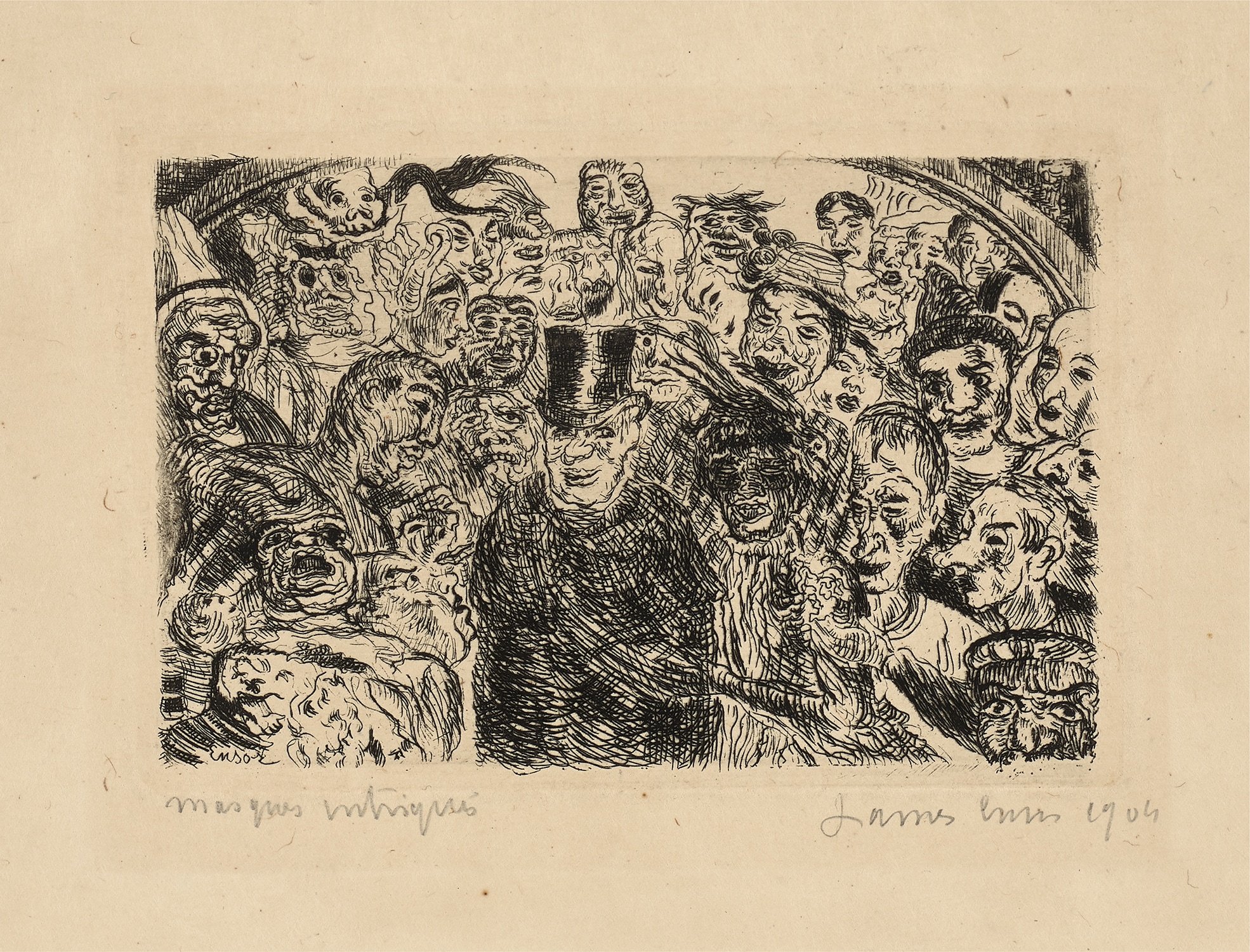
The movement was never confined to a single country or medium, and its geography is part of what makes it so rich to trace. In Belgium, James Ensor was developing a carnivalesque version of Symbolism that drew on folk traditions and mordant social satire, filling his canvases with masks, skeletons, and crowds of grotesque figures. Félicien Rops, also Belgian, pushed the movement into territories of explicit eroticism and anticlerical provocation that still feel charged today. In Finland, Ellen Thesleff was painting luminous, almost dissolving figures that drew on both Symbolist mood and an emerging sense of Nordic national identity.
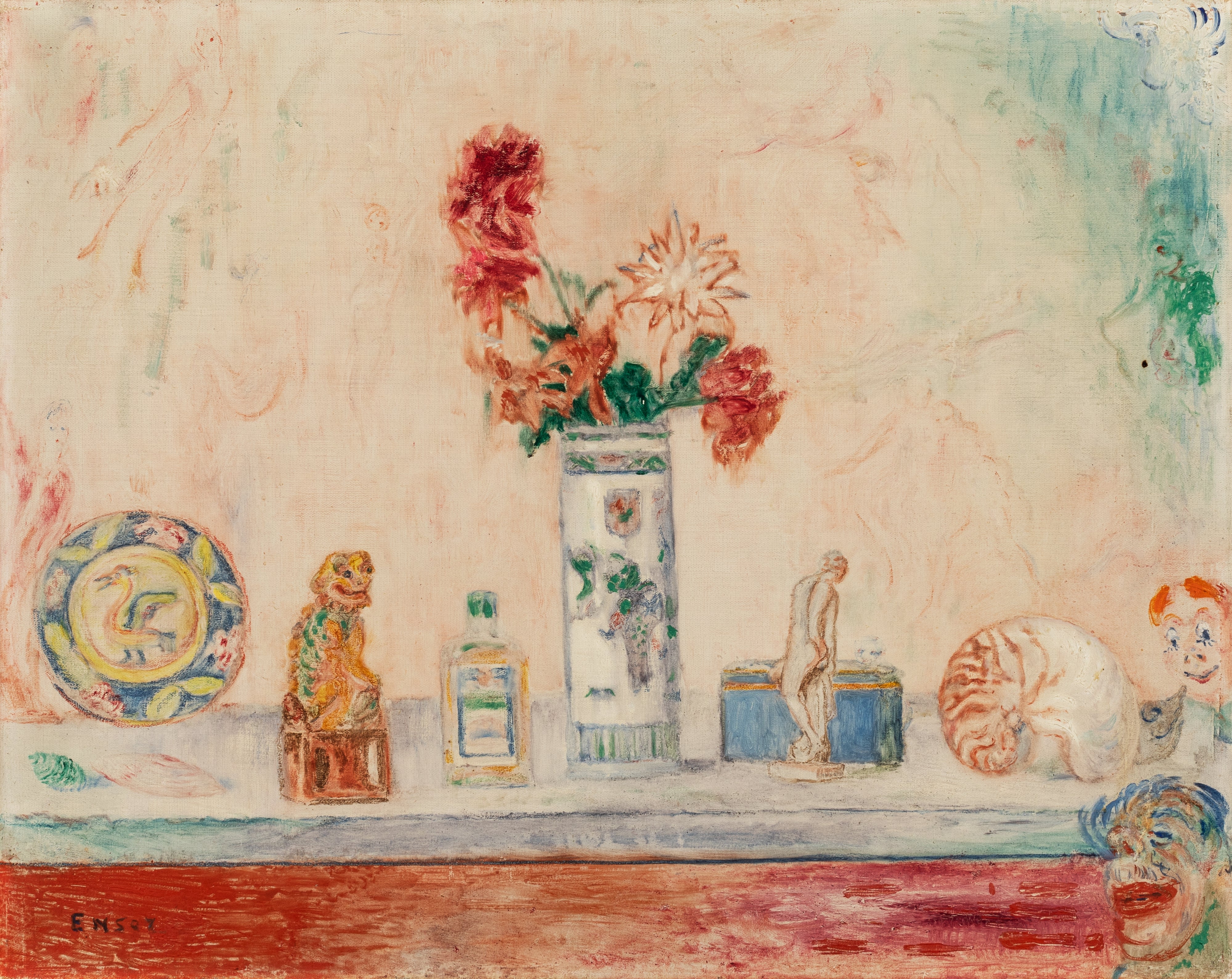
James Ensor
Fleurs fines, formes légères, 1925
In the Netherlands, Jan Toorop was fusing Symbolist imagery with Javanese decorative traditions absorbed during his childhood in the Dutch East Indies, producing work of extraordinary linear complexity. The Symbolist relationship with printmaking deserves particular attention, since it was through graphics that many of these ideas traveled most widely. Henri Rivière, well represented on The Collection, was among the most sophisticated printmakers of the period, and his work demonstrates how the influence of Japanese woodblock printing intersected with Symbolist ambition to produce something genuinely new. Auguste Louis Lepère and Henri Fantin Latour both worked extensively in lithography, a medium whose soft, atmospheric effects were uniquely suited to the Symbolist preference for suggestion over statement.
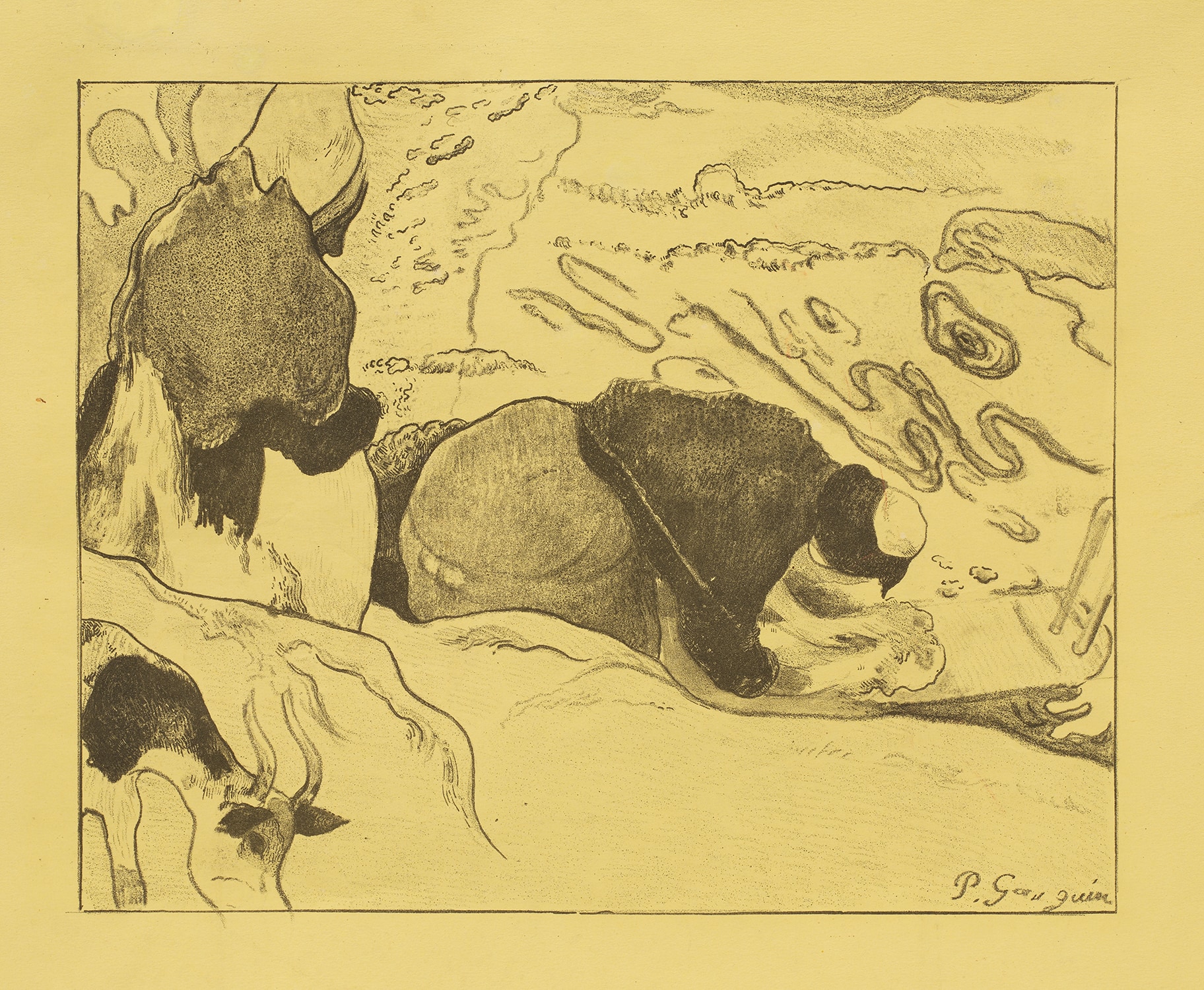
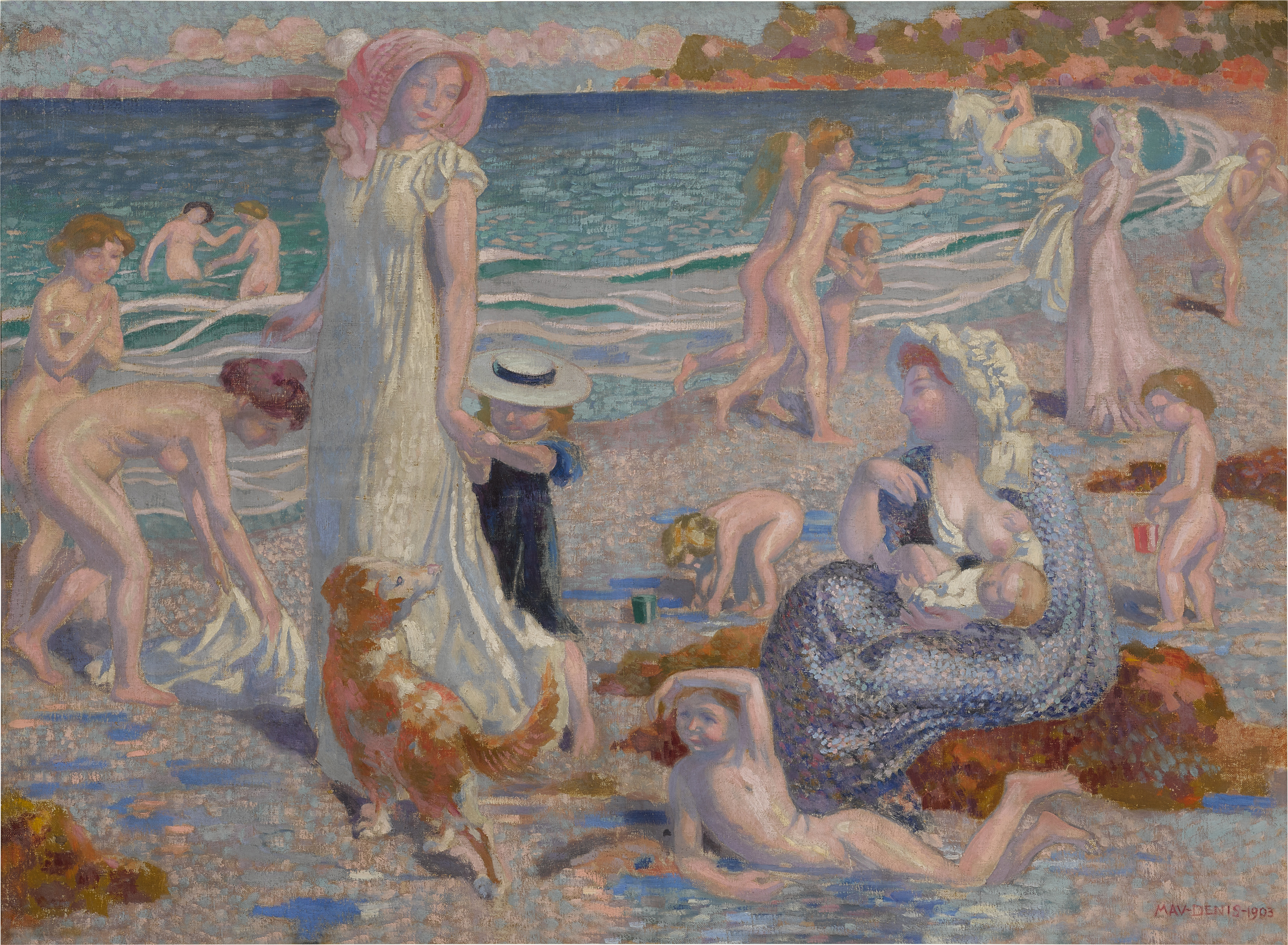
Fantin Latour's lithographic work in particular, with its ghostly, half materialized figures drawn from Berlioz and Schumann, captures something the oil paintings of the period often could not: the sensation of music made visible. Paul Gauguin and Émile Bernard arrived at Symbolism through a different route, via their shared experiments at Pont Aven in the late 1880s and the development of what they called Synthetism, a style that used bold outlines and flat areas of color to convey emotional rather than optical truth. Maurice Denis, the youngest of the Nabis group that grew from this milieu, would later write the famous line that a painting, before it is a warhorse or a naked woman or an anecdote of any kind, is essentially a flat surface covered in colors assembled in a certain order. That sentence, from 1890, did as much as any manifesto to articulate what Symbolism meant for the future of painting.
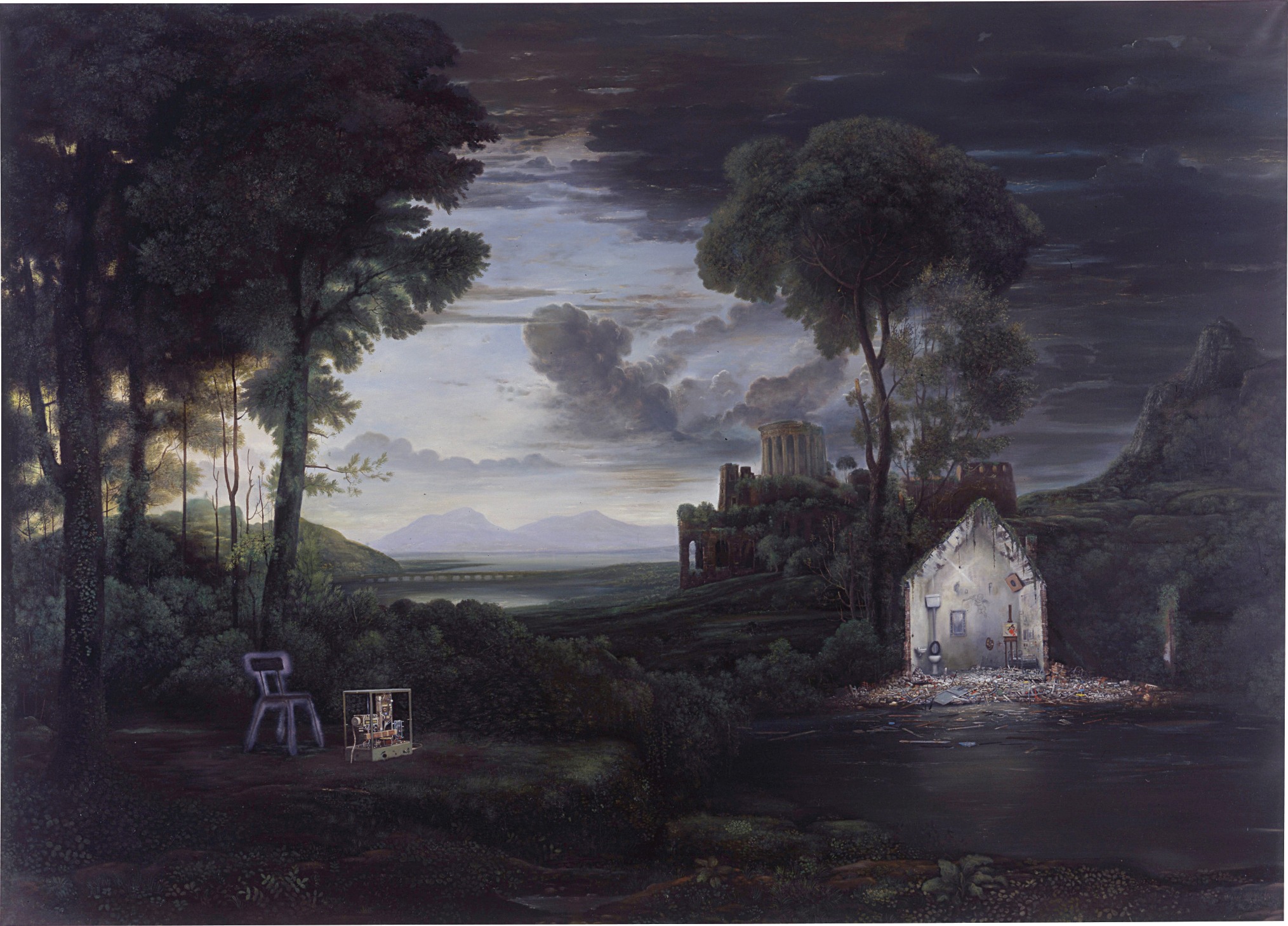
Ged Quinn
The last game in town, 2005
The shadow Symbolism cast over the twentieth century is long and still not fully measured. The Surrealists, who acknowledged their debt openly, inherited the Symbolist grammar of dreams, the unconscious, and the image as psychological event rather than optical record. Gustav Klimt and Edvard Munch, both represented on The Collection, carried Symbolist concerns into the anxious territory of early modernism. Munch's work in particular, saturated with dread, desire, and existential isolation, reads as Symbolism pushed to the edge of breakdown.
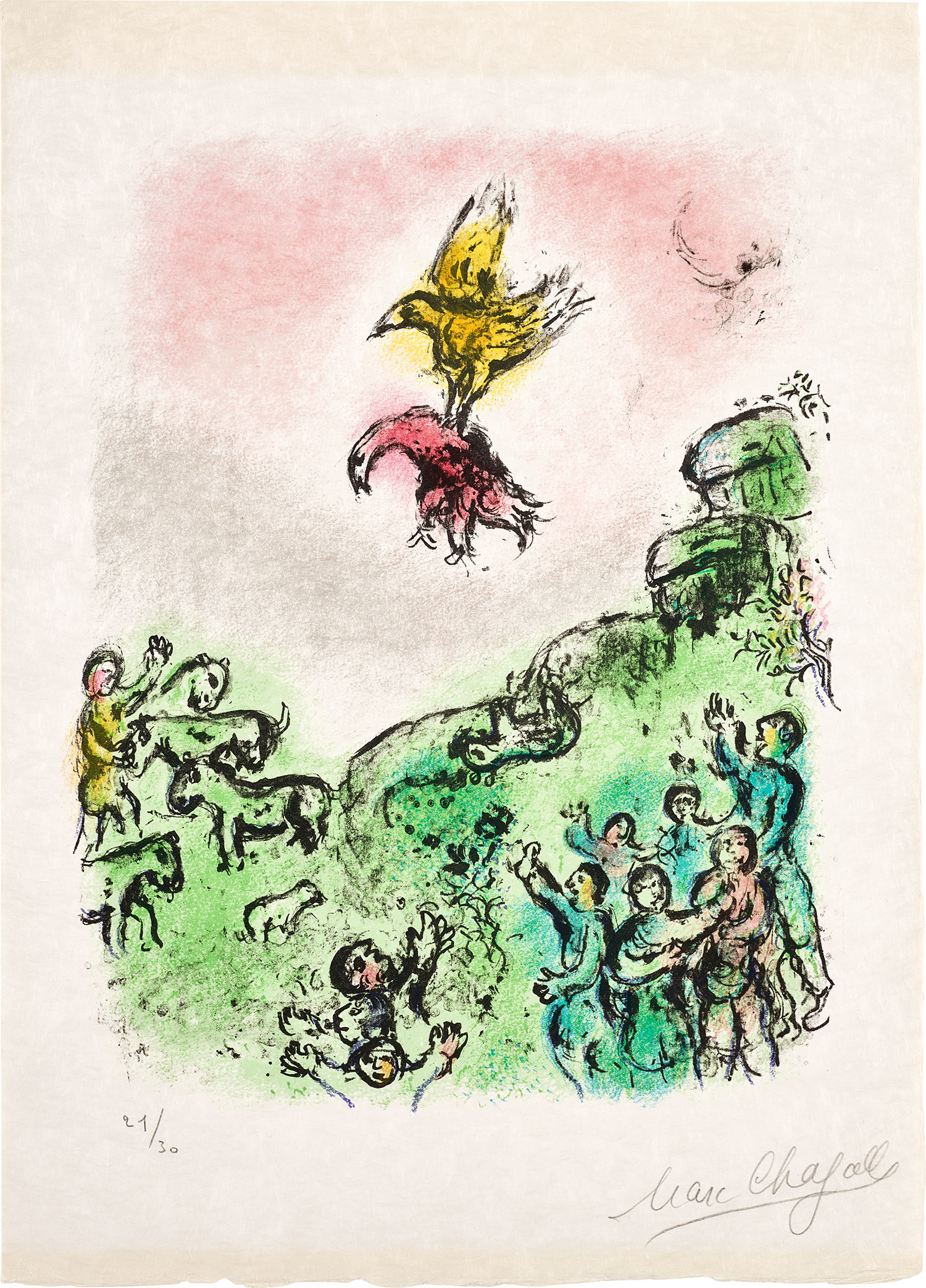
Later, artists as seemingly remote from the nineteenth century as René Magritte and Marc Chagall were doing nothing less than continuing the Symbolist project under different names. What keeps this work vital for collectors today is precisely the quality that made it controversial when it first appeared: its refusal to be merely decorative or merely descriptive. A Redon pastel, a Klinger etching, a Toorop drawing asks you to bring something of yourself to the encounter. The image is never complete until the viewer arrives.
That is not a small demand, and it is not a small gift.