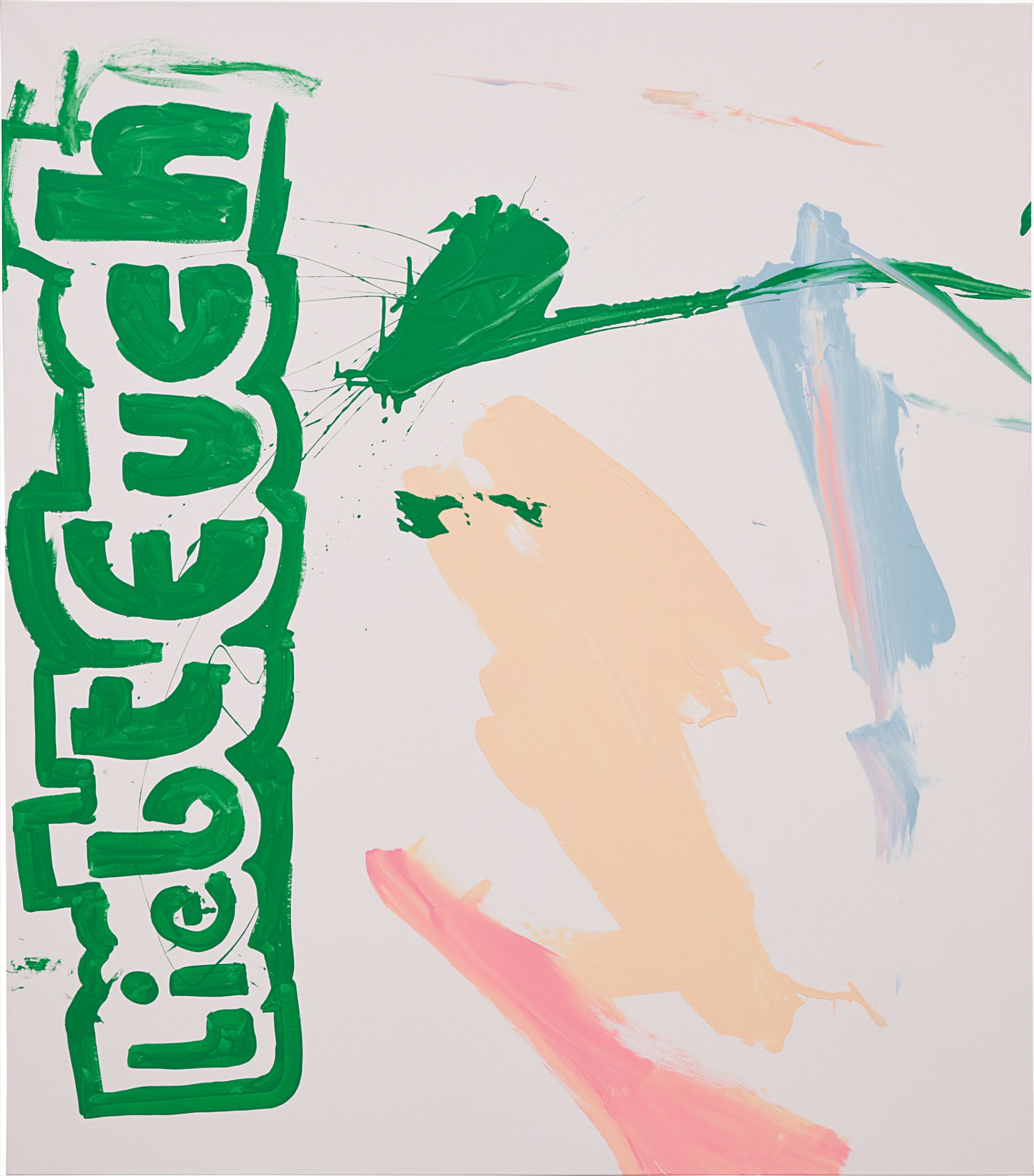
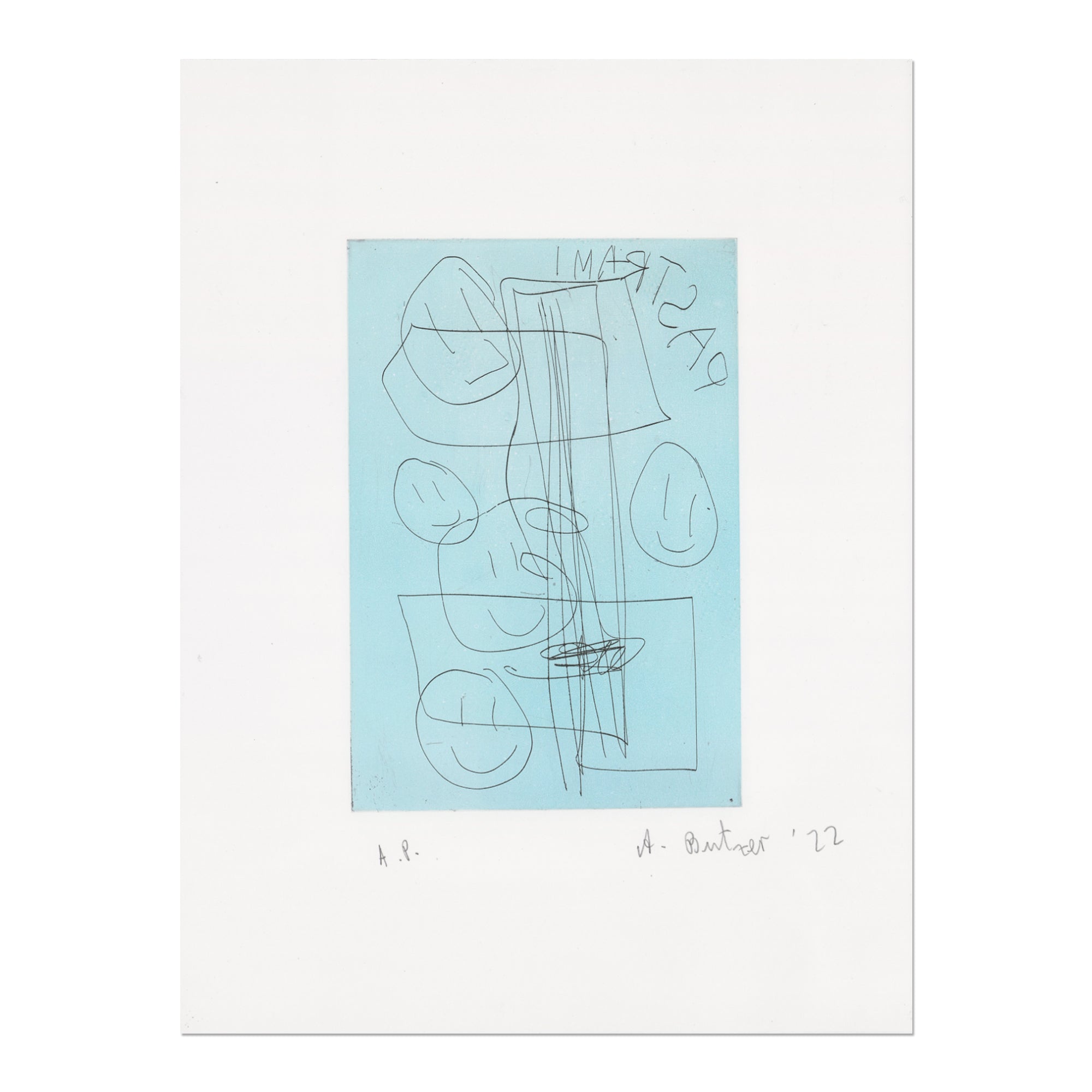
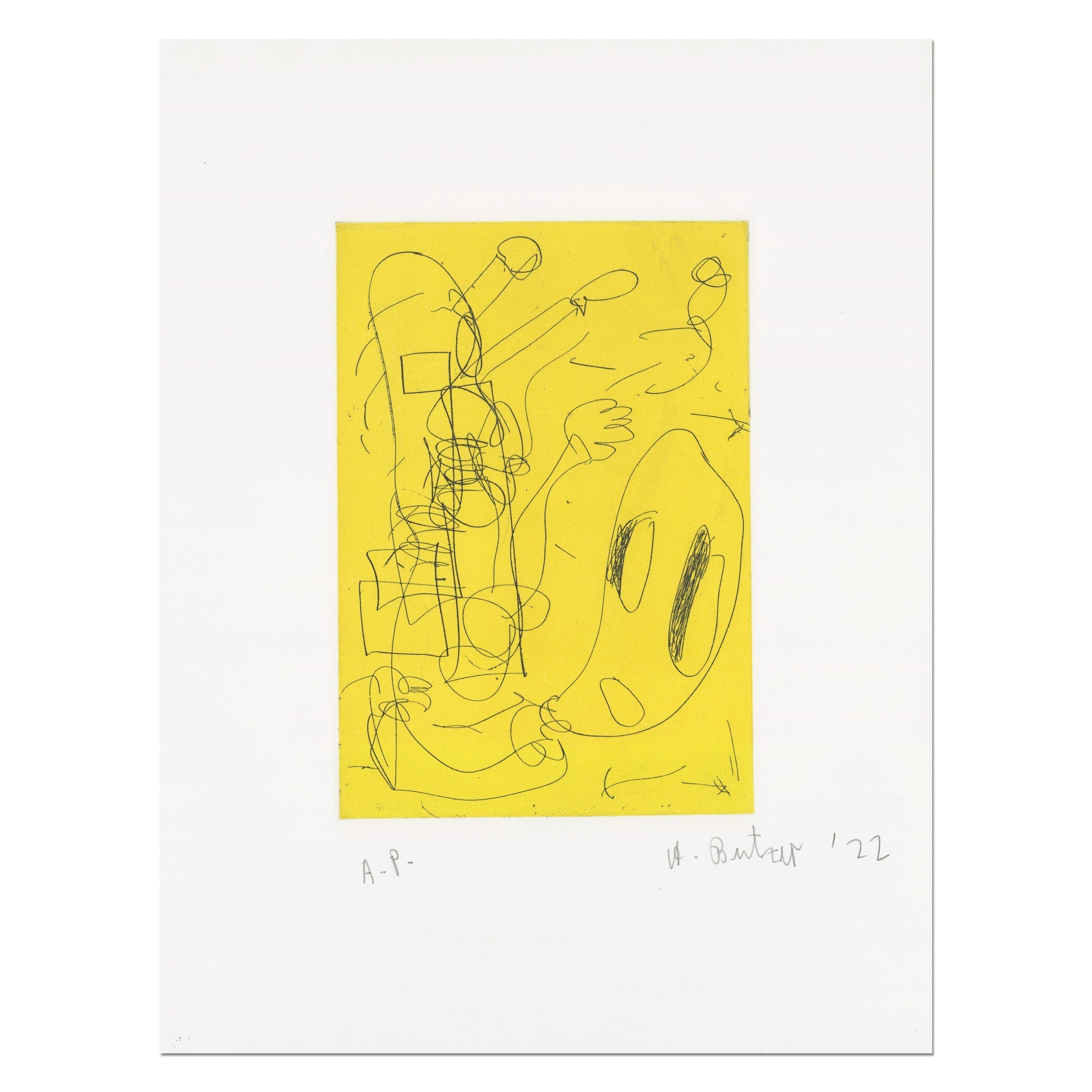
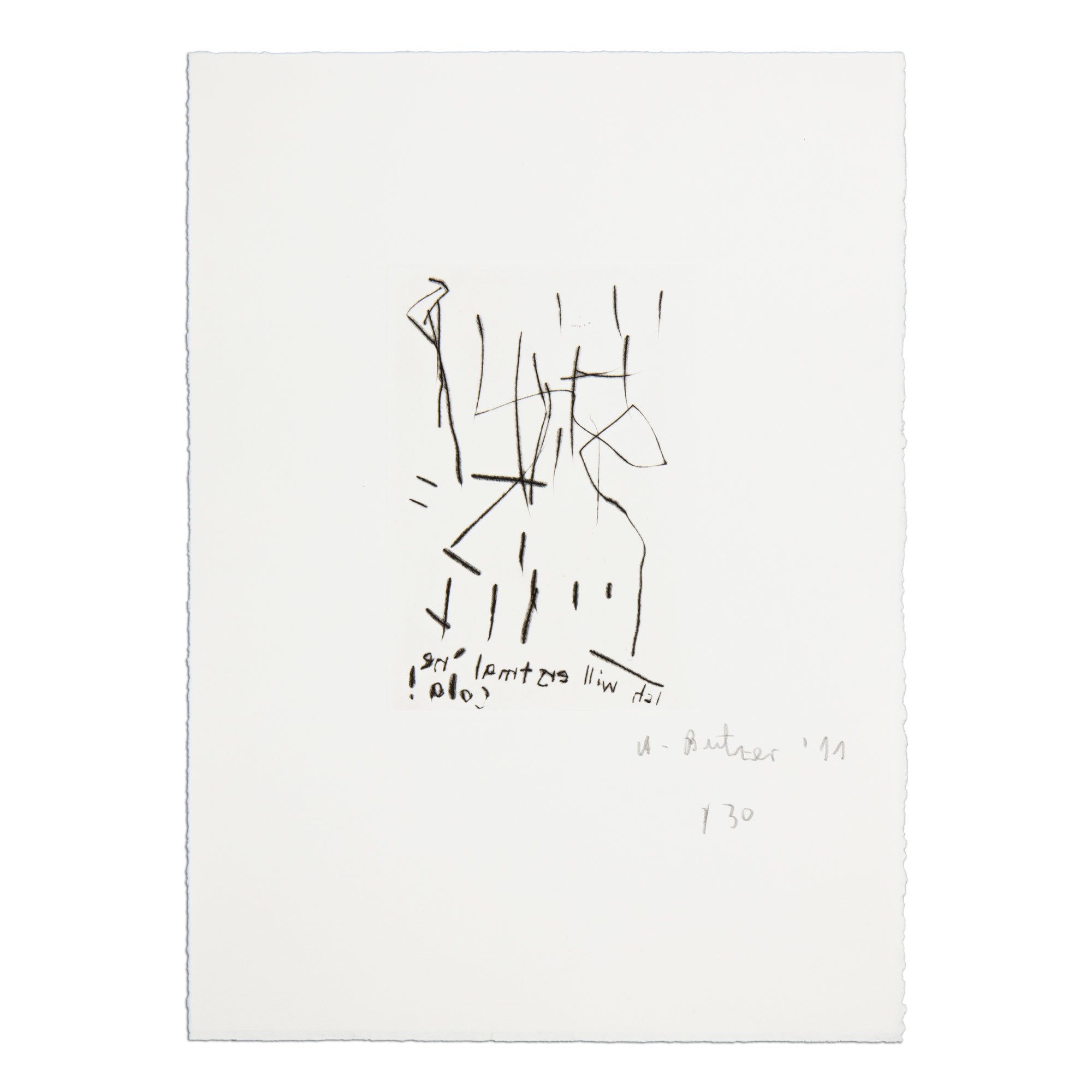
Swiss
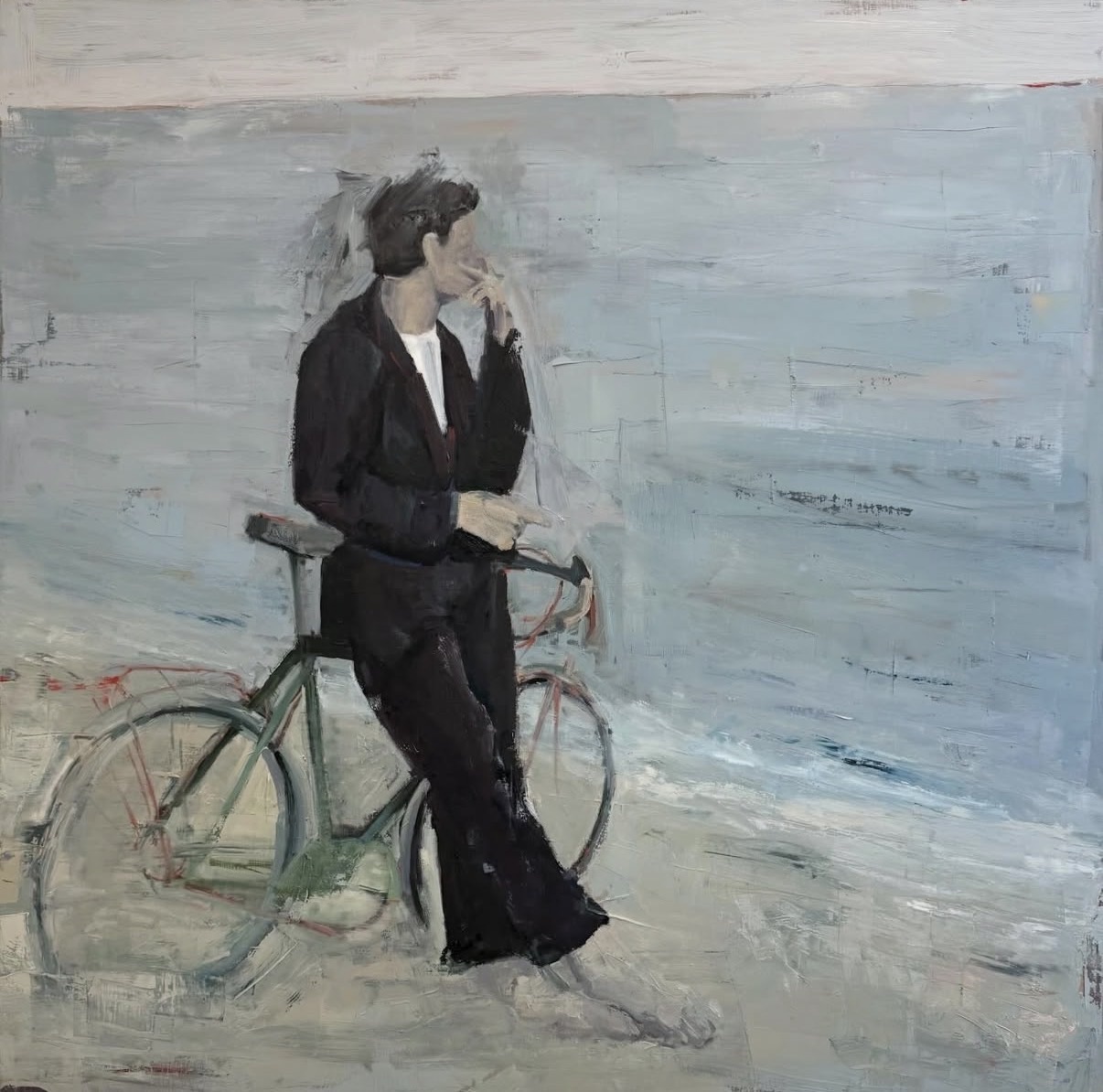
Patrick Vrem
Ride by the Water

Small Country, Seismic Art: The Swiss Moment
When a bronze by Alberto Giacometti sold at Christie's New York for over 100 million dollars, the art world paused to consider something it already knew but rarely said aloud: Switzerland punches at a weight class entirely its own. That 2015 result for L'Homme au doigt placed Giacometti among the most expensive artists ever sold at auction, and it did something else too. It reframed the entire conversation about what it means to be a Swiss artist, a category that the market and the museum world have been reconsidering with real urgency ever since. The Swiss art scene occupies a peculiar and productive tension.
It is simultaneously peripheral and central, intimate in scale and global in ambition. The country has no single dominant art capital, yet Geneva, Zurich, and Basel each function as nodes in an international network that far exceeds their population. Art Basel, now approaching its sixth decade, remains the gravitational center of the contemporary art calendar worldwide. That fair did not emerge from nowhere.
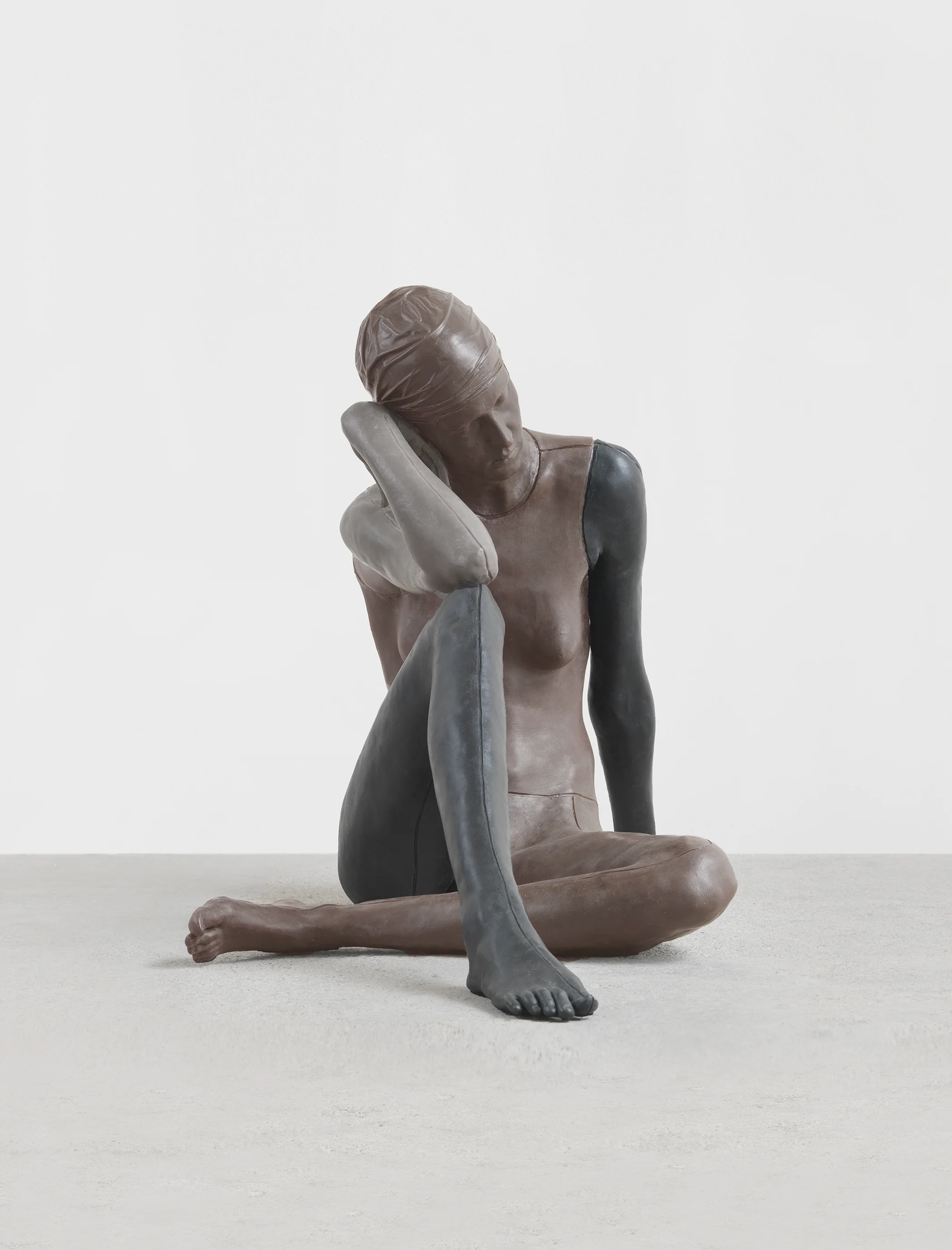
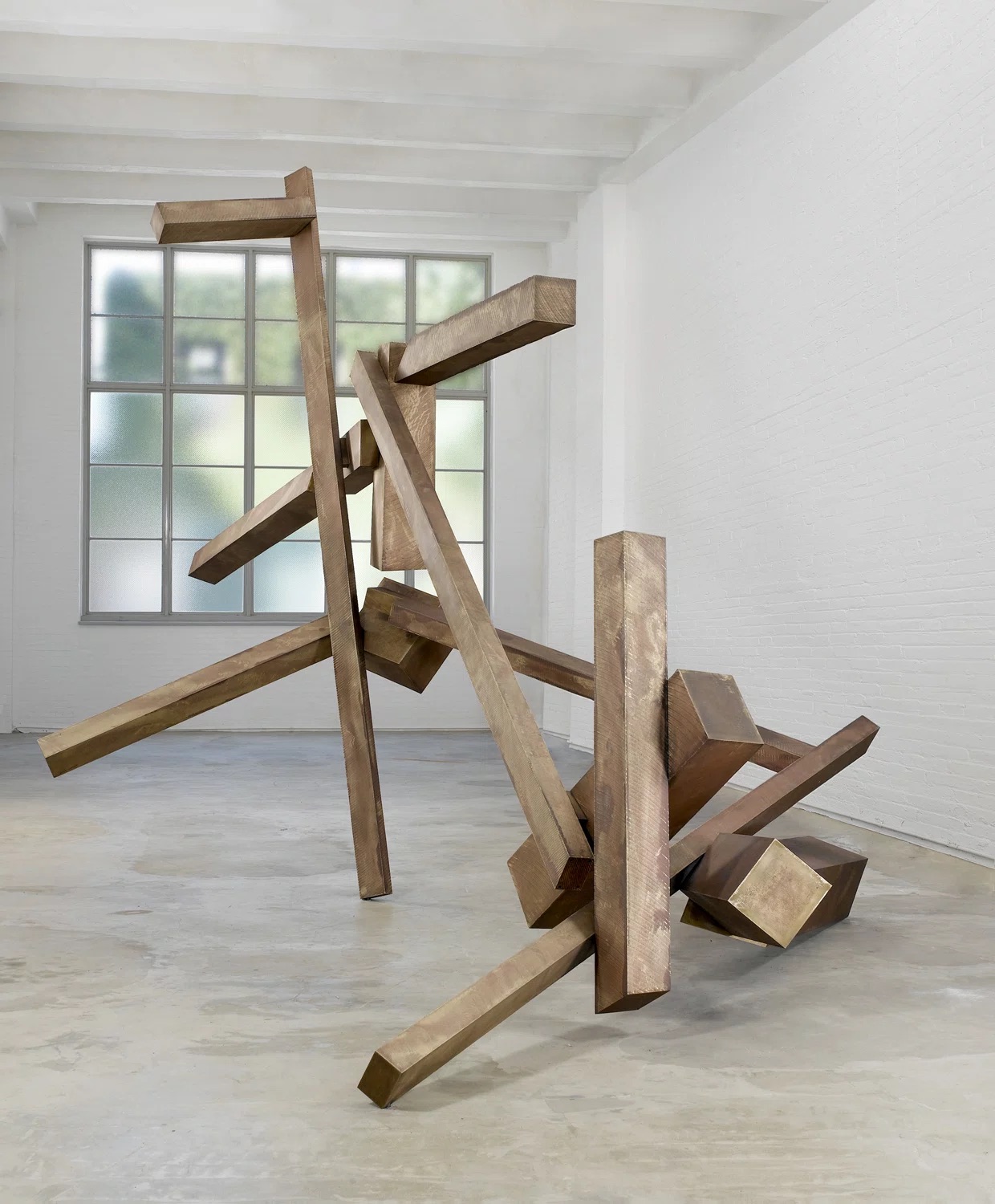
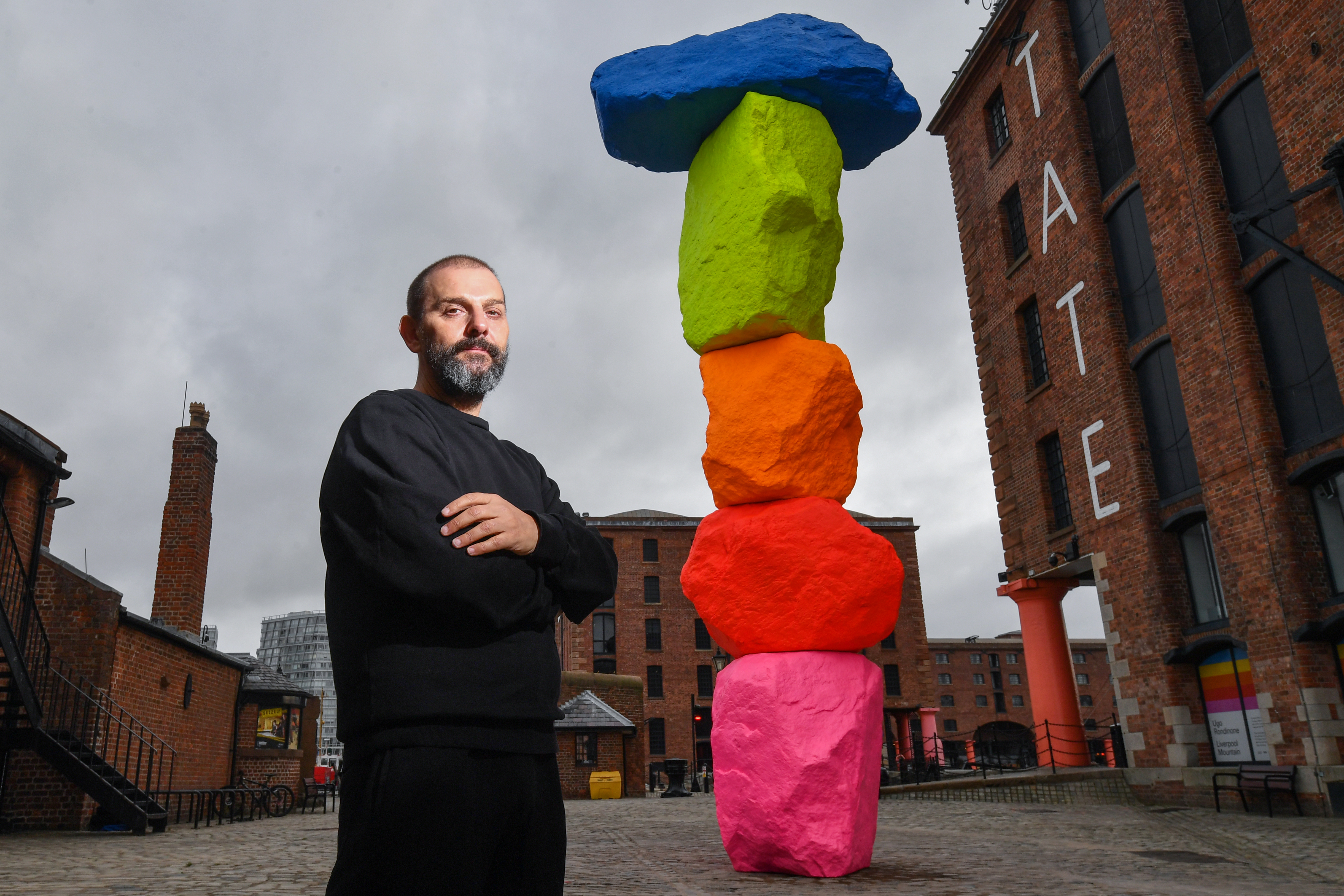
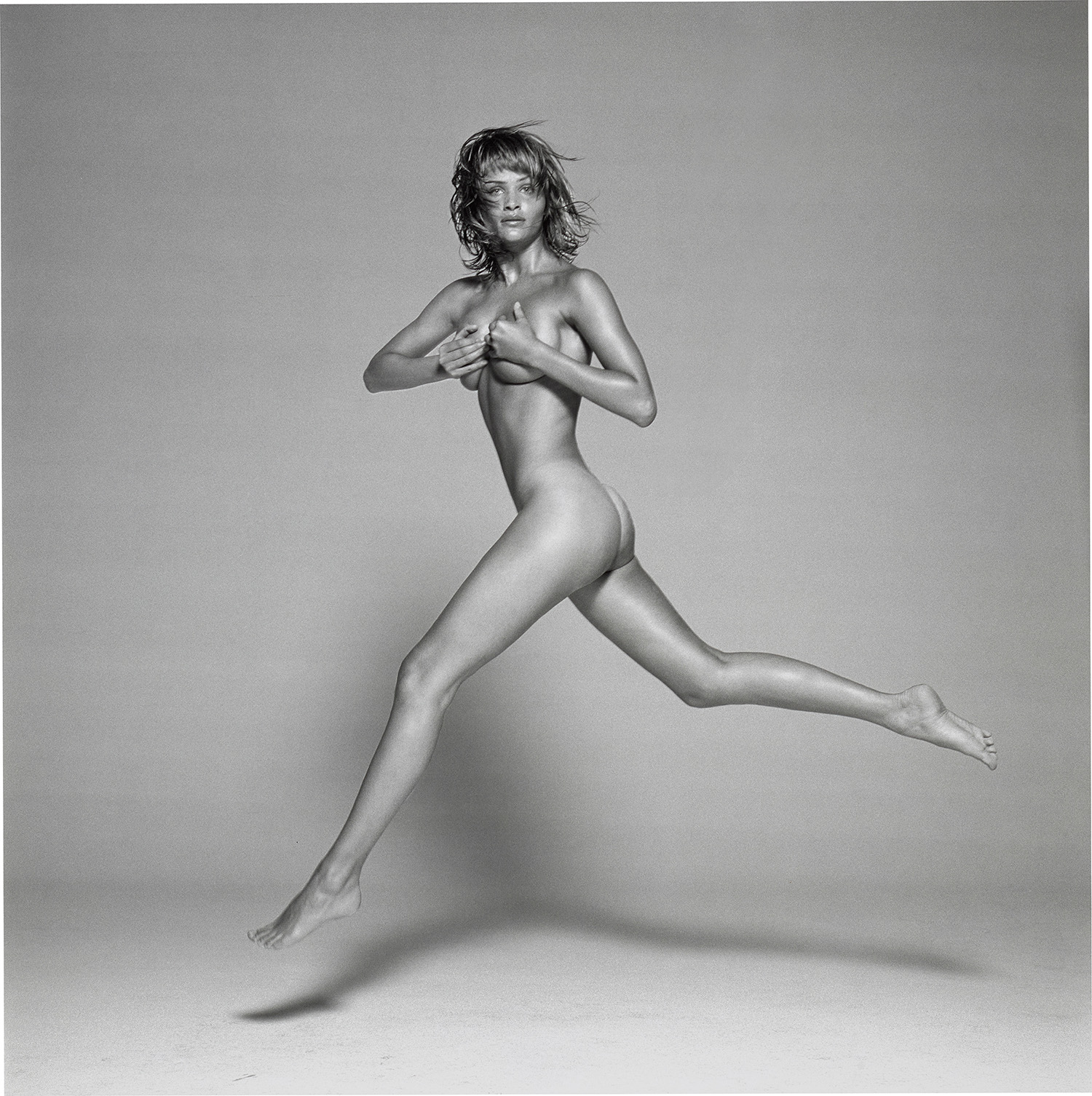
Ugo Rondinone
nude (xxxxxxxxxxxx), 2011
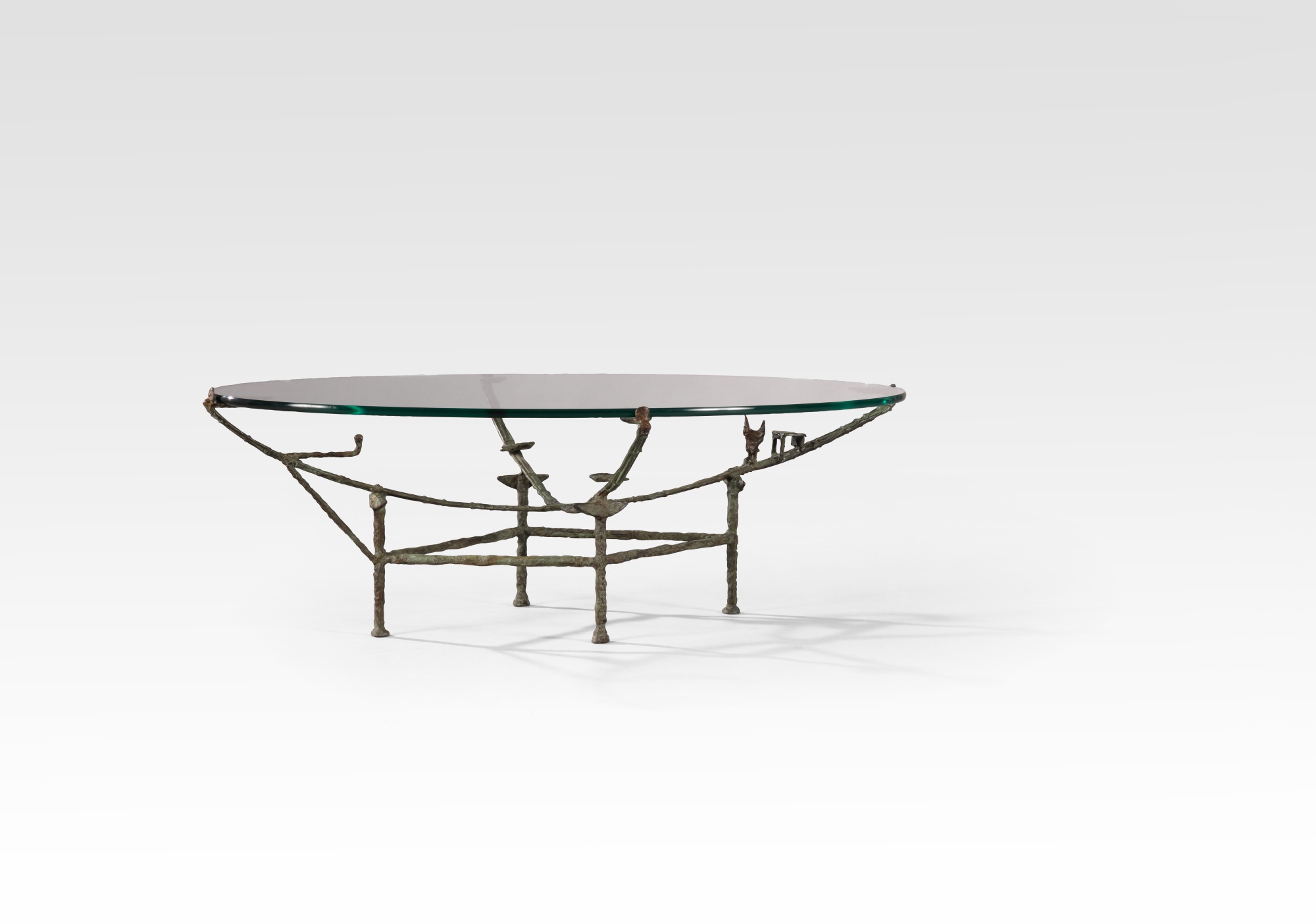
It grew from a culture that treats art as a serious civic matter, where institutions like the Kunsthaus Zurich and the Kunstmuseum Basel hold collections that shame cities ten times their size. The market appetite for Swiss work has never been more diversified, and that is perhaps the most interesting development of the past decade. Giacometti, both Alberto and his furniture designing brother Diego, continue to command extraordinary sums. Diego's patinated bronze furniture and decorative objects have moved steadily upward at auction, attracting collectors who want the textural warmth of his animal forms without the stratospheric entry price of his brother's figures.
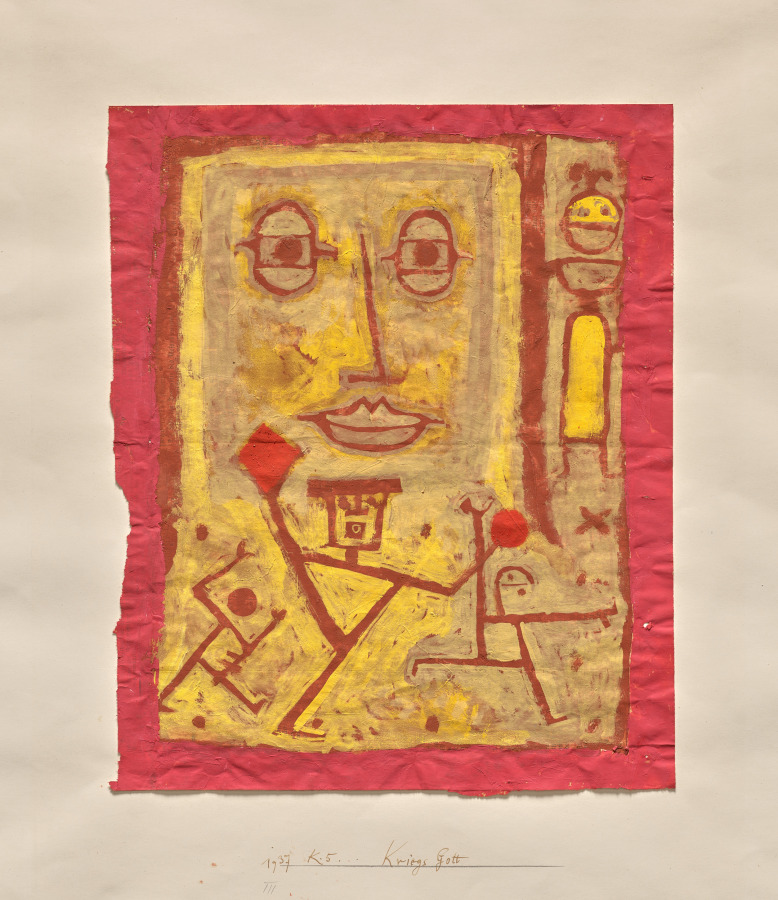
Meanwhile Paul Klee, whose archive is held by the Zentrum Paul Klee in Bern, remains a consistent performer at auction, with works on paper drawing serious competition from European private collections and Asian buyers who have discovered his grid works and color theory paintings with real enthusiasm. The critical conversation around Swiss art has shifted considerably in the past several years. Curators and writers have been working to complicate a narrative that once centered almost exclusively on Giacometti and the postwar existential moment. The 2021 survey of Miriam Cahn at Kunsthalle Basel, and her subsequent inclusion in major international exhibitions, signaled a long overdue reckoning with the radical feminist and political energy running through Swiss practice.
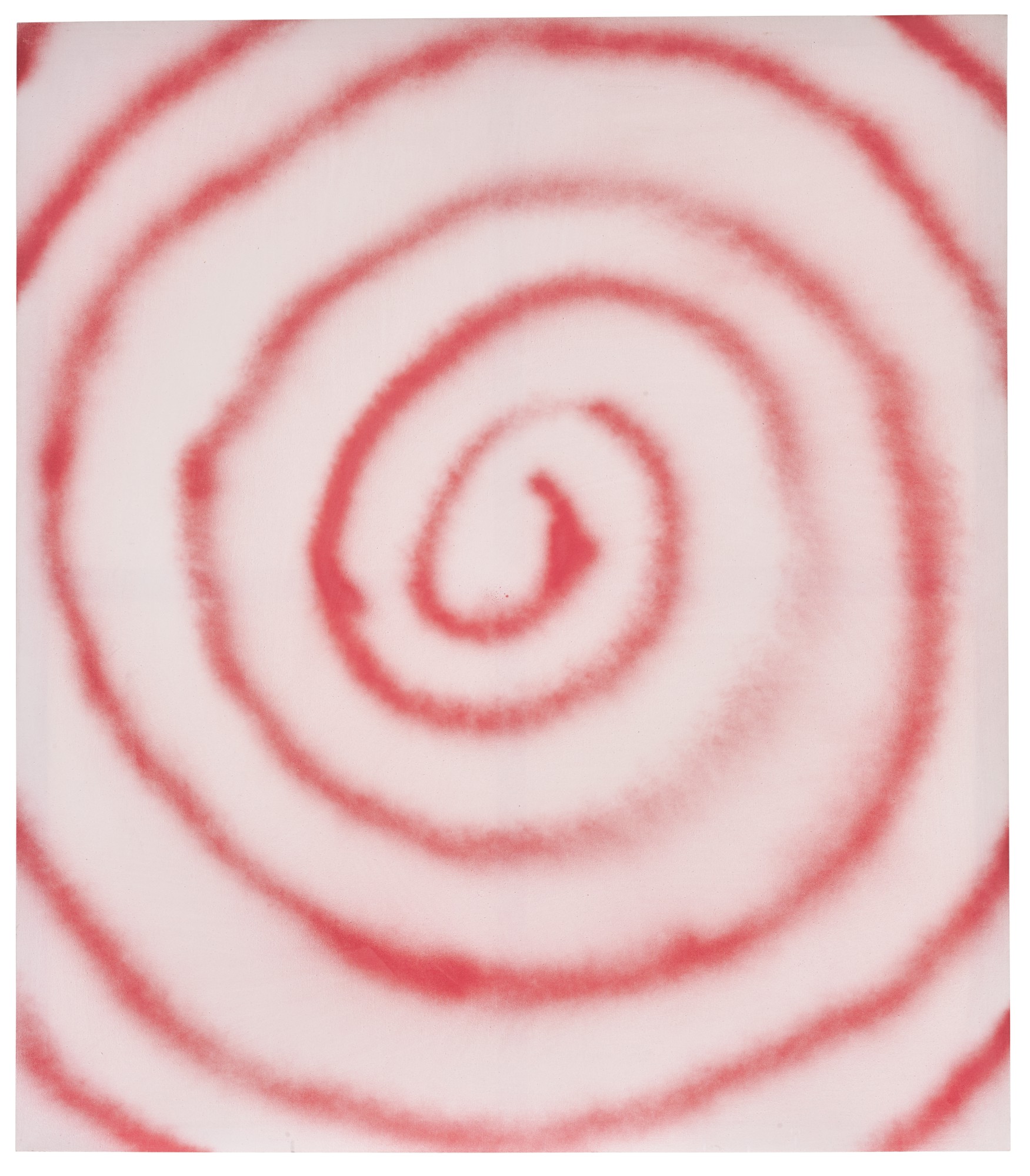
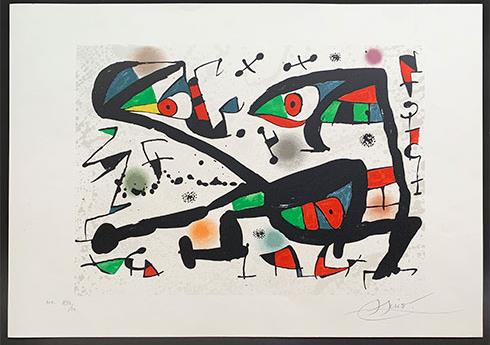
Michel Majerus
Mom Block Nr. 9
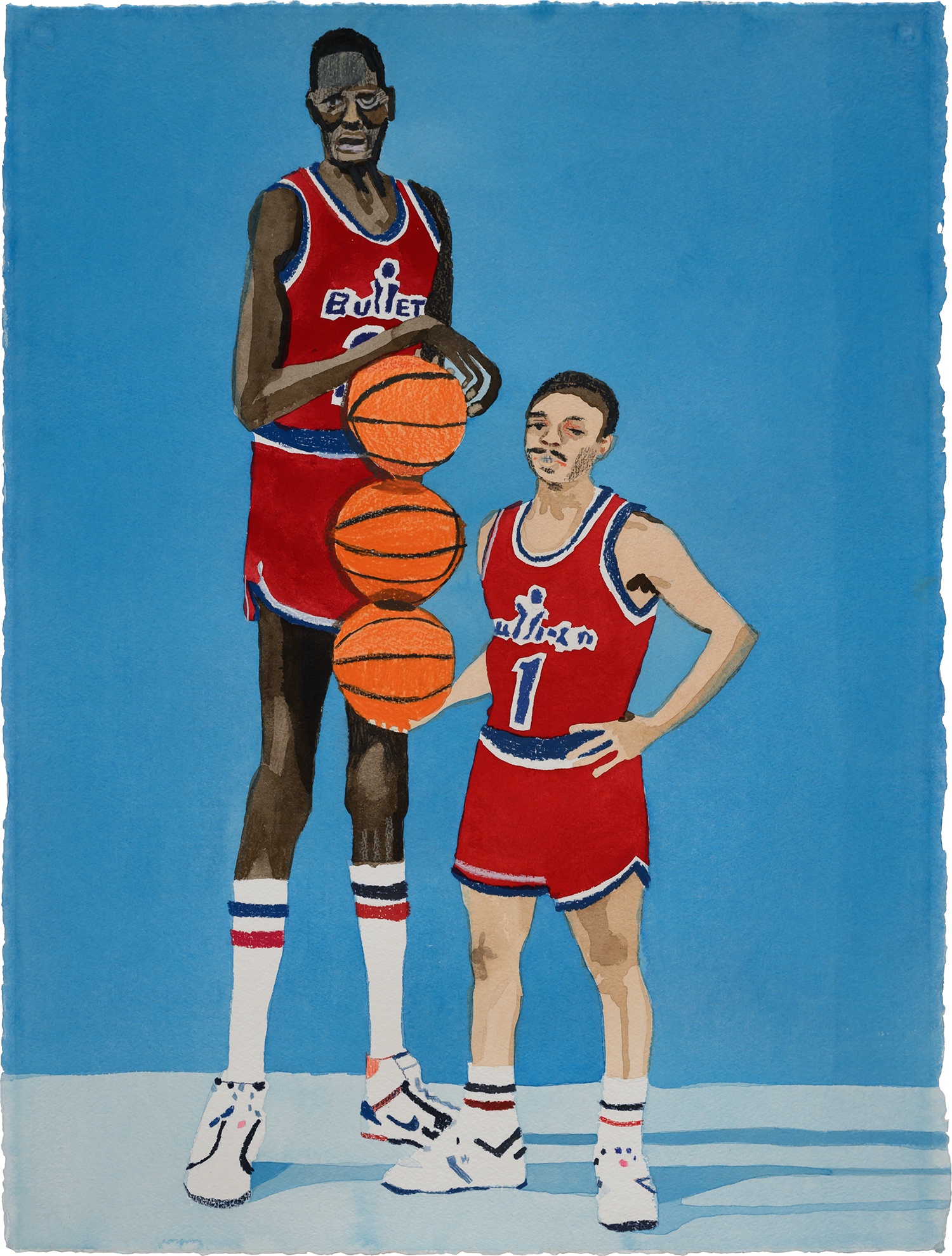
Cahn's work, made with a physical intensity that borders on ritual, has found new institutional champions and a collecting base that is younger, more globally distributed, and less interested in blue chip certainty than in genuine critical weight. Nicolas Party represents a different kind of momentum entirely. His candy colored pastel landscapes and portrait heads have become among the most recognizable images in contemporary art, reproduced endlessly on social media while simultaneously commanding serious prices at Phillips and Christie's. His 2021 retrospective quality survey at LGDR in New York drew crowds that felt more like an event than an exhibition.
Party operates in a lineage that connects back to Félix Vallotton and the Nabis, with their flatness and decorative rigor, though Party himself tends to cite different touchstones. What matters for collectors is that his market has held with unusual consistency, and institutions from the Hirshhorn to major European kunsthalles have moved quickly to acquire his work. Ugo Rondinone and John Armleder represent two distinct poles of Swiss conceptual practice, both well represented on The Collection, and both rewarding close attention. Rondinone's clowns and stone figures carry a melancholy that resists easy categorization, drawing on performance, installation, and poetry with equal conviction.
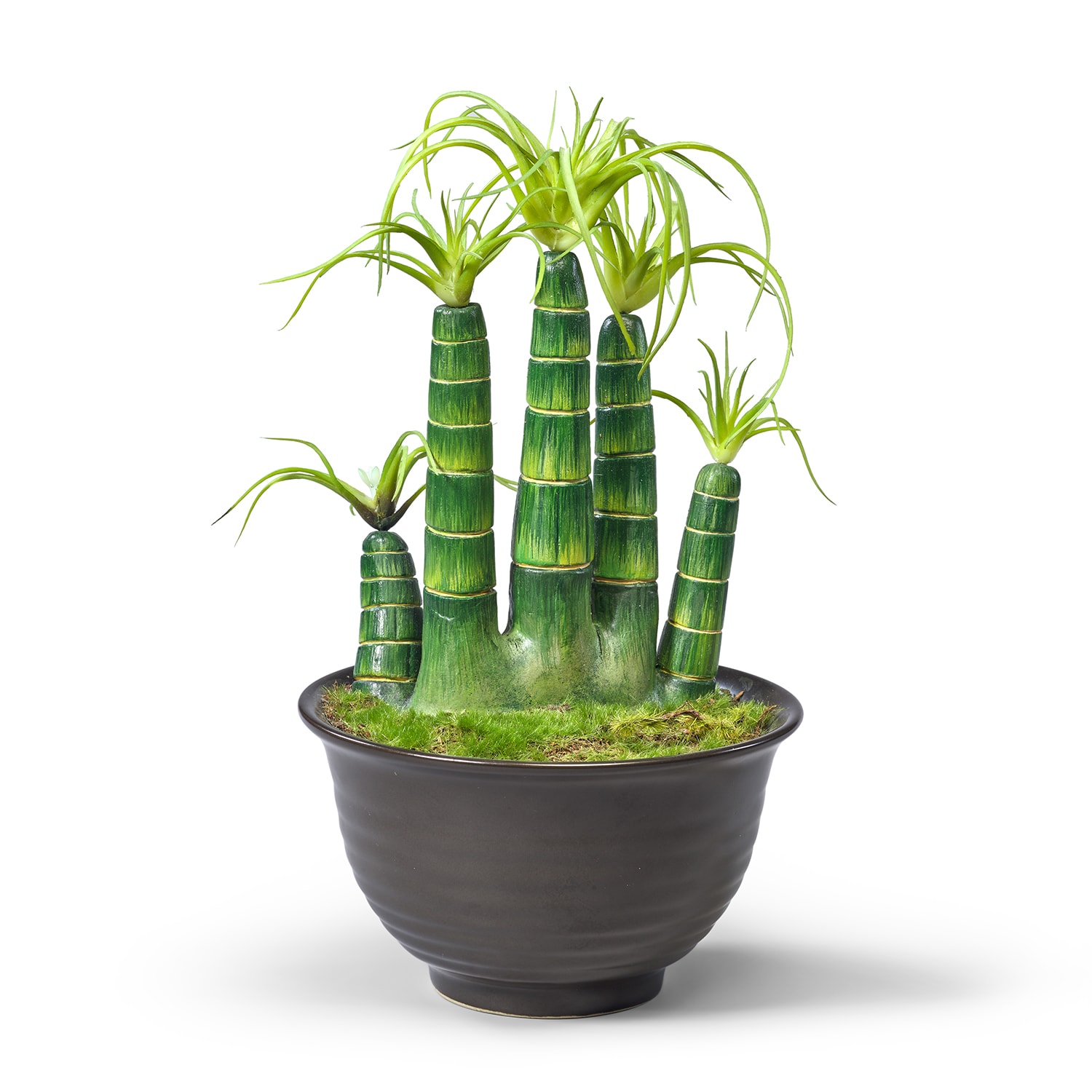
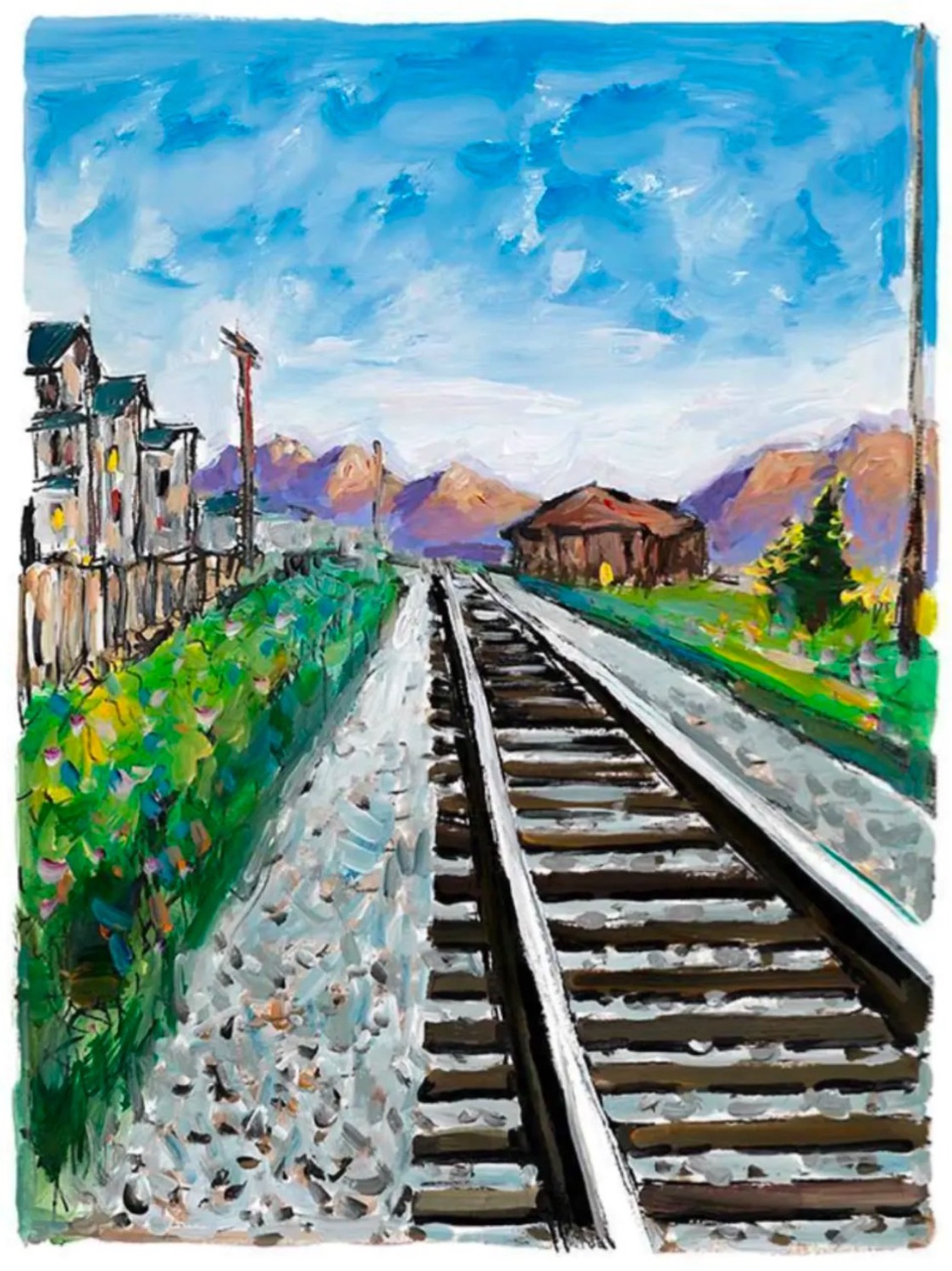
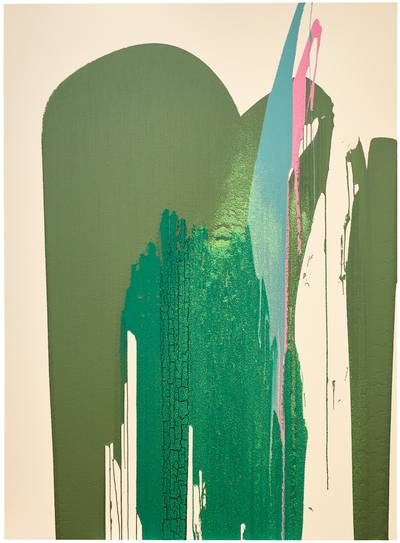
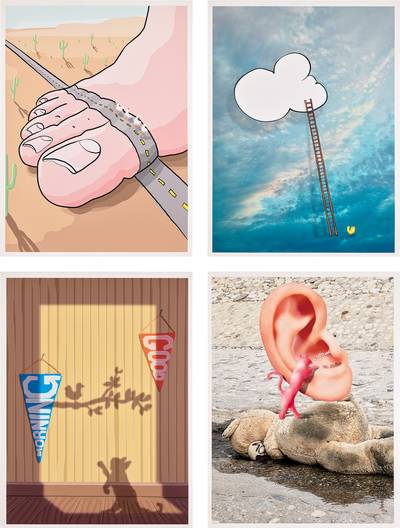
Julie Curtiss
Green Hand, 2019
Armleder, working from Geneva and associated with the Ecart group he cofounded in the 1970s, remains one of the most underestimated figures in the history of Swiss art. His furniture sculptures and peintures sans titre subvert the decorative and the conceptual simultaneously in ways that younger artists are only now beginning to absorb. Tate Modern's acquisition of his work and his inclusion in survey shows on Fluxus and its aftermath have cemented his art historical position. The energy right now feels particularly alive around artists associated with a kind of post Swiss identity, figures who trained or came of age in Switzerland but whose work resists national framing entirely.
Urs Fischer's anarchic sculptures and his collaborations with major institutions worldwide have made him a genuinely international figure. Sylvie Fleury, working at the intersection of fashion, feminism, and Pop, has attracted renewed critical attention as younger curators revisit the 1990s with fresh eyes. Thomas Hirschhorn's unwieldy, deliberately overwhelming installations continue to provoke debate about political art and its relationship to the gallery system, and his permanent Gramsci Monument from 2013 remains one of the most discussed public art projects of the past two decades. What surprises are coming feels almost too easy to answer.
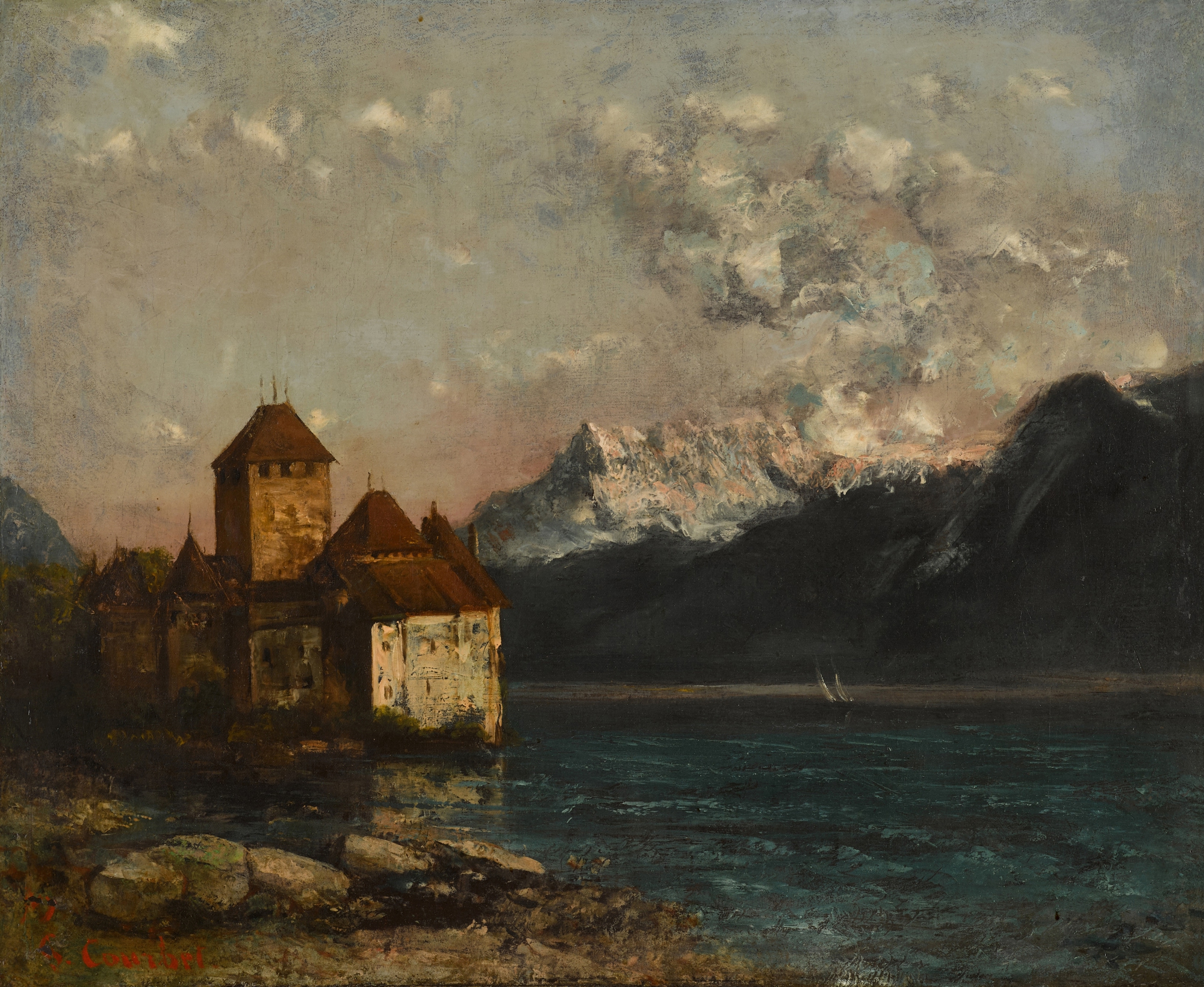
Gustave Courbet
Le Château de Chillon
The market for Meret Oppenheim remains strangely underdeveloped given her canonical status, and a serious reassessment feels overdue. Her work beyond the fur teacup, her paintings, her late sculptures, her performative self presentations, deserves the kind of sustained institutional attention that would inevitably shift collector interest and auction results. Similarly, Dieter Roth, long celebrated in artist circles and by a small devoted collector base, is beginning to attract the broader market attention his radical, material based practice has always warranted. His multiples and books are entry points worth serious consideration.
The Collection's depth in this area reflects something real about where serious collectors are looking. Swiss art is not a trend or a themed moment. It is a sustained tradition of formal rigor, conceptual ambition, and material honesty that stretches from Klee and Vallotton through Giacometti and Oppenheim and onward into the present with figures like Party, Fischer, and Cahn. The institutions that are building in this space, the Menil, the Broad, the Pinault collection, are not doing so out of novelty.
They are recognizing that this tradition has been undervalued relative to its depth, and they are correcting that in ways that will matter for a long time.