Swedish
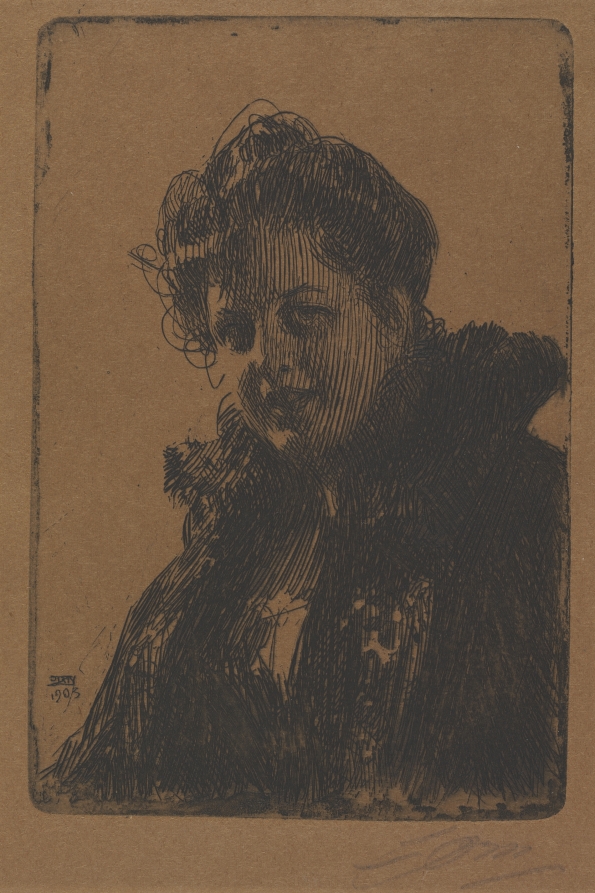
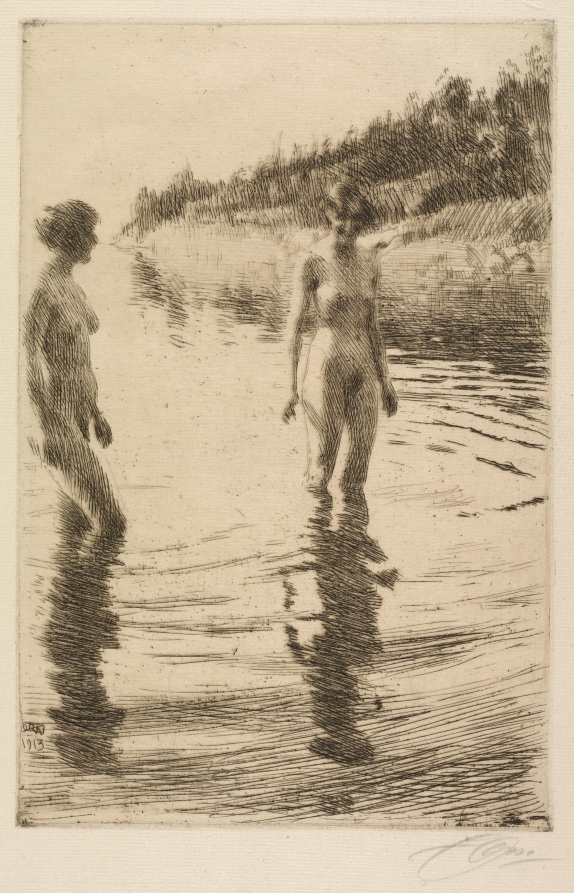
Anders Zorn
Mme. Granberg, 1903

Sweden's Art World Moment Has Finally Arrived
When Hilma af Klint's work was shown at the Guggenheim in New York in 2018 and 2019, the queues stretched around the block. 'Hilma af Klint: Paintings for the Future' became one of the most visited exhibitions in the museum's history, drawing over 600,000 visitors and provoking a genuine reassessment of who invented abstraction and when. The cultural force of that moment was impossible to ignore. Suddenly Swedish art was not a footnote or a curiosity for specialists.
It was the conversation itself. That exhibition shifted something permanent in the market and in the critical imagination. Af Klint had been working in ambitious, spiritually charged abstraction years before Kandinsky and Mondrian arrived at their signature vocabularies, yet she remained largely outside the canon for most of the twentieth century. The Guggenheim show corrected that decisively, and institutions from the Moderna Museet in Stockholm to the Tate Modern in London have since deepened their engagement with her legacy.
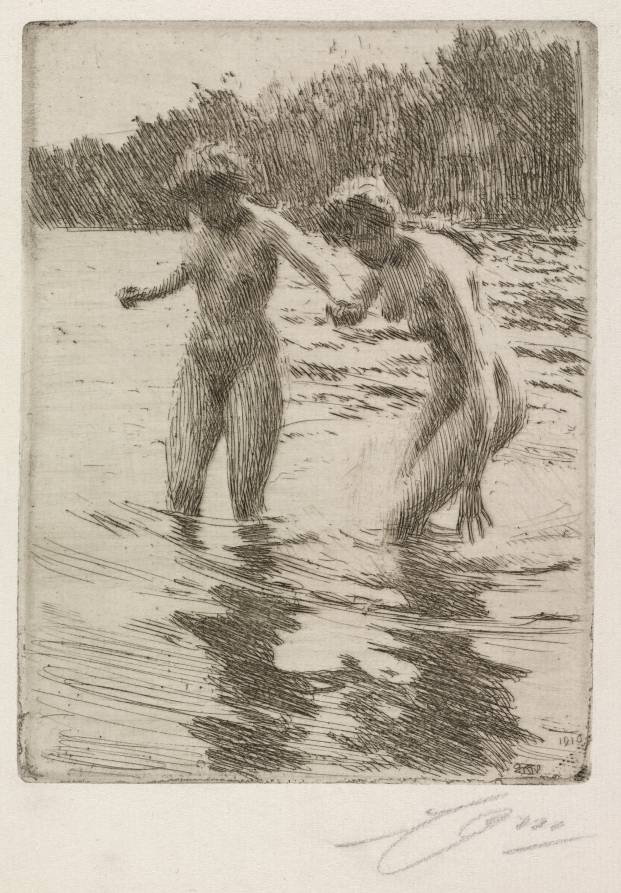
Anders Zorn
Mme. Granberg, 1903
For collectors, the ripple effects have been significant. Swedish art, both historical and contemporary, carries a different weight now. The market data tells a compelling story. Anders Zorn, the great Swedish realist whose command of light and water remains almost unmatched in European painting of the late nineteenth and early twentieth centuries, consistently achieves strong results at the major auction houses.
His works, well represented on The Collection, regularly draw serious international competition when they appear at Sotheby's and Bukowskis. The Stockholm auction house Bukowskis in particular has become an important indicator of appetite for Nordic modernism, and Zorn remains their most reliable anchor. His etchings alone command a dedicated following among print collectors globally, but it is his paintings, with their luminous handling of outdoor light and the female figure, that push into seven figures when significant examples surface. Carl Larsson occupies a different but equally beloved position in the market.
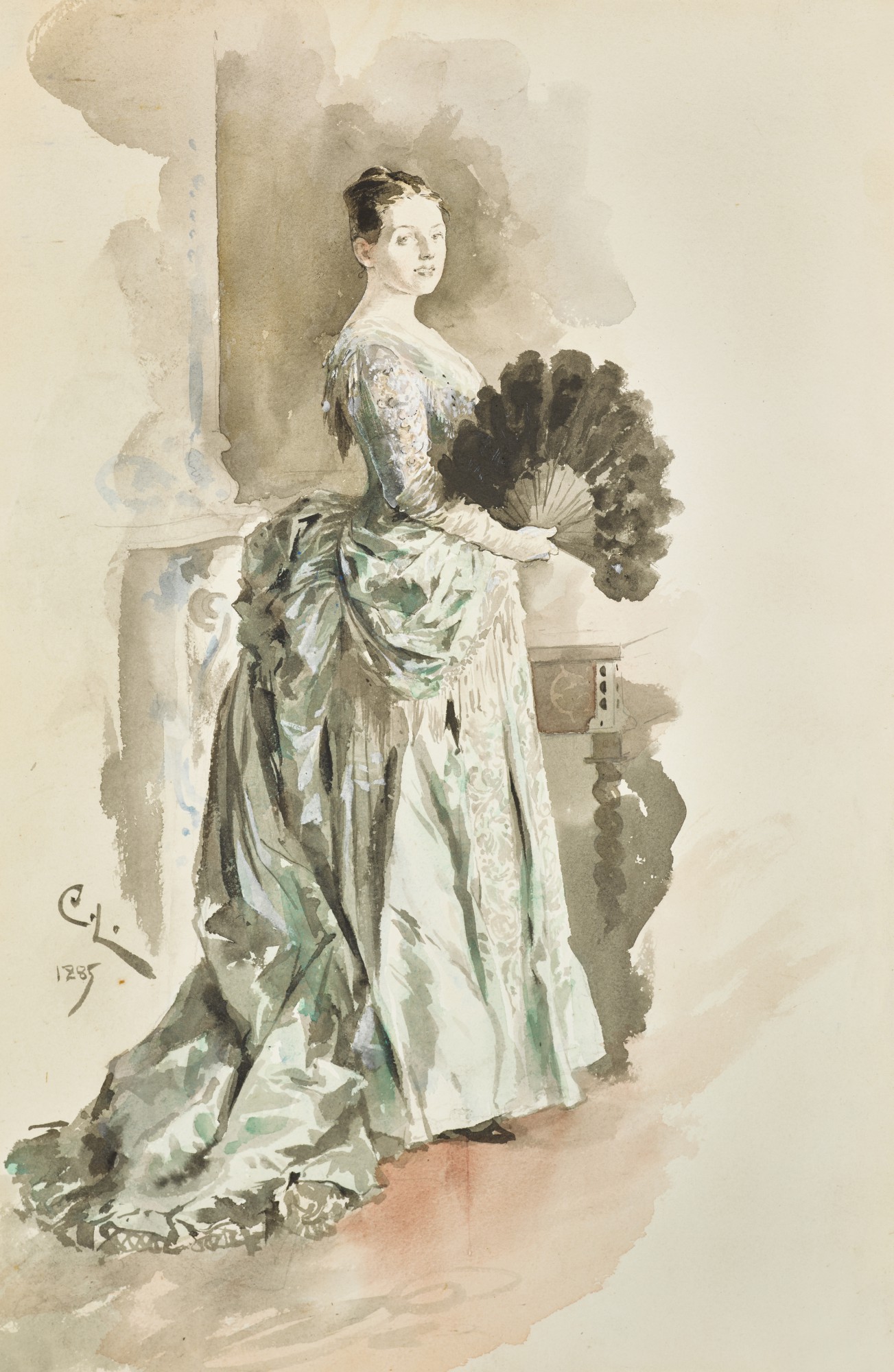
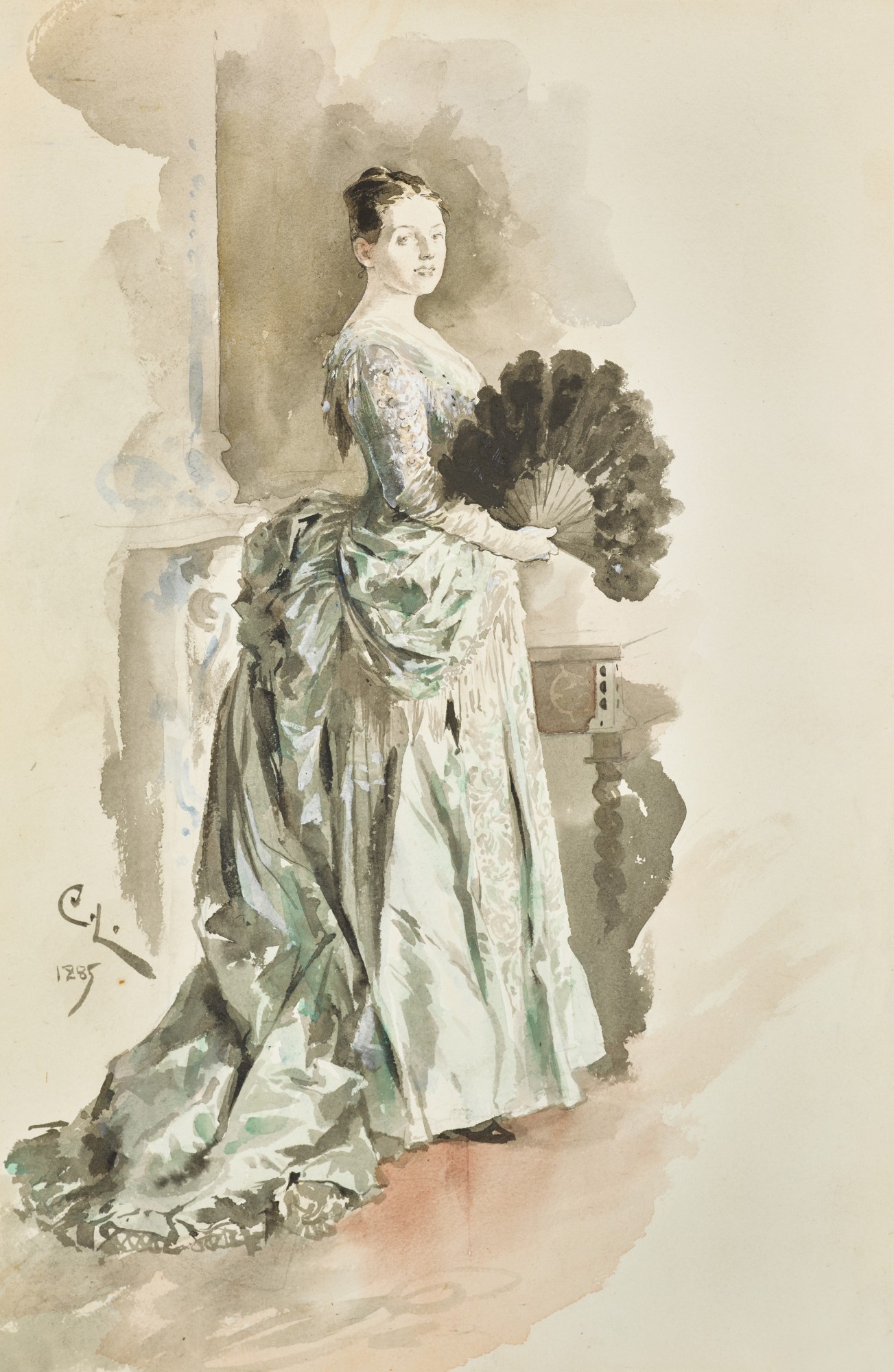
Carl Larsson
Solfjädrar (Fans)
His domestic interiors, those warm depictions of family life at Sundborn, feel deeply Swedish in a way that resonates with collectors looking for something anchored in a specific culture and sensibility. These works rarely disappoint when they appear at auction, and the sentimental dimension does not diminish their commercial appeal. It amplifies it. Alongside Larsson, Gustaf Fjæstad's winter landscapes carry a meditative stillness that has found renewed appreciation among collectors drawn to Northern Romanticism, and his prices have climbed accordingly.
The contemporary end of the Swedish market is where things get genuinely interesting and where the critical conversation is most alive. Mamma Andersson has built an international reputation over the past two decades through exhibitions with David Zwirner and a solo show at the Moderna Museet, and her paintings command serious attention at auction. Her interiors, with their melancholy and psychological depth, owe something to Edvard Munch but arrive somewhere entirely her own. Jockum Nordström works in a more intimate register, his intricate drawings and collages earning devoted institutional support from MoMA among others.
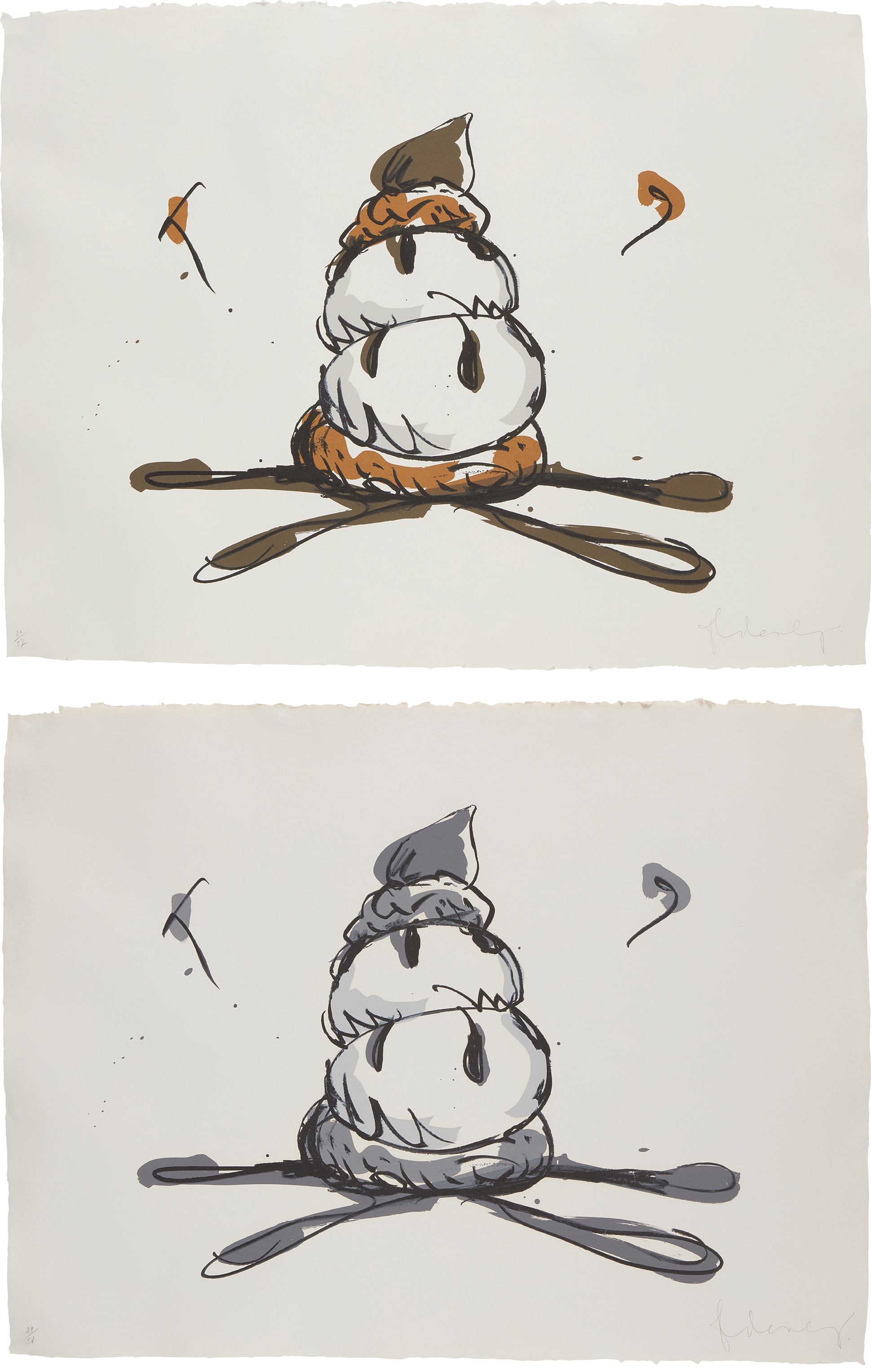
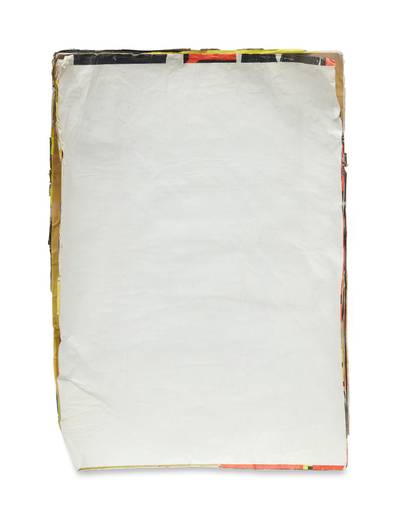
Claes Oldenburg
Profiterole; and Profiterole-Gray State
Nathalie Djurberg and Hans Berg continue to be among the most discussed Swedish artists working in video and installation, their darkly comic animations appearing in biennials and major museum surveys with regularity. Claes Oldenburg, who spent the formative years of his career in New York but carried his Swedish origins into his work in ways that deserve closer study, remains one of the most important artists of the postwar American avant garde. His death in 2022 prompted a wave of retrospective attention, and his market has responded with renewed energy. The travelling retrospective organized by the Museum of Modern Art, opening in 2023, reconfirmed his standing not as a Pop footnote but as a genuinely transformative figure whose ideas about scale, humor, and everyday objects reshaped what sculpture could be.
Works on The Collection represent a fine opportunity to engage with his practice. Klara Lidén has emerged as one of the most critically respected Swedish artists of her generation, with major shows at the Moderna Museet and representation through Reena Spaulings in New York. Her practice moves across installation, performance, and video with a consistency of vision that curators find compelling and that the market is beginning to catch up to. Christer Strömholm, the great Swedish photographer whose portraits of transgender women in Paris during the 1950s and 1960s remain among the most humane and important bodies of documentary work in European photography, has been the subject of growing institutional interest.
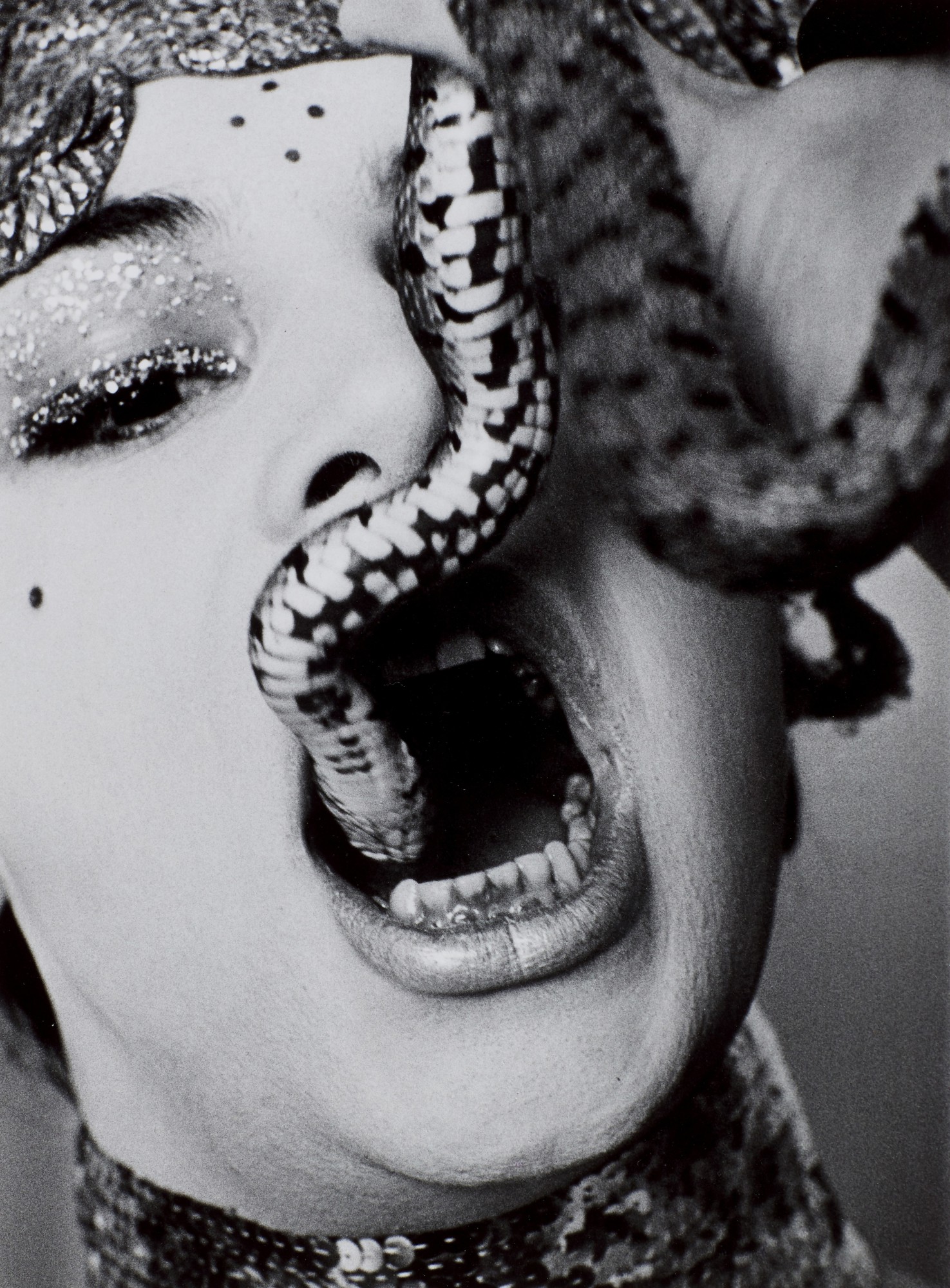
Christer Strömholm
'Martin With The Snakes', Paris, ca.1960
His work belongs to conversations about identity, visibility, and photographic ethics that feel urgently relevant now. The institutions shaping this space include the Moderna Museet, which remains the indispensable anchor for Swedish art internationally, but also the Louisiana Museum of Modern Art in Denmark, which has long brought a Nordic perspective to bear on both historical and contemporary work. The Zorn Museum in Mora continues to attract serious visitors who want to understand the artist's practice in its proper context, and it functions as a kind of pilgrimage site for collectors who take Zorn seriously. In New York, the interest of galleries like David Zwirner and Reena Spaulings in Swedish artists signals that the international market is not treating this as a regional story.
The writers and curators who have done the most to shape the critical conversation include Daniel Birnbaum, the former director of the Moderna Museet who went on to lead Acute Art, and whose thinking has consistently connected Swedish practice to global contemporary art discourse. The Artforum coverage of Mamma Andersson and Klara Lidén over the past decade has been substantive rather than merely fashionable. What feels alive right now is the sense that Swedish art occupies a position between the deeply historical and the genuinely experimental, between af Klint's visionary abstraction and Jonas Lund's algorithmically inflected conceptualism. That range is not a contradiction.
It is an invitation. The surprise that may be coming is how many collectors are only now beginning to realize how much they have been missing.