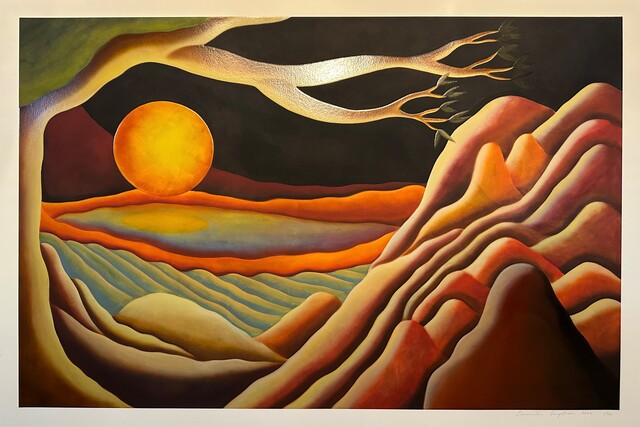
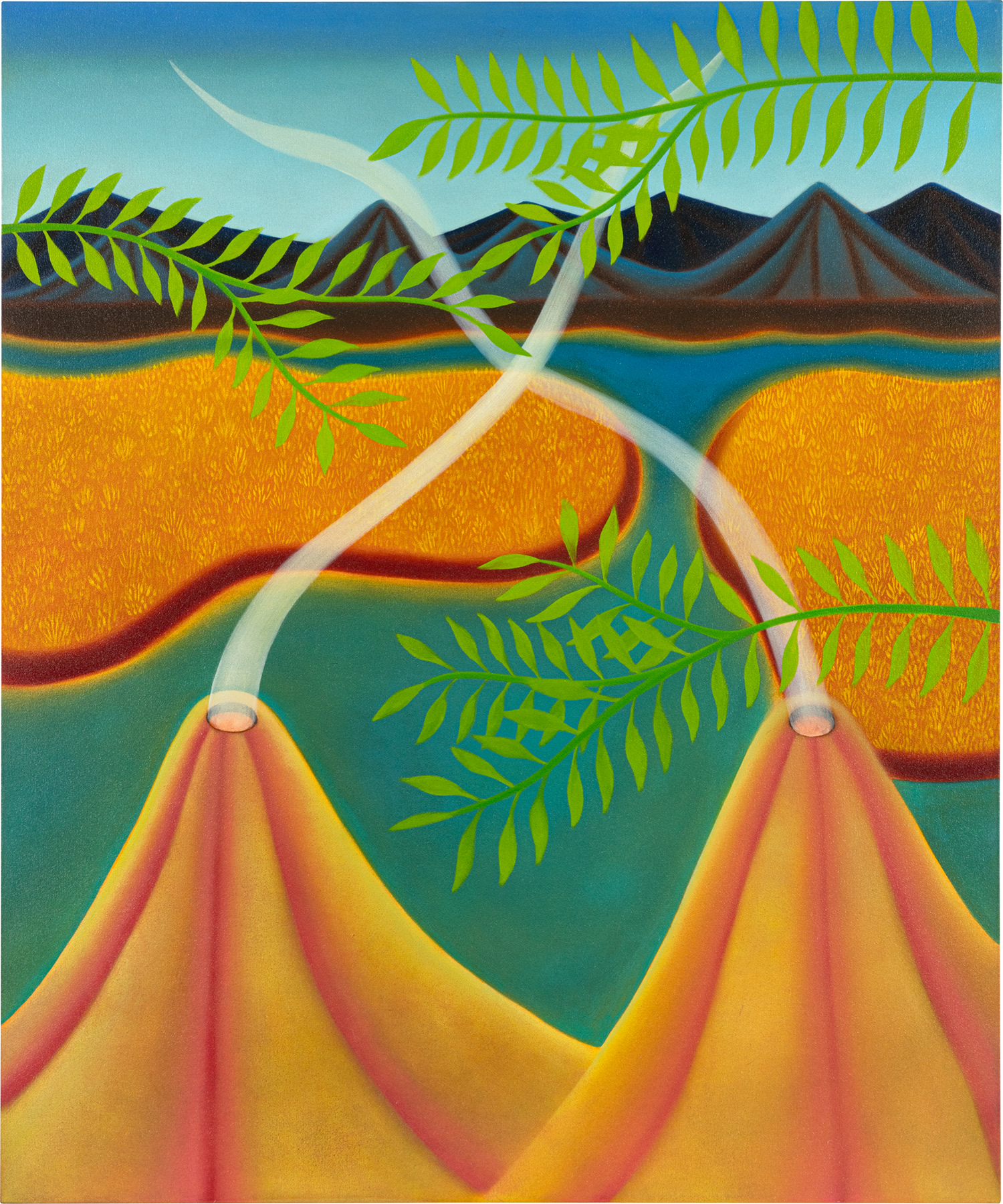
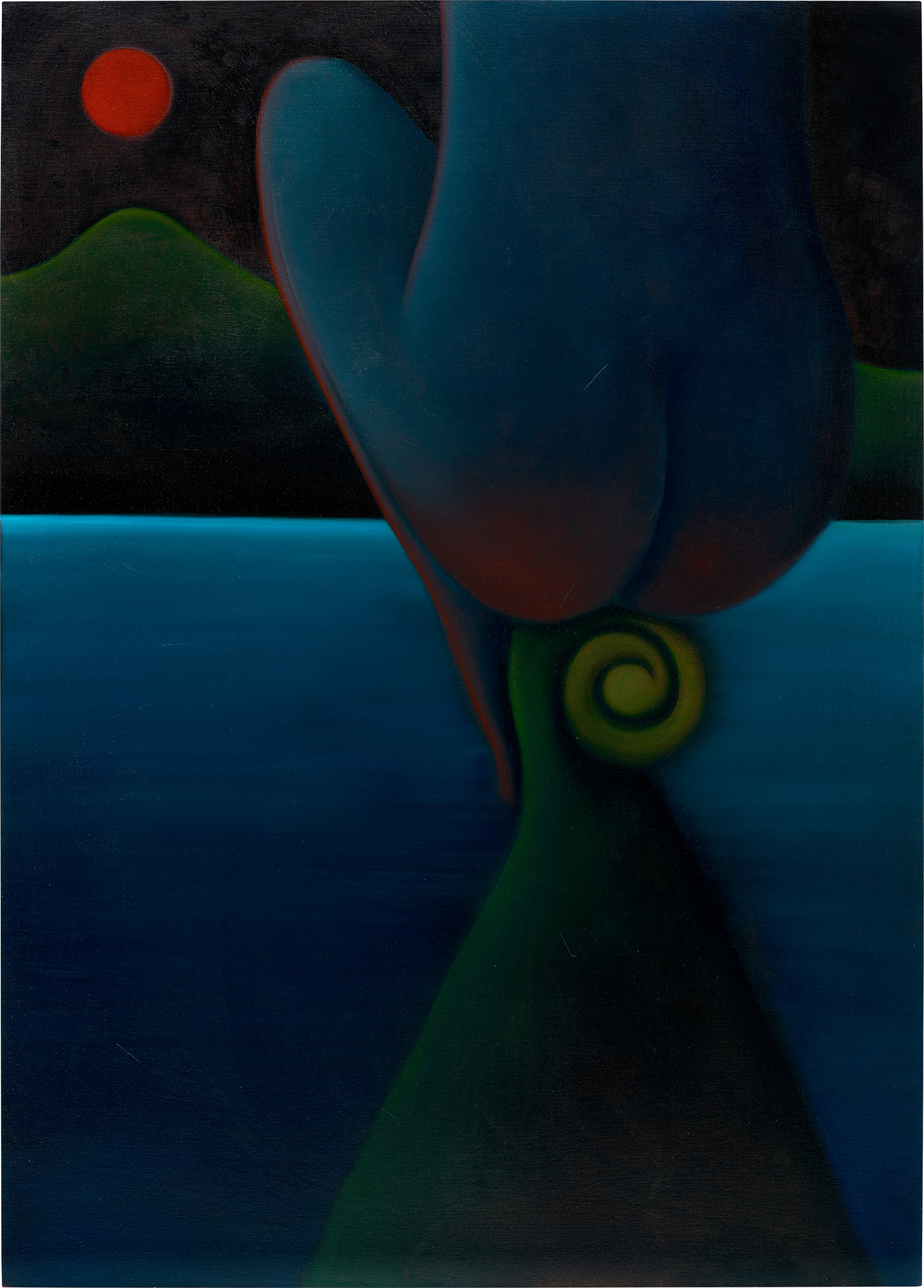
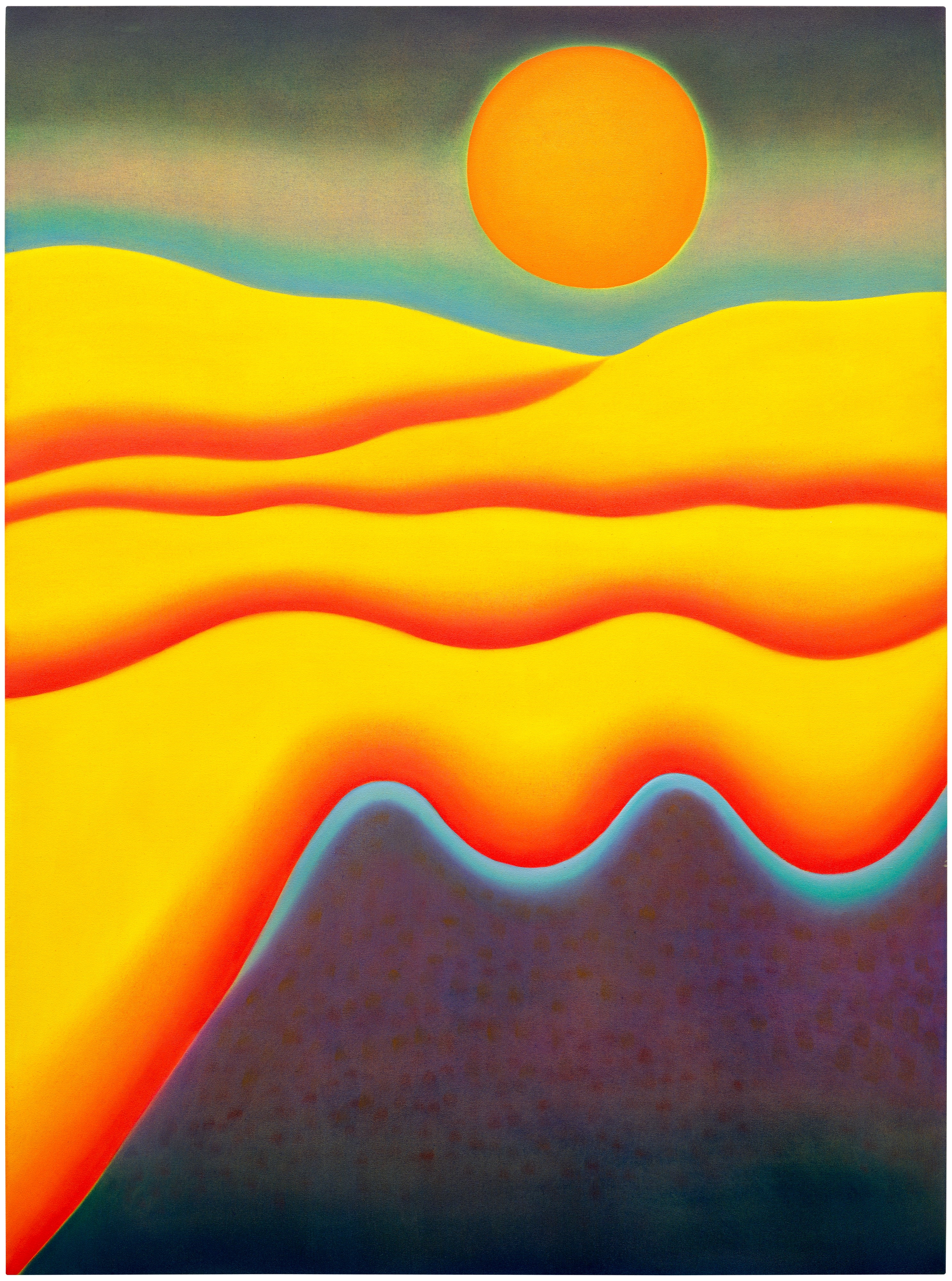
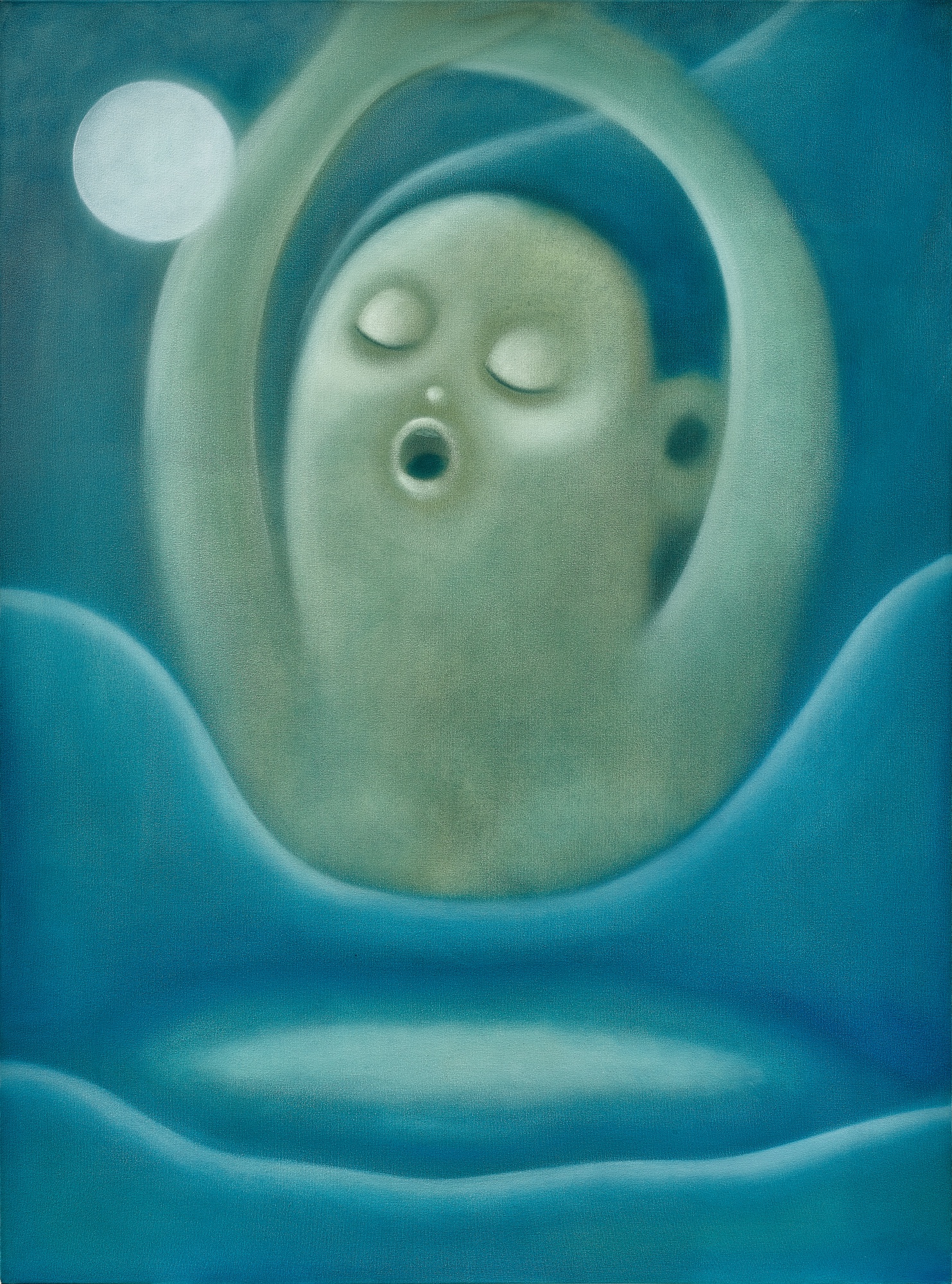
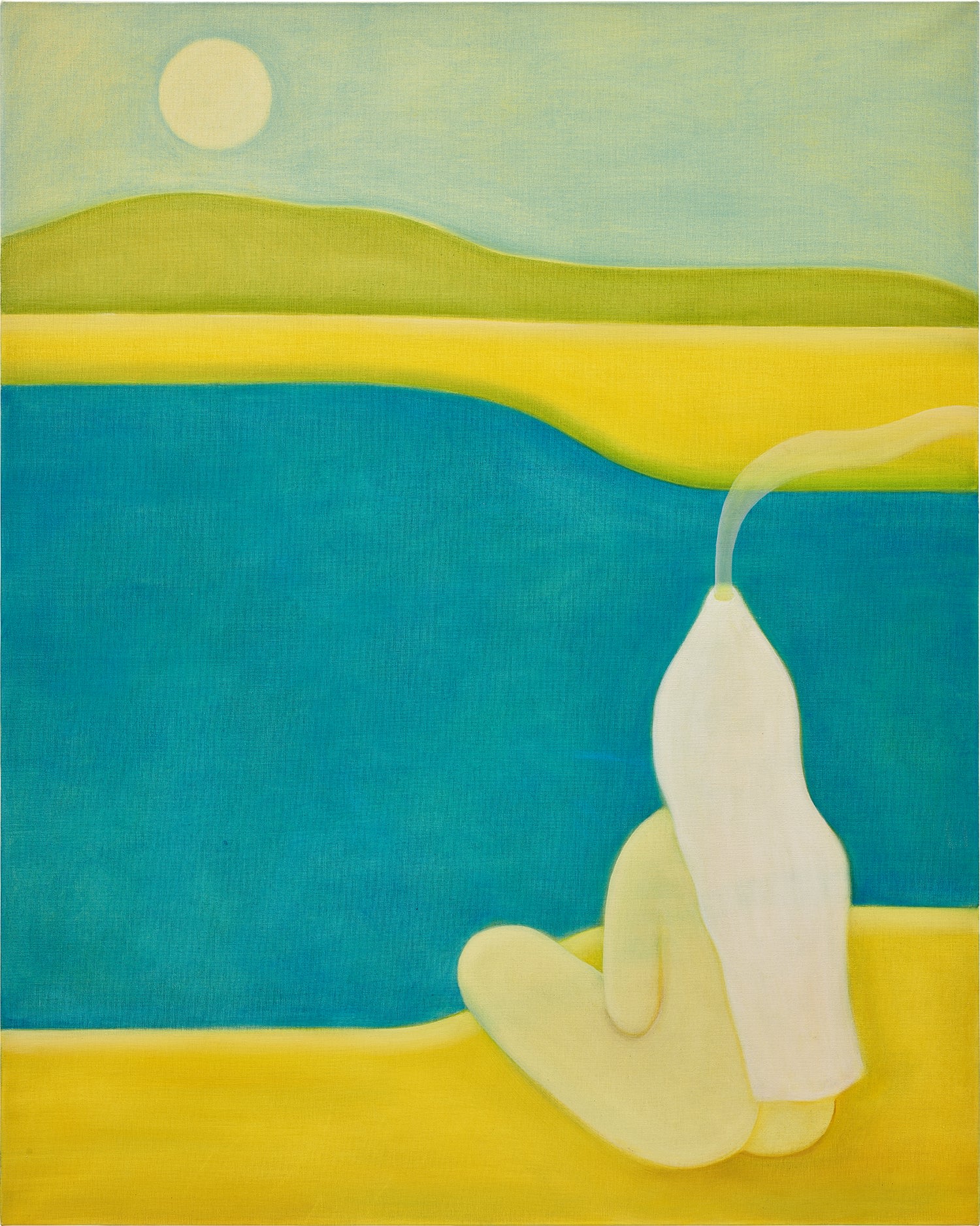
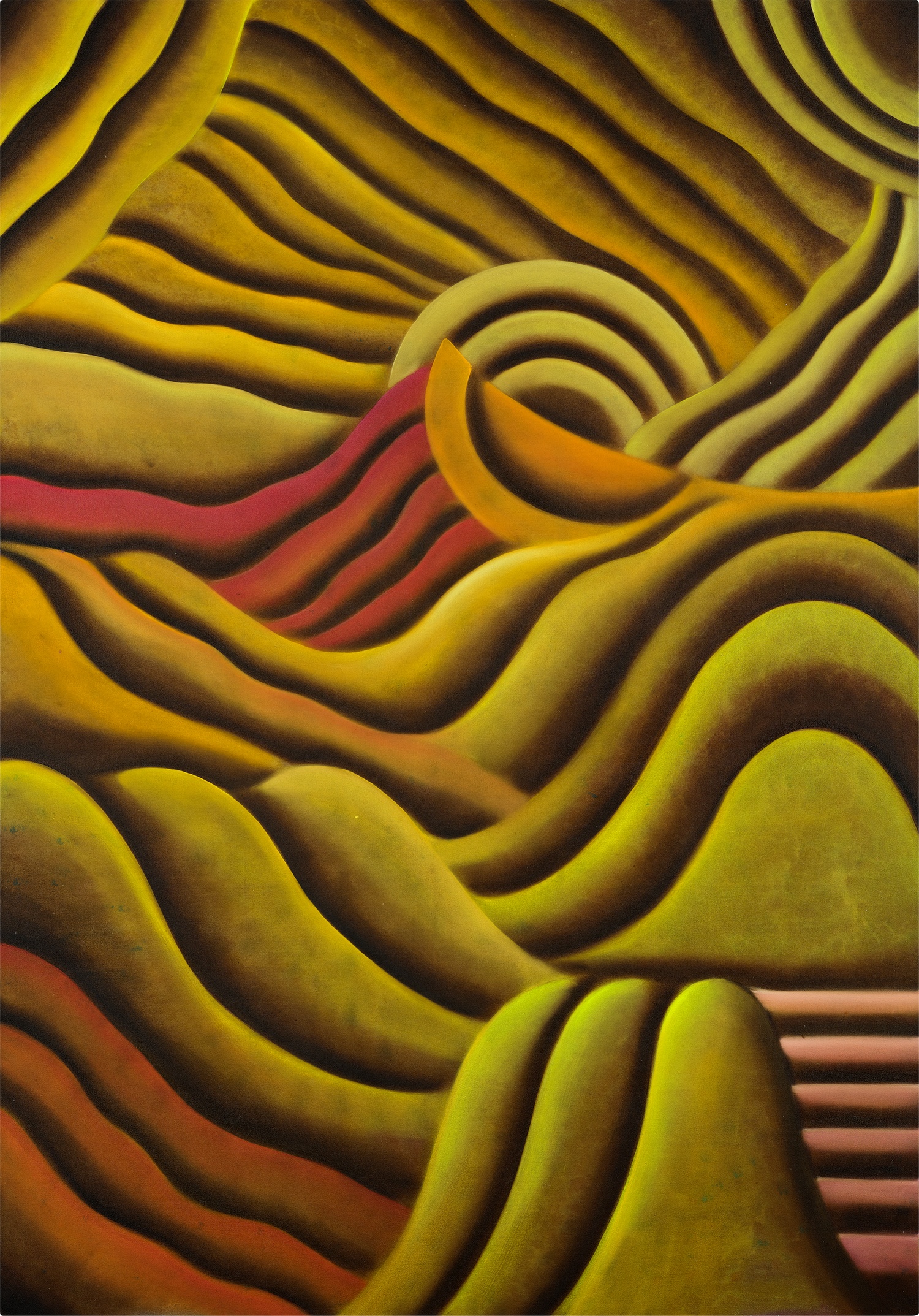
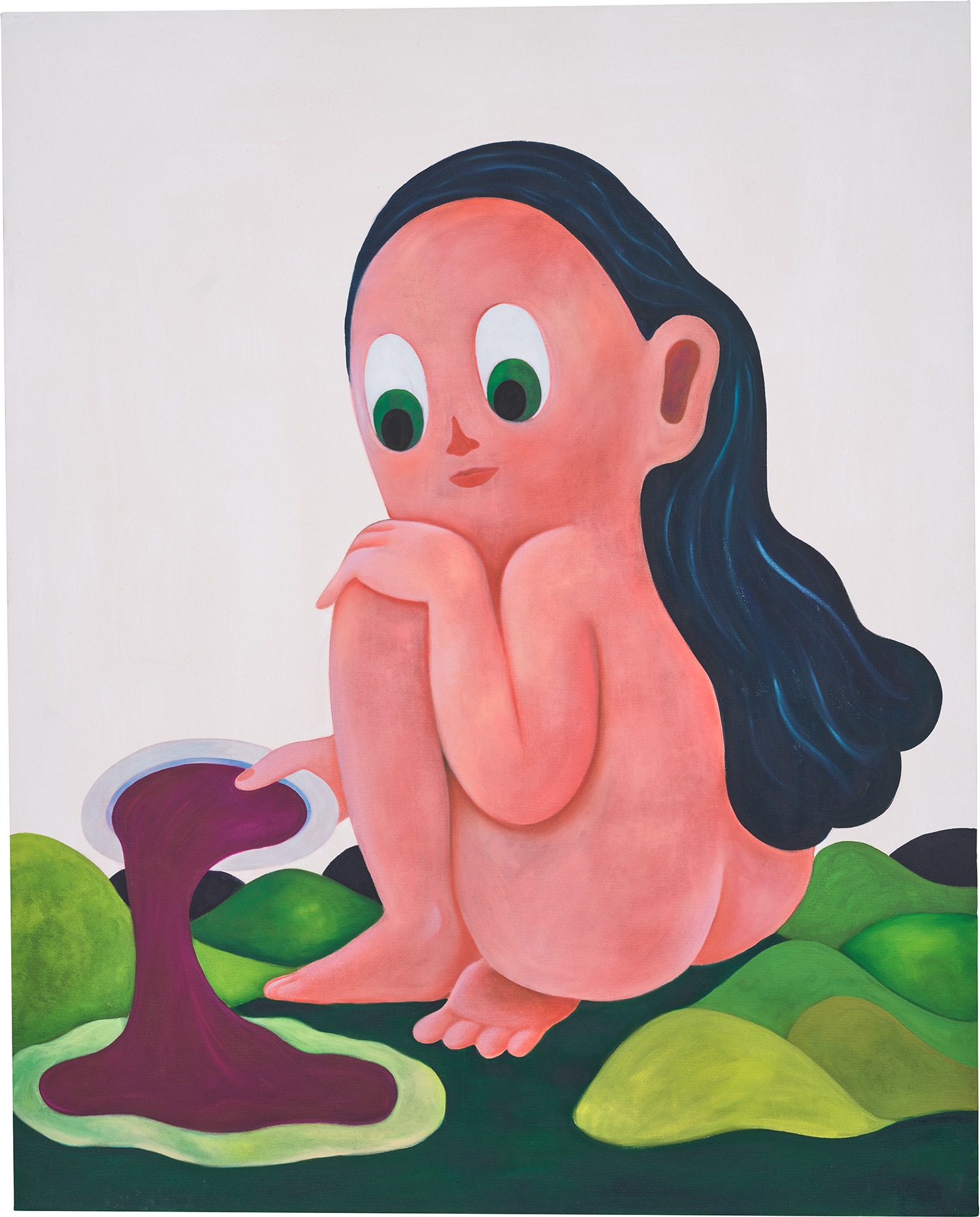
Something is shifting in the Nordic contemporary art conversation, and Camilla Engström sits confidently at its center. The Swedish artist has been steadily building a body of work that feels simultaneously intimate and expansive, rooted in a sensibility that is wholly her own. With a growing presence in Swedish galleries and auction houses, and a deepening international curiosity about Scandinavian voices in contemporary painting and print, Engström's moment is arriving with the quiet inevitability of something that was always going to happen. Engström emerged from Sweden carrying the particular visual literacy that Nordic design culture tends to cultivate from an early age. The relationship between craft, image, and everyday beauty is embedded in Swedish cultural life in ways that shape artists profoundly, and Engström absorbed this inheritance while pushing past its more restrained conventions. Her formation as an artist seems to have been shaped by a genuine hunger for color and expressiveness, qualities that sit in productive tension with the cleaner lines of Scandinavian graphic tradition. That tension became one of her most distinctive traits. What defines Engström's practice is a refusal to choose between fine art and illustration, between sincerity and wit, between the decorative and the deeply felt. Her work inhabits all of these spaces at once, moving fluidly across oil on canvas, oil on linen, and archival print processes. She works with bold, saturated palettes that feel joyful without being naive, and her imagery draws freely from the visual language of femininity, nature, pop culture, and the rhythms of everyday experience. There is something genuinely democratic about her gaze, in the sense that she finds the worthy subject everywhere. Among her most celebrated works, the 2022 oil on linen "Contemplating into the Night" stands as a particularly strong statement of her artistic voice. The work carries the meditative quality suggested by its title while remaining visually alive, demonstrating Engström's ability to hold stillness and energy in the same composition. Her 2022 piece "Yellow Moon" is equally compelling, existing as an archival pigment print on 308gsm Hahnemühle photo rag paper with embossing and silkscreen varnish details, a technically sophisticated work that shows her comfort moving between painterly and print based processes. The material choices in "Yellow Moon" are not incidental: the embossing and varnish details introduce a tactile dimension that rewards close looking in a way that few prints do. "Earth Friends" from 2023 suggests a continued evolution, with a warmth and ecological attentiveness that feels resonant in the current cultural moment. The 2021 oil on canvas "Time Waits For No One" demonstrates that Engström has been developing her signature concerns over several years with real consistency. The title alone signals her interest in themes that are universal but rendered personal, the kind of philosophical orientation that tends to give a body of work its lasting coherence. "Midnight Exhale" with its bilingual title incorporating Chinese characters alongside English, points toward a reaching quality in her practice, an instinct to speak across cultural contexts rather than remaining confined to a Nordic frame. "Funderingar Vid Strandkanten," painted in Swedish, anchors her as firmly in her home language and landscape as her bilingual work opens her outward. For collectors, Engström represents the kind of proposition that sophisticated buyers increasingly understand: an artist whose market is still in formation but whose visual intelligence and consistency of vision suggest significant long term interest. Her work appears in Swedish auction houses and galleries, making it accessible to collectors entering the Nordic market as well as those already engaged with it. The range of media she works in, from early acrylic works like the 2020 "Purple Lake" through to the technically refined printmaking of "Yellow Moon," means that there are entry points at different scales and investment levels. Collectors drawn to artists who bridge illustration and fine art, a territory that has seen enormous appetite in recent years, will find in Engström a practitioner of real seriousness. Engström's position in the broader contemporary art landscape invites comparisons to a generation of artists who have made the graphic sensibility central to a fine art practice. Artists such as Cecily Brown brought a similar refusal to be bound by received hierarchies between the painterly and the illustrative. Within the Nordic context, she participates in a lineage of artists who take color and form seriously as vehicles for emotional truth. There is also a kinship with international figures working at the intersection of pop culture and personal mythology, artists whose work feels rooted in lived female experience without being reduced to a single political statement. What ultimately makes Engström matter is the generosity of her vision. Her paintings and prints offer something that feels increasingly valuable: the sense of an artist who finds the world genuinely interesting, who looks at femininity and nature and everyday culture without irony or exhaustion. The boldness of her color and the playfulness of her imagery are not decorative choices so much as philosophical ones, an insistence that beauty and accessibility are not compromises but gifts. In an art world that sometimes mistakes difficulty for depth, Engström's work is a confident and joyful counterargument. The collectors who find her now will not be surprised when the rest of the world catches up.