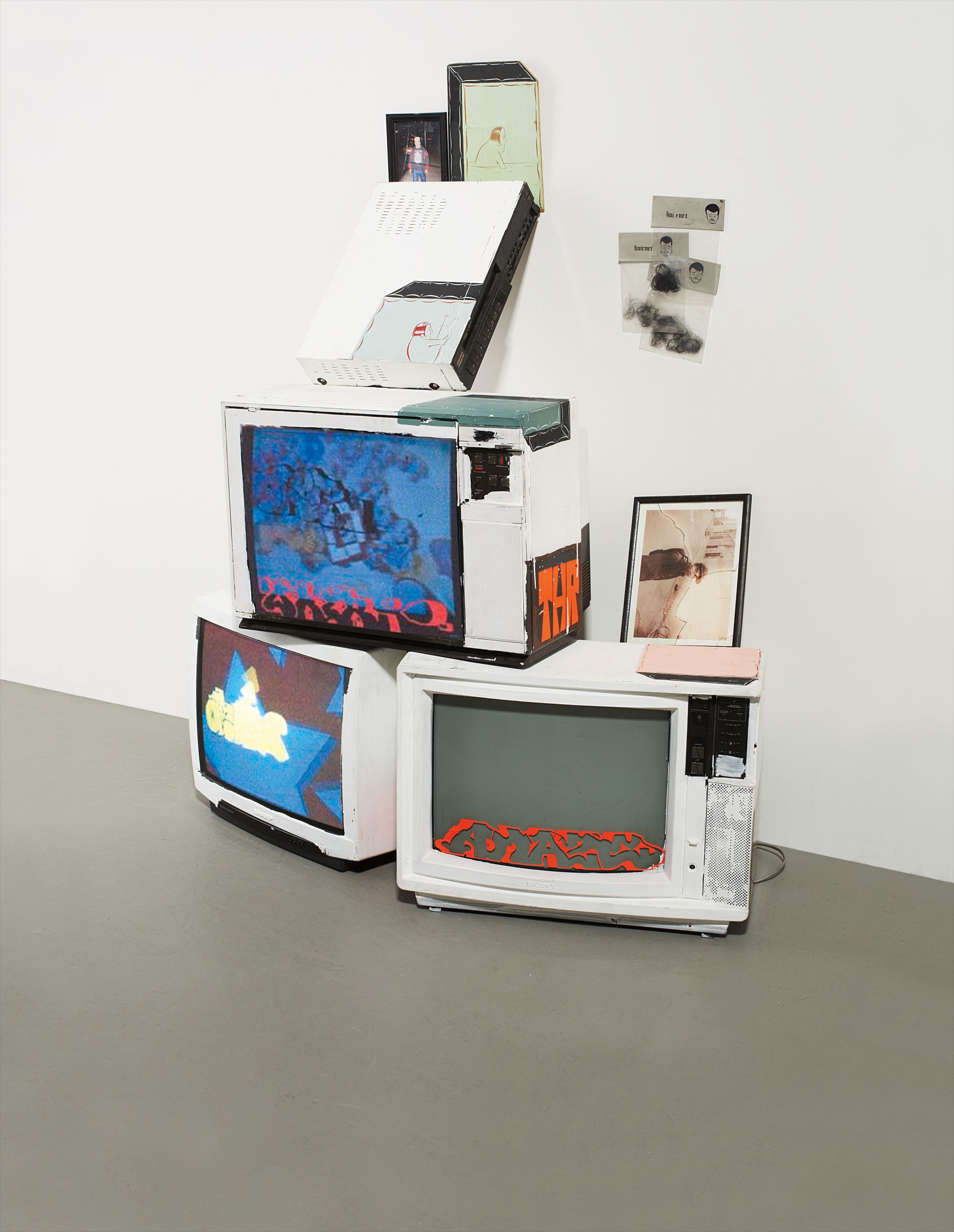
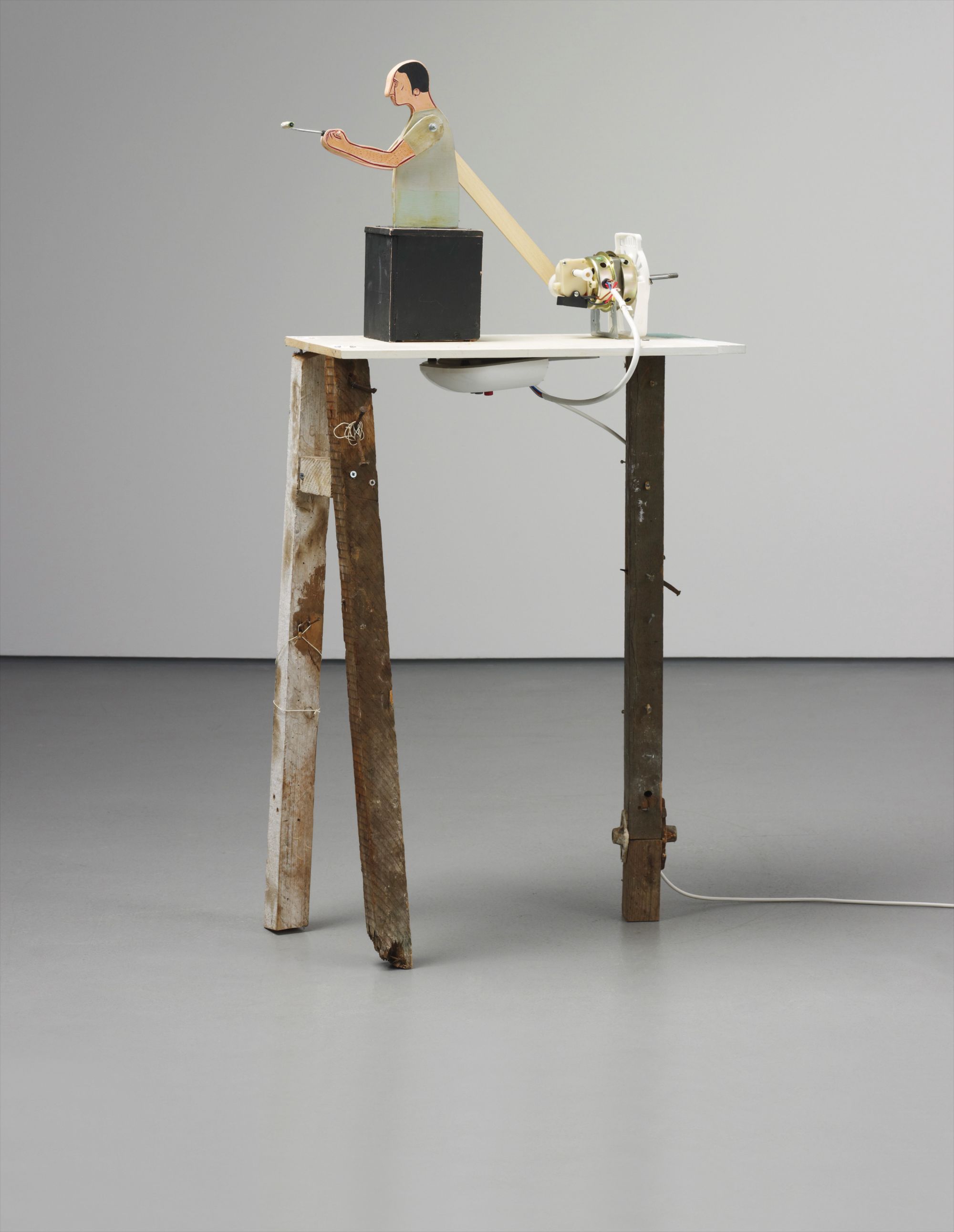
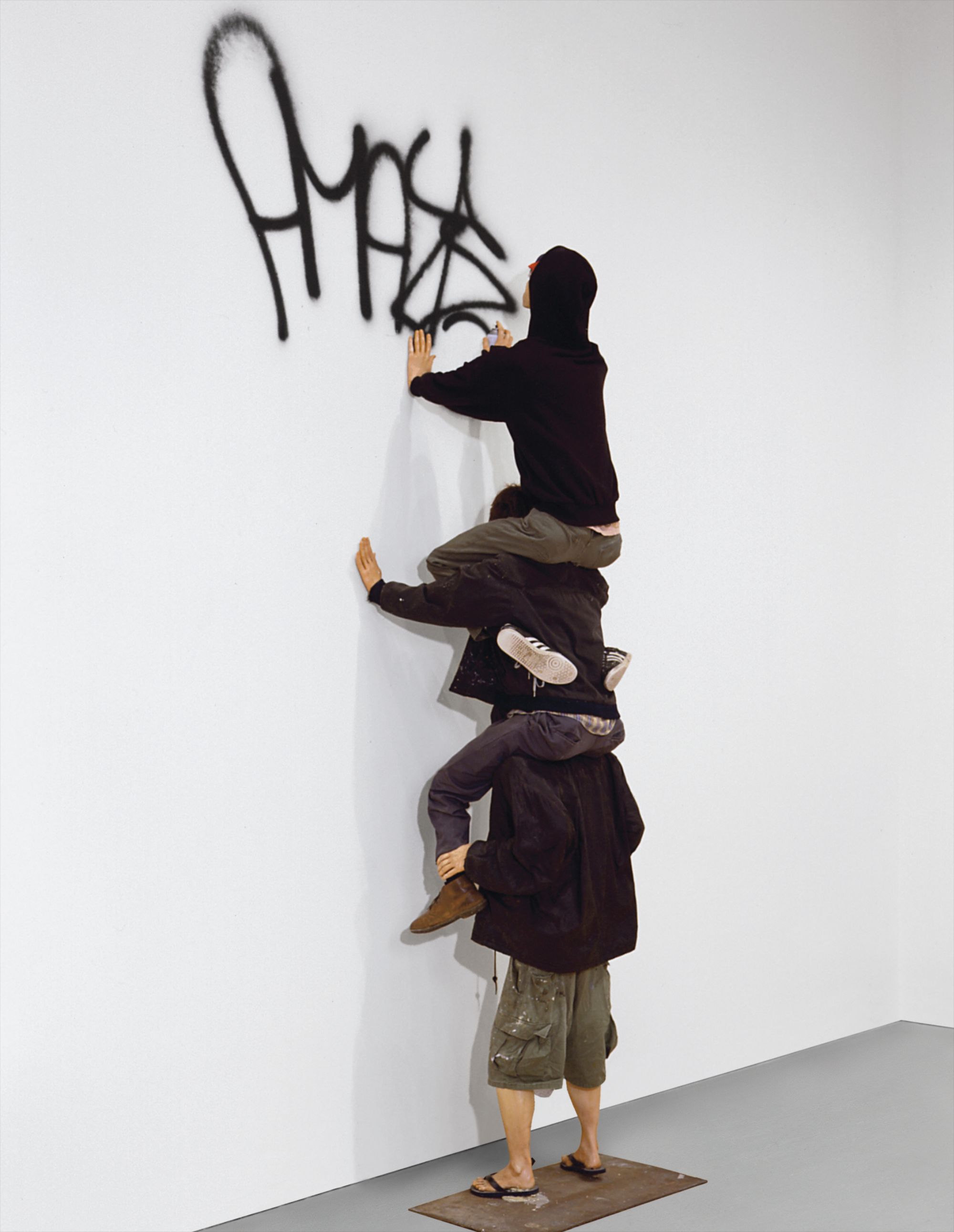
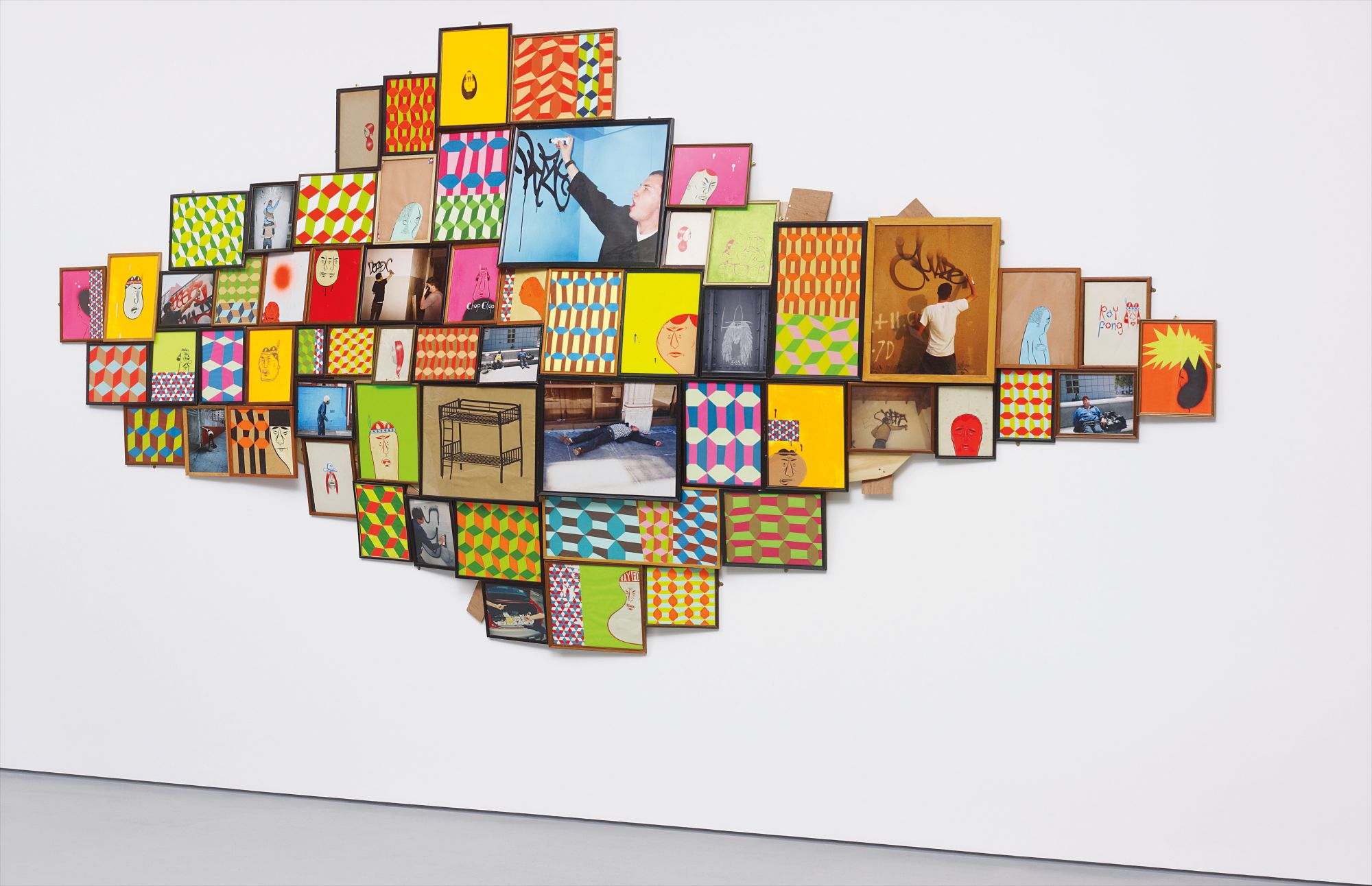
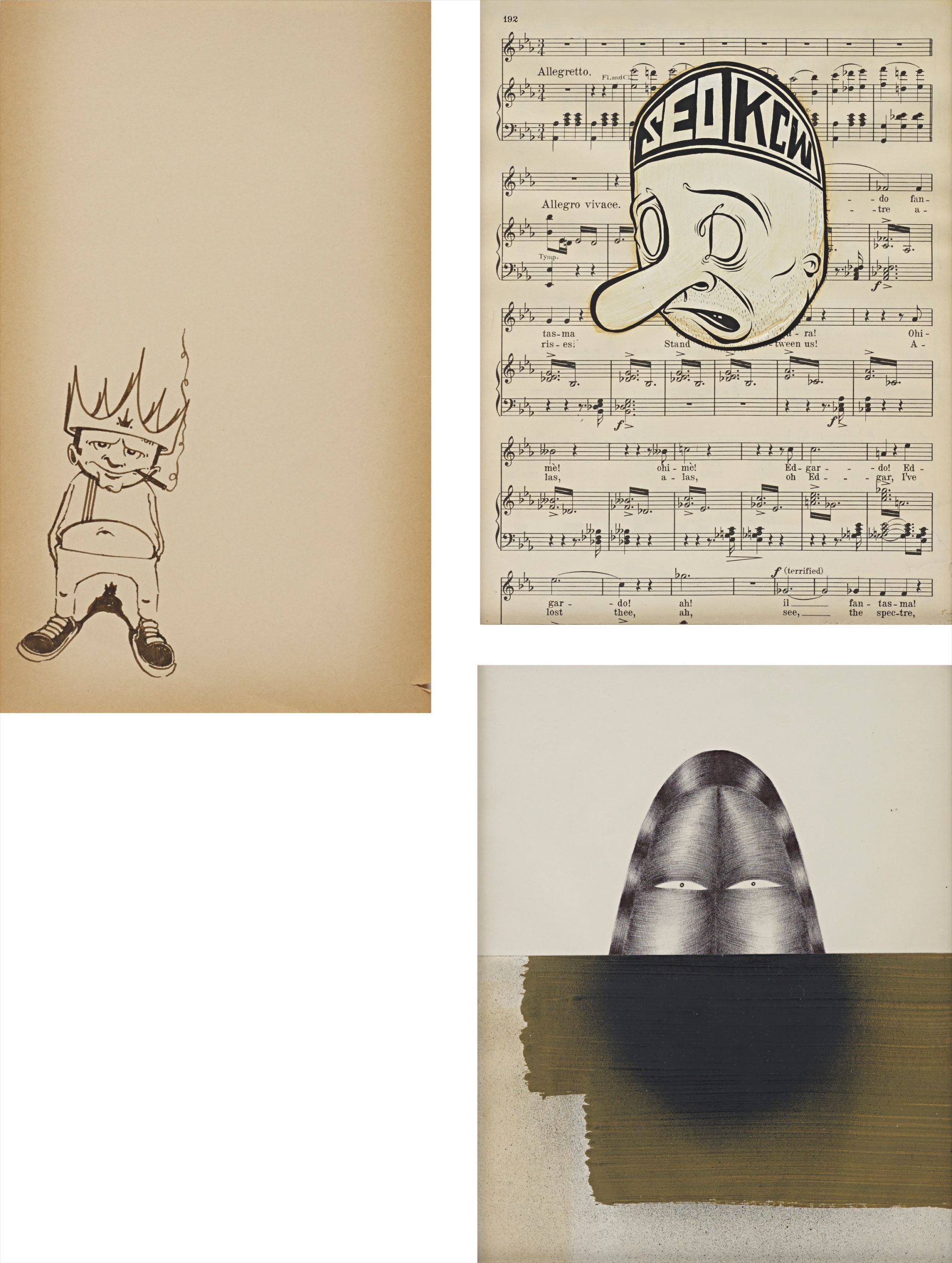
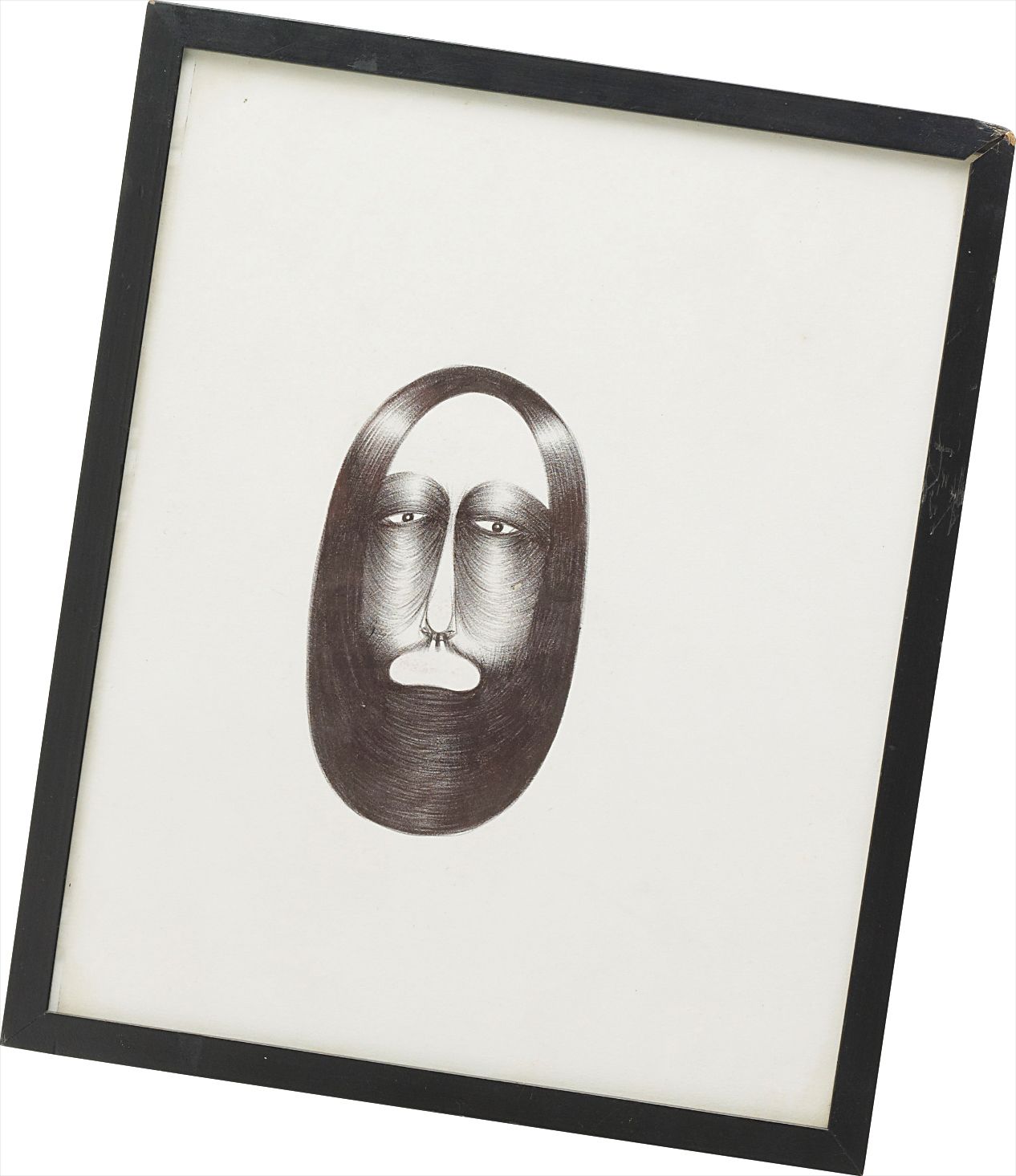
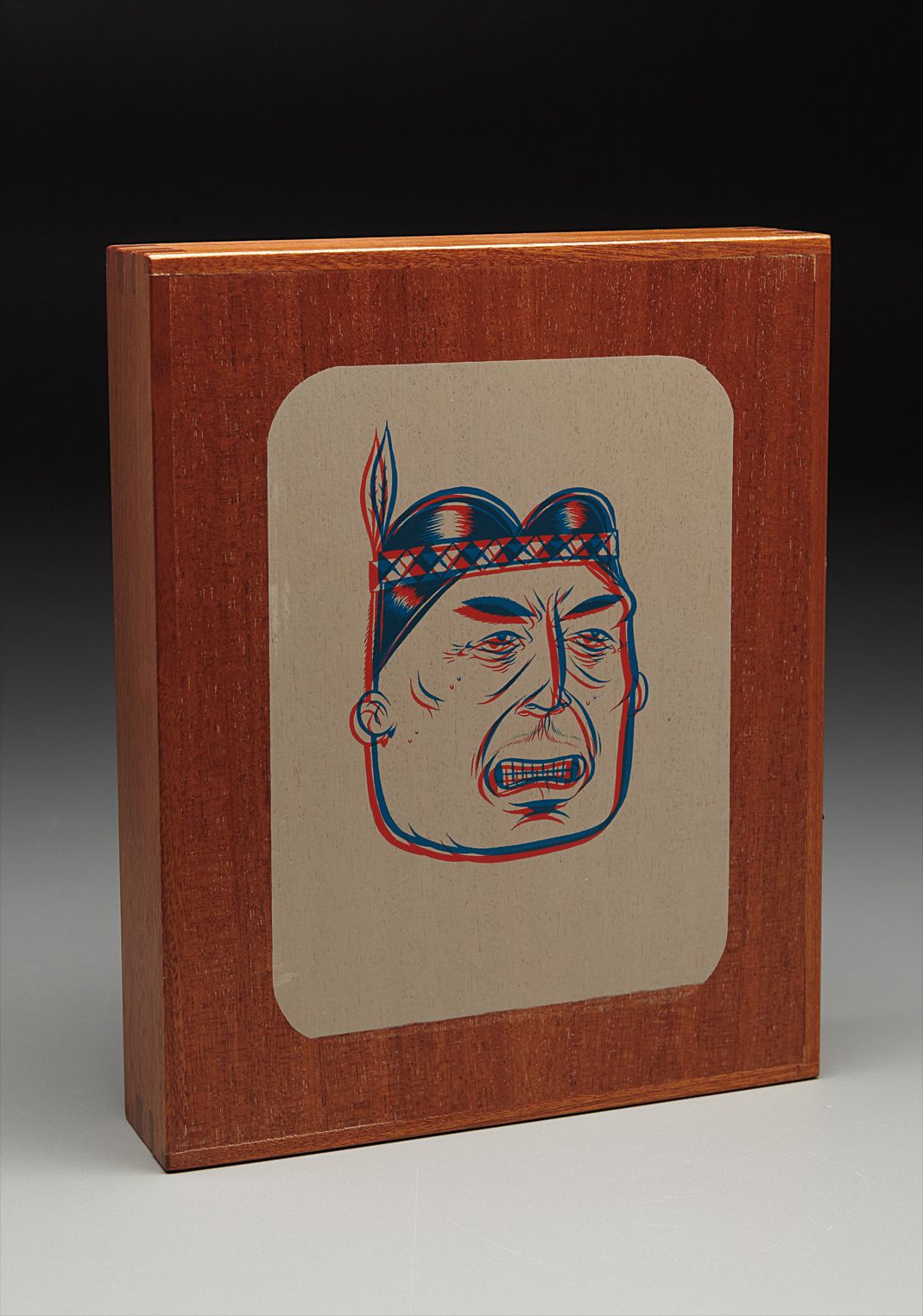
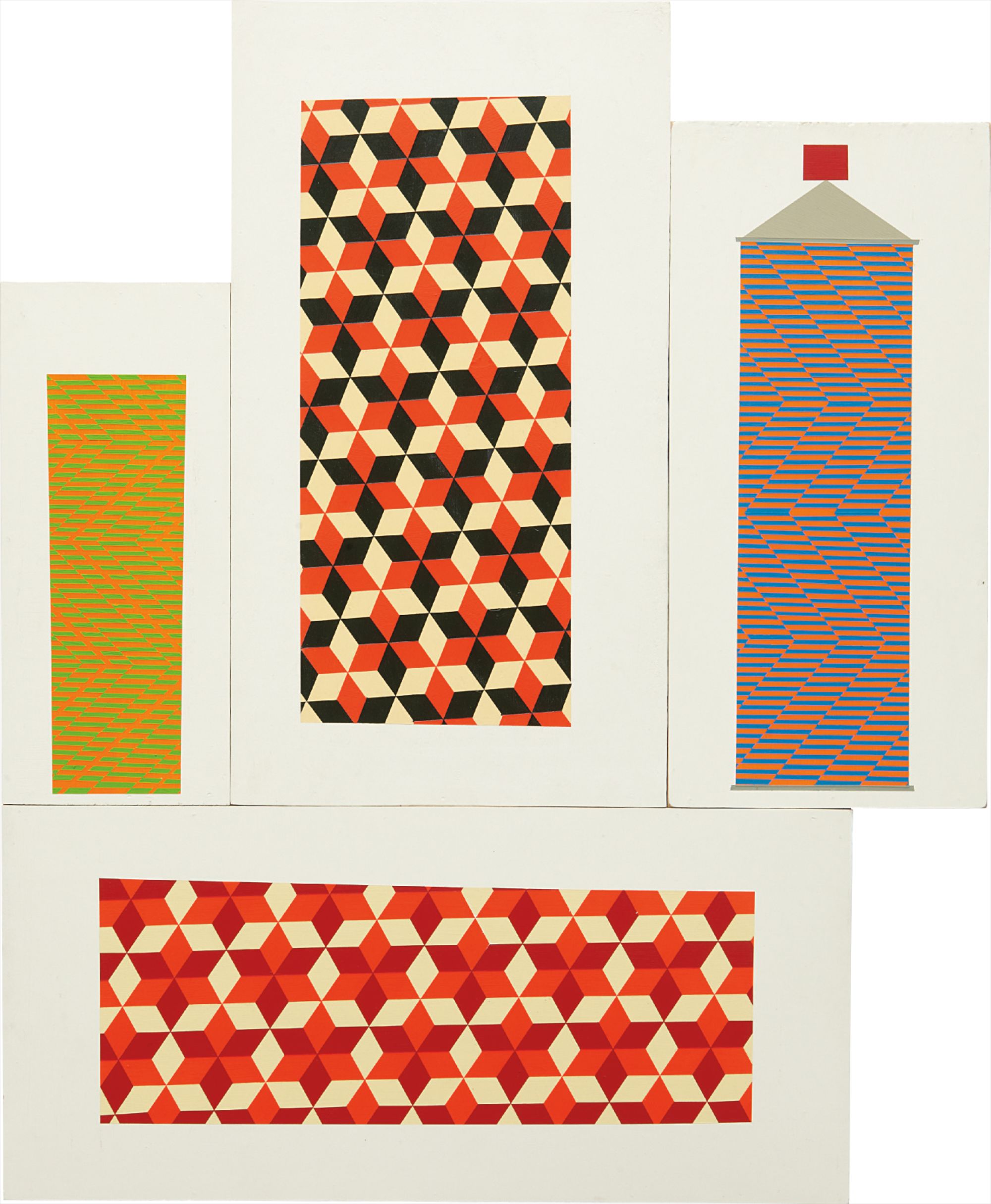
When the San Francisco Museum of Modern Art staged its major survey of Barry McGee's work in 2012, visitors encountered something that defied easy categorization. The galleries had been transformed into an environment that felt simultaneously like a freight yard, a community center, and a fever dream of American vernacular culture. Skateboards hung in dense formations, televisions flickered with looping footage, and hundreds of framed works covered every surface, floor to ceiling, in a installation logic that owed as much to the walls of a Mission District building as to any white cube tradition. That exhibition confirmed what many in the art world had long understood: McGee is one of the most genuinely original voices to emerge from American art in the past four decades. McGee was born in San Francisco in 1966 and came of age in a city electric with creative tension. The Bay Area of the 1970s and 1980s was a landscape shaped by countercultural memory, economic precarity, and an incredibly fertile street culture. McGee absorbed all of it. He studied at the San Francisco Art Institute, where he trained in painting and printmaking, earning his BFA in 1991, but his real education was happening simultaneously on the streets, where he was building a formidable reputation under the tag name Twist. That dual formation, the rigor of fine art training alongside the improvisational urgency of graffiti, would come to define everything he made. The graffiti scene McGee inhabited was not simply about spectacle or territorial marking. For McGee and his peers, it was a full artistic practice with its own aesthetics, ethics, and history. He developed a cast of recurring figures during these years, drooping, world weary characters with bulbous noses and downcast expressions, faces that seemed to carry the weight of the city itself. These figures appeared on walls, on trains, in alleyways, becoming a kind of visual mythology of urban life as lived from the margins rather than the center. When galleries and institutions began to pay attention in the 1990s, McGee brought those figures with him, refusing to sanitize or formalize them into something more conventionally palatable. The breakthrough into the international art world came gradually and then all at once. His participation in group exhibitions throughout the late 1990s, including shows at Deitch Projects in New York, introduced his work to a collecting audience that was beginning to take street rooted practices seriously. By the time the 2000s arrived, McGee was exhibiting with Ratio 3 in San Francisco and had become a key figure in a loose international network of artists who were collapsing the boundary between public and gallery space. His installations grew increasingly complex and immersive, incorporating found objects, salvaged frames, electrical components, and hand painted panels in accumulations that reward sustained looking. Each element is carefully chosen, yet the overall effect feels organic and almost accidental, a tension that is entirely deliberate. Among his most celebrated bodies of work are the dense cluster installations, grids and cascading arrangements of painted panels in which his signature faces, geometric patterns, and text fragments coexist in conversations that never quite resolve. Works like his Cluster series on acrylic and composite panel demonstrate a mastery of surface and color that is easy to underestimate when the work is encountered as part of a larger environmental installation. The panels are objects of genuine beauty, and they reveal on close inspection a painterly intelligence shaped by decades of working at speed and at scale in conditions that offered no margin for hesitation. His works on paper, particularly those executed in ballpoint pen and displayed in frames he has constructed himself, carry a similar intimacy, the sense of a restless mind working through ideas in real time. From a collecting perspective, McGee's work occupies a fascinating position in the market. His output is genuinely varied, ranging from intimate works on paper and panel to large scale multi part installations that require serious spatial commitment, which means that entry points exist for collectors at different stages. The multi part works, such as his 29 Elements from 2011, a set of acrylic panels on wood, demonstrate the kind of ambitious thinking that has made his larger installations so commanding in institutional settings. Collectors who have built relationships with his work over time speak of its capacity to change depending on how it is hung and what surrounds it. That responsiveness is not a weakness but a strength. Works on paper and in artist made frames, including pieces executed in ink, graphite, and oil on found materials such as printed sheet music paper, offer an especially direct encounter with McGee's sensibility and are among the most sought after by serious collectors. McGee exists within a broader lineage that connects American folk art traditions, the visual culture of skateboarding and punk, Bay Area figuration, and the global conversation around post graffiti practice. Artists like Margaret Kilgallen, his late partner and collaborator, shared his deep commitment to handmade letterforms and American vernacular imagery. Raymond Pettibon, another Californian artist who emerged from subcultural spaces, offers a useful parallel, a figure who brought an outsider visual language into gallery contexts without losing its edge. Jean Michel Basquiat traced a similar arc from the streets of New York a decade earlier, and the comparison illuminates how certain artists transform the conditions of their formation into a durable and expansive artistic vision. What McGee offers that feels especially vital right now is a kind of moral and aesthetic consistency. In an art world that rewards novelty and repositioning, he has spent decades deepening the same set of preoccupations rather than chasing fashion. His work remains committed to the human figure in all its fragility and dignity, to the textures of everyday life rather than the surfaces of aspiration, and to modes of making that carry the trace of the human hand. For collectors and institutions, that consistency is not limitation but depth. To spend time with a Barry McGee work is to enter a world that is entirely coherent and entirely itself, the mark of an artist who has never needed to be anything other than exactly who he is.