Sexuality
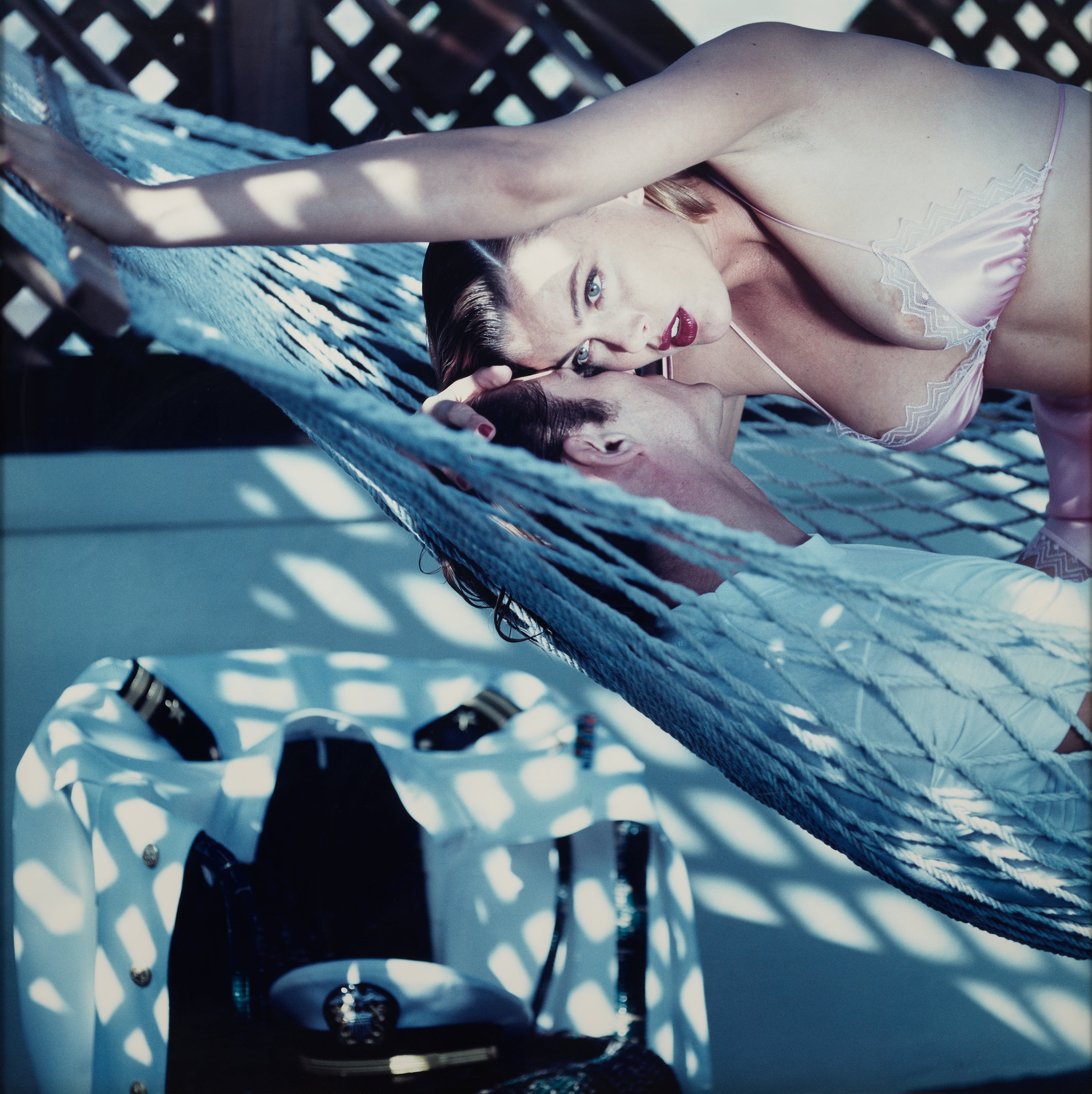
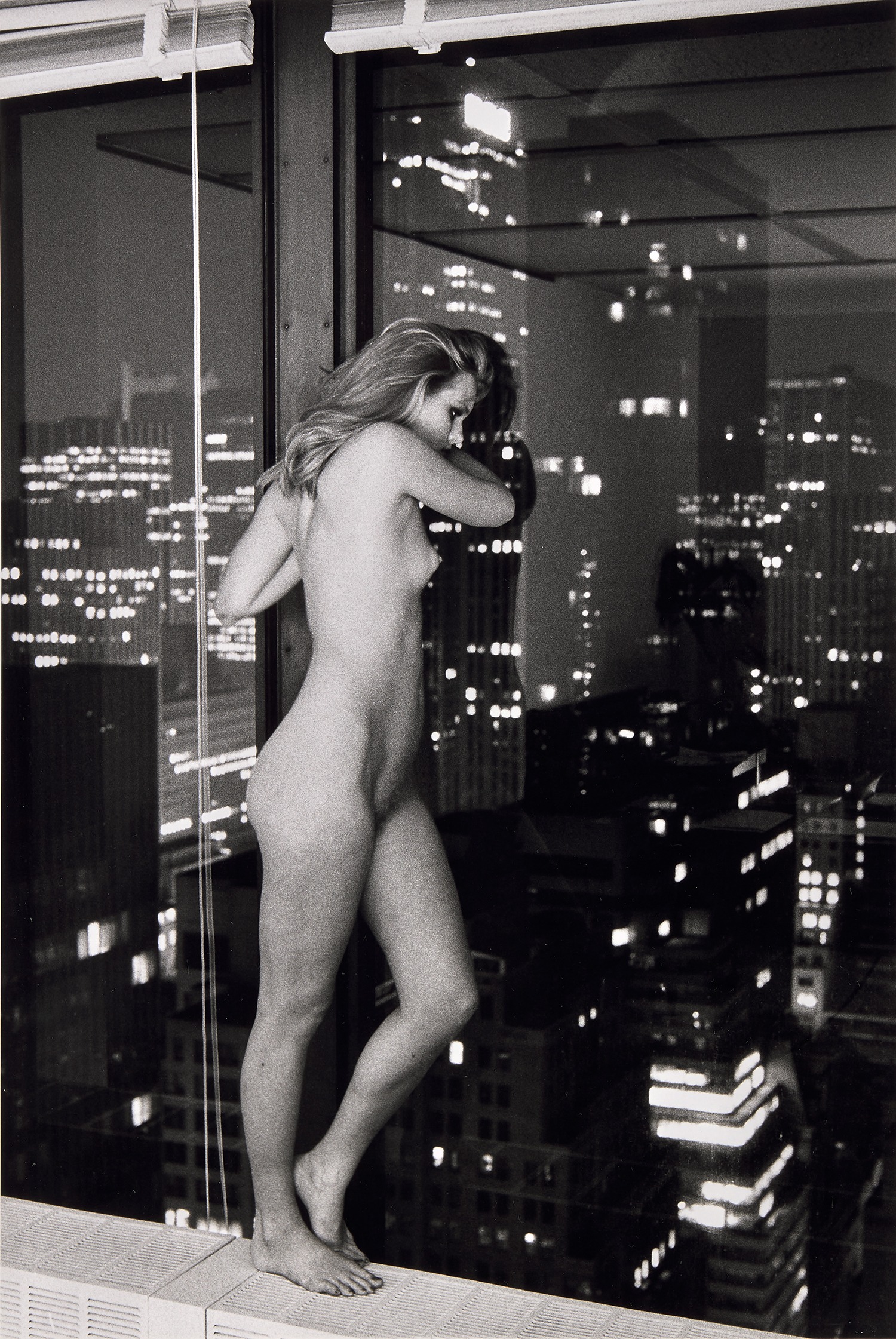
Helmut Newton
Flight Lieutenant, U.S. Navy, Los Angeles


Desire Has Never Been More Collectible
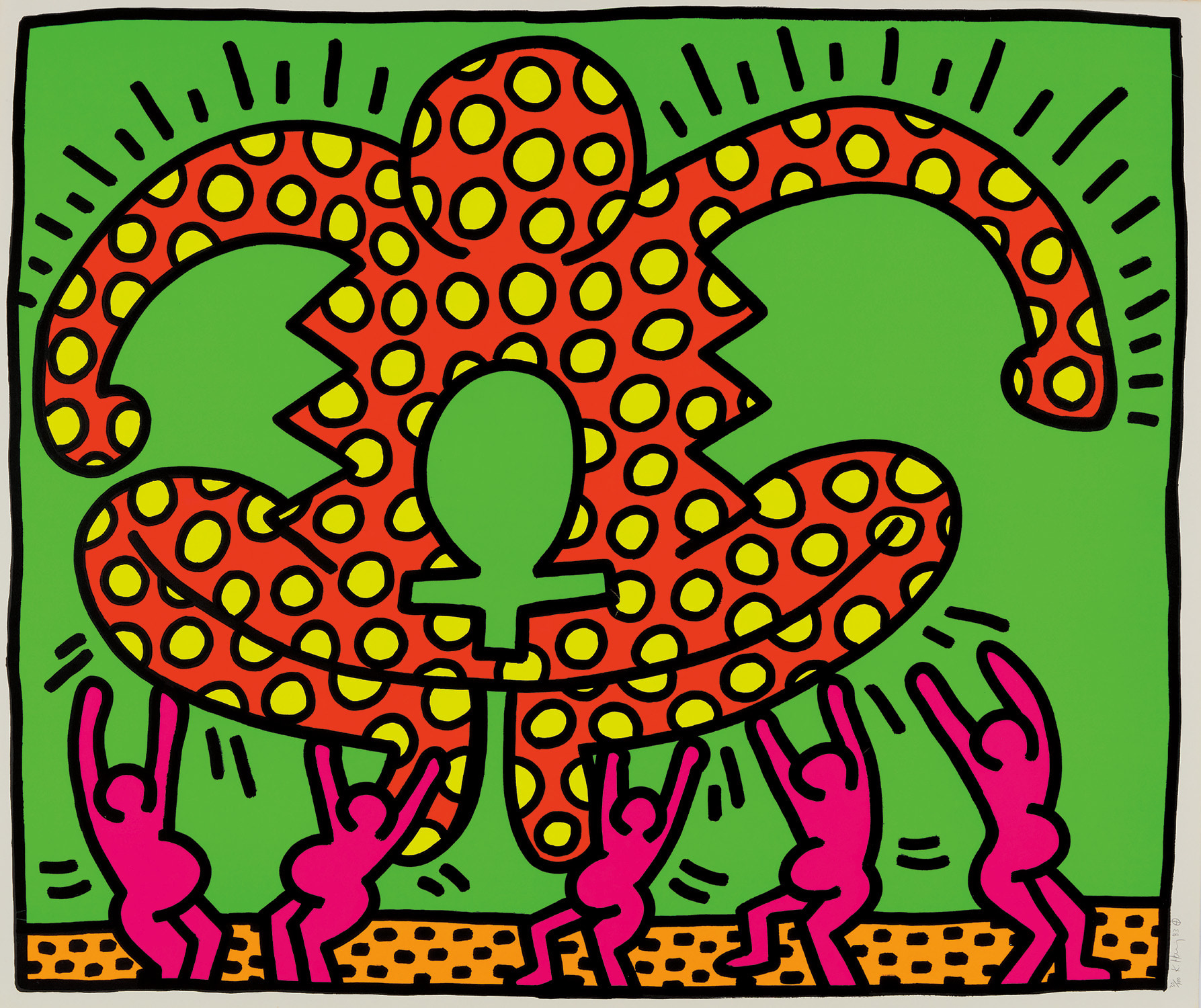
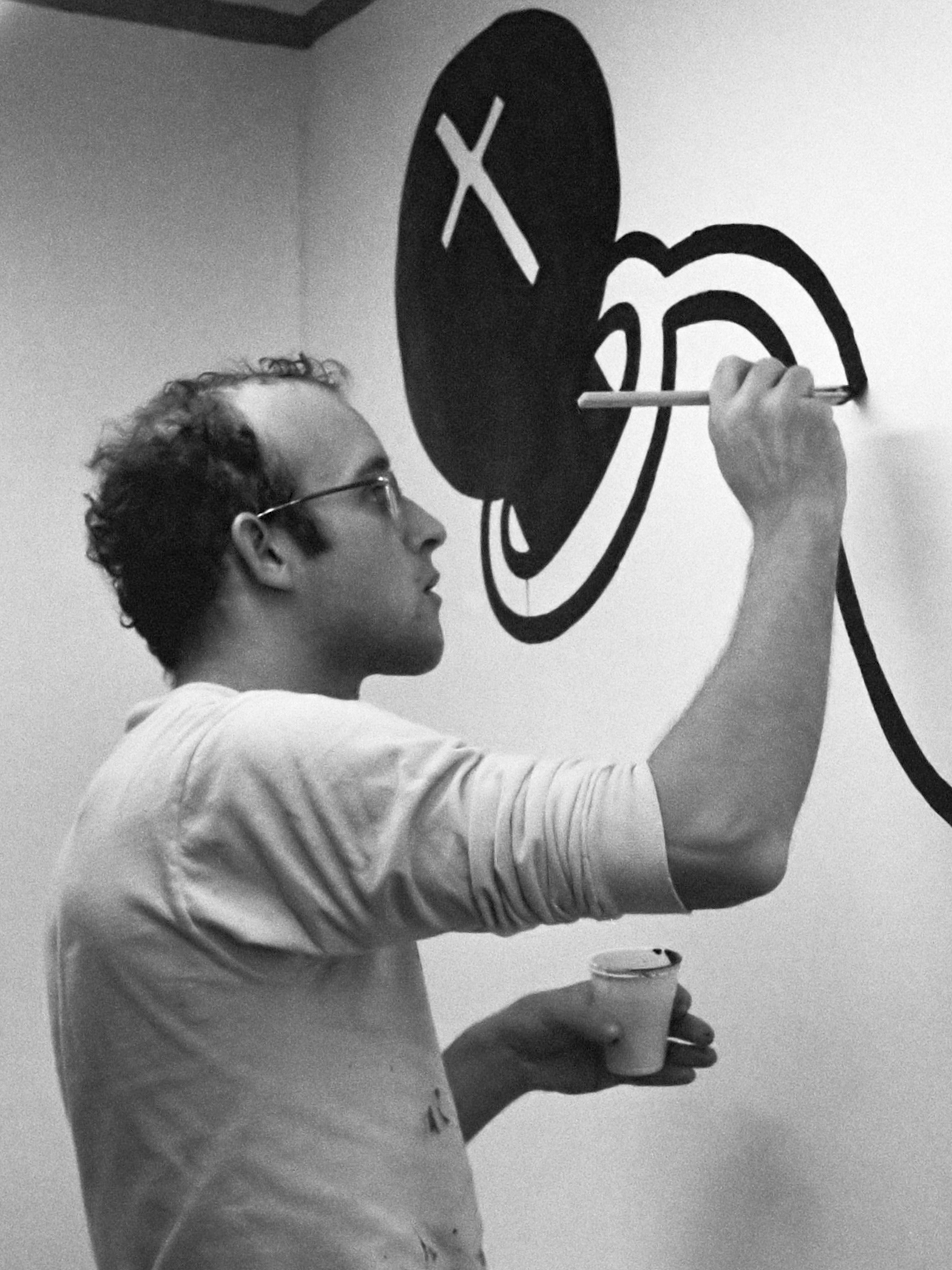
When a print from Keith Haring's erotic portfolio sold at Phillips in 2023 for well above its high estimate, the room took note. It was not a surprise exactly, but it was a confirmation. Work that deals frankly and joyfully with queer sexuality, with bodies in motion and pleasure unashamed, had moved from the margins of the market to its heated center. The moment felt emblematic of a broader shift that collectors, curators, and auction specialists have been tracking for the better part of a decade.
Sexuality as subject matter is no longer a qualifier or a complication. It is the point. The institutional appetite for this territory has become unmistakable. The reopening of the Tate Modern's collection displays in recent years brought renewed attention to works that treat the body and desire as primary languages rather than provocations.
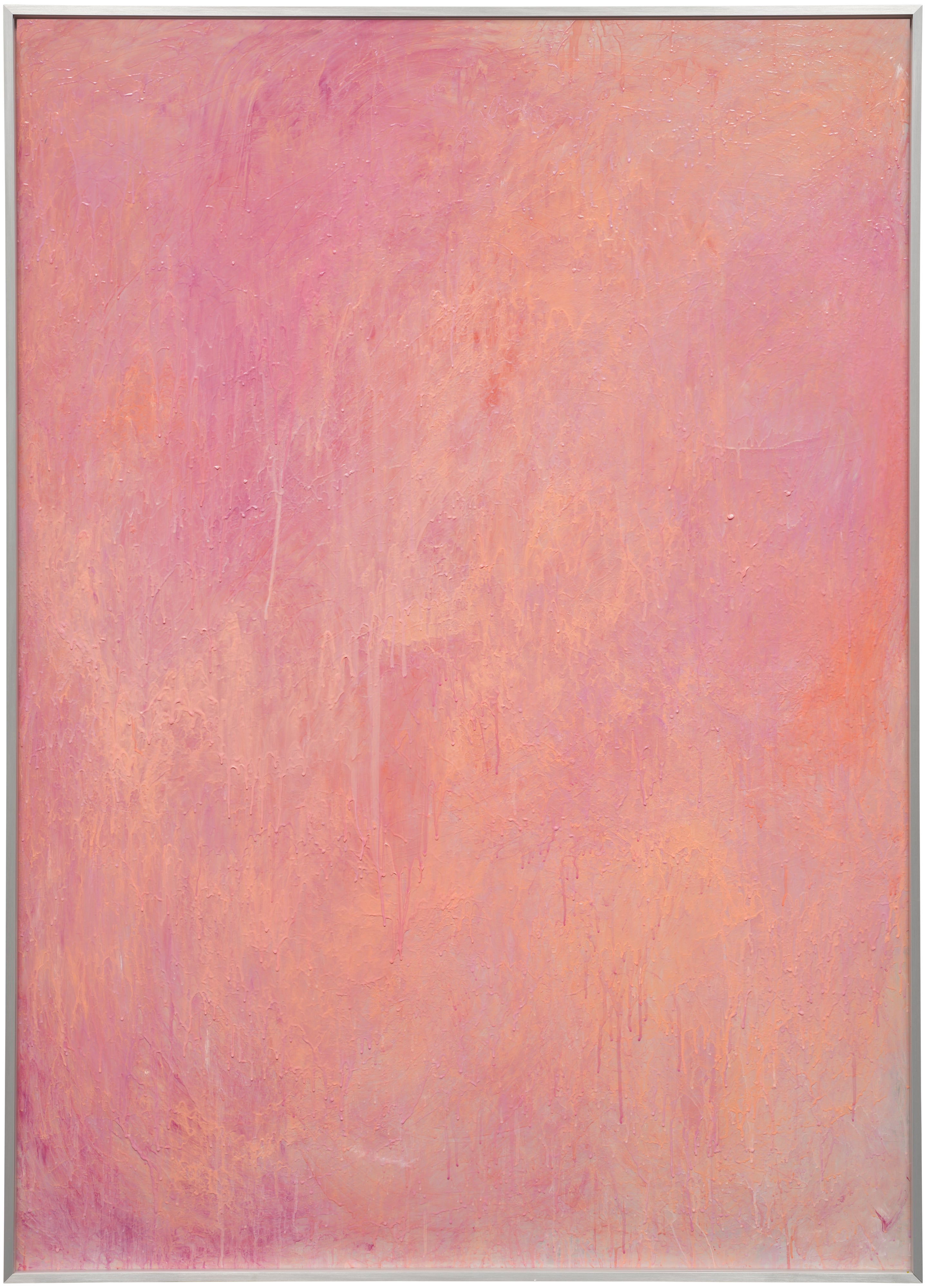
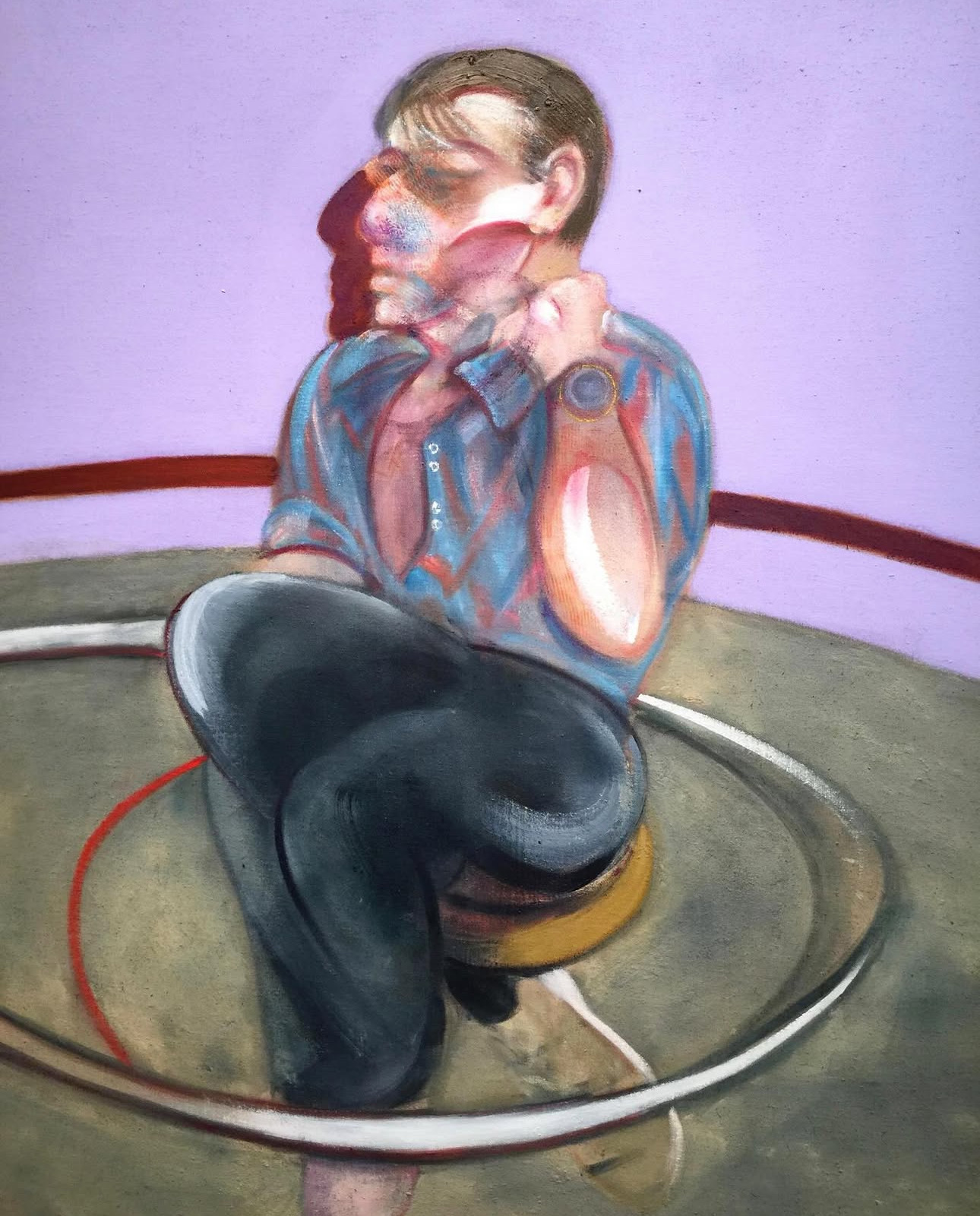
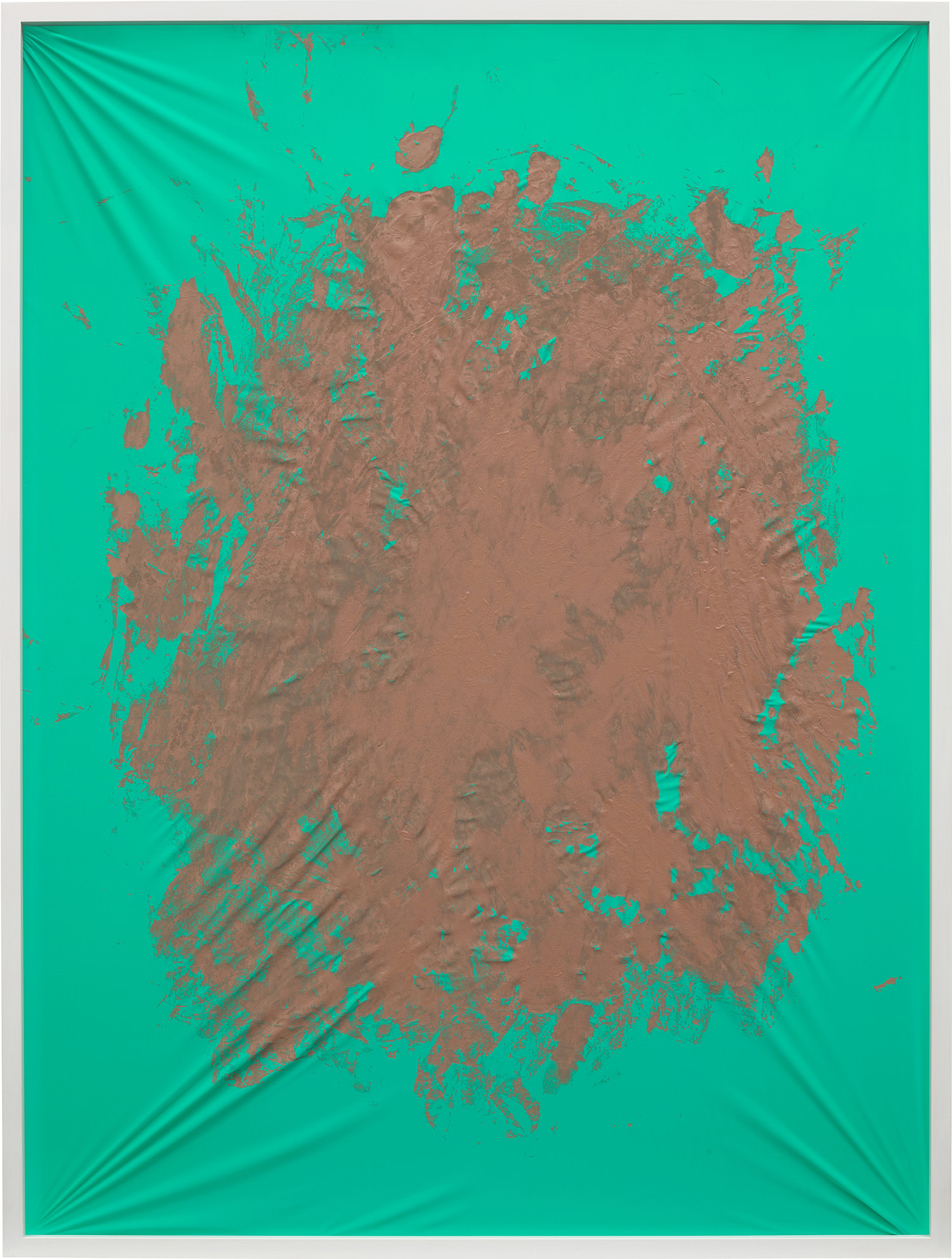
Pamela Rosenkranz
Sexual Power (Viagra Painting, Feeling Green), 2020
MoMA's 2019 rehang placed queer and feminist artists in direct conversation with the canonical figures they had long been excluded from, and the effect was revelatory. Visitors encountered the erotic not as transgression but as syntax, a fundamental way that artists have always structured meaning. Museum programming has caught up to what many collectors already understood intuitively. The photographic tradition within this space commands particular market attention.
Helmut Newton built a career on images that refused to resolve the tension between power and desire, between objectification and agency. His work continues to perform strongly at auction, with estate prints and vintage photographs drawing serious competition. What makes Newton enduringly compelling to collectors is precisely his refusal of easy readings. The women in his photographs are never simply objects, but neither are they comfortably liberated.
Helmut Newton
Flight Lieutenant, U.S. Navy, Los Angeles
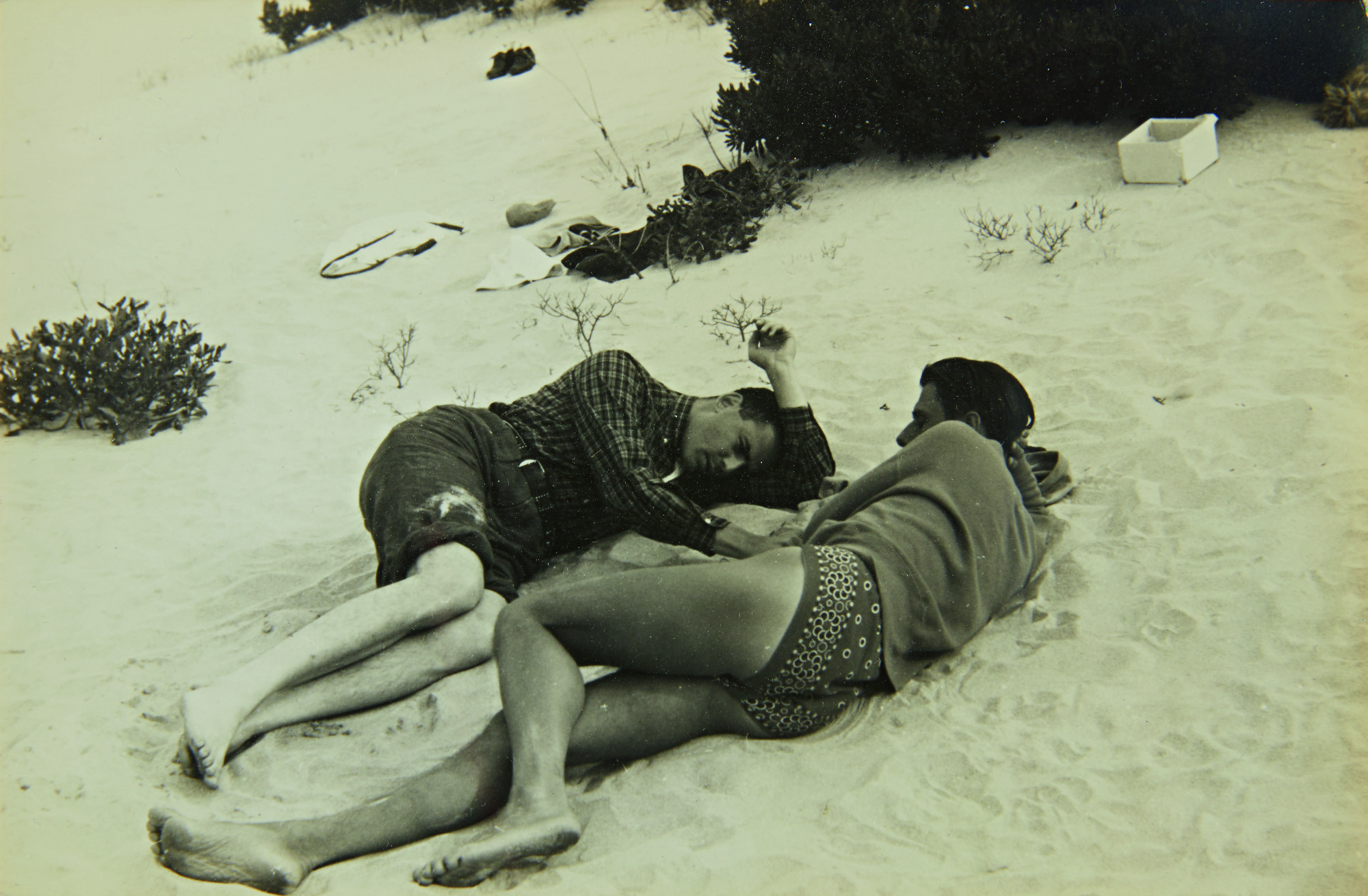
That productive discomfort has aged into genuine art historical weight, and the market reflects it. Retrospectives in Monte Carlo and Paris have kept his visual language in active critical circulation. The work of PAJAMA, the collaborative practice of Paul Cadmus, Jared French, and Margaret French, represents a different but equally significant strand of this conversation. Active primarily in the 1940s and early 1950s, they produced paintings and photographs in the PaJaMa group that encoded queer desire within the visual codes of their era, a kind of open secret that contemporary scholars have worked to fully illuminate.
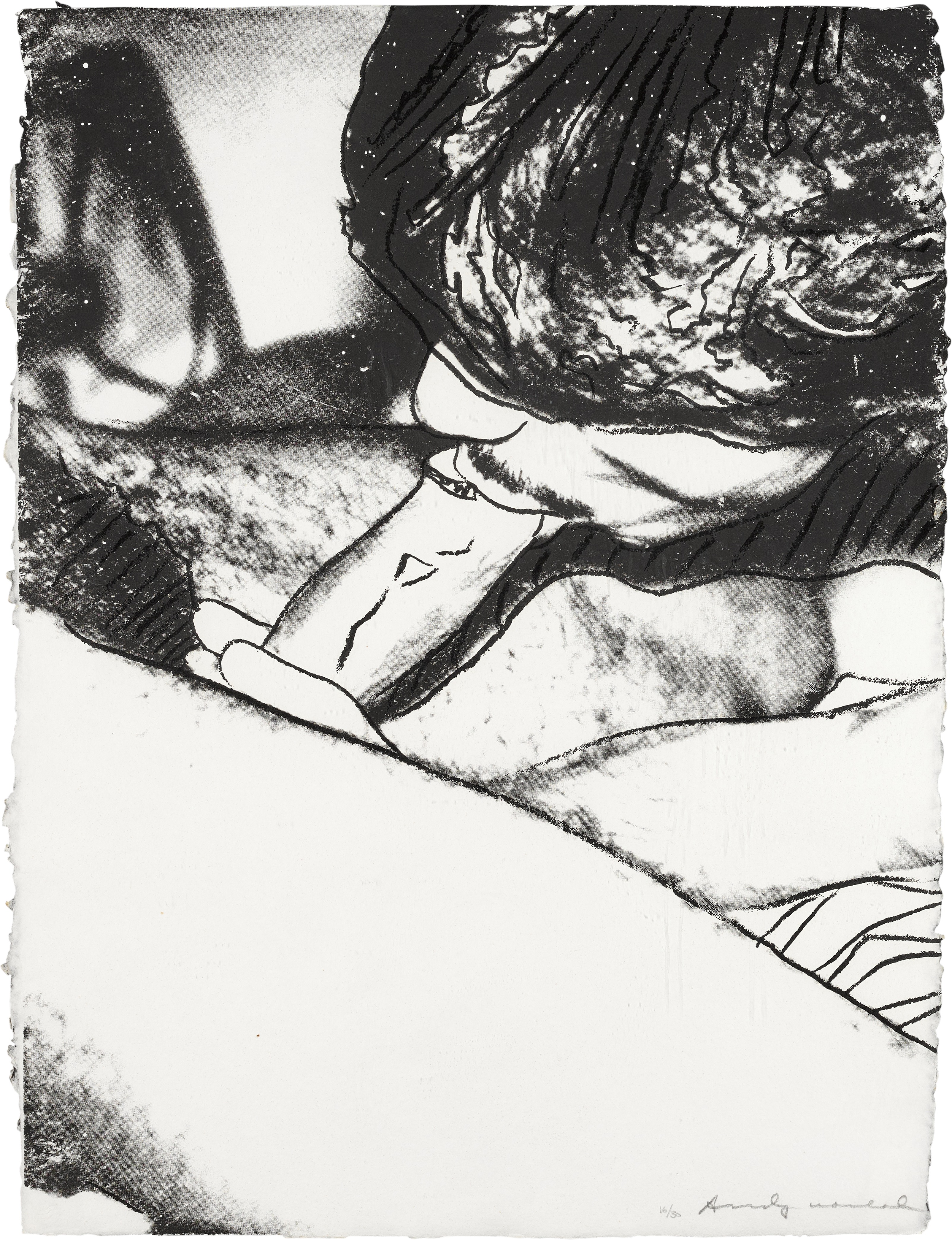
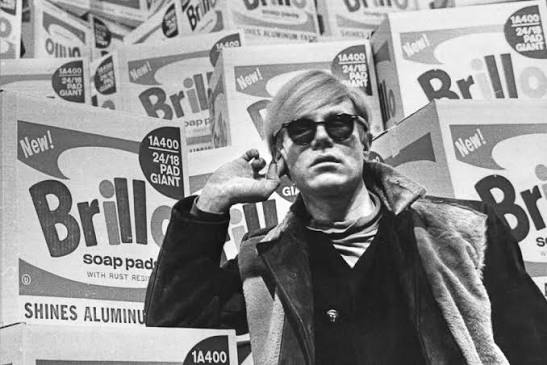
As institutional interest in American modernism's queer undercurrents has grown, their work has attracted serious curatorial and collector attention. The Whitney and other institutions have revisited this period with fresh critical frameworks, and market values have responded accordingly. Andy Warhol remains the gravitational center of any conversation about sexuality in postwar American art. His treatment of desire was always simultaneously personal and industrial, intimate and mass produced.
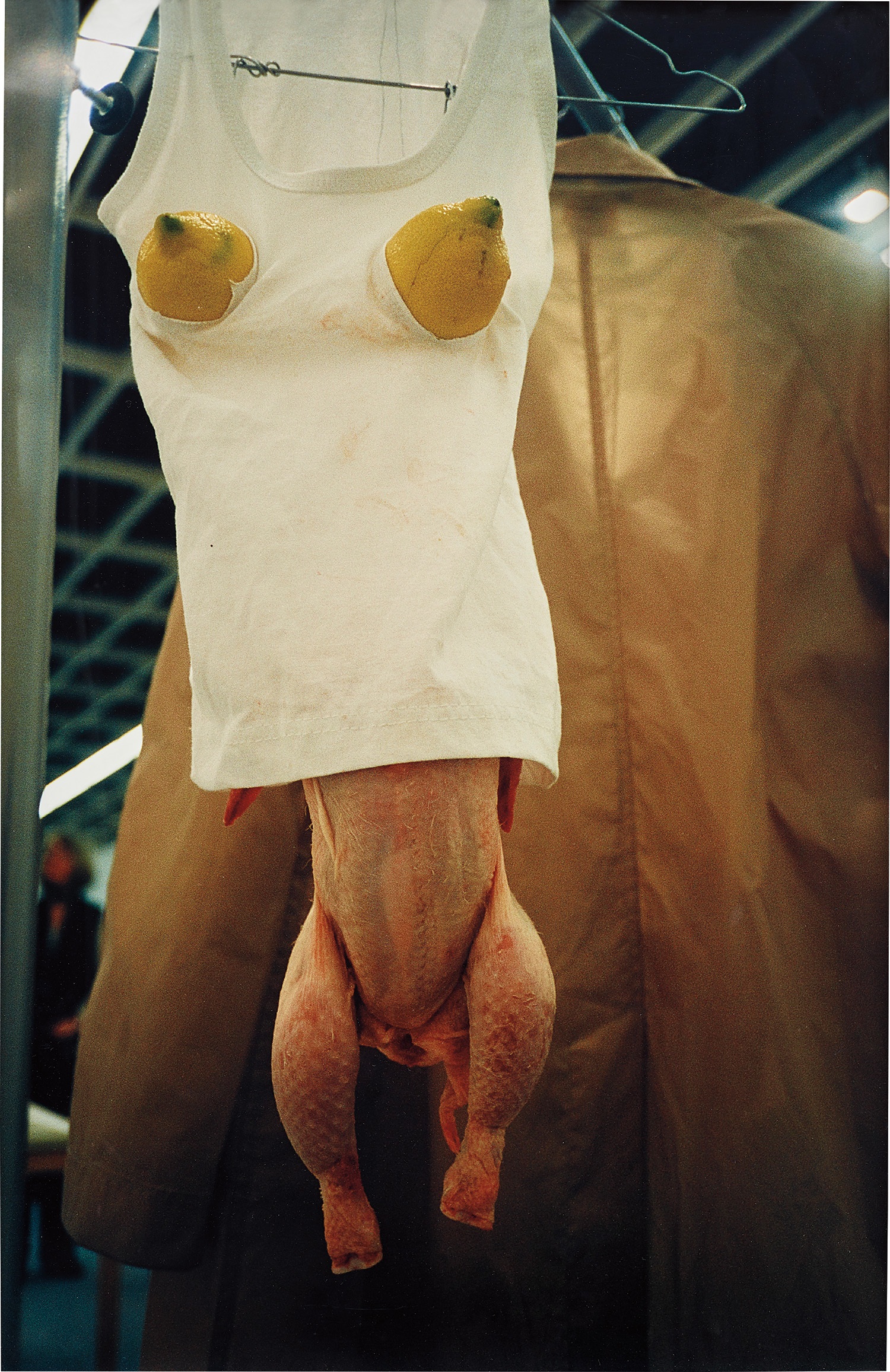
Sarah Lucas
Sex Baby, 2000
The market for Warhol across all categories remains among the most active in contemporary art, but works that engage directly with queer iconography and the erotic carry a particular charge for collectors who understand their full context. His Ladies and Gentlemen series, his early drawings of male figures, and his film work collectively constitute one of the most sustained investigations of sexuality in twentieth century art. The scholarship has deepened considerably, and auction results continue to reflect that deepened understanding. Sarah Lucas brings an entirely different temperature to this territory.
Her work operates through wit and aggression, using the sexual as a site of both humor and genuine menace. Since her 1990s emergence from the Young British Artists scene, her reputation has solidified considerably. A major retrospective at the Tate in 2015 crystallized her standing, and subsequent shows in New York and across Europe have introduced her practice to new generations of collectors. Her auction market has strengthened in parallel, with her sculptural works in particular attracting institutional and private buyers who respond to the rawness and intelligence of her approach.

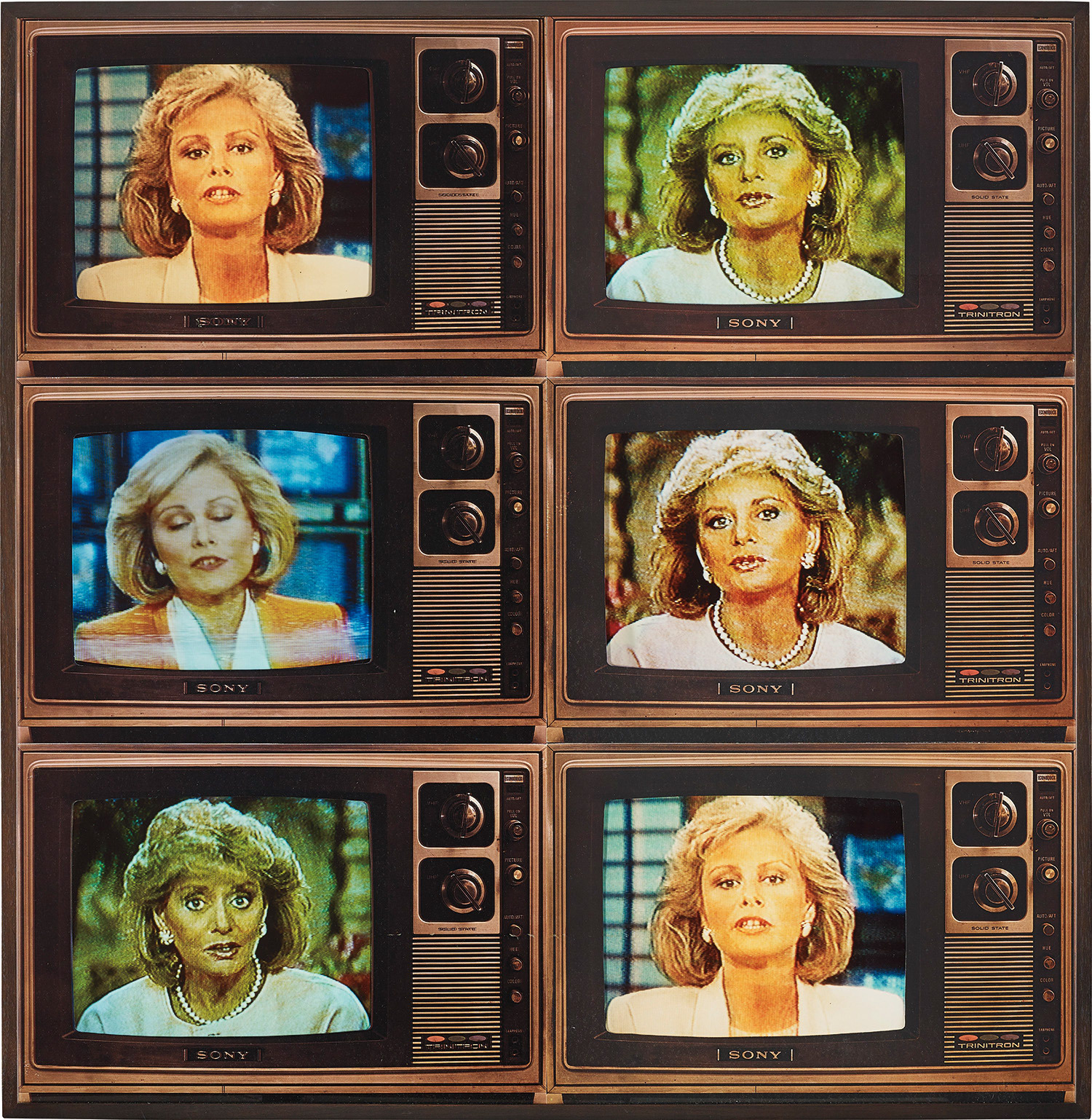
Laurie Simmons
The Love Doll/Day 8 (Lying on Bed)
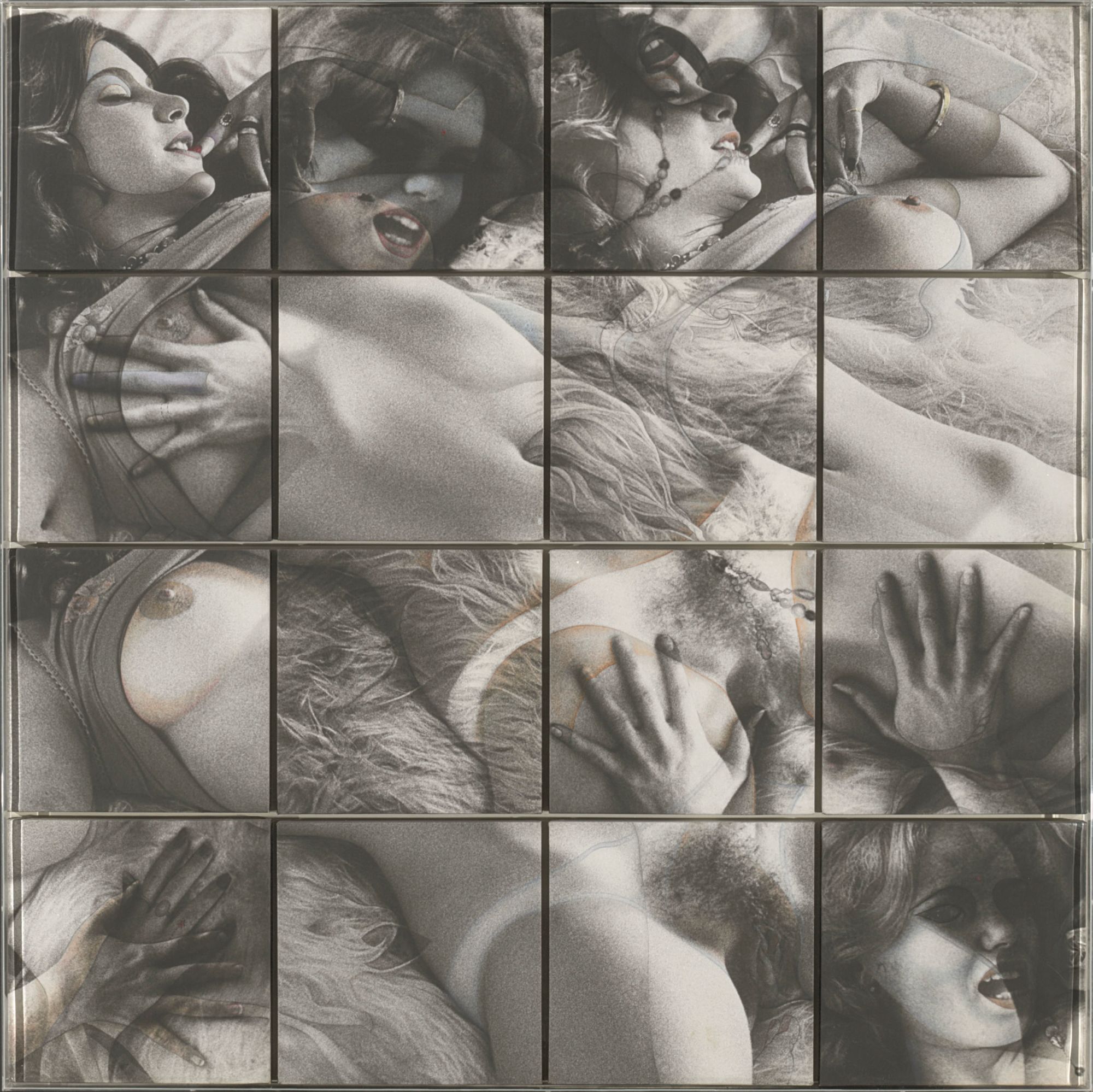
The photographic and conceptual work of Robert Heinecken and Laurie Simmons approaches sexuality through the mediating lens of mass culture and image production. Heinecken, who taught at UCLA for decades, made work that interrogated how desire circulates through advertising, pornography, and the vernacular photographic image. His reputation has been substantially revised upward since his death in 2006, with galleries and institutions working to properly situate his contribution. Simmons, meanwhile, has long been associated with Pictures Generation concerns around simulation and desire, but recent critical attention has focused more specifically on the psychological dimensions of her staged photographs and their relationship to femininity as performance.
Pamela Rosenkranz occupies a genuinely contemporary position within this lineage. Her work engages with the body at a biological and chemical level, treating desire and sexuality through the registers of pharmaceuticals, skin tone, and evolutionary psychology. She represented Switzerland at the 2015 Venice Biennale to significant critical attention, and her practice has been the subject of sustained curatorial interest from institutions including the Kunsthalle Zürich. For collectors thinking about where the critical conversation is moving, her work signals a shift toward more conceptually mediated engagements with bodily experience, less directly representational but no less invested in the erotic as a site of meaning.
The writers and curators shaping this conversation now tend to resist the comfortable narratives of liberation and transgression that once dominated. Critics associated with journals like October and publications including Artforum have pushed toward more nuanced accounts of how sexuality functions within specific historical and social formations. Scholars like Jennifer Doyle, whose work on affect and the erotic in contemporary art has been widely influential, have given collectors and institutions better tools for understanding what they are looking at and why it matters. This critical sophistication has had a direct market effect, supporting prices and lending institutional credibility.
What feels most alive in this space right now is the intersection of sexuality with questions of identity, technology, and representation that younger artists are navigating in genuinely new ways. What feels settled is the canonical status of figures like Warhol, Newton, and Haring, whose market positions are now well established and whose critical reputations show no sign of softening. The surprise, for many, has been the speed with which work once considered too explicit or too peripheral for serious institutional consideration has moved to the center. Collectors who understood this early, who built around desire and the body as primary subjects, find themselves holding something the broader market is only now fully catching up to.