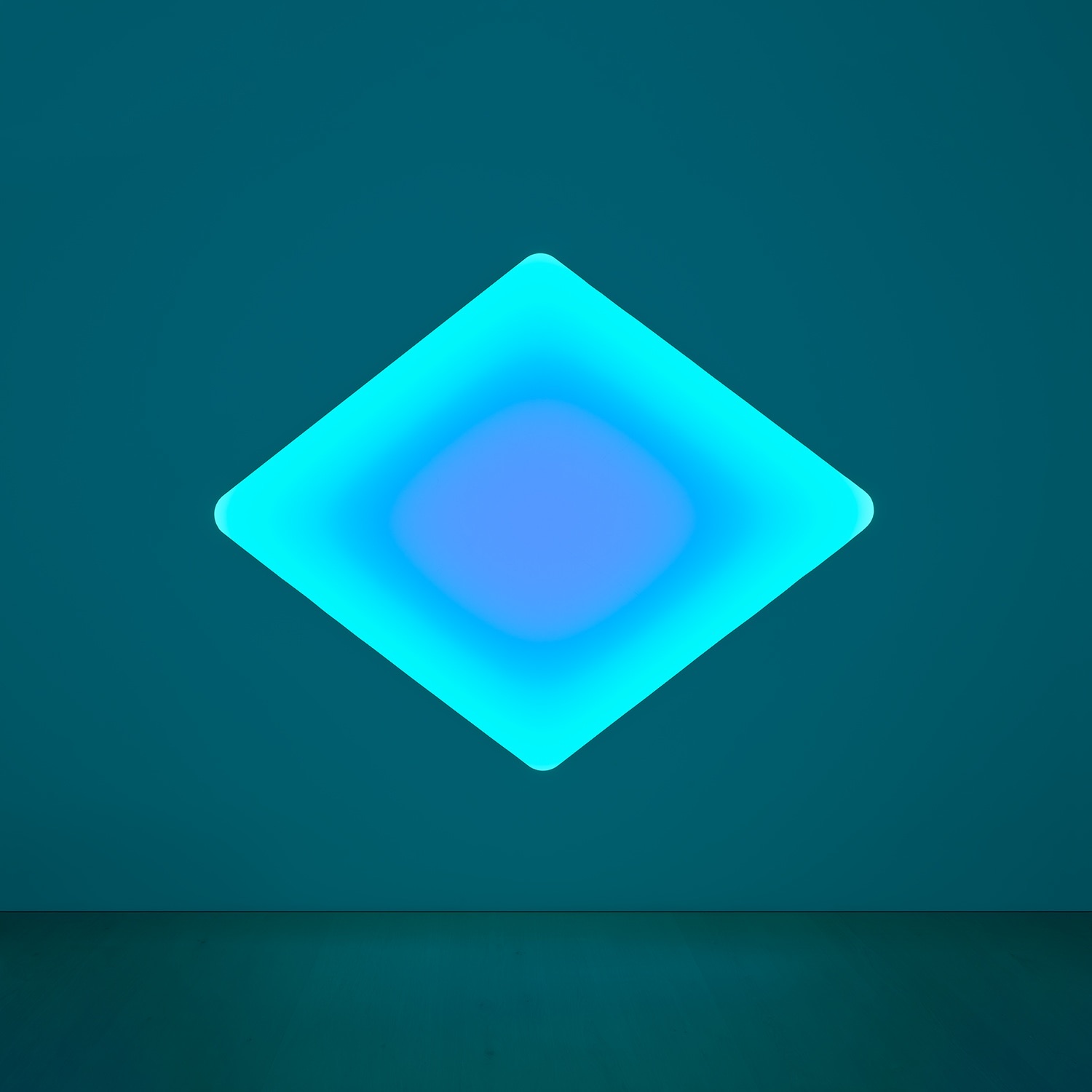
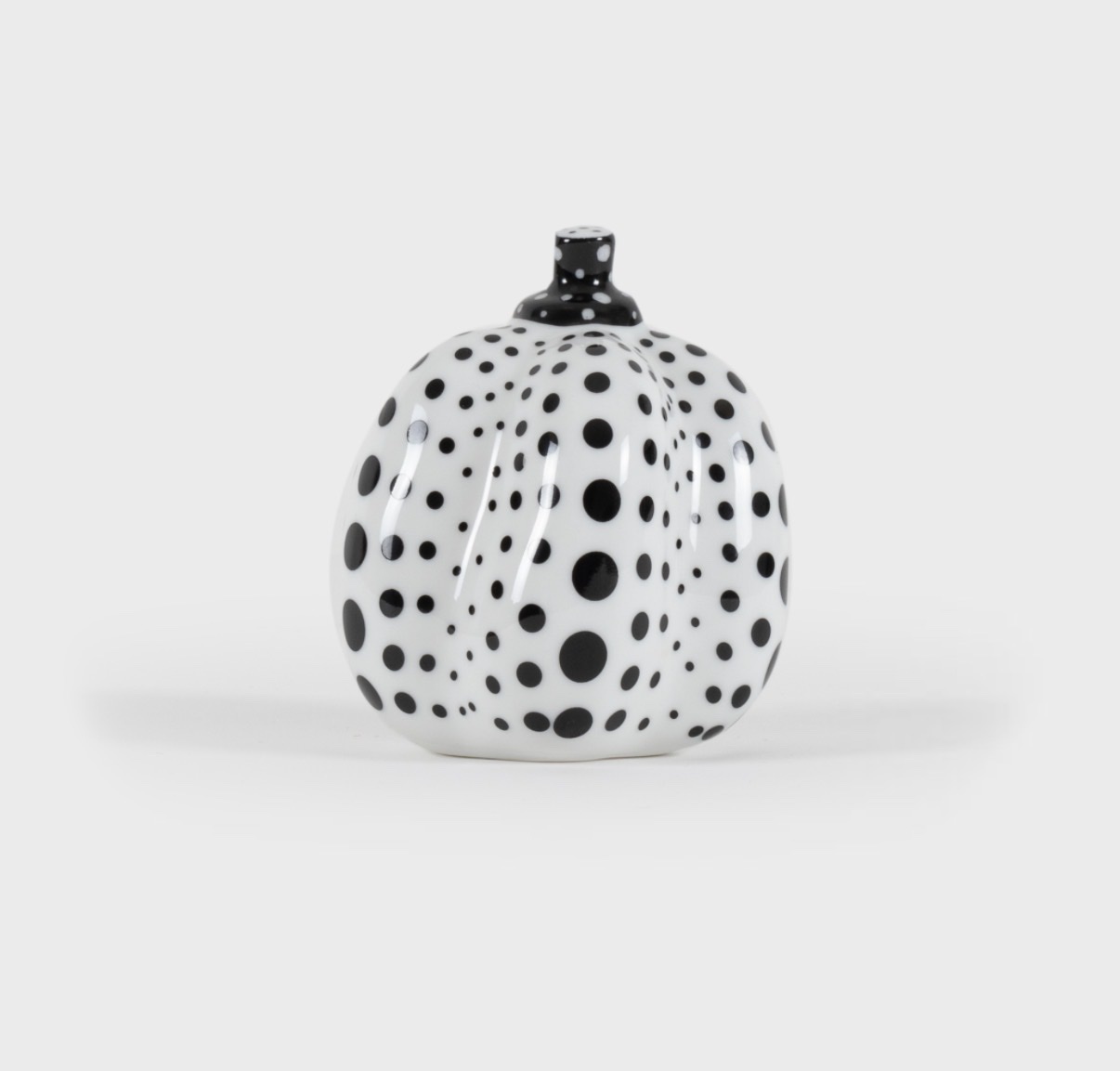
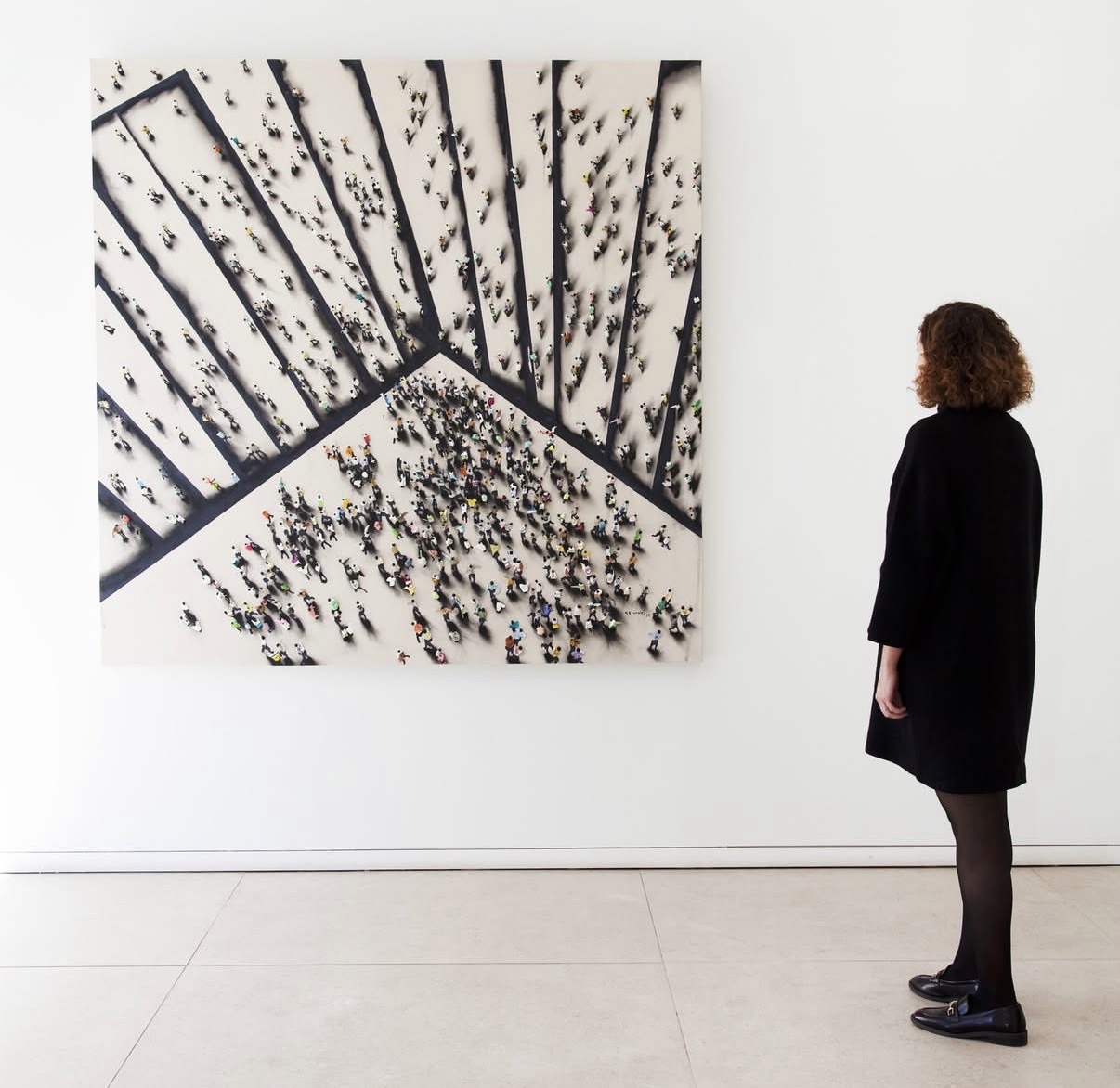
Serenity
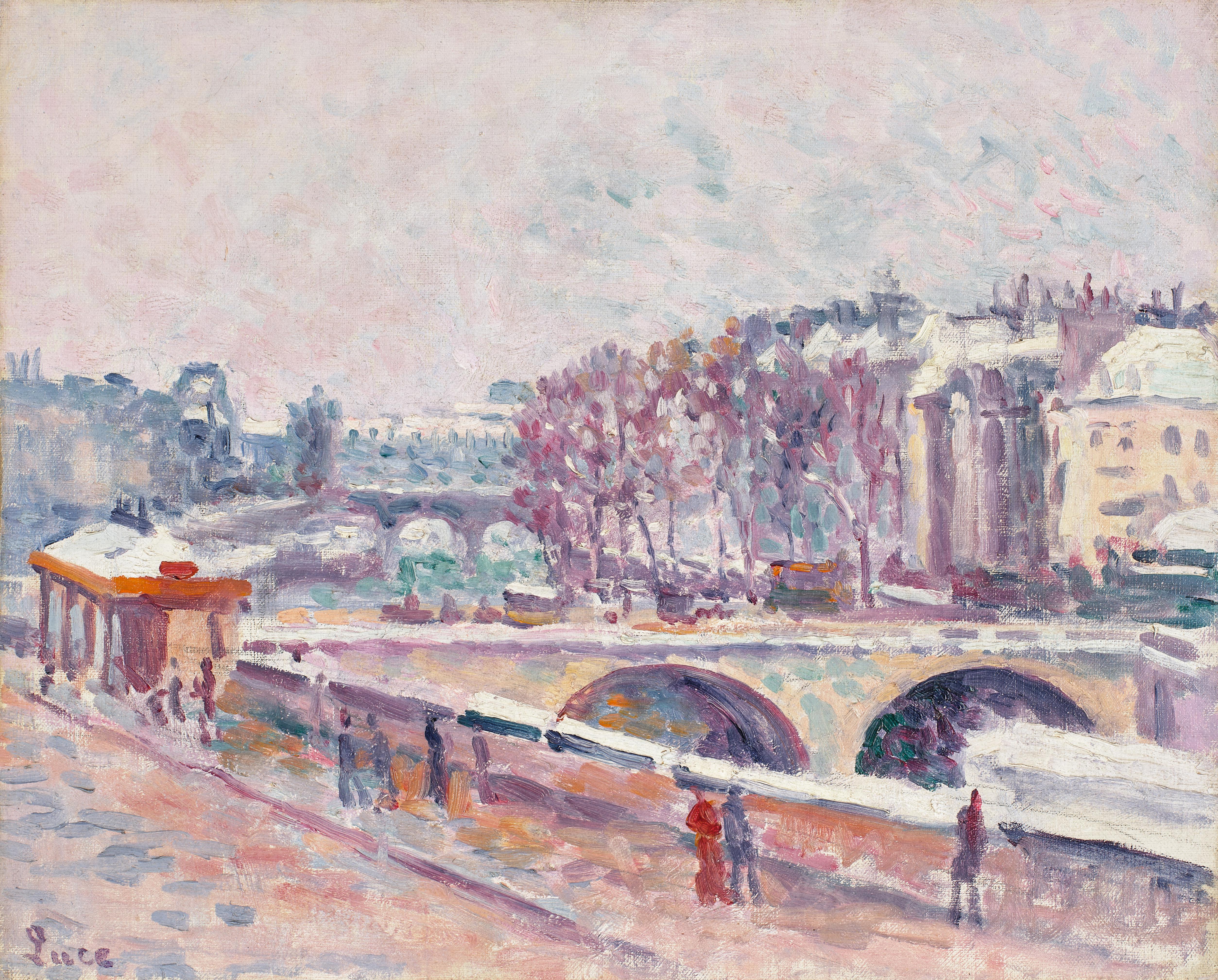
Maximilien Luce
Le Quai Saint-Michel
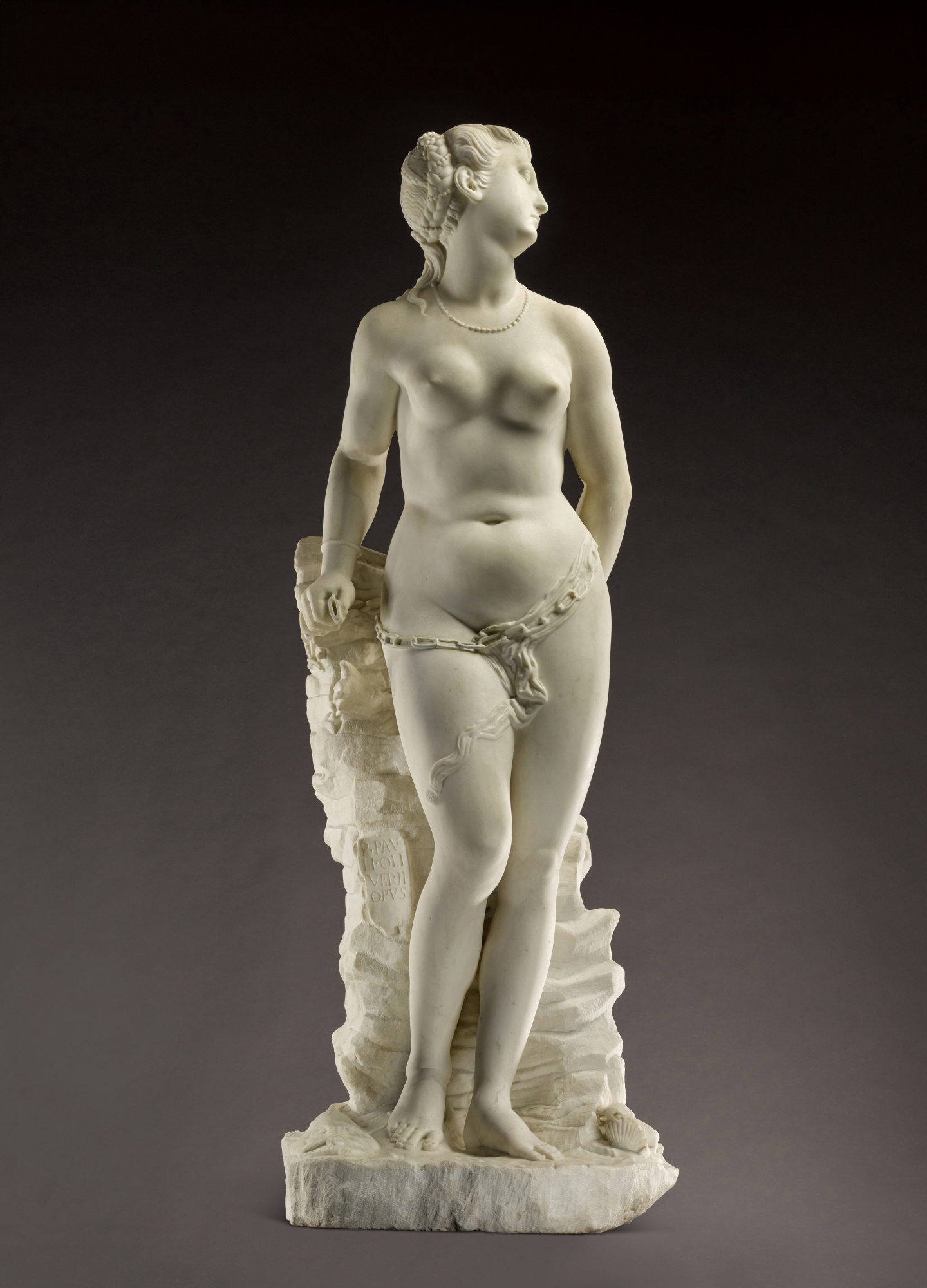
The Quiet Room: Serenity Reclaims Its Power
When Vija Celmins' ocean surface painting sold at Christie's New York in 2022 for well over ten million dollars, the room went unusually still. That silence felt appropriate. Collectors bidding on a Celmins are not chasing spectacle or provocation. They are paying extraordinary sums for the exact opposite: for the sensation of the mind slowing down, of time becoming elastic, of a horizon that refuses to resolve into anything but itself.
The result confirmed what many in the market had suspected for years. Serenity, as a sustained artistic pursuit rather than a passing mood, has arrived as a serious collecting category with its own logic and its own hierarchy. The appetite for contemplative work has been building steadily, accelerated in part by the particular exhaustion of the past several years. But to reduce this to a pandemic reaction is to miss the deeper current.
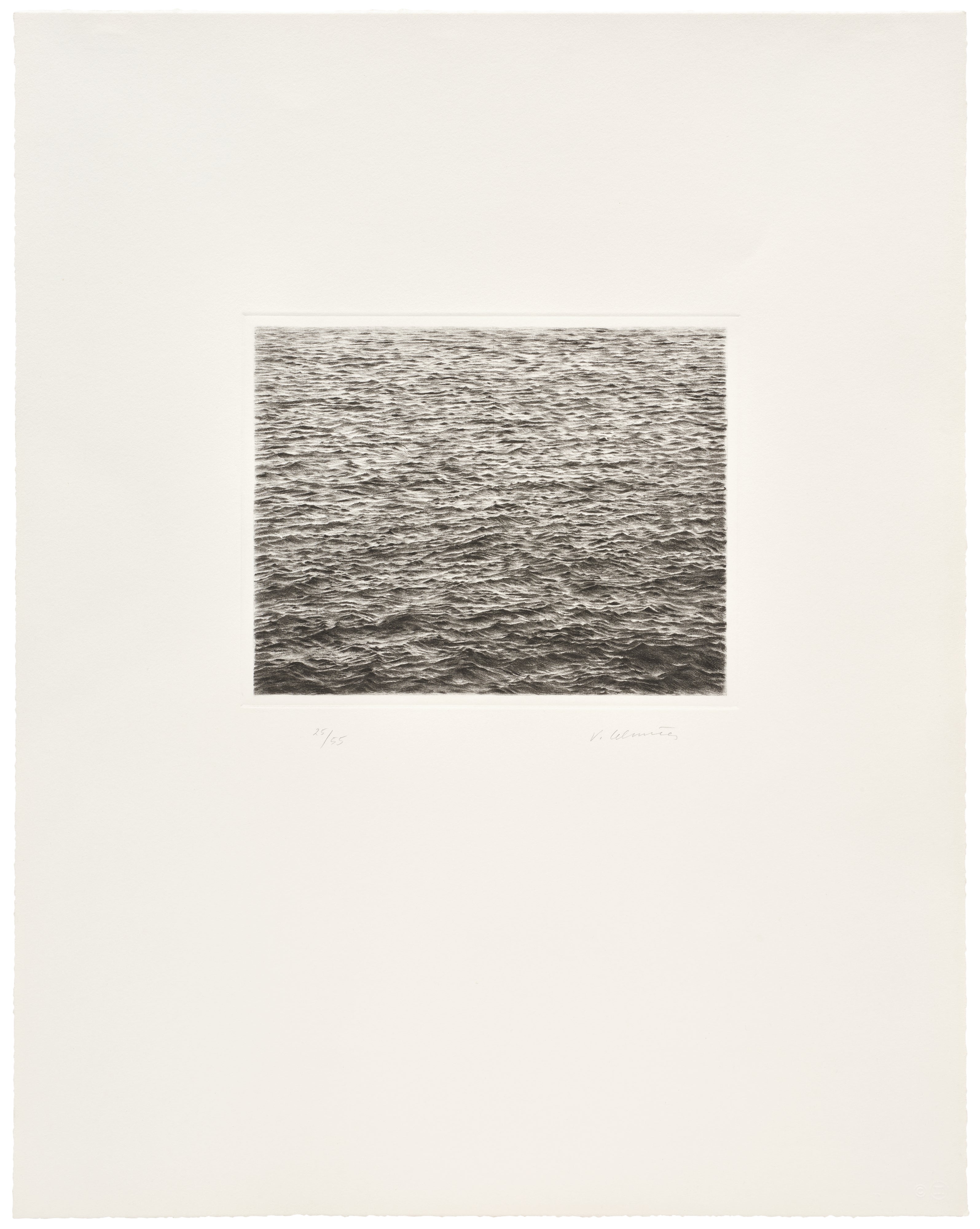
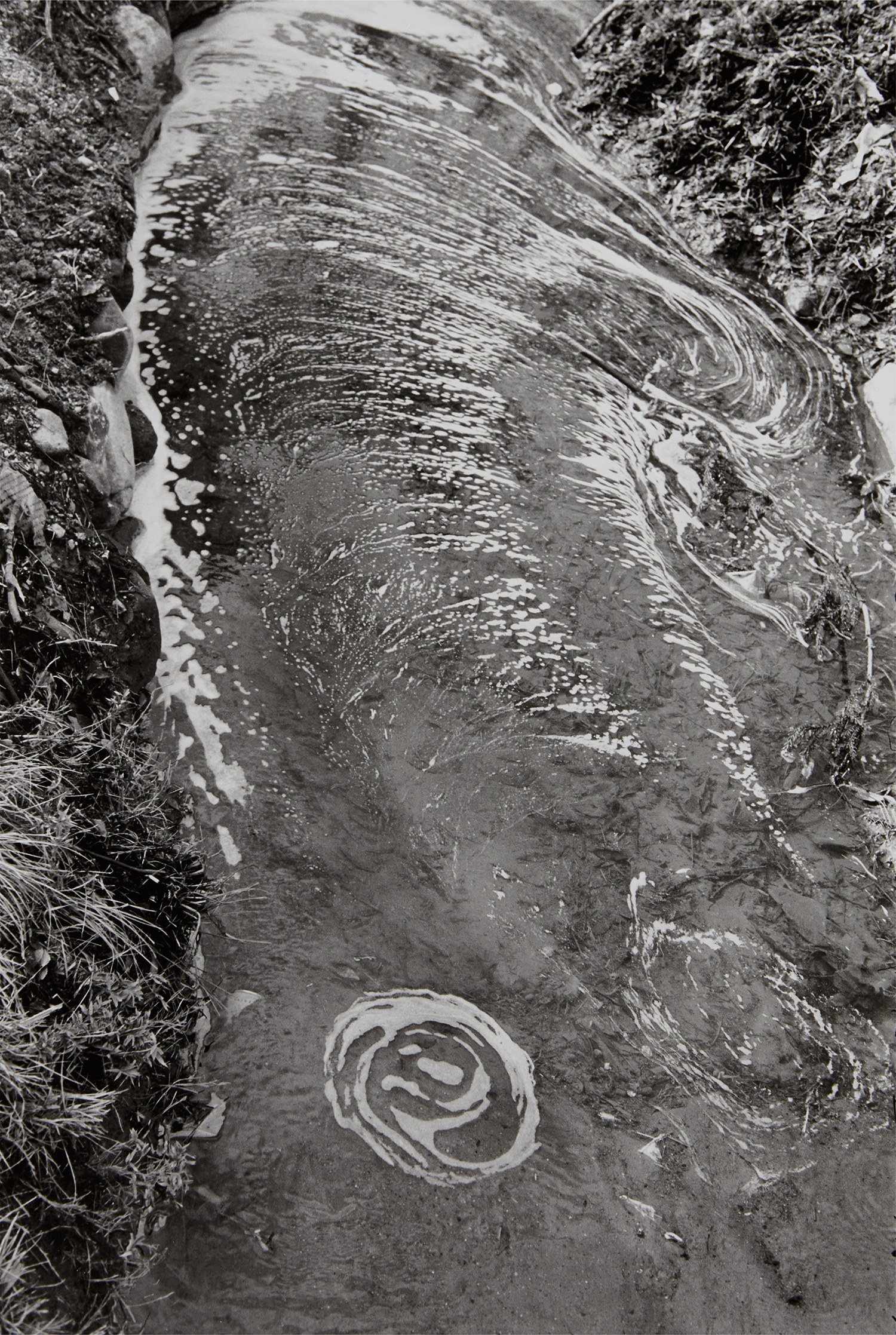
Vija Celmins
Drypoint Ocean Surface (Second State)
Institutions began signaling this shift earlier. The Museum of Modern Art's ongoing attention to Celmins, culminating in her 2019 retrospective organized jointly with the San Francisco Museum of Modern Art, placed meditative exactitude at the center of critical conversation. That show traveled with unusual seriousness, drawing audiences who stood in front of her graphite ocean drawings for extraordinary lengths of time. Curators noted it in their visitor reports.
The silence in those galleries was not passive. It was active and hungry. The Japanese woodblock tradition understood this hunger centuries before contemporary critics named it. Utagawa Hiroshige spent his career mapping the emotional temperature of landscapes, and his most beloved prints, the rain, the snow, the traveler dwarfed by distance, are essentially lessons in scale and submission.
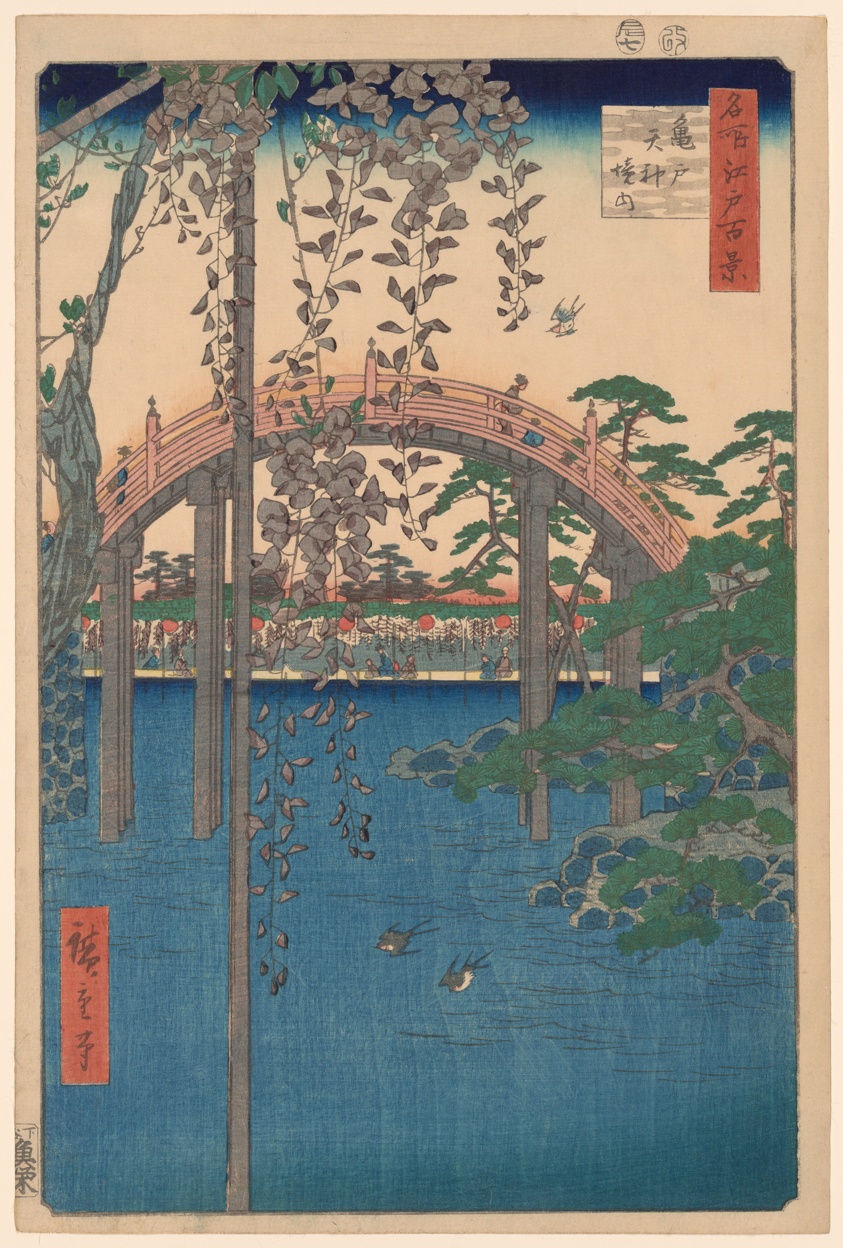
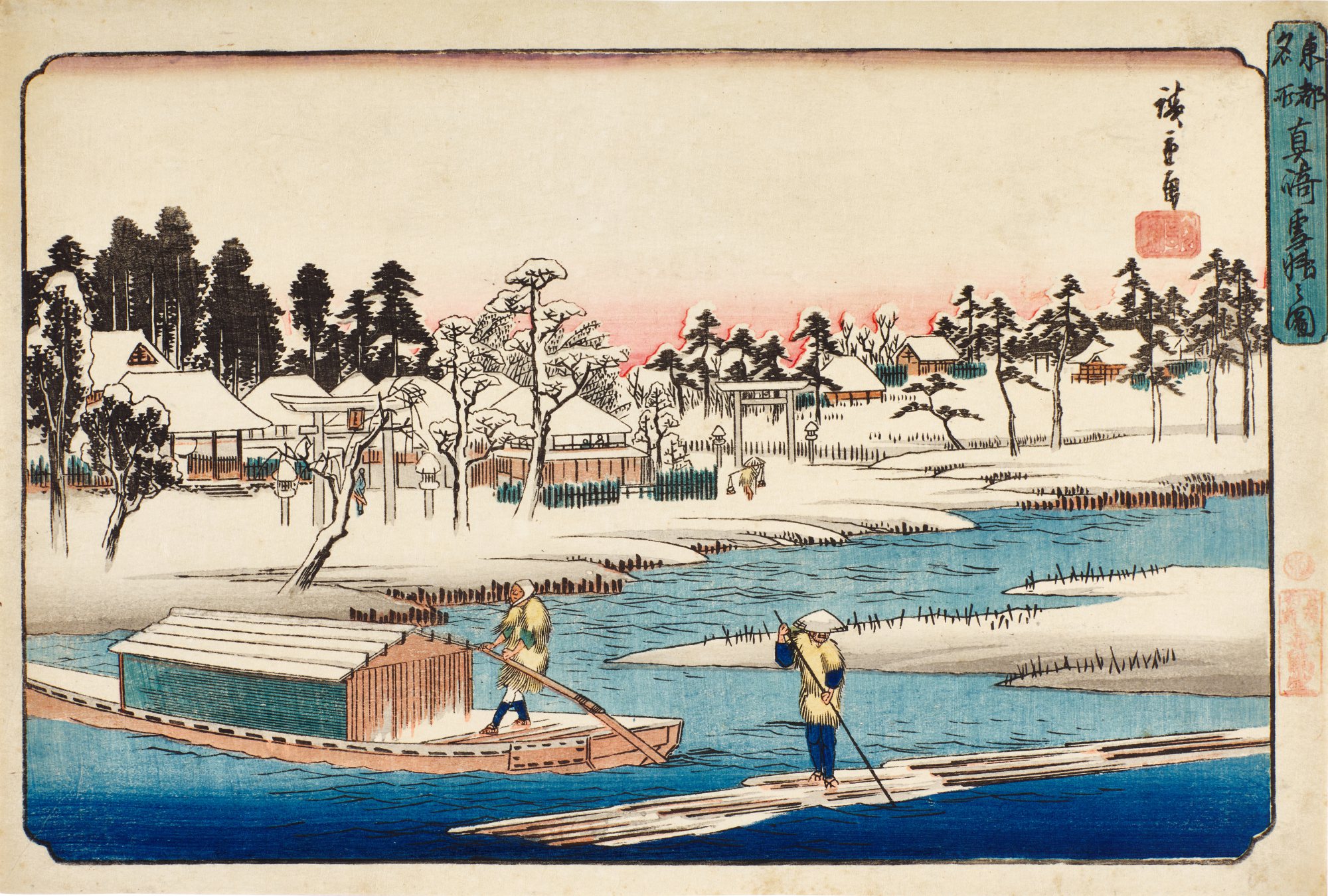
Utagawa Hiroshige
Precincts of Kameido Tenjin Shrine (Kameido Tenjin keidai), from the series "One Hundred Famous Views of Edo (Meisho Edo hyakkei)", 1856
His work appears on The Collection for good reason. Auction results for fine Hiroshige impressions have remained remarkably robust, with strong examples regularly achieving significant sums at Bonhams and Christie's. Collectors drawn to Hiroshige are often the same collectors who eventually find their way to Celmins, to Salomon van Ruysdael, to Irving Penn's quietest still life work. There is a sensibility at play, a preference for art that pulls you inward rather than pushing you outward.
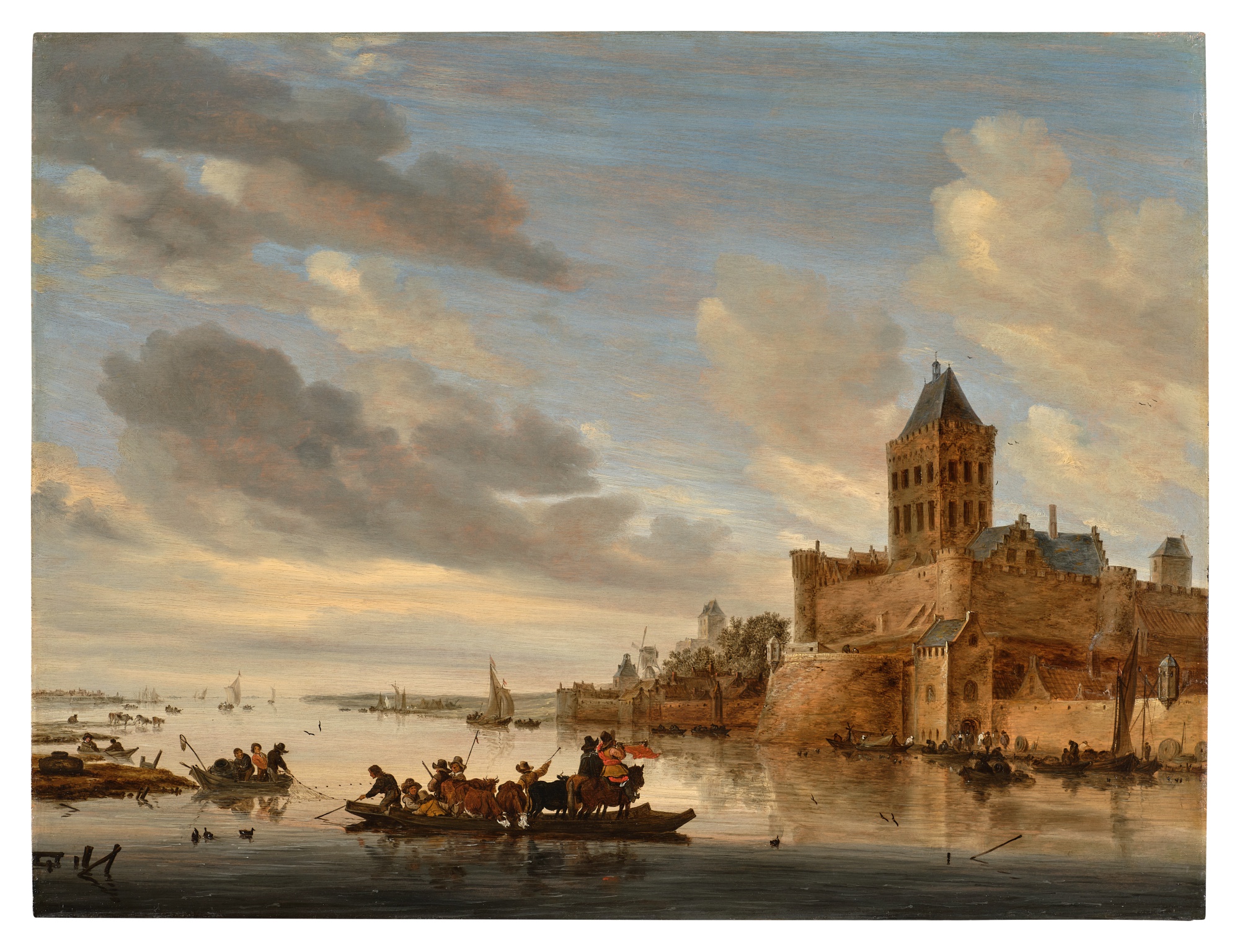
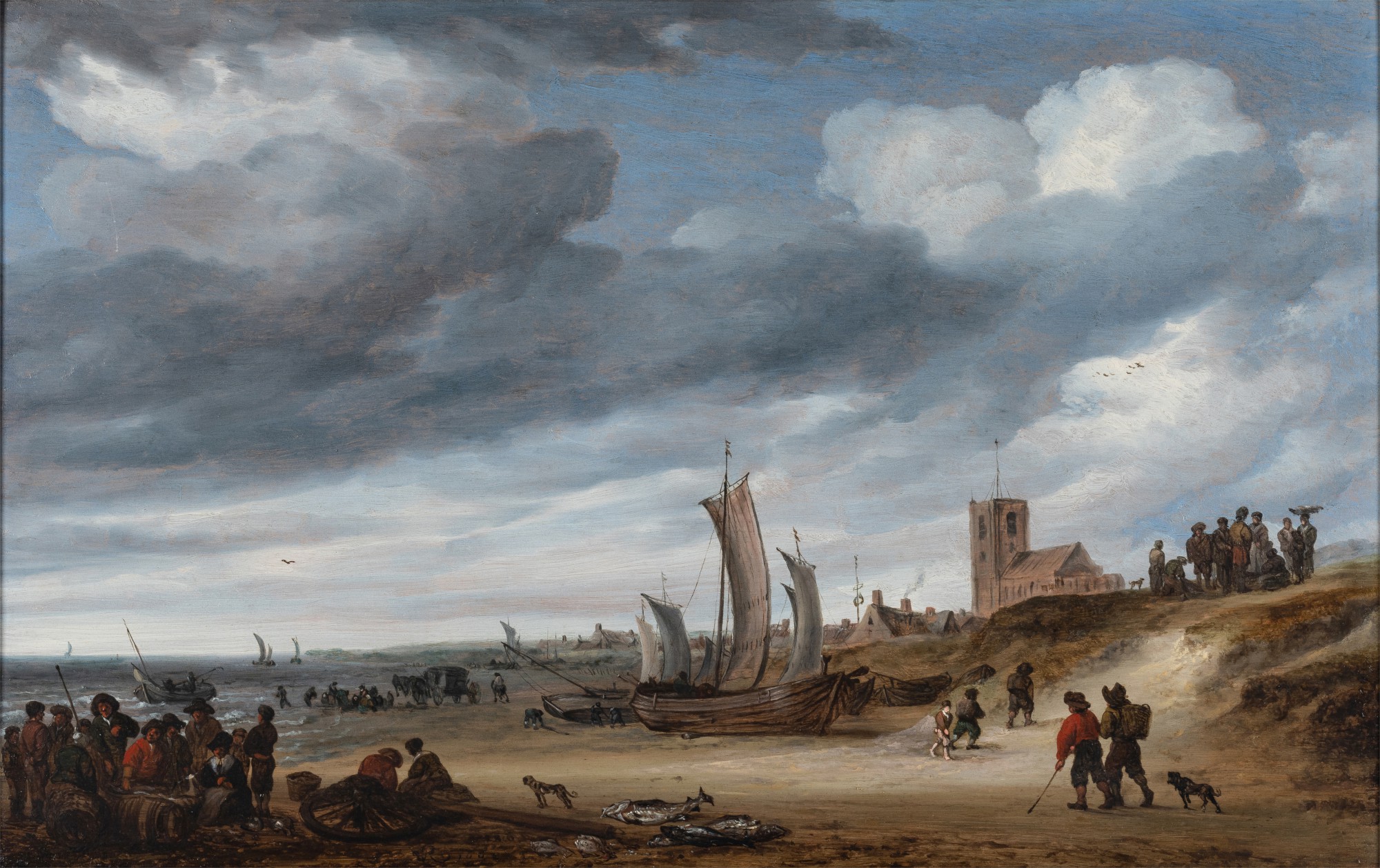
Van Ruysdael is worth pausing on. The seventeenth century Dutch master never quite attracts the blockbuster headlines of his contemporaries, but his estuary scenes and winter landscapes have held steady value for decades precisely because they reward the kind of sustained looking that art fairs and Instagram cannot simulate. His work occupies a particular emotional register, one of grey light and wide water and atmosphere that is almost more weather than painting. The Rijksmuseum and the National Gallery in London both hold strong examples, and institutional collecting at that level tends to function as a quiet endorsement that the market eventually acknowledges.
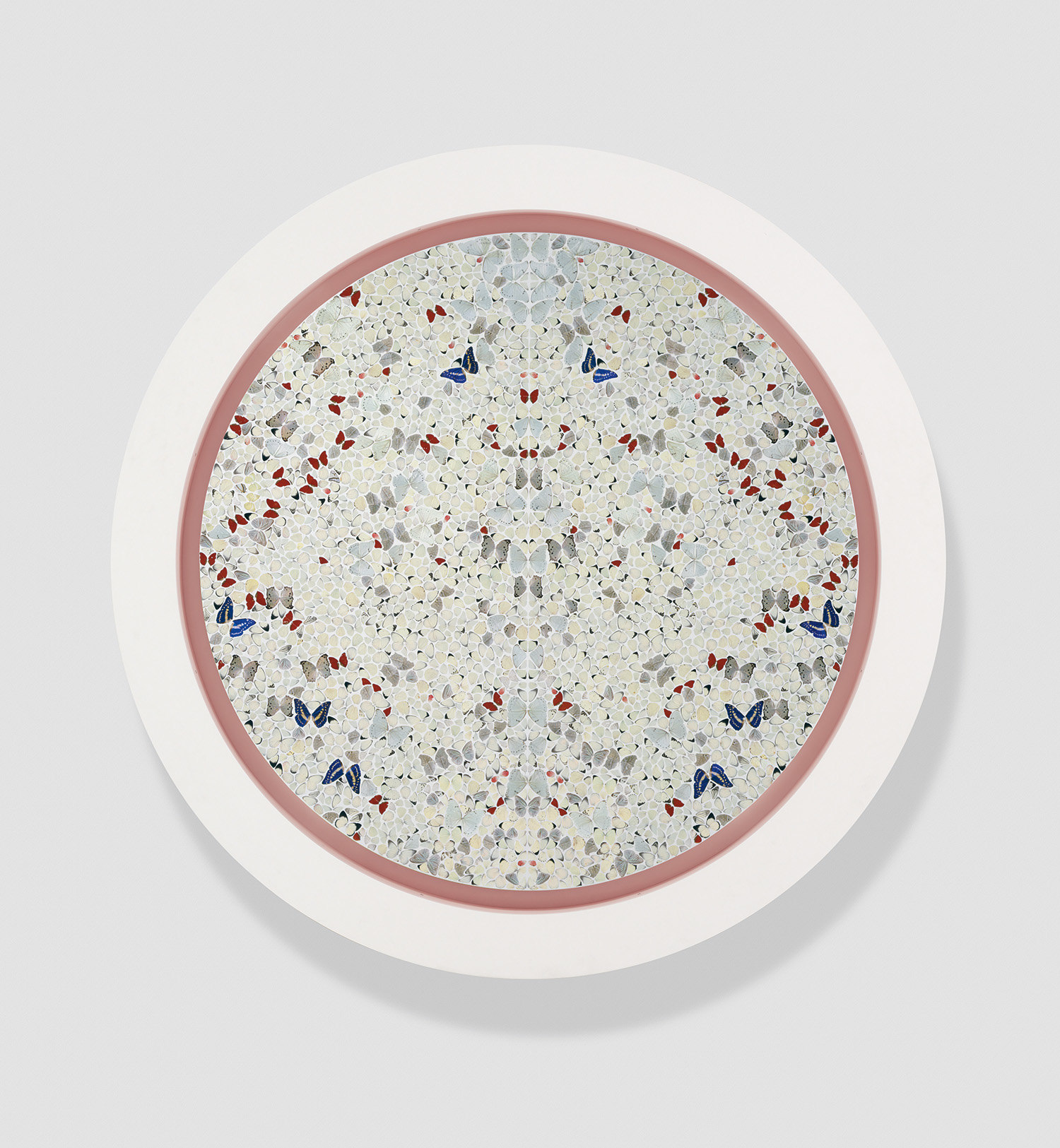
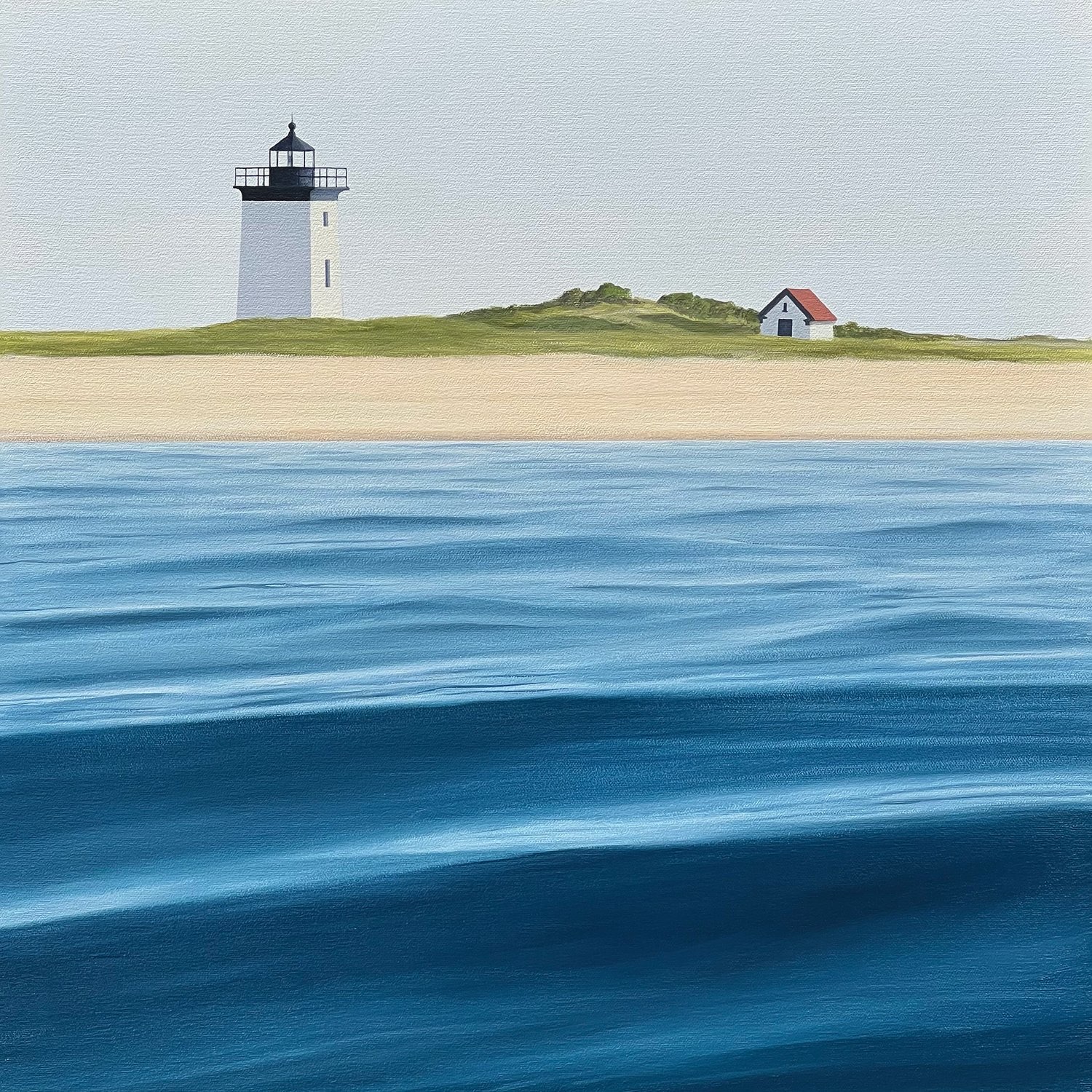
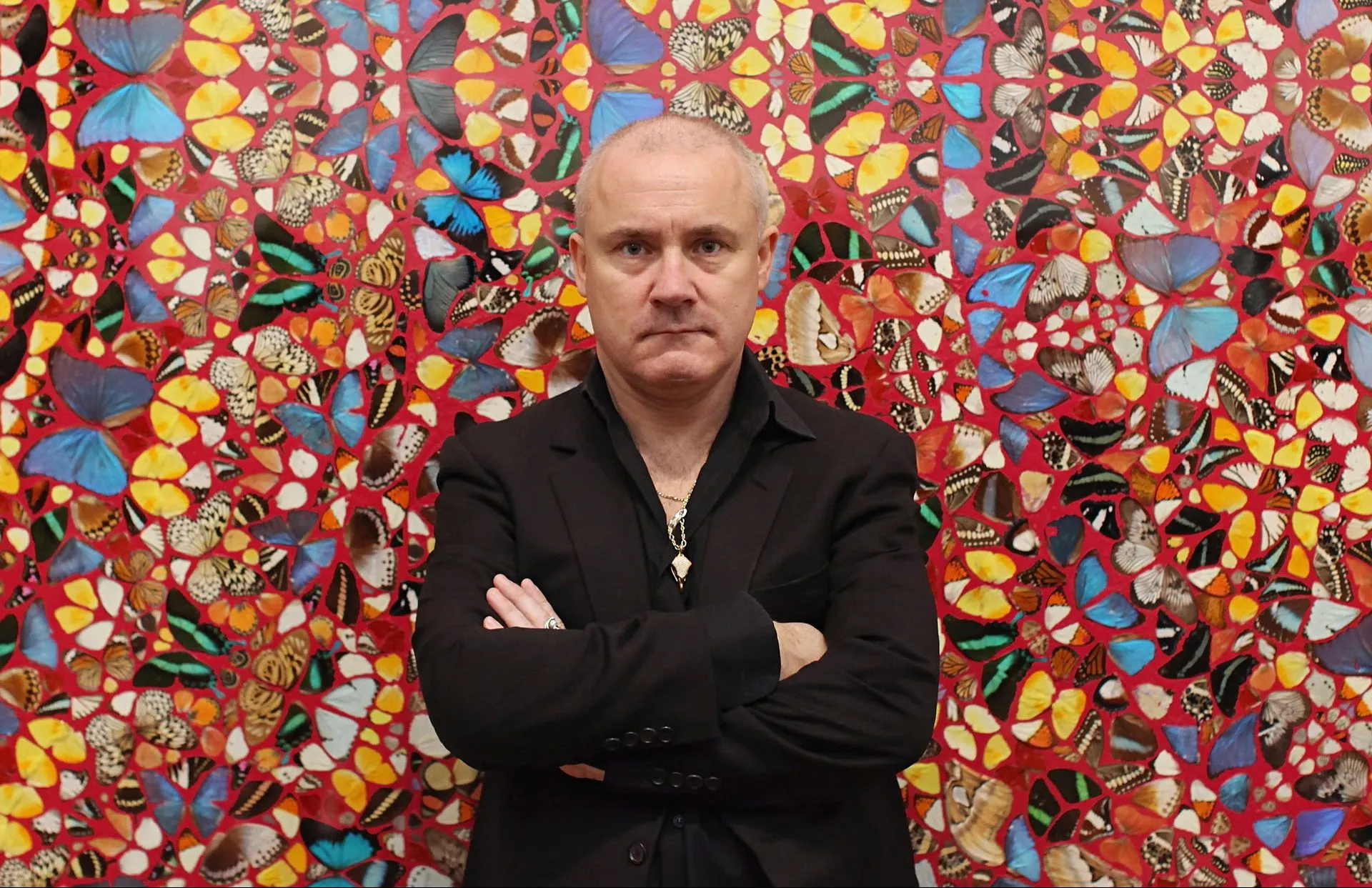
Damien Hirst
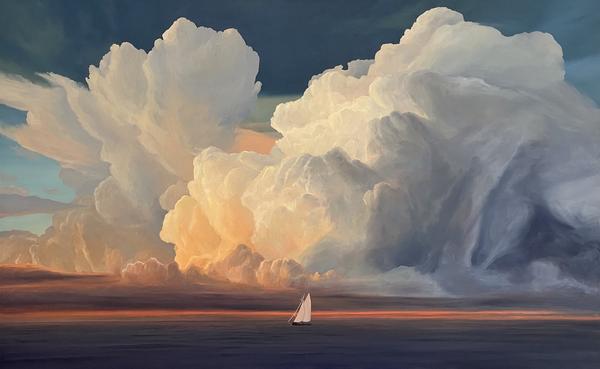
Serenity, 2007
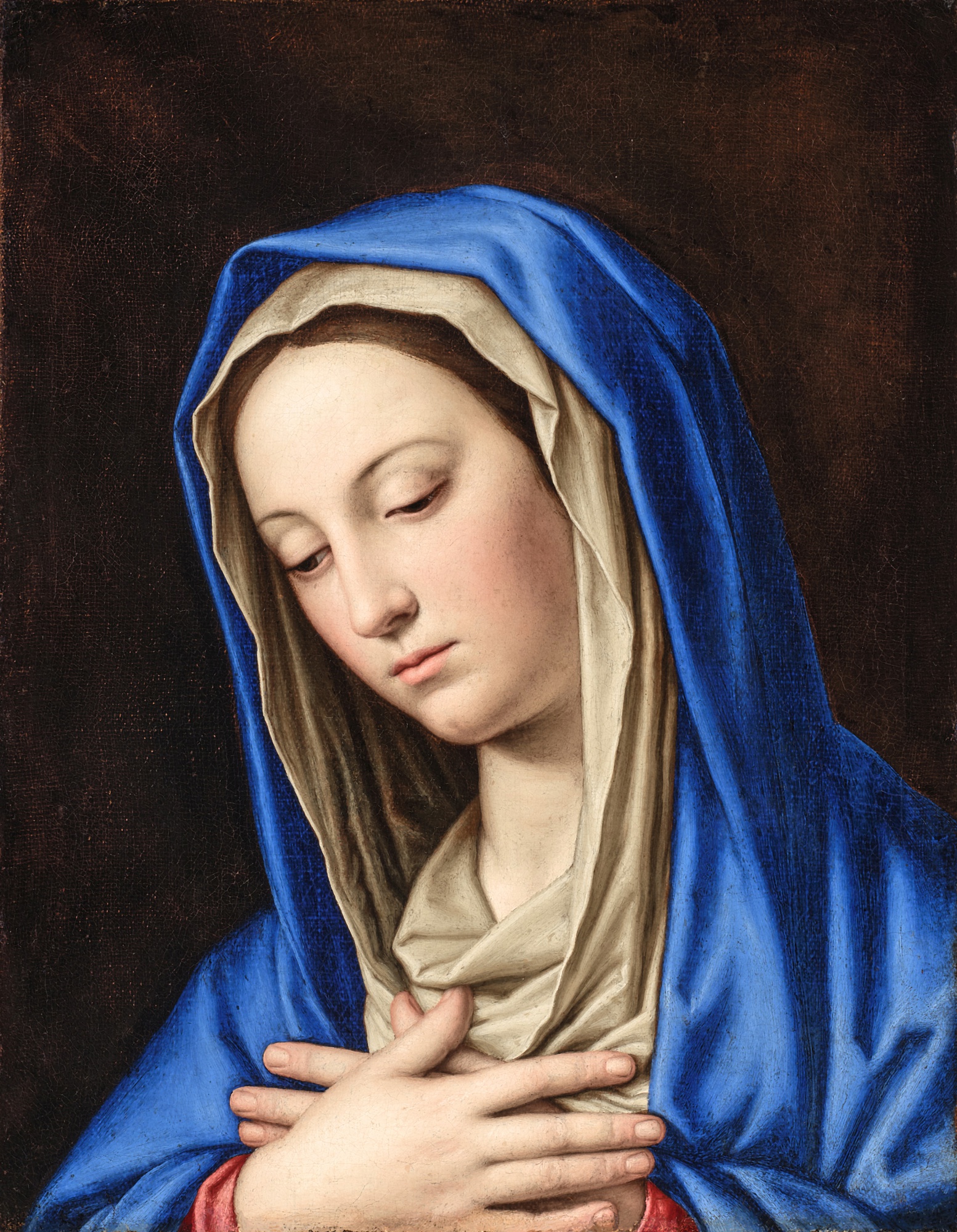
The recent renewed scholarly attention to Dutch Golden Age landscape, including a substantial revisitation at the Mauritshuis in The Hague, has reminded younger collectors that restraint is not the same thing as conservatism. Giovanni Battista Salvi, known as Sassoferrato, operates in a different register entirely but arrives at a similar destination. His Madonnas, rendered with a jeweled stillness that borders on the hypnotic, are among the most emotionally immediate images in Western devotional painting. Christie's and Sotheby's have both seen strong results for his work when fine examples appear, which is not often.
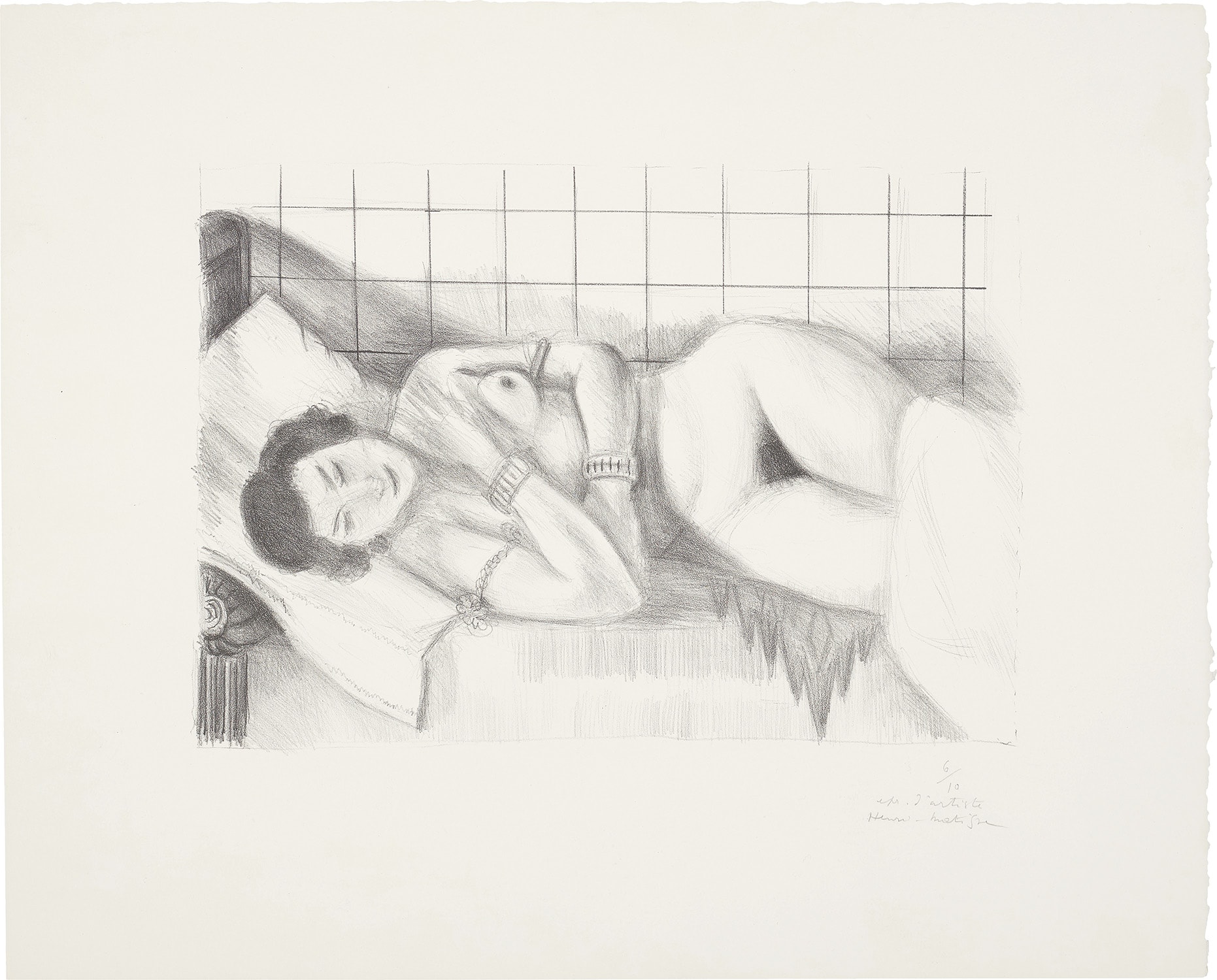
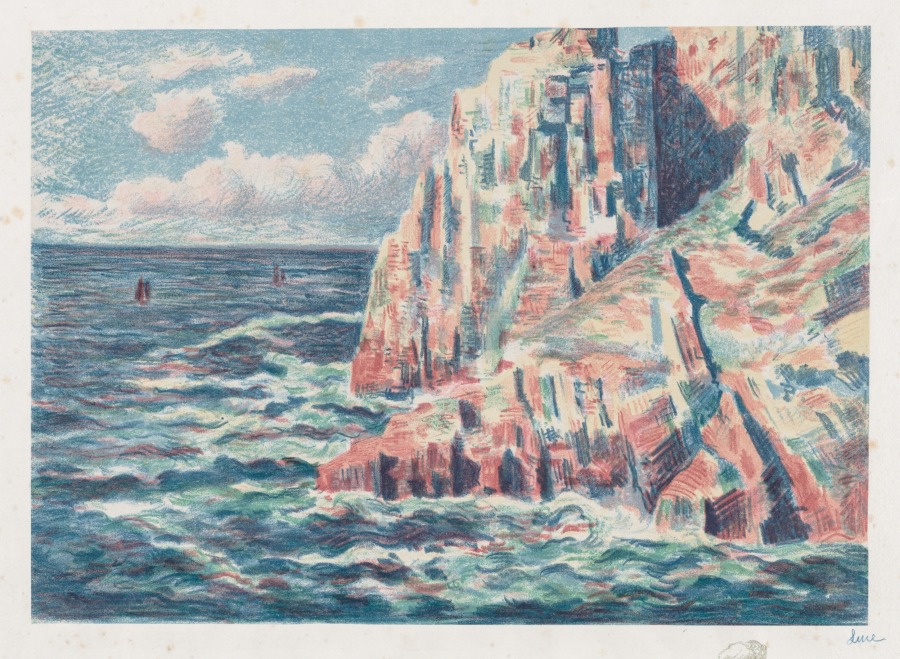
Scarcity and serenity tend to reinforce each other in the market. Collectors understand that genuine quietude in an artwork is genuinely difficult to achieve, and that rarity of sensibility commands a premium above and beyond rarity of supply. Maximilien Luce, whose neo impressionist canvases carry a different kind of stillness, one built from accumulated light rather than devotional focus, represents another facet of this collecting impulse: the idea that serenity can be constructed systematically, dot by dot. Henri Matisse complicates any simple narrative about serenity, which is precisely why he remains so essential to the conversation.
Maximilien Luce
Le Quai Saint-Michel
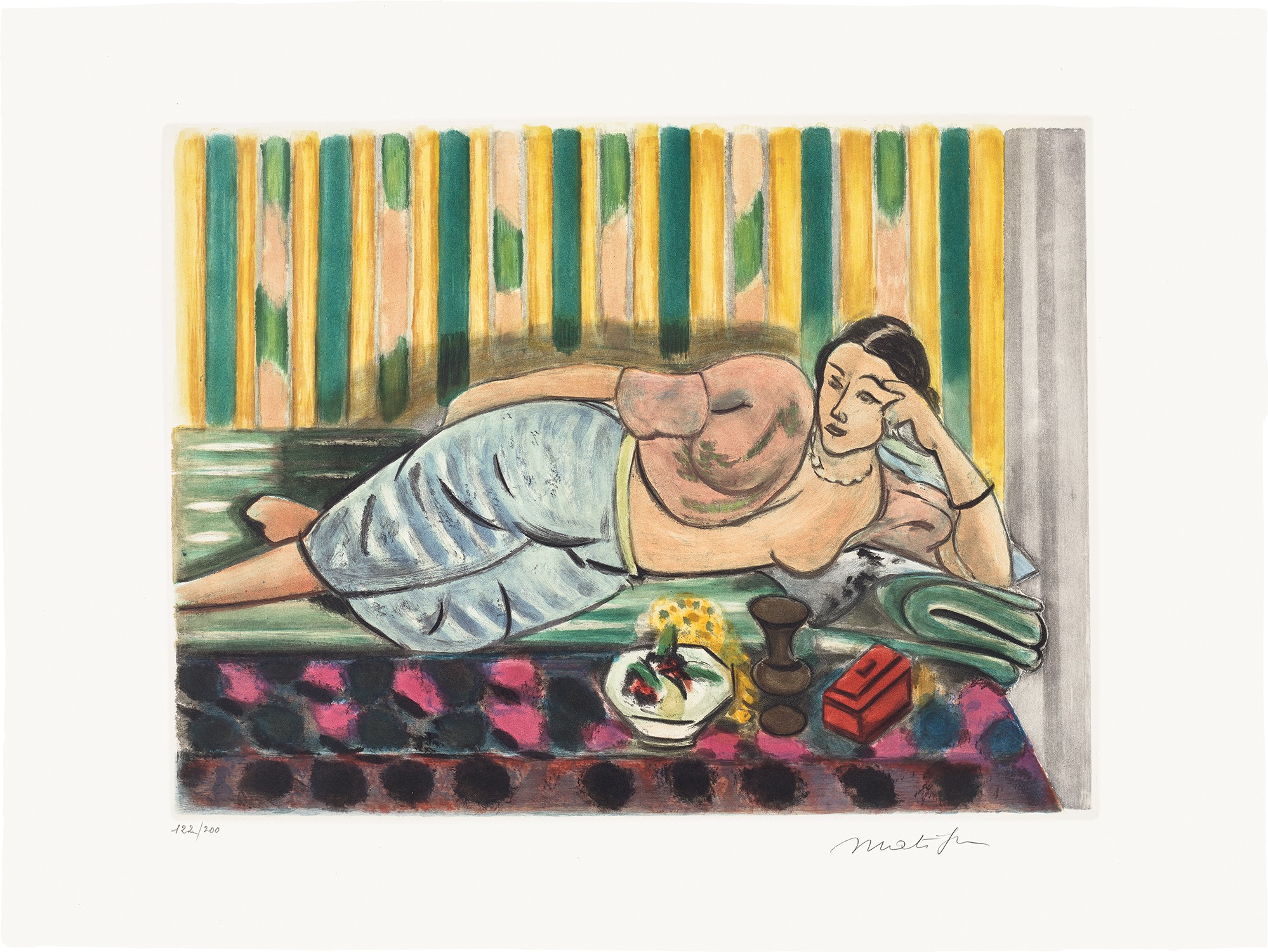
His famous declaration that he wanted his art to be like a good armchair, a place of rest for the mind, is quoted often but understood imperfectly. The ease in a late Matisse interior is hard won. It required decades of formal struggle to arrive at that specific quality of repose, and the market understands this. His works at auction routinely perform at the highest levels, with collectors recognizing that the apparent simplicity is a summit rather than a shortcut.
Institutions from the Tate Modern to the Baltimore Museum of Art, which holds the remarkable Cone Collection, continue to anchor their permanent gallery narratives around Matisse as a kind of emotional north star. The critical conversation shaping this territory is increasingly interdisciplinary. Writers like Jenny Uglow, whose essays on Dutch landscape remain touchstones, and curators like Ann Temkin at MoMA have argued persuasively that the contemplative image is not a retreat from the world but an engagement with it on different terms. The philosopher Byung Chul Han's writing on rest and attention, widely read in curatorial circles over the past decade, has given critical vocabulary to something collectors were already feeling in their bodies when they stood before a Penn photograph or a Celmins graphite.
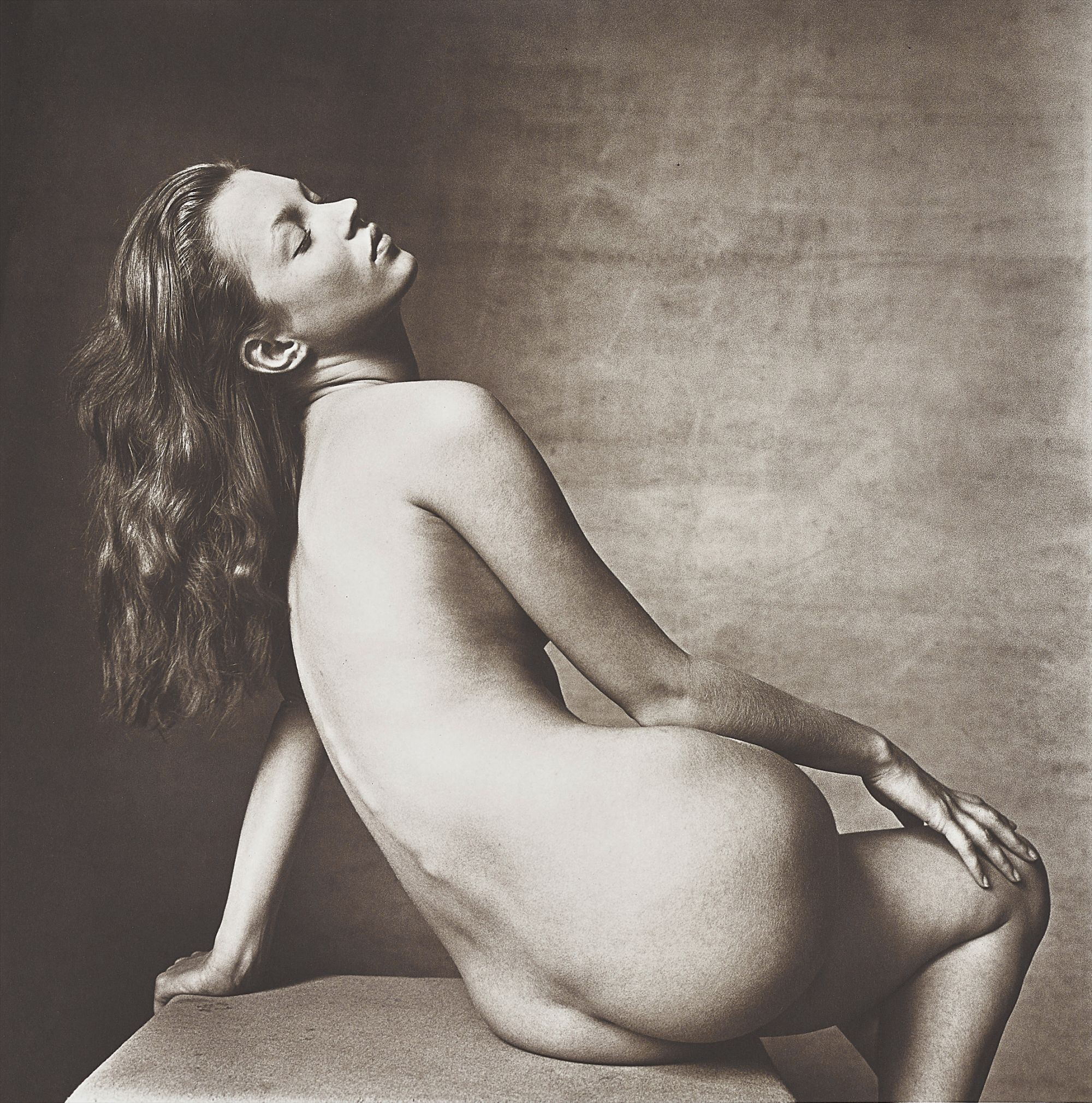
Irving Penn's photographs, particularly his still life work from the 1970s and 1980s, have been reassessed substantially in recent years, with the Irving Penn Foundation's ongoing archival stewardship lending institutional weight to prices that continue to climb. Where is the energy moving? Toward the less expected names within this sensibility, the artists whose quietude has not yet been fully priced. Derek Macara and Maurice Prendergast both represent the kind of mid market discovery that experienced collectors know to make before the catalogue writers arrive.
Prendergast's Boston and European beach scenes carry a luminous calm that sits between Impressionism and something more personal, and his market has shown real momentum at specialist American art sales. The broader signal from institutions, from critics, and from auction rooms is consistent. In a culture saturated with noise and velocity, the art that holds still is not standing apart from the moment. It is answering it directly, and collectors who understand that are quietly positioning themselves ahead of everyone else.