River Landscape
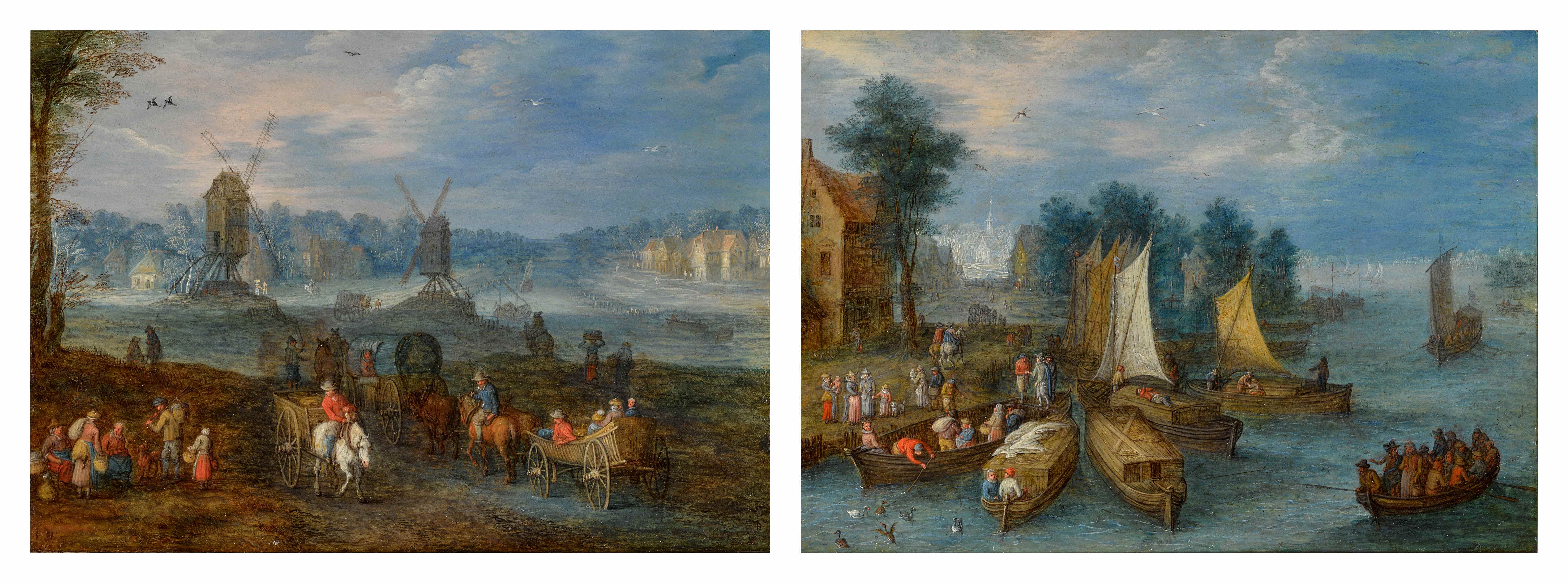
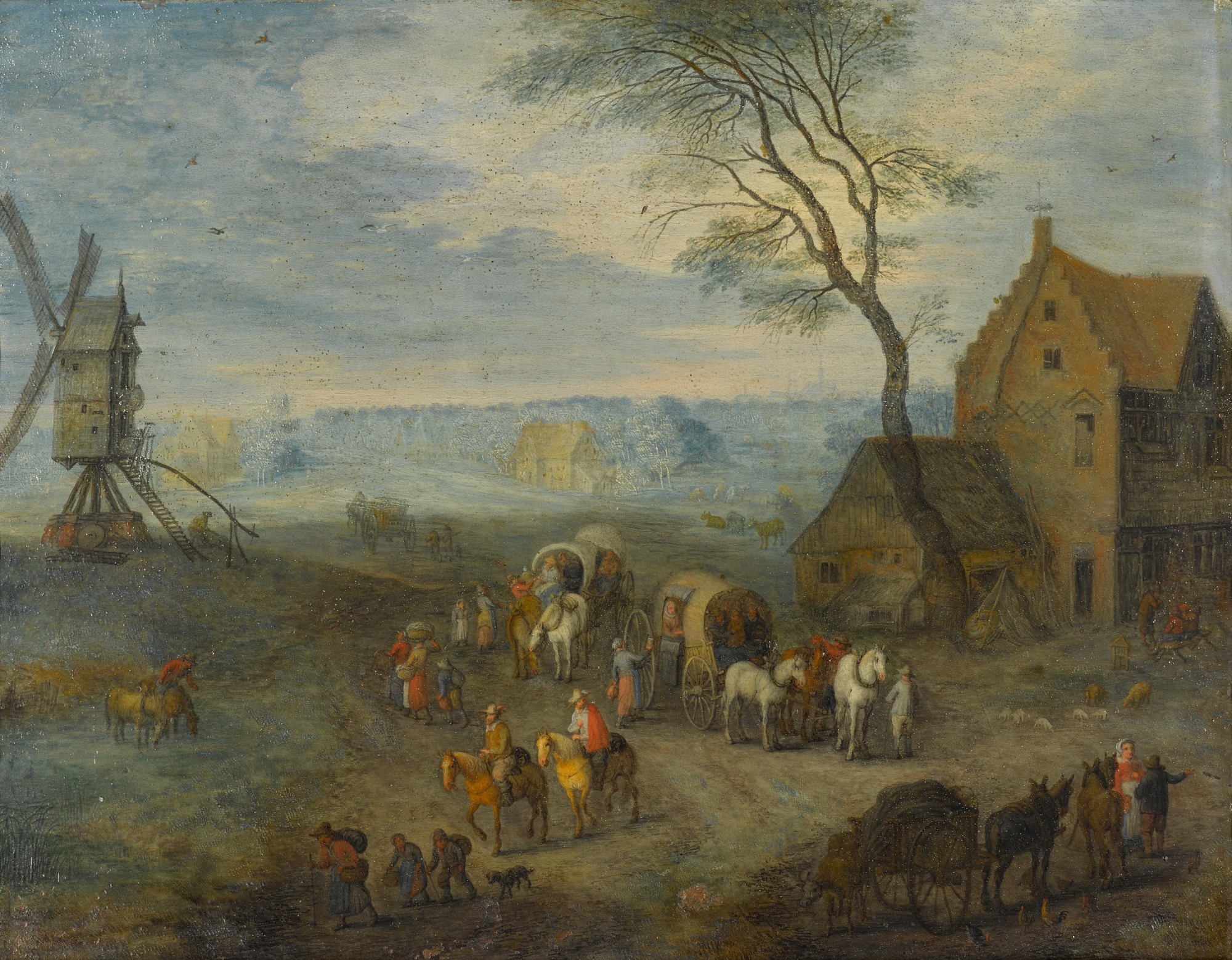
Joseph van Bredael
River landscape with travellers and windmills; River landscape with figures on a ferry and waiting by the shore


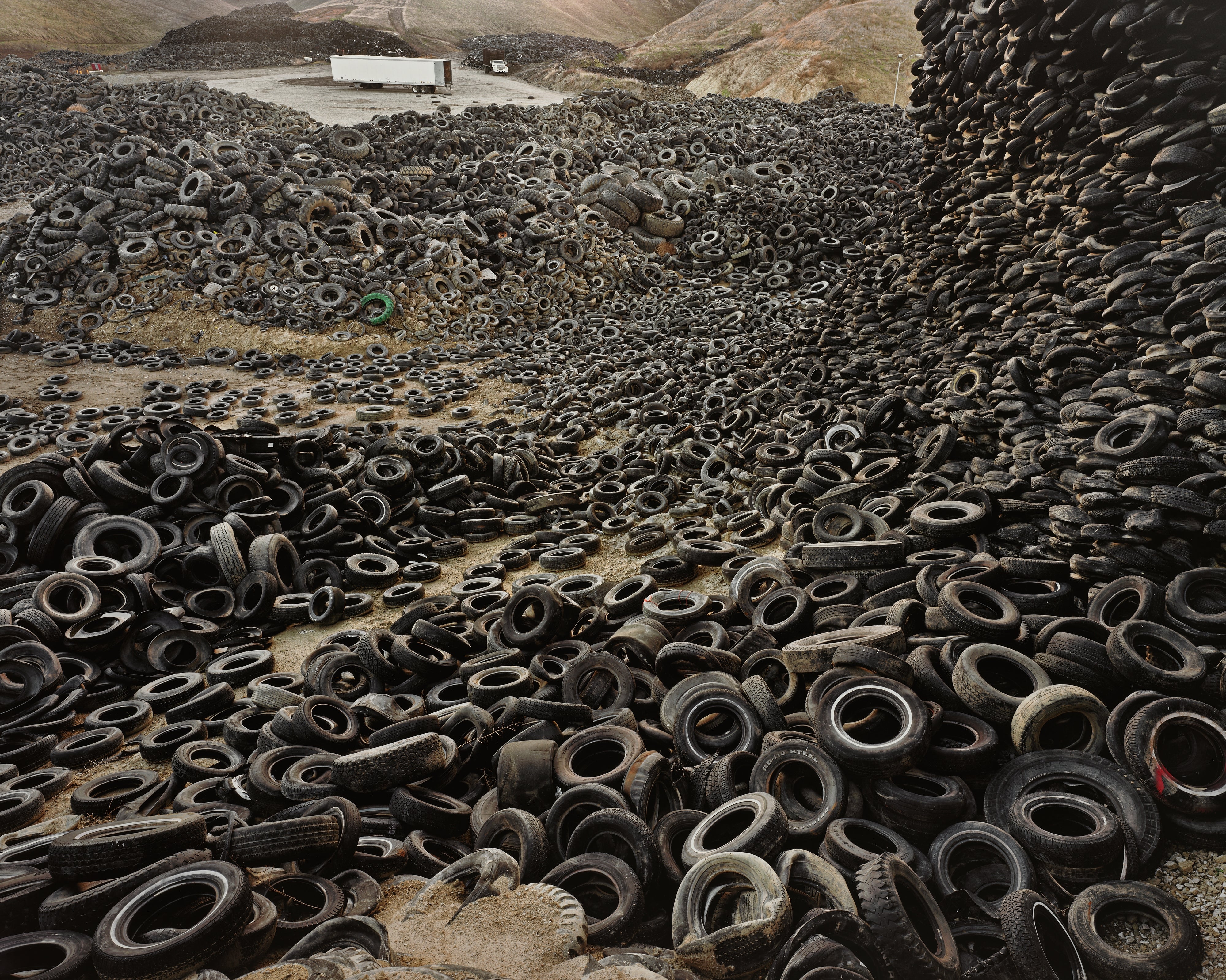
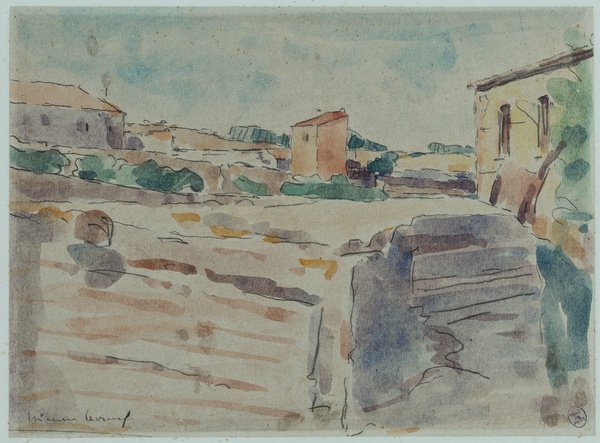
The River Always Knows Something You Don't
There is a particular quality of attention that river landscapes demand from a viewer, something different from what a seascape or a mountain panorama asks. The river is intimate and directional. It moves, it reflects, it carries things away. Collectors who live with river landscapes often describe a sense of being accompanied rather than observed, a feeling that the work shares the room with them rather than presiding over it.
That quality of companionship, of water as witness, is perhaps why this subject has proven so durable across centuries of collecting and why serious buyers return to it again and again. The category rewards careful looking when you are trying to separate the good from the truly great. A great river landscape does something a merely accomplished one does not: it convinces you that time is passing within the frame. The light falls at a specific hour, the current runs in a specific direction, and the atmosphere suggests a particular season and temperature.
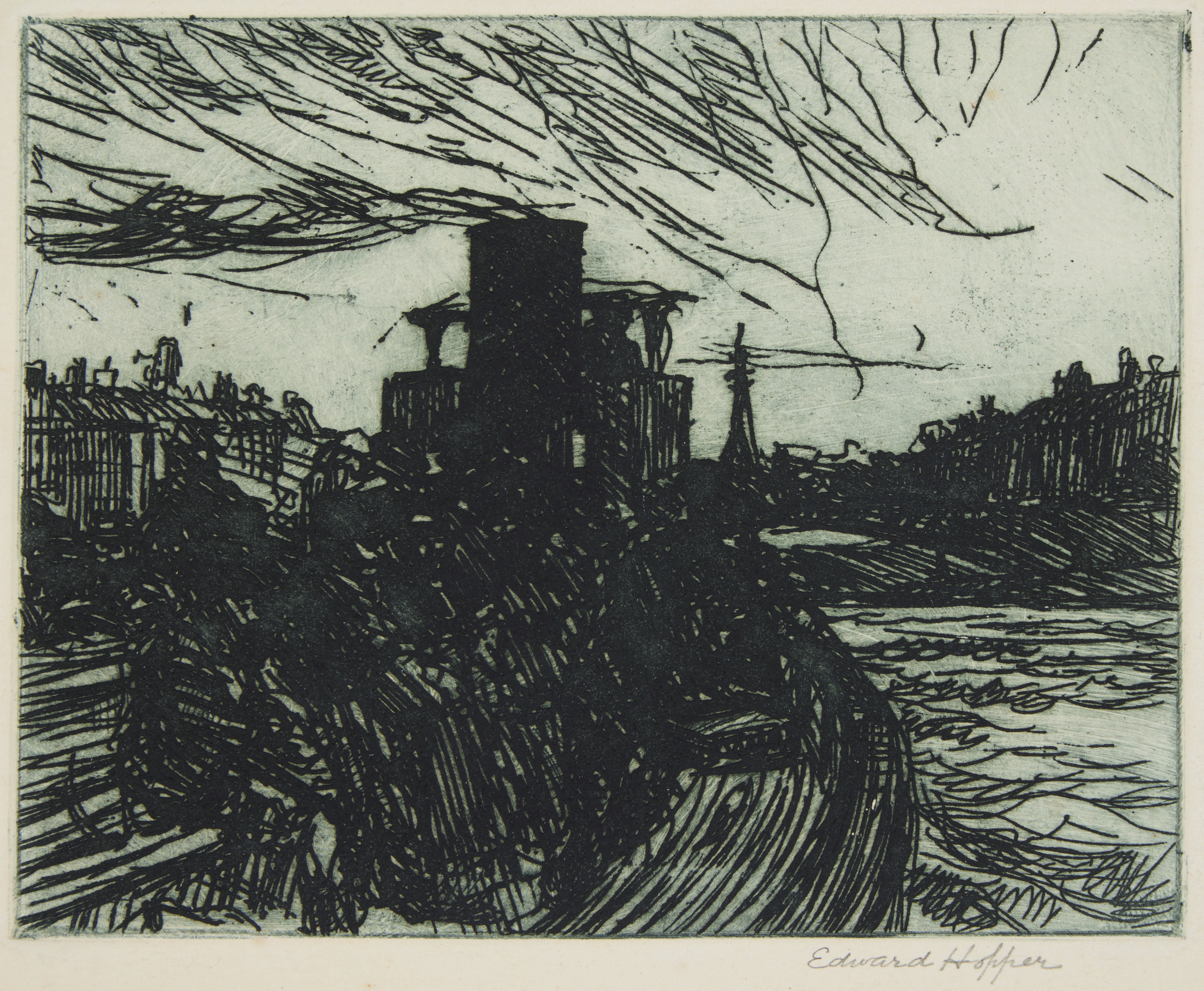
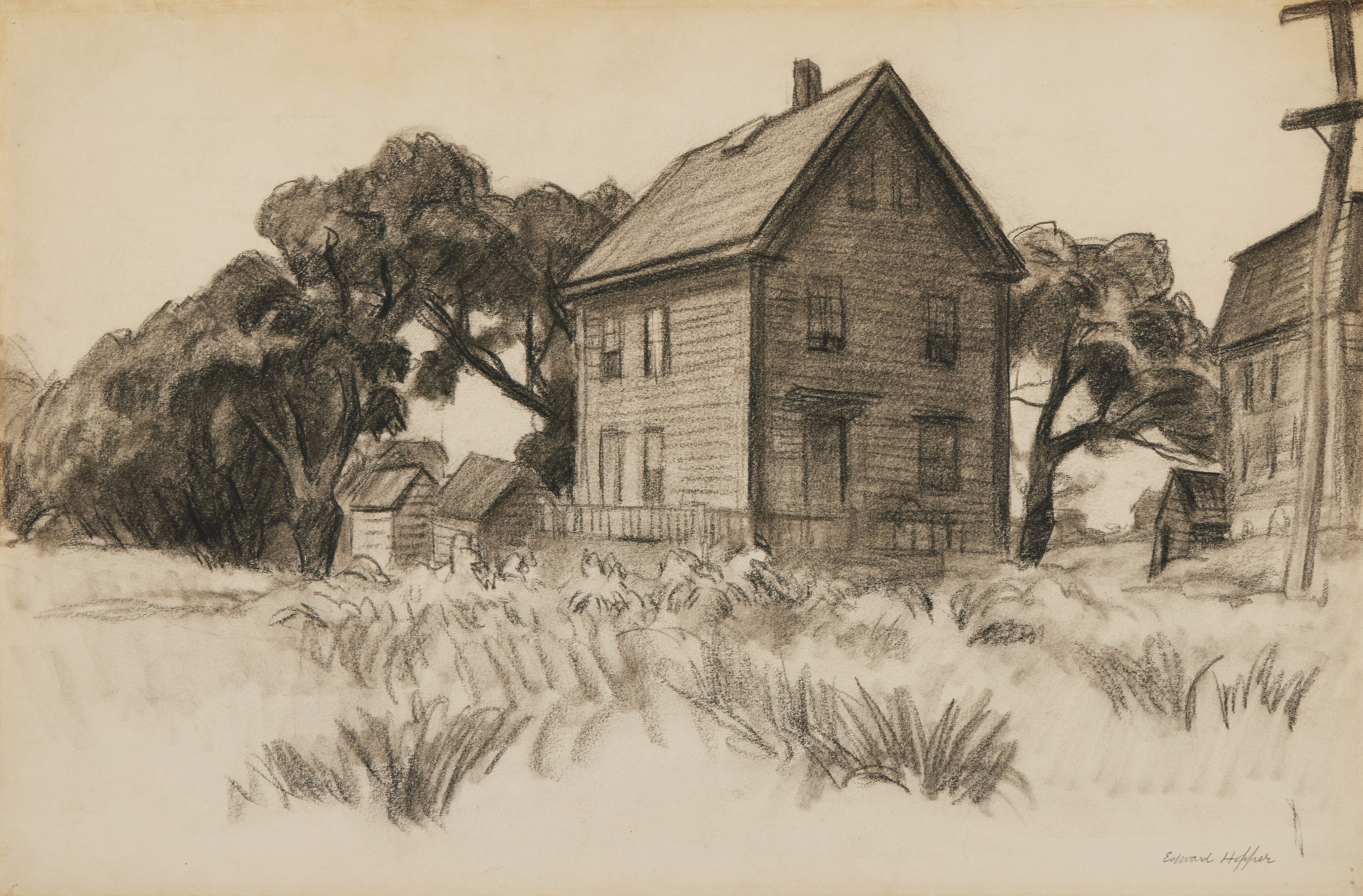
Edward Hopper
Evening, The Seine (Zigrosser 37; Hopper 13), 1915
You can almost feel whether the air is warm or cold. Collectors should ask themselves honestly whether a work simply depicts water or whether it creates a genuine sense of being there on the bank. That phenomenological quality, the sensation of presence rather than documentation, is what separates a painting worth owning from one worth admiring briefly and walking past. Among the artists represented on The Collection, Charles François Daubigny stands out as perhaps the most strategically interesting figure for collectors focused on this subject.
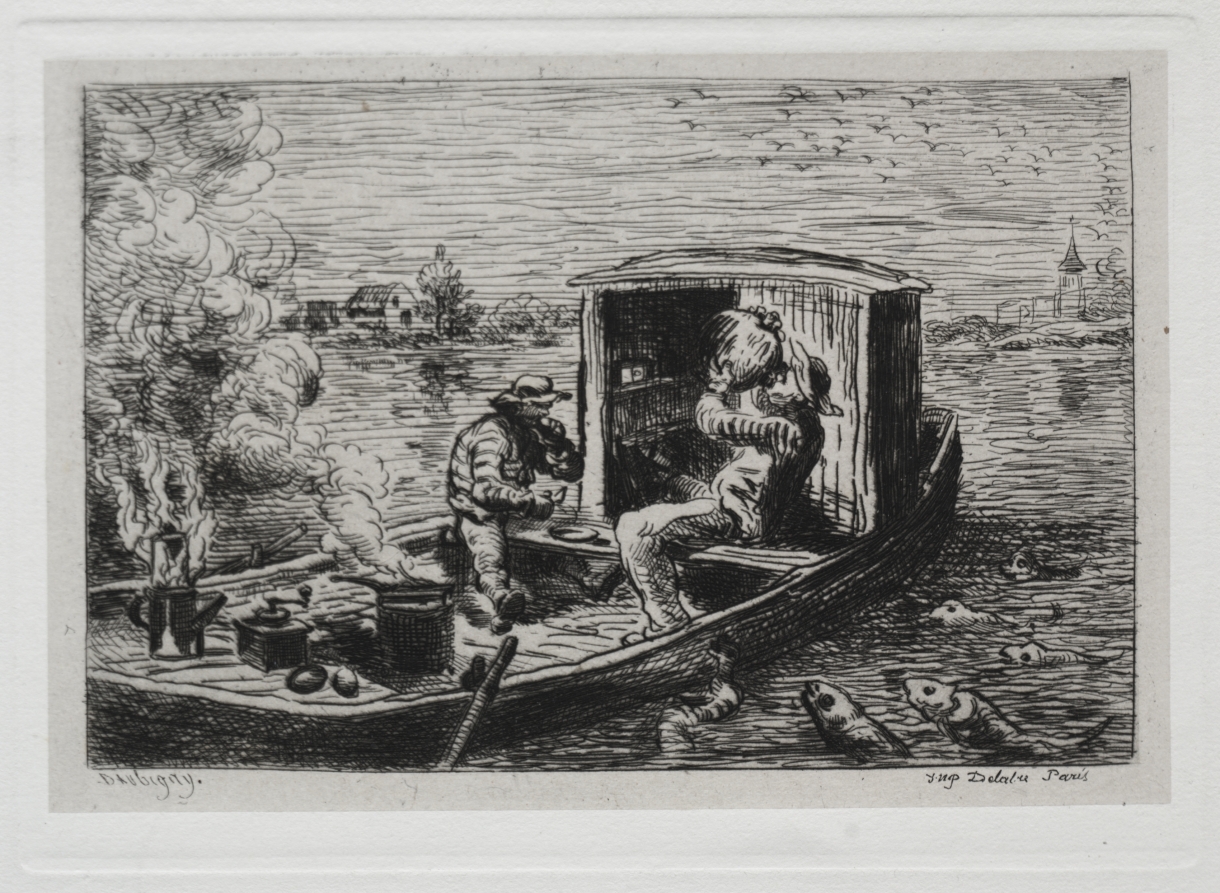
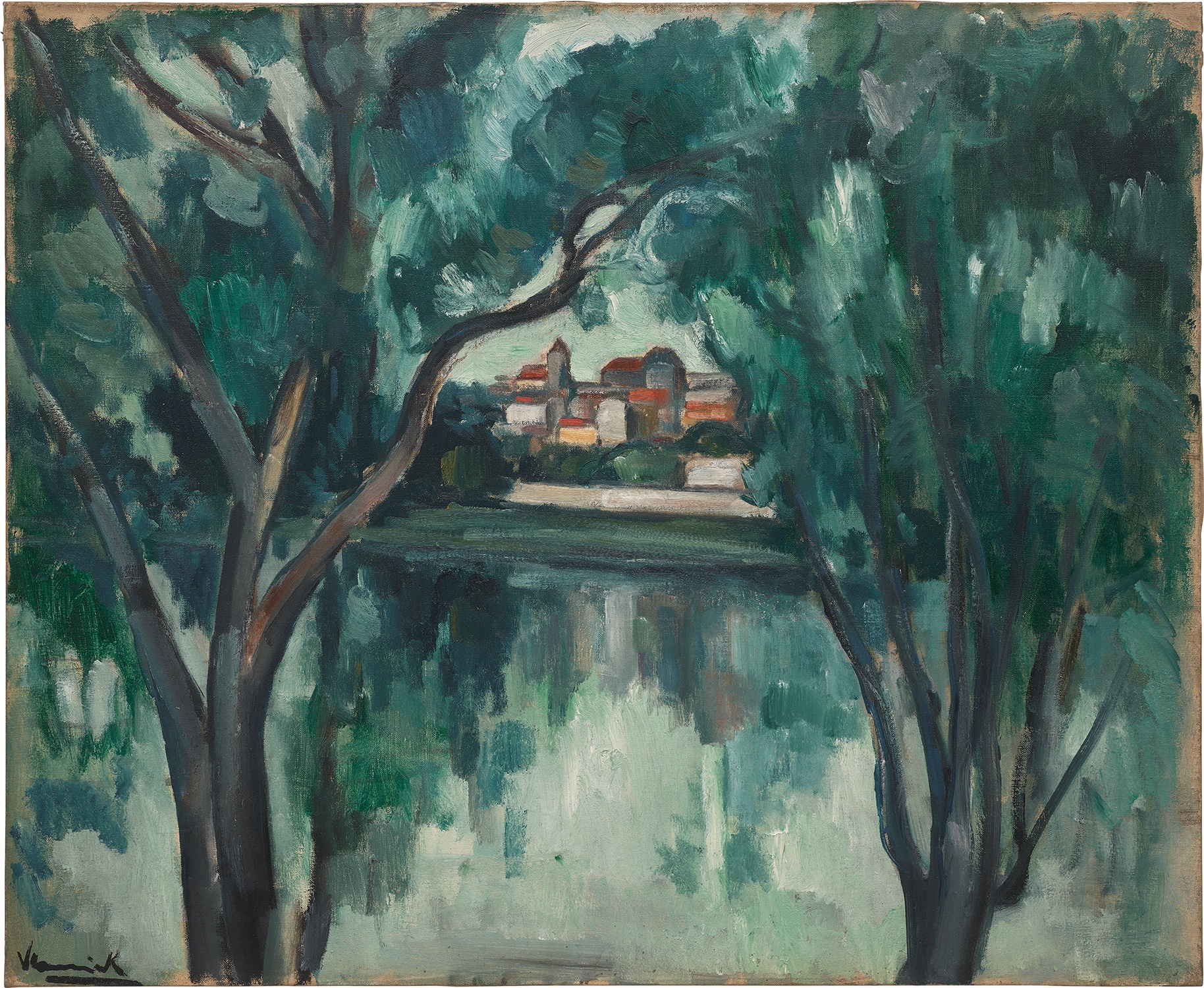
Daubigny spent decades painting along the Oise and the Seine from a studio boat he called the Botin, and his commitment to observing water in all its moods was so complete that Monet later acknowledged him as a direct influence. His works sit in an interesting market position: too important to be overlooked, but still priced below many of his Impressionist successors, which means there is genuine room for appreciation. Collectors who acquire strong Daubigny river scenes now are often buying ahead of a fuller institutional recognition that has been building for some time. Maurice de Vlaminck brings an entirely different energy to the water's edge, his Fauve period canvases charged with a kind of violent optimism about color that makes even a quiet riverbank feel like it is vibrating.
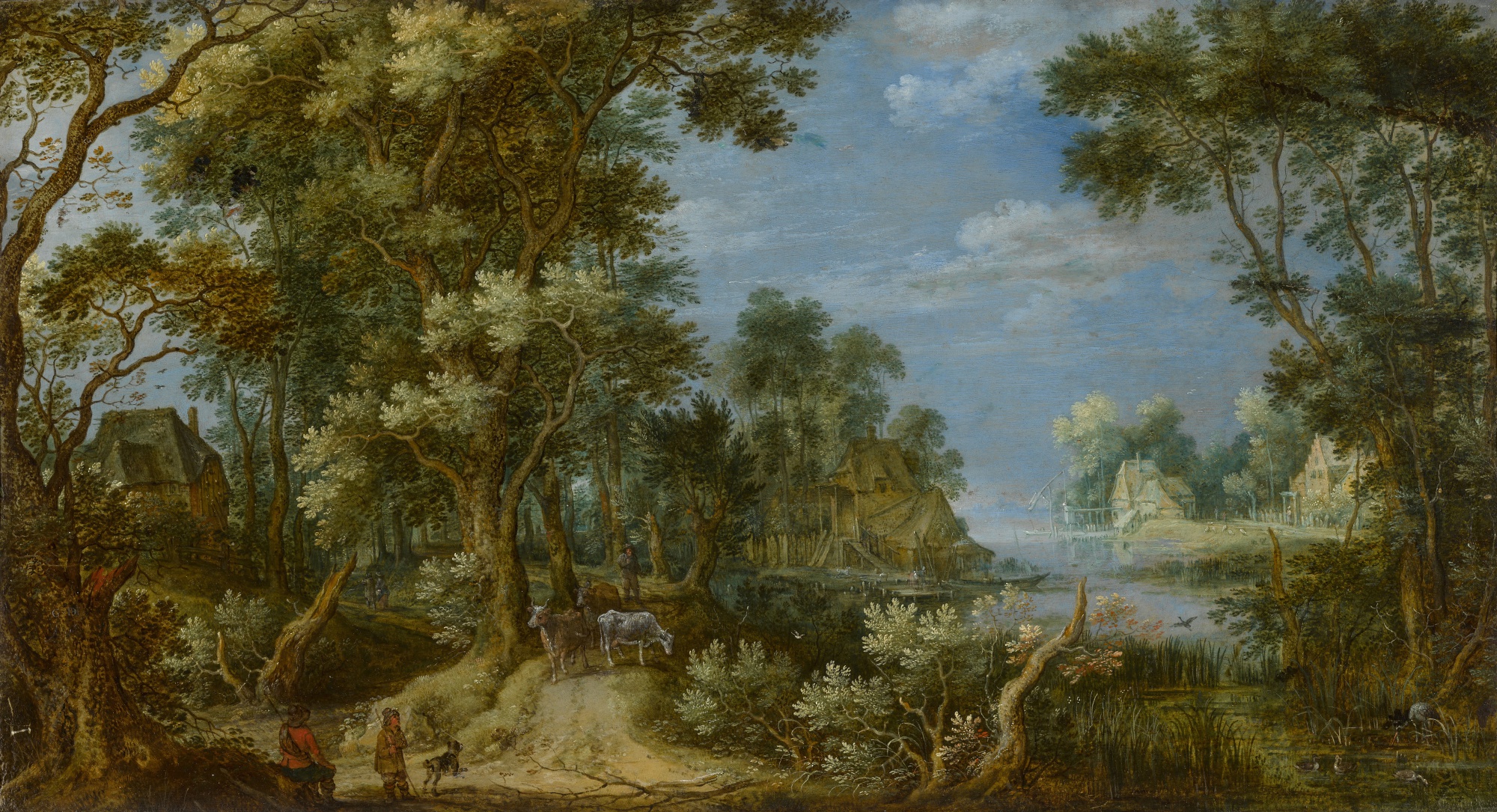
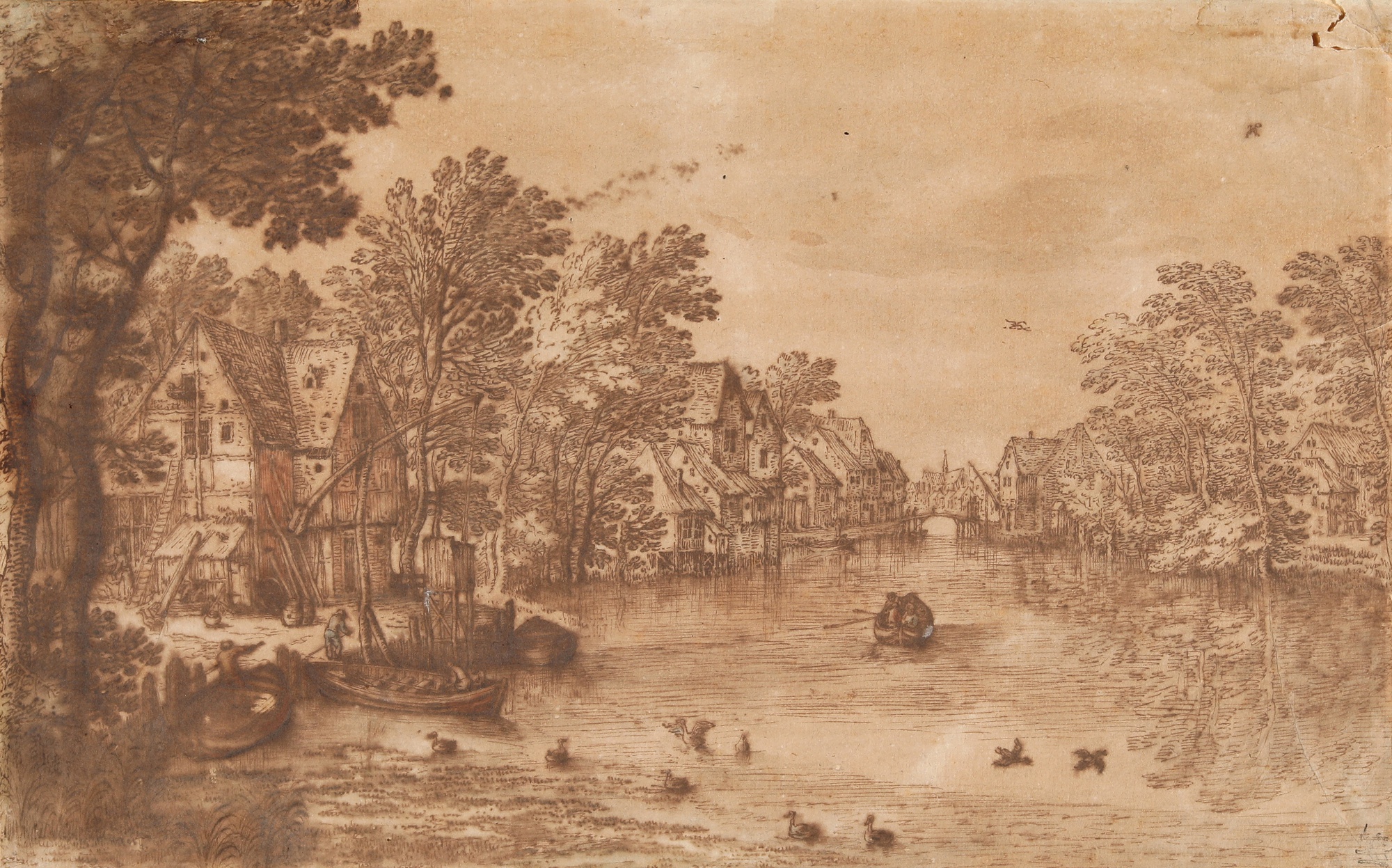
Gillis Claesz. de Hondecoeter
River landscape with cows
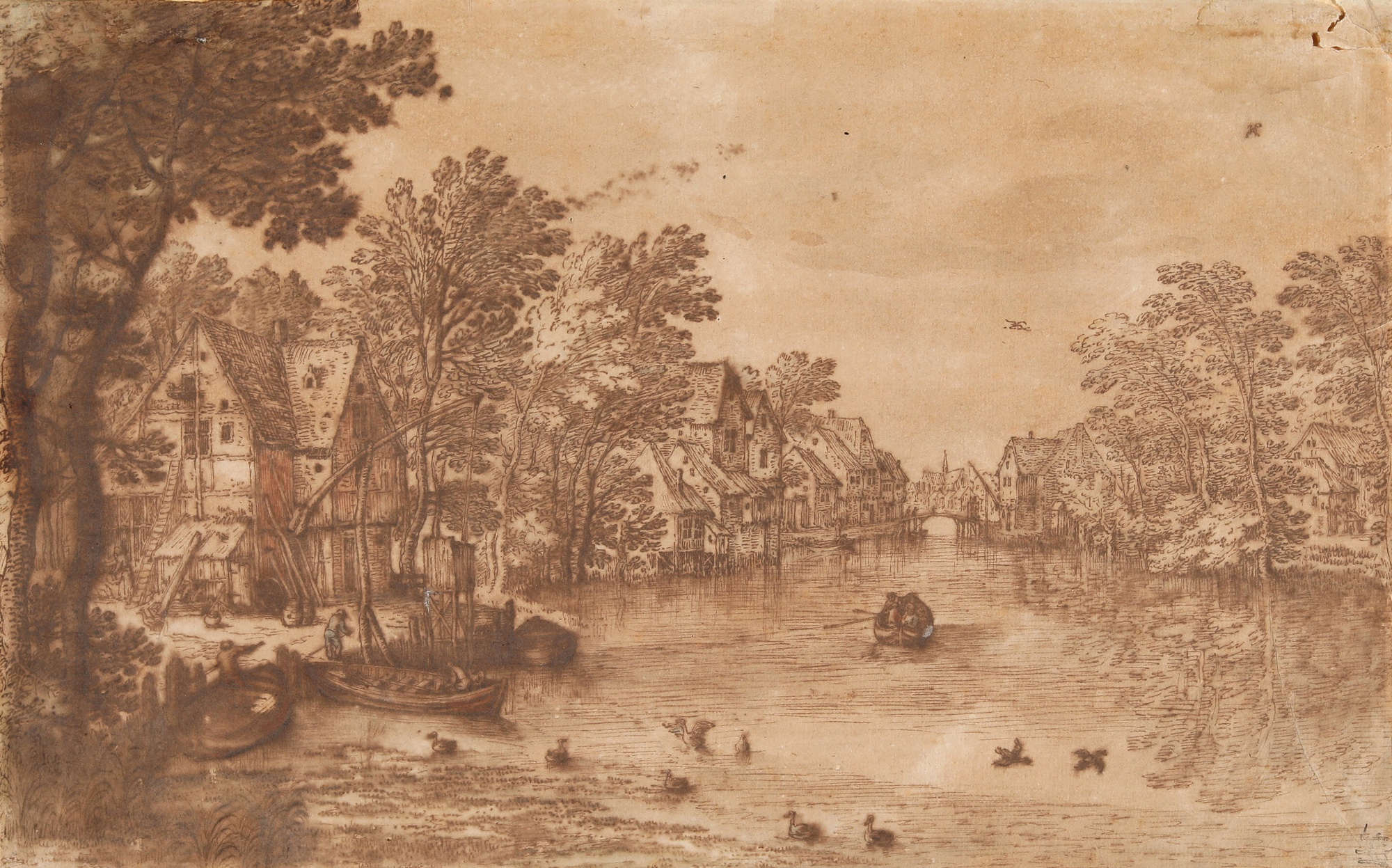
His place in the market is well established but his best works continue to perform with consistency. The Flemish and Dutch traditions offer their own compelling entry points. Gillis Claesz. de Hondecoeter and figures working in the circle of Jan Brueghel the Elder approached river and estuary subjects with a precision and atmospheric density that speaks powerfully to contemporary collectors interested in early European works.
These paintings reward sustained attention because their detail is encyclopedic without ever feeling labored, and their condition histories, when well documented, support strong secondary market performance. Cornelius Krieghoff brings a fascinating North American dimension to this conversation, his depictions of Canadian rivers and frozen waterways blending European compositional traditions with a genuinely documentary quality about life on the land. Krieghoff has a devoted collector base in Canada that sustains his auction results with notable consistency, and his work has been underappreciated internationally relative to its quality and historical significance. For collectors thinking about emerging or underrecognized opportunities, it is worth paying attention to artists who treat water and landscape through lens based and photographic practice.
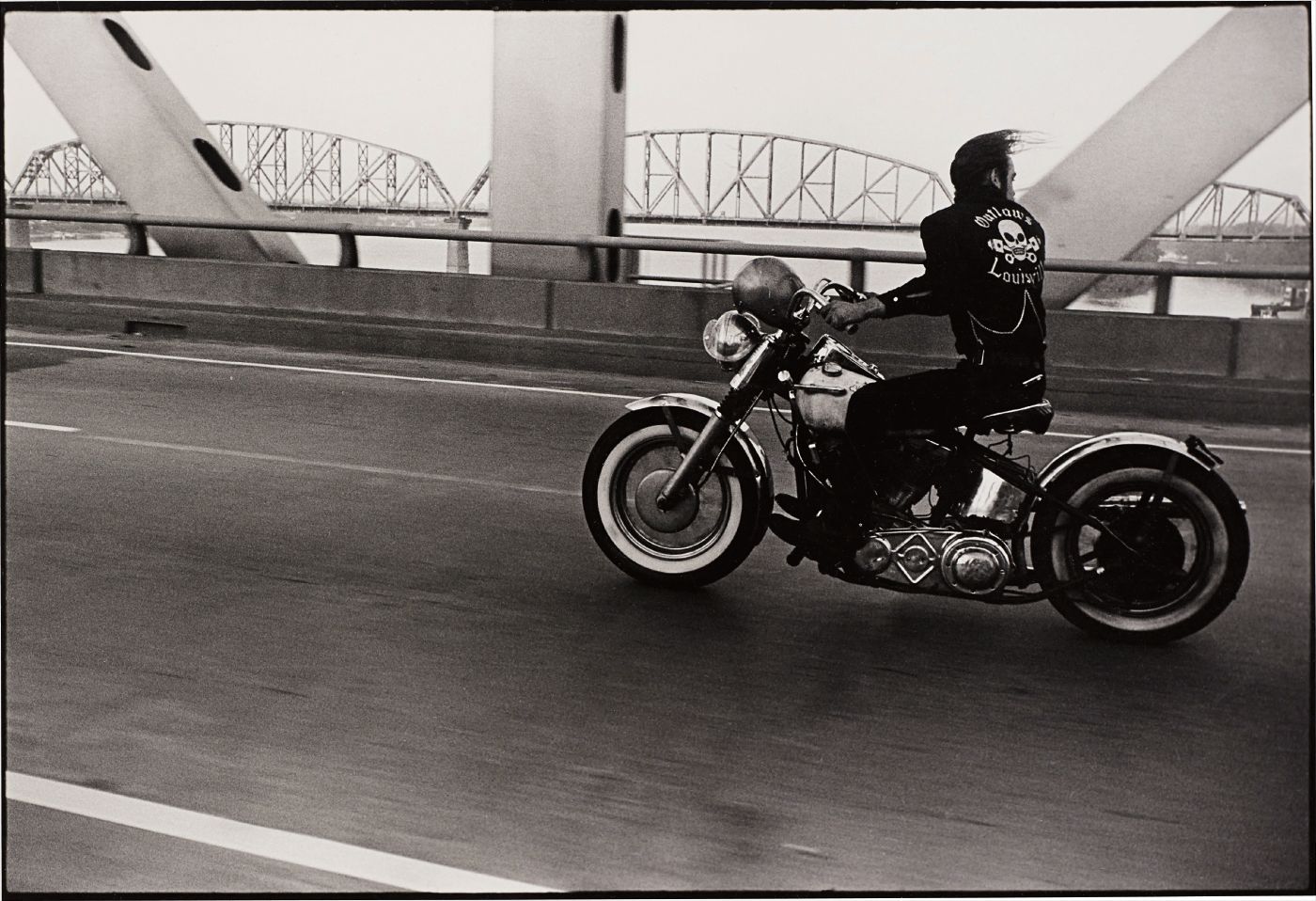
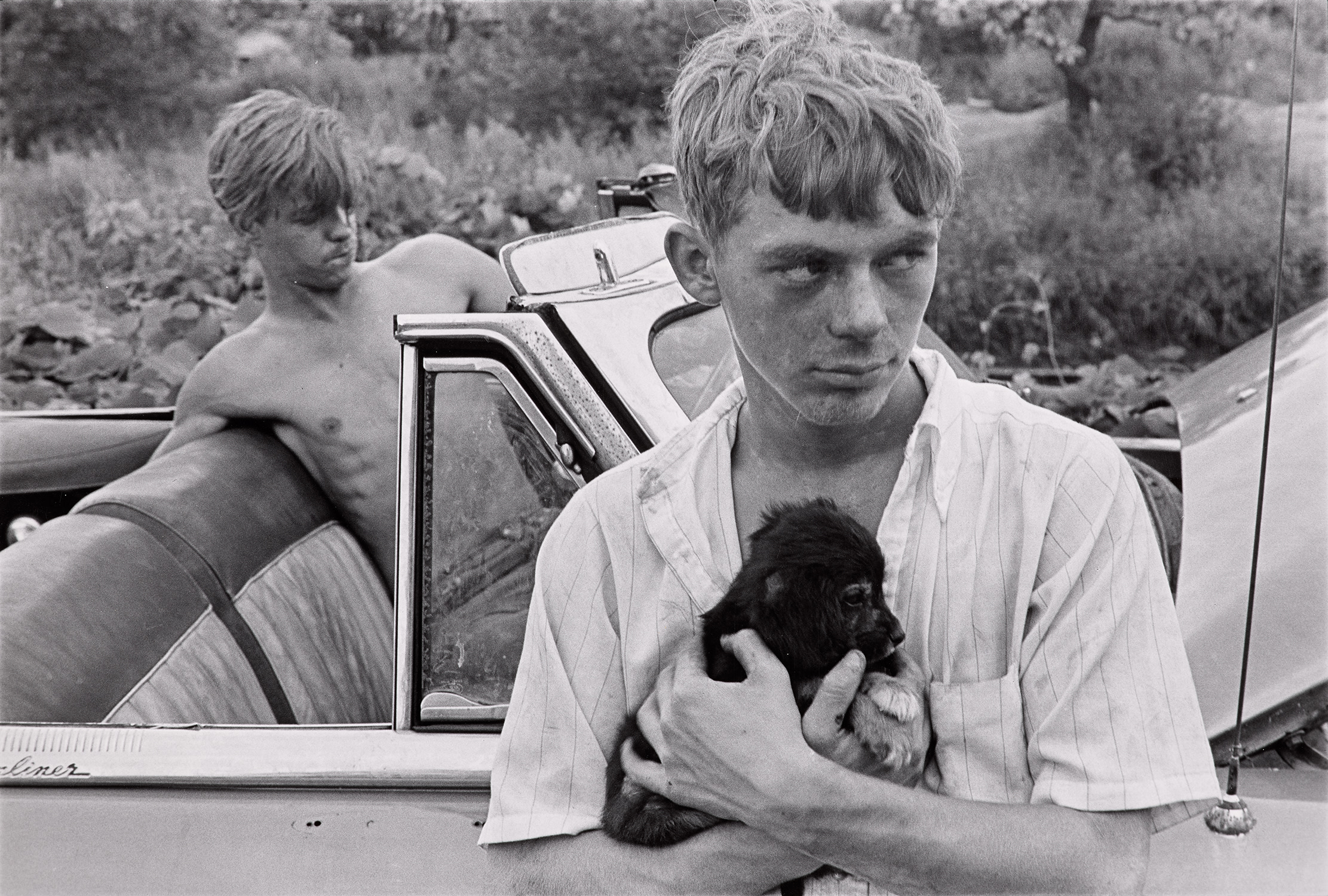
Danny Lyon
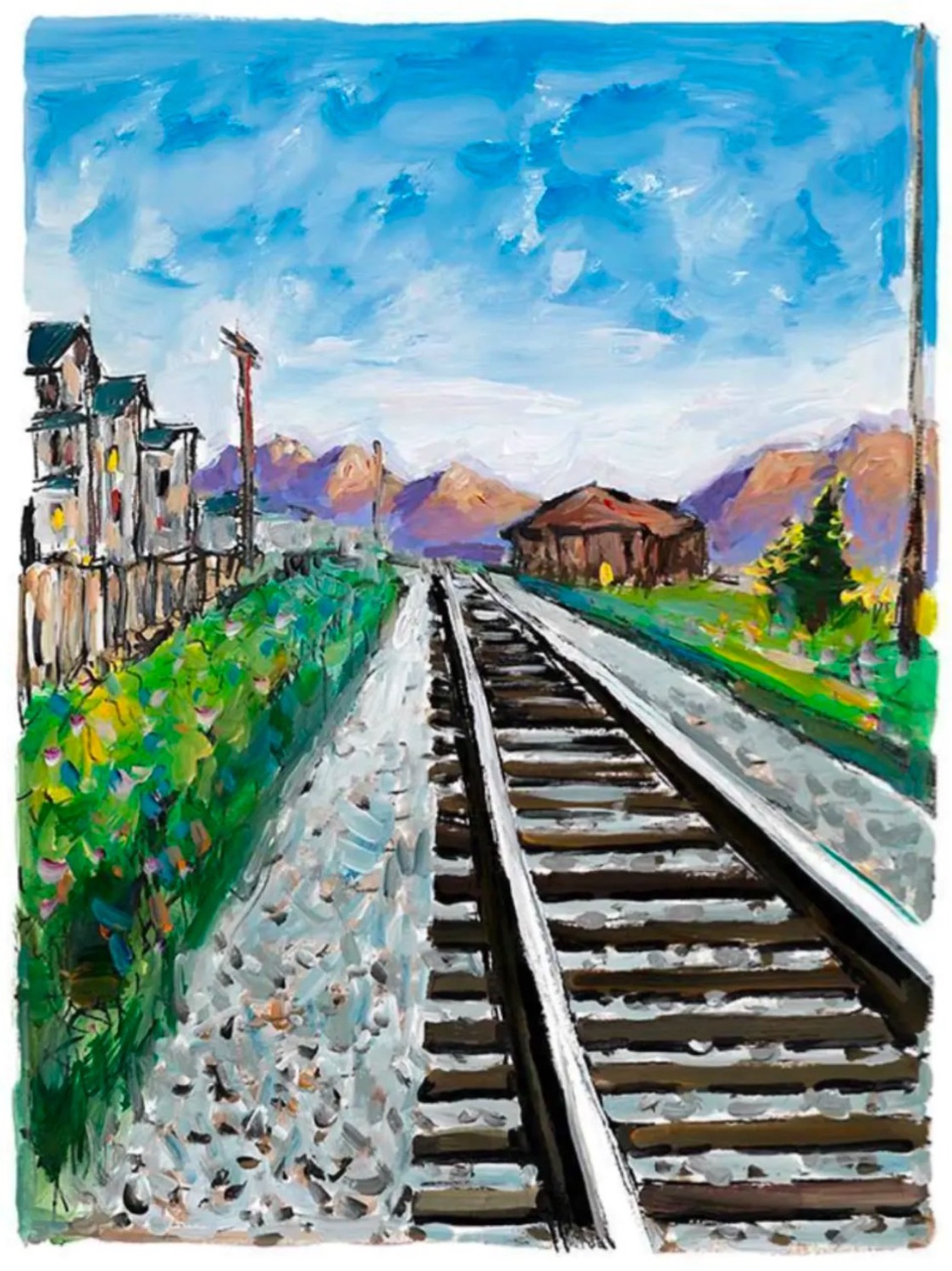
Crossing the Ohio River, Louisville
Edward Burtynsky and Sebastião Salgado both engage with waterways and rivers as subjects freighted with ecological and political meaning, and the institutional appetite for environmentally engaged documentary photography has grown substantially over the past decade. Salgado's river and landscape work in particular has moved into serious collecting territory following his major retrospectives, and the edition structures of photographic works in this space mean that entry points remain accessible compared to unique painted works of equivalent critical standing. Danny Lyon, also represented on The Collection, brings a different kind of intensity to landscape and environmental subjects, his work rooted in a documentary tradition that feels increasingly relevant to contemporary conversations about land use and belonging. At auction, river and water landscapes show a meaningful bifurcation in performance.
Works by established figures with strong provenance and exhibition histories sell with predictability and often exceed estimate when condition is good and the subject is a compelling example of the artist's mature practice. The weaker end of the market, works with murky attribution, compromised surfaces, or uncharacteristically dull compositions, can languish for years without finding buyers even when they carry recognizable names. This bifurcation makes quality of selection especially important for collectors who think about long term value retention. Condition is a particular concern with river landscapes given that the subject matter attracted plein air painters who worked in variable outdoor conditions.
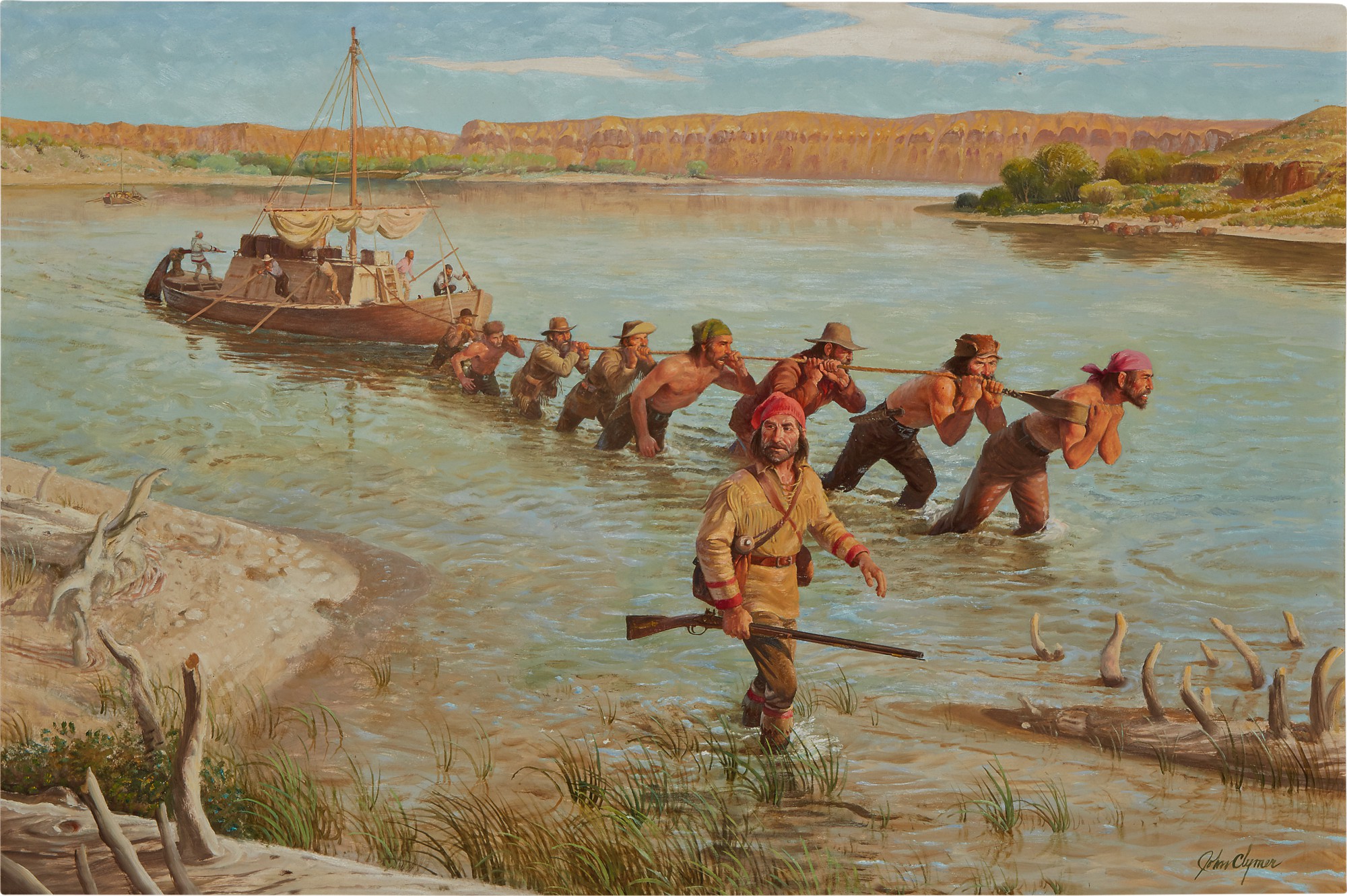
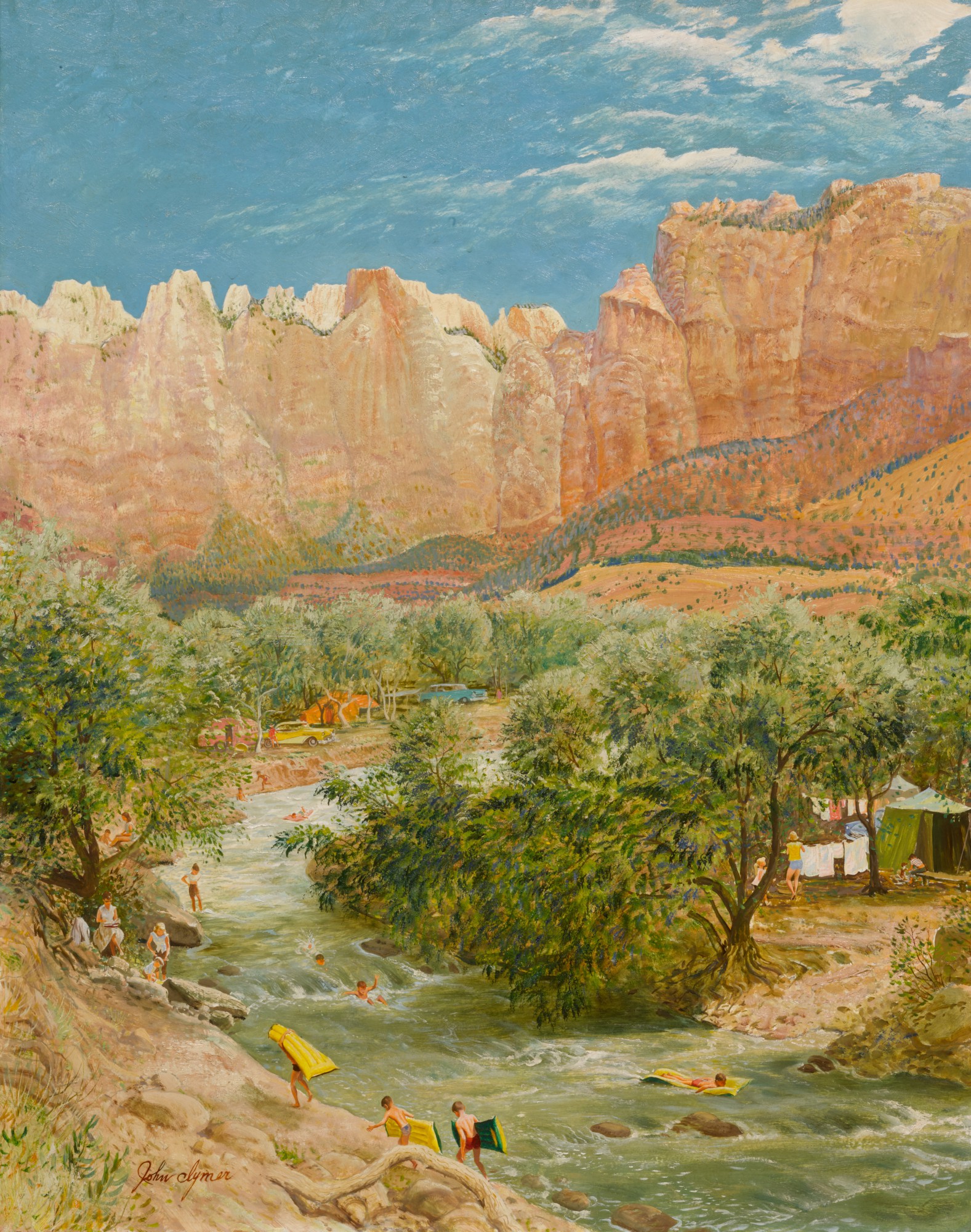
John F. Clymer
Up River
Panel supports in early Flemish and Dutch works can be sensitive to fluctuations in humidity, and potential buyers should always request a condition report and, ideally, a UV examination before purchase. Lined and relined canvases are common in this category and are not necessarily dealbreakers, but they require honest disclosure and should be factored into valuation conversations. If you are speaking with a gallery about a river landscape, the questions worth asking are direct ones: what is the structural condition of the support, has the work been restored, and what is the complete exhibition and provenance history since the point of creation. Display considerations are often underestimated by buyers new to the category.
River landscapes tend to prefer natural or warm artificial light rather than cool white illumination, which can flatten atmospheric effects that the artist worked hard to achieve. Hanging height matters too, these are paintings that want to be viewed at a natural sightline rather than perched high on a wall. The works that are most satisfying to live with are usually those where the collector has taken the time to find the right wall, the right light, and the right moment in the day when the painting seems to come fully alive. That aliveness, that sense of water still moving somewhere inside the frame, is ultimately what the best river landscapes promise and deliver.