
Kitagawa Utamaro
21
Works
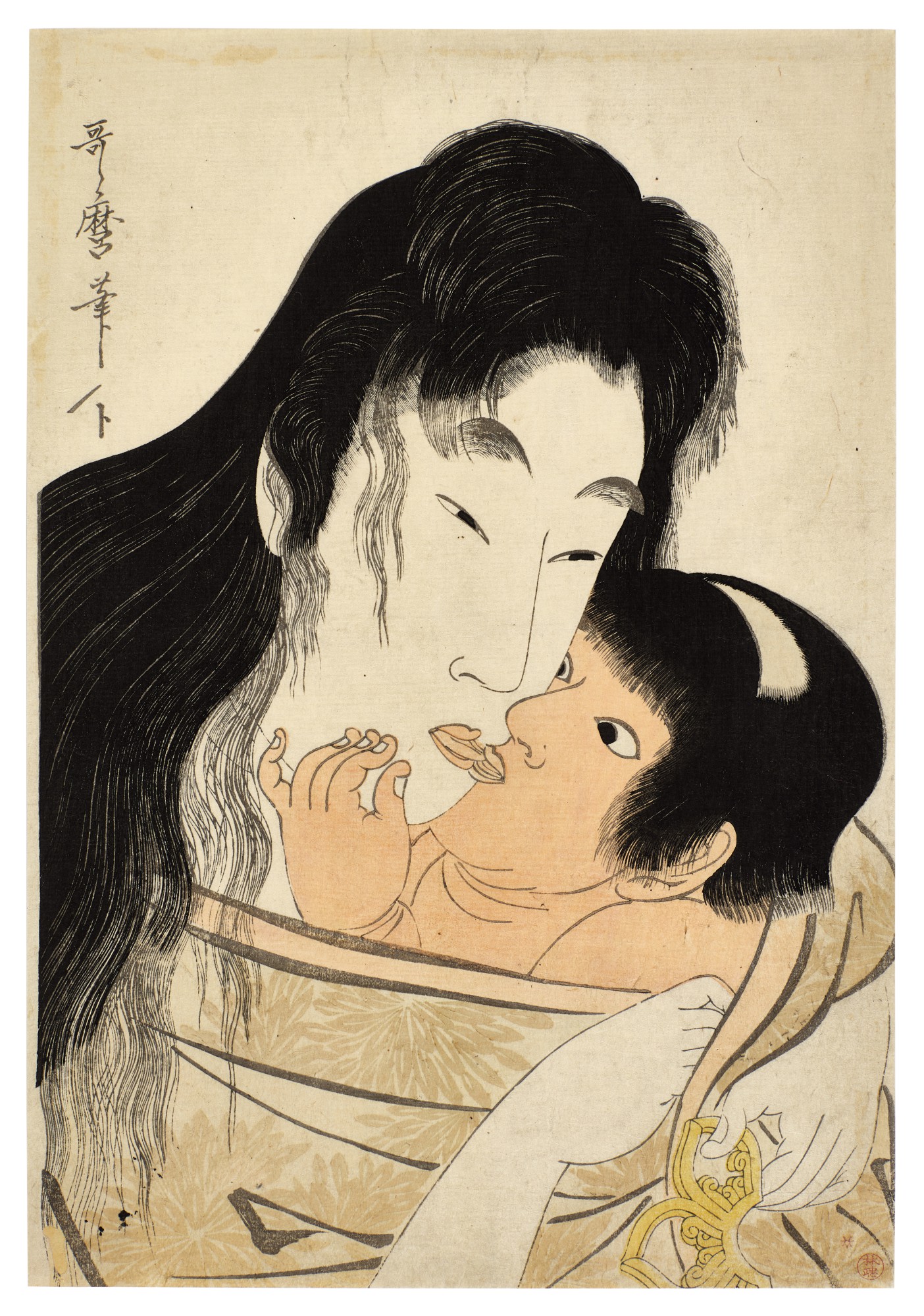
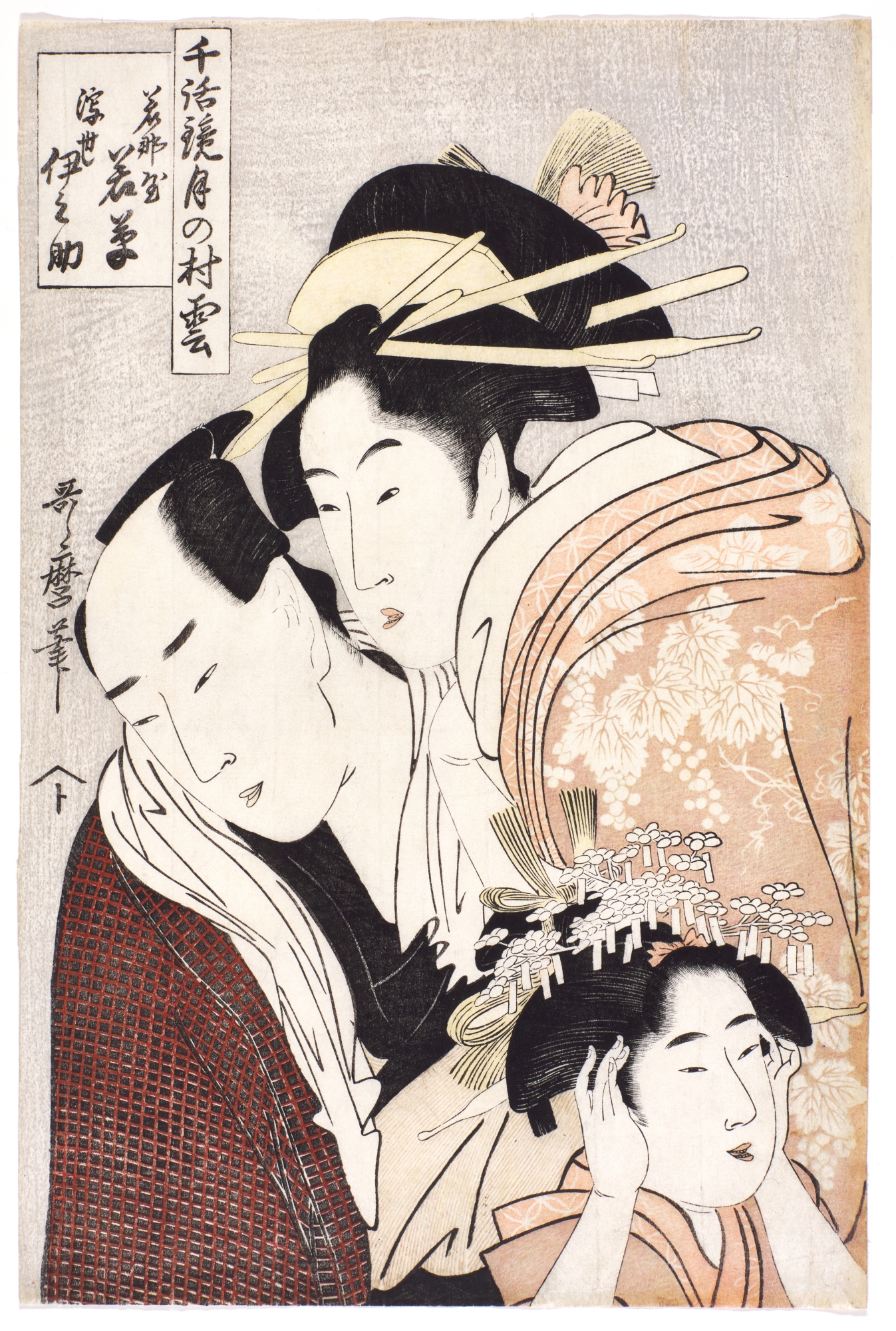
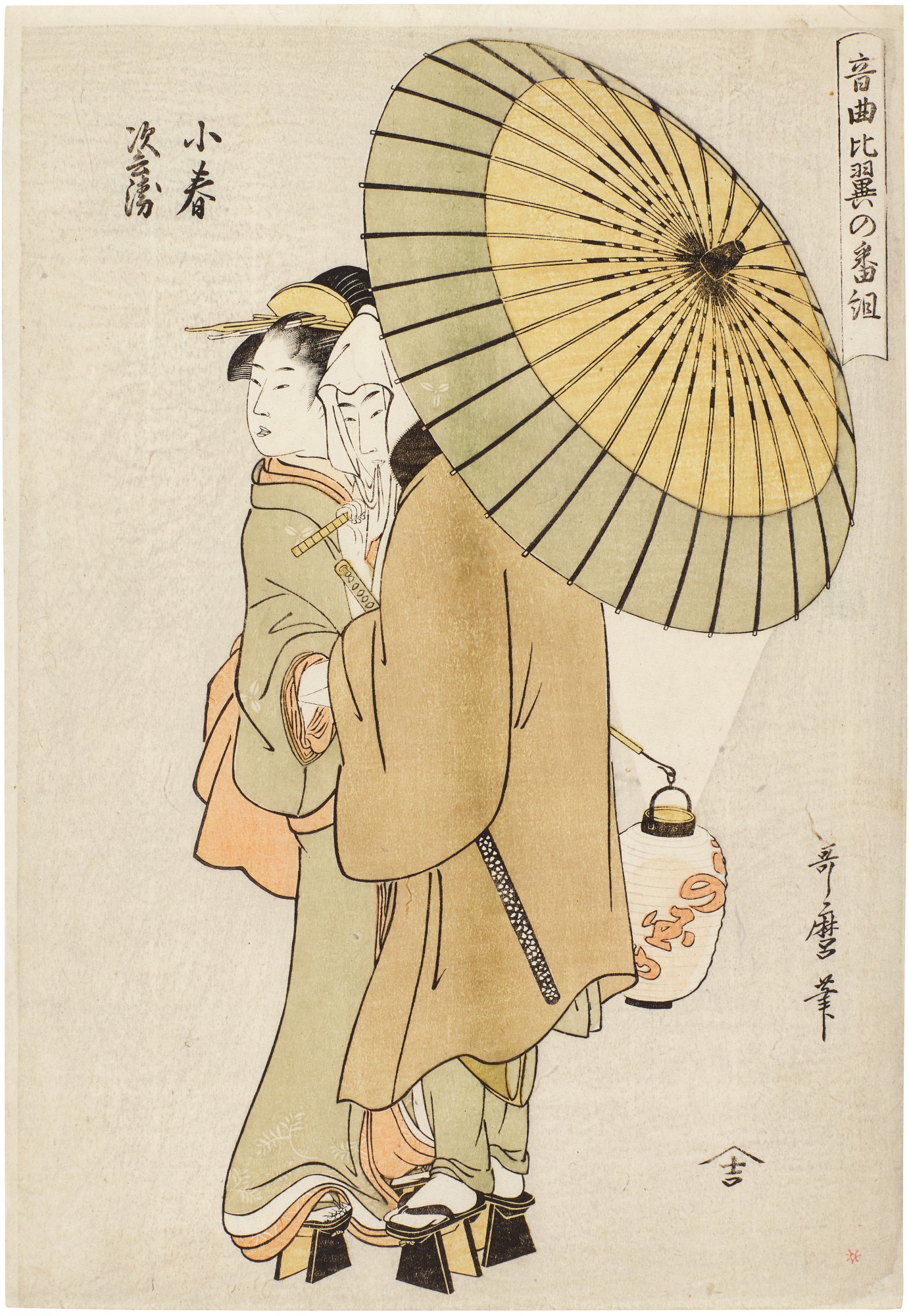
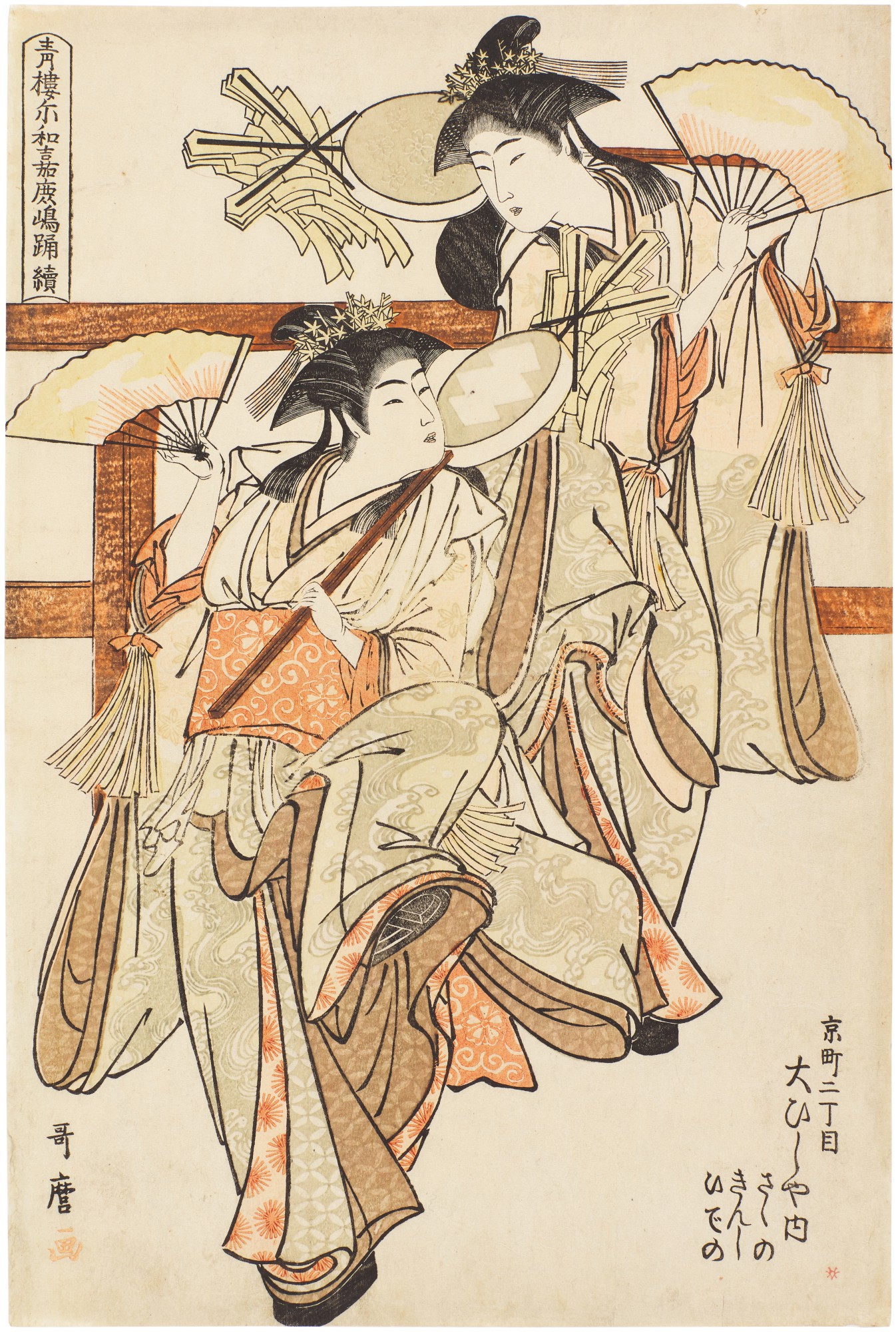
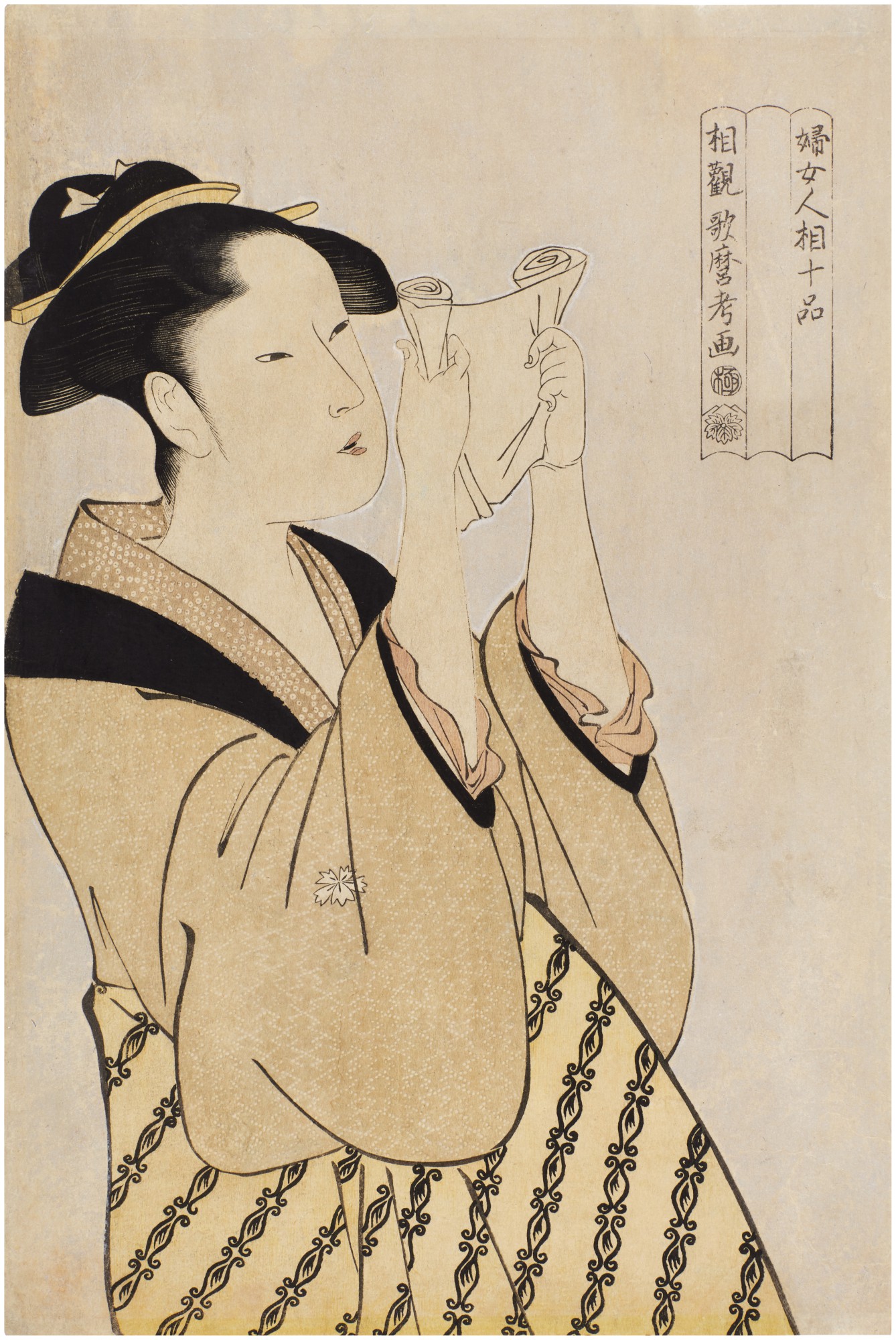
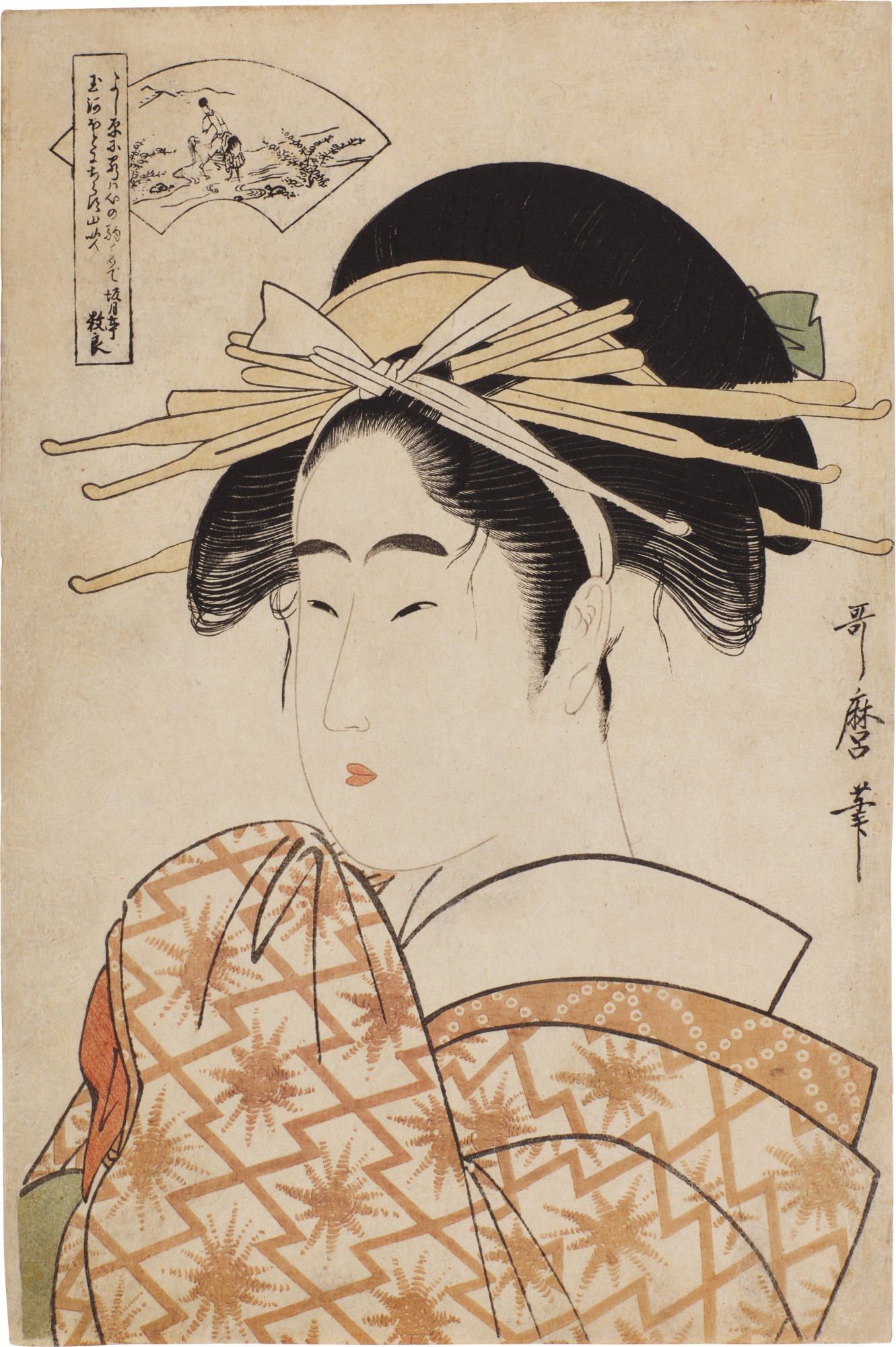
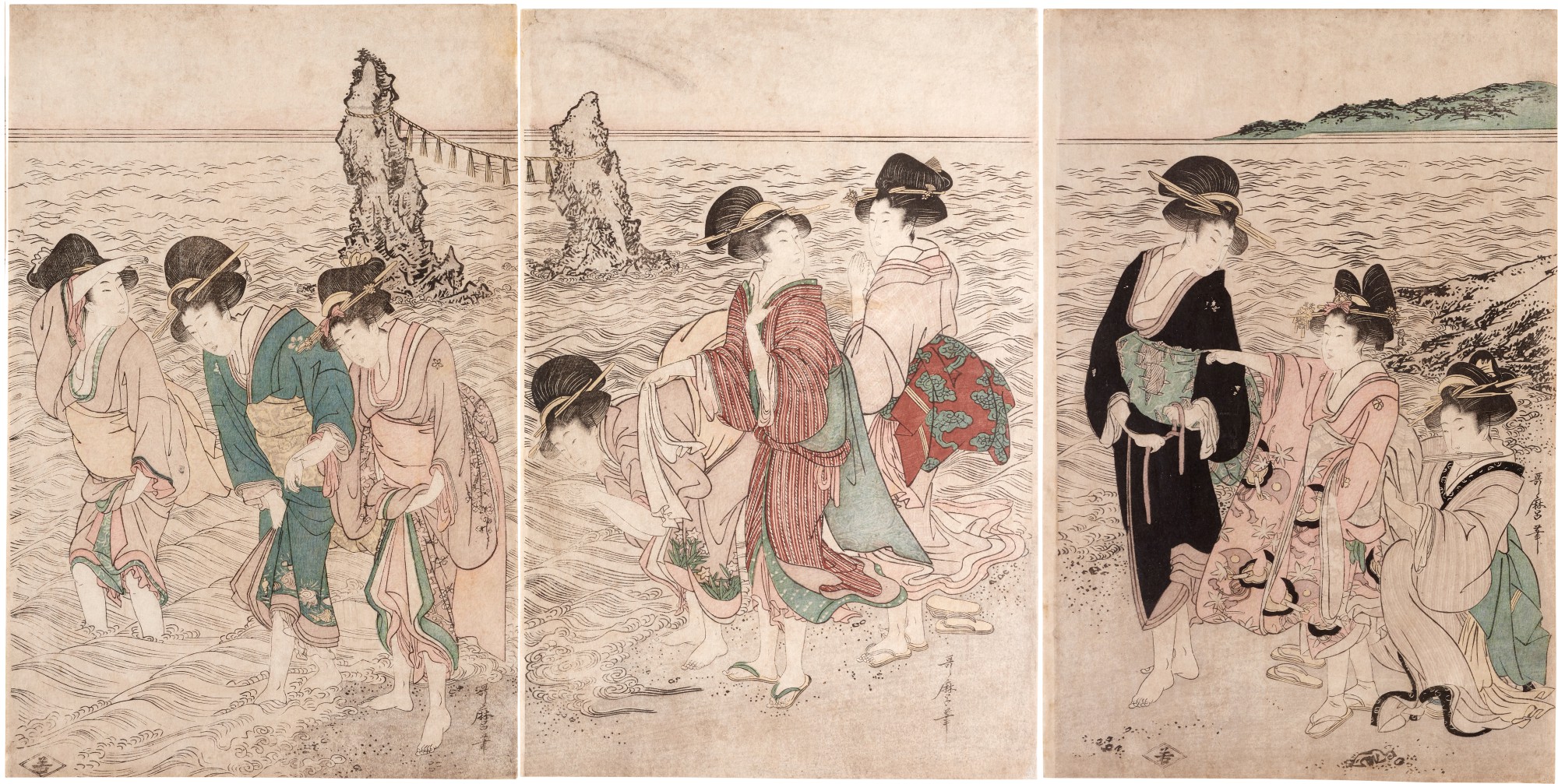
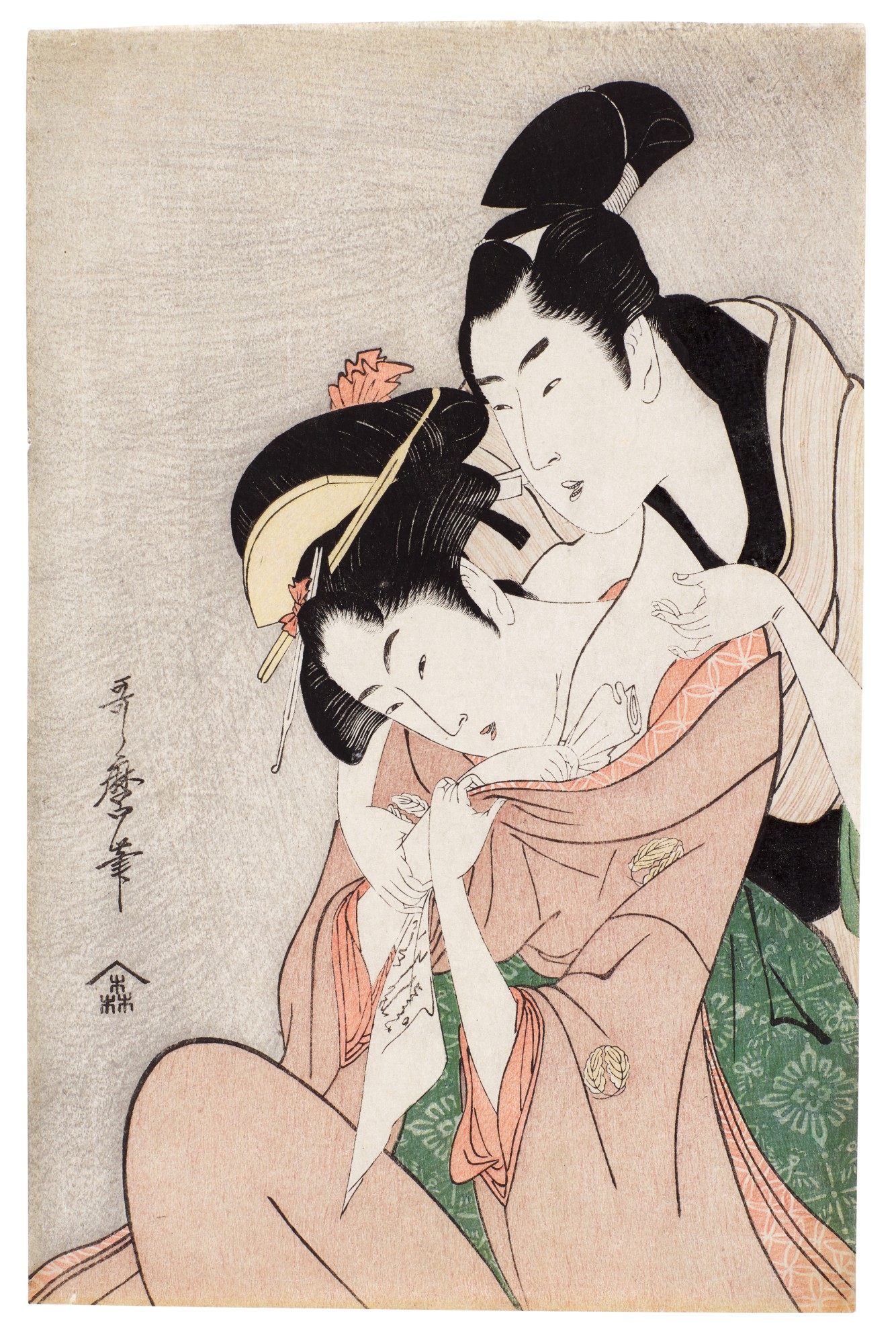
Kitagawa Utamaro was one of the greatest masters of the Japanese ukiyo-e woodblock print tradition, celebrated above all for his exquisitely refined depictions of women — a genre known as bijinga, or 'pictures of beautiful women.' Working primarily in Edo (present-day Tokyo) during the late 18th and early 19th centuries, Utamaro developed an intimate and psychologically nuanced approach to the female form, moving beyond the conventional full-body portrait to pioneer the ōkubi-e, or 'large-head picture,' format. These close-up bust portraits captured subtle expressions, moods, and inner states with unprecedented delicacy, elevating his subjects — courtesans, geisha, mothers, and women of everyday life — to icons of grace and sensuality. Utamaro's most celebrated series include 'Ten Physiognomies of Women' (Fujin sōgaku jittai), 'Poem of the Pillow' (Utamakura), and his renowned series depicting women of the Yoshiwara pleasure district. He worked in close collaboration with the publisher Tsutaya Jūzaburō, producing prints of extraordinary technical sophistication that employed mica backgrounds, subtle gradations of color, and the innovative use of bokashi shading. His compositions balanced decorative elegance with psychological intimacy, and his sinuous, flowing lines became deeply influential across generations of artists. Despite his tremendous commercial success, Utamaro fell afoul of the Tokugawa shogunate in 1804 when he produced prints depicting the warlord Toyotomi Hideyoshi; he was arrested, placed in manacles for fifty days, and reportedly never fully recovered, dying two years later. Utamaro's influence extended far beyond Japan. When his prints reached Europe in the mid-19th century as part of the wave of Japonisme, they profoundly shaped the work of Western Post-Impressionist and Symbolist artists, most notably Edgar Degas, Henri de Toulouse-Lautrec, Gustav Klimt, and Mary Cassatt. His mastery of pattern, flattened pictorial space, and cropped compositions offered European modernists a radically new visual vocabulary. Today, Utamaro's works are held in major museum collections worldwide, including the Metropolitan Museum of Art, the British Museum, and the Museum of Fine Arts, Boston, and he remains one of the most recognized and celebrated figures in the history of Japanese art.
Spotted by
Artists in conversation