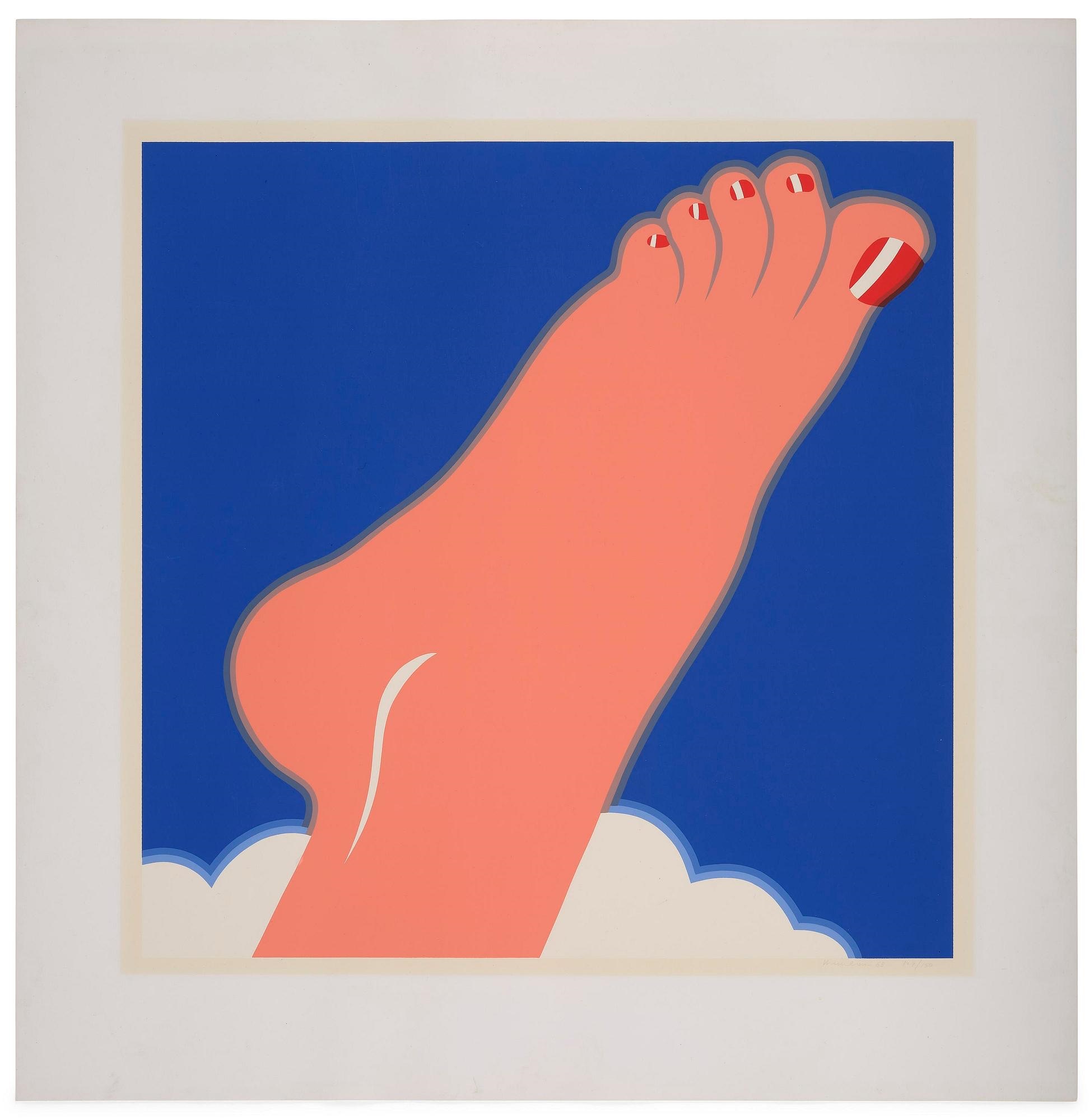
Psychological Tension
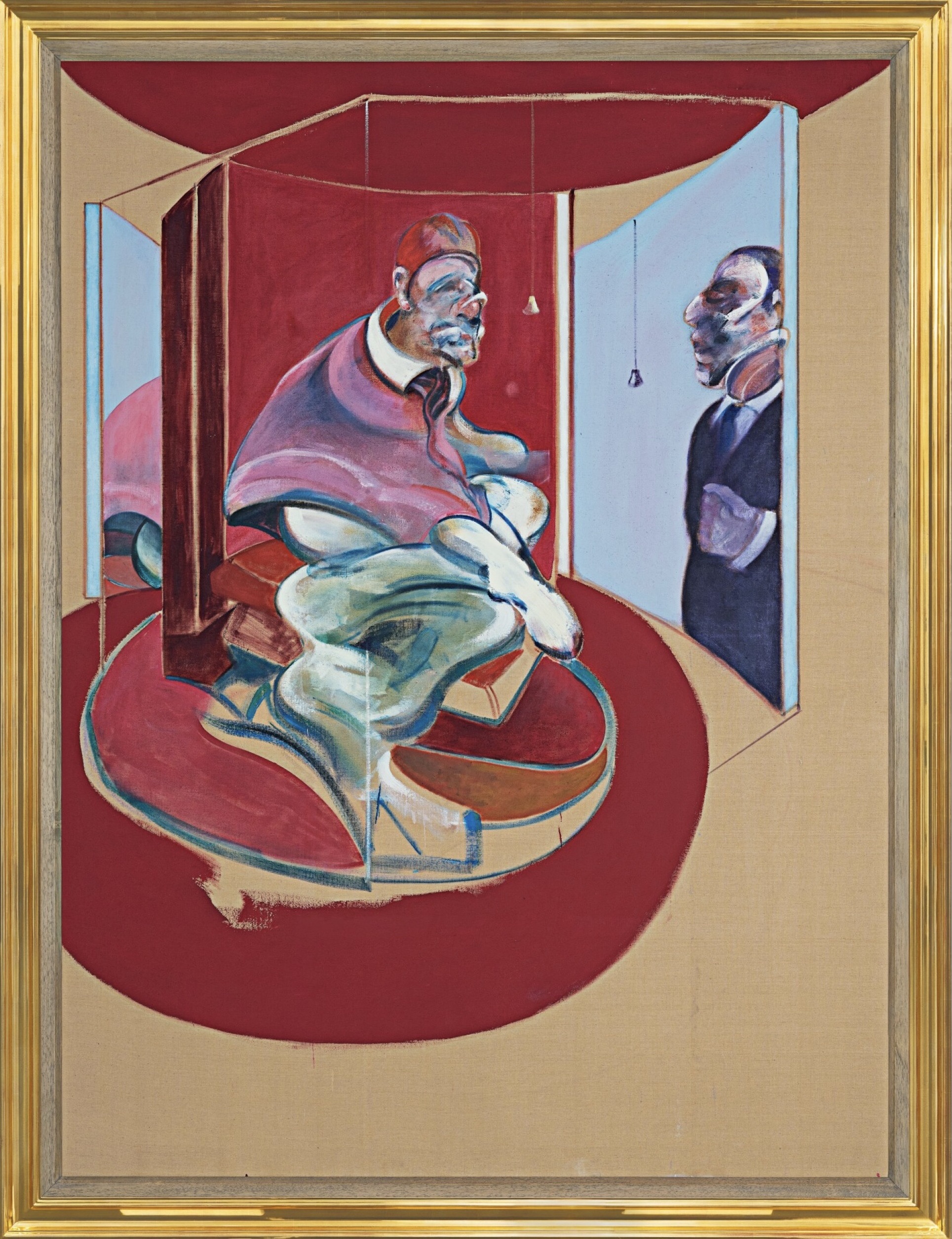
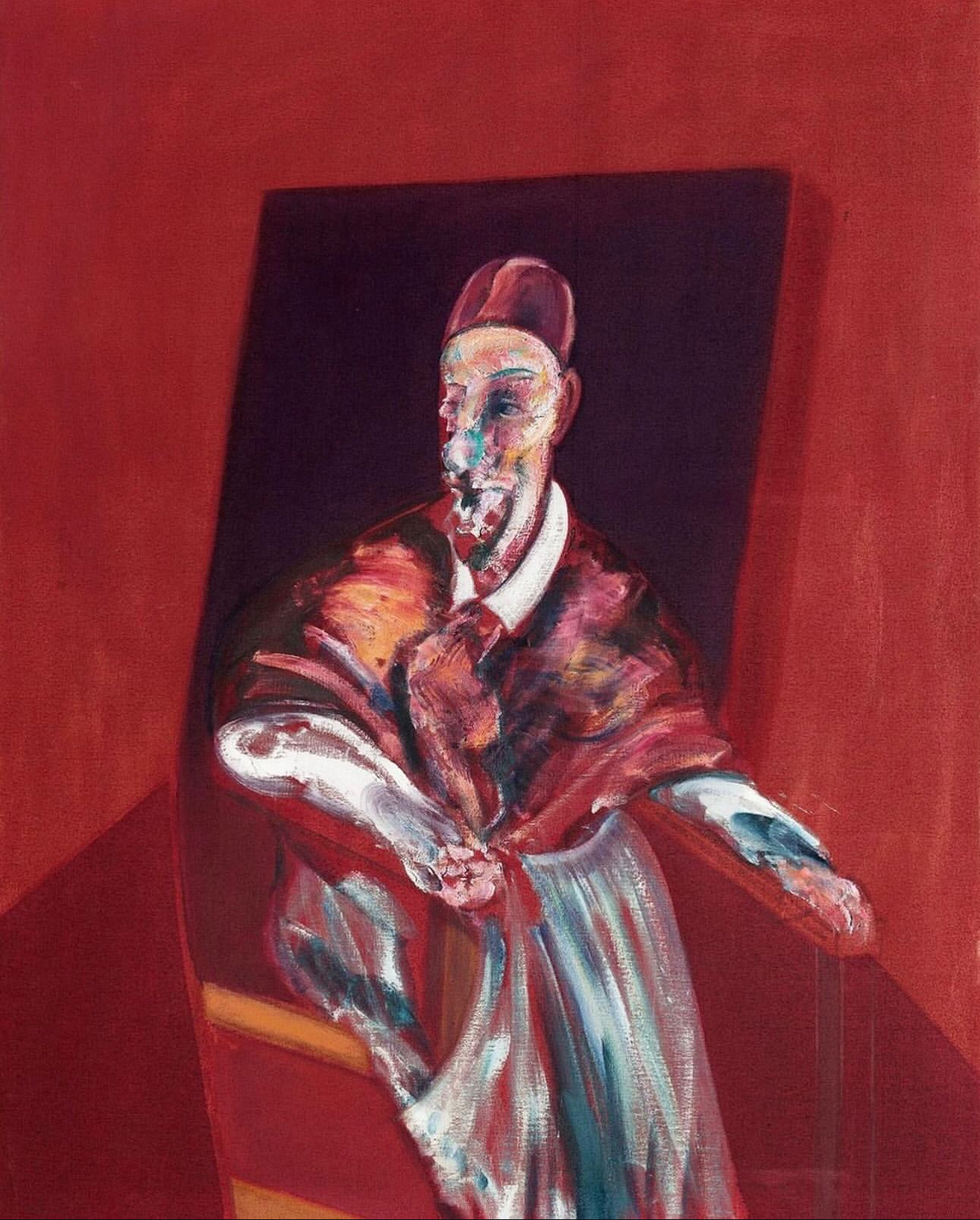
Francis Bacon
Study of Red Pope 1962, 2nd Version 1971, 1962
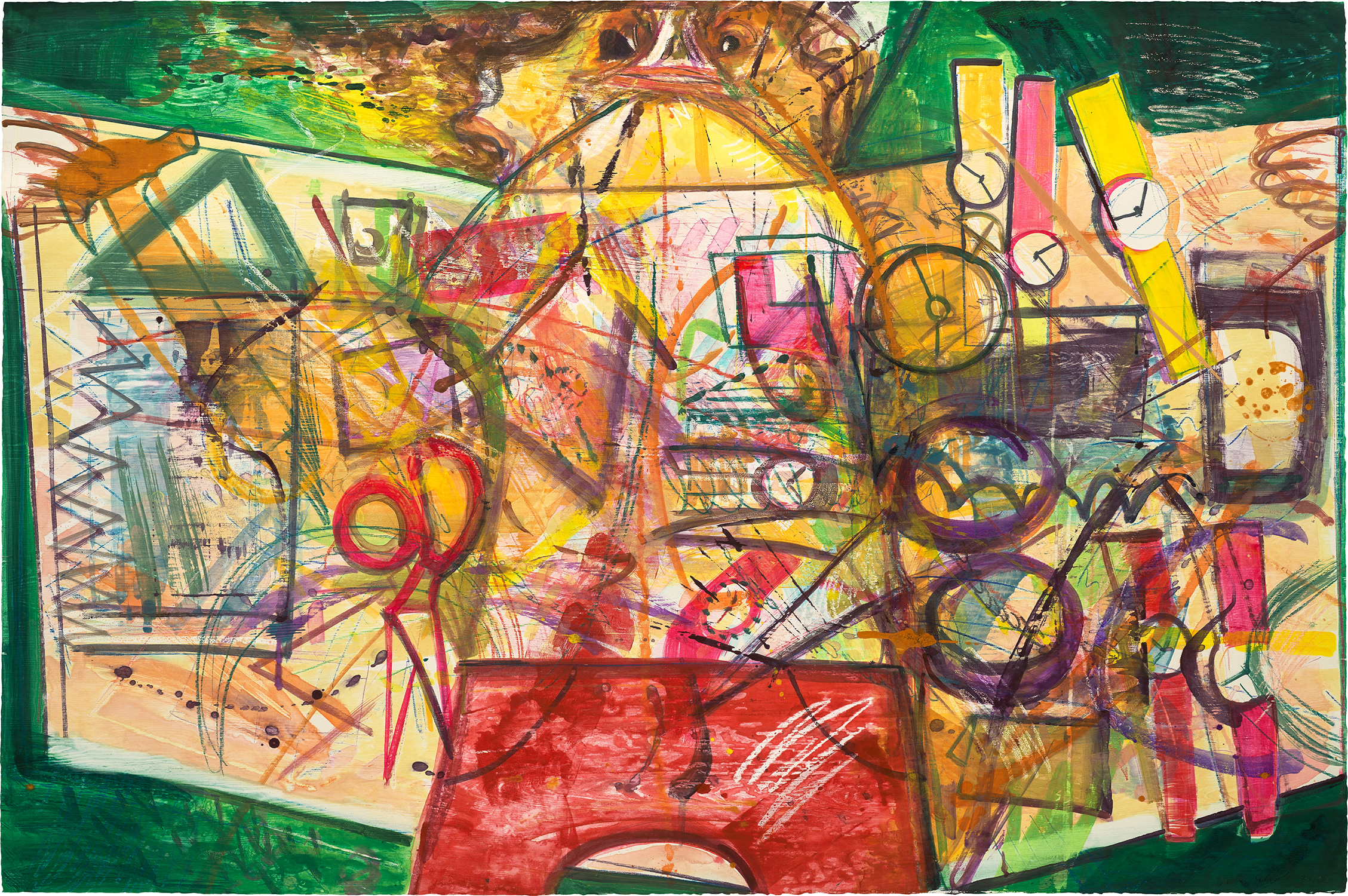
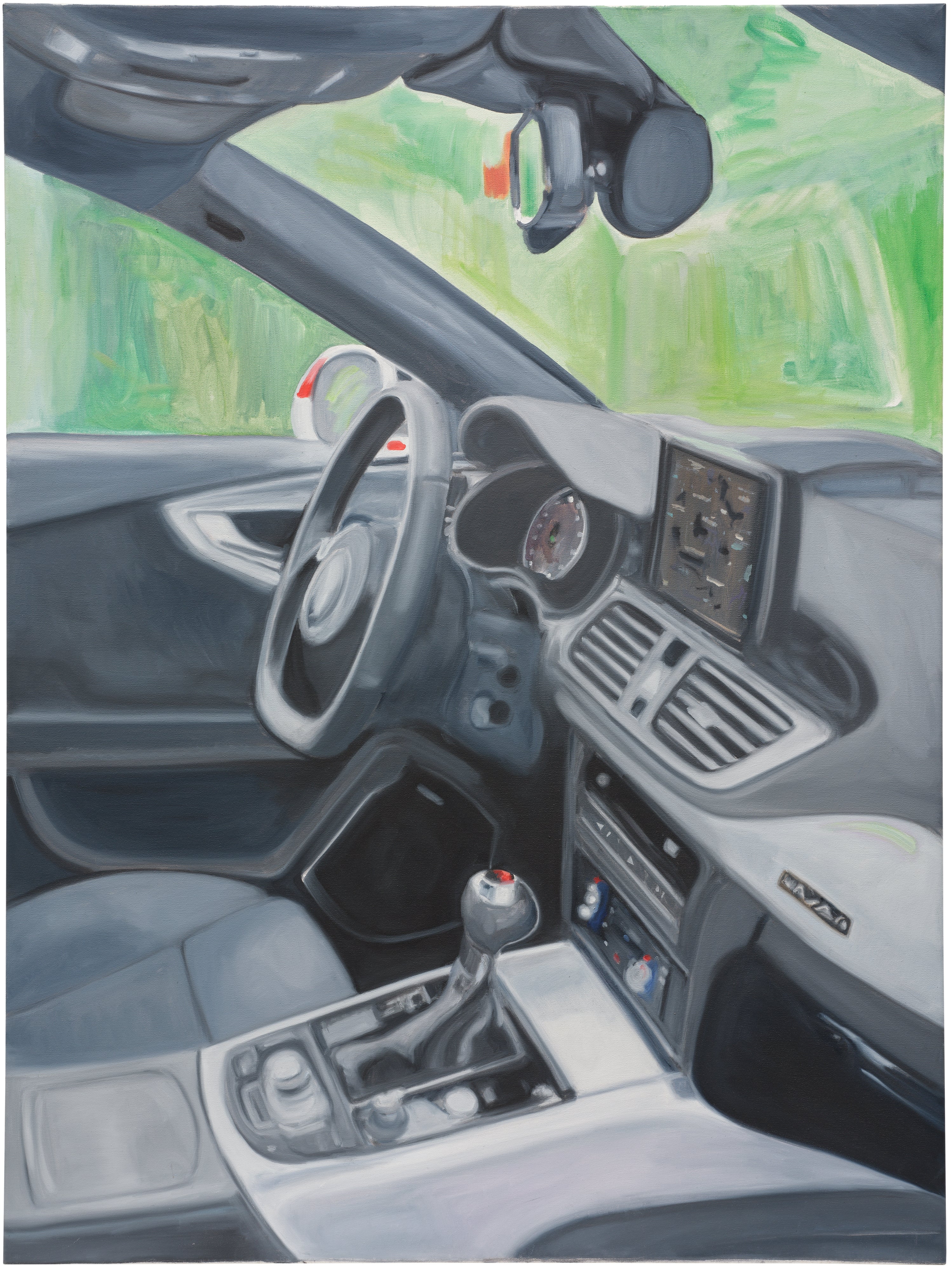
The Art of Dread: Painting What Haunts Us
There is a particular kind of looking that art demands when it refuses to let you be comfortable. You stand before a canvas and something shifts in the chest, a recognition of something unresolved, a feeling that the image knows more about you than you would like. Psychological tension in visual art is not a genre or a movement with a manifesto. It is a condition, a quality that certain artists have pursued across centuries because it is where painting tells the deepest truths about being alive and afraid and uncertain.
The roots of this sensibility reach back further than most collectors acknowledge. James Ensor, the Belgian painter working in the late nineteenth century, was constructing nightmares from carnival masks and decomposing figures long before the Surrealists gave anyone a theoretical framework for such things. His 1888 masterwork Christ's Entry into Brussels in 1889 packs a public scene with grotesque, leering faces that feel less like a crowd and more like the inside of a troubled mind made visible. Ensor understood something essential: the social and the psychological are always entangled, and the space between them is where the most disturbing images live.
Francis Bacon
Pope I, 1961
By the mid twentieth century, that understanding had become a central preoccupation. Francis Bacon arrived in the London art world in the 1940s and immediately made it clear that figurative painting could be an act of psychic excavation rather than mere representation. His triptychs and screaming popes did not illustrate anxiety so much as embody it, the paint itself seeming to convulse on the surface. Roberto Matta, the Chilean Surrealist who had trained as an architect under Le Corbusier, was simultaneously building what he called inscapes, interior landscapes that looked like collapsing dimensions and wiring diagrams for a consciousness under siege.
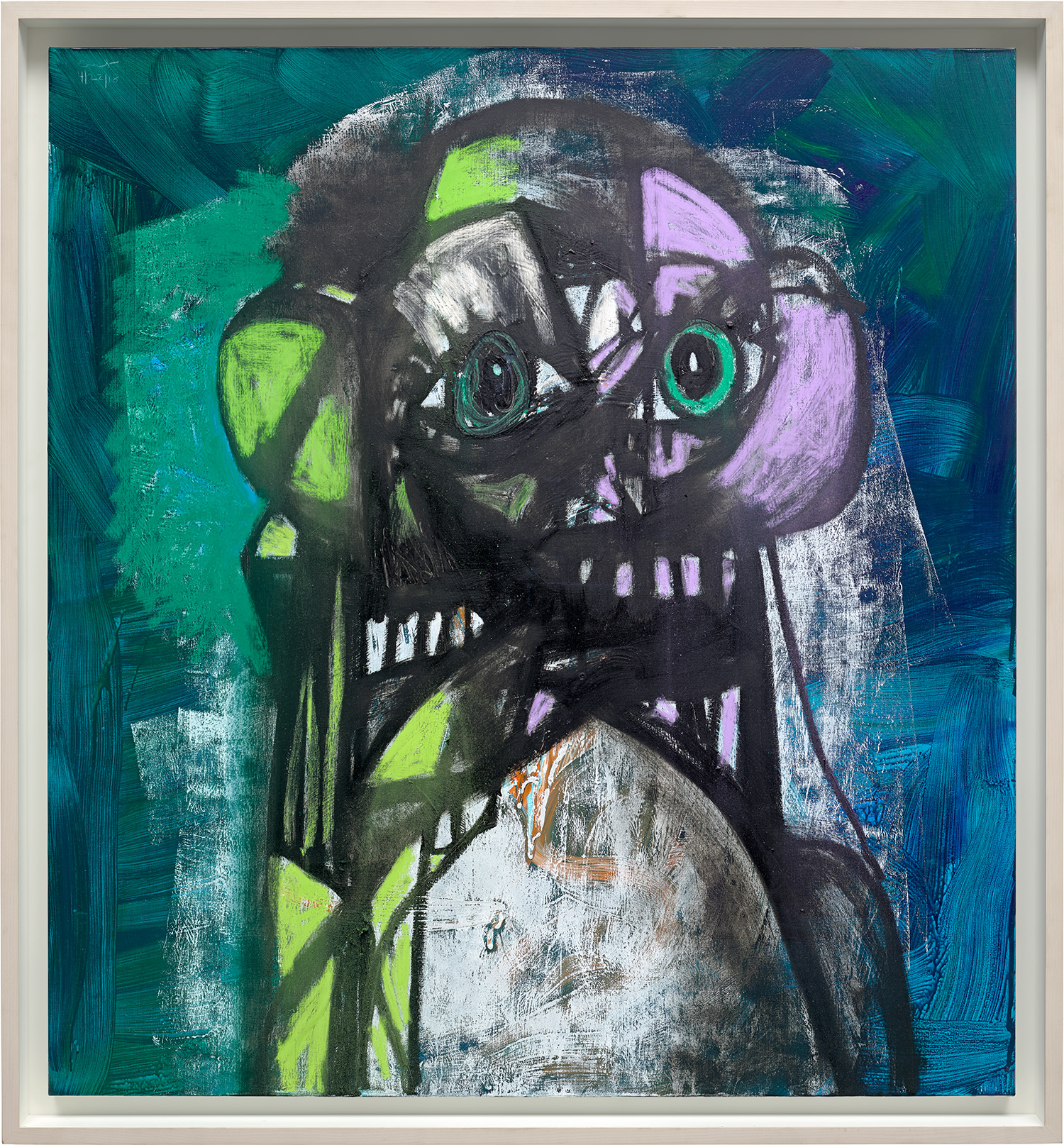
Both men intuited that the human body, distorted and pressured, was the most honest instrument available to a painter trying to render the invisible forces that shape experience. What is fascinating about the artists working in this lineage today is how differently they arrive at similar intensities. George Condo developed what he calls artificial realism, a term that points to the uncanny gap between recognizable portrait conventions and the scrambled, multi eyed, grinning faces he places within them. The psychological pressure in a Condo comes partly from that gap itself, from the way the brain tries to read a face and keeps finding the logic interrupted.
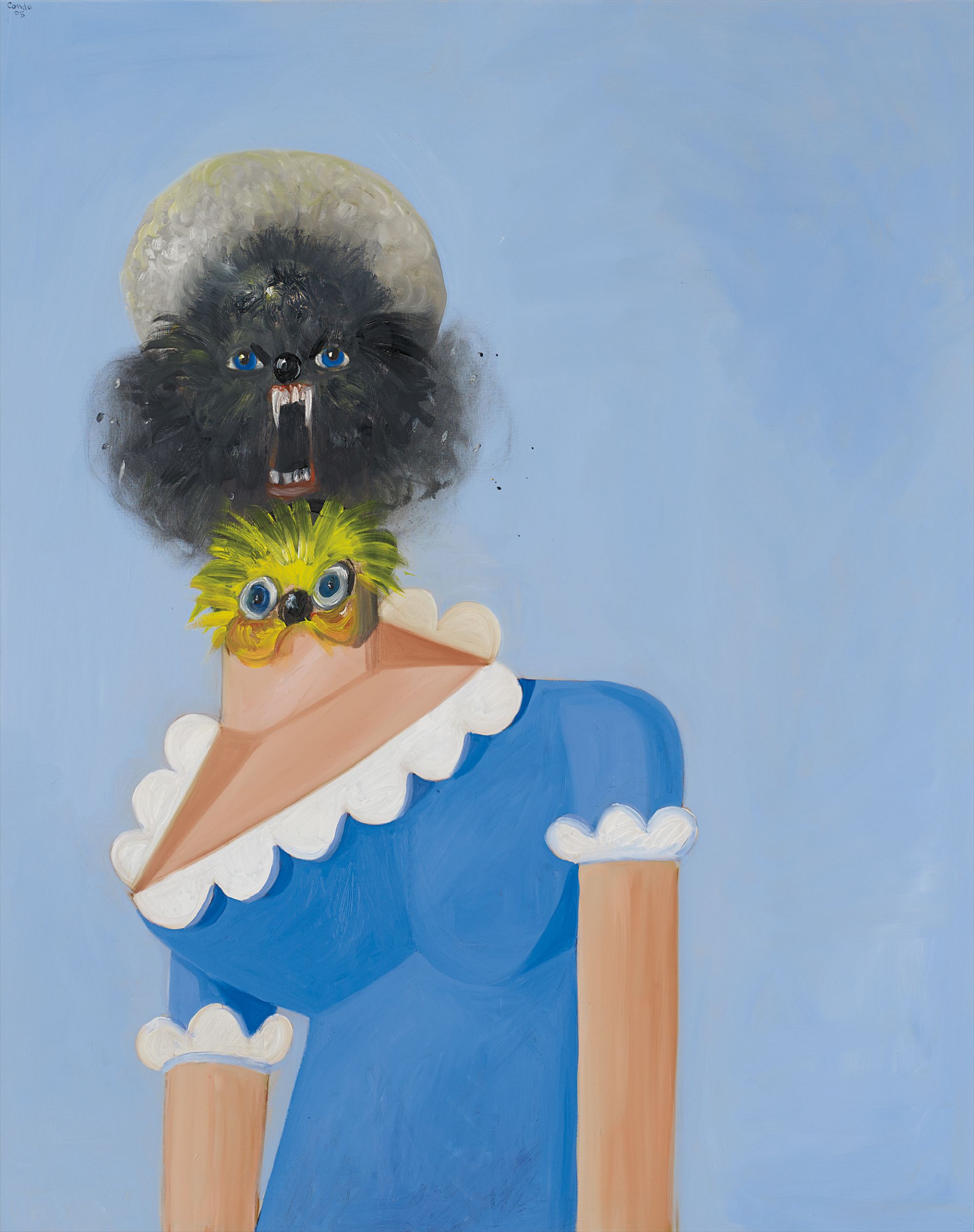
George Condo
Jean-Louis' Girlfriend, 2005
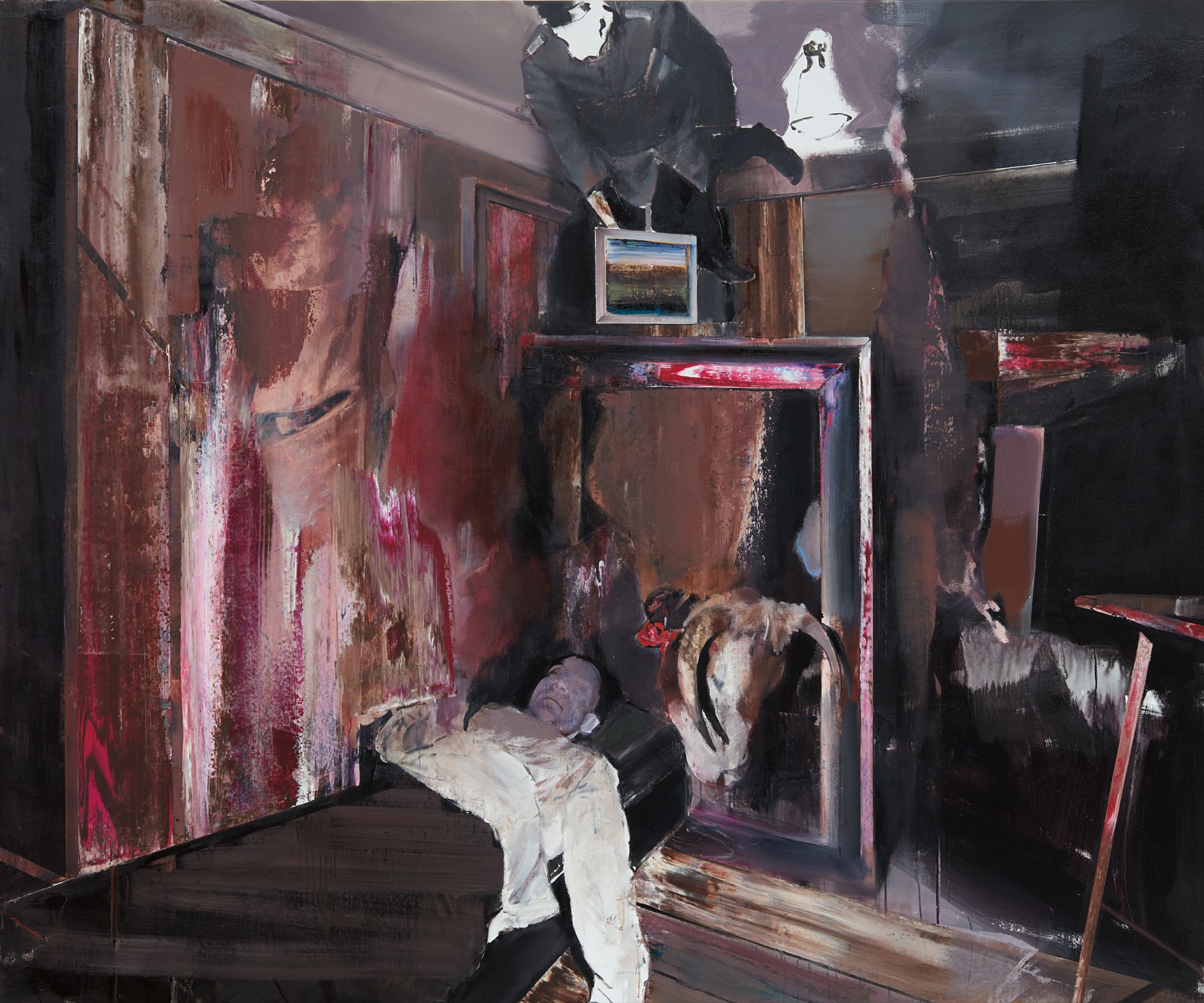
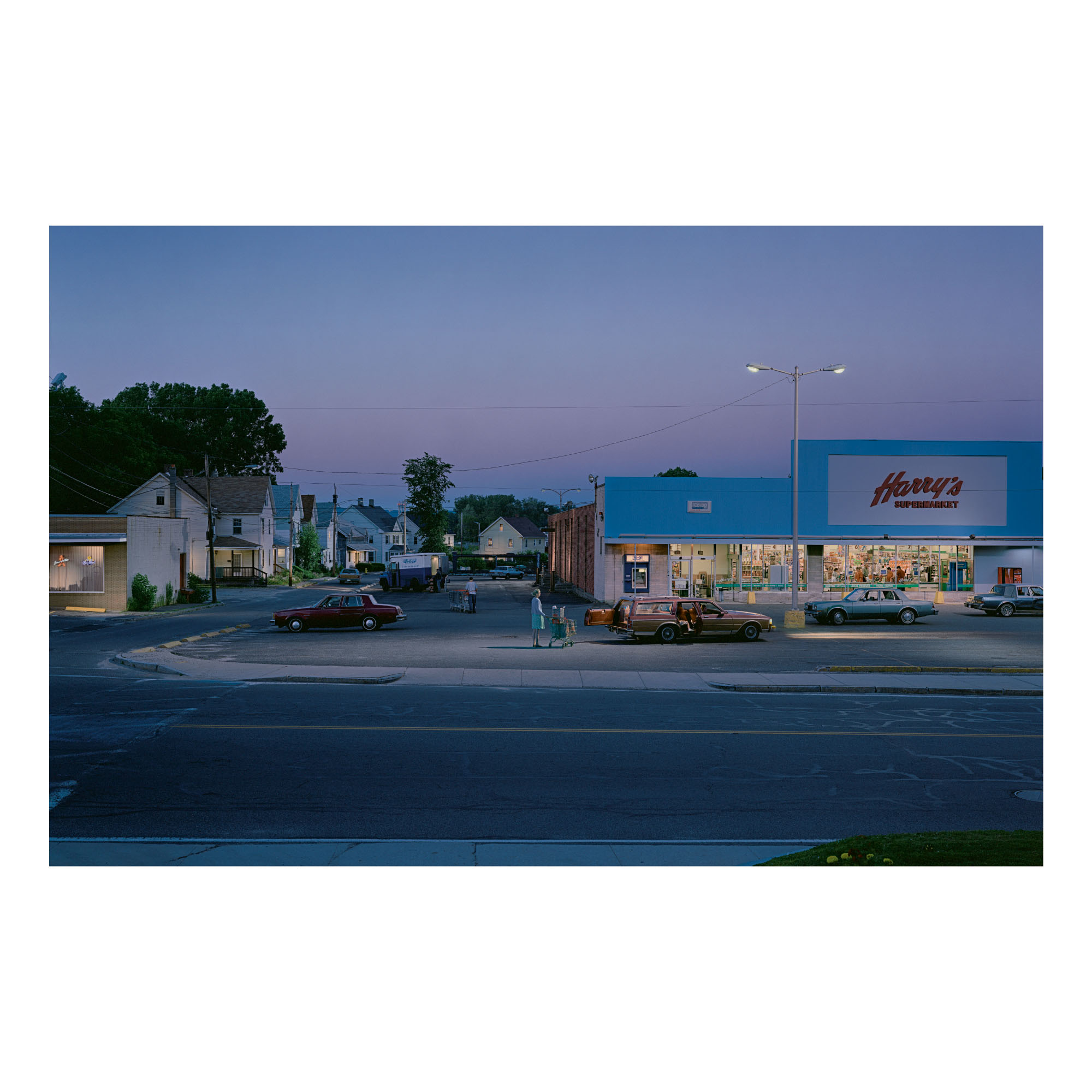
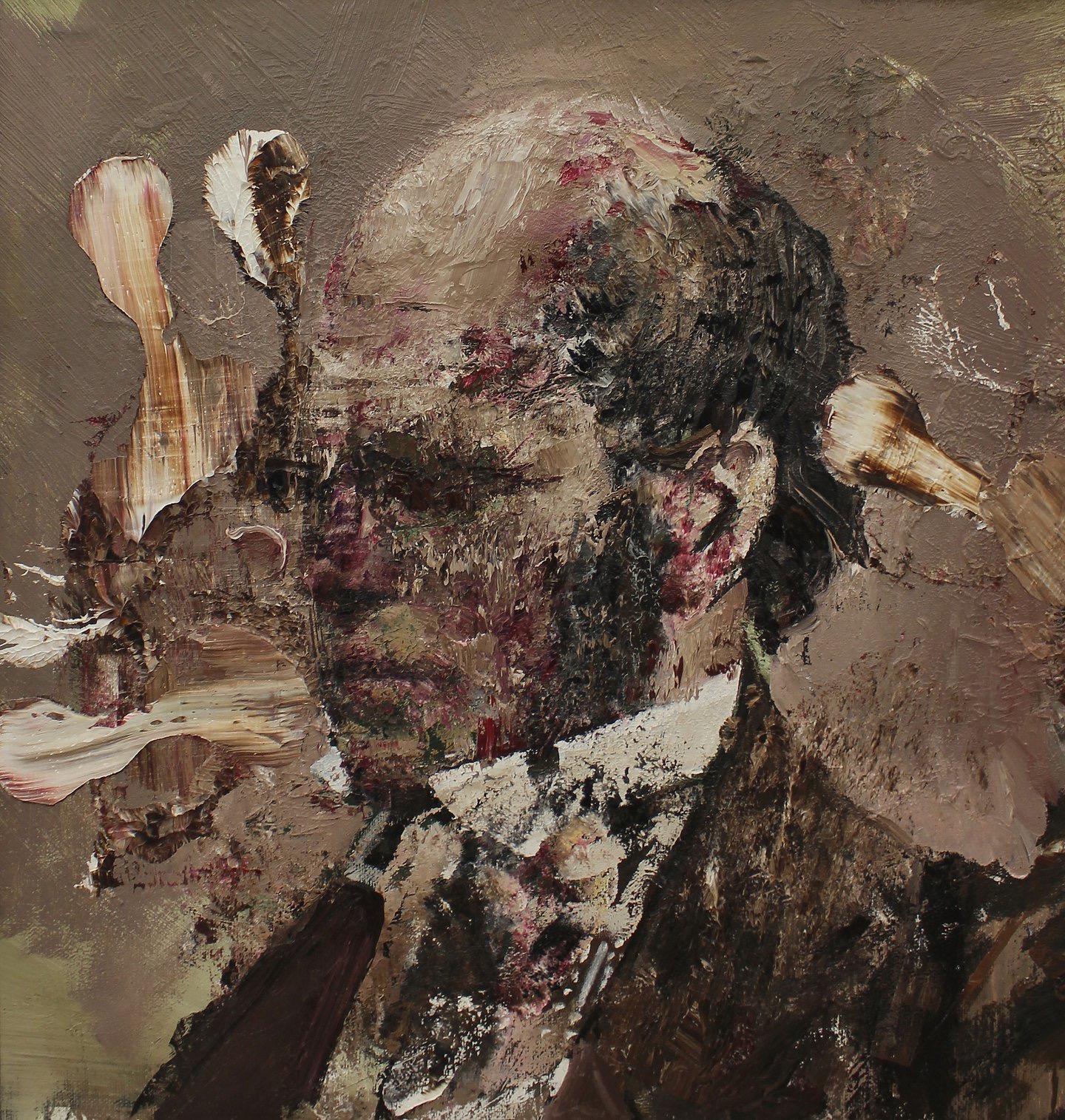
Adrian Ghenie works from a different angle, layering historical trauma into paint surfaces that appear to erode and reform as you look at them, as though memory itself is physically unstable. Both artists are well represented on The Collection, and placing their work in dialogue reveals how many roads lead to the same uncomfortable destination. The photographic tradition has contributed enormously to this conversation, even as it has operated under different constraints. Gregory Crewdson has spent decades building elaborate, film scale tableaux in American suburban settings where something has clearly just happened or is about to, and the image lands in that suspended moment of dread.
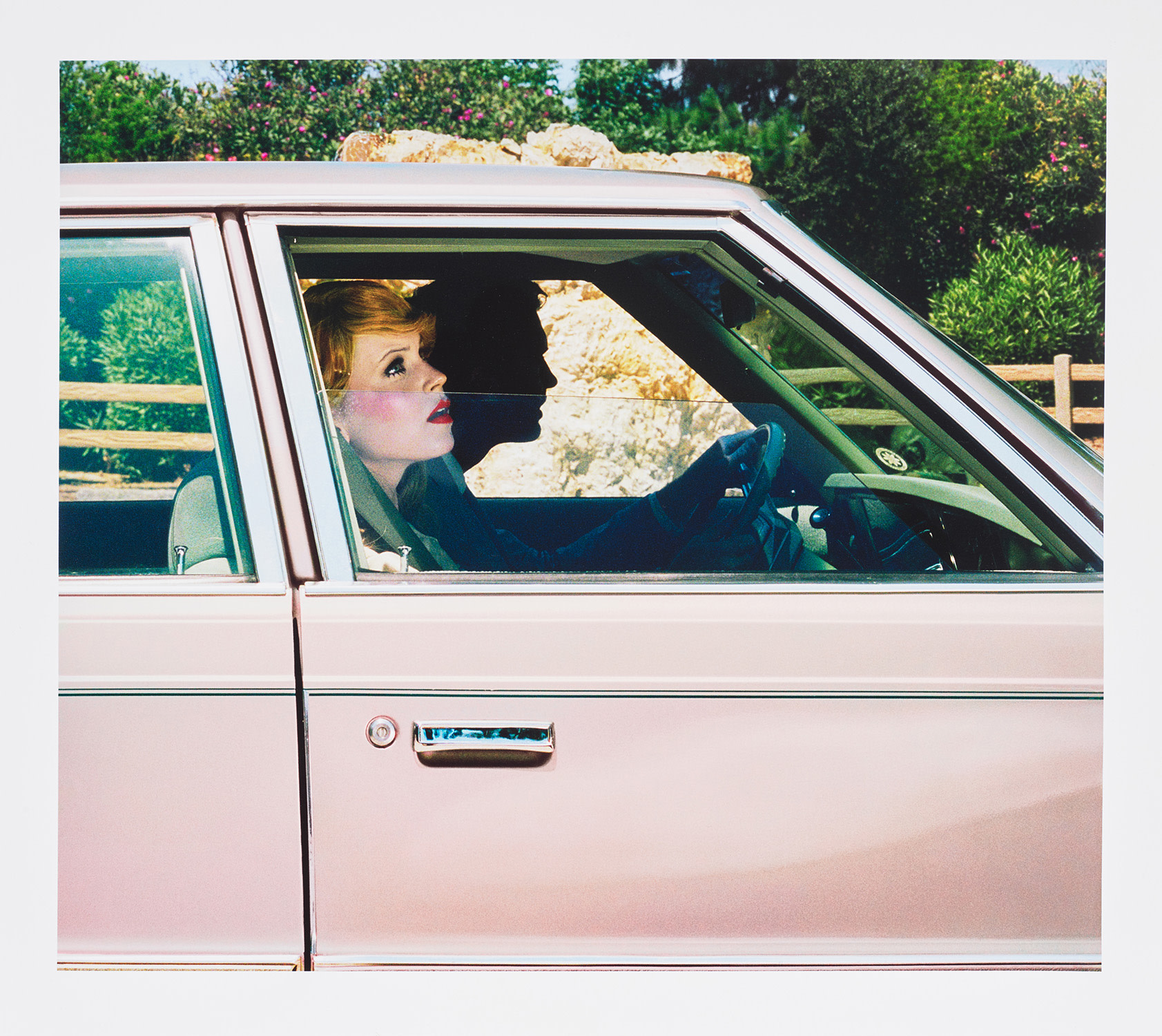
Alex Prager works with a more saturated, cinematic palette, staging crowds and solitary figures in scenes that feel borrowed from a film whose plot you cannot quite reconstruct. Both photographers understand that psychological tension is often architectural, a matter of space and light and the relation between figures that implies everything about the psyche without stating any of it directly. Their works on The Collection reward extended looking in ways that few images in any medium can claim. Painters like Neo Rauch and Dana Schutz bring a more painterly, even theatrical quality to this tradition.
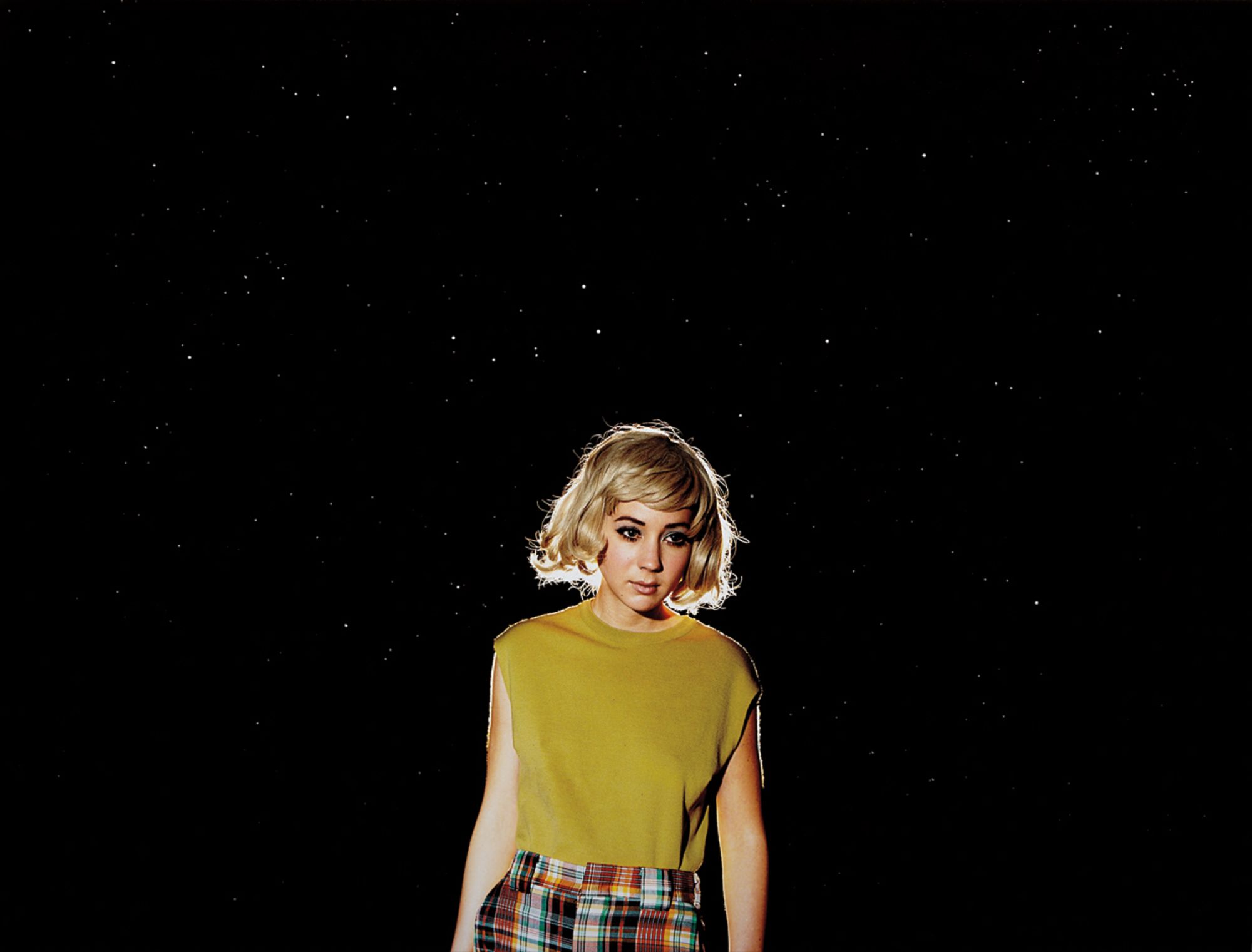
Alex Prager
Sophie from Week-End
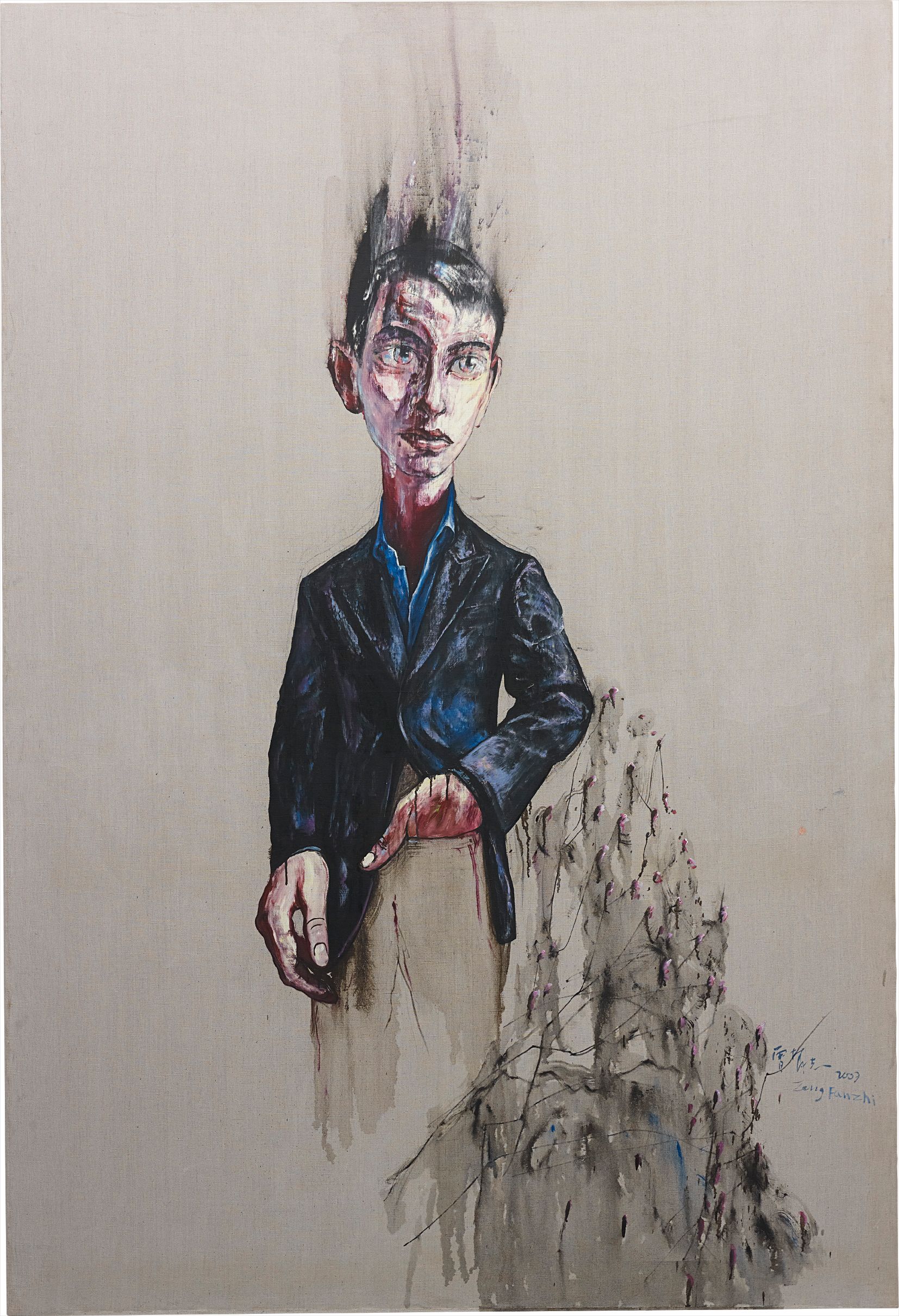
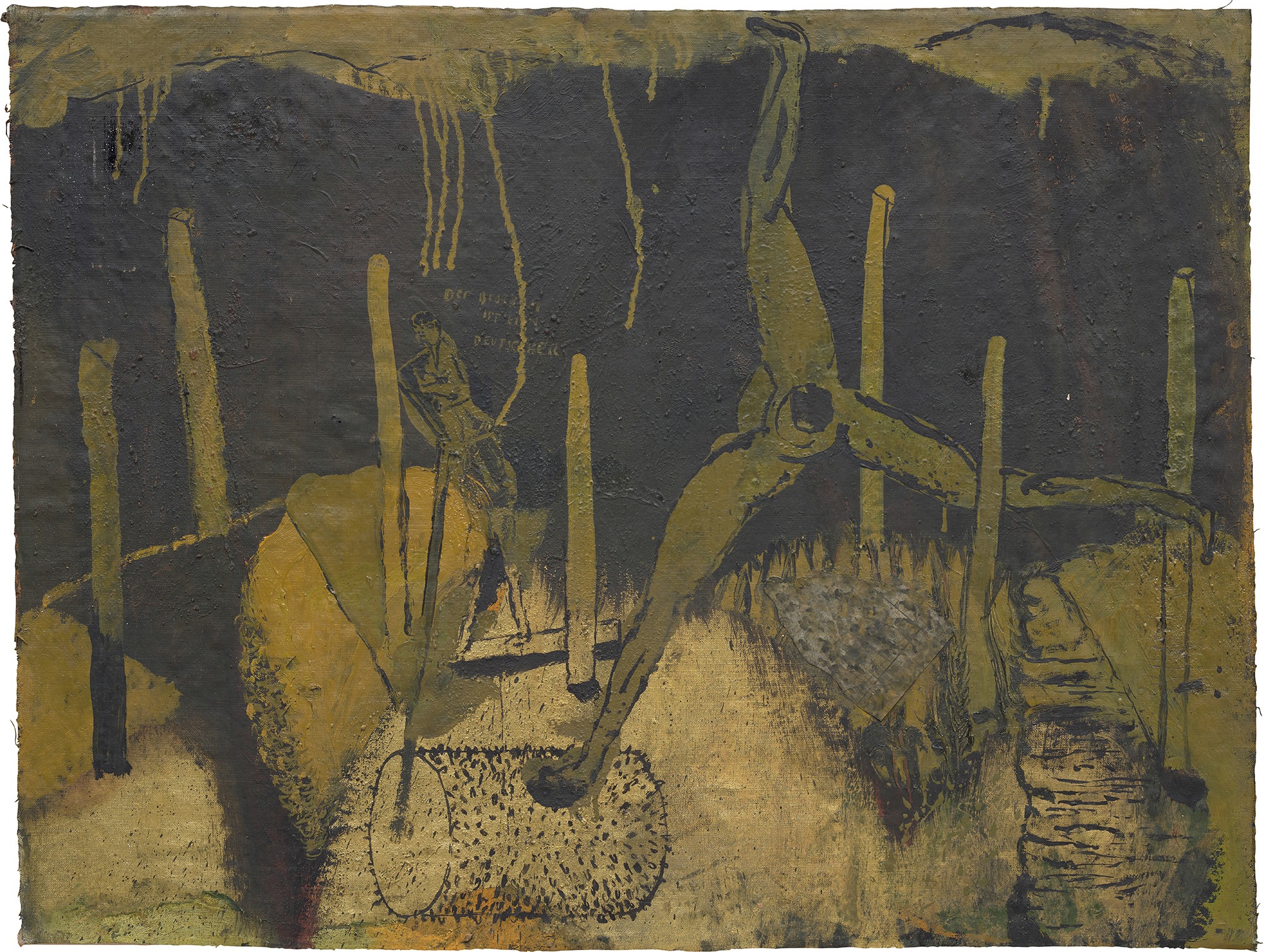
Rauch's canvases, staged in a kind of timeless Central European dreamtime, place figures in activities that seem purposeful and yet whose purpose remains permanently obscure. Schutz builds her surfaces with a physical urgency that makes the psychological content feel metabolic, as though the anxiety is happening in the paint as much as in the subject. Tala Madani approaches the territory with sharp wit and a willingness to be genuinely disturbing in ways that can catch even experienced collectors off guard. Zeng Fanzhi's masked figures, which emerged in the early 1990s and made him one of the most significant painters to come out of post Tiananmen China, use a similar strategy of concealment to expose the unbearable pressure of social performance.
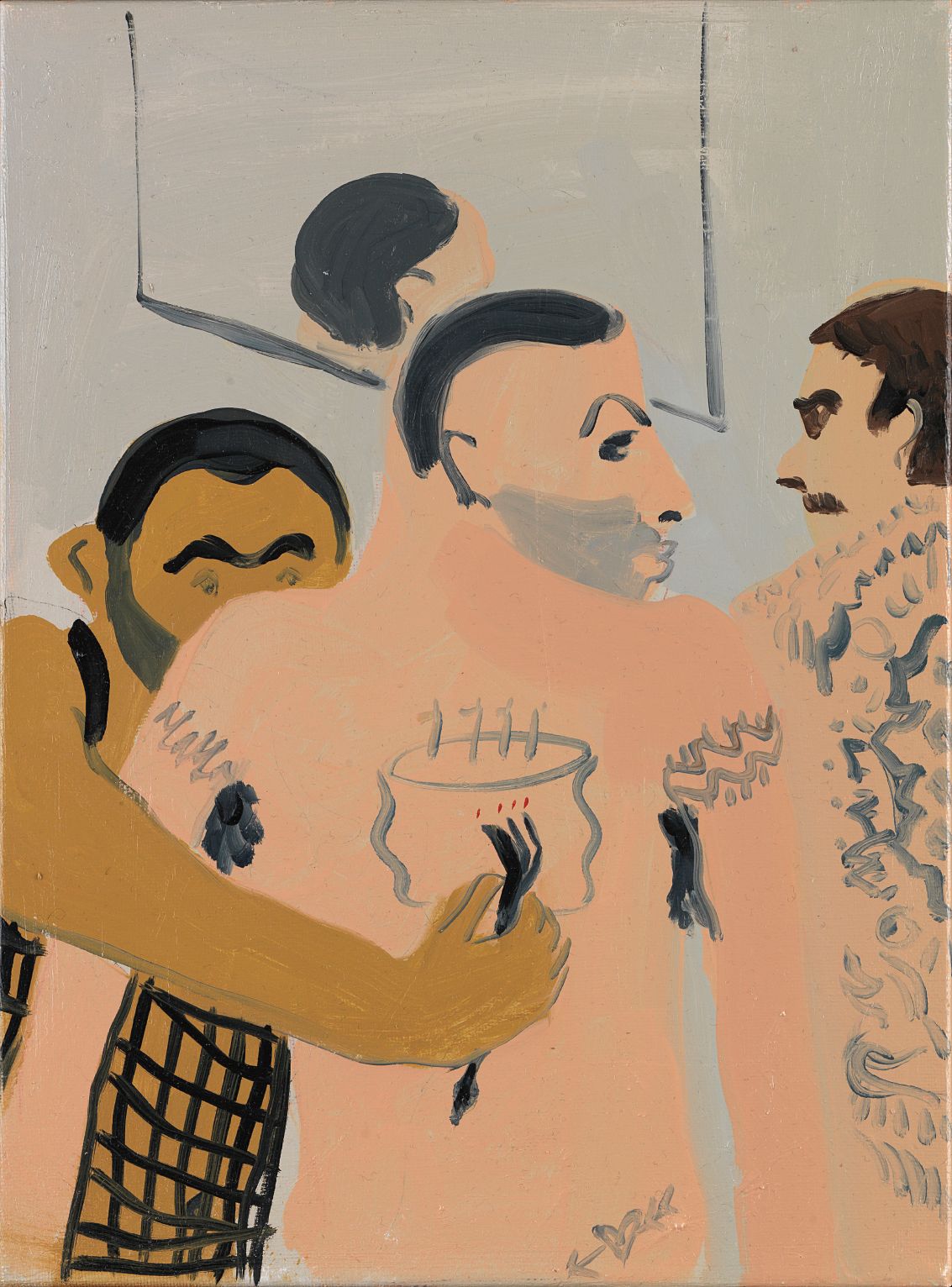
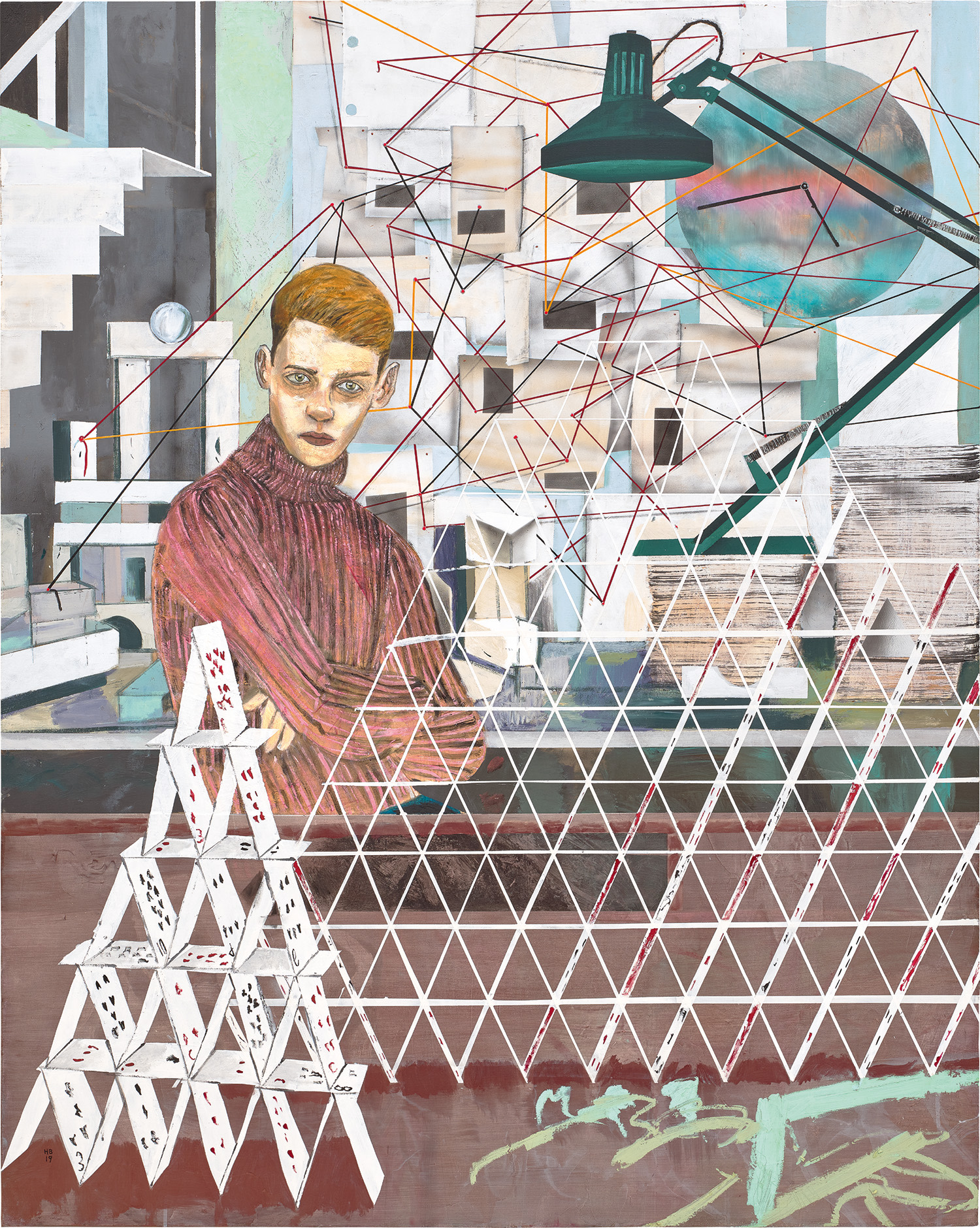
The cultural staying power of this work rests on something simple and not very comfortable to say aloud: we need images that acknowledge what it actually feels like to be human. Art that smooths everything over, that offers pleasure without friction, serves real purposes and has its place. But there is a different and perhaps more urgent function performed by paintings and photographs that insist on the presence of the unresolved, the fearful, and the strange. From Eric Fischl's charged domestic scenes to the uncanny quietude in Alex Colville's figures, from Marianna Gartner's unsettling children to Hernan Bas's gothic Southern atmospheres, this is work that does not reassure.
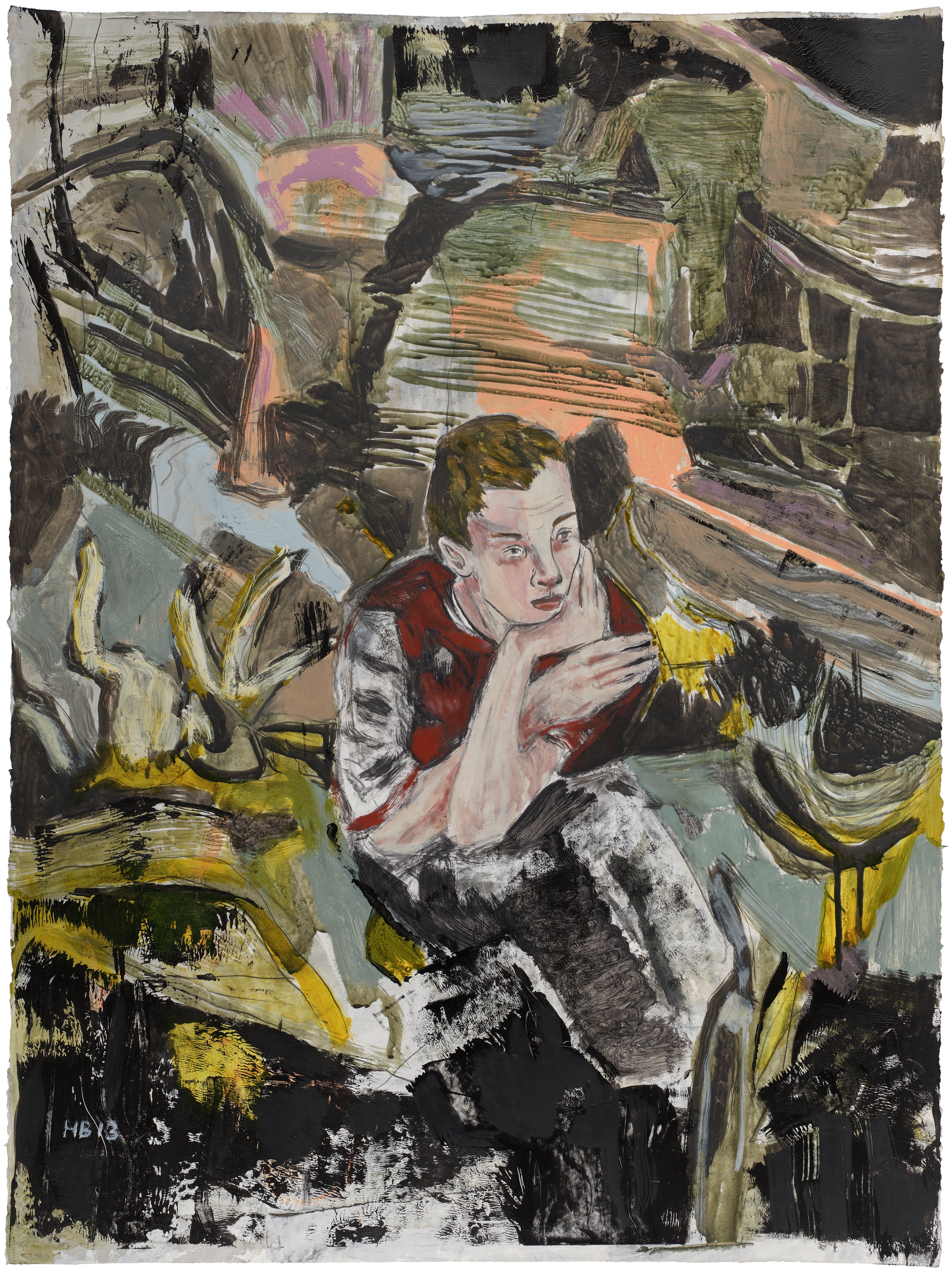
Hernan Bas
yes, yes I've heard that too..., 2013
It witnesses instead. For collectors, the challenge and the reward are the same thing. These are not easy works to live with in the way that a beautiful landscape or an elegant abstraction might be easy. They tend to keep producing new readings over time, new discomforts and new recognitions.
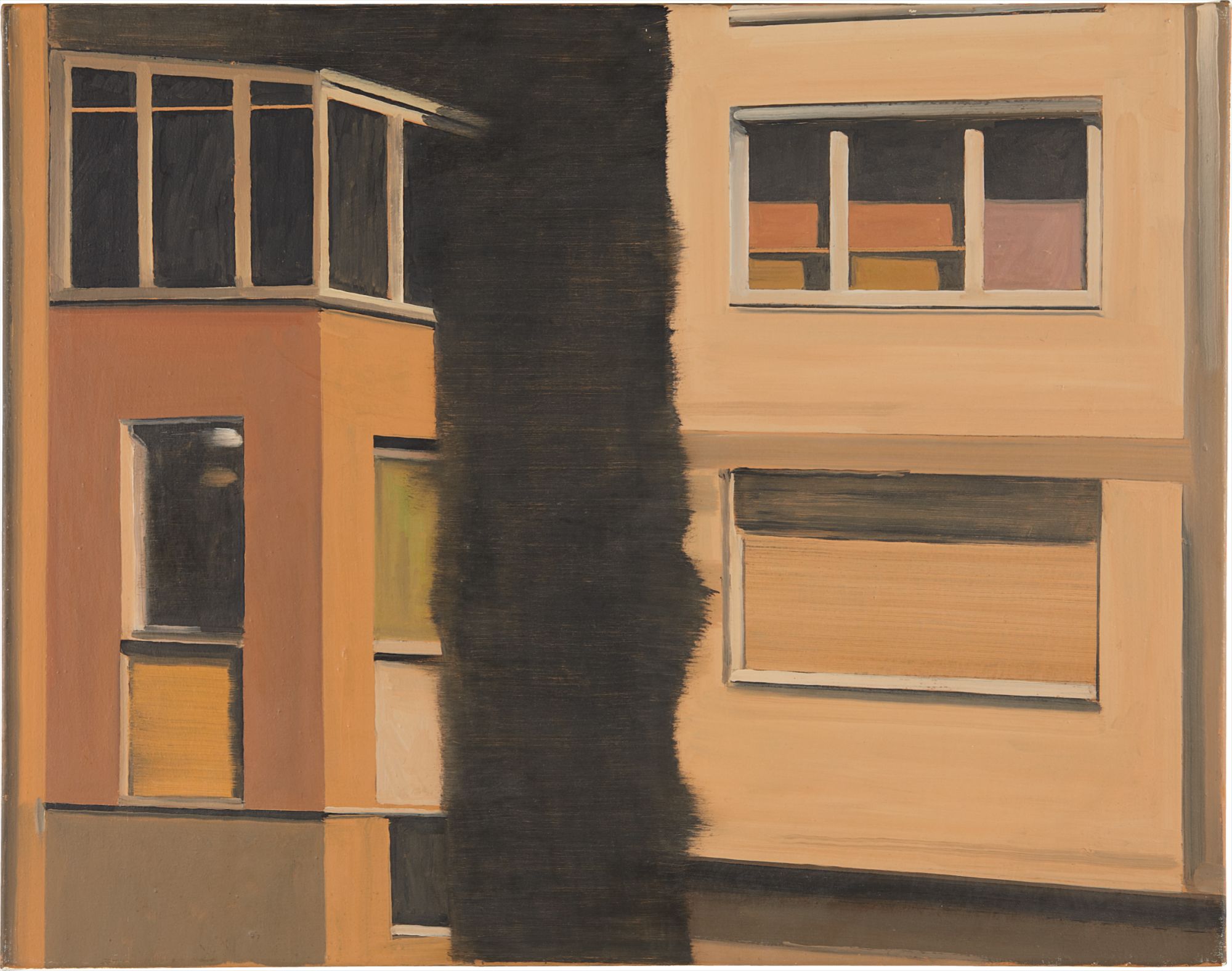
Jill Mulleady, Norbert Bisky, and Marius Bercea each bring their own national and generational contexts to this lineage, which is itself a reminder that the sources of psychological tension are never purely aesthetic. They are historical, political, and personal all at once. The works on The Collection that fall under this broad and genuinely important theme represent not a single vision but a sustained collective argument that looking honestly at the mind is among the most serious things painting can do.